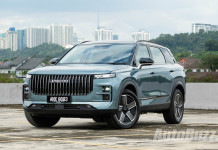
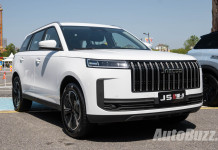
The Jaecoo J7 has been a hit in Malaysia. Since its launch in July last year, Jaecoo has sold 7,041 units of the J7 including the front-wheel drive (FWD) and all-wheel drive (AWD) variants. The FWD variant goes for RM138,800 while the AWD costs RM148,800.
Jaecoo is now expected to launch the J7 PHEV this month, with an indicated price of around RM170,000. It will get a 1.5-litre turbocharged engine instead of the 1.6-litre turbo engine in the petrol J7, aided by an electric motor and a single-speed hybrid transmission as part of Jaecoo’s Super Hybrid system.

Together the powertrain makes 347 hp and 525 Nm of torque. It’s also fitted with an 18.3 kWh battery that can give up to 106 km (NEDC) of electric range. Unlike most other PHEVs, the J7 PHEV can also take DC charging, up to 40 kW.
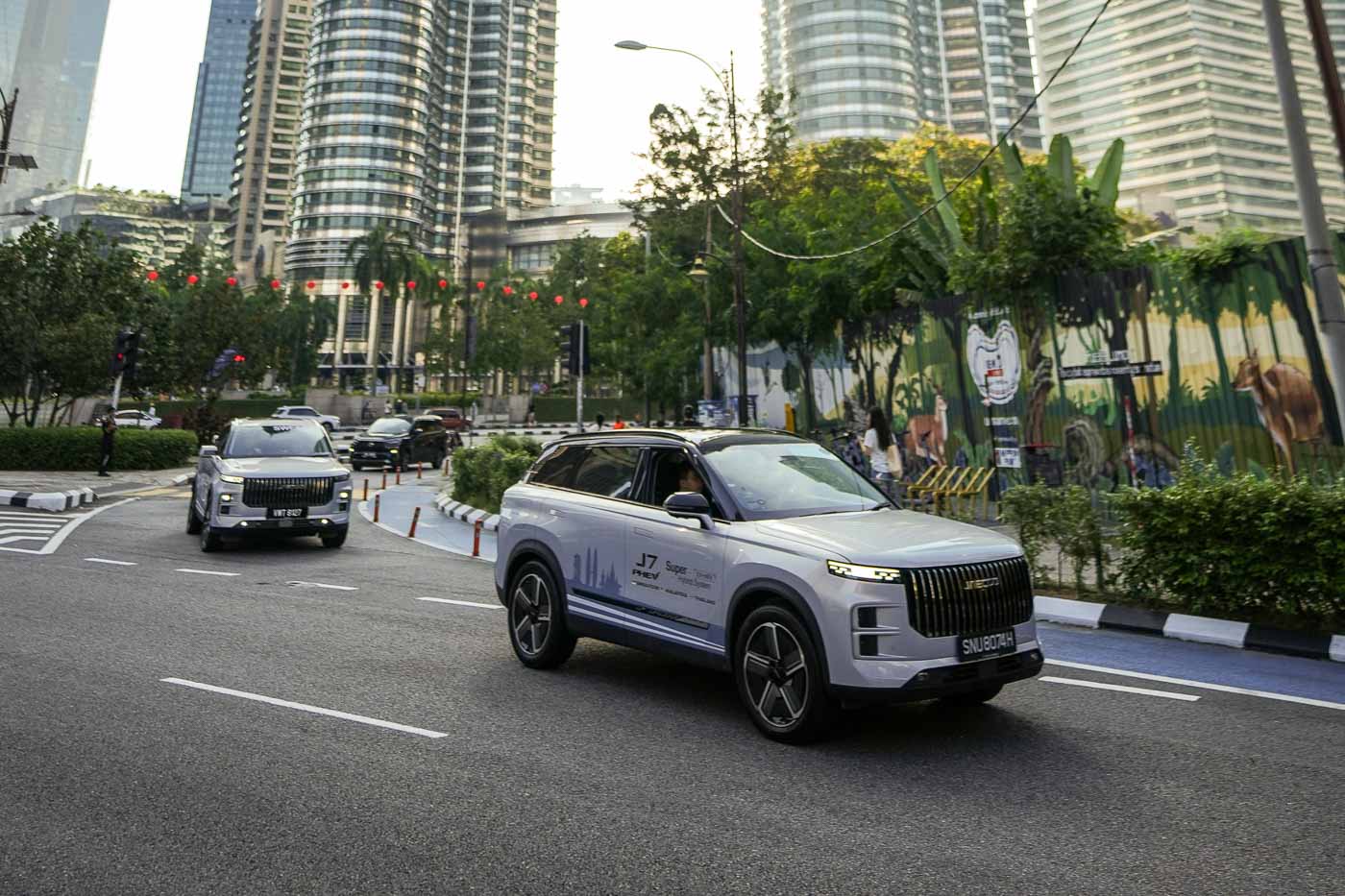
Smoother acceleration from standstill
The J7 PHEV is obviously the more powerful model with the petrol variant producing just 194 hp and 290 Nm. Here are some other differences between the petrol and PHEV that may not be as obvious.

Having spent significant time and mileage in both petrol and PHEV variants, we noticed that the J7 PHEV is much more responsive from a standstill. Acceleration is a lot smoother and effortless too.
This is in part due to the electric motor that mainly serves to drive the car. Compared to the petrol variant, driving the PHEV in urban areas, stop-go traffic feels a lot more effortless.

Noticeably more comfortable
Perhaps due to the additional weight, the J7 PHEV which weighs 1,795 (vs 1,563 kg for the petrol variant) is fitted with noticeable softer suspension for a more supple ride. If you found the J7’s ride to be acceptable, you’ll notice that the J7 PHEV’s ride to be even more comfortable.
RELATED: (VIDEO) Jaecoo J7 review – RM139k for a Range Rover lookalike?
Bigger boot than petrol variant
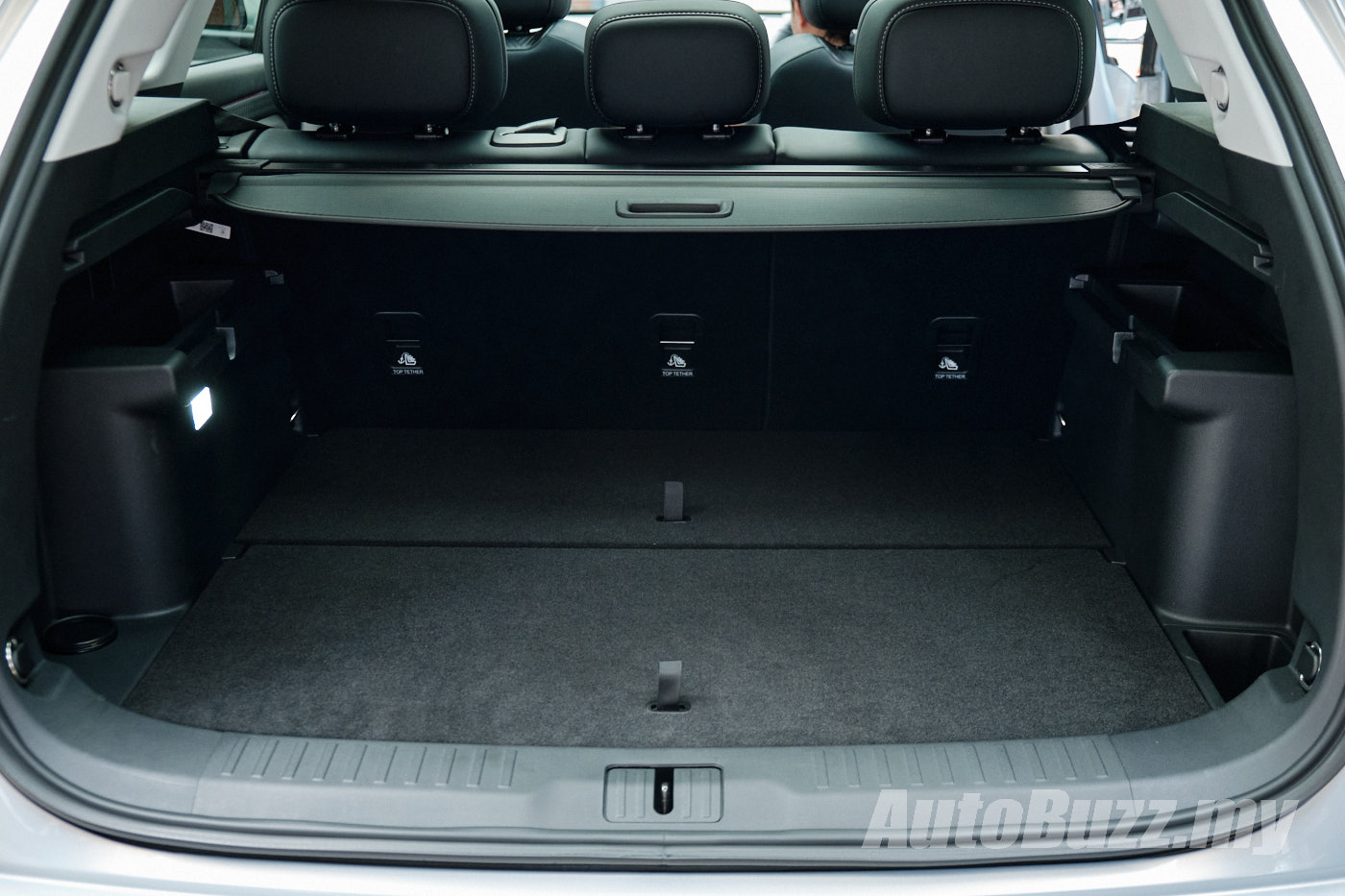
While the J7 PHEV matches up to the petrol variant in terms of features and tech, it offers even more in the boot department. PHEVs traditionally compromise on space and storage due to the batteries they have to carry.

In the case of the J7 PHEV, it comes with an even bigger boot at 500-litres compared to 424-litres in the petrol. This is the result of removing the spare tyre in the J7 PHEV and replacing it with a repair kit, for a lower boot floor.
The J7 PHEV is said to be capable of up to 1,300 km on a single tank of petrol. It’s common for diesel cars but not so when it concerns petrol cars. It was something we ourselves had to experience ourselves to believe from a recent drive from Singapore to Hatyai, Thailand in the J7 PHEV.

The journey took three days, with overnight stops in Kuala Lumpur and Penang. Travelling mostly within the 110 km/h speed limit on the North-South Expressway, we clocked 1,060 km upon arriving in Hatyai, Thailand with 180 km of range remaining. Fuel consumption ranged between 3.5-litres to 4-litres/100km.
With diesel prices soaring and petrol prices expected to increase, the J7 PHEV could just be the family SUV for those looking to stretch and maximise every Ringgit and litre of fuel. More to come on the J7 PHEV, stay tuned!
RELATED: (VIDEO) 2025 Jaecoo J7 PHEV – Singapore to Hat Yai without refuelling!