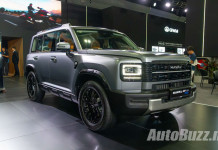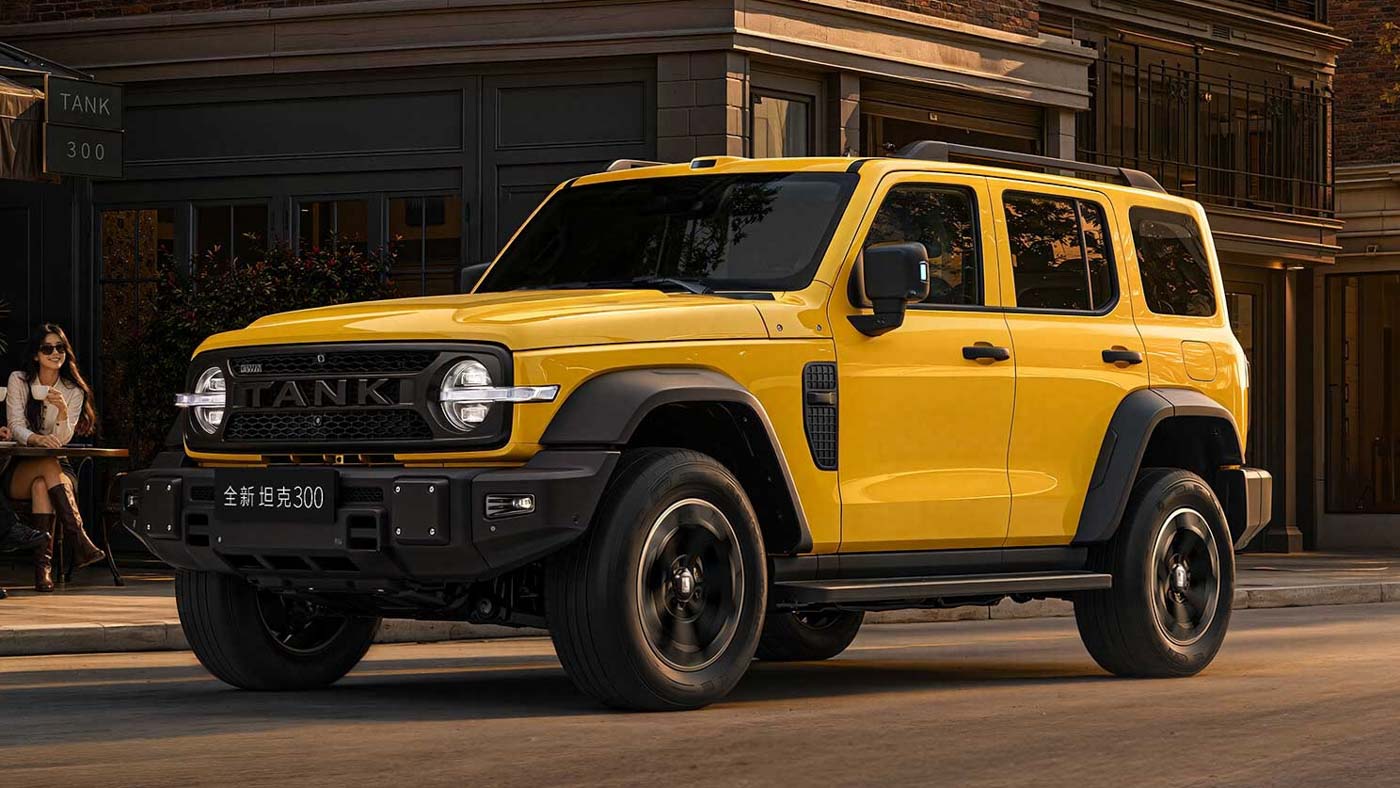
It looks like cars and SUVs packing supercar-beating outputs are the norm for the Chinese market because GWM has debuted the updated Tank 300L, which is only available with the Hi4-T and Hi4-Z PHEV powertrains. The ‘L’ moniker stands for Long, but more on that later, as the headline number is that the range-topping Hi4-Z variant nets you 761 hp (560 kW) and a whopping 1,195 Nm of torque.
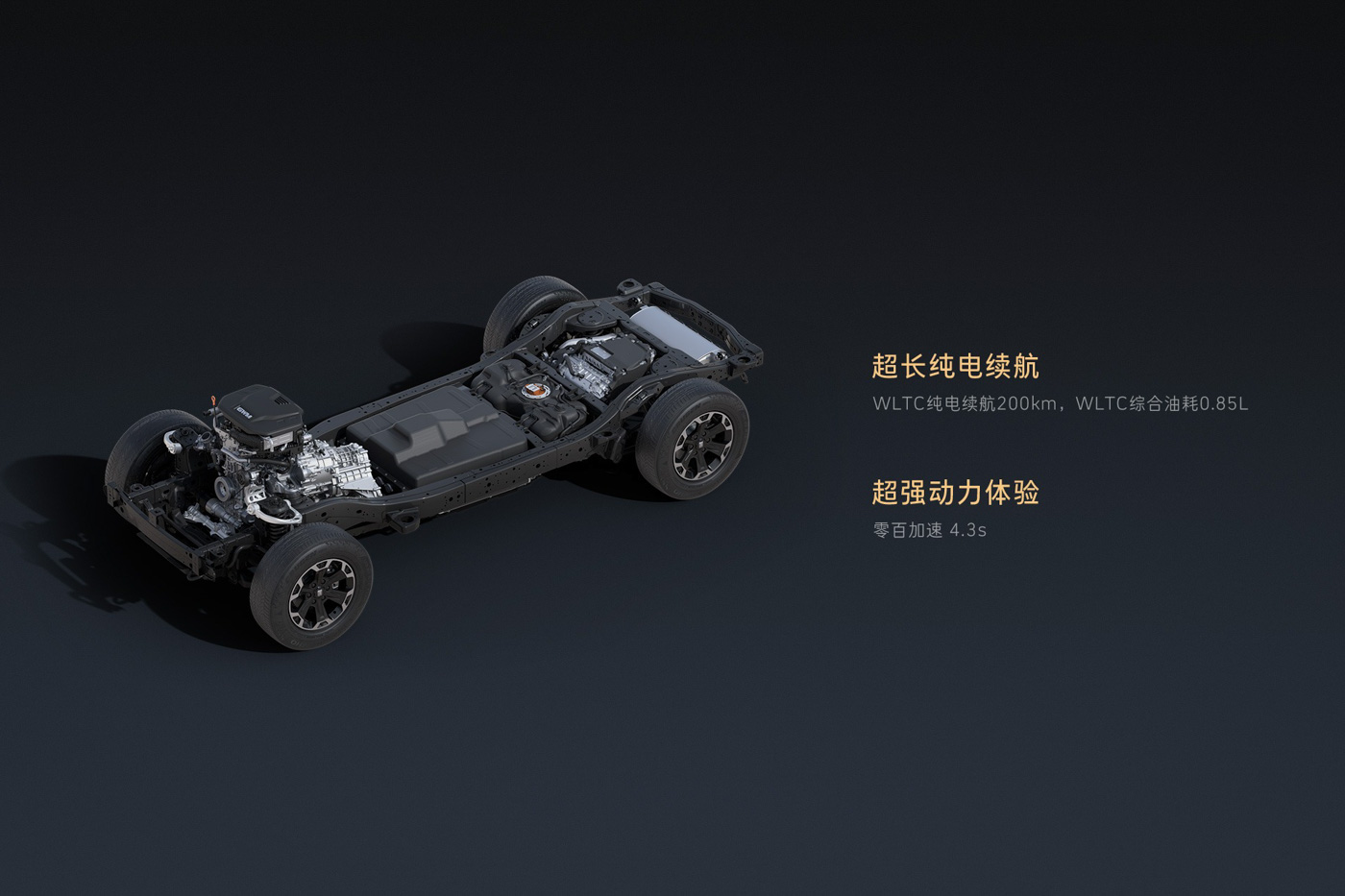
More specifically, the Hi4-Z PHEV setup on the new GWM Tank 300 features a 2.0-litre turbocharged engine that is paired with two traction motors, with one on each axle. The front unit produces 245 hp/400 Nm, whereas the rear unit produces 272 hp/415 Nm, with all the 761 horses managed by a three-speed dedicated hybrid transmission (DHT), enabling 0-100 km/h in 4.3 seconds.
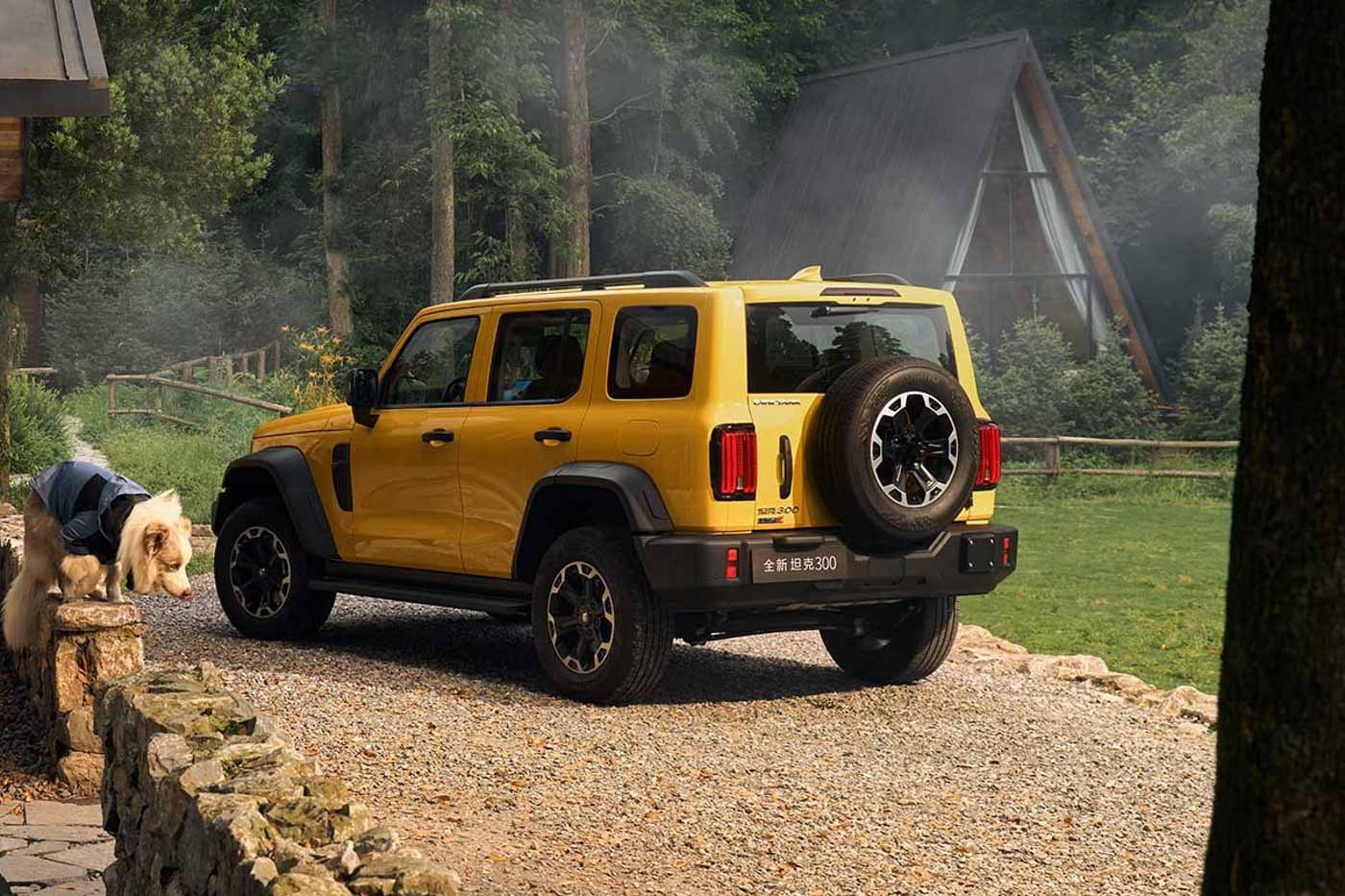
If you’re expecting a Tank 300 with 761 hp to be a thirsty beast, you will be surprised to learn that it delivers a pure EV range of 200 km (WLTC) from its 59.6 kWh battery and a combined range of 1,122 km (WLTC), with a claimed fuel consumption of just 0.85 L/100 km (WLTC), though this figure increases to 8.35 L/100 km when the battery is running low.
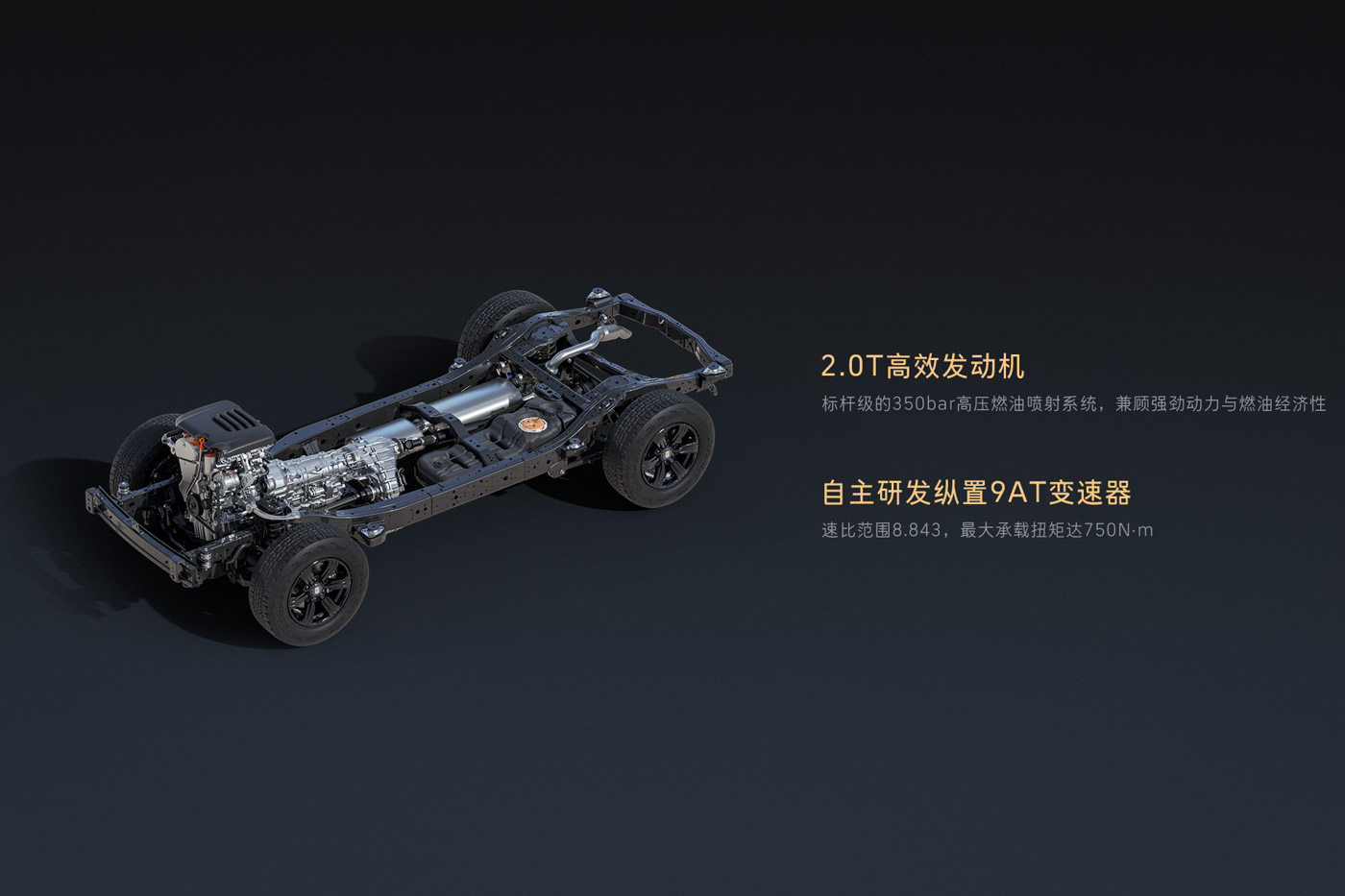
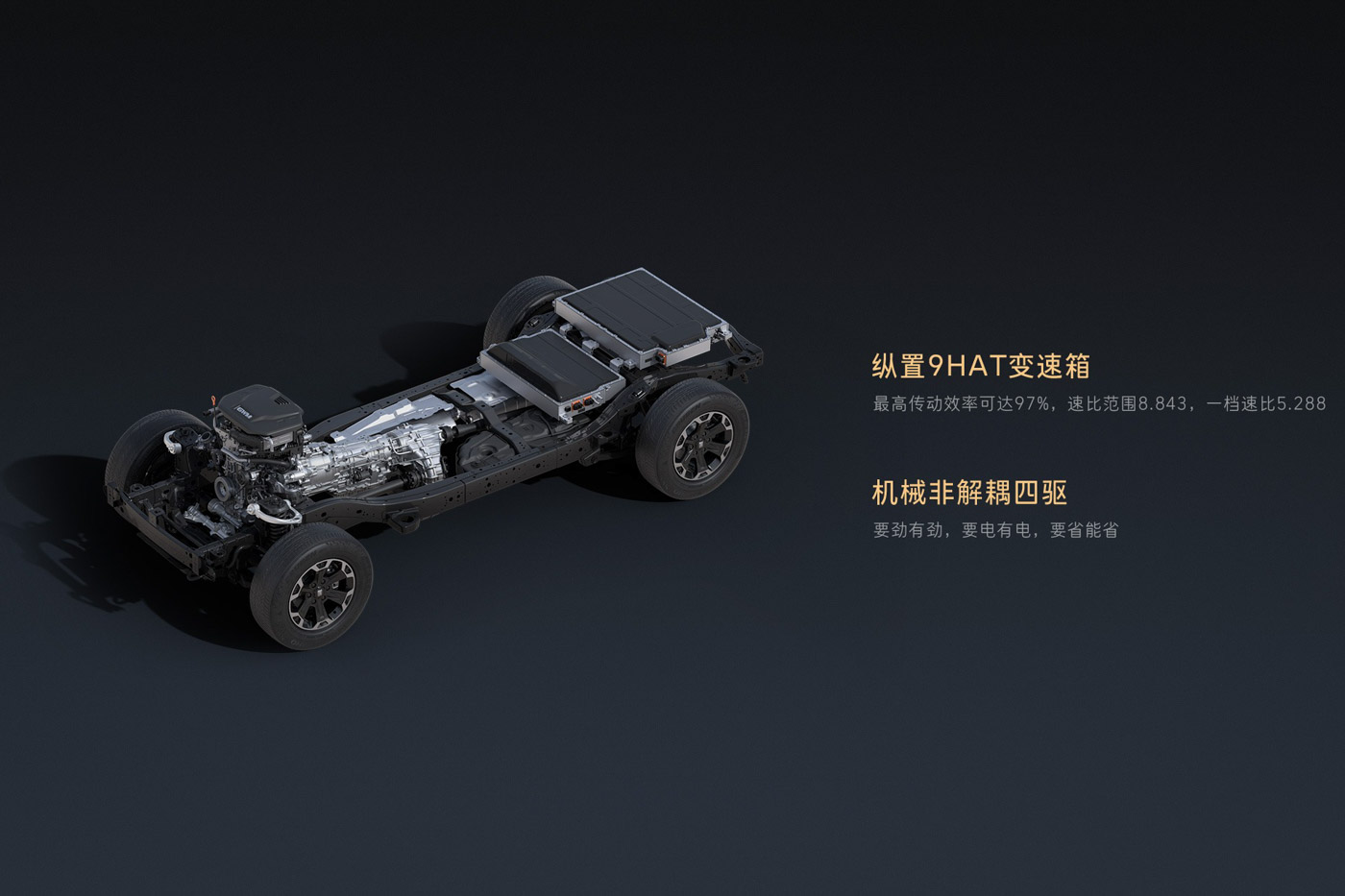
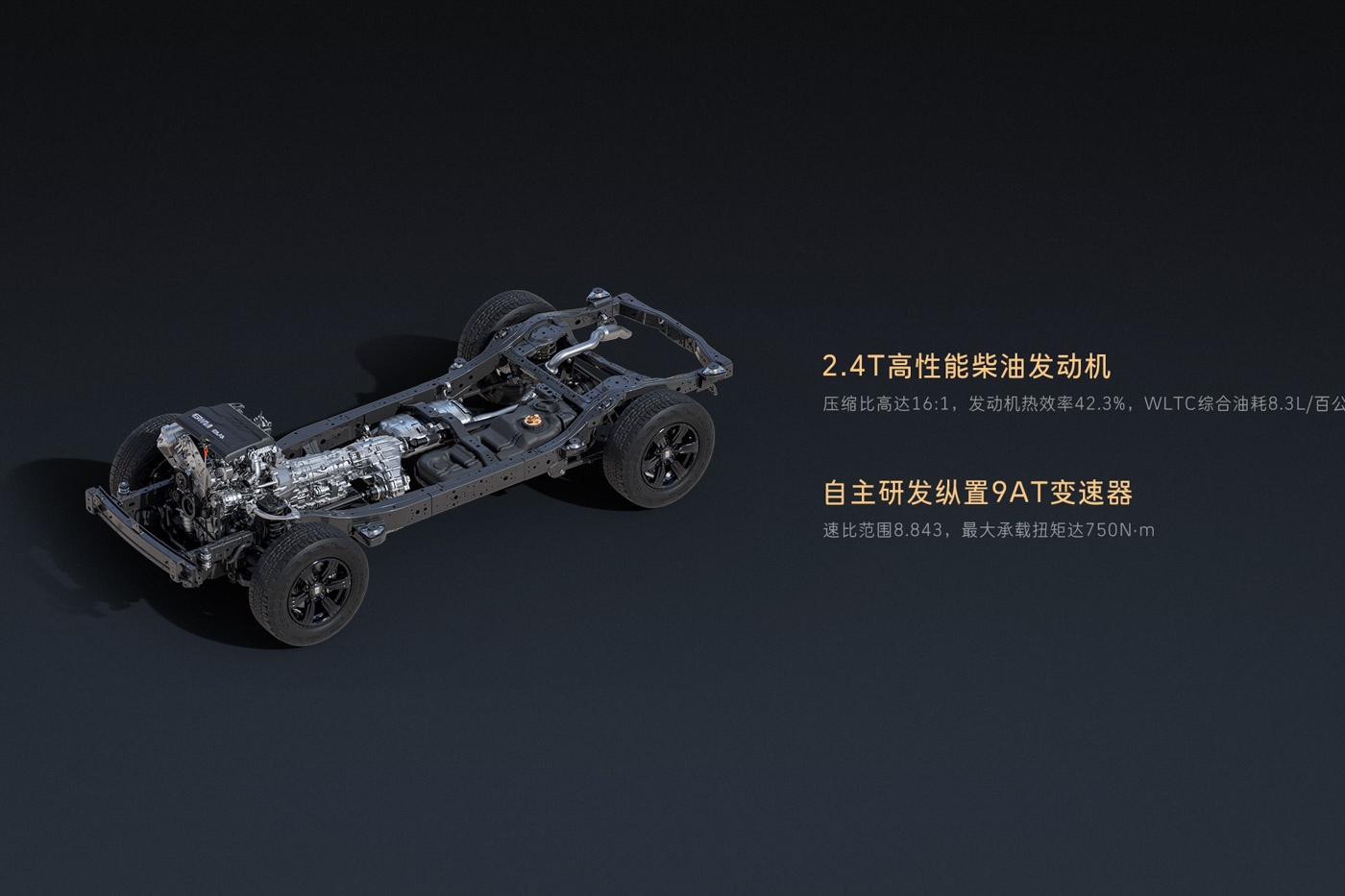
On the Hi4-T variant, the Tank 300 loses the rear-mounted traction motor, reducing its total output to 421 hp (310 kW) and 750 Nm, and is equipped with a nine-speed automatic transmission. This increases the 0-100 km/h sprint to 6.1 seconds. Equipped with a smaller 37.1 kWh battery, this variant has a pure EV range of 105 km and a combined range of 913 km on the WLTC cycle.
RELATED: MPV Drag Race: Denza D9 vs GWM WEY G9 vs Toyota Alphard
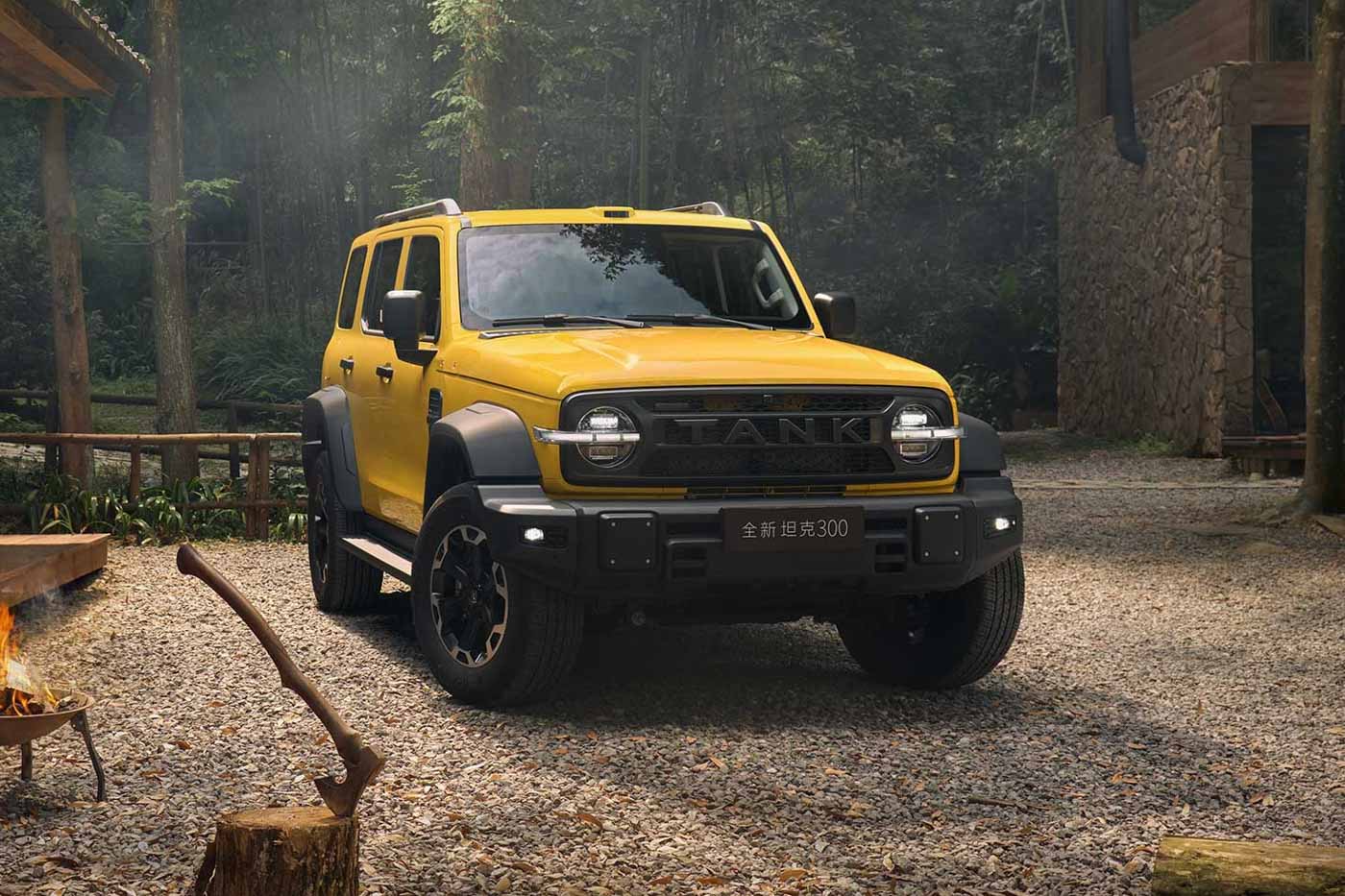
Both variants support DC charging, taking 16 minutes to recharge from 30-80%. True to its rugged off-roader design, the Tank 300 still comes with plenty of toys to tackle the trails, which include an all-terrain control system, creep mode, tank turns, and an approach angle and departure angle of 38 degrees and 34 degrees, respectively.
The safety systems also got an upgrade, with both variants now equipped with an updated suite of ADAS. This consists of a roof-mounted LiDAR sensor, millimetre-wave radars, ultrasonic radars, and cameras that enable high-speed and city navigation on autopilot features, and even smart navigation and assisted driving between parking spaces, which you know is activated by the new turquoise indicator on the exterior of the Tank 300.
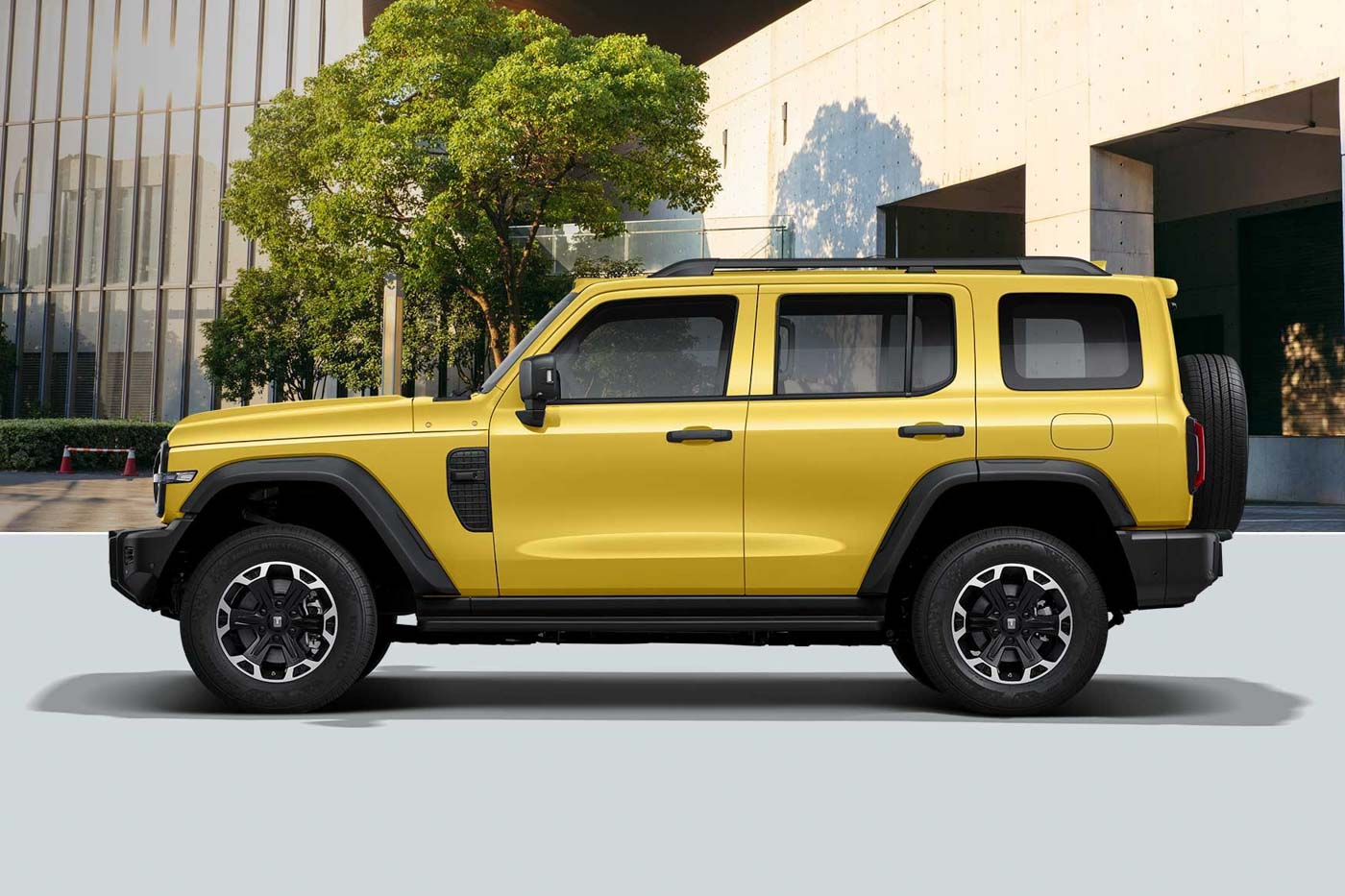
The exterior is largely unchanged, but if you have a tape measure handy, the Tank 300 in China now spans 4,886 mm long, 1,984 mm wide, and 1,927 mm tall, with a 3,010 mm wheelbase. This makes it 126 mm longer, 54 mm wider, 24 mm taller, and gives it a 260 mm longer wheelbase than the Malaysian-spec Tank 300, translating to a more spacious interior and extra legroom for rear passengers.
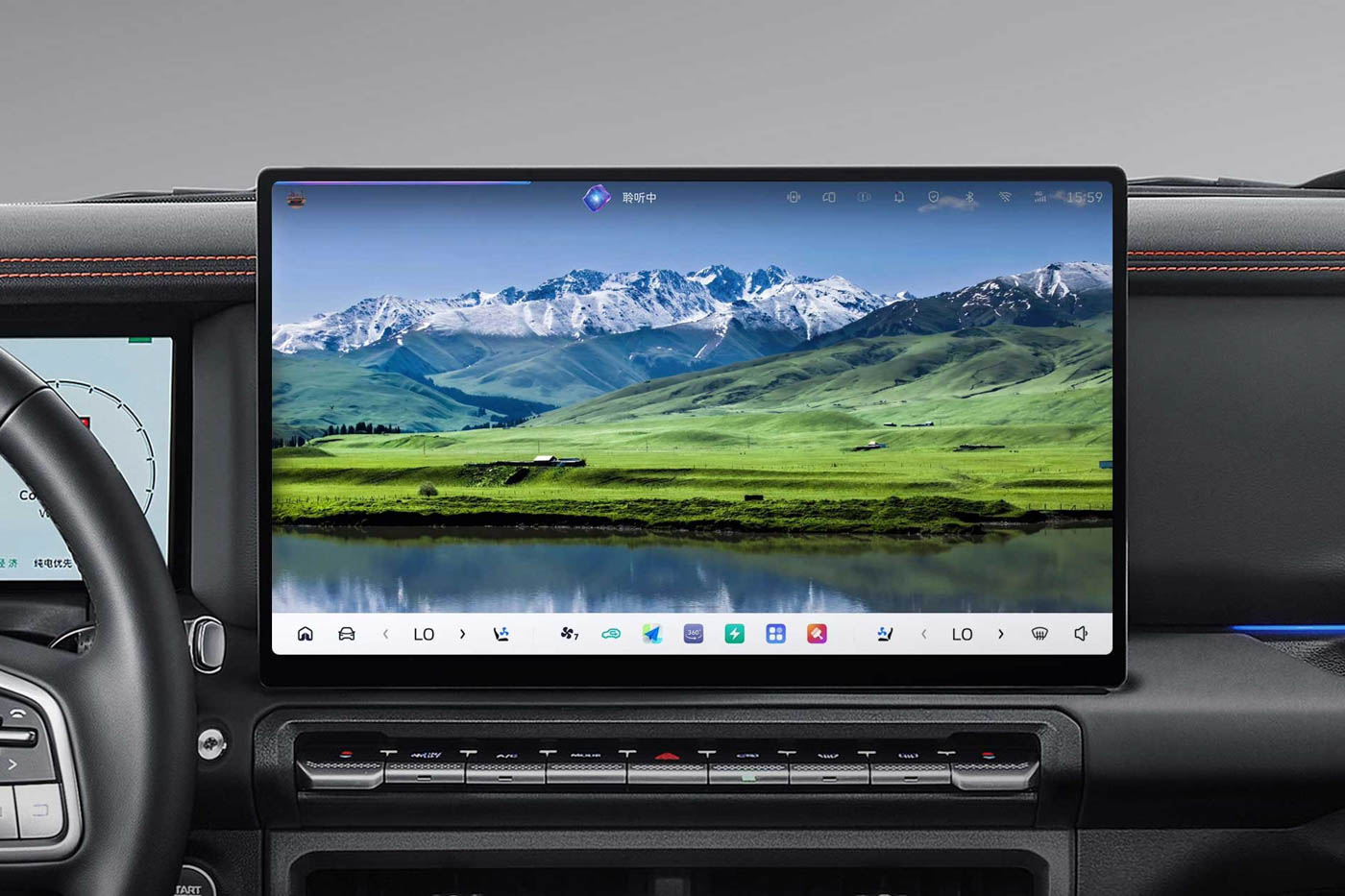
Inside, the new GWM Tank 300 comes equipped with a 12.3-inch LCD digital gauge cluster and a 15.6-inch centre infotainment display running the latest iteration of the marque’s quirky “Coffee OS” software. This system now features artificial intelligence integration, in-car karaoke, sentry mode, and an optional night-vision camera system.
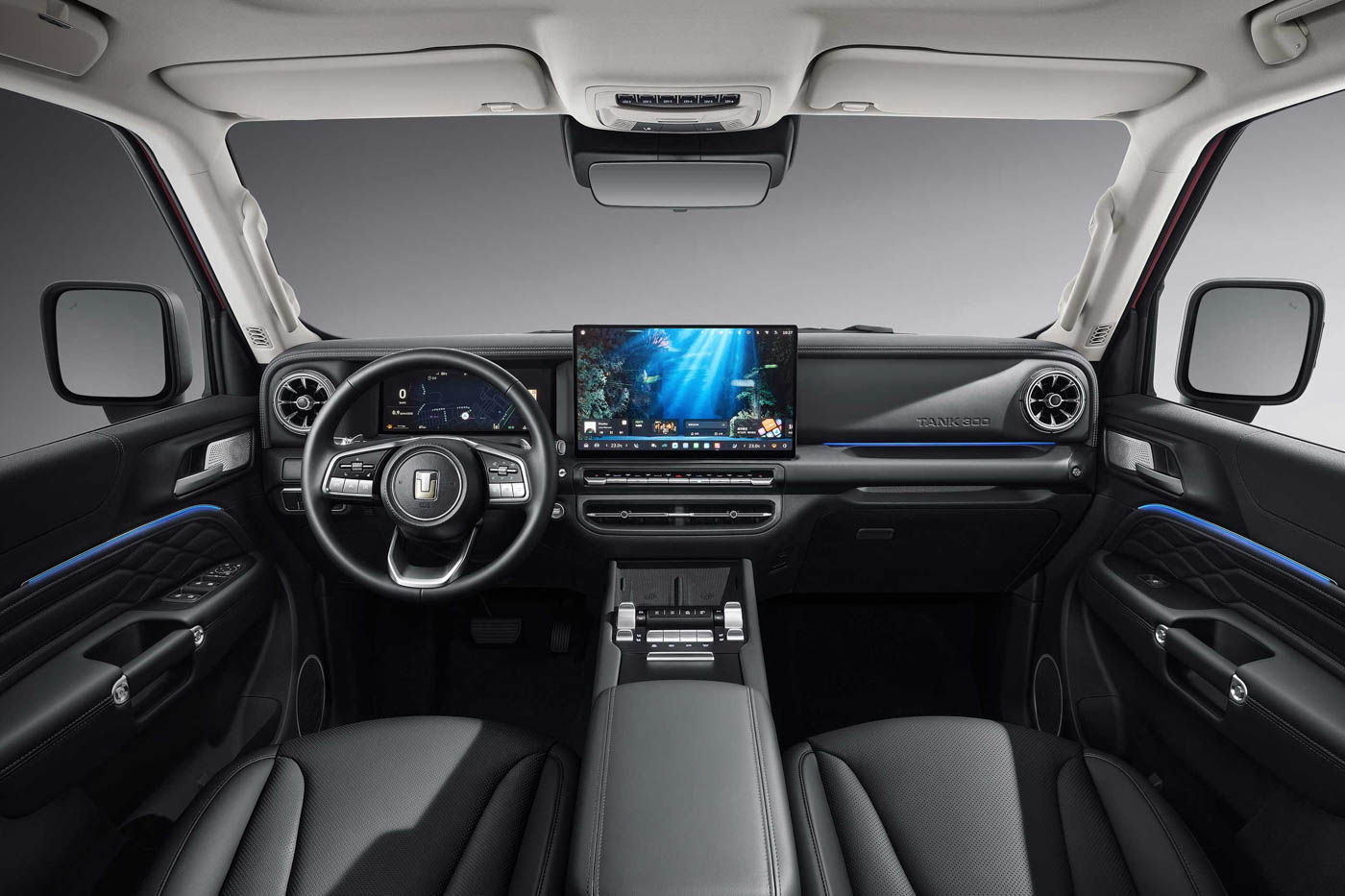
This comes on top of standard premium amenities like Nappa leather upholstery, heated, ventilated, and massaging front seats, and active noise cancellation piped through a 12-speaker sound system to make trips in the Tank 300 even more comfortable for occupants.
With the Tank 300 on sale in Malaysia with the hybrid variant at RM259,800 and the non-hybrid variant priced at RM250,00. There is a chance this heavily updated Chinese variant might eventually trickle down to local roads. However, given its substantially increased performance metrics and larger dimensions, it will almost certainly command a noticeable premium, though perhaps we could be wrong in the best way possible.
ALSO READ: The GWM Haval H7 Hi4 PHEV is a large off-road SUV with over 1,000 km of range
GALLERY