You don’t usually hear ‘fuel efficiency’ and ‘four-wheel drive (4WD)’ in the same sentence. While useful in getting you out of trouble, 4WDs really aren’t that great when it comes to sipping the precious dinosaur juice. Well, the traditional ones, anyway.
It’s plain physics – 4WD systems are heavier, and the extra mechanical drag introduced from the extra drivetrain components also means that more energy is loss just to get the car rolling at the same speed. But GWM claims that with its new Hi4 family of 4WD systems, those stereotypes are a thing of the past.
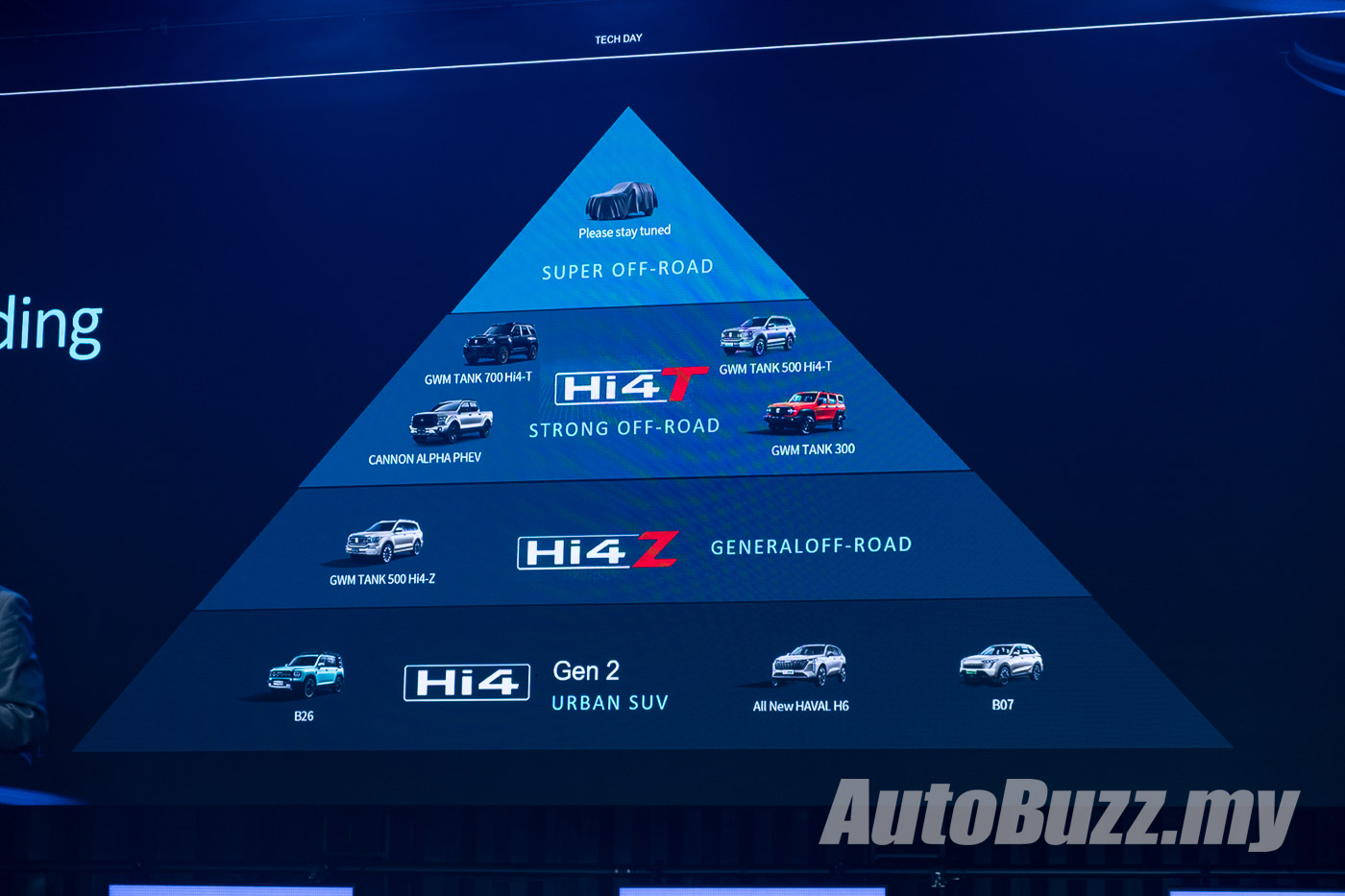
GWM Hi4 family – Hybrid 4WD technologies for all road conditions
Their solution? It’s right in the name. Hi4, short for Hybrid Intelligent 4-Wheel Drive, uses electrification to help deliver a better 4WD experience, while also promising comparable fuel efficiency to a standard two-wheel drive SUV.
The family comprises three different configurations: Hi4, Hi4-T, and Hi4-Z, all with their own distinct electrified 4WD driveline setup to better suit a multitude of different on- and off-roading requirements – as GWM founder Jack Wey proudly puts it, the technology is designed with “users at the core”, delivering innovative solutions to cater to actual user needs, rather than just to pad the spec sheet.
So what are each of these three designed to do exactly? Let’s dive in a little deeper.

Hi4-T – Electrified for a true off-road performance
At the top of the chart for off-road capabilities currently is Hi4-T – with the ‘T’ representing Tank, GWM’s range of luxury off-road vehicles. It’s the most “traditional” 4WD system, with mechanical driveline components similar to what you’d find in off-roaders, including a prop shaft connecting the rear axle, differential locks, and a low-range transfer case.
Those components are key to the Hi4-T’s off-road chops, delivering up to 24,000 Nm of torque at the wheels, useful for rock crawls, mud crosses, and other tricky terrain.
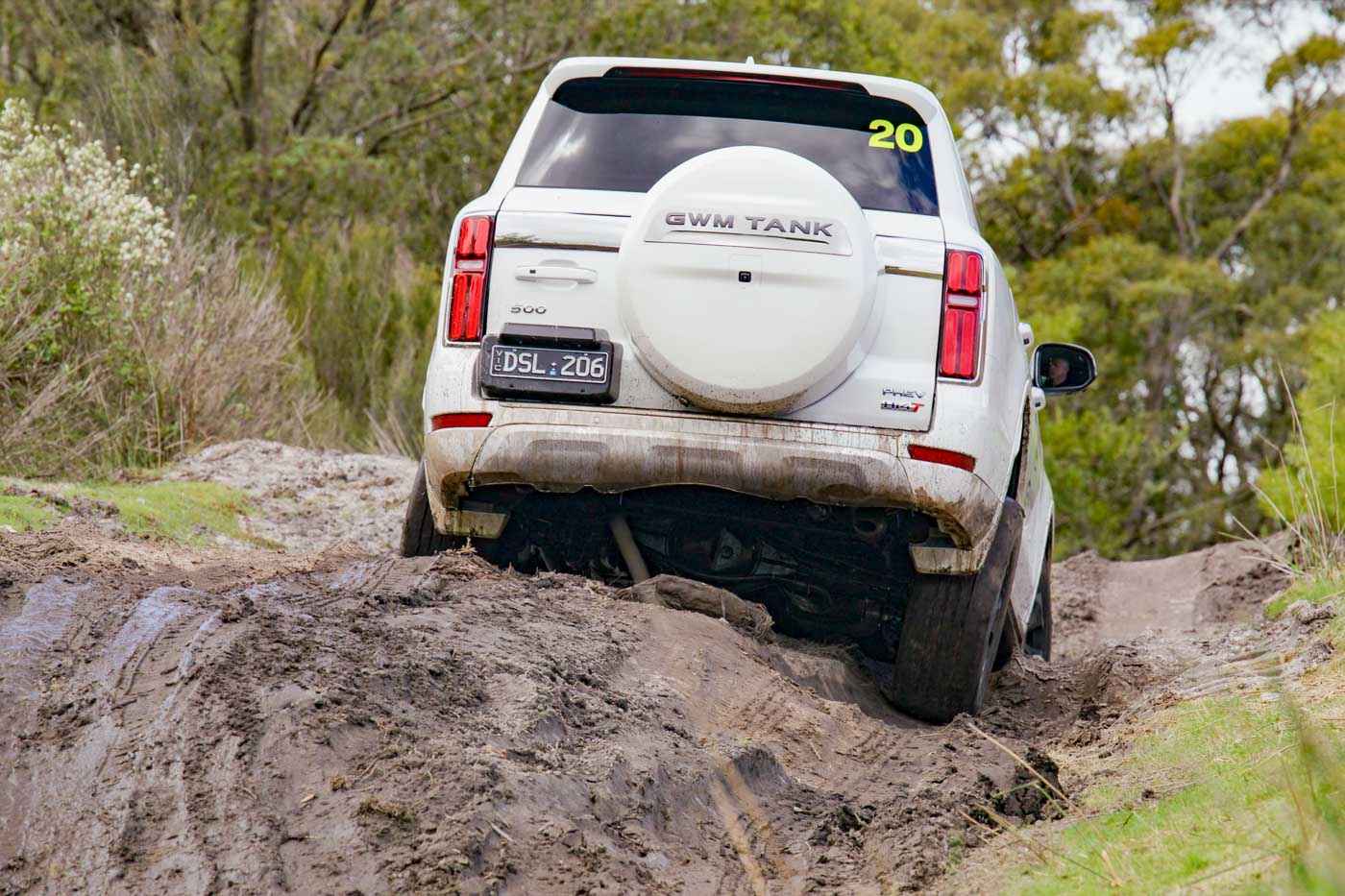
The electric motor – integrated into the nine-speed automatic transmission in a parallel configuration – not only provide instant and powerful torque response, but also boast better thermal management, ensuring consistent and long-lasting performance even in demanding situations – even when the battery is discharged.
Thanks to the large battery (up to 37 kWh in capacity), Hi4-T-equipped cars can also run solely on electric power alone for up to 100 km, which means more flexibility and comfort in urban situations. When you’re out camping, the battery can also act as a power source for your electrical appliances courtesy of its Vehicle-to-Load (V2L) capabilities.
ALSO READ: GWM is building a supercar – but what’s under the hood?
Hi4-Z – Advanced electrification for a balanced active lifestyle
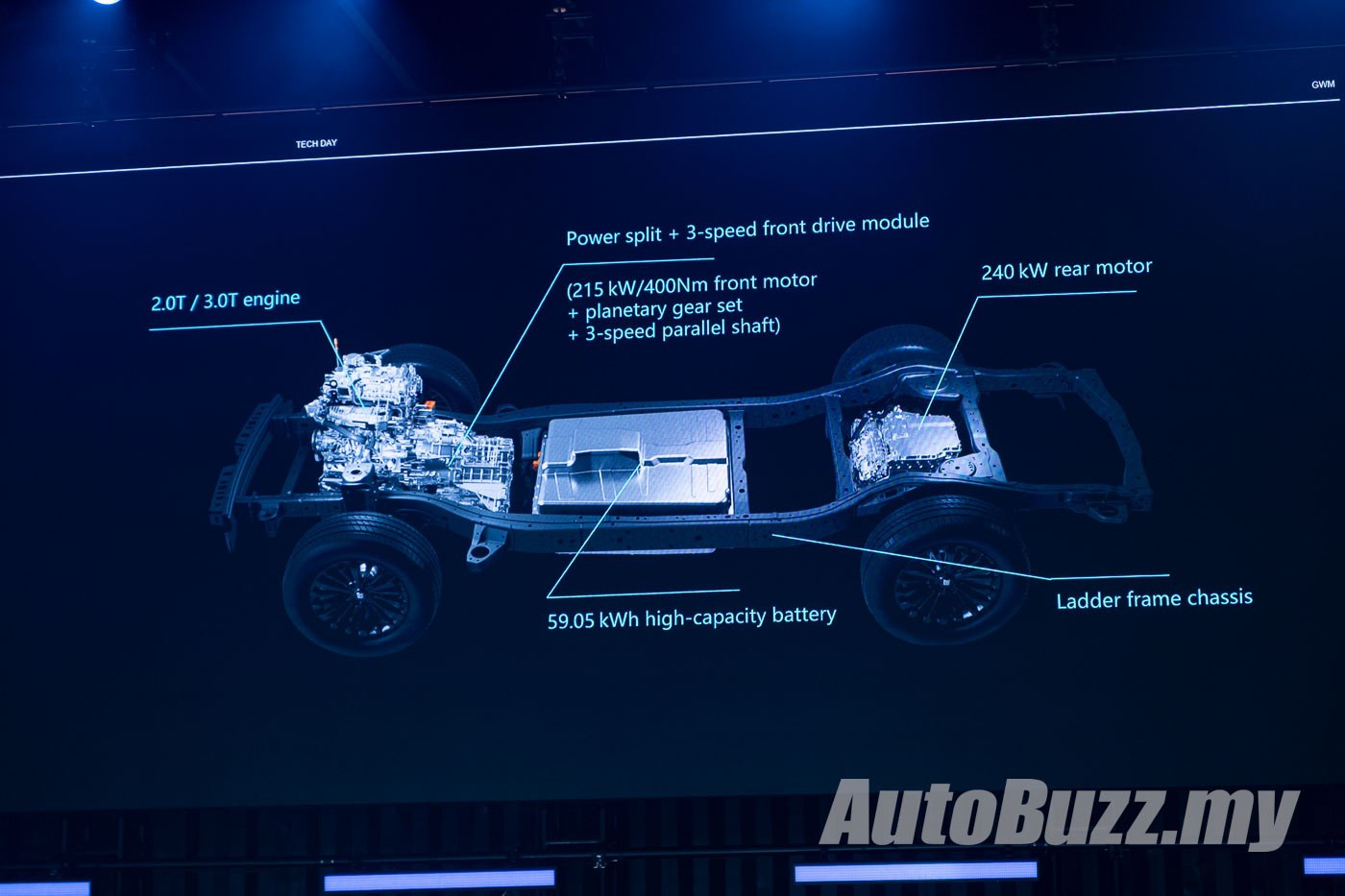
If you enjoy the occasional jaunt off the beaten path, but still want to take your off-roader on city streets, then the Hi4-Z is for you. Like the Hi4-T, it is still based on a longitudinal engine layout mounted on a rugged ladder-frame chassis, but here with the prop shaft and mechanical rear axle replaced by an e-axle.
In front, the engine – either a 2.0- or 3.0-litre turbocharged mill – is paired to a three-speed hybrid transmission (planetary gear set) with a built-in power-split device, which means the front wheels can be driven by both the engine and electric motor directly in either series or parallel hybrid modes, or only the latter for a pure EV 4WD drive.
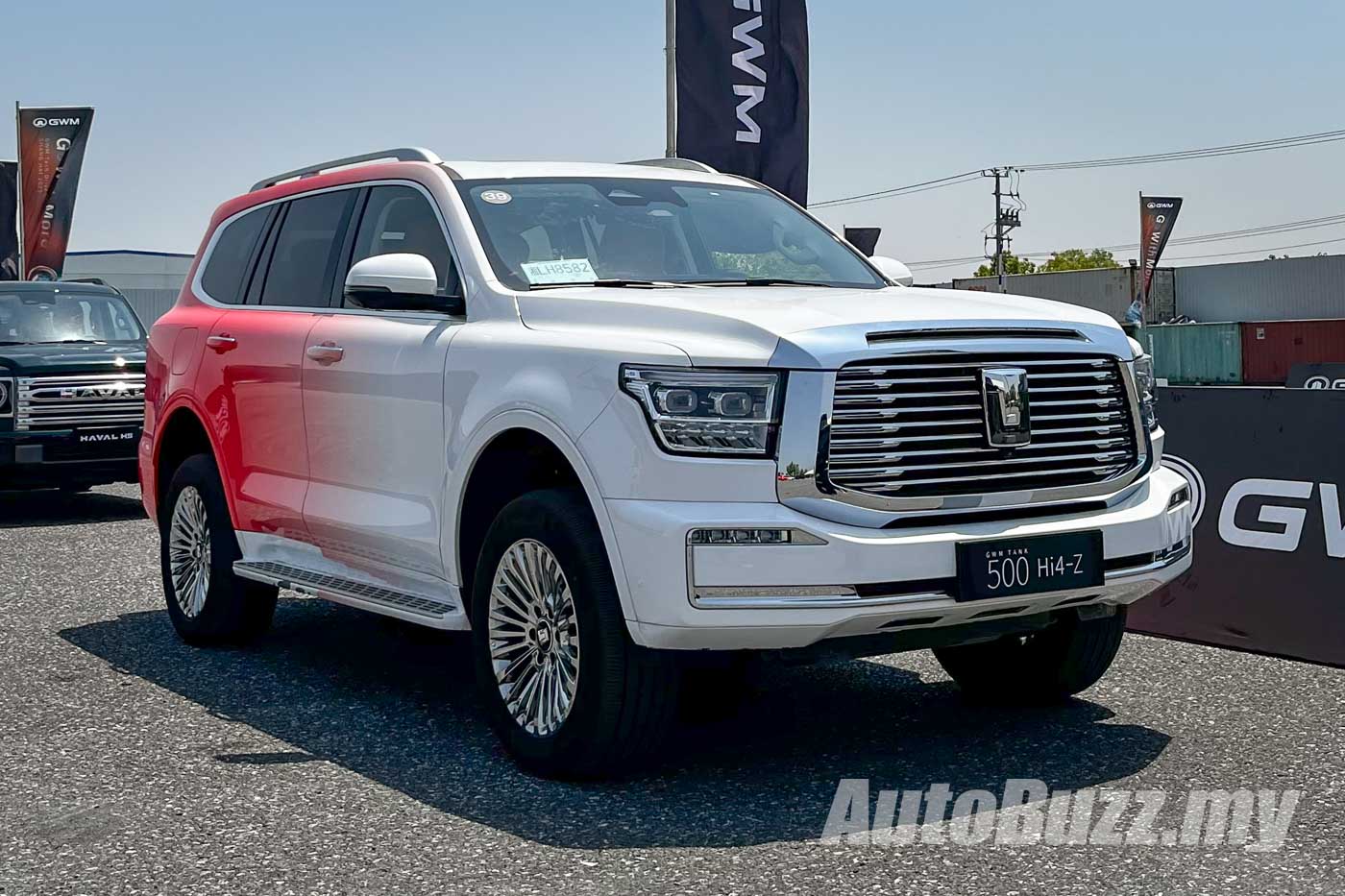
The electric portion is supplied by a large 59.05 kWh battery pack, and depending on the configuration, the system is able to output up to 863 hp and 1,195 Nm in total, resulting in a century sprint as fast as 4.6 seconds – on a full-size off-roader. But more crucially, both axles also feature low-range gears, which can significantly multiply torque output at the wheels, providing the much-needed grunt for off-road driving or towing.
On city streets, the large battery translates to a pure EV range of over 200 km, and when paired together with the internal combustion engine, the GWM Tank 500 Hi4-Z boasts a combined range of over 1,000 km.
Hi4 – Series-parallel hybrid for safer urban commuting
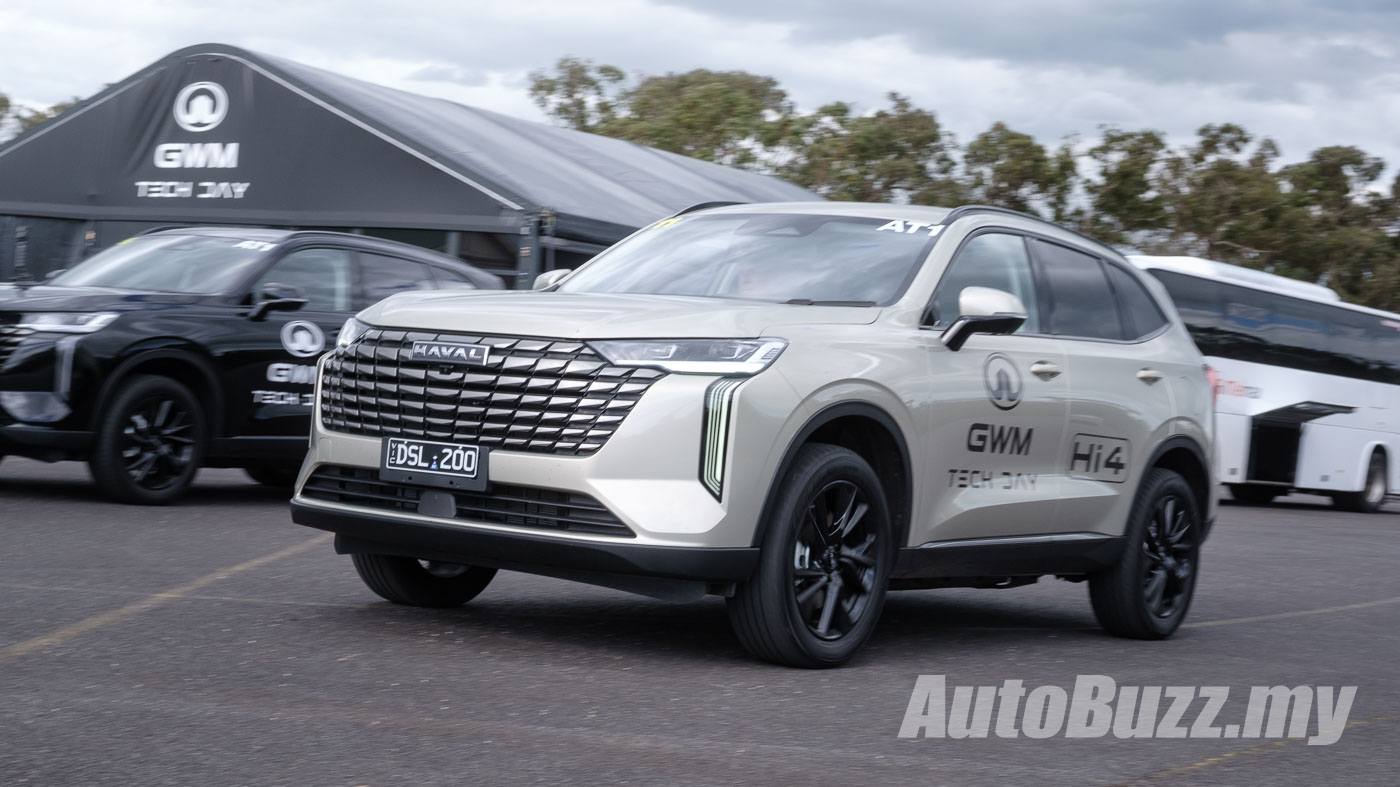
On the other end of the spectrum, the Hi4 is an all-wheel drive system designed primarily to enable safer urban commuting with extra mechanical grip especially in the rain, as well as higher performance in high-load driving conditions such as uphill sections, all while delivering exceptional fuel efficiency.
Like the Hi4-Z, it also employs an e-axle for the rear, but the engine in front is now mounted transversely, and can be fitted onto unibody chassis more commonly found on regular crossovers and SUVs. Now in its second generation, the Hi4 system combines a highly efficient 1.5-litre turbocharged engine with two electric motors, along with a 19.09 kWh battery pack, a four-speed transmission, and an electromechanical power-split device to deliver up to 364 hp and 760 Nm of torque.
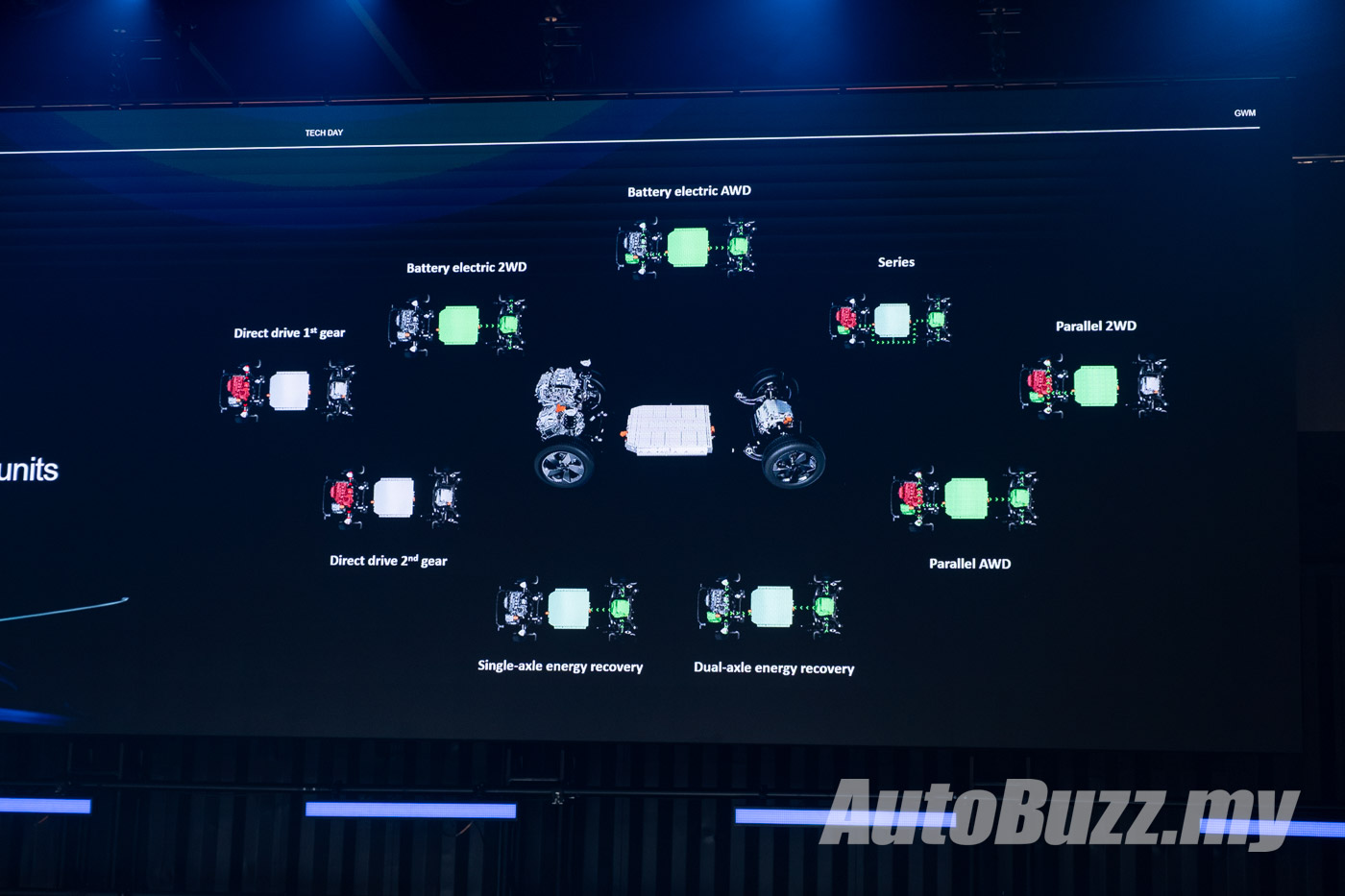
Special software wizardry automatically switches the three main power sources between nine working modes for the most optimal efficiency, including series and parallel hybrid modes, as well as full EV drive, all three of which available in either 2WD or 4WD depending on the driving situation.
In line with its safety-first ethos, the second-gen Hi4 system also comes equipped with the intelligent torque vector control system (iTVC), governing torque split between the front and rear axle with instant response as fast as 10 milliseconds to further improve vehicle stability and comfort.

Aside from their obvious off-road capabilities and fuel-saving talents, GWM says its Hi4 family of 4WD systems can also help extend tyre life by up to 1.7x, which could translate to serious cost savings across the vehicle’s lifespan.
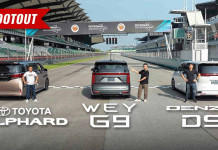
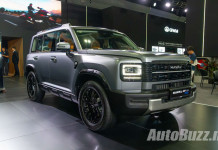
Intrigued? Well, we Malaysians won’t have to wait much longer to experience the hi-tech system, as the upcoming GWM Wey G9 – due to launch before the end of 2025 – will come equipped with the Hi4 all-wheel drive system. Find out what else you can expect here.
ALSO WATCH: Under RM300k, but more luxurious than an Alphard?! GWM Wey G9 FIRST LOOK!