XPeng has completed localisation testing in Germany for its second-generation Vision-Language-Action (VLA) model, adapting its ADAS architecture to European road conditions. According to Cnevpost, this progress aligns with the marque’s ambition to bring its VLA 2.0 driving features from China to the global market by 2027.
Powered by the Turing AI processor, the VLA 2.0 model was initially trained exclusively on Chinese road conditions.
However, the system is proving highly adaptable and stable on European roads without requiring additional data training, successfully handling complex urban scenarios such as navigating arterial roads, negotiating narrow alleys and high-curvature turns, autonomously dodging obstacles, and smoothly yielding to pedestrians.
XPeng Vice President Yu Tao confirmed that the VLA 2.0 model can already recognise complex European road signs. It understands local traffic rules and right-of-way systems, and adapts seamlessly to regional driving habits.
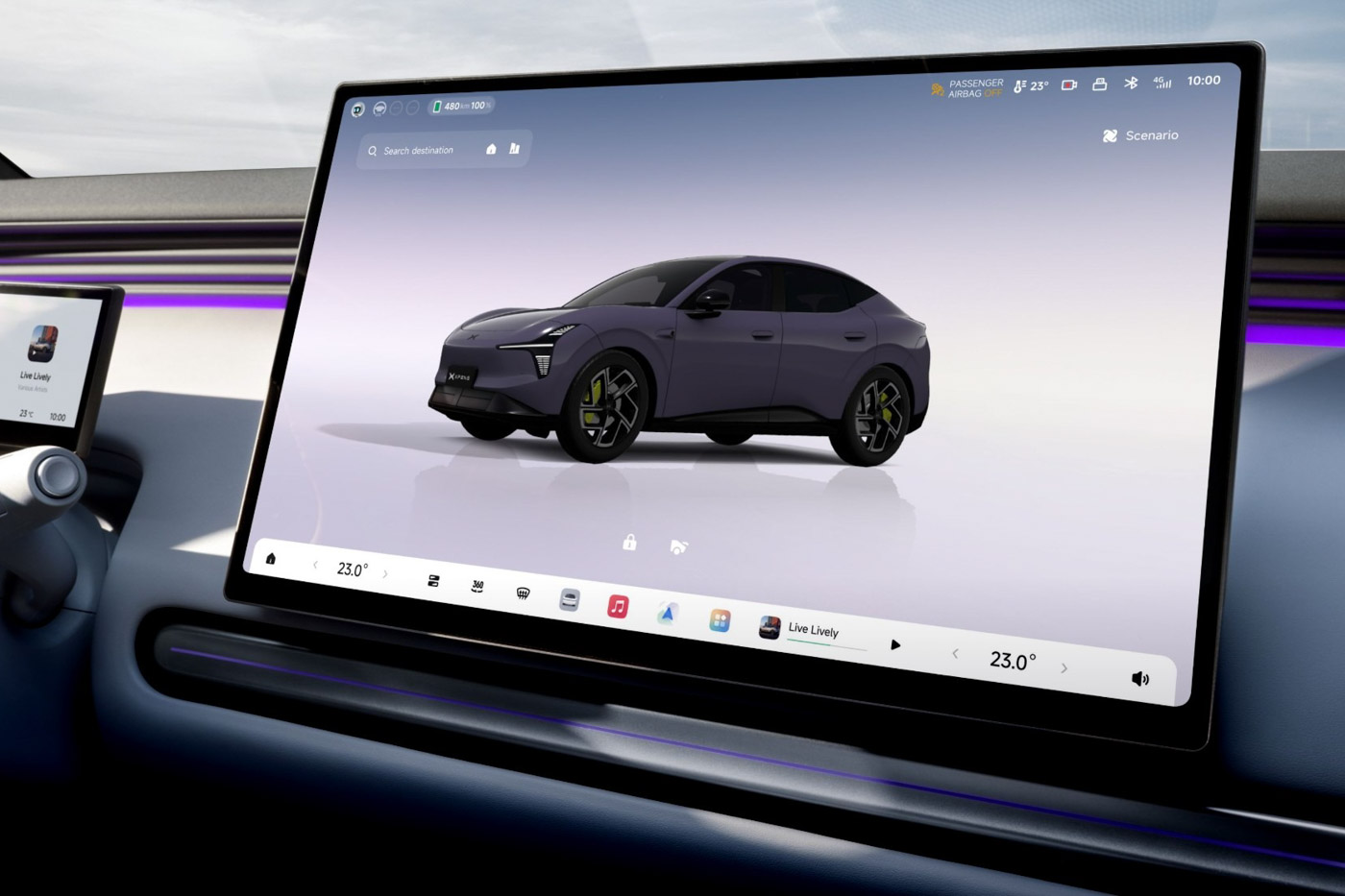
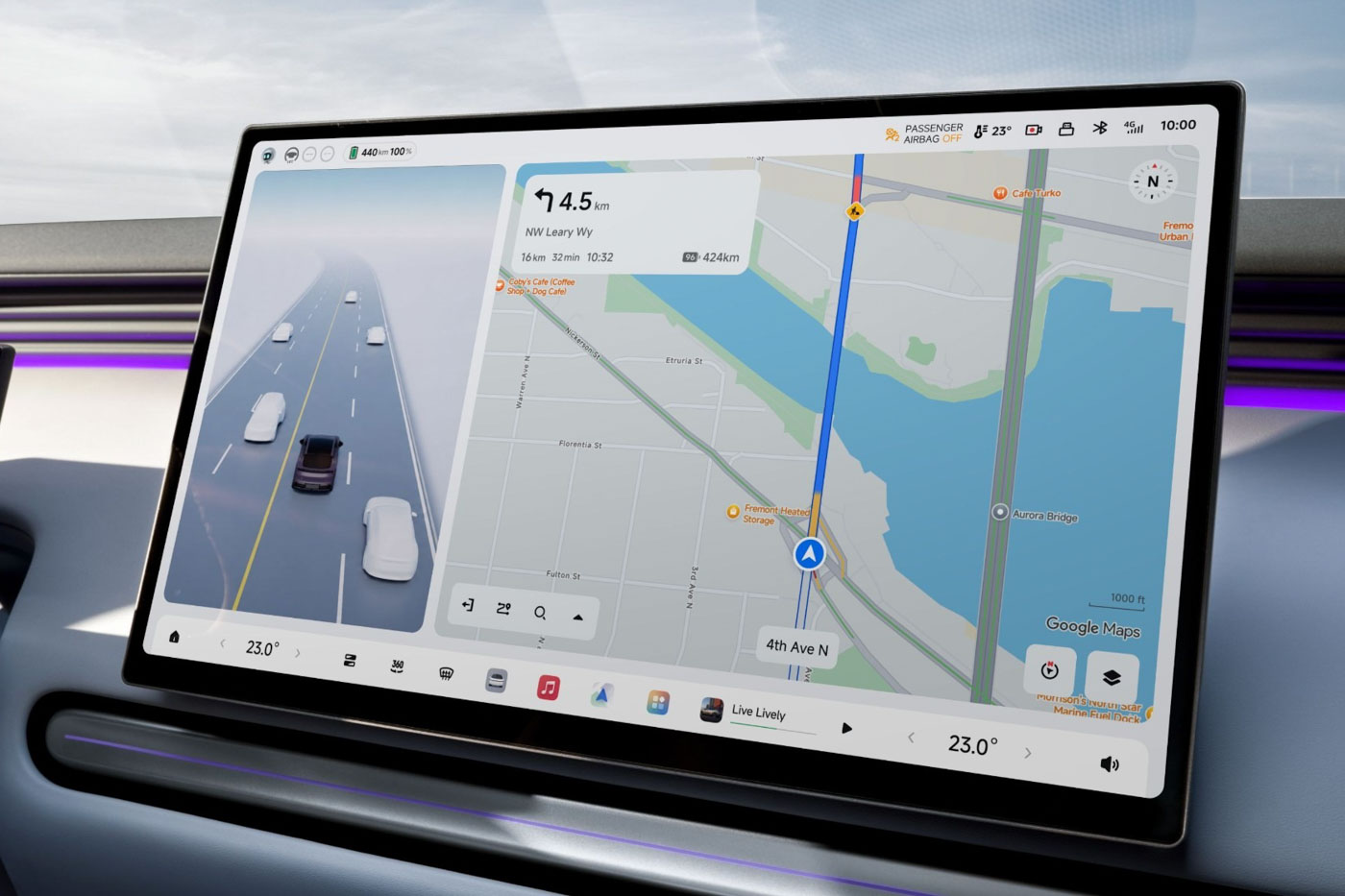
In a major tech crossover, XPeng also announced a partnership with Google Maps. The automaker will build its bespoke navigation interface using data from the tech giant, making XPeng the first Asia-Pacific carmaker to deliver a vehicle fully integrated with the Google Maps Auto software development kit (SDK).
This integration allows drivers to access core features directly through the car’s infotainment screen. It completely removes the need for clunky app mirroring or smartphone screen mirroring, giving users native access to real-time traffic-aware guidance, EV energy estimation, trip planning, and point-of-interest search.
RELATED: 2026 XPeng G6 CKD now open for booking in Malaysia, deliveries to begin Aug 2026
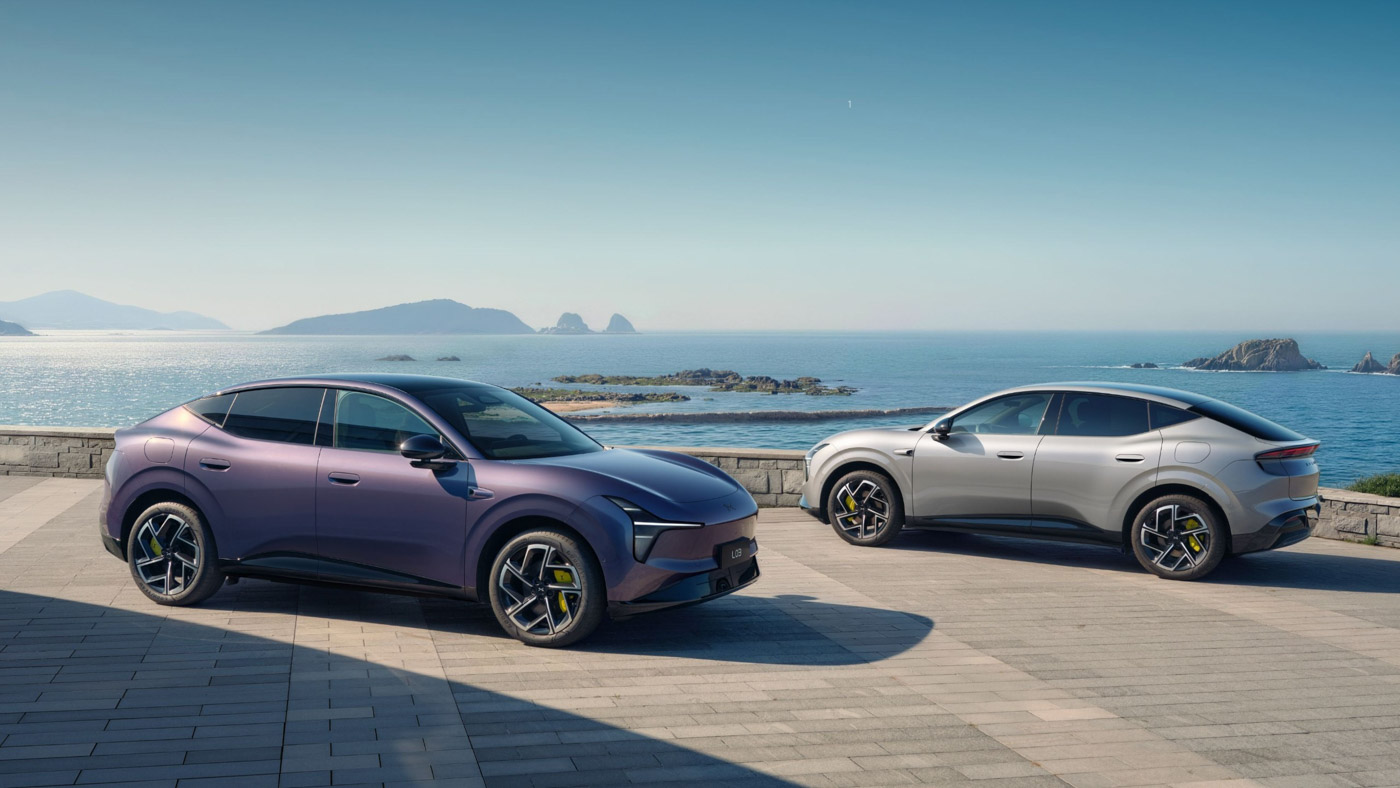
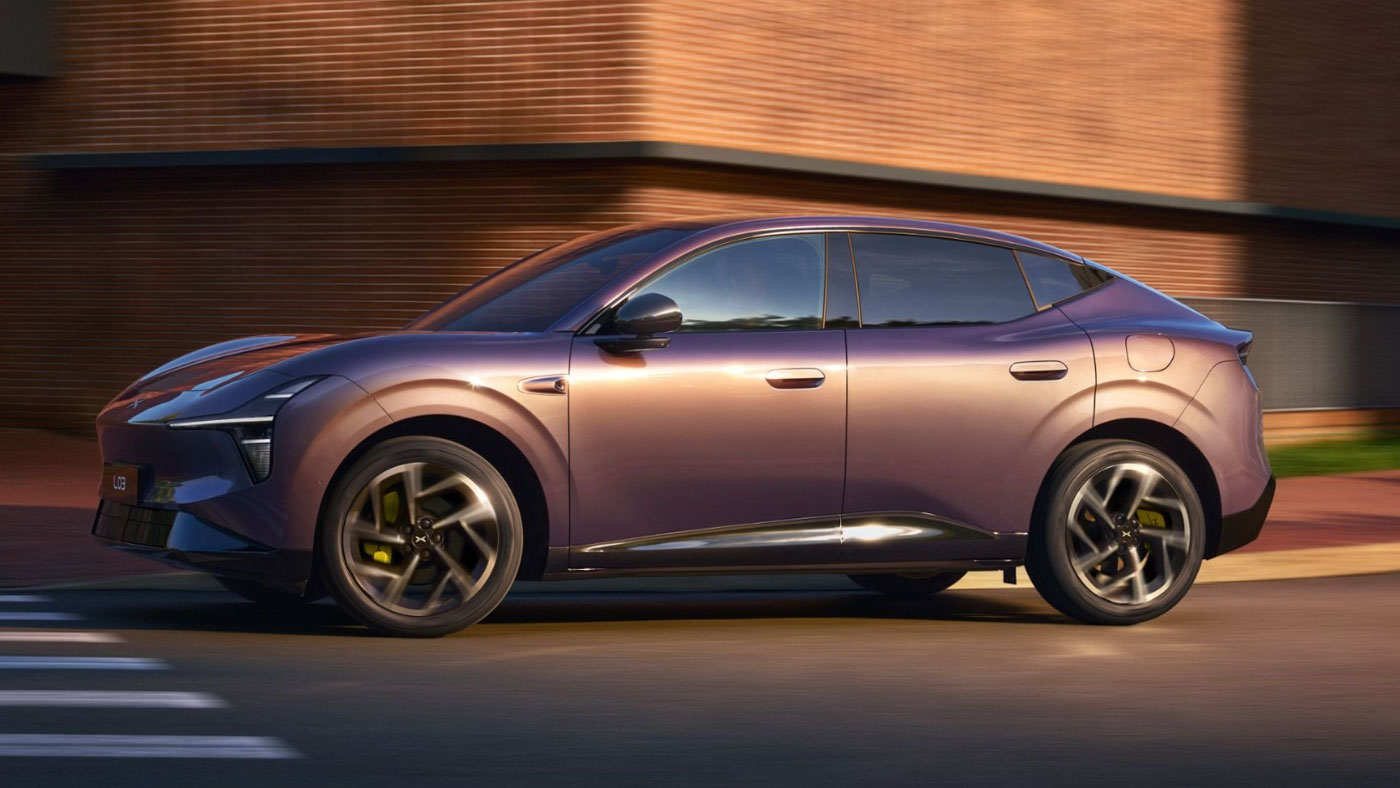
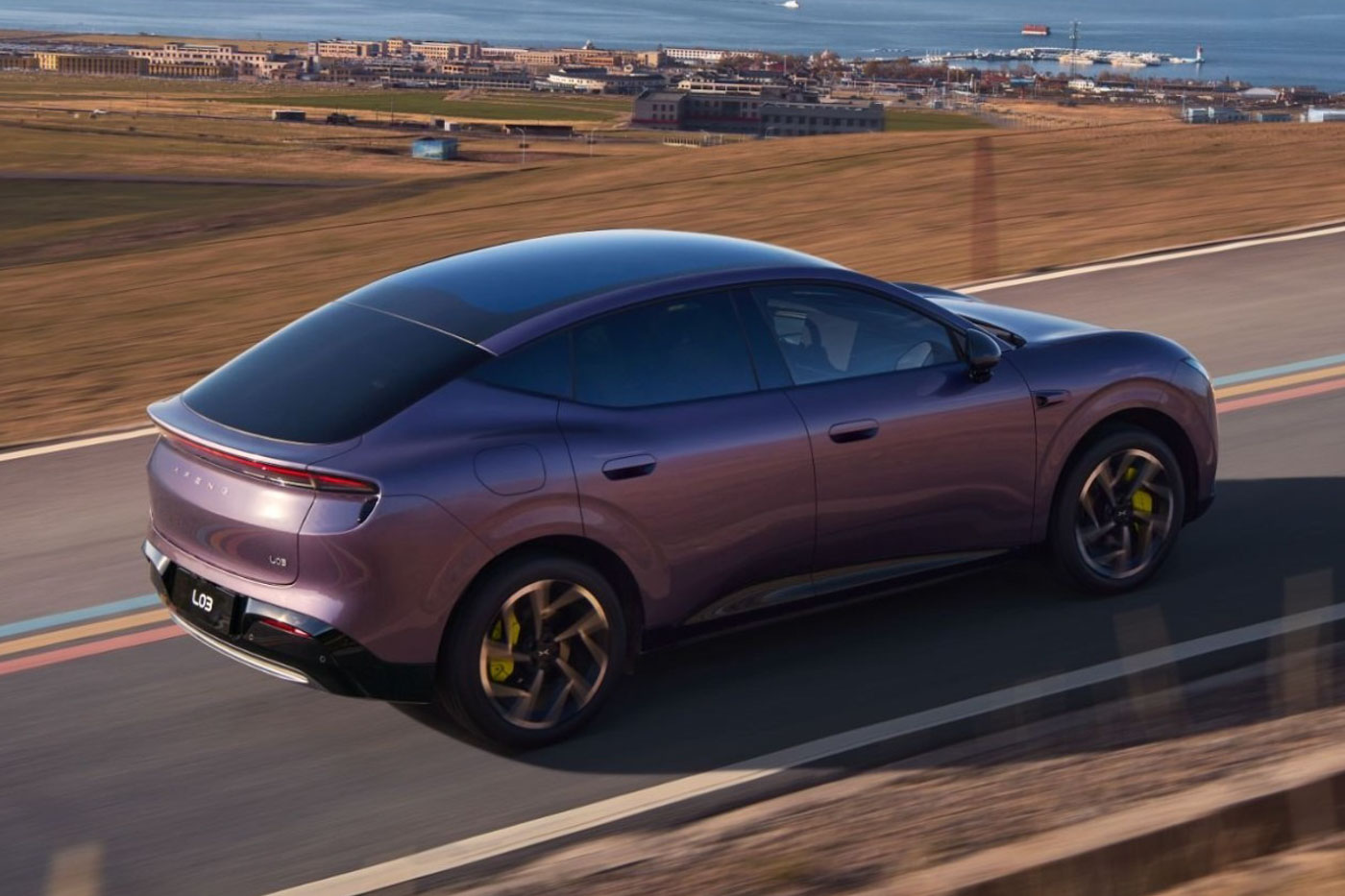
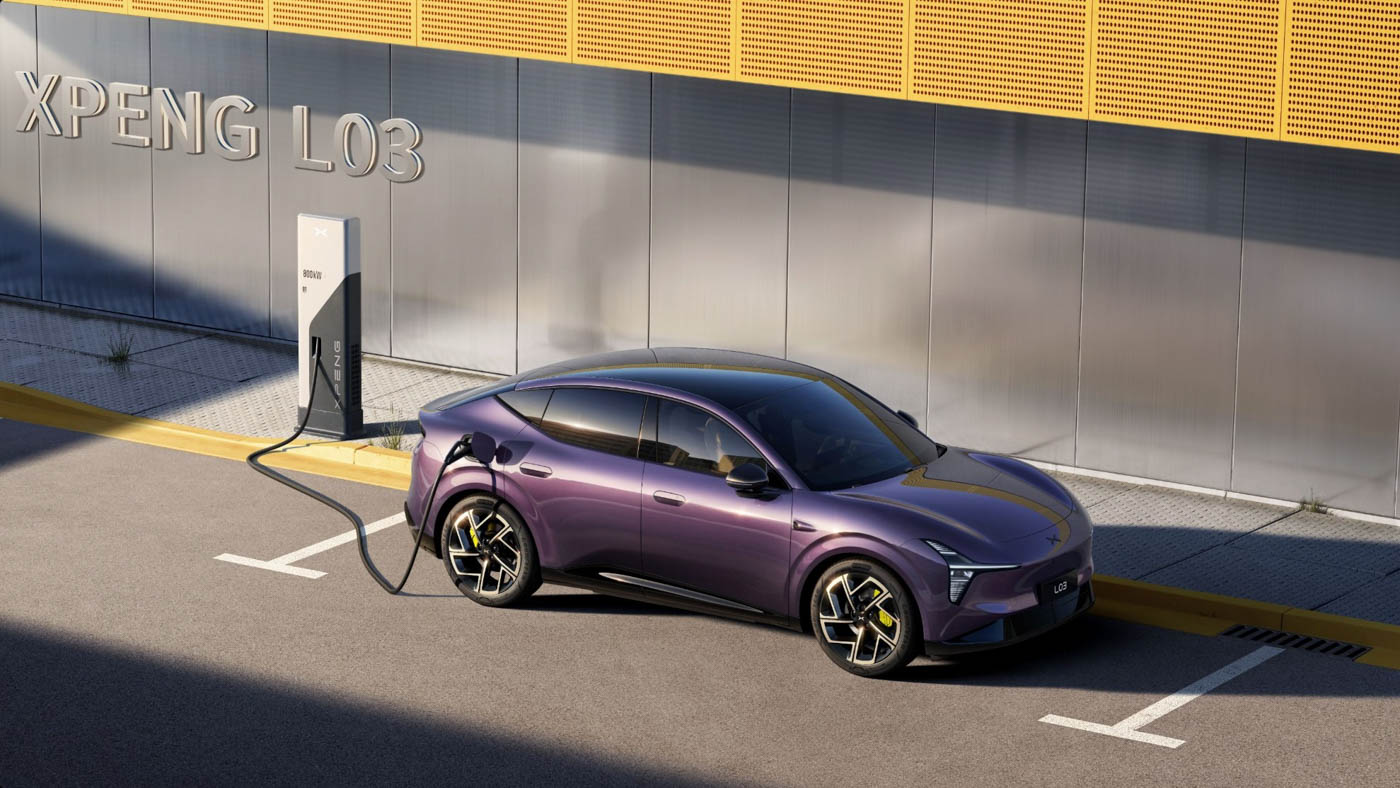
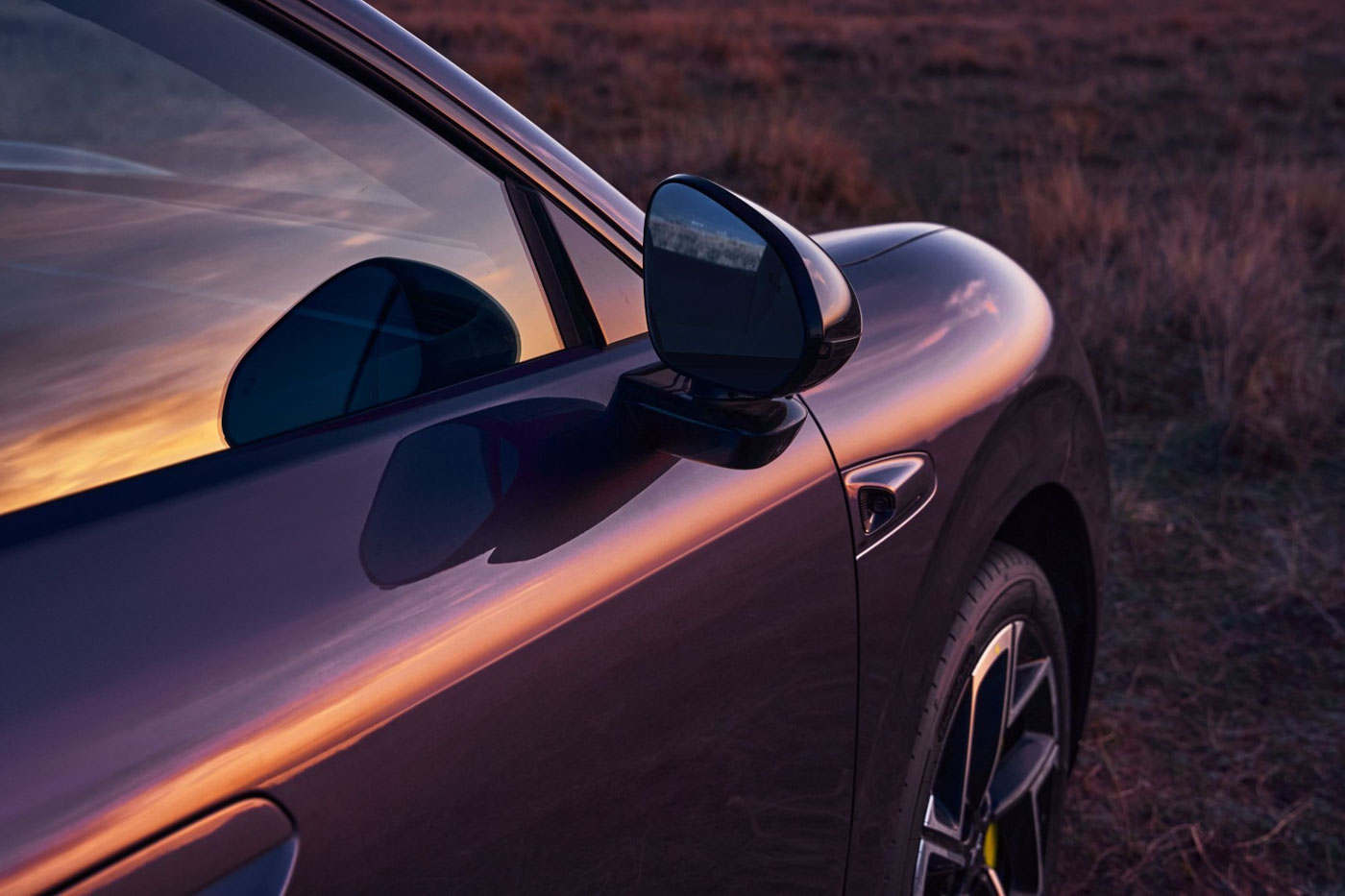
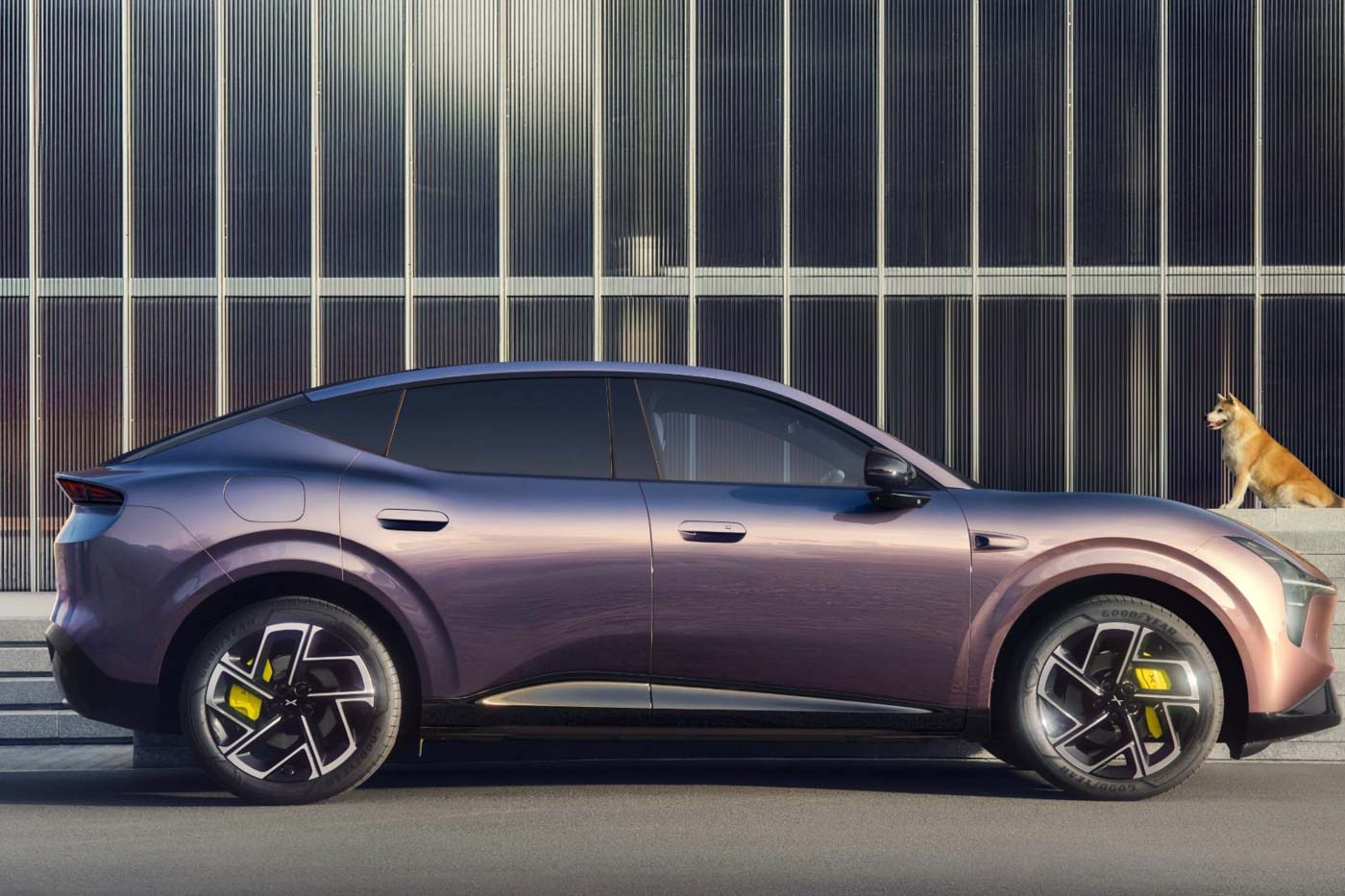
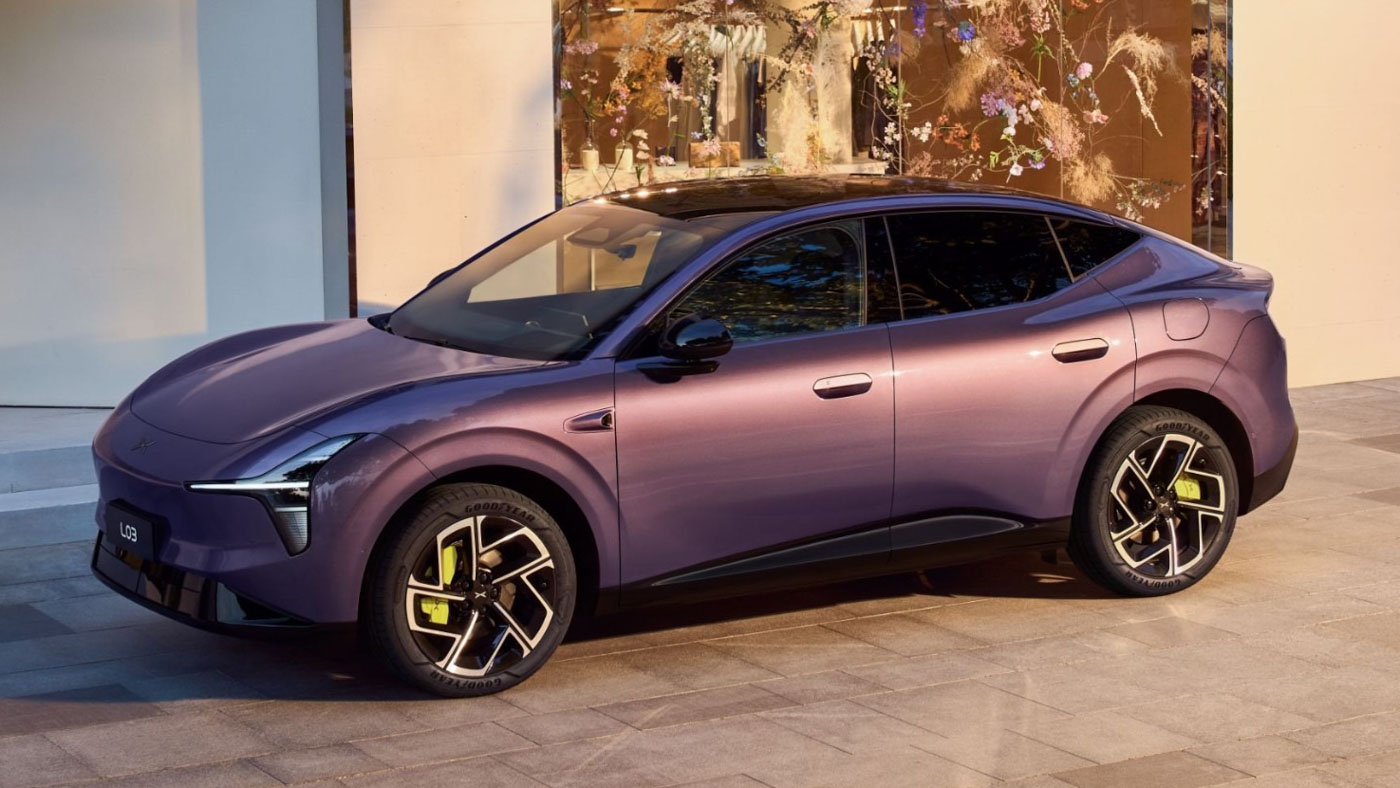
The breakthrough in the localisation testing of the second-generation VLA model coincides with the global market debut of the all-new XPeng L03. This marks the first model from the marque to be simultaneously launched in China and Europe, and it is reportedly planned for introduction in 64 countries and regions.
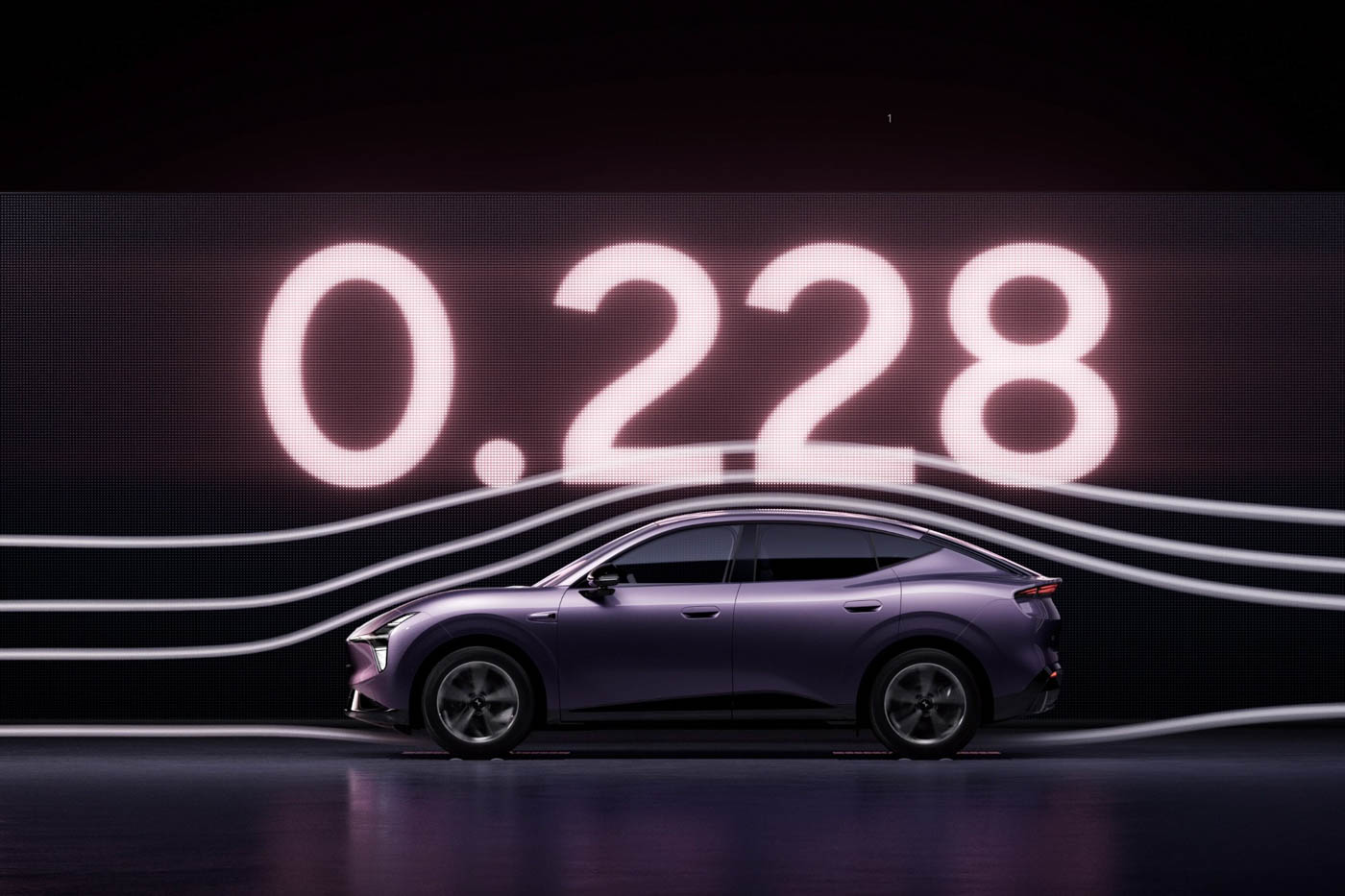
Measuring 4,650 mm long, 1,920 mm wide, and 1,600 mm tall, with a wheelbase of 2,850 mm, the L03 is positioned below the XPeng G6. It features a fastback design that boasts a claimed drag coefficient of 0.228 Cd.
Two powertrains are available on debut, with a fully electric (EV) and a range-extender (REEV) variants on offer. The EV variant features a 249 hp (183 kW) traction motor that can be optioned with either a 56 kWh or 69 kWh LFP battery, which enables a range of 525 km and 625 km, respectively, according to the CLTC cycle.
The REEV variants feature a 1.5-litre range extender engine with an output of 95 hp (70 kW) and a 249 hp (183 kW) traction motor. Carnewschina reports that this setup is said to deliver a pure EV range of 315 km and a combined range of 1,330 km, with a claimed WLTC fuel consumption of 5.16L/100 km. While charging specifications are not disclosed, XPeng states the L03 can be recharged from 10-80% in 20 minutes.
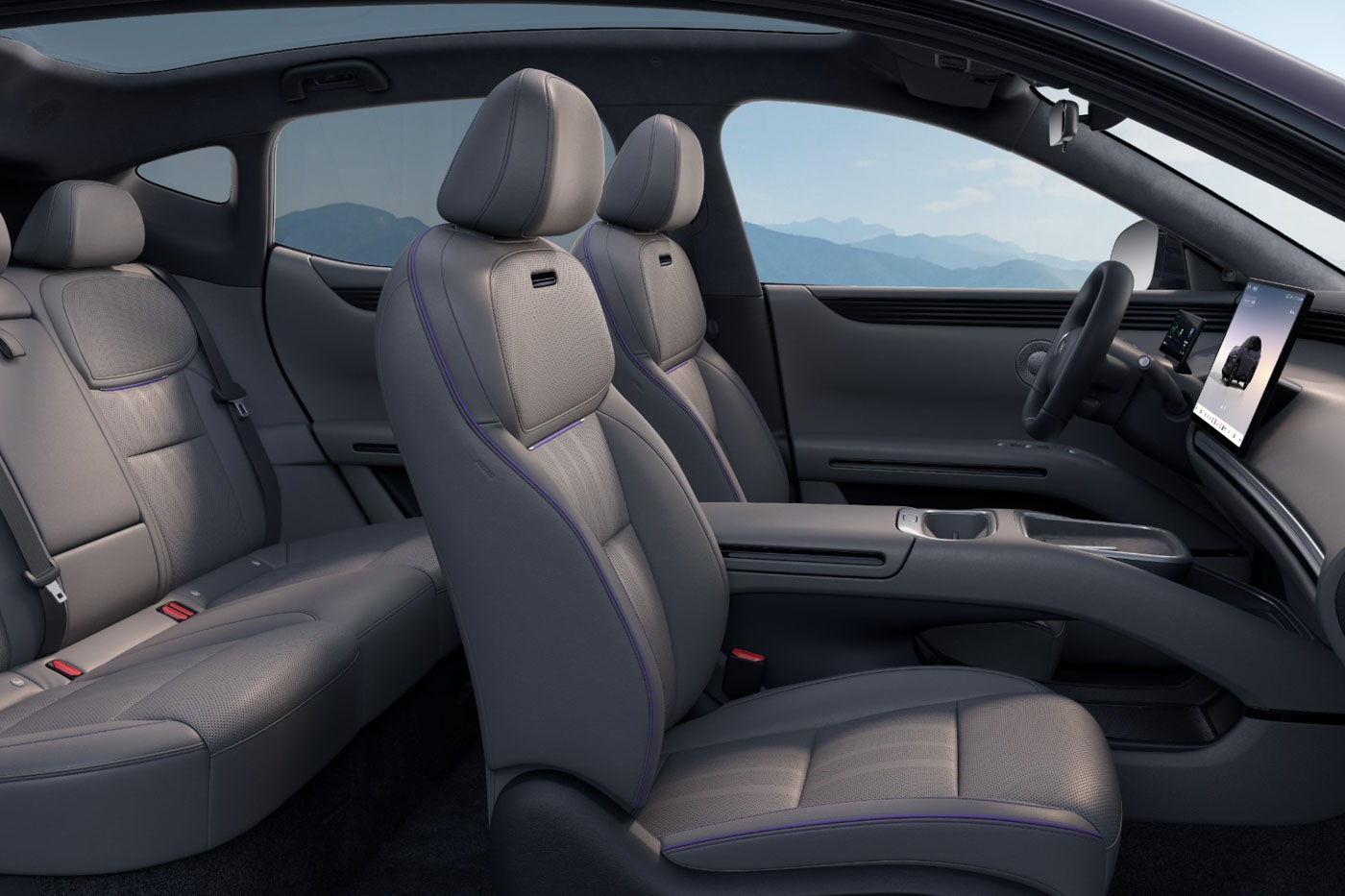
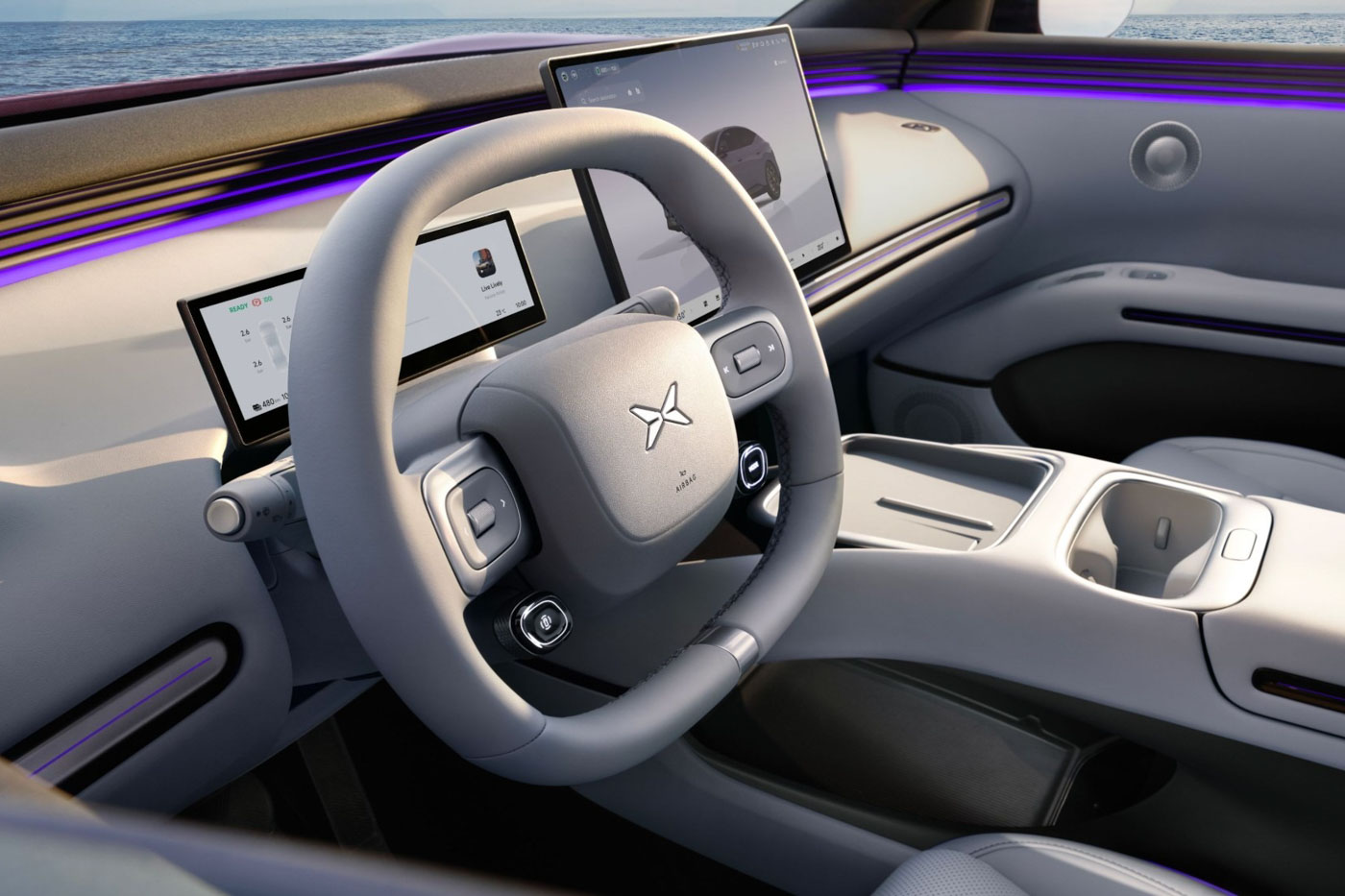
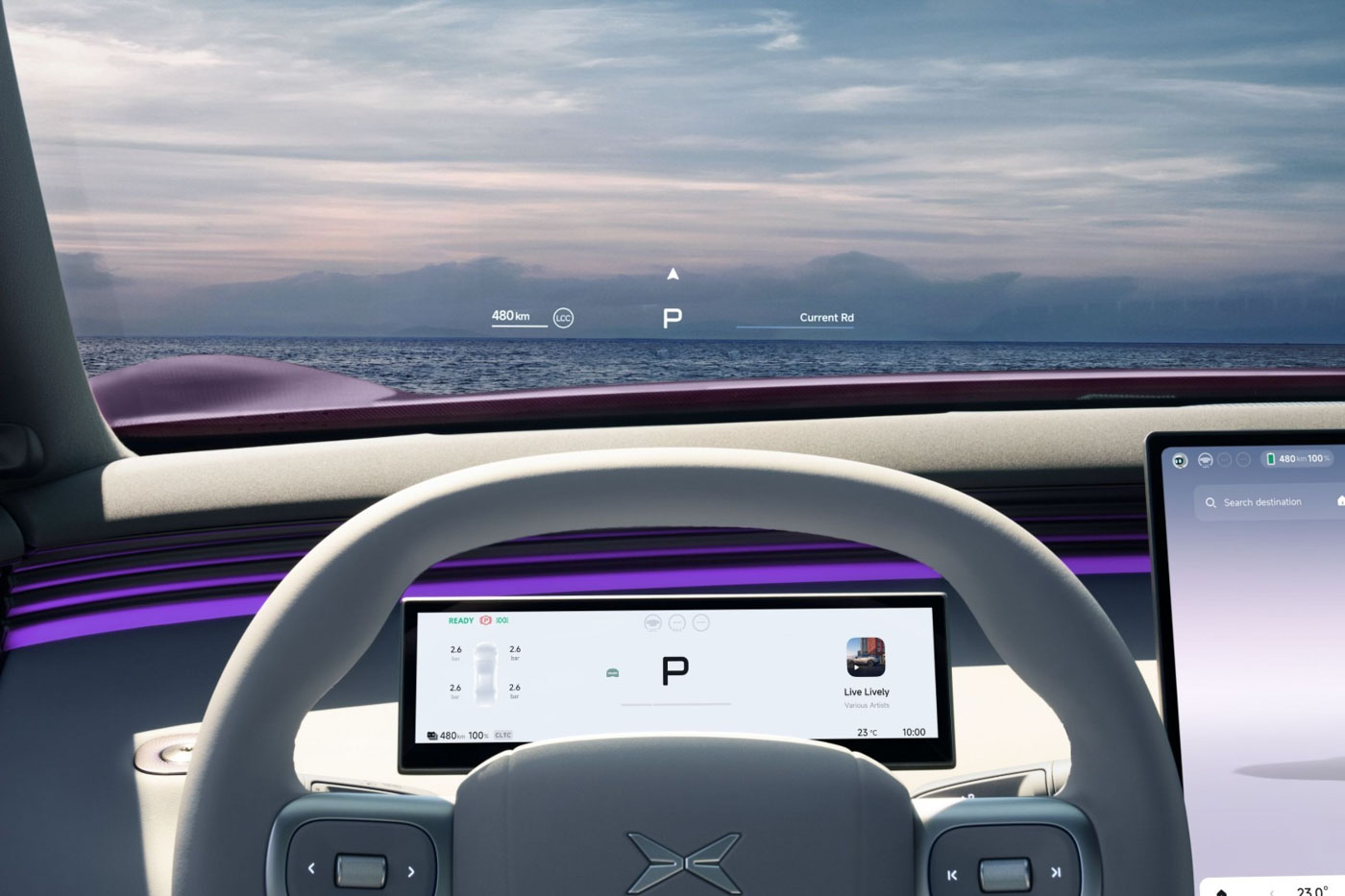
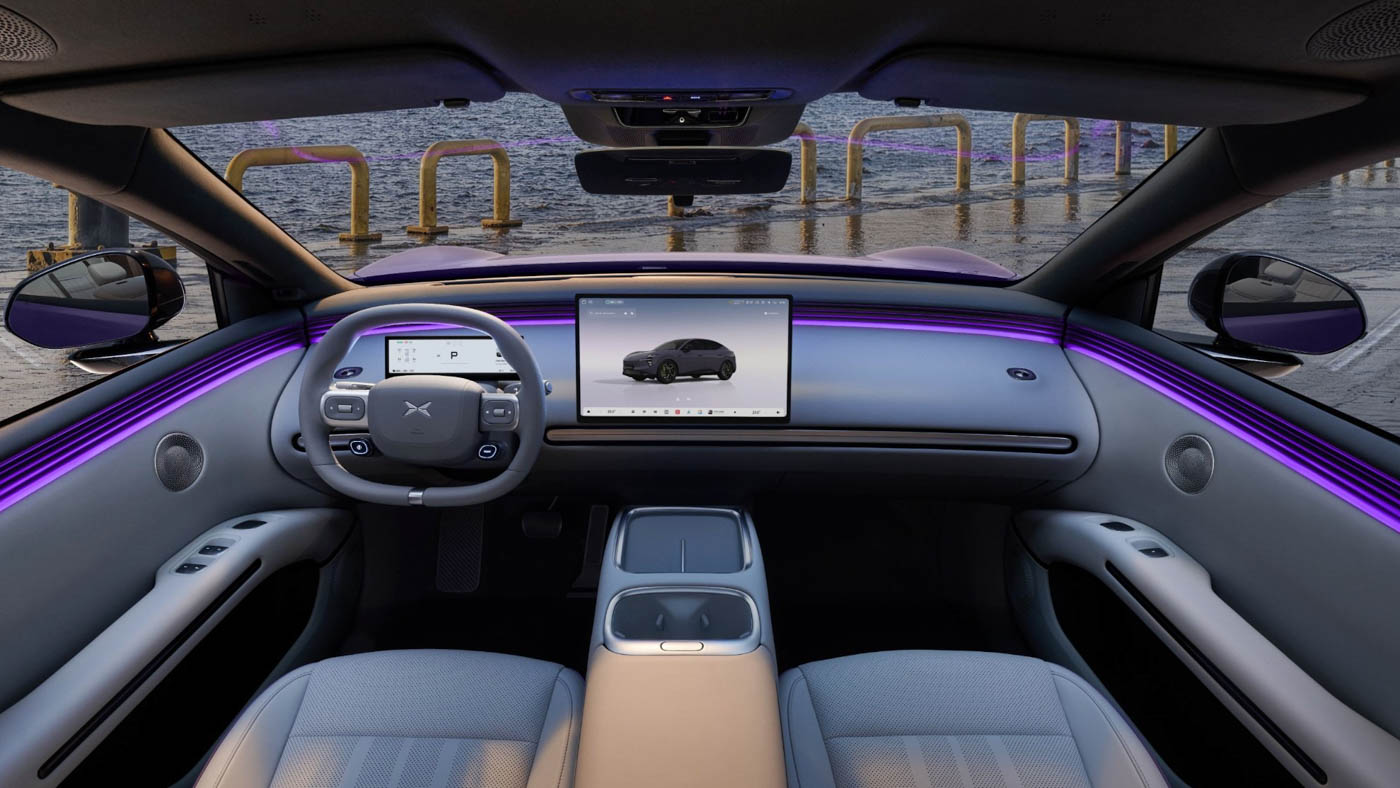
Like its stablemates, the interior of the XPeng L03 is equipped with a minimalist setup consisting of a 15.6-inch central touchscreen and an 8.88-inch digital instrument cluster. Other interior trimmings include a microfibre upholstered multi-function steering wheel and 37 storage compartments.
The cabin also integrates the Google Maps navigation system tied into the XPeng NGP ADAS setup. This system is powered by three Turing AI chips, delivering up to 2,250 TOPS of computing power.
READ MORE: VW finally reveals the production version of the Volkswagen ID Cross, with buttons as promised
GALLERY