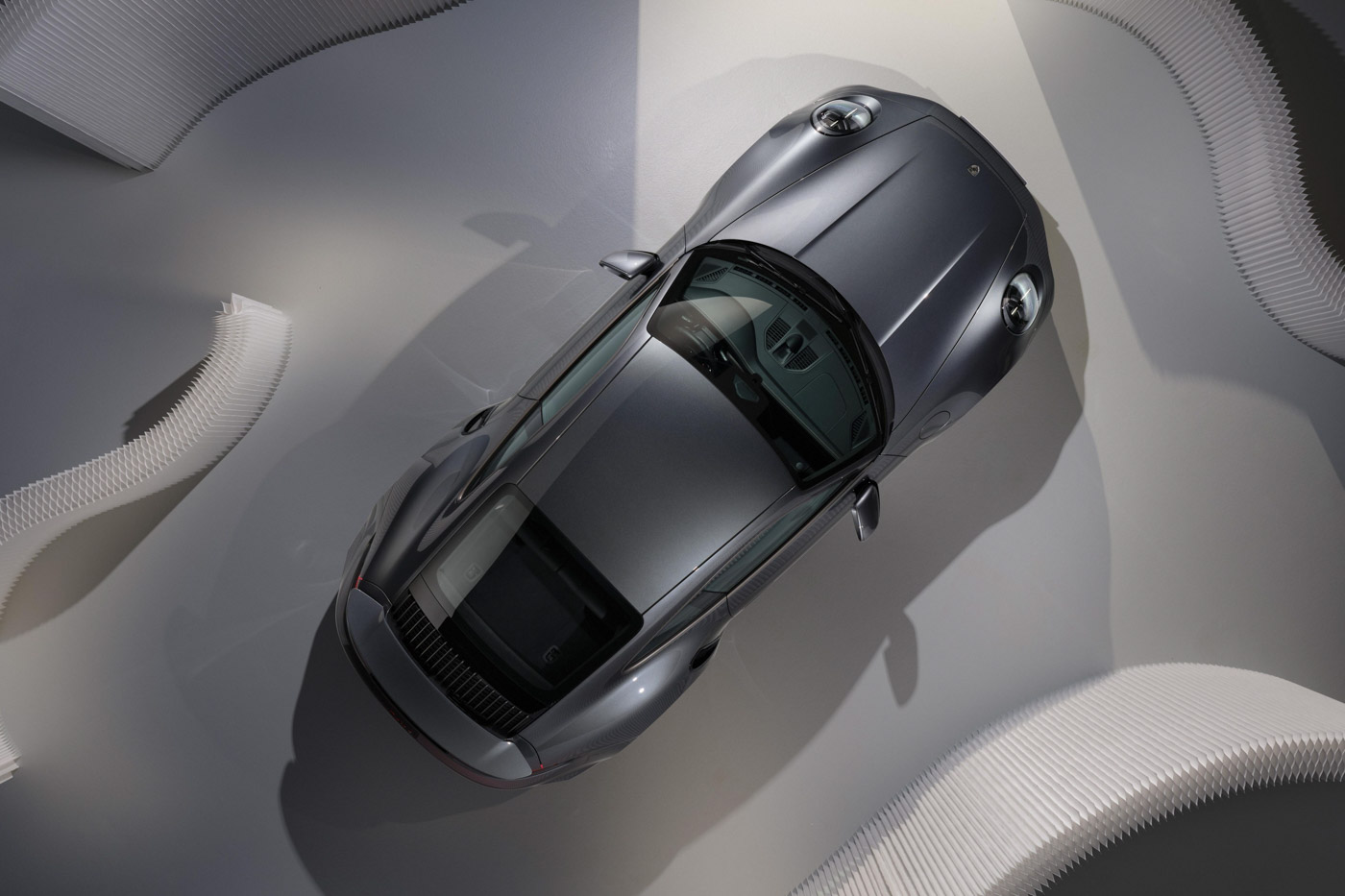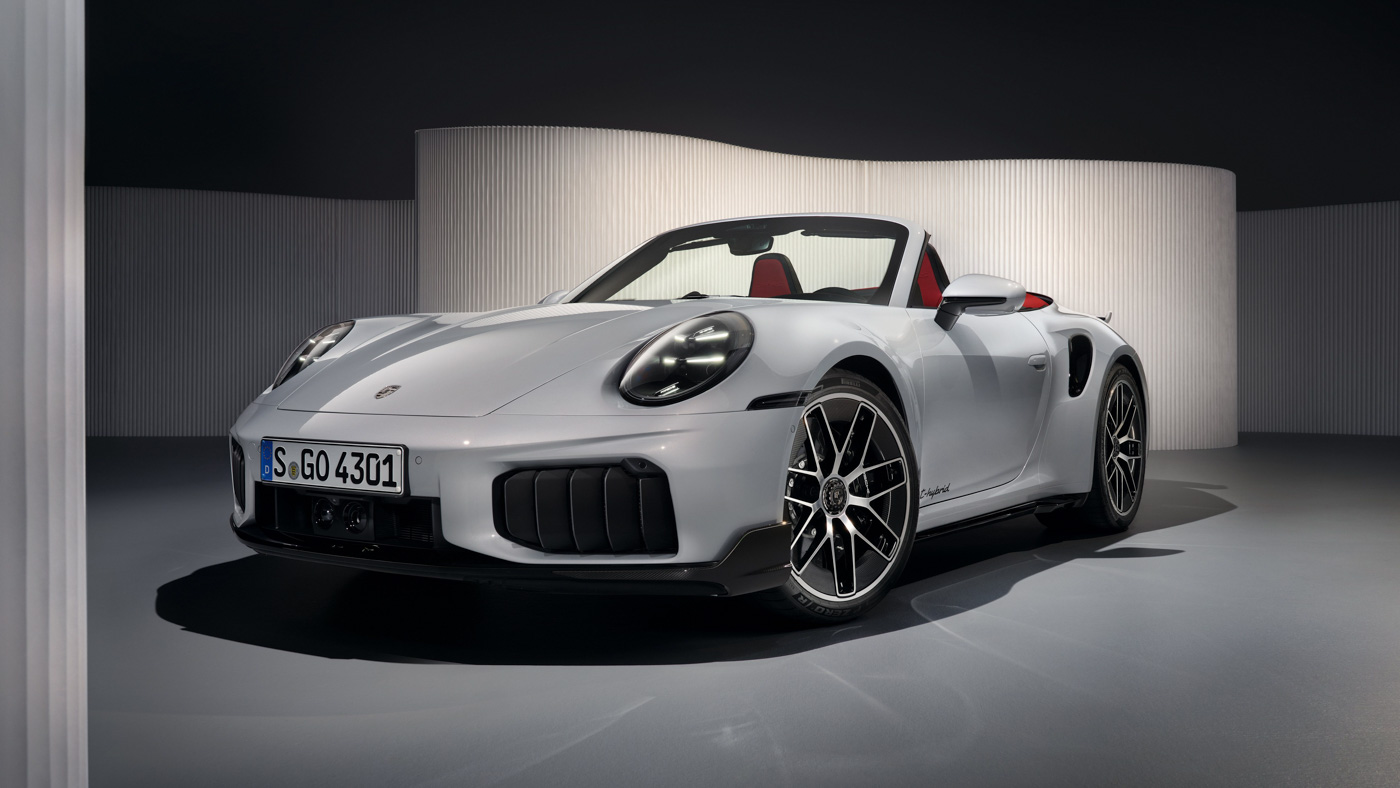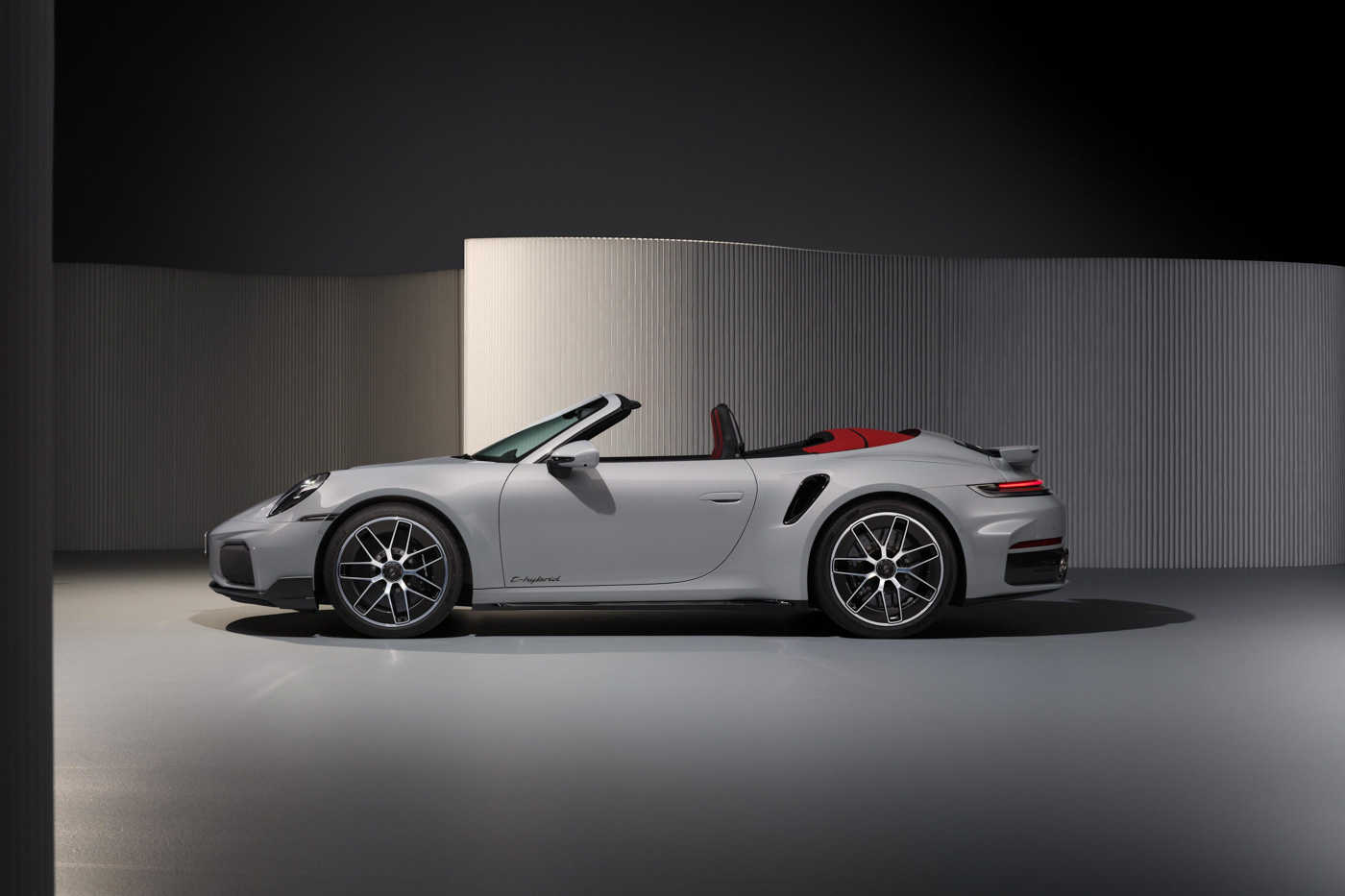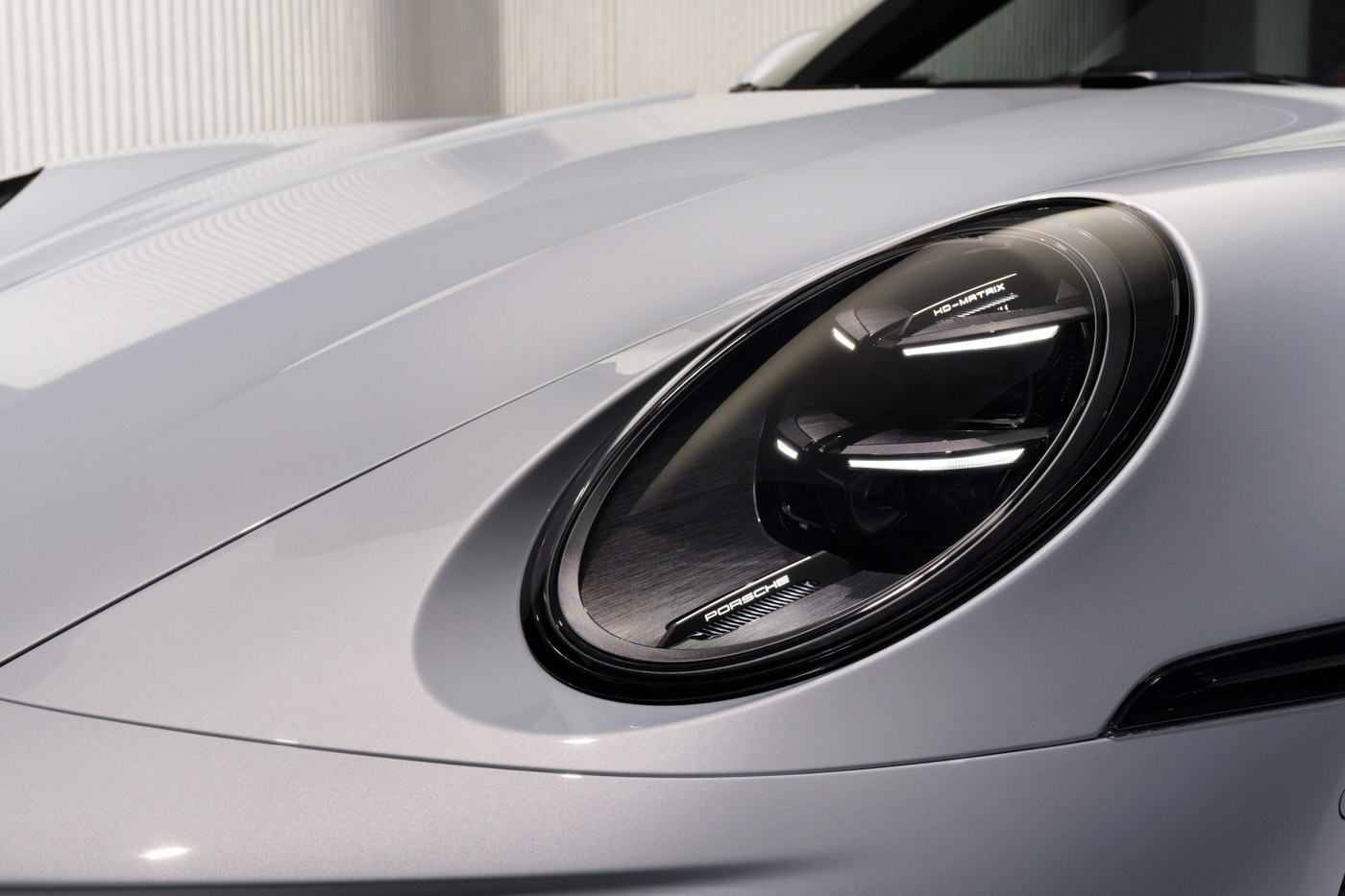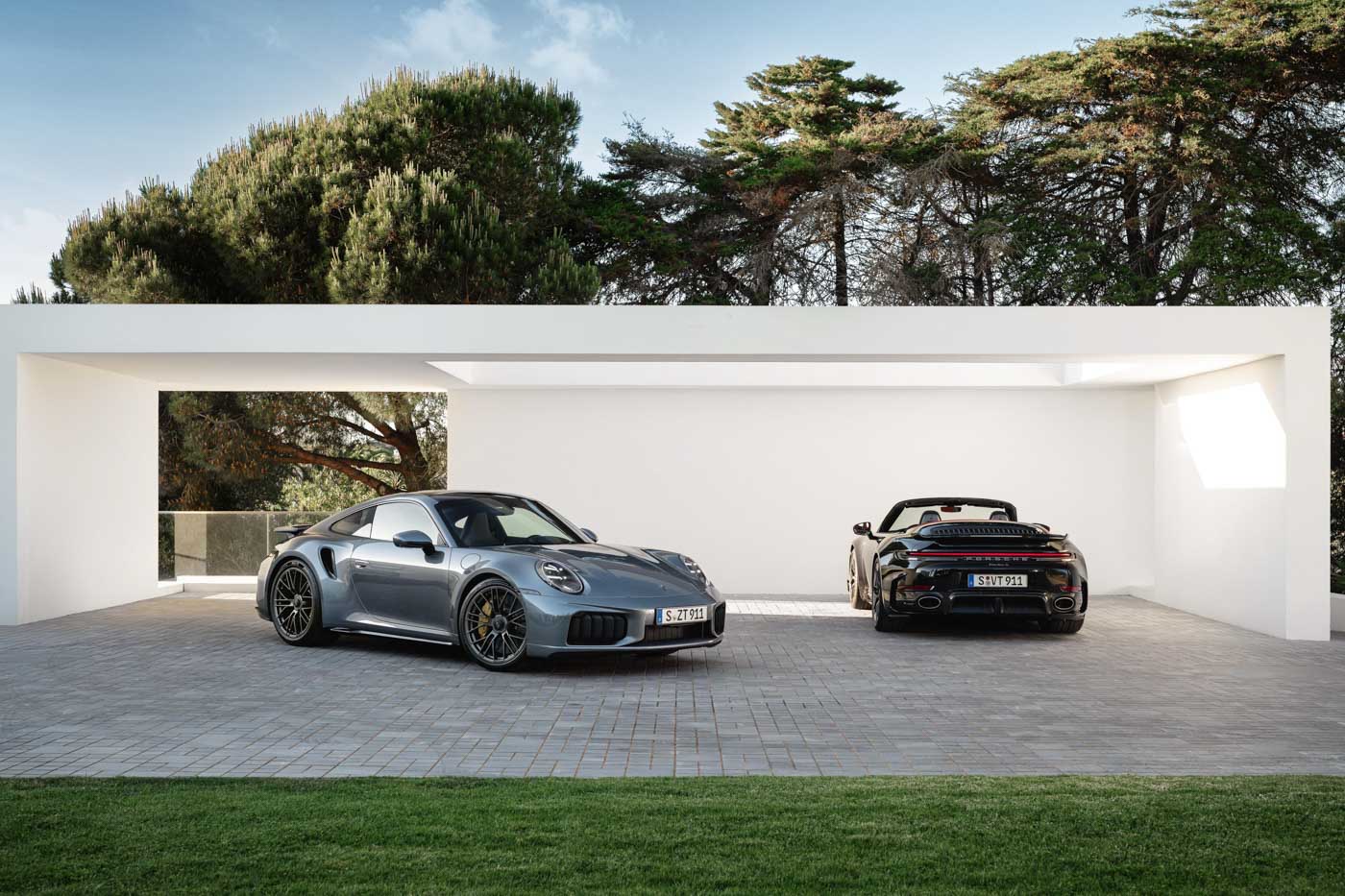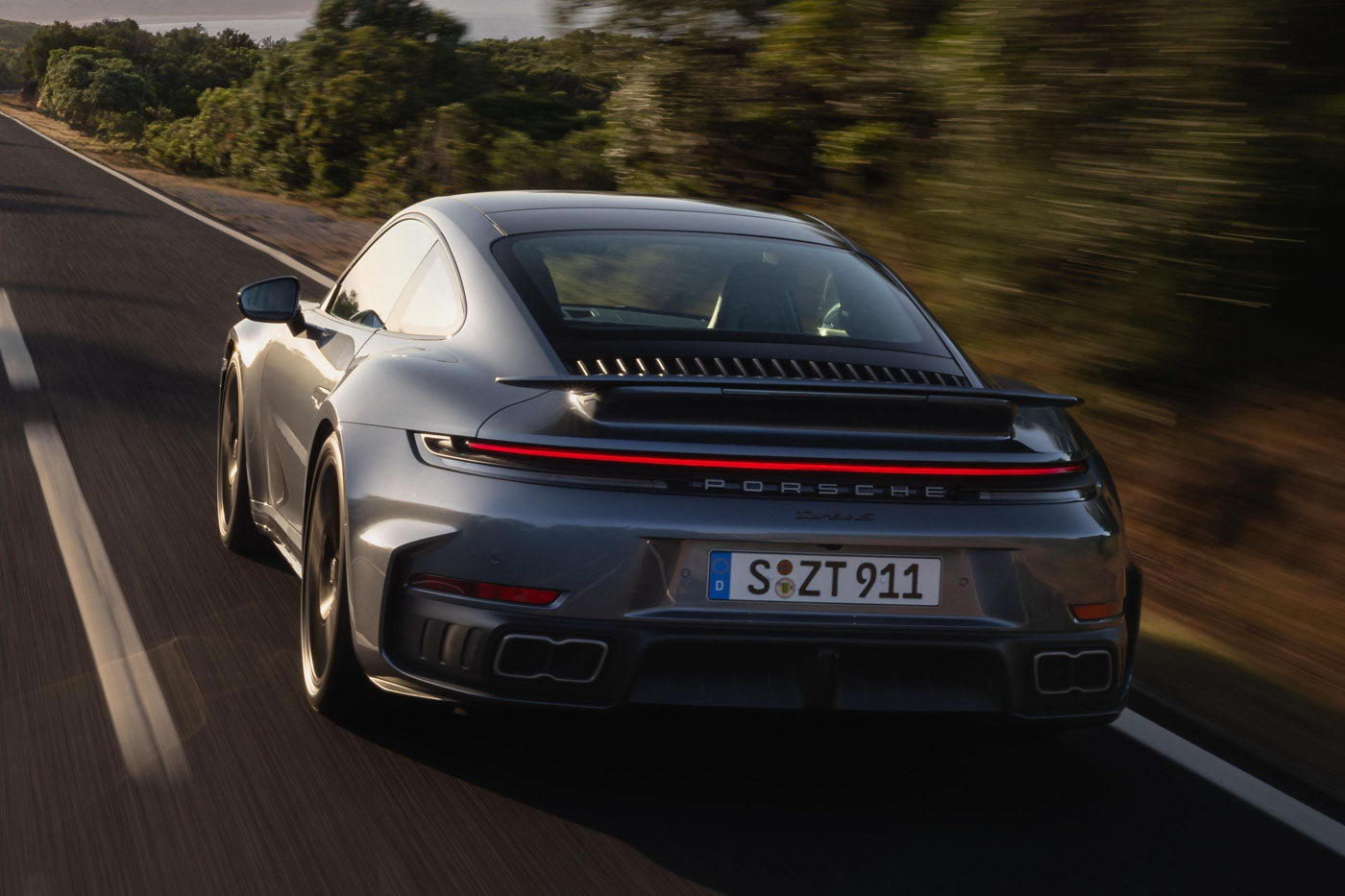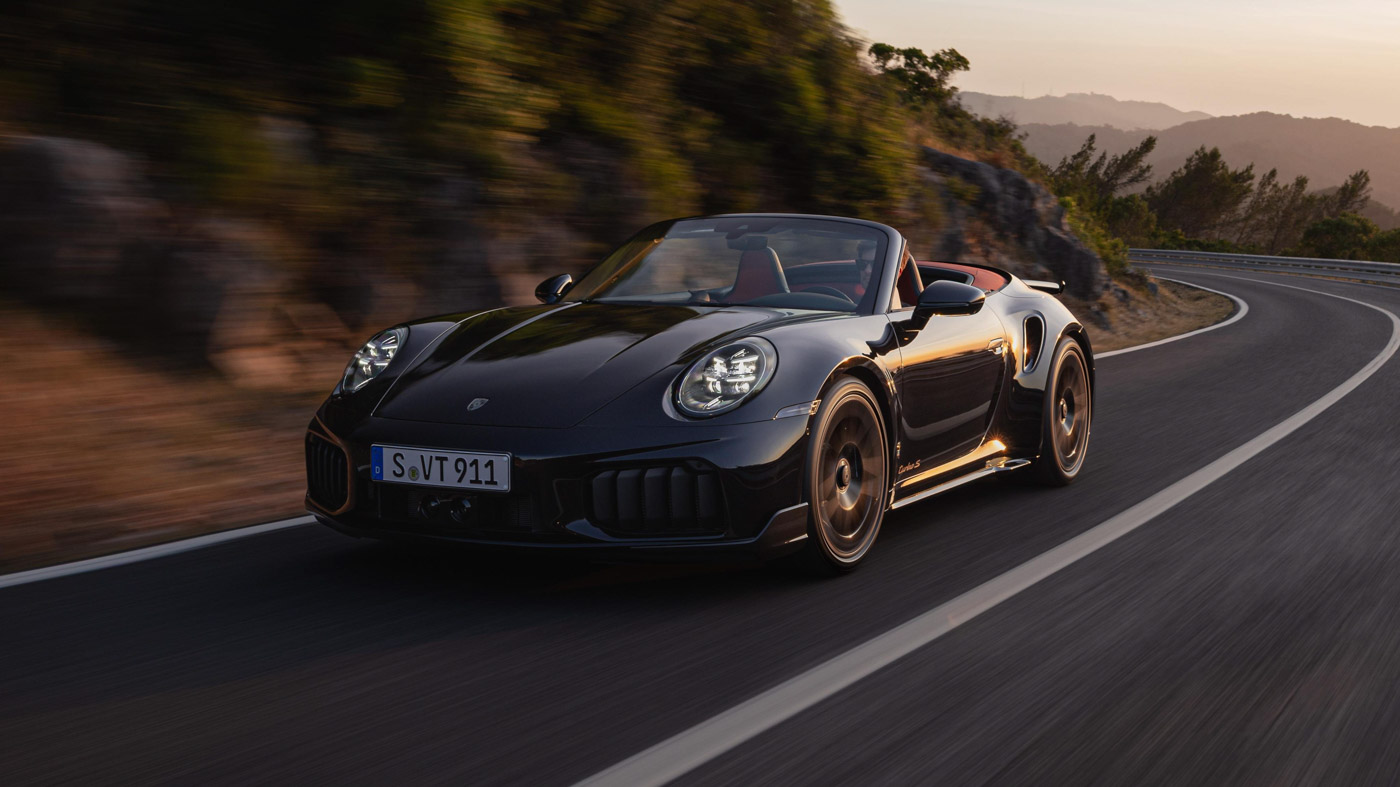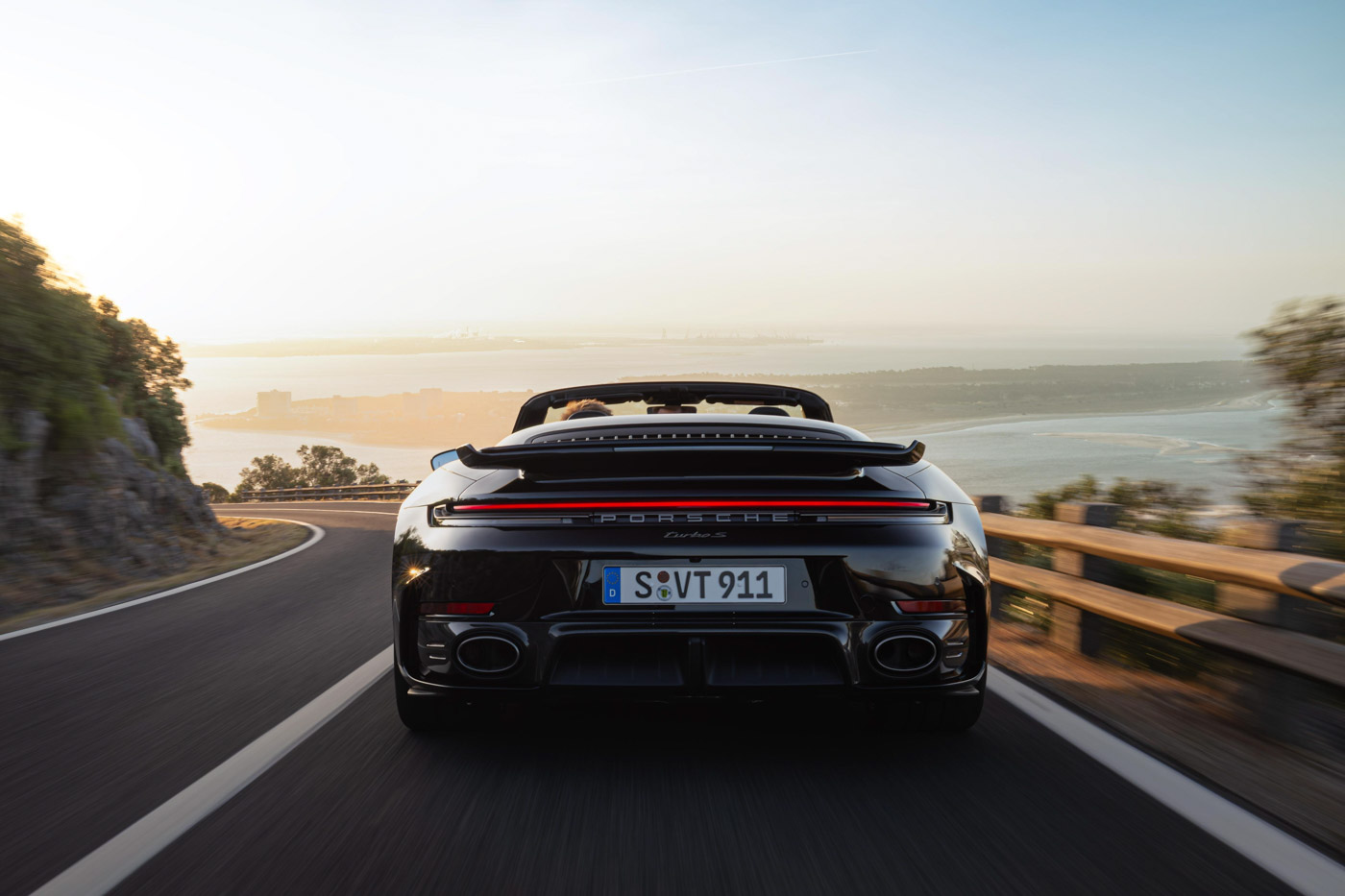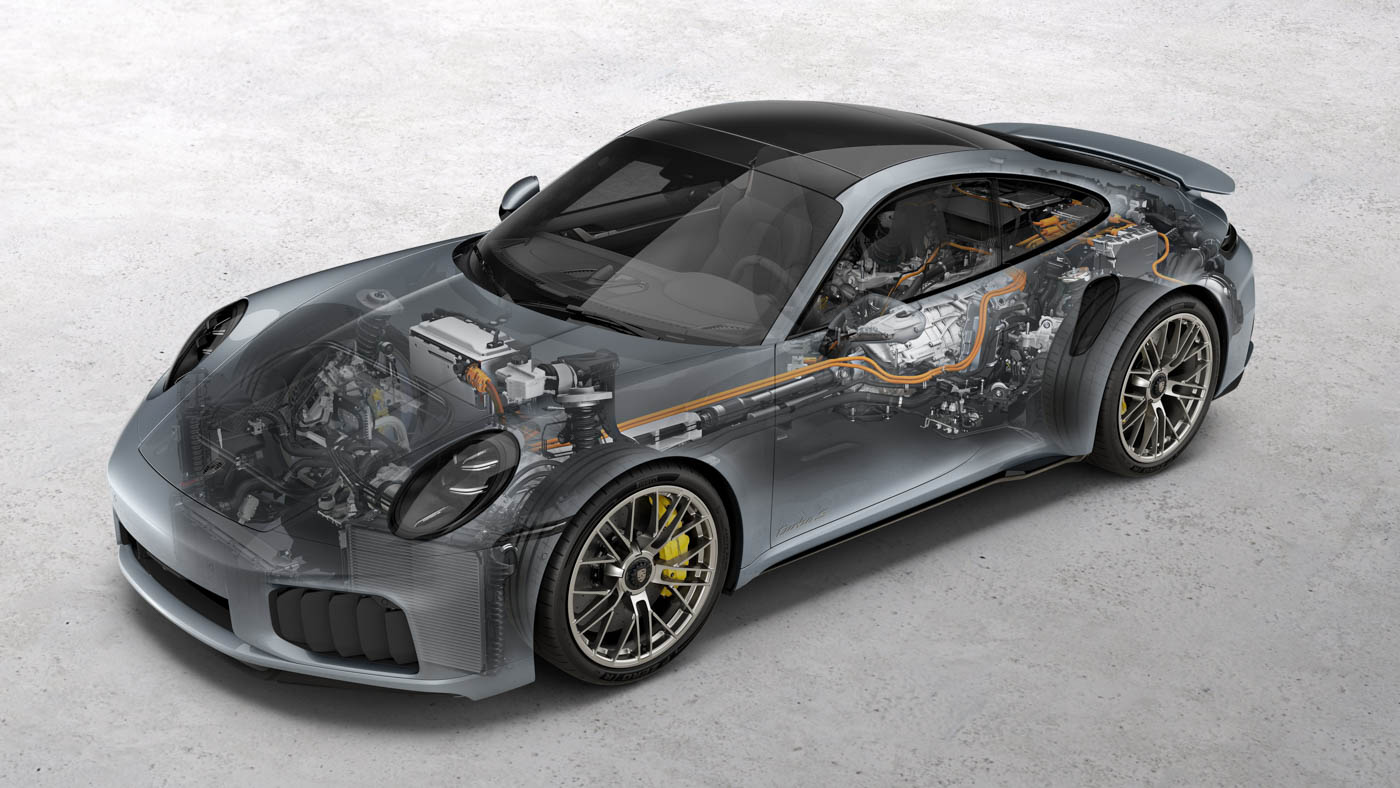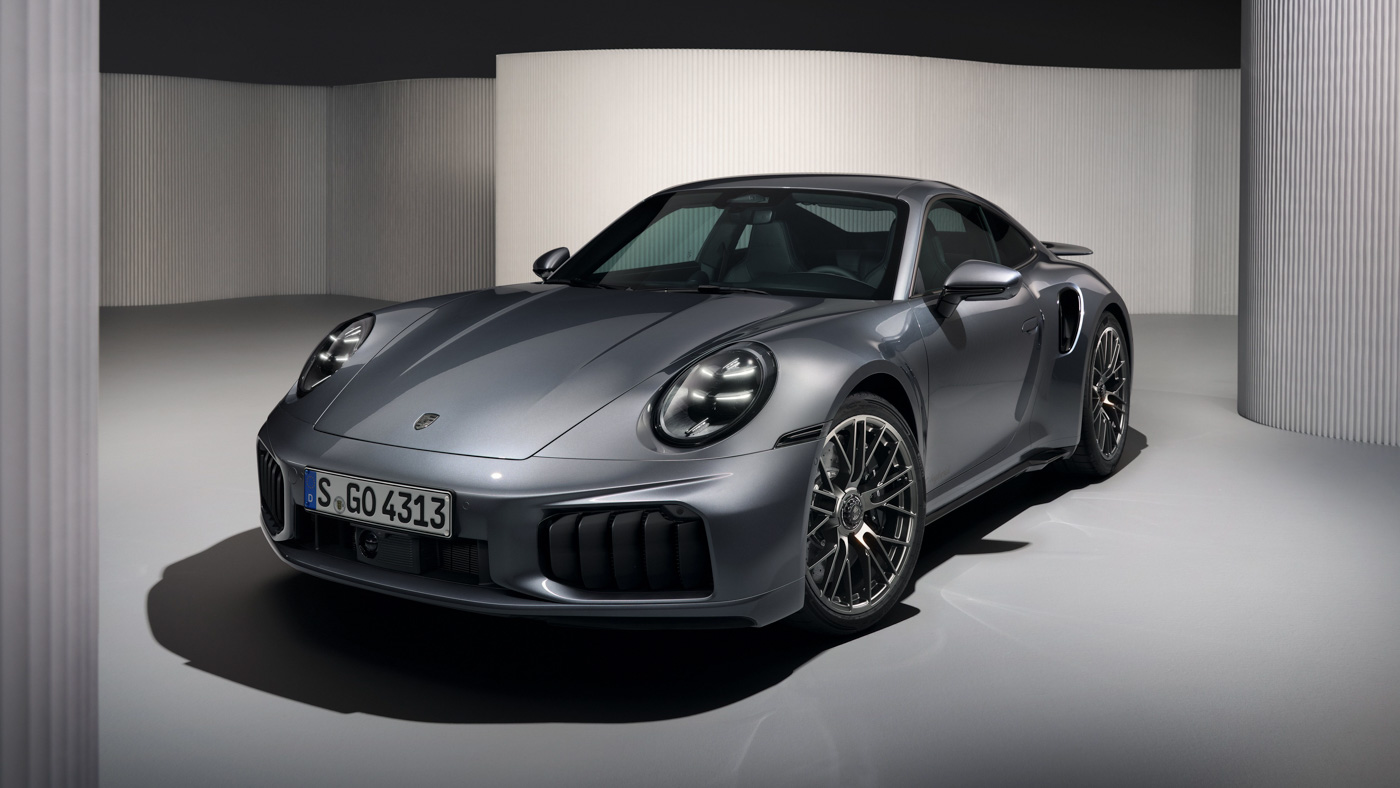
The Porsche 911 Turbo S has long gone toe-to-toe with flagship supercars from Lamborghini and Ferrari — often outperforming them. But eight years on, with the rise of all-wheel-drive hybrid supercars, the 992-generation Turbo S risks fading from memory. Now, with the updated 992.2 Turbo S and its new hybrid tech, Porsche is here to remind us it still bends the laws of physics at will.
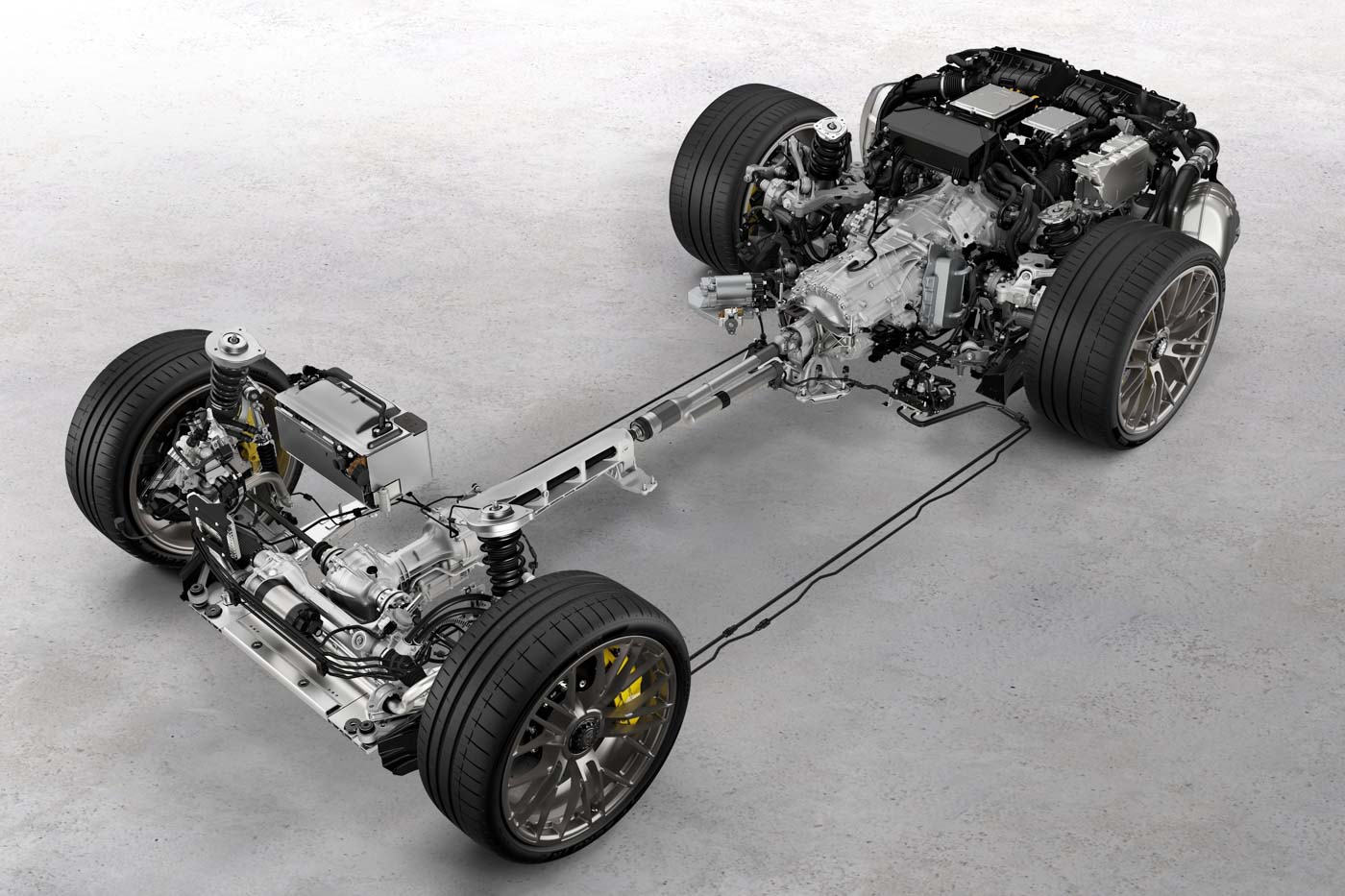
Courtesy of the new electrified 3.6-litre twin-turbo flat-six engine, The new 992.2 Porsche 911 Turbo S now boasts 711 hp, a 61 hp increase compared to the outgoing model year, while peak torque remains unchanged at 800 Nm. Crowned as the most powerful 911 model to date, power on the new Turbo S is delivered to all four wheels via an eight-speed PDK dual-clutch transmission, propelling the car from 0–100 km/h in a blistering 2.5 seconds.
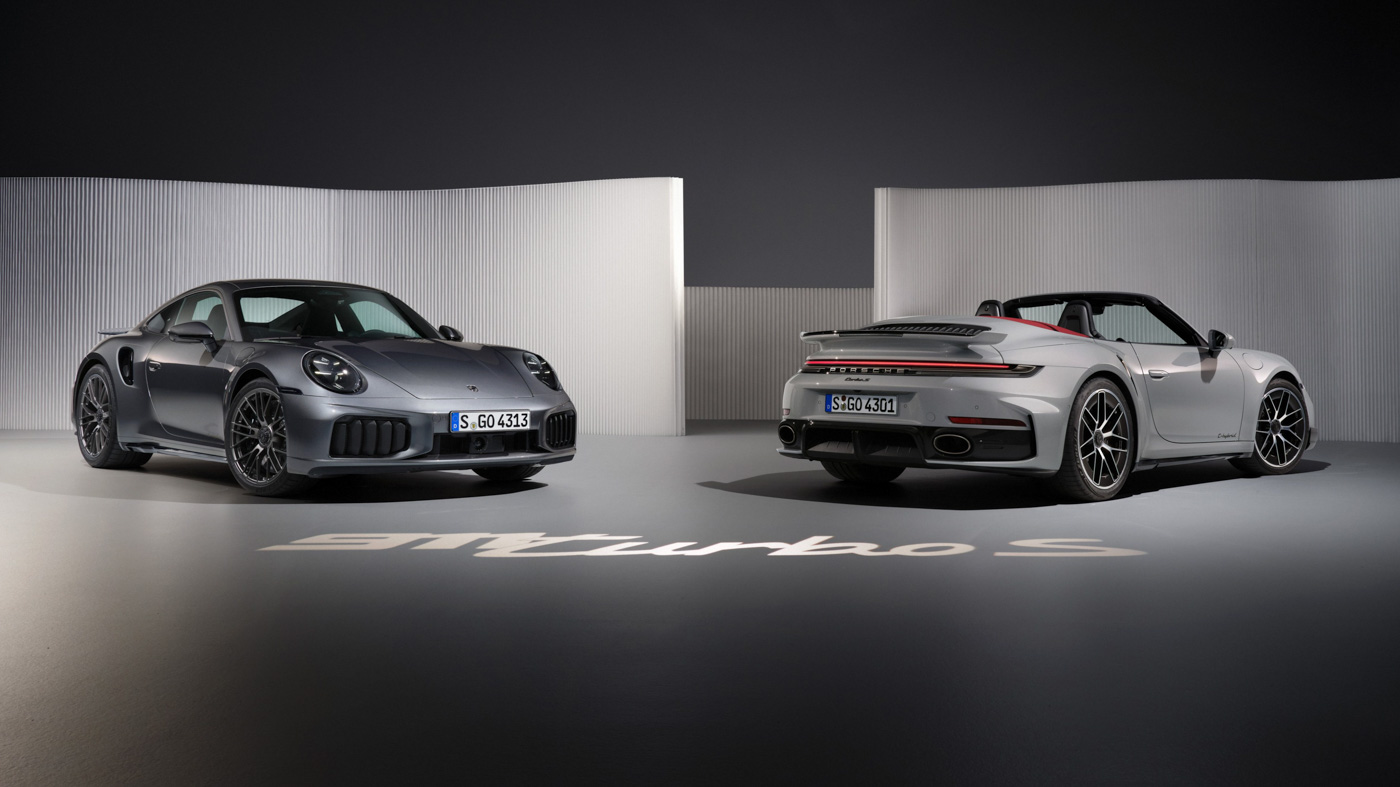
That not only shaves 0.2 seconds off its predecessor’s time but also eclipses the legendary 918 Spyder’s 2.6-second sprint — crowning it the fastest production Porsche ever. It now rockets to 200 km/h in just 8.4 seconds, 0.5 seconds quicker than before, and tops out at 322 km/h.
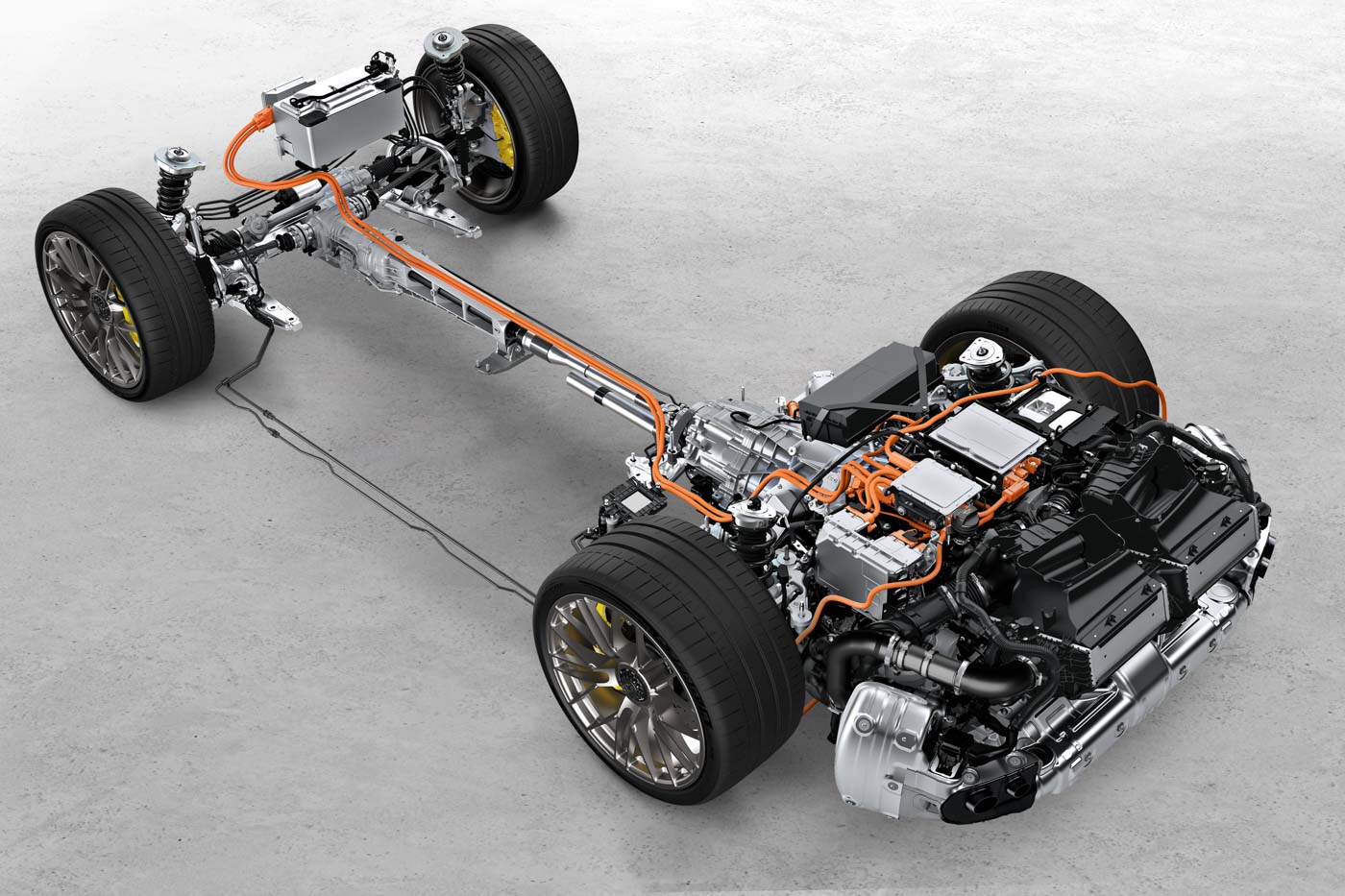
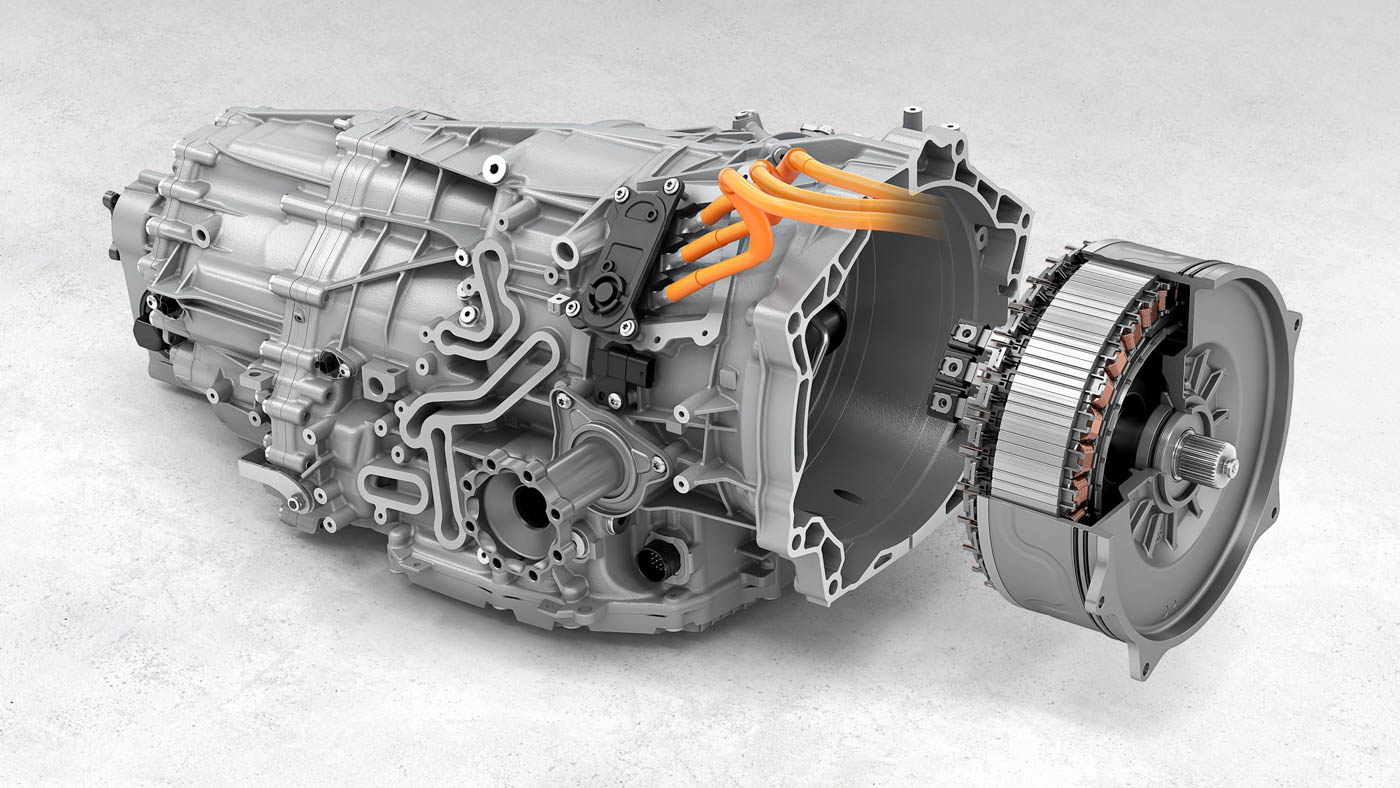
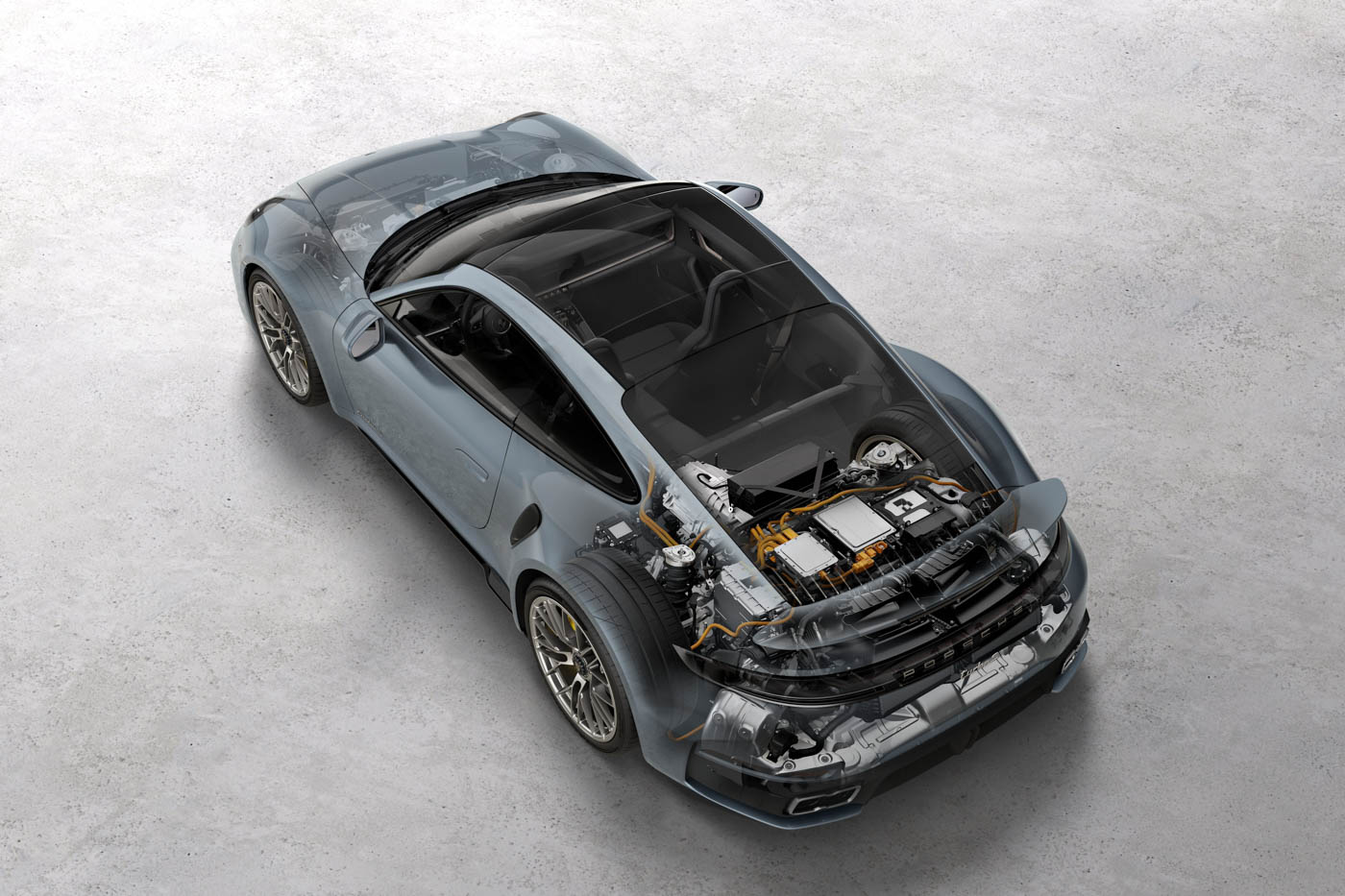
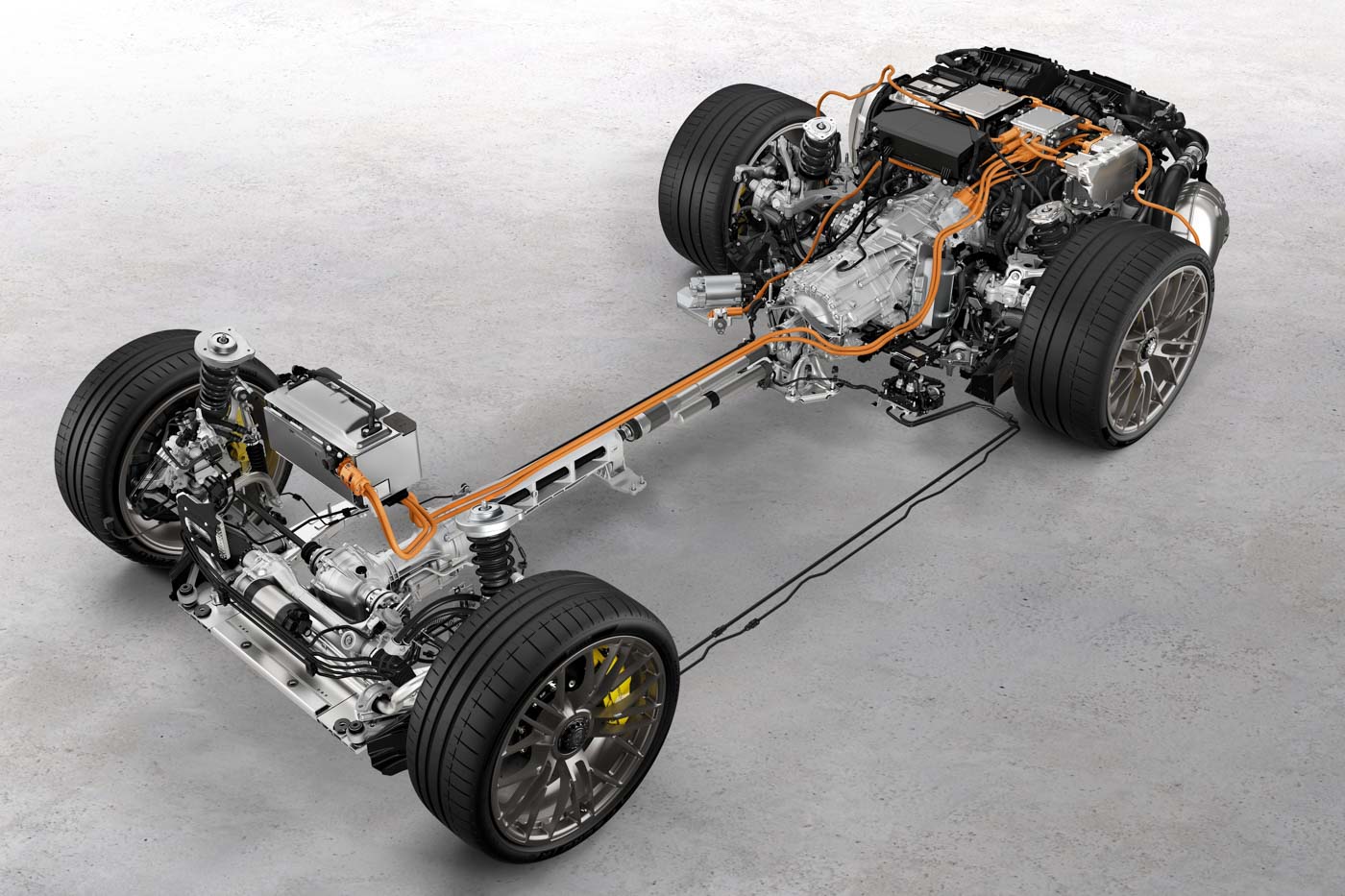
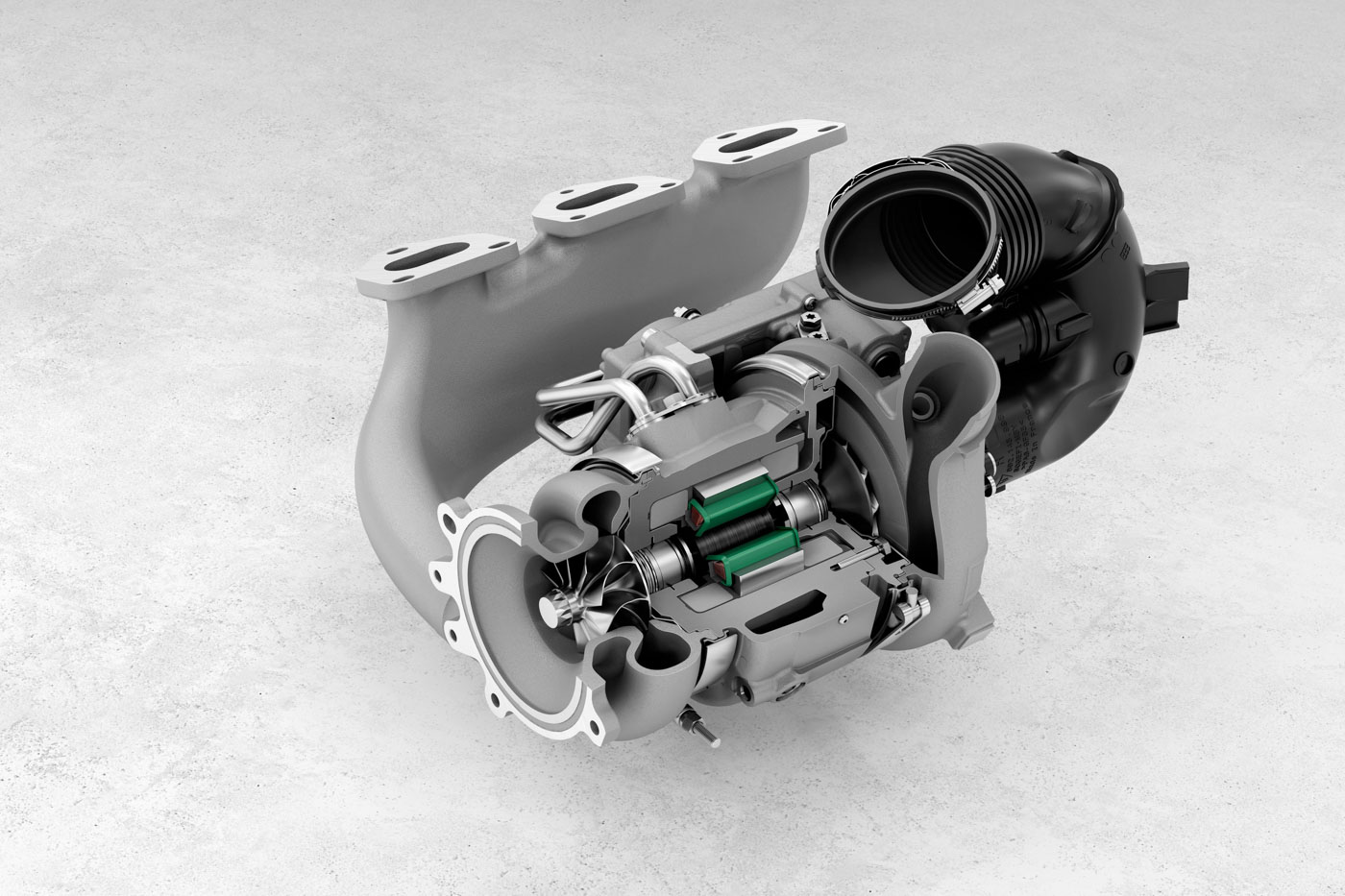
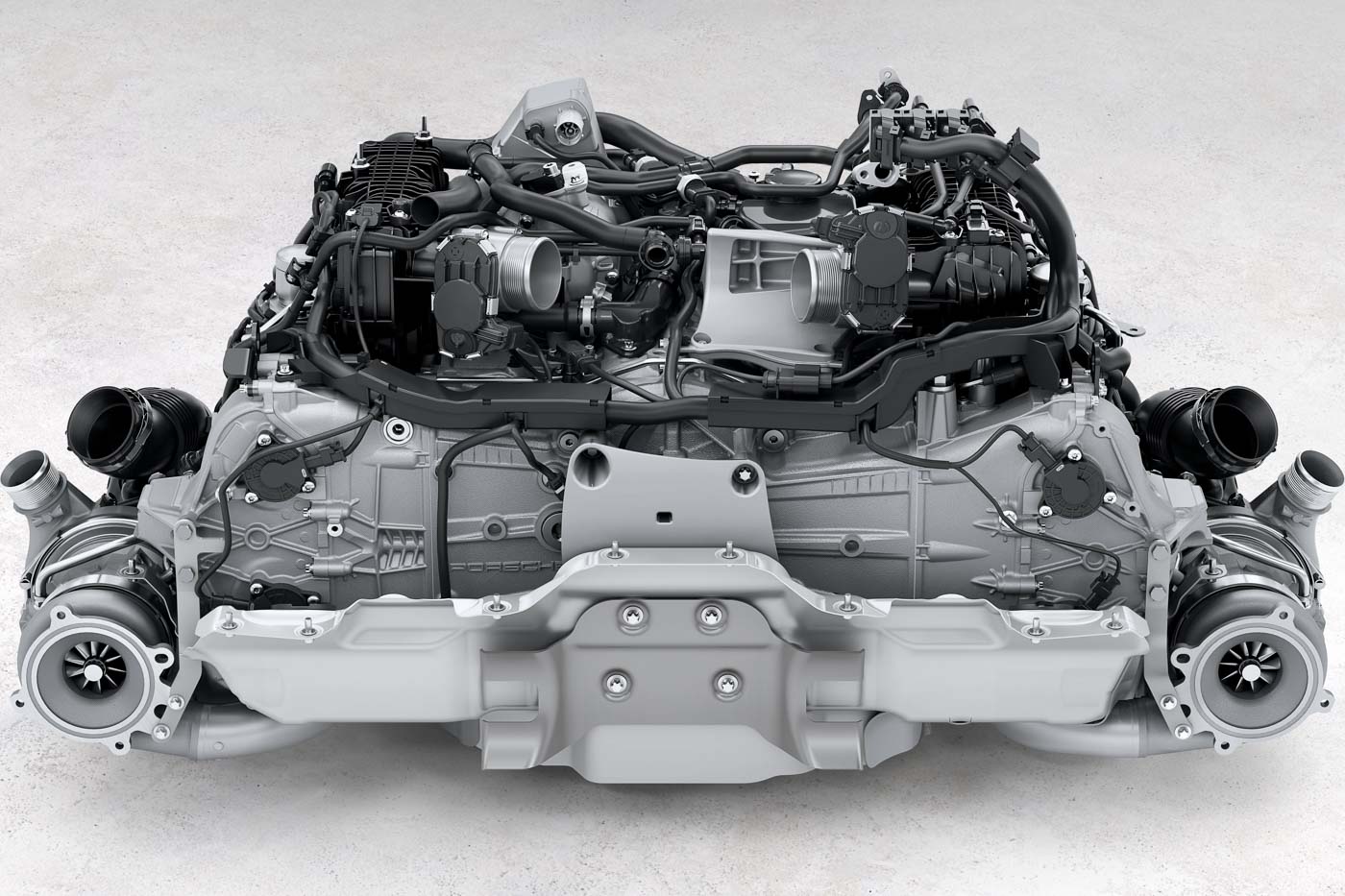
Dubbed the T-Hybrid system, the new 992.2 Porsche 911 Turbo S uses the same electric exhaust gas turbocharged (eTurbo) powertrain first seen in the 992 Porsche 911 GTS last year. Being the Turbo S model, however, means that it is fitted with two of those instead of one in the GTS.
ALSO READ: Porsche confirms new Macan-sized ICE-powered SUV, set for 2028 launch
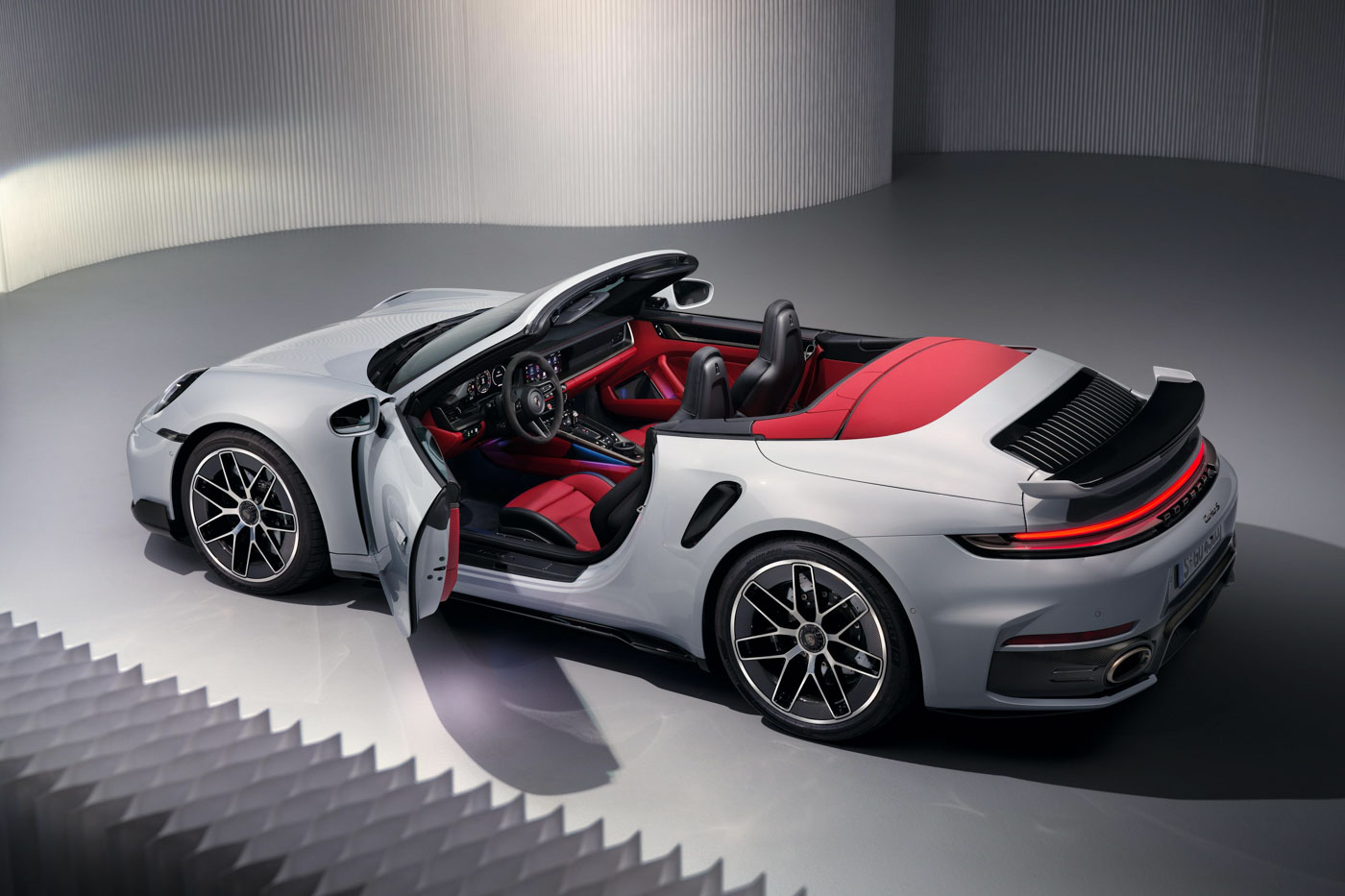
The clever turbo system integrates an electric motor situated between the turbine and compressor wheels. Powered by a 400-volt 1.9 kWh battery, this motor instantly spools the turbo, delivering full boost pressure practically from idle and eliminating turbo lag.
To make it compatible with the Turbo S, Porsche says the turbine and compressor were specifically designed to meet the requirements of the car’s twin-turbo setup. Because of these hybridised turbos, Porsche says all of the engine’s 800 Nm of torque will be available over an extremely wide range from 2,300 to 6,000 rpm — while the full 711 hp figure peaks around 6,500 to 7,000 rpm.
ALSO READ: Gamers rejoice – new 2026 Porsche Macan update brings video games to the centre screen
Even with the extra new technologies under the sheet metal, the all-new 992.2-generation Porsche 911 Turbo S only weighs 85 kg more than the outgoing model. The extra weight of a co-driver is clearly no issue for the car, as it manages to lap the Nurburgring in just 7:03.92 minutes — around 14 seconds faster than its predecessor.
Porsche Brand Ambassador, Jörg Bergmeister, said, “You don’t feel the weight gain. On the contrary — the car is much more agile, has more grip and is significantly faster than its predecessor in all relevant sections of the track.”
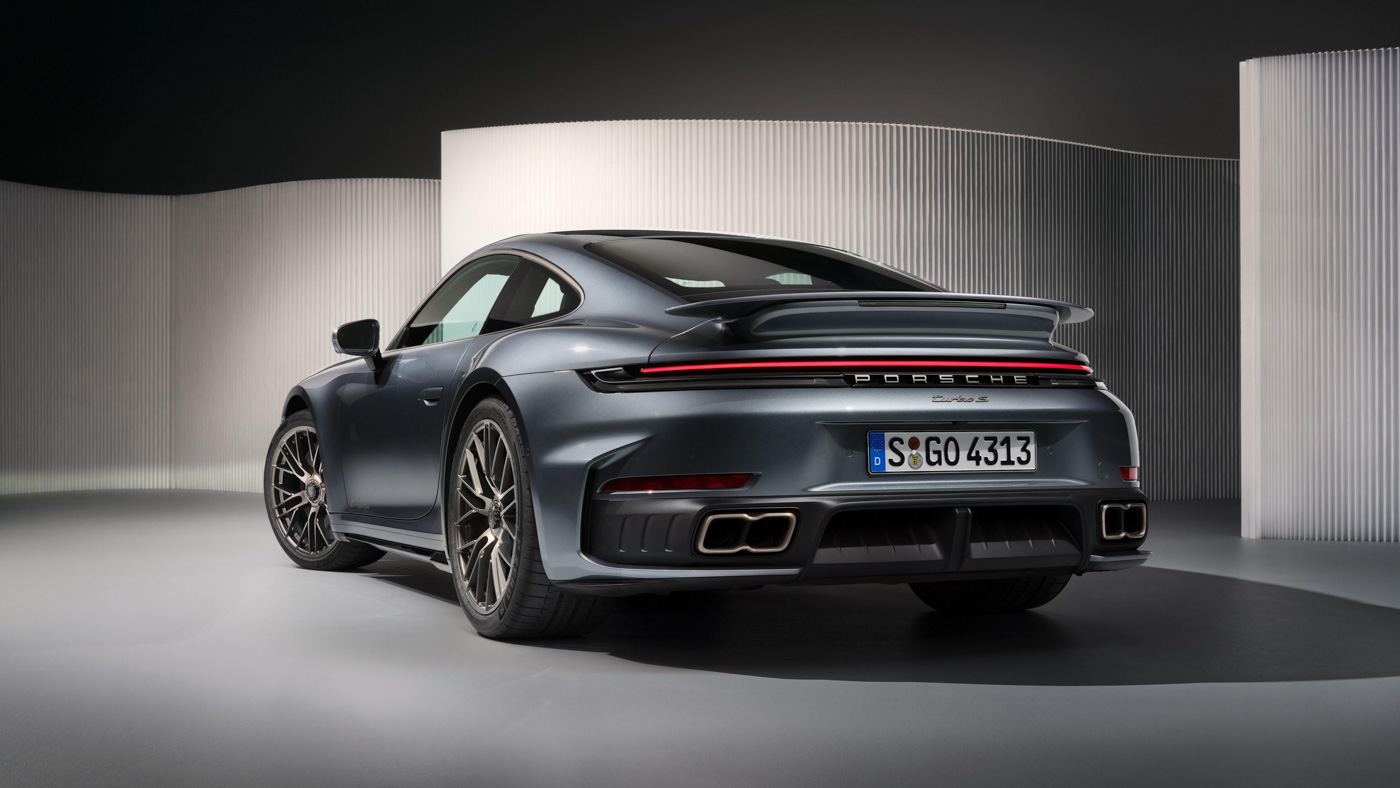
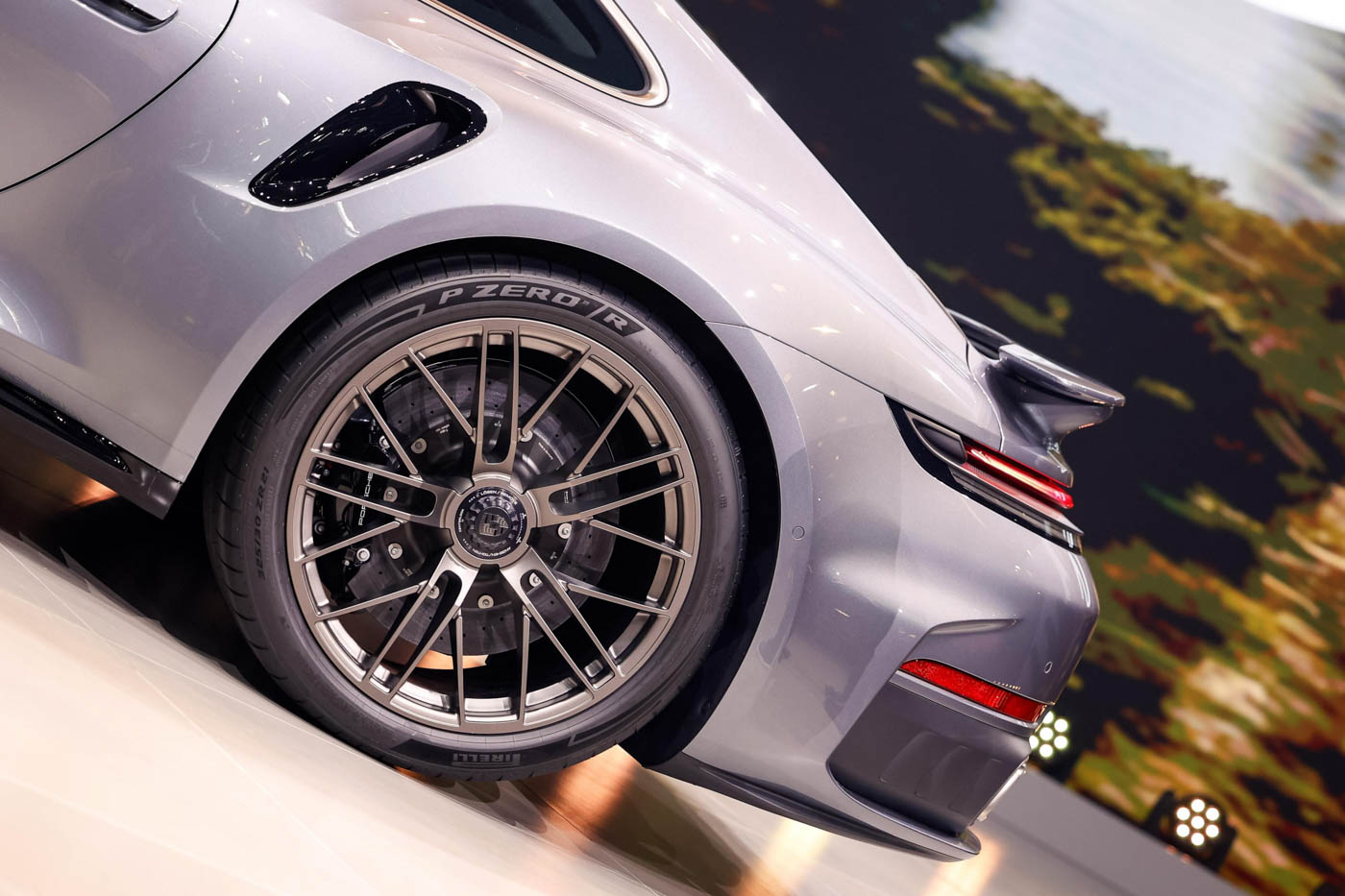
Of course, the improved track time was not solely the work of the new powertrain. The new 992.2 Porsche 911 Turbo S has also been treated to a whole bunch of other performance upgrades, including a wider track, with the rear axle being 10 mm wider compared to the previous model.
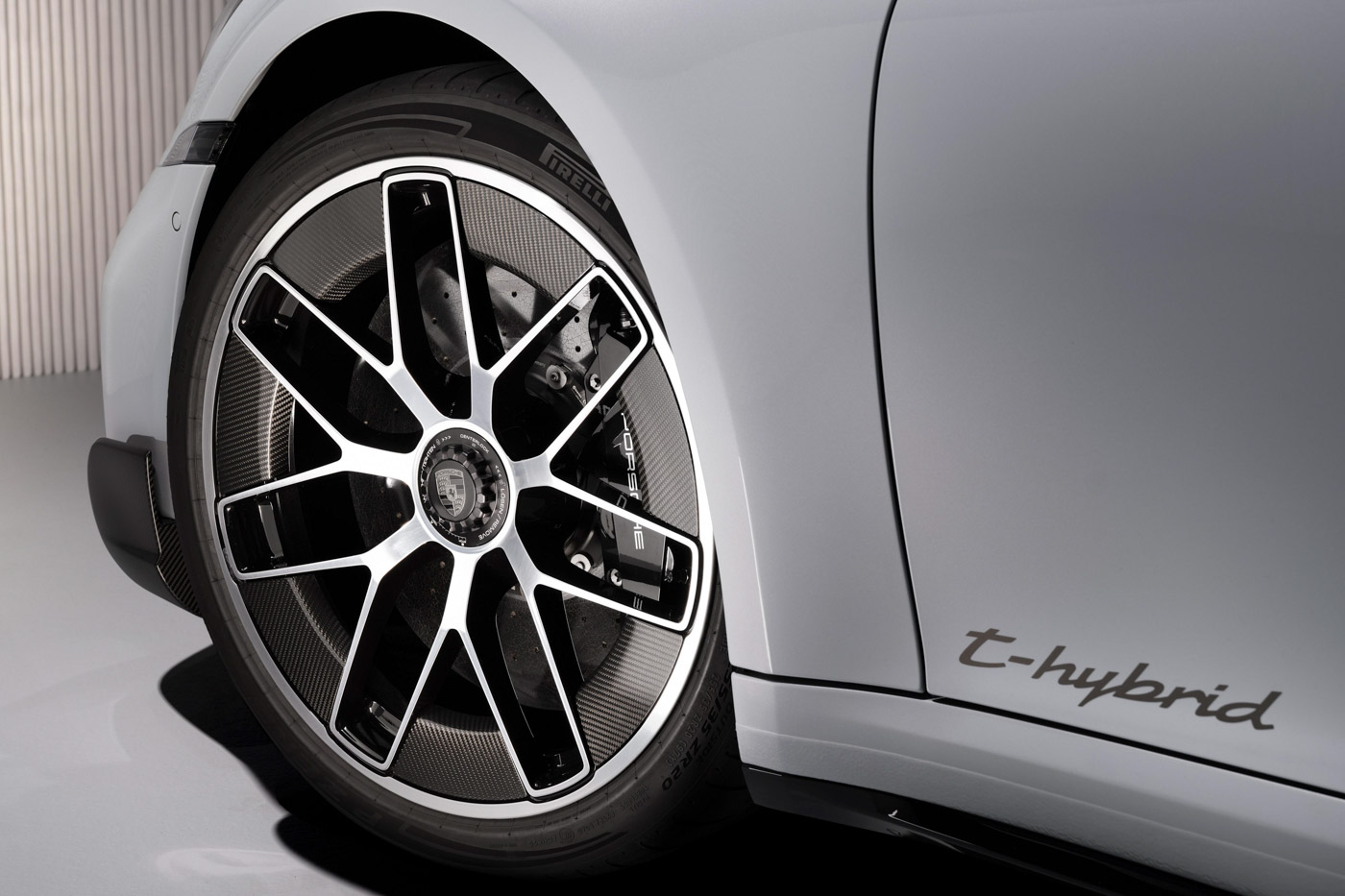
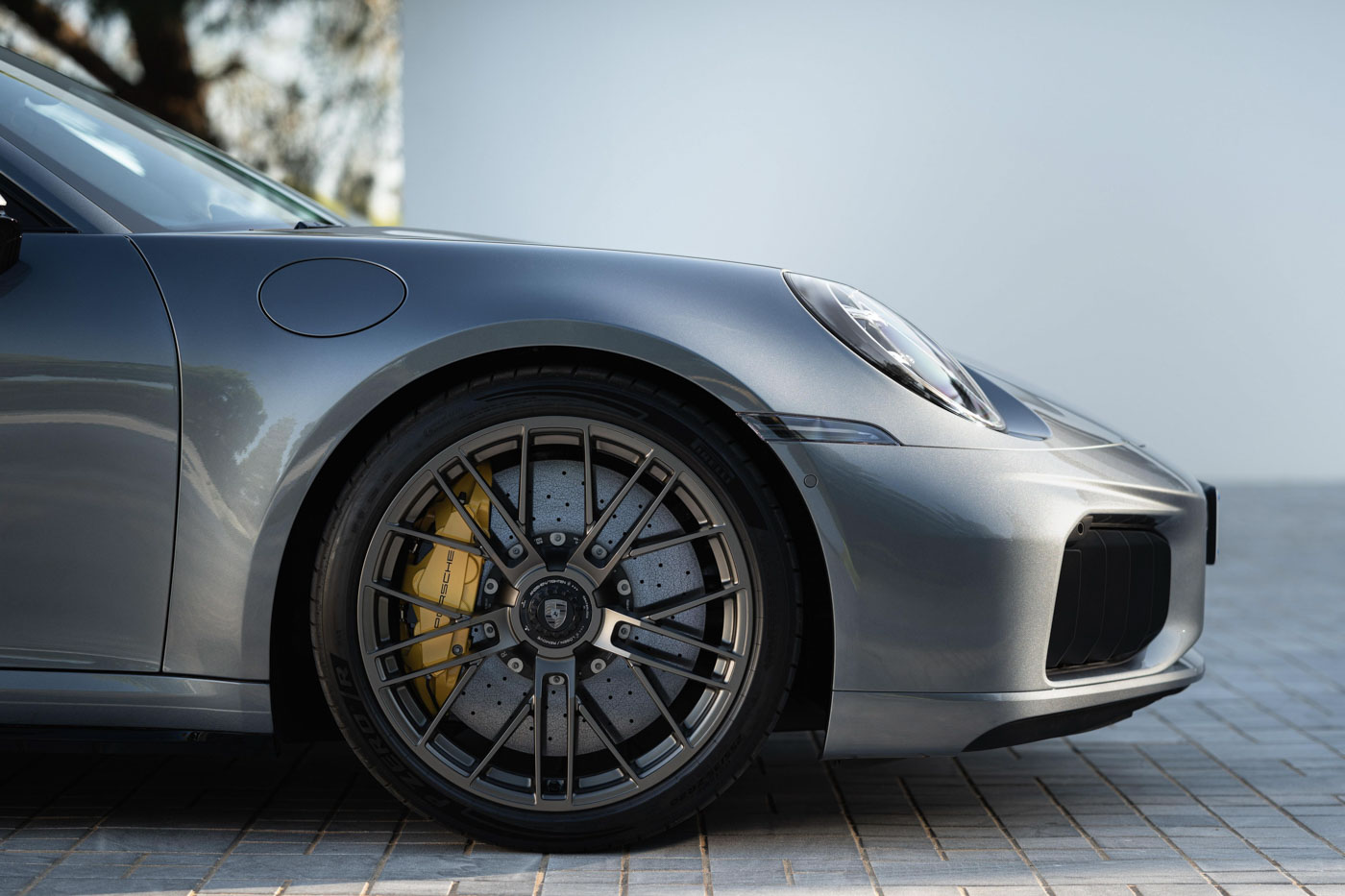
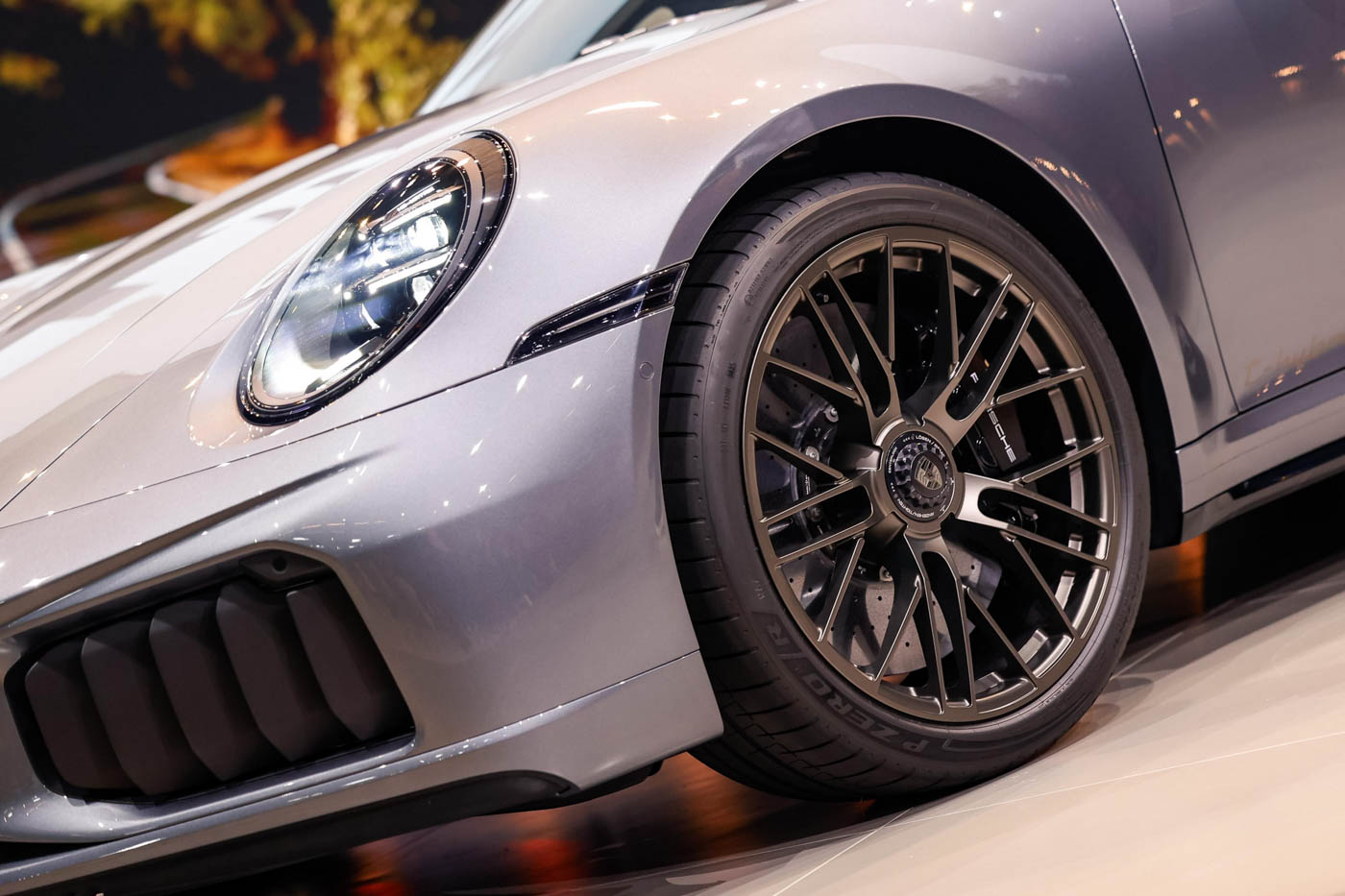
The new Turbo S has also received better brakes – the largest carbon-ceramic brakes ever fitted to a two-door model, in fact, Porsche claims. As standard, the Carbon Ceramic disc brakes at the rear have increased in size from 390 mm to 410 mm, while the front maintains a diameter of 420 mm. The car is also kitted with new brake pads capable of withstanding bigger loads.
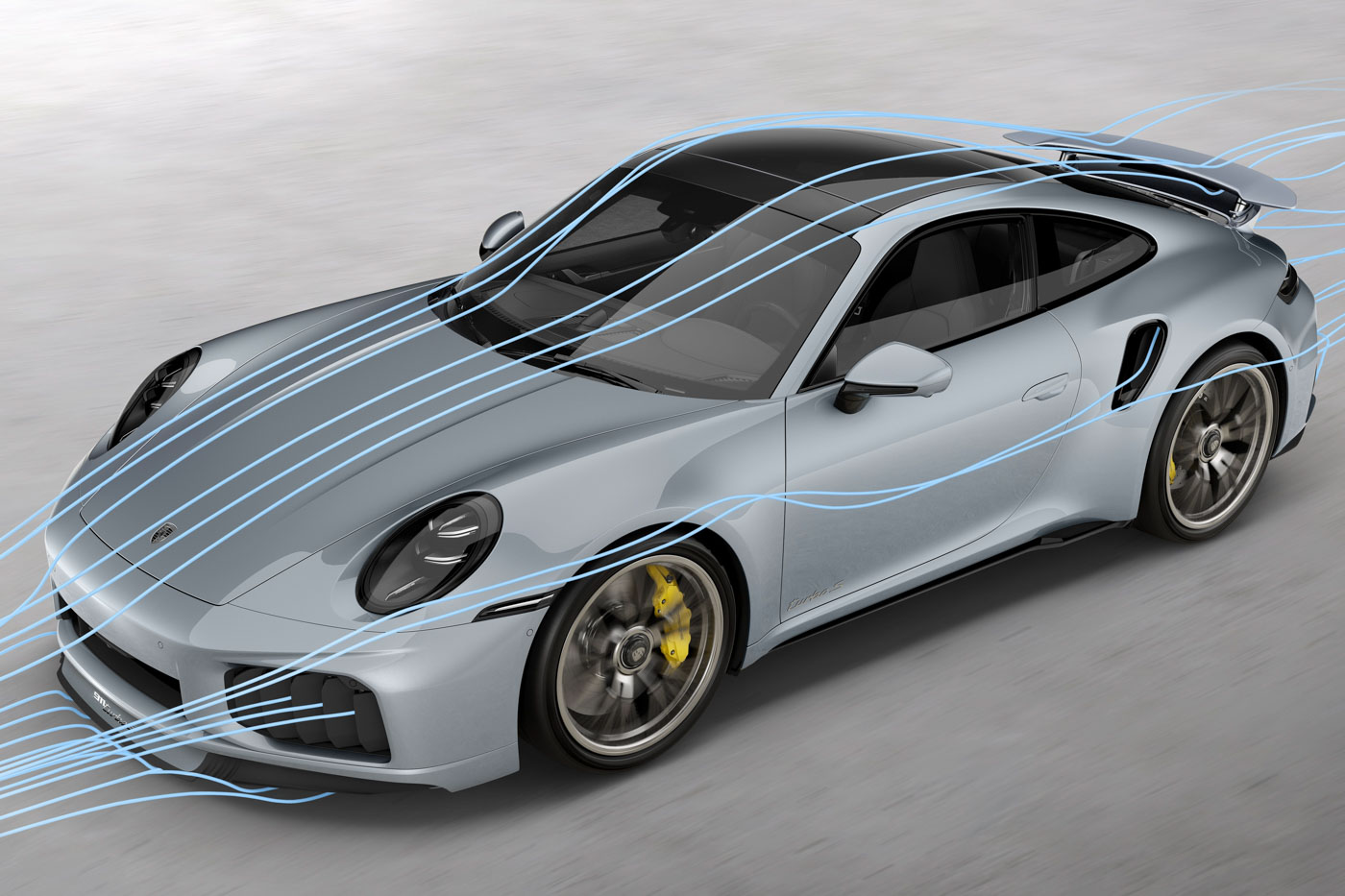
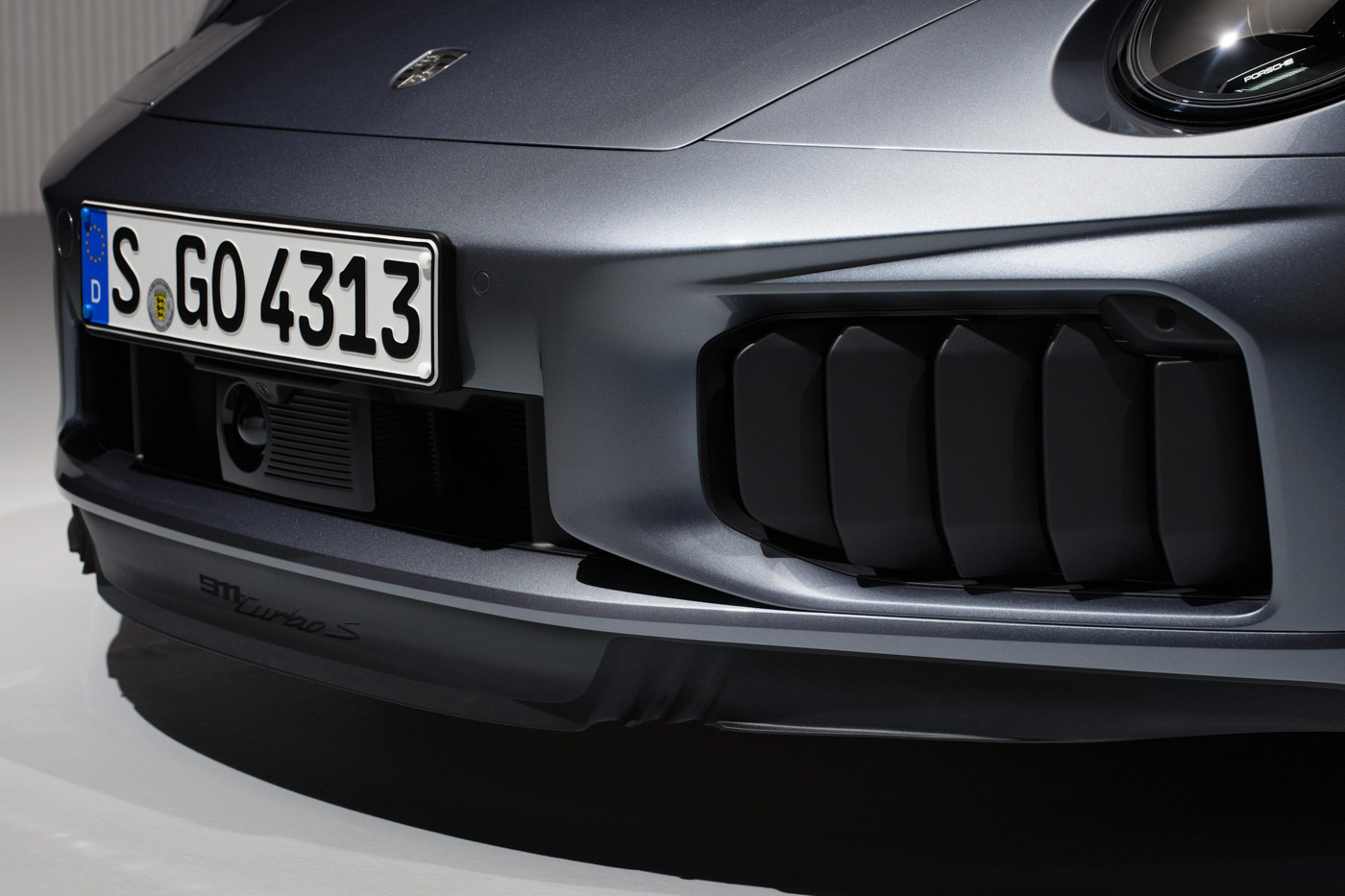
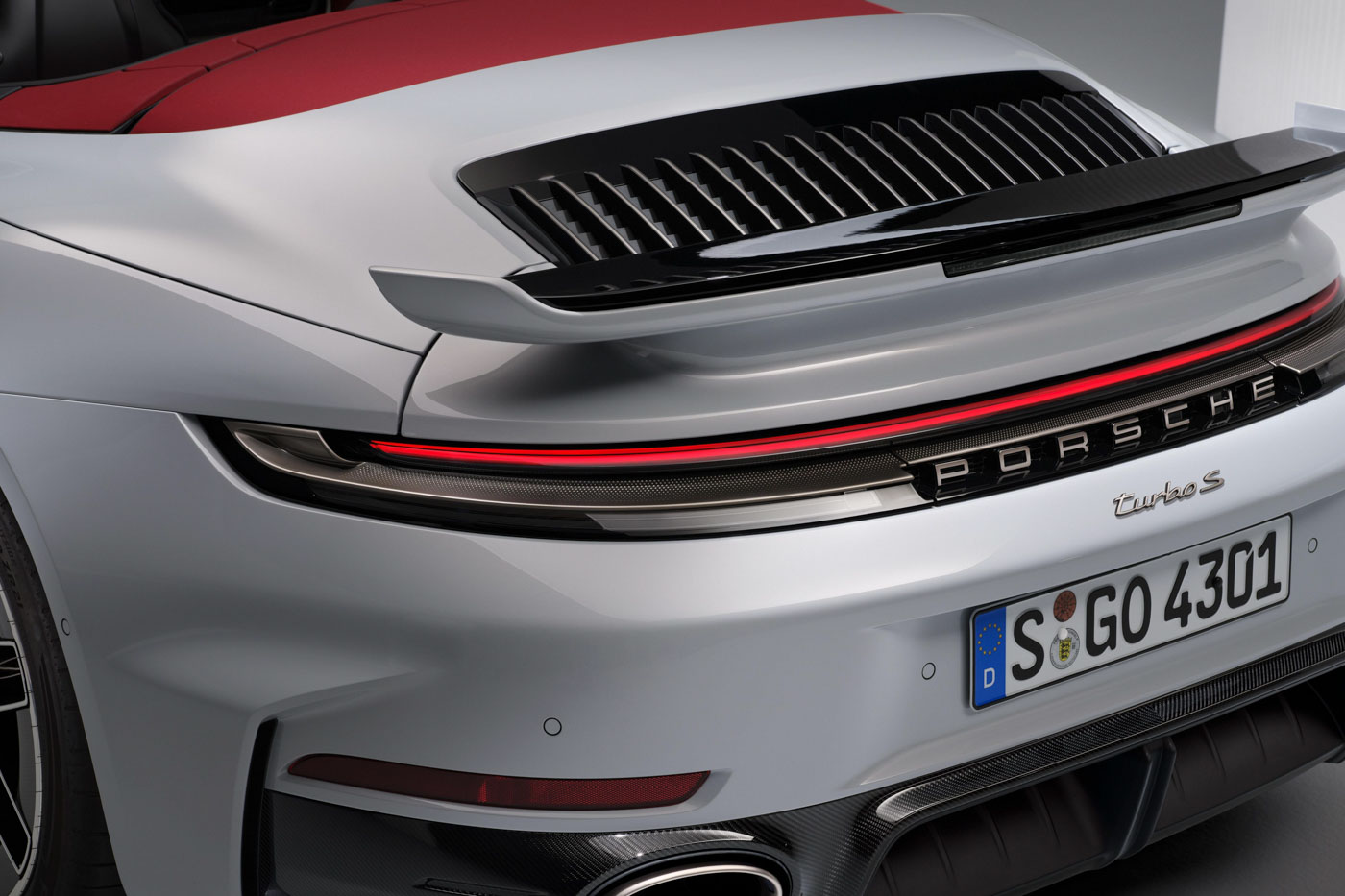
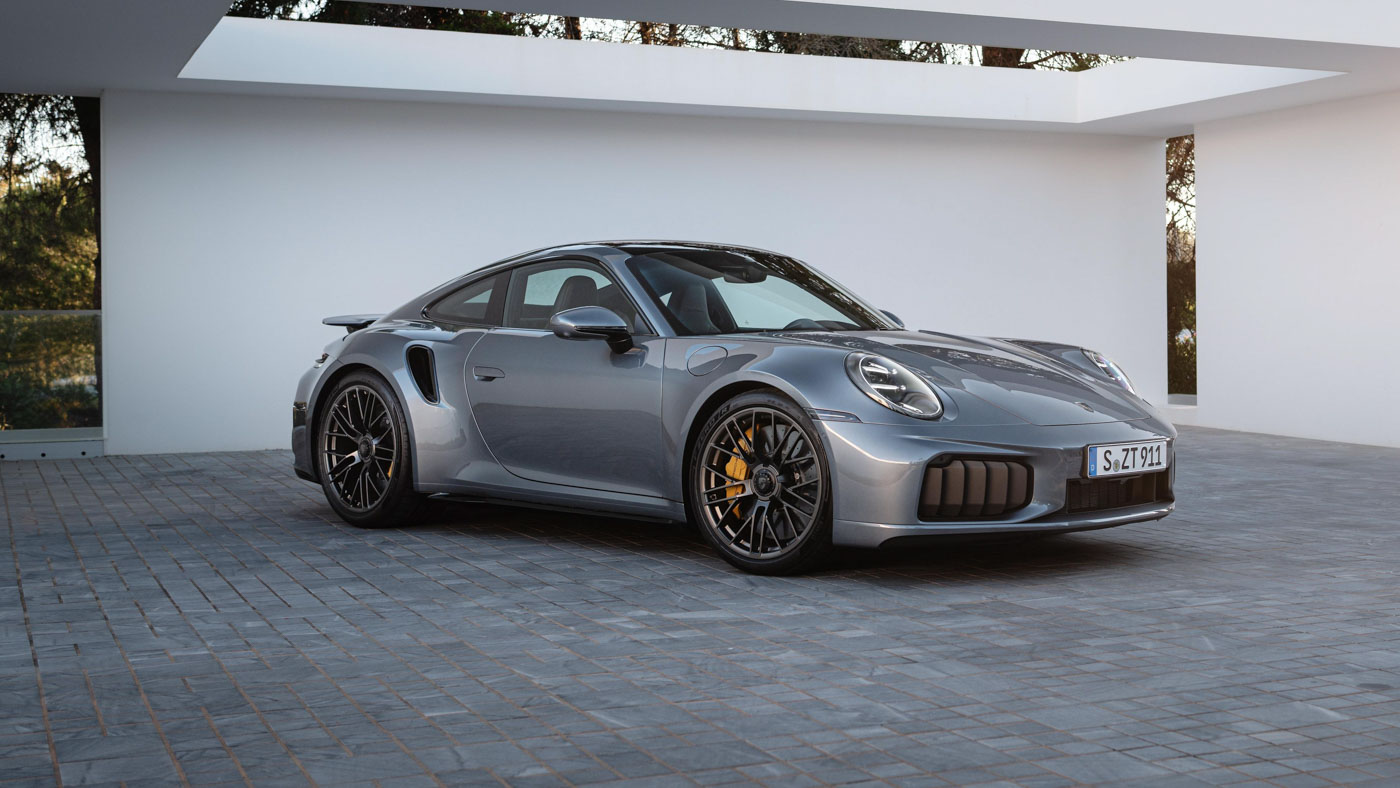
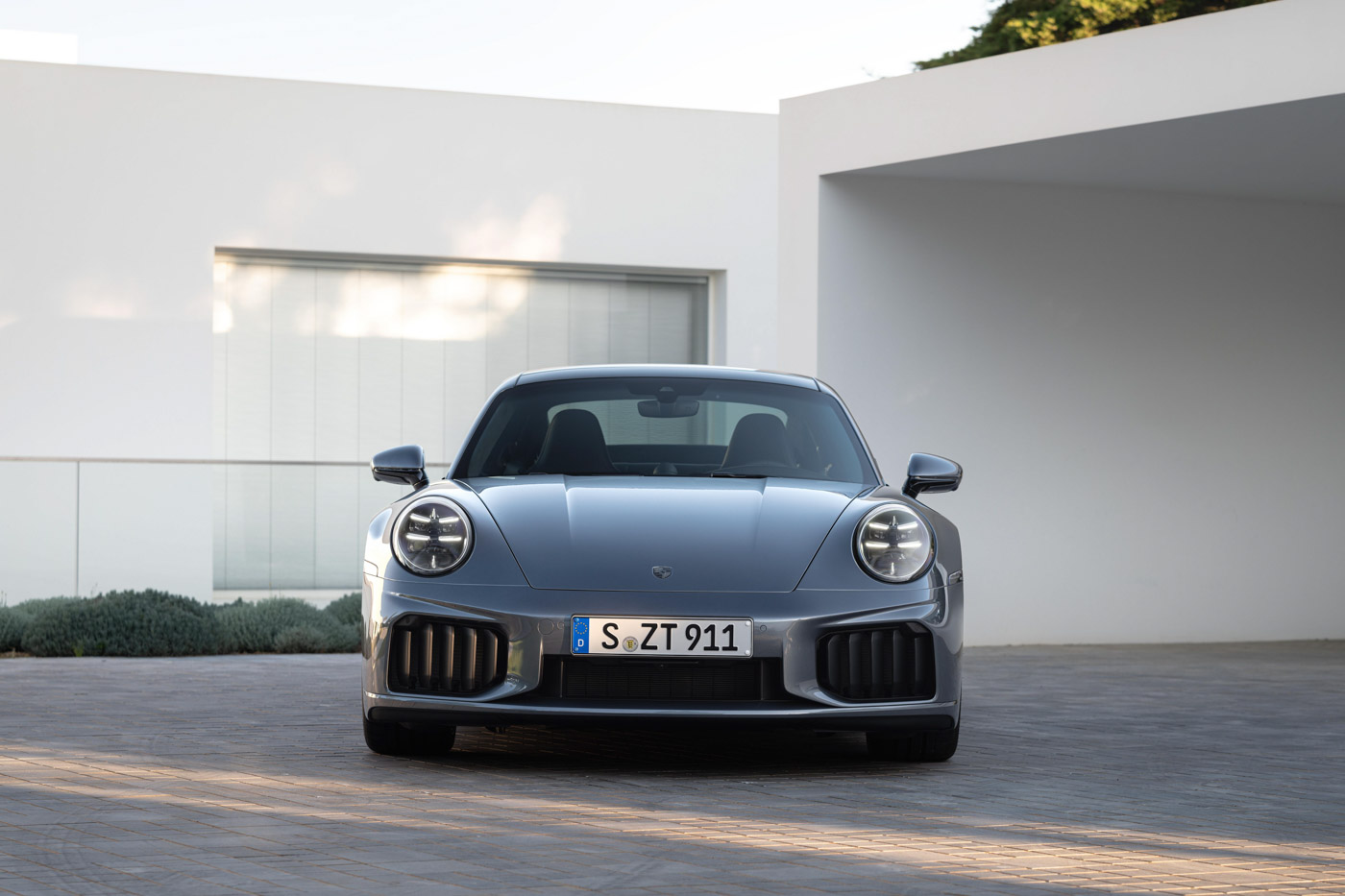
Aerodynamically, the new Turbo S benefits from several upgrades. It inherits the active, vertically arranged cooling flaps at the front from the GTS, while the adjustable front spoiler lip and extendable rear wing return from the previous model. In their most efficient settings, these elements reduce drag by up to 10%.
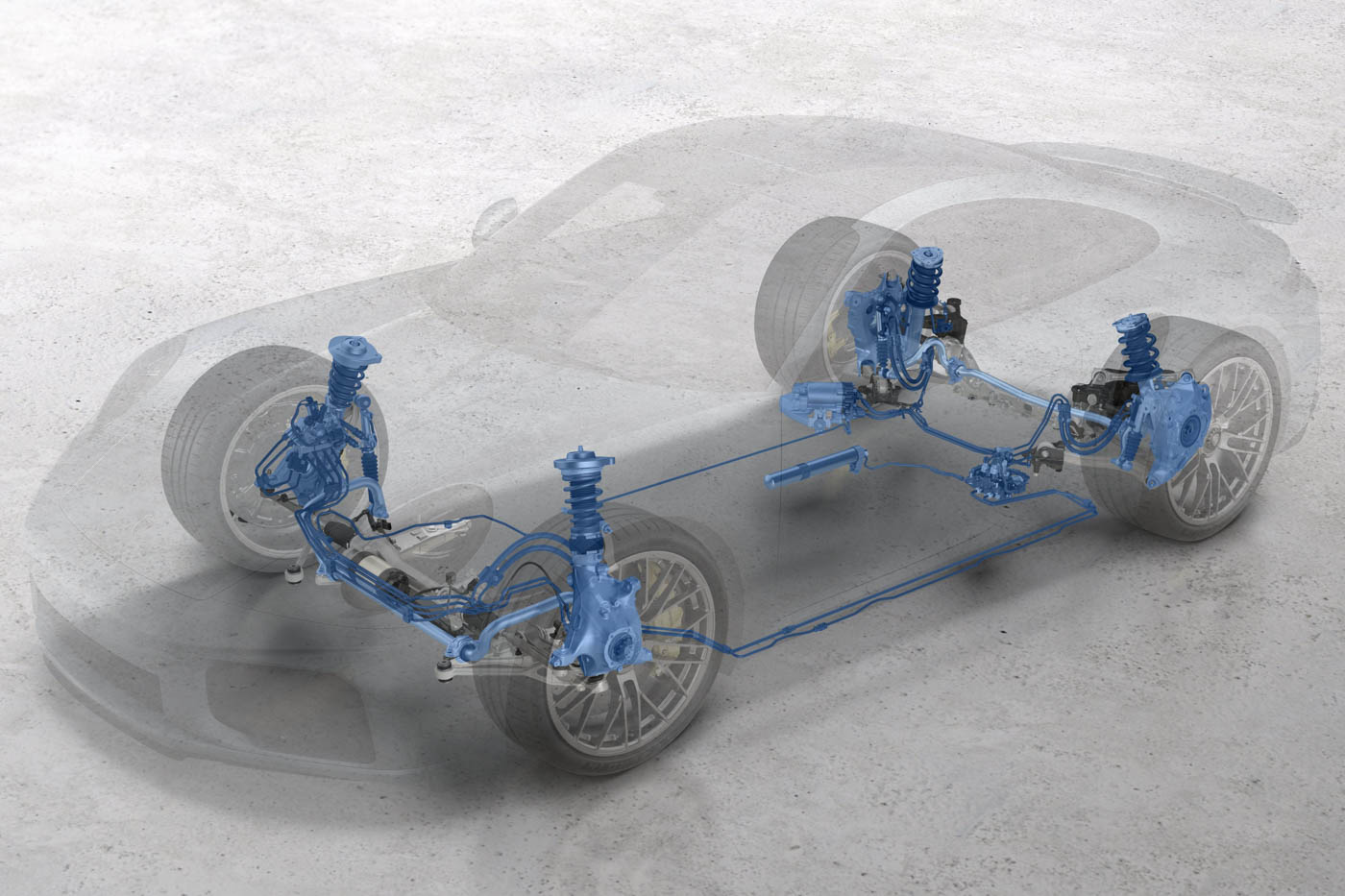
With the help of the 400-volt electrical system and battery, Porsche was able to fit the new 911 Turbo S with electro-hydraulically controlled Porsche Dynamic Chassis Control (ehPDCC) as standard. This improves stability when changing directions and increases agility when entering or exiting corners. The car is also optionally available with a lift system for optimum everyday usability.
ALSO READ: 2025 Porsche 911 Carrera 4S returns to the line-up with more power and all-wheel drive
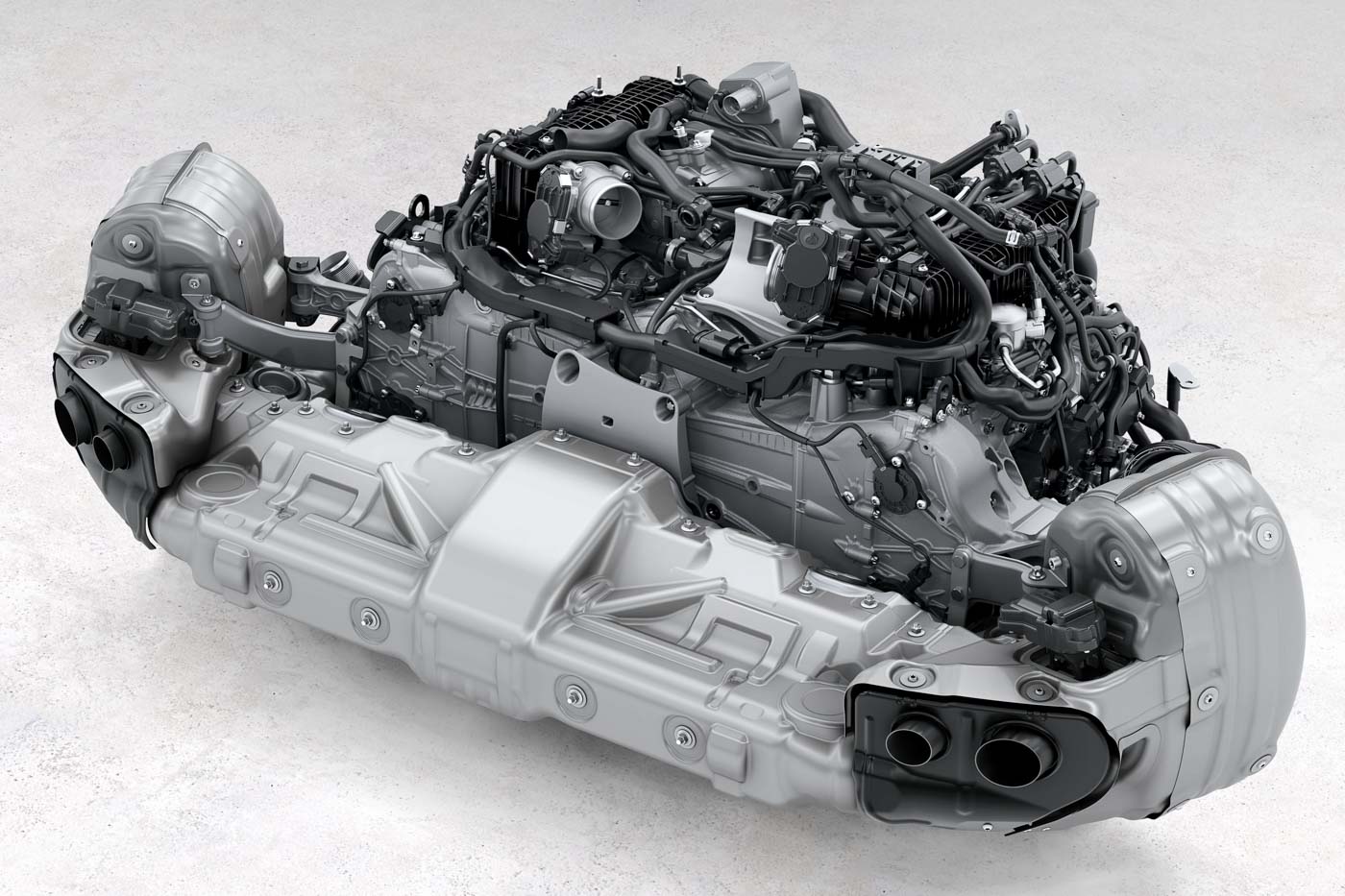
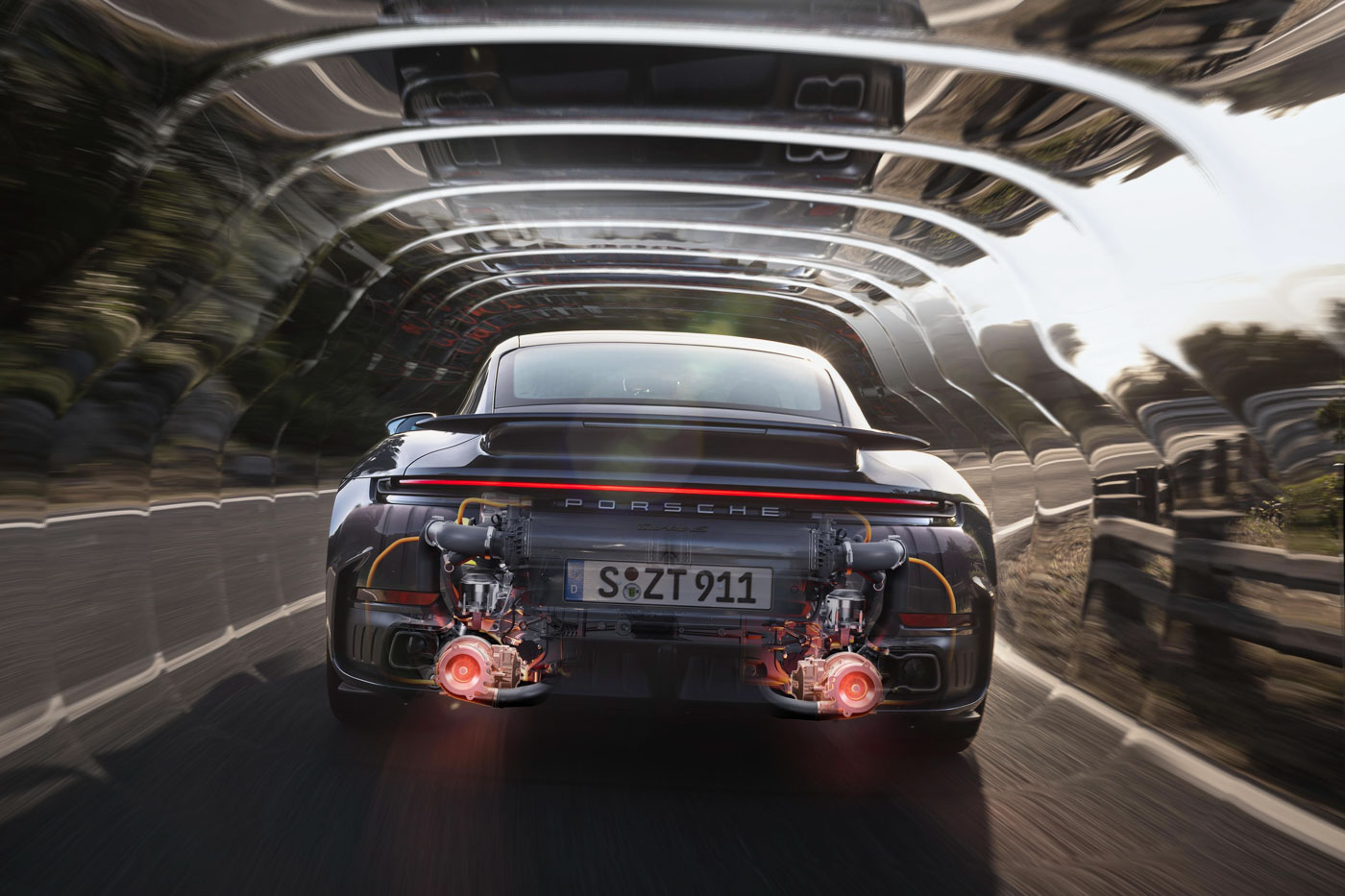
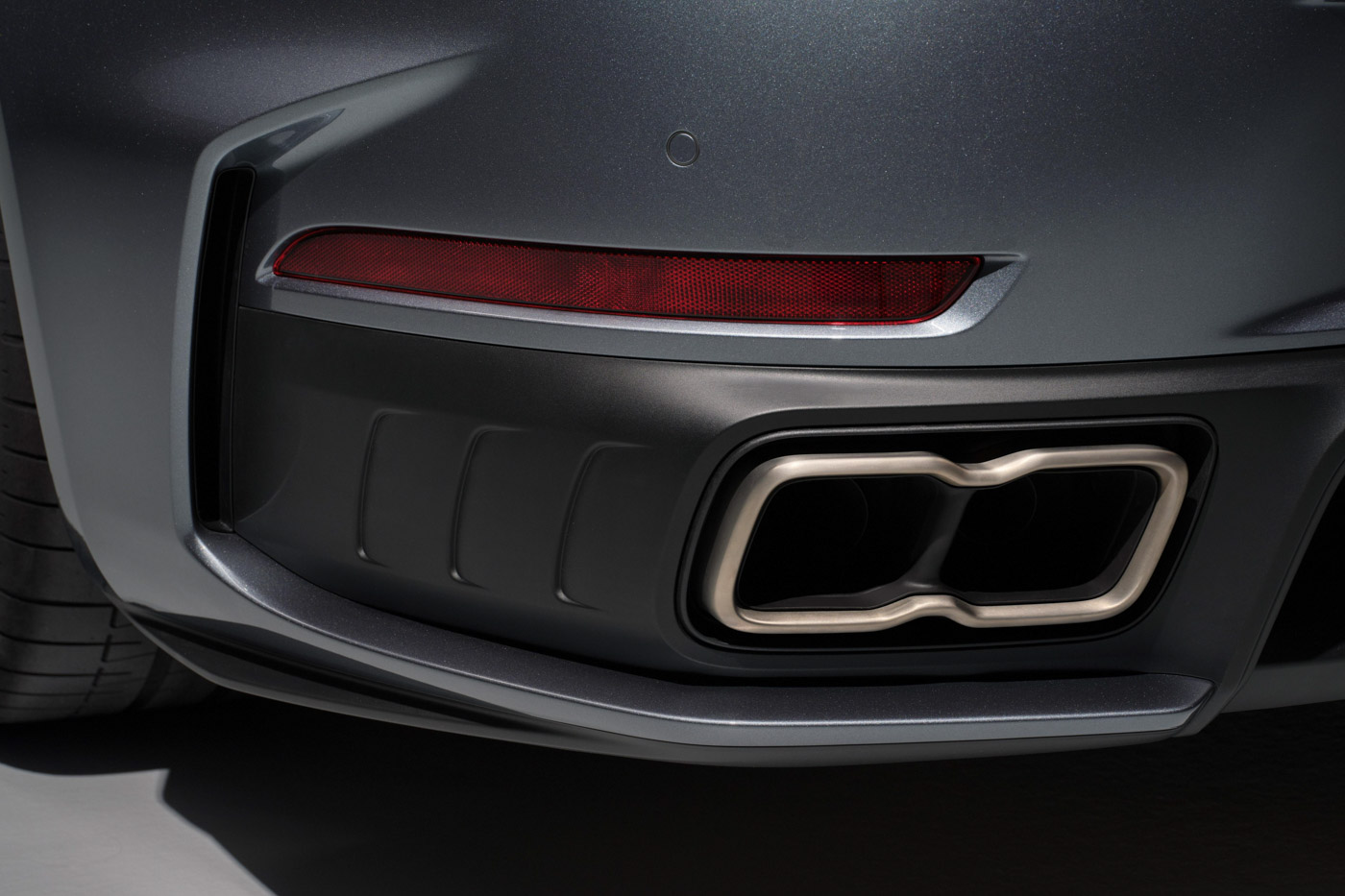
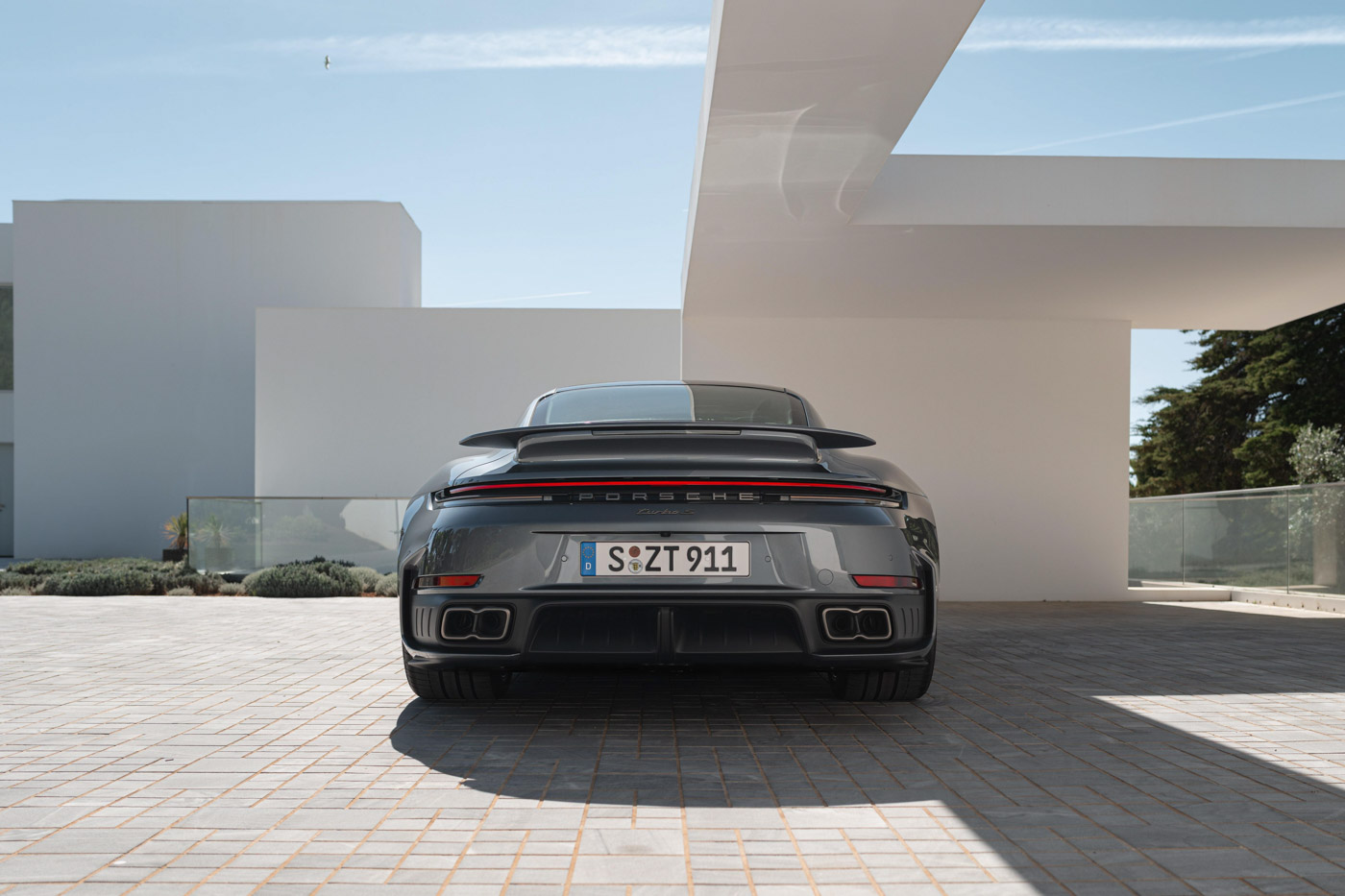
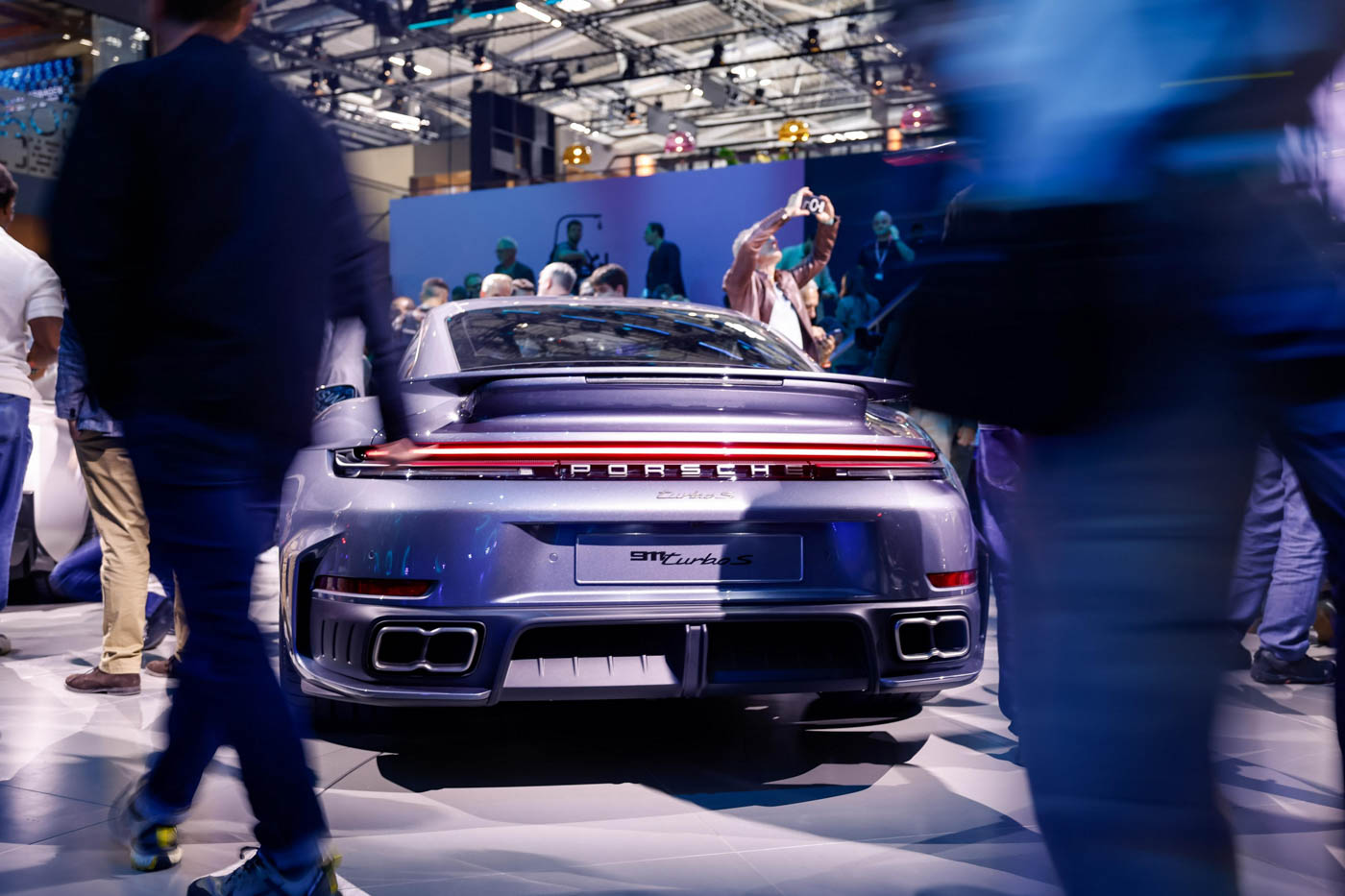
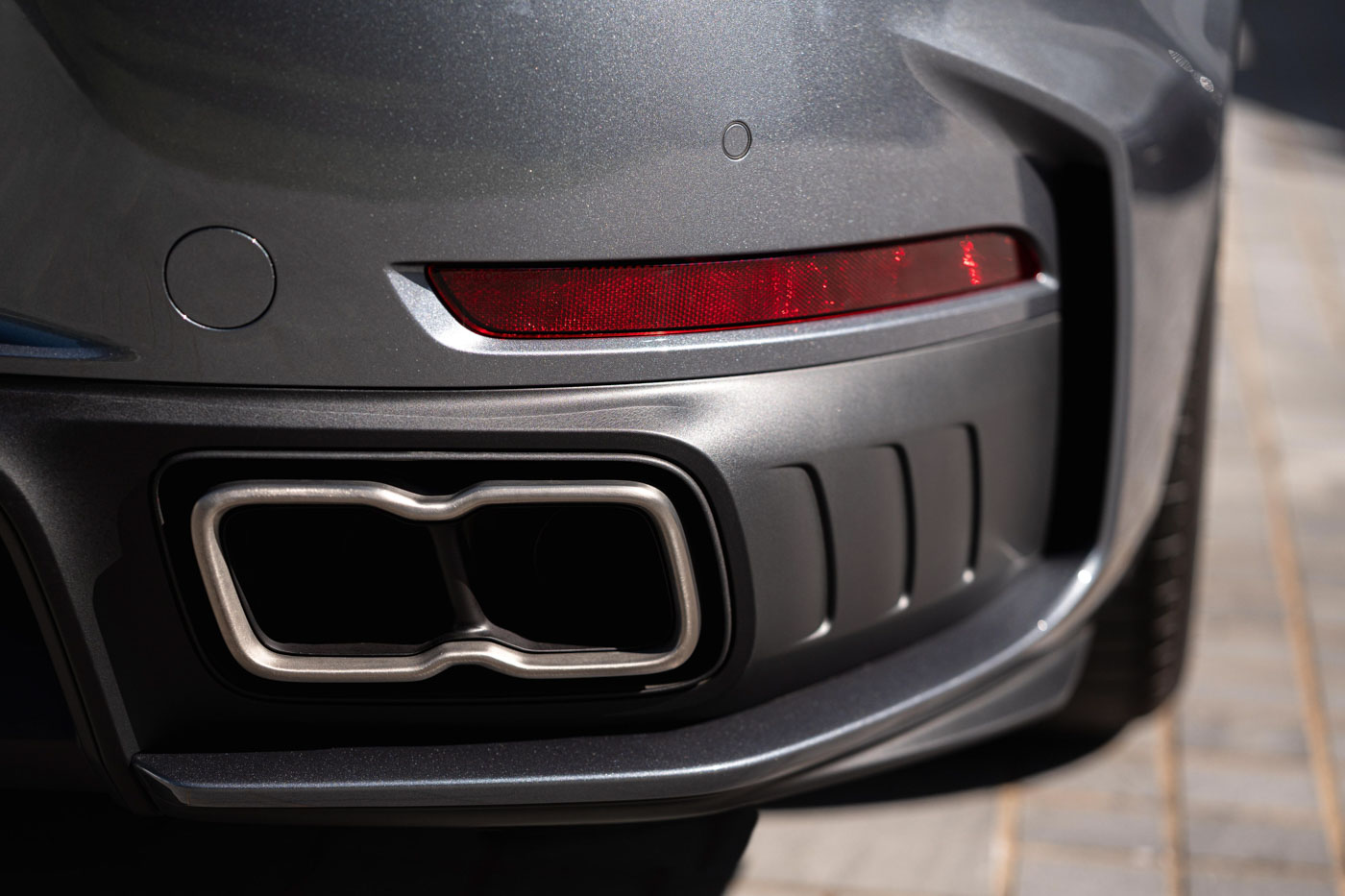
And to round off the performance upgrades, the new 992.2-gen Porsche 911 Turbo S now comes standard with a titanium exhaust system, complete with a rear silencer and tailpipe trims. Developed exclusively for the new Turbo S, Porsche claims the exhaust system not only delivers a throatier, more emotional sound but also sheds 6.8 kg of weight.
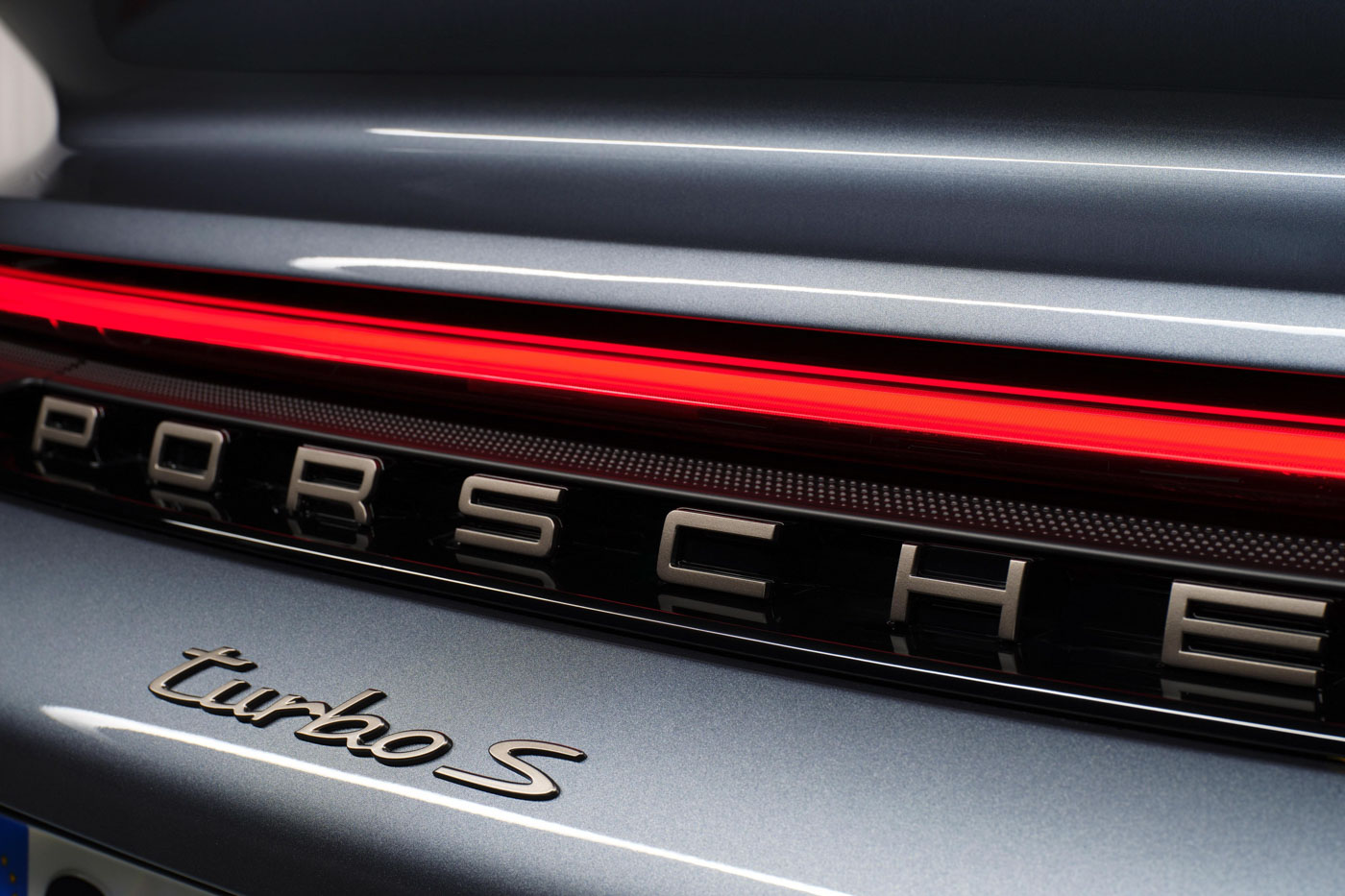
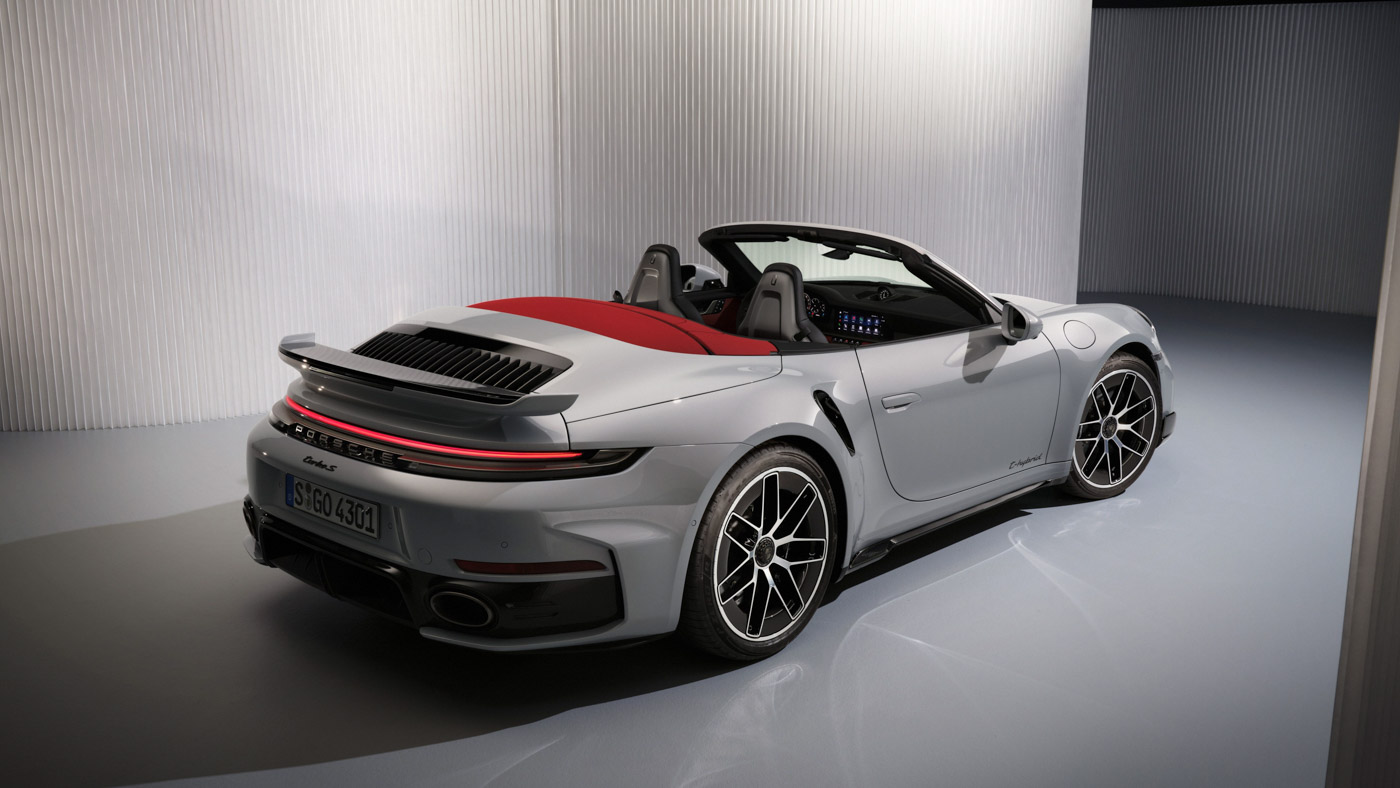
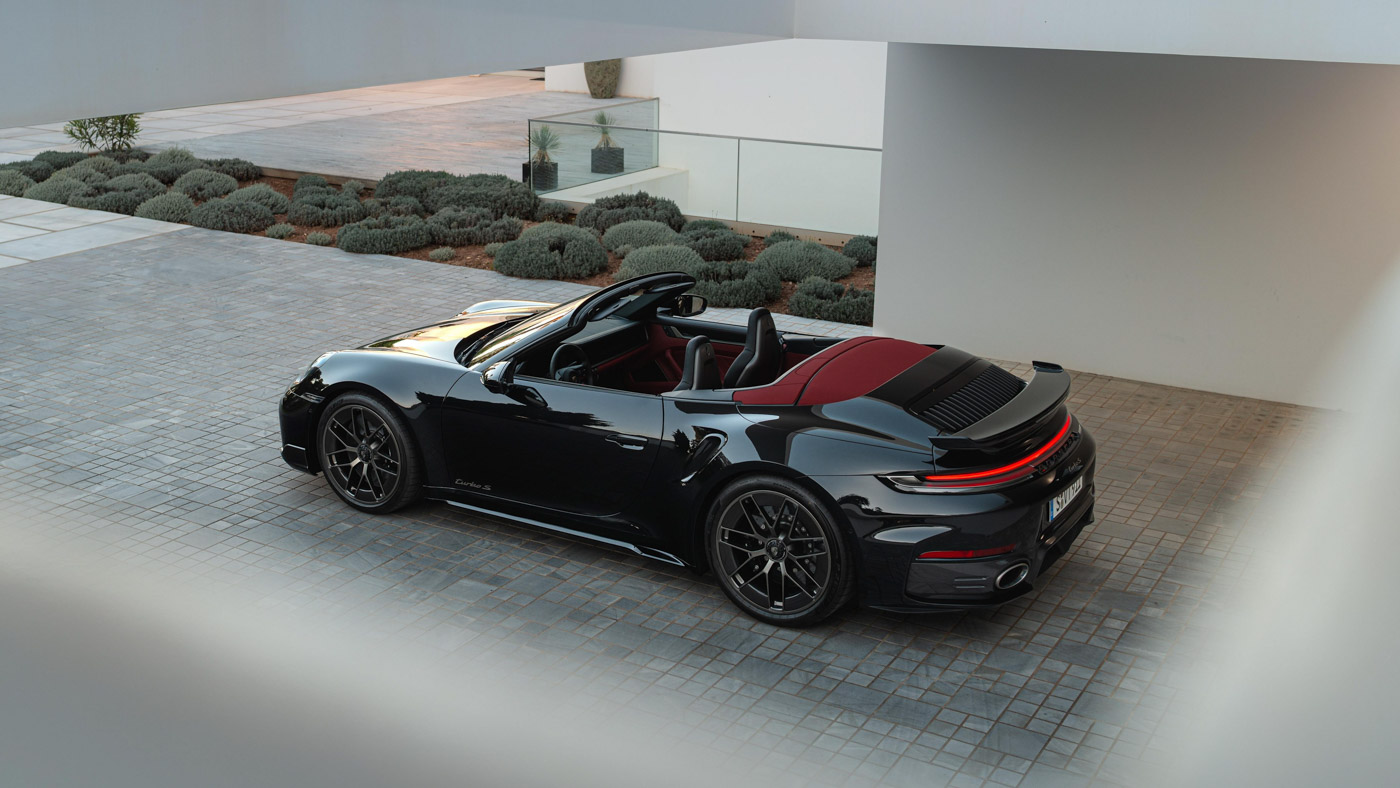
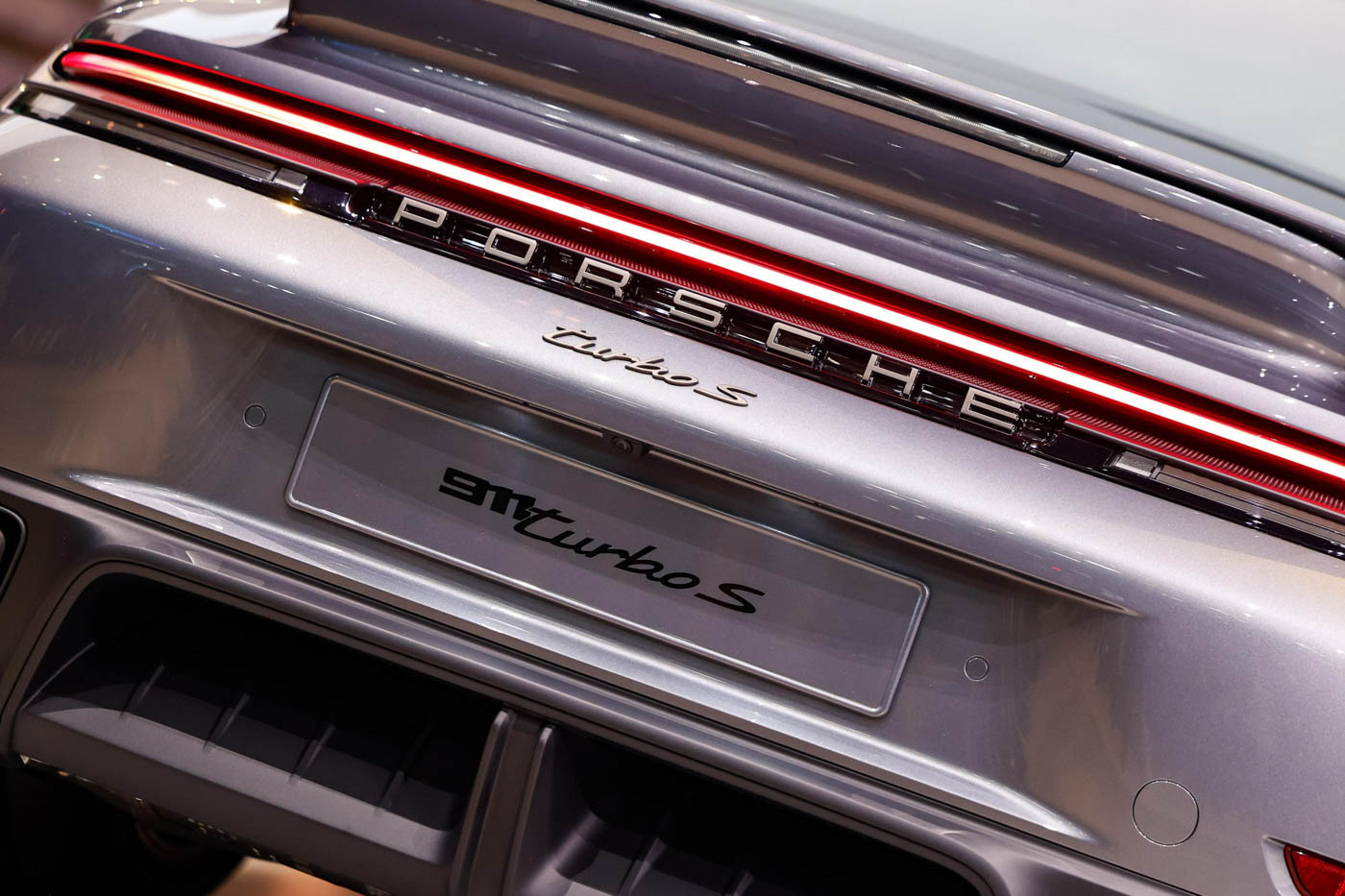
As for the way it looks, the new 992.2 Porsche 911 Turbo S sees the introduction of the marque’s cross-series design strategy reserved only for Turbo models. This features numerous elements finished in the colour Turbonite, such as the Porsche crest, the Turbo S lettering at the rear, and the centre locking wheels. At the rear, the car has been treated with new vents, a rear diffuser, and tailpipe surrounds — the latter optionally available with oval titanium trims with a special structure.
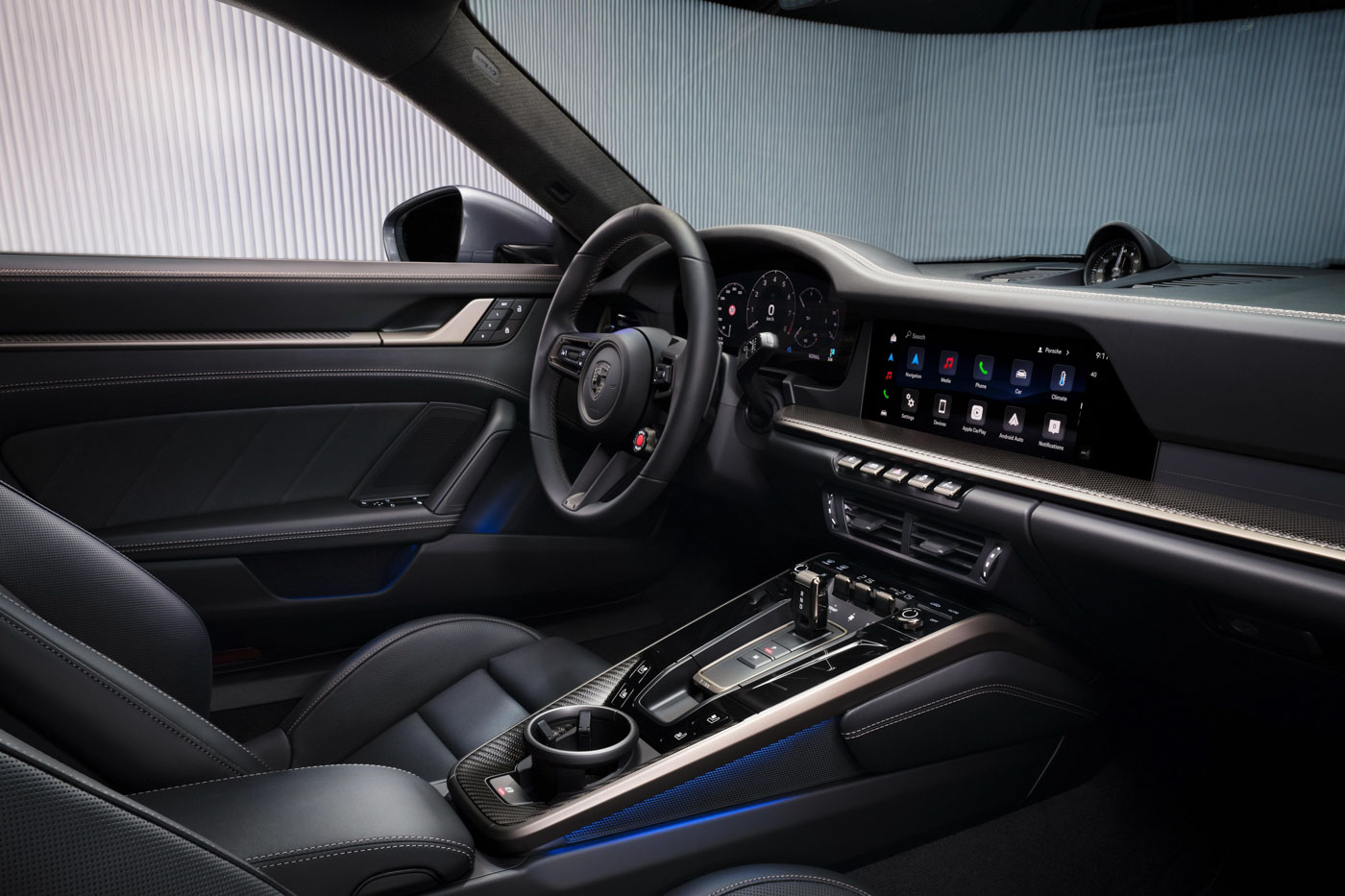
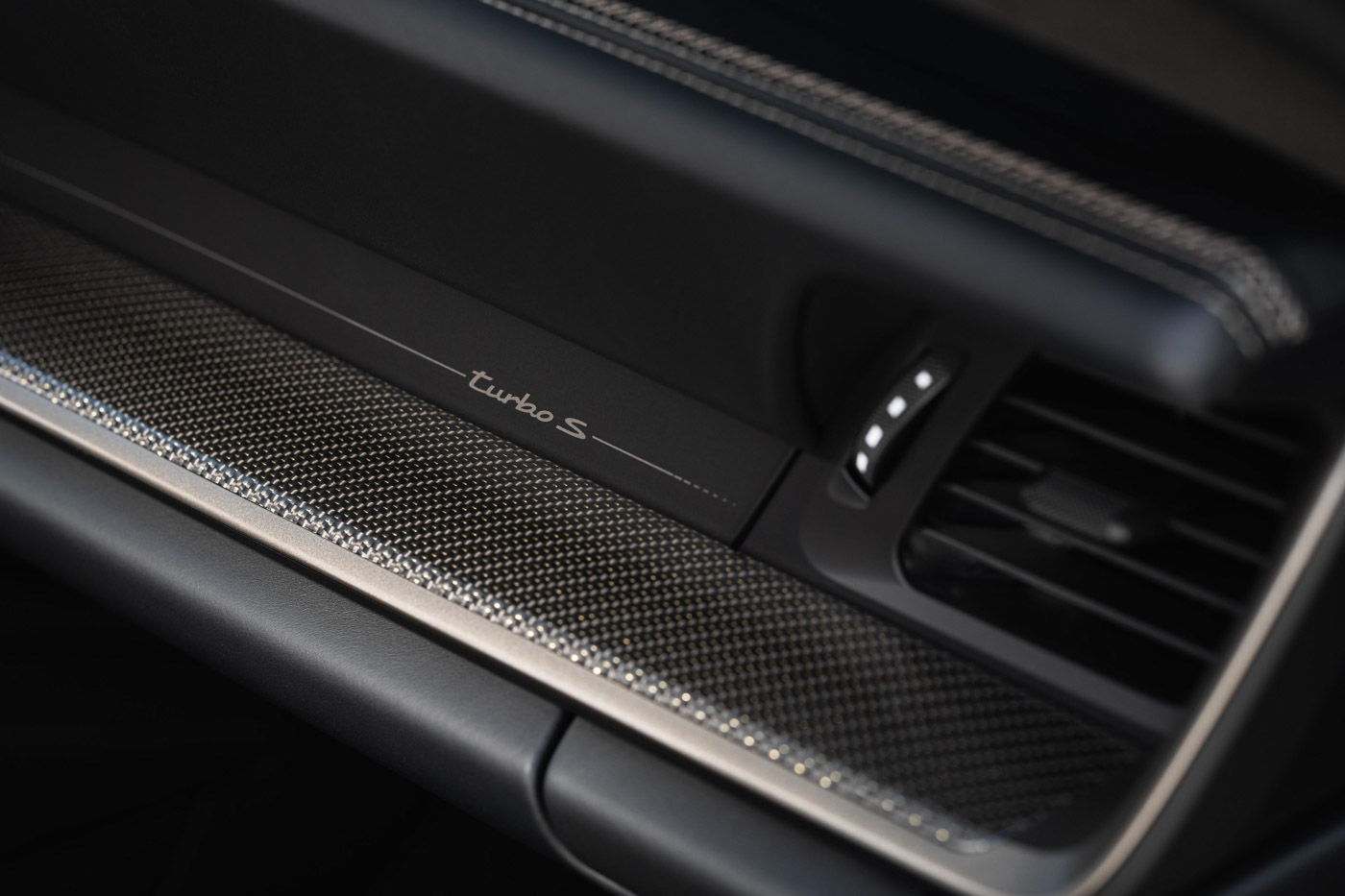
Inside, it is largely identical to its predecessor, but with the analogue gauge cluster now replaced by a fully digital curved screen, just like the 911 GTS and the Taycan. Turbonite accents appear on the door panels, steering wheel, dashboard, centre console surrounds, decorative stitching, and even the Sport Chrono stopwatch. For the first time, carbon-structured trim strips with neodyme trim and a perforated microfiber headliner with black backing are part of the exclusive interior.
Given the RM2.24 million starting price of the previous-generation 992.1 Porsche 911 Turbo S in 2021, the new Turbo S will likely cost well above that when it arrives in Malaysia – but we don’t think many potential customers will care much about the price hike.
ALSO READ: Updated 2025 Porsche 911 now in Malaysia – 992.2-gen debuts T-Hybrid system with Carrera 4 GTS
GALLERY