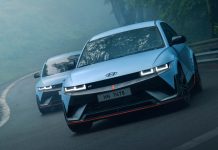
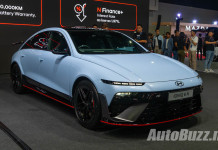
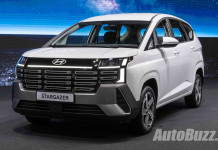
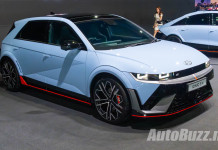
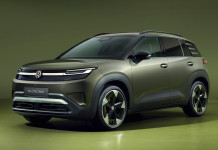
The second-generation Hyundai Kona Electric has just been unveiled in Indonesia at the ongoing 2024 Gaikindo International Indonesia Auto Show (GIIAS). The launch marks a significant milestone for the company, because not only is the model locally assembled (CKD) in Indonesia, it’s also its first EV to be built locally using Indonesia-produced battery cells.

It’s a direct result of a joint venture between Hyundai Motor Group and LG Energy Solutions, announced earlier this month, that has spawned two new battery production facilities in Indonesia – PT Hyundai LG Indonesia (HLI) Green Power that produces battery cells in Karawang, and PT Hyundai Energy Indonesia that assembles them into battery packs.
The battery cell plant in Indonesia is the first of its kind in Southeast Asia, with an annual capacity of 10 GWh. The battery pack facility meanwhile is capable of supplying up to 50,000 units annually, to be used in electric vehicles (EVs) produced at PT Hyundai Motor Manufacturing Indonesia’s plant that currently manufactures the Ioniq 5 and Kona Electric.

On the all-new 2024 Hyundai Kona Electric, the battery packs range from 48.9 kWh in capacity for the three Standard Range variants, to 66 kWh on the two Long Range units, totalling five variants on offer starting from IDR499 million (approx RM145K). The five variants are split to three equipment tiers; the Style is offered exclusively with the Standard Range powertrain, while the Prime and Signature trim levels have the option for both.
All variants are equipped with a single electric motor on the front axle, making 156 hp (115 kW) and 255 Nm on the Standard Range variants, and 217 hp (160 kW) and 255 Nm on the Long Range models. The three Standard Range variants are rated for a driving range of 448 km (NEDC), while the Prime Long Range gets 602 km (NEDC), and the Signature Long Range at 549 km (NEDC).
Charging wise, the Standard Range variants support DC power at up to 50 kW, taking roughly 57 minutes to charge from 10-80%. The Long Range variants meanwhile support DC power at up to 100 kW, requiring 38 minutes for a similar 10-80% top-up.

The shorter range on the Signature Long Range variant is in part due to the larger 19-inch wheels, which adds weight and rolling resistance as compared to the 17-inch items on all other variants.
Aside from the wheel sizes though, the rest of the equipment are all split according to their trim levels. Standard equipment on all variants include the LED daytime-running lights, 12.3-inch digital instrument cluster, 12.3-inch touchscreen infotainment system with built-in EV-specific navigation system, Bluelink telematics and connectivity, dual-zone climate control, an electronic parking brake, and six airbags.
RELATED: New 3-row Hyundai Ioniq EV SUV to debut “later” in 2024, Ioniq 7 is that you?
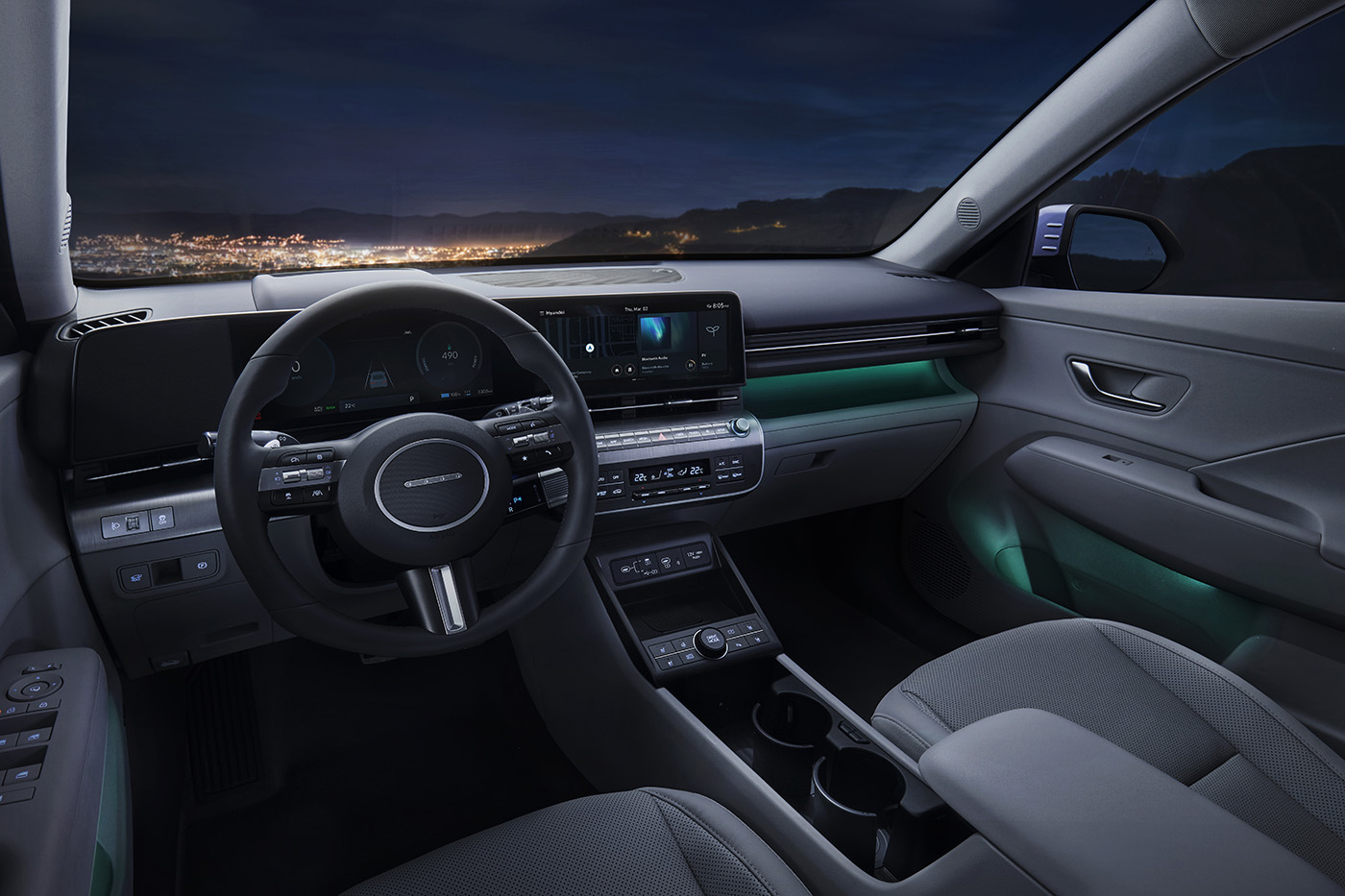
The Prime variants add on a basic set of advanced driver assistance (ADAS) features, including autonomous emergency braking (with junction assist), adaptive cruise control with stop-go functionality, lane keeping and following assist, and driver attention warning, plus the addition of a ‘frunk’ underneath the bonnet in front.
As the range topping trim level, the Signature gets the whole nine yards in goodies, including the robocop-esque full-width LED light signature, smart tailgate, full-width glass roof, roof rack, and the (optional) two-tone colour choices.
Inside, the Signature trim also gets a full-width glass sunroof, wireless charging pad, an eight-speaker Bose sound system, vehicle-to-load (V2L) functionality, and an upgraded list of ADAS features including blind spot monitor with collision avoidance assist, parking collision avoidance assist, rear cross traffic alert with avoidance assist, as well as a 360-degree surround view monitor.