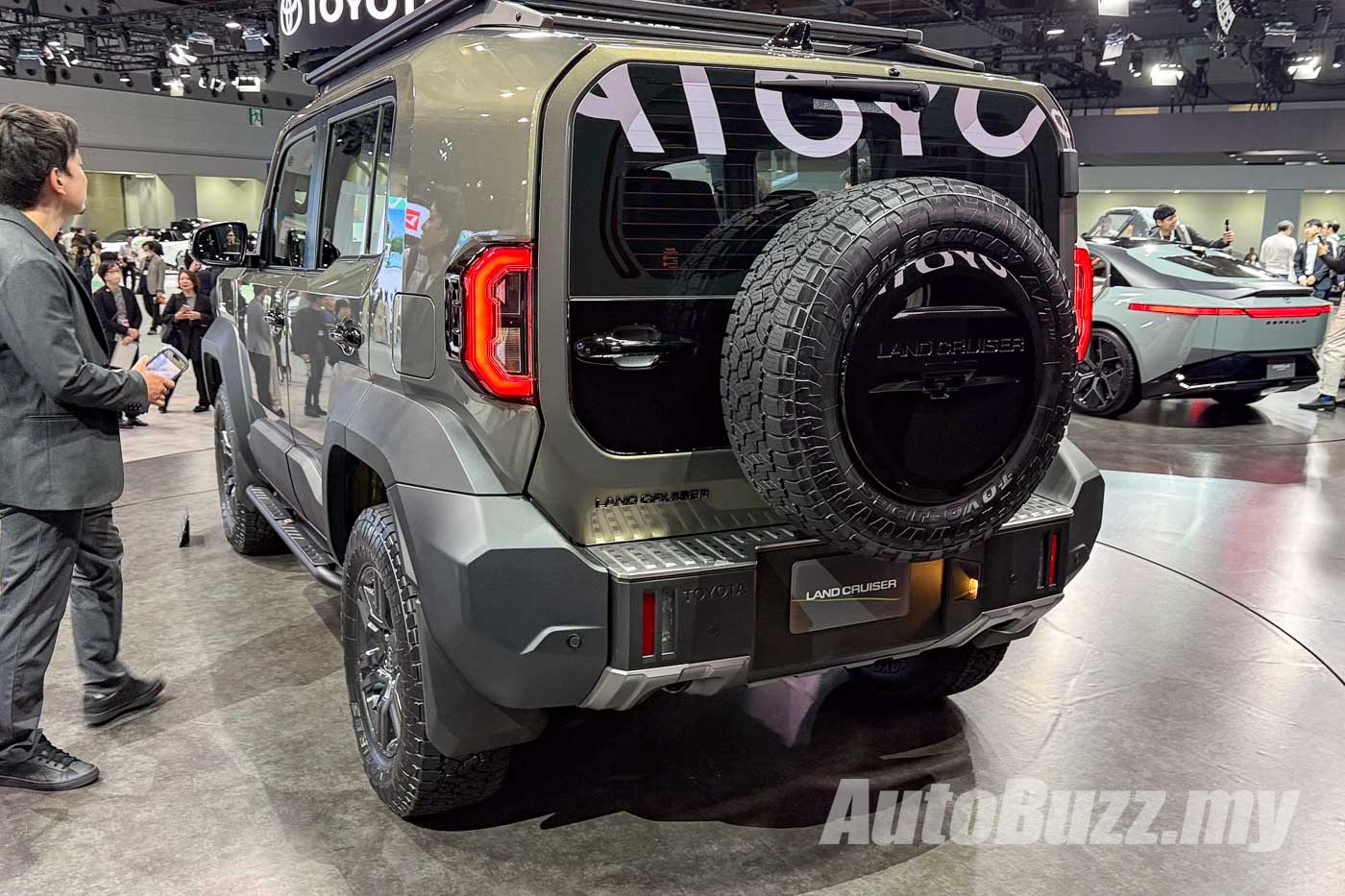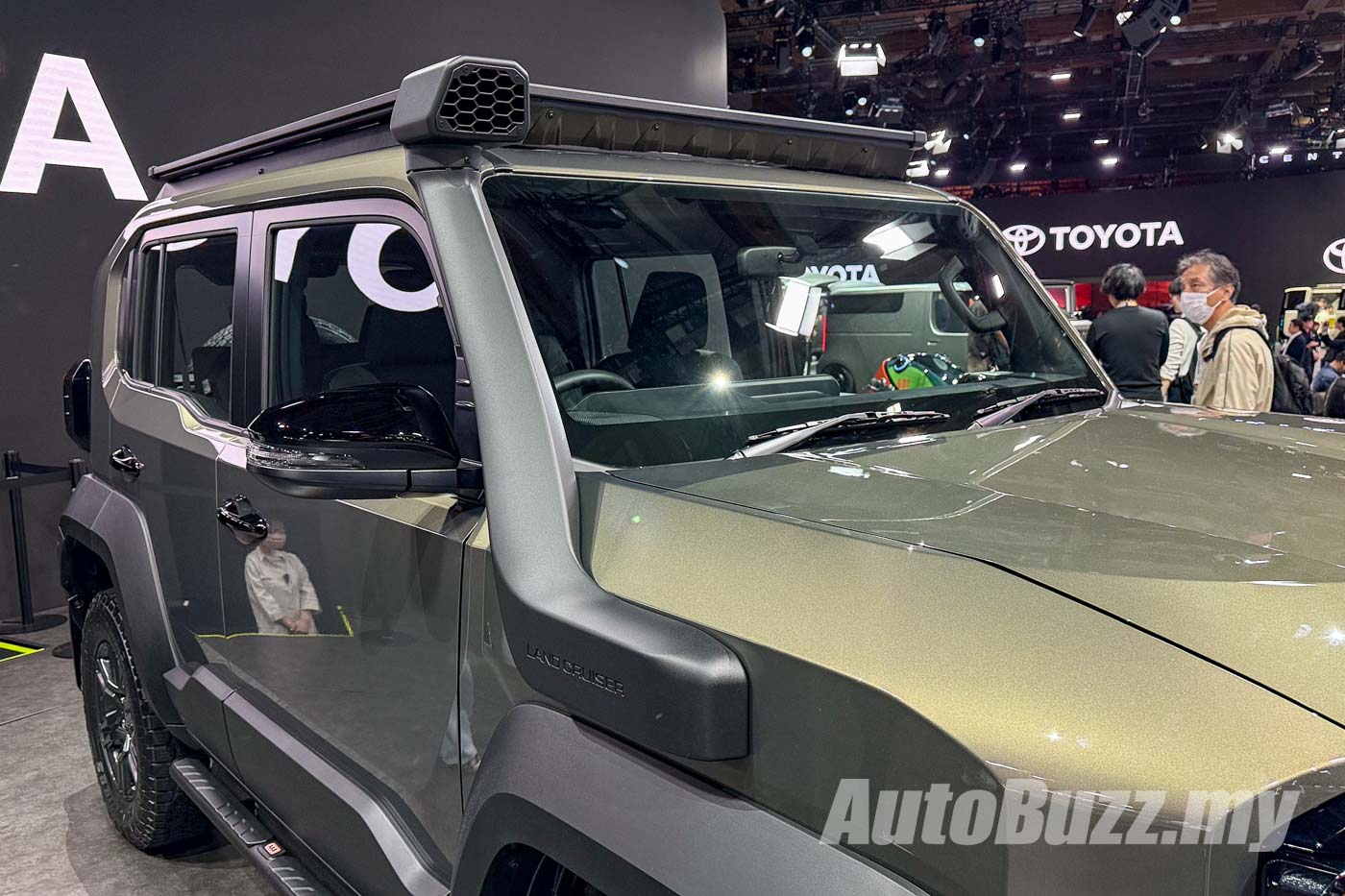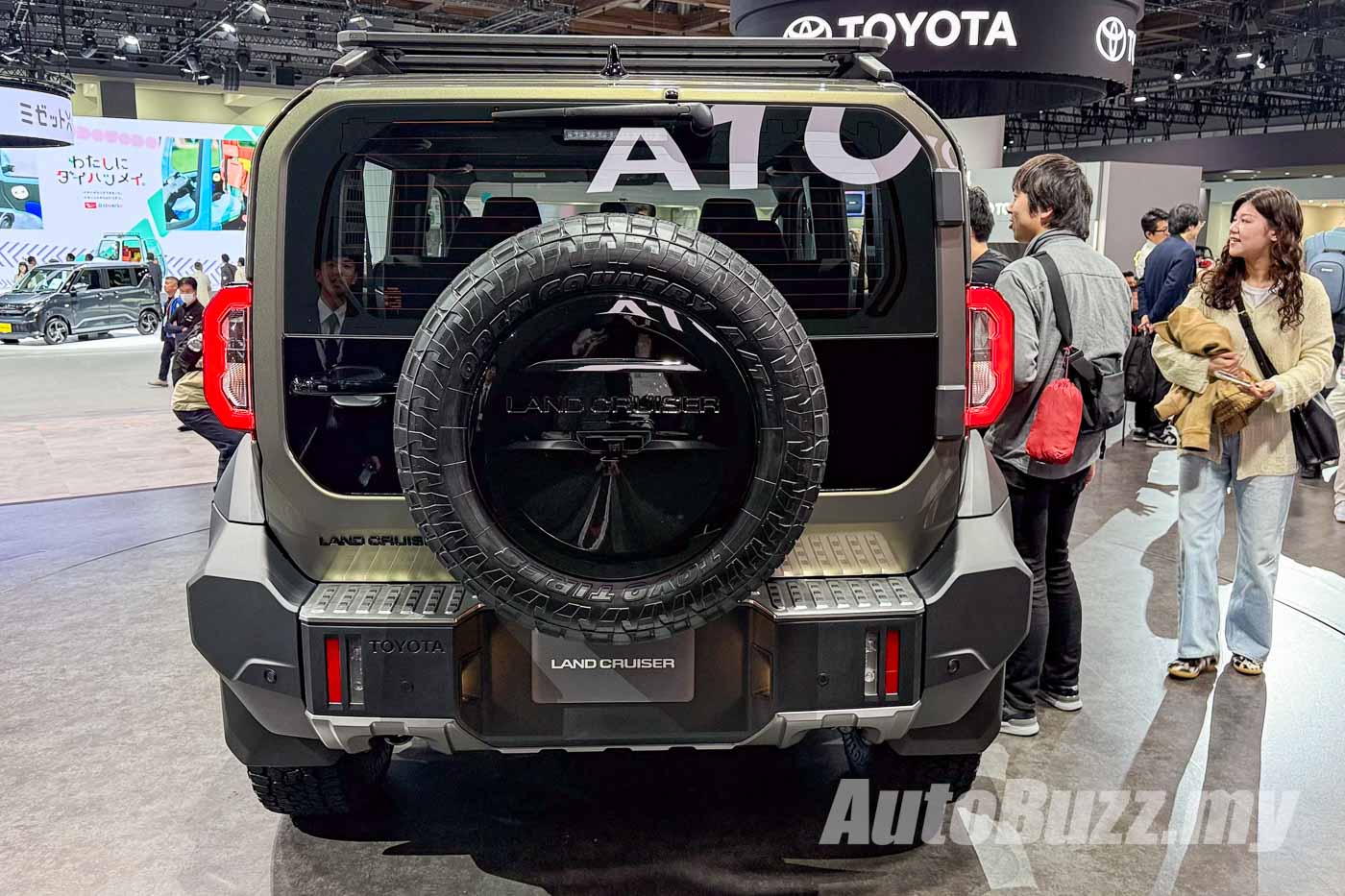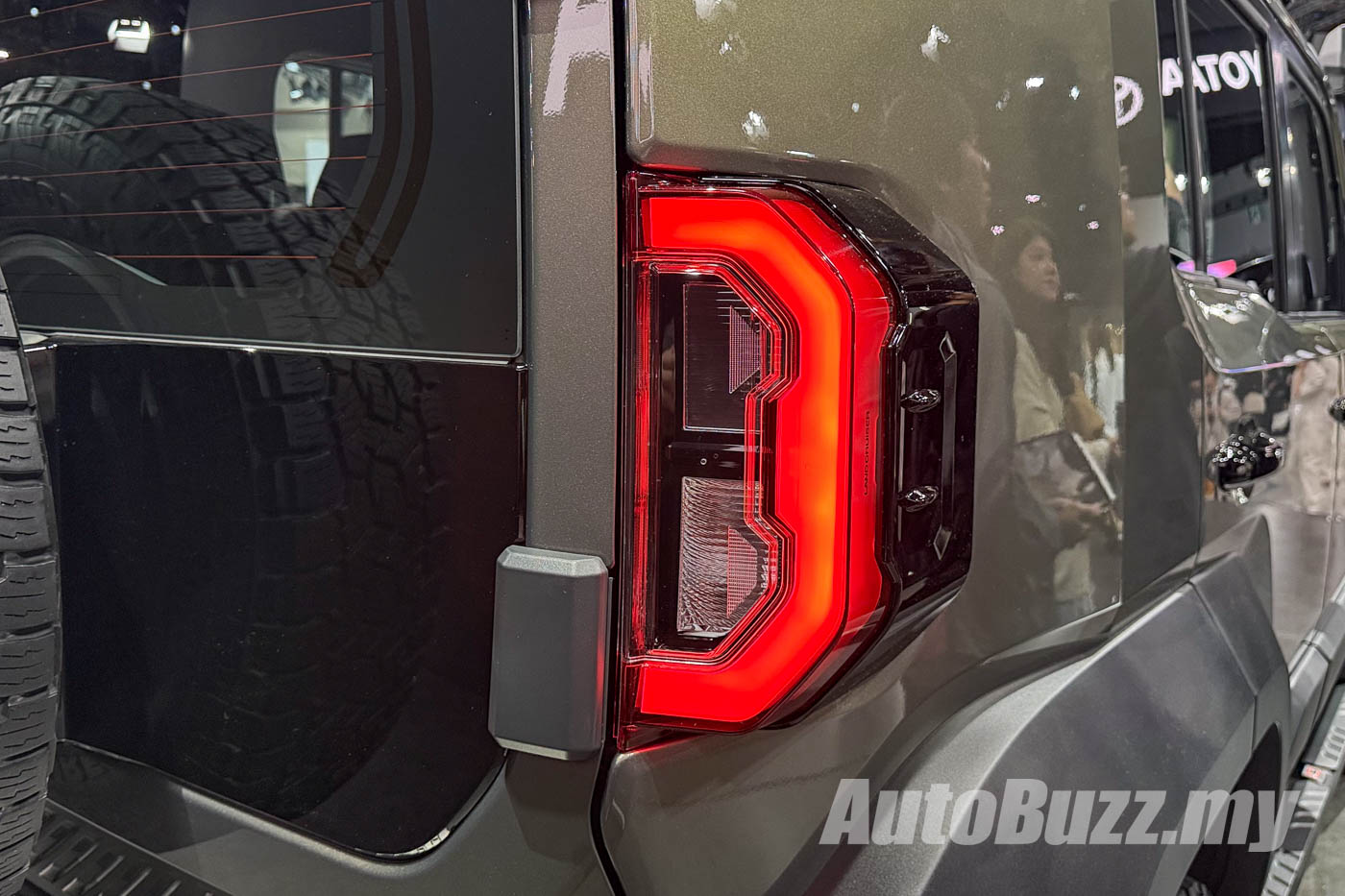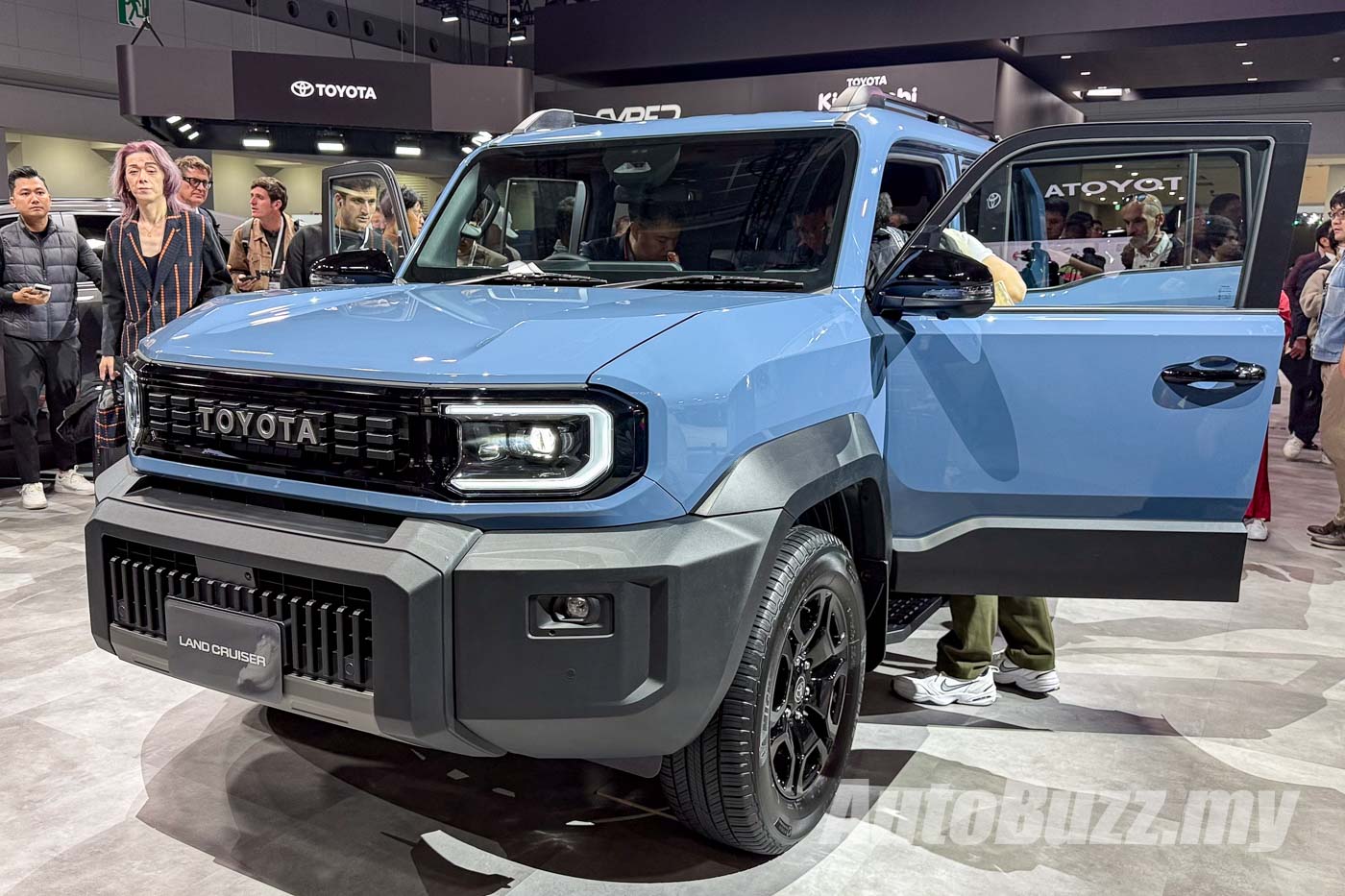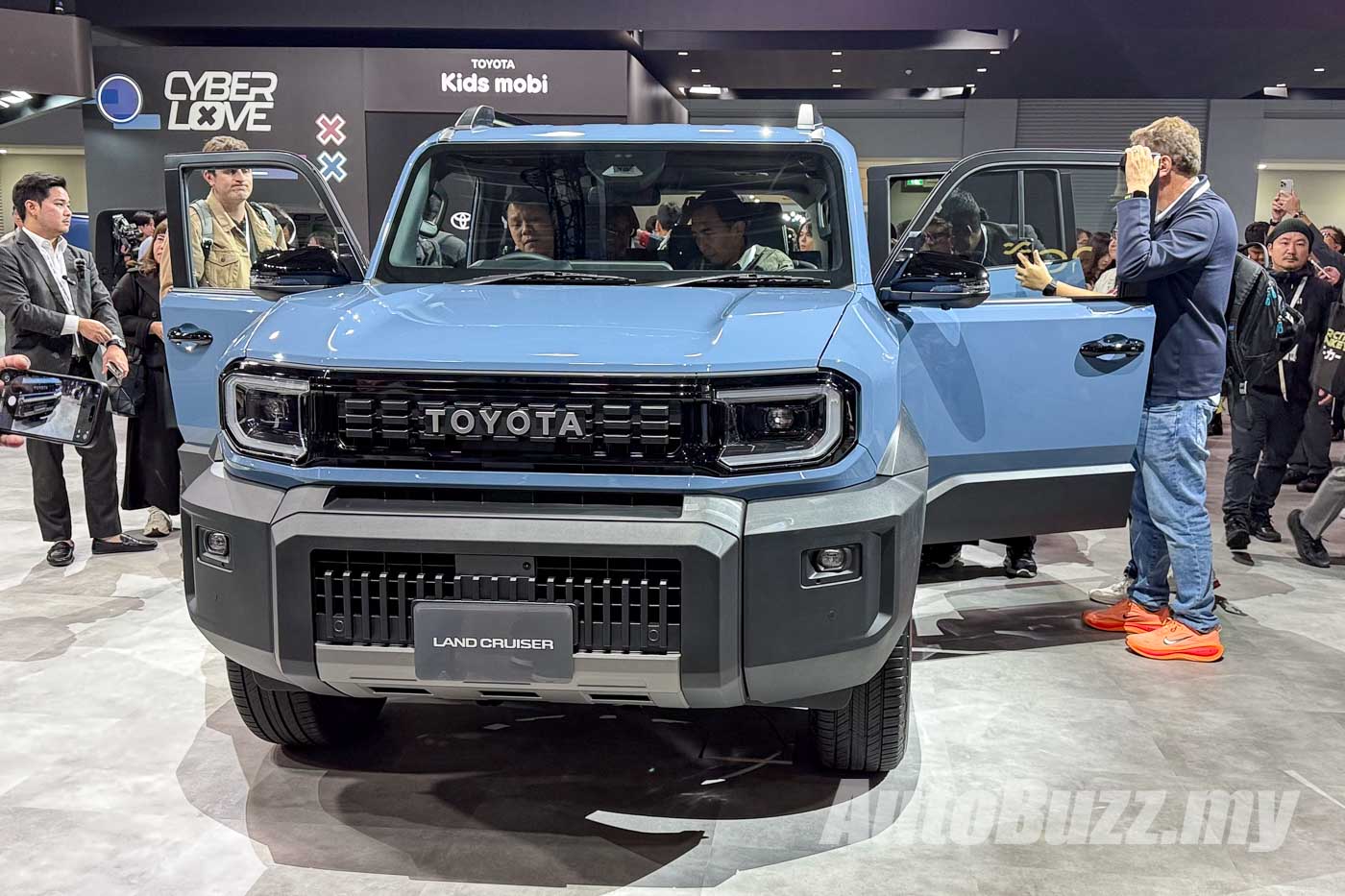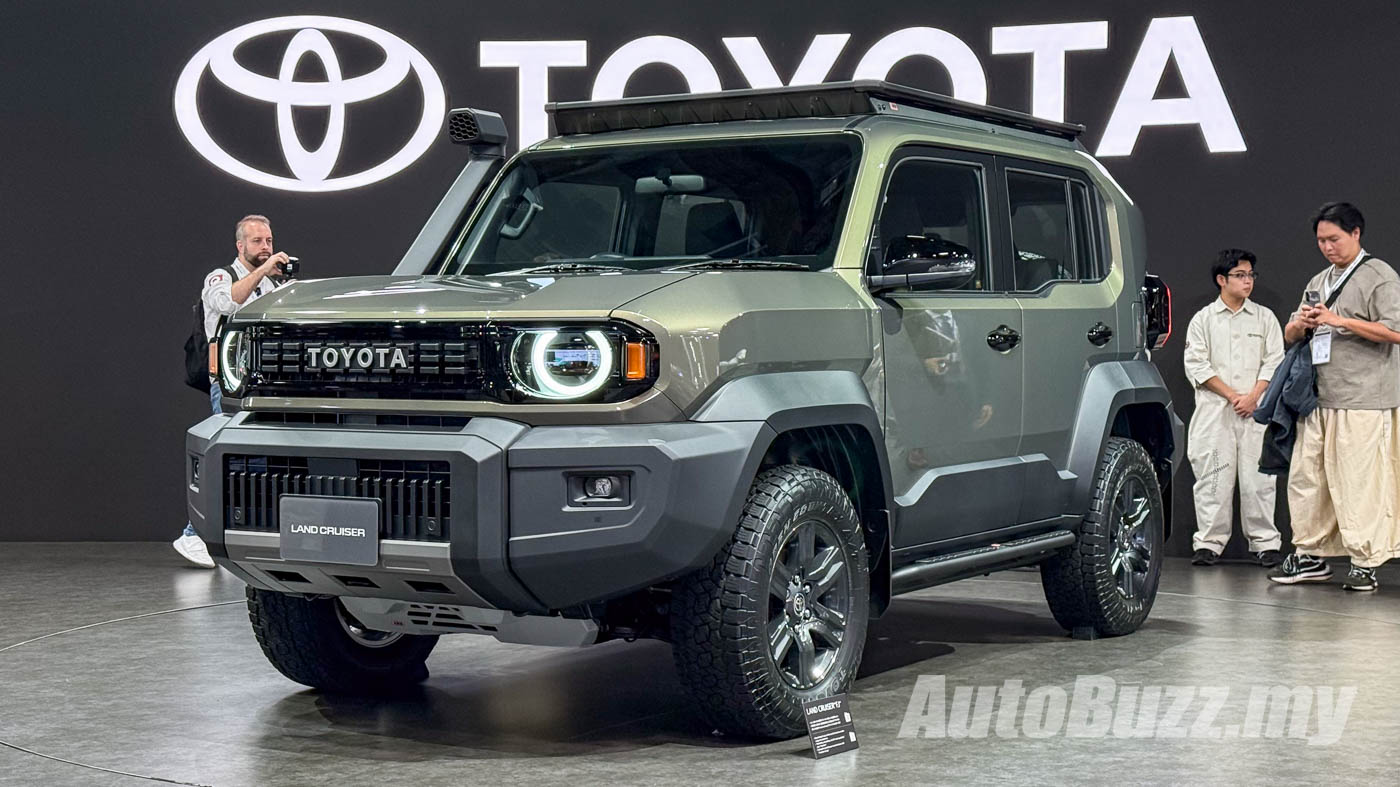
Hot off its global reveal, the Land Cruiser FJ was the centre of attention in the Toyota booth at the ongoing Japan Mobility Show 2025. Toyota’s legendary Land Cruiser nameplate has spawned many variations, but most notably, they have all stayed true to the ethos of cruising over any piece of land.
While positioned as the entry-level Land Cruiser variant, do not make the mistake of assuming the FJ is an ‘all show and no go’ money-grab using the acclaimed nameplate.

For starters, it rides on the same Innovative International Multi-Purpose Vehicle (IMV) platform as the fabled Hilux pick-up and Fortuner SUV. The primary purpose is to open up Land Cruiser availability to a new market demographic, with a previously used suffix that you would recognise from the classic FJ40 and more recently, the retro FJ Cruiser. If you are wondering, FJ stands for ‘Freedom & Joy.’
To keep costs down, the new FJ has to possess petite dimensions. It measures in at 4,575 mm long, 1,855 mm wide and 1,960 mm tall; positioning it as the tallest IMV vehicle to date. The wheelbase is shared with the Hilux Champ Super short wheelbase (Super SWB) at 2,580 mm, while the ground clearance is 215.3 mm.
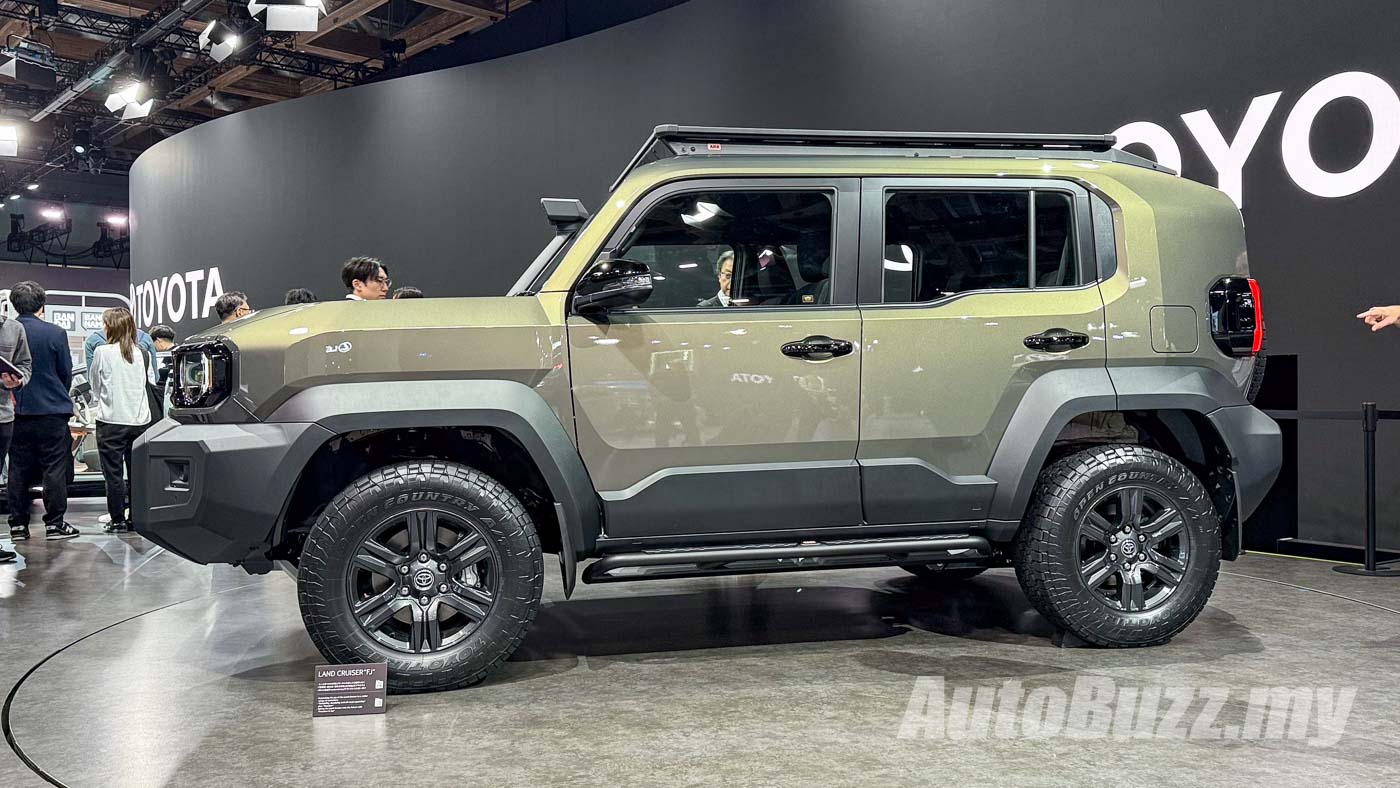
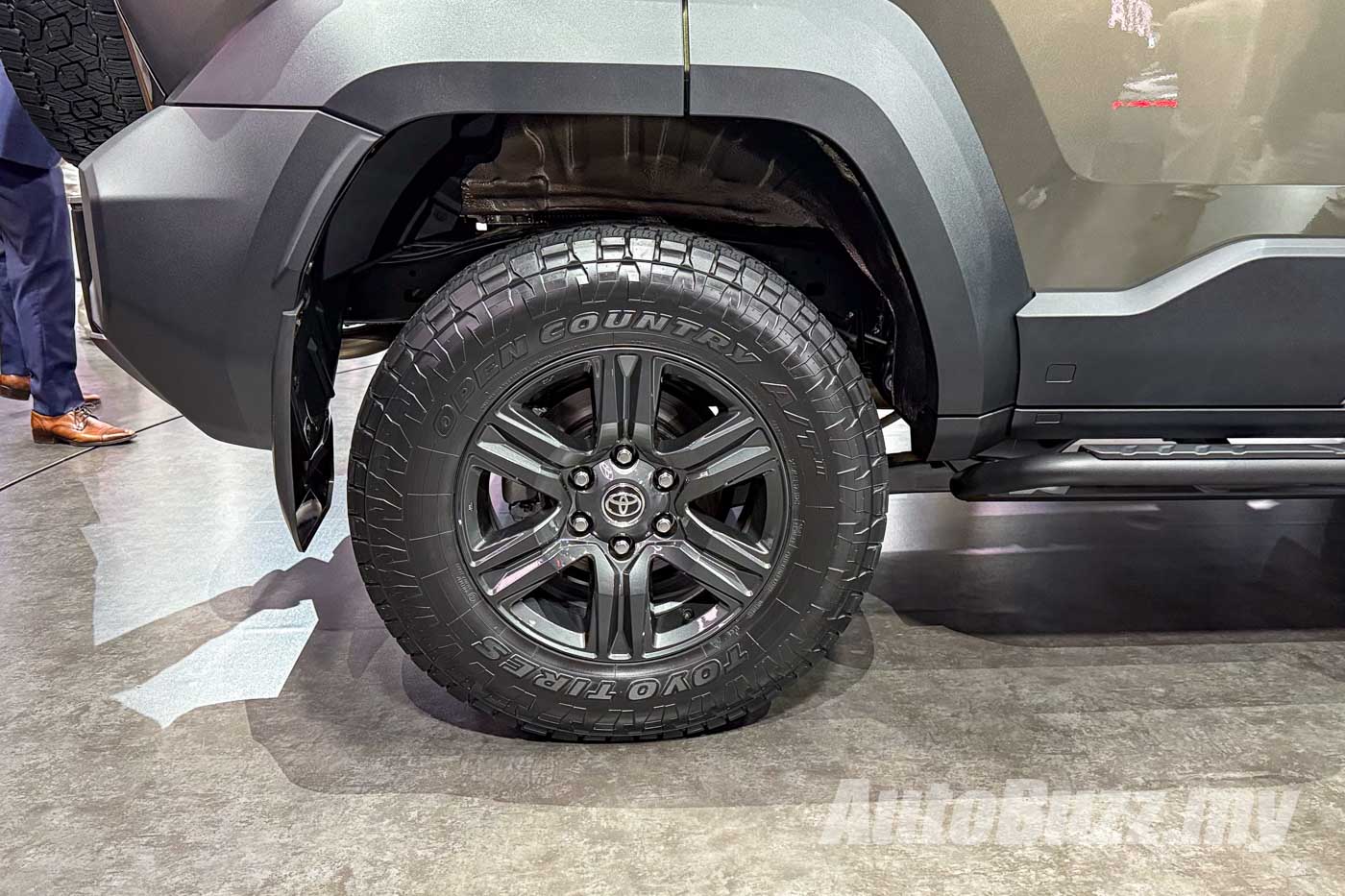
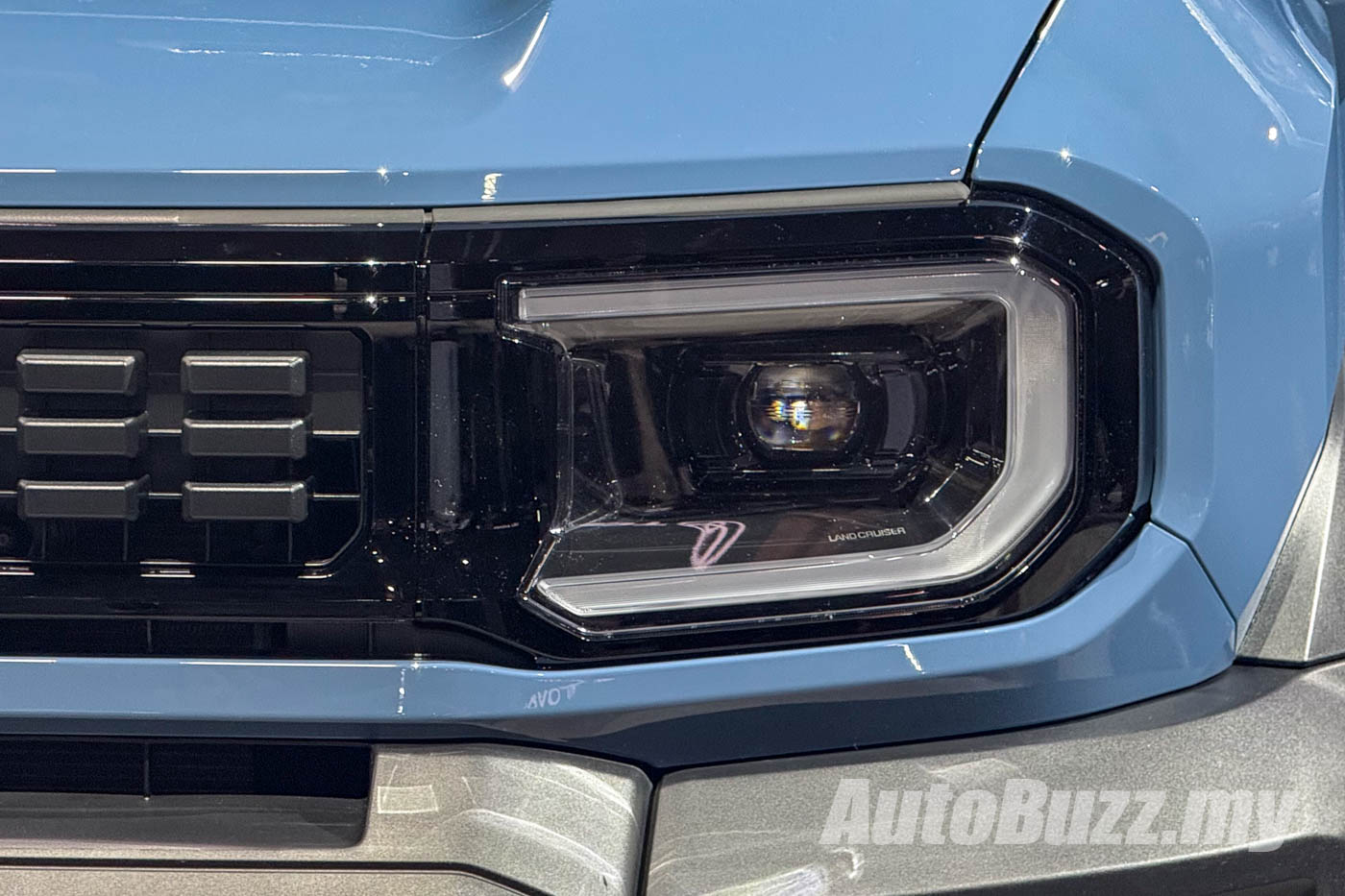
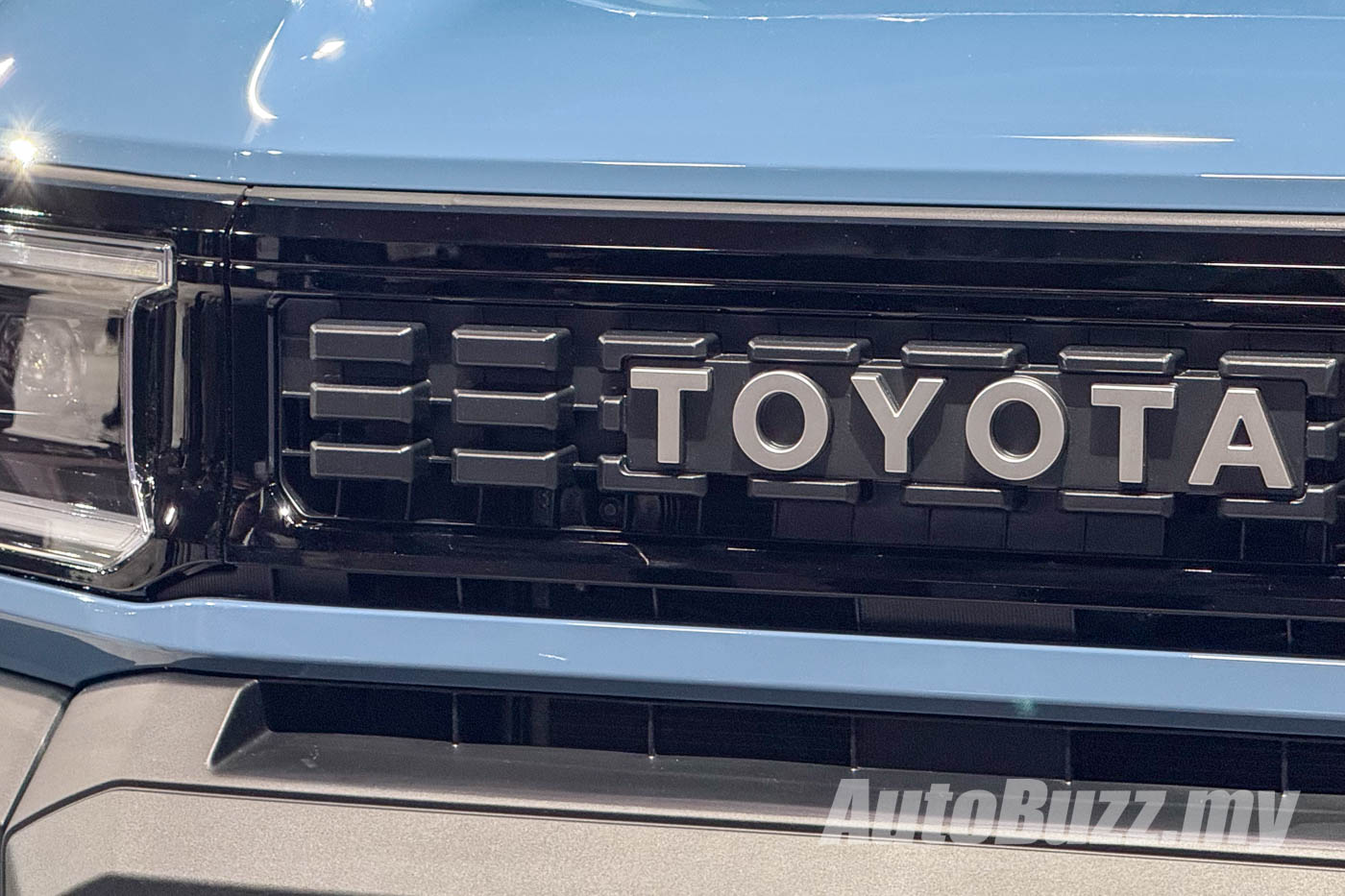
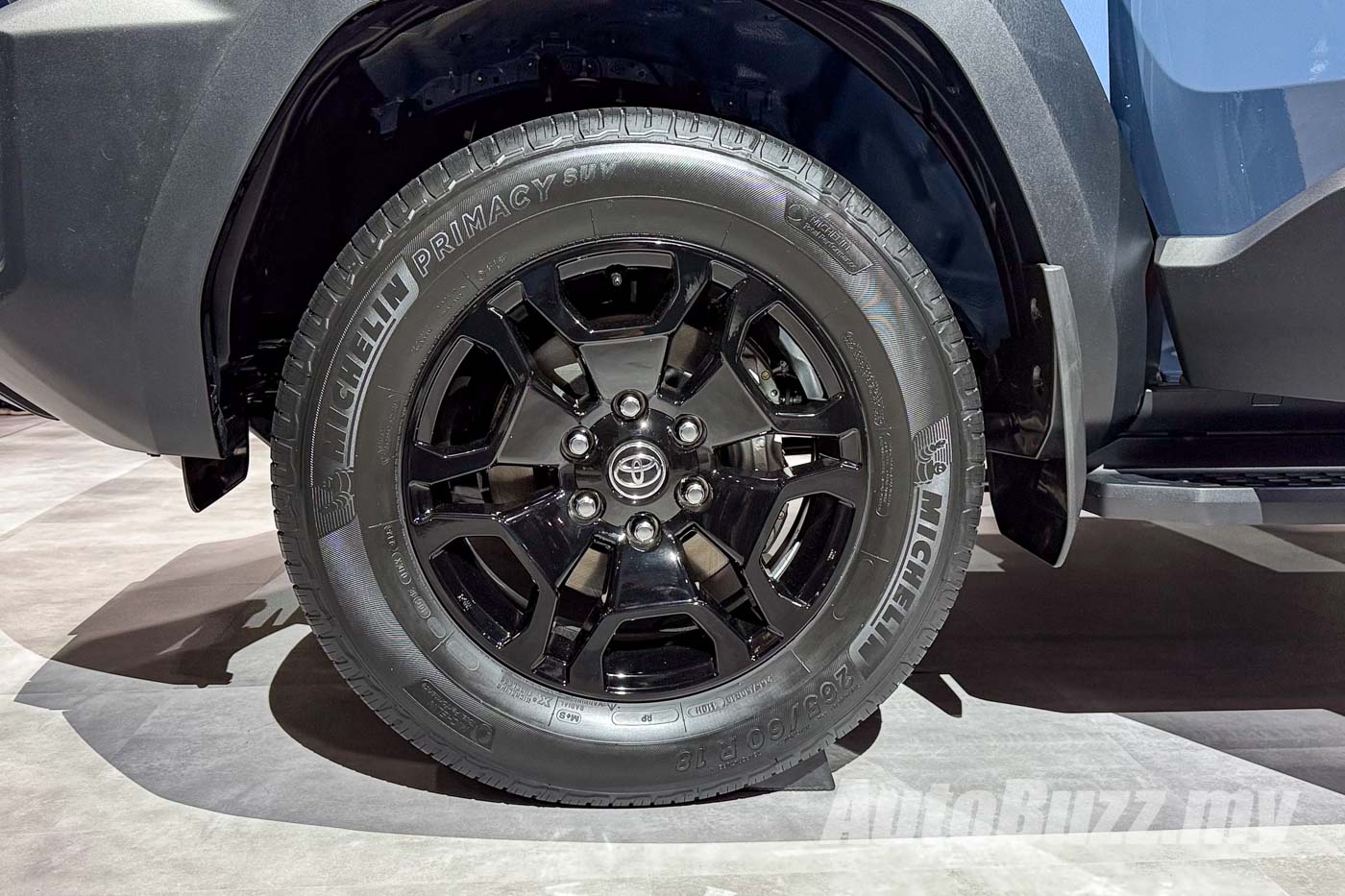
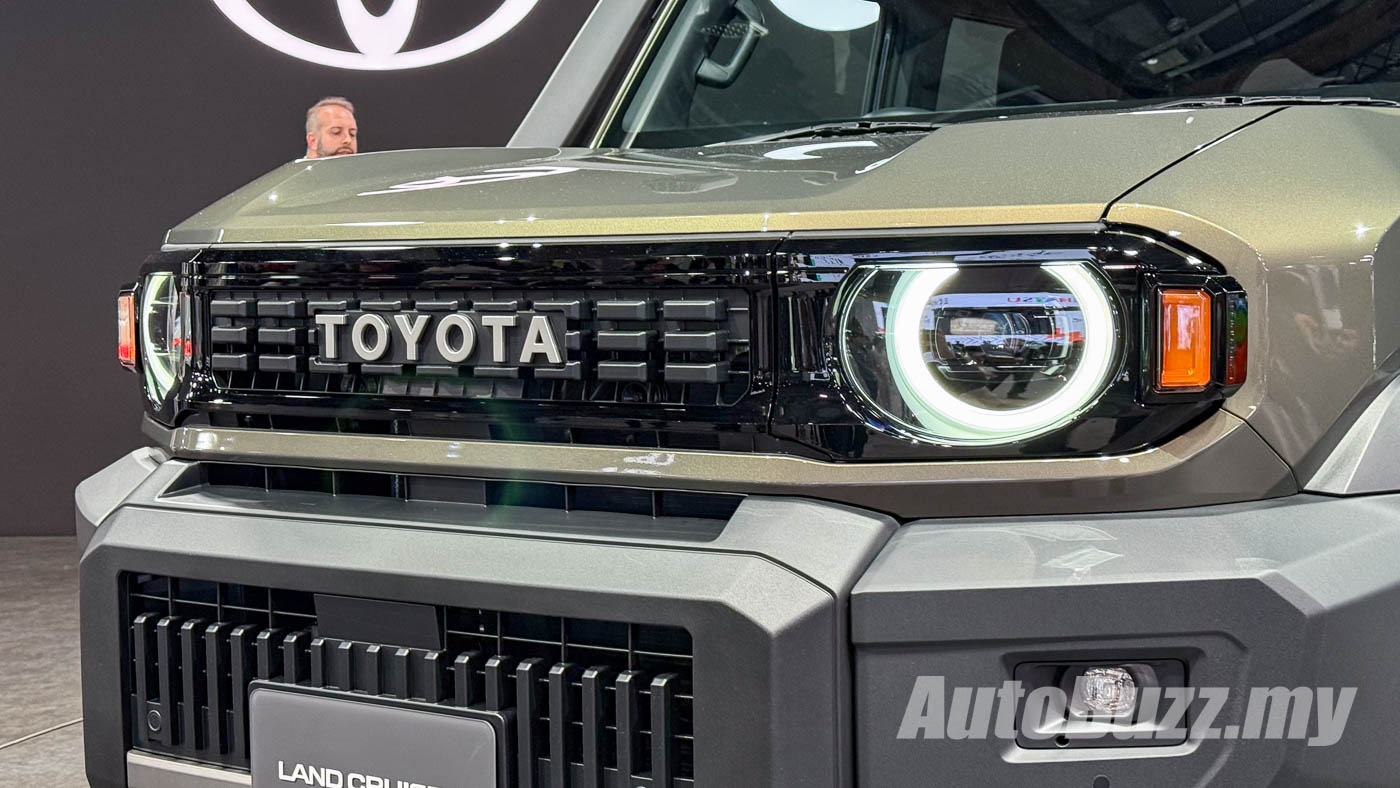
At first glance, it might appear a little under-tyred due to its bulky build, almost appearing like a compressed FJ Cruiser. Much of the design cues are borrowed from the Hilux Champ, such as the front grille but with rounded DRLs.
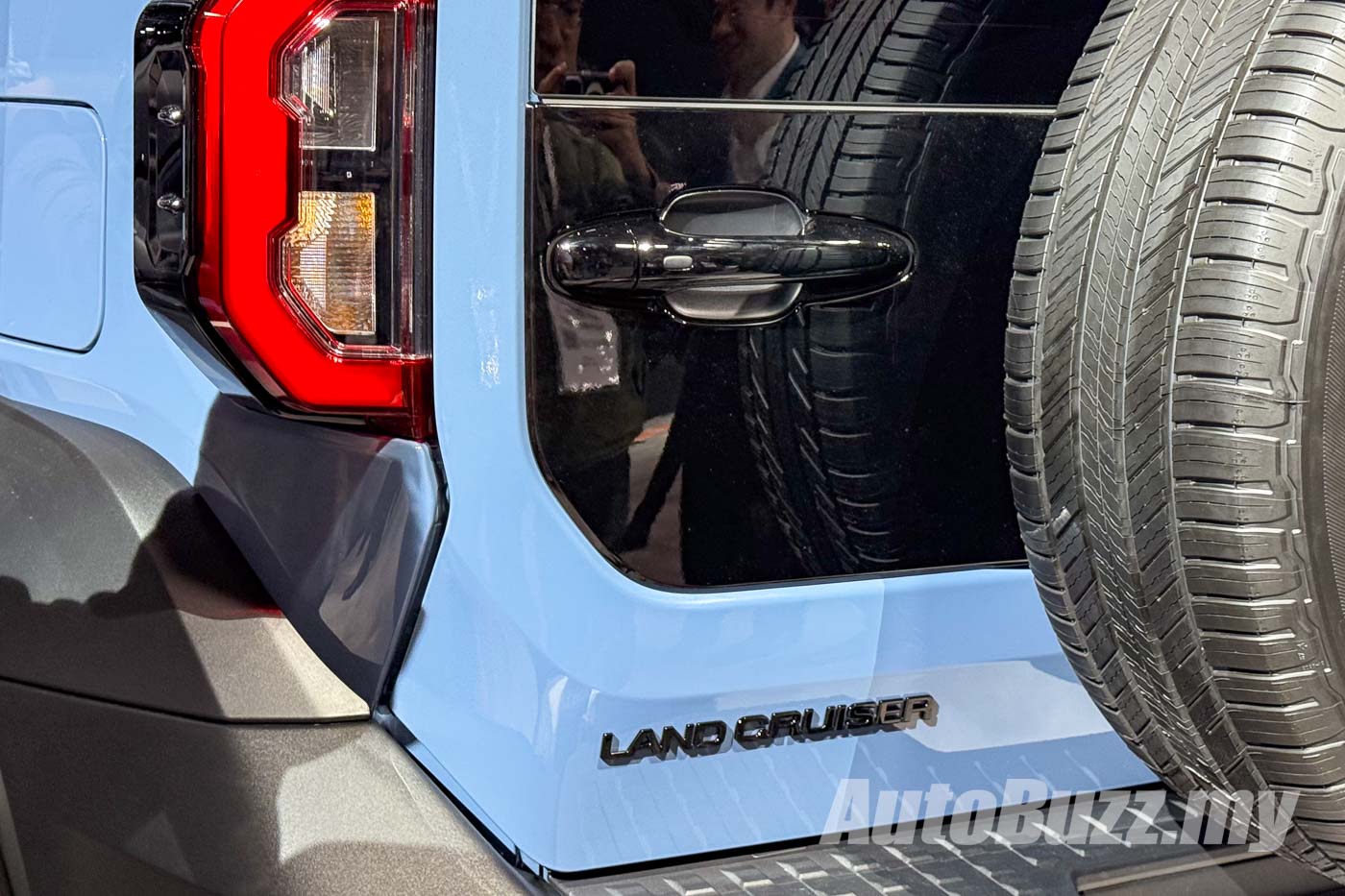
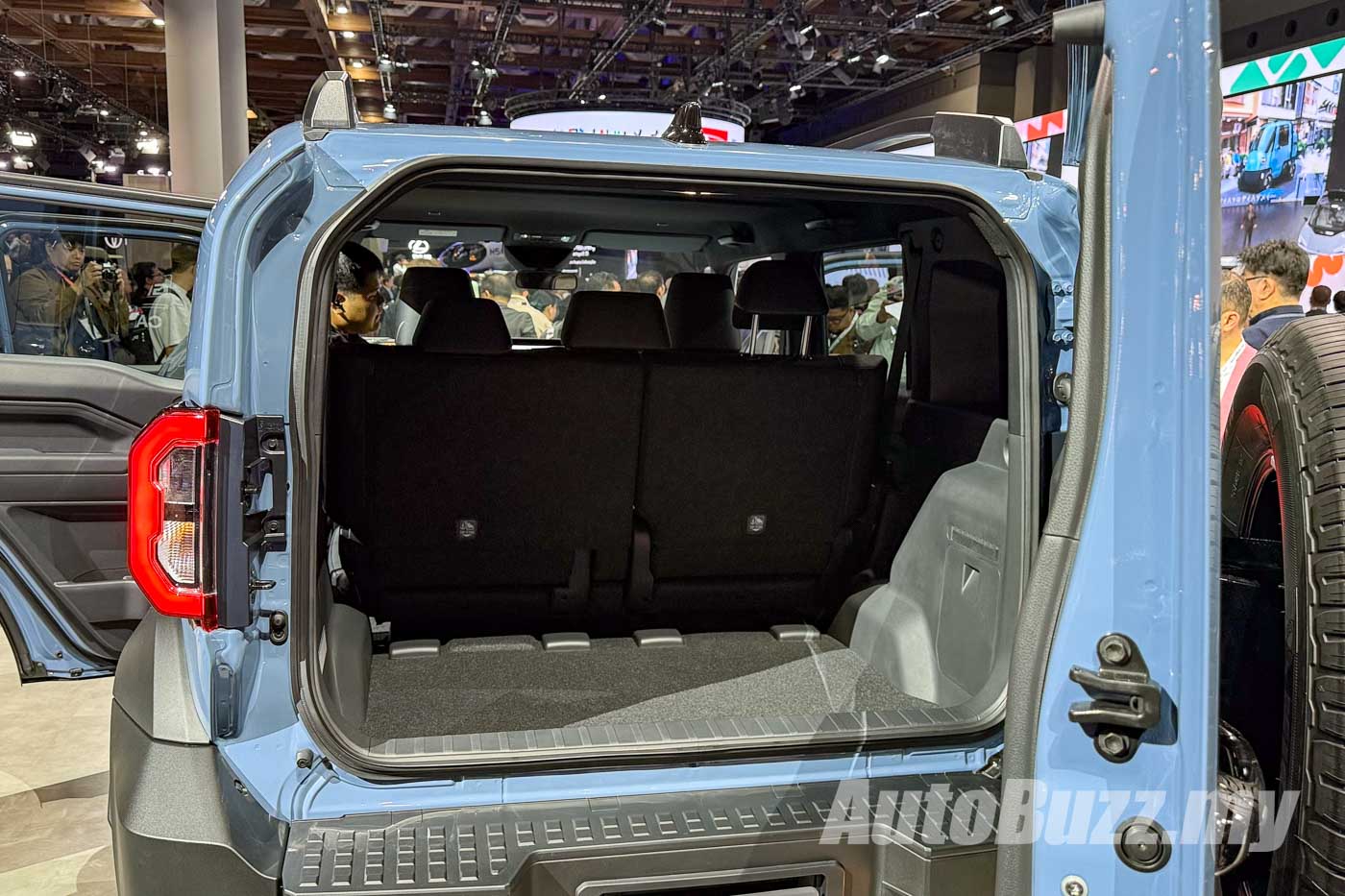
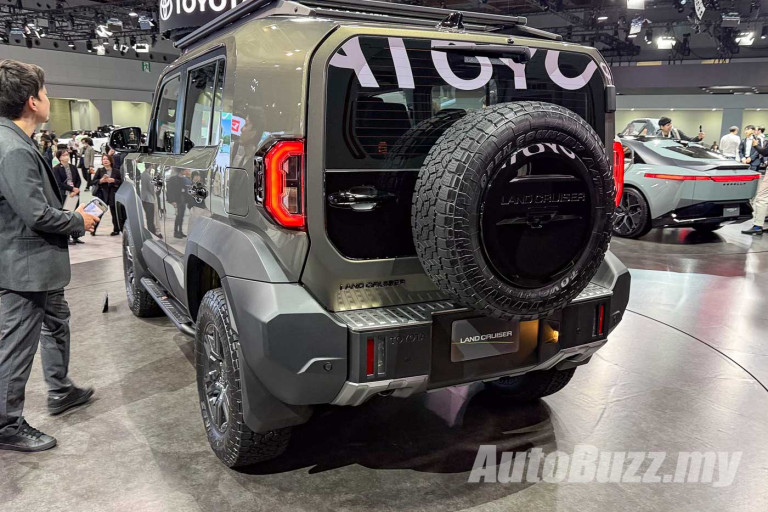
A slide rule was likely the main design instrument, with a distinctive stepped window line towards the chunky C-pillar. The tailgate opens sideways due to the spare tyre and black plastic fender flares makes damage repair easier.
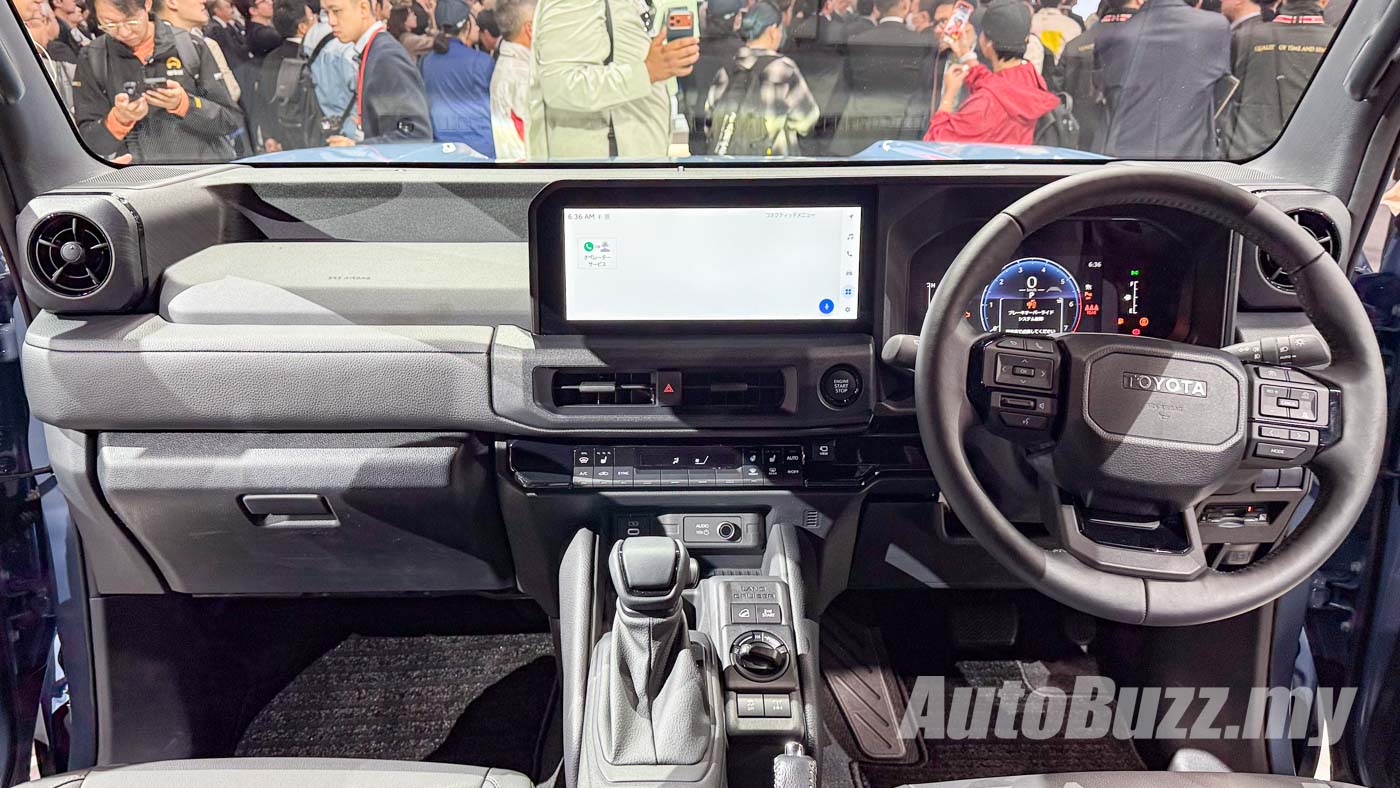
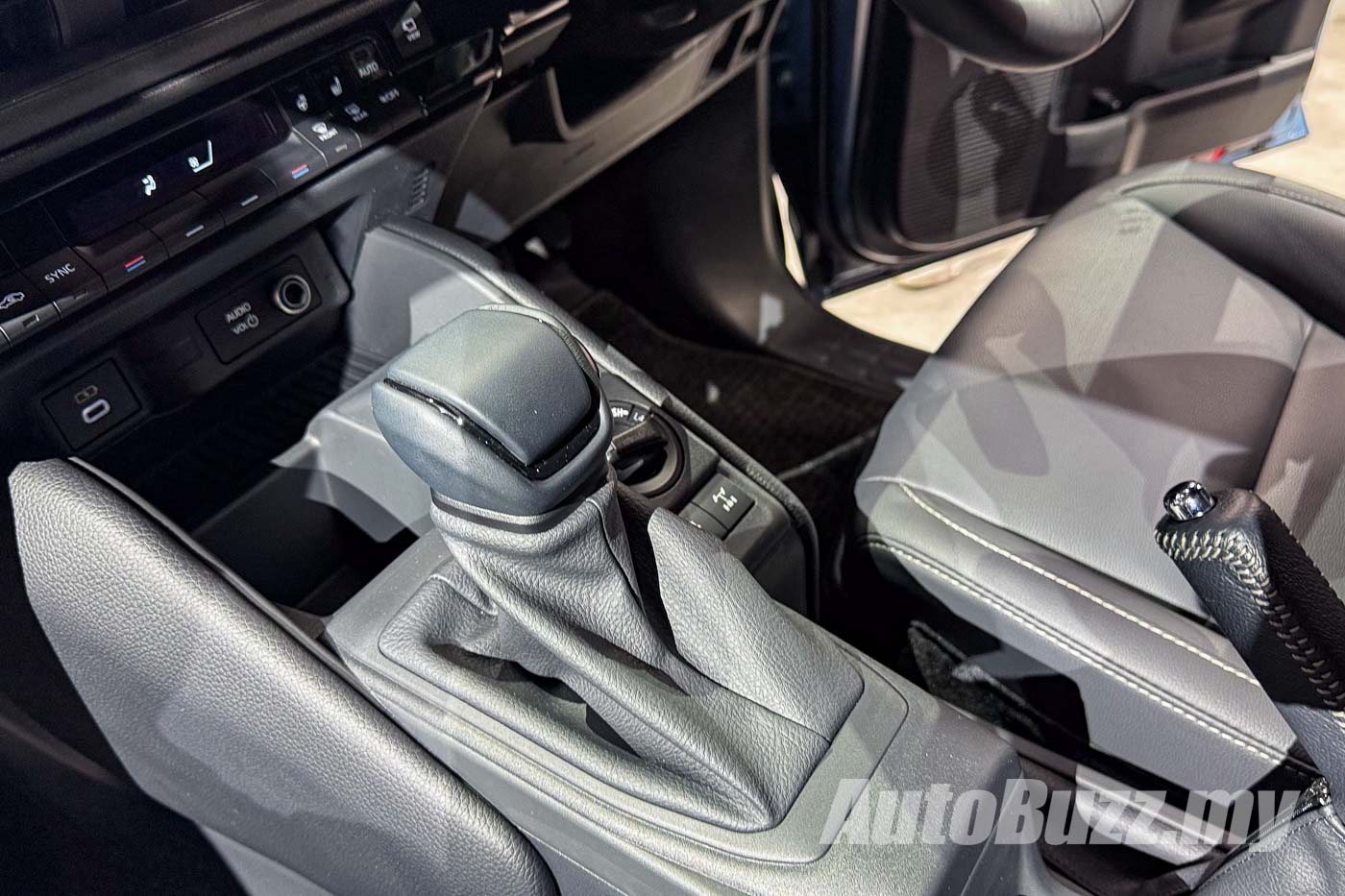
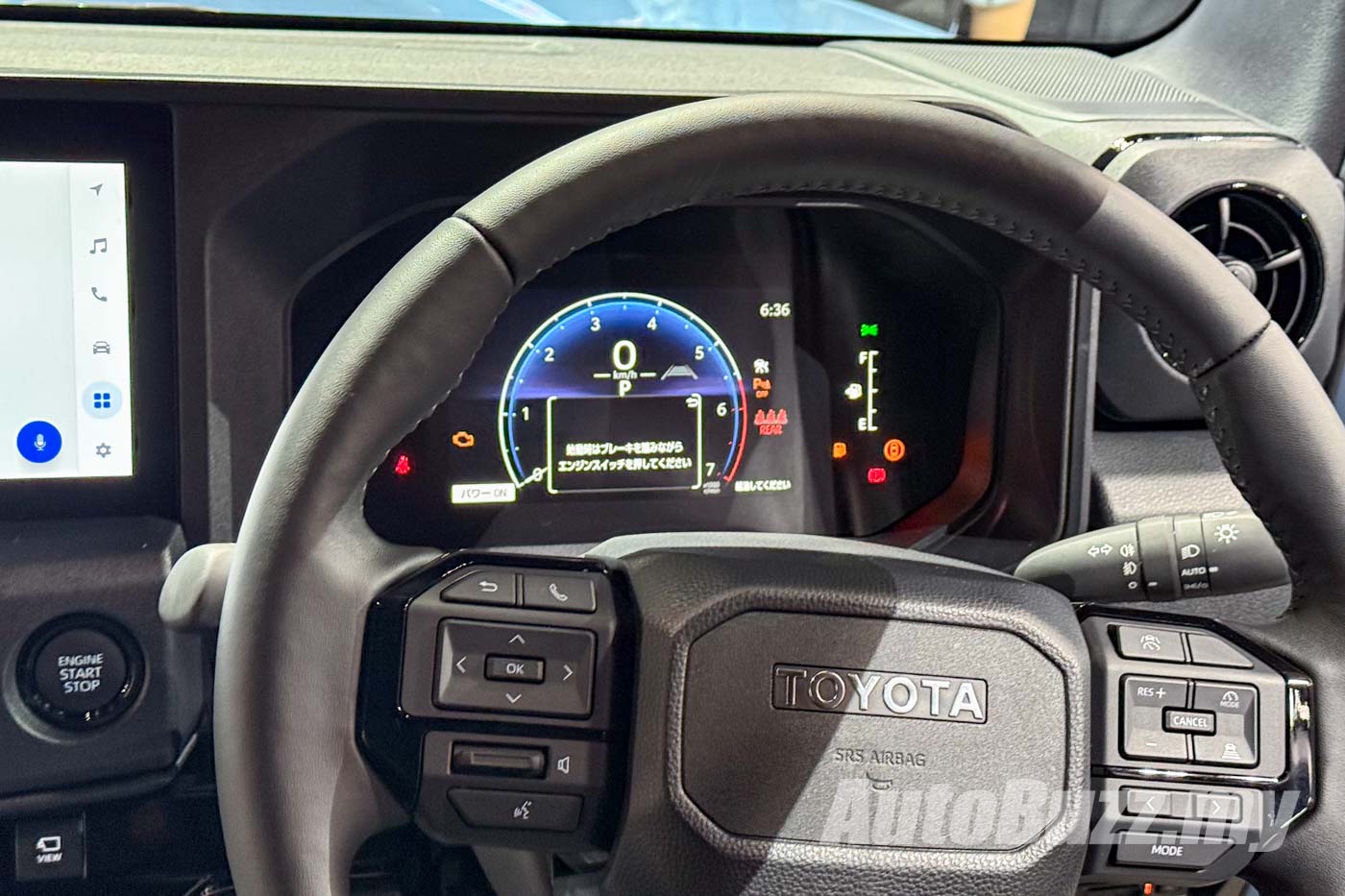
The cabin carries a very busy yet refined layout. There is plenty going on but in typical Toyota fashion, everything serves a purpose. You will find a thick triple-spoke steering wheel with a plethora of control buttons, twin screens for the digital instrument cluster and infotainment, as well as digital air-conditioning controls, while the 4WD controls are located next to the flatter gear lever. The five-seater is equipped with the Toyota Safety Sense Advanced Driver Assistance Systems (ADAS).
The new Land Cruiser FJ is as capable as any other off-roader from Toyota. Much of it is courtesy of the Hilux’s mechanicals in the form of a simpler part-time four-wheel-drive system. Toyota has stated that the all-new FJ features increased body rigidity with extra underfloor bracing, proven by extensive testing off the beaten path, and is claimed to be comparable to the legendary Land Cruiser 70.
A particular point of contention for many though has been the powertrain options, or rather lack of it. You can have your FJ with any engine, so long as it is the 2TR-FE 2.7-litre naturally-aspirated inline-four petrol mill and six-speed automatic found in the Fortuner 2.7 SRZ sold here.
In this guise meant for the Japanese market, it makes 163 hp and 246 Nm of torque, negligibly lower than the Fortuner’s 166 hp and 245 Nm of torque. However, it would not be a surprise if the brawnier turbodiesel engines from the Hilux are fitted for southeast Asian markets. And yes, that could mean a Malaysian launch because after all, dreams are free – but more substantially, the petite off-roader has now been confirmed for local production in neighbouring Thailand.
Since its launch, comparisons with the only other compact off-roader were inevitable. Naturally, this dragged the adored five-door Suzuki Jimny into the conversation. However, the diminutive Suzuki measure in with a sizeably smaller footprint, coming in 590 mm shorter, 210 mm narrower, and 240 mm more squat than the FJ, despite a 10 mm longer wheelbase.
Not only does it lack the metal against the Land Cruiser FJ, but it also lacks the mettle under the hood. The 1.5-litre K15B engine in the Jimny churns out just 102 hp and 130 Nm of torque via a four-speed auto.
READ MORE: The new Toyota FJ is a cute and rugged baby Land Cruiser
GALLERY