In a post on Weibo, Chinese carmaker BYD announced the rollout of over-the-air updates for vehicles equipped with its “God’s Eye” advanced driver assistance system (ADAS) that has now unlocked SAE Level 4 (L4) autonomous parking capabilities. BYD is so confident in the system’s reliability that it has pledged to “fully cover the safety and losses” of any vehicles damaged while using it.
A translation of the company’s statement on Weibo says, “BYD’s move not only reflects its absolute confidence in the technology of the Eye of God, but also demonstrates its attitude of being responsible to consumers to protect the safety of users.”
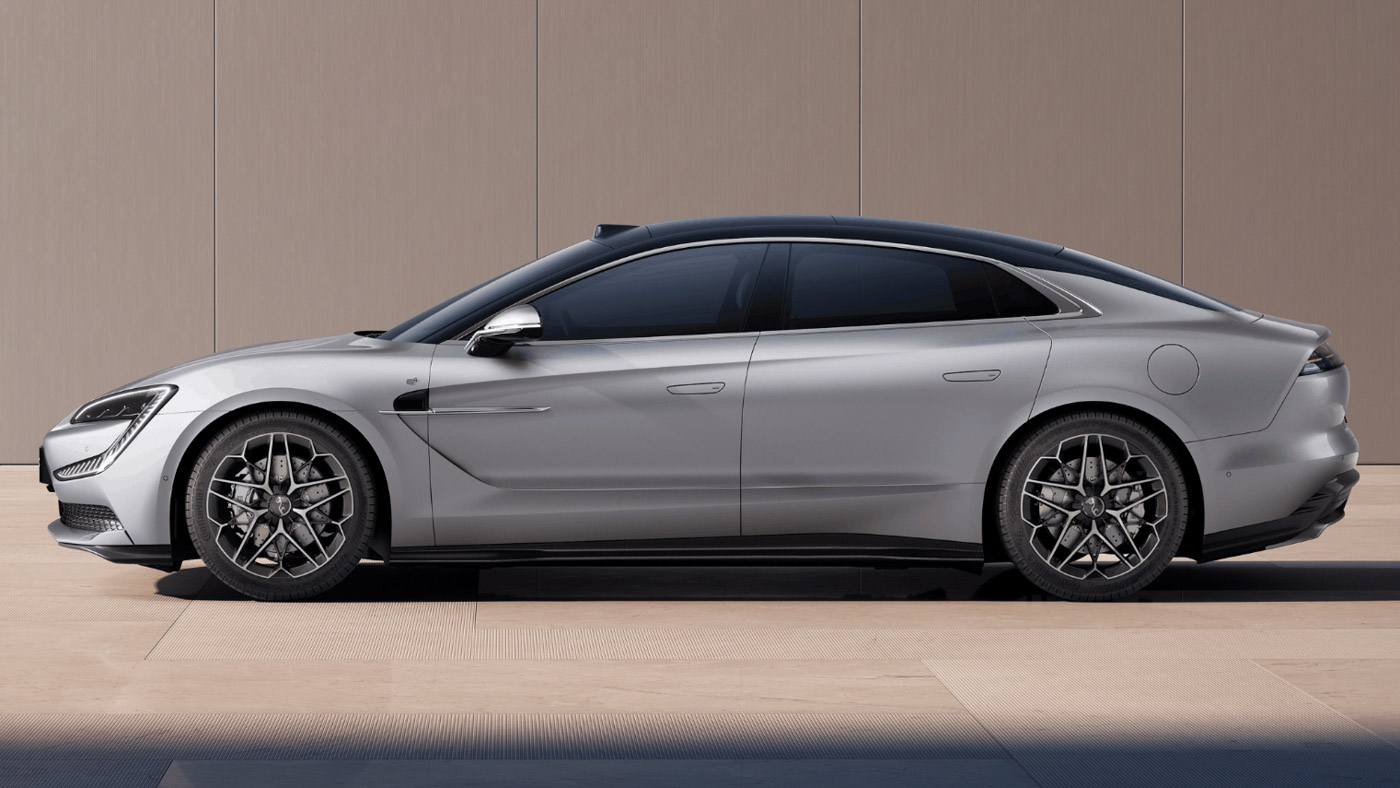
BYD says its L4 autonomous parking system enables the car to navigate a car park, find a spot, and park safely, all completely unattended and without even requiring a driver in the driver’s seat. Most other makes, including BMW, Tesla, and Mercedes-Benz, only offer L2 autonomous parking to date, which requires the driver to take over whenever needed. Mercedes, however, has previously introduced L4 autonomous parking, but only restricted to the P6 parking garage at Stuttgart Airport.
It’s important to note that BYD’s update to its ‘God’s Eye’ system only enables L4 autonomous parking. Actual driving autonomy remains at L2 for now, where the system can assist with steering, acceleration, and braking, but the driver must stay fully engaged and ready to take over at any moment.
ALSO READ: BYD Atto 2 confirmed for launch in Malaysia with quirky capybara teaser
According to a report from Fast Company, the Chinese carmakers are investing heavily to incorporate AI capabilities into their cars. BYD Chairman Wang Chuanfu claims that they have 5,000 AI engineers working exclusively on solving full L4 autonomy and assures that their God’s Eye ADAS will be able to achieve full L4 autonomy in the next two years.
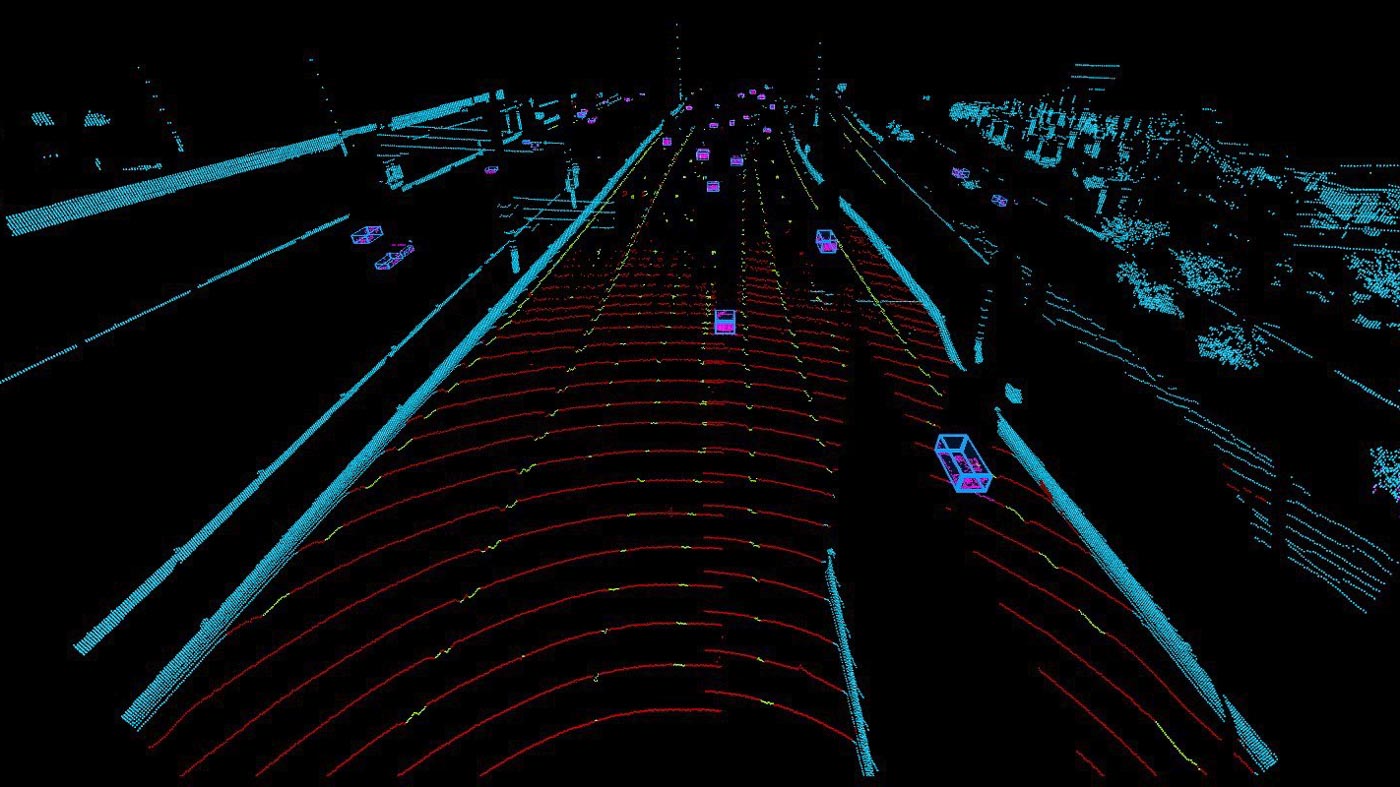
BYD offers three levels of God’s Eye ADAS in their cars, namely — A, B, and C variants. The entry-level C variant includes 12 cameras, five millimetre-wave radars, and 12 ultrasonic sensors with one-centimetre accuracy. The mid-level B variant adds a lidar sensor, while the flagship A variant features three lidar sensors for maximum precision.
RELATED: BYD’s new “God’s Eye” ADAS system wants to keep you safe using AI

That is in sharp contrast to Tesla, who insist on a camera-only approach for its autonomous driving technologies in the name of cost savings. Despite their promises of full autonomy, the Full Self-Driving (FSD) feature is still a L2 system, and was recently forced to change its name in China.
Still, the company is forging forward with its self-driving plans, with a small-scale (and reportedly problematic) launch of the Tesla Robotaxi in Austin, Texas.
Here in Malaysia, Tesla offers the FSD feature as an option during purchase, although the feature is not yet fully activated here on local roads. As Tesla owners continue to wait for the feature to be fully unlocked, it may ultimately be Chinese automakers who bring true autonomous driving to Malaysia first.
ALSO RELATED: BYD overtakes Tesla in EV sales for the first time in Europe