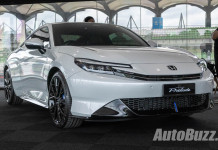
Light bars on cars have been a big deal over the past few years. Almost every existing car brand has succumbed to slapping a long tail light bar on the back of its cars, no matter the price point. Models from Toyota, Lexus, to even Bugatti, and possibly the next generation Proton Saga all feature a light bar.
While Hyundai has also embraced this trend to a certain extent, Head of Hyundai Design Center, Simon Loasby, has revealed that he is no longer in favour of this design approach and thinks that car designers should move on.

Speaking to Car Magazine UK, Loasby said, “When is the time you need to let go of light bars, it’s almost like the end of that. We’ve done it with the Grandeur, Kona, and Sonata, but now I’m like ‘guys, I’ve seen enough.’”
“It worked at the time, and it was absolutely right. The Grandeur was the first car with a one-piece structure. The biggest thing is the cost level, you just can’t afford to do it and some customers don’t need it. Go to China and you must have it, but in Europe you don’t need it so much,” he added.
ALSO READ: Hyundai is going full ‘screen’ ahead — new Android Automotive operating system coming in 2026

Despite his plans to lose the full-width lights, Loasby reiterated that the company aims to keep its models looking consistent while being unique from the competition. Currently, Hyundai is designing cars based on a 20:80 philosophy — 20% similar, 80% different for each model. With a broad lineup of vehicles, designers are constantly challenged to give each car a unique identity.
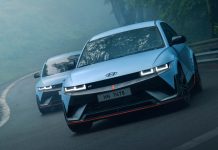
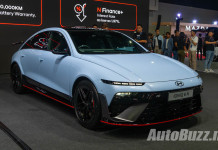
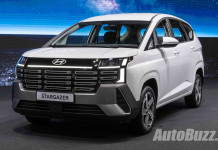
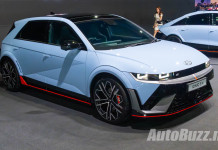
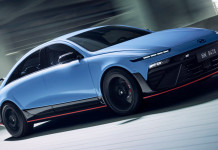
Looking back at the marque’s existing lineup, the Ioniq 5’s retro-futuristic pixel design has since become an icon for the brand’s electrified vehicles, but sees the same style of lights applied in a different approach with the Ioniq 6. The Ioniq 9 ties in closer with the Ioniq 5’s look, but is still very much its own thing. The same can be said for its combustion engine lineup, with varying design approaches on the Tucson, the Santa Fe, and the Staria.

The company’s change in design approach is going to take some time to take effect. With the recent unveiling of the Concept Three EV, the car has seemingly retains the brand’s signature Parametric Pixel lighting system.
However, the preview showed how it can now create unique lighting patterns instead of relying on a single full-width light bar. Rumoured to be the upcoming Ioniq 3, Hyundai’s plans to move away from the light bar could come sooner than expected.
Loasby concluded, “I think we are almost at the end of the journey in terms of lighting. It’s almost like chrome. We then need to ask what makes logical sense for the customer and what makes emotional sense.”
ALSO READ: Hyundai lays out “most ambitious” growth plan – over 30 new EV, hybrid, and N models planned by 2030