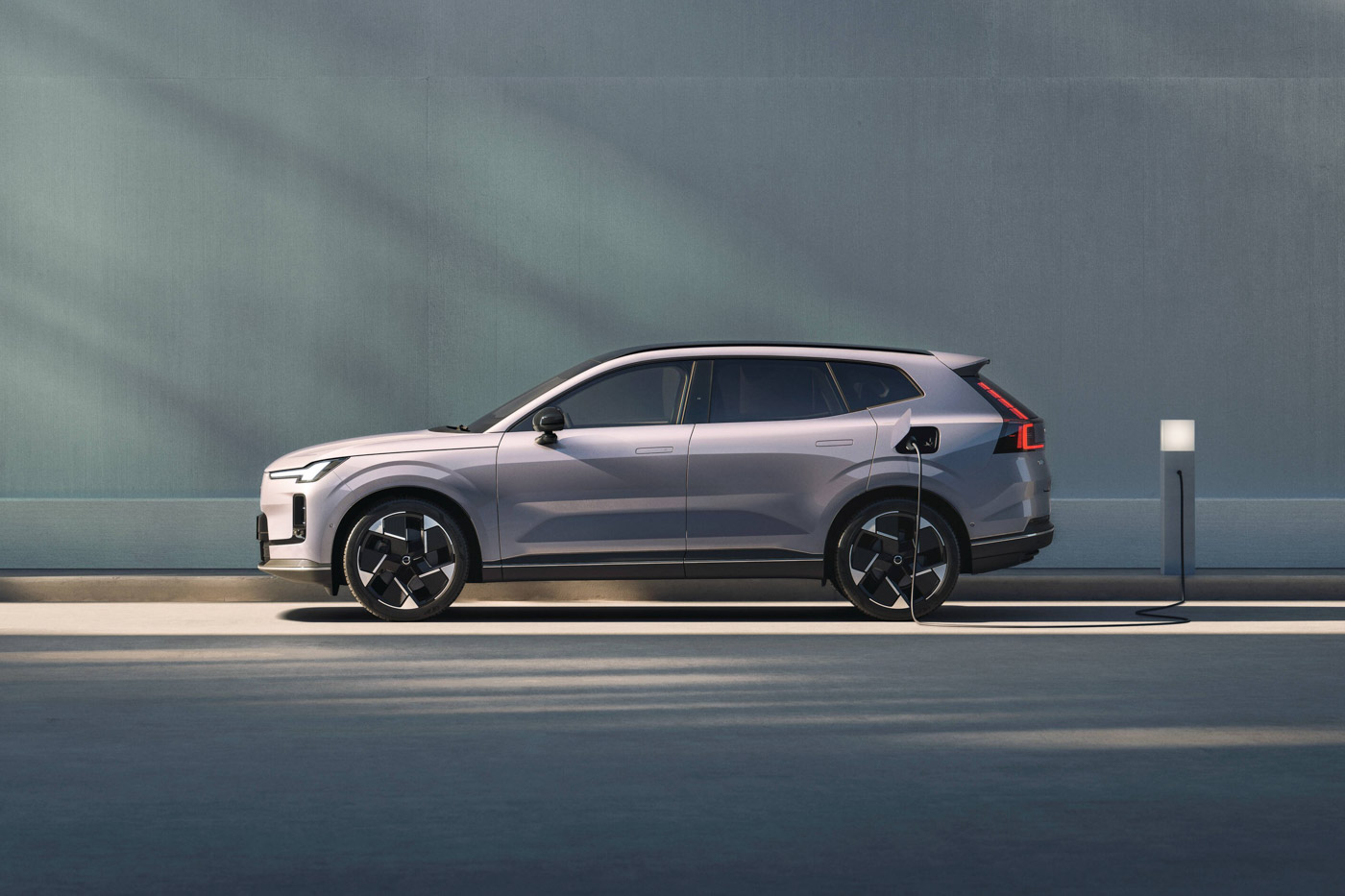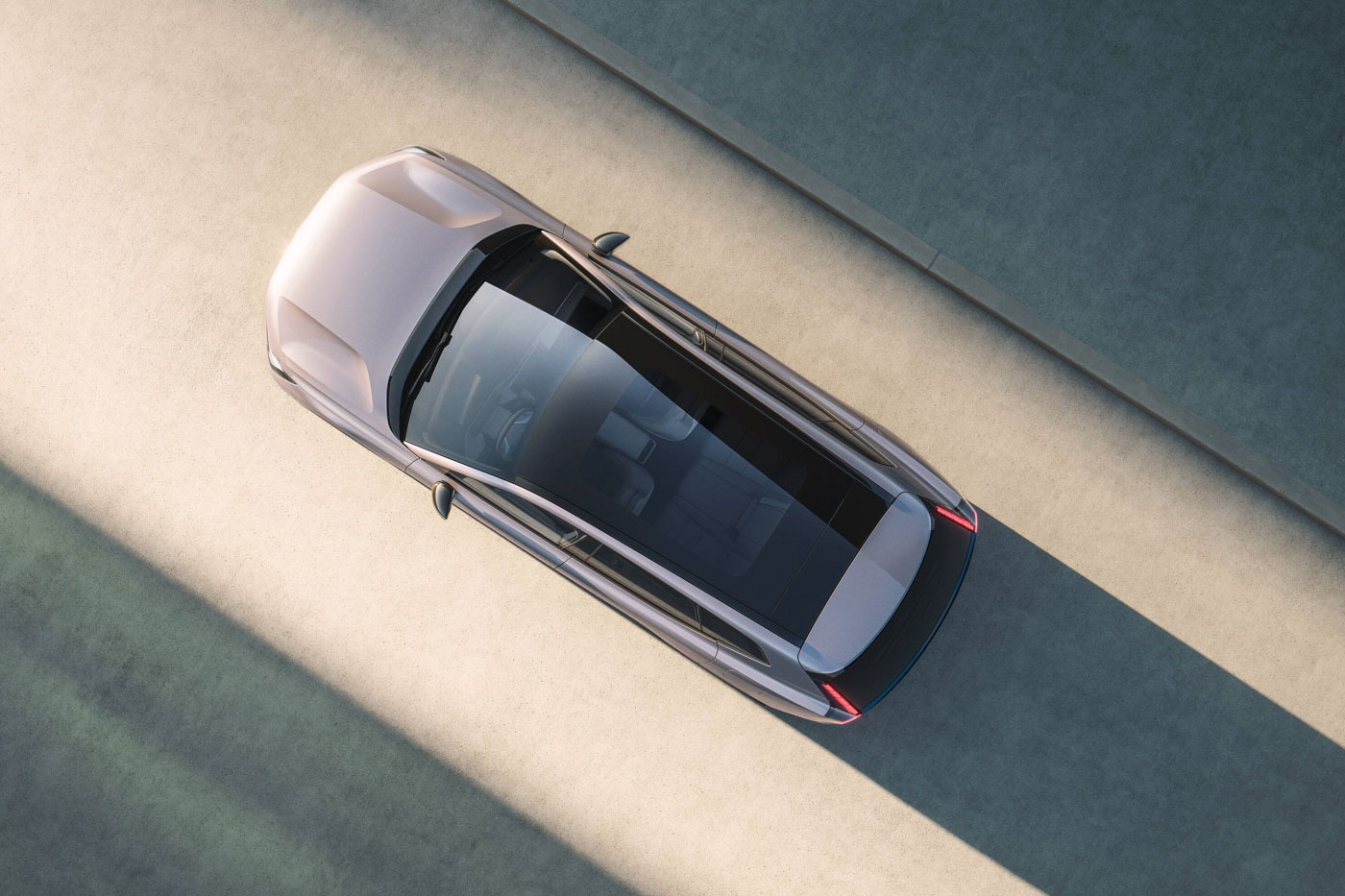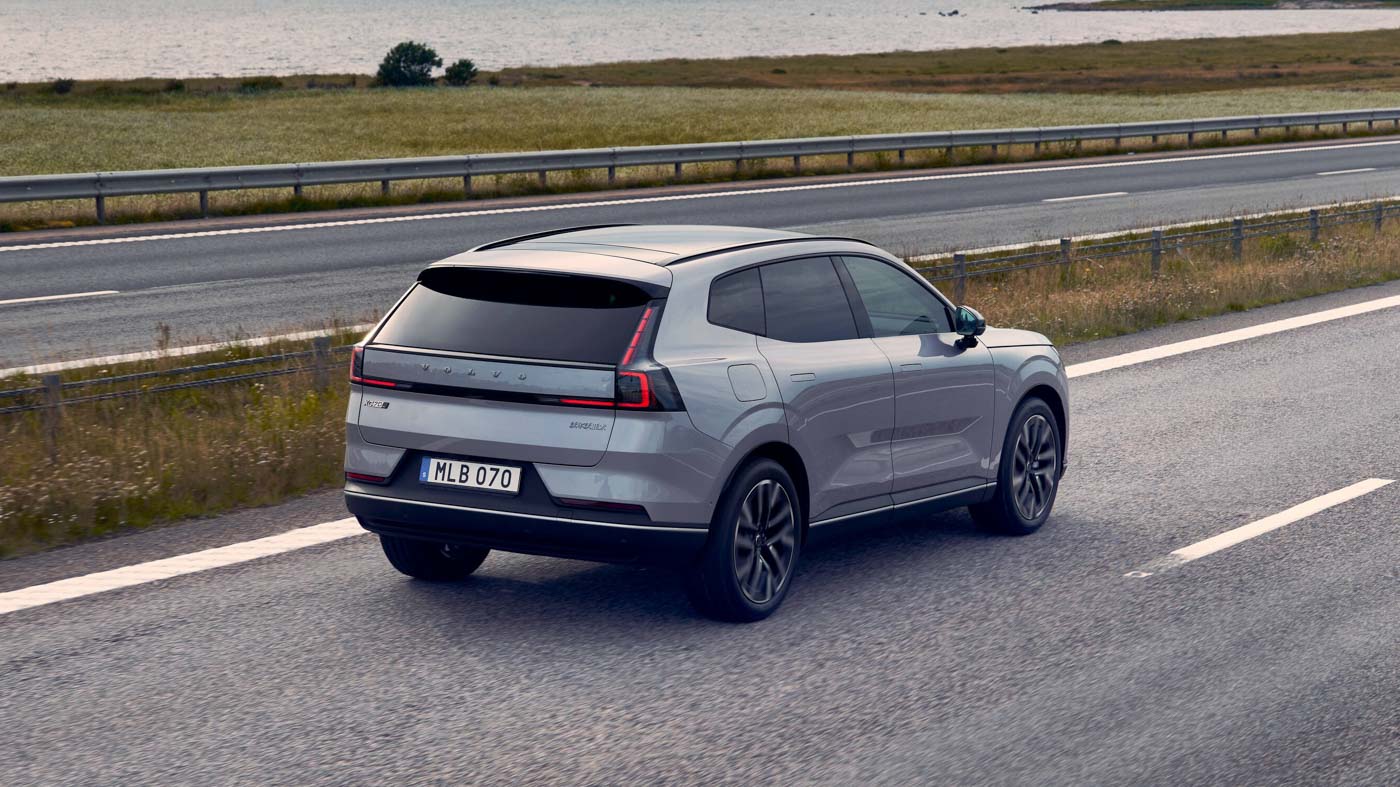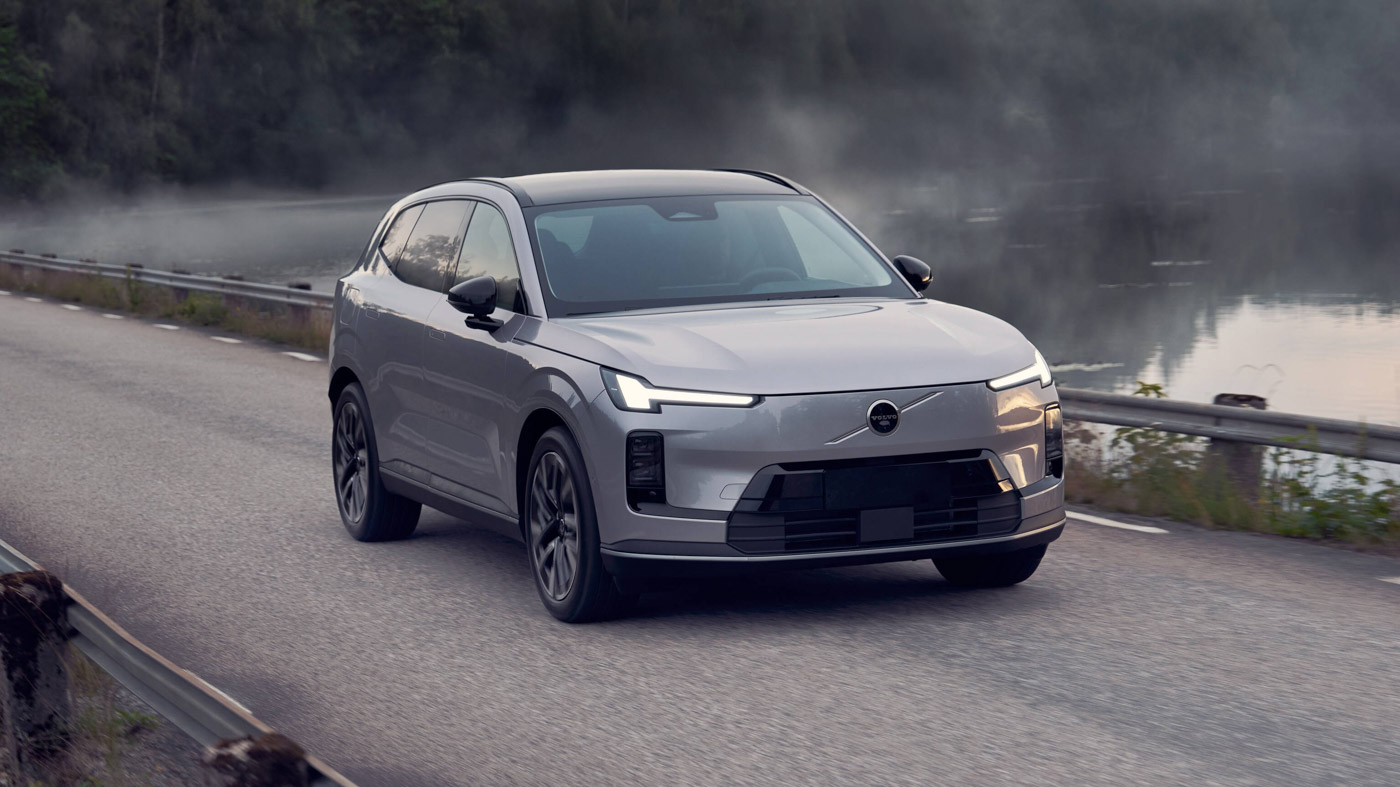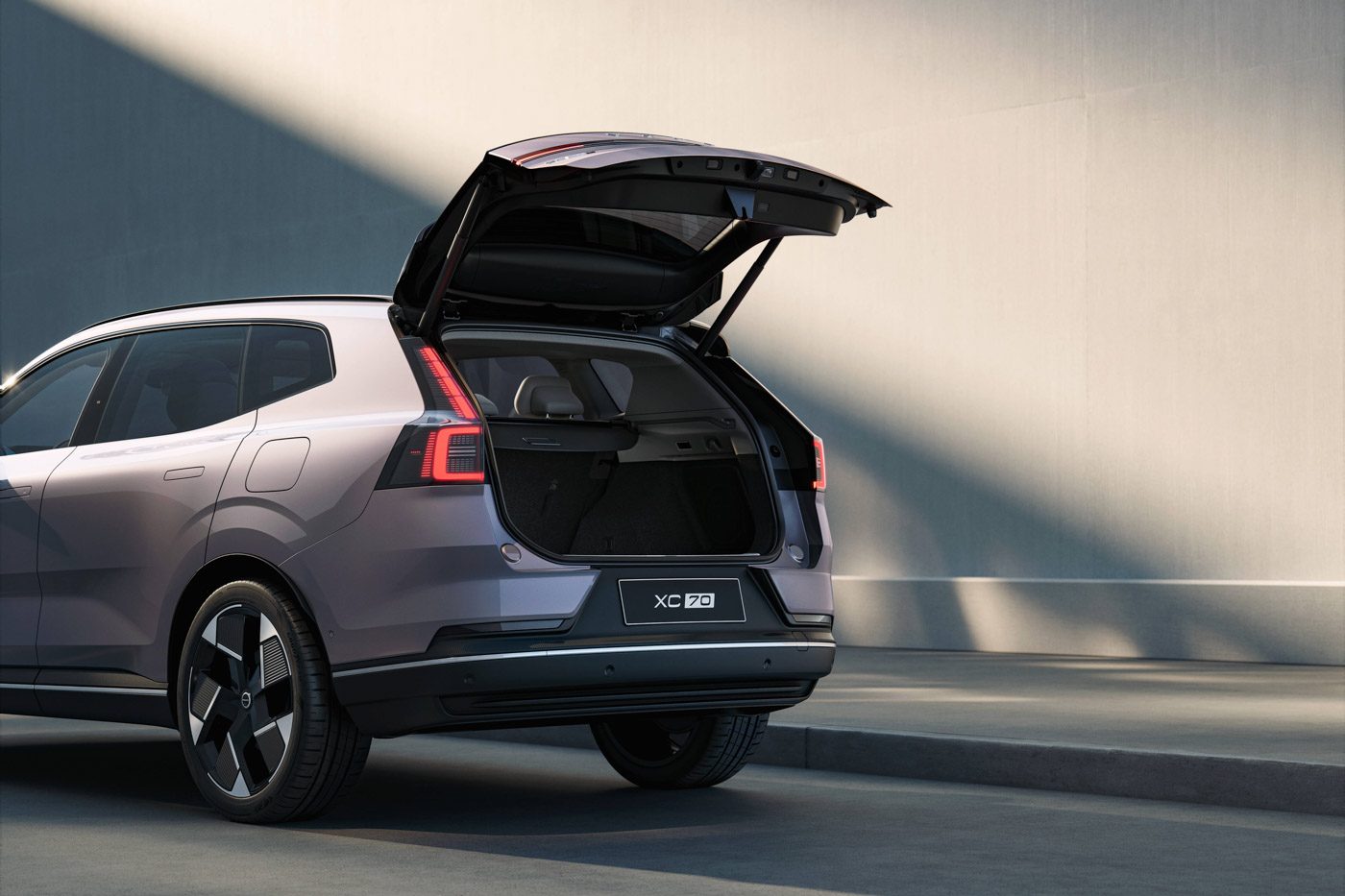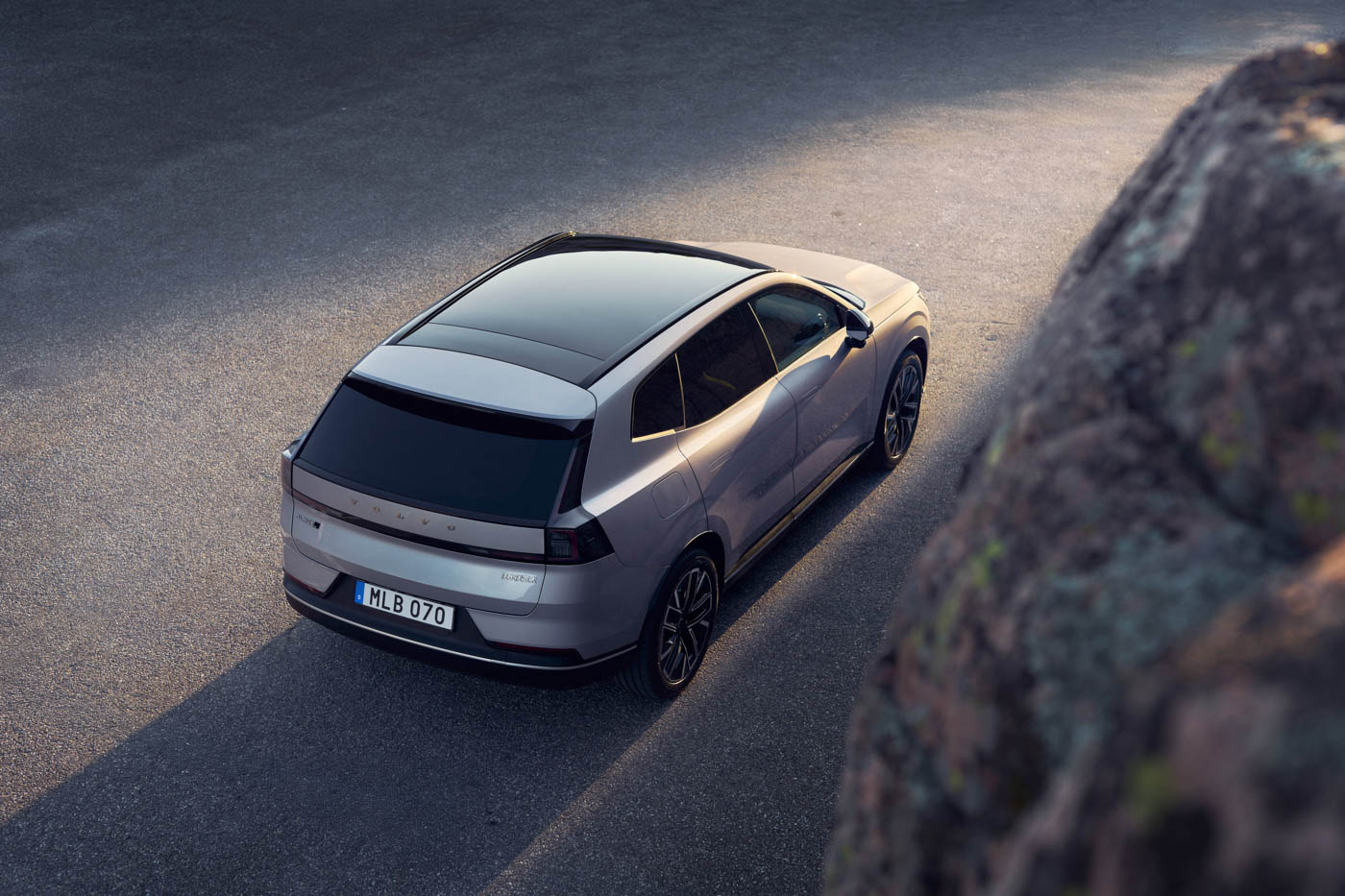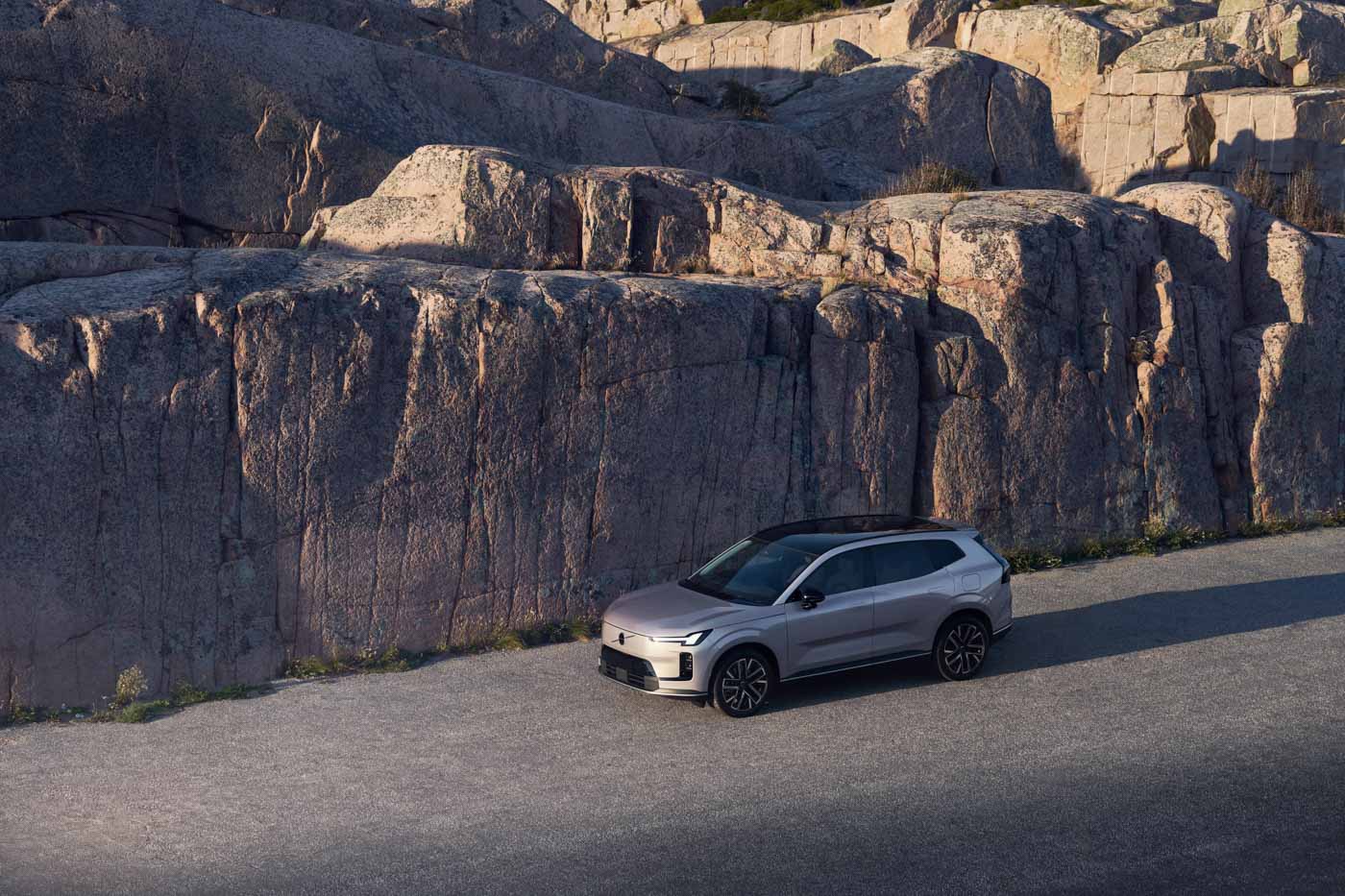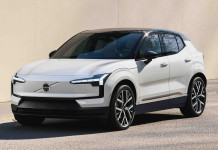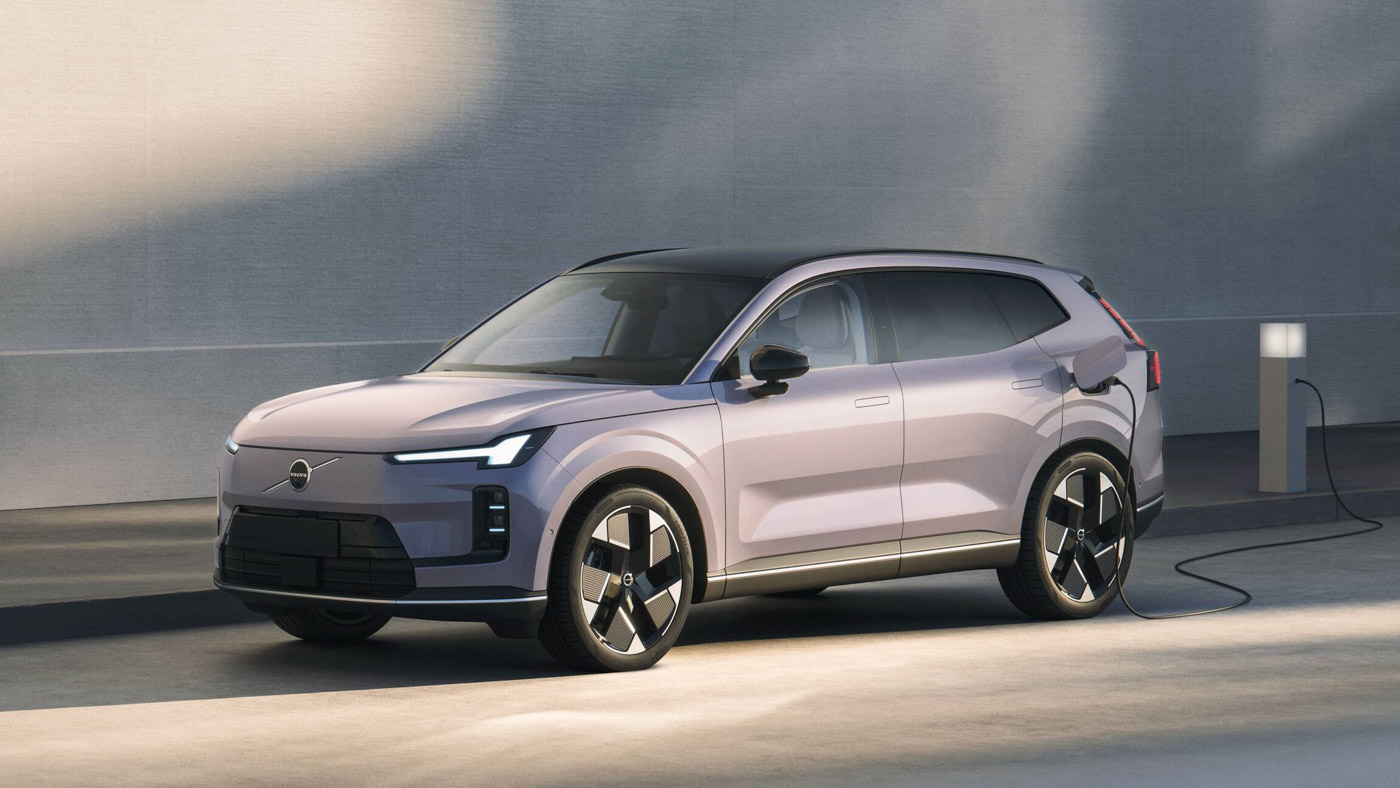
After almost a whole decade of absence, Volvo has officially brought back the Volvo XC70. But instead of being a jacked-up station wagon like its predecessors, it’s now built more like a crossover SUV.
For now, it’s mostly a design showcase and Volvo has yet to release full details of the XC70. However, Chinese sources suggest that the model is heavily based on the Lynk & Co 08. While the car is currently region-locked in China, Volvo says the company intends to bring it to Europe in the near future.
Built on Volvo Cars’ new Scalable Modular Architecture (SMA) platform for long-range plug-in hybrids, the XC70 marks the brand’s first long-range PHEV. While Volvo has yet to confirm this, reports say the car is powered by a 1.5-litre turbocharged engine producing 163 hp and 255 Nm. The engine is paired to a three-speed dedicated hybrid transmission (DHT) and an intricate P1+P2+P4 electric motor setup.
The P1 motor serves solely as a generator with 81 hp, while the P2 and P4 motors produce 145 hp and 212 hp, respectively, to drive the wheels. According to Volvo, this allows an all-electric driving range of over 200 km (CLTC) – the longest of any Volvo plug-in hybrid to date.
A filing with China’s Ministry of Industry and Information Technology (MIIT) has however revealed that the range is actually closer to 180 km (CLTC), and only with the larger 39.63 kWh NMC battery pack. The smaller 21.22 kWh LFP pack will only offer a pure EV range of around 100 km.
Volvo also claims that the XC70 will be able to achieve 1,200 km in a single charge and tank — a figure synonymous with several Chinese long-range PHEVs.
Charging-wise, Volvo has only revealed that the car can go from 0% to 80% in 23 minutes. While the battery size was not specified, the company confirmed that the car will support V2L, allowing it to power appliances and other electronic devices.
ALSO READ: Production of the all-new Volvo XC70 with 1,200 km range begins in China
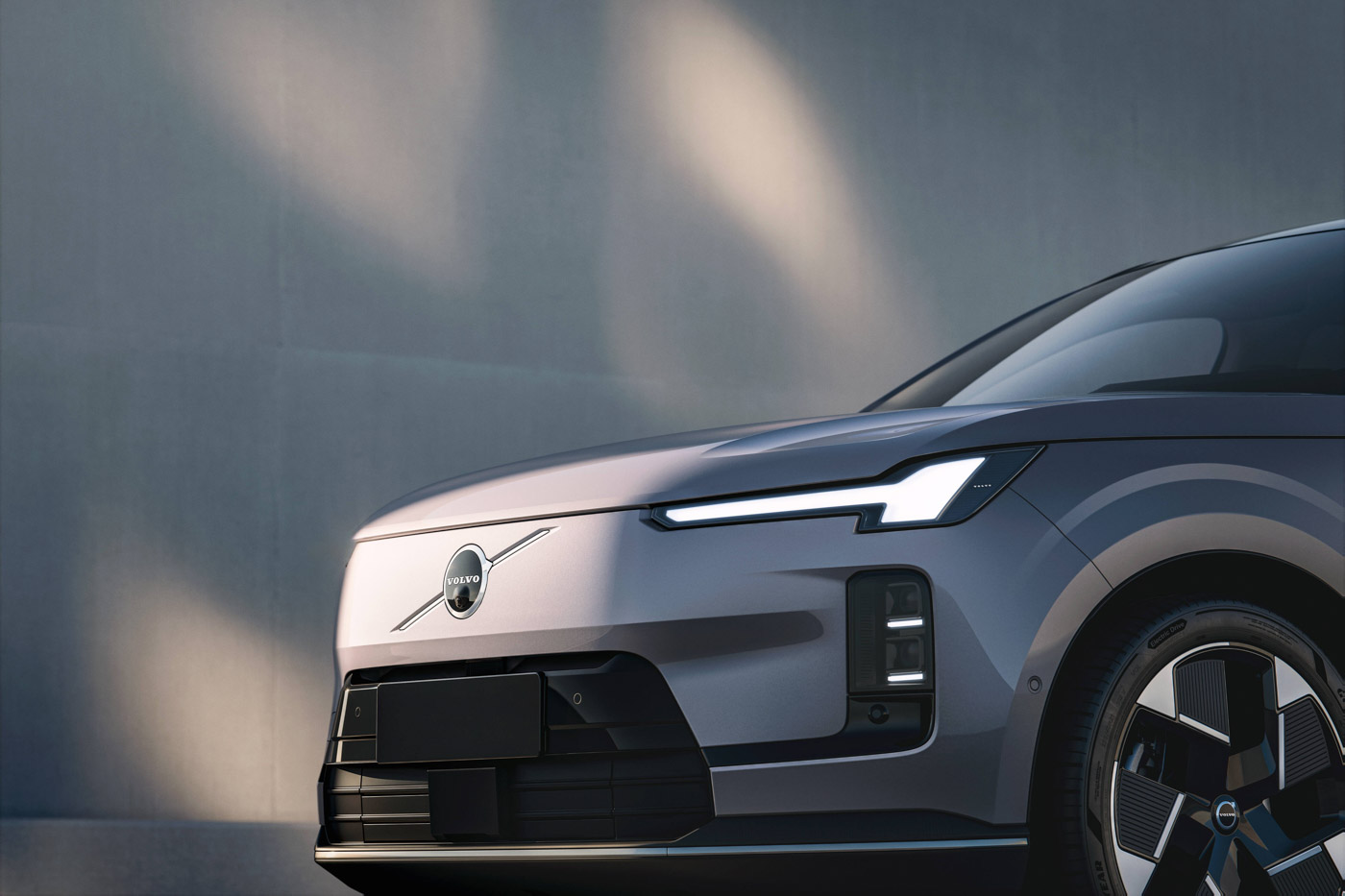
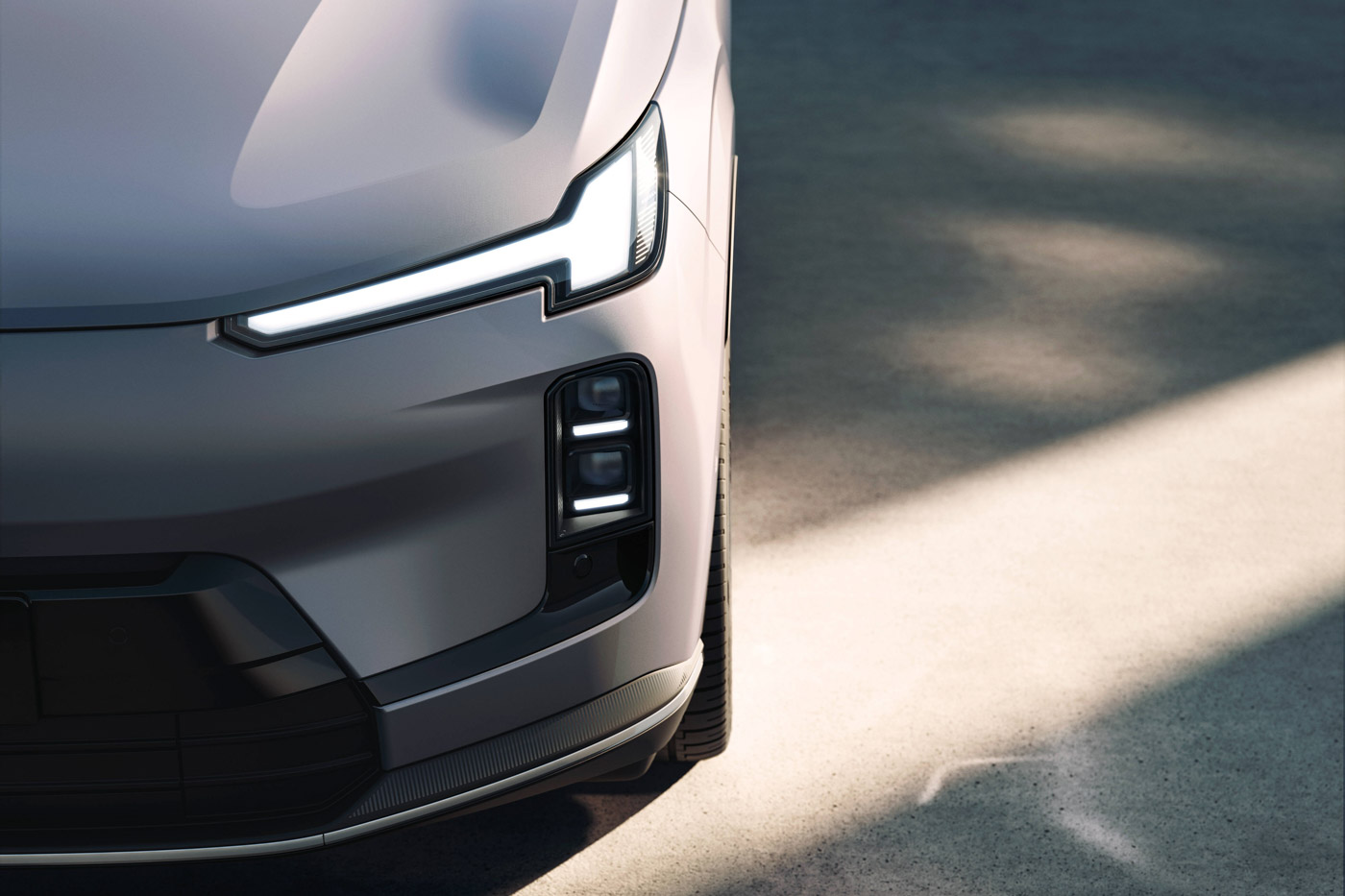
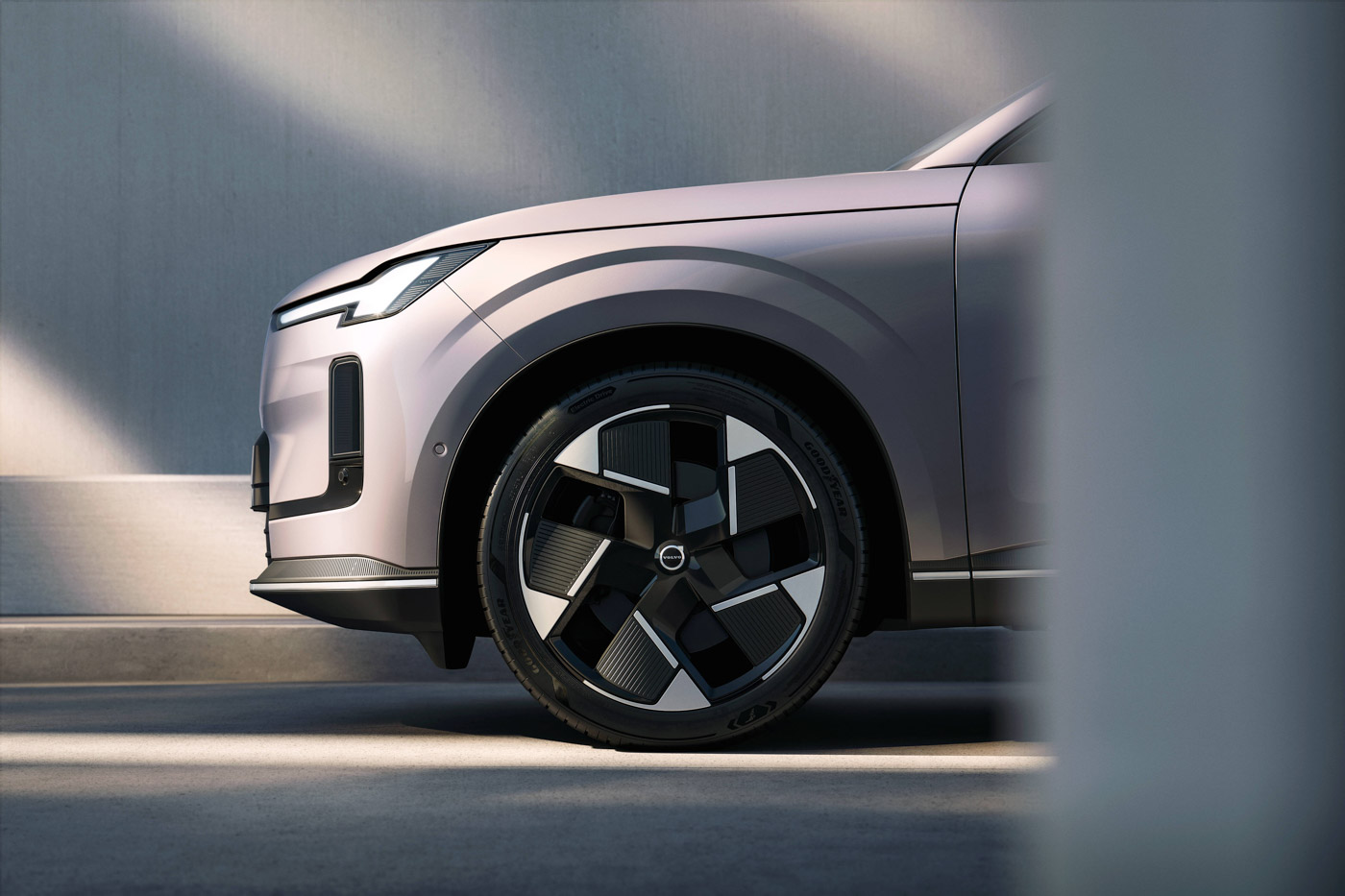
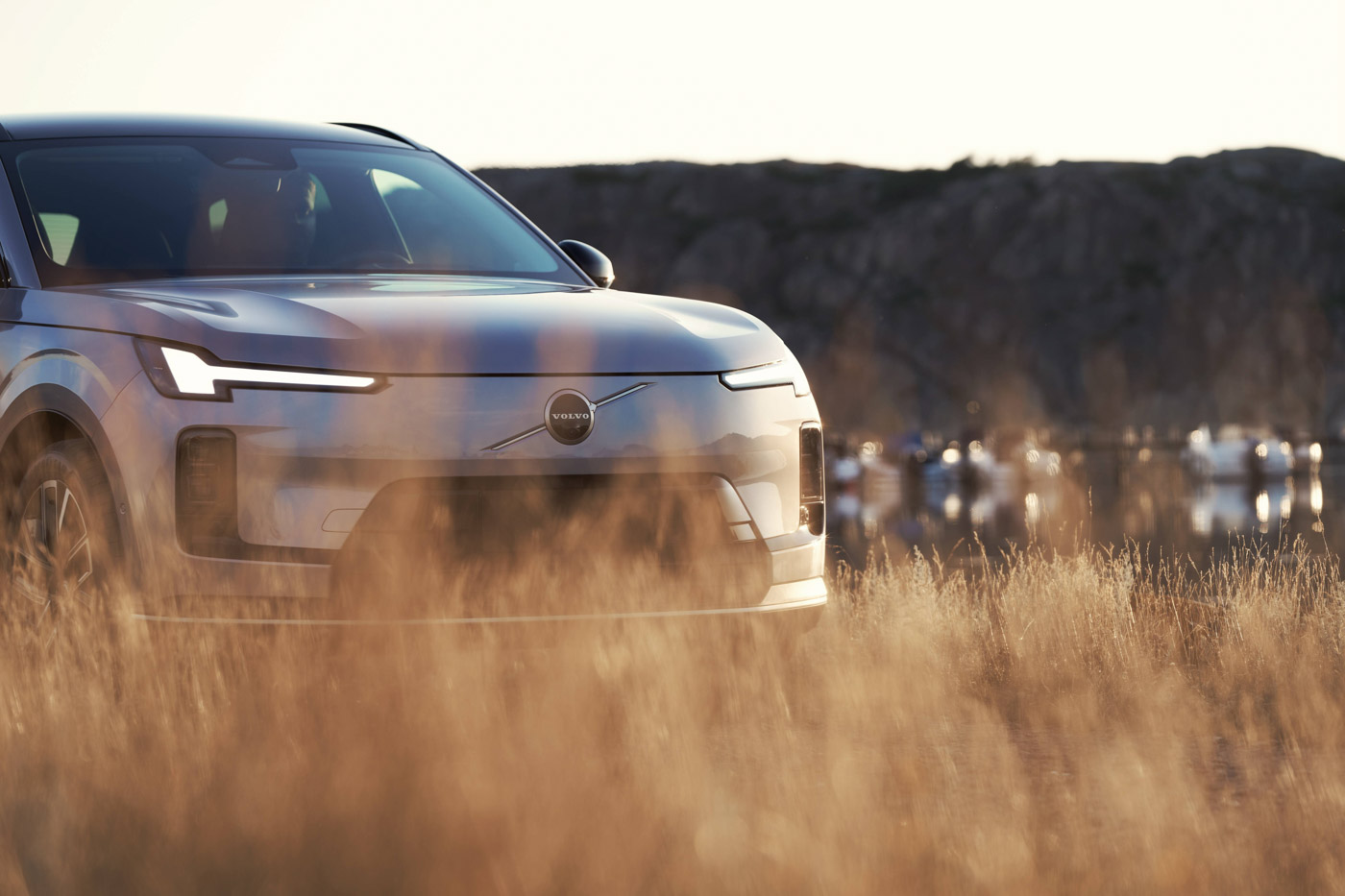
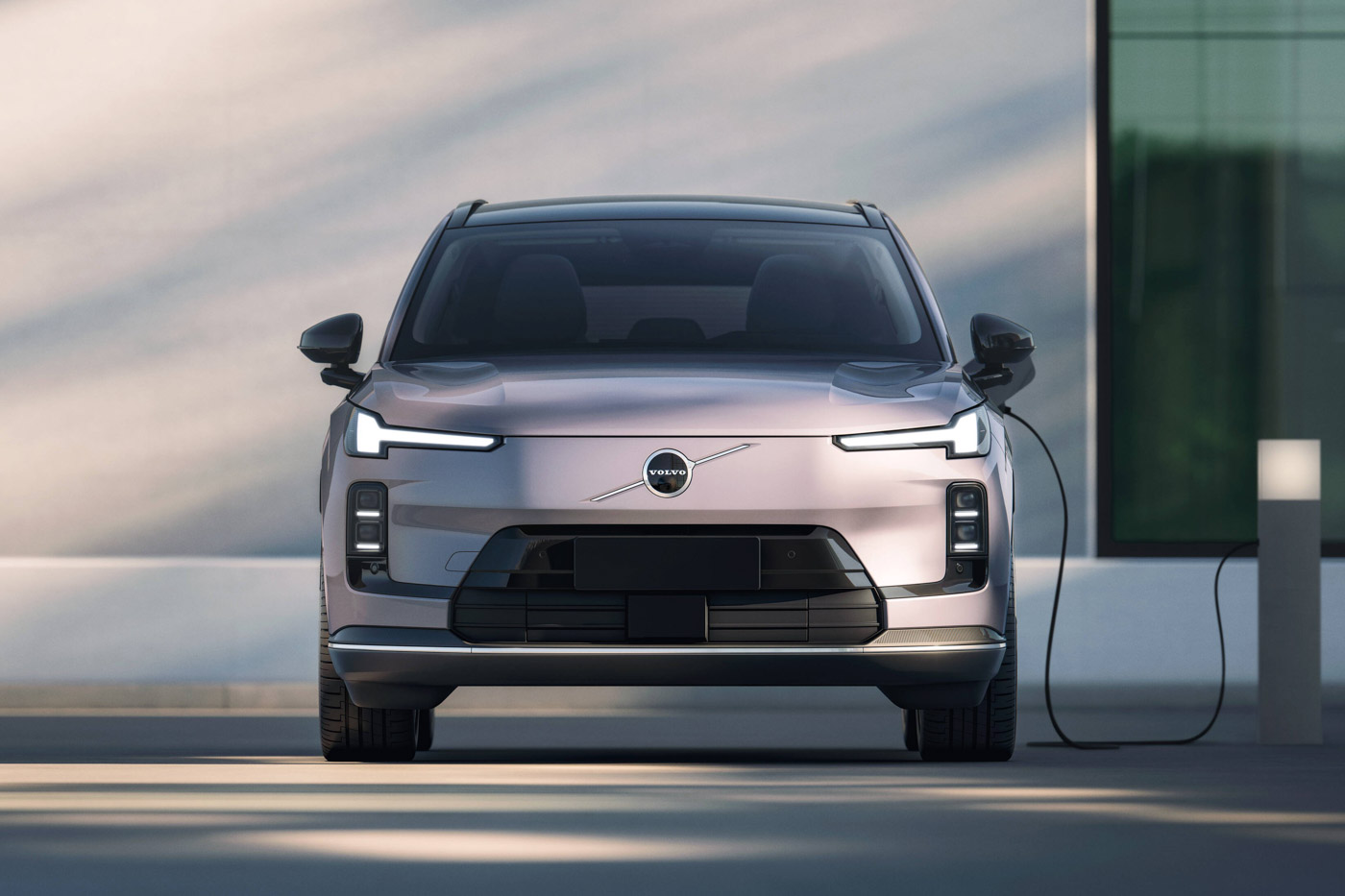
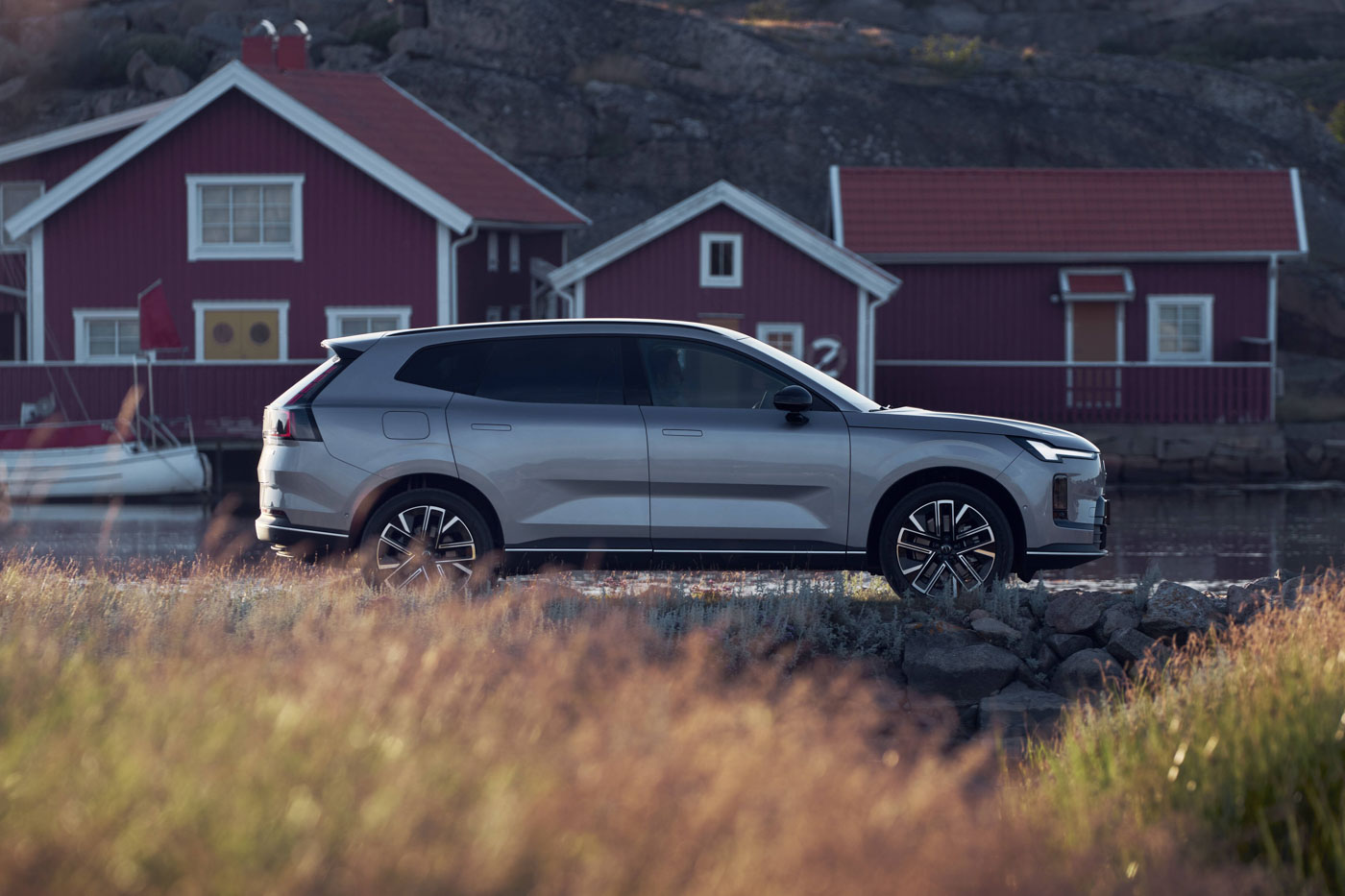
Outside, the design is simplistic, clean, yet confident, like its bigger XC90 and EX90 brothers. Despite being a PHEV, it features a closed-off front grille like the marque’s electric offerings. Below it, features an air intake with an active grille shutter that automatically adjusts to optimise aerodynamics, cabin climate, and cooling — resulting in increased range.
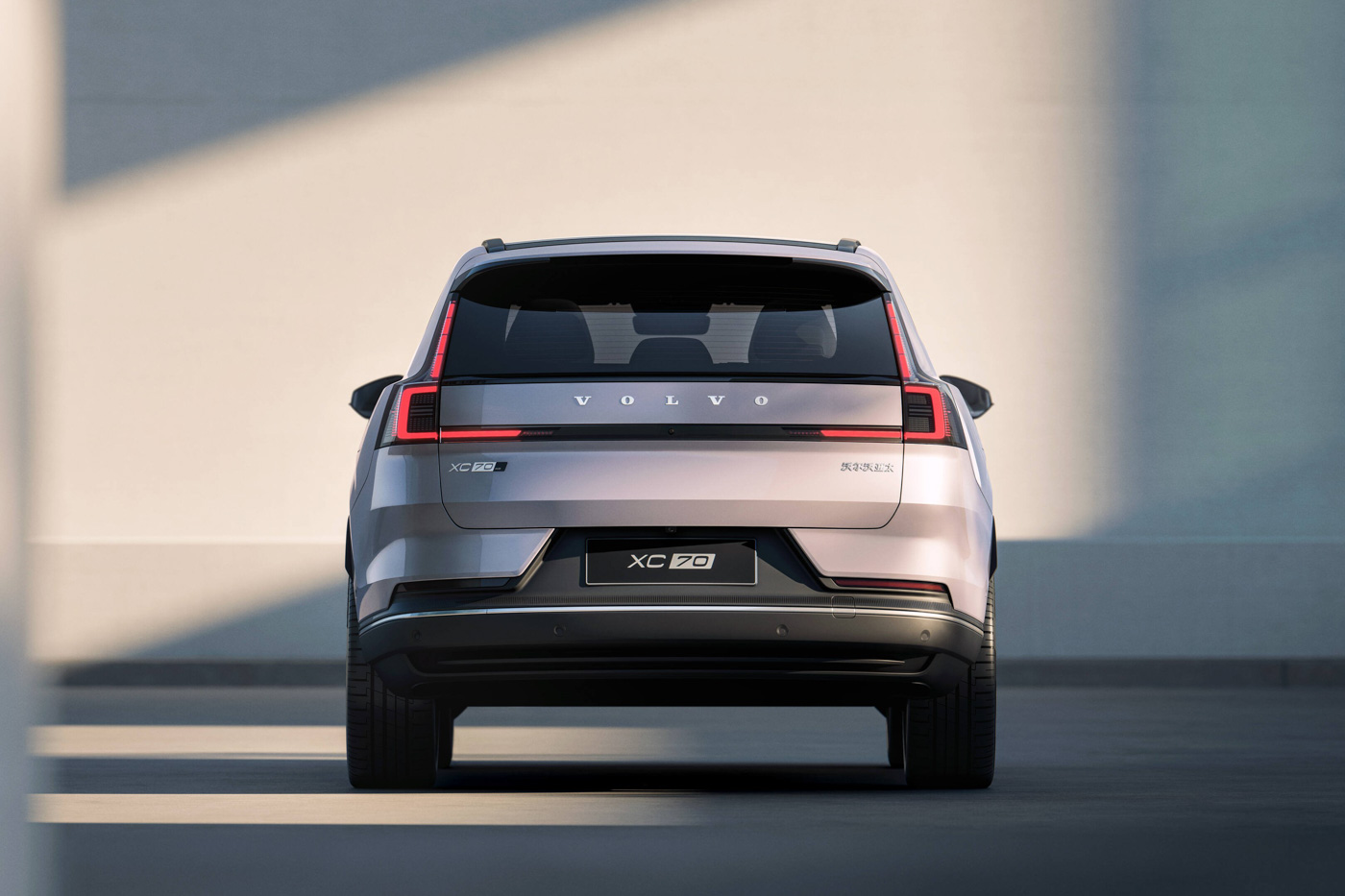
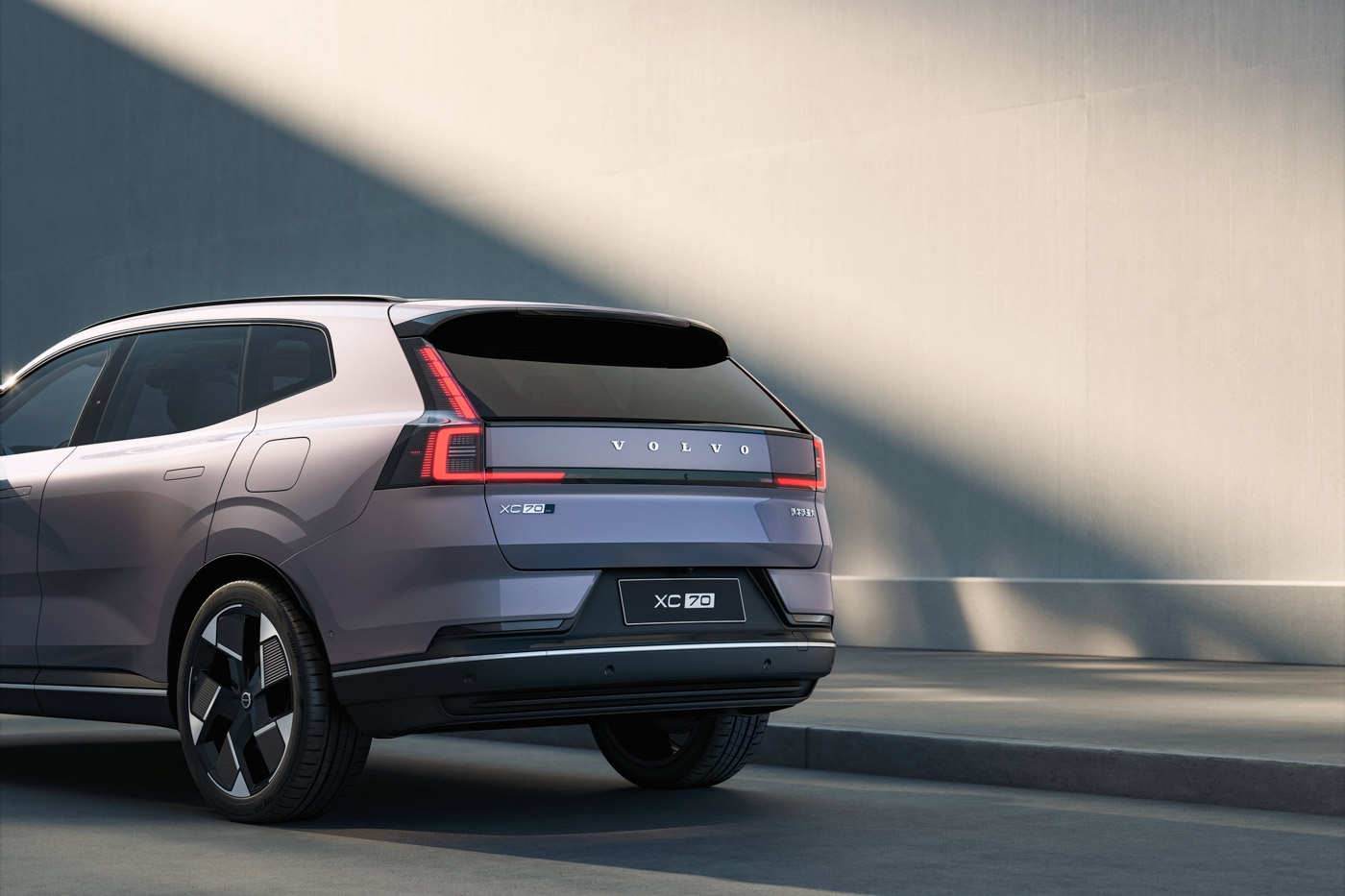
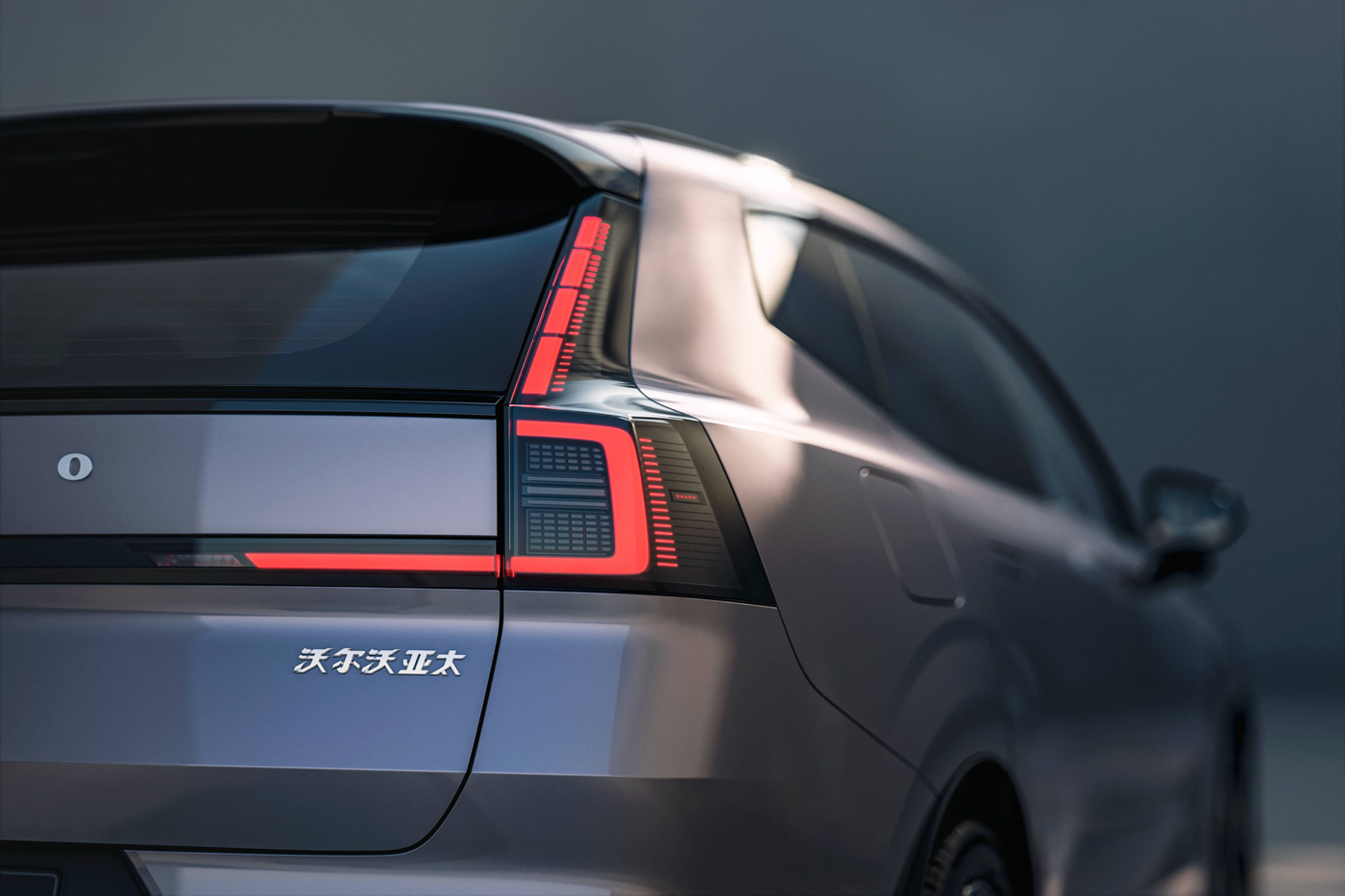
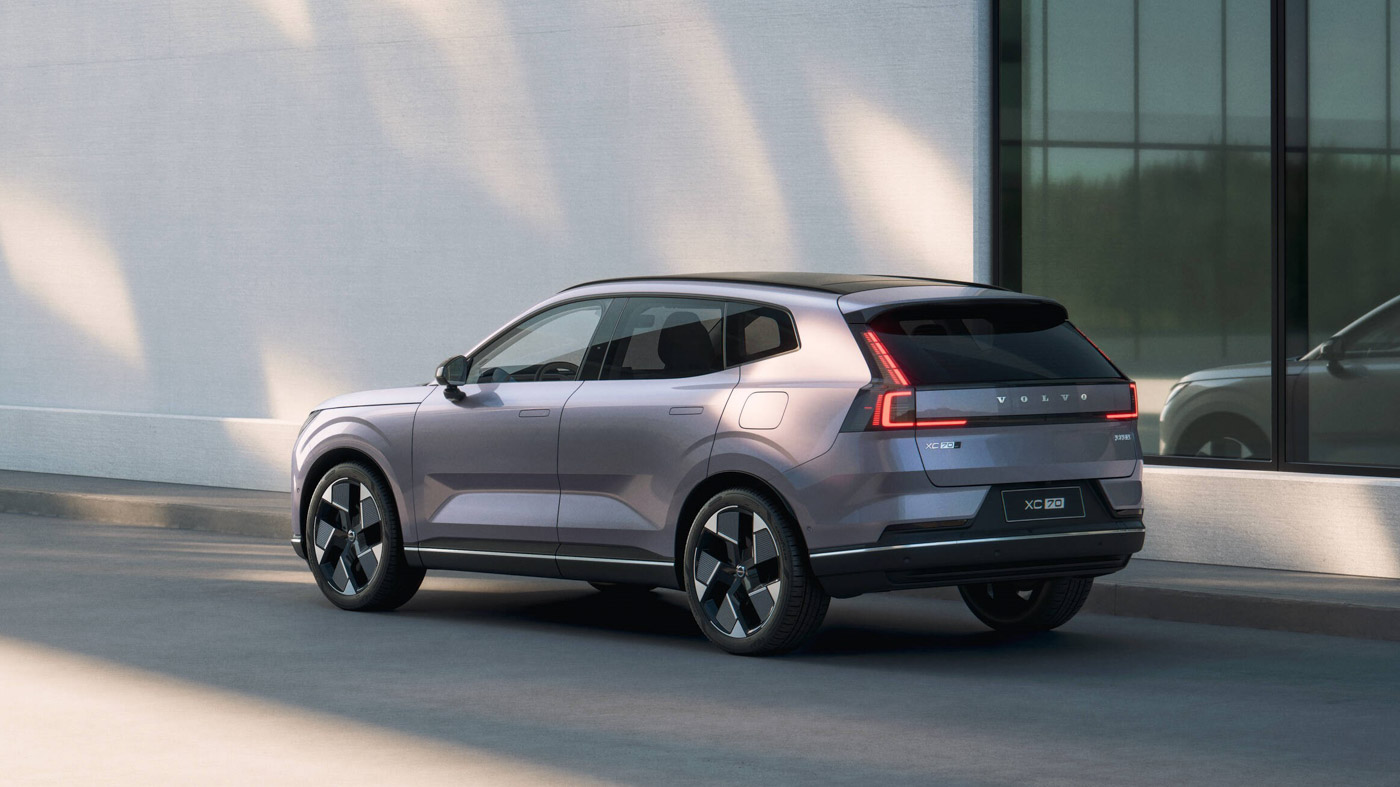
At the back, its C-shaped taillights flow smoothly with the rear windshield and are designed to pay homage to its predecessors while carrying the modern Scandinavian look the brand is famous for.
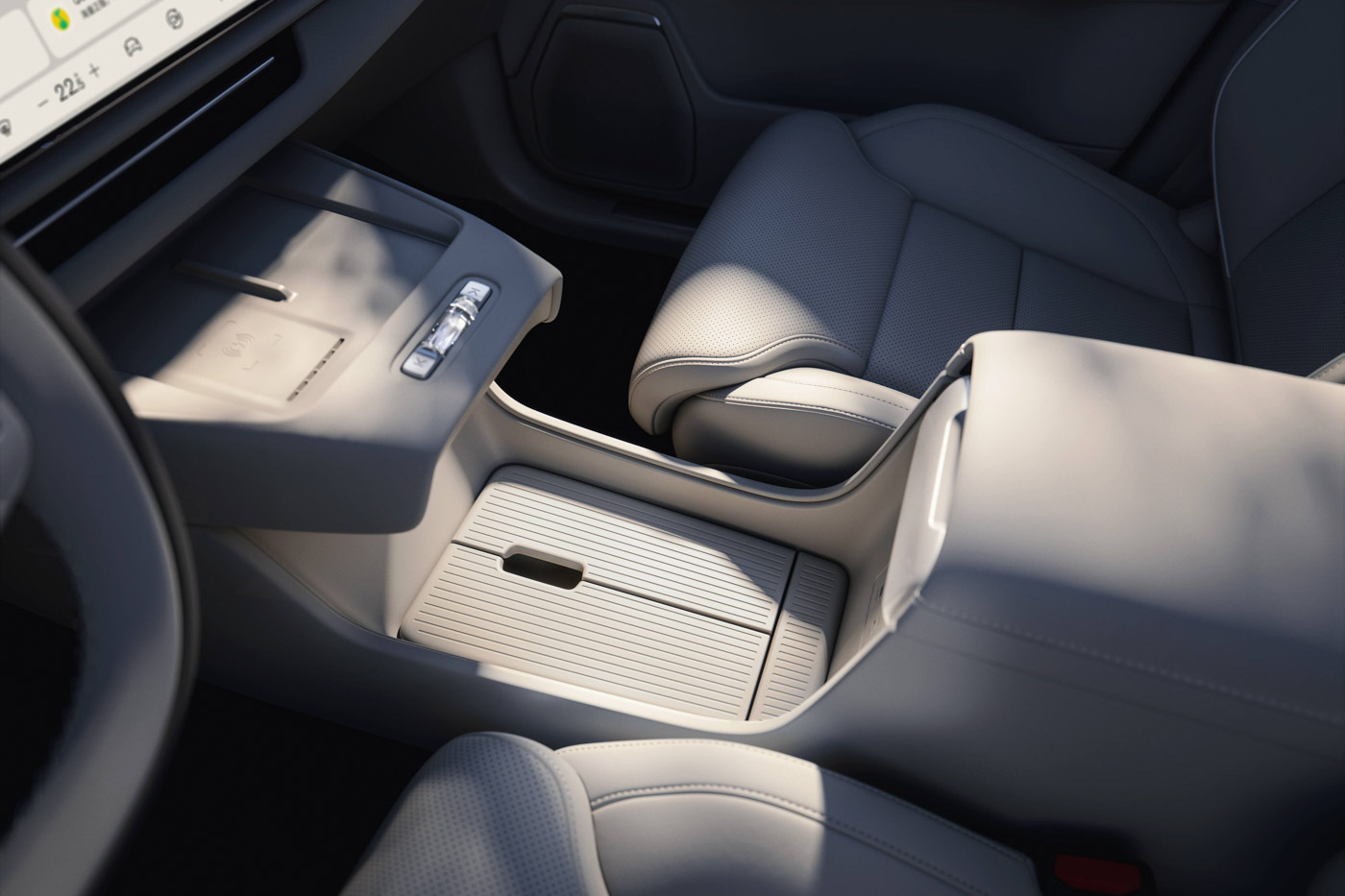
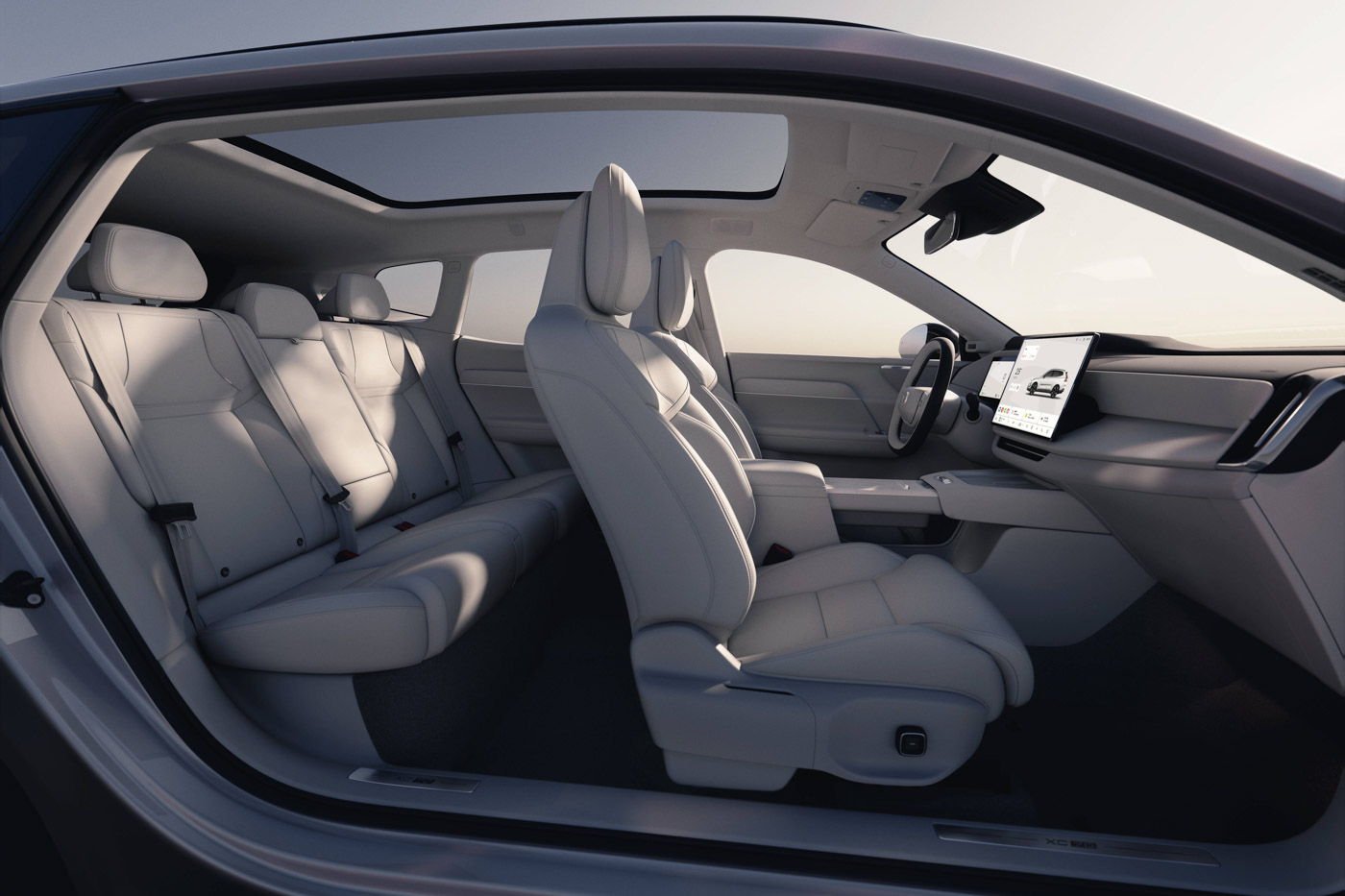
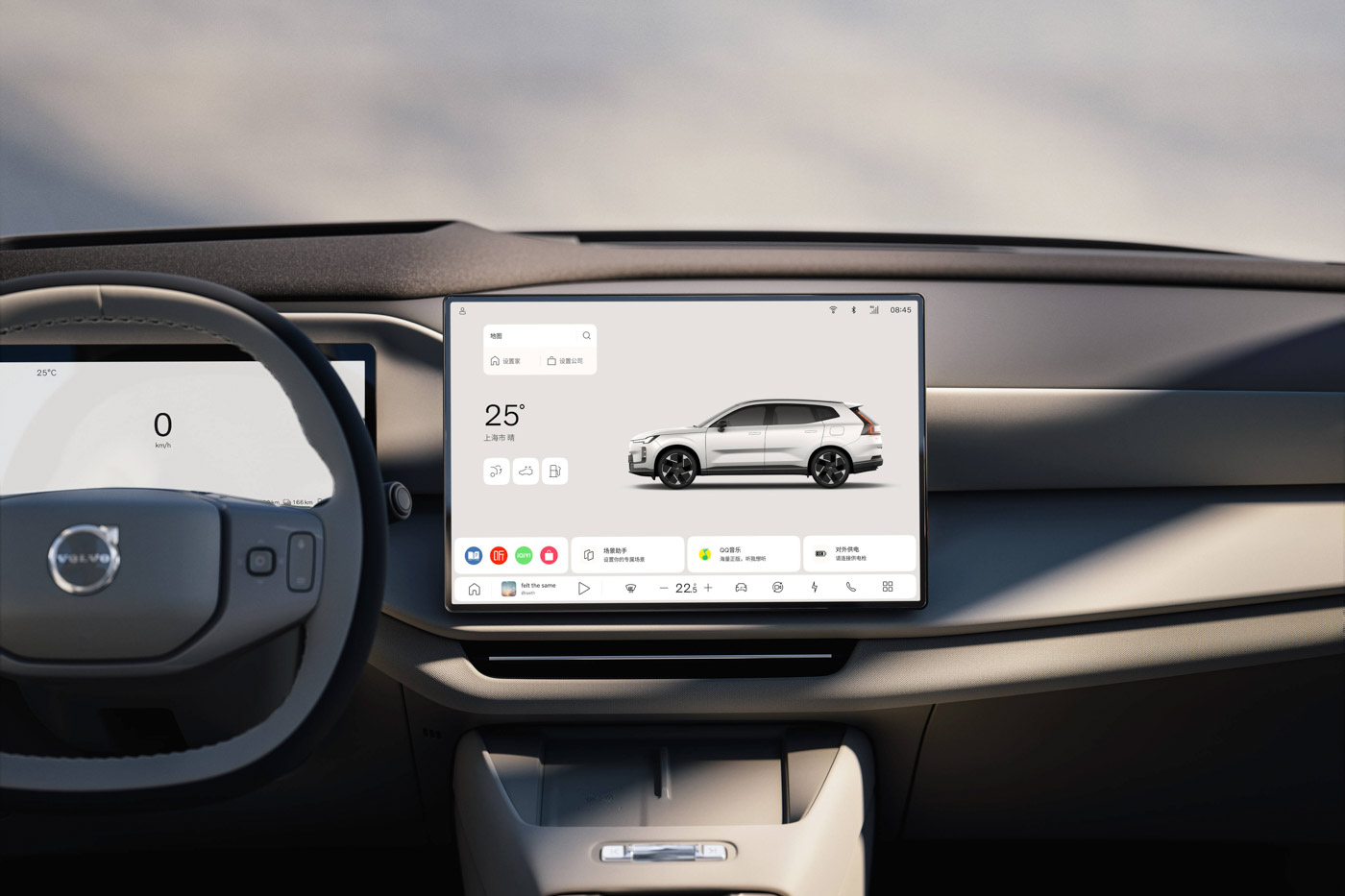
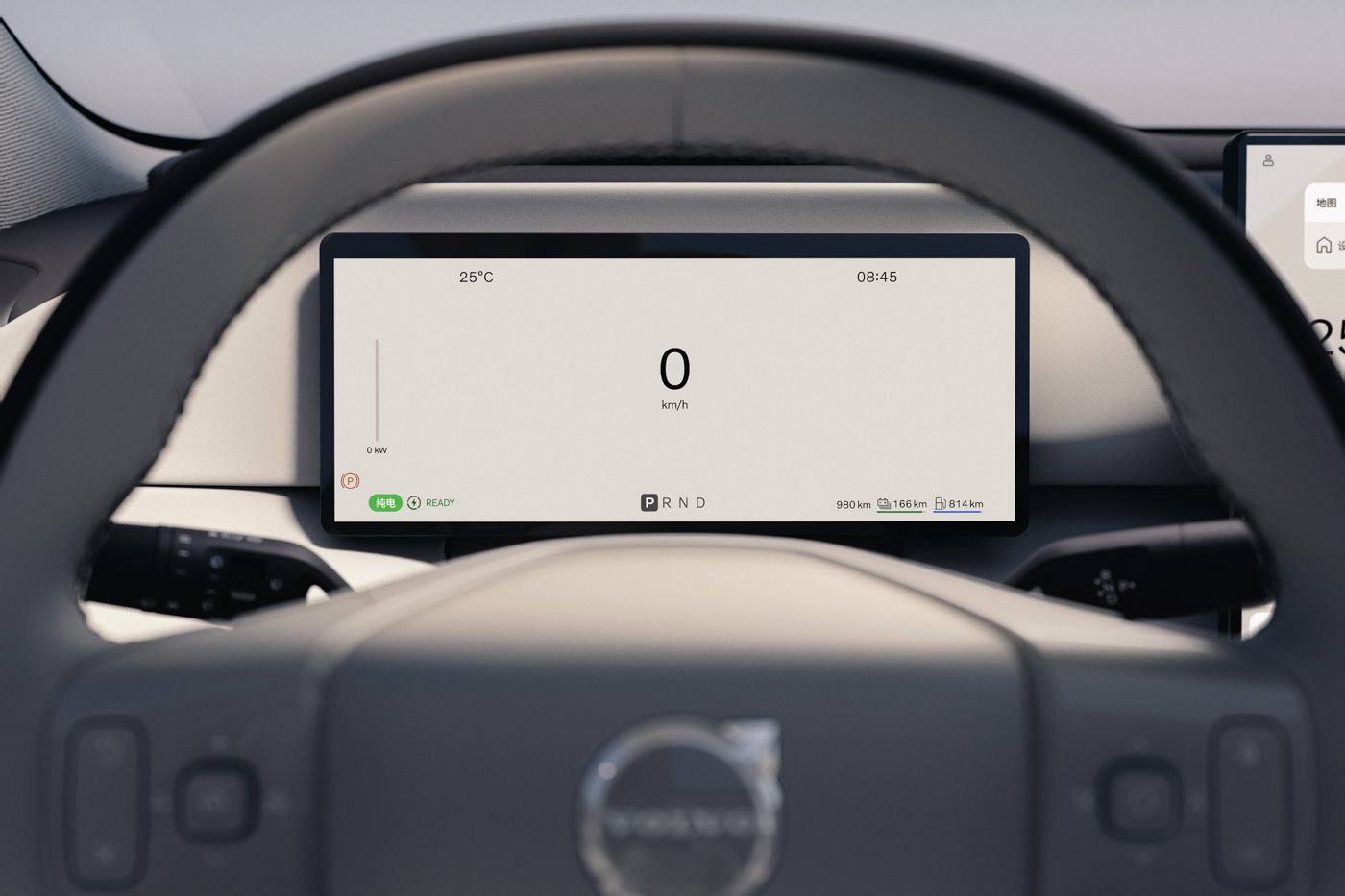
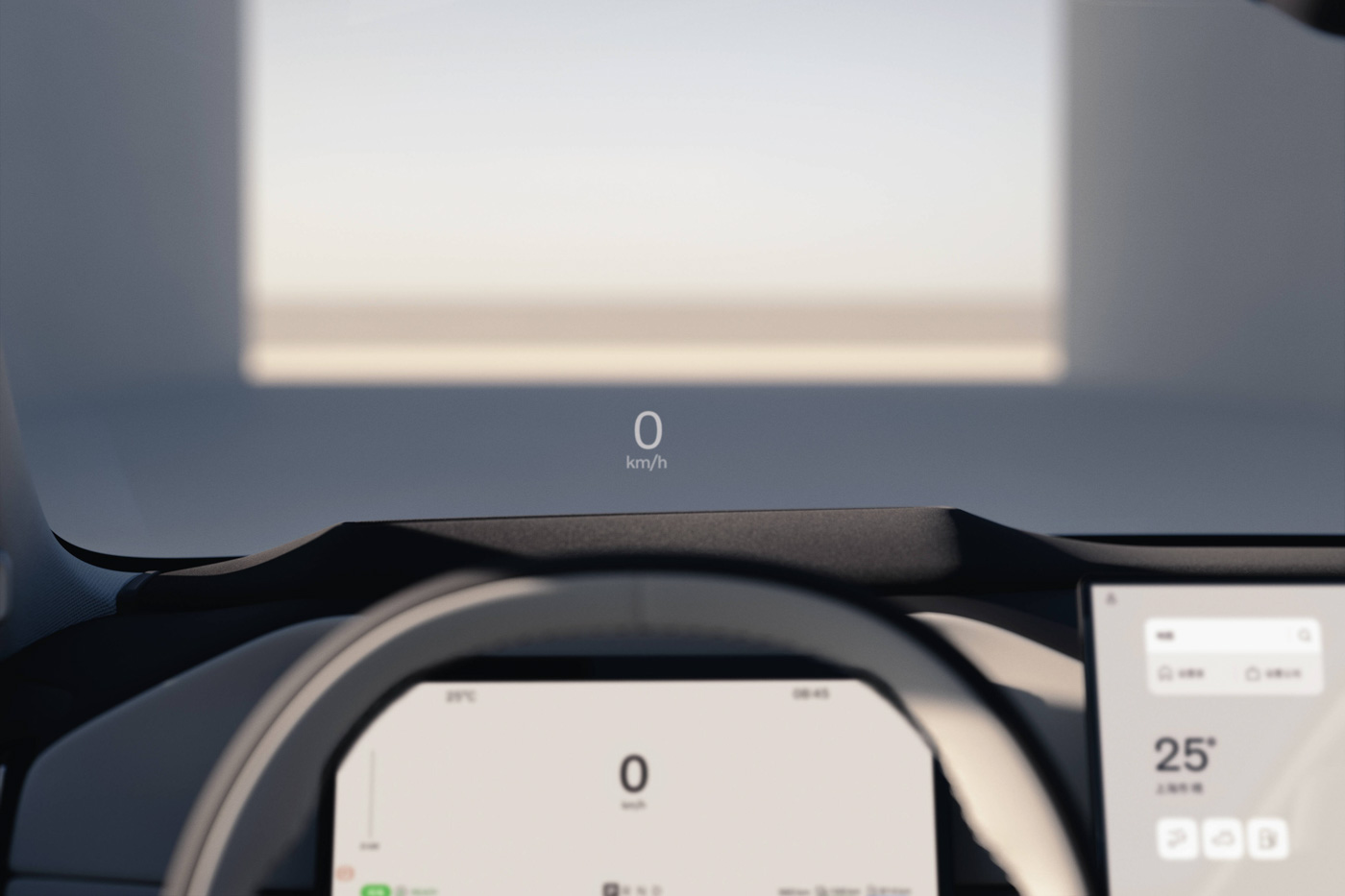
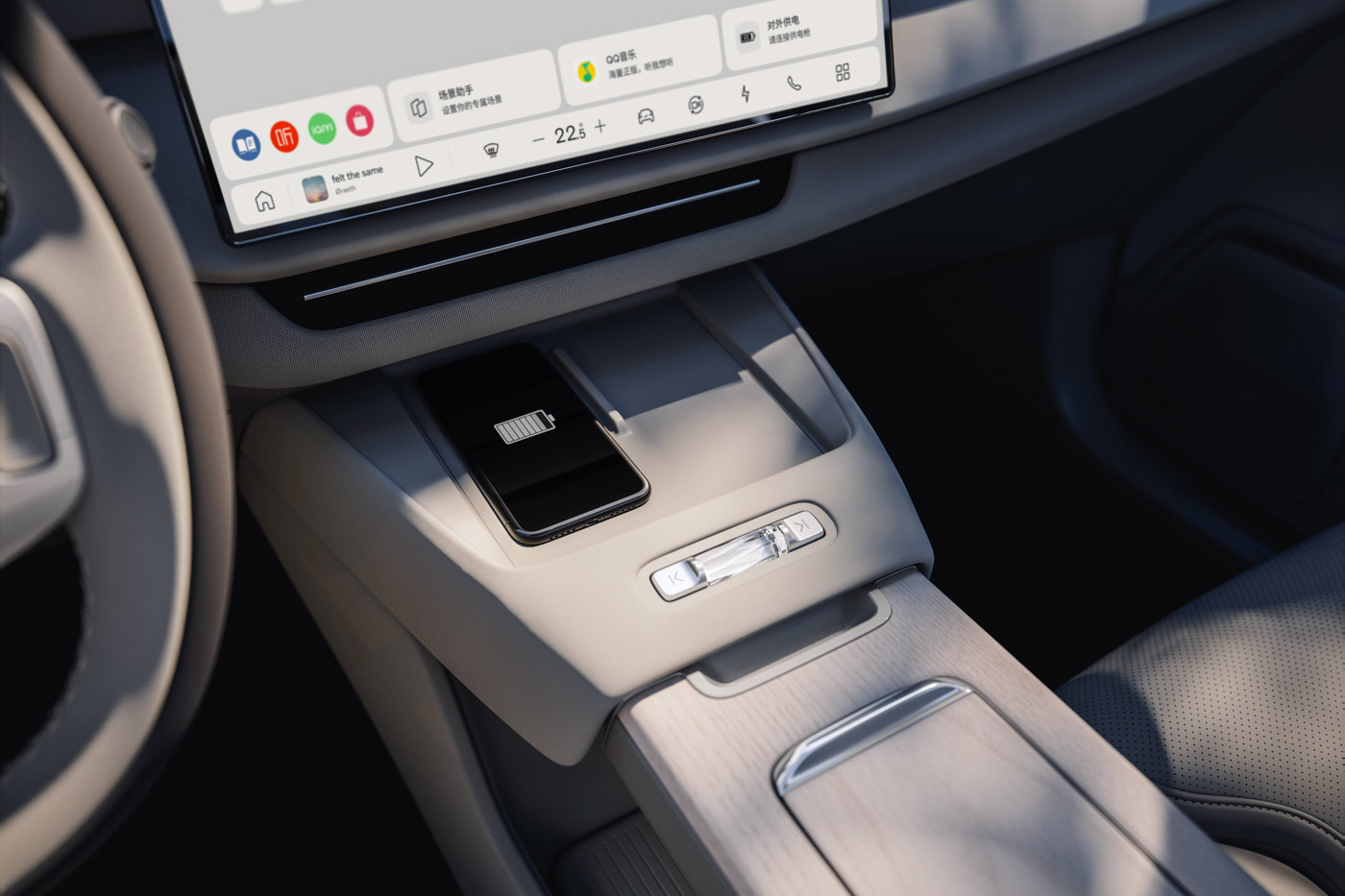
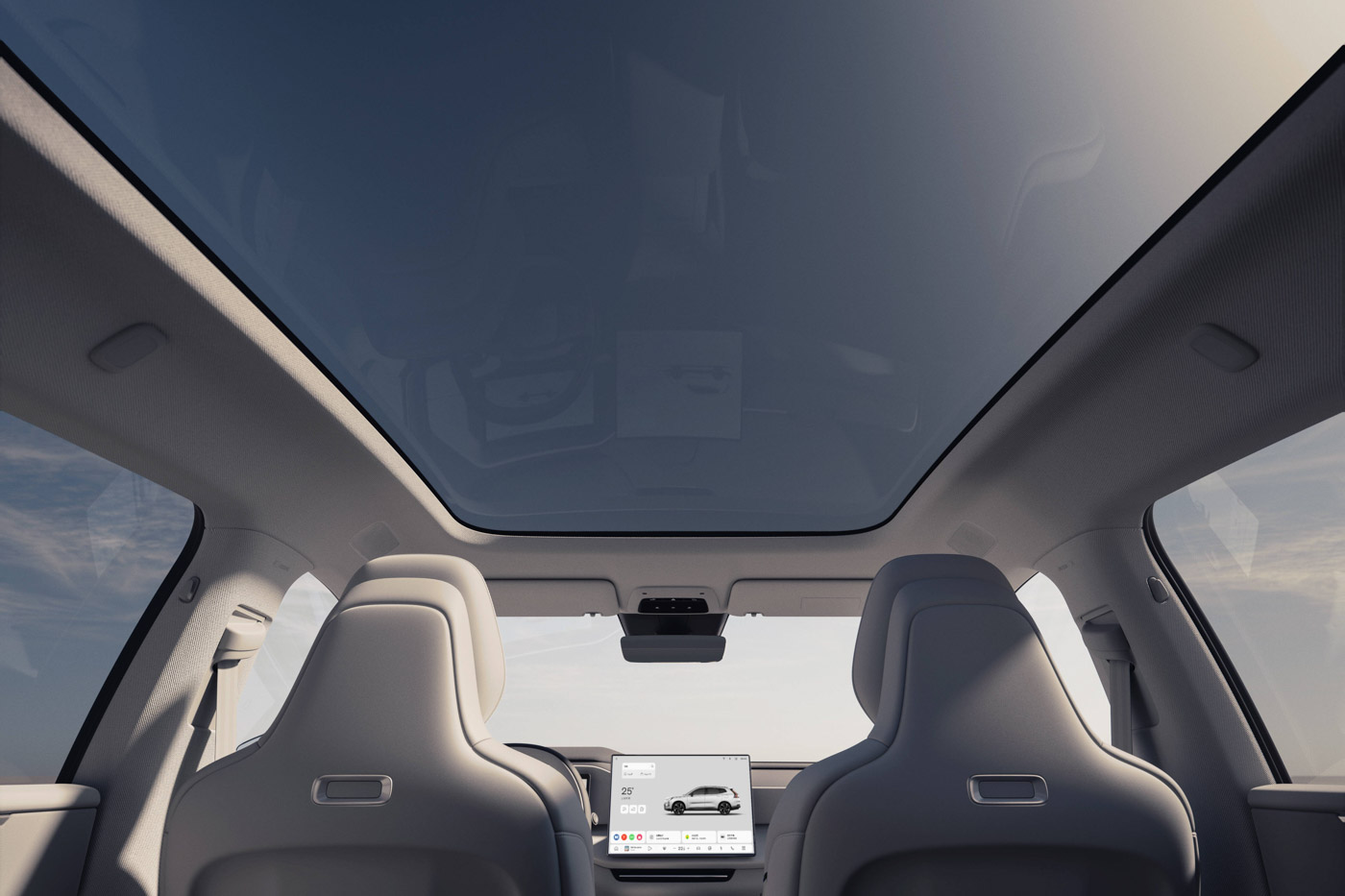
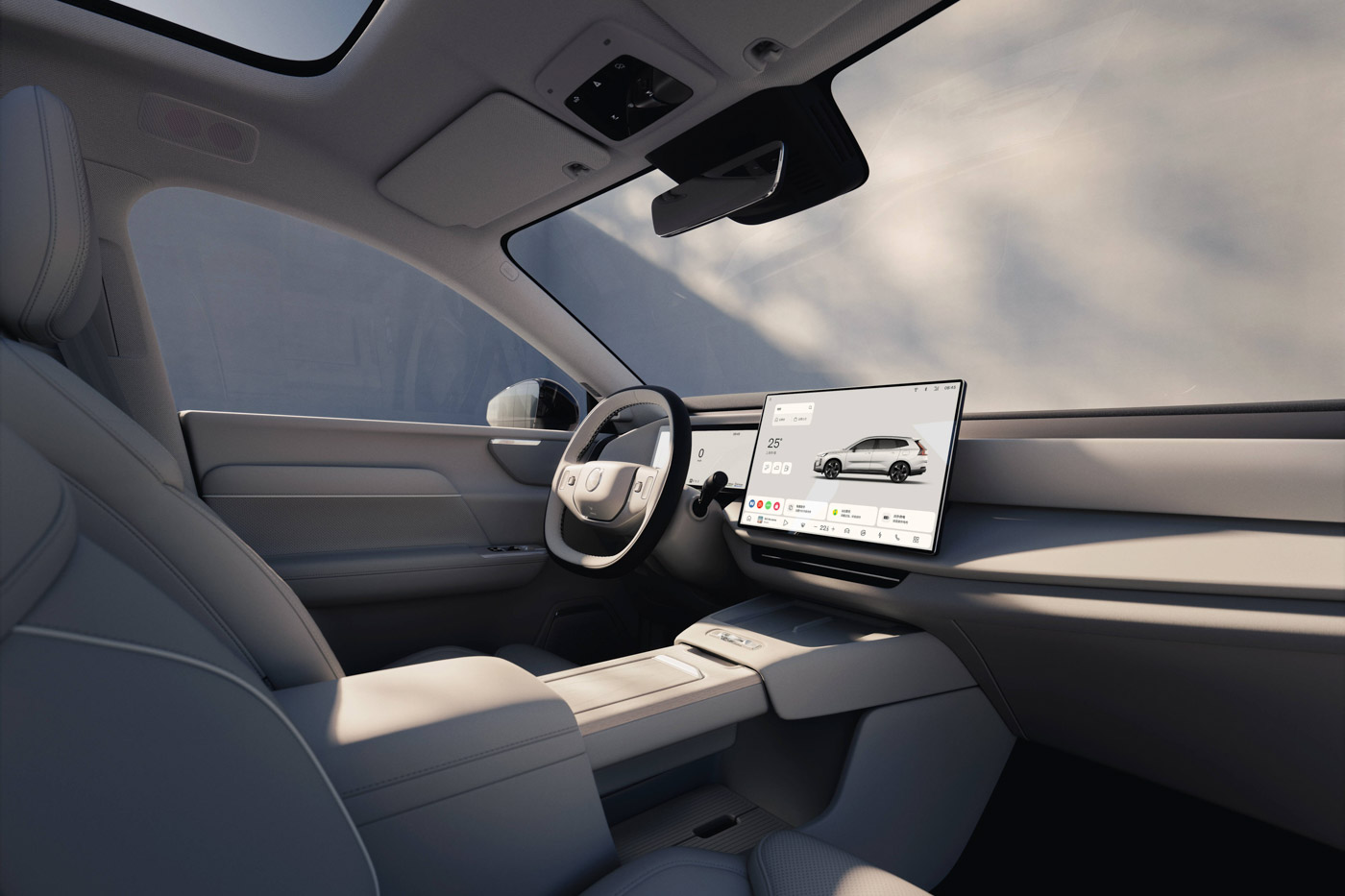
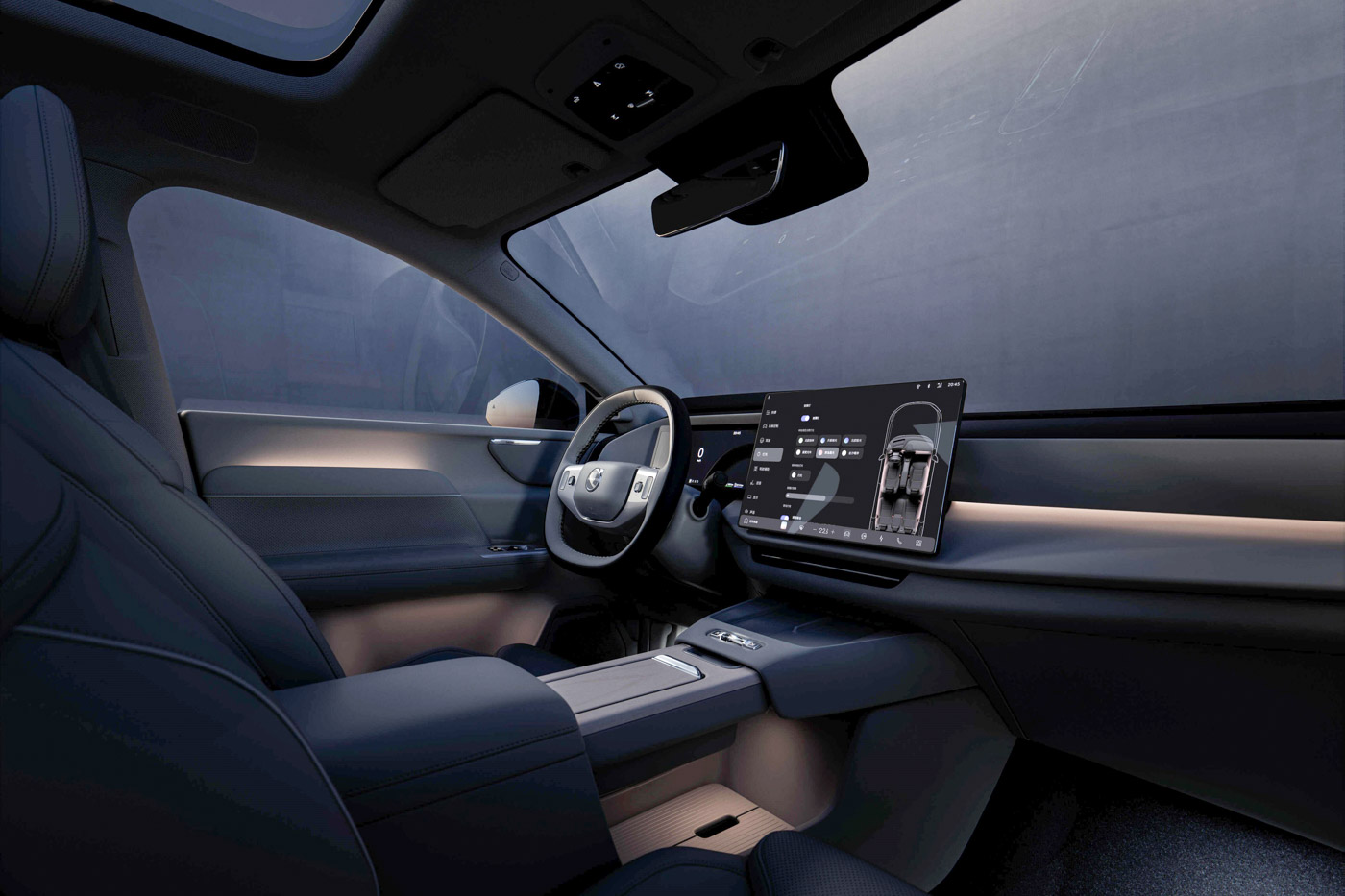
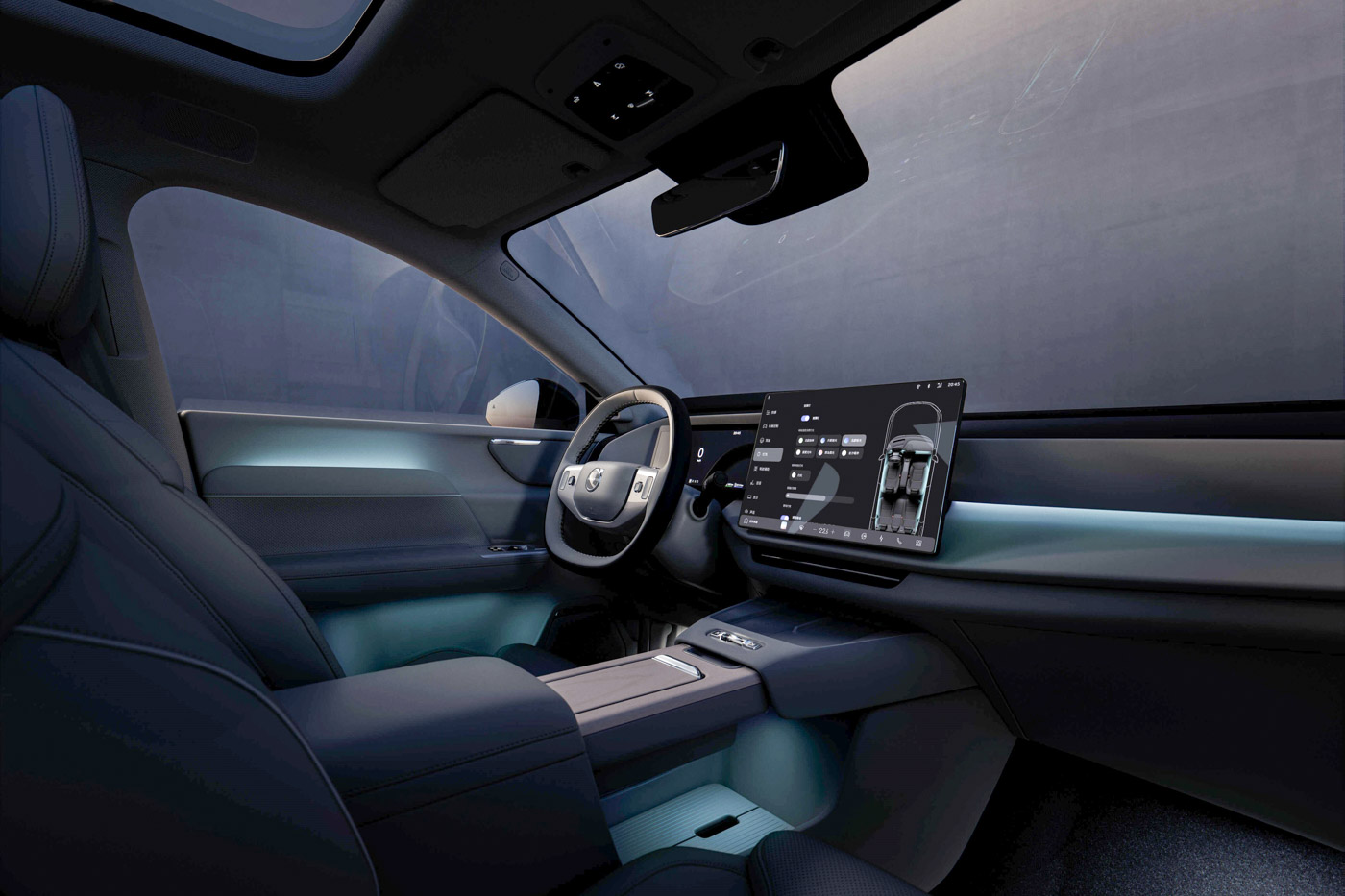
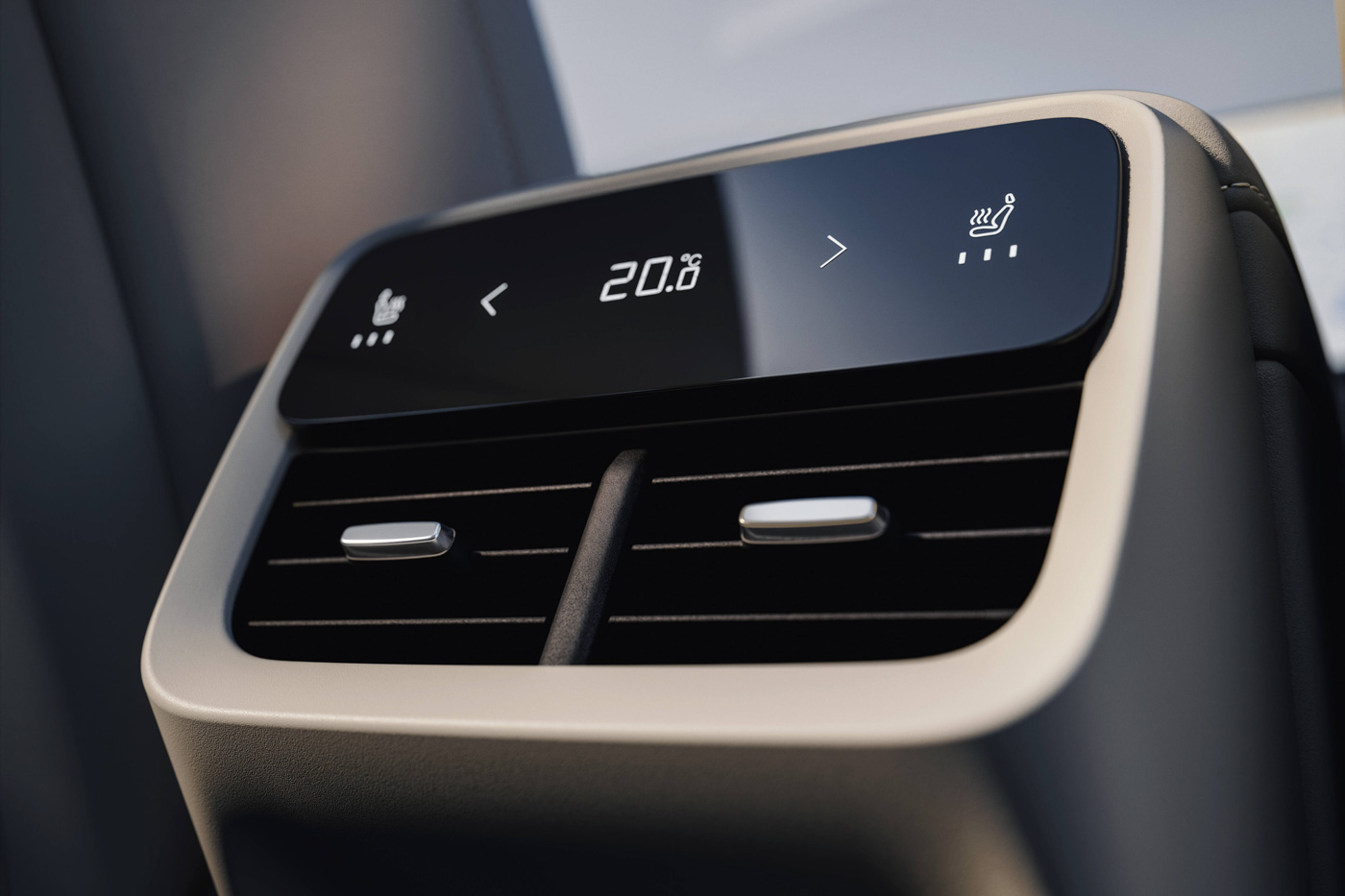
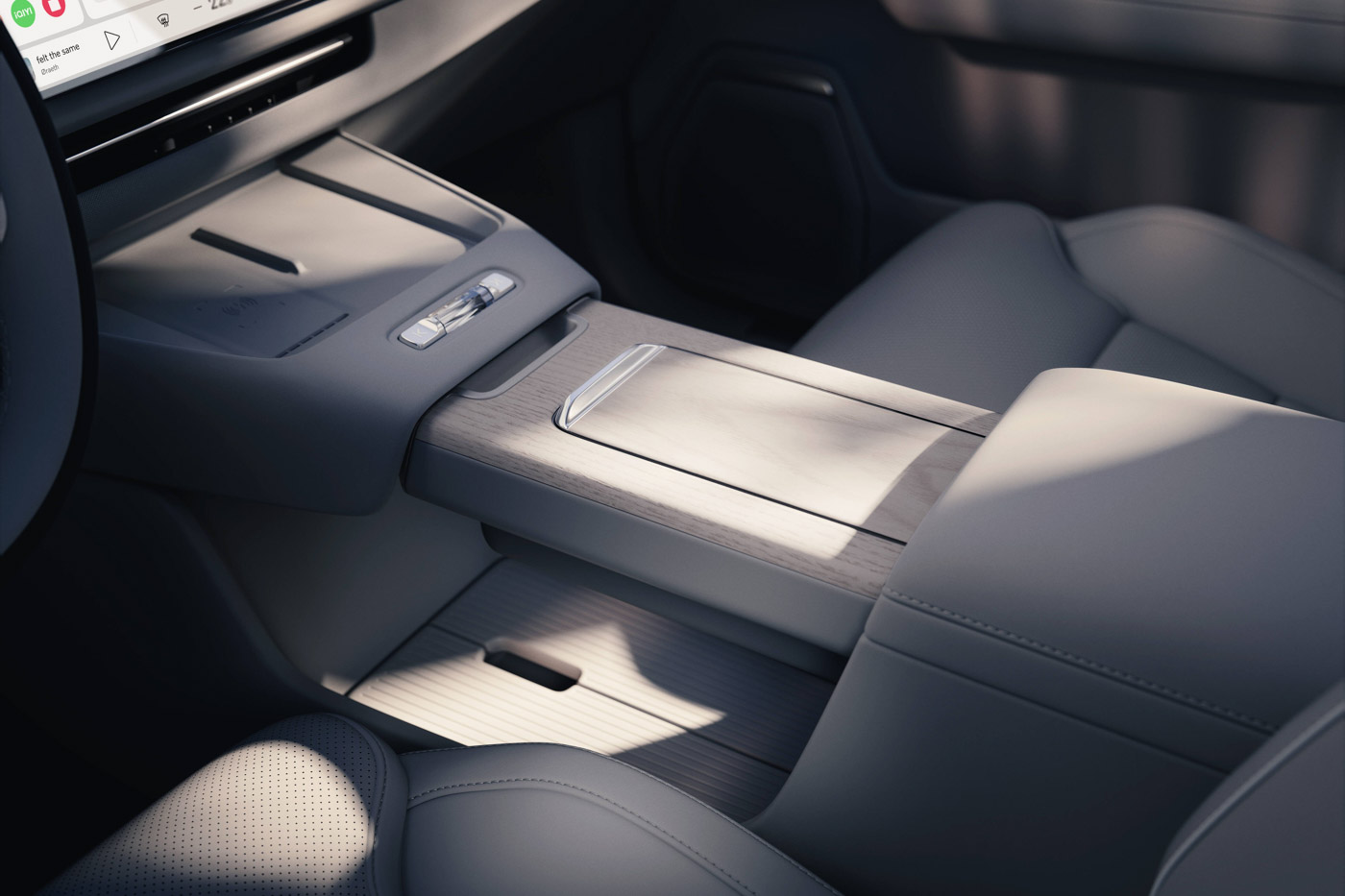
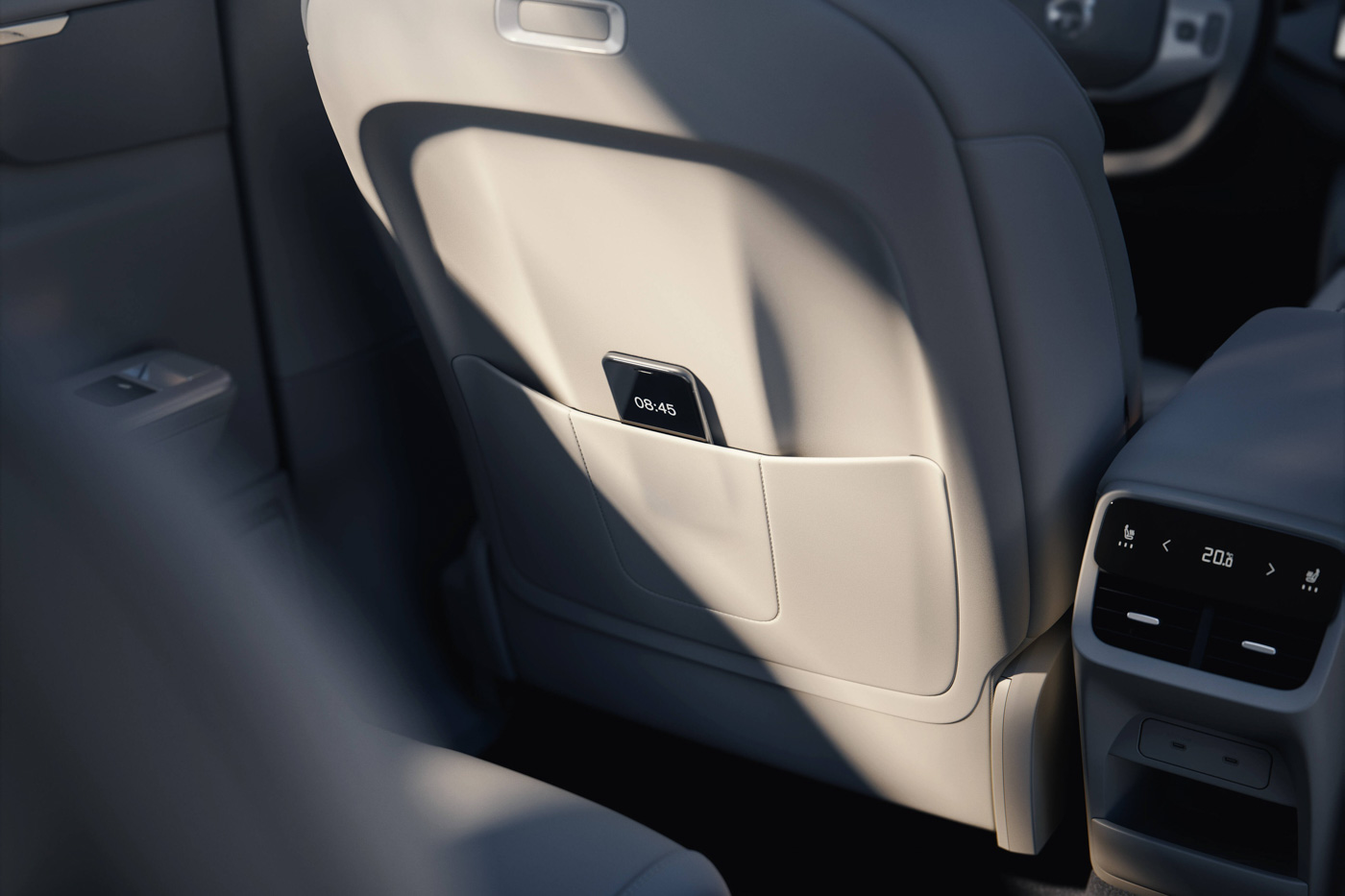
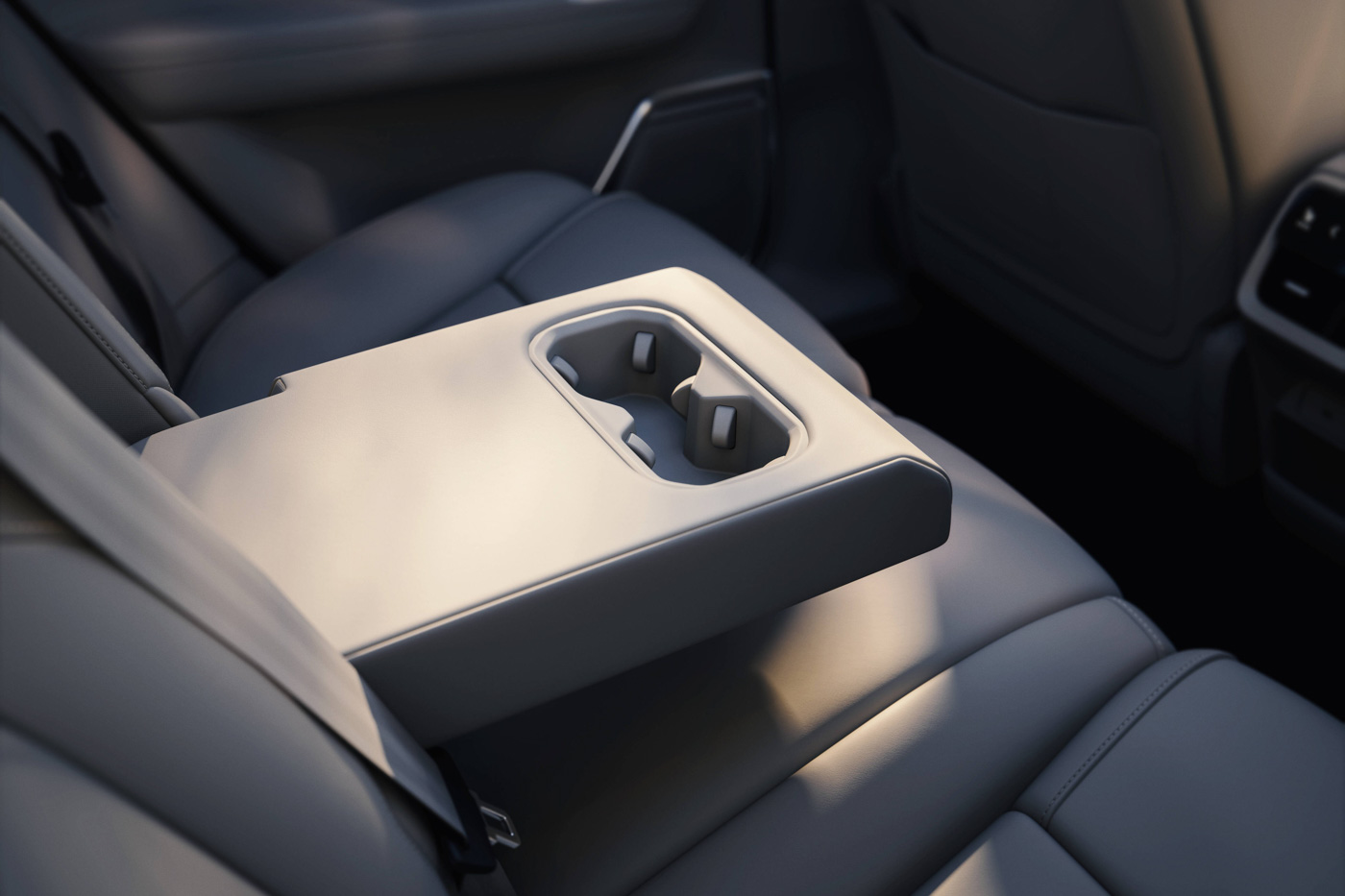
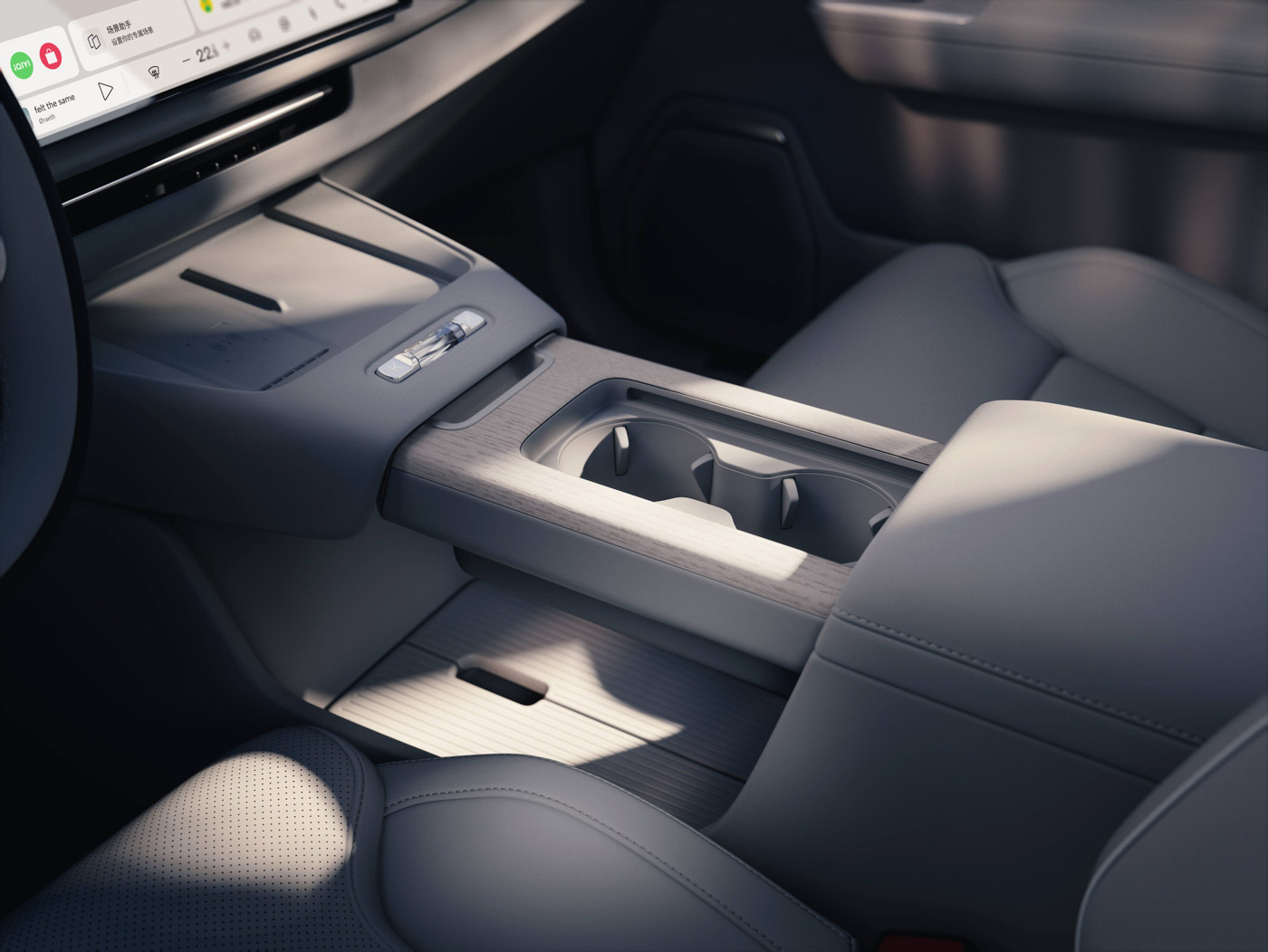
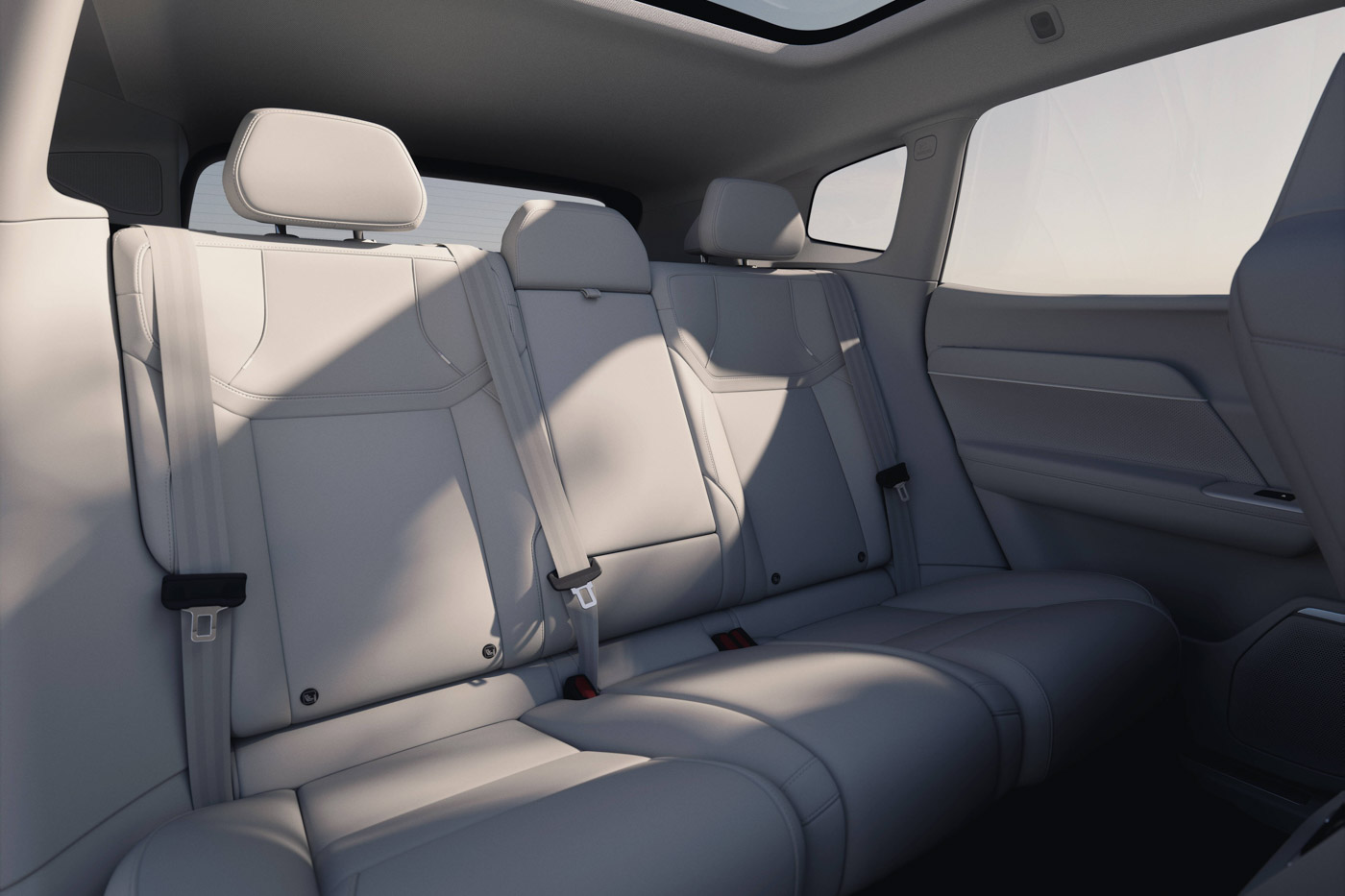
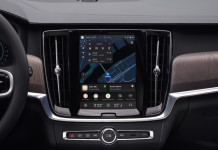
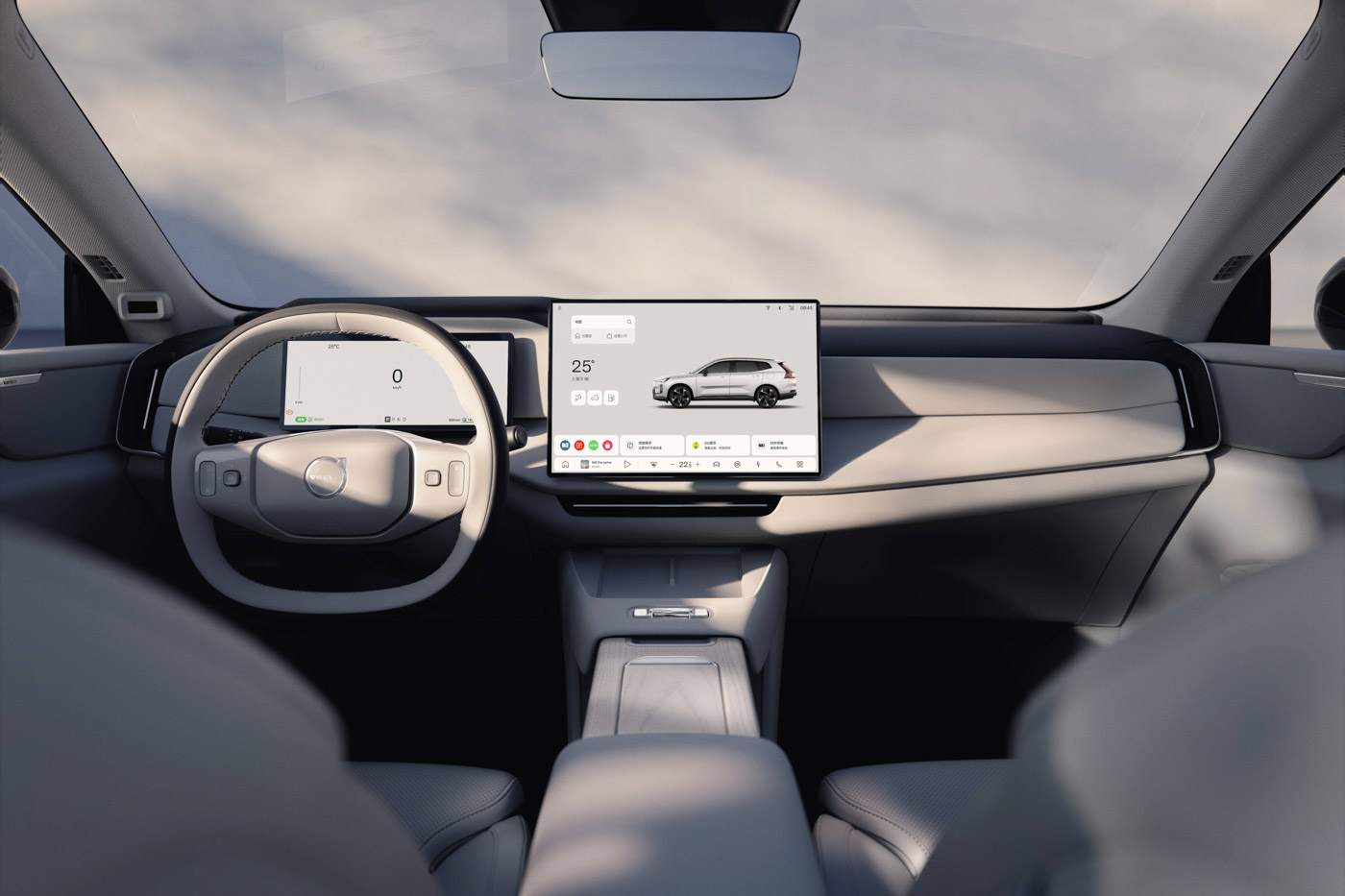
Moving inside, the cabin features a 15.4-inch horizontal infotainment display paired with a 12.3-inch digital instrument cluster, complemented by an optional 92-inch augmented-reality head-up display. While the centre console may look familiar to its Chinese counterparts, the floating centre tray can be removed to make room for taller items. An AI-powered voice assistant is also available if you wish not to fiddle with the centre screen.
For added convenience, certain vehicle functions, such as pre-conditioning of the cabin, can be remotely controlled via the Volvo Cars app. Over-the-air (OTA) updates allow the XC70 to stay up to date as well as continuously improve over time.
ALSO READ: Volvo confirms third-generation XC90, and it won’t be electric
While Volvo has yet to go into detail about its safety systems in the XC70, expect it to be fitted with a wide array of safety systems like its siblings. According to Volvo, radars, cameras, and sensors are to be expected. These can continuously monitor their surroundings and help avoid or prevent collisions.
One such feature is the door opening alert, which prevents drivers and passengers from opening their doors into oncoming traffic. The car will also come with a comprehensive suite of ADAS systems, which include features such as automatic lane change assist, Park Pilot Assist, and active navigation support.
ALSO READ: Volvo ES90 set for Malaysia launch in early 2026
GALLERY