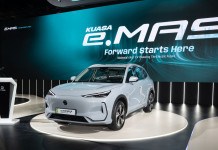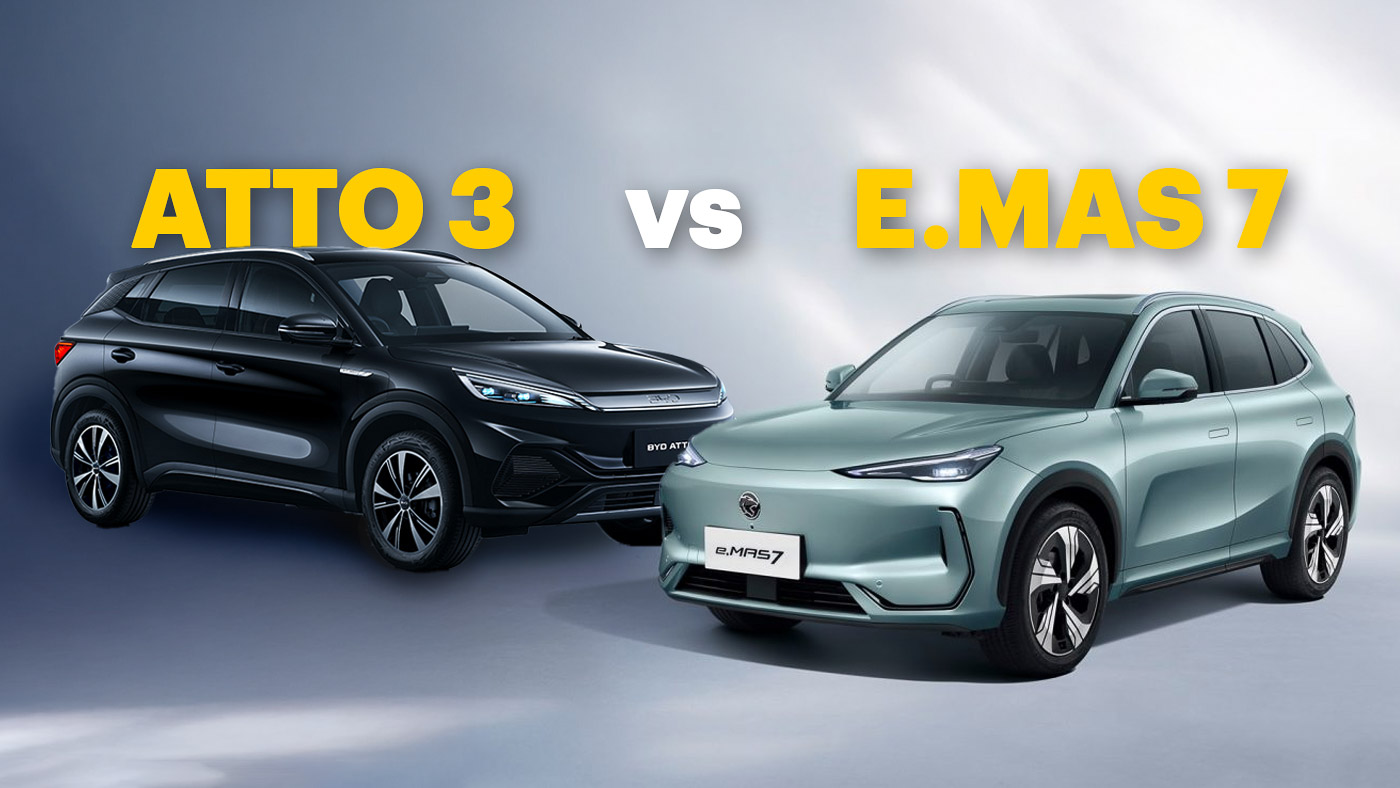
Proton’s first EV, the Proton eMAS 7 (Stylised as Proton e.MAS 7) has had a strong start. Since its launch in December 2024, it has accumulated over 4,800 bookings with over 1,000 registered units already on the road, and was Malaysia’s number 1 selling EV for January and February 2025.
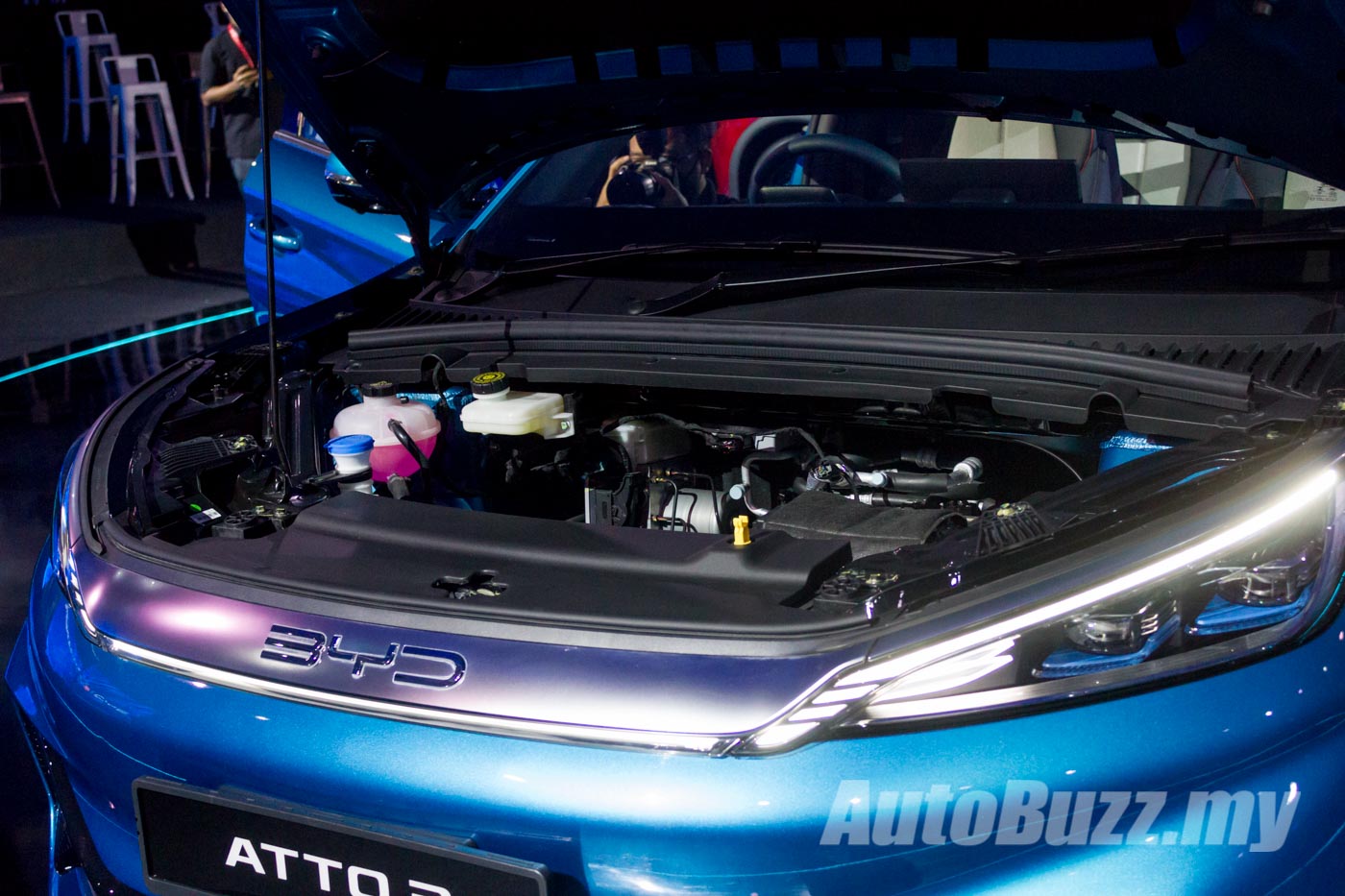
This momentum hasn’t gone unnoticed. BYD, the top-selling EV brand which sells the Dolphin, M6, Seal, Sealion 7, and Atto 3 in the Malaysian market, responded by launching the BYD Atto 3 Ultra at RM124,500, a clear countermove aimed at the eMAS 7 (RM123,800).
The updated Atto 3 (based on the Extended Range) comes with different wheels and an updated interior, but the RM26,000 price drop is the real headline here (RM44,000 if you consider its original price of RM167,800 back in 2023).
To help you select the right BEV SUV we pitched the Proton eMAS 7 Premium against the BYD Atto 3 Ultra.



Exterior
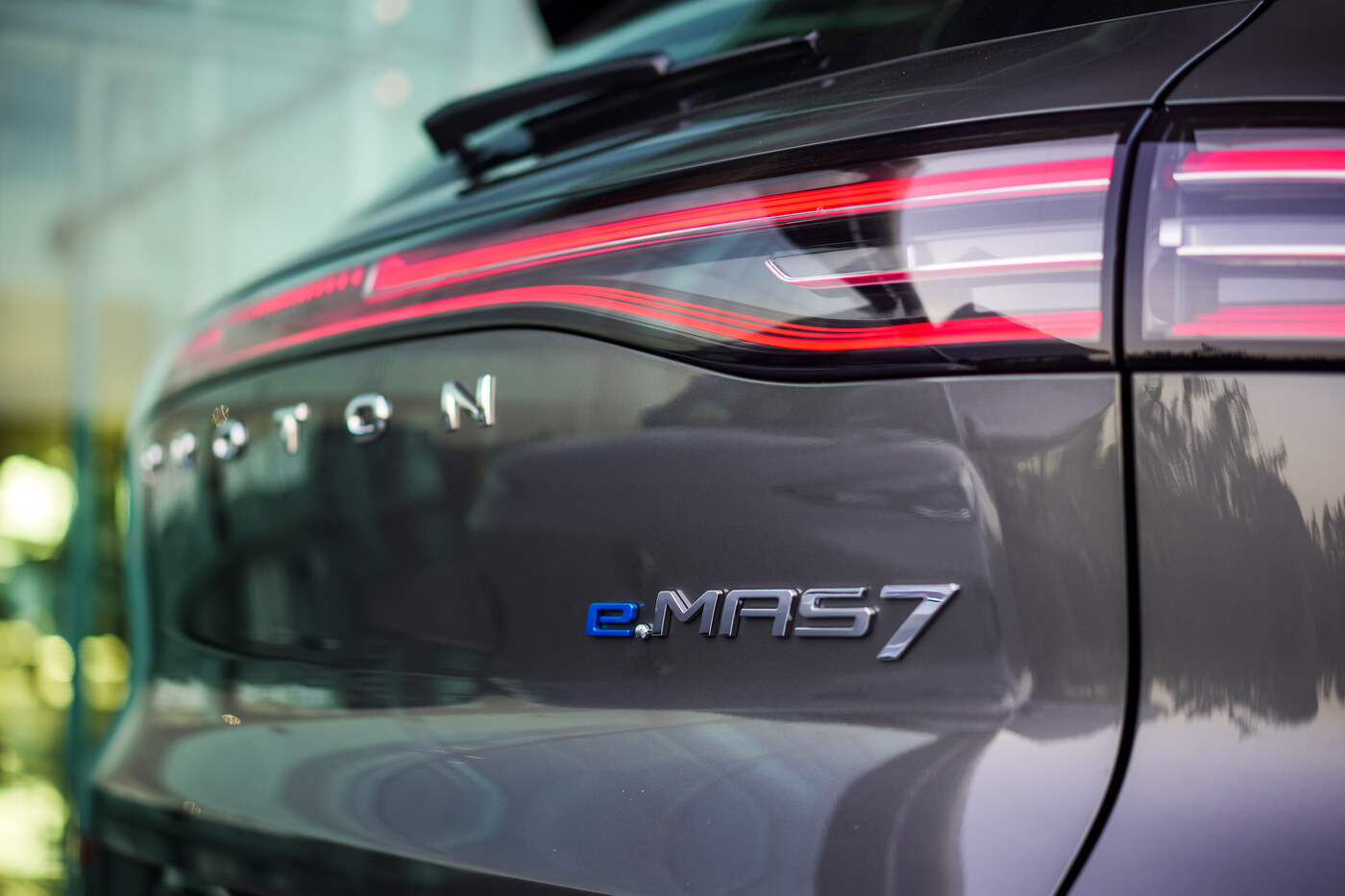
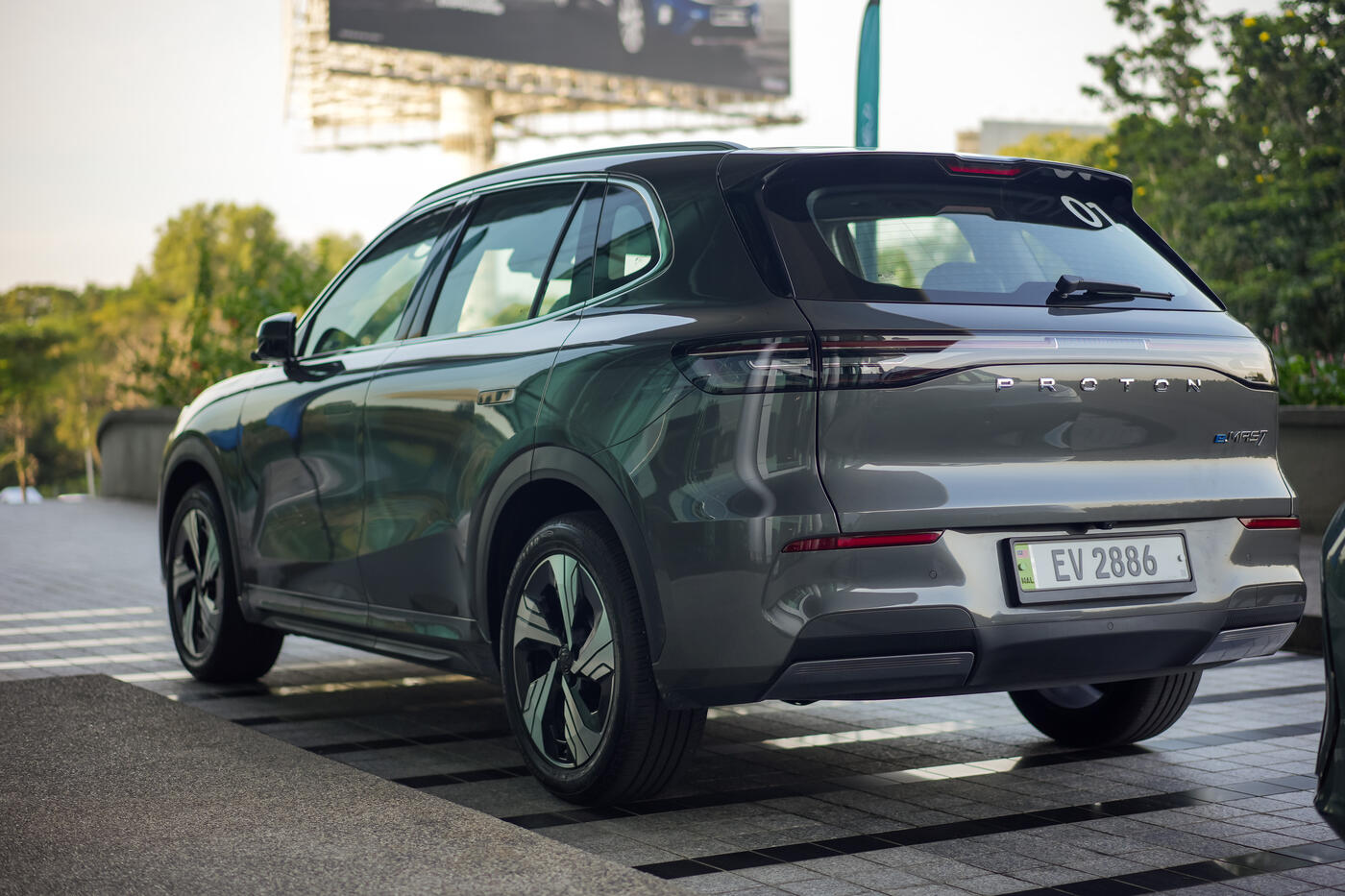
Both models come with one piece LED tail lights, which has become a trend in recent SUVs.
At the front, the BYD Atto 3 uses LED projector headlamps, LED daytime running lights, and LED rear lights. The design is smooth and approachable, and it’s already a familiar sight on our roads.
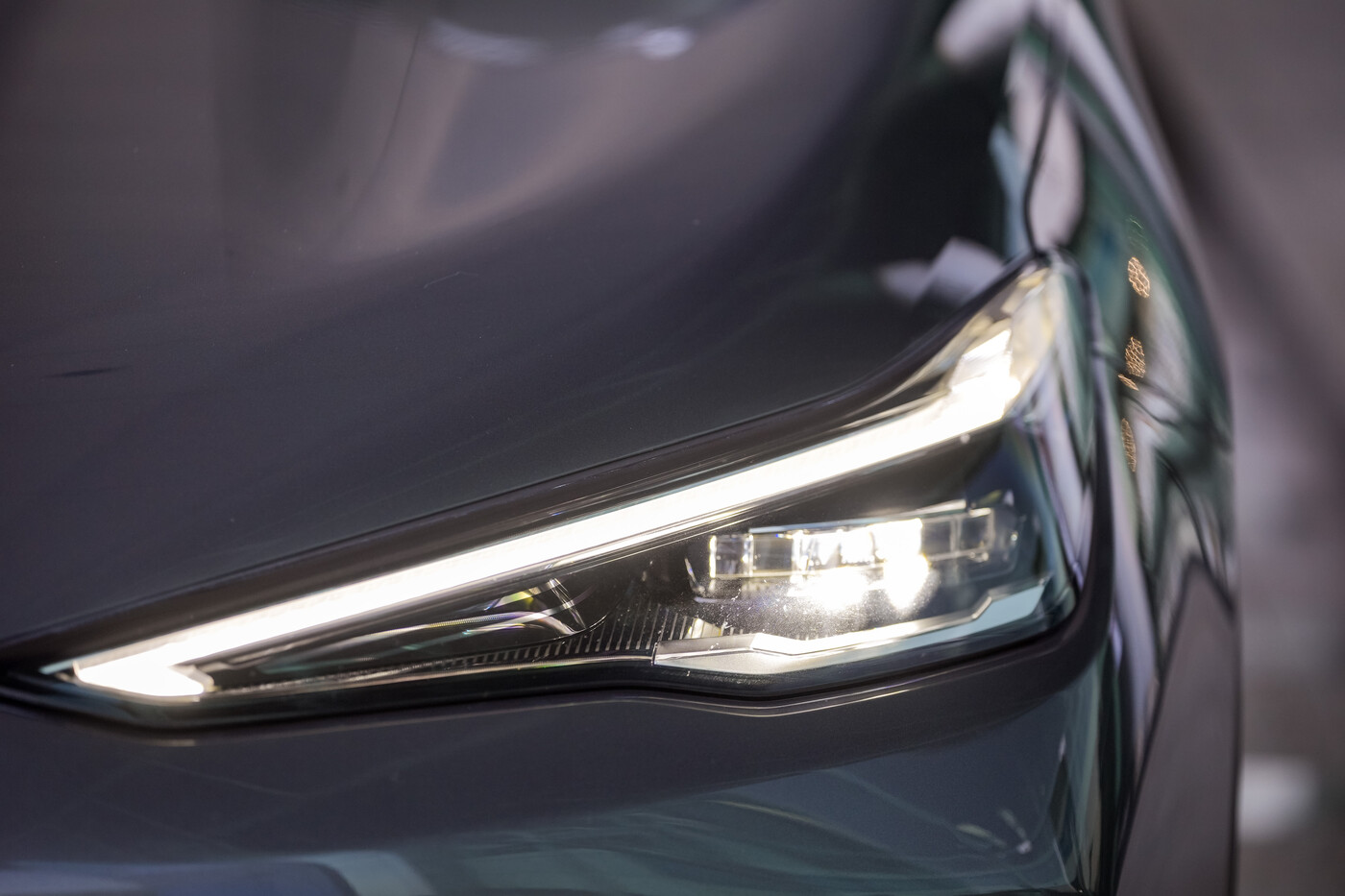
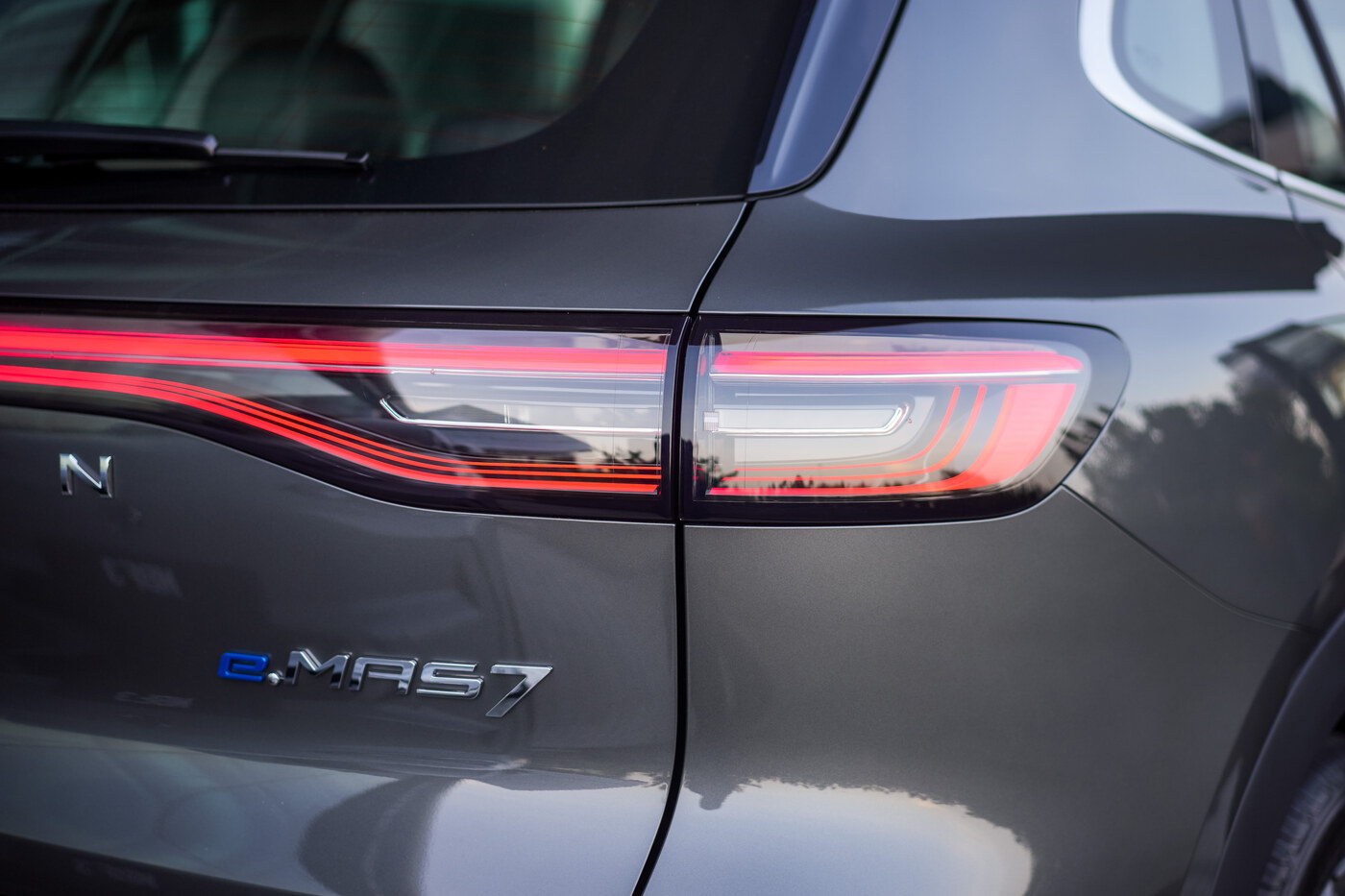
The Proton eMAS 7 comes with full-LED headlamps and a 3D full-length LED tail light, which cuts a more distinctive appearance on the road. The concealed door handles are a nice touch, adding to its clean and well-proportioned shape.
In this case, both are equally handsome to us – but looks are in the eyes of the beholder, which has a more electrifying presence to you?


Interior
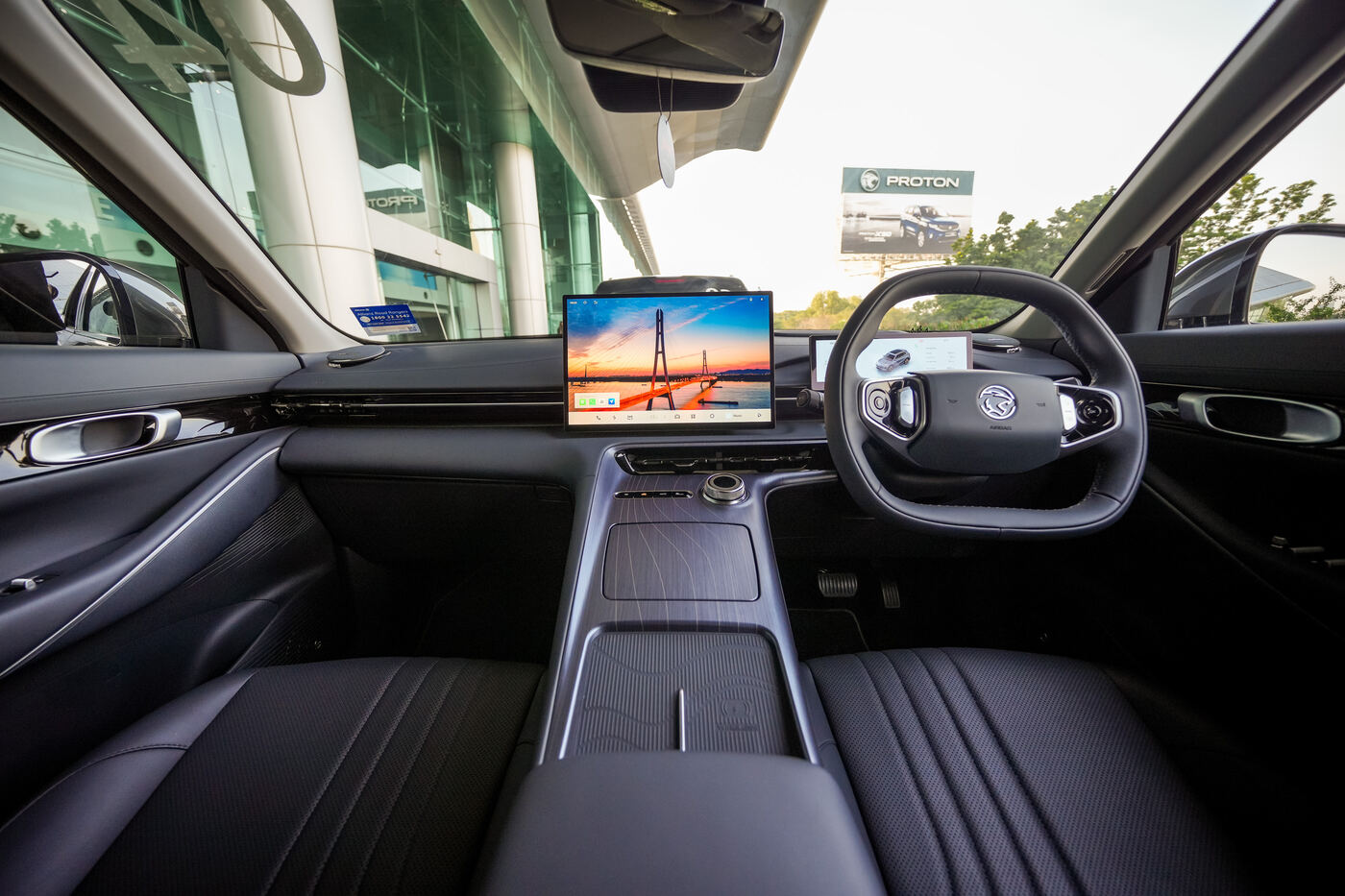
As with most EVs, the cabins here feel high-tech. Screens take centre stage, physical buttons are kept to a minimum, and the overall layout is clean and modern.
The BYD Atto 3 has a neat 15.6-inch rotating infotainment screen and a small digital instrument cluster. It comes with Apple CarPlay and Android Auto, and its quirky gym-inspired design like the treadmill-style door handles feels playful, and the cabin feels airy enough for a family of four.
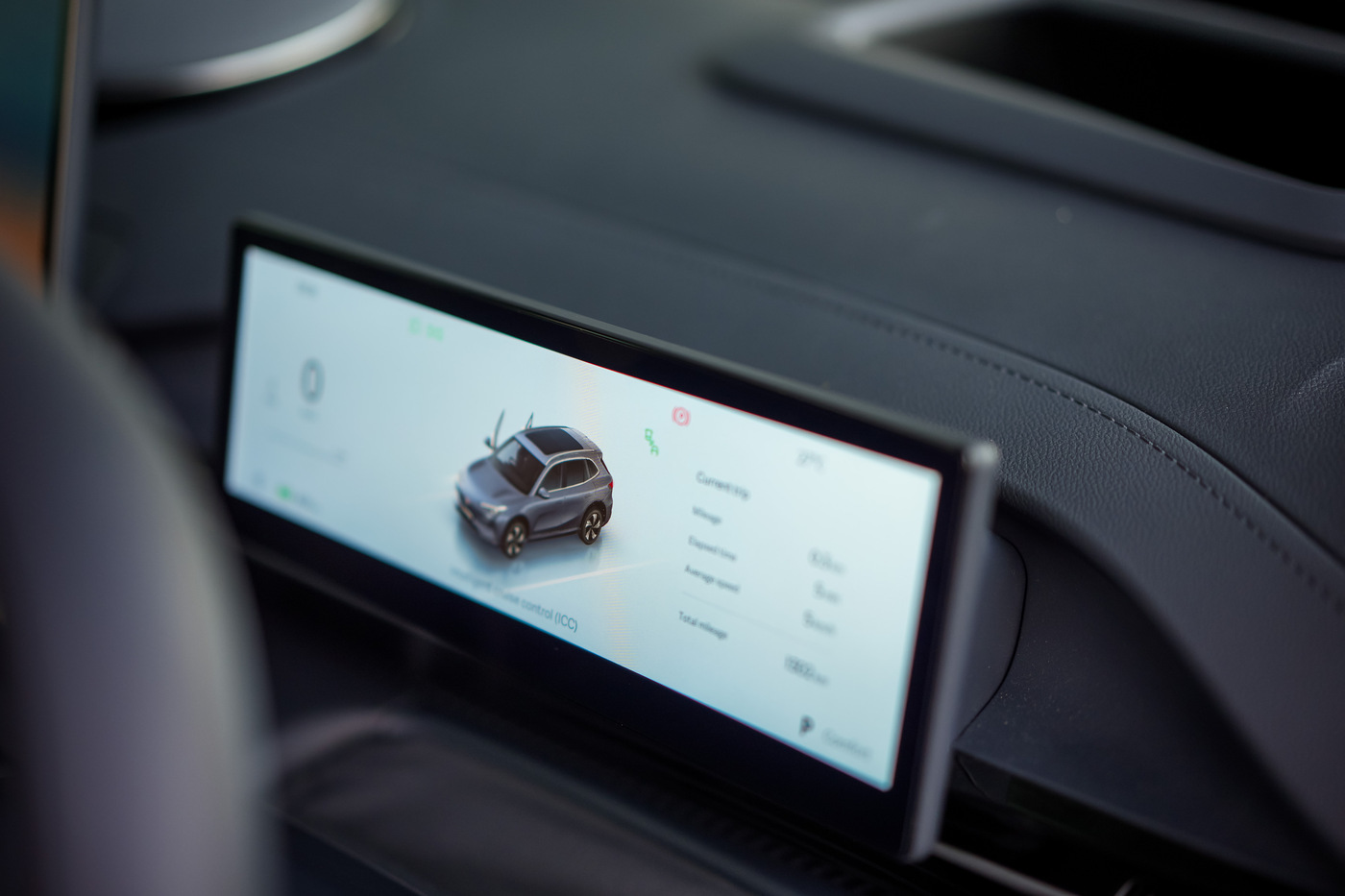
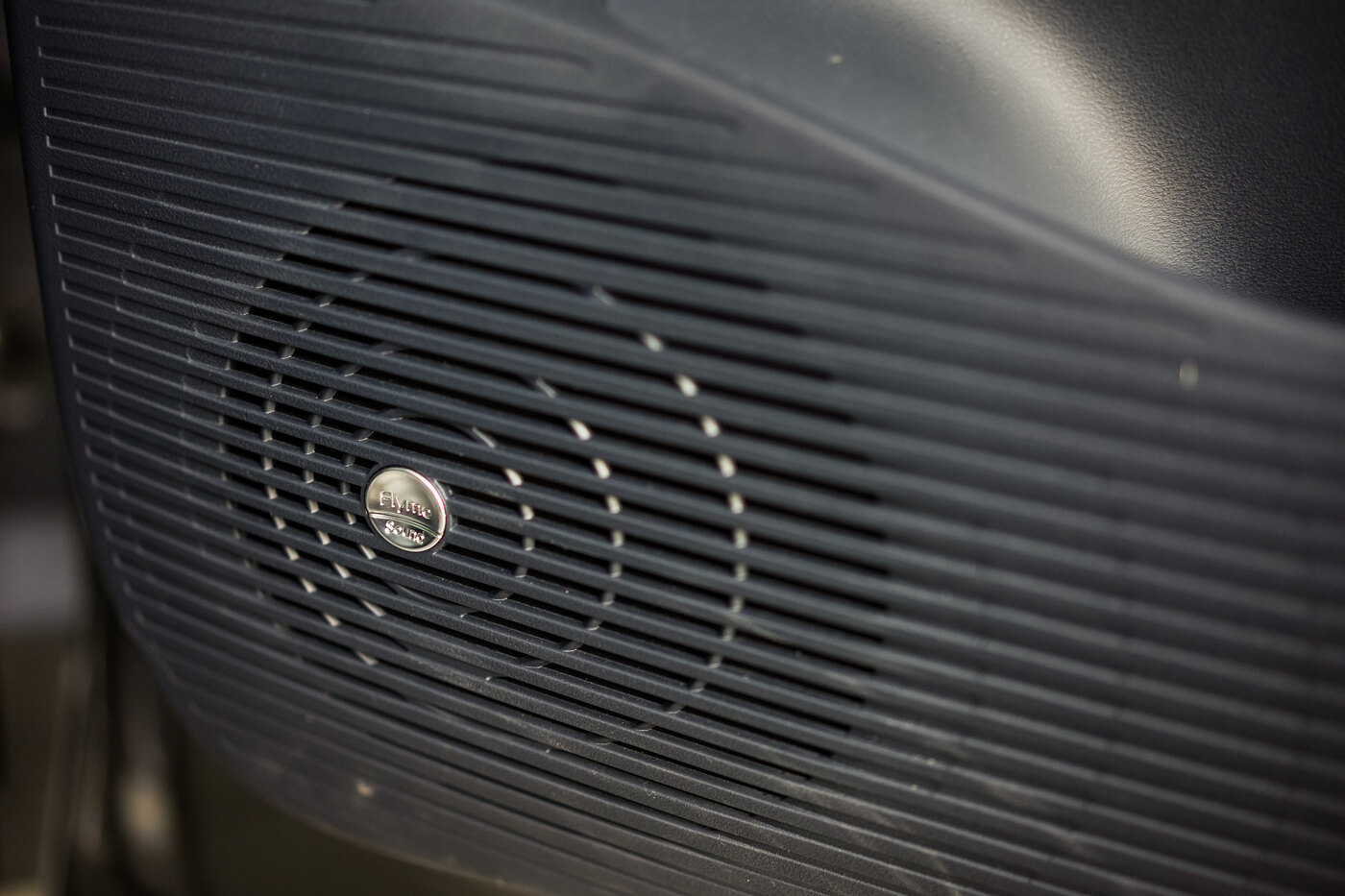
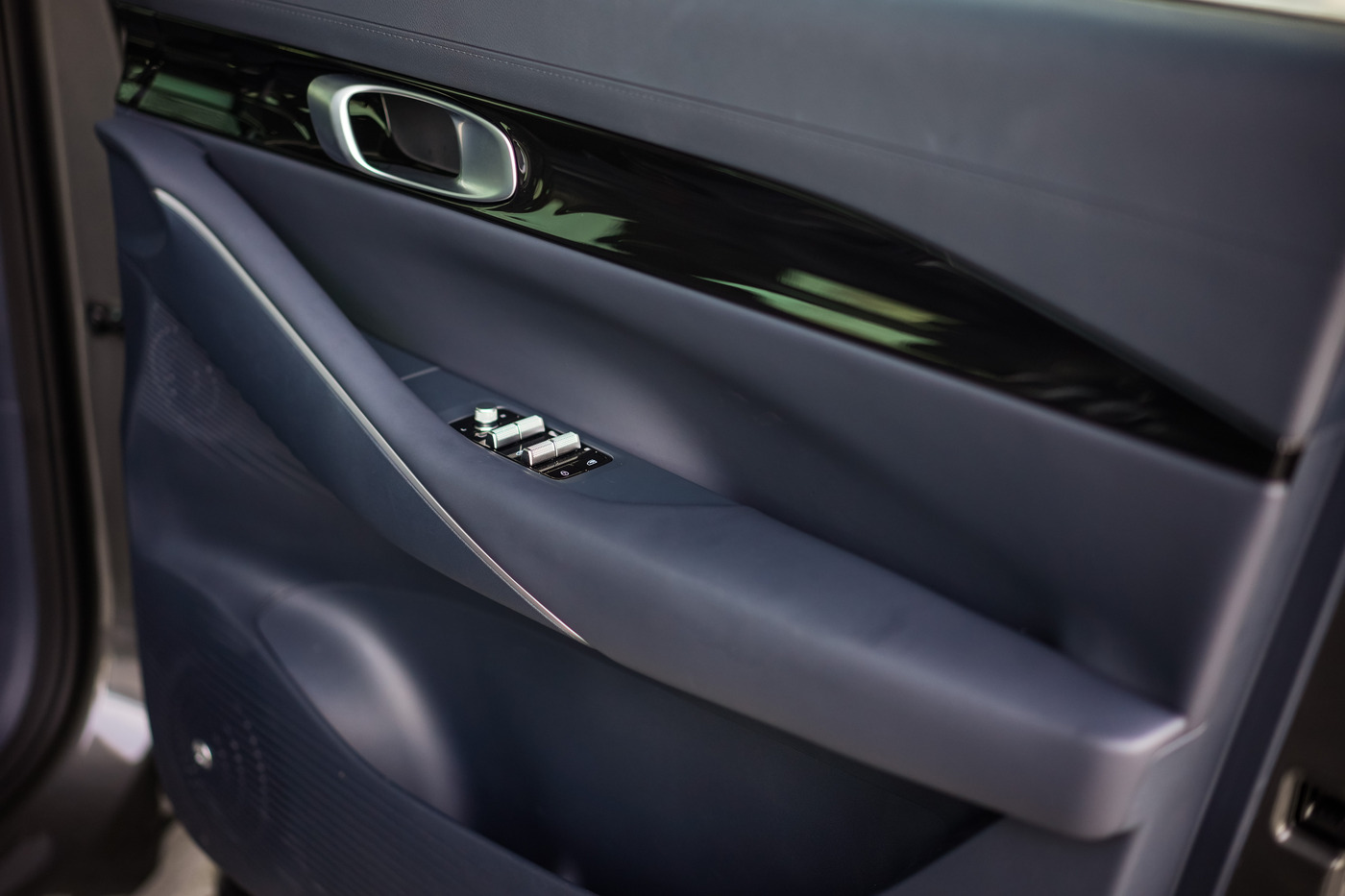
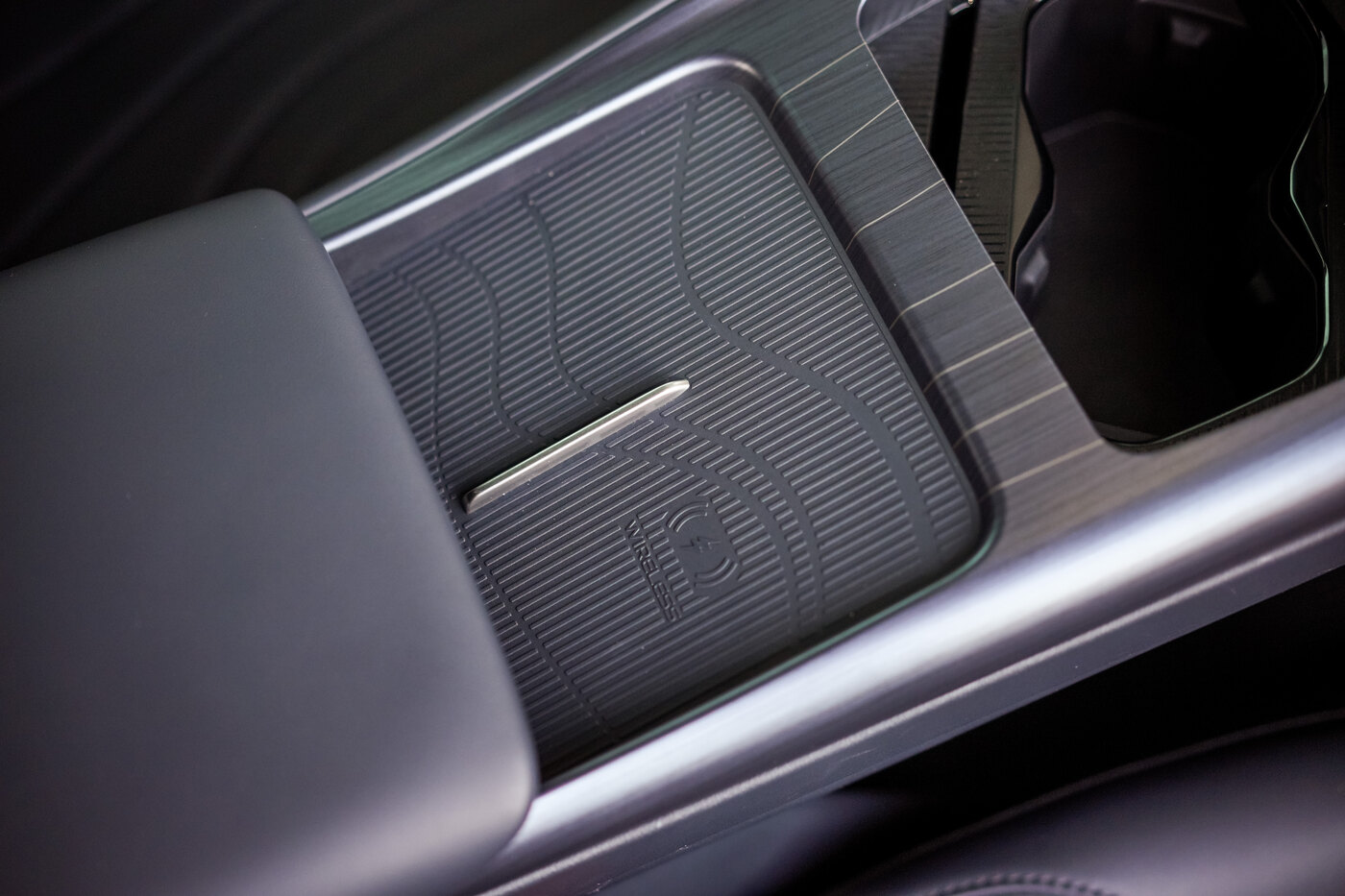
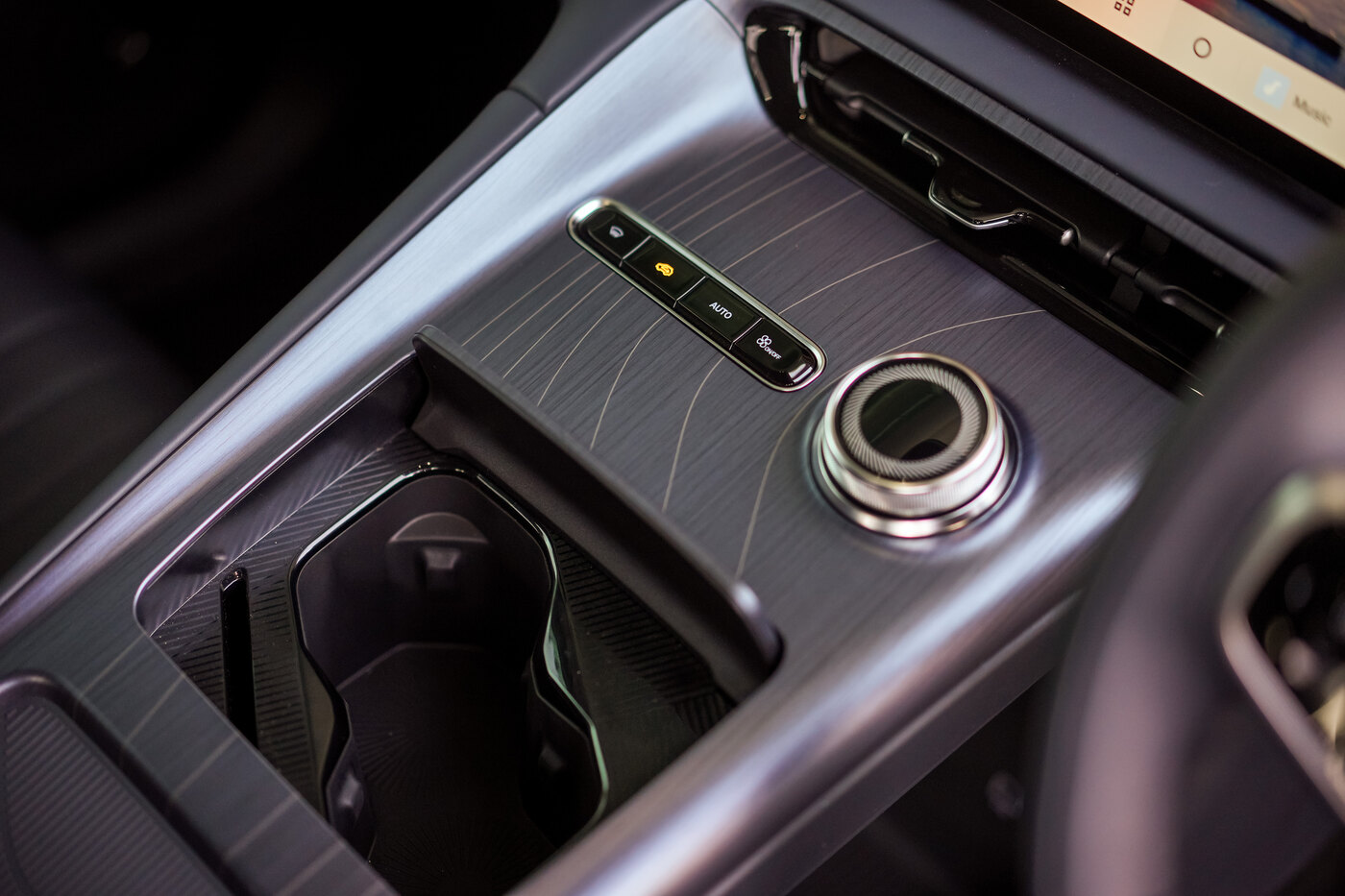
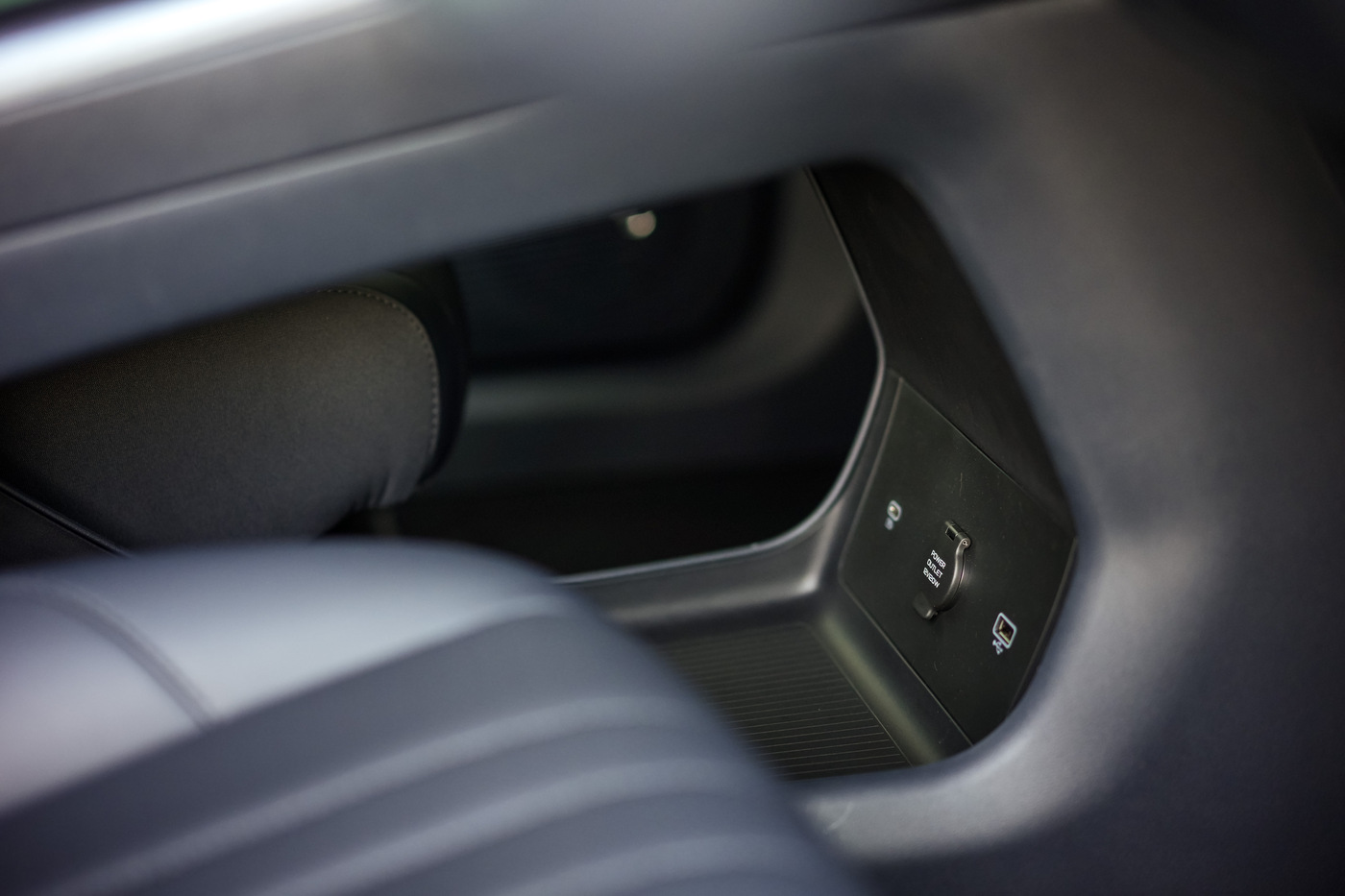
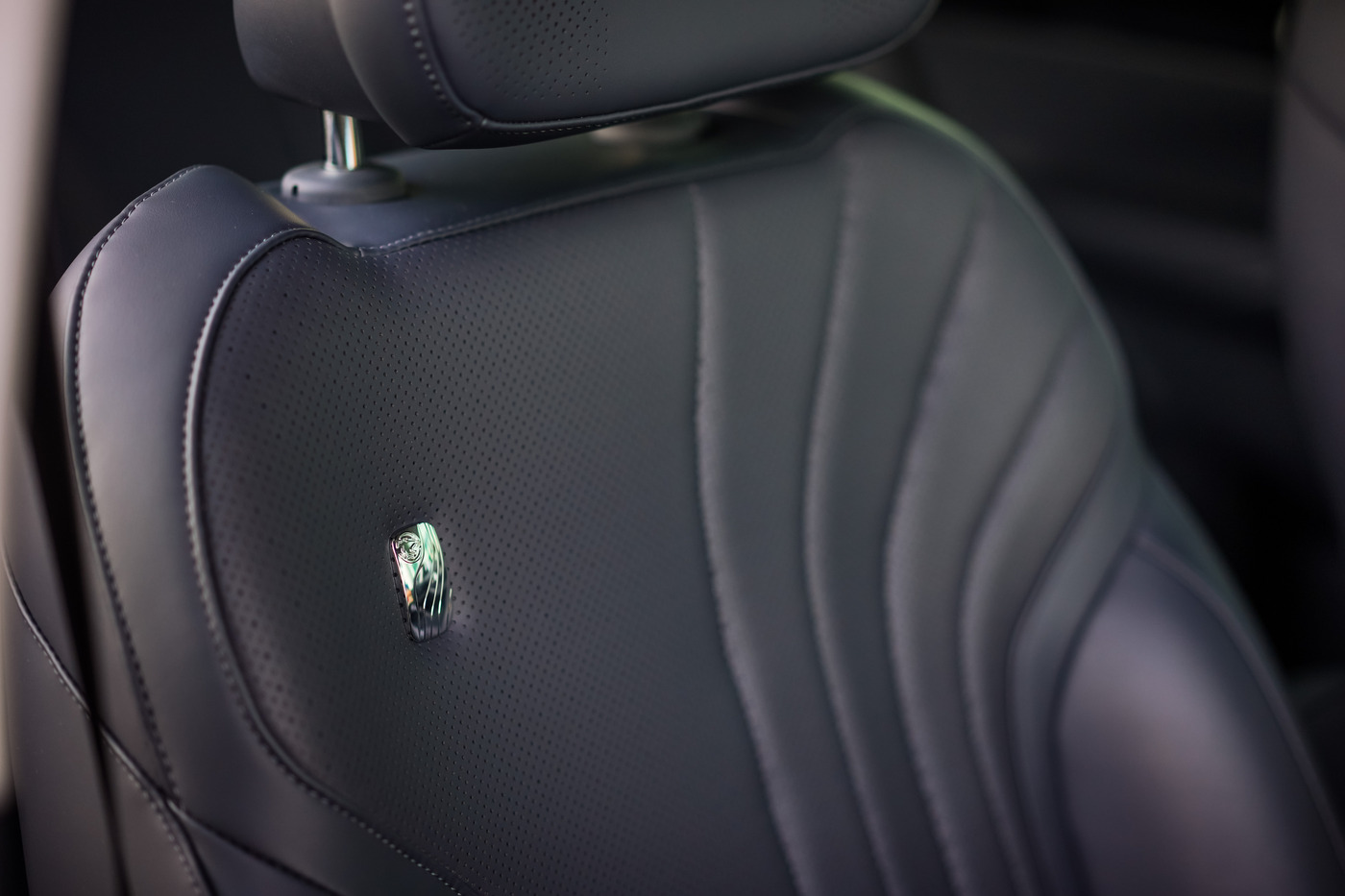
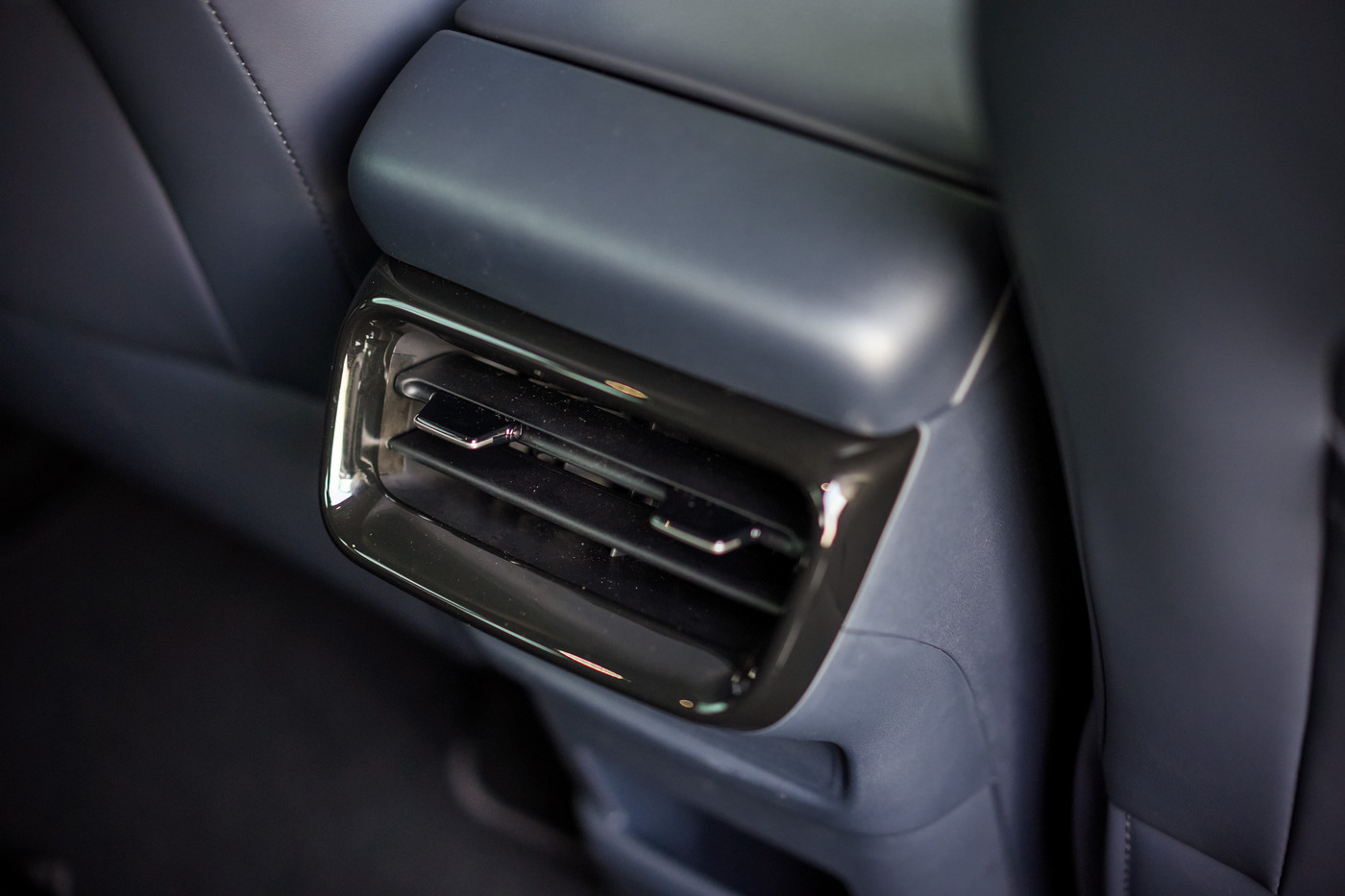
The Proton eMAS 7 keeps things simple but smart. The 15.4-inch 2.5K resolution touchscreen is crisp and easy to navigate, next to it is a dedicated digital instrument cluster. What sets the car apart is how versatile and usable the cabin is. There are 33 storage compartments spread around the cabin, great for keeping things organised. The 16-speaker FLYME audio system with WANOS surround sound comes with headrest speakers, a setup you rarely see at this price. The absence of Apple CarPlay and Android Auto will be addressed via an OTA update further down the road.
The BYD has a youthful interior in contrast to its grown up exterior, while the Proton e.MAS 7 remains polished inside out with practical features. It’s a choice between form or function here.

Drive
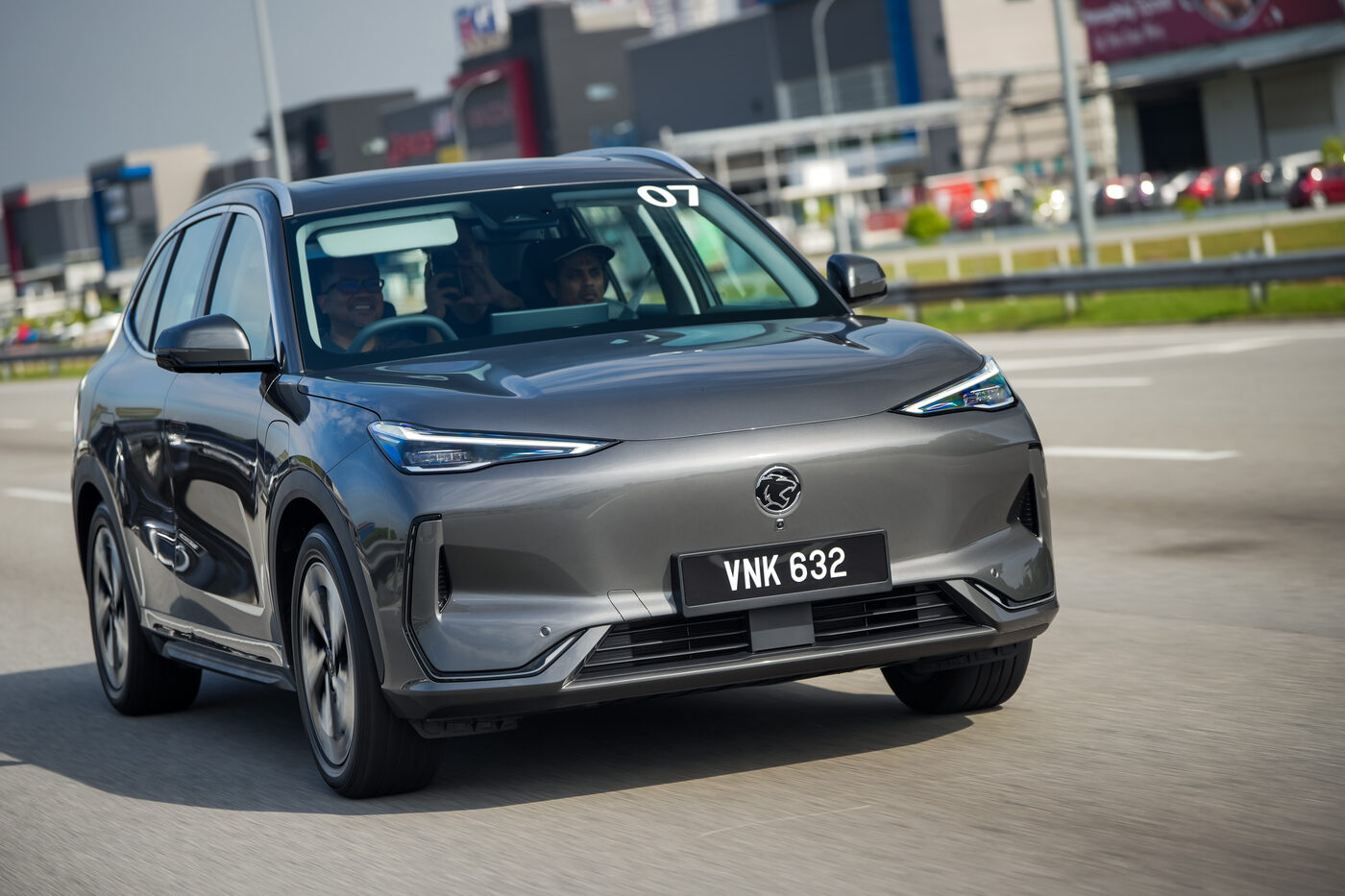
On paper, there’s not much separating the two. Both the Proton eMAS 7 and BYD Atto 3 are front-wheel drive and use permanent magnet motors, with output and acceleration figures in the same ballpark.
| Output (kW) | Torque (Nm) | 0-100 (s) | |
| Proton eMAS 7 Premium | 160 | 320 | 7.1 |
| BYD Atto 3 Ultra | 150 | 310 | 7.3 |
The Atto 3 feels decent to drive. It’s quiet, comfortable, and easygoing in daily use. The regenerative braking is mild, which suits new EV drivers, though some might find it lacking for more involved driving.
The eMAS 7 matches the BYD on smoothness and the cabin feels well-insulated. Throttle response is well-calibrated, and the overall ride is cushy yet composed. The ride isn’t rushed or overly firm, which suits city driving.
They both have adequate poke for daily traffic and offer you the smooth and torquey drive synonymous with EVs, something to be appreciated if you’re switching from an average ICE car.
READ MORE: 2024 Proton eMAS 7 launched in Malaysia – First national EV, 2 variants from RM110k!
Electric
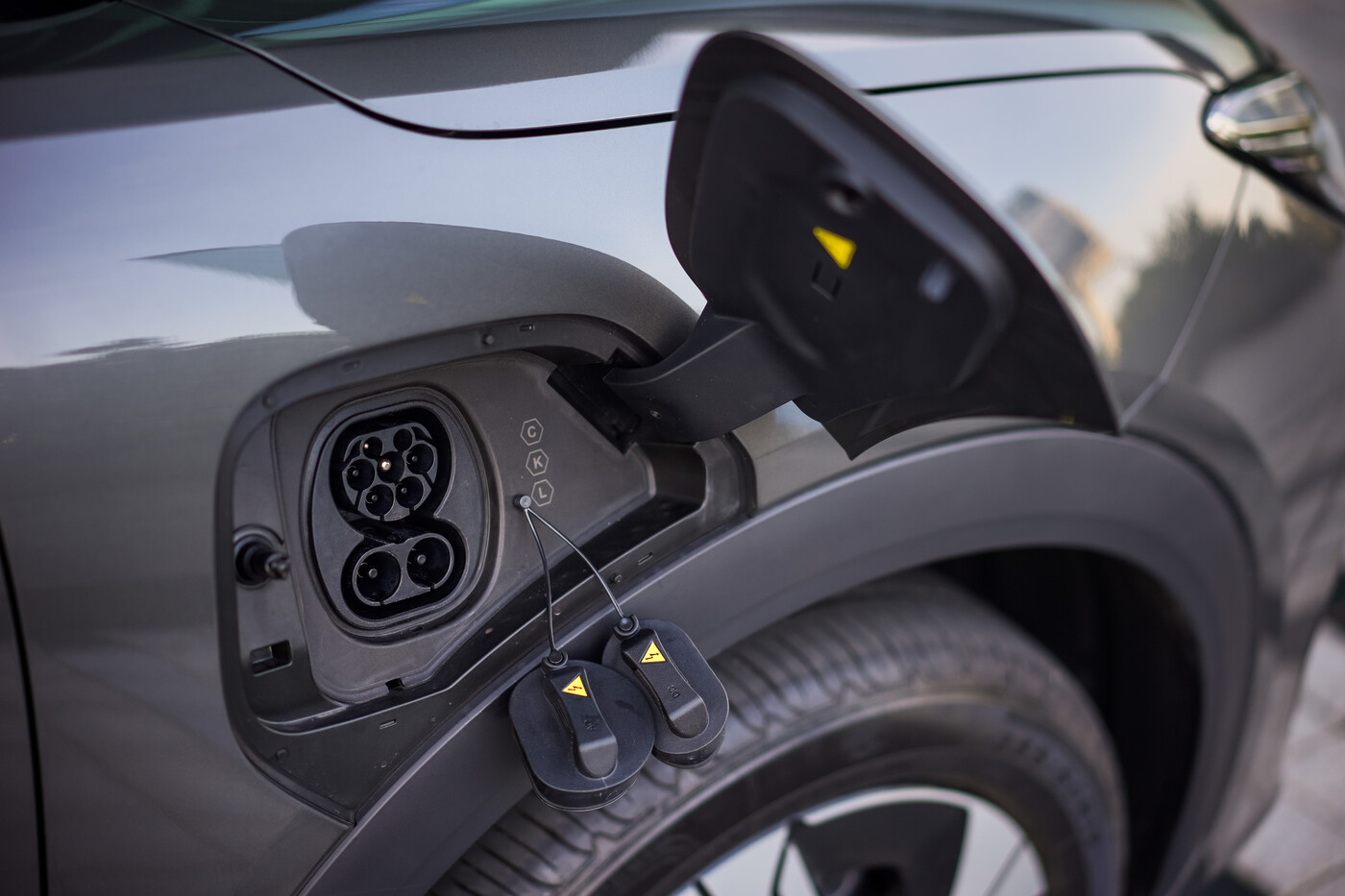
With the increasing popularity of EV, this is a car-buying question that we foresee will be asked more in the future: Go further or charge faster? The Proton e.MAS charges faster than the BYD, while the latter has a higher WLTP range as shown below:
| Battery (kWh) | WLTP Range (km) | DC Charging (kW) | AC Charging (kW) | DC Charging Time (to 80% SoC) | AC Charging Time (full charge) | |
| Proton eMAS 7 Premium | 60.22 | 410 | 100 | 11 | 30 – 80% @ 20 mins | 6 hours and 6 minutes |
| BYD Atto 3 Ultra | 60.48 | 420 | 88 | 7 | 0 – 80% @ 50 mins | 9 hours 42 minutes |
In terms of battery chemistry, both models use LFP (Lithium Iron Phosphate) batteries. Structurally, the Atto 3 features a Cell-to-Pack design, where battery cells are integrated into a battery pack, which stores more electricity with the added benefit of reduced weight. The e.MAS 7, on the other hand, uses a Cell-to-Body (or Cell-to-Chassis) approach, with the battery cells mounted directly to the chassis, the car has a strong body which contributes to better handling and safety.
Proton claims the battery’s chemistry offers high power density and longevity and is designed to support up to 1 million kilometres equivalent of charge and discharge cycles with minimal impact to the battery. Speaking of charging, the eMAS 7 also includes an integrated charging map that incorporates over 2,000 charging points (or 85% coverage of all public chargers) nationwide.

Proton also claims the battery’s chemistry offers high power density and longevity is designed to support up to 1 million kilometres equivalent of charge and discharge cycles with minimal impact to the battery.
Speaking of charging, the eMAS 7 also includes an integrated charging map that incorporates over 2,000 charging points (or 85% coverage of all public chargers) nationwide. With this integrated map which is also available via the Proton e.MAS App, drivers can locate, navigate, and pay for charging—all within the platform.
The eMAS 7 charges faster, offers the most future-ready battery design, along with better ecosystem support, and makes the strongest case for long-term ownership.

Warranty & Dealership Network
| Vehicle Warranty | Battery Warranty | No. of Dealerships | |
| Proton eMAS 7 Premium | 6-year / unlimited mileage | 8-year / 160,000 km | 32 |
| BYD Atto 3 Ultra | 6-year / 150,000 km | 8-year / 160,000 km | 35 |
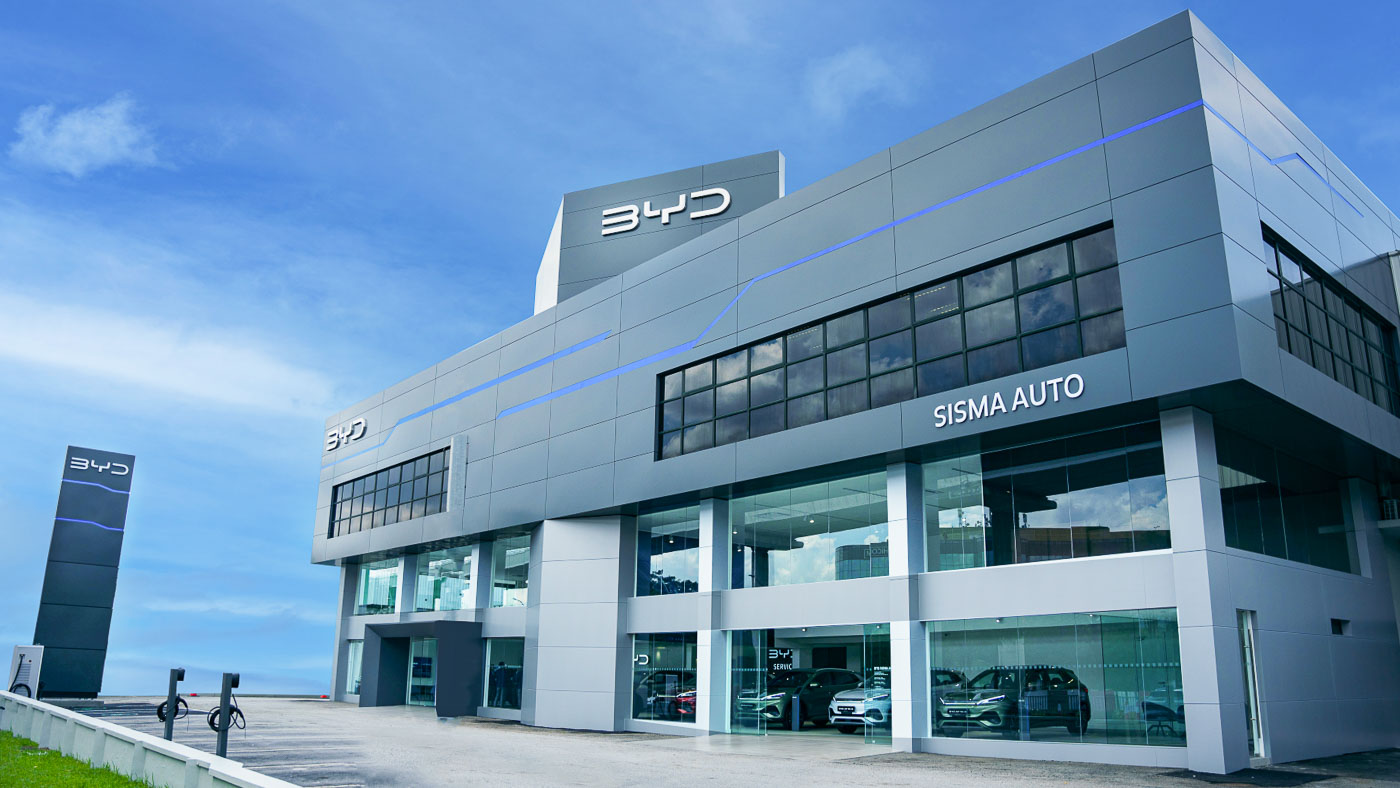
A key point to consider is dealership coverage. Though later to the game, Proton eMAS 7 has almost the same number of dealerships as BYD.


Final thoughts
Both EVs are solid offerings, which one suits you better? If you’re looking for something newer with slightly faster charging, then Proton’s first EV is for you. However, if you like to impress your passengers with a quirky and stylish interior and a tad more range, the BYD won’t disappoint.
GALLERY
Proton e.MAS 7 Premium

BYD Atto 3 Ultra