Welcome to the latest instalment of The Buzzword - our new column on the latest pulse and insights of the Malaysian automotive industry, where we aim to educate and discourse on a wide range of automotive topics, all without interference from advertisers and sponsors.

The opinions expressed in The Buzzword belong solely to the author; they are not sponsored, nor are they for sale.
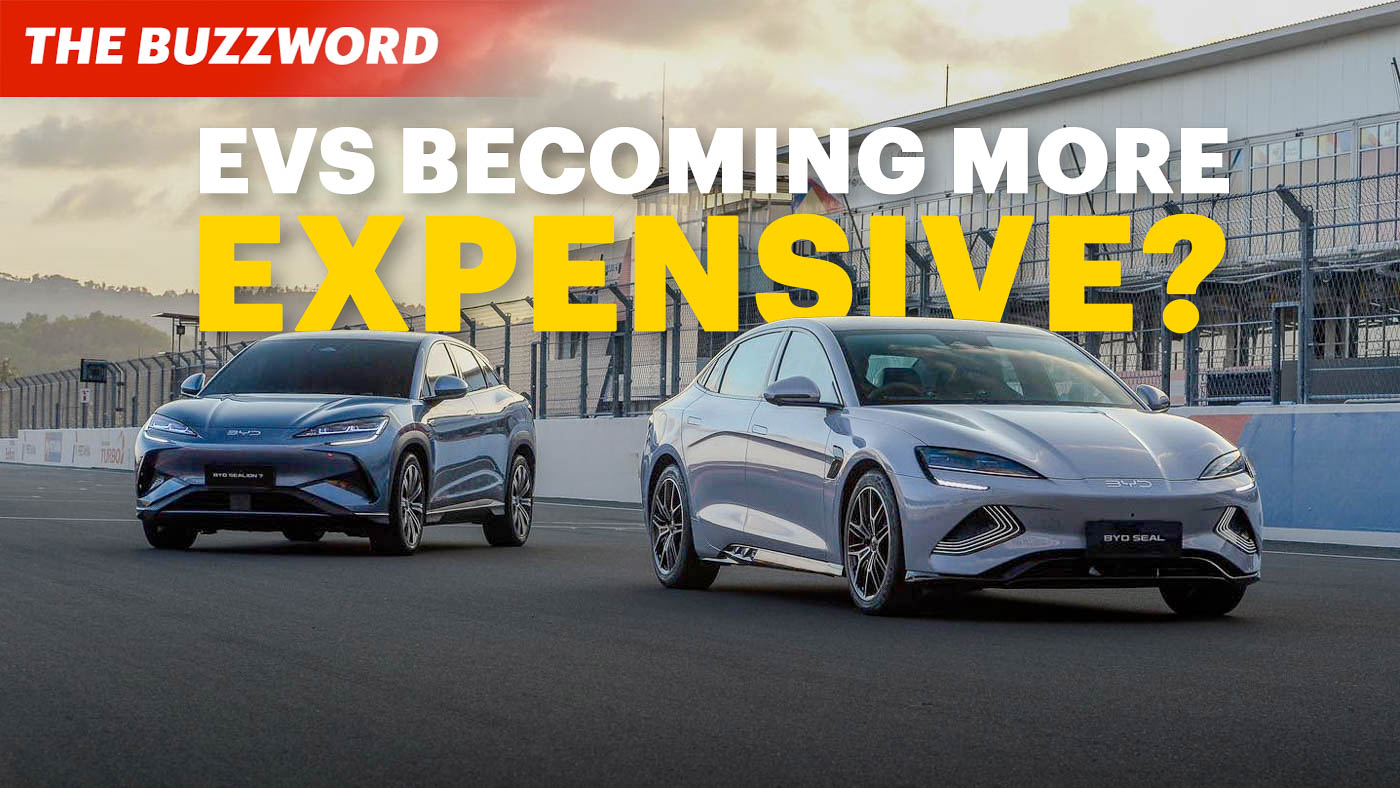
Once again, conjectures are being raised to skewer Malaysians who haven’t gotten over the days when Proton and Perodua were the only feasible options on the table. Judging from the response to the latest directive issued by the Ministry of Investment, Trade & Industry (MITI) on CBU EVs, it appears old wounds need healing.
While the shelf life of a minister is typically shorter than a vehicle’s model life, the underlying government policy as far as foreign carmakers are concerned has never changed – invest, create jobs, support the supply chain, and CKD your cars. Oh, and export some, if possible. In return, different forms of tax exemptions and incentives are granted by the government to the carmakers.
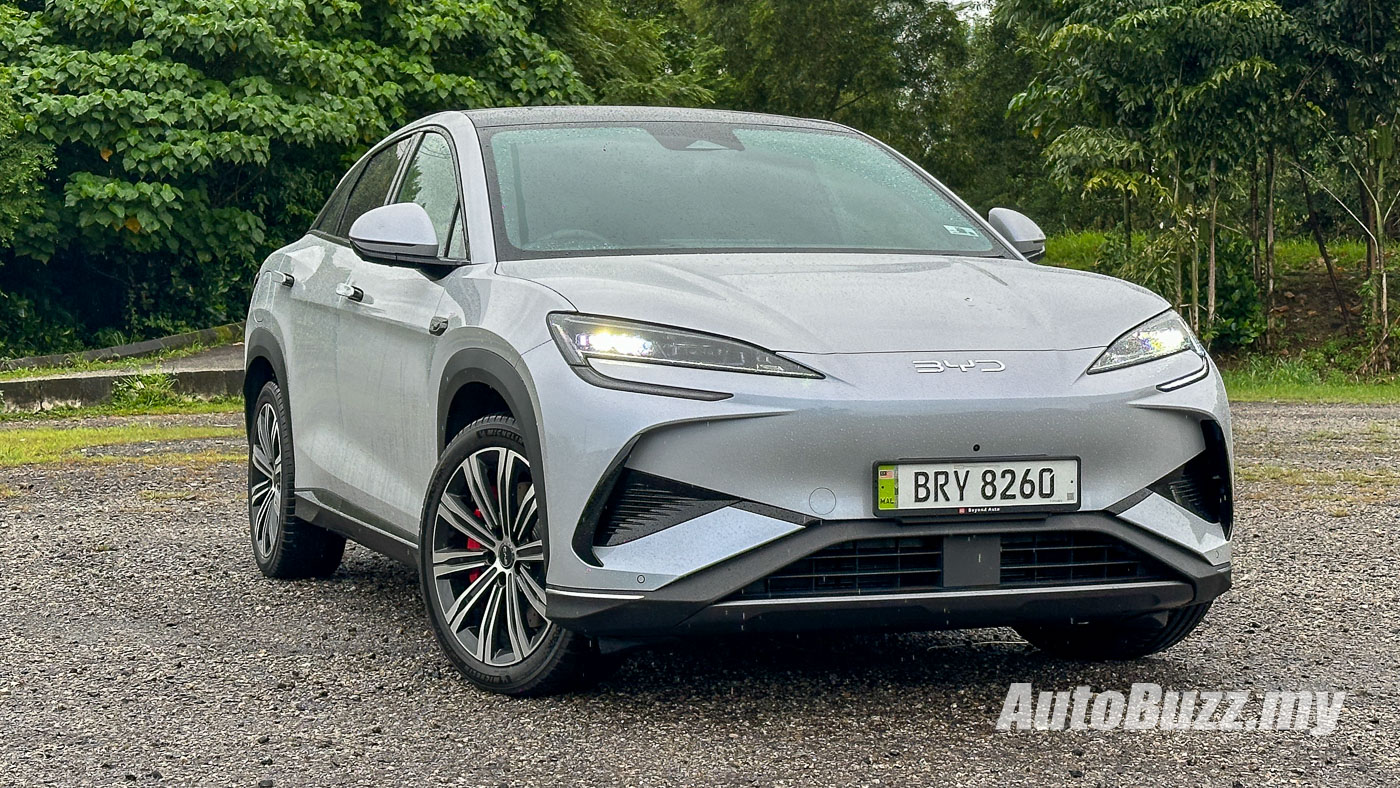
The CBU honeymoon was always going to end, but there’s CKD
The CBU tax holiday coming to an end for EVs isn’t without precedent – hybrid vehicles were once exempted from import and excise duties from 2011 to 2013, and the exemptions continued beyond 2013 through local assembly.
For the past four years (2022 to 2025), fully imported EVs have not been subjected to import and excise duties, and as long as these vehicles transitioned to local assembly from 2026 onwards, the same duty exemptions shall continue until the end of 2027.
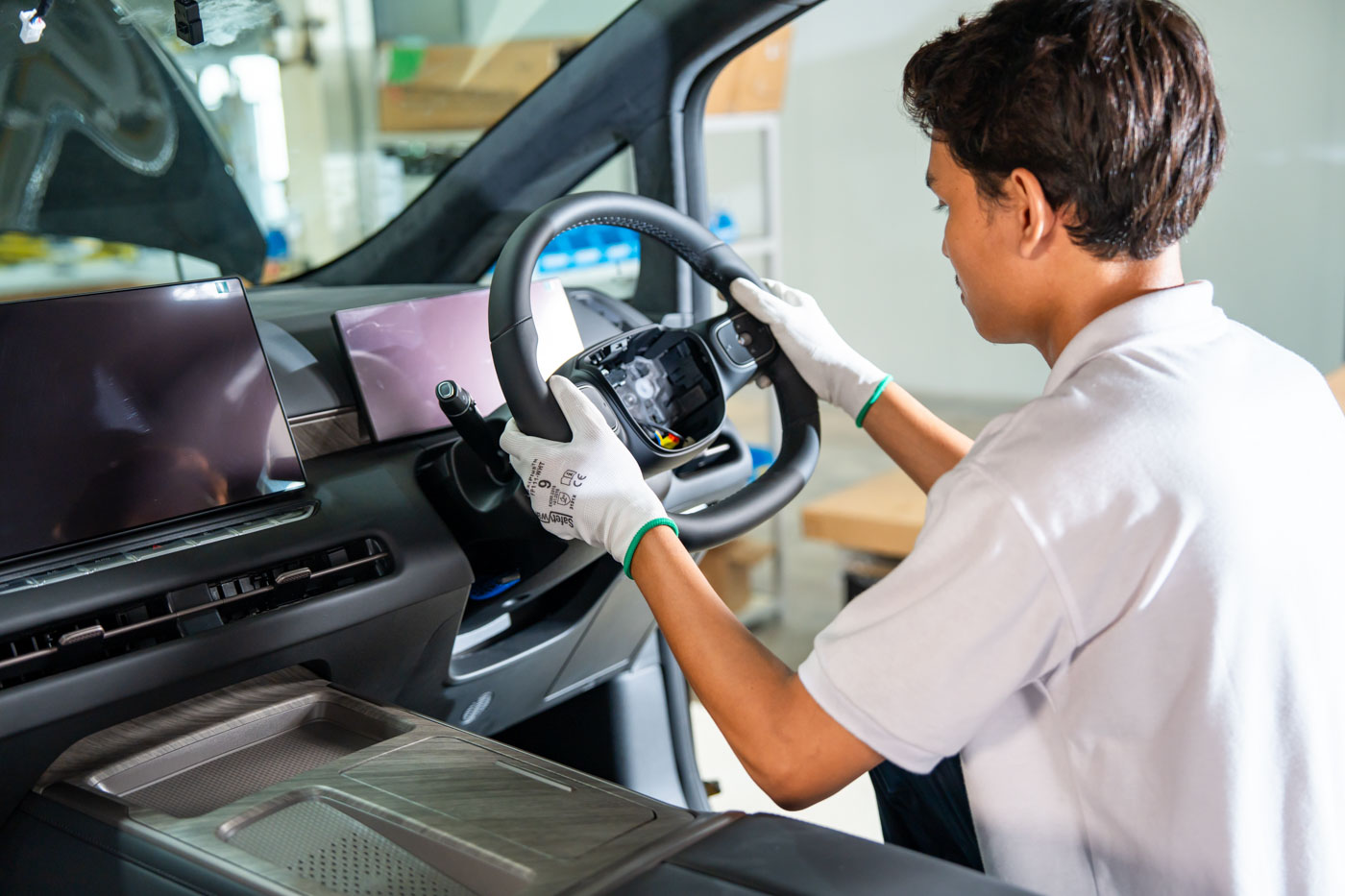
The manufacturers have been aware of this all along and some even commenced CKD operations way before the tax holiday expired (the period was extended twice), while the rest are starting CKD operations within this year as inventories are exhausted. Volvo Car Malaysia actually began the local assembly of EVs (the XC40 EV) in their Shah Alam plant back in March 2022, and Chery did the same with the Omoda E5 in late 2024.
Are EVs going to cost more?
Not if they are locally assembled. Let’s refer to the recently re-launched CKD MG S5 SUV as an example. When this mid-sized SUV was unveiled in CBU form last May, prices ranged from RM116,548 (base 49 kWh) to RM136,548 (Lux Long Range 62 kWh).
The MG S5 CKD model launched last week – a lone Lux 62 kWh variant – was priced at RM117,528. Not only is the MSRP lower than the CBU top-of-the-line variant sold previously, but the CKD MG S5 also gets an updated electric motor with a higher output of 205 hp and 350 Nm, compared to 170 hp and 250 Nm of the CBU model. And there’s also the added bonus of a made-in-Malacca left-hand-drive export variant destined for South America.
READ MORE: MG Motor Malaysia to expand CKD line-up following sales growth
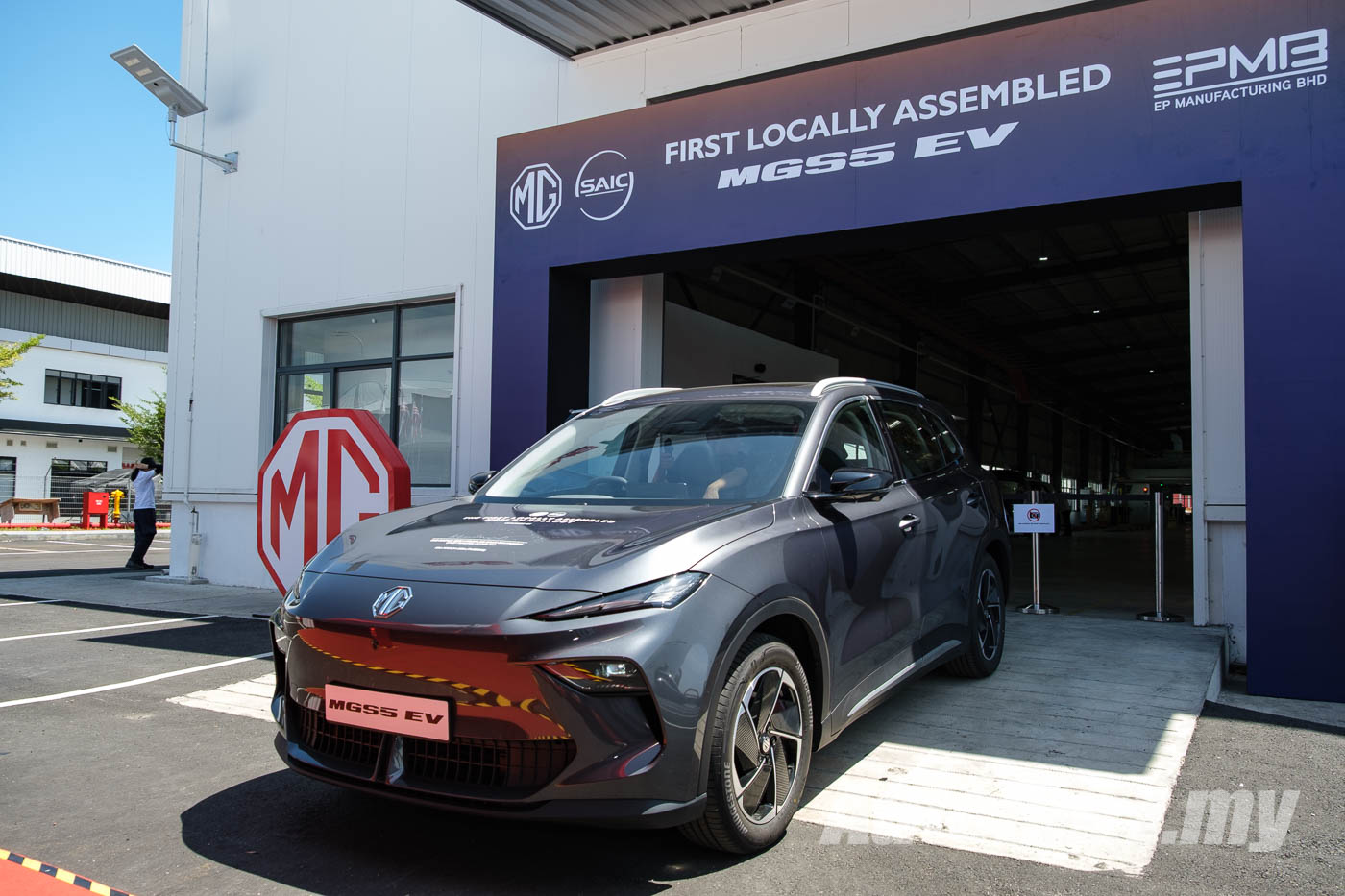
If the CKD MG S5 is any indication, the prices of popular mainstream EV models won’t be affected and might even become more competitive. Of course, expect CKD model line-ups to be leaner with fewer variants and colour options. Slow-selling models are likely to be discontinued as well as carmakers focus on the popular models with specs and features Malaysian car buyers prefer.
Other examples of CBU models which had undergone local assembly – or are in the midst of being locally assembled – include the Proton eMAS 5 and eMAS 7, Volvo EX30 (the entire range of Volvo BEVs in Malaysia are in fact – or at least soon to be – CKD models), the aforementioned Chery Omoda E5, Leapmotor B10 and C10, Xpeng G6, and Zeekr 7X, with more on the horizon.
Even the more premium makes have also begun locally assembly for their EV models here. In fact, the CKD BMW i5 eDrive40 M Sport Pro, launched earlier this year some RM32k cheaper than its previous CBU counterpart, is the first BMW EV to be locally assembled within the Asia Pacific region.

But what about imported CBU EVs?
Due to the benign duty structure of EVs (compared to hybrid and ICE) and in order to channel manufacturers towards the local assembly of mainstream models with higher volume potential (e.g. from RM100,000 upwards), MITI imposed two conditions on fully-imported EVs starting in July 2026 – a CBU EV shall bear a minimum CIF (Cargo, Insurance, Freight) value of RM200,000 (before duties and margins) and a minimum rated output of 180 kW (245 hp).
Now, regardless of whether they are ICE-, hybrid- or electric-powered, premium models with high price positioning are always going to be low volume sellers. In many instances, they are not considered likely candidates for local assembly due to the modest sales potential. Hence the likely outcome would be premium EVs to be imported (but subject to duties) while mainstream EV models would be exempted from import and excise duties through local assembly.

In reality, the CBU duties for EVs aren’t nearly as punitive as ICE or hybrid. EVs only attract a 5% import and 10% excise duty if they are made in China; 0% and 10% if they come from ASEAN or Japan (must fulfill 40% value content of the country of origin), and 30% and 10% if they are imported from Europe or countries without trade agreement with Malaysia.
In comparison, ICE and hybrid models are subjected to an import duty of between 0% and 30%, and a whopping 60% to 105% for excise duty. The difference in excise duty is a key factor that would drive the adoption of BEVs in the years ahead.
When the dust settles, premium CBU models such as the MG Cyberster or Zeekr 009 could conceivably see some price adjustments, but it’s also interesting to note that Tesla, which is ‘CKD-exempt’ so to speak, has not increased the prices of their models despite being subjected to the duties imposed on CBU EVs since the start of 2026.

MITI-bashing is tiring, but we’ve been here before
While it seems fashionable these days to indulge in MITI-bashing based on conjectures and flawed beliefs, the angry rhetorics do not reflect what’s happening on the ground – the key players (bar one) are all on board and the industry is moving forward. Yes, a major manufacturer appears undecided and MITI could have clarified the government’s position with better conviction, but new policy roll outs rarely please everyone. Meanwhile, EVs are being locally assembled and more are on the cards. Relax, we’ve been here before.
ALSO READ: Why it’s futile to debate about the resale value of EVs