Welcome to the third instalment of The Buzzword - our new column on the latest pulse and insights of the Malaysian automotive industry, where we aim to educate and discourse on a wide range of automotive topics, all without interference from advertisers and sponsors.

The opinions expressed in The Buzzword belong solely to the author; they are not sponsored, nor are they for sale.
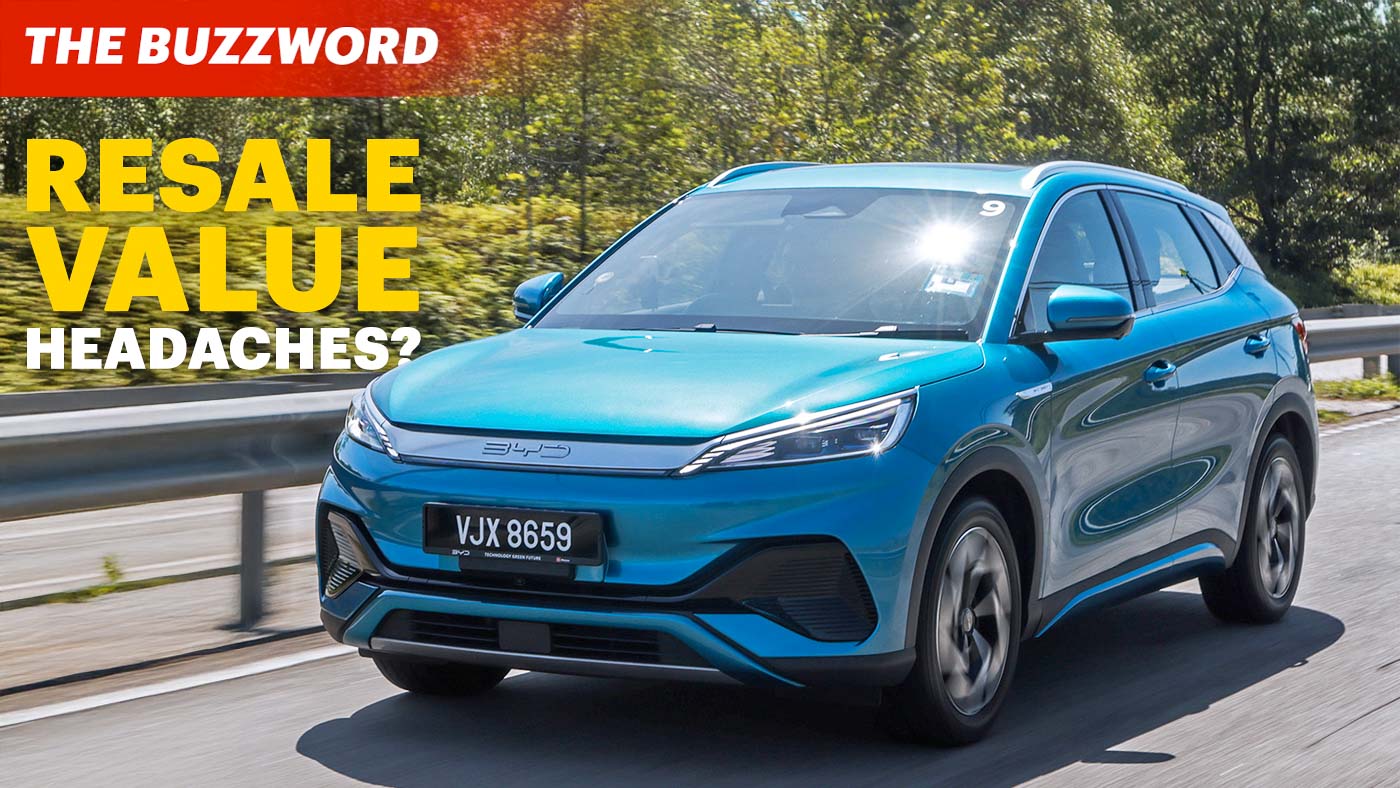
When it comes to the hot topic of resale value, electric vehicles (EVs) are virtually their own enemy. The rapid advances in battery and charging technologies, power management systems, electric motors, and even software have been exponential in an industry used to incremental improvements. It’s exciting to behold, but the technology ages quickly.
In many ways, the state of EV today mirrors the rise of flat screen TVs after the cathode ray tube era. TVs underwent a period of accelerated innovation where with each passing year, display panels got brighter and more colour accurate, bezels became slimmer and with scale, households were able to afford them.
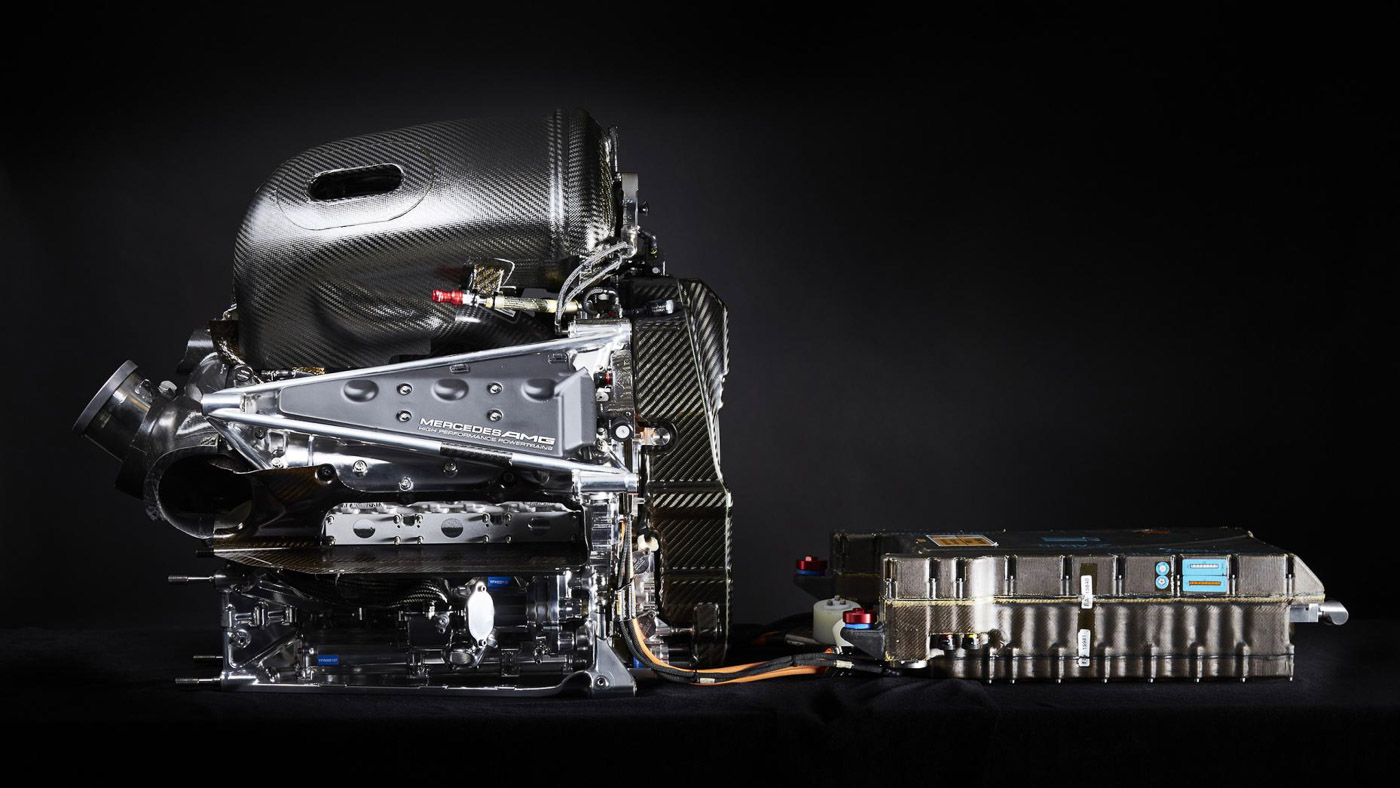
While it’s inevitable that resale values of EVs are compared to ICE cars, the fossil fuel-powered engine has been around for well over a century. Combustion technology in cars probably peaked around a decade ago, with thermal efficiency – the effectiveness of an engine in converting heat to output – pegged at around the 40% mark. Clever hybrid systems these days can coax a few more percentage points by optimising combustion, but there are no breakthroughs on the horizon, which is why residue values of ICE-powered vehicles are more predictable compared to EVs.
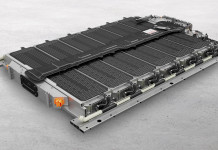
Meanwhile, the strides made by EVs come thick and fast. Take for example BYD’s recently unveiled new generation Blade Battery 2.0, touted to be safer, more energy dense yet able to handle up to 1,000 kW of DC charging from a new technology able to deliver up to 1,500 kW (dubbed Flash Charging). BYD chairman Wang Chuanfu was candid enough to concede that the EV pain points of charging speed and range anxiety must be addressed if adoption of ‘new energy vehicles’ is to be sustained, hence, the constant improvements.

The key takeaways are state of charge from 10% to 70% in 5 minutes, and 10% to 97% in 9 minutes (under ideal conditions) – rivalling the time it takes to fill up an ICE vehicle at the fuel pumps. The first BYD models with Blade Battery 2.0 are on pre-sale in China and over 4,000 Flash Charging stations have already been installed domestically (20,000 by end of 2026).
Do note that Blade Battery 2.0 is ‘merely’ an improvement on existing LFP technology, so we aren’t even talking about the next generation sodium-ion solid state batteries from other battery makers such as CATL and Geely.
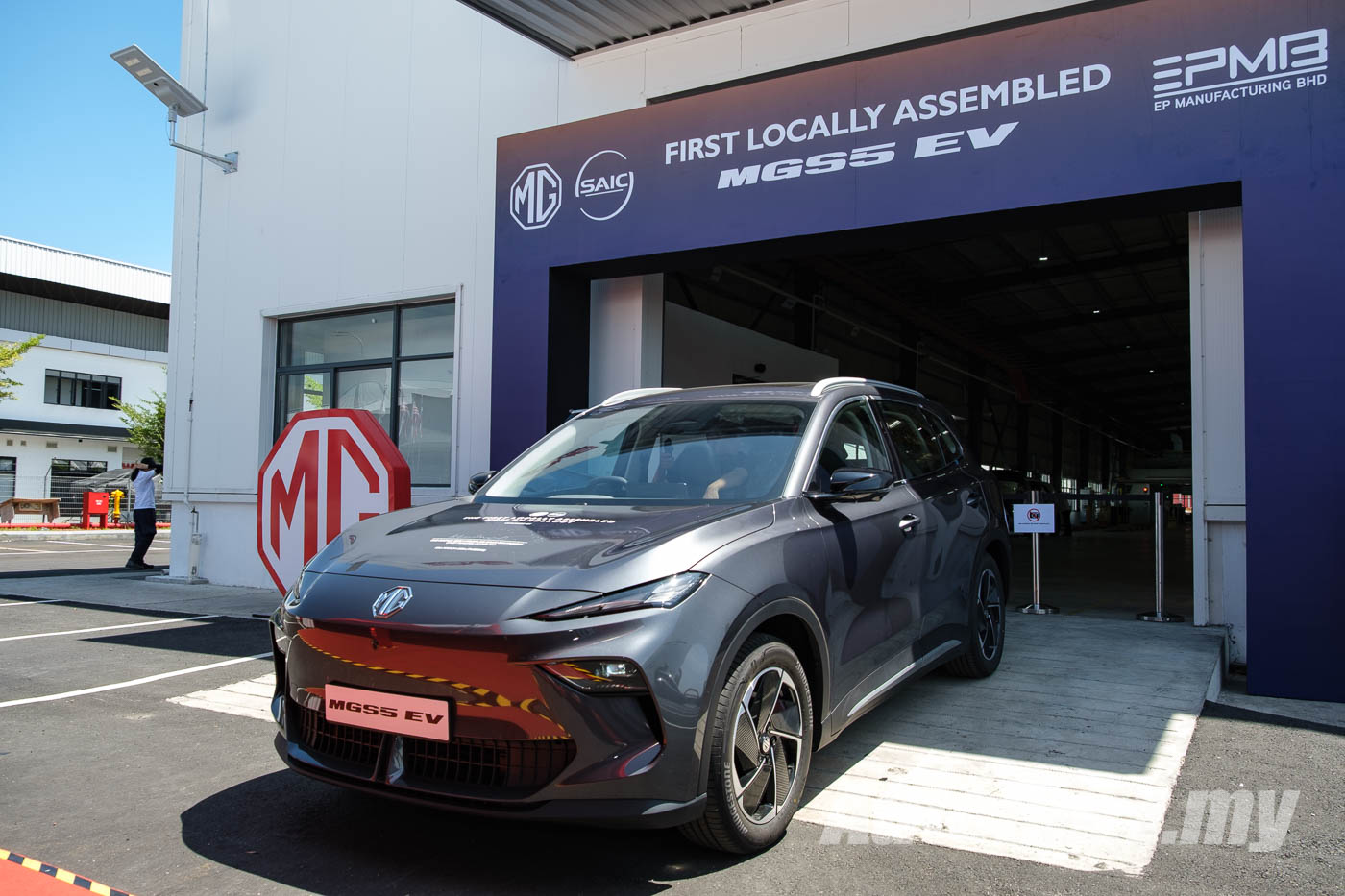
Closer to home, the distributor of MG vehicles, SAIC Motor Malaysia, just announced the CKD version of the MG S5 EV. Not only is its estimated price of RM120,000 lower than the CBU version launched in May last year, MG has given it an upgraded electric motor with 40% more torque (from 250 Nm to 350 Nm) and 20% more horsepower (from 170 hp to 205 hp), not to mention a higher range as well.
Now, running changes are common amongst brands competing in the cut-throat EV sphere, but the reality is that these upgrades happens frequently and without forewarning. If you had purchased a CBU MG S5 EV last year, even with a discount, you’d feel left out and if the vehicle is to be disposed of, the older spec model would be less attractive to potential buyers.
There’s no real solution to this as there are so many attributes in an EV that are going to be improved upon in the foreseeable future. If you are considering making that switch from ICE and plan to fully appreciate the ownership experience of an EV, expect to take a greater monetary hit if the vehicle needs to be sold for whatever reason – that’s just a new reality.
RELATED: CKD 2026 MG S5 EV open for booking – est. RM120k, now with 205 hp and 446 km range