While the internet remains divided over the Ministry of Investment, Trade, and Industry’s (MITI) latest directives for fully imported (CBU) electric vehicles (EVs), the key industry players, represented by the Malaysian Automotive Association (MAA), have now signalled their support for the government’s new guidelines.
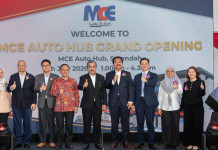
Speaking at a media event today, MAA president, Mohd Shamsor Bin Mohd Zain said, “As MAA, we broadly support the underlying principles taken by the government to reduce trade imbalances in the automotive sector,” in response to MITI’s announcement from earlier this month.
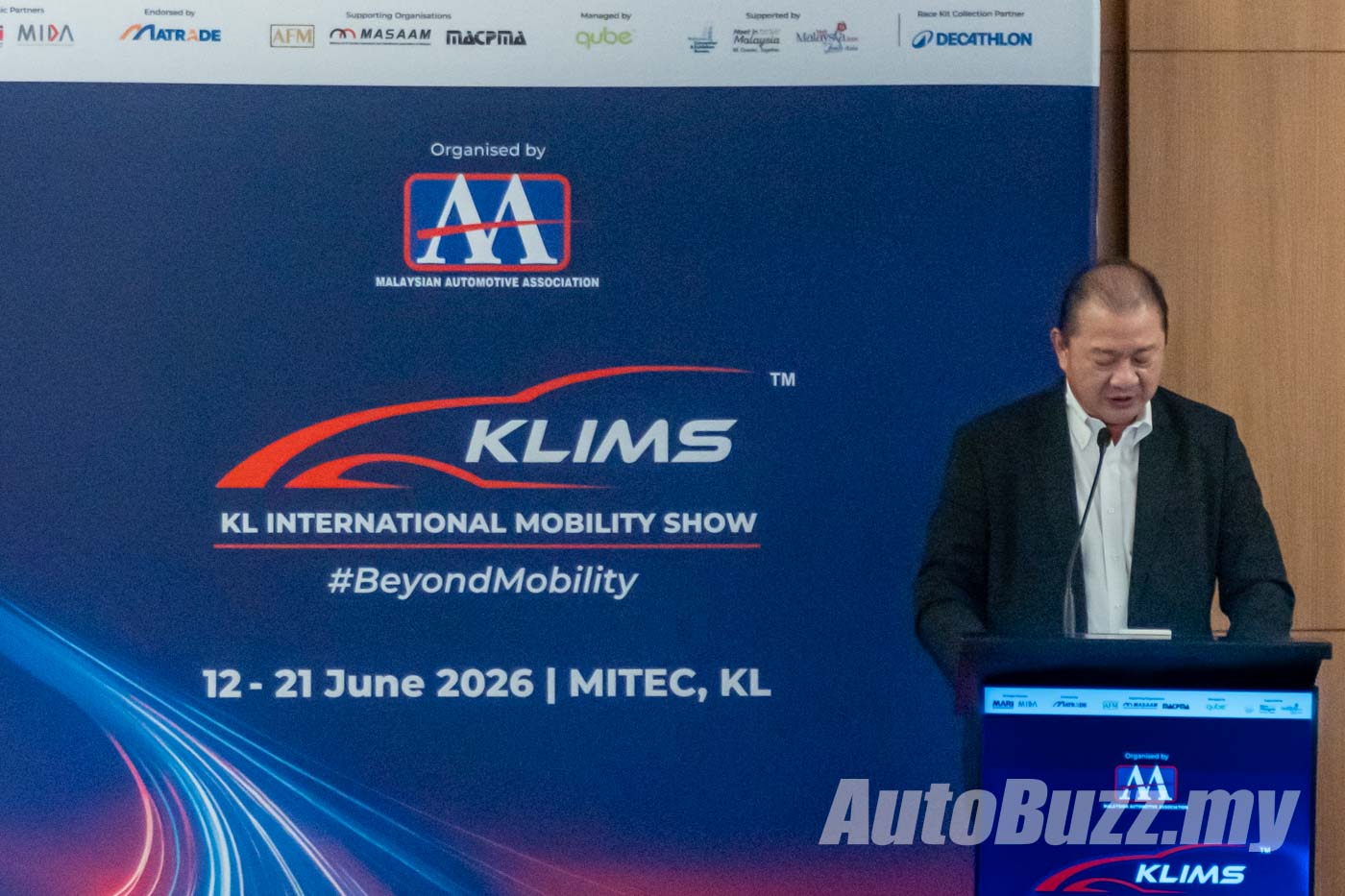
However, Shamsor, who is currently also the director of group marketing and ITSD at UMW Toyota Motor, cautioned that the policy also needs to be “properly crafted” and carried out in phases to enable the industry to react and adapt.
“Limiting the choices of EVs in the market could derail the government’s intention towards net-zero emission by 2050, and to achieve 20% of EVs sales in Malaysia by the year 2030,” the president said in his speech.
RELATED: How MITI’s latest EV directive actually impacts the industry and you

EV adoption rates in Malaysia still lags behind most regional competitors, with EV sales only accounting for less than 4% of the total industry volume (TIV) last year, compared to Vietnam (26%), Thailand (20%), and Indonesia (13%).
“It is the aspiration of MAA and the industry to see that these goals are met for the betterment of our future generation, and this recent move will eventually lead towards a healthy market development that is balanced and sustainable for the EV ecosystem – one where it encourages greater localisation through CKD assembly, attract higher value investments, open up new job opportunities and enhances Malaysia’s position within the regional EV ecosystem,” he added.
Nevertheless, Shamsor highlighted the government’s efforts towards the growth of the local industry, especially in the aspects of sustainability, electrification, and the development of a “more future-ready mobility ecosystem”.

MITI’s latest directives for CBU EVs, which will come into effect on July 1, mandate all imported EVs to meet a minimum cost, insurance, and freight (CIF) value of at least RM200k, alongside a minimum power output of 245 hp (180 kW). Those who are seeking a manufacturing licence (i.e. setting up their own facility, rather than partnering with a contract manufacturer) would also need to meet minimum export and selling price requirements.
The new guidelines also follow the expiry of the CBU EV tax holiday at the end of 2025. In response, many carmakers have already now begun local assembly works for their electric and electrified vehicles in Malaysia. In fact, iCAUR Malaysia has only just announced today the availability of the CKD iCAUR 03, priced at RM129,880 for the iWD all-wheel drive variant.
Earlier this month, MG Motor Malaysia also unveiled the locally assembled MG S5 EV, with a lone Lux 62 kWh variant at RM117,528 – cheaper than its prior CBU counterpart, while offering an improved equipment list.