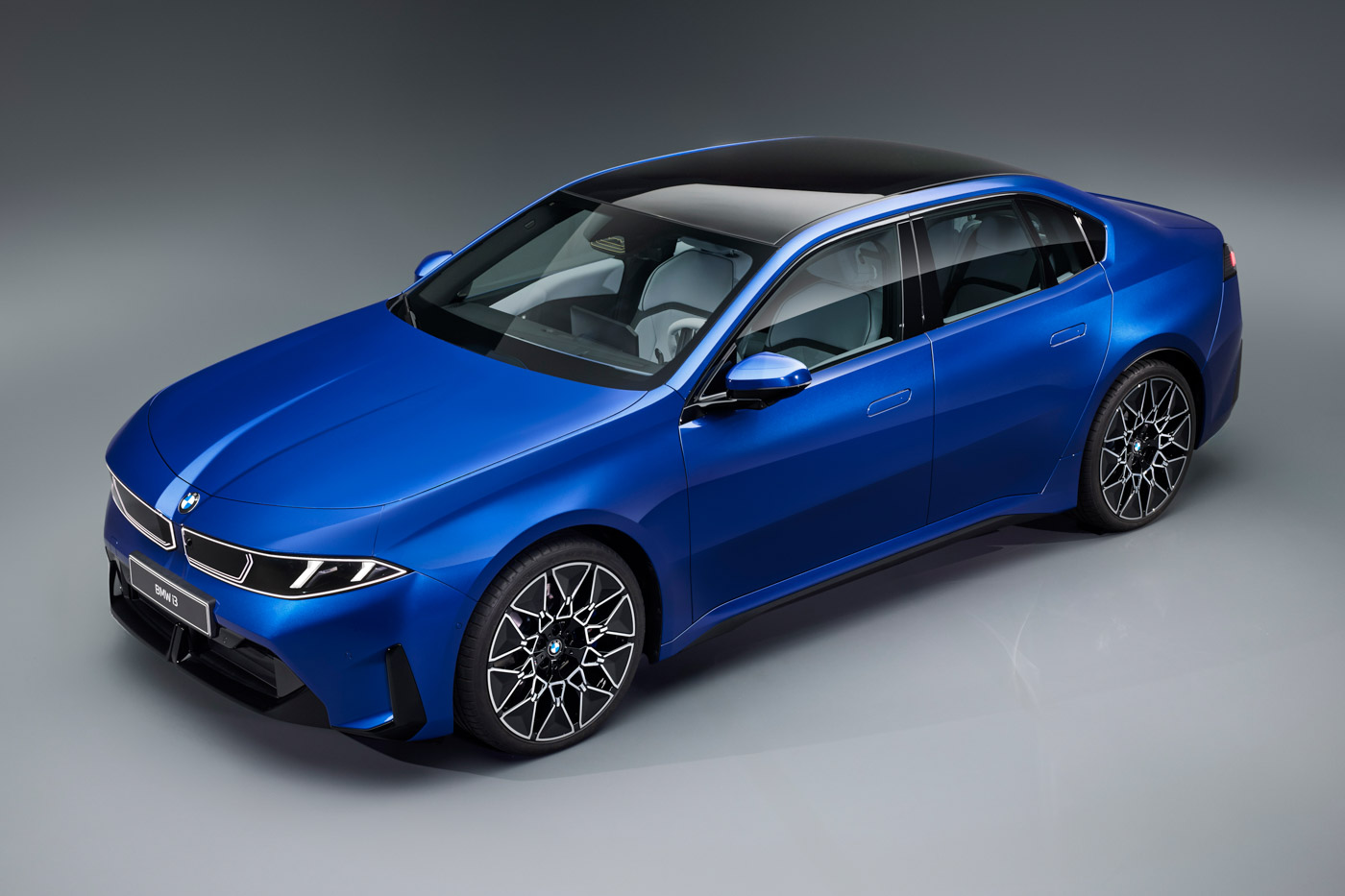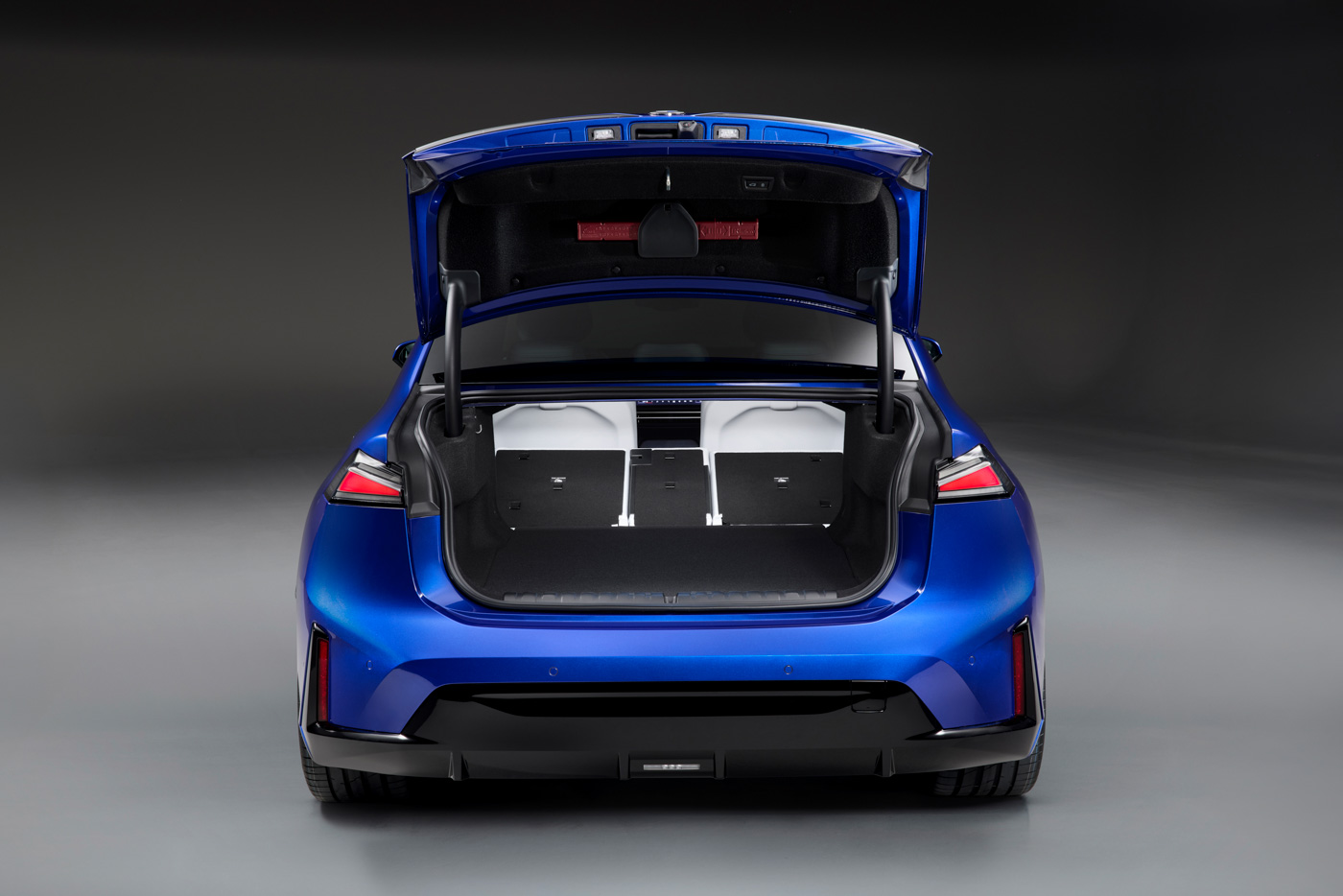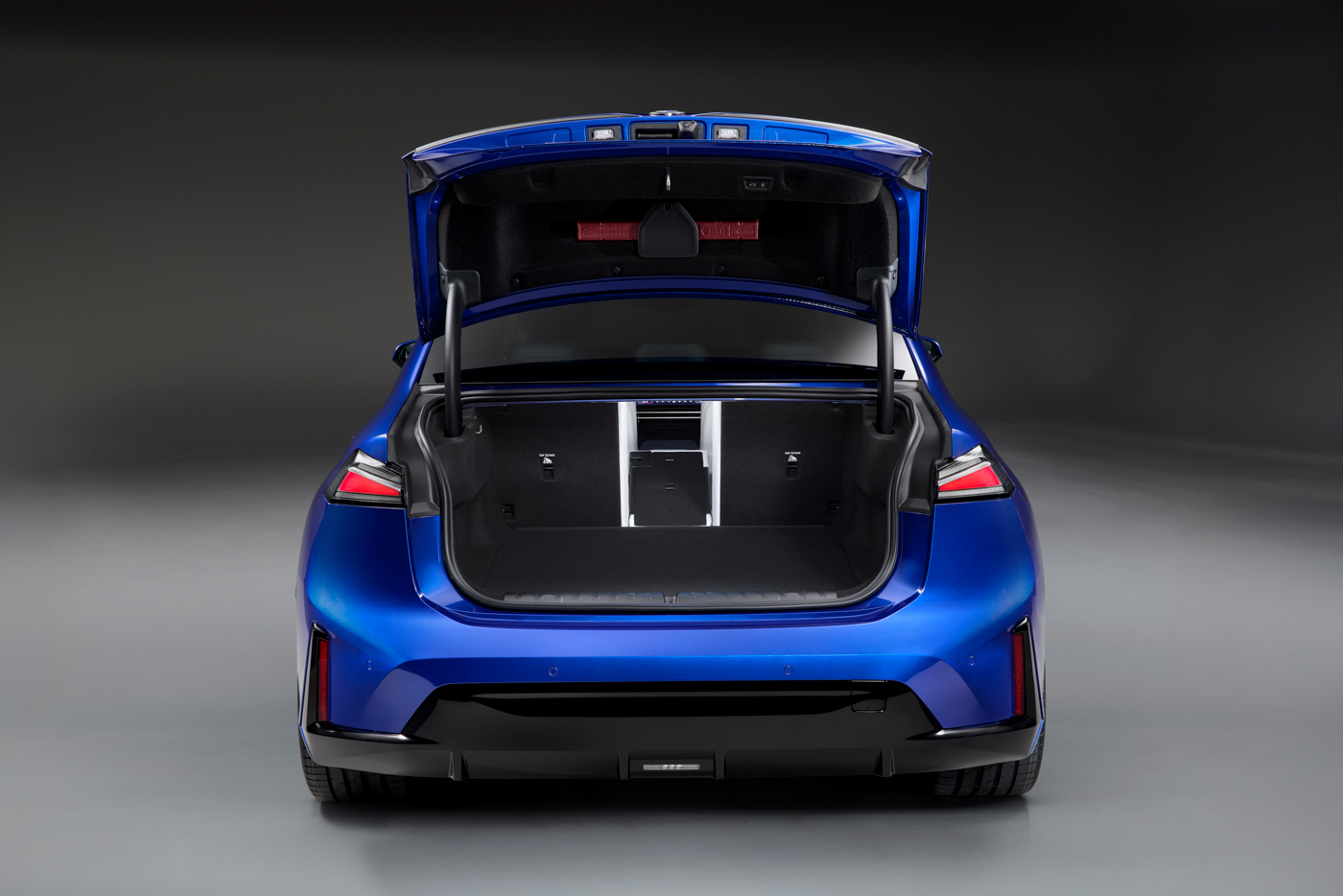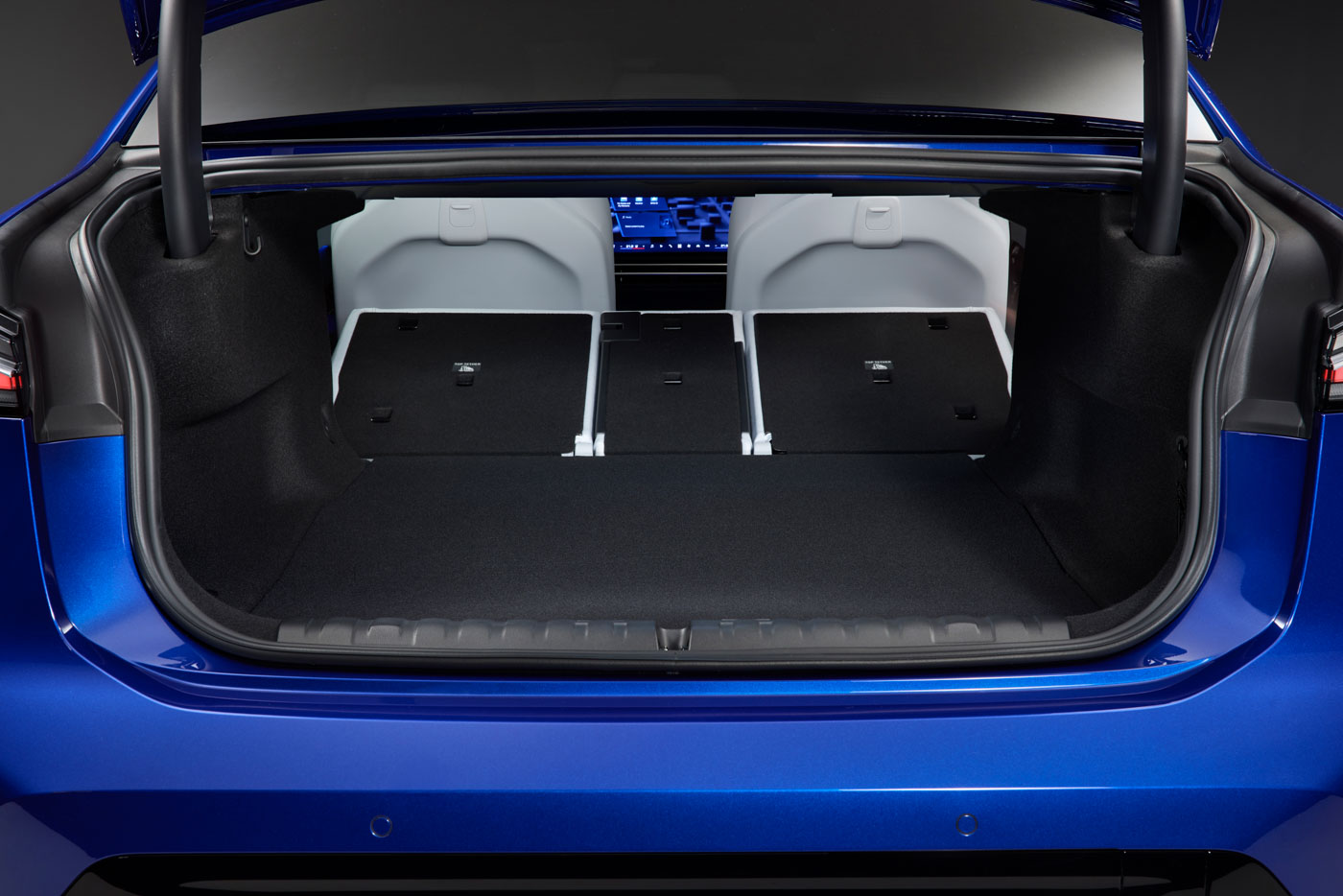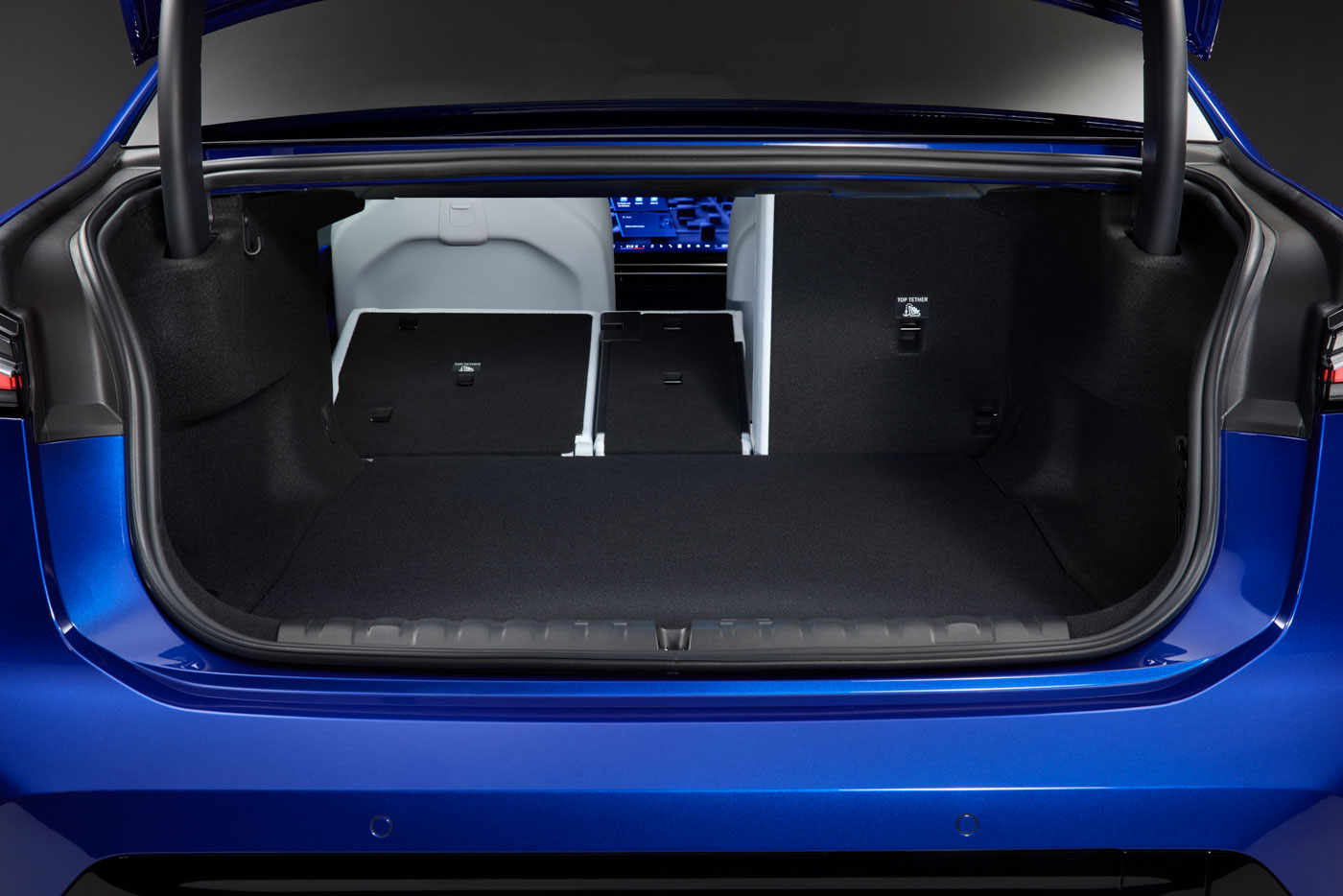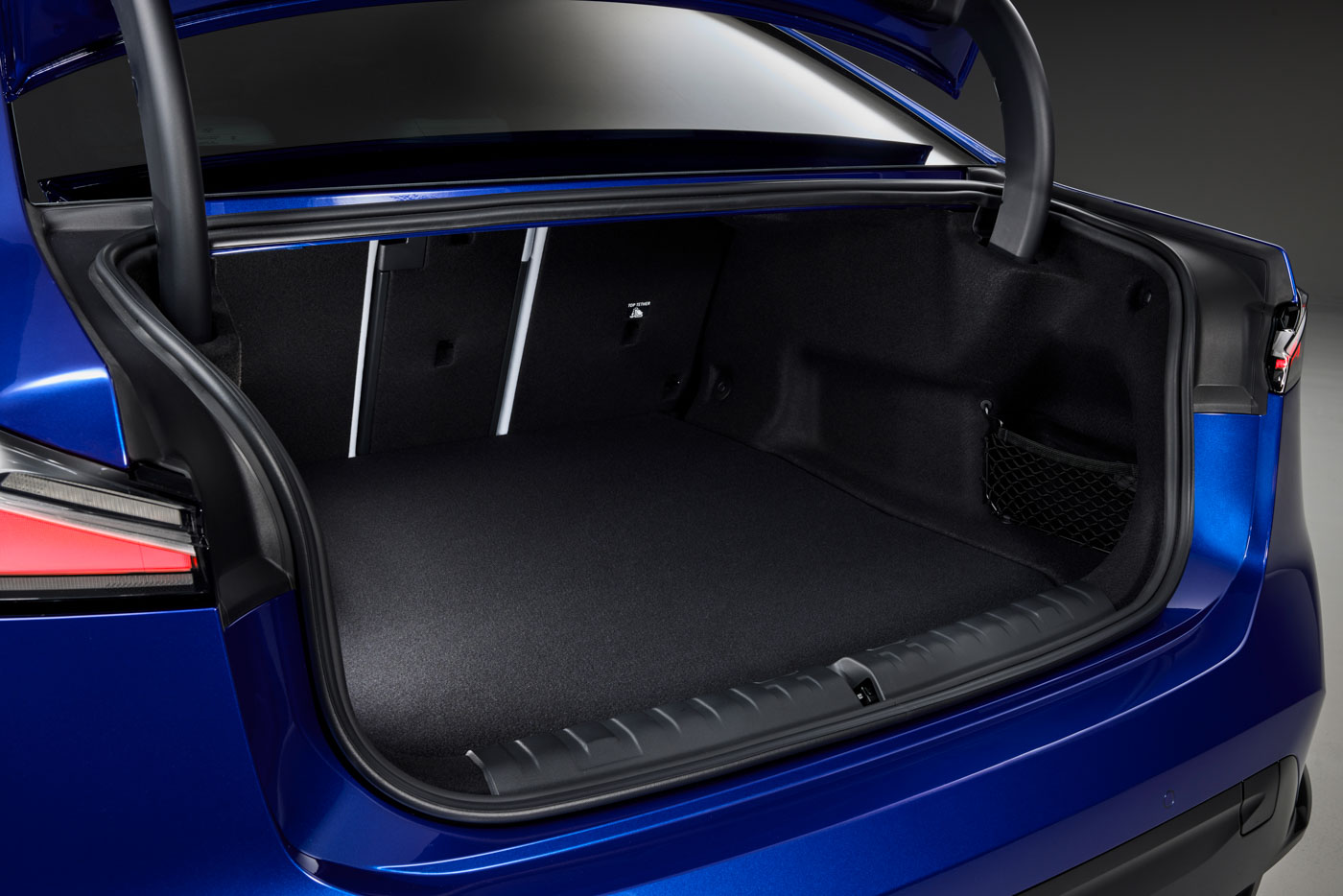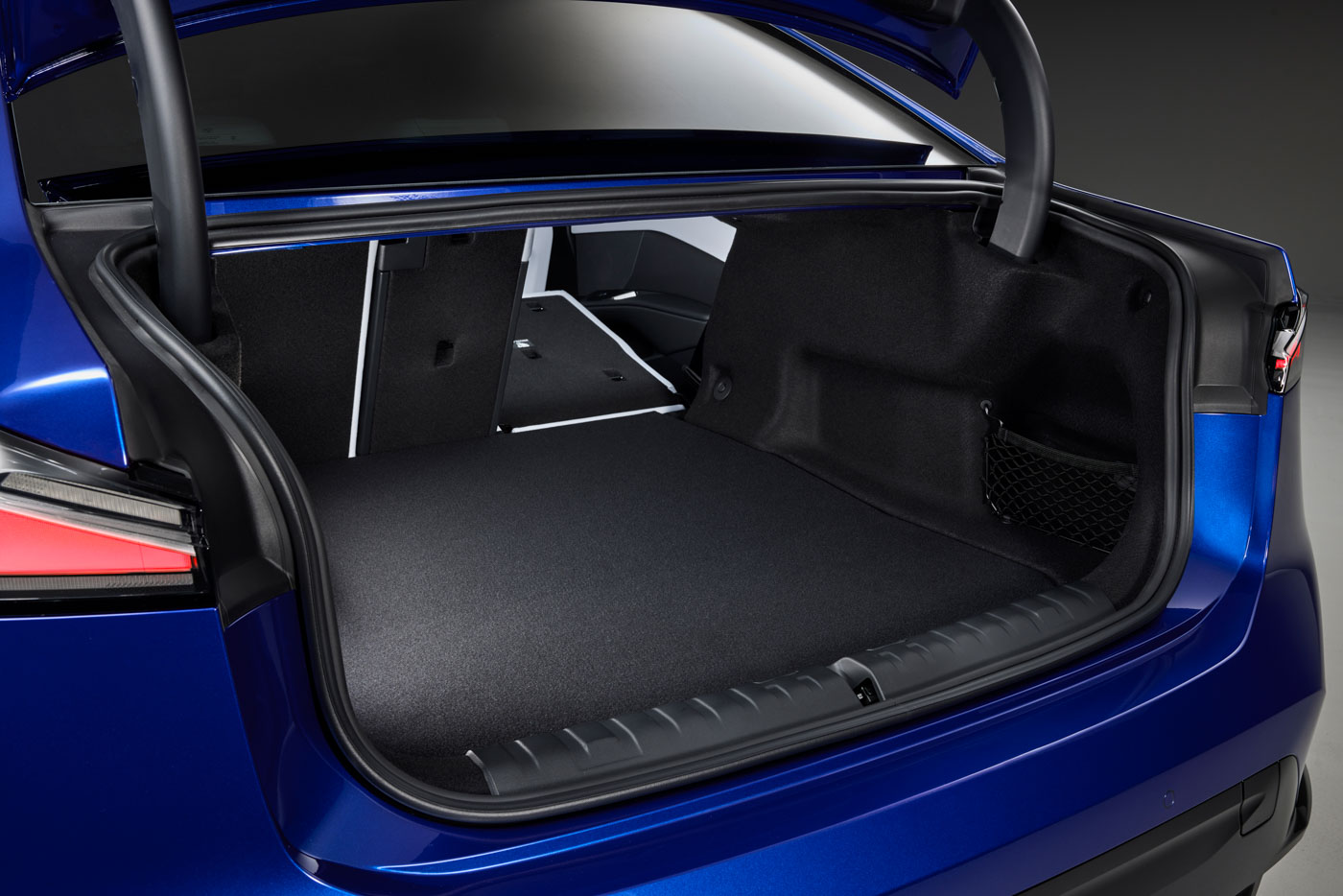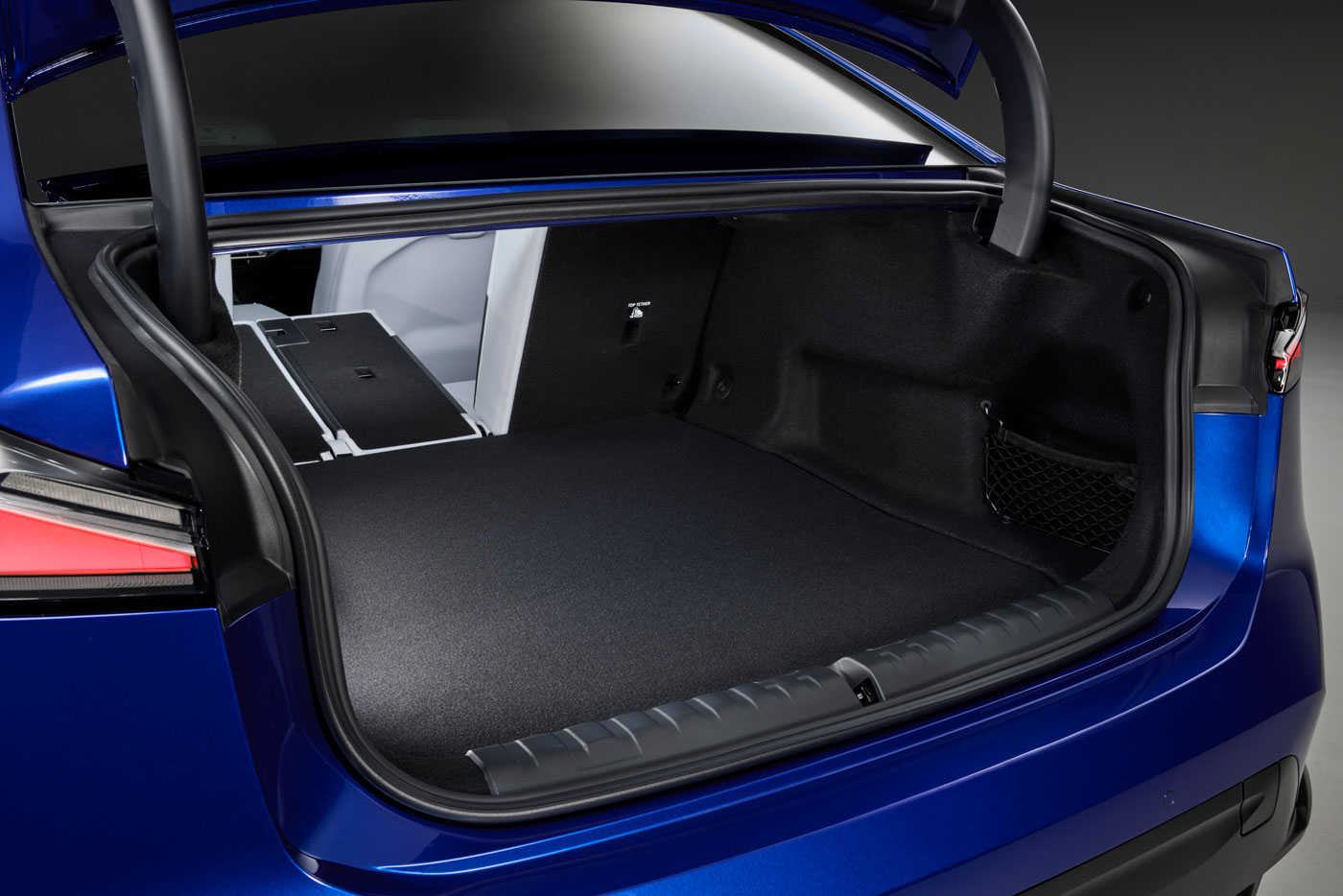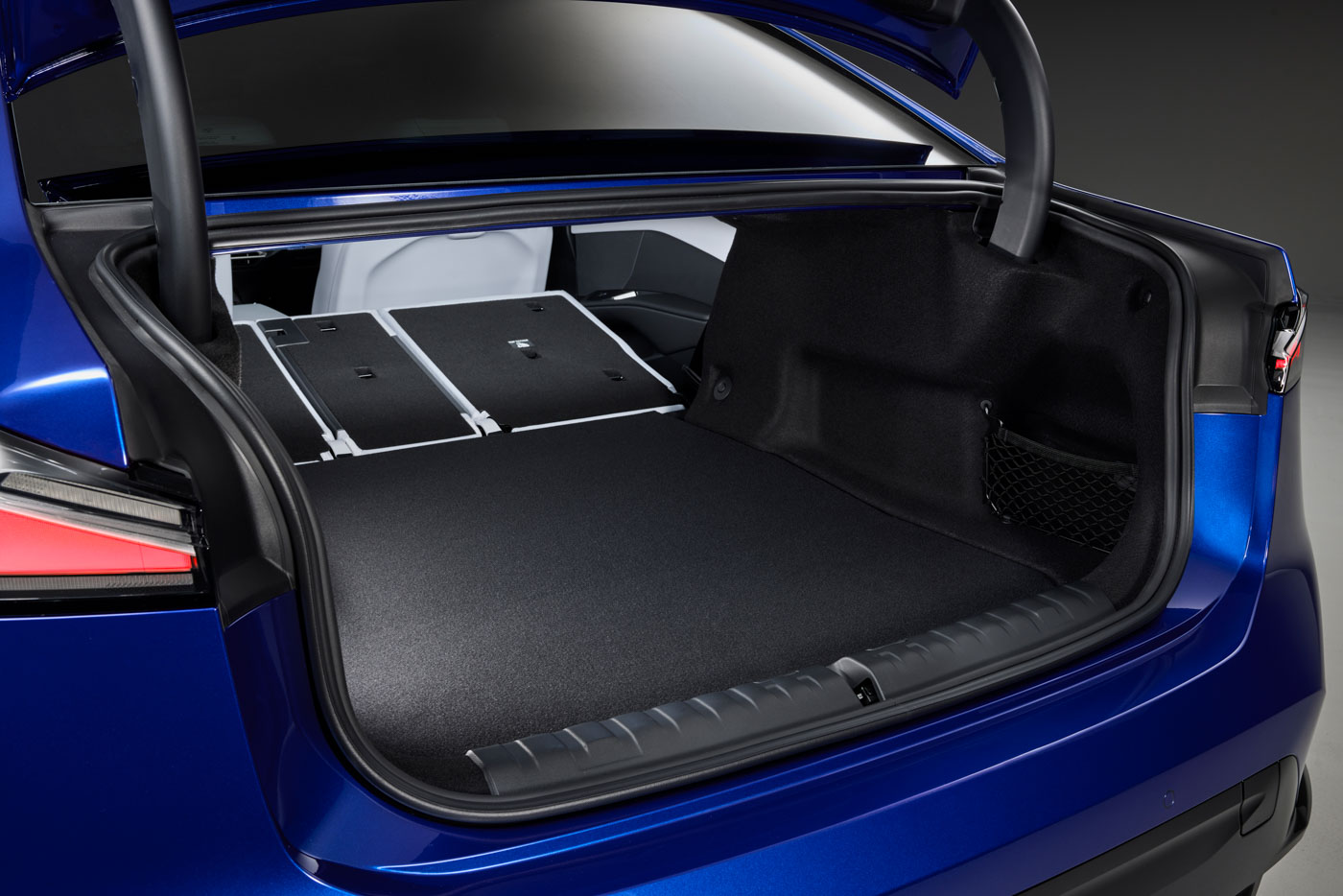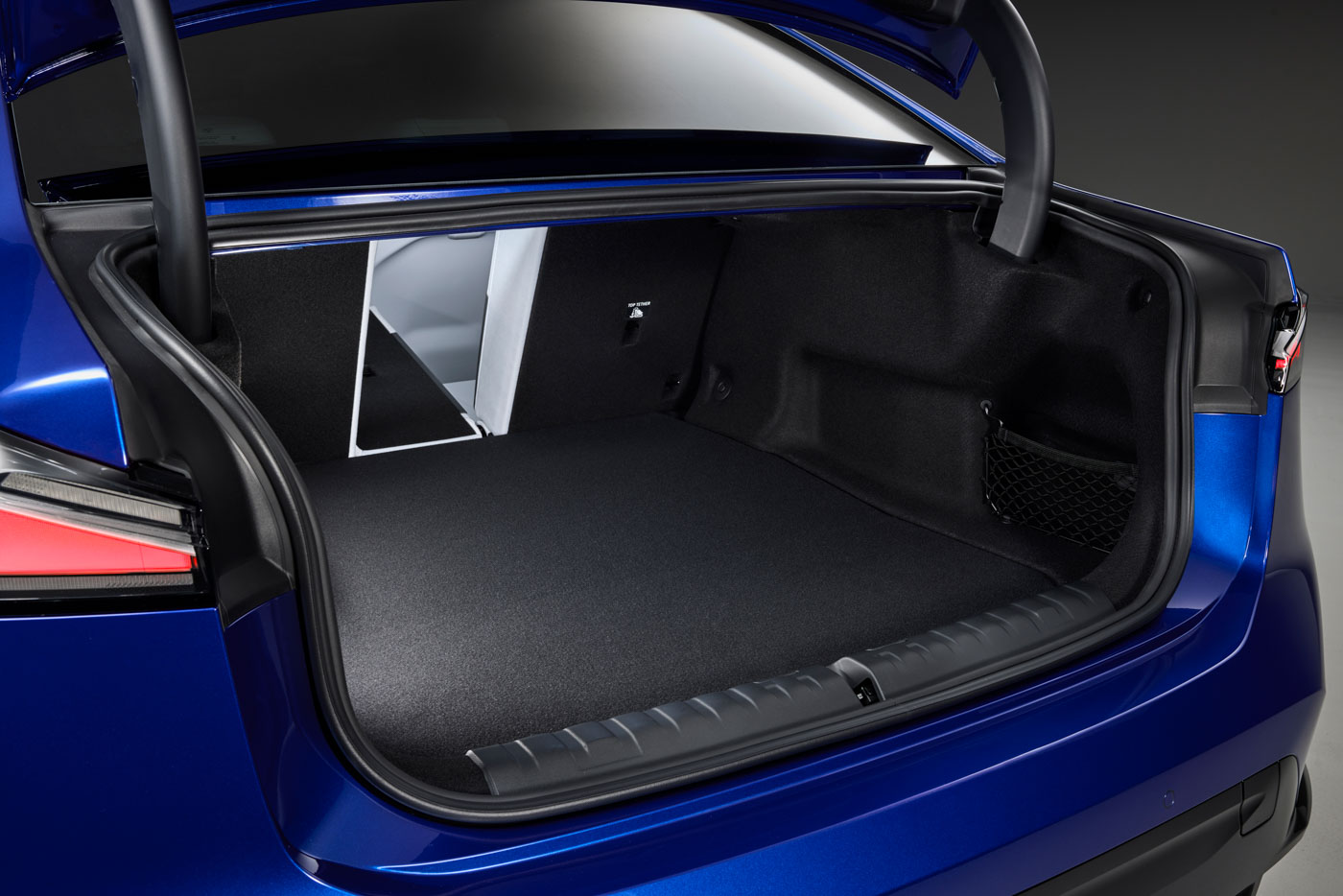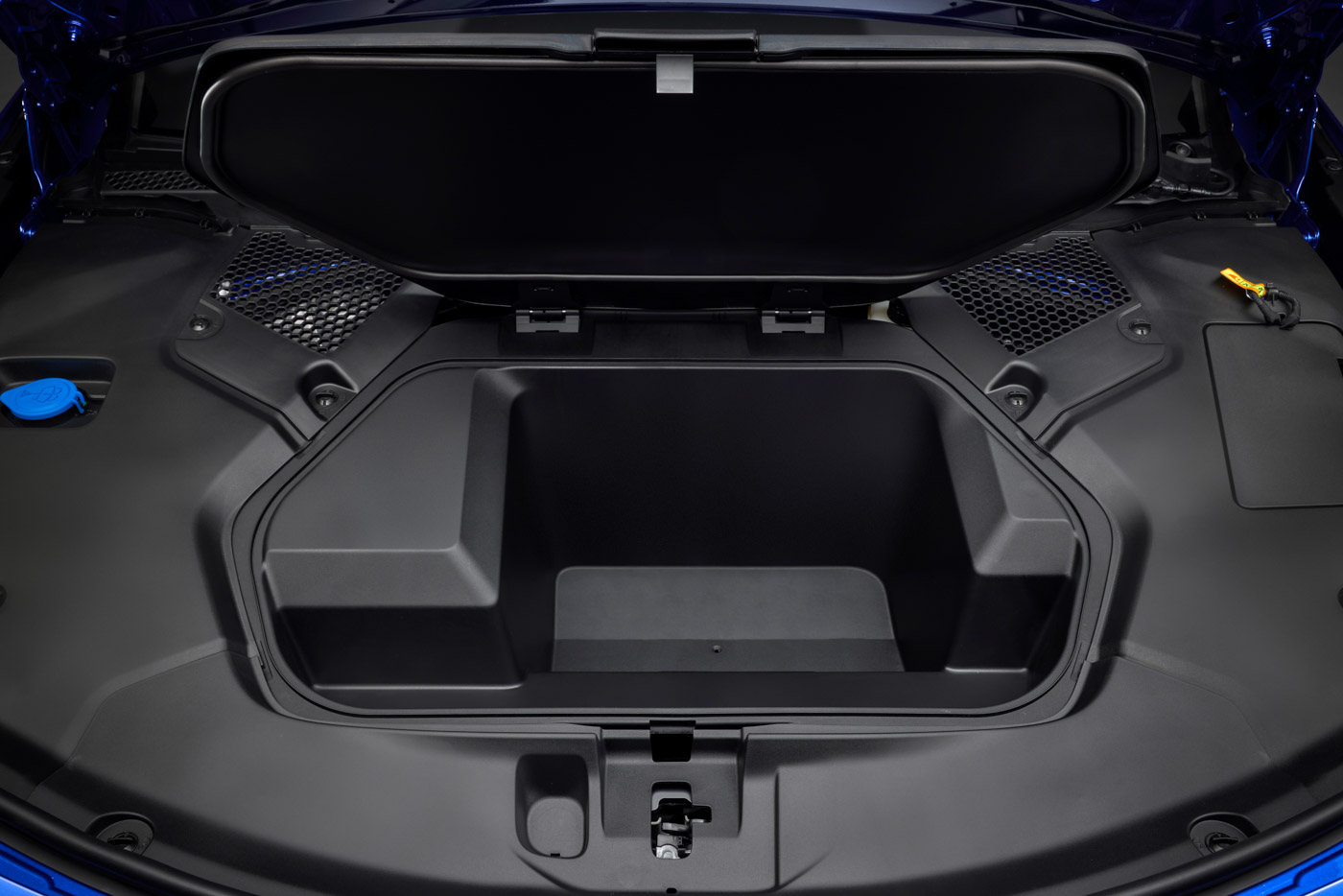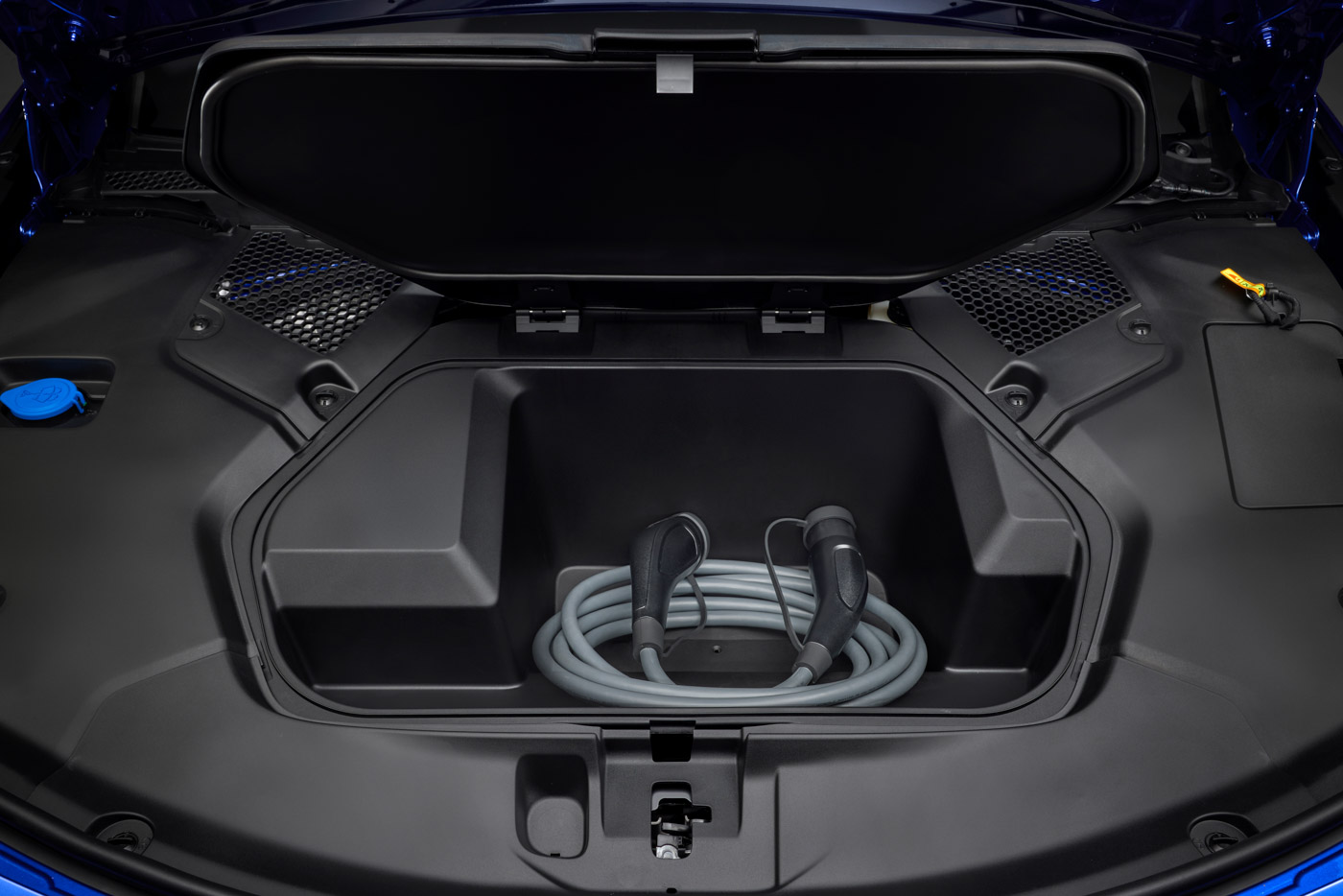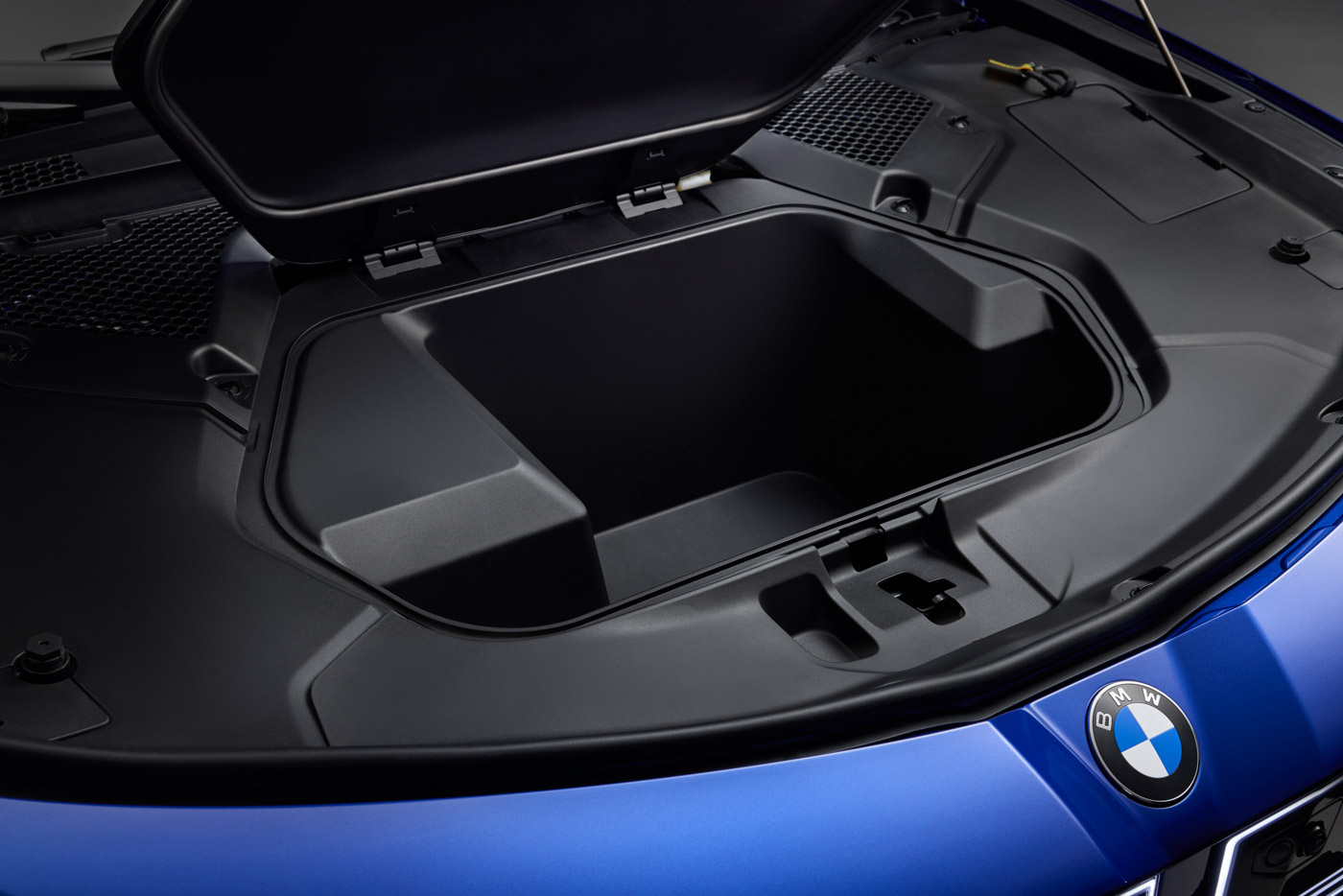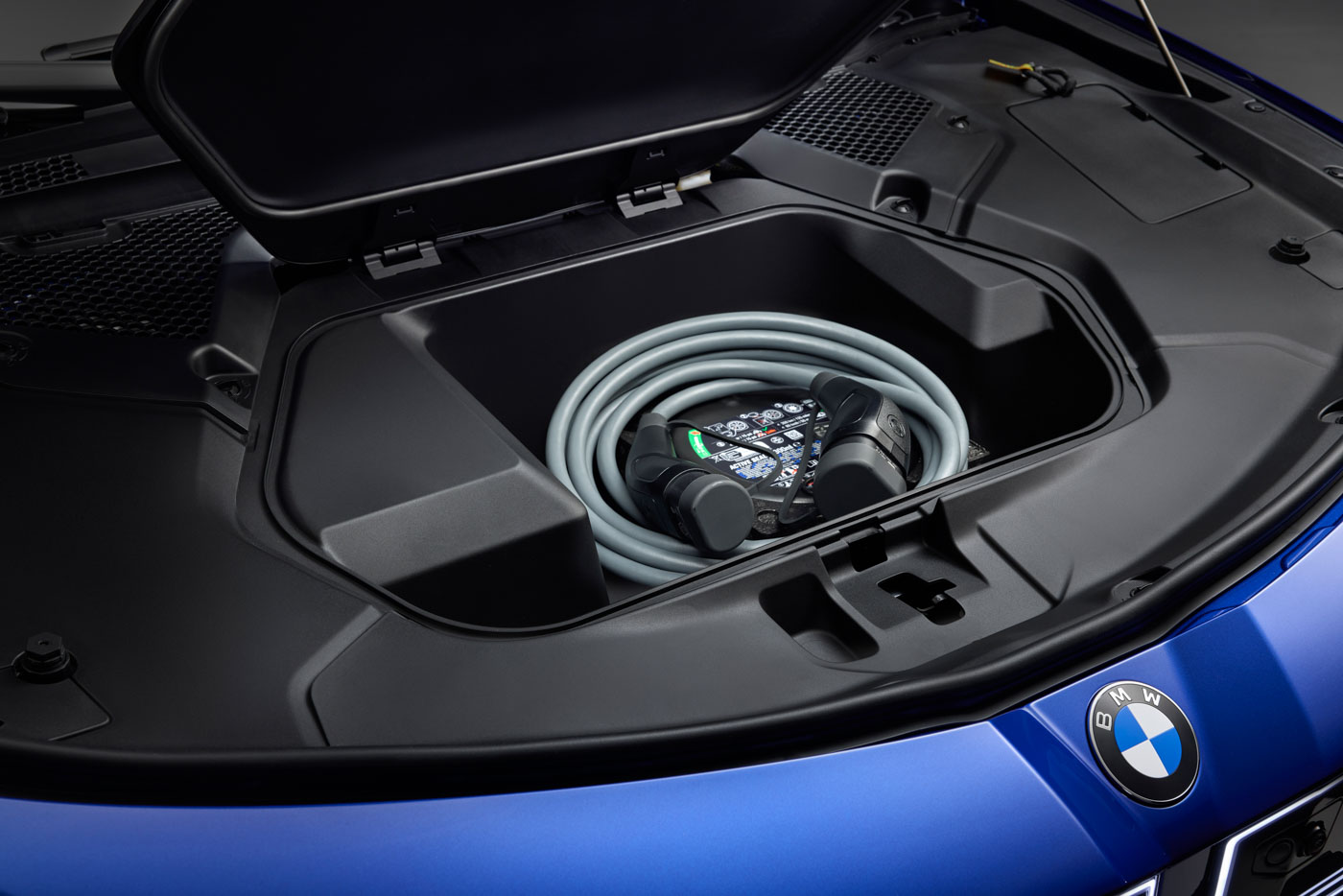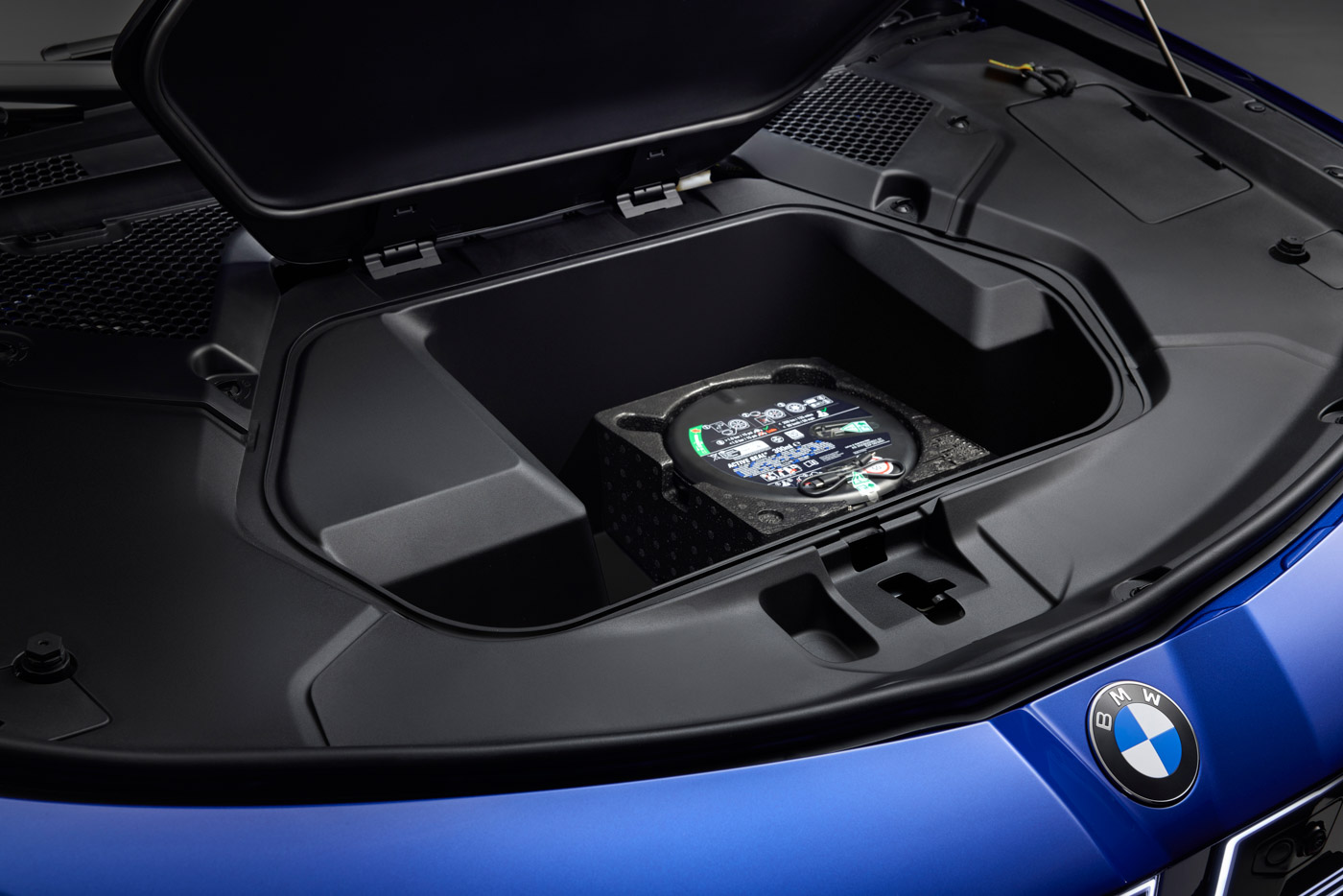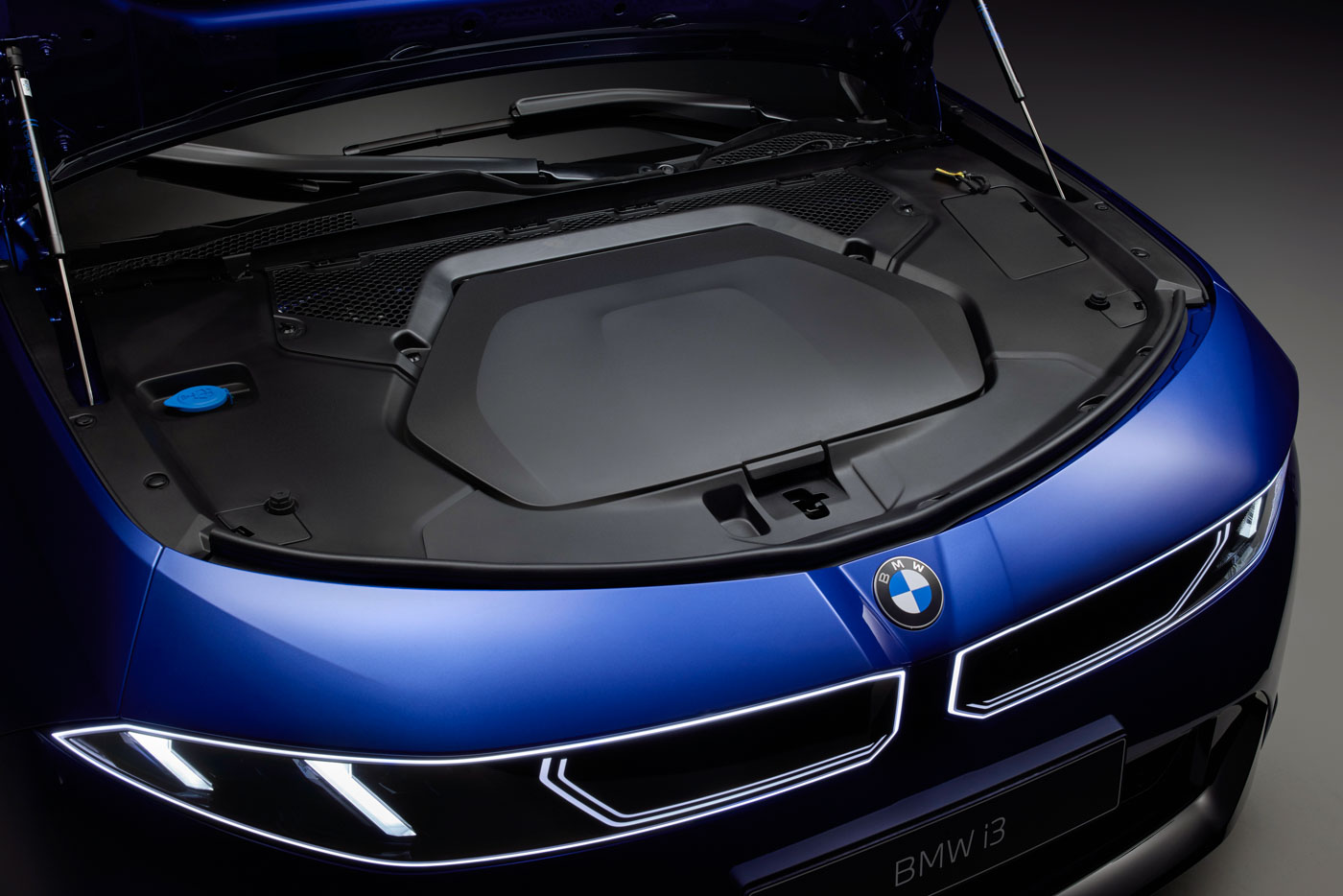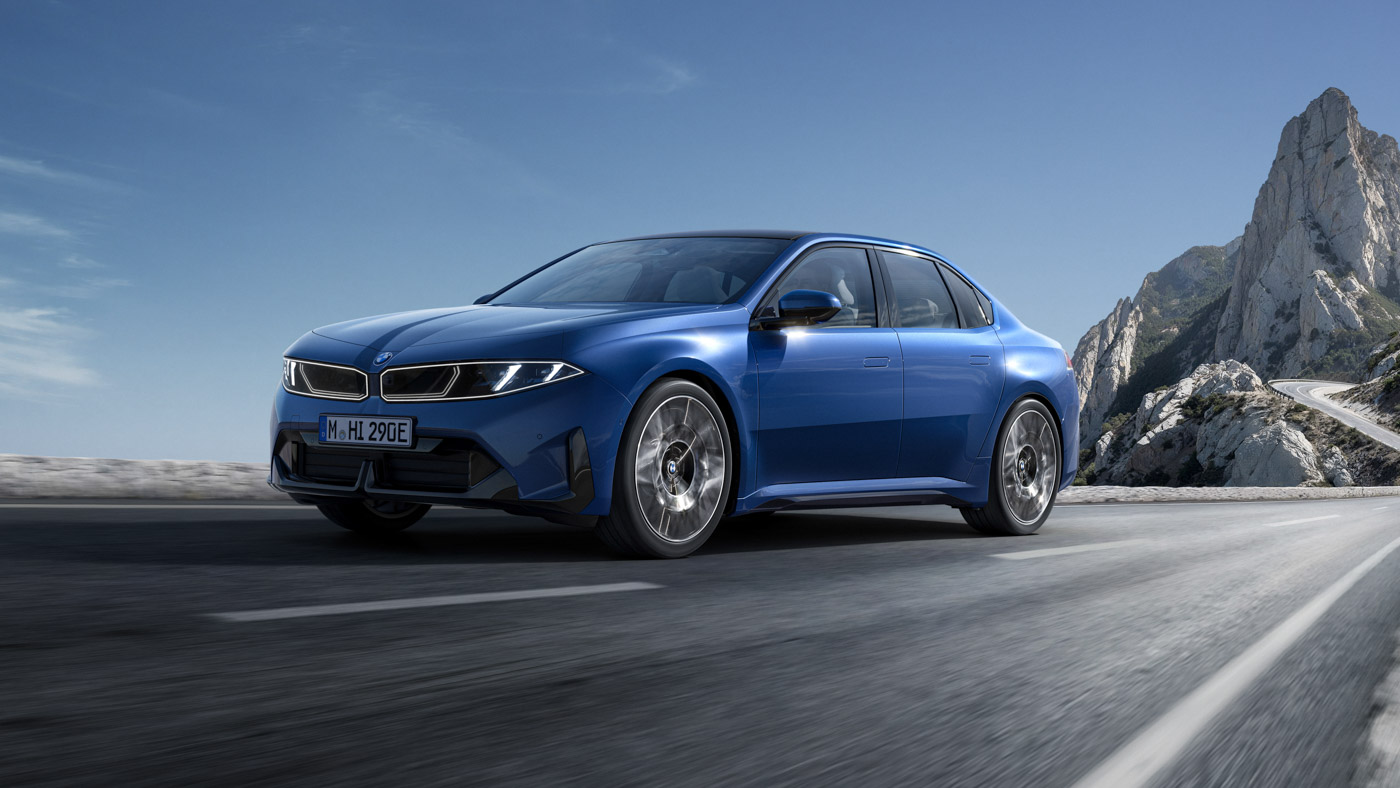
This is it: the much-anticipated BMW i3. As the second model built on the brand’s Neue Klasse platform following the iX3, the all-electric sedan could be the most important step-change in the BMW 3 Series’ history. Codenamed NA0, this all-new model will debut first as a fully electric vehicle (EV), with internal combustion engine (ICE) versions, as well as a newly announced touring variant set to follow shortly after.
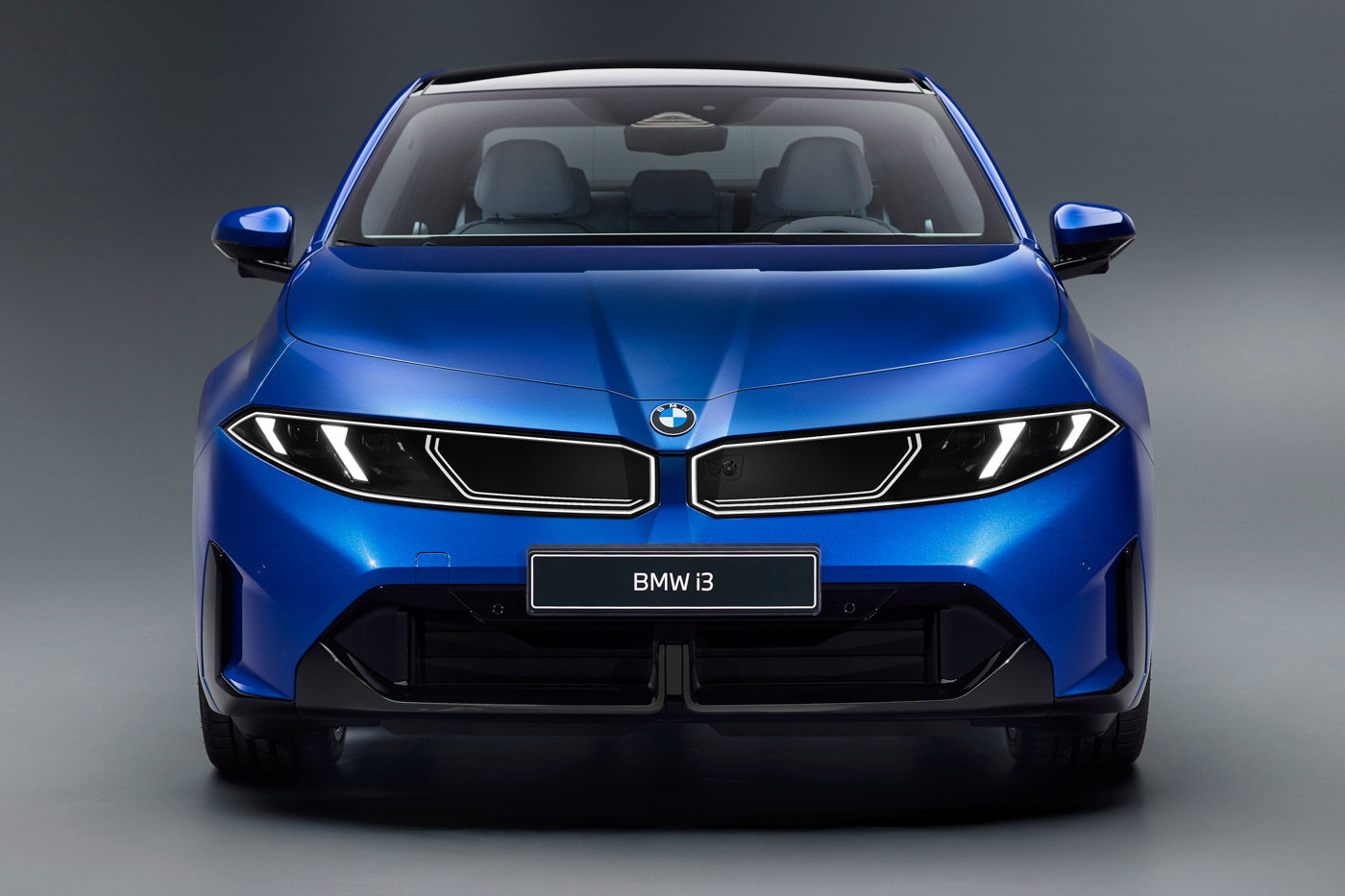
The new BMW i3, of course, presents a completely new design language, but somehow still undoubtedly recognisable as a BMW 3 Series. According to BMW, its looks are heavily inspired by the original Neue Klasse series of models that were launched back in 1961, which formed the foundation of not just the 3 series, but also the BMW brand as a whole.
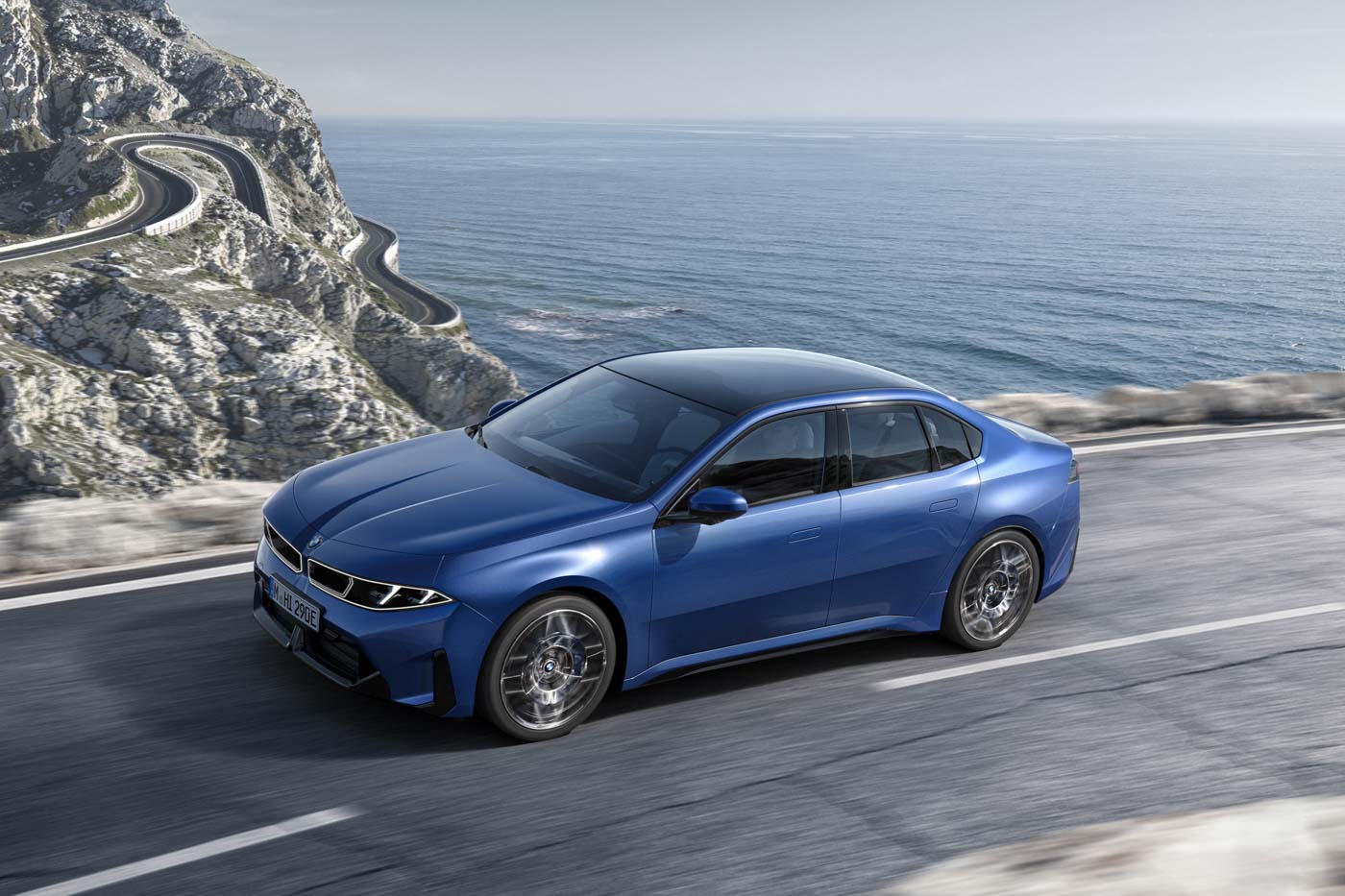
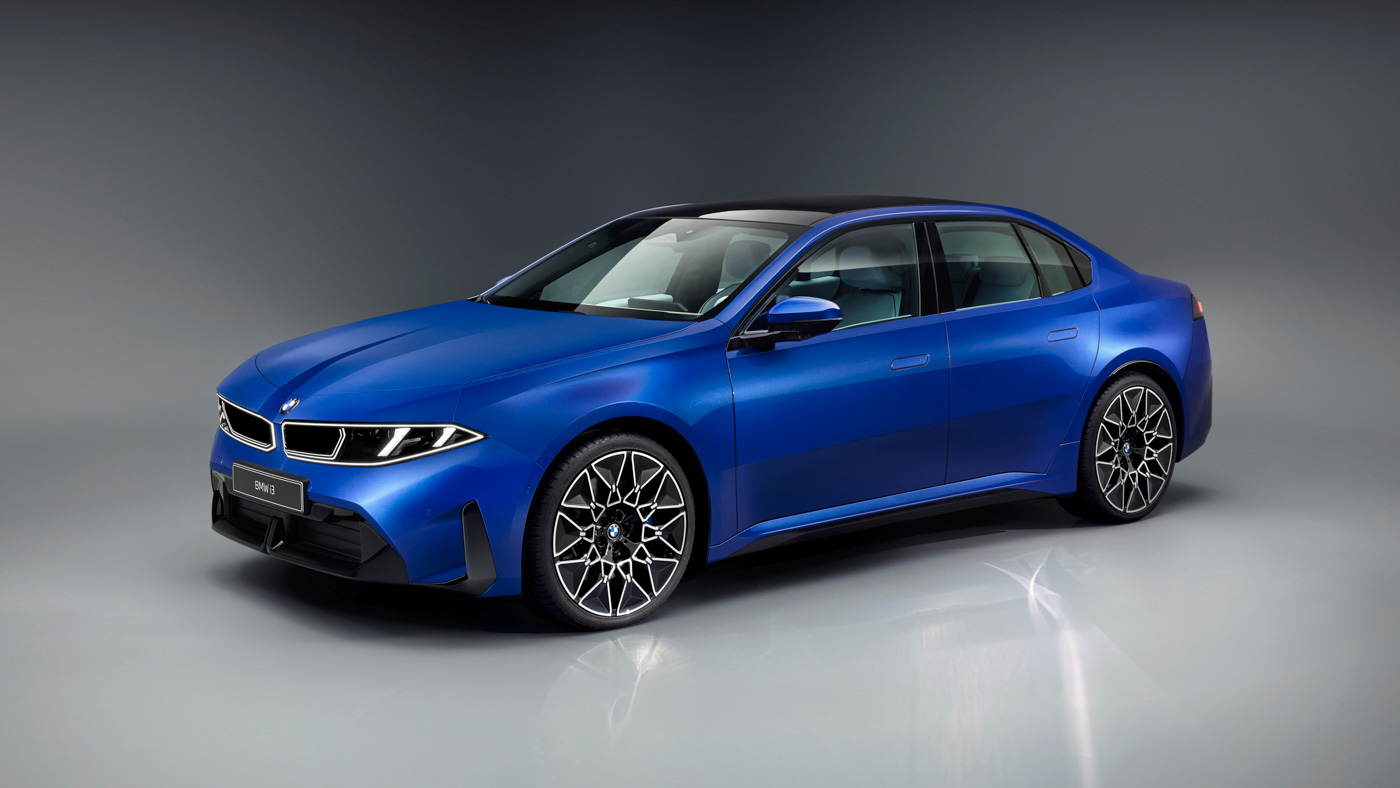
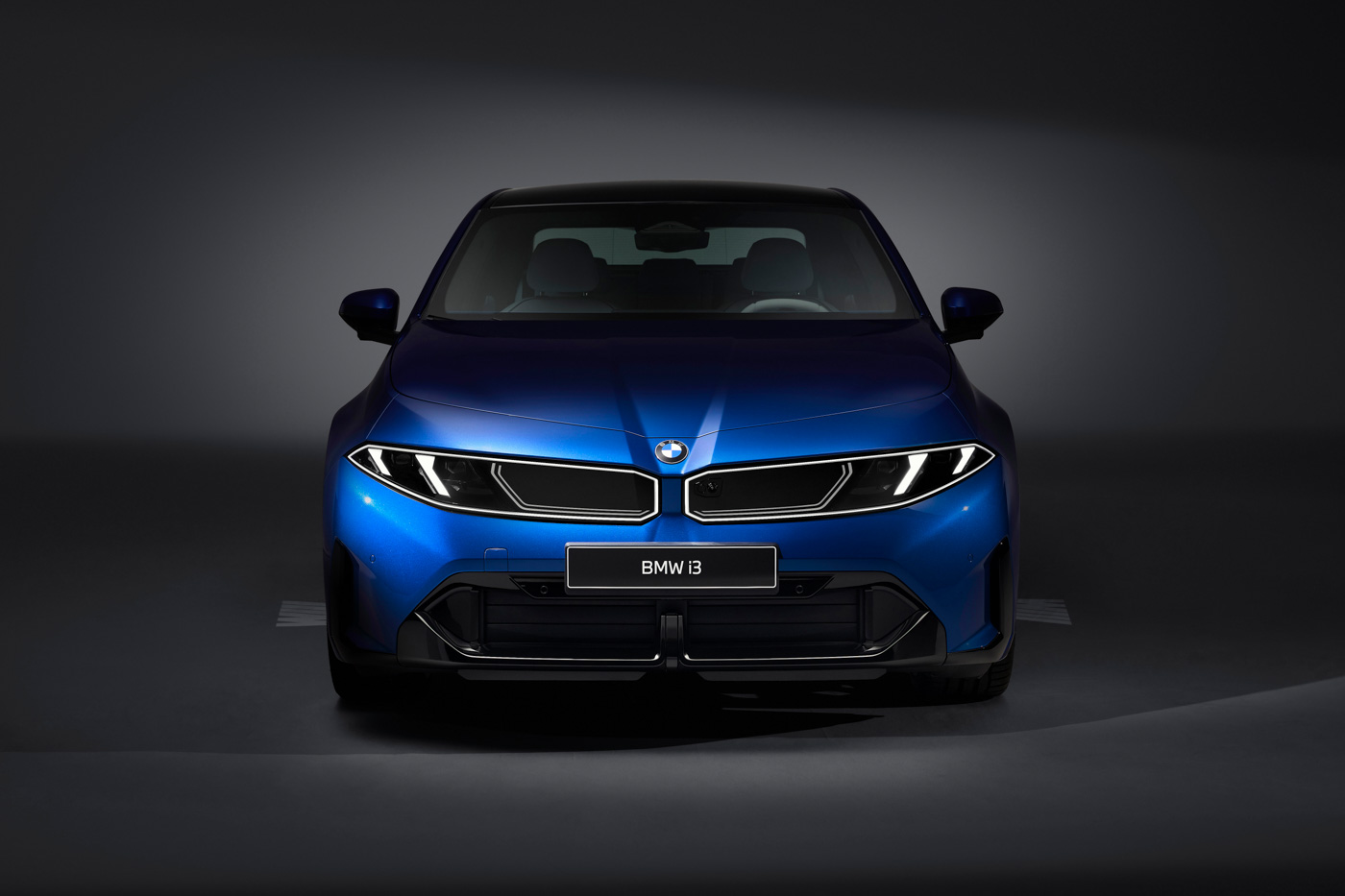
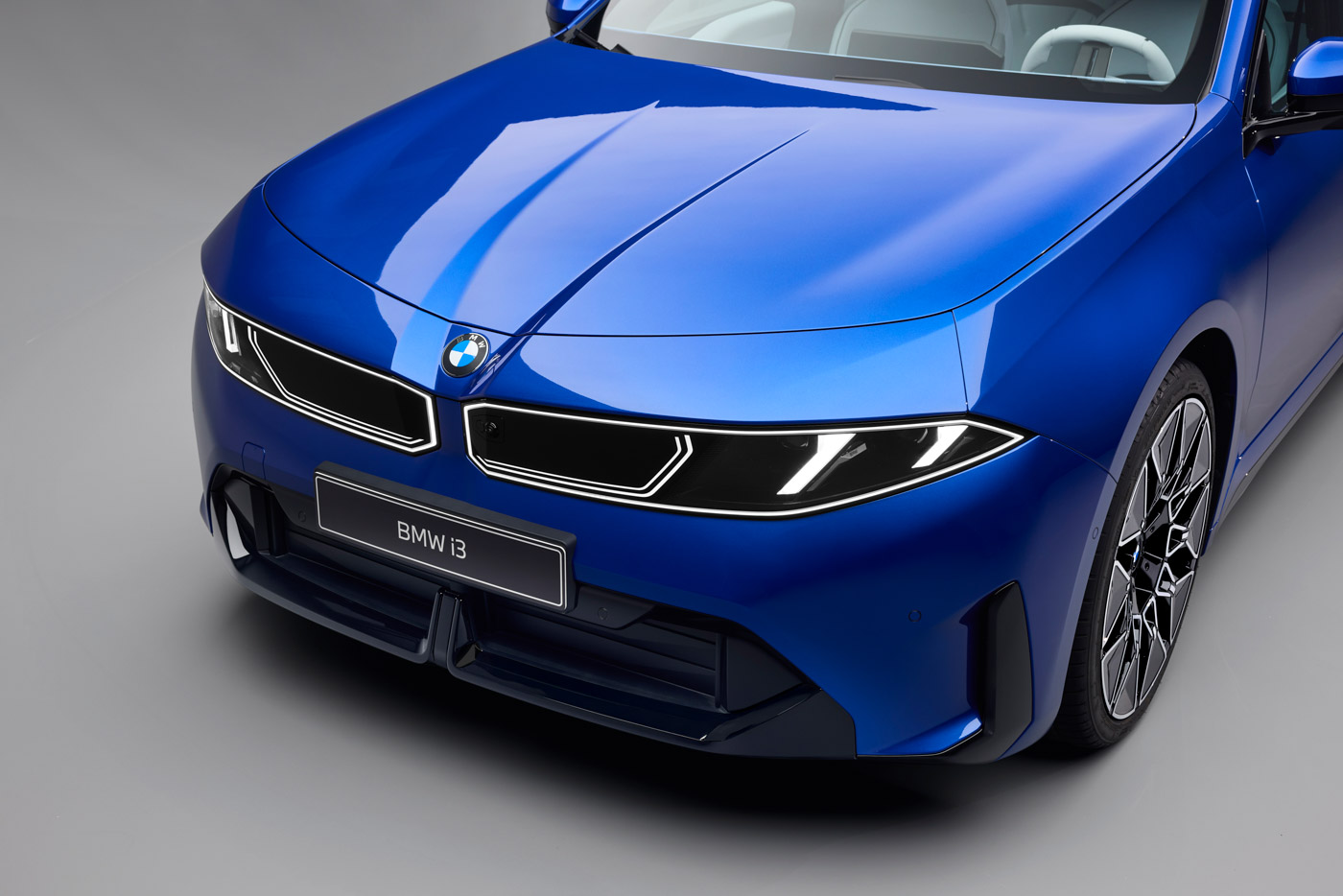
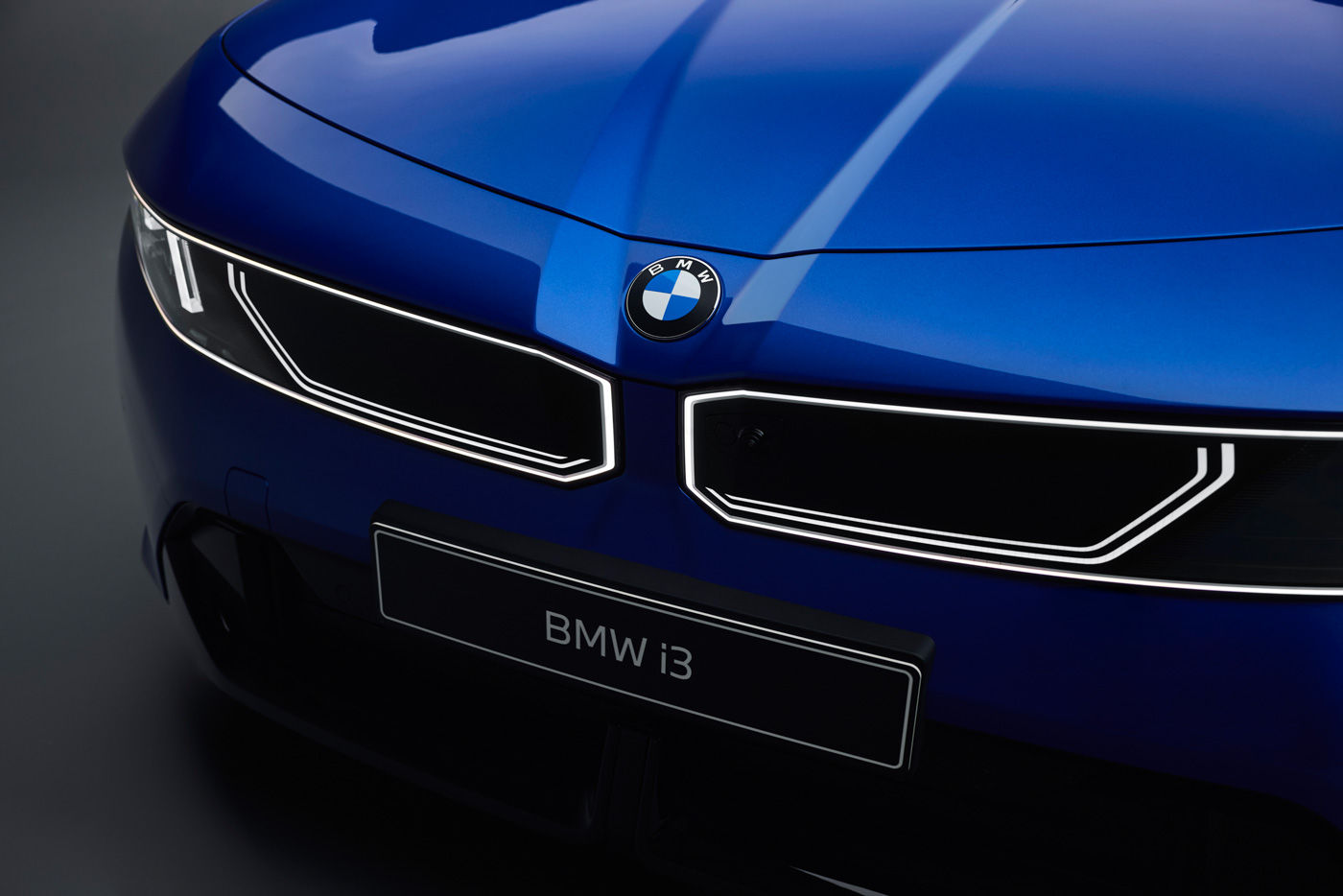
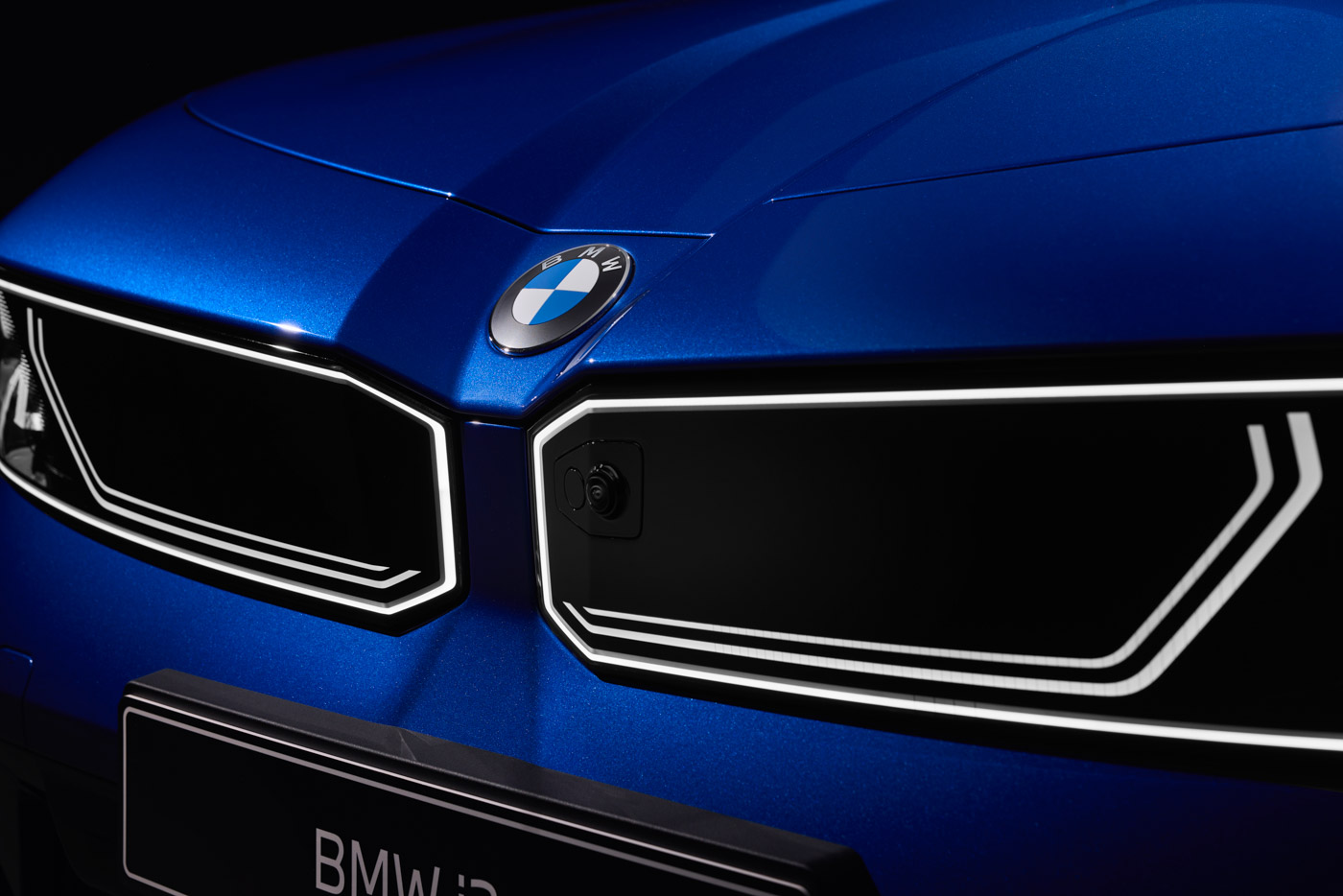
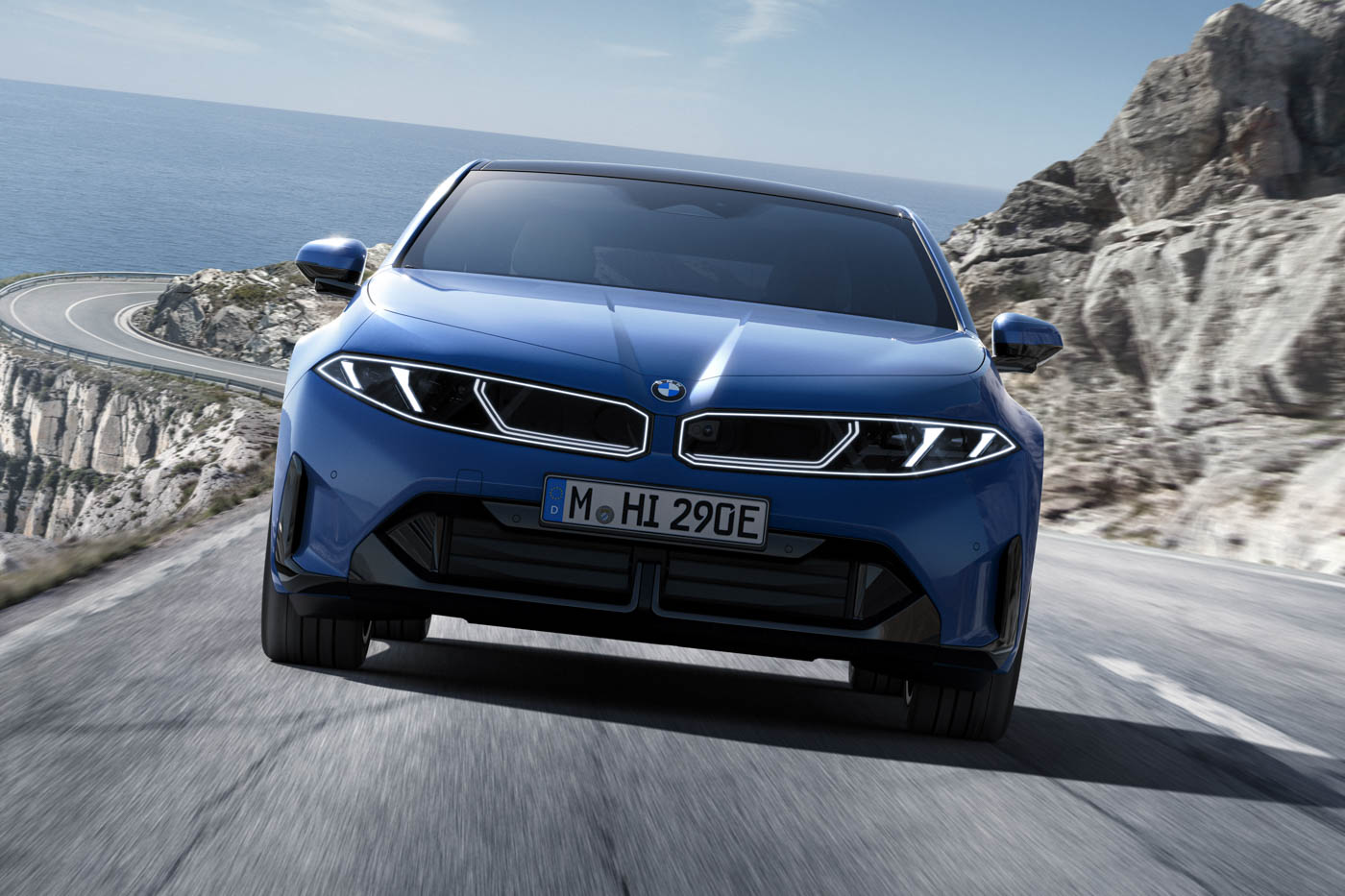
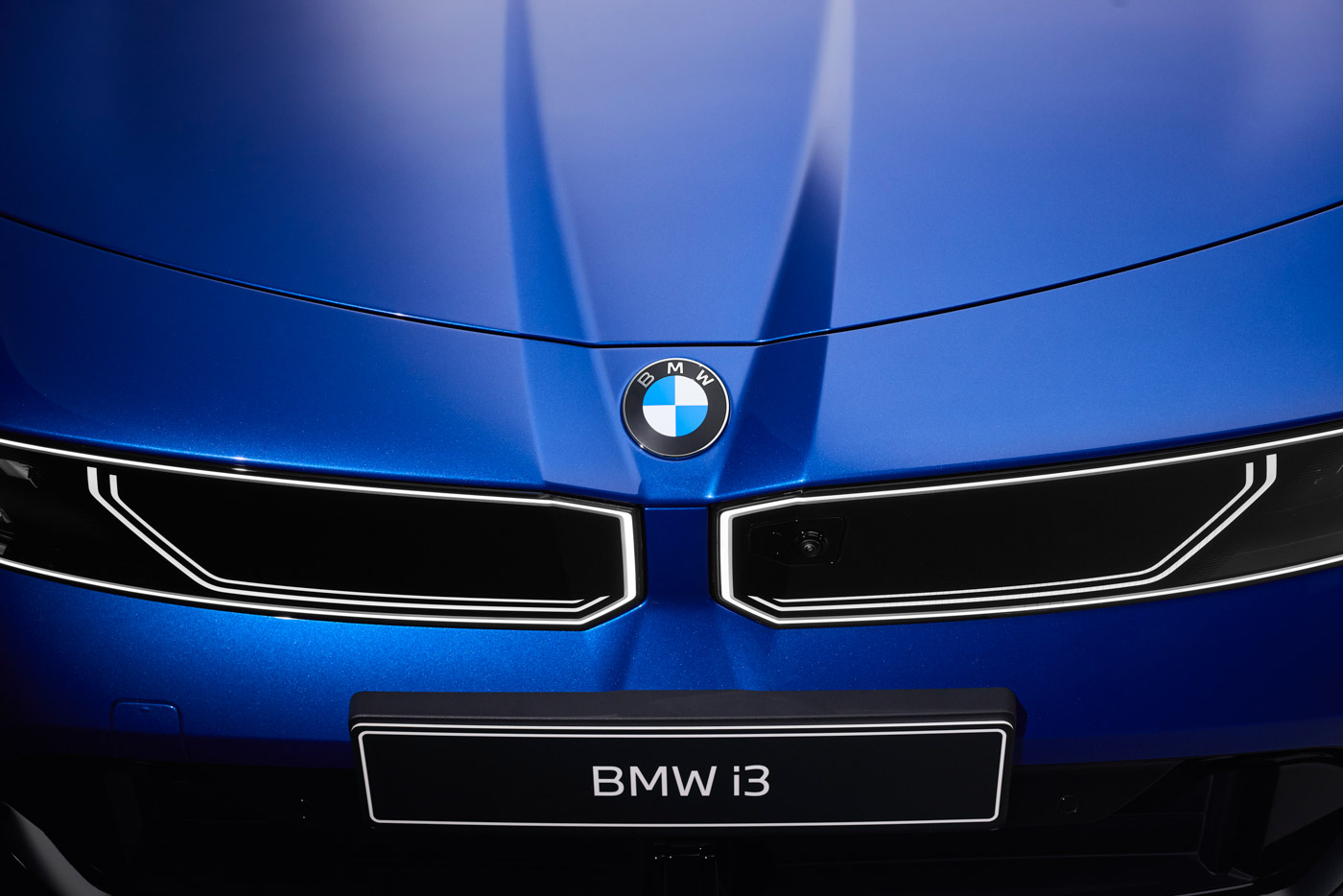
Unlike the iX3, the BMW i3 sports a light signature and kidney grille that are all housed in an integrated panel, retaining that signature BMW four-eyes look. While it may look like a complete departure from the previous few generations of 3 Series models, a look back at BMW’s original Neue Klasse reveals the inspiration behind it. In fact, its design is arguably more faithful to the original than ever before.
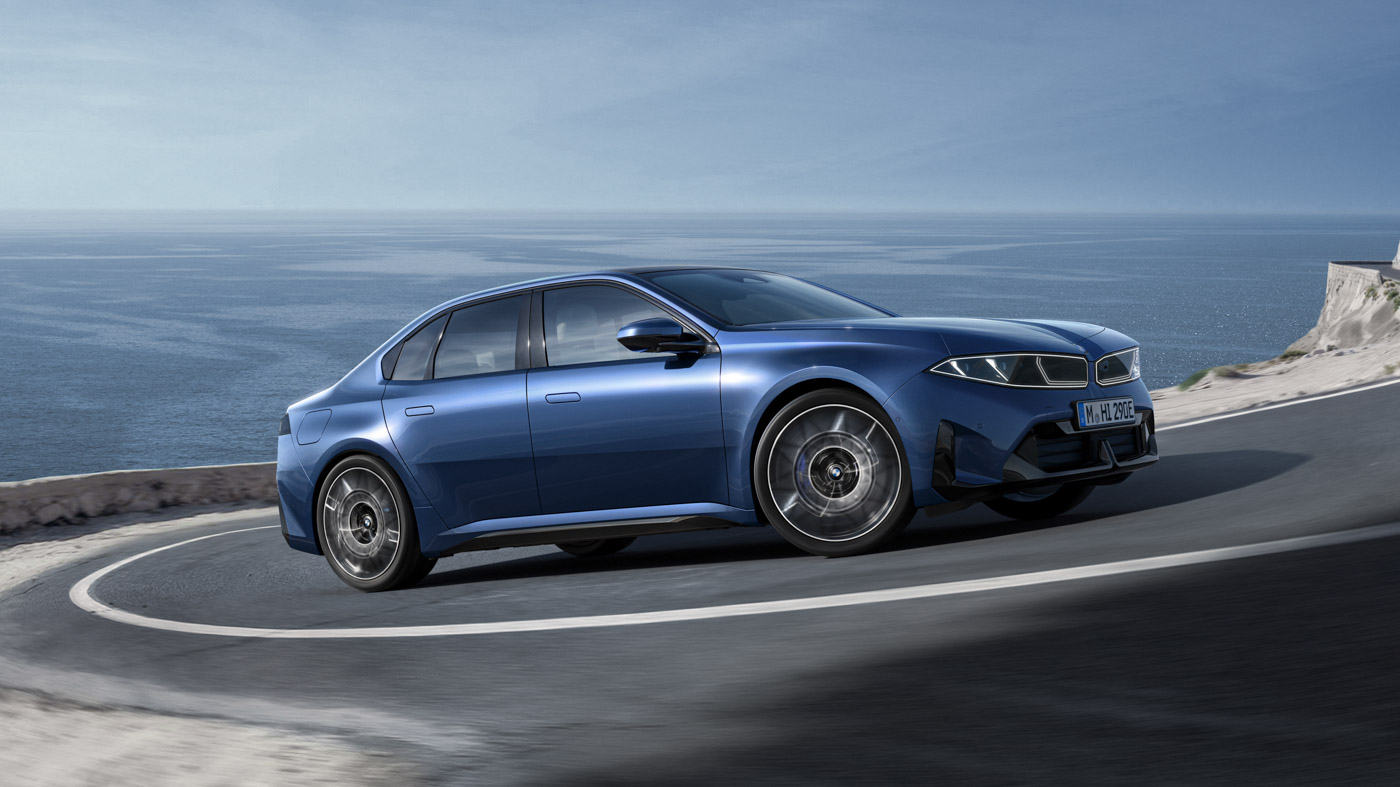
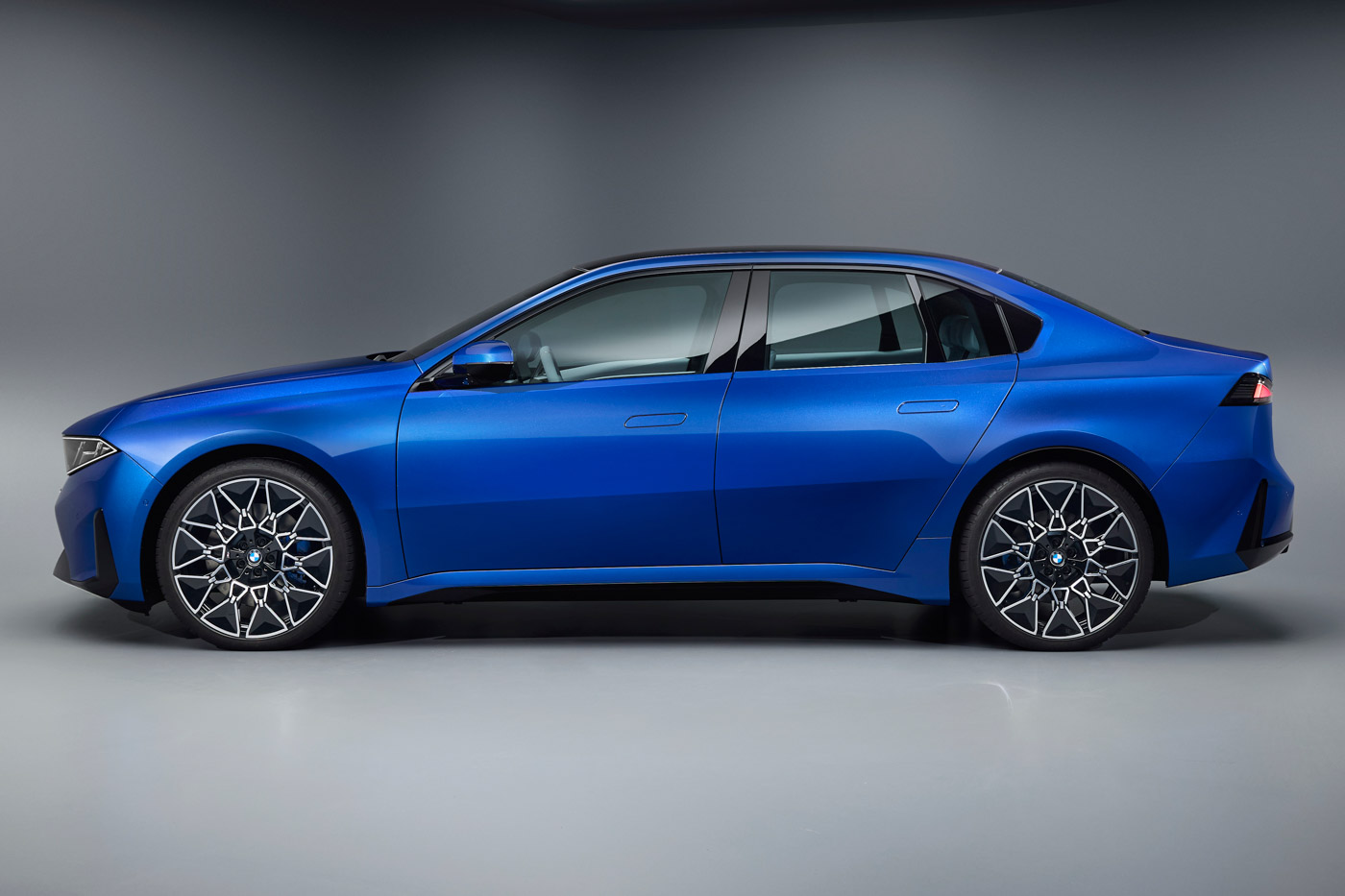
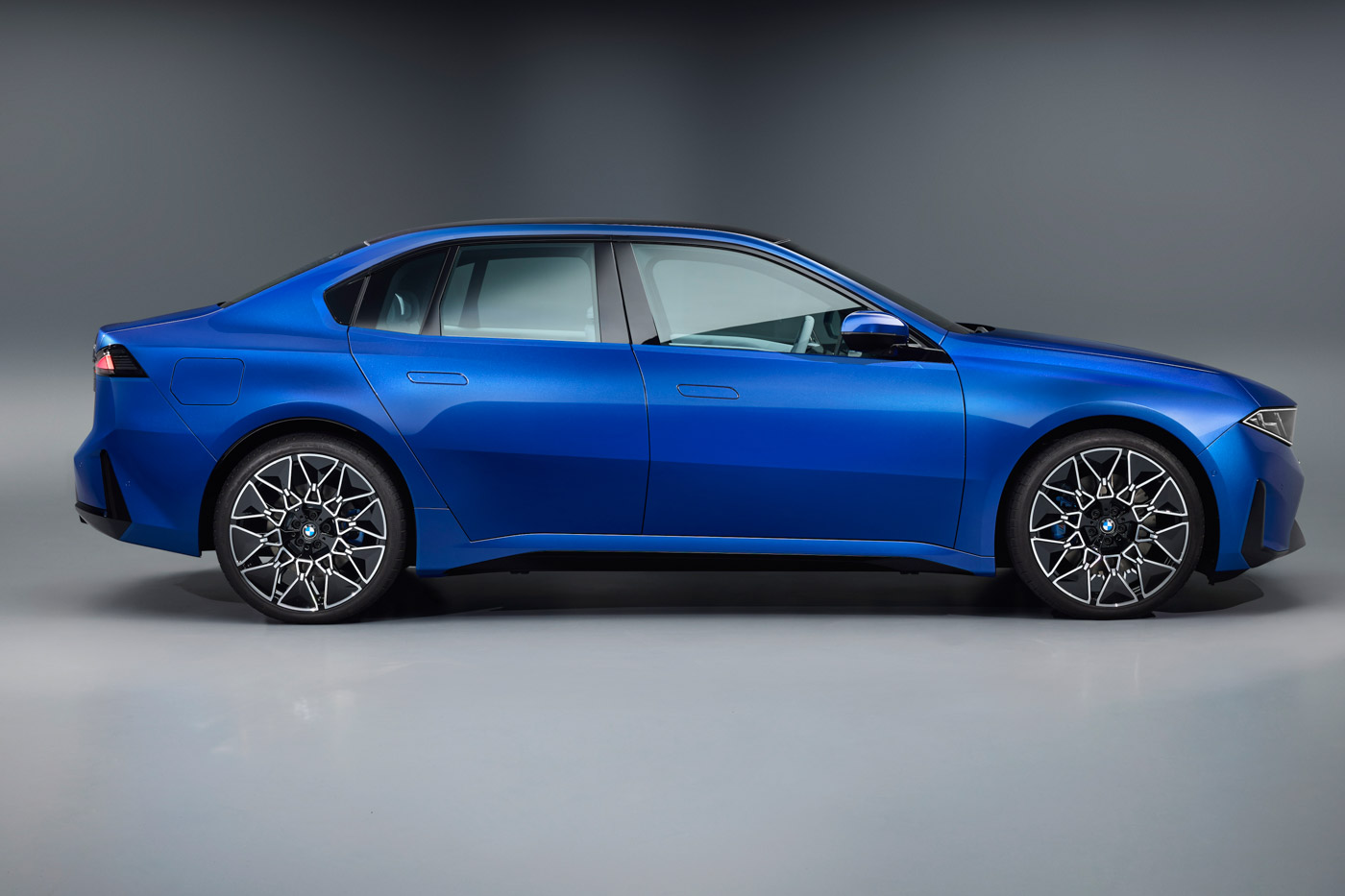
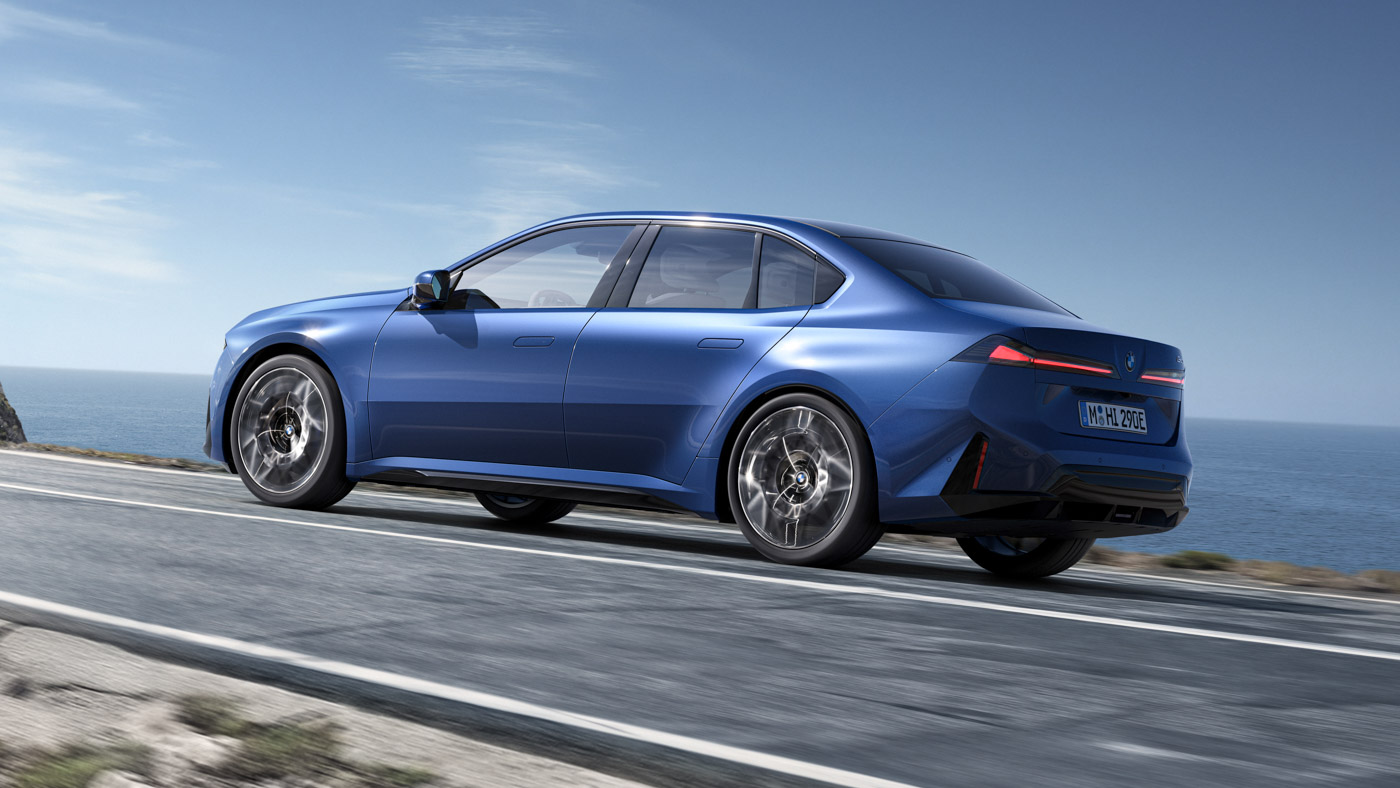
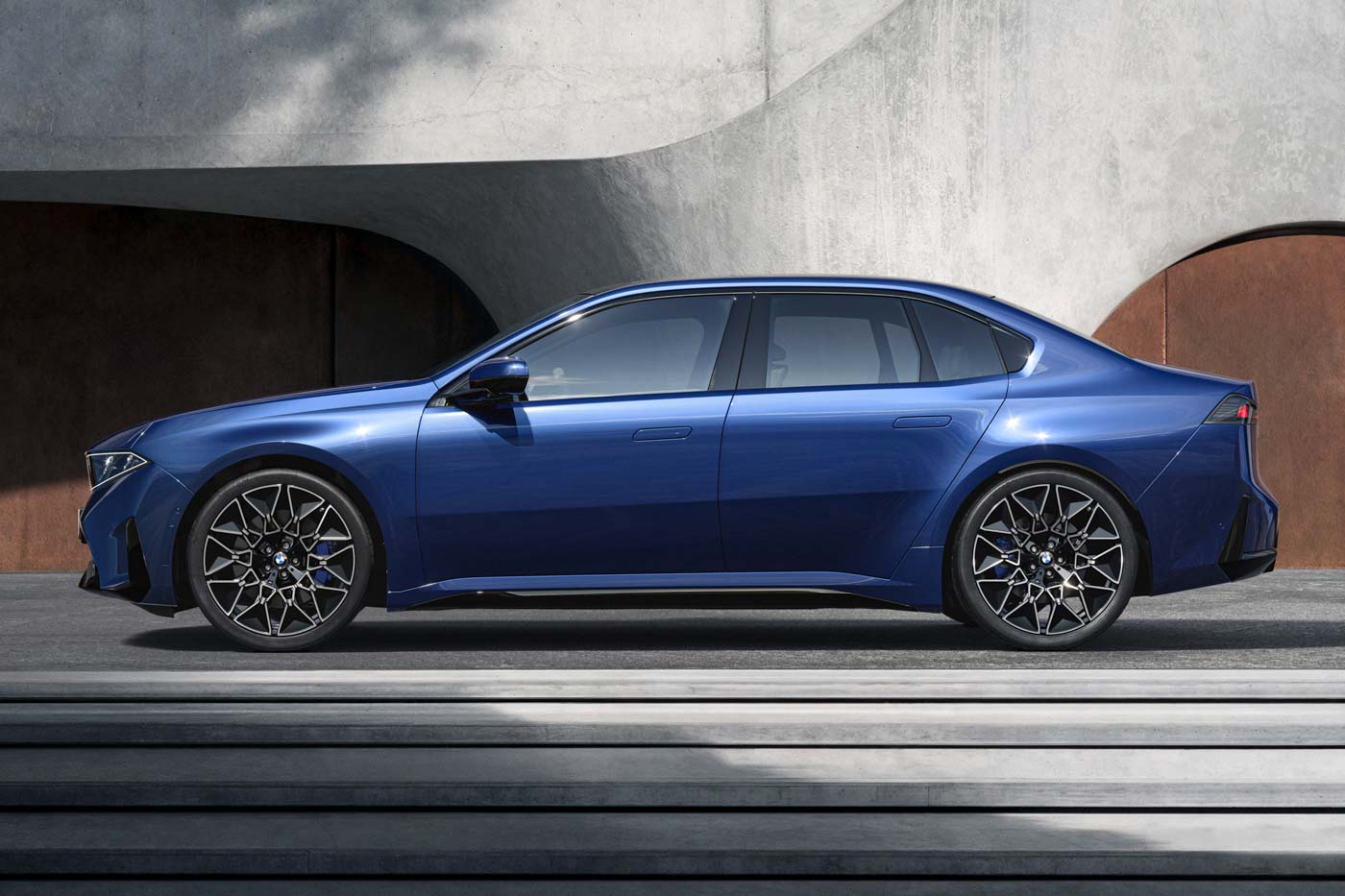
Down the sides, the car is styled to be a boxy sedan for what the company calls its“ 2.5-box design”. It presents a compact and sporty look at a distance, but wide and prominent up close.
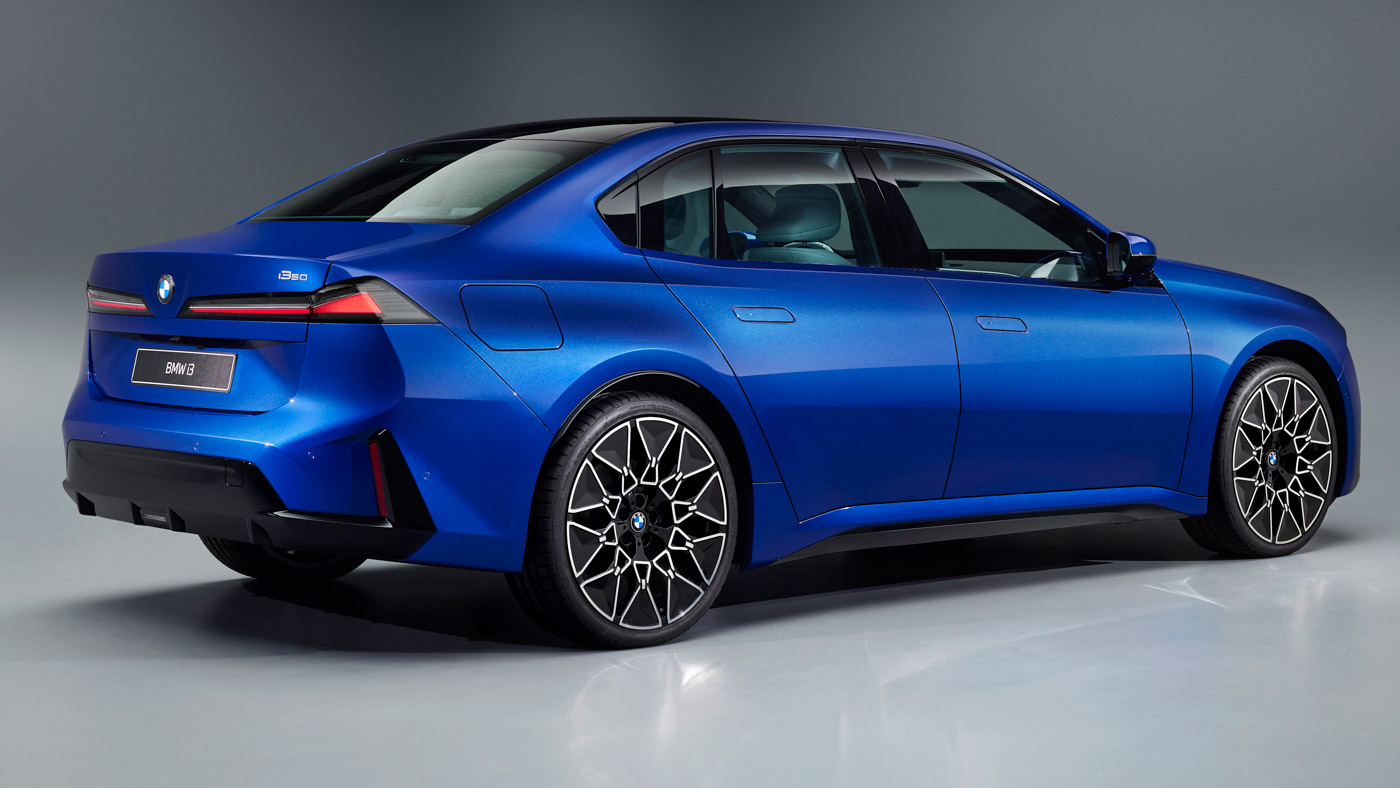
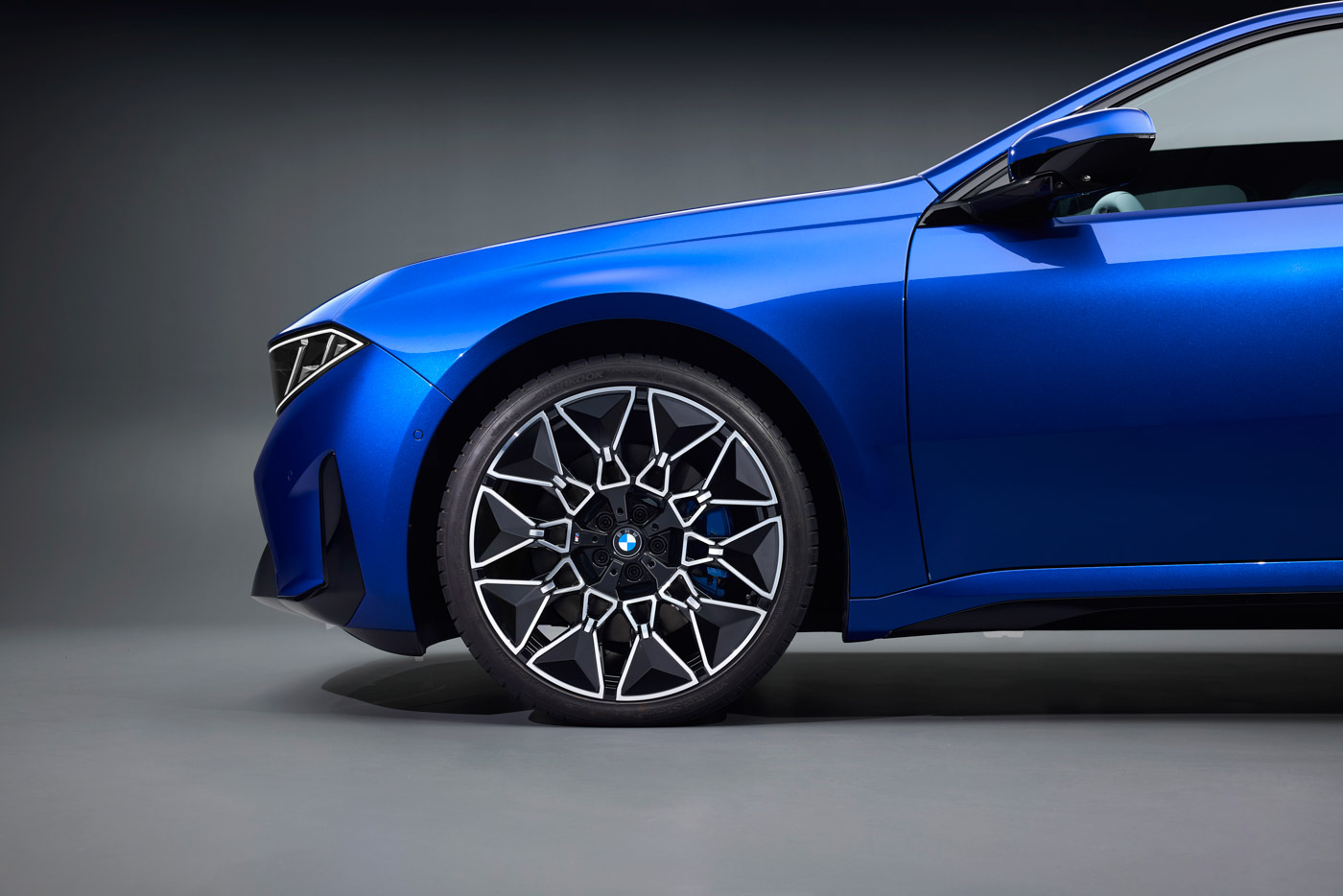
Thats Because it’s not a small car. The BMW i3 measures 4,760 mm long, 1,865 mm wide, 1,480 mm tall, and has a wheelbase of 2,897 mm. This makes it 47 mm longer, 38 mm wider and 40 mm taller than the old petrol model, with a wheelbase that’s 46 mm longer. Further emphasising its stance are flared wheel arches and large 21-inch wheels, while the Hofmeister kink is also now more pronounced compared to the outgoing G20 model.
ALSO READ: The upcoming BMW 7 Series facelift will come with an even more garish nostril grille
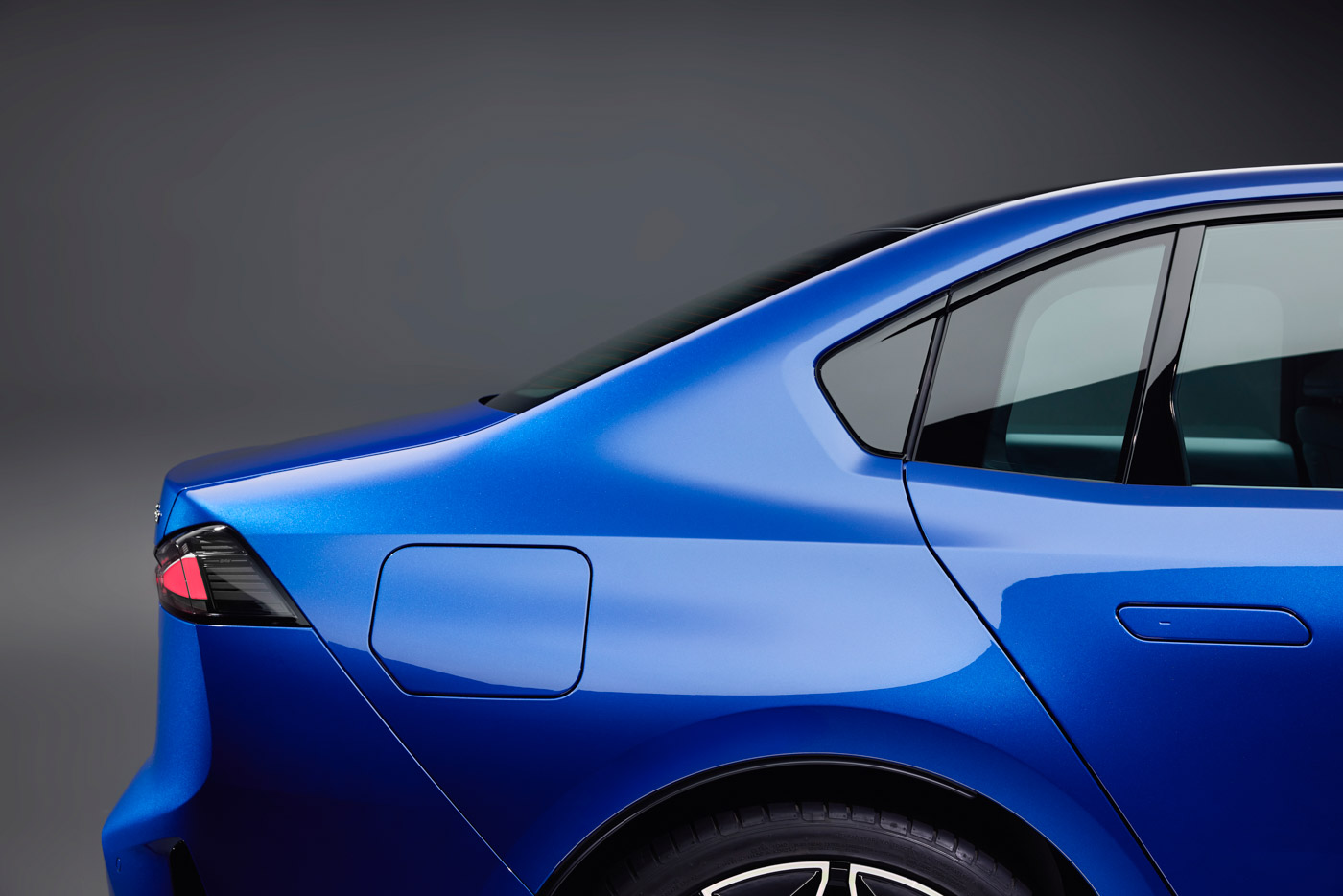
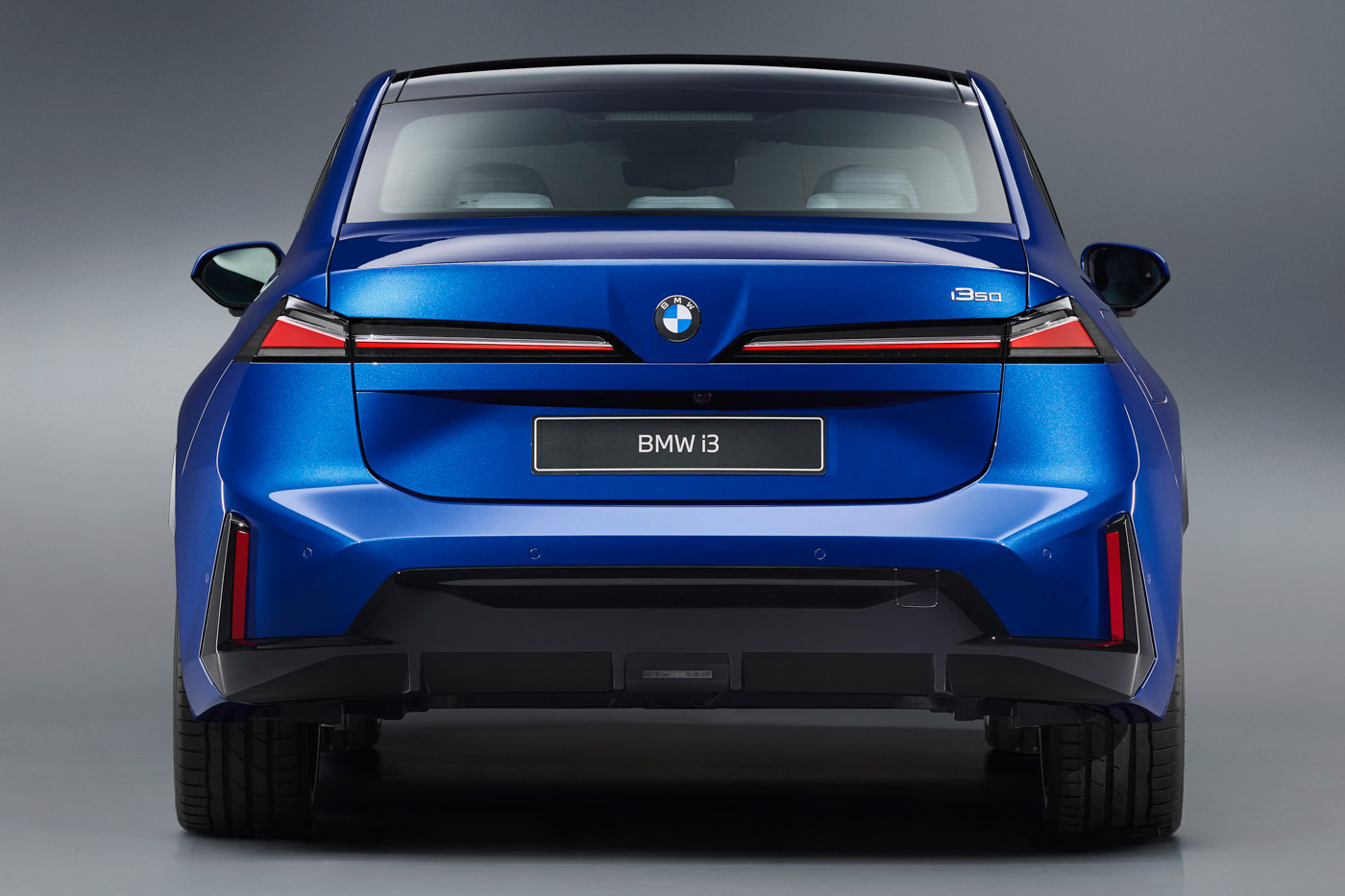
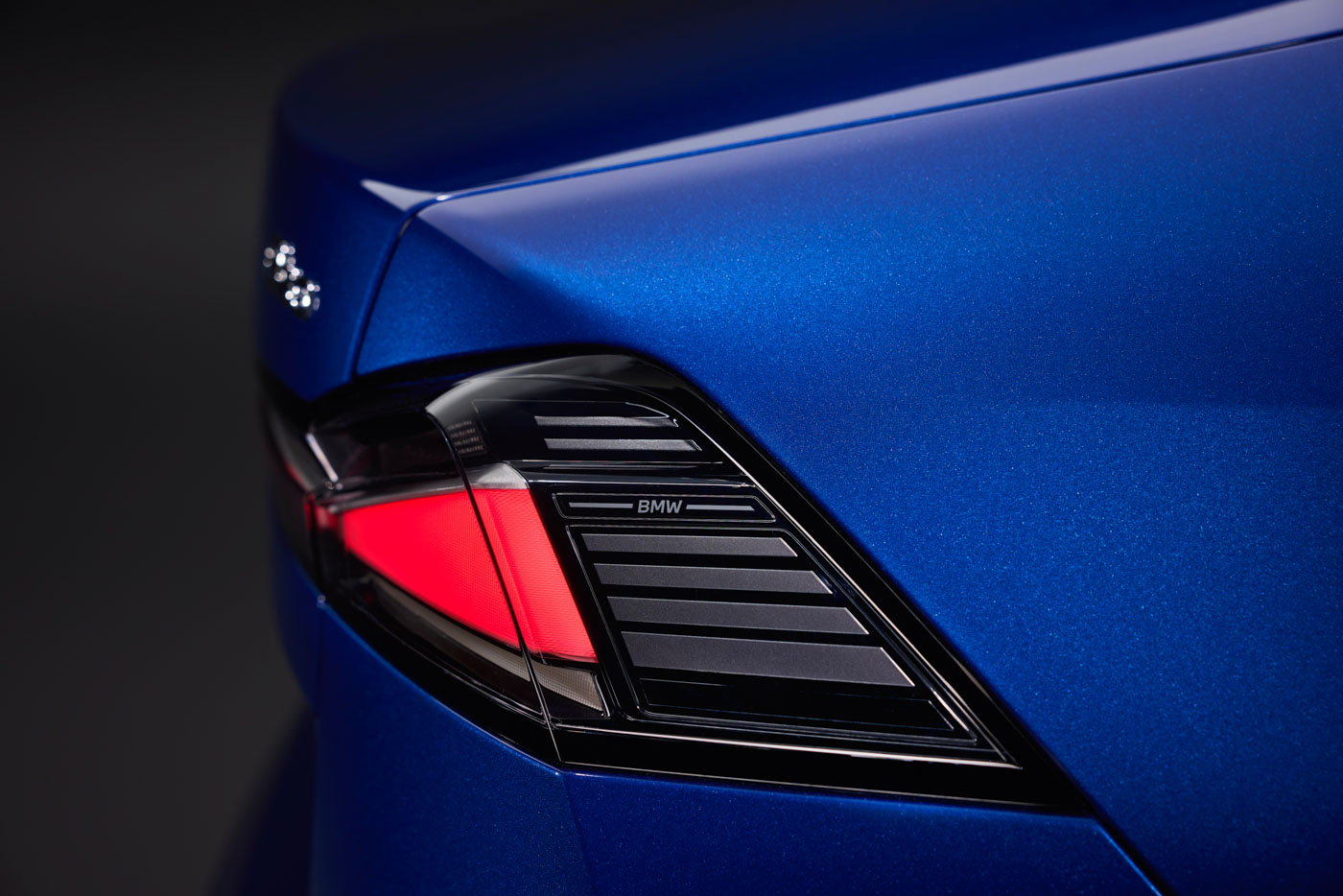
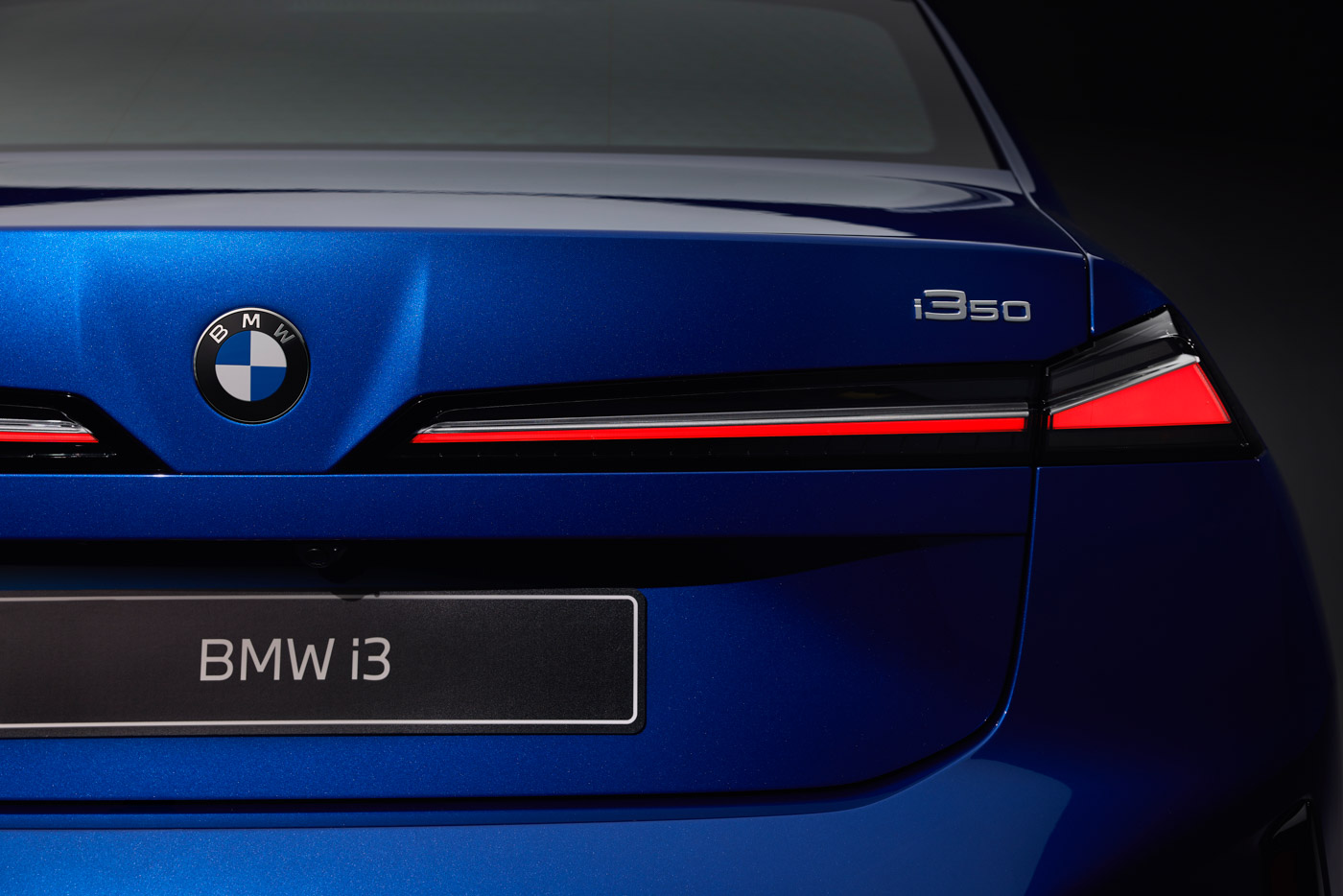
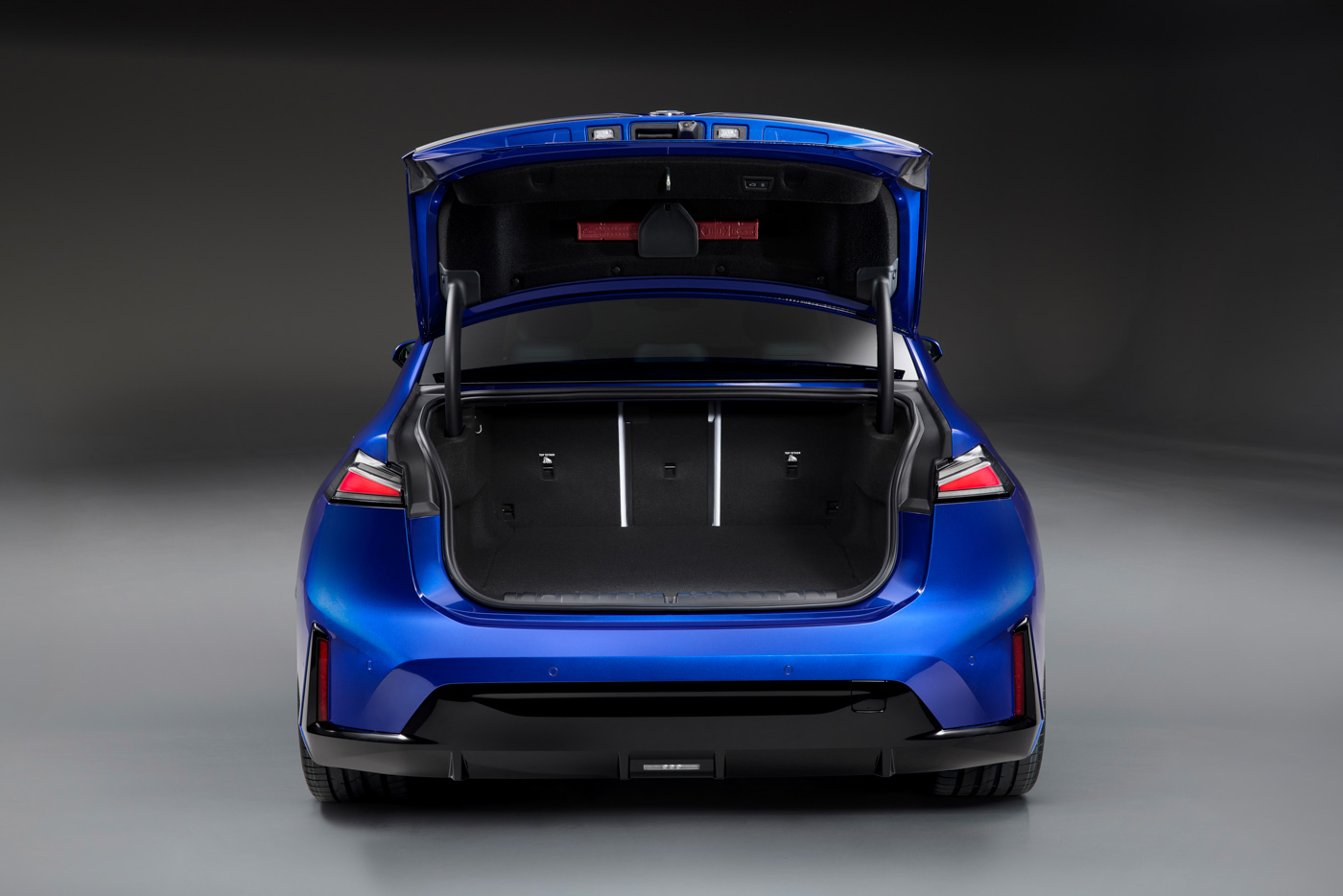
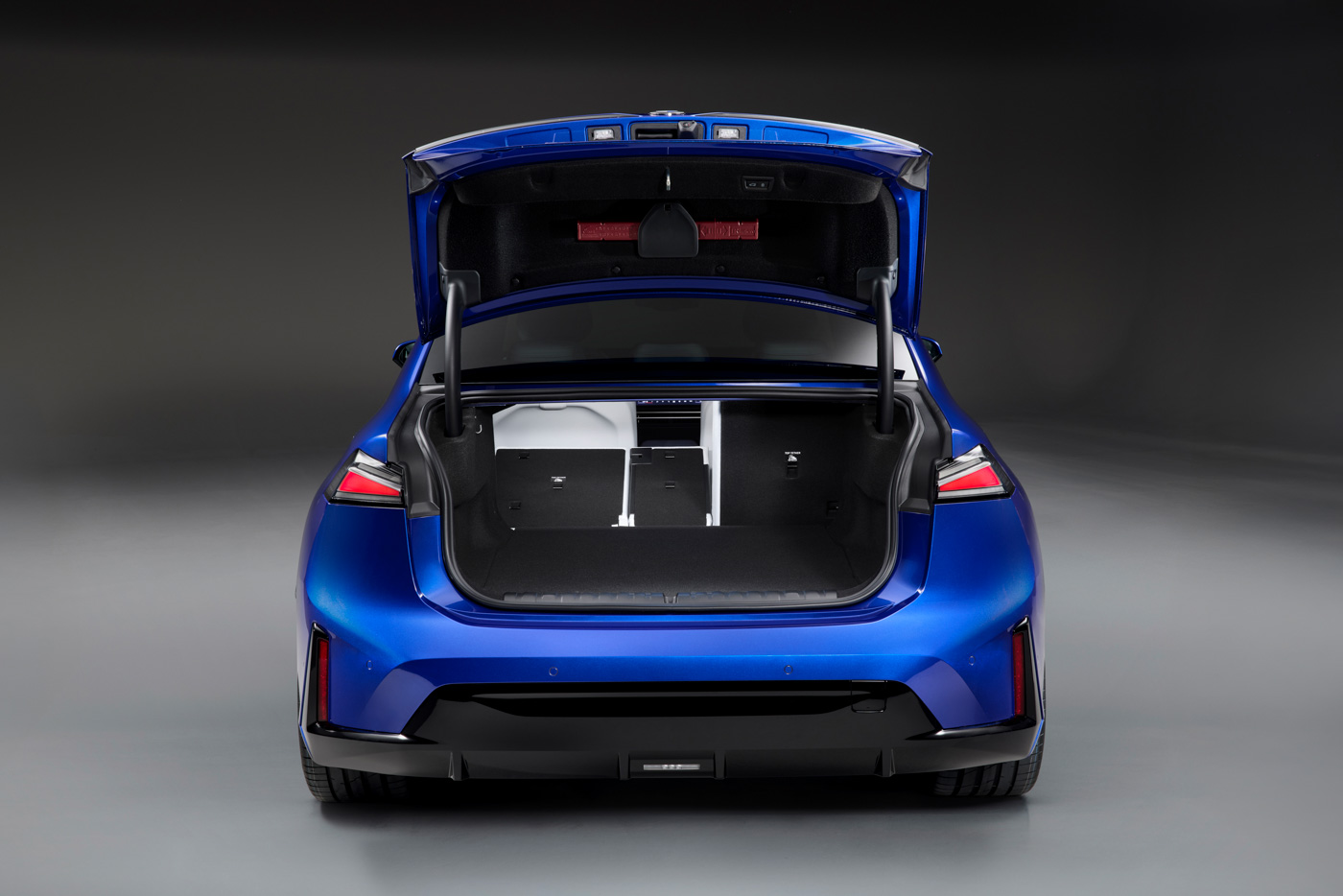
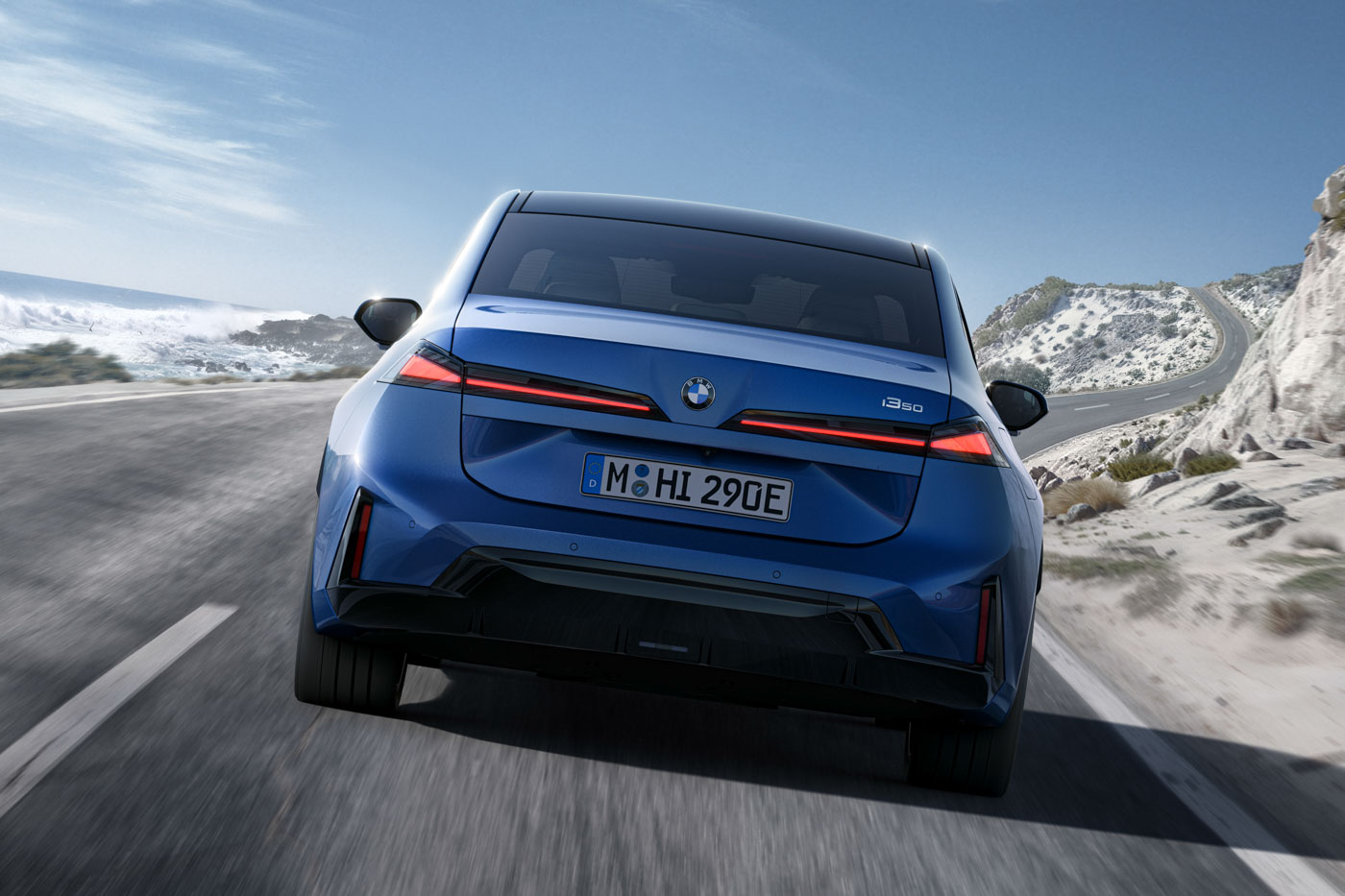
At the rear, the design takes cues from the G20 and modernises it further, featuring slimmer L-shaped taillights. Despite the redesign, everything remains where it should be—the number plate, reflectors, and even the BMW roundel, the latter now housed within a valley-like contour that mirrors the front-end design.
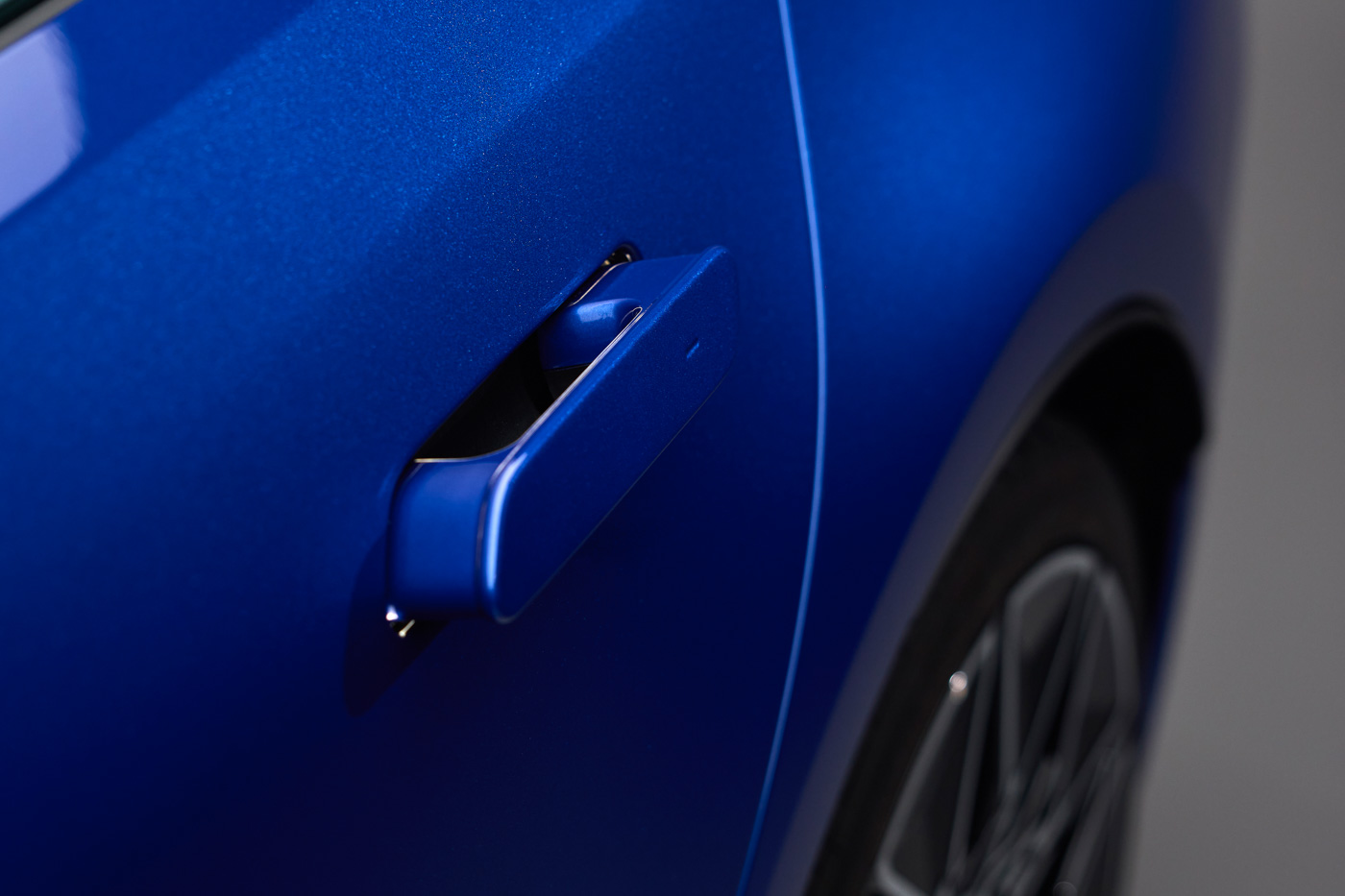
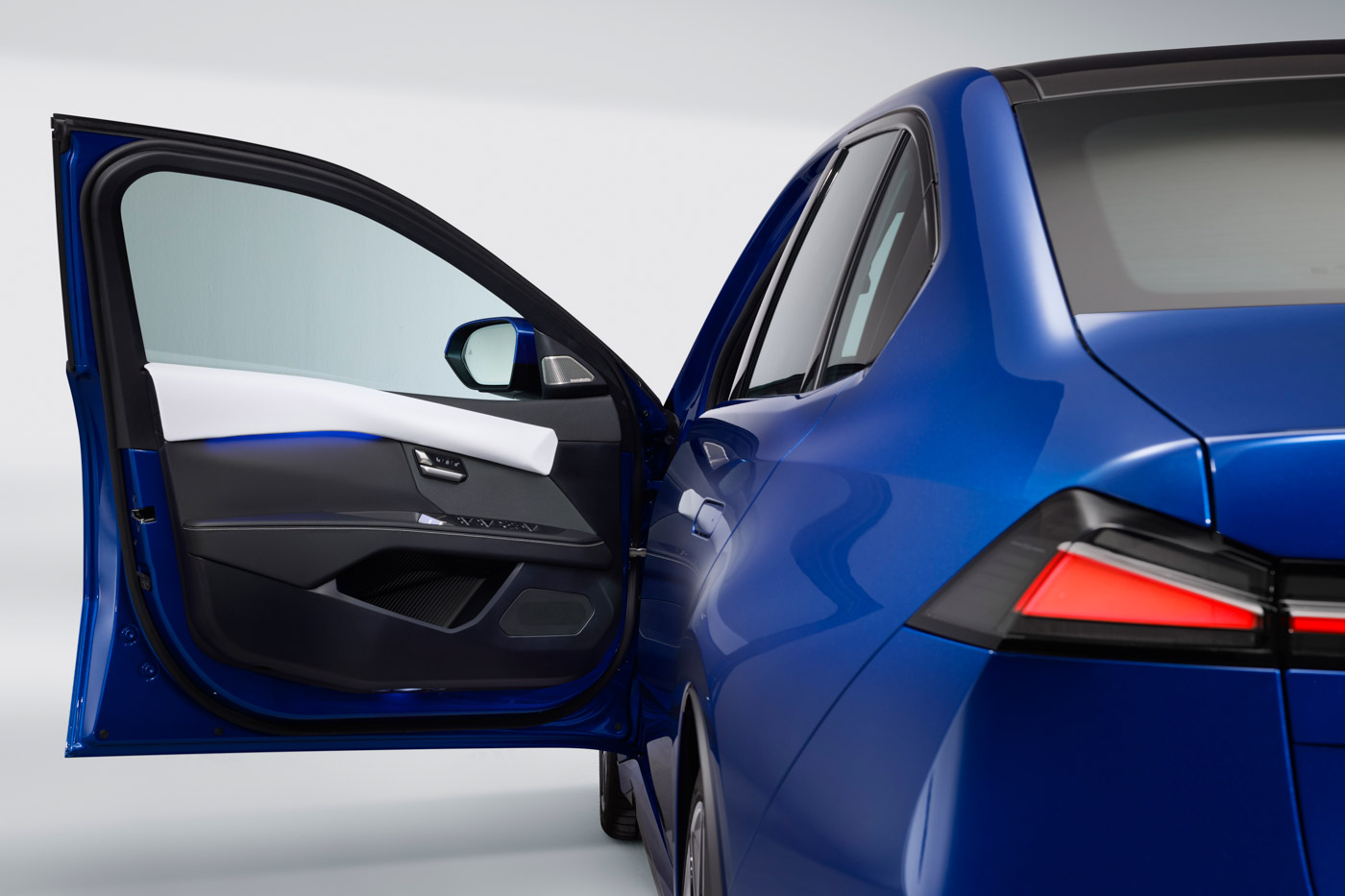
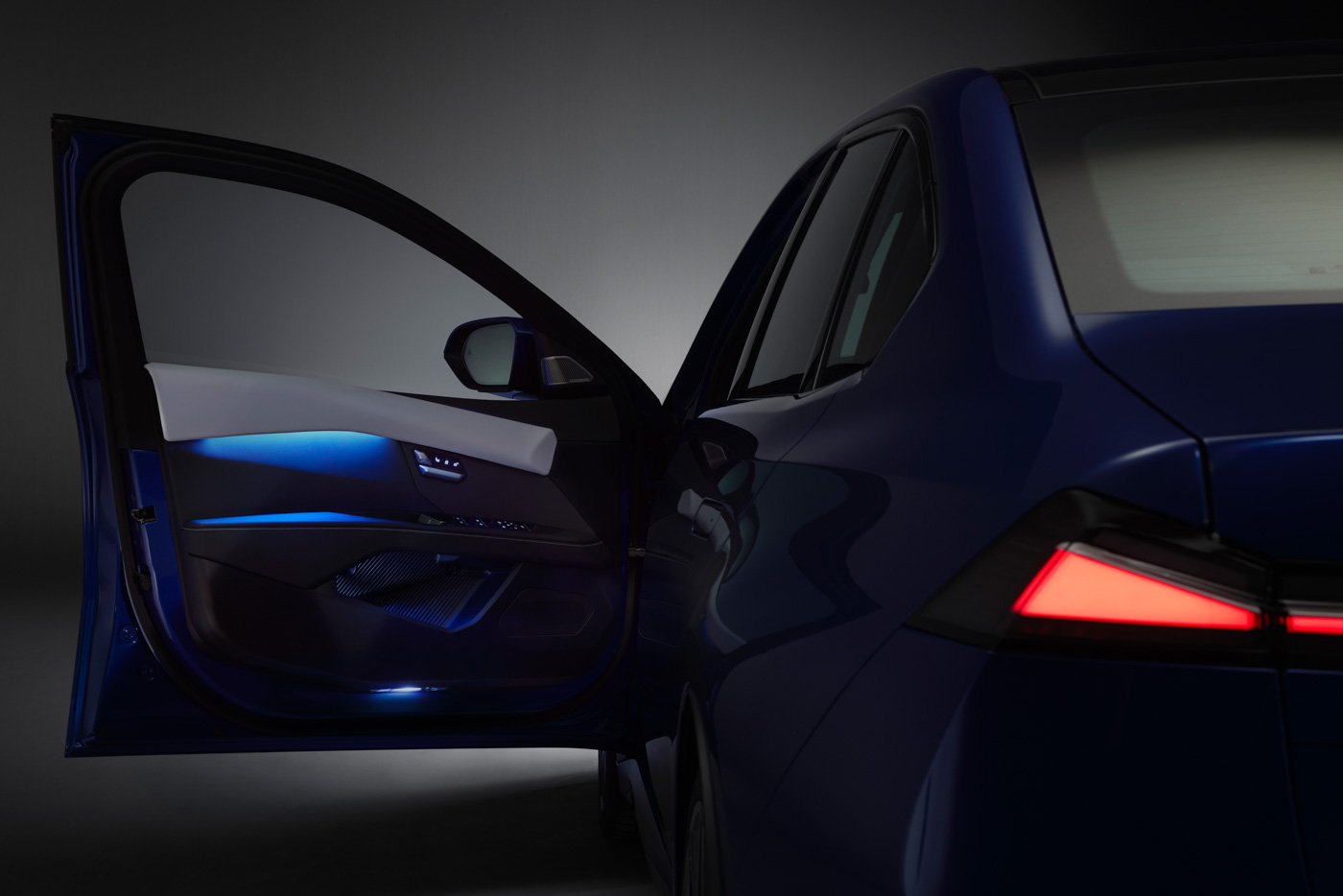
With concealed door handles and a new M Le Castellet Blue paint option, the overall design emphasises cleaner surfacing and sharper body lines, giving the car a more assertive and upmarket presence.
ALSO READ: BMW actually built an M3 Touring race car, just because their fans wanted it
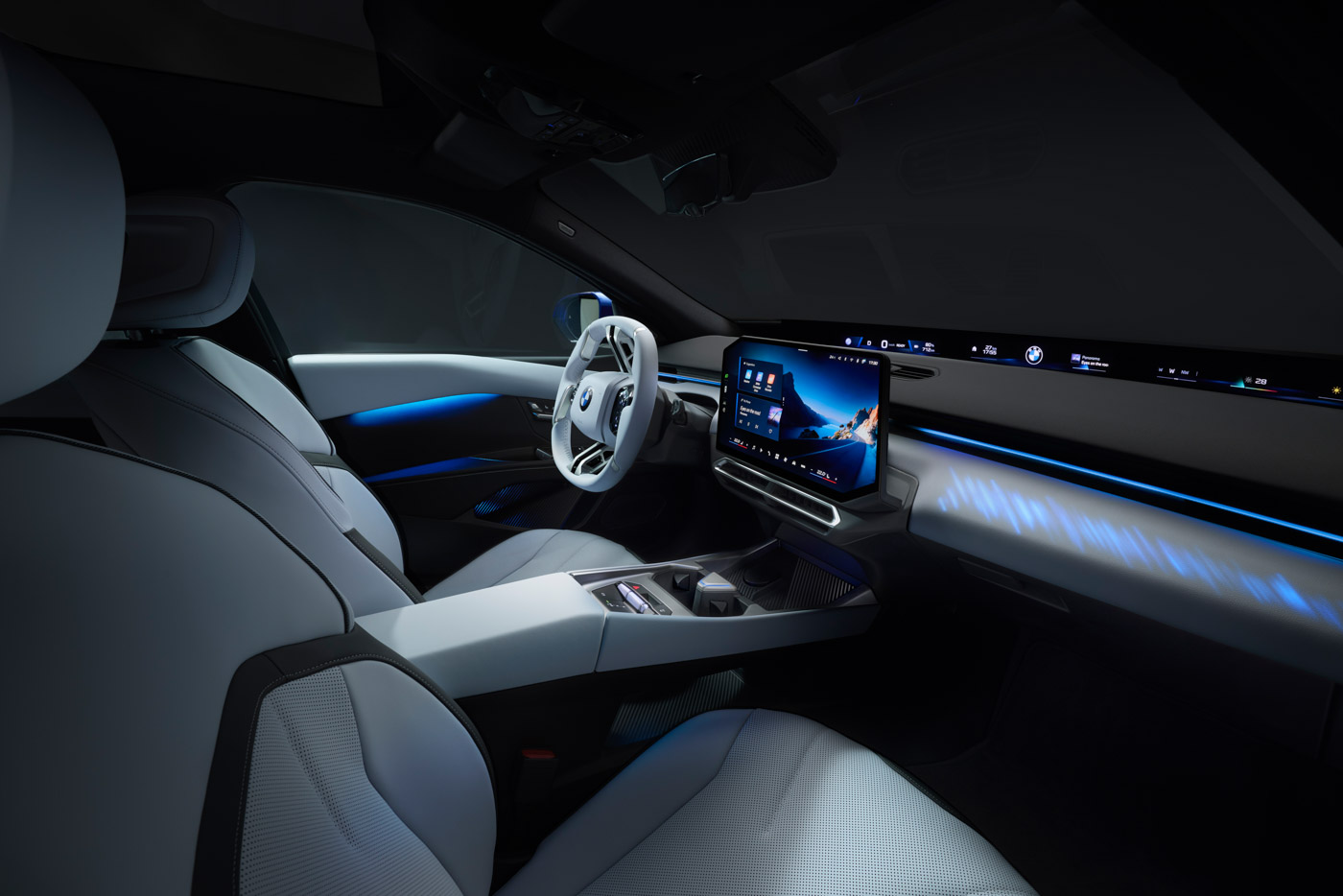
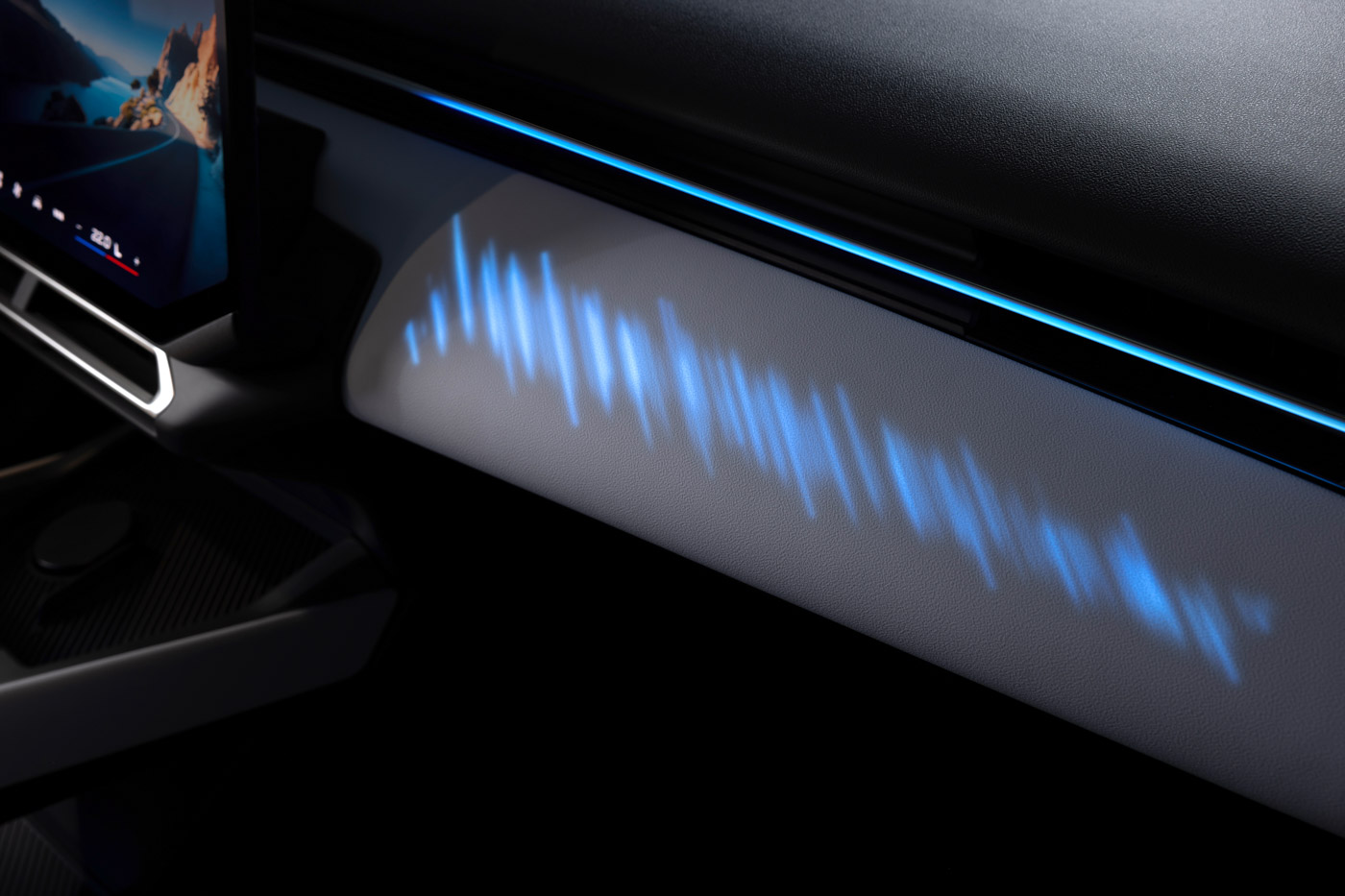
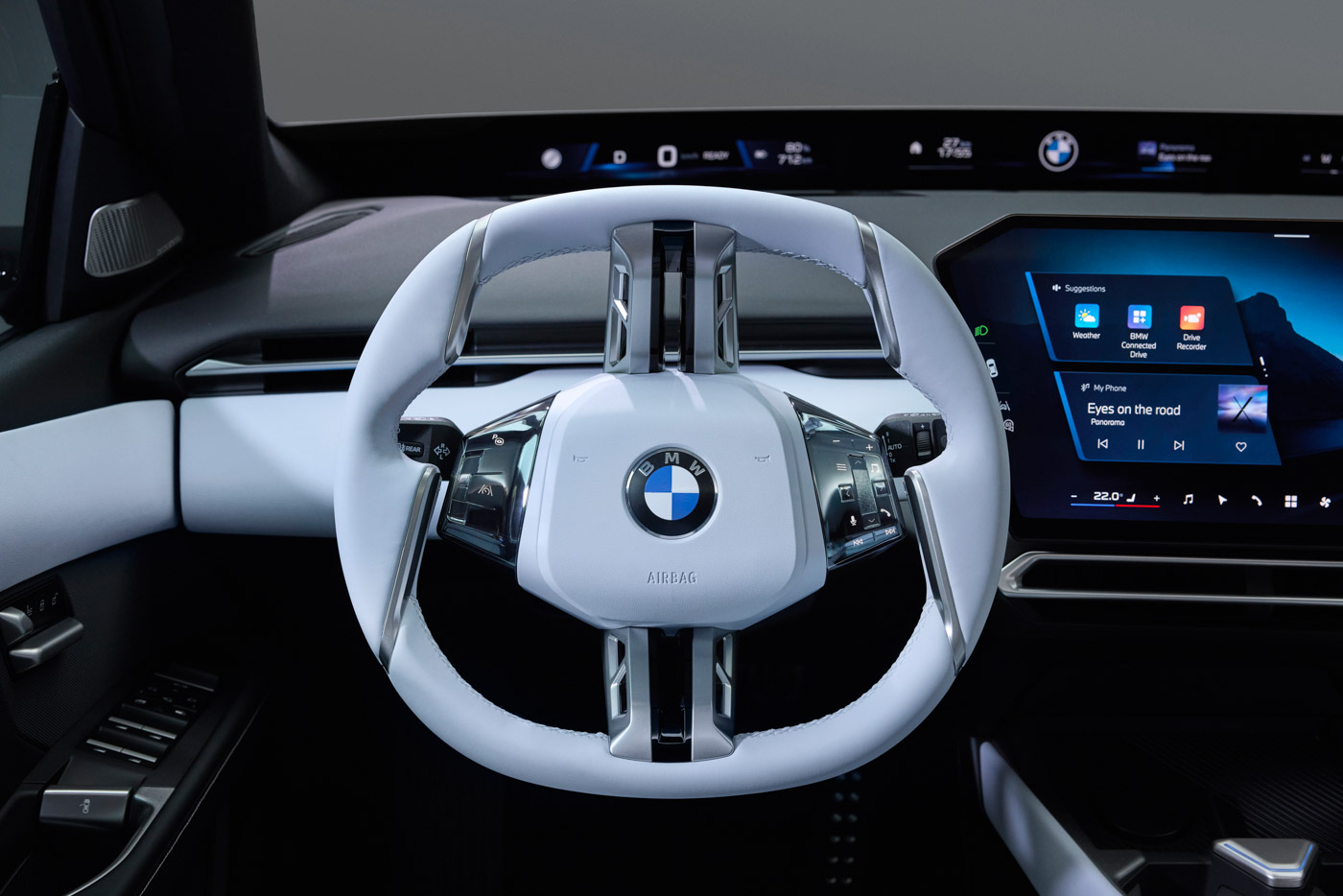
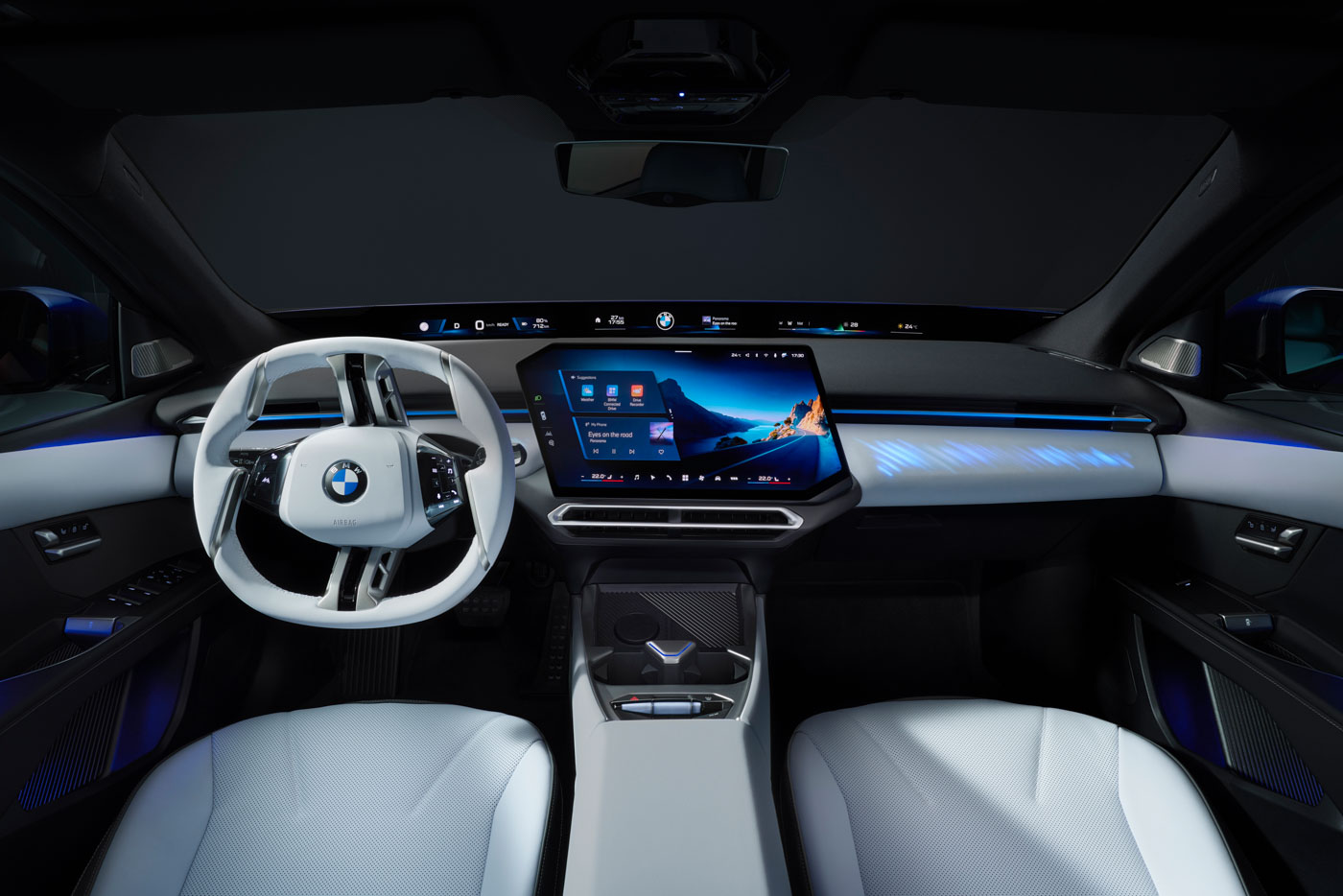
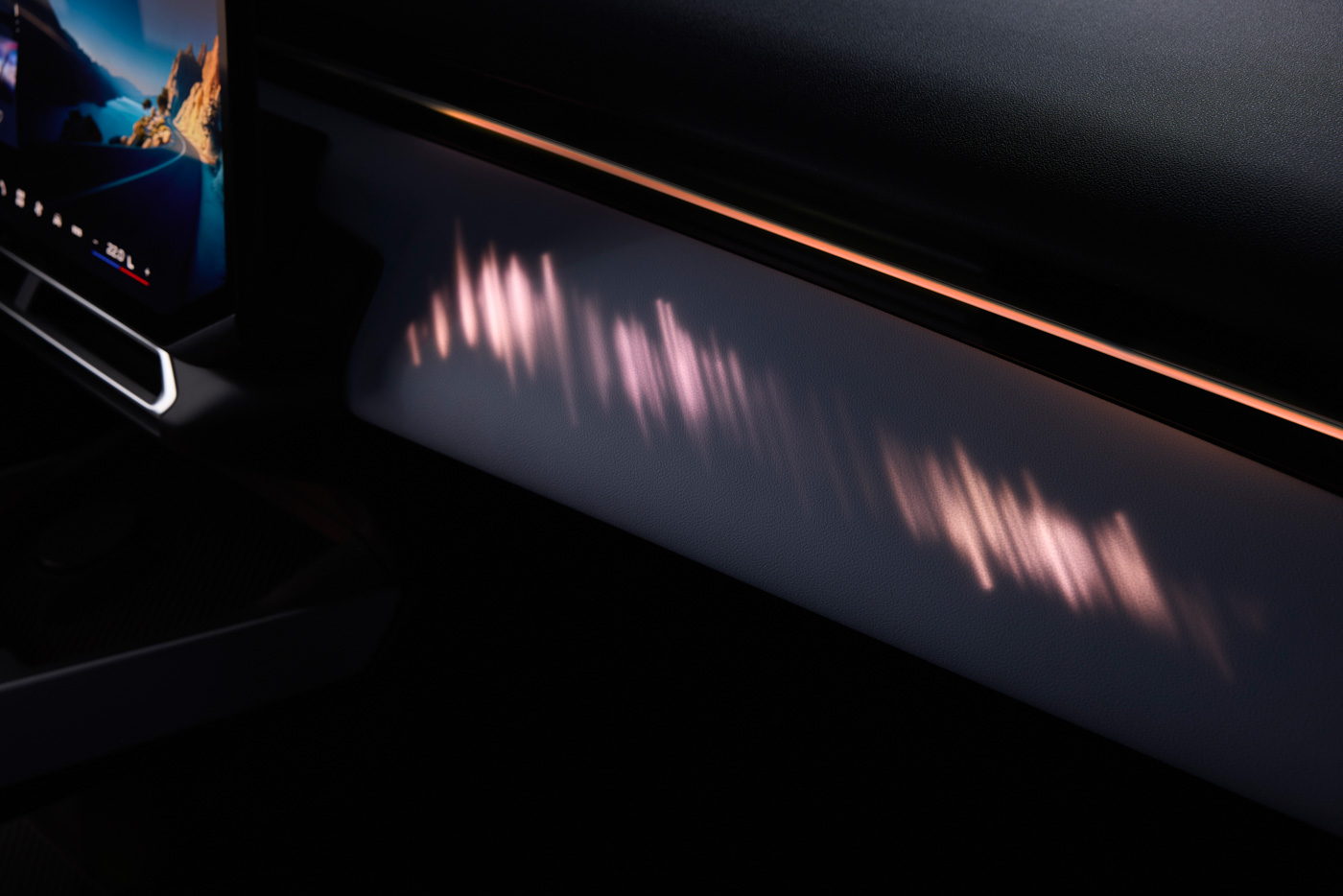
Inside, the BMW i3 adopts a layout similar to the iX3, centred around the new BMW Panoramic iDrive interface, built on the Android-based BMW Operating System X. The conventional instrument cluster has been replaced by a full-width Panoramic Vision projection display that spans the upper dashboard.
This is paired with a 17.9-inch “Free Cut” parallelogram-shaped infotainment screen and can also be optioned with a 3D head-up display. BMW’s new “Hey BMW” Intelligent Personal Assistant is also featured, now enhanced with generative AI functionality via Amazon Alexa+.
ALSO READ: BMW M2 not enough downforce? There’s a new Track Package for that
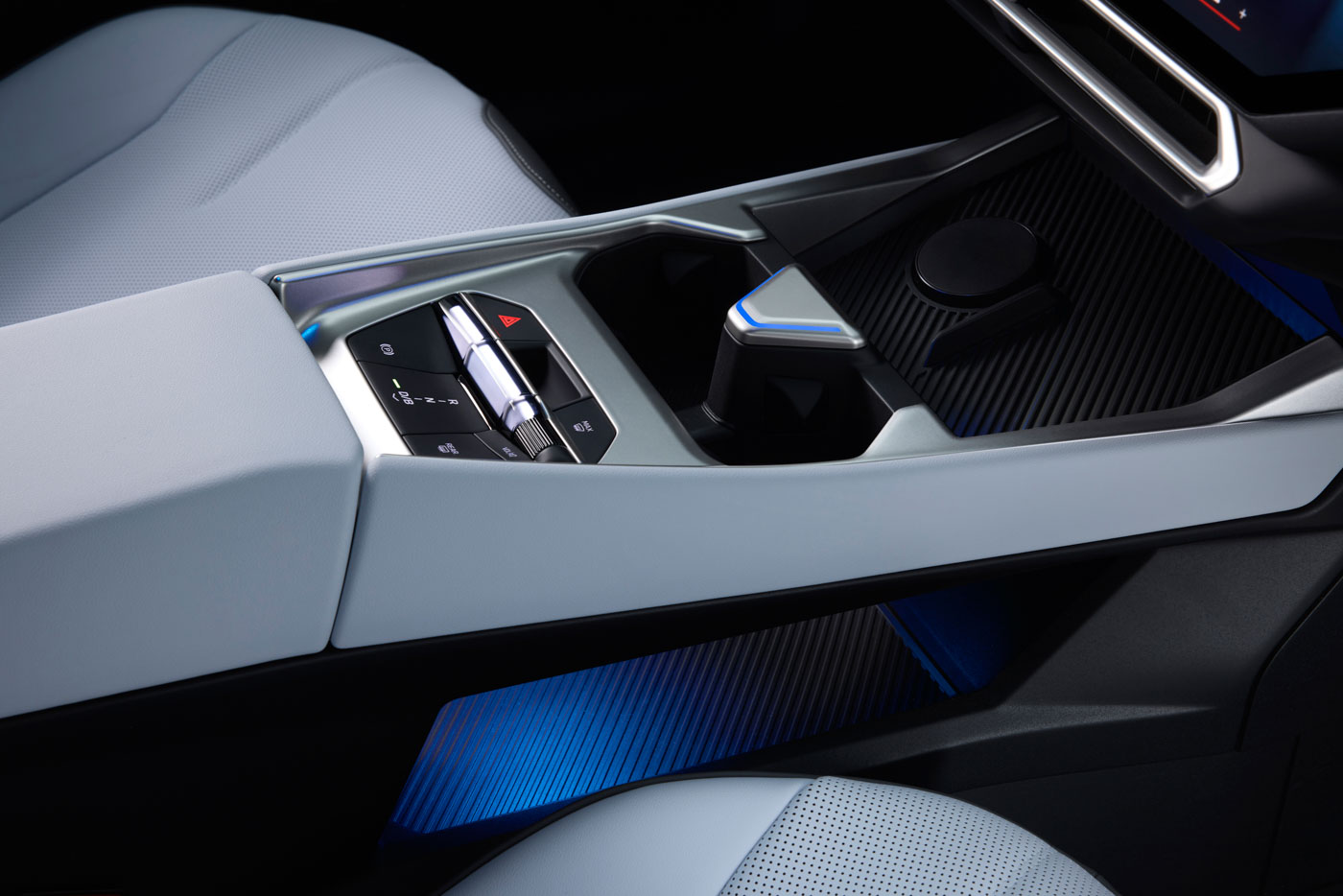
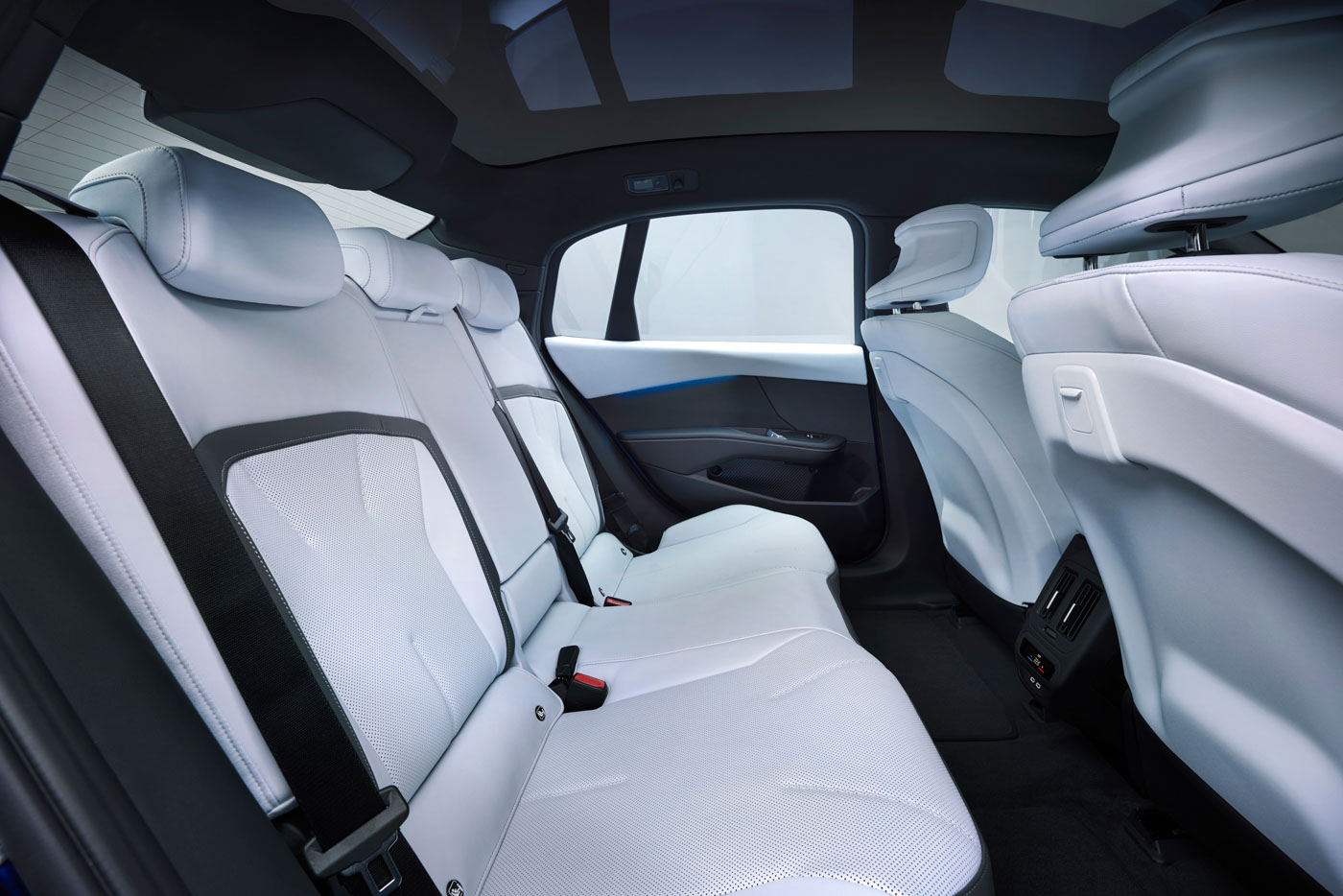
The i3 also debuts a Qi2 wireless charging pad, based on Apple’s MagSafe technology, integrating a magnetic disc for better device alignment and faster charging speeds. An optional sunroof is available, although it does not include a powered sunshade. That said, it features a heat-insulating layer, so it shouldn’t be much of an issue in daily use.
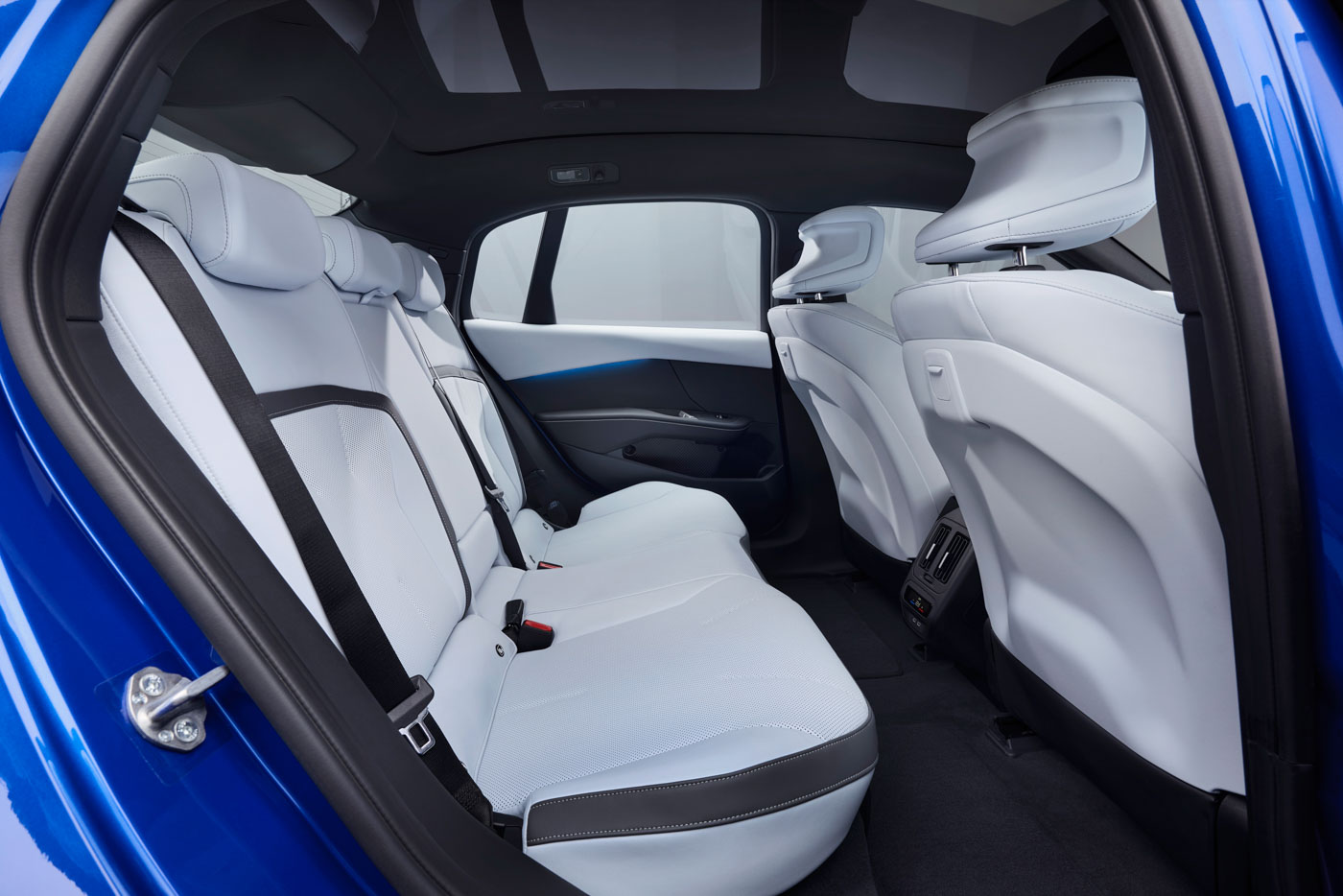
As for what the driver sits on, the car comes Standard with multifunction M Sport powered seats with four interior trim and upholstery options.
Announced with the i3 50 xDrive variant, the car boasts 469 hp (345 kW) and 645 Nm of torque with power sent to all four wheels via a dual electric motor setup — similar to its SUV sibling, the iX3. BMW has yet to release official 0-100 km/h or top speed figures, but it should be quicker than the iX3, which manages the century sprint in 4.9 seconds and has a top speed of 210 km/h.
Built on an 800V architecture, the i3 is claimed to deliver up to 900 km of WLTP range. While battery capacity has not been confirmed, it is expected to use a similar pack as the iX3, which features a 108.7 kWh (net, 116 kWh gross) NMC battery.
The i3 also adopts cylindrical battery cells, offering a 20% increase in volumetric energy density compared to the previous Gen5 prismatic cells — helping to achieve its significantly improved range, aided further by its more aerodynamic sedan profile.
While full charging details have also yet to be disclosed, BMW states that the i3 supports up to 400 kW DC fast charging, allowing up to 400 km of range to be replenished in just 10 minutes. An optional 22 kW onboard AC charger is also available. Additionally, the i3 supports bidirectional charging, including a vehicle-to-load (V2L) function with up to 3.7 kW output.
Sticking true to the brand’s “Ultimate Driving Machine” ethos, BMW wants to, of course, produce “Sheer driving pleasure” with the new BMW i3. All core driving functions, including steering, braking, and motor control, are managed by the Neue Klasse platform’s “Heart of Joy” central computer. BMW claims this system is ten times faster than previous setups, enabling more precise and seamless responses.
Just like its SUV sibling, the i3 also has a built-in “soft stop” function, which uses the electric motors to bring the car to a smooth halt without the usual brake jerk or noise. The regenerative braking system is also powerful enough to handle most braking scenarios, with the conventional friction brakes only stepping in during more spirited driving or emergencies.
ALSO READ: The fully electric BMW iX3 is already nearly sold out for 2026 in Europe
As for safety, the BMW i3 comes standard with Driving Assistant Plus, offering Level two semi-autonomous driving capabilities. Naturally, it features a whole stack of safety features that you’d expect from a modern EV, but the beautiful thing about its new safety system is that it has what BMW calls “Symbiotic Drive”. This system allows the driver to seamlessly add steering, throttle, or light braking inputs without the assistance systems disengaging or resisting (not like many safety systems in the market).
Series production of the BMW i3 will begin in August at BMW’s main plant in Munich, which has been completely remodelled for Neue Klasse models. The market launch in Europe is scheduled for the second half of 2026. As for our parts of the world, expect a slightly longer wait before the new all-electric 3 Series makes its arrival.
ALSO READ: BMW’s big grille era is over with the all-new 2nd-generation electric BMW iX3
GALLERY