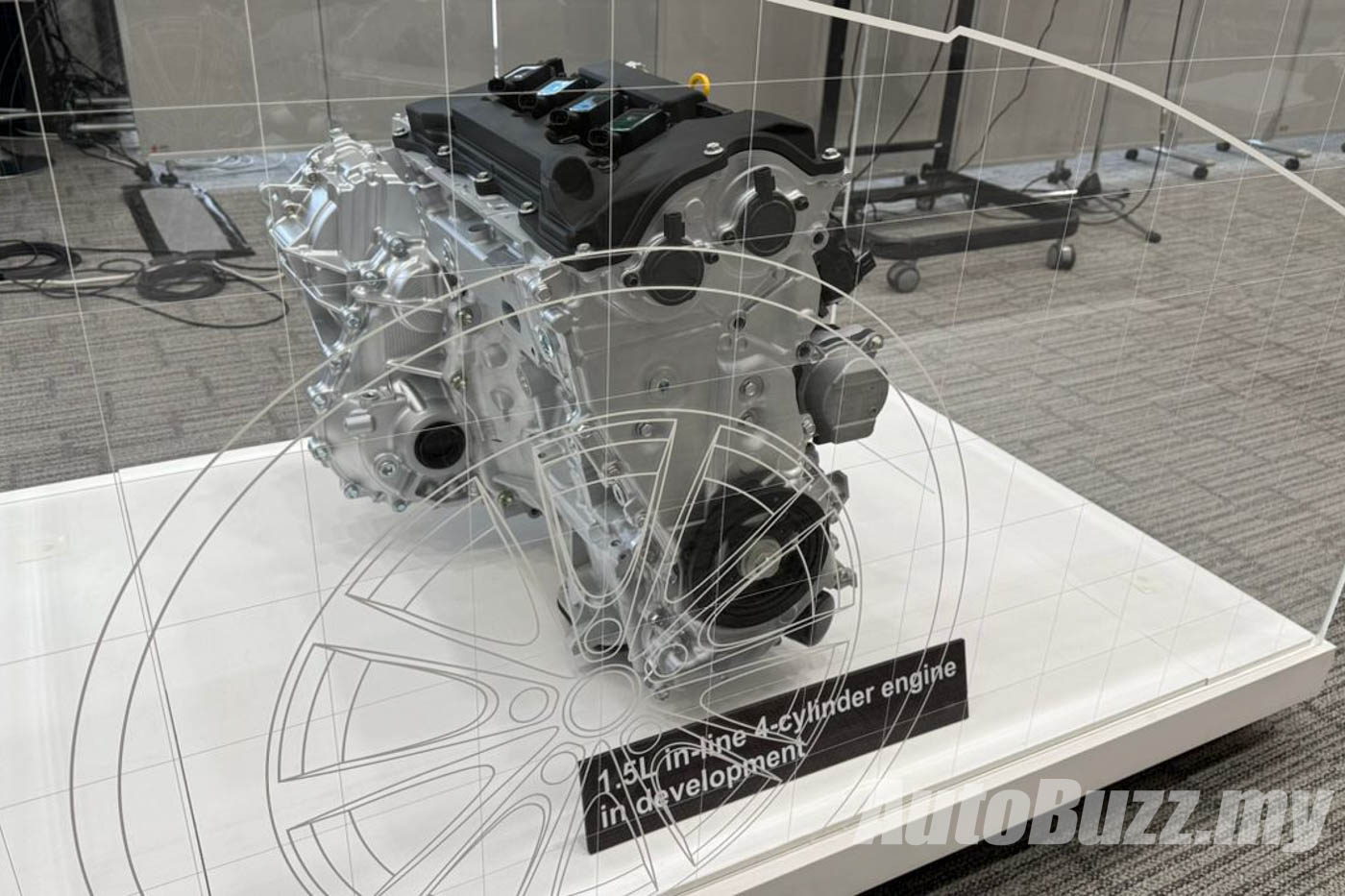
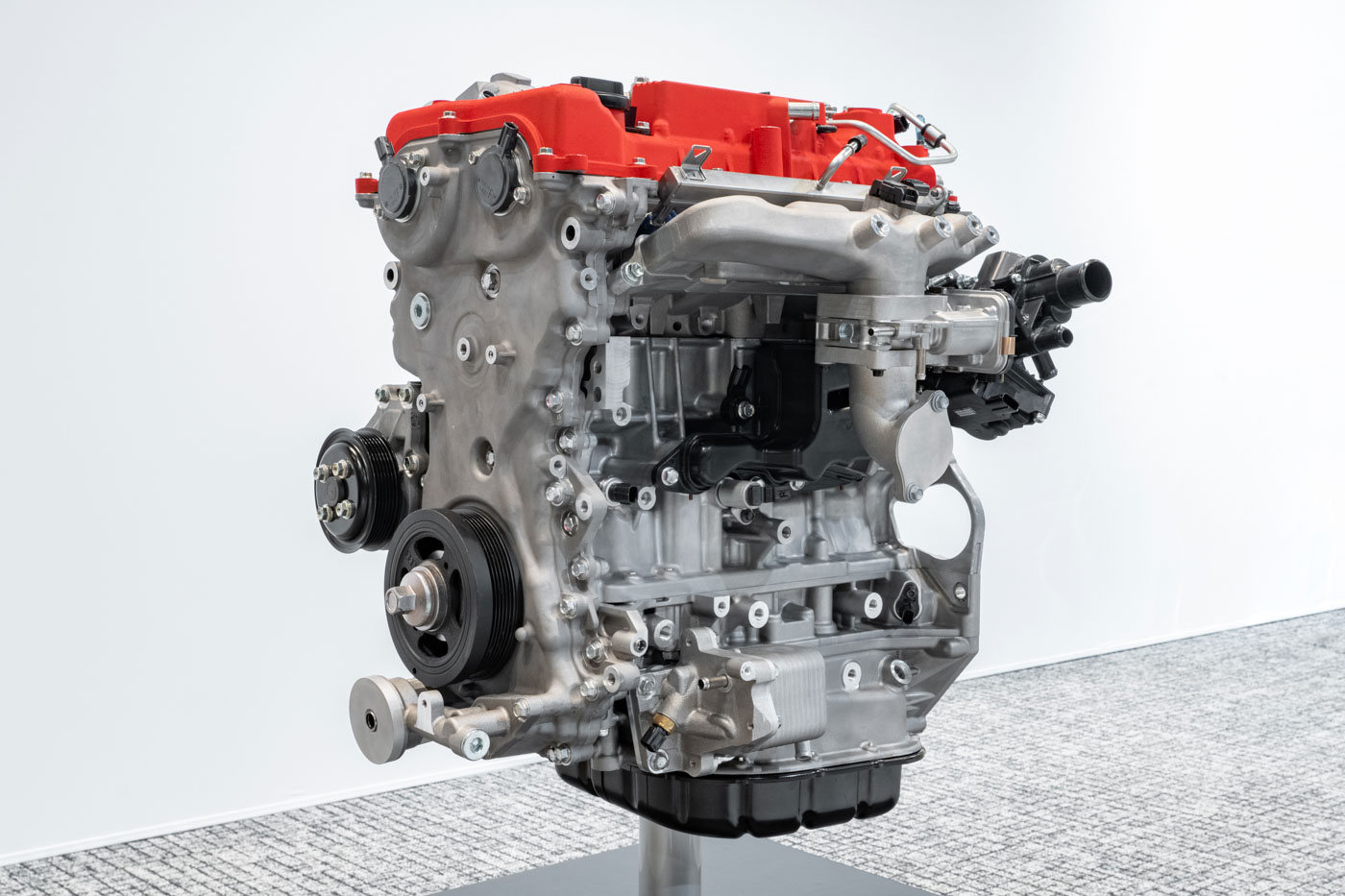
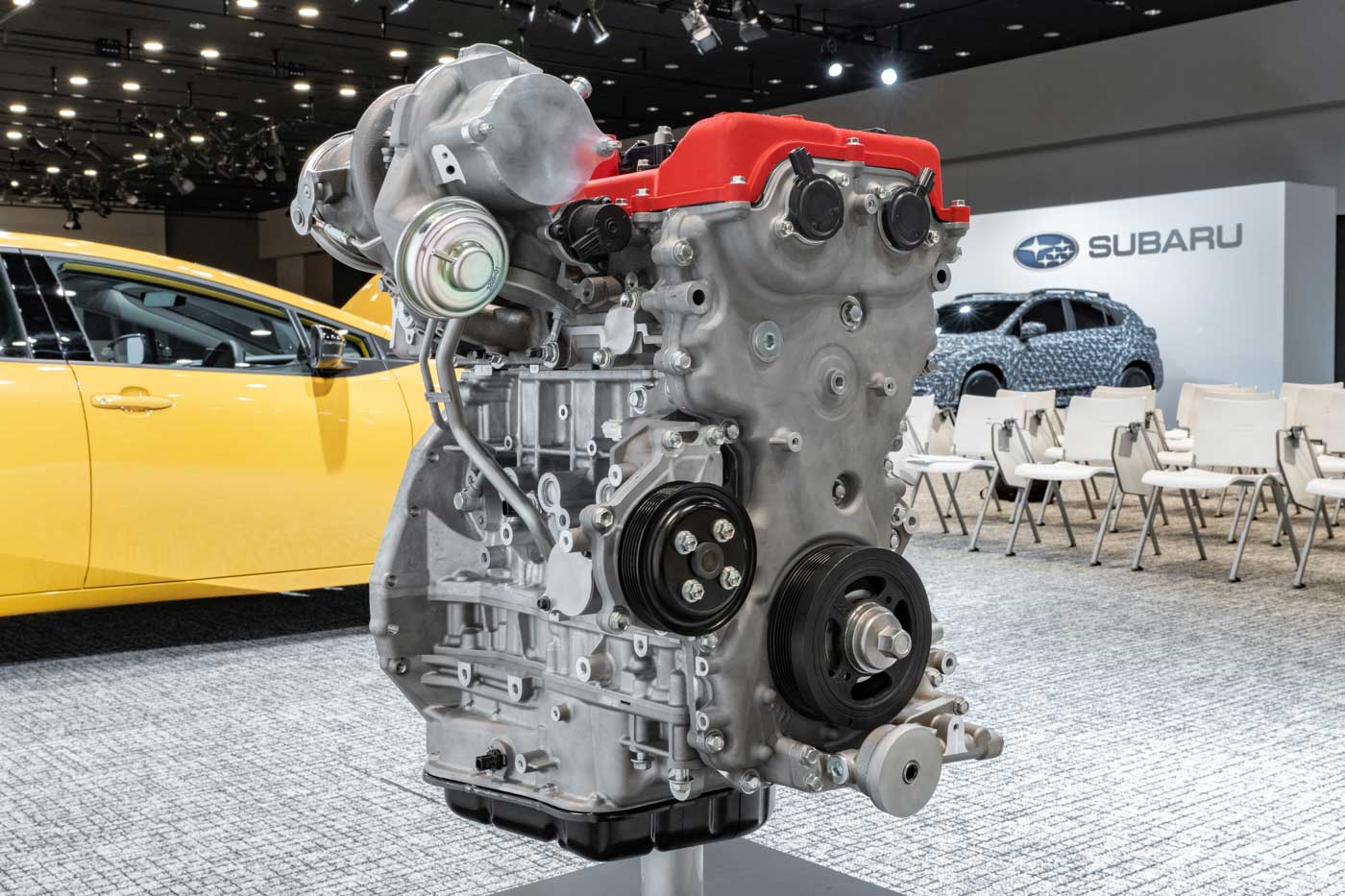
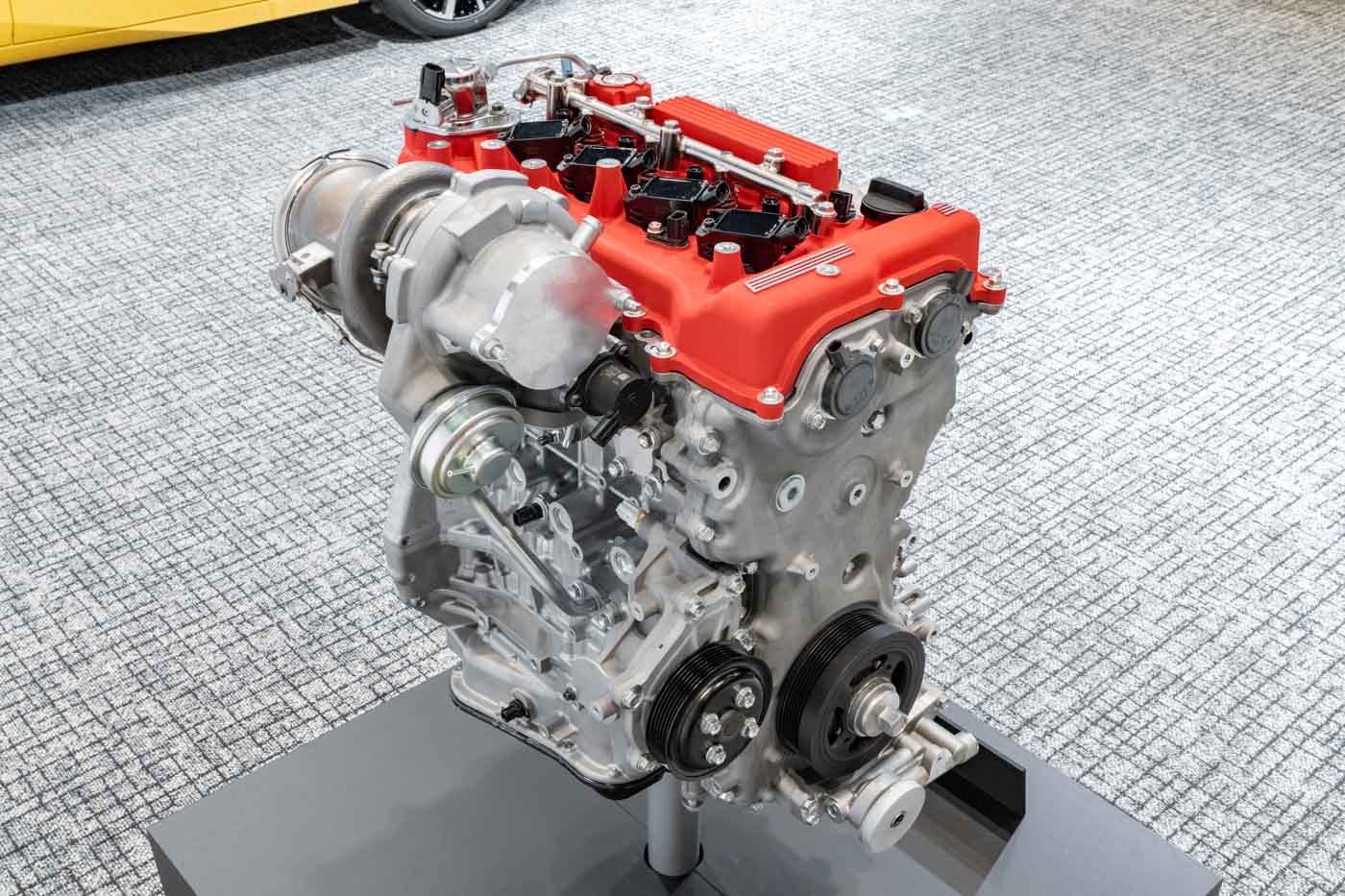
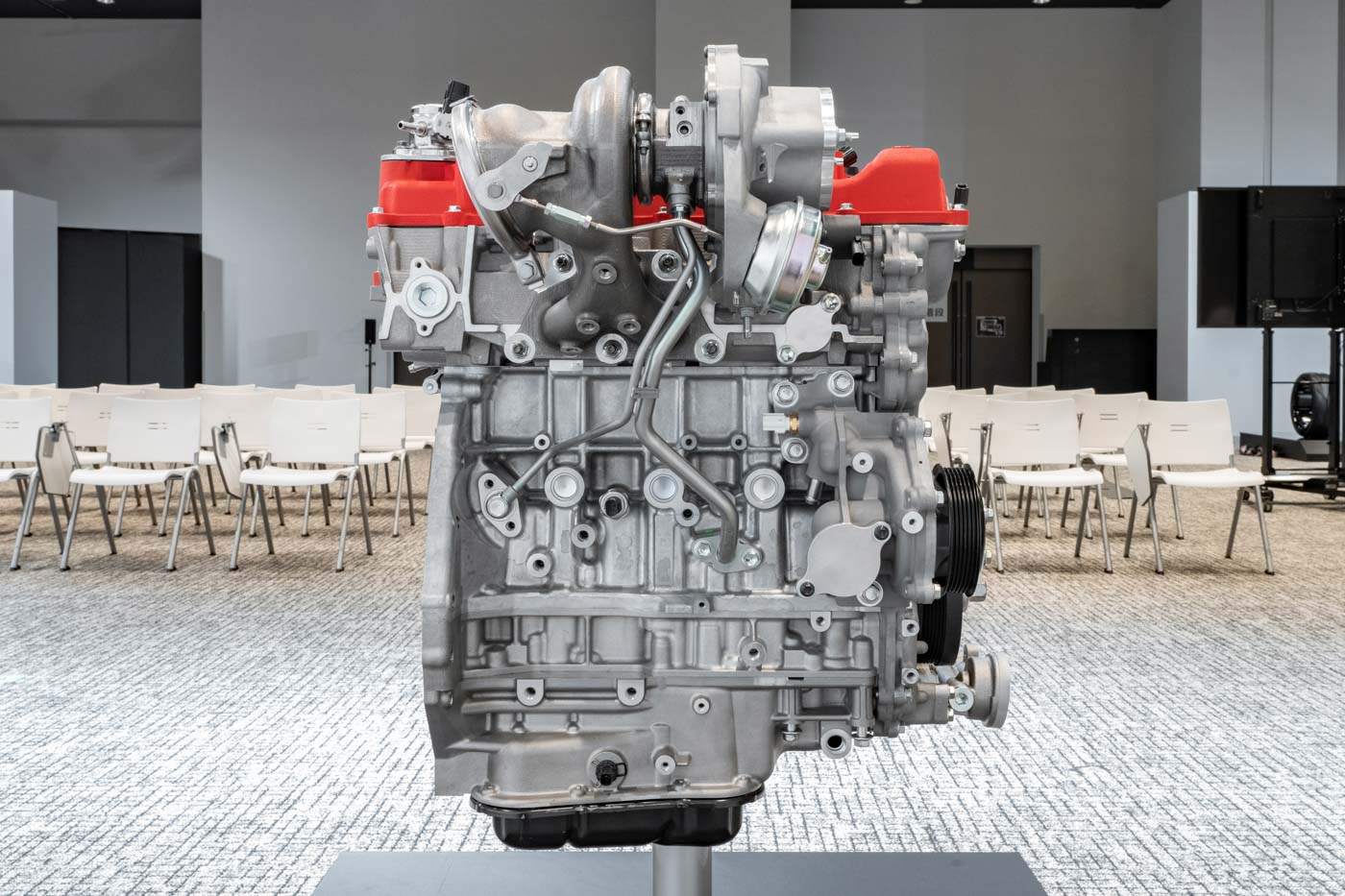
Toyota says that internal combustion engines (ICE) aren’t the enemy — carbon emissions are. While the world largely focuses on – and sometimes regret – going electric, Toyota continues its long-standing commitment to its multi-pathway strategy with the development of two new engines, a 1.5-litre and 2.0-litre four-cylinder engine, set to be the anchor of its ICE models moving forward.
Currently still in development, Toyota says these engines will be compatible with carbon-neutral fuels, including liquid hydrogen, synthetic fuels, and biofuels.
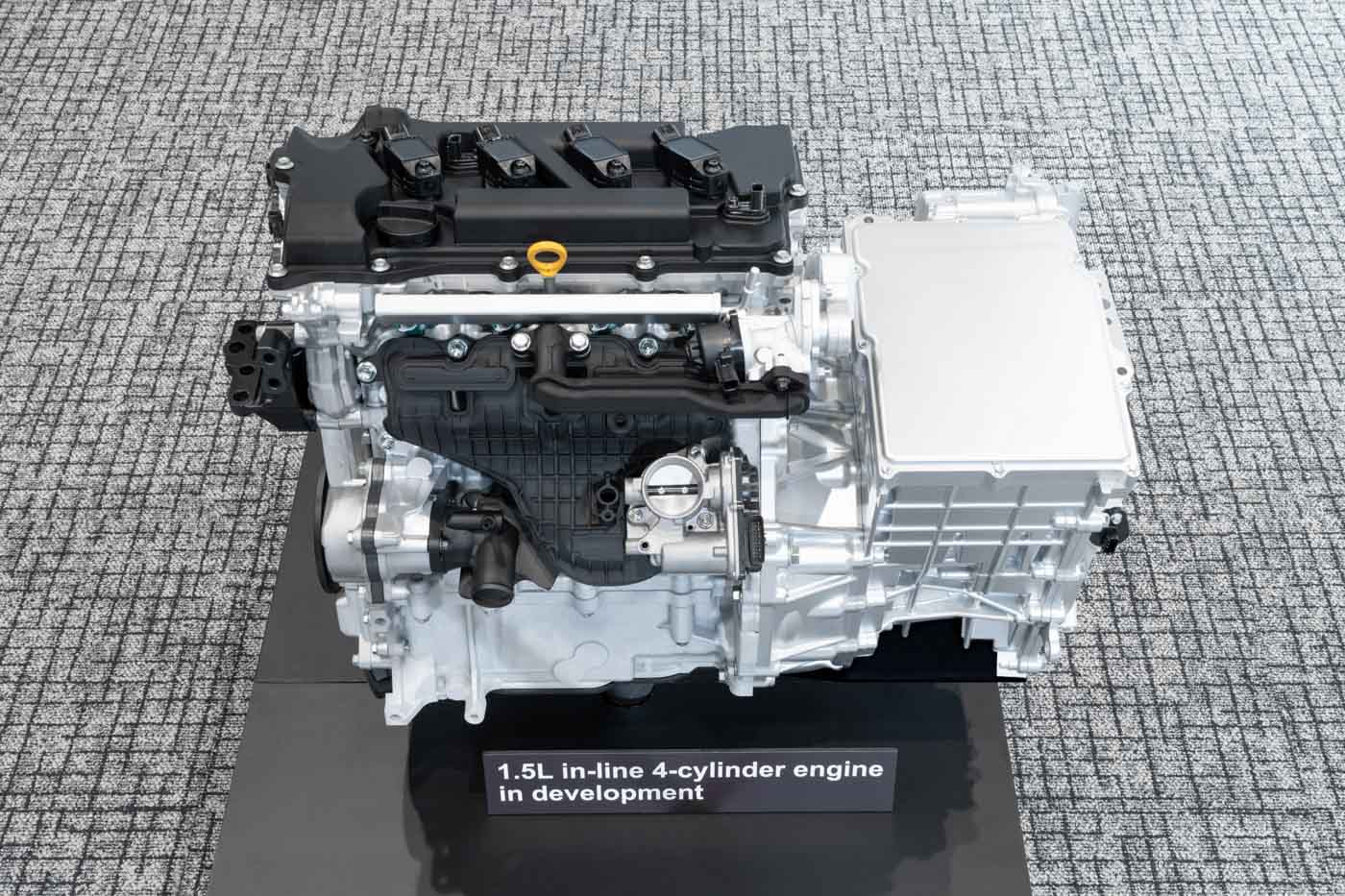
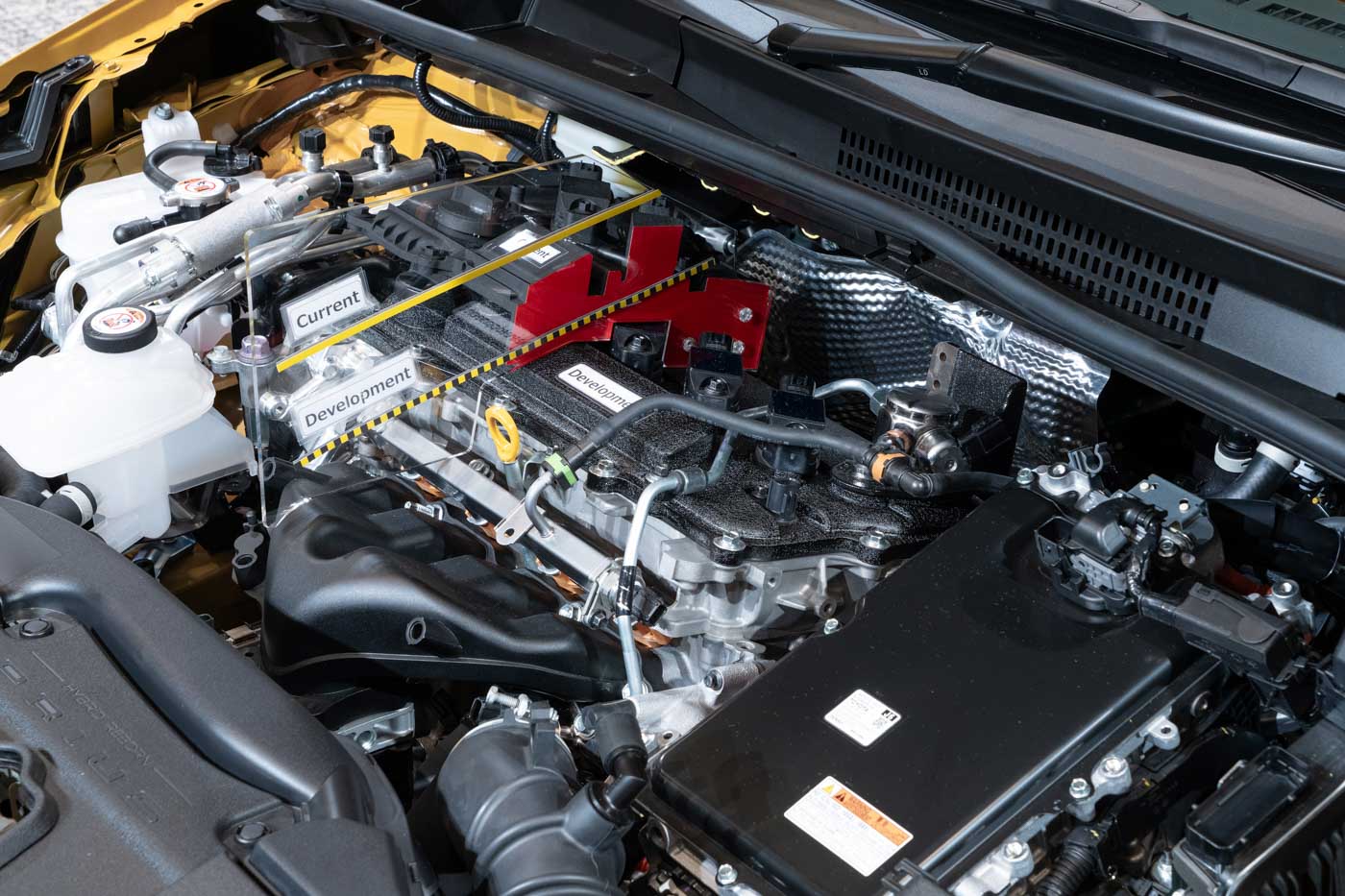
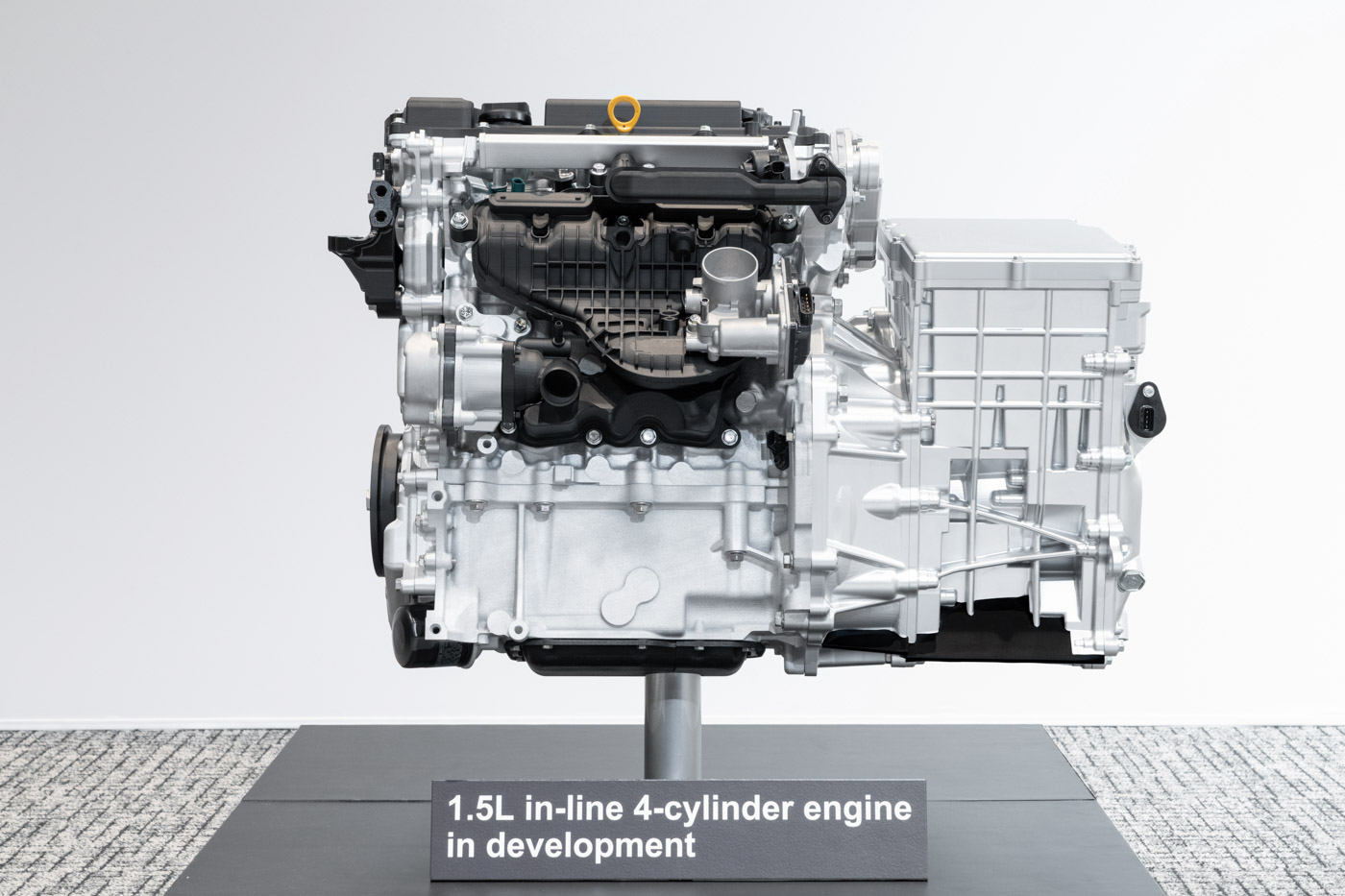
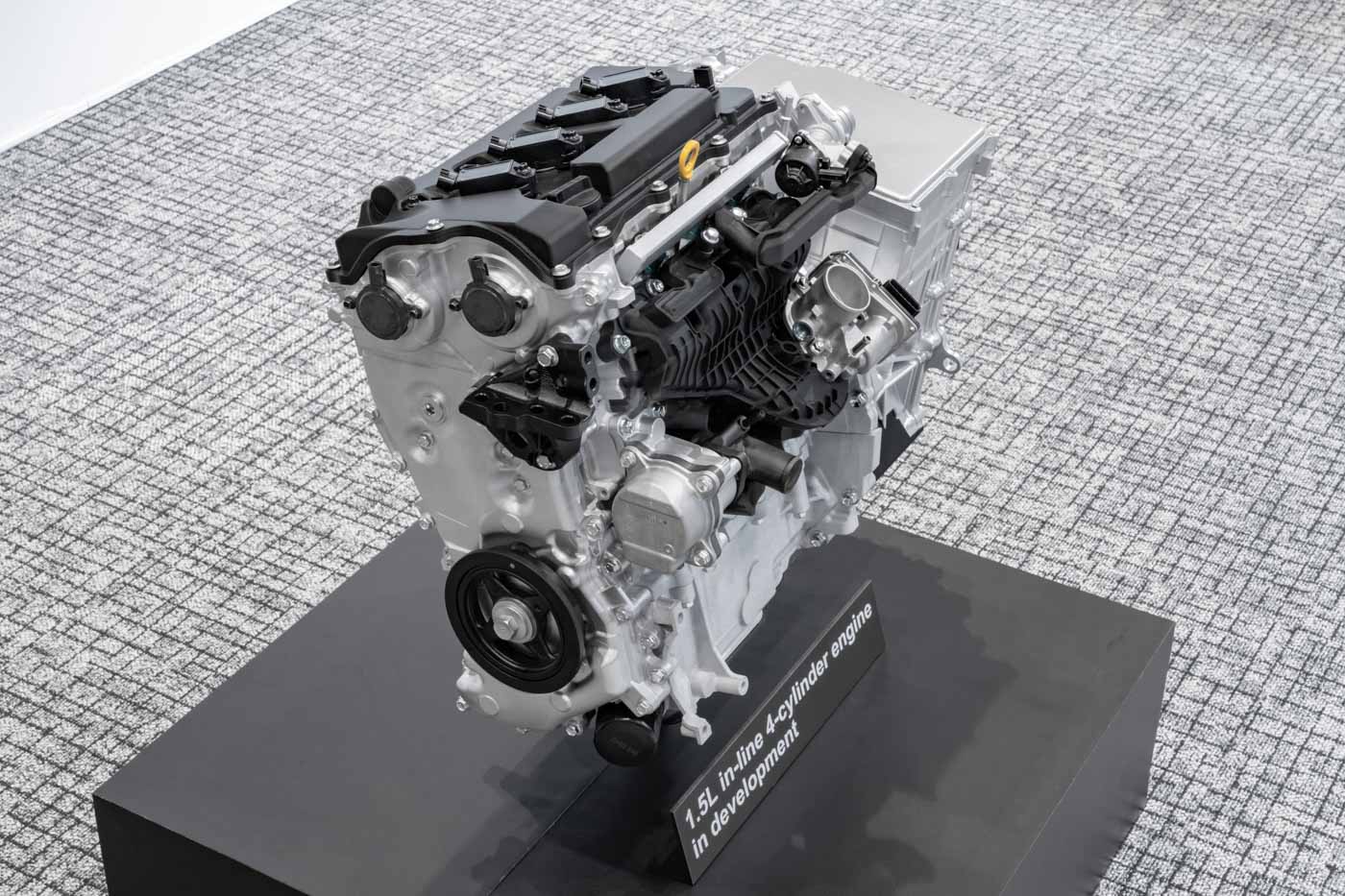
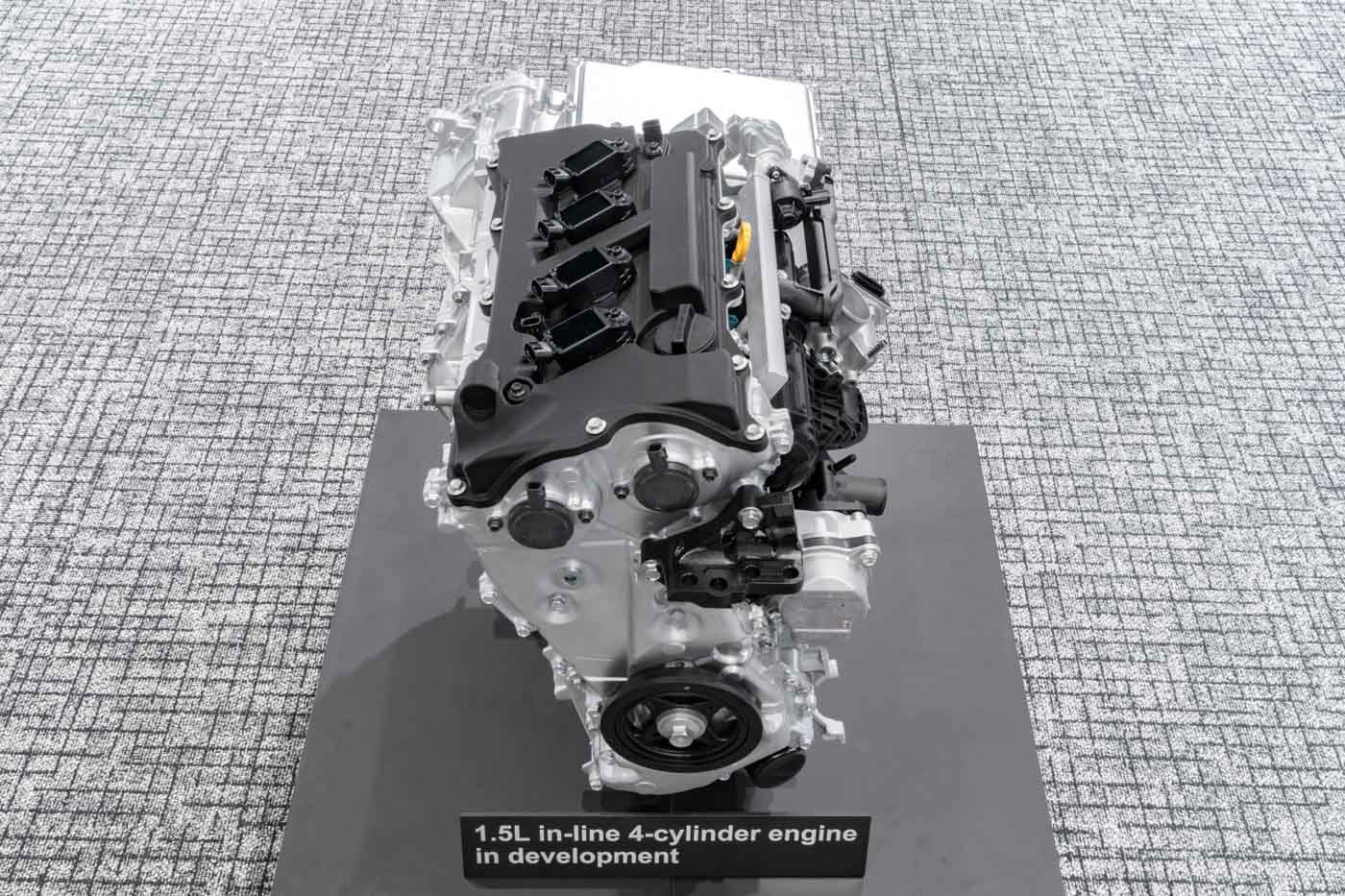
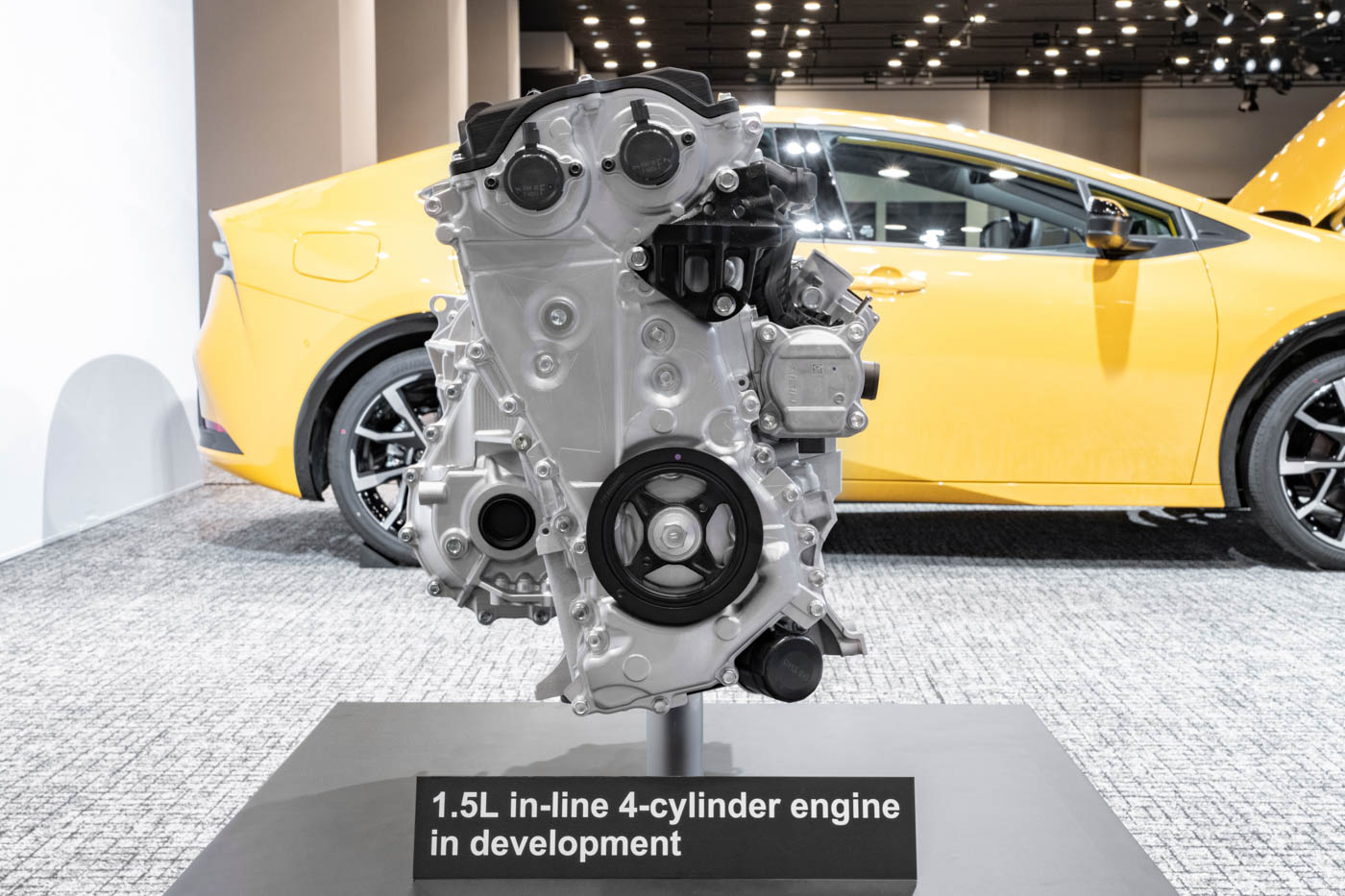
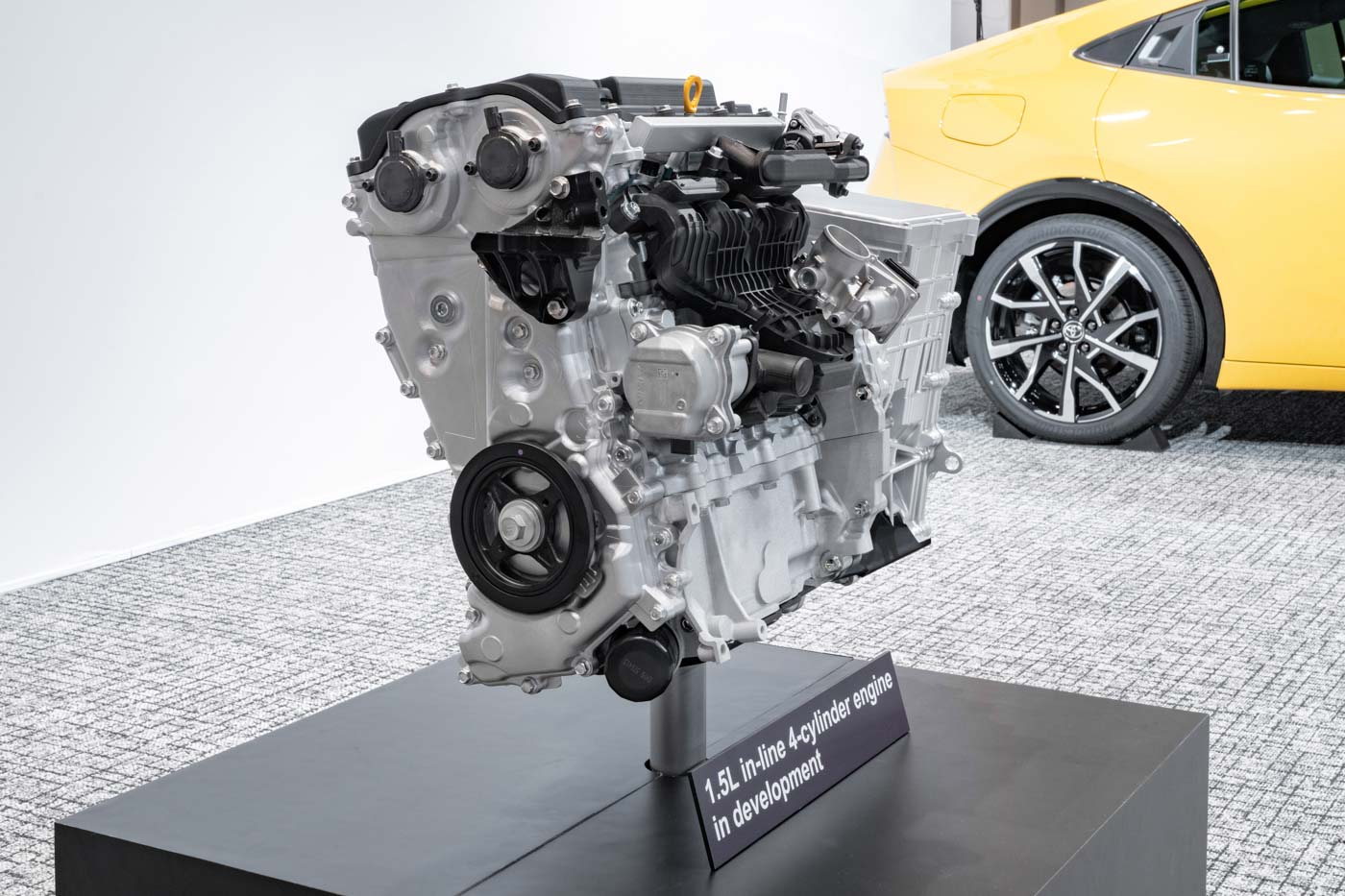
The range kicks off with a hybridised naturally aspirated 1.5-litre four-banger. In this configuration, the engine is targeted to produce 95 hp (70kW) and 120 Nm, with the electrical system adding 41 hp (30kW). Combined, Toyota says the system should produce more than 136 hp (100kW) and will be 10% smaller in volume and height compared to the current unit.
The smaller engine size will help Toyota engineers with vehicle packaging, translating to more space within the cabin, better handling due to lowered centre of gravity, and even improved fuel economy, courtesy of a lowered bonnet, making the vehicles more aerodynamic – as seen on the latest Toyota Corolla Concept.
Additionally, the 1.5-litre engine will also be available with turbocharging to help meet emission standards on pure ICE models, the company revealed during a media briefing. Toyota says the new unit has 20% less volume and is 15% shorter than the 2.5-litre naturally aspirated engine it will replace. Despite its smaller size, it’s expected to deliver comparable power while being around 30% more efficient.
ALSO READ: The Toyota Corolla Concept is bringing sexy and simple back to the world’s best-selling nameplate
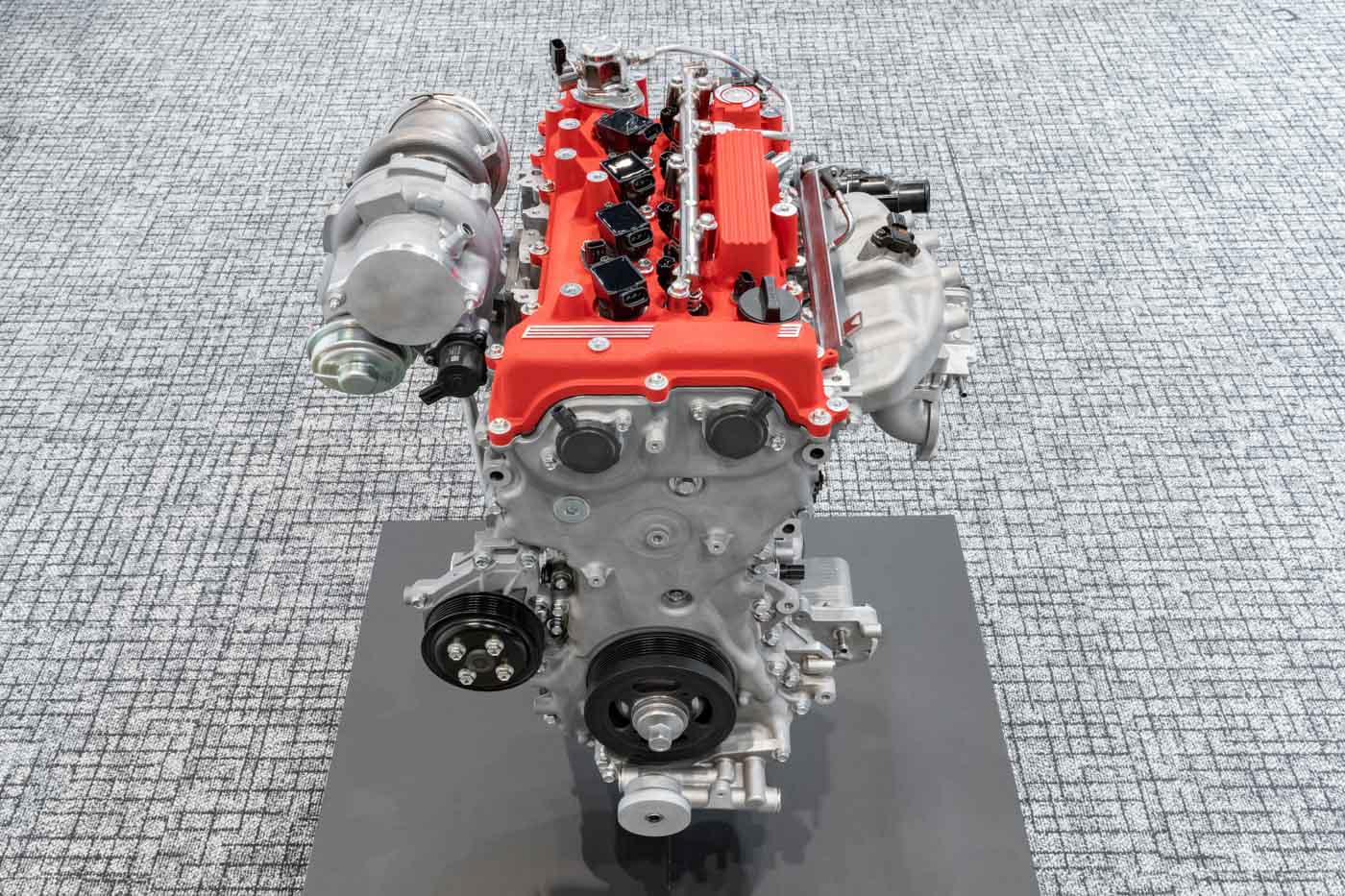
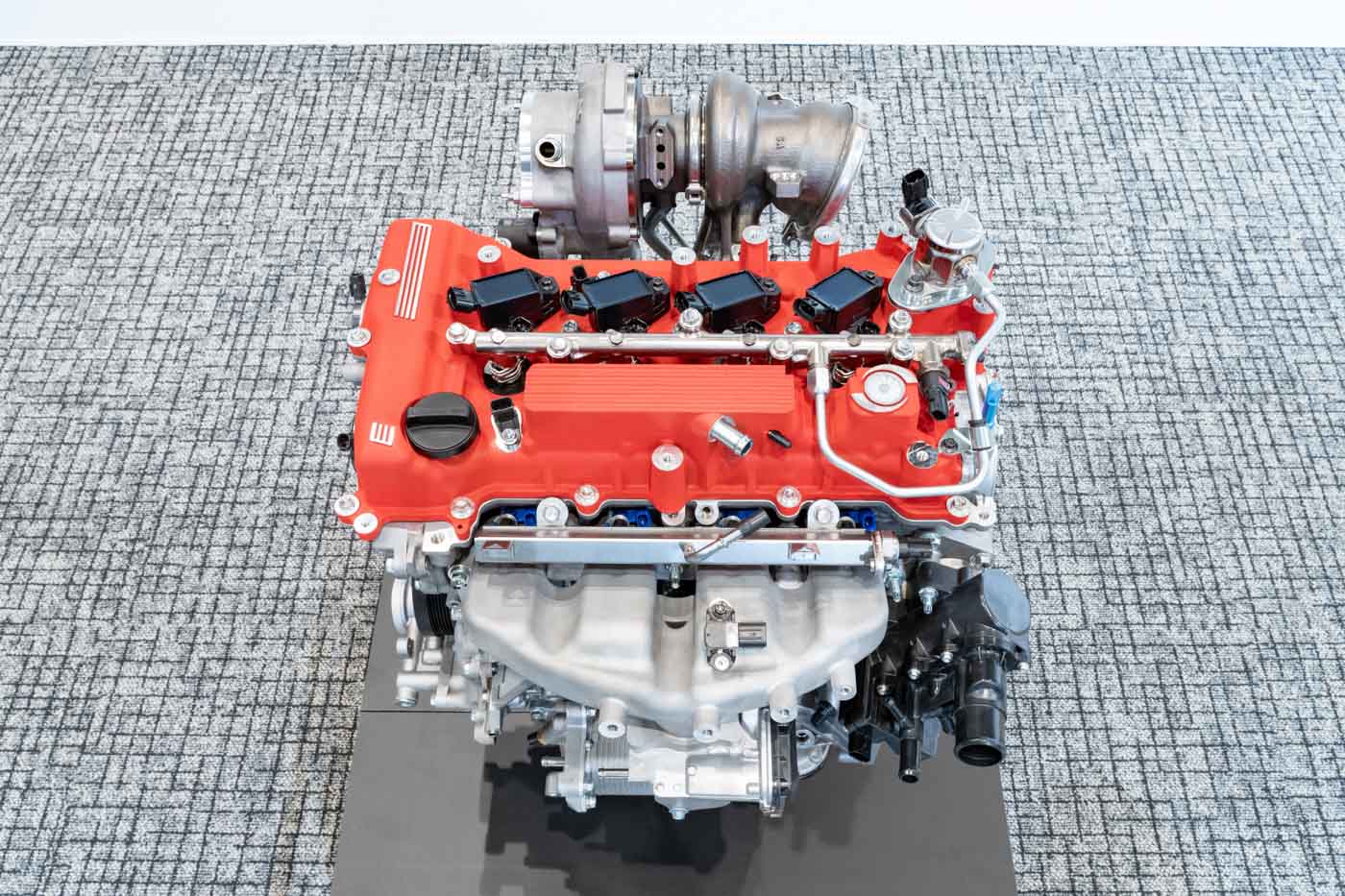
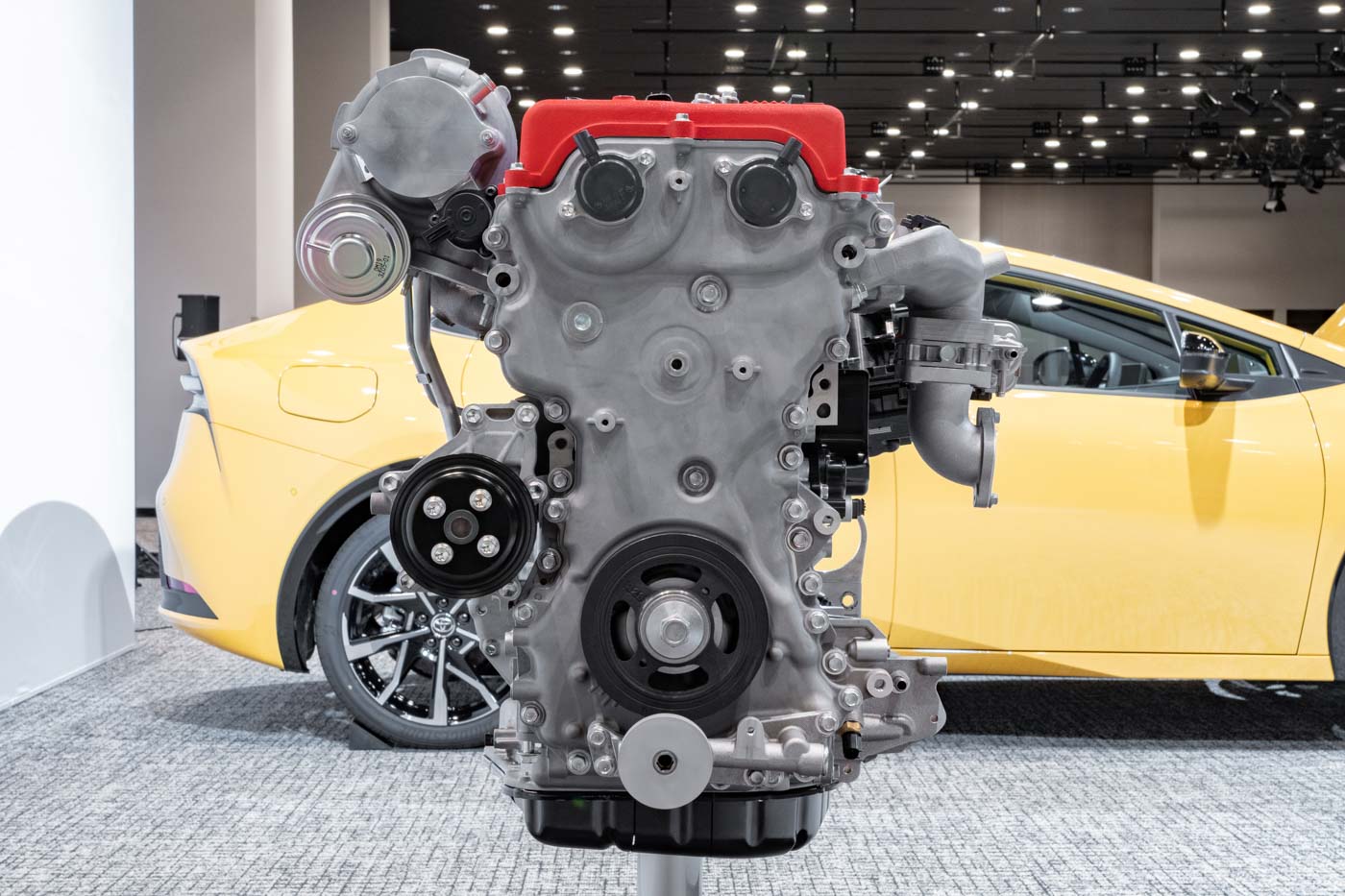
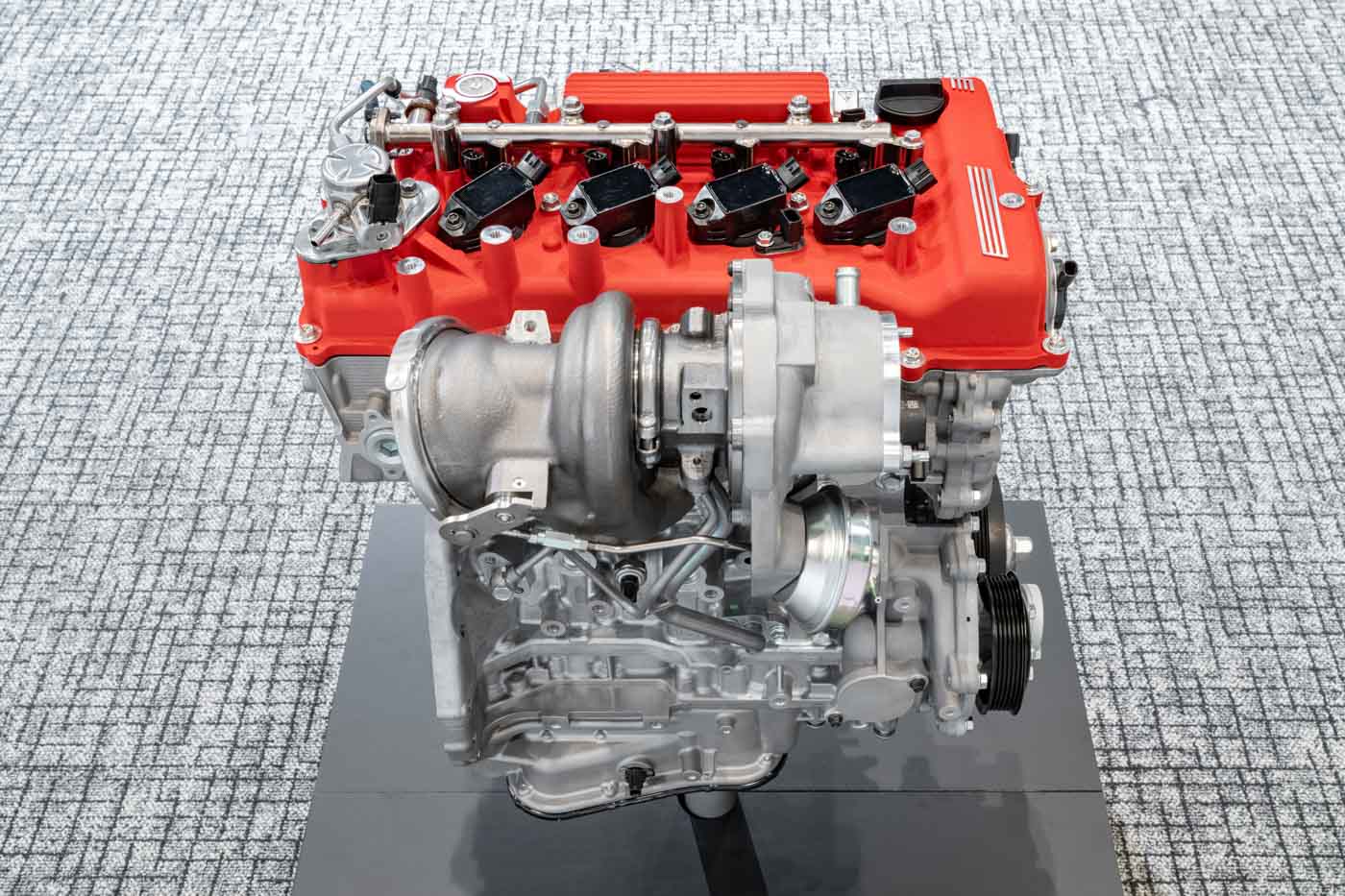
Next up is the 2.0-litre turbo four-cylinder engine, which is destined to replace the current 2.4-litre turbo unit, offering roughly a 10% reduction in volume and a 30% boost in efficiency. This larger mill will also spawn another more performance-oriented version, codenamed G20E.
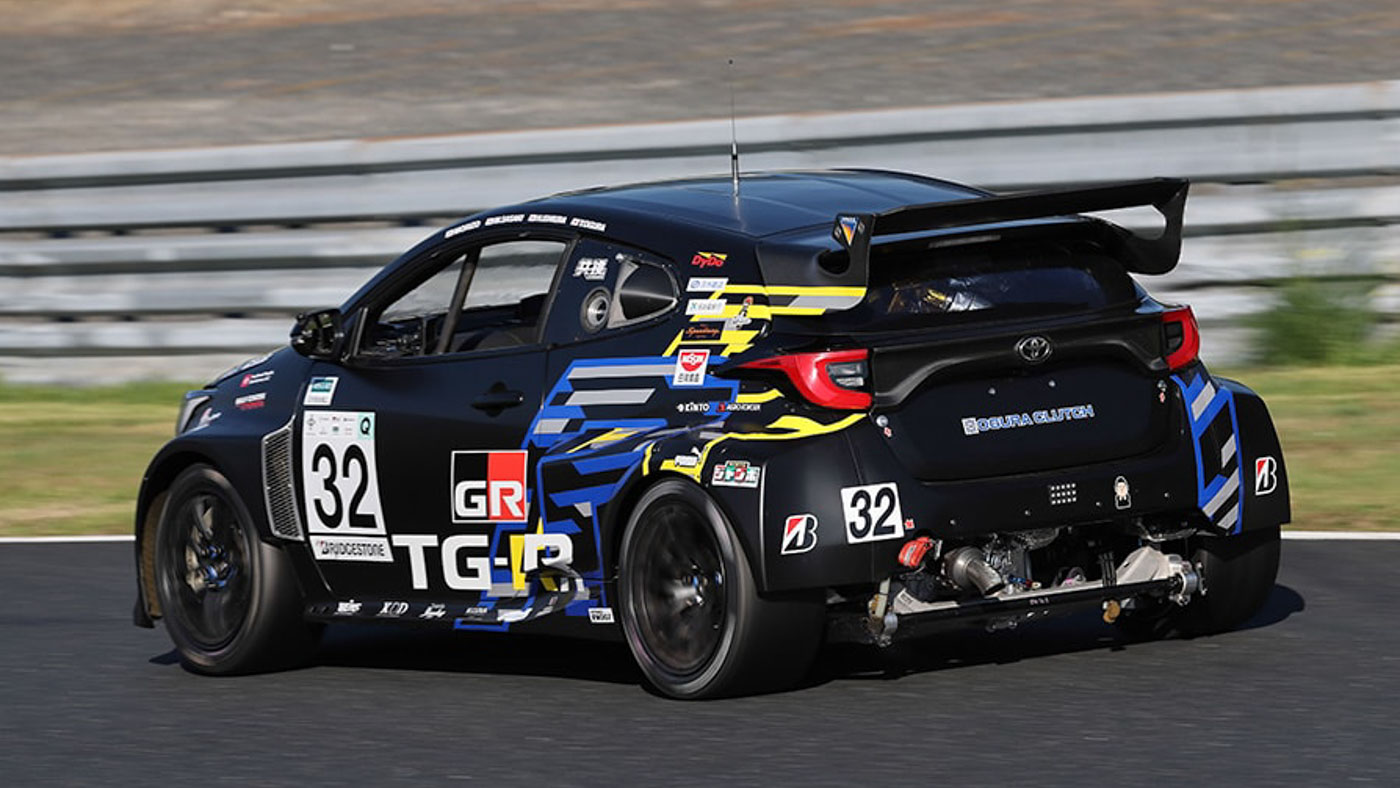
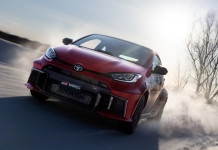
Previewed in the mid-engine GR Yaris M concept, Toyota says that the souped up 2.0L turbo-four mill is targeted to produce around 400 hp and 500 Nm of torque. A prototype has already been motorsports-tested, by none other than Toyota Chairman Akio Toyoda in a three-hour endurance race.
Designed to mount either longitudinally or transversely in front- or mid-engine layouts, it could power future models like the rumoured Toyota Celica or MR2.
ALSO READ: Toyota spins off Century into new ultra-luxury sub-brand, positioned above Lexus
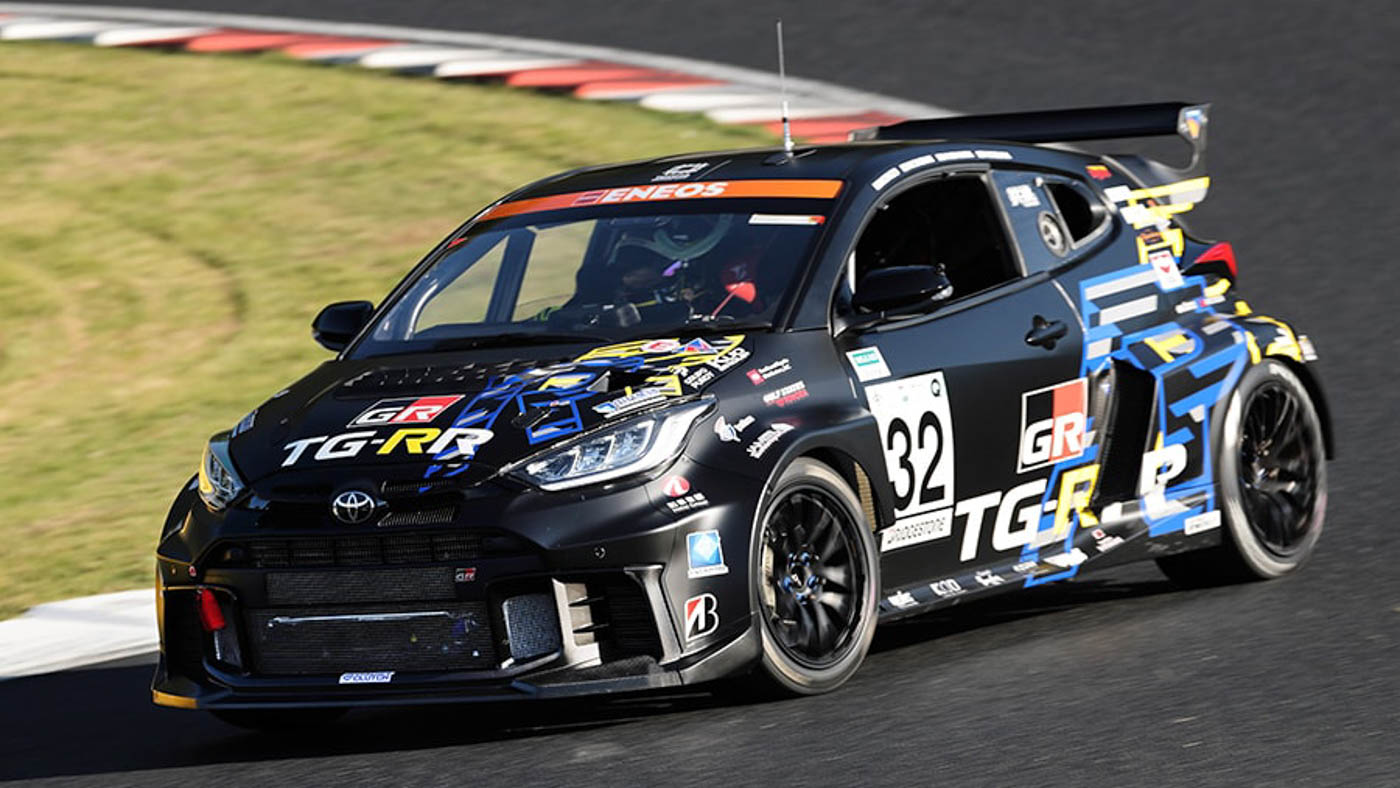
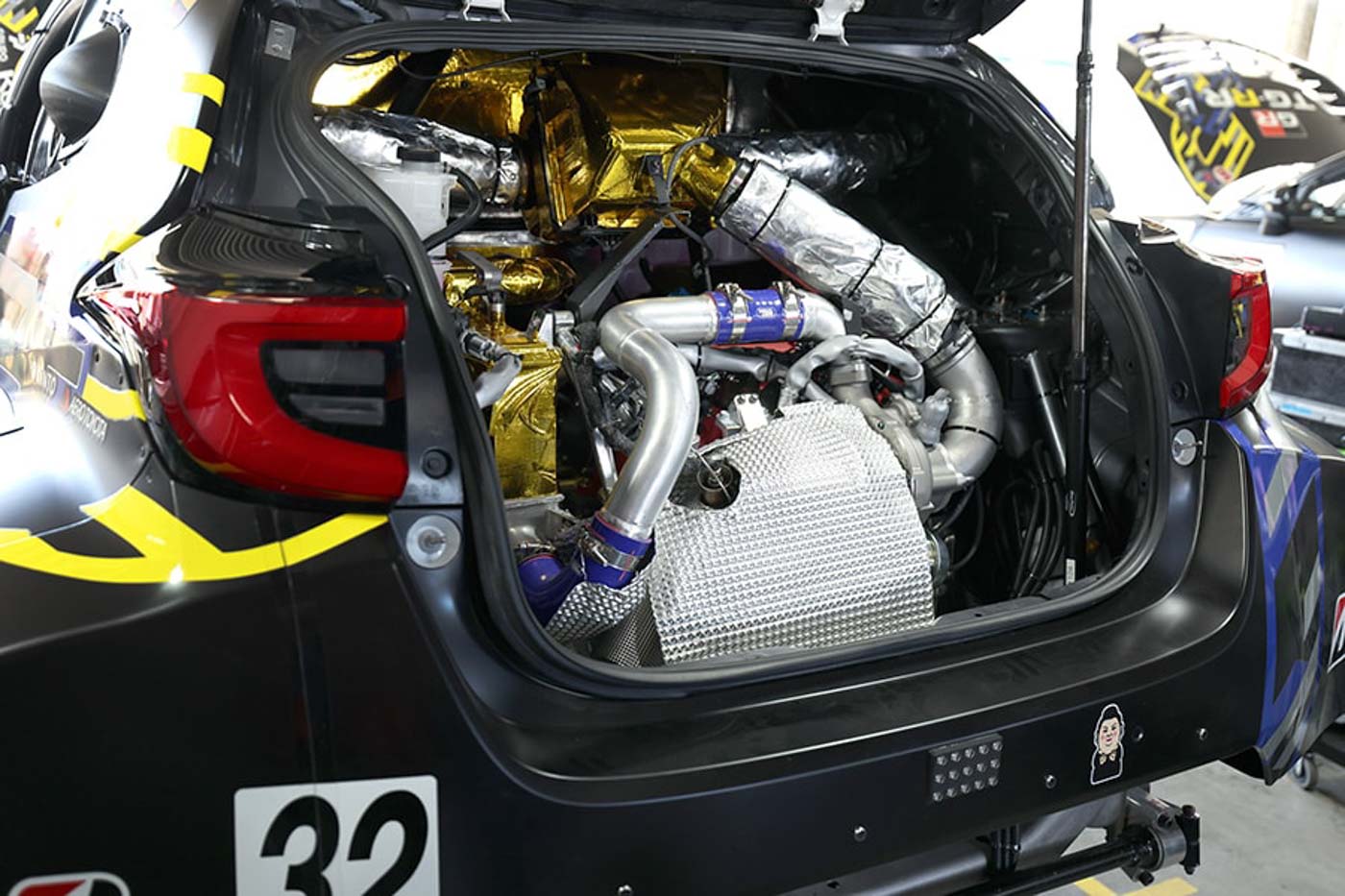
As demonstrated by the 2.0-litre unit, both new engines will be offered in multiple variants, and are designed to be hybrid-ready, depending on the vehicle application. According to The Financial Times, an individual well-connected with Toyota confirmed that the inline four-cylinder engines will be debuting in electrified cars towards the end of 2026.
While the inline four-cylinder engines will form the basis for all new Toyota cars, the flagships will be getting something more special instead. During a press session at the Japan Mobility Show 2025, as reported by Motor1, Toyota Powertrain Company President, Takashi Uehara, confirmed that a new V8 is indeed on its way.
The new V8 is closely related to the 2.0-litre four-cylinder unit mentioned earlier, and will – of course – boast significantly higher outputs. But that won’t be just because of the four extra cylinders and higher displacement, as it’ll also come with electric assistance of some sort – but not plug-in hybrid.

The new V8 powertrain is expected to feature in the upcoming Toyota GR GT supercar and its Lexus counterpart, with Uehara hinting that both will receive a slightly different tune and character. Meanwhile, the non-electrified version
Meanwhile, the non-electrified version will most likely power a GT3 race car, as previewed in the prototype in Goodwood.
ALSO READ: Toyota’s LFA successor, dubbed GR GT, could be arriving on Dec 5, 2025
GALLERY