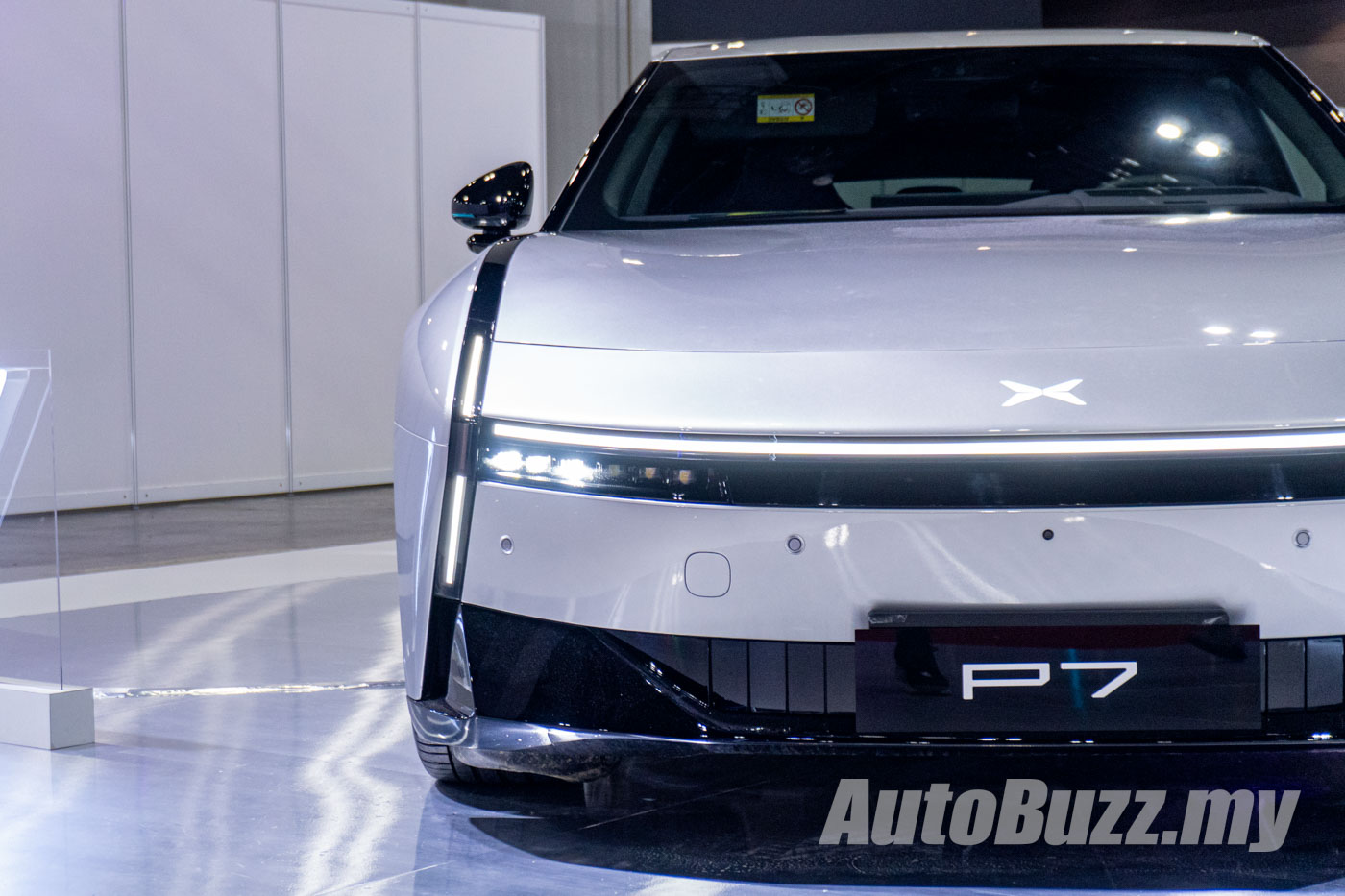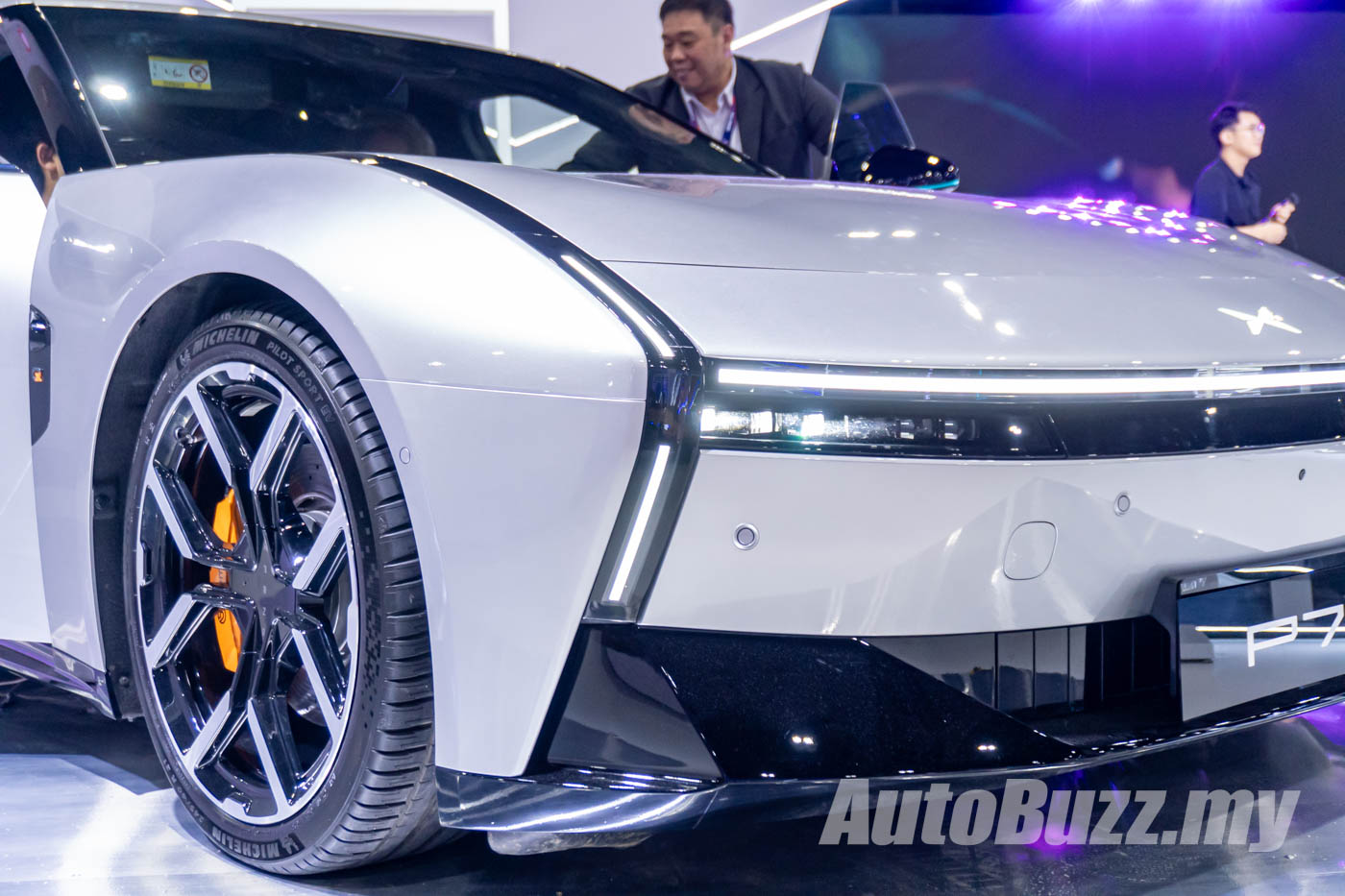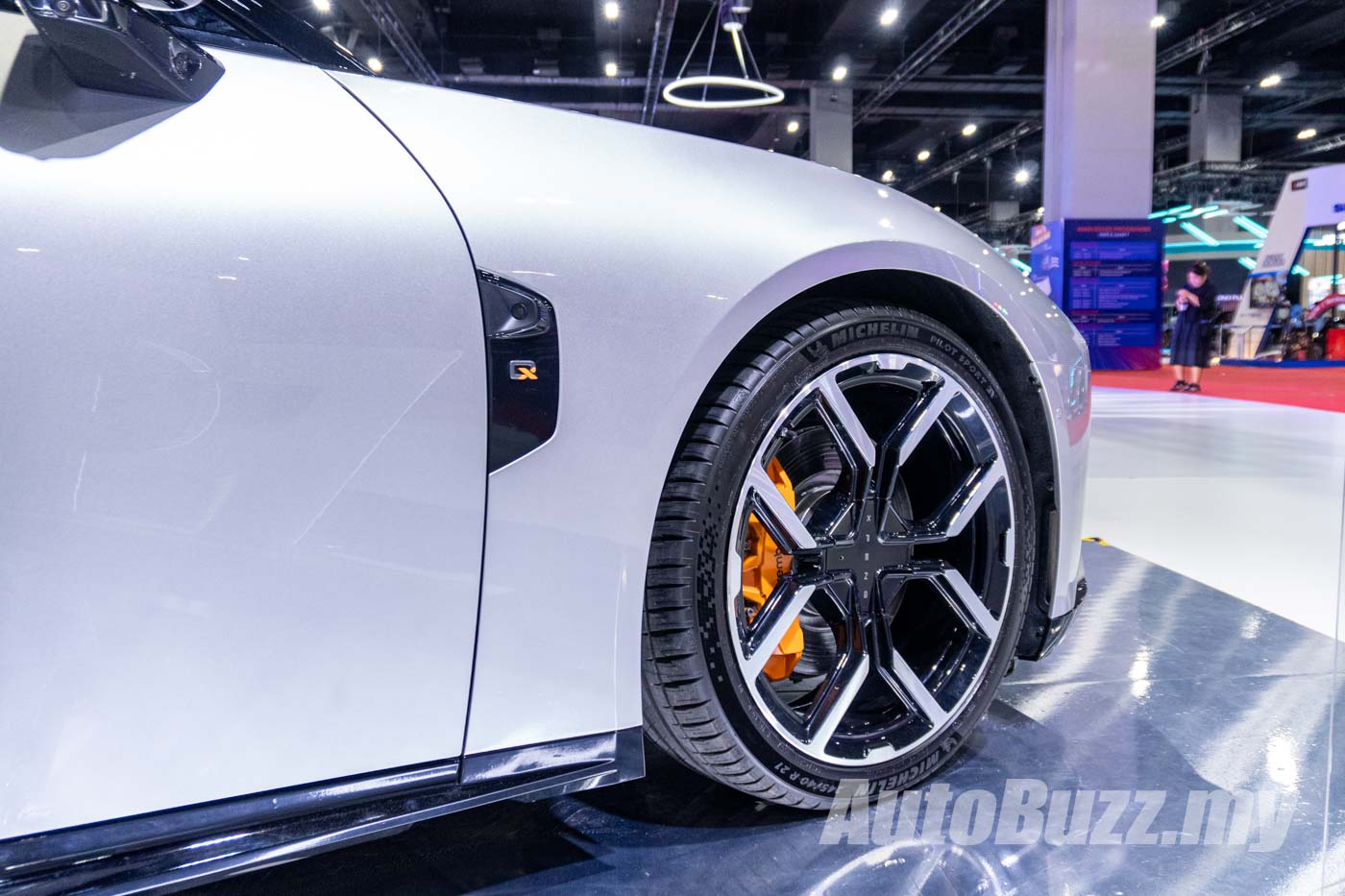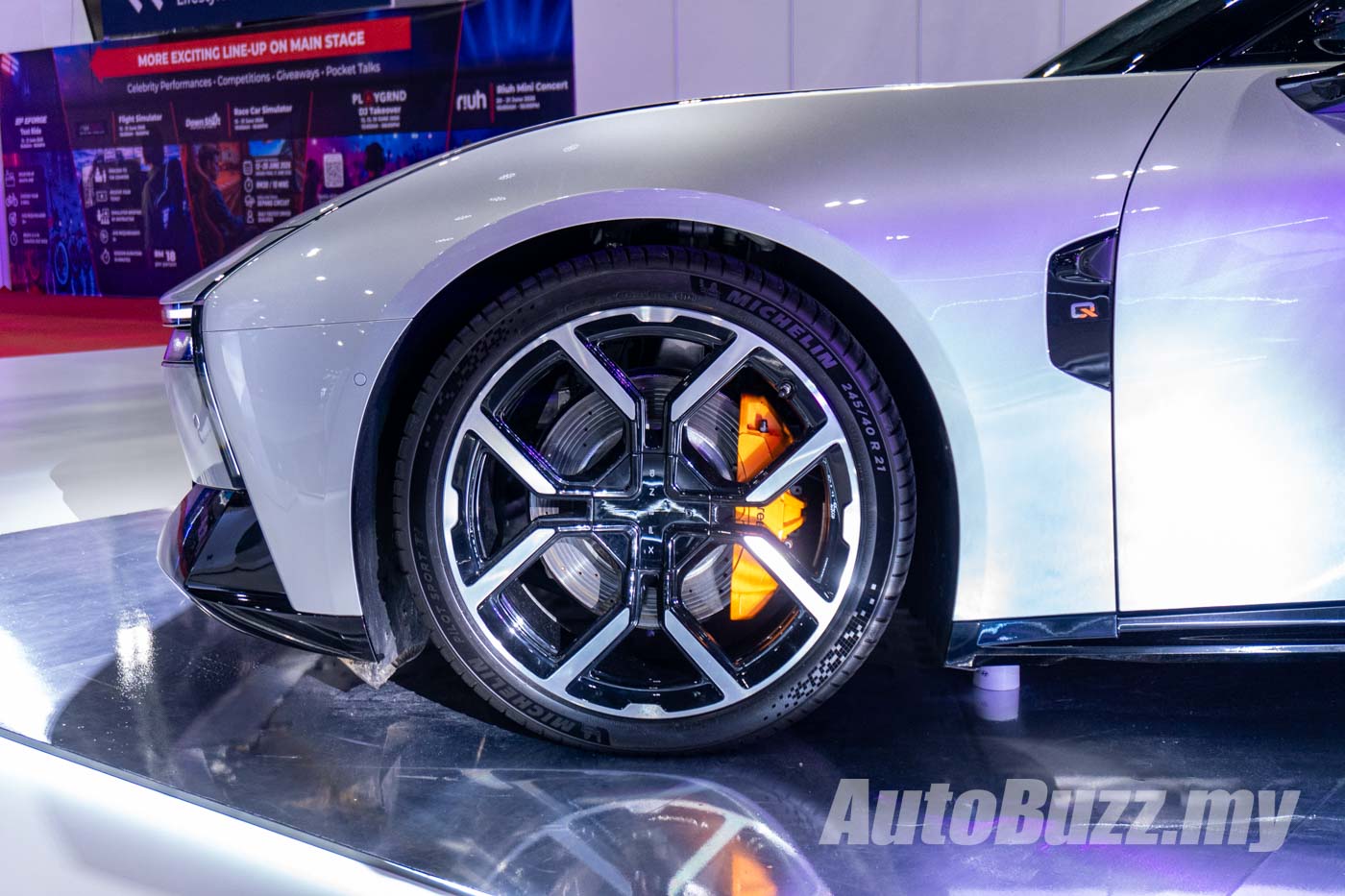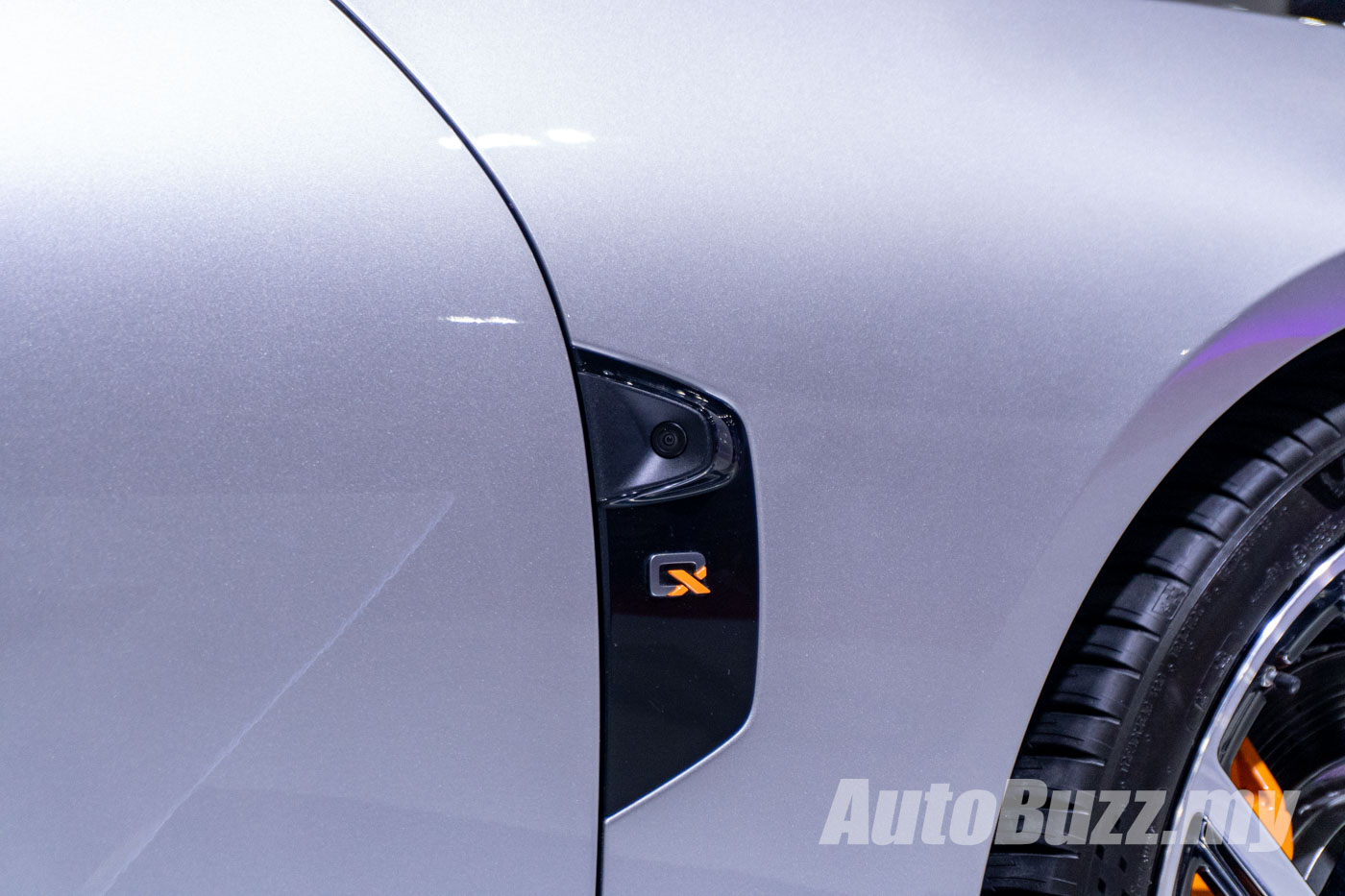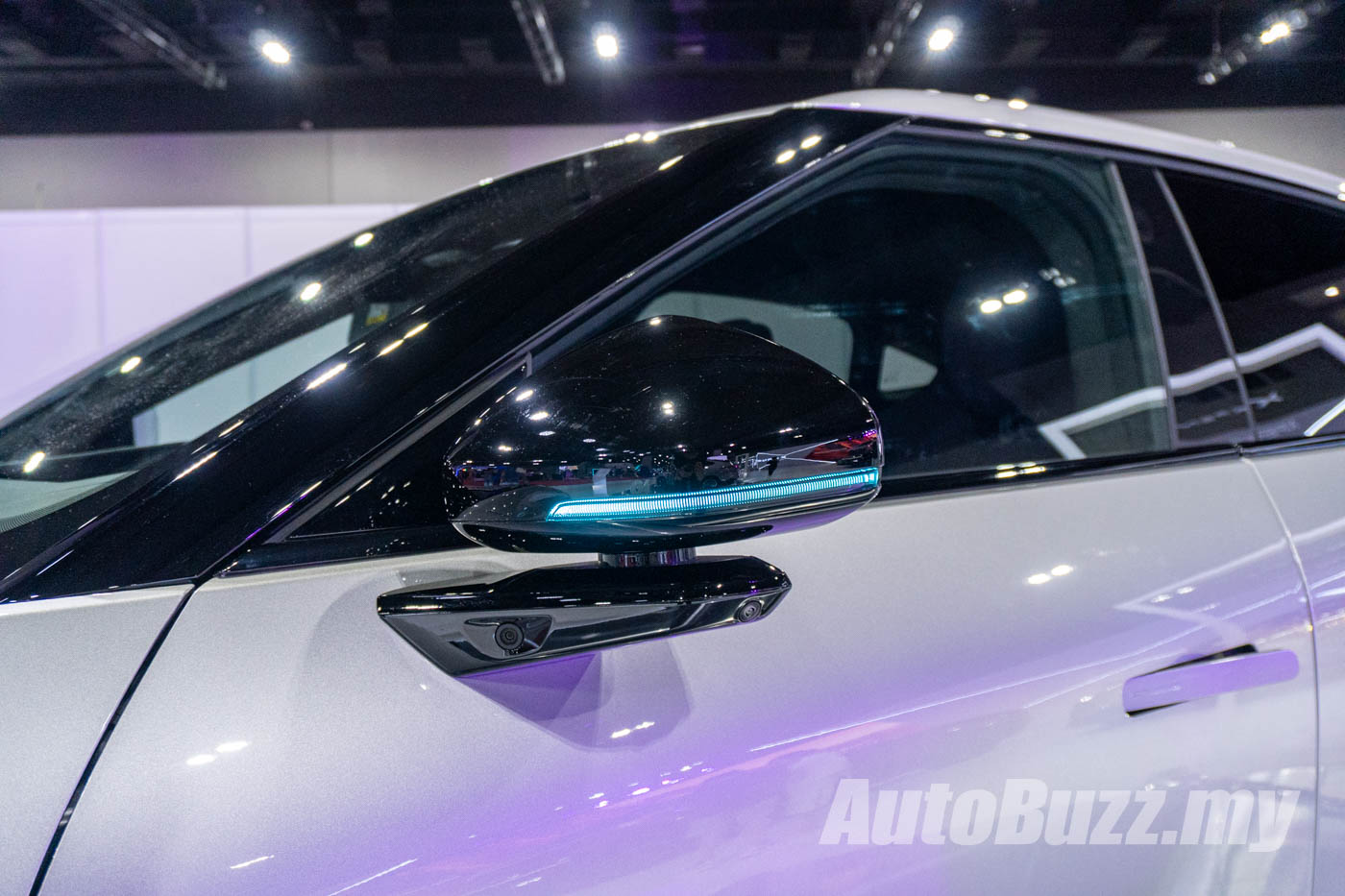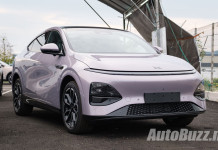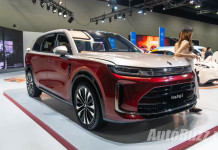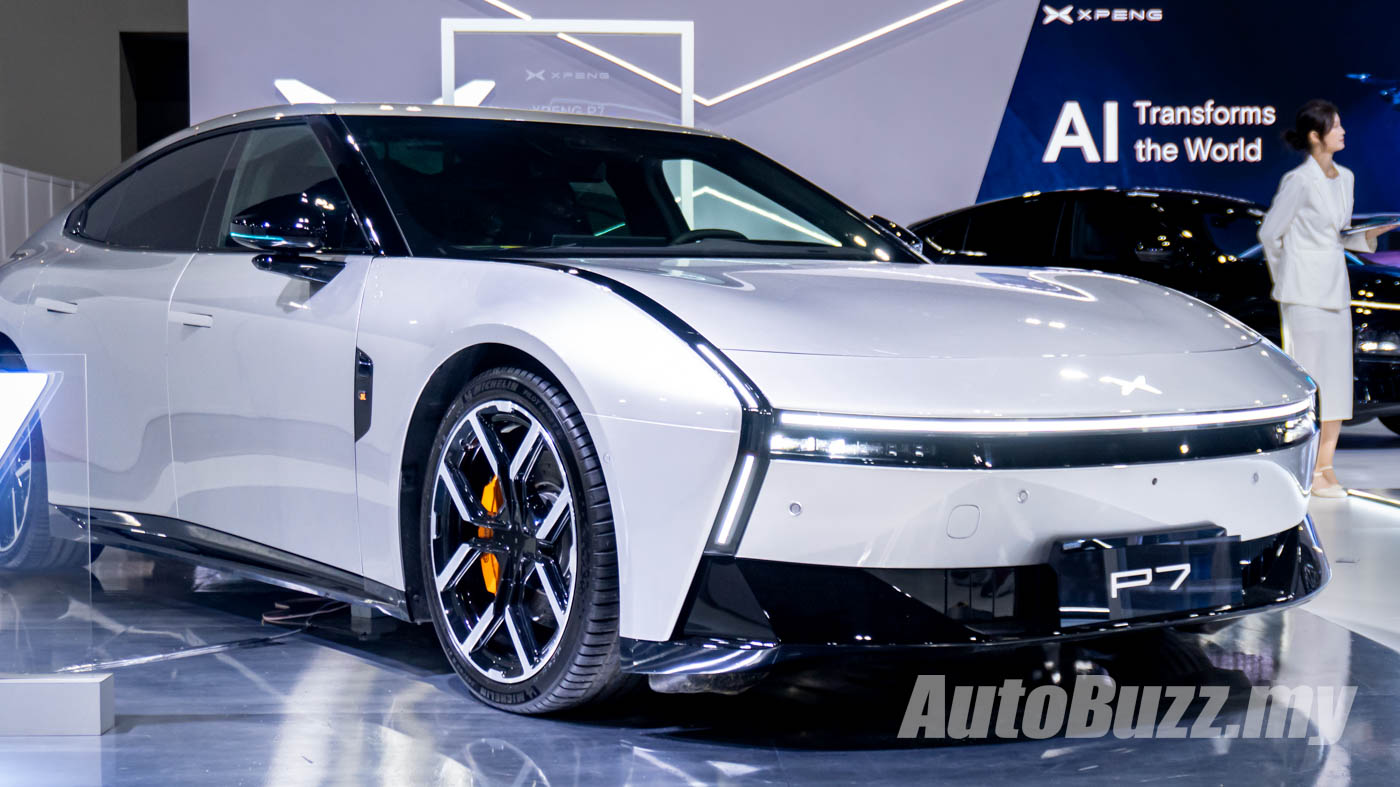
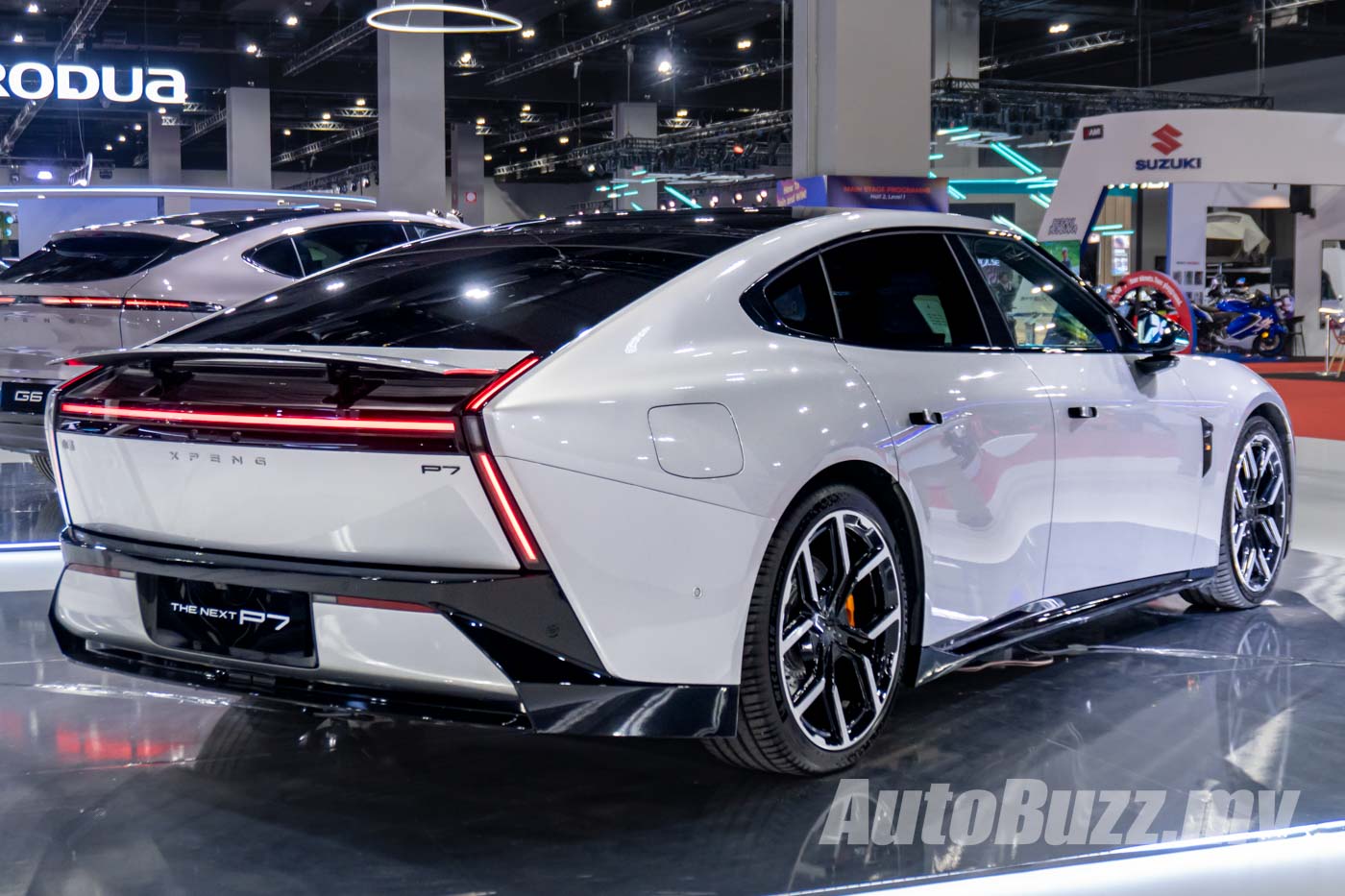
The second-generation XPeng P7 has made an appearance at the Bermaz XPeng booth during KLIMS 2026, showcased in left-hand drive guise. The company remains quiet on any official Malaysian market debut, meaning this showcase merely serves as a potential preview of the P7.
Measuring 5,017 mm long, 1,970 mm wide, and 1,427 mm tall with a 3,008 mm wheelbase, the XPeng P7 is a large EV sedan that is comparable in size to the BMW i5. For comparison, the P7 actually boasts a longer wheelbase than the i5, which suggests a more spacious interior.
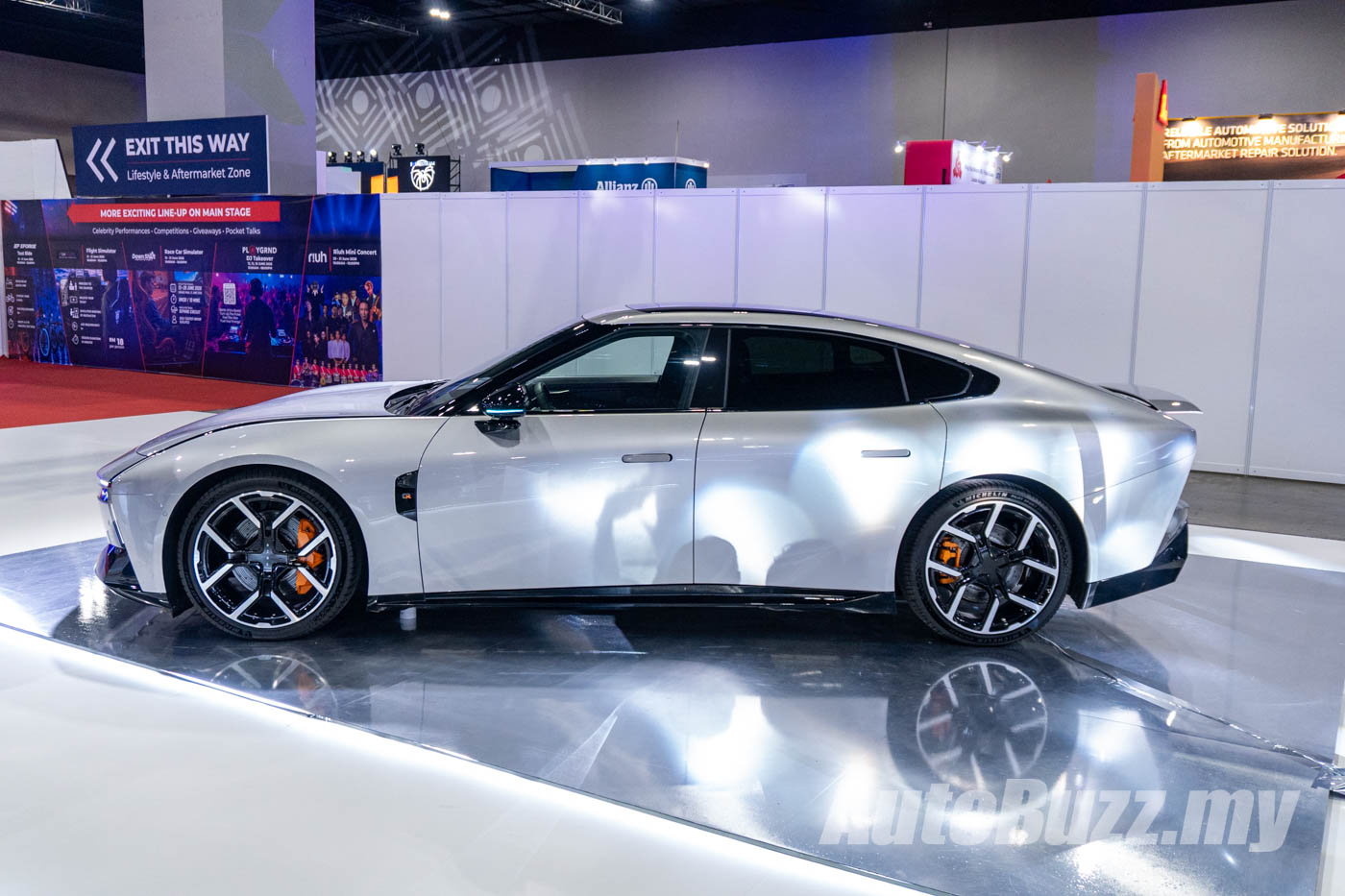
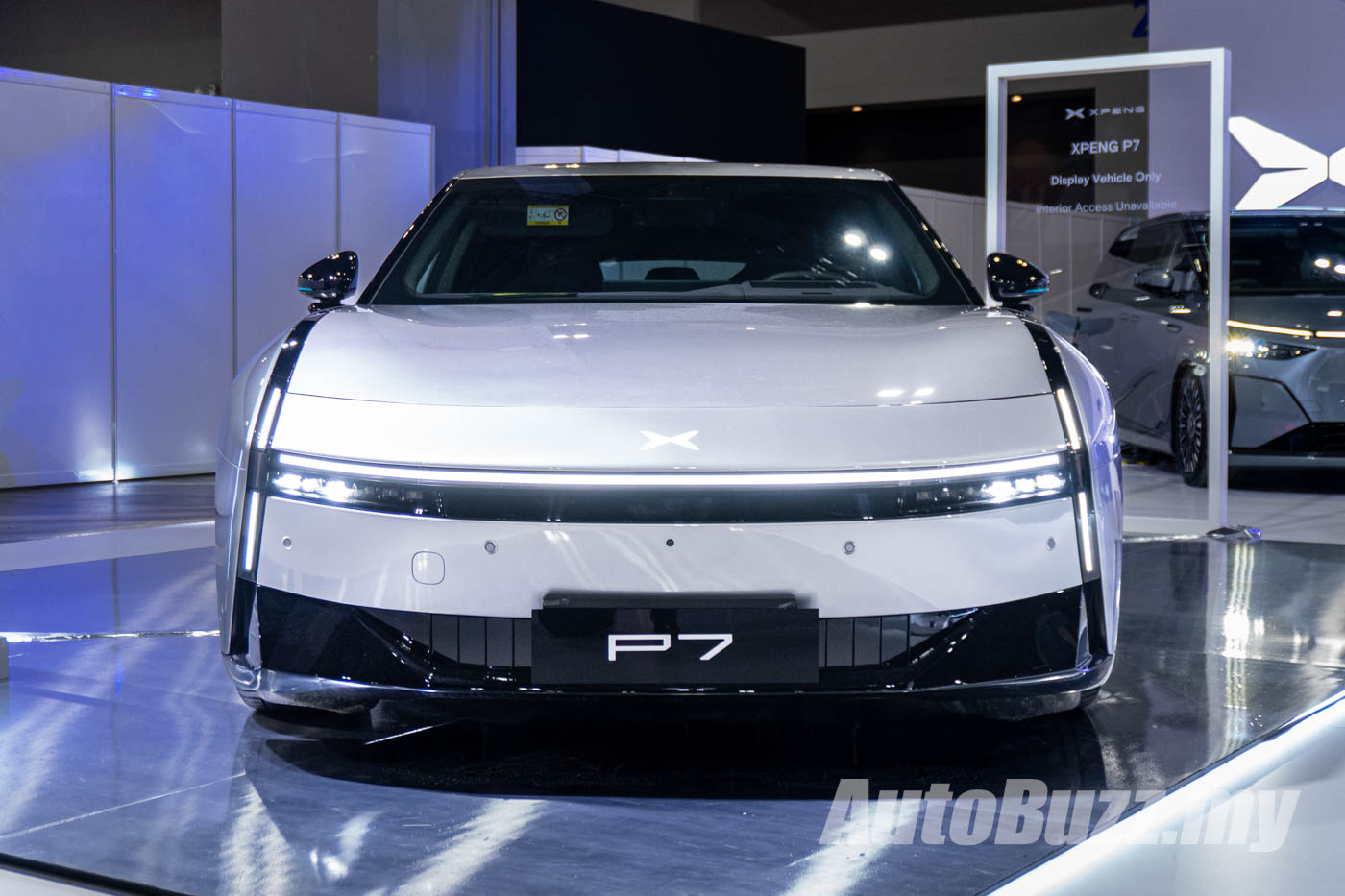
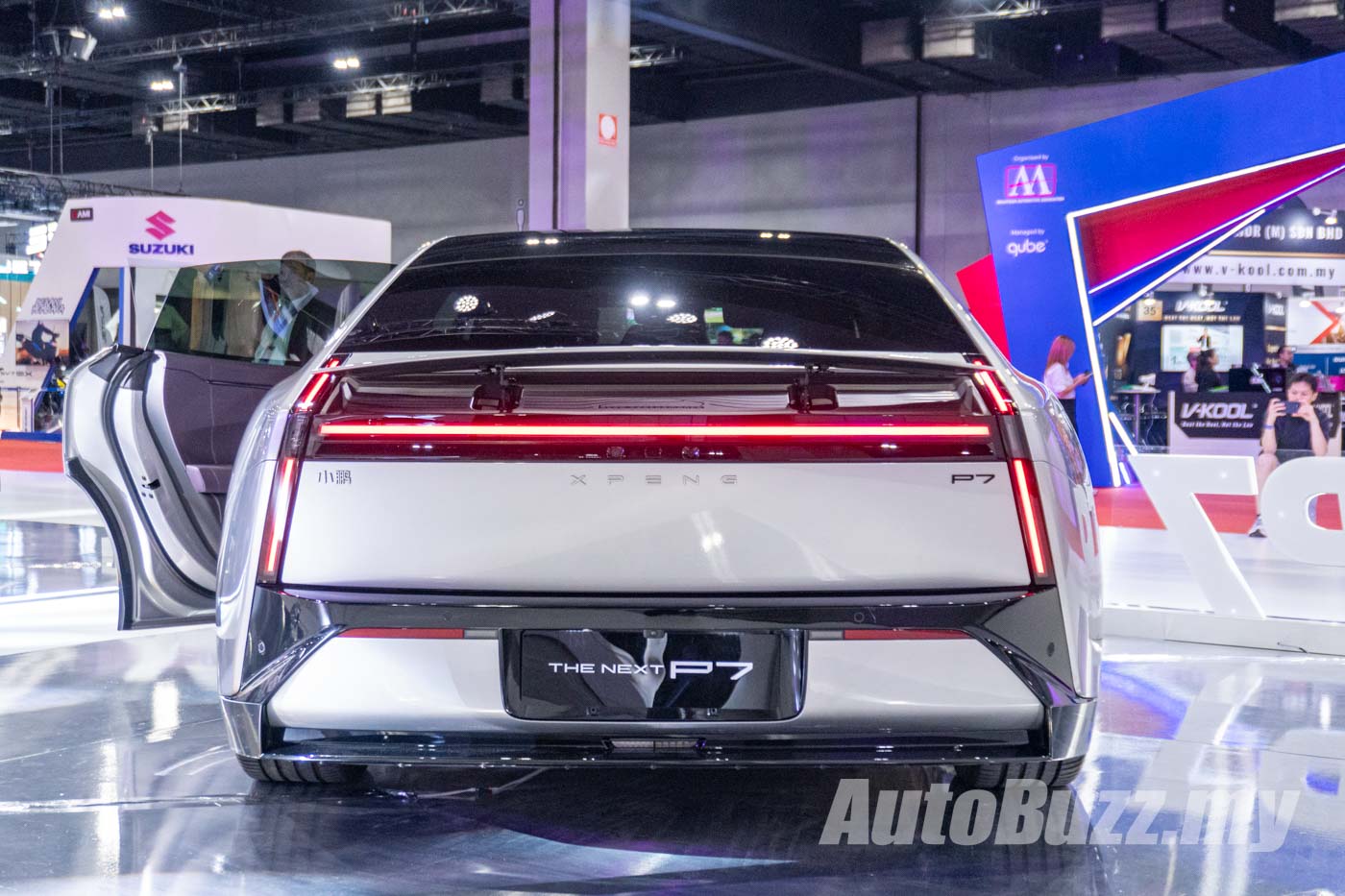
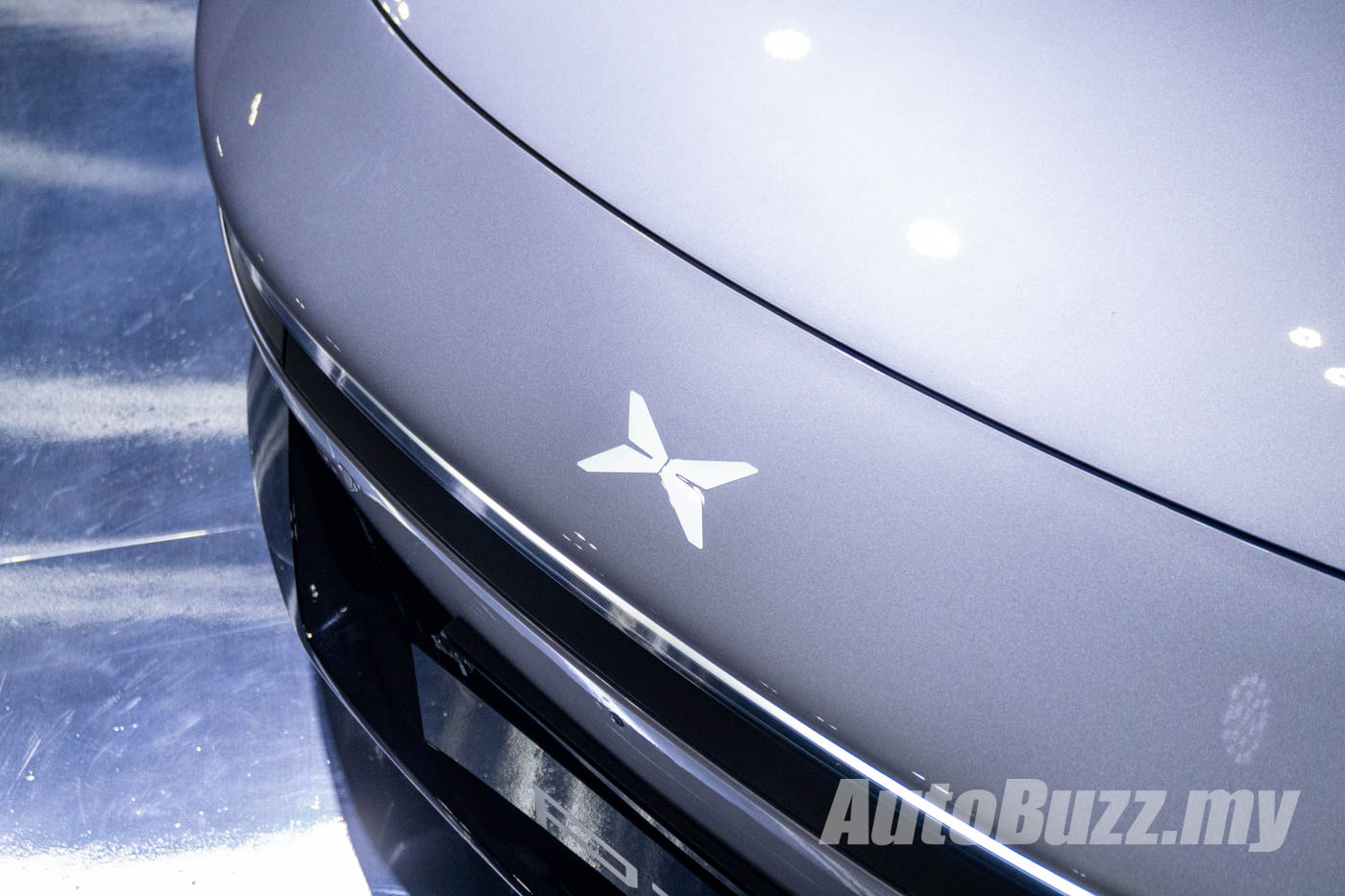
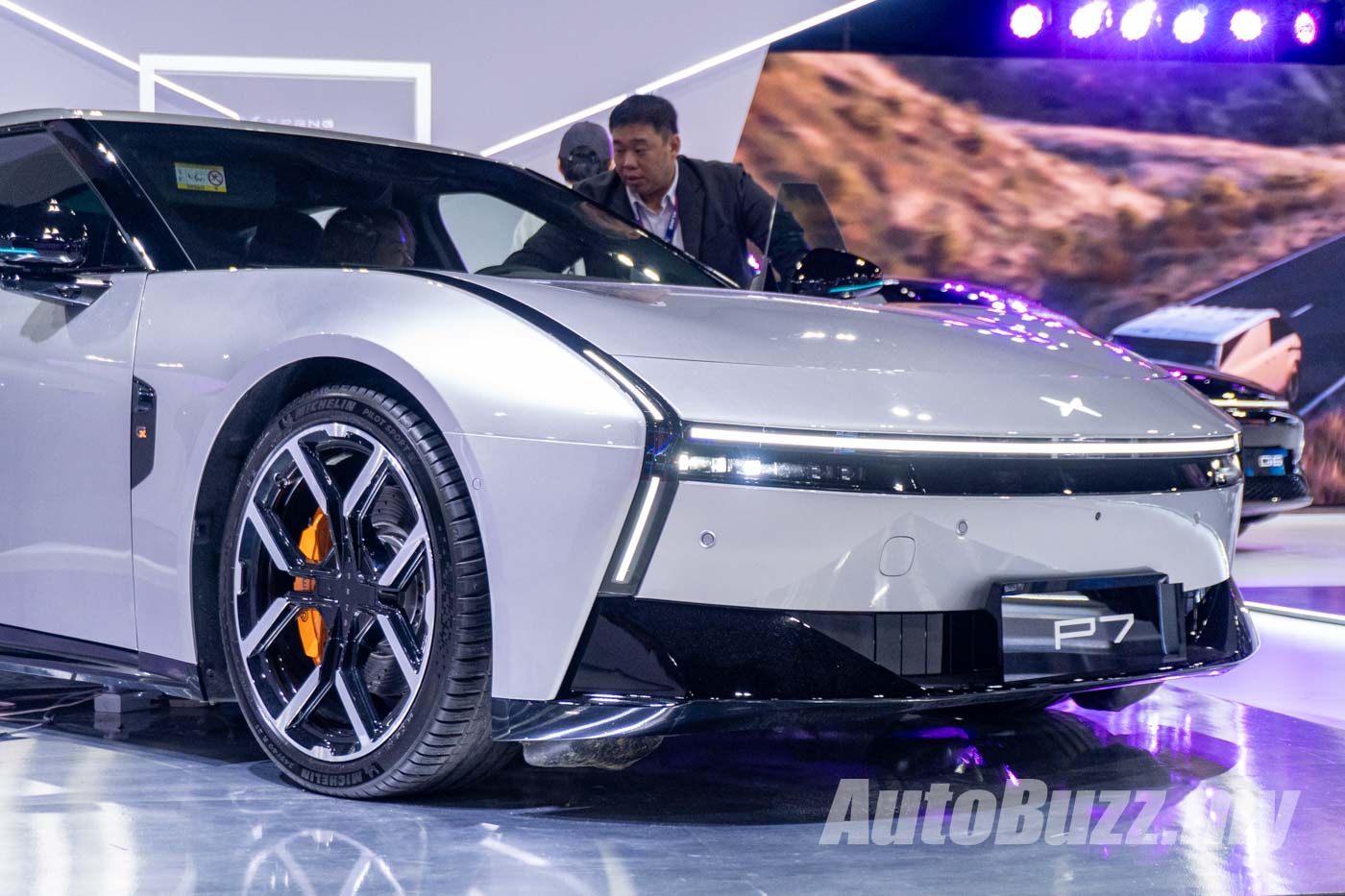
Boasting what could only be described as a cyberpunk aesthetic, the XPeng P7 features a smooth yet edgy silhouette reminiscent of futuristic concept cars from years gone by. Case in point, the P7 utilises thin light strips for the daytime running lights on the front, with the actual headlights integrated into the front bumper for a sort of visor look.
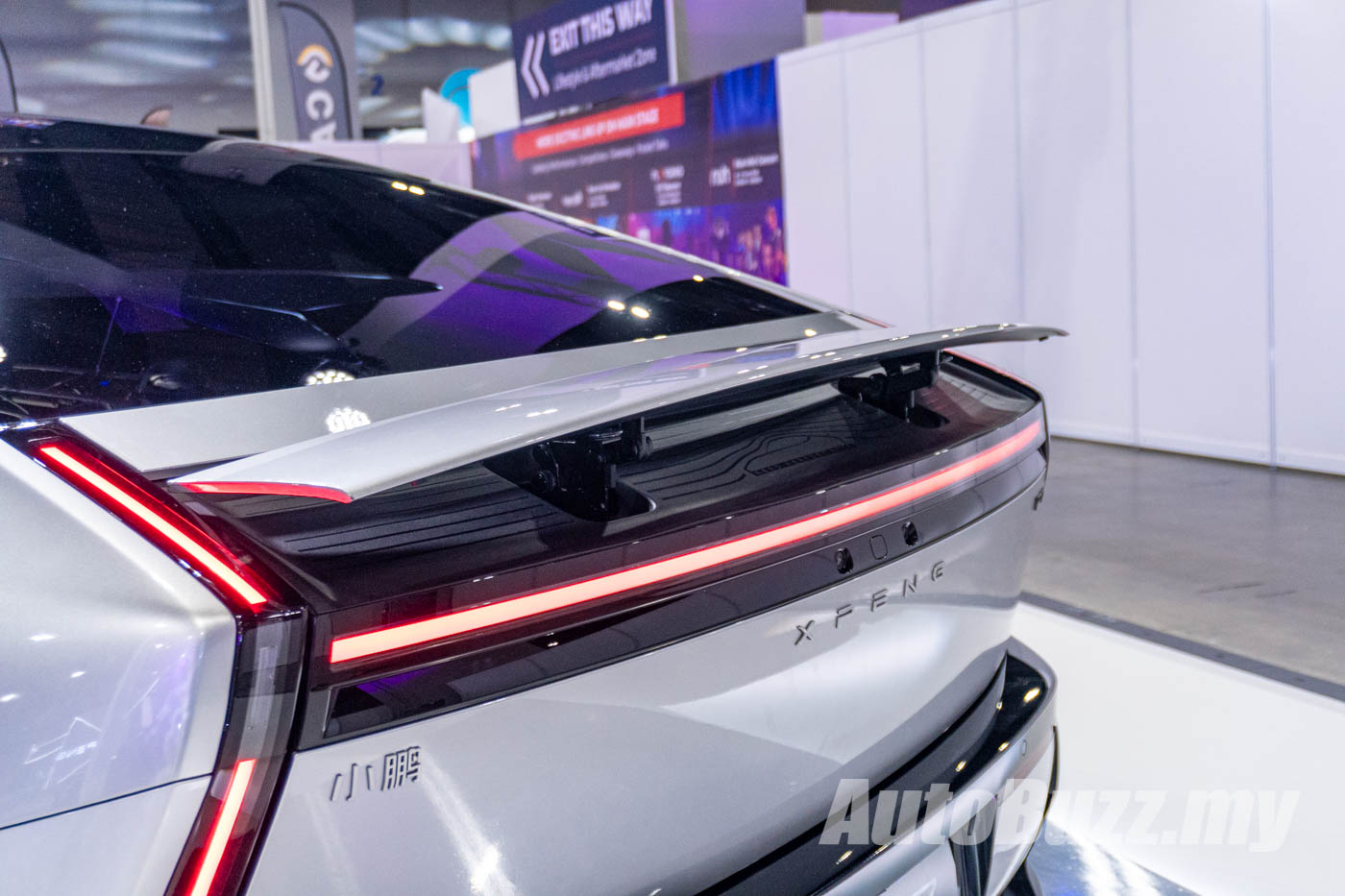
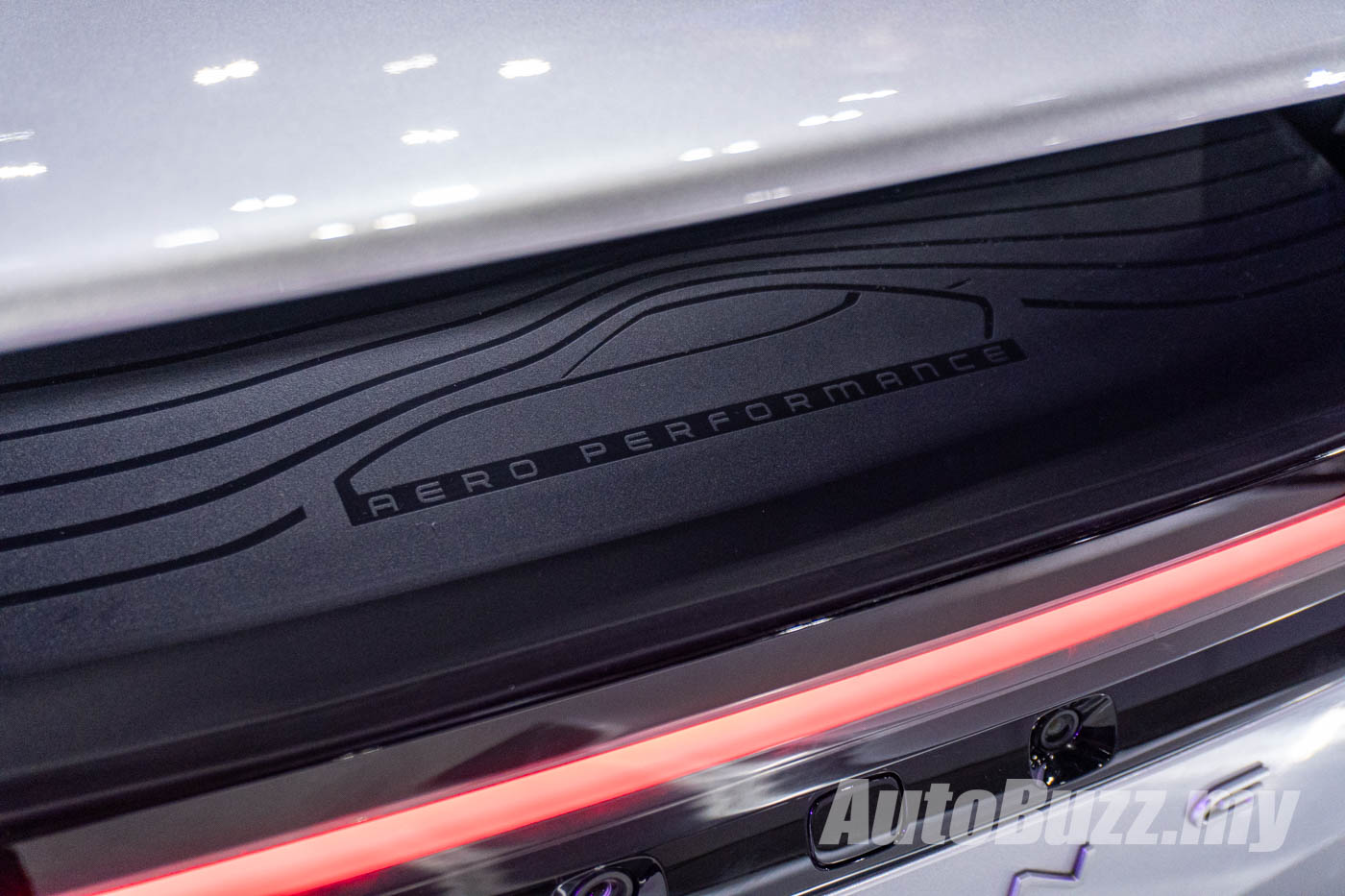
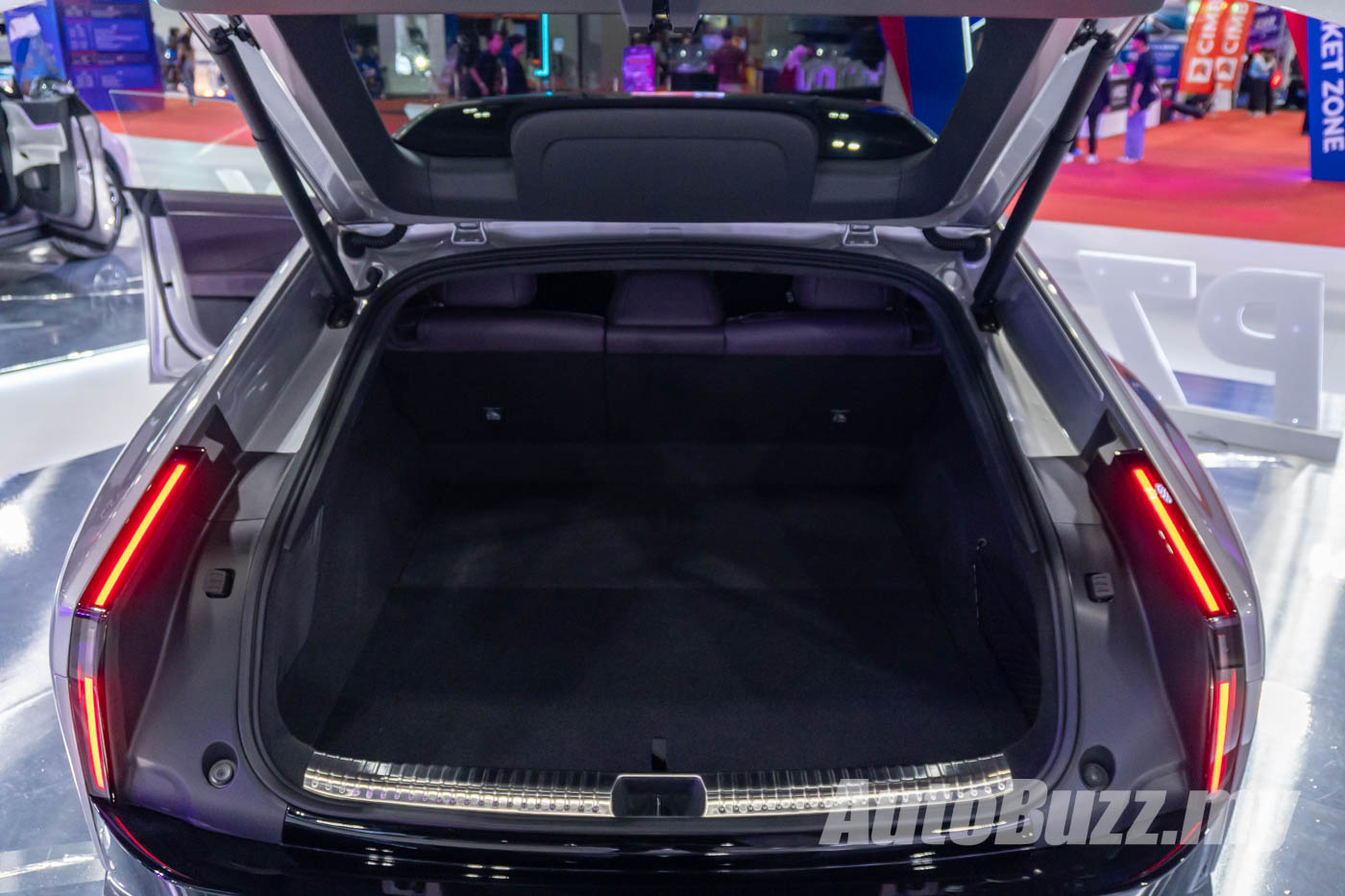
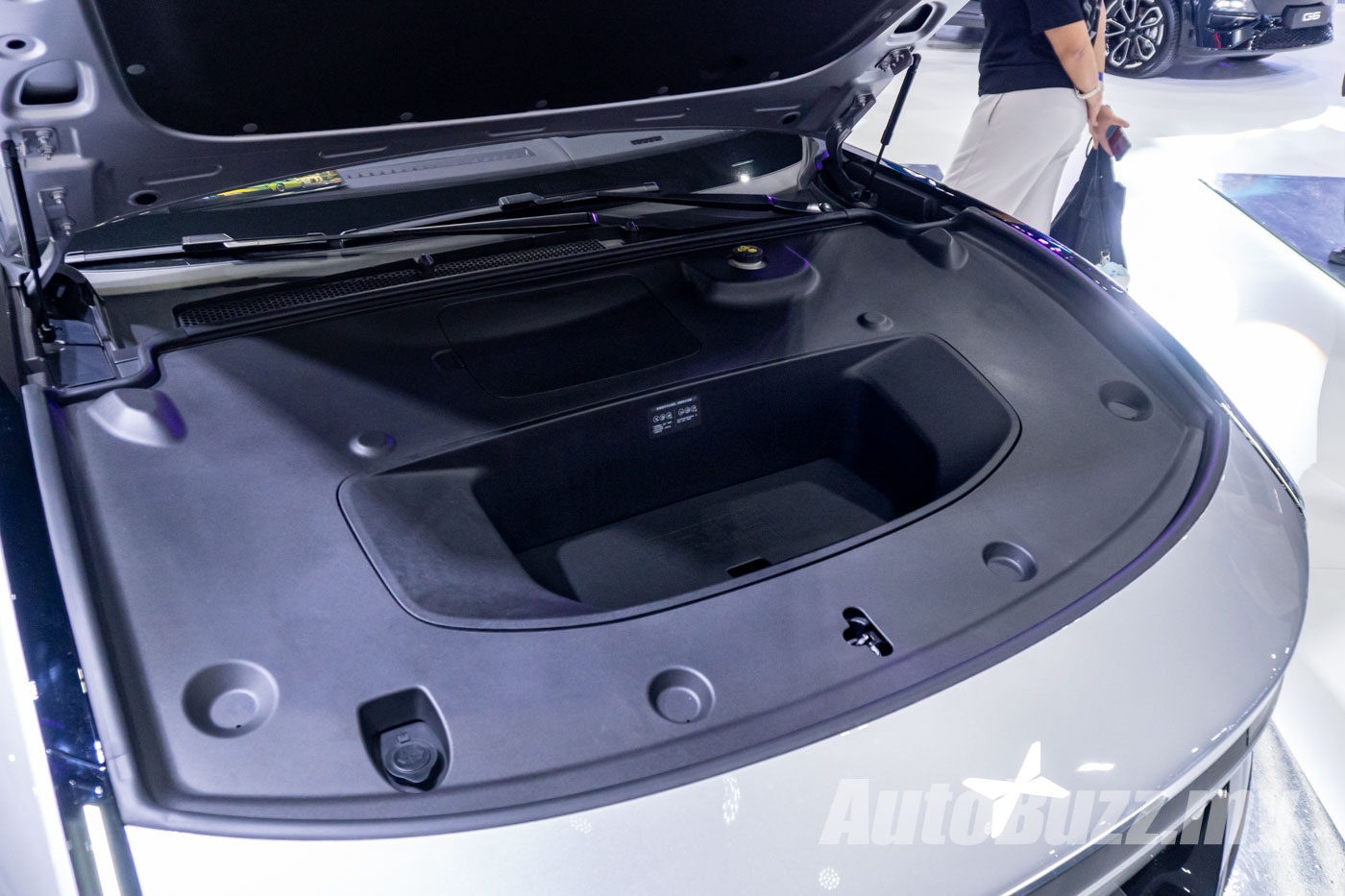
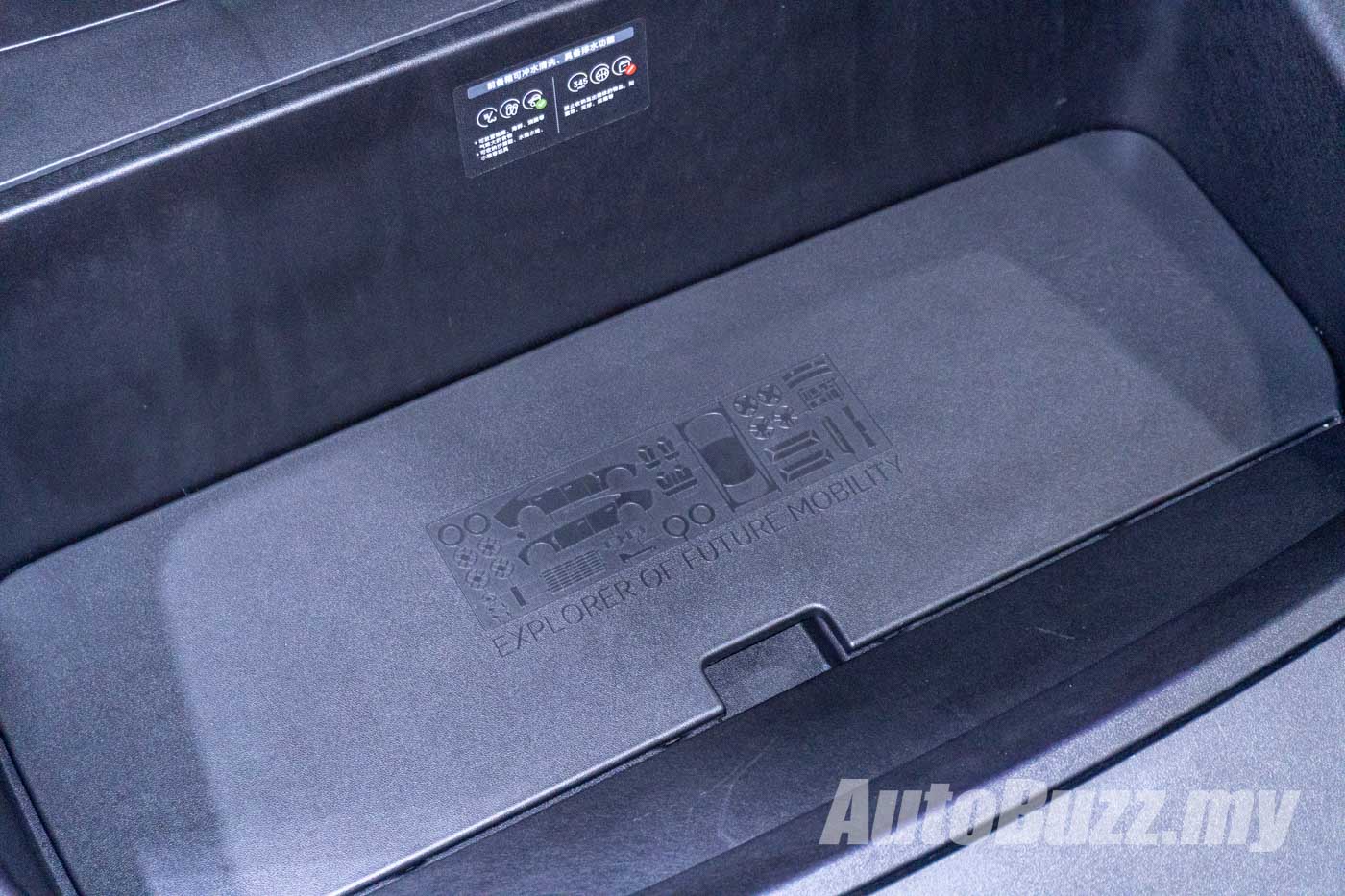
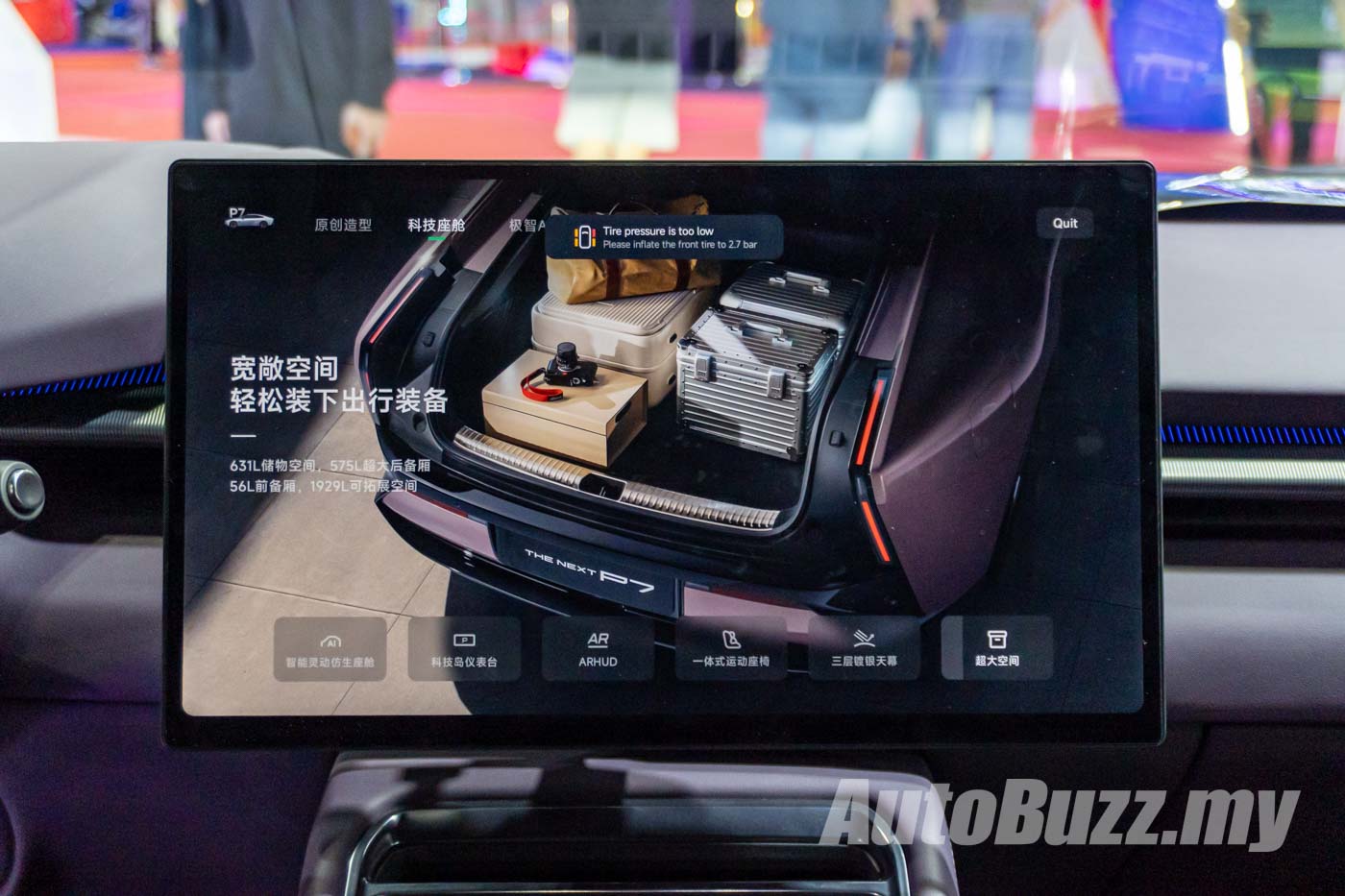
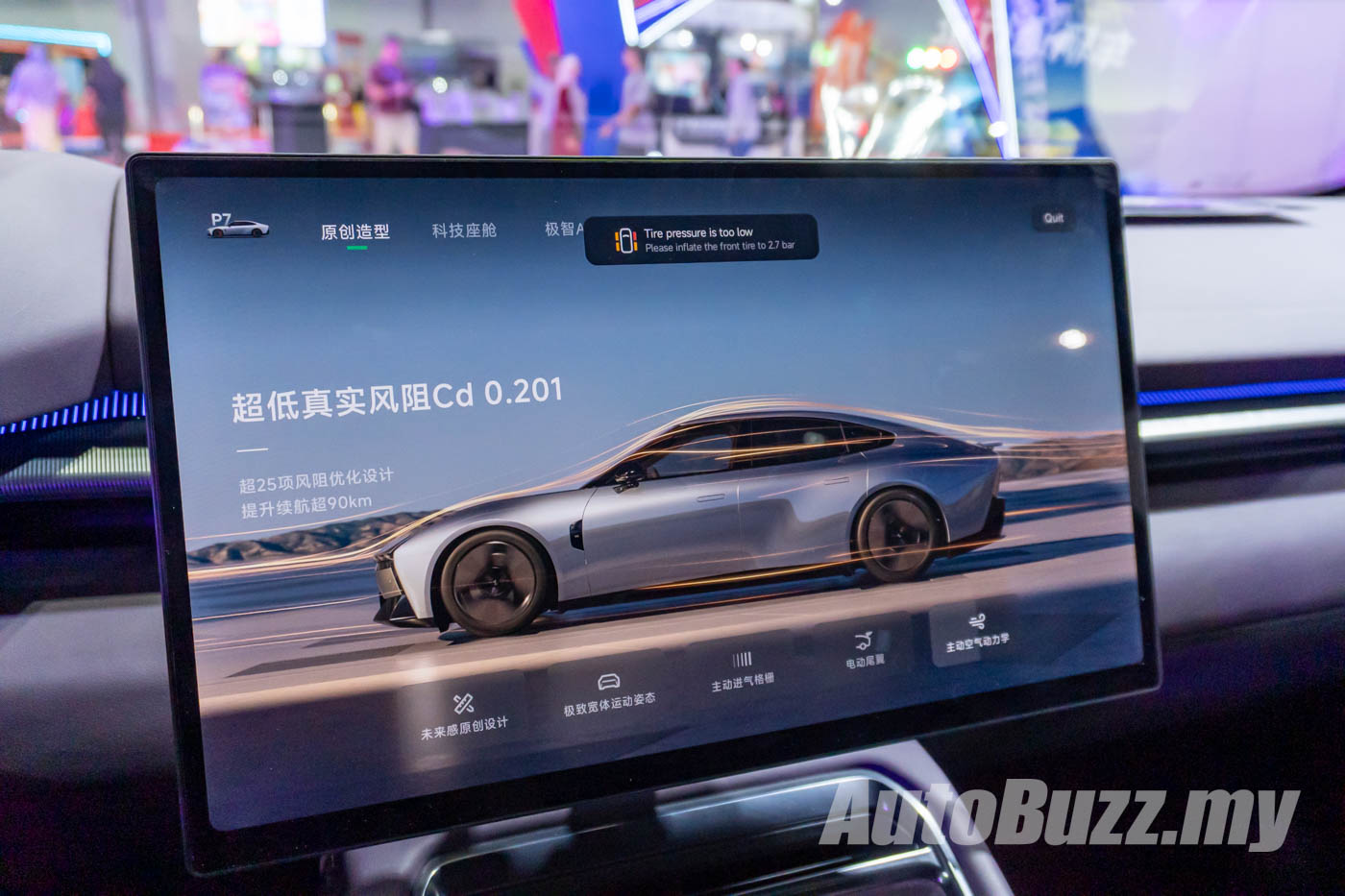
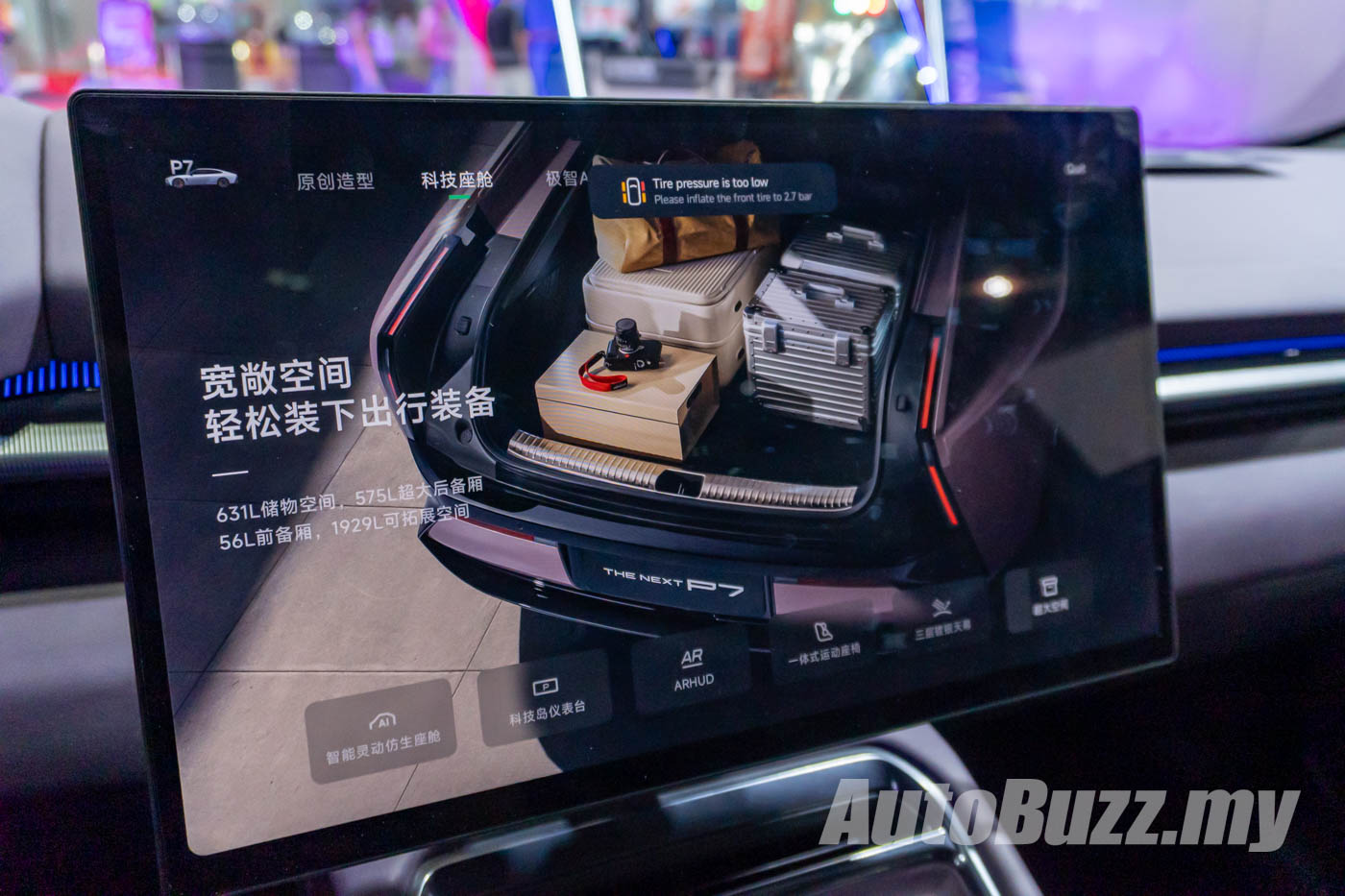
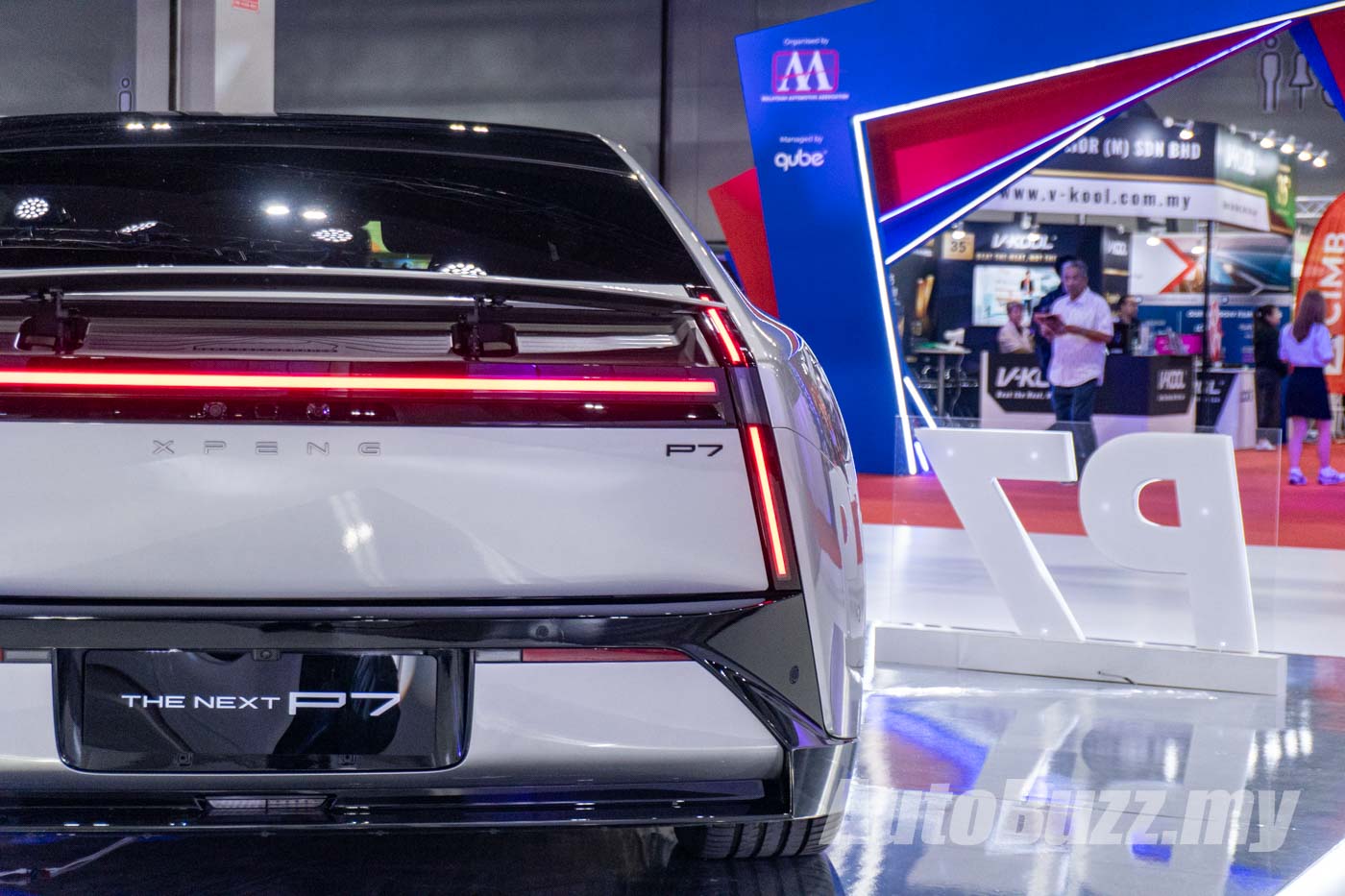
The design theme continues at the rear, where a continuous light bar serves as the taillights. Complementing this is a sleek fastback silhouette and an integrated rear spoiler, giving the XPeng P7 a drag coefficient of 0.201 Cd, and a futuristic aesthetic that feels more like a car from 2077 than 2026. Boot space on the P7 is rated at 575 litres, which is expandable to 1,929 litres, whilst a frunk up front provides an additional capacity of 56 litres.
READ MORE: Dongfeng MHero II, 008, and Voyah Dream previewed in Malaysia – possibly coming to Malaysia
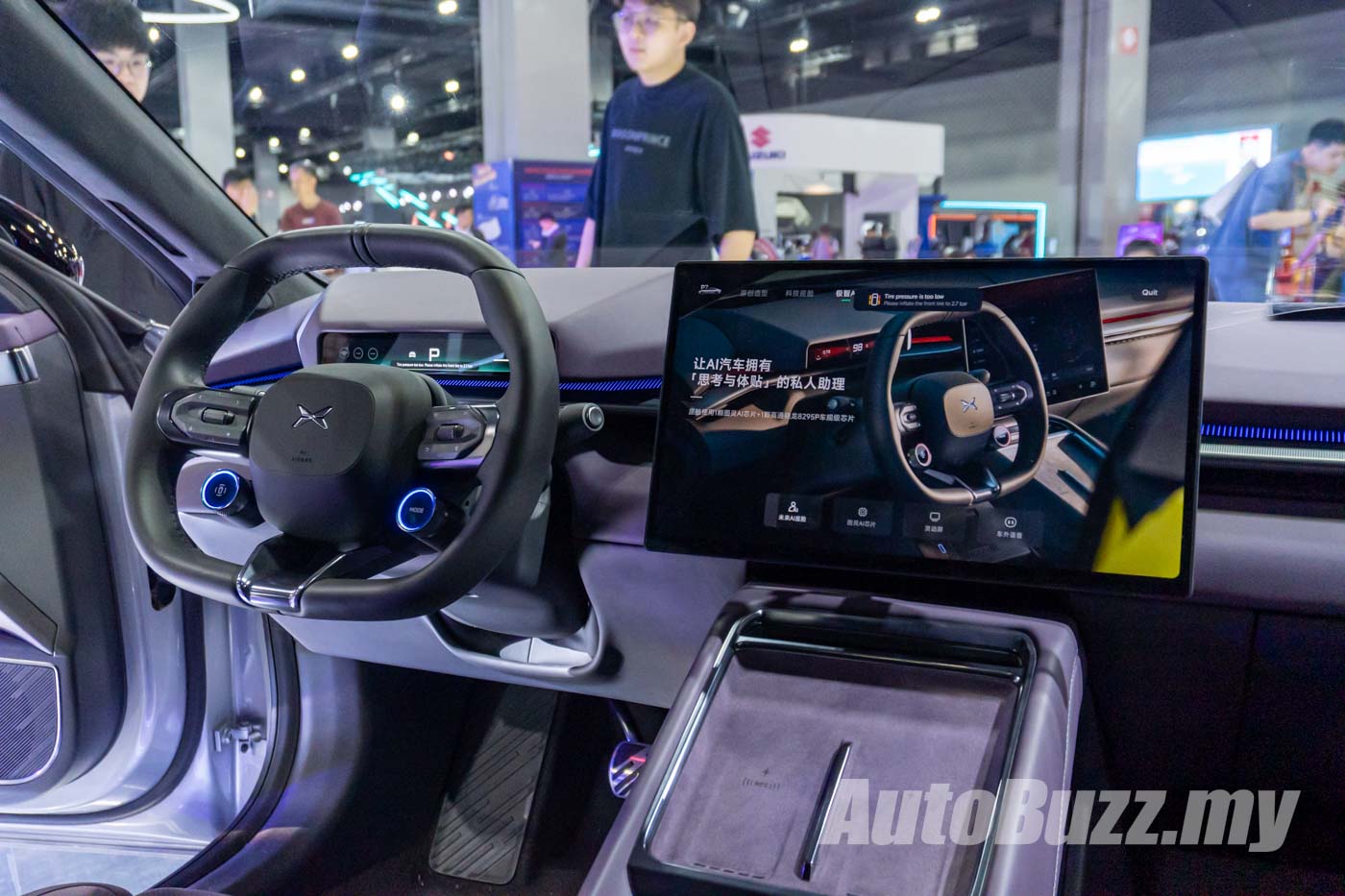
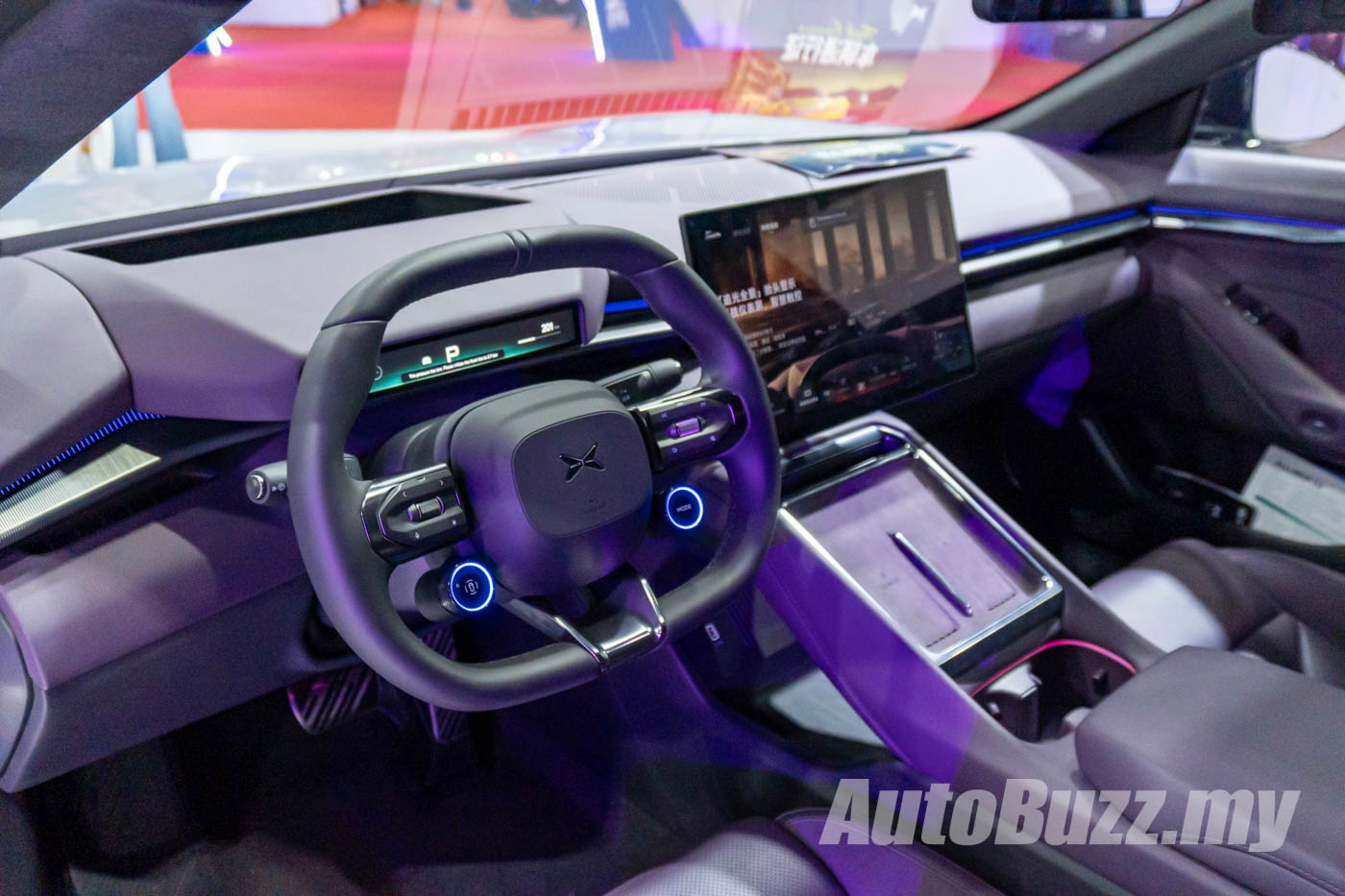
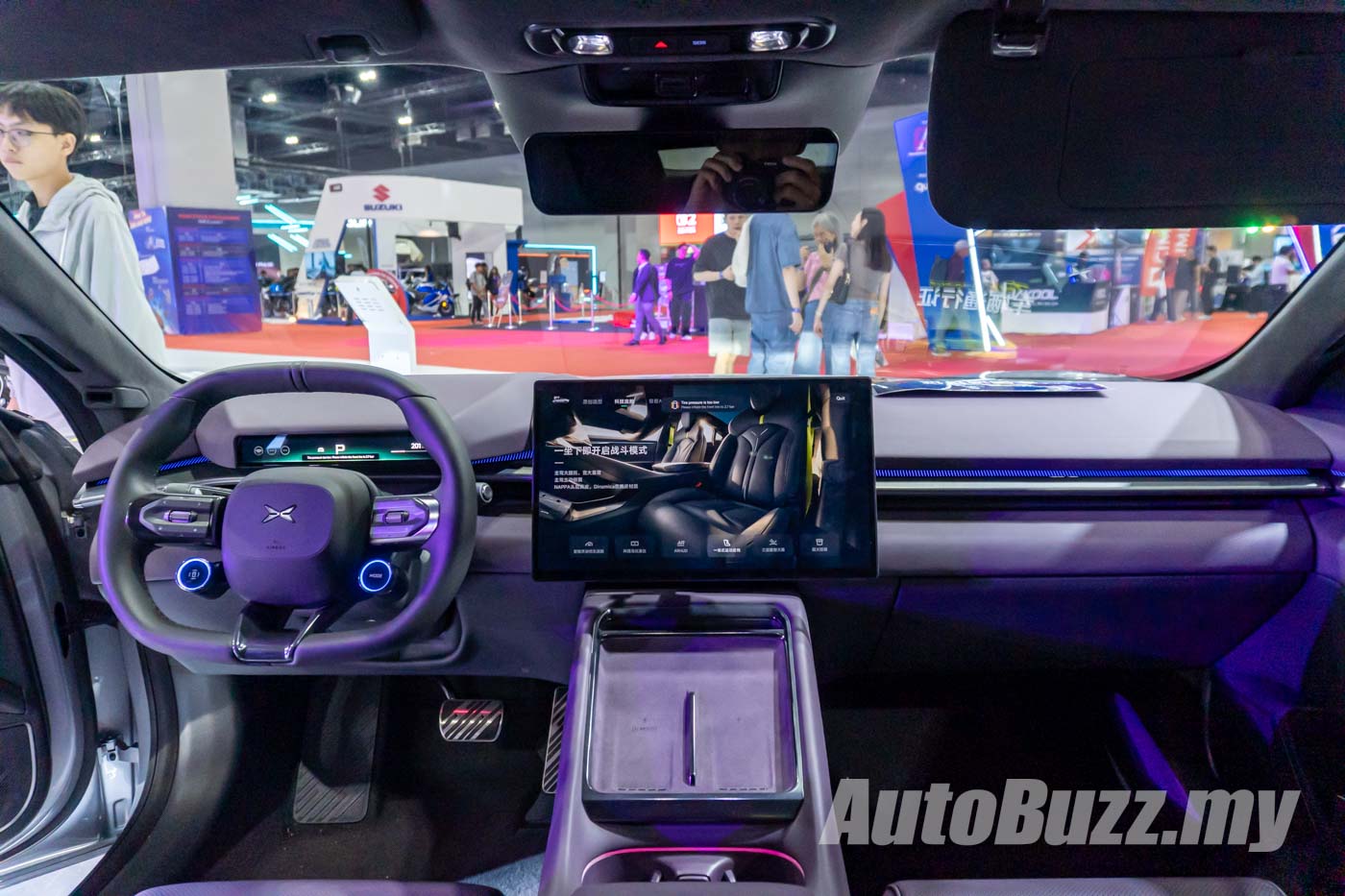
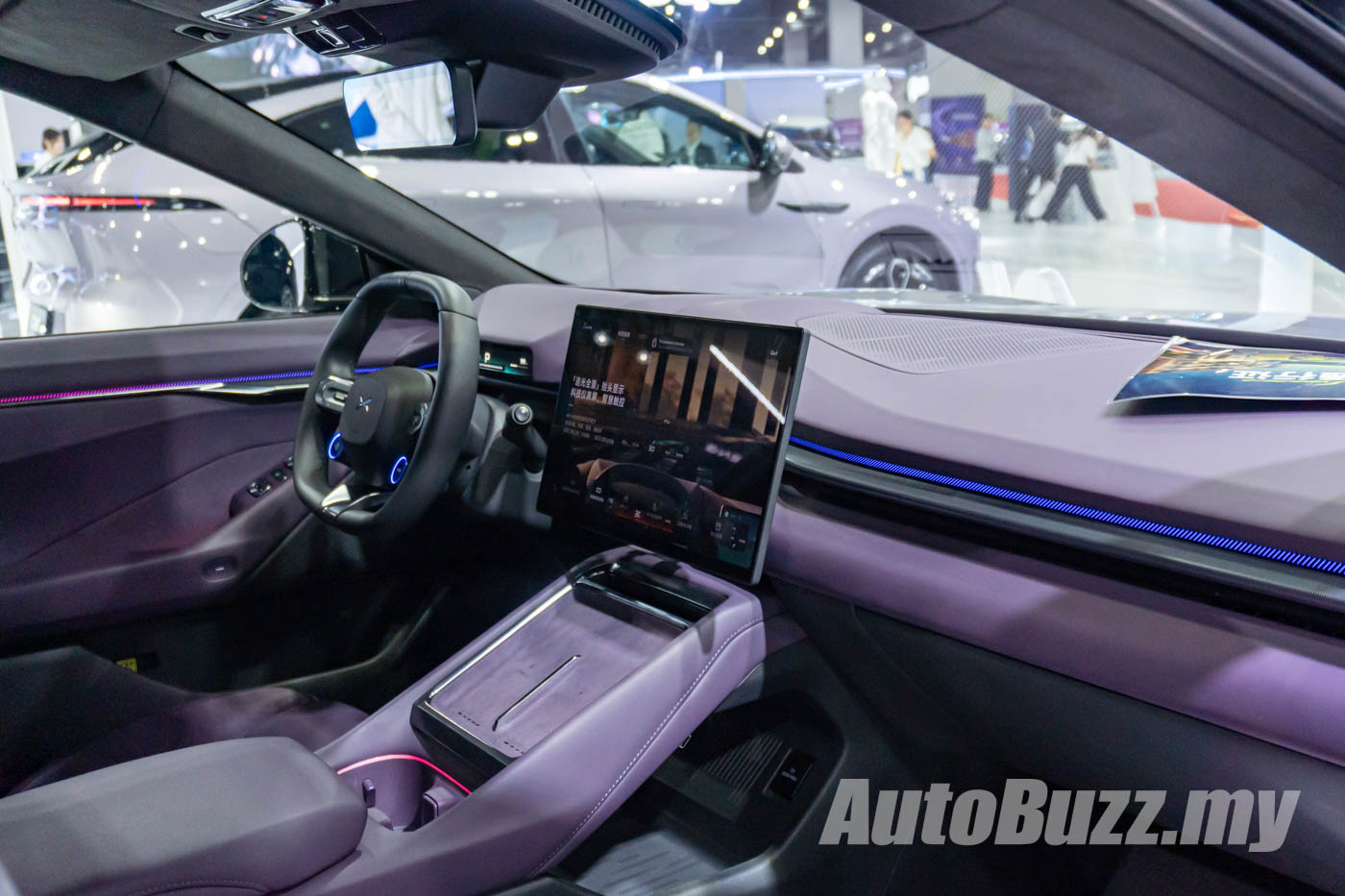
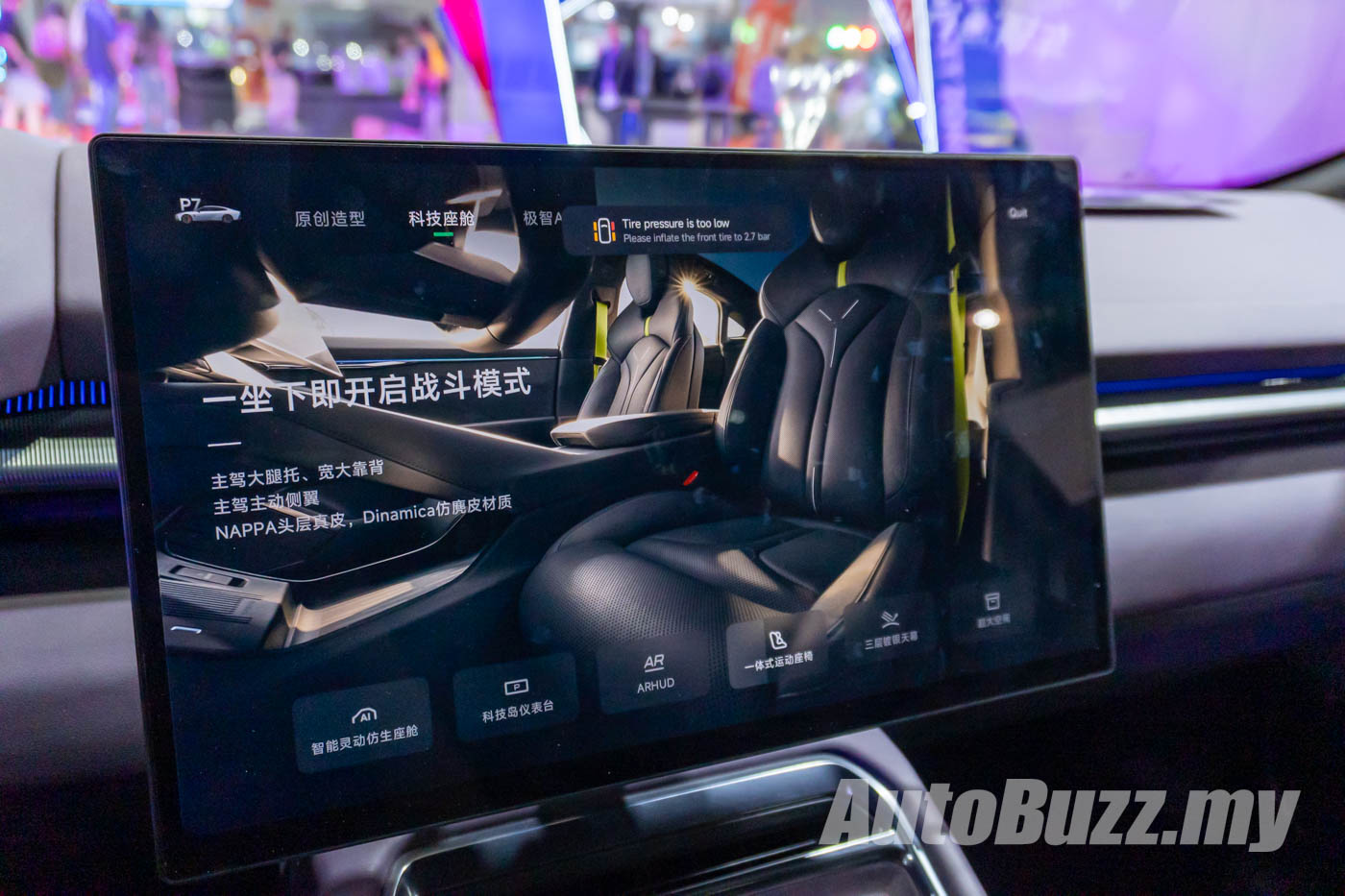
Inside, if you are expecting an interior filled with futuristic wrapped displays or a yoke-style steering wheel, you will be disappointed because the P7 keeps its feet firmly in 2026.
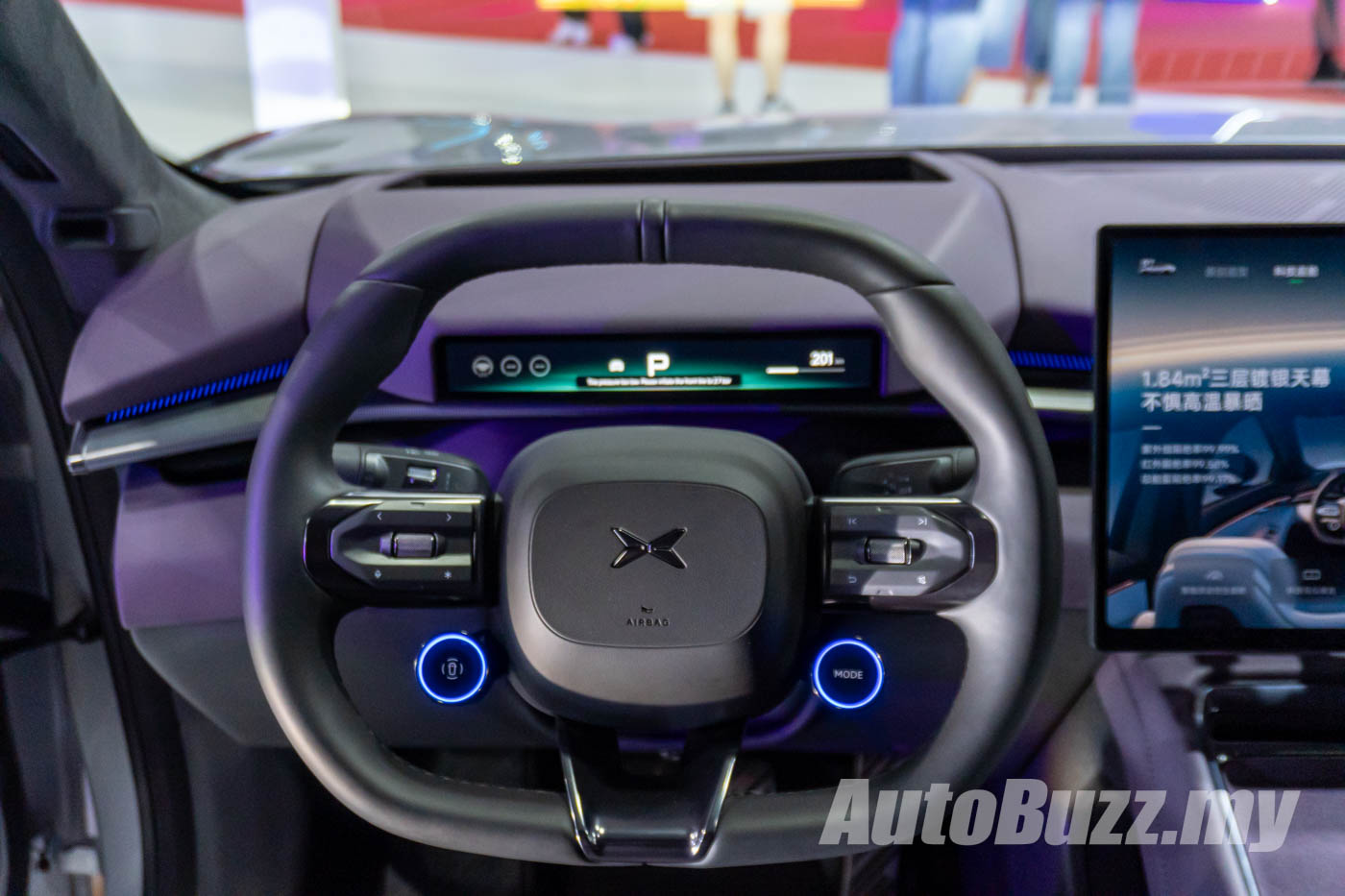
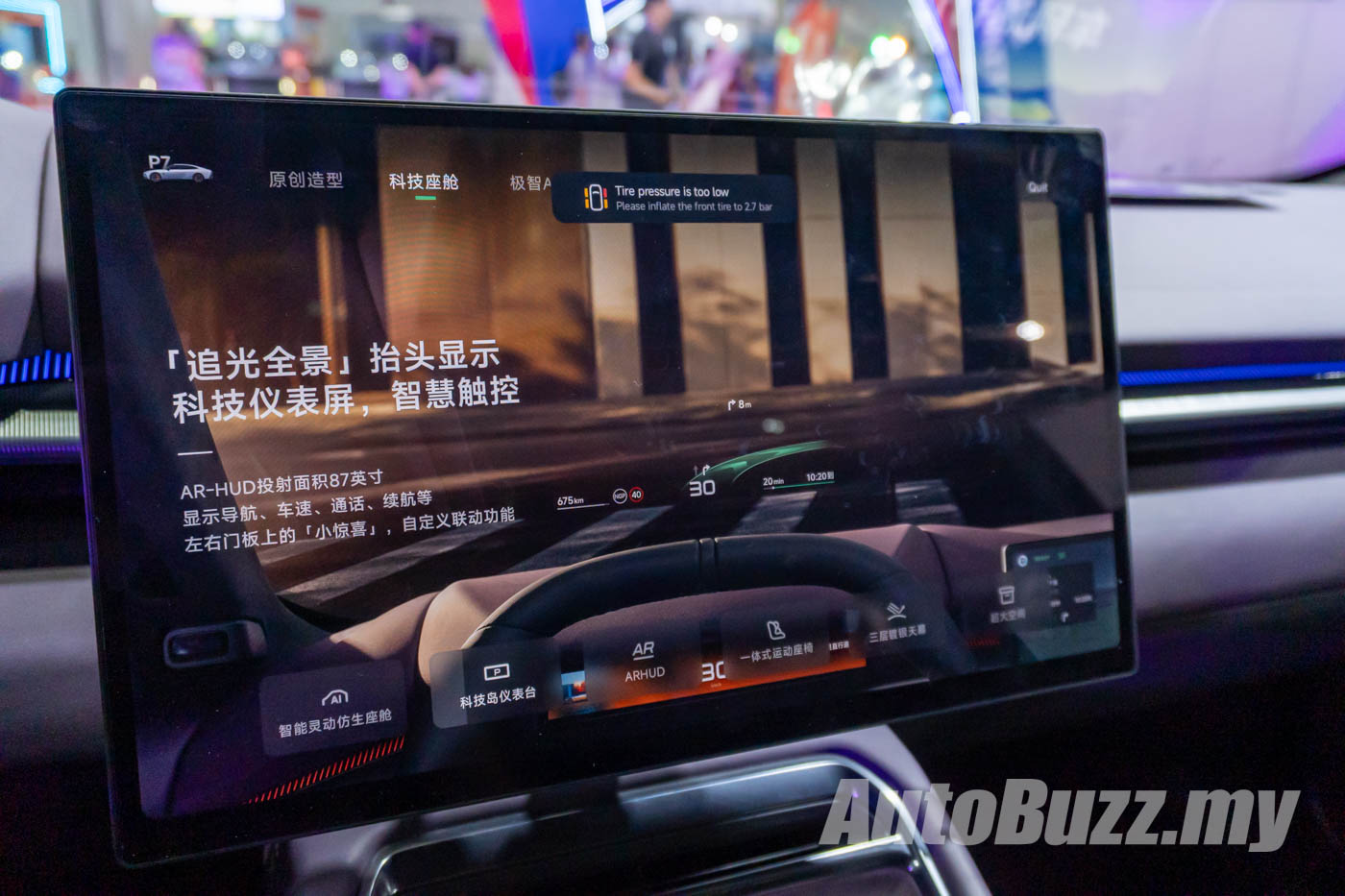
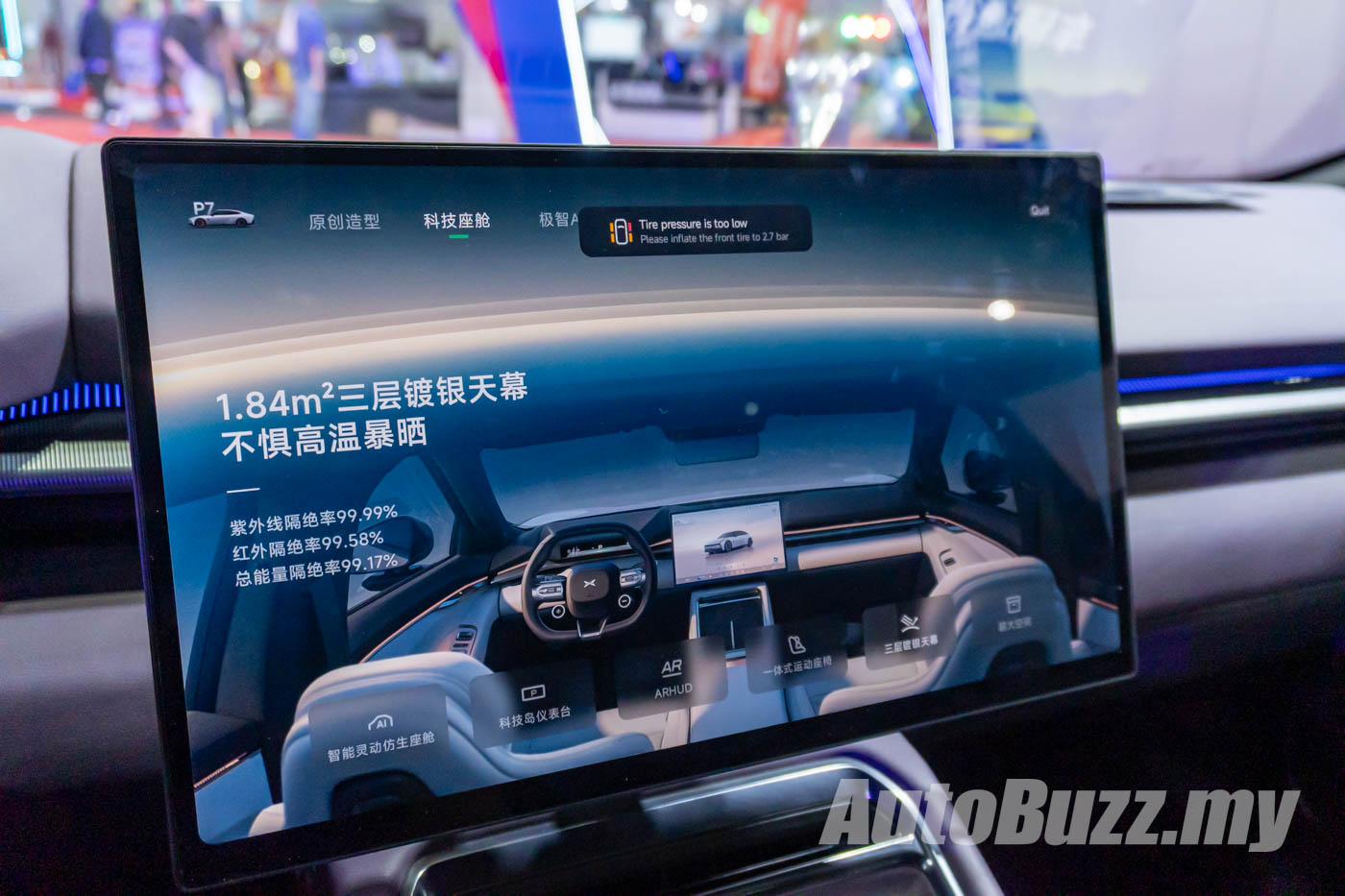
Its cabin features a 15.6-inch central infotainment display that can pivot and tilt for better visibility. The driver is treated to a letterbox-style 8.8-inch digital gauge cluster accompanied by a massive 87-inch heads-up display, whilst control of the P7 is handled via a sporty multi-function flat-bottomed steering wheel.
The XPeng P7 range is built on an advanced 800V architecture and is available in four fully electric powertrain variants. The lineup kicks off with the 702 Max, which packs a 74.9 kWh lithium iron phosphate battery that claims a 702 km range under the optimistic CLTC cycle. Propulsion is handled by a single, rear-mounted traction motor delivering 367 hp (270 kW) and 465 Nm, sending the P7 from 0-100 km/h in 5.8 seconds.
The 820 Max features the same powertrain configuration as the 702 Max, but is equipped with a larger 92.2 kWh nickel-manganese cobalt battery, which increases the range up to 820 km (CLTC) and shortens the century sprint to 5.4 seconds.
Moving up the ladder to the 750 4WD Max variant sees the P7 gain a front-mounted traction motor for an all-wheel drive setup, increasing outputs to a combined 594 hp (437 kW) and 695 Nm, enabling 0-100 km/h in 3.7 seconds.
Its range is rated at 750 km (CLTC) from the same 92.2 kWh NMC battery. The range-topping 750 4WD Wing Ultra variant of the XPeng P7 retains this dual-motor powertrain, but its primary party trick is the inclusion of a set of dramatic scissor doors.
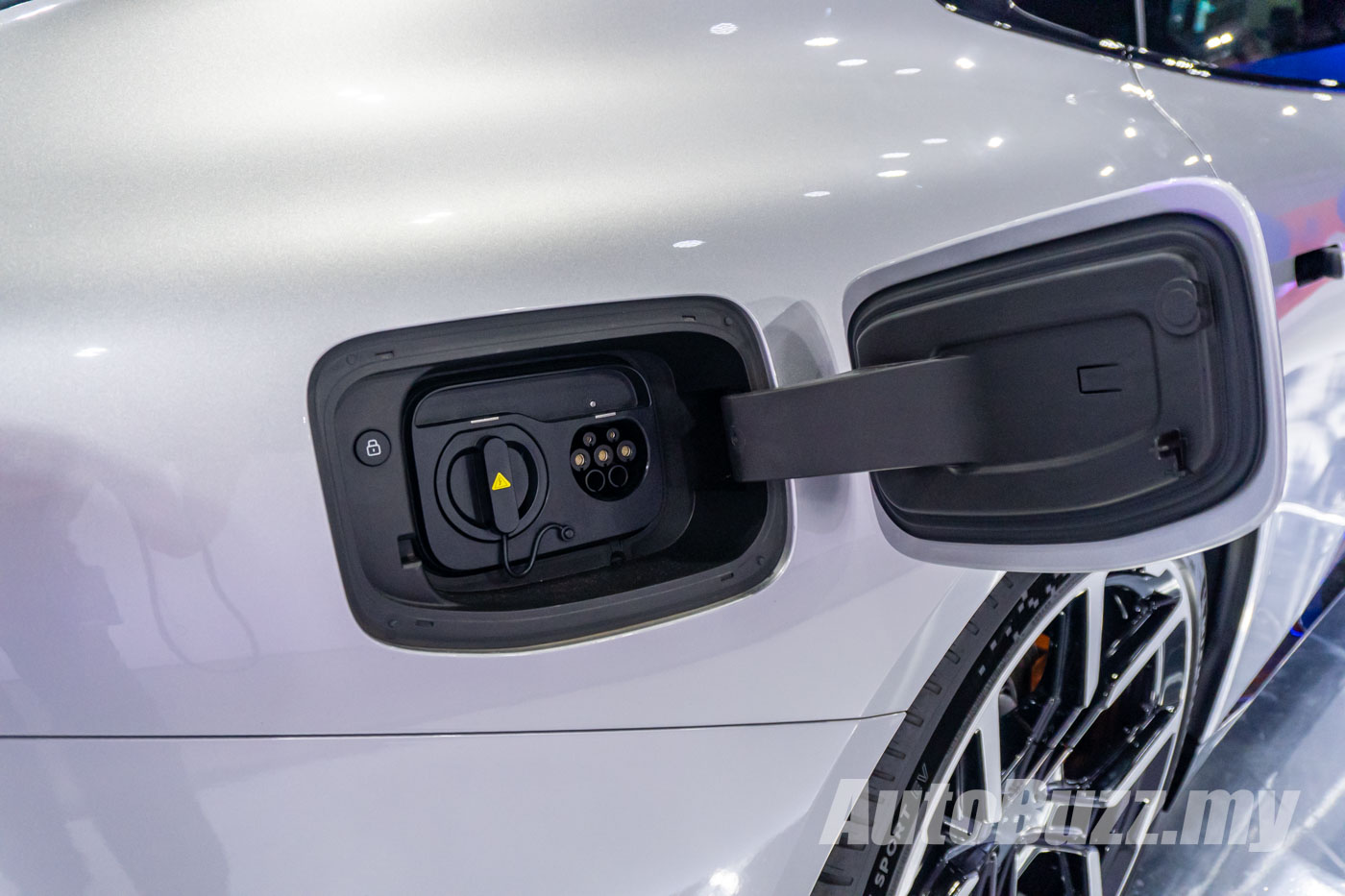
According to XPeng, the P7 platform supports 5C fast charging, meaning the vehicle can handle DC charging speeds equal to five times its total battery capacity. This enables a 10-80% recharge in 12 minutes for the base LFP battery, whilst the larger NMC pack requires 11.3 minutes.
On the other hand, the sister XPeng P7+ variants feature a range-extended electric vehicle (REEV) setup, incorporating a 1.5-litre turbocharged four-cylinder engine under the bonnet that is paired with a rear-mounted traction motor producing 245 hp (180 kW) and 450 Nm. This configuration utilises a 49.2 kWh LFP battery, which enables a pure EV range of 430 km (CLTC) and a combined range of up to 1,550 km (CLTC).
For safety systems, the XPeng P7 architecture is equipped as standard with an advanced driver assistance system (ADAS) suite powered by its very own, in-house developed Turing AI chip. Out of the box, a single chip delivers 750 TOPS of computing power, but tech-obsessed buyers can upgrade to a dual-chip setup that scales performance up to 1,500 TOPS.
For those demanding maximum computing power and capabilities, a three-chip array can be optioned to unlock 2,250 TOPS of processing power, a hardware ceiling intended to activate Level-4 semi-autonomous driving features.
It remains to be seen if Bermaz XPeng has any plans to introduce the XPeng P7 to the Malaysian market anytime soon. The car remains strictly a China-only model for now, making it highly unlikely that XPeng has any immediate plans for a global introduction of this futuristic sedan, though that could always change in the future.
ALSO READ: CKD XPeng G6 on display ahead of launch – to be cheaper than CBU units?
GALLERY