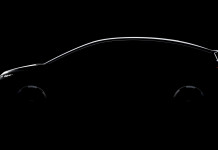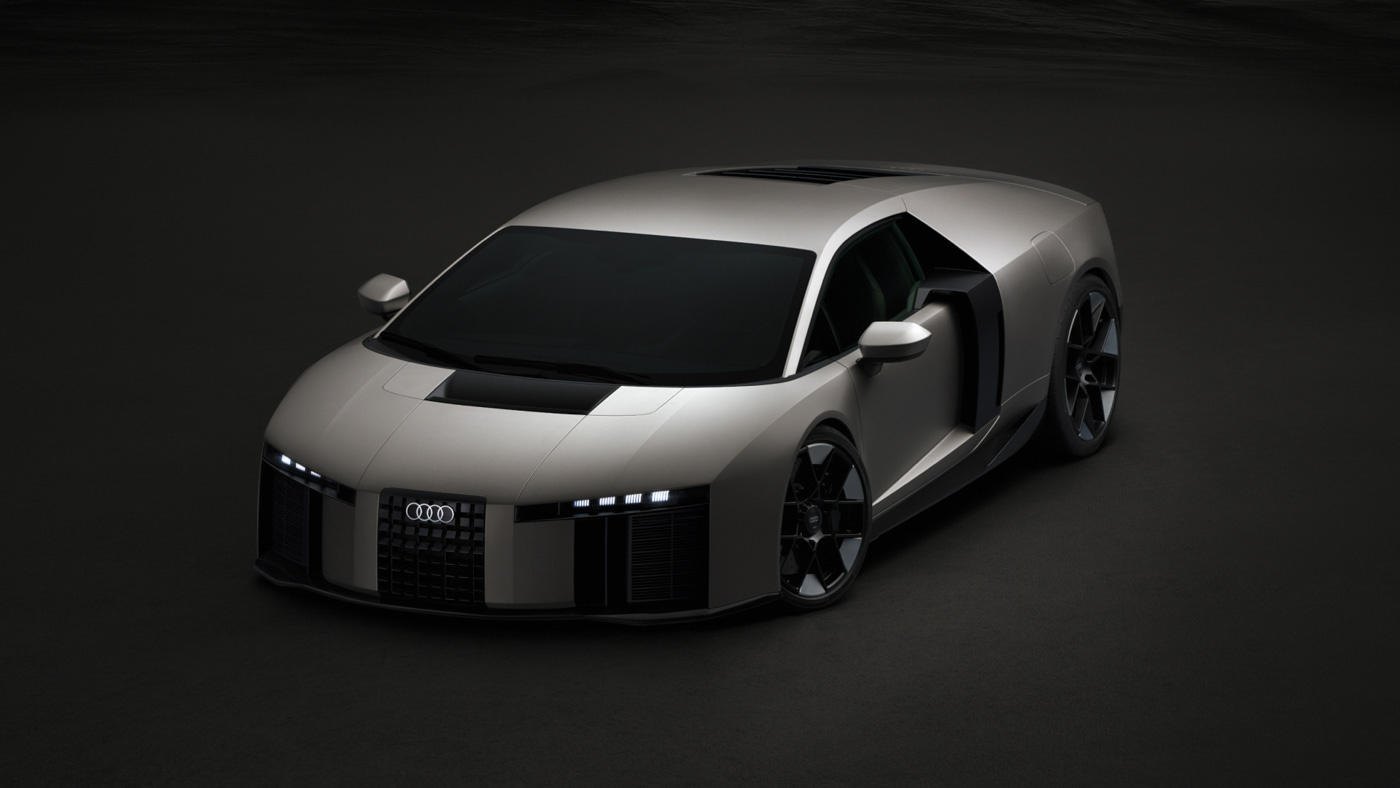
Ever since the world saw the farewell of the Audi R8 back in 2023, car enthusiasts have been devastated to lose what was one of the most important mid-engined sports cars in the industry. Seems like our worries were for nought after all, as Audi has brought it back with the Audi Nuvolari 1 being its spiritual successor with tonnes of Formula 1 influence.
Addressing the elephant in the room: isn’t Audi a German brand, and why does its new supercar have an Italian name? The answer lies with Tazio Nuvolari, one of motorsport’s most legendary figures. The Italian racing driver competed for Auto Union — one of the marques that later became part of modern Audi — during the 1930s, long before the advent of Formula One.
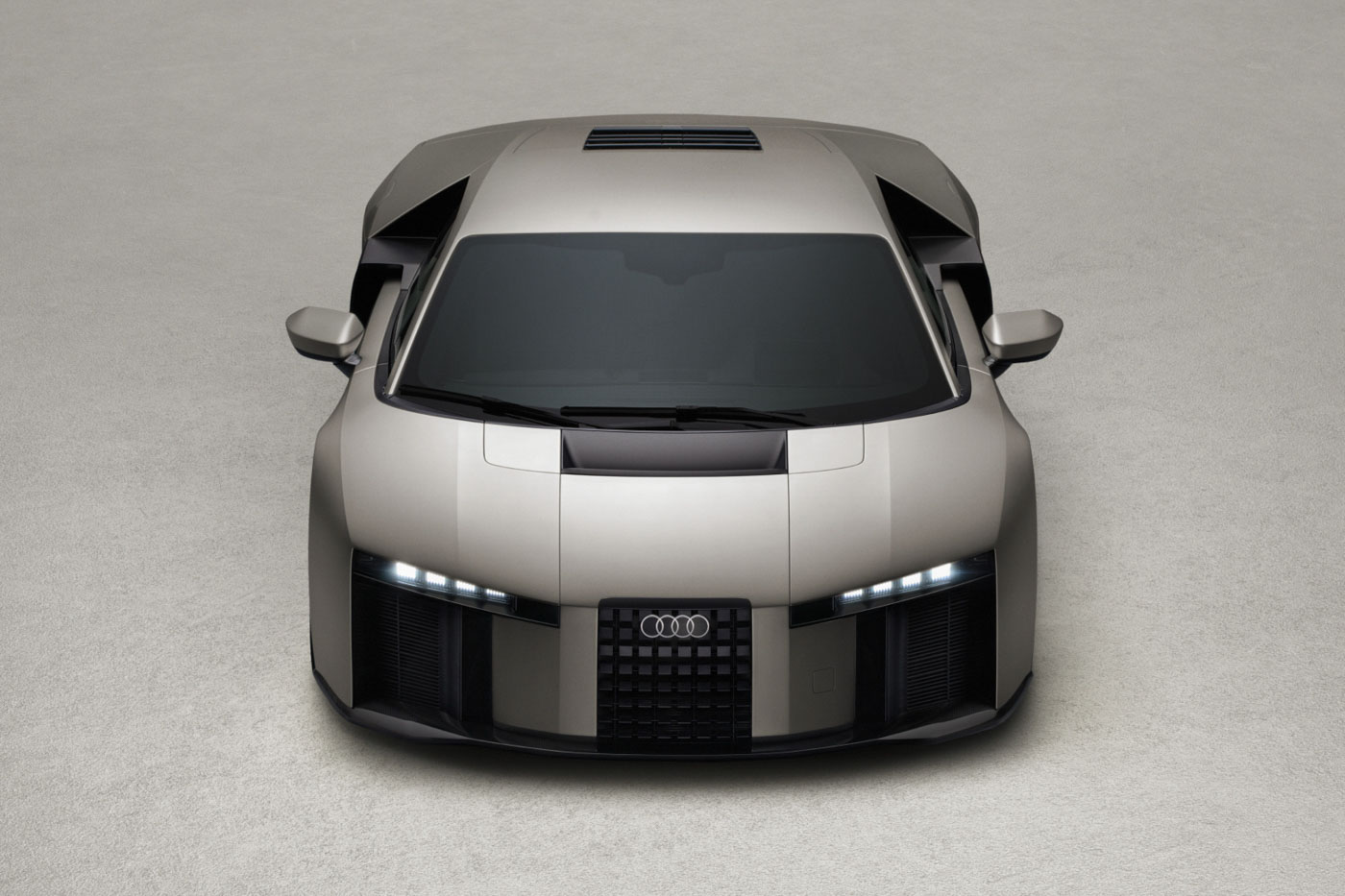
The Audi Nuvolari 1 takes a drastic turn in design when compared to the rest of the brand’s existing lineup. Audi says it is the first to feature the company’s new design philosophy, featuring taut surfaces that integrate it’s technologoeis and intelligent aerodynamics.
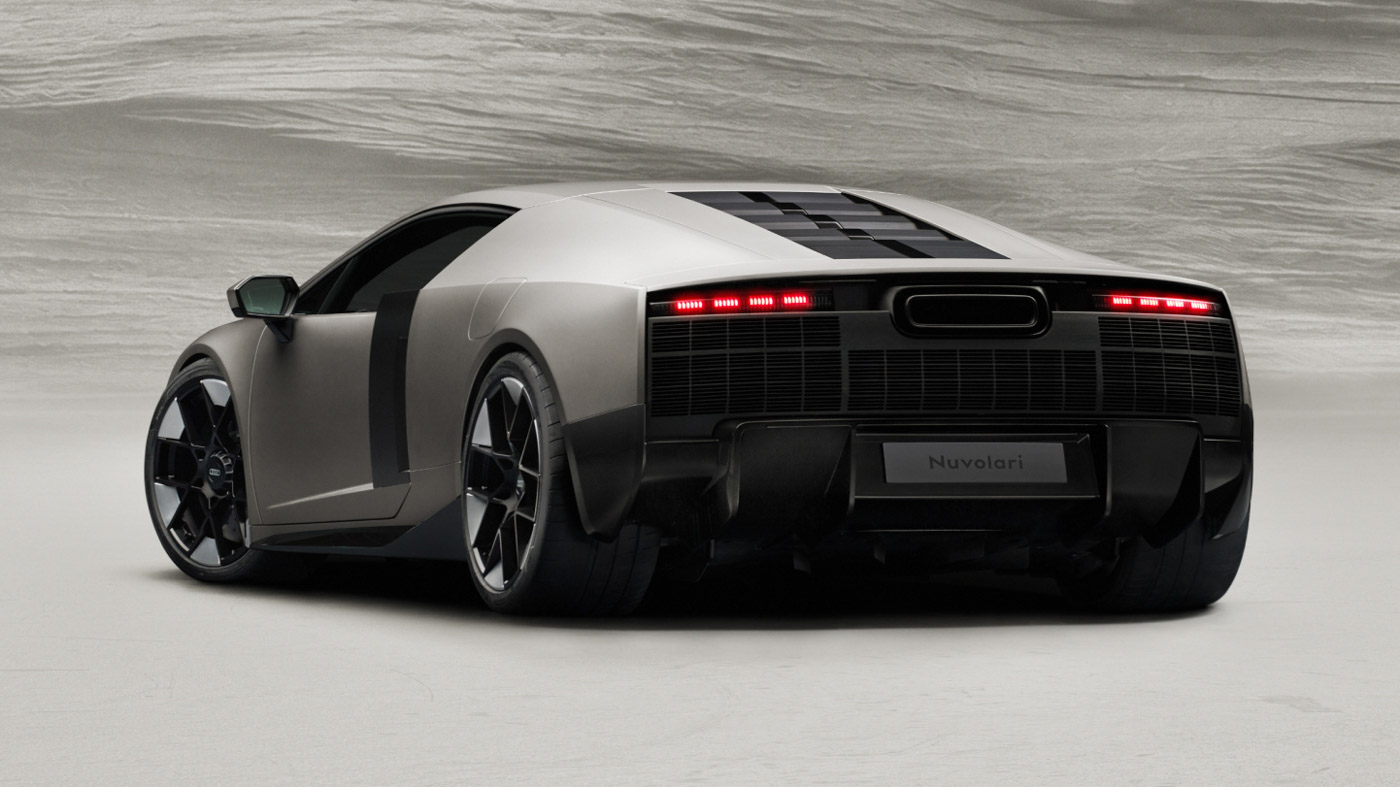
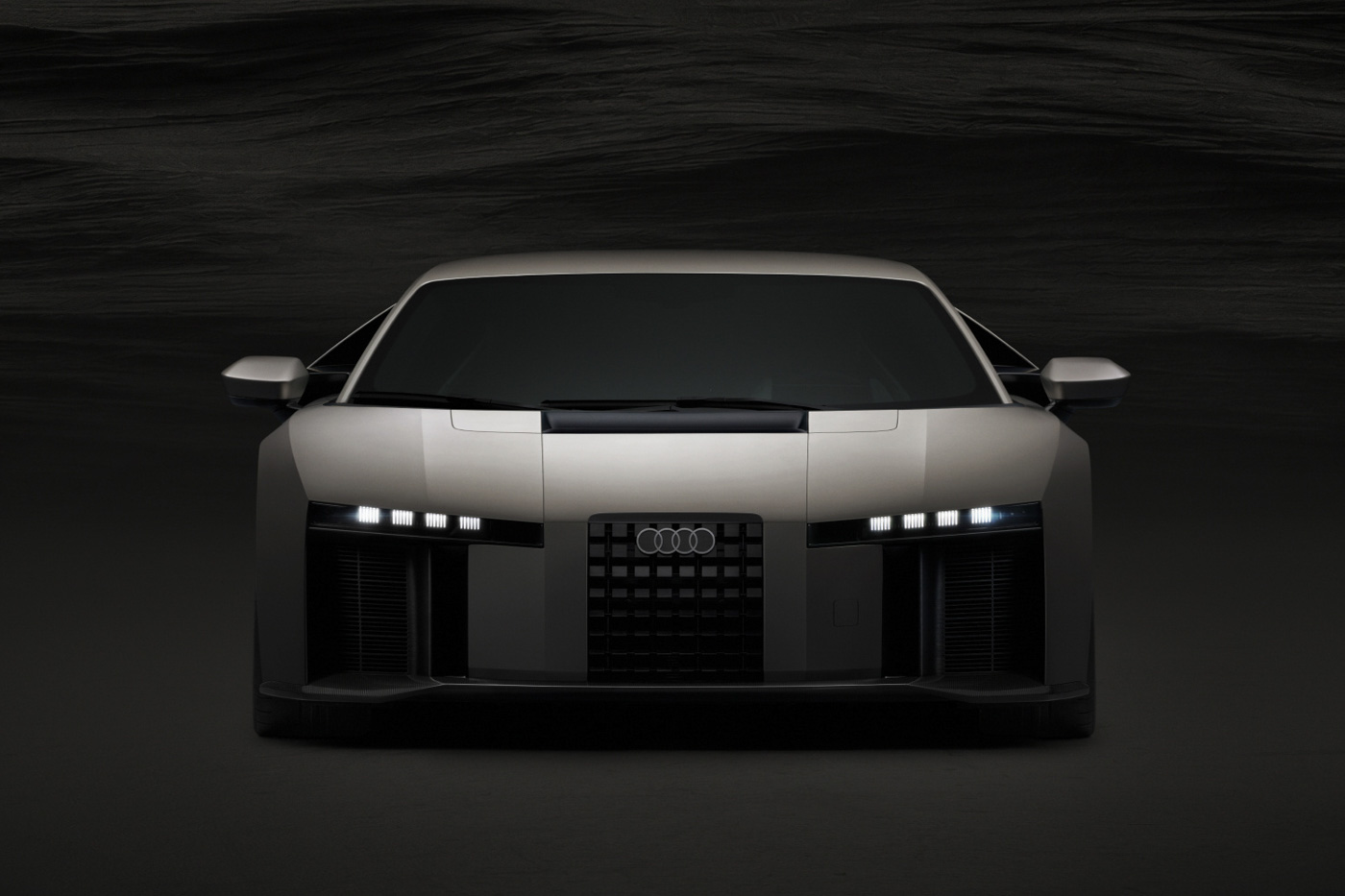
That’s essentially German for “it’s a no-nonsense design.” The overall shape is strikingly boxy, particularly at the front, where the grille almost echoes the character of the Auto Union race cars of the early 1930s. It is flanked by equally squared-off air intakes and slim headlights, giving the car a purposeful, almost brutalist appearance.
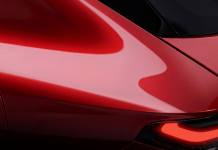
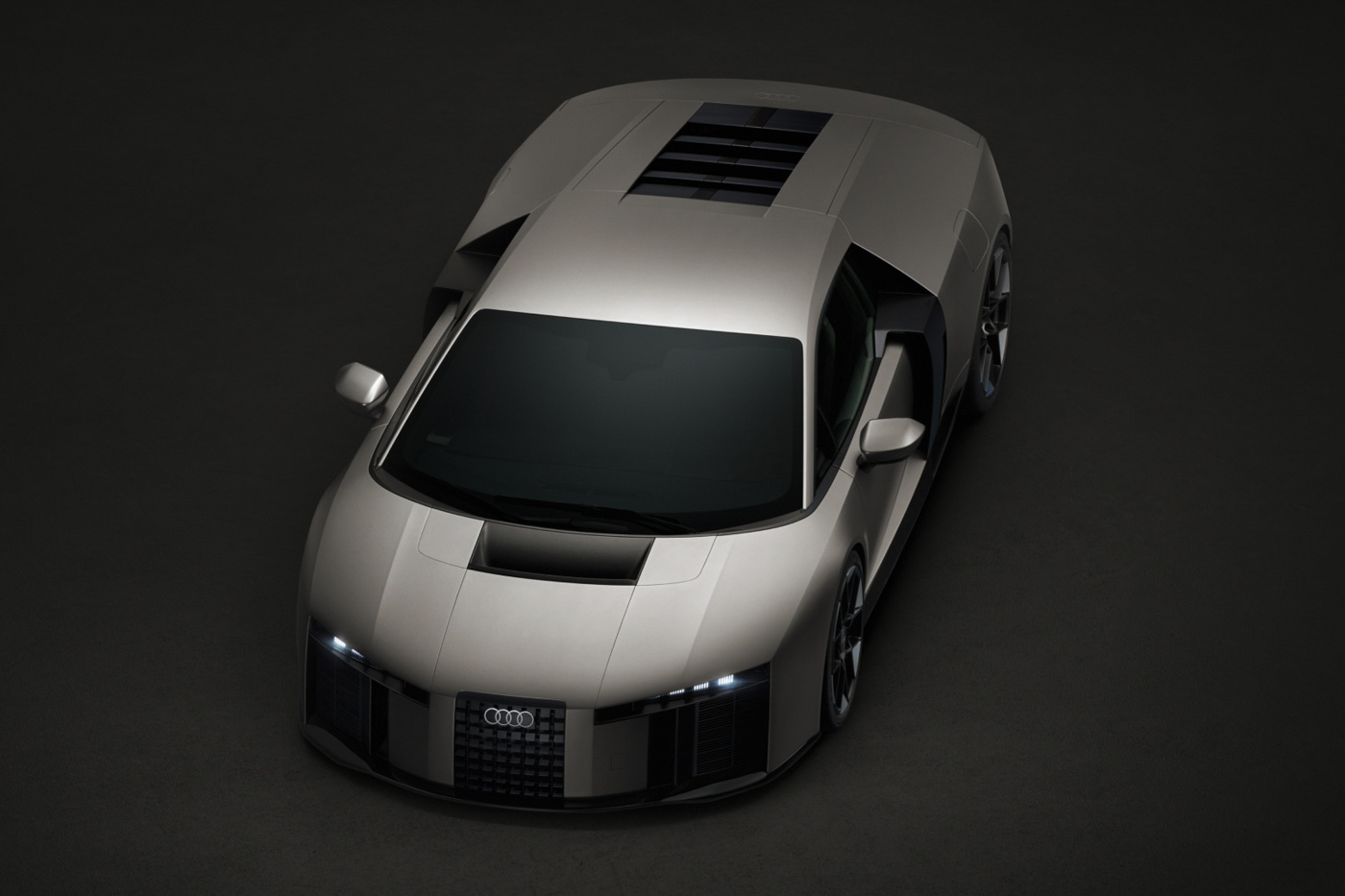
Around the rear, the straight-edged theme continues. The design is dominated by large vents tasked with cooling the powertrain. And yes, this is a mid-engined supercar. Squint a little, and you might spot traces of the Audi R8 in its proportions — or perhaps the Lamborghini Temerario… more on that in a moment.
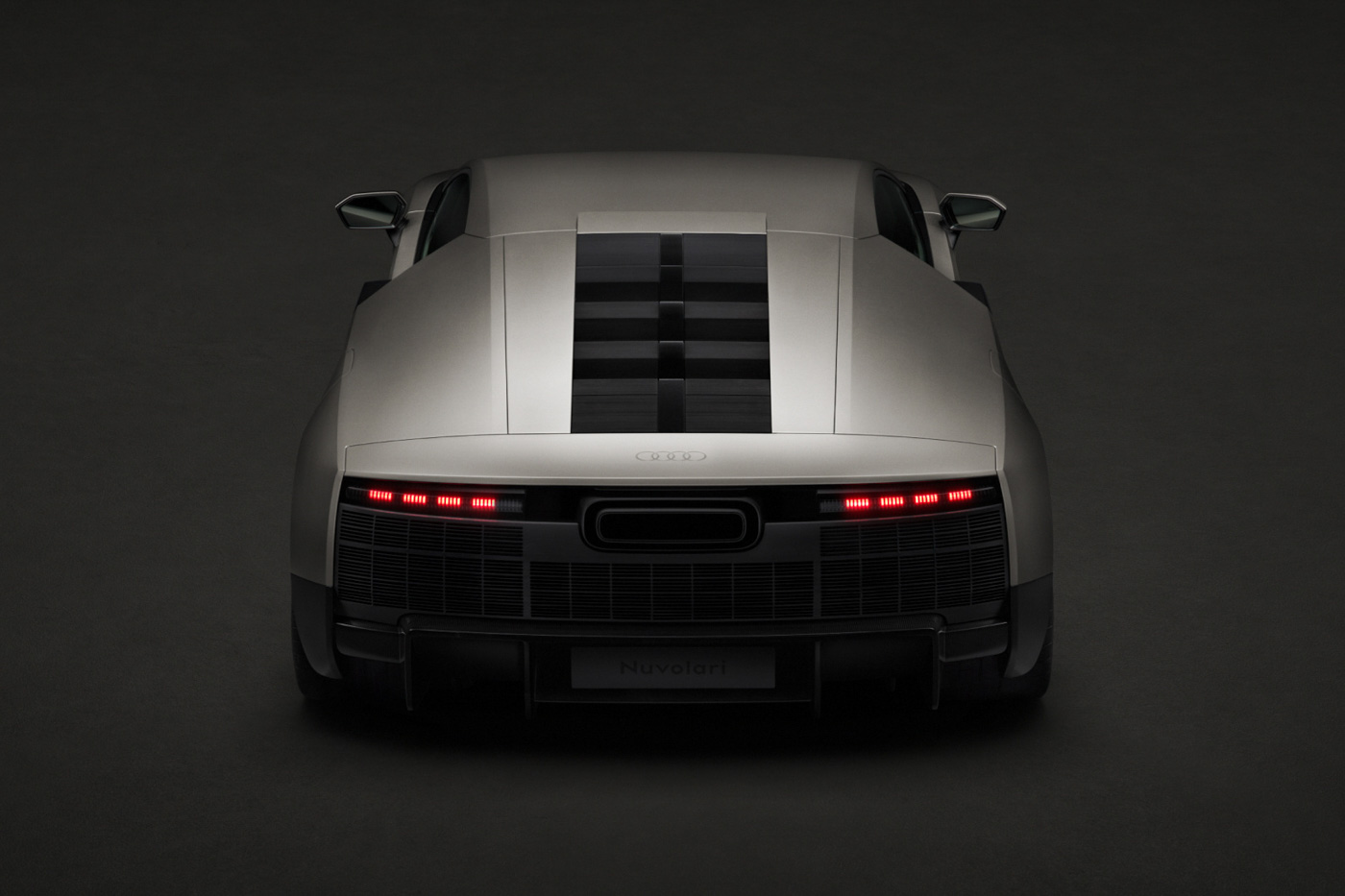
The car also debuts with a new signature “Titanium” colour that was also used on the Audi Concept C and the Audi Revolute F1 race car. And to round it all off, it features forged centre-locking wheels — the first ever for a production Audi. Another first is that the Nuvolari also debuts Audi’s Space Frame technology.
Almost every single exterior panel is made entirely from carbon fibre reinforced polymer (CFRP), just like an F1 car. The process, pre-impregnated carbon fibre panels shaped under high pressure and temperature, is said to significantly improve structural rigidity for high-stress driving.
Riding on that F1 wave, the Audi Nuvolari also features active aero inspired by the sport. Just like its race cars, every panel on the car serves a purpose to channel air, with the company claiming that it had its F1 drivers provide feedback for the Aero.
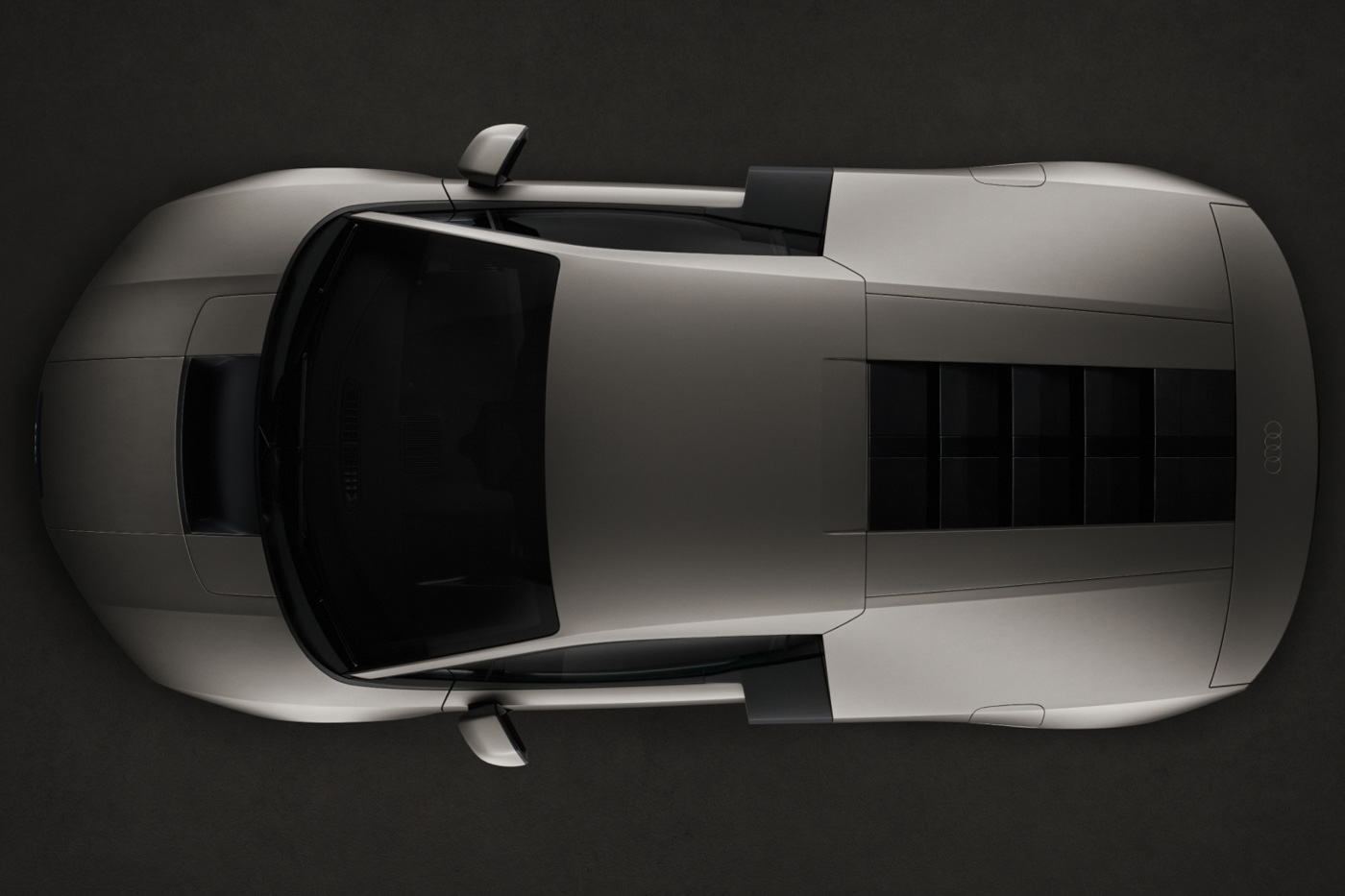
Front air intakes cool the brakes, the combustion engine and hybrid components. This is then accompanied by an S-duct on the front end, adding downforce at the front axle, reducing lift and improving cooling.
The Nuvolario also features a deployable adaptive rear wing, just like its predecessors, controls downforce with three modes: Closed, Low Downforce (LD), and High Downforce (HD). Based on the drive modes, the wing will automatically deploy with different levels of downforce to serve the needs of the driver. When needed, there is also a Drag Reduction System (DRS) that can be activated via a dedicated steering‑wheel button.
Audi says its deployable rear wing can generate up to 400 kg of downforce. If needed, it can also be manually controlled via a rotary knob on the steering wheel, unless, for some reason, you’re in E‑Hybrid… The wing is deployed differently based on the performance modes.
ALSO READ: Audi redefines ‘Vorsprung durch Technik’ as the new in-car experience
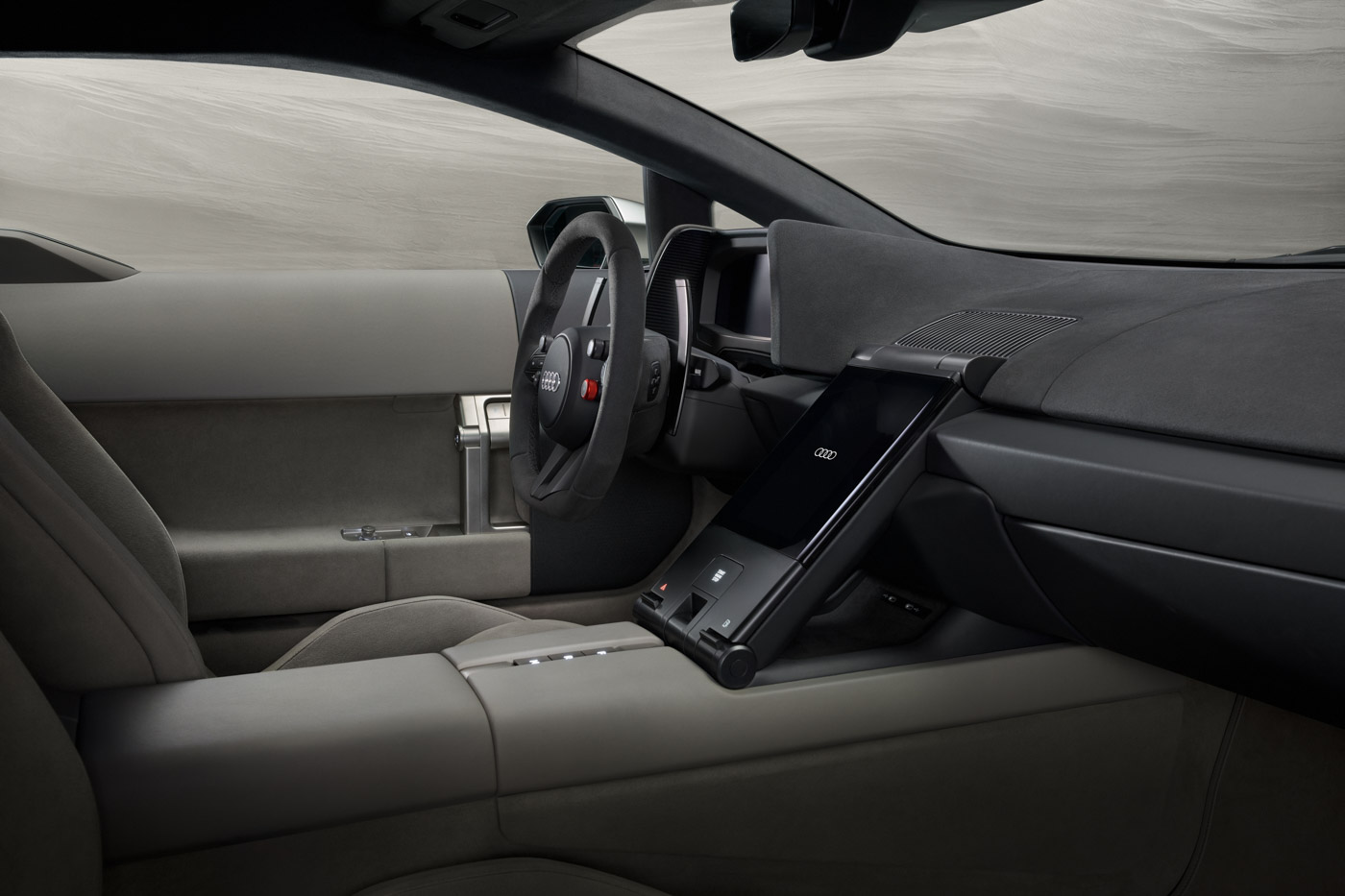
Inside, the Audi Nuvolari is bare and minimalist. Audi says its simplistic design features “reduced architecture” to avoid distractions for the driver, with essential functions and controls all placed within the driver’s field of view.
Being a vehicle of the 2020s, it features two screens — one for the centre infotainment screen and the other for the digital instrument cluster. No sizes mentioned so far, but we see the most welcome return of physical buttons on the steering wheel. Speaking of buttons, a massive start-stop button sits just below the centre screen on the centre console
There is also a hinge above the centre console that’s connected to the centre screen. While Audi hasn’t mentioned what it’s for, the best-case scenario would be for it to be able to flip around for an array of analogue dials.
To nobody’s surprise, the Nuvolari 1 shares much of its underpinnings with the Lamborghini Temerario. Audi, however, has turned things up a notch. Its 4.0-litre twin-turbocharged V8 now produces 800 hp and 730 Nm, while revving all the way to 10,000 rpm.
The engine is paired with three oil-cooled axial-flux electric motors — one mounted at the rear and two on the front axle, each producing 150 hp. Power is supplied by a 7.3-kWh lithium-ion battery pack.
Combined, the system delivers 1,001 hp and 2,150 Nm of torque, sent to all four wheels through Audi’s Quattro all-wheel-drive system. It also debuts a new “Quattro Predictive Ride” setup, though we’ll get to that shortly.
ALSO READ: The Audi A2 and its quirky design is officially coming back this year
The result is suitably dramatic. The Nuvolari 1 dispatches the 0-100 km/h sprint in just 2.6 seconds (0.1 seconds quicker than the Temerario) before reaching 200 km/h in 6.8 seconds and continuing on to a top speed of 350 km/h.
The Nuvolario also debuts a new Quattro Predictive Ride system, which can process current drive data based on a highly precise vehicle state model. It constantly monitors data gathered by sensors all over the vehicle, including steering angle, acceleration, yaw rate, and grip levels. Audi says it can anticipate when loss of grip occurs and can distribute power independently on each wheel (variable torque vectoring) thanks to its electric motors.
In the event you’re not feeling like deploying all 1,001 horses on the road, there is a rotary knob on the steering wheel that allows driers to select between four driving modes. ‘E‑Hybrid’ enables fully electric driving for urban and short-distance use, while ‘Balanced’ combines comfort, efficiency, and performance. Then there’s ‘Dynamic’ that sharpens system response and enhances agility and precision, and ‘Dynamic+’ that focuses the powertrain entirely on an emotional driving experience.
There’s also ‘Track’ mode that allows drivers to make more precise adjustments to the traction control. Settings range from Wet to Dry and from Race to Traction Control Off (TC Off) — the latter certainly for more skilled drivers.
Keeping the electrical systems in check, the car features an energy management system inspired by its motorsport experience, with boost and energy recuperation linked with the torque distribution system.
The front axle sees most of its braking handled by regeneration, while the rear axle gets its recuperation from coasting, partial load, and traction control. Audi says the system can generate up to 0.3g of deceleration just from recuperation — able to handle most day-to-day driving scenarios.
Speaking of deceleration, the car is also the first Audi to feature a brake-by-wire system. Once again, the technology is inspired by motorsport. It allows for variable distribution between regenerative and hydraulic braking, with most braking situations handled electronically.
Under high loads and extreme conditions, however, the system transitions to fully hydraulic braking. To handle the immense forces involved, the Nuvolari 1 is equipped with 420 × 40 mm brake discs clamped by ten-piston front callipers, while the rear uses 410 × 32 mm discs paired with four-piston callipers. Together, the system is capable of absorbing up to 2.8 MW of braking energy.
The hardware is further enhanced by Audi Ceramic Pro brakes, which the company says are “directly derived from Formula One”. They feature a specially designed internal cooling system said to improve cooling performance by up to 21%.
Only 499 units of the Audi Nuvolari 1 will be made, with deliveries expected to start in H1 next year. No prices have been announced just yet, but Autocar reports it may start around GBP500,000 (approx. RM2.7 million). While it’s not exactly going to be a mass-production model like the R8, just be glad it exists and that the company hasn’t succumbed to making fully-electric spaceships… cough cough… Mercedes-AMG.
ALSO READ: The all-new Mercedes-AMG GT 4 Door Coupé is here, and it looks… Interesting