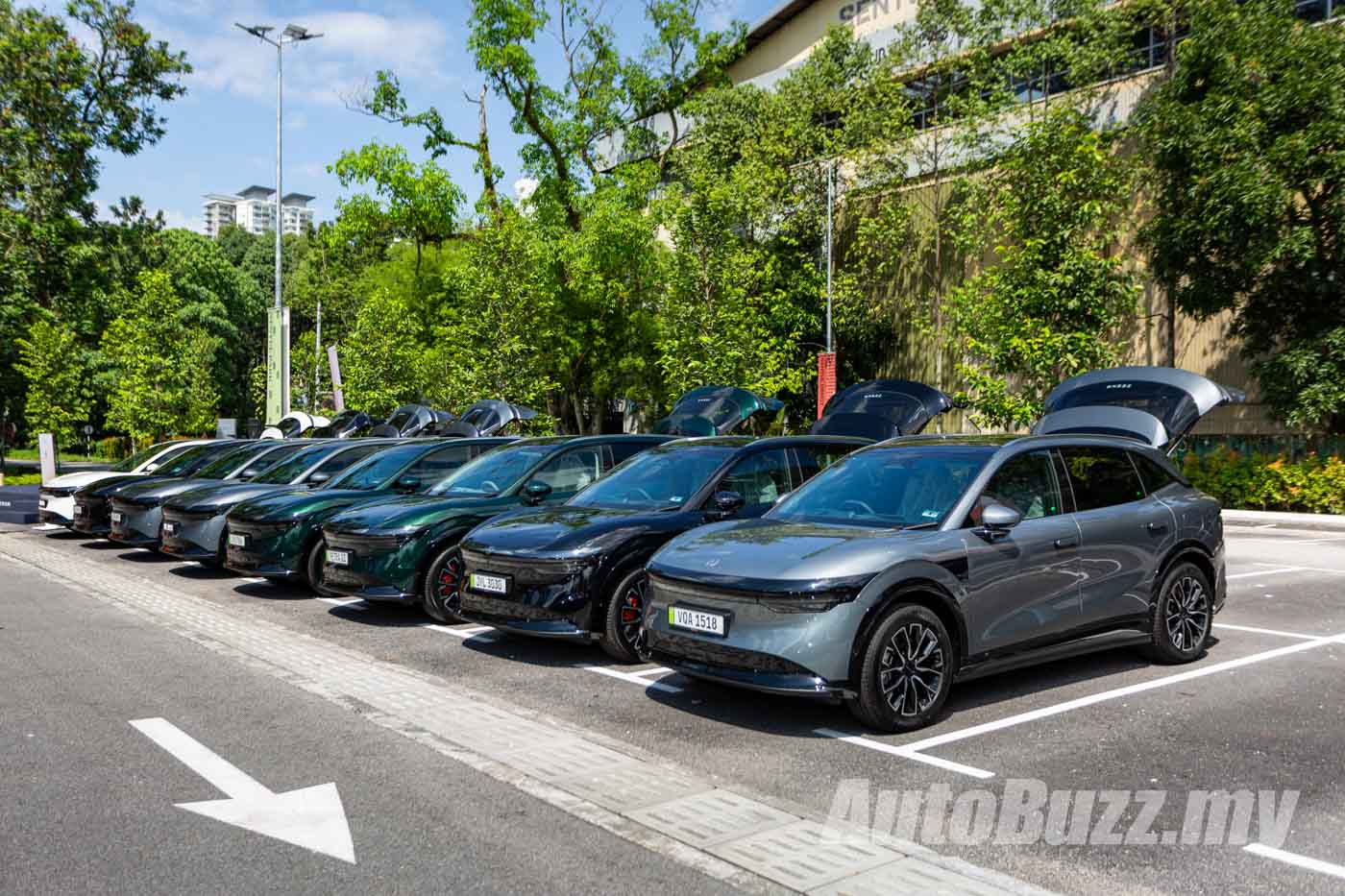
After three straight years of growth and back-to-back record-breaking sales, you’d think Malaysia’s new car market would be gearing up for yet another bumper year in 2026. But according to the Malaysian Automotive Association (MAA), that may not be the case.
The industry body is forecasting a 3.8% drop in Total Industry Volume (TIV) to 790,000 units this year, down from 820,752 units in 2025. Of that figure, passenger vehicles are expected to make up about 730,000 units, while commercial vehicles are forecast at 60,000 units, which would make 2026 the first year since 2023 that annual new car sales fall below 800,000 units.
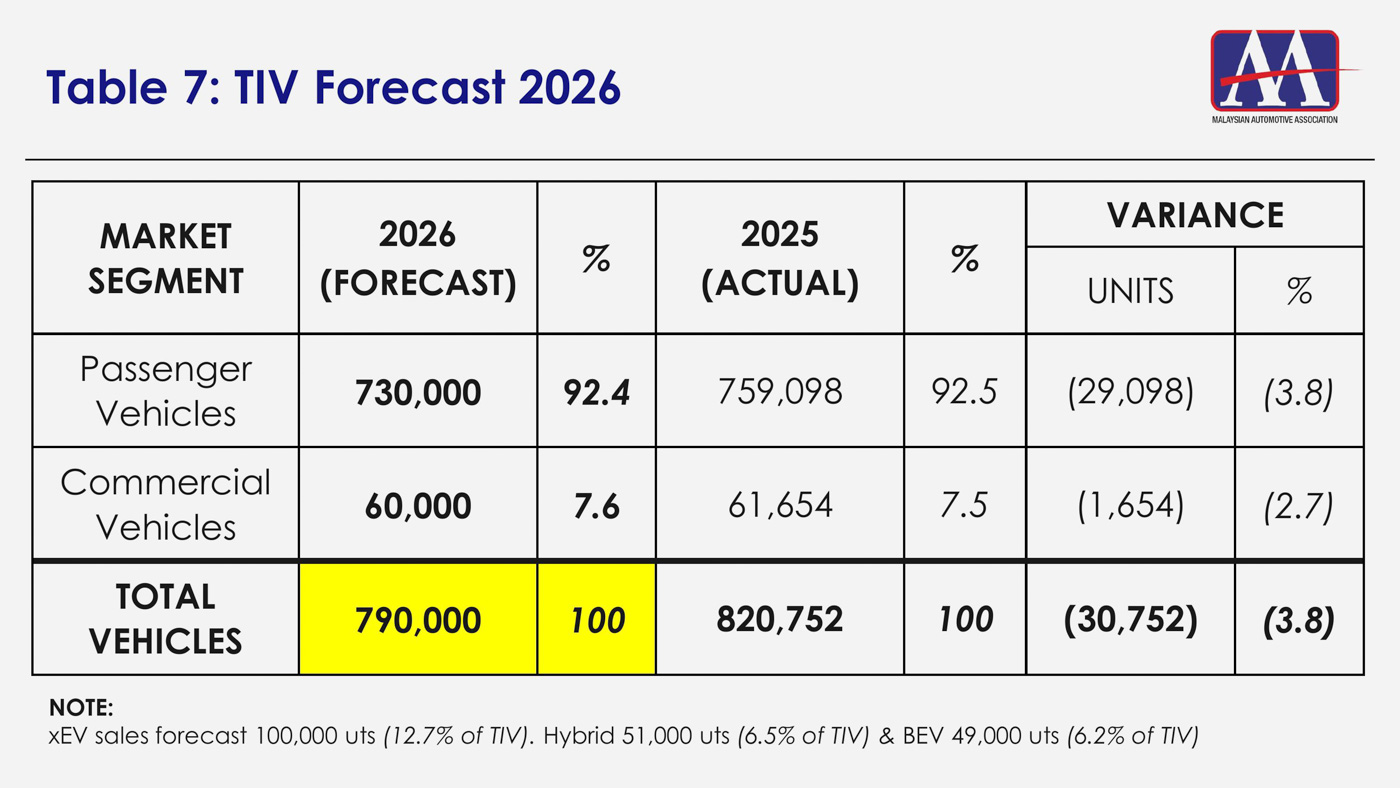
Of course, there is a possibility that the actual TIV will outperform the forecast, as it did in 2025. But MAA says a large part of the growth in 2025 was attributed to the record-breaking month of December, where many buyers rushed to register new fully imported electric vehicles (EV) before CBU tax incentives expire at the end of last year.
Looking at the bigger picture, the growth in TIV has also essentially plateaued over the past few years, after experiencing a sharp increase from 508,883 units in 2021 to 721,177 units in 2022 – the former being a year affected by the Covid-19 shutdowns. Case in point – the 2025 total was also only 0.5% higher than 2024 – a difference of just over 4,000 vehicles.

For 2026, MAA attributes the less desirable outlook largely to economic and policy factors. While the ringgit may be strengthening, the cost of living continues to rise, constraining disposable income and impacting confidence in making big-ticket purchases like cars.
Malaysia’s GDP growth is also expected to moderate this year, with the Ministry of Finance (MoF) projecting expansion of around 4.0% to 4.5%, compared to 4.9% in 2025. On top of that, global uncertainties — including the “flip-flop” US trade policies and ongoing geopolitical tensions — could negatively impact Malaysia’s trade performance and overall economic confidence.
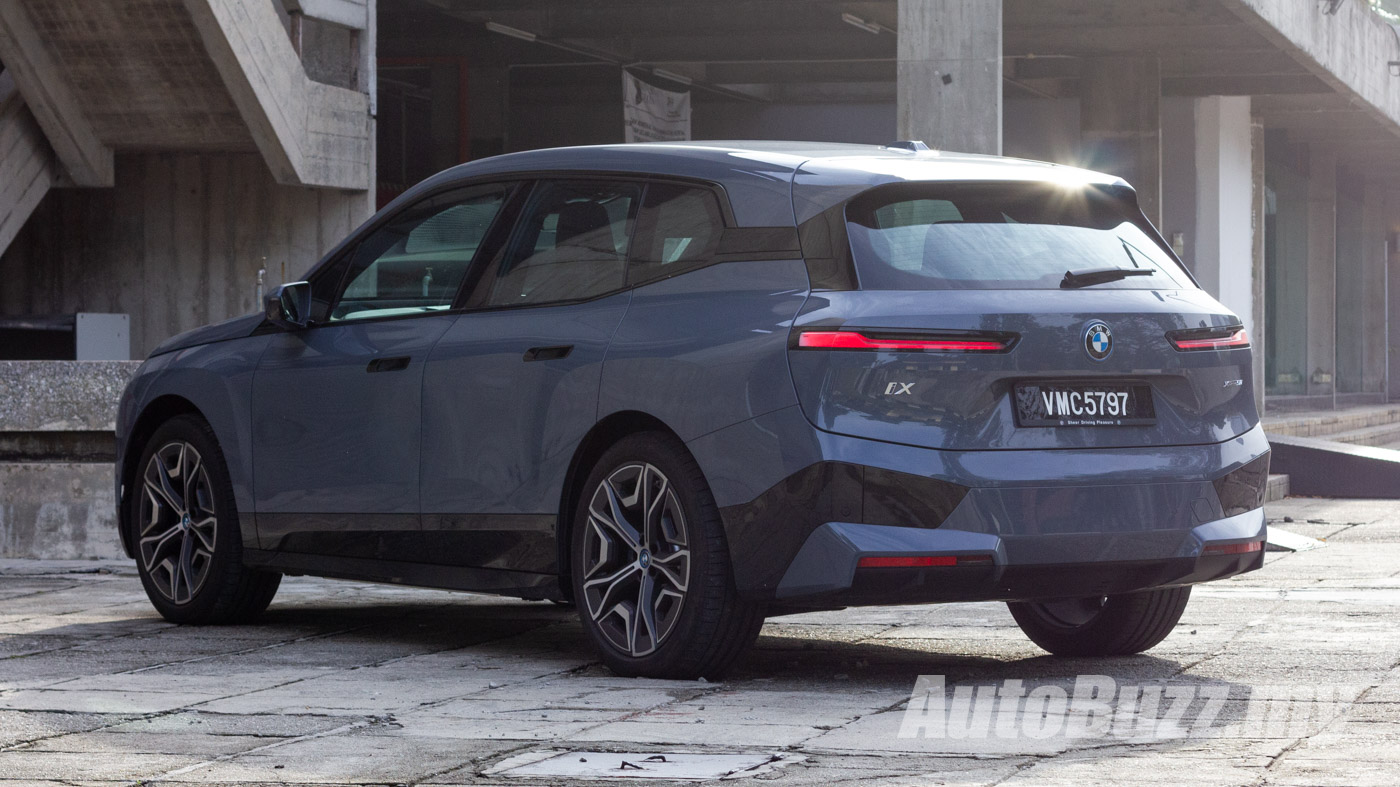
Another major factor is the expiry of tax incentives for fully imported EVs, which could potentially push up prices for CBU models – although we expect no major changes due to favourable tax structures for EVs.
Nevertheless, MAA says this could still slow EV demand, especially given that the segment is still in its infancy, while petrol prices remain subsidised for locals under the Budi Madani RON95 (BUDI95) programme. At the same time, rising manufacturing, component and operational costs could also limit how aggressively brands and dealers can price their vehicles.
ALSO READ: EV prices might not be going up after all

Despite the less-than-ideal forecast, MAA is not predicting a dramatic market downturn. Malaysia’s labour market remains stable, with unemployment still low at around 2.9%, supporting income stability and consumer confidence.
The expansion of locally assembled EV models is also expected to strengthen the local EV ecosystem, potentially leading to greater investment and technology transfer from foreign automakers over time.
The MAA reports that strong interest in affordable and fuel-efficient models is also expected to continue, benefiting national brands like Proton and Perodua. Meanwhile, the arrival of new brands and models, along with attractive promotions and value-added services, should help maintain enthusiasm for showroom visits at the very least.
RELATED: CBU EVs from new brands must be priced above RM250k starting 2026, document alleges