After fully electric vehicles, it looks like taxis are the next recipients of the JPJ ePlate standardised number plate system, which was previously exclusive to the former.
The use of the plates on the recently launched Teksi Madani Reform Programme, which utilises the Proton S70, marks the first time the plate has been used on a car equipped with an internal combustion engine, instead of the current acrylic licence plates featuring white-on-black fonts.
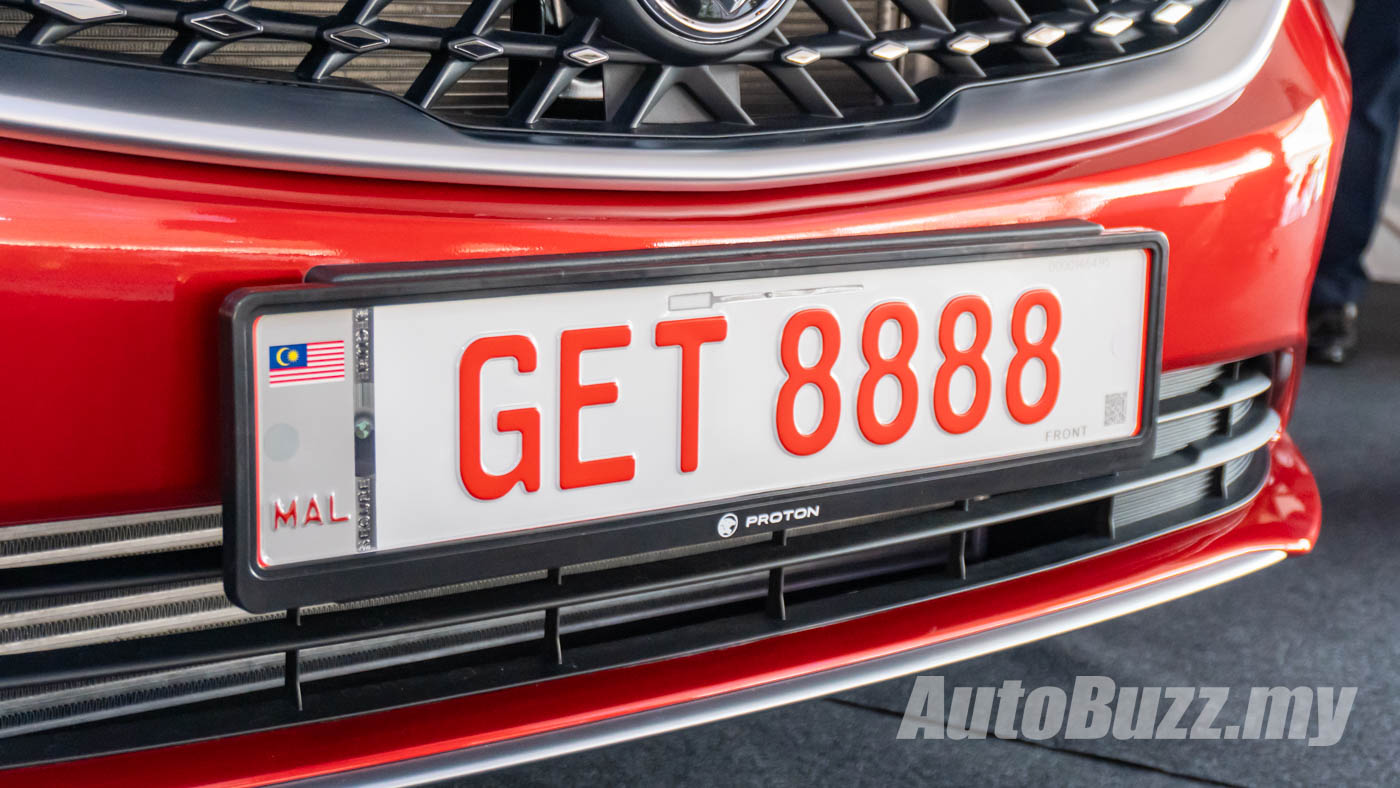
This has led to the government implementing several changes, which mainly see the embossed font on the aluminium number plate finished in red-on-white lettering, with the front plate missing the holographic foil on the characters, whilst the section displaying the Malaysian flag is finished in grey instead of green. Crucially, the plates introduce a brand new registration prefix, “GET”, which stands for Gabungan E-hailing dan Teksi.
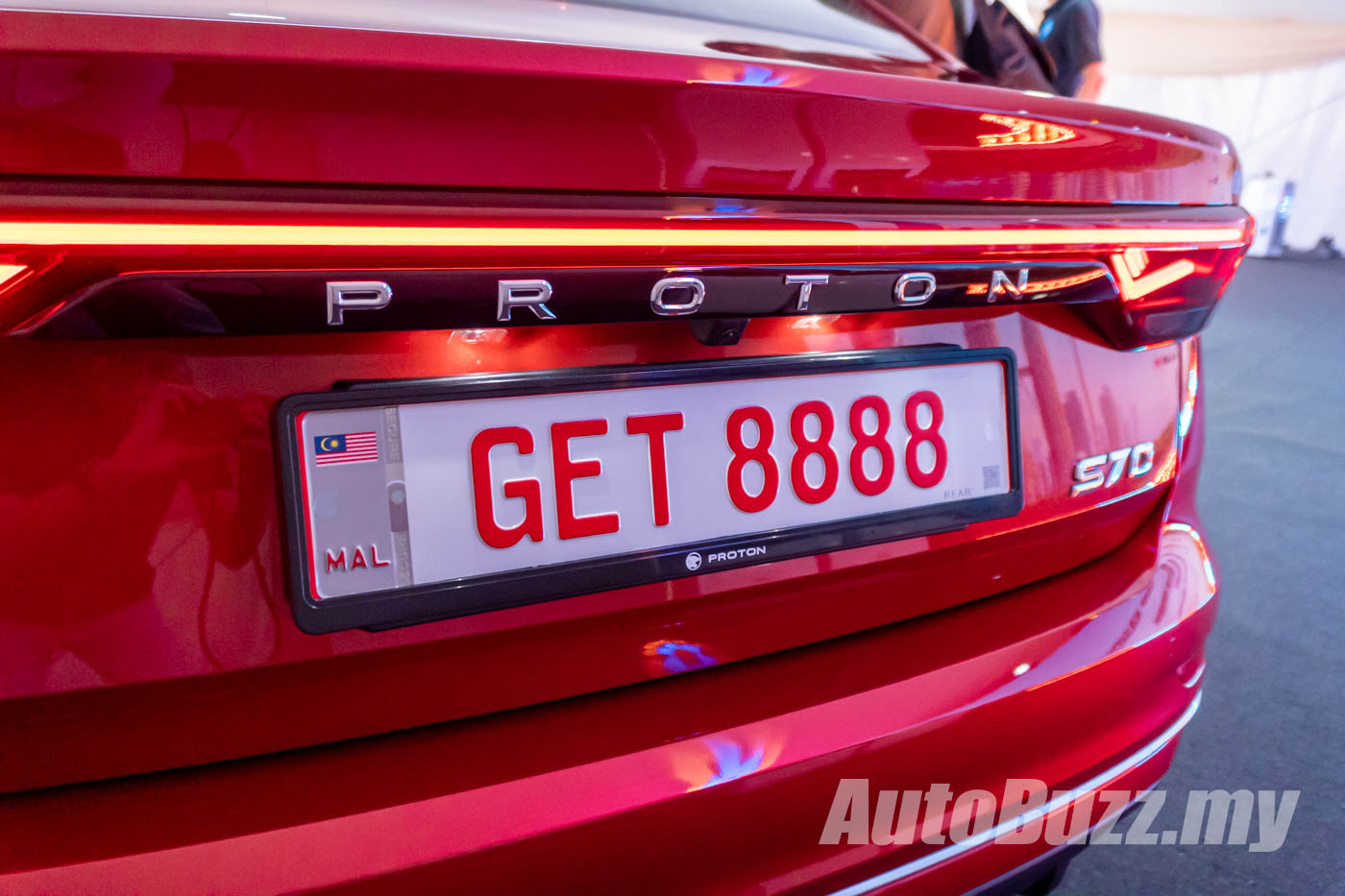
Despite the changes, there are features carried forward from the plates used on EVs, which include both plates featuring QR codes for digital signature identification, the country identifier code (which is “MAL” for Malaysia), an embedded RFID tag for the front plate, and anti-tamper one-way screws, though the use of these has not been mandated yet, but installation must still be done by the vehicle dealers or JPJ-appointed parties only.
It remains to be seen if these plates will receive their separate anti-tamper RFID sticker, to be installed on the inside of the windscreen as secondary identification, as the S70 taxi on display did not come with such items, though it is highly likely.
RELATED: This red Proton S70 is the future of Malaysian taxis
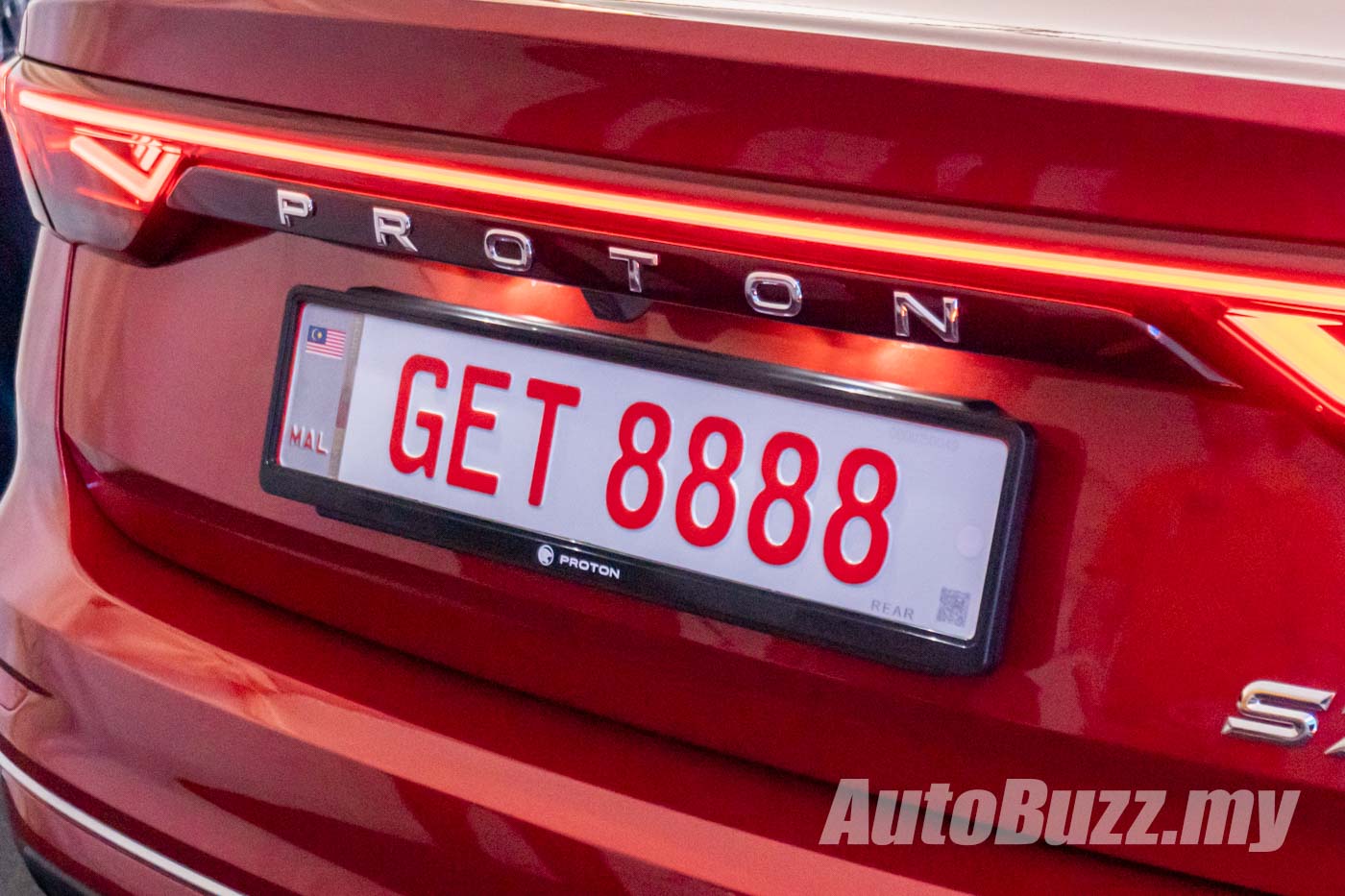
For EV users, these plates cost RM98 and include both the front and rear number plates, alongside the additional RFID sticker. The government did not disclose if owners of taxis from the Teksi Madani Reform Programme are required to pay this fee, and it remains unknown if ‘GET’ is a special series unique to the programme or if the government will continue to use the H series, which are commonly used to identify taxis on the road.
The introduction of the JPJ ePlate on the Proton S70 used in the Teksi Madani Reform Programme suggests the government has begun its transition away from current acrylic licence plates. This rollout confirms the broader scope of standardisation that was the slated intention when the system debuted in 2024, suggesting the days of the current acrylic plates are numbered.
ALSO READ: Proton Saga Cross spied testing in camouflage – launch this year with HEV powertrain?