The Buzzword is our new column on the latest pulse and insights of the Malaysian automotive industry, where we aim to educate and discourse on a wide range of automotive topics, all without interference from advertisers and sponsors.

The opinions expressed in The Buzzword belong solely to the author; they are not sponsored, nor are they for sale.
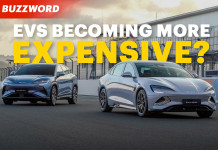
All the hoopla of snagging an EV before the tax holiday ended in 2025 may have been a false alarm after all.
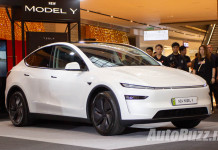
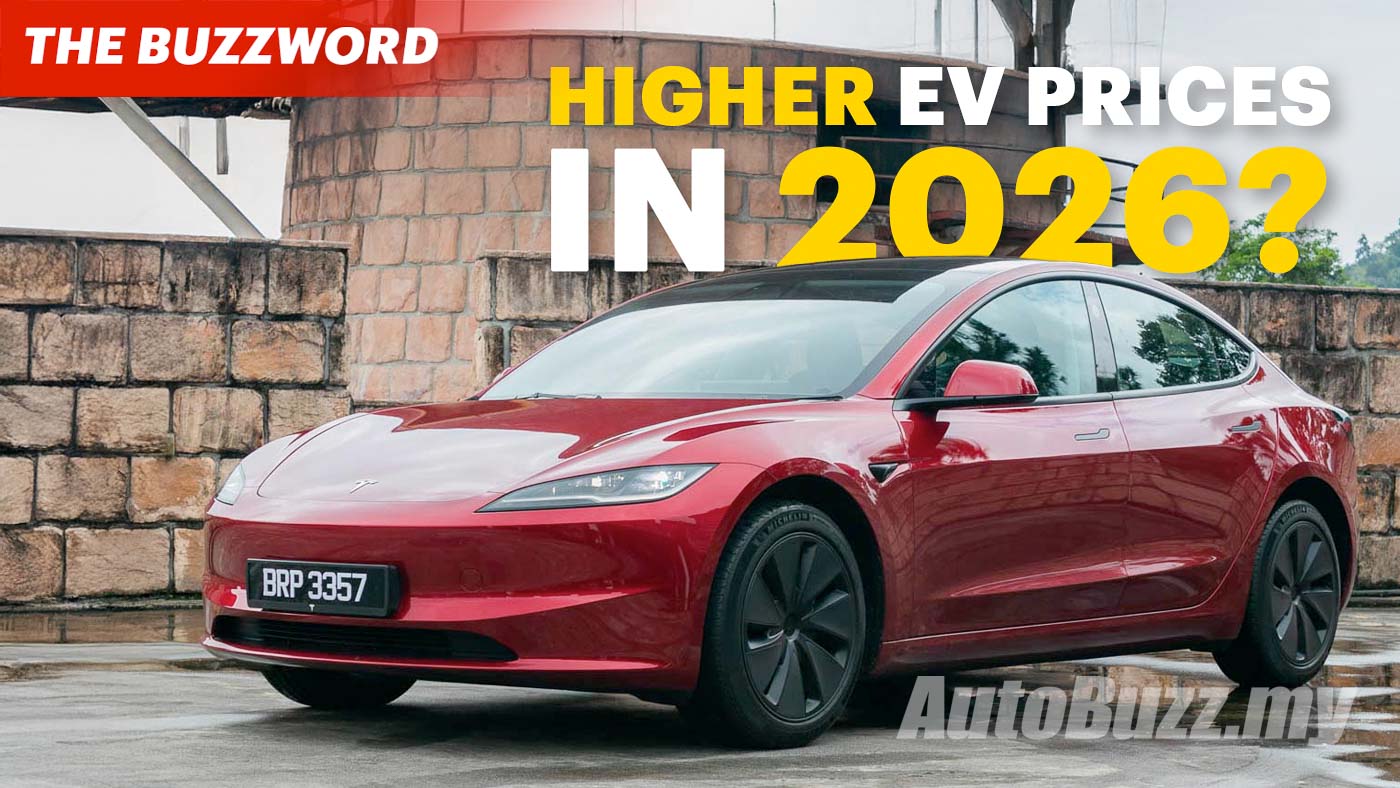
With Tesla Malaysia announcing no changes to the prices of its models and that customers can continue customising their cars with new deliveries possible from February onwards, Tesla has fired the first salvo in the 2026 edition of the ongoing EV price war.
It is a significant development given that Tesla, along with EV giant BYD, exert strong influence on how mainstream EV models are priced across global markets, including Malaysia. Now that Tesla has committed to further expand its charging network, even opening its first store in East Malaysia, the question of whether it is staying or leaving is moot.
Weren’t EVs in Malaysia supposed to be more expensive after 2025?
Suffice to say, many of the brands offering pure electric models have ‘stocked up’ prior to the end of December 2025. Nobody knows exactly how long these inventories would last, but a conservative guess would be at least six months, if not more. So prices are expected to hold as manufacturers kickstart their respective CKD operations.
It’s important to note that the excise duty for EVs prior to the start of 2022 (where exemptions of import and excise duties were implemented for fully imported EVs) has always been pegged at 10%, which is significantly lower than the 60% to 105% CBU ICE and hybrid vehicles attract, and in lieu of any decree or new legislation, the excise duty of CBU EVs remains at 10%.

So, is Tesla swallowing the duties?
It is entirely conceivable that Tesla, against a highly competitive backdrop, chose to swallow the 10% excise duty. After all, its Shanghai plant is regarded as a ‘global model for efficiency and quality’, and the cost of EV componentry are getting lower. But on the other hand, the import duty for CBU EVs is now a not-insignificant 30% (from zero), surely Tesla can’t be absorbing all of that too?
Maybe preferential tariffs under the recently upgraded ASEAN-China Free Trade Agreement (Teslas sold here are made in China) are in play, or there are certain exemptions or special relief yet to be revealed by the Malaysian government, or maybe the cost competitiveness at Tesla is that formidable. Whichever the case, the competitive EV market in Malaysia looks set to continue where it left off in 2025.