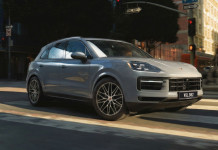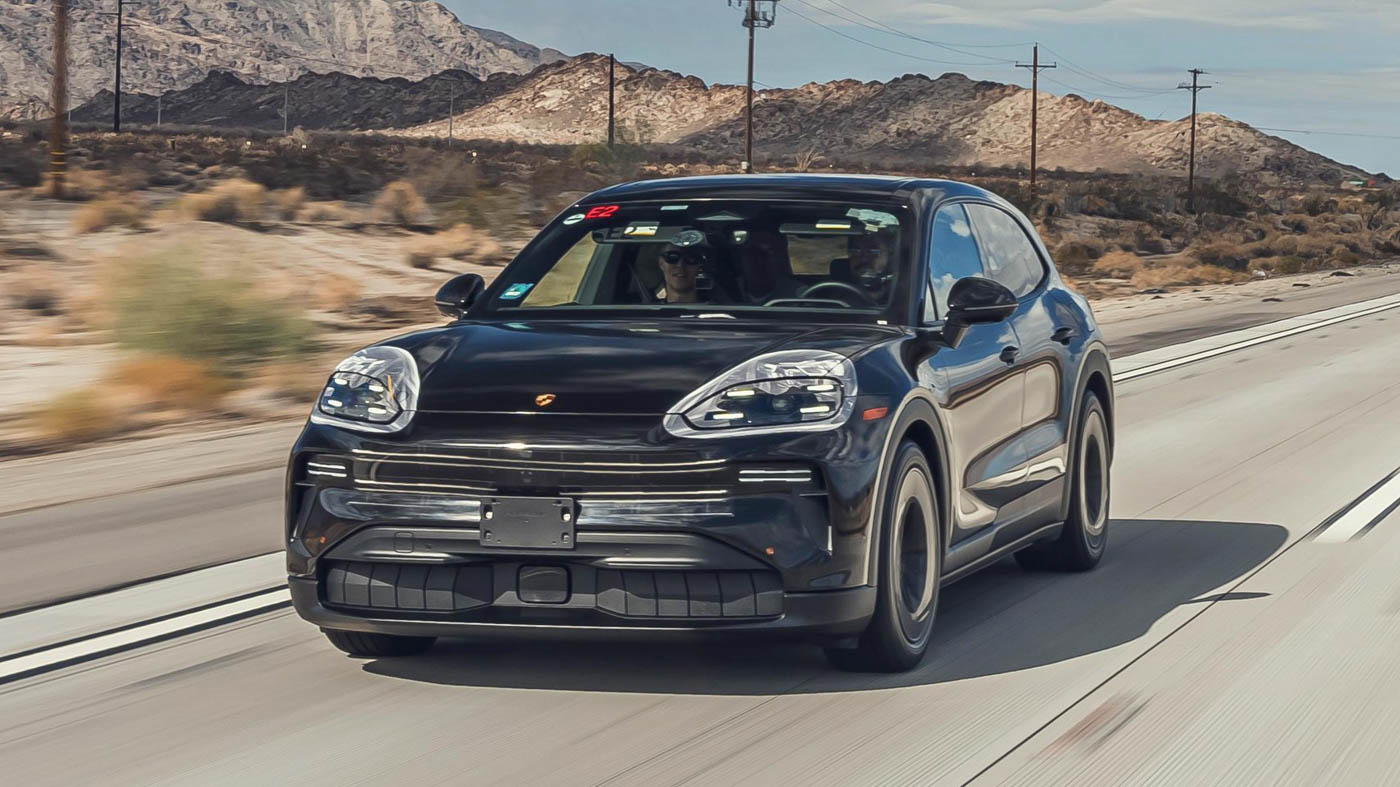
The all-new electric Porsche Cayenne is set to be launched in a “few weeks,” according to Porsche. As an appetiser, they have revealed the battery pack specifications, which include a cooling system as powerful as 100 large household fridges.
This freezing-cold cooling system is part of the double-sided cooling setup found on the upcoming EV Cayenne’s 113 kWh battery pack, which allows for precise control of the temperature window. According to Stuggart, this keeps the battery pack in its optimal operating range, ensuring range consistency, maximum charging speed, and longevity.
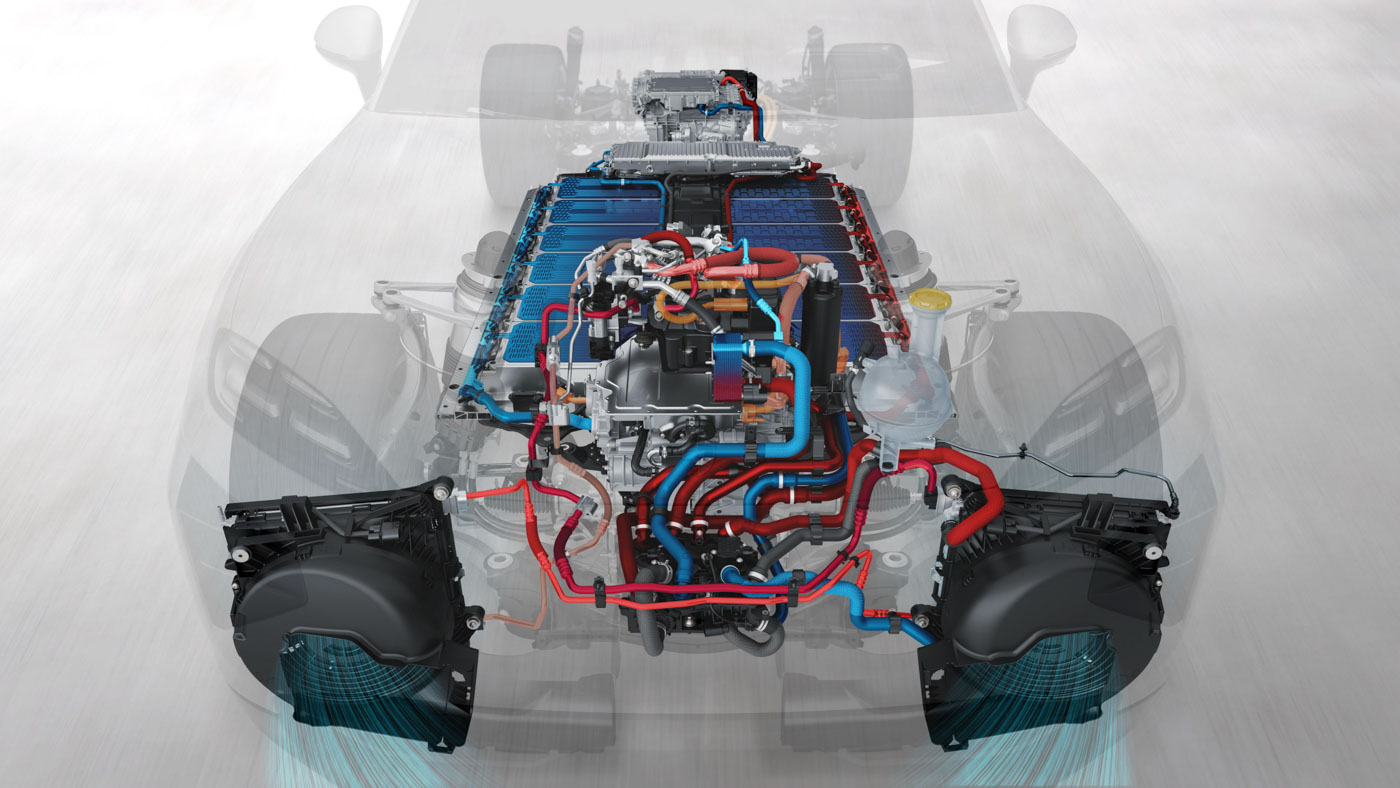
Furthermore, the thermal management system also features energy-efficient pressure fans that consume 15% less energy than conventional suction fans, and work in tandem with the charging planner, taking individual charging preferences into account and preconditions the battery for the next charging stop.
Comprising a graphite-silicon anode and a nickel-manganese-cobalt-aluminium cathode (NMCA) chemistry, the 113 kWh battery delivers an energy density that is 7% higher than the battery pack in the Porsche Taycan.
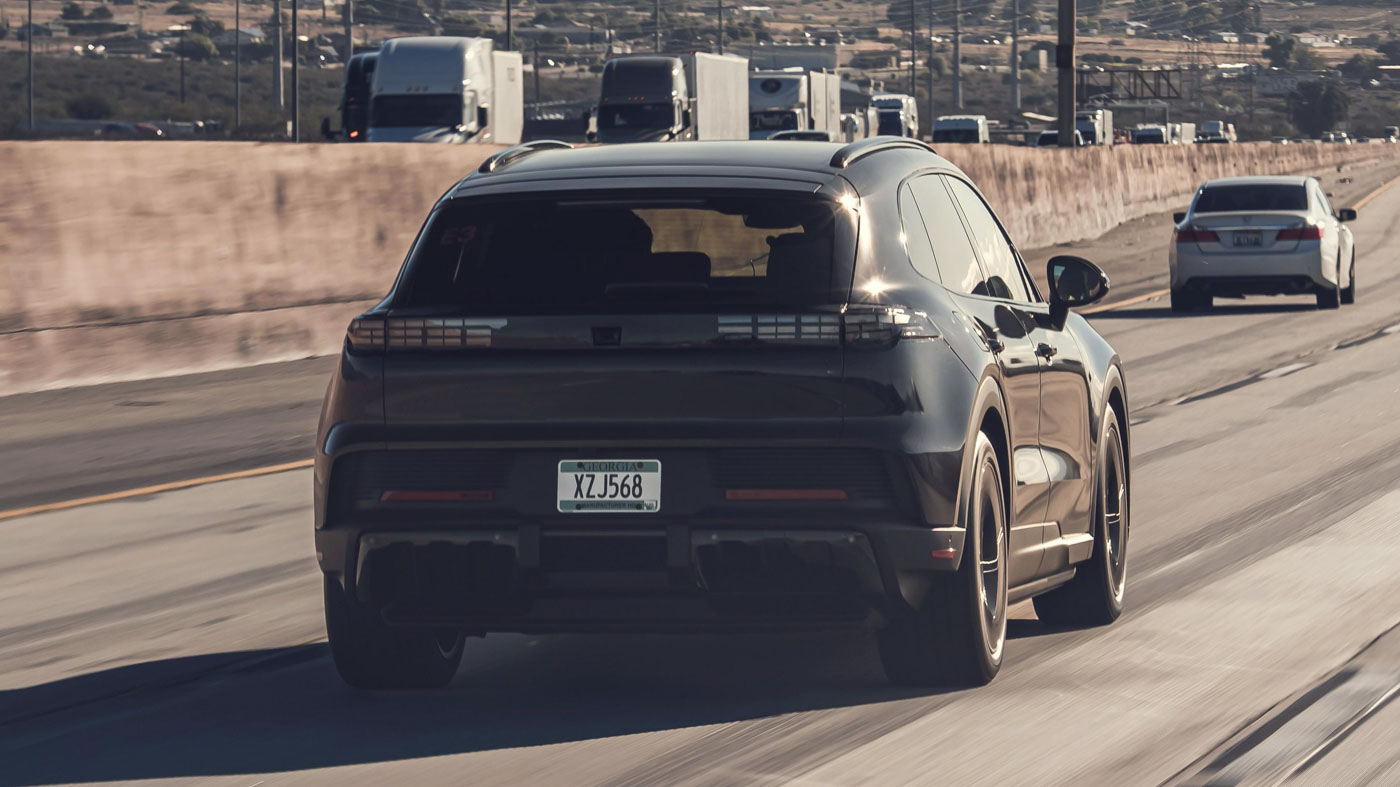
Coupled with high efficiency, this high-voltage battery enables the electric Porsche Cayenne to have a range exceeding 600 km (WLTP). During a US highway range test, near-production prototypes achieved 563 km (WLTP) on a single charge at a sustained maximum speed of 113 km/h.
RELATED: The all-new electric Porsche Cayenne’s interior is a techie’s dream come true

The battery pack is directly integrated into the vehicle structure, acting as an integral structural component. This results in a 12% improvement in the ratio between cells and the battery housing, increasing the SUV’s rigidity and further lowering its centre of gravity, as demonstrated by the electric Cayenne’s handling capabilities at the Shelsley Walsh hill climb.
Thanks to a new 800V architecture, which is an evolution of Porsche’s Premium Platform Electric (PPE), the electric Cayenne can support DC charging at 400 kW, enabling the SUV to recharge from 10-80% in less than 16 minutes, or 300 km of range added in 10 minutes.
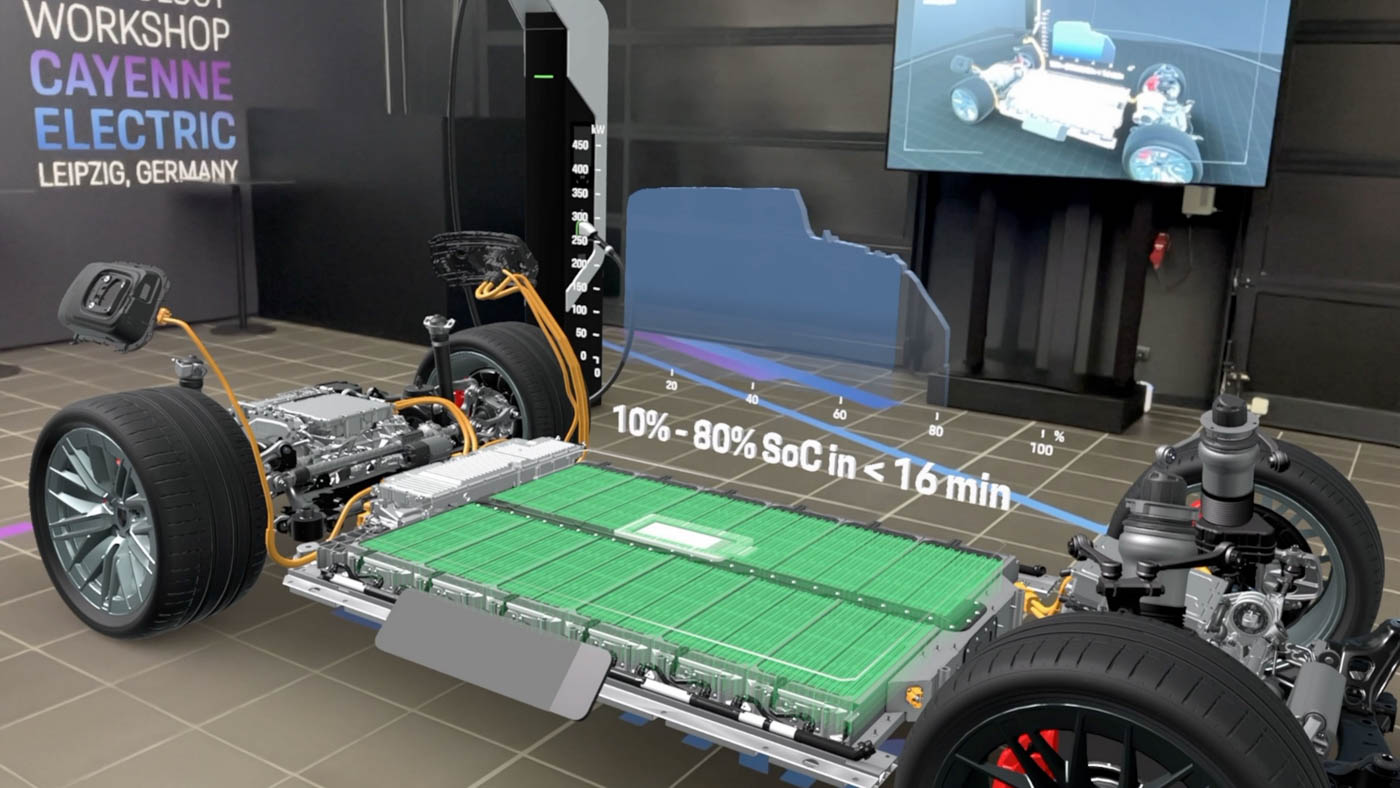
Even when the state-of-charge (SOC) reaches 50%, the electric Cayenne will continue to take in between 350–400 kW. This contrasts sharply with many other EVs, where the rate gradually reduces well before reaching that level.
In cold climates, where EV batteries tend to underperform, Porsche says the maximum 400 kW charging speed can be achieved even with a battery temperature of 15 degrees Celsius. Furthermore, the 800V system can support 400V charging stations at up to 200 kW DC.
Not that you’ll need to plug the car in, though, as the upcoming Porsche Cayenne will also offer a wireless charging system: an 11 kW charger housed in a one-box floor plate. This inductive system allows the electric Cayenne to drive onto the plate and charge, much like a scaled-up smartphone wireless charger. Porsche says this will have an efficiency of up to 90%, similar to a wired AC connection.
So, what powertrain will the 113 kWh battery be juicing? Porsche is keeping the full powertrain details close to its chest for now. With just a few more weeks until the launch of the all-electric Porsche Cayenne, we will have to wait until then to know what the electric Porsche Cayenne is capable of!
ALSO READ: The new Porsche Macan GTS gets less power than the Turbo, but might drive even better