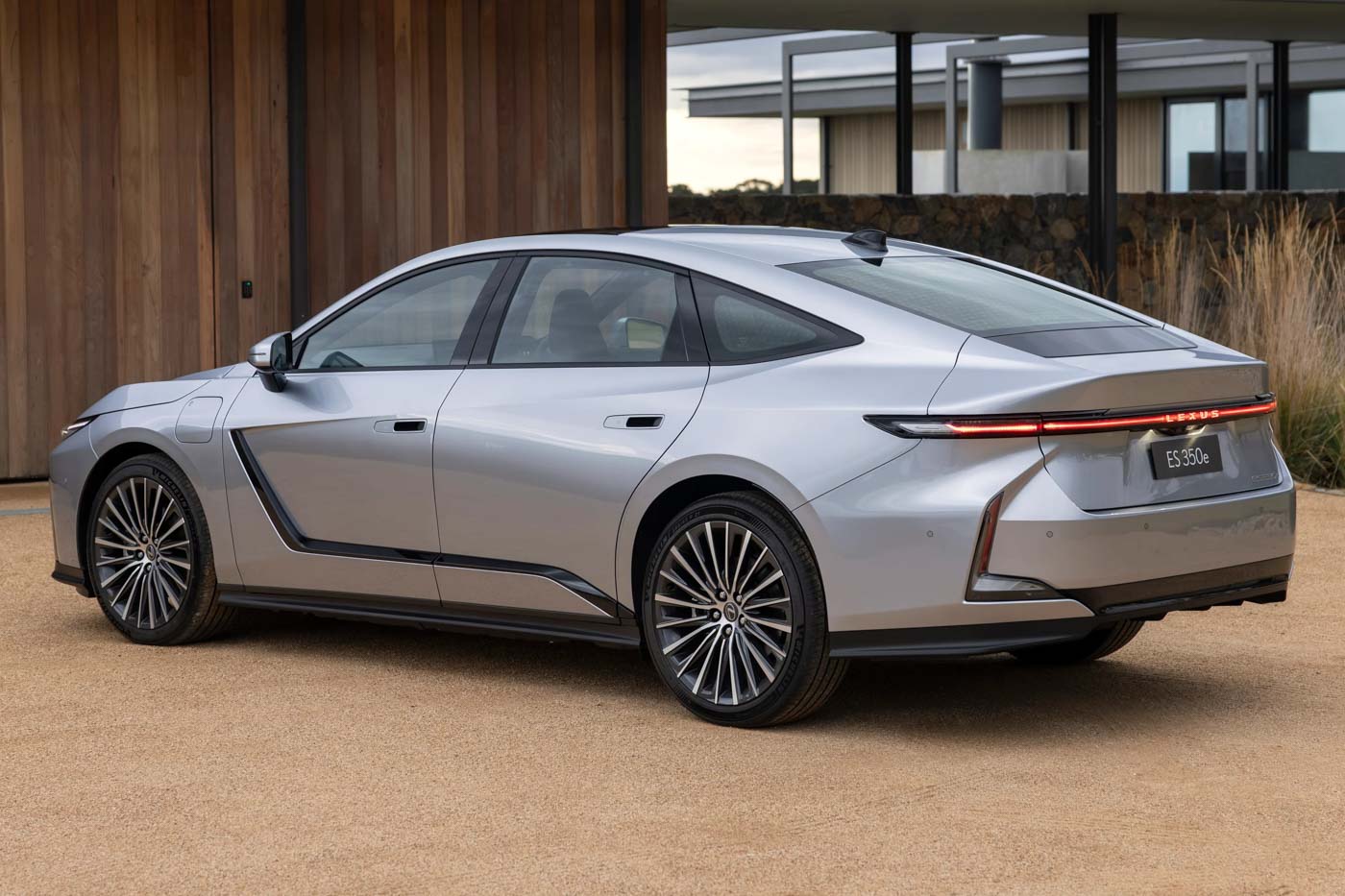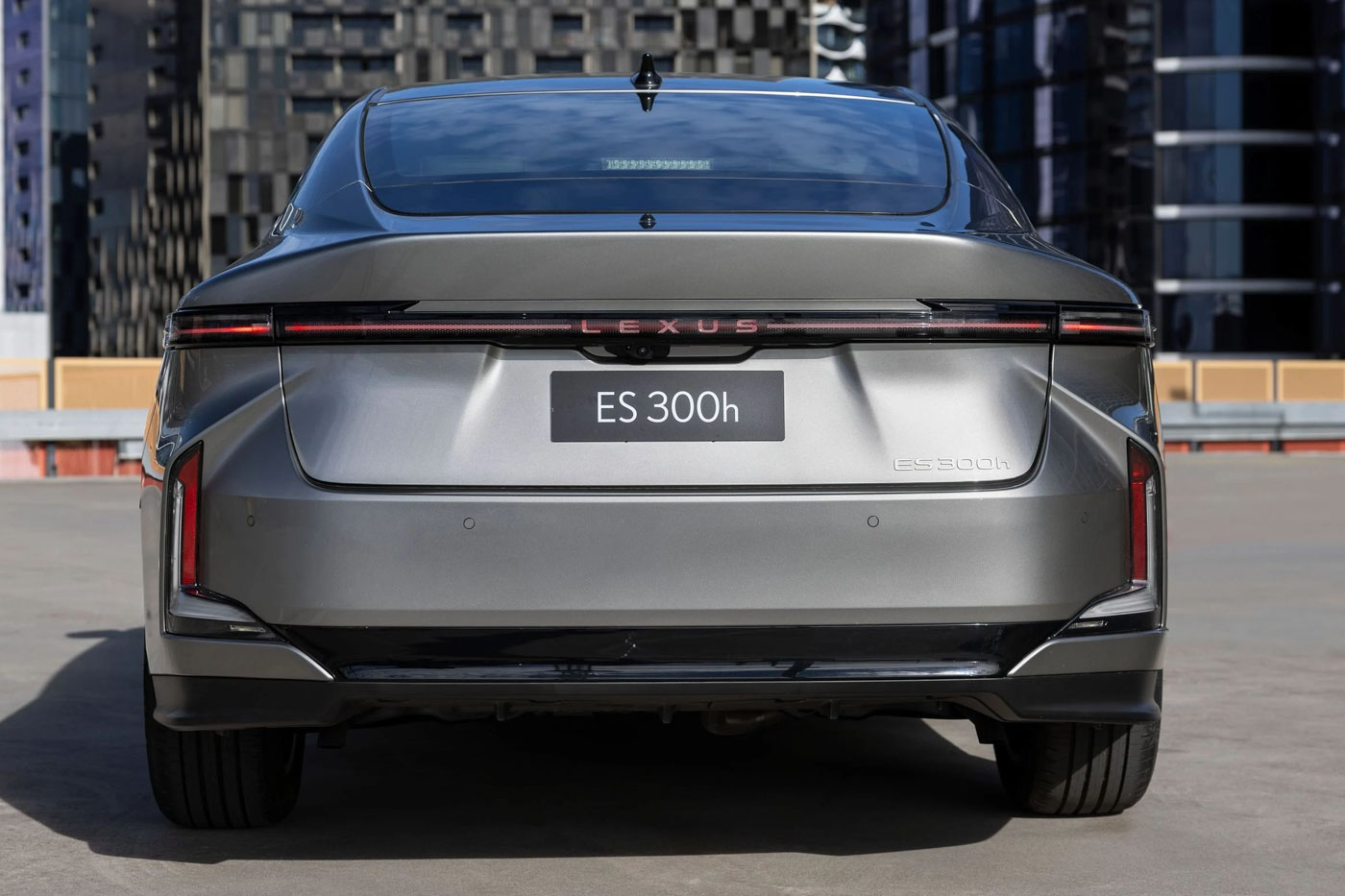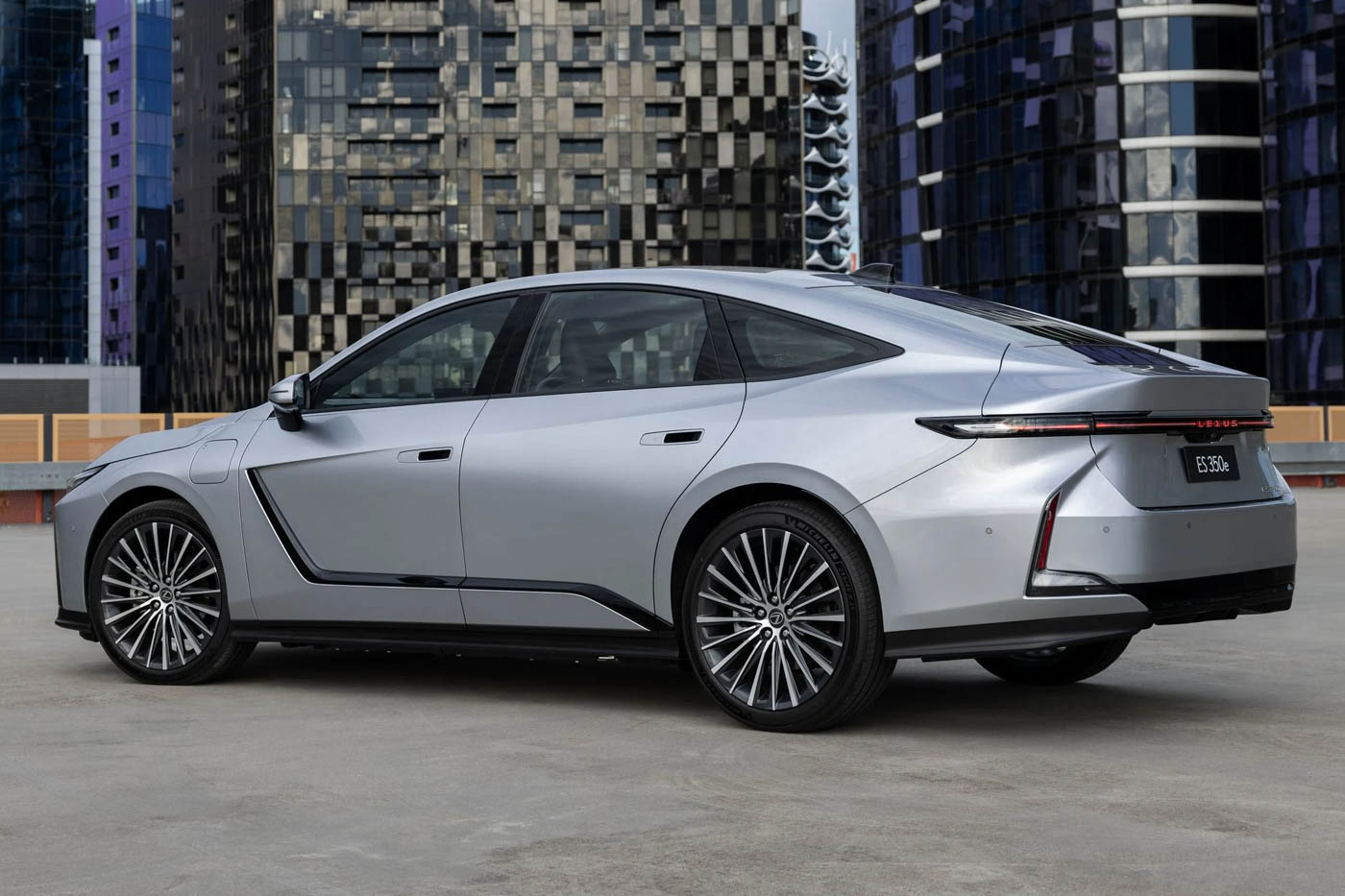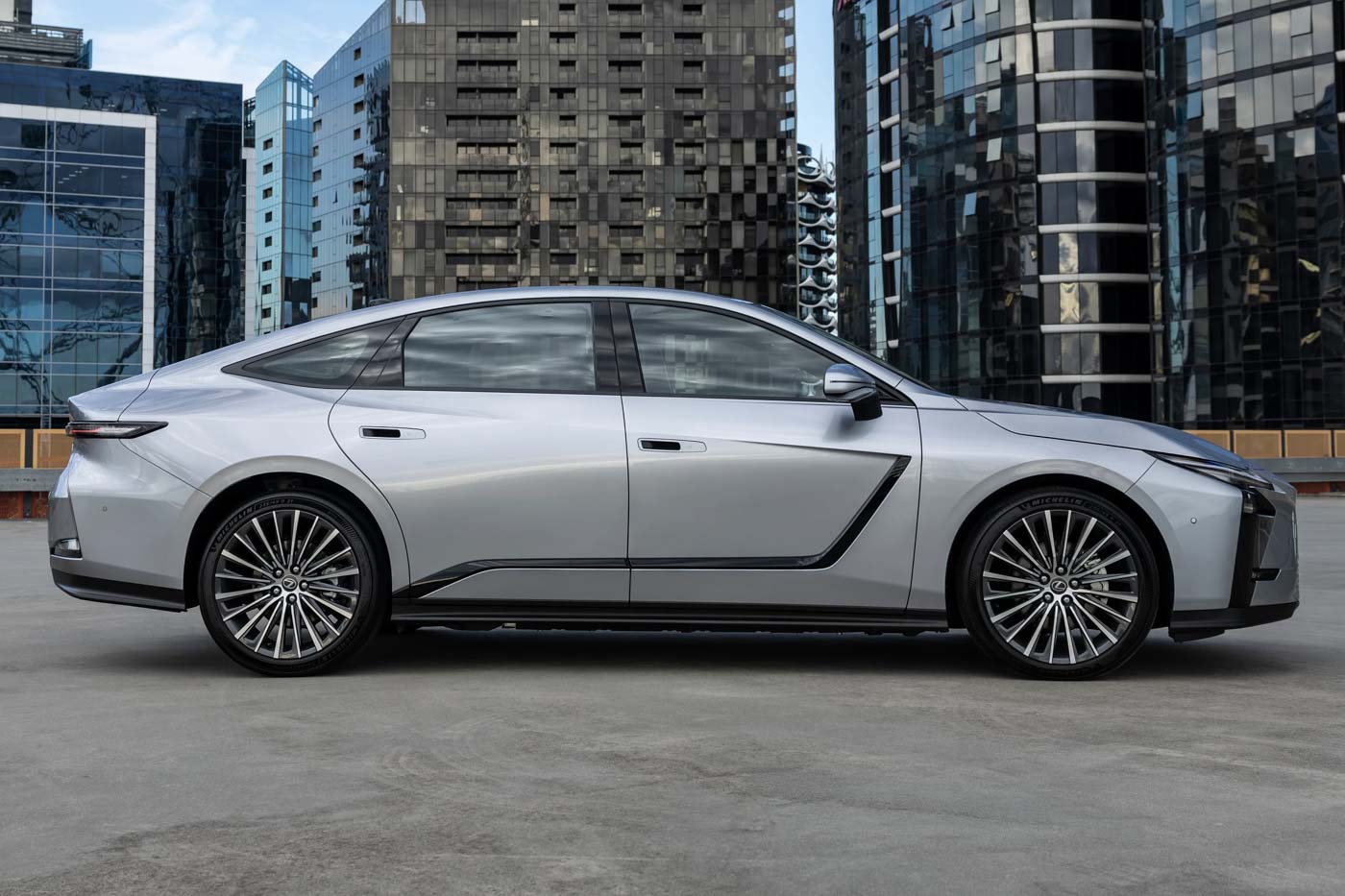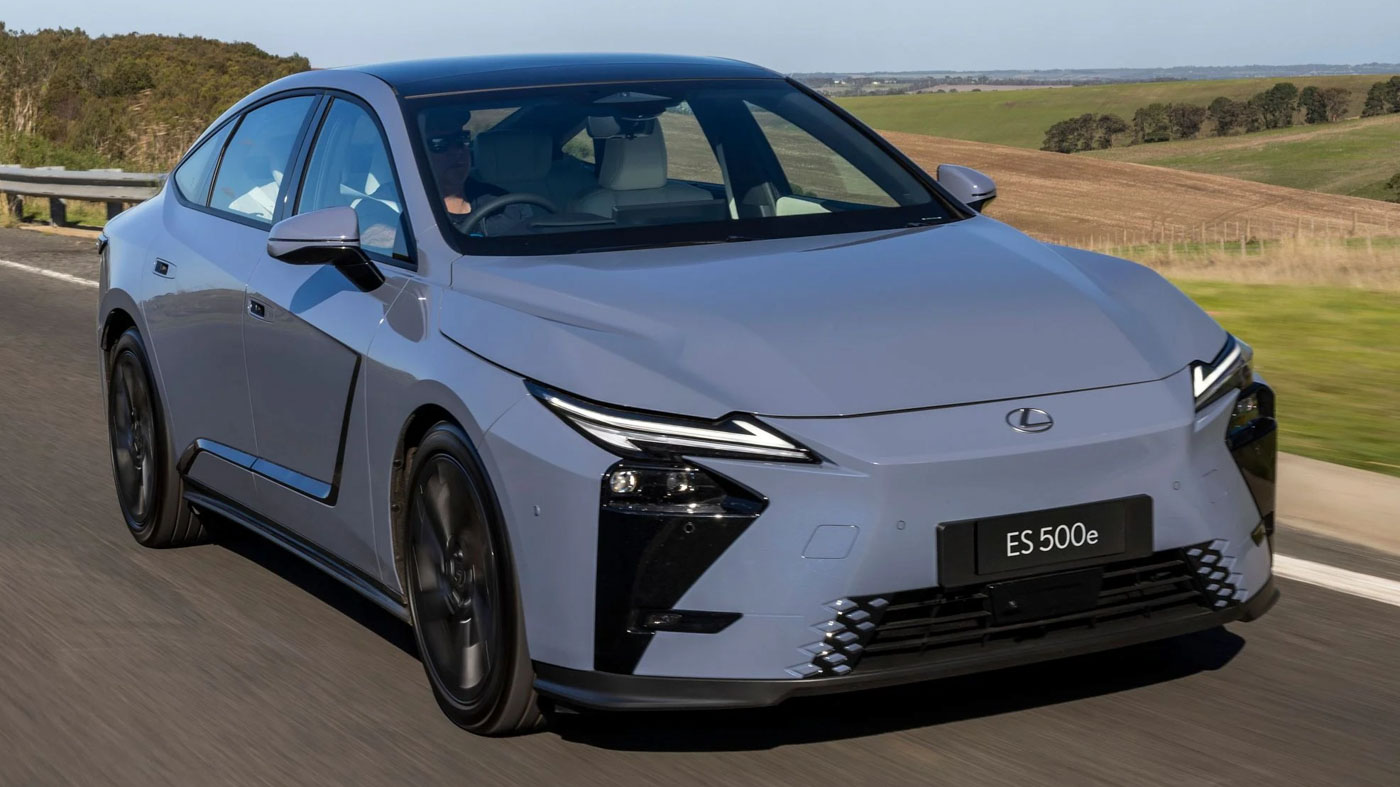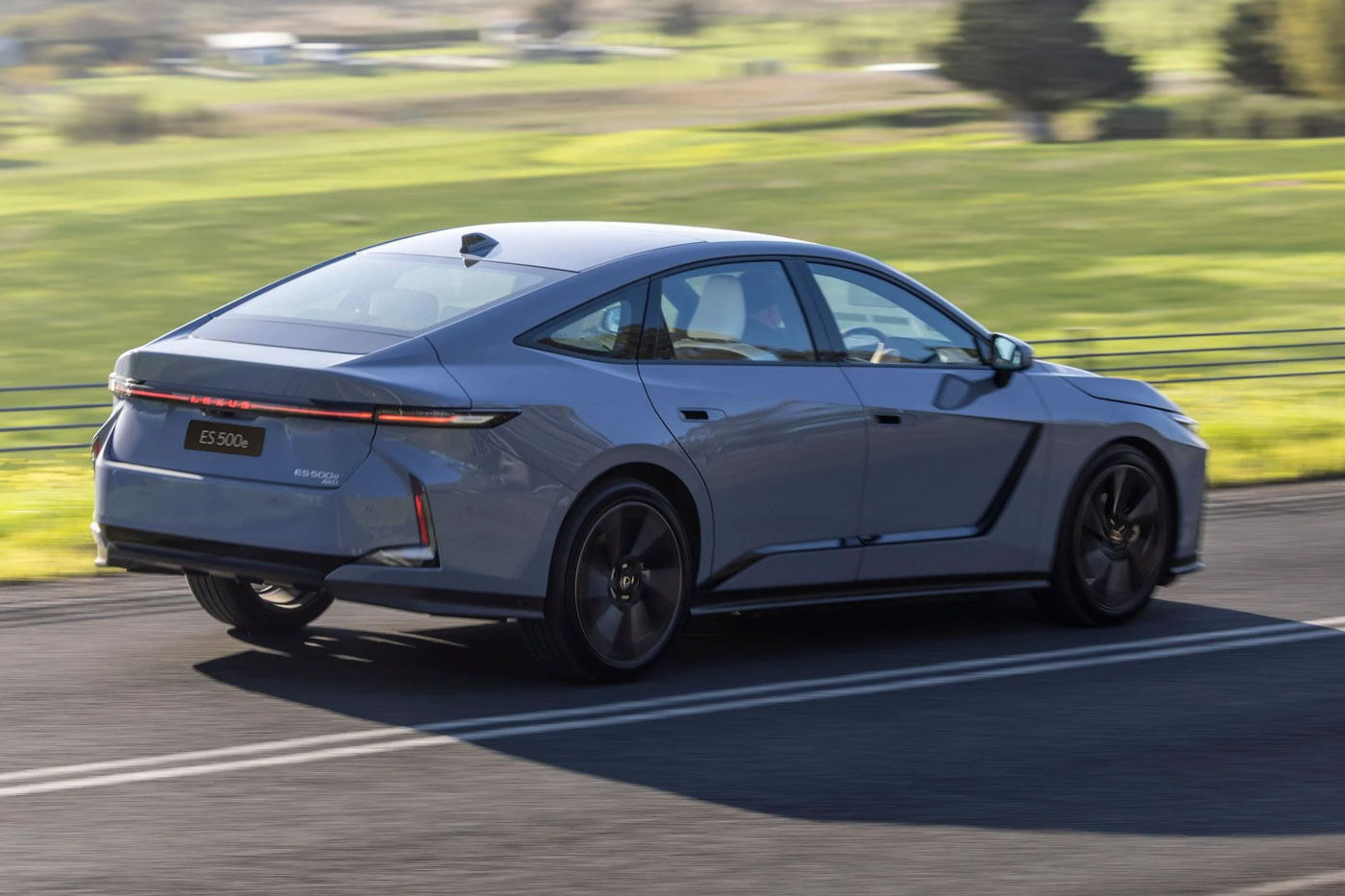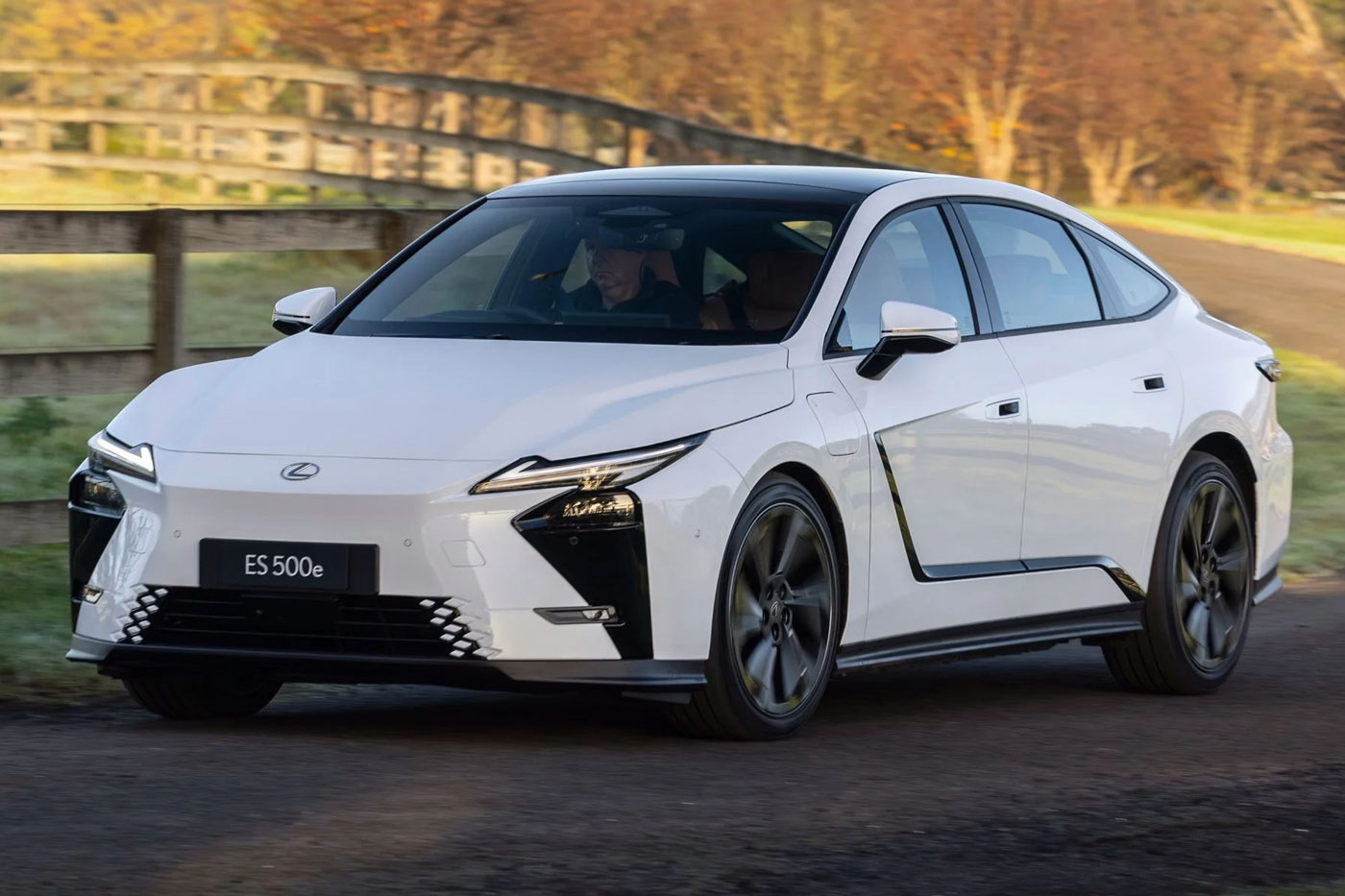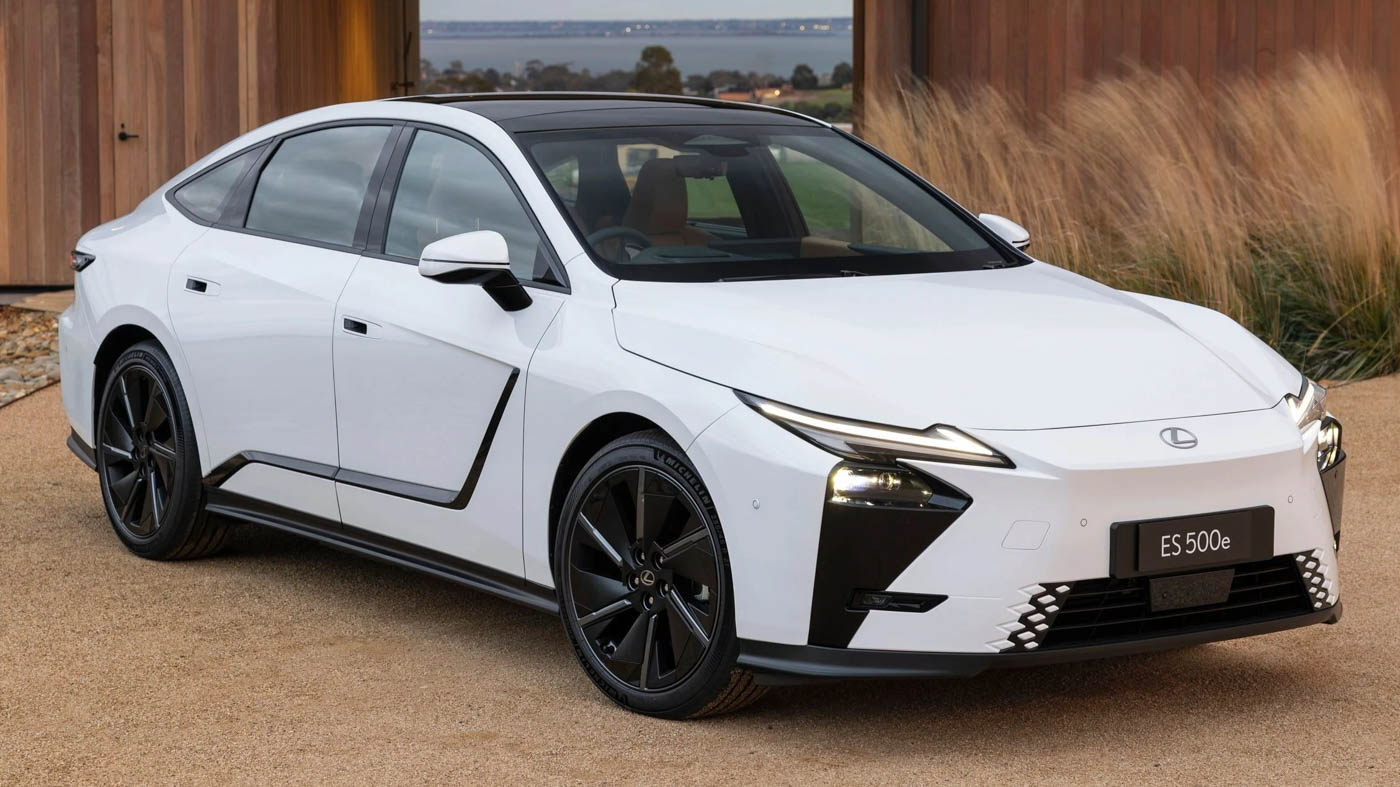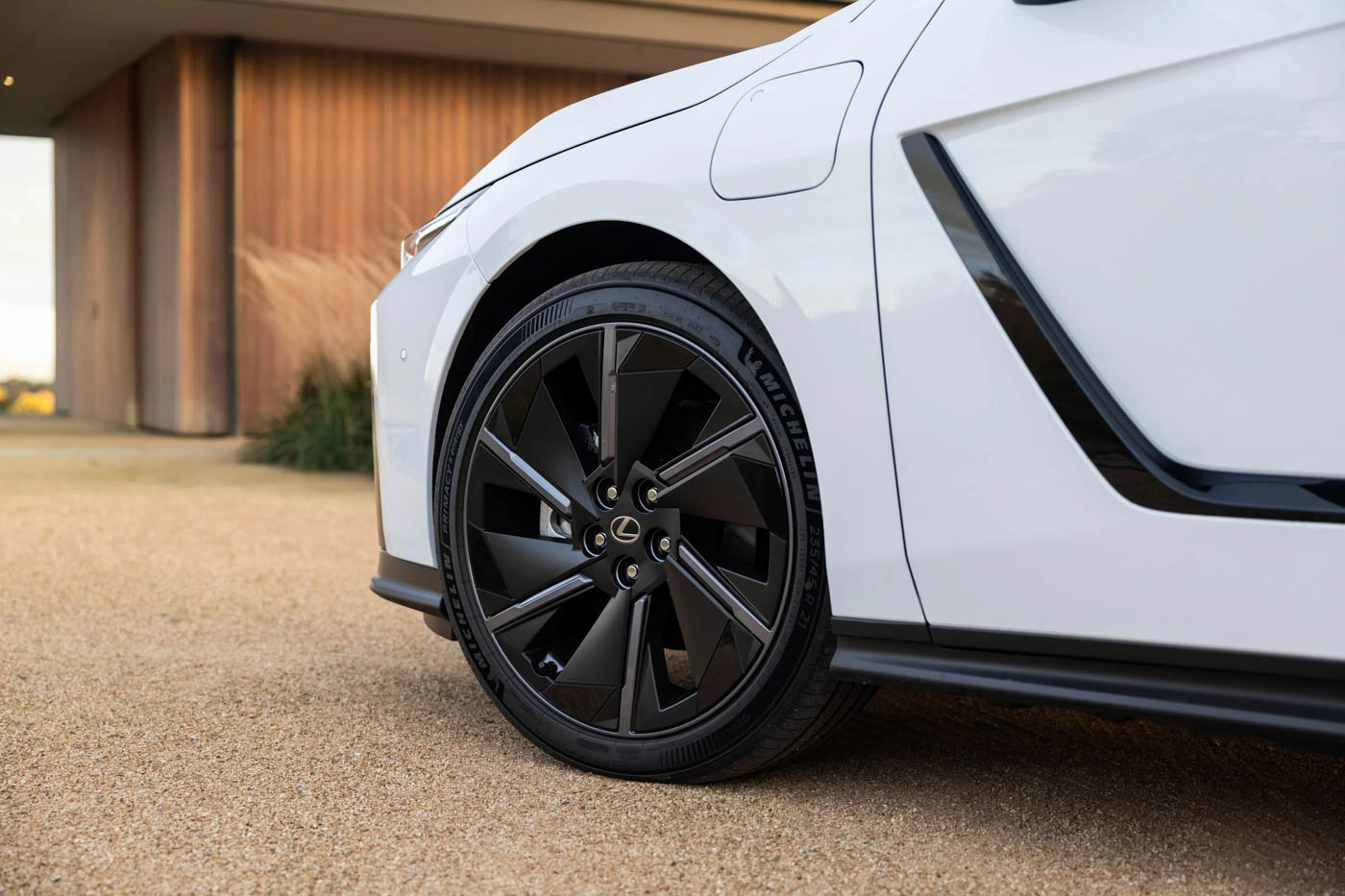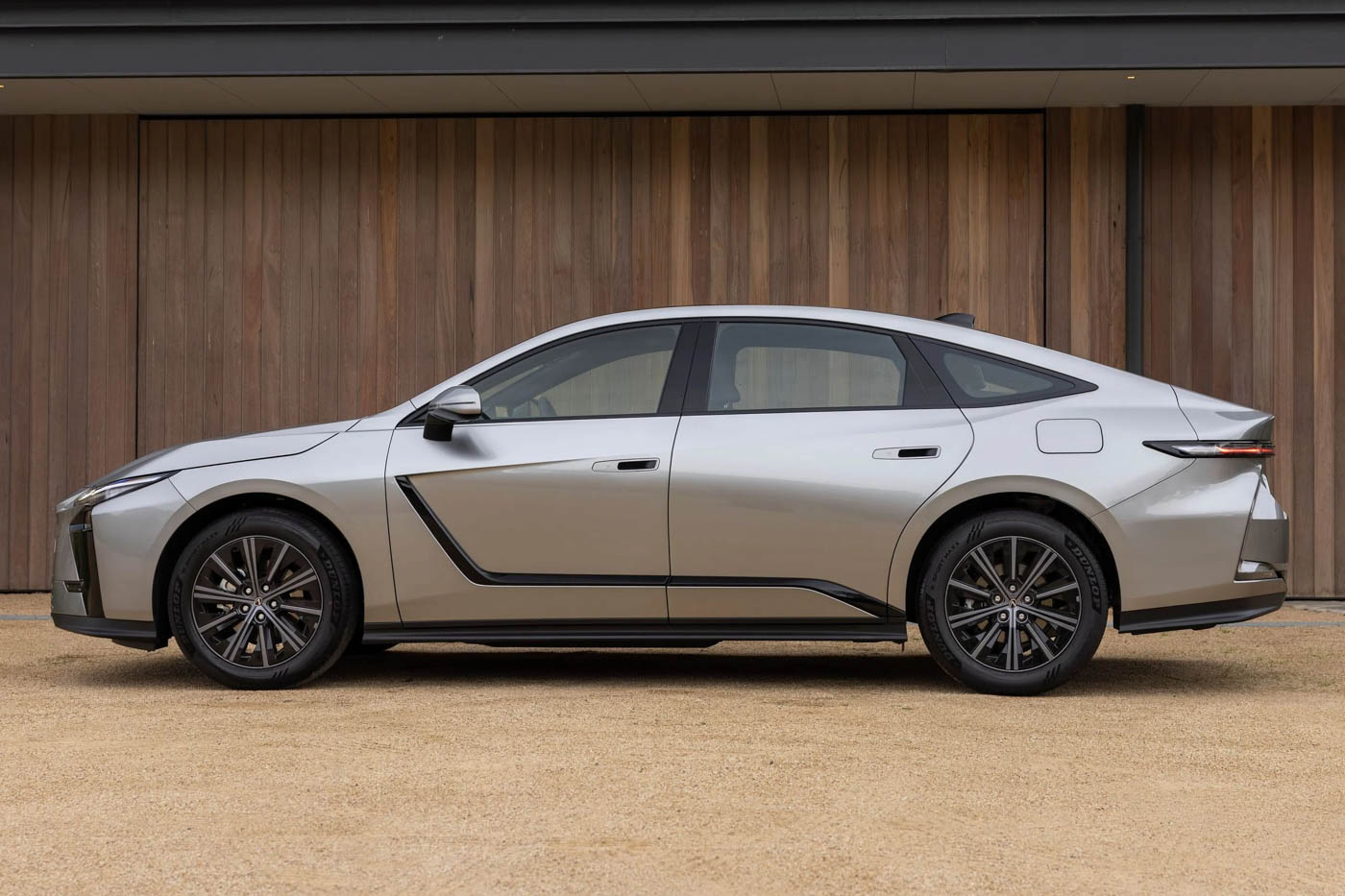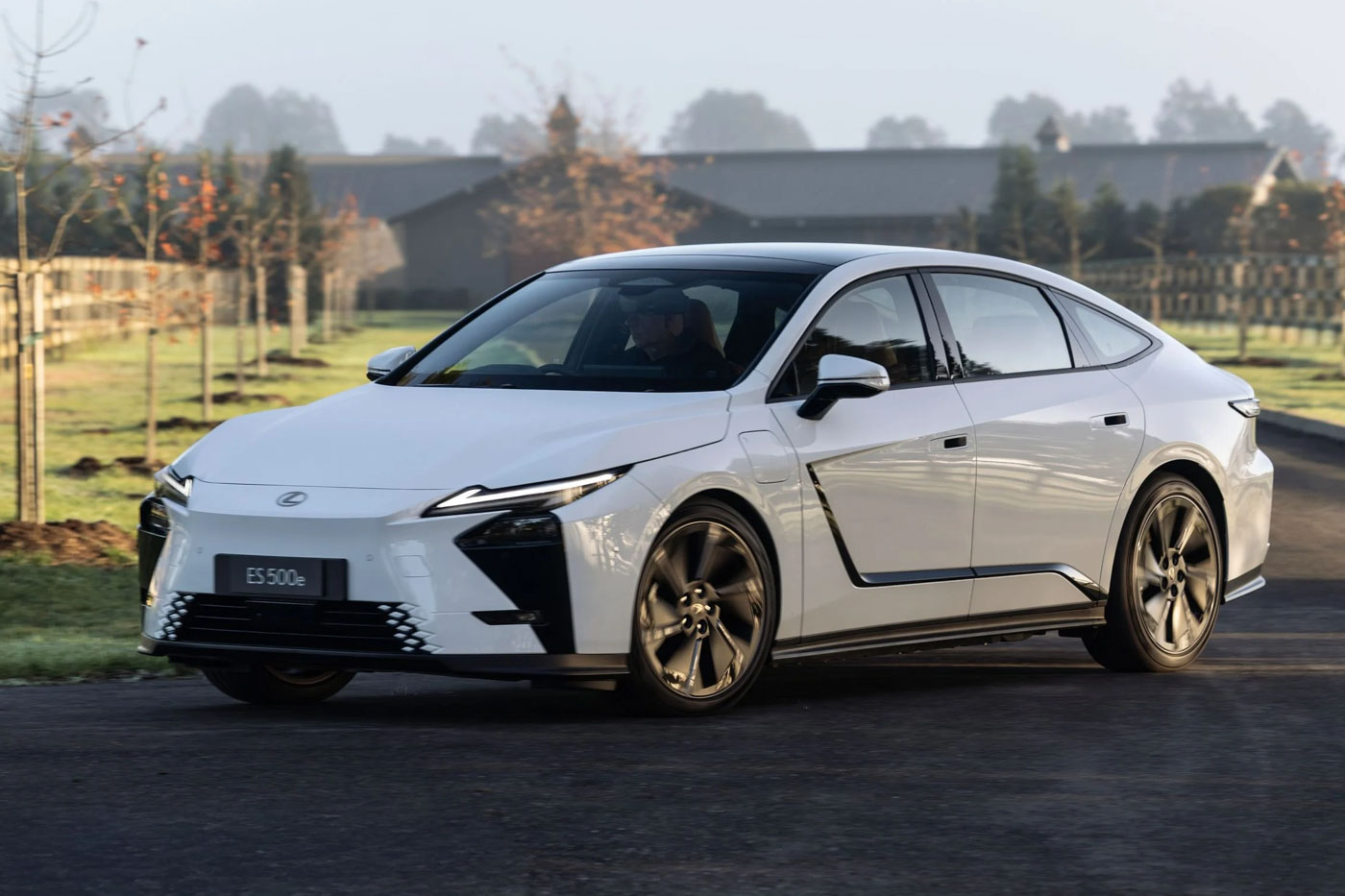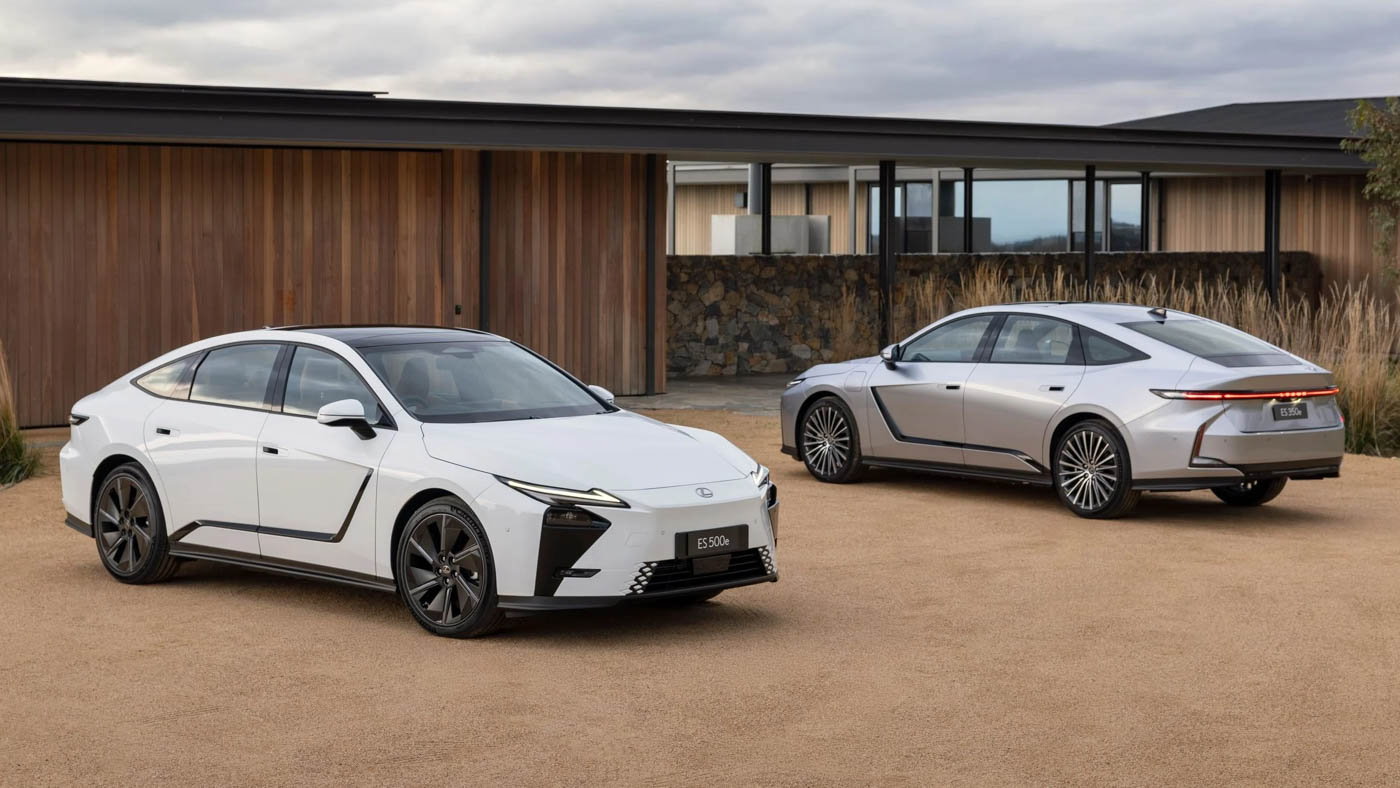
The all-new eighth-generation Lexus ES, which made its global debut at Auto Shanghai 2025, has now been officially launched in Australia, with four variants available there in hybrid and fully-electric (EV) guises. This Australian debut also marks the first global right-hand drive (RHD) market for the luxury sedan.
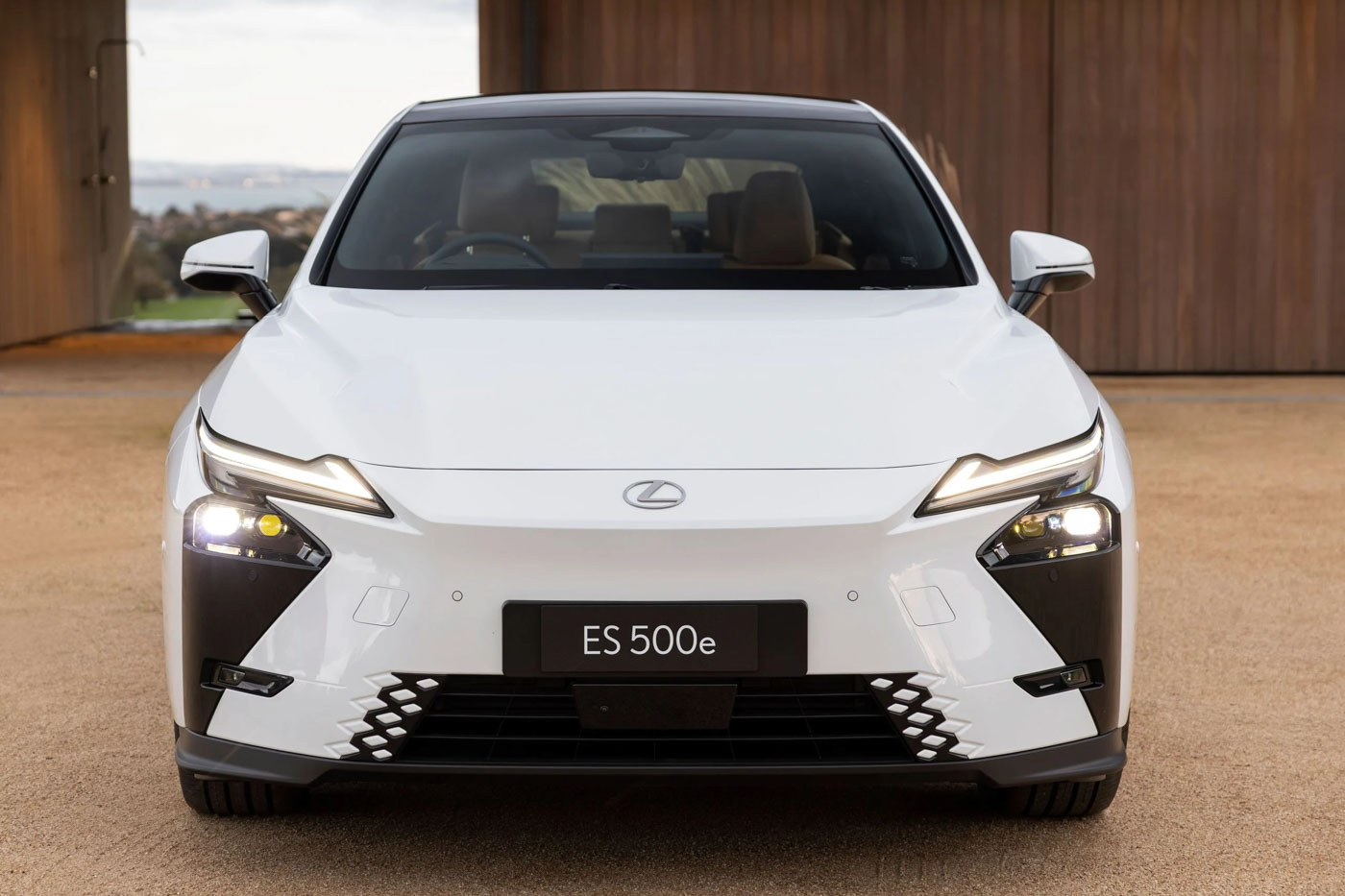
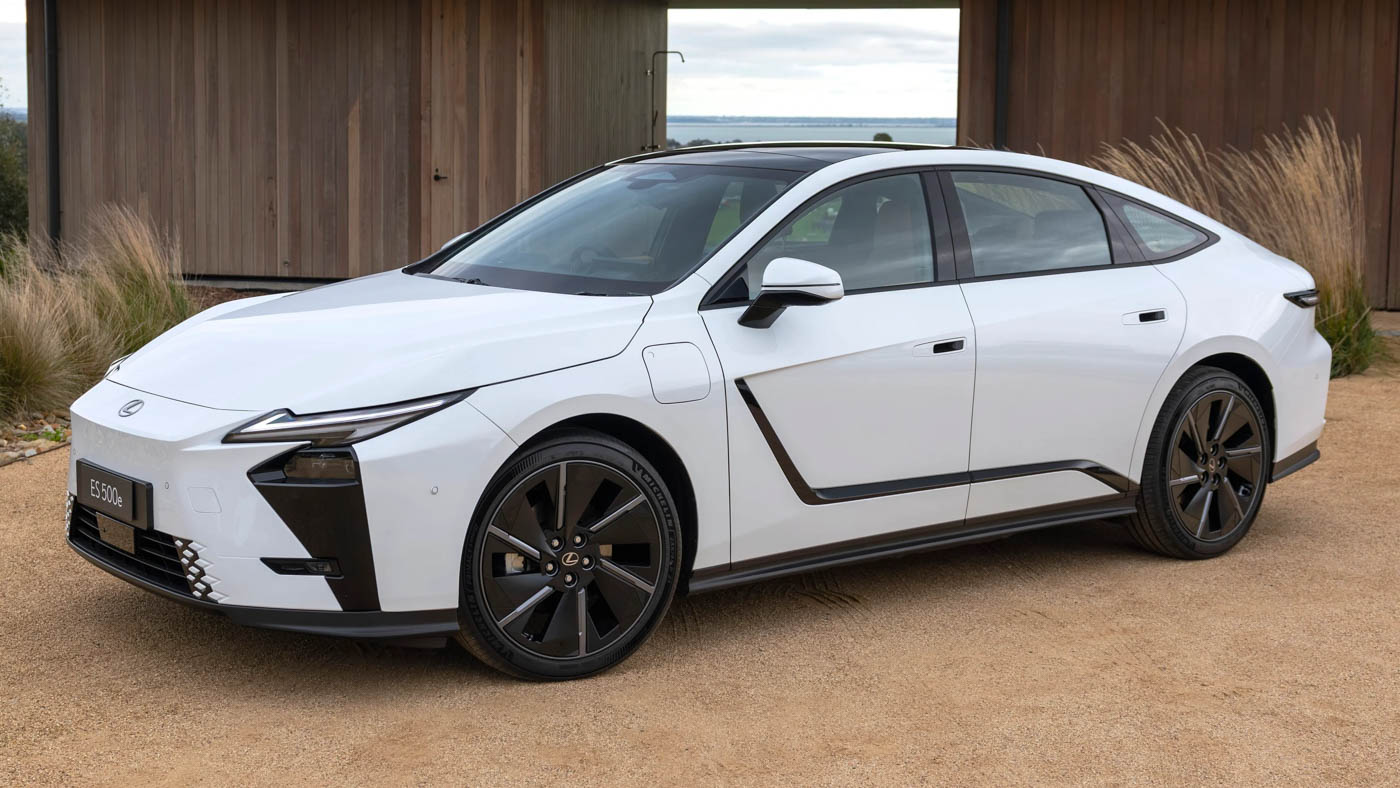
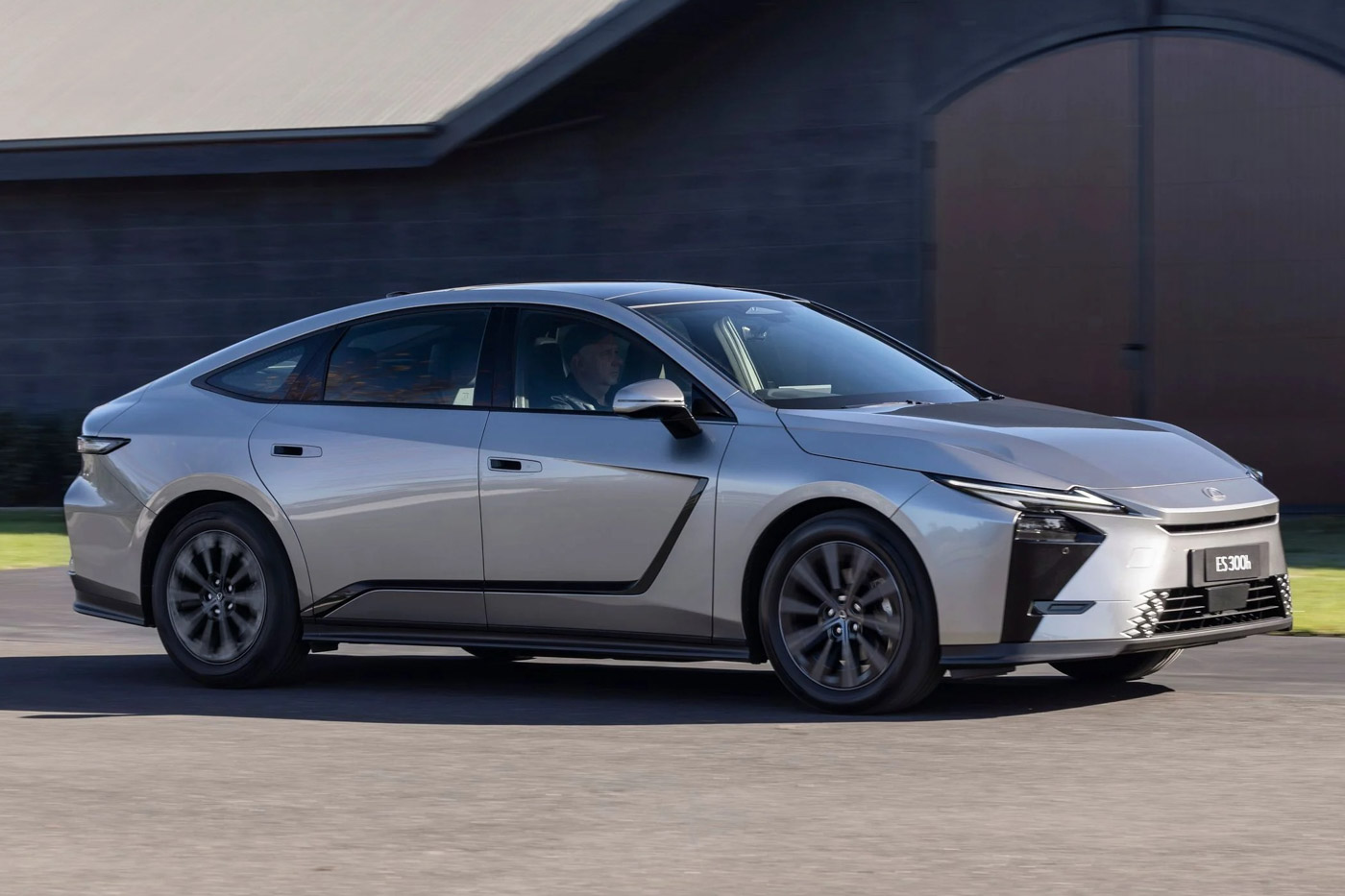
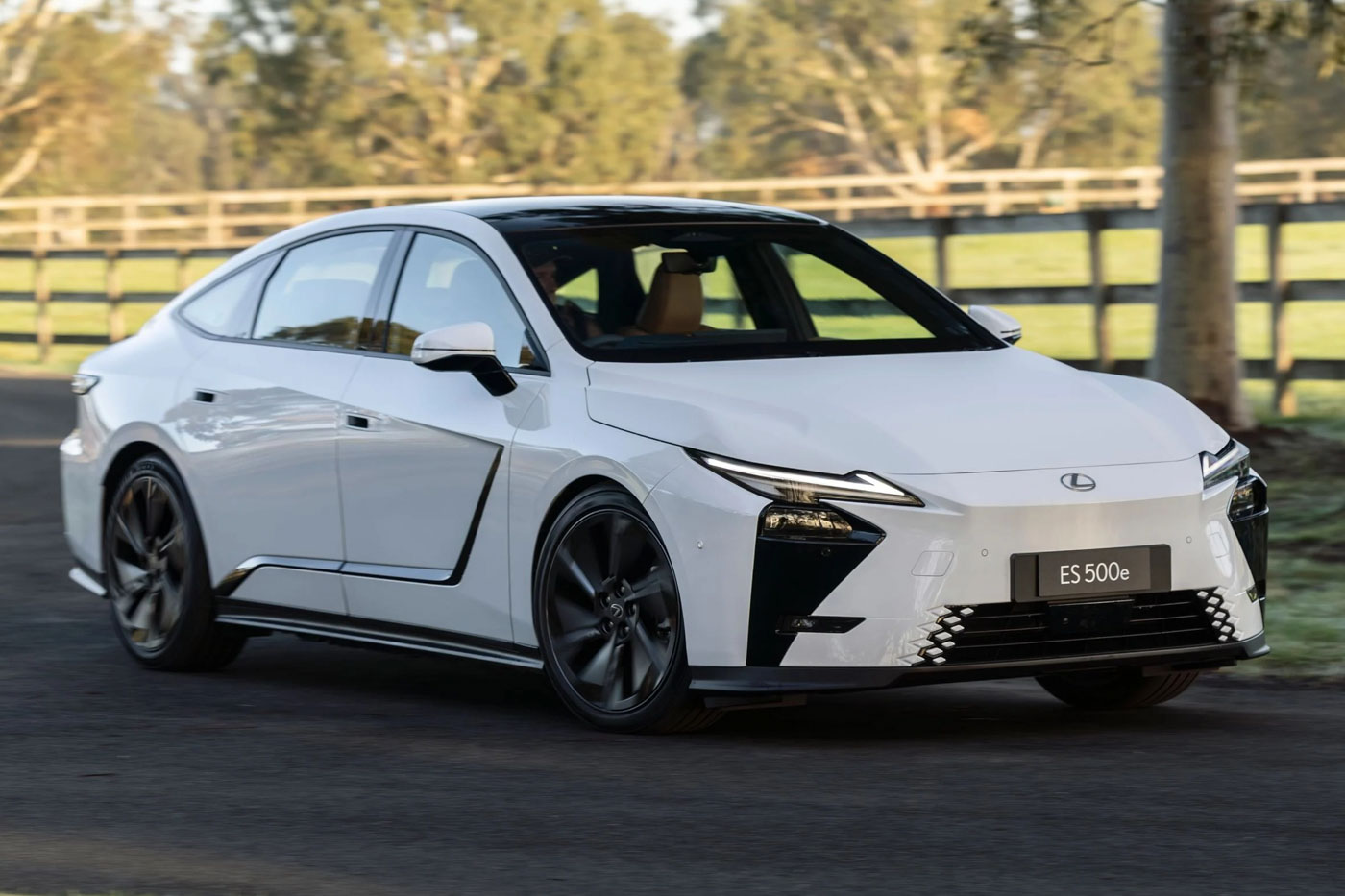
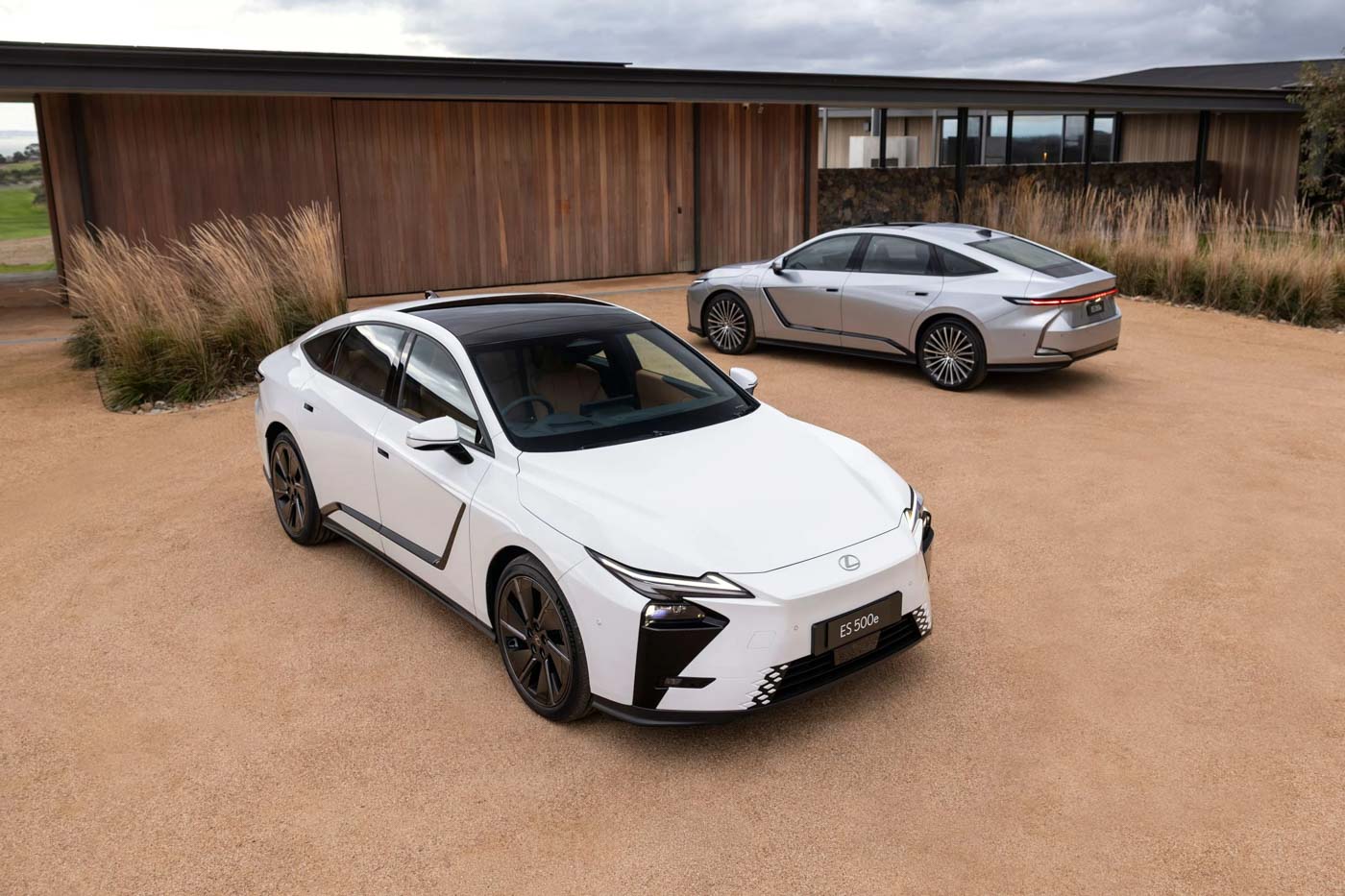
In a stark departure from the previous generation, the Lexus ES now sports a futuristic exterior, underpinned by the new Clean Tech x Elegance philosophy, which, true to its name, makes the sedan clean yet with enough styling touches to avoid having a featureless exterior.
The front fascia now features twin L-signature lighting elements, which will be the marque’s new signature moving forward. Despite losing the iconic spindle grille, you can still make out the side profile of the grille on the front fascia, with the grille being shrunk, with the hybrids featuring a narrow slit on the top half.
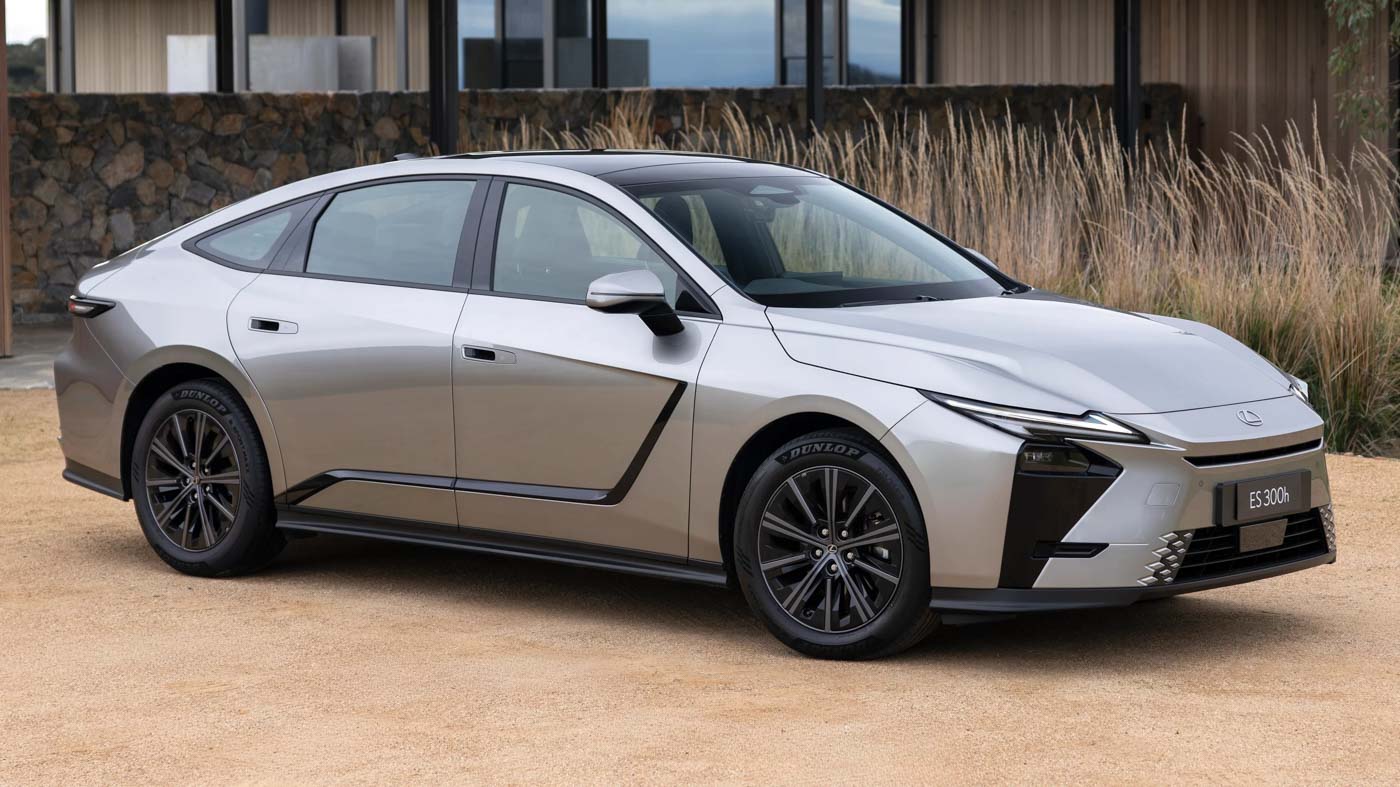
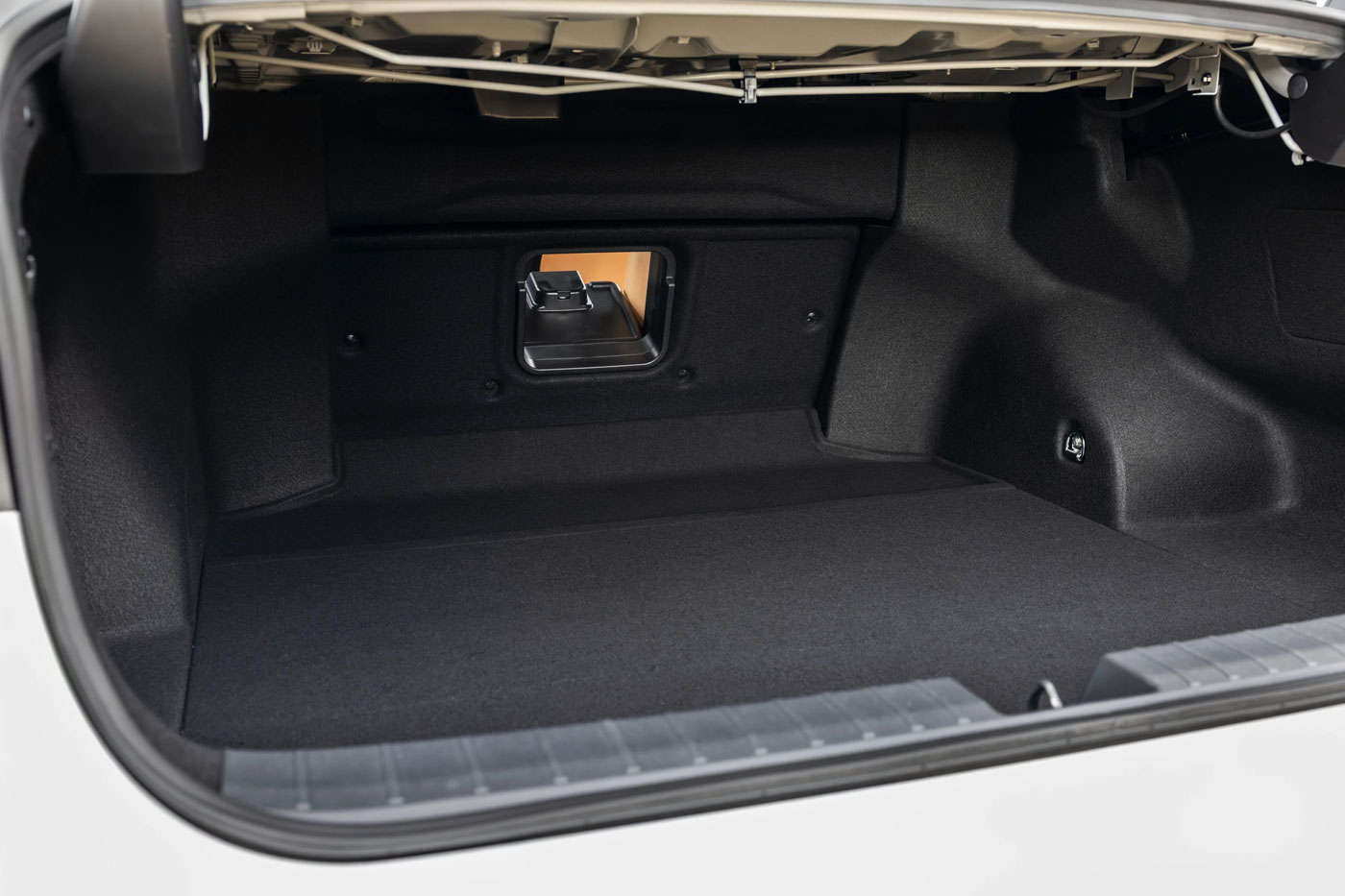
Its dimensions are also larger, with the all-new Lexus ES being built on a redesigned global architecture-K platform (GA-K), which can accommodate hybrid or EV powertrains. The sedan is now 165 mm longer, with an 80 mm longer wheelbase over its predecessor; that should mean a more spacious interior, which Lexus claims to offer a “SUV-like” interior space.
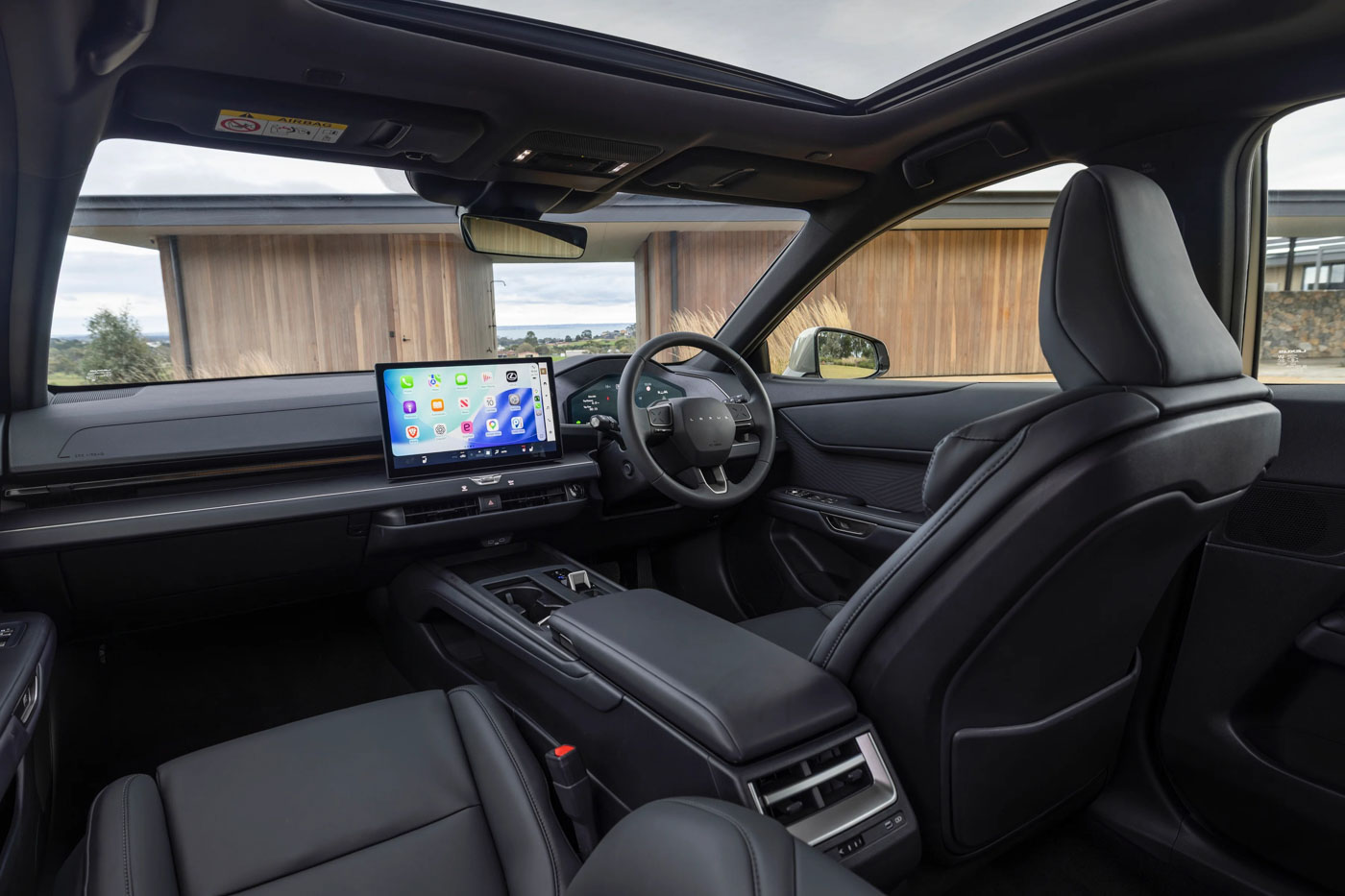
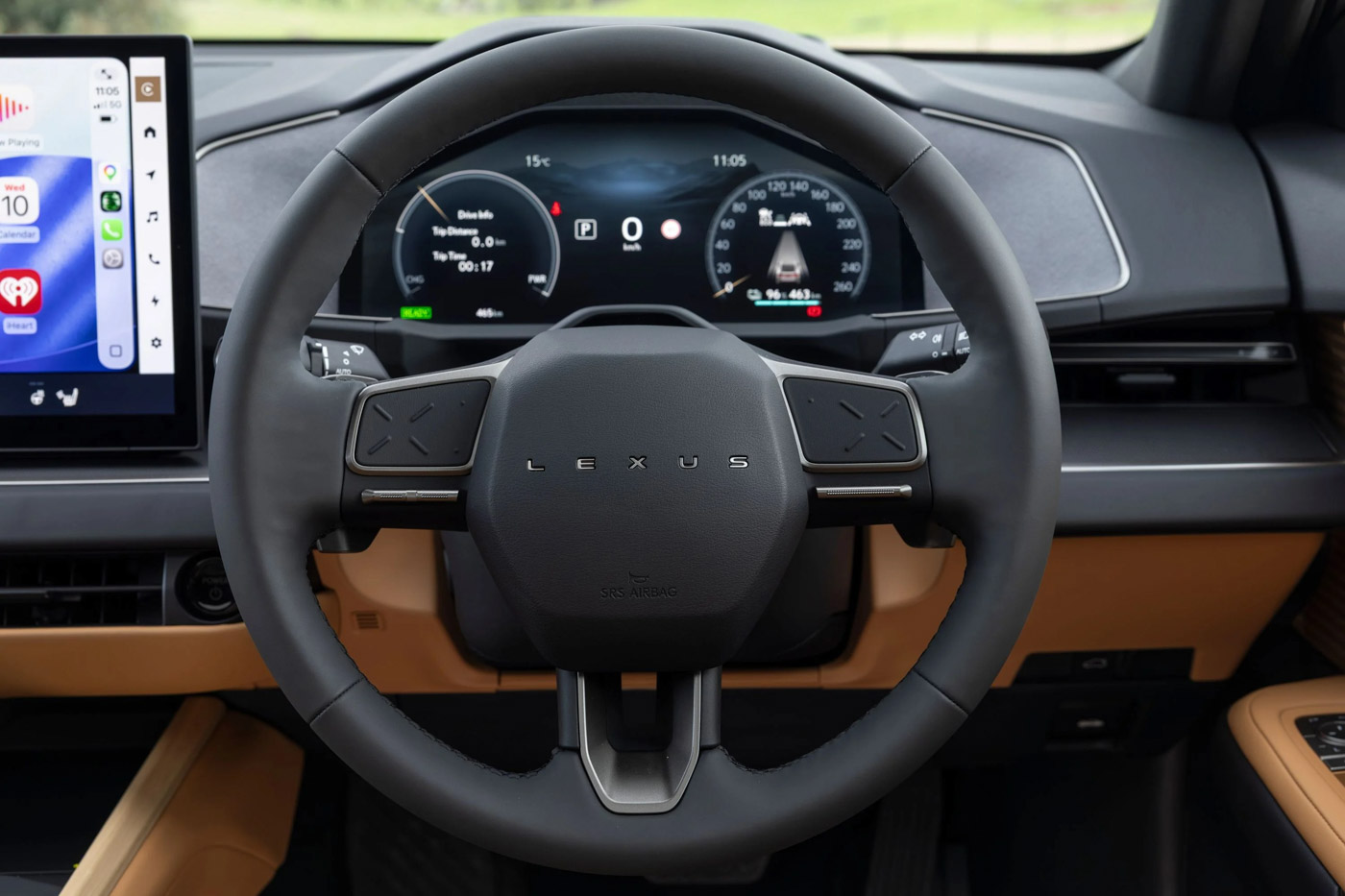
Like the exterior, the interior of the all-new Lexus ES is also designed with the Clean Tech x Elegance philosophy. It features a new steering wheel that sports an embossed “LEXUS” wordmark in the middle and the new Hidden Tech switches – a company first – that reflects the Omotenashi principle of minimalism. This essentially means when the car is off, the switches are not present, and when the car is on, the switches will illuminate and present themselves.
READ MORE: MCE launches new RM50mil automotive electronics manufacturing hub in Serendah
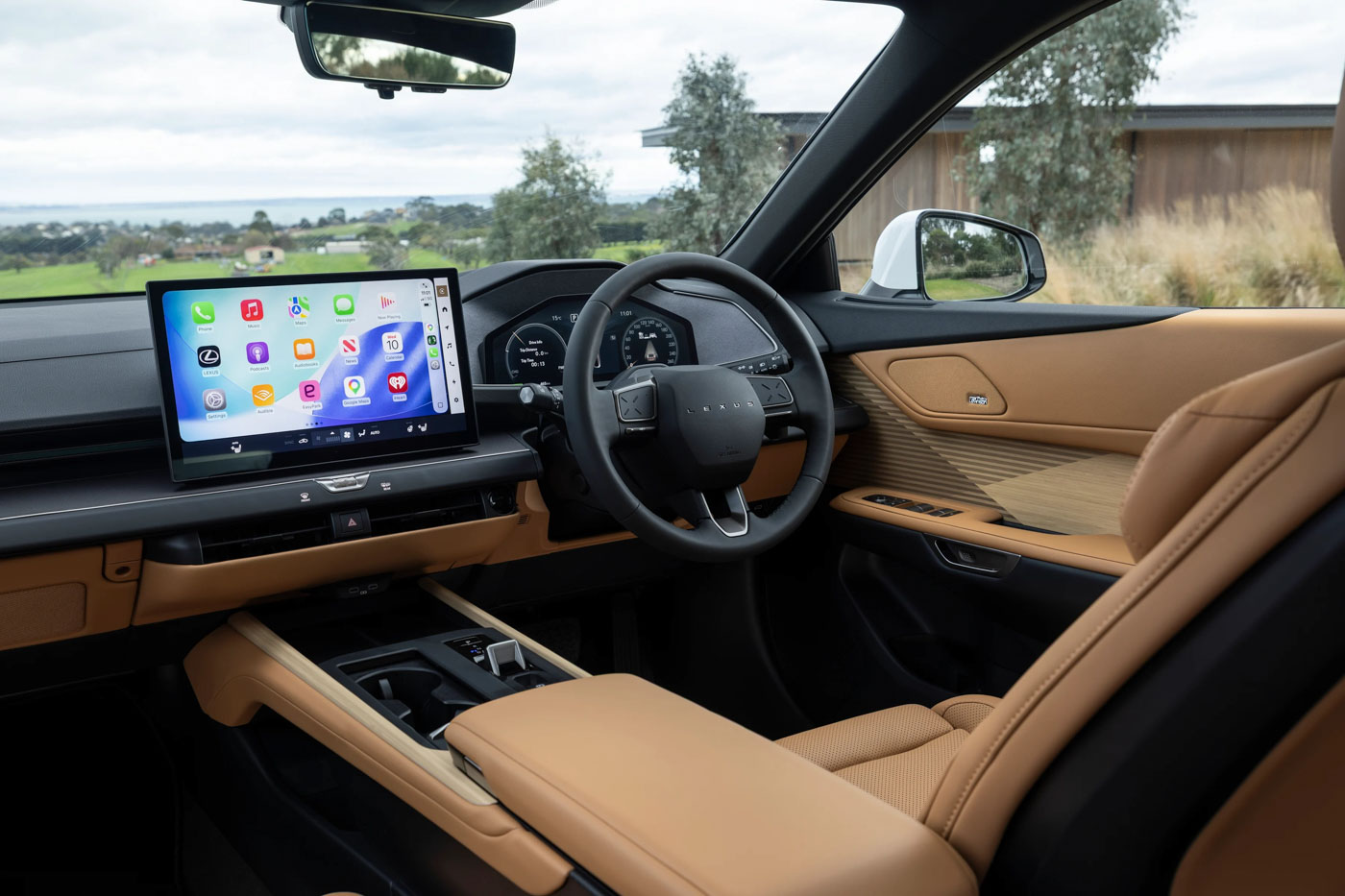
As with all Lexus vehicles, there is a heavy emphasis on the Tazuna principle, which prioritises all controls and information being placed strategically to ensure they are within an arm’s reach for the driver to operate and manage conveniently while keeping their eyes on the road. There is new technology featured here, including a 12.3-inch multi-information display with full-screen map view and wireless smartphone integration ahead of the driver, accompanied by a centre full-HD 14.0-inch touchscreen.
Other tech includes the new gear shift toggle, which Lexus calls the shift-by-wire Electro-Shiftmatic, providing more intuitive use with a single-motion operation for forward and reverse, and comes with a ‘Park’ button for a more compact design.
For comfort, the front seats in the Lexus ES are redesigned to provide a more comfortable posture for the driver with increased support for the shoulder blades to reduce muscle strain when steering the car, while the backrests cradle the body for those long drives. Lexus even improved the sound insulation of the doors and used sound-insulation glass on the front doors to improve the comfort levels.
Depending on the variants, Australians can choose between one hybrid and two EV powertrains. The range starts with a series-parallel hybrid powertrain consisting of a 2.5-litre four-cylinder making 143 hp/227 Nm that is paired to a traction motor, which produces 204 hp/270 Nm for a combined 196 hp to the front wheels via an e-CVT gearbox.
The EV variants feature either a single front-mounted traction motor producing 227 hp (167 kW) and 269 Nm, though Lexus says the maximum output is only 224 hp (165 kW). The most powerful variant of the Lexus ES is the ES500e guise with a dual-motor powertrain that produces 343 hp (252 kW).
ALSO READ: 2026 Lexus LX launched in Malaysia – 7/5/4 seater, 3 variants, from RM1.54 million
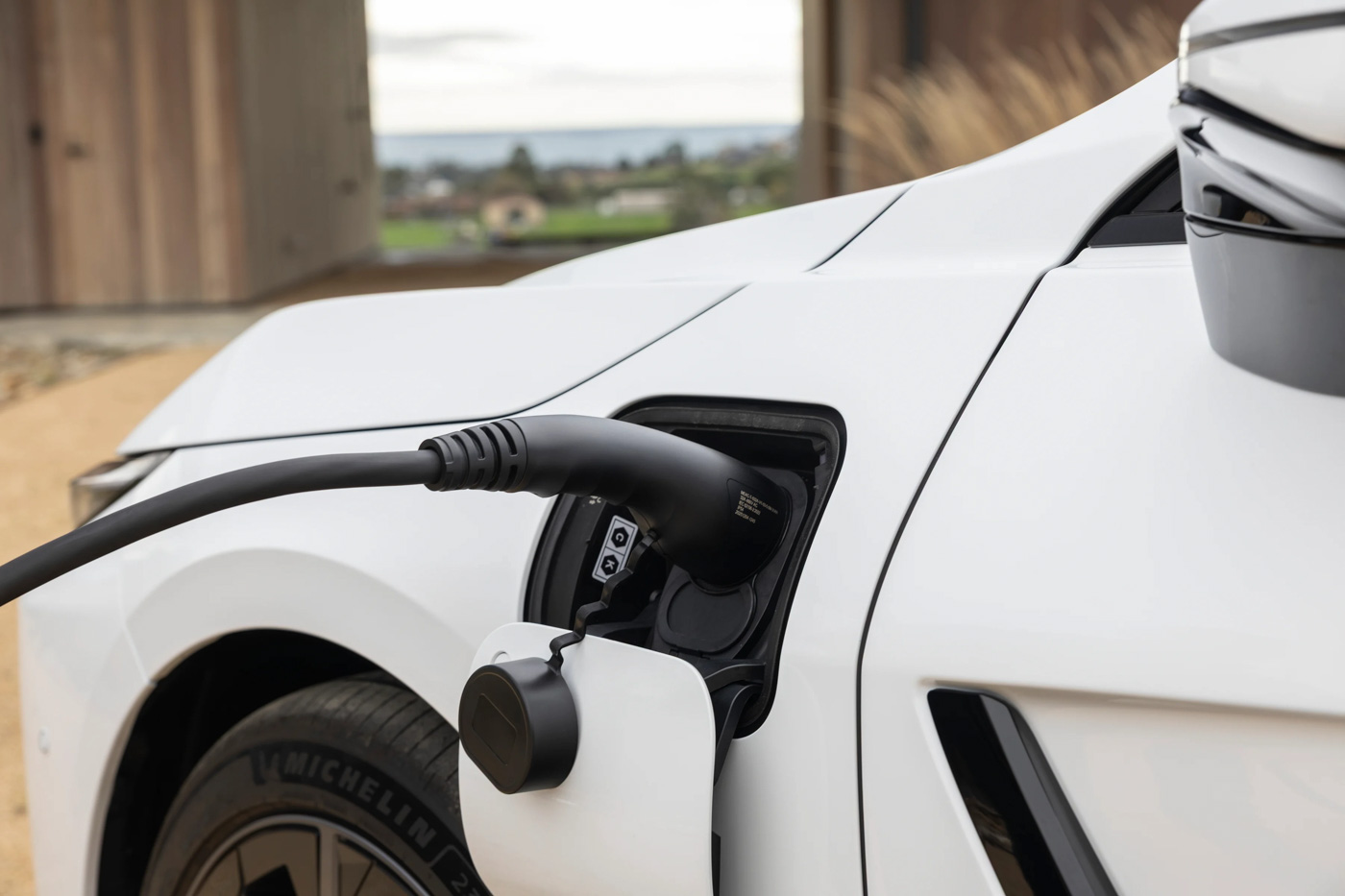
Both EV variants are paired to a 74.7 kWh lithium-ion battery, which enables a range of 510 km for the single-motor variant and 465 km for the dual-motor variant, according to the WLTP cycle. The two variants share the same charging specifications with 22 kW AC and 150 kW DC, with the latter enabling a 10-80% recharge in 28 minutes.
It remains to be seen if the all-new Lexus ES will make its way over to Malaysia, as Lexus Malaysia currently has an SUV-majority lineup, with the sole sedan offering being the flagship LS that is currently available on the marque’s website, listed from RM1.25 million. If the ES does make its way over to local roads, could it sway all the taukes from their bulky MPVs?
GALLERY