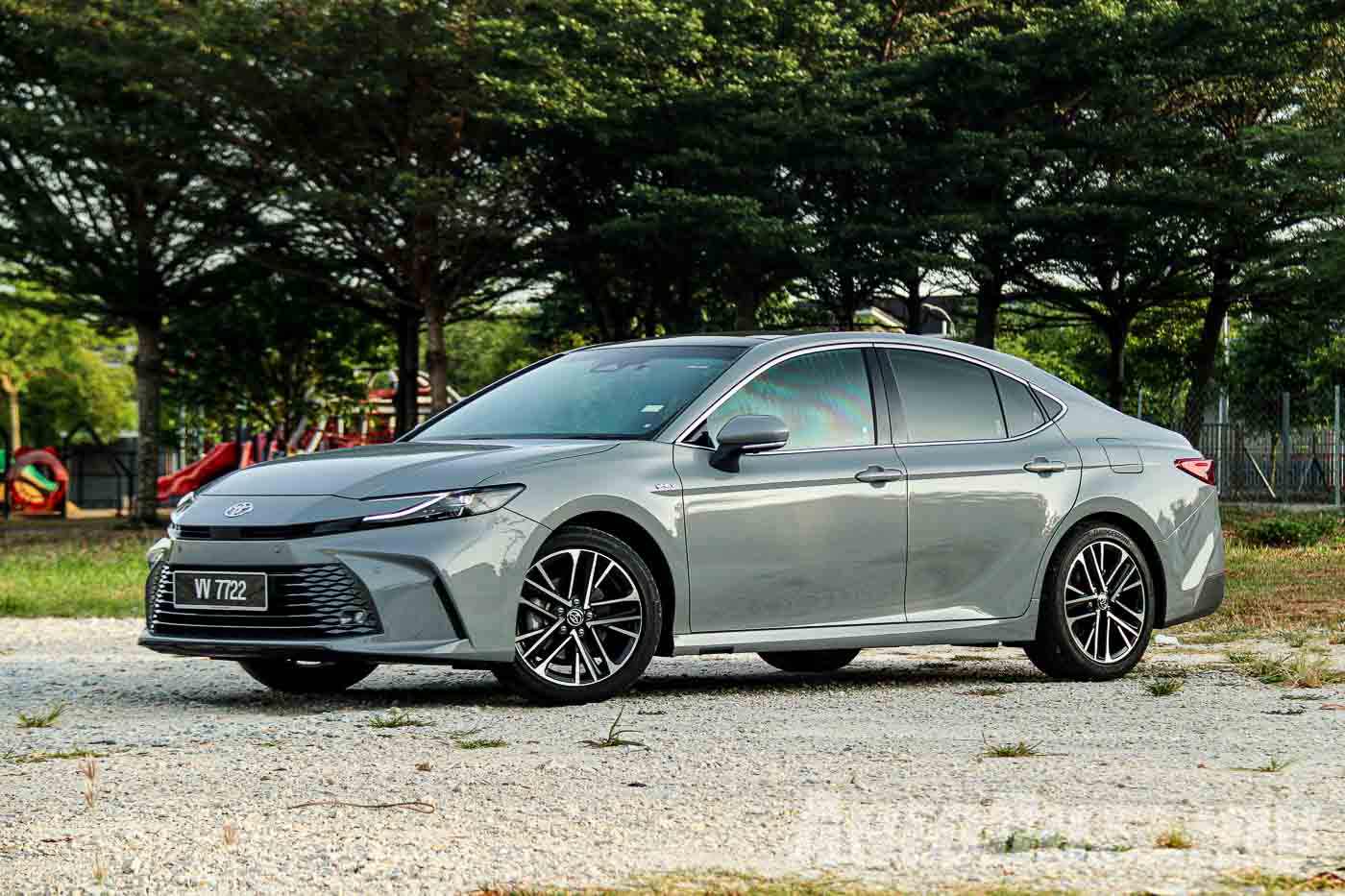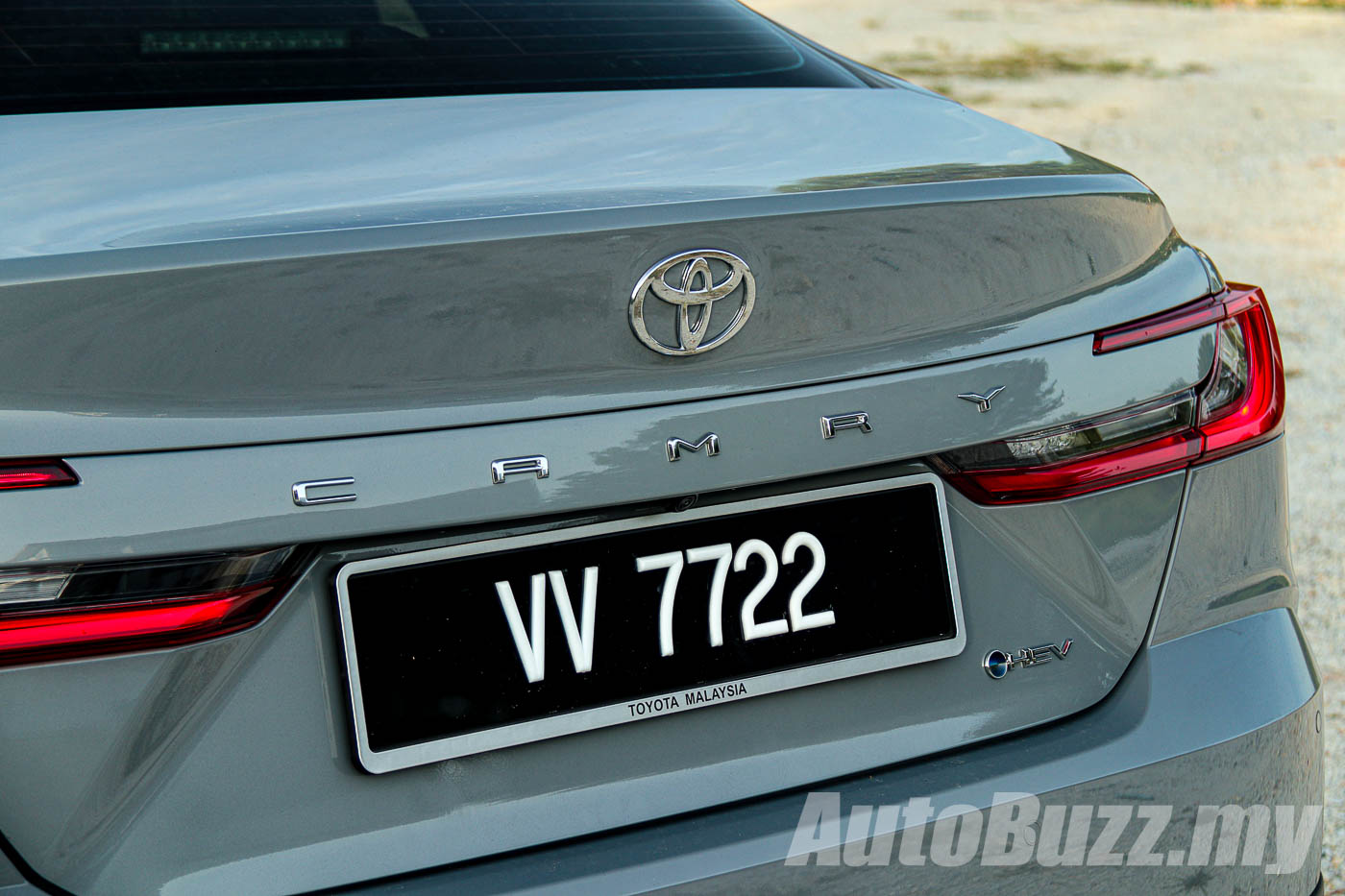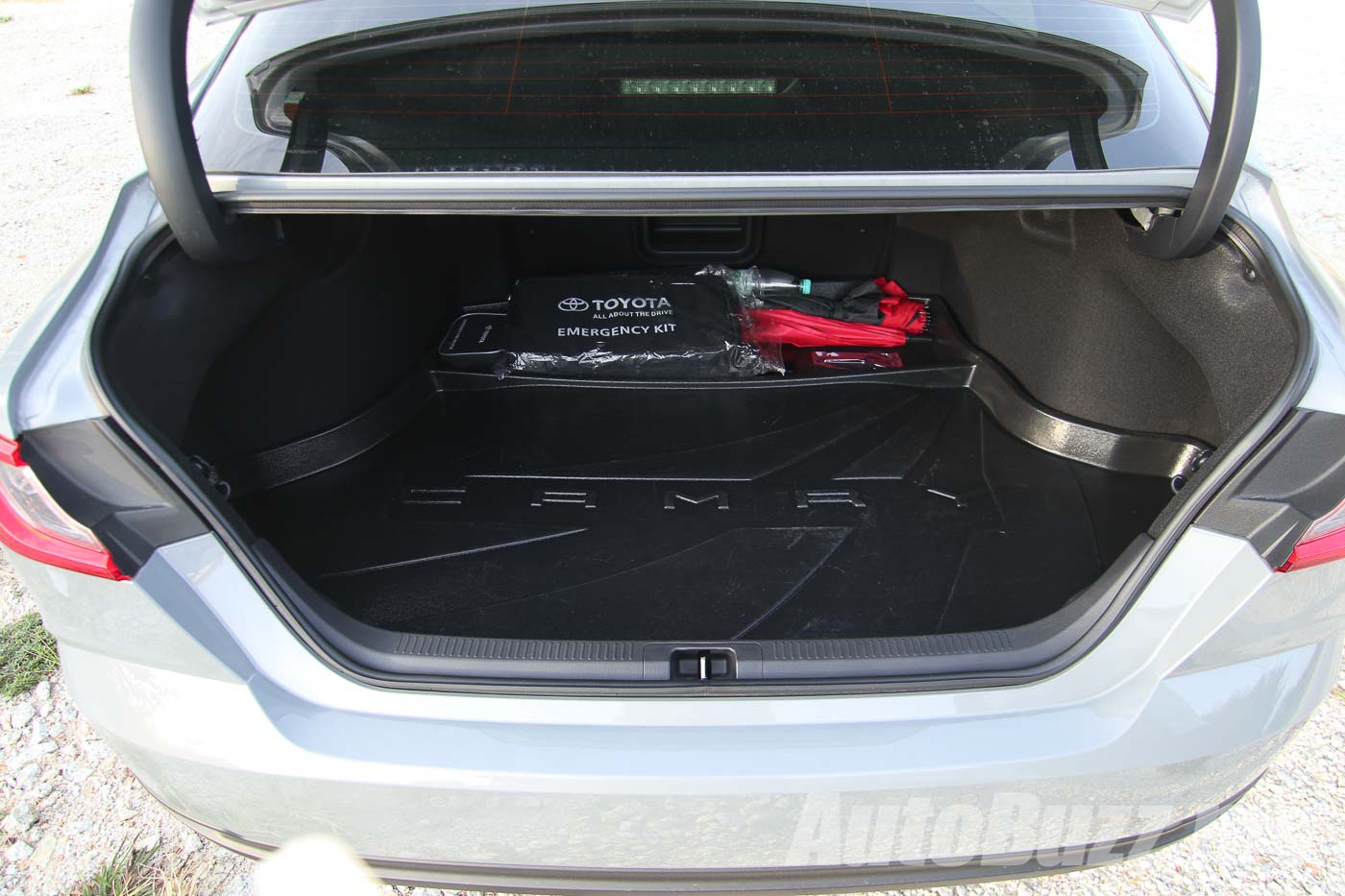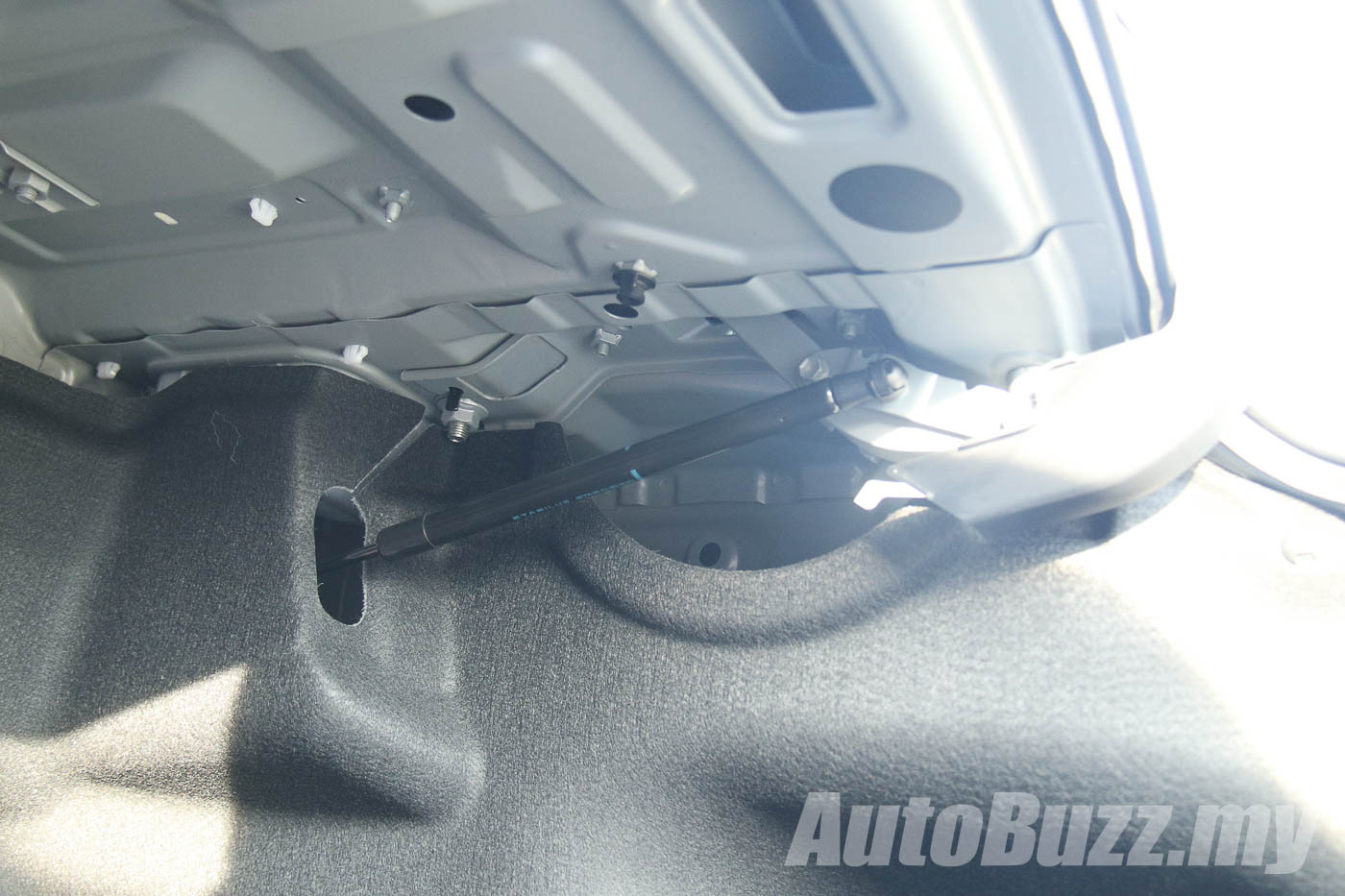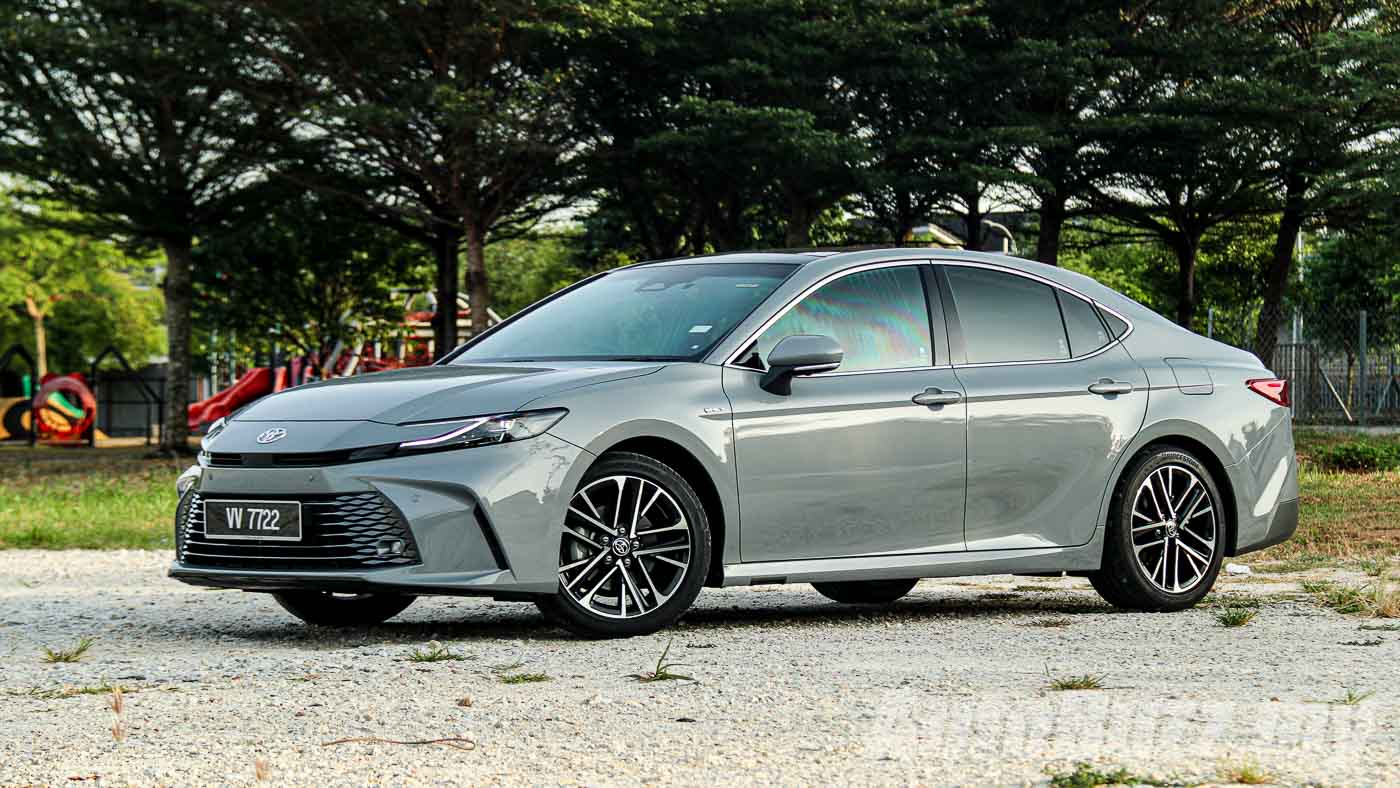
At the press of a button, the rear of the 2025 Toyota Camry Hybrid Electric sprang up to a cavernous space for my laptop bag at Toyota Malaysia’s headquarters. Despite its RM248,800 price tag, the boot lid isn’t motorised.
I shut it manually, with the satisfaction of not straining an electric motor like I do in some premium German test cars. Some of the good ol’ Camry DNA is still well and alive.
Leaving my trusty 13-year-old XV40 Camry in the parking lot, the plush, floaty feel that I am accustomed to is replaced by a firmer and decidedly more teutonic feel, partly contributed by the floor-mounted organ type accelerator.

2025 Toyota Camry Hybrid – Comfortably sporty
Built on the popular Toyota New Global Architecture platform, Toyota has been quietly upping the handling of this executive sedan renowned for ride comfort. It seems their latest effort in this ‘uncle’ car hits the ever-elusive balance between pleasing both the driver and passengers.
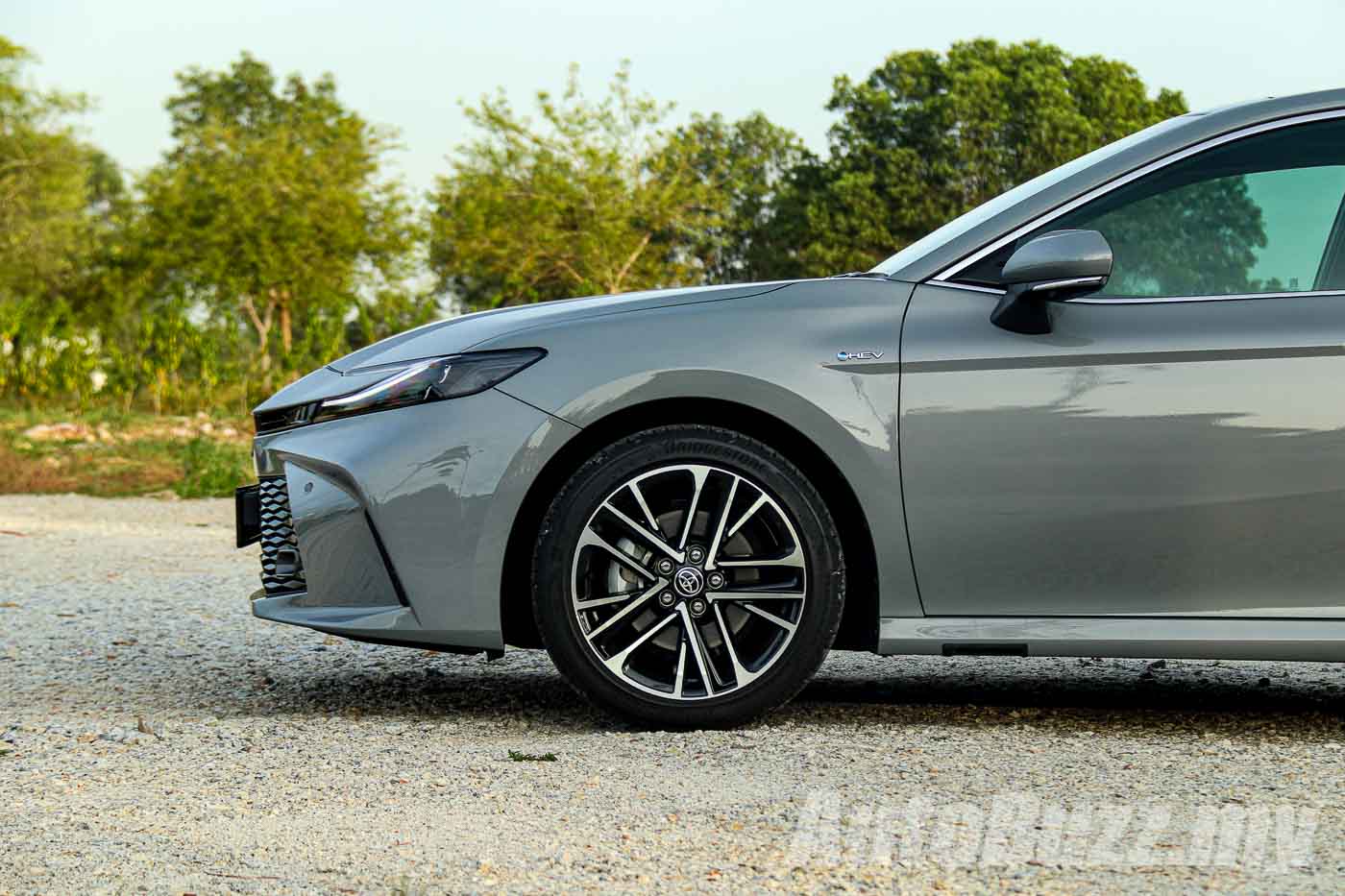
Over the years, whenever I review anything other than SUVs or pickup trucks, my rear end has been conditioned to clench at the sight of bumps and potholes. Turns out it’s unnecessary with this car. Its ability to soak up bad roads is more SUV-like than its low-slung body and relatively low-profile tyres suggest.
Handling-wise, it’s safe to say it hasn’t quite reached the level of finesse of a G20 BMW 320i (not an unfair comparison, considering the price), but it’s not far off from the de-facto benchmark of sport sedans.
Body roll is felt around corners, but not unsettling at all. Taking sweeping corners at triple-digit speeds is definitely doable. And it does paint rings around Munich’s compact sedan when it comes to ride comfort – definitely a worthy trade-off.
Toyota Hybrid System – Hitting high speeds without forced induction
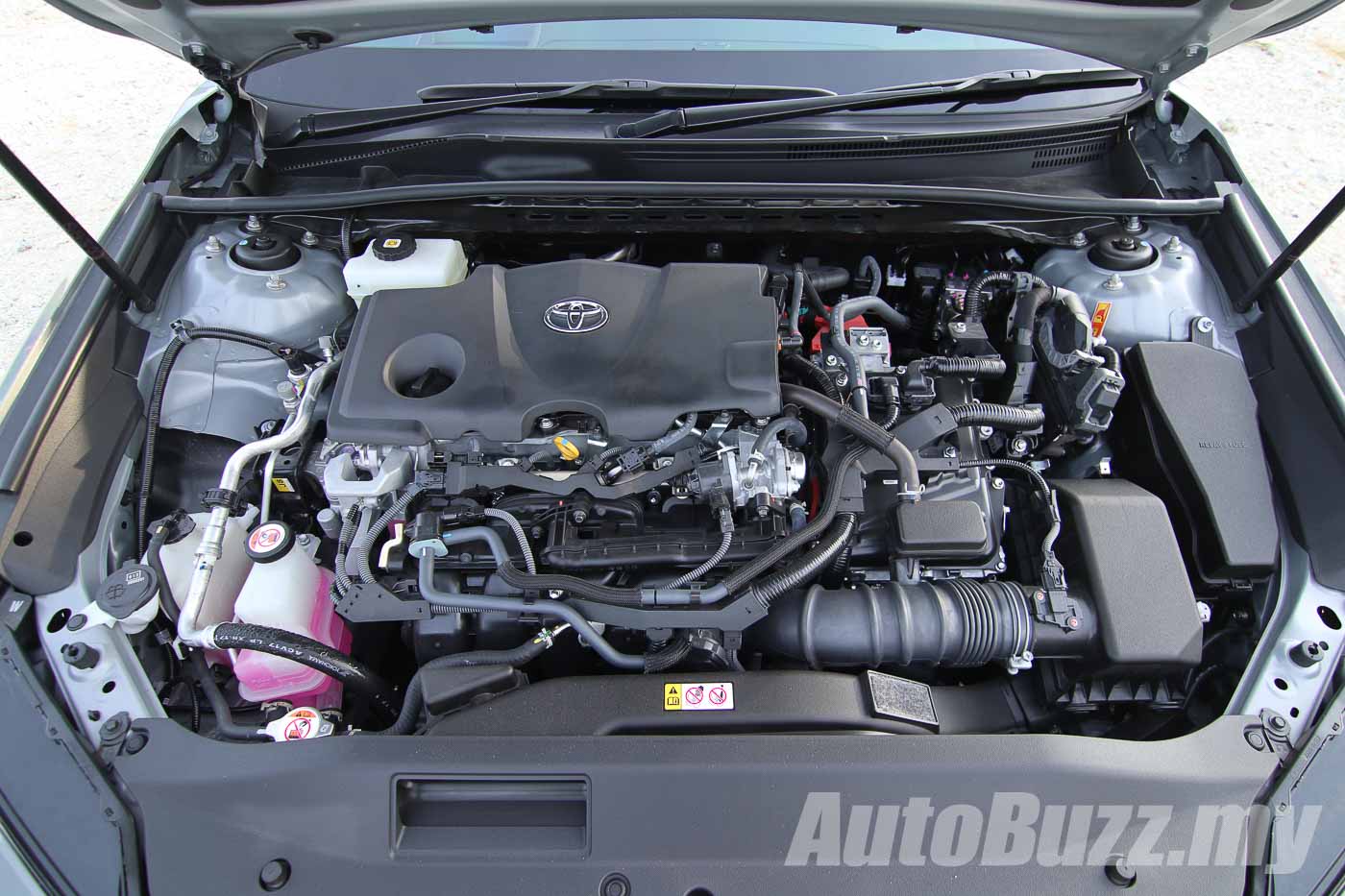
Our test unit is the hybrid electric version, which means there’s decent poke to complement that capable ride and handling. With a combined output of 230 hp, this D-segment sedan does the 0–100 km/h sprint in 7.2 seconds, a negligible difference to the 320i’s 7.1 seconds (why do I keep drawing this car into the picture?).
Toyota’s fifth generation Hybrid Electric System is key to how it delivers that punch. It now uses a lithium-ion battery, replacing the older nickel-metal hydride unit used in the previous generation.
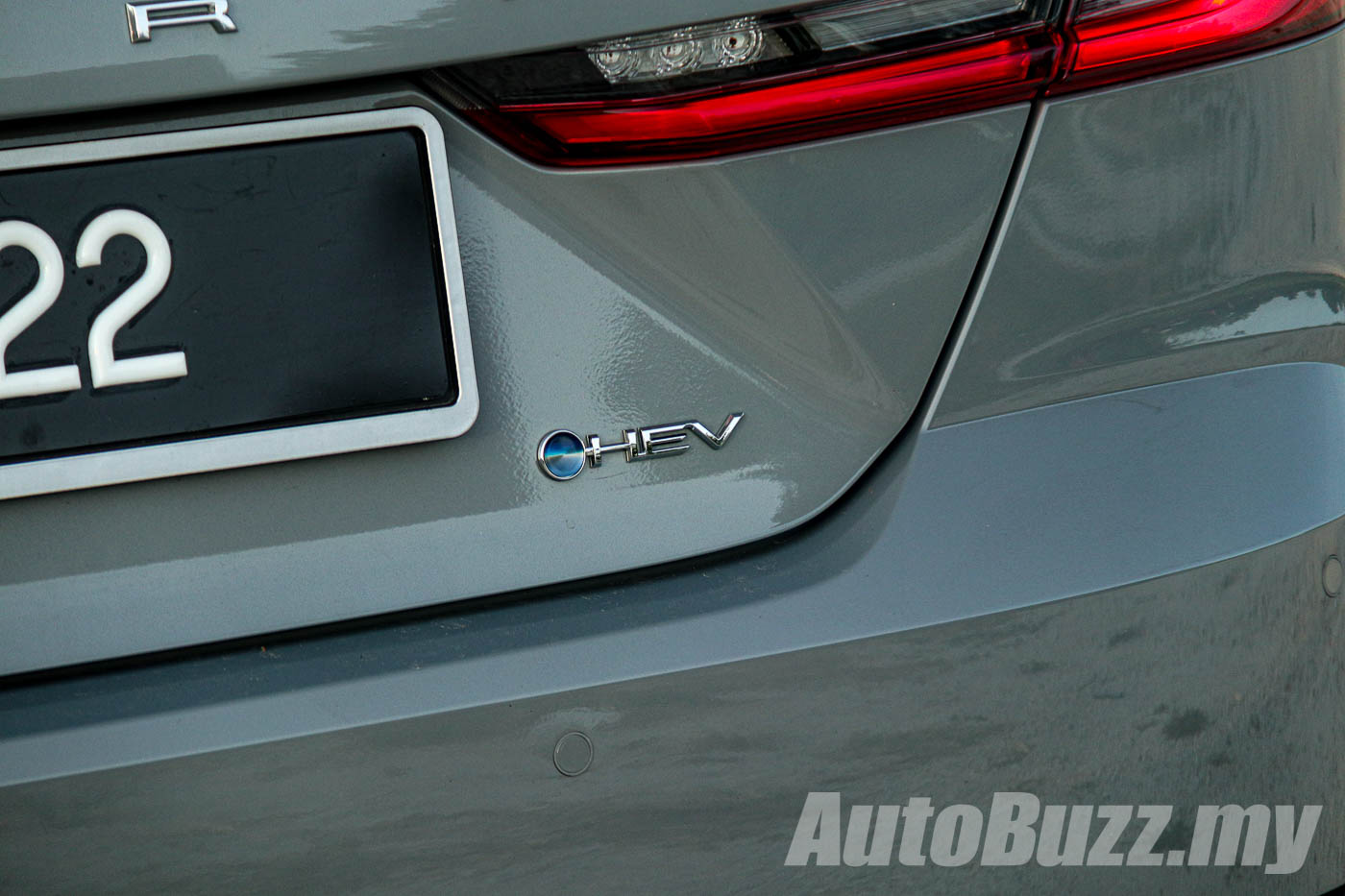
The architecture hasn’t changed much—Toyota has steadfastly stuck to its parallel-series layout through the years, even as rivals shifted gears. Honda dropped its IMA system for a more series-hybrid-esque e:HEV system. Nissan has also shifted from their S-hybrids to the purely series-based e-POWER. Toyota, for better or worse, stayed the course.
In this latest version, that course delivers results. Toyota claims up to 1,200 km on a full tank. It’s efficient, yes, but what stands out is how responsive it feels. It picks up cleanly, surges ahead confidently, and gives you the impression it will pull as keenly to the double century mark.
The EV-like smoothness you get from Honda’s e:HEV under full load isn’t quite here. When you really put your foot down, you’ll feel the engine kick in with a jolt, not disconcerting, but noticeable.
Still, it’s hard to fault the overall tuning. There’s no forced induction here, yet it delivers performance-sedan-like driving dynamics. And despite being driven with a fairly heavy right foot throughout the test period (almost everyone at the AutoBuzz office found an excuse to take it out), fuel economy never dipped below 16km/l.
If we had to find another shortcoming, wind noise is quite apparent at higher speeds; there’s no double-glazed windows. But the car stayed assuringly stable, it neither floats nor necessitates extra steering correction at the wheel.
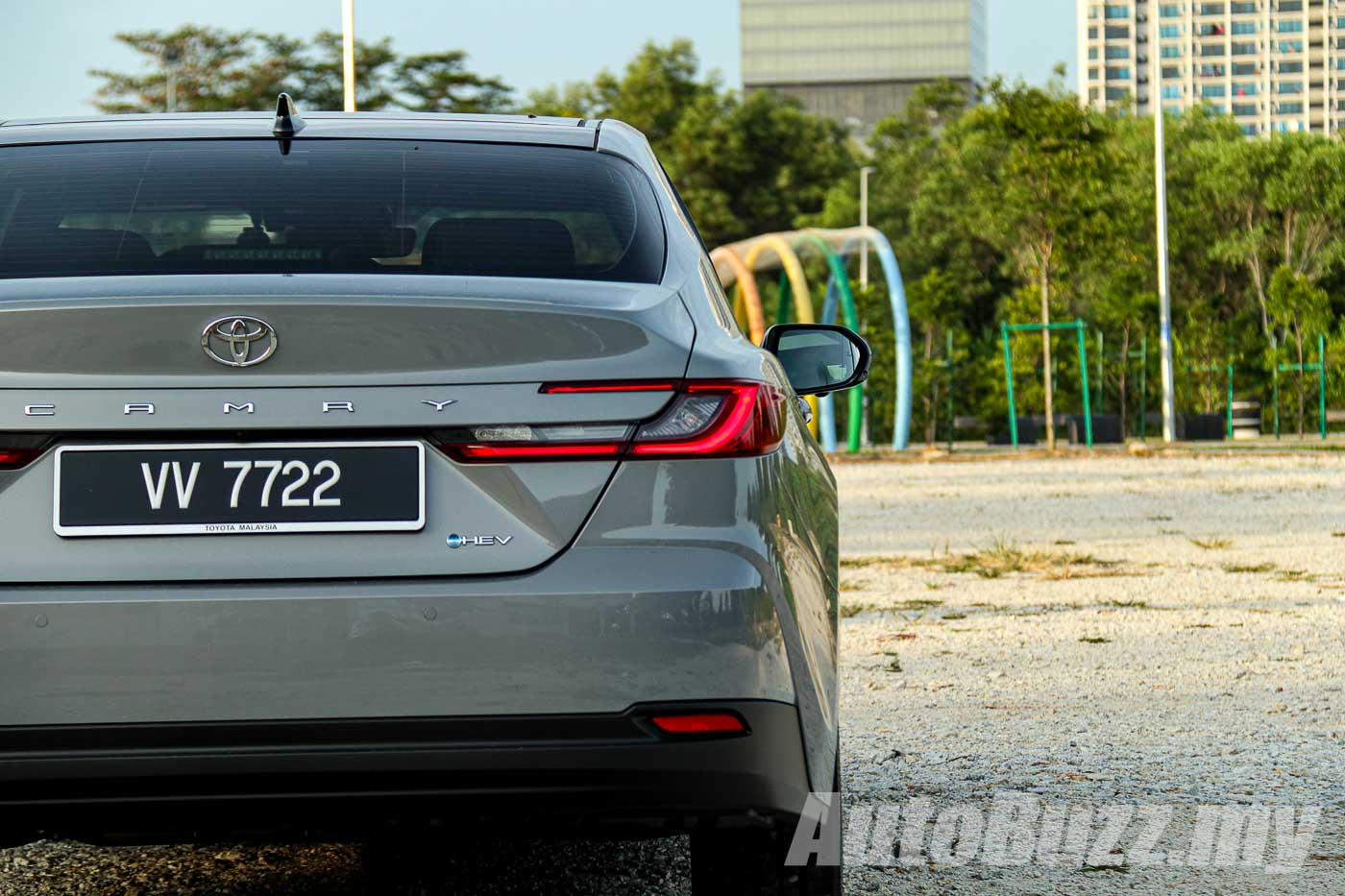
Familiar silhouette with sharper details
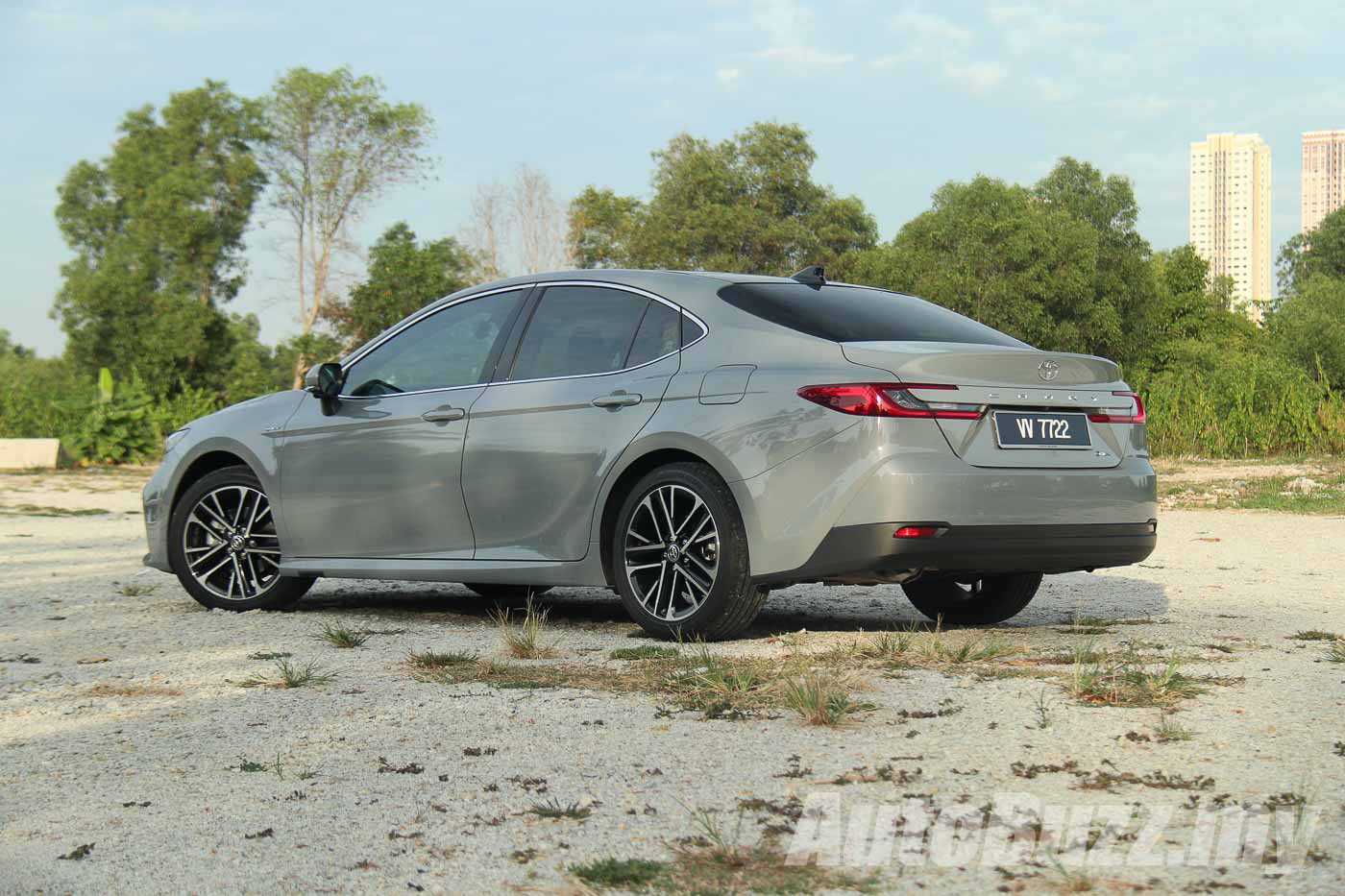
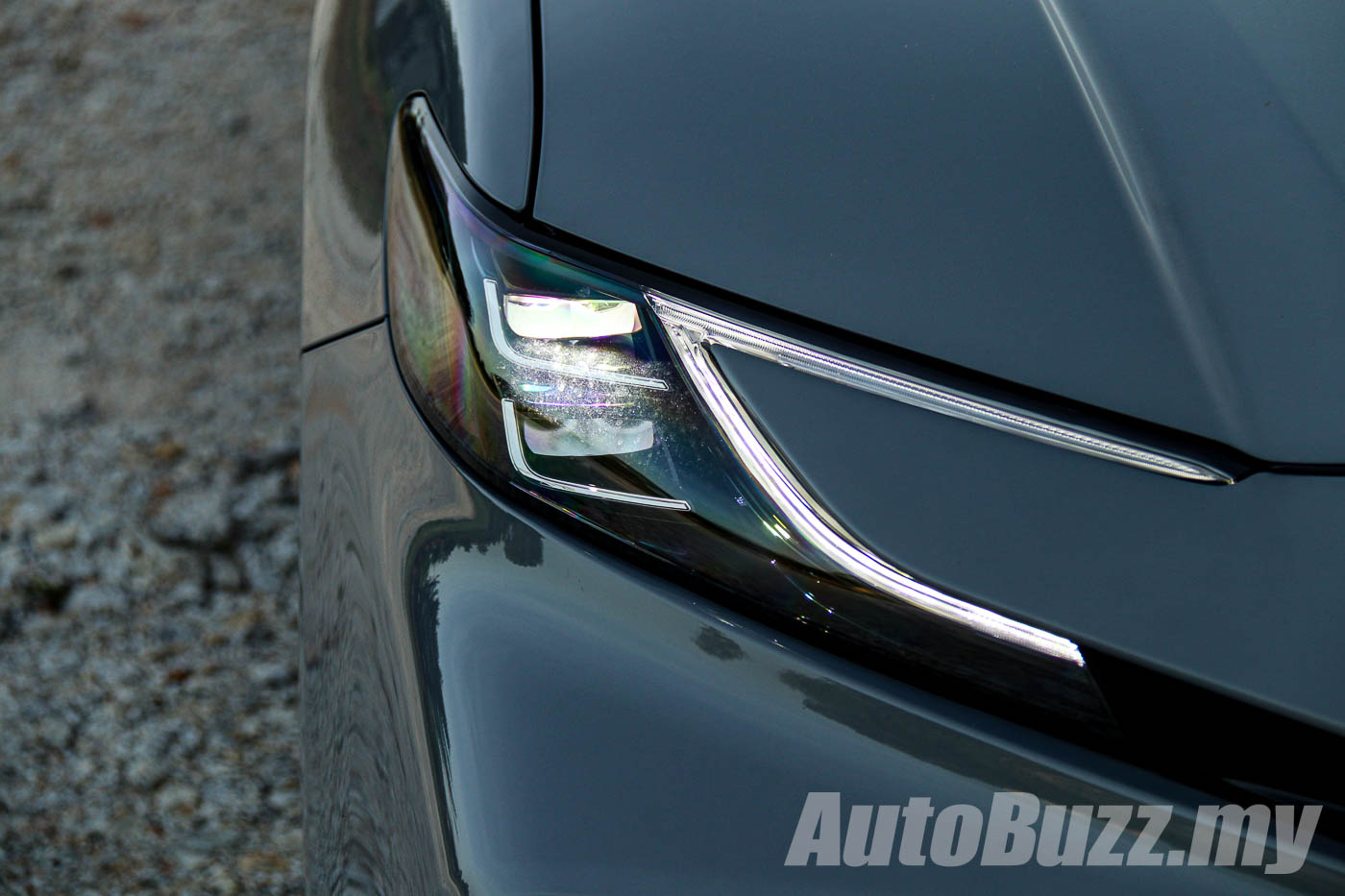
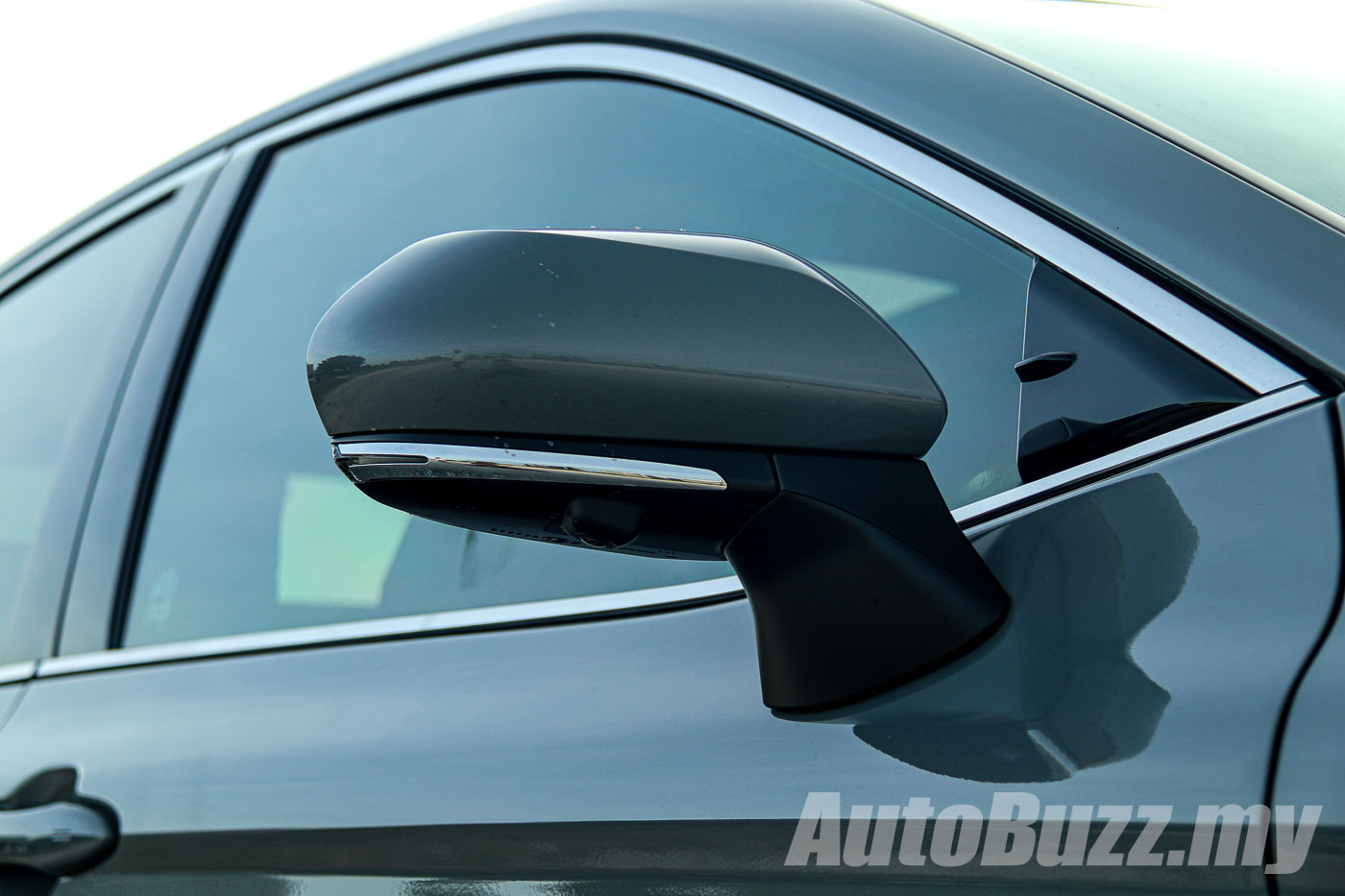
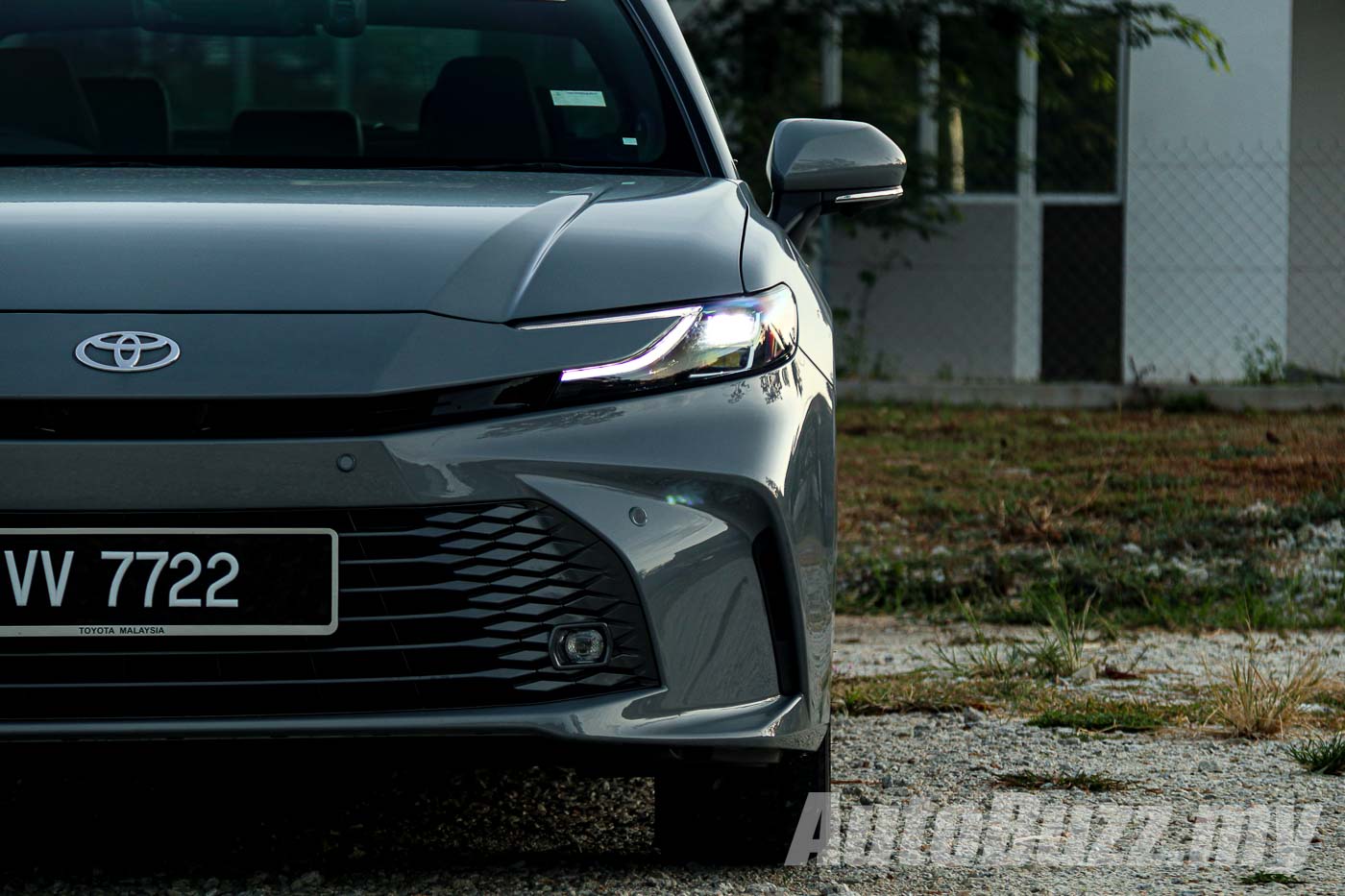
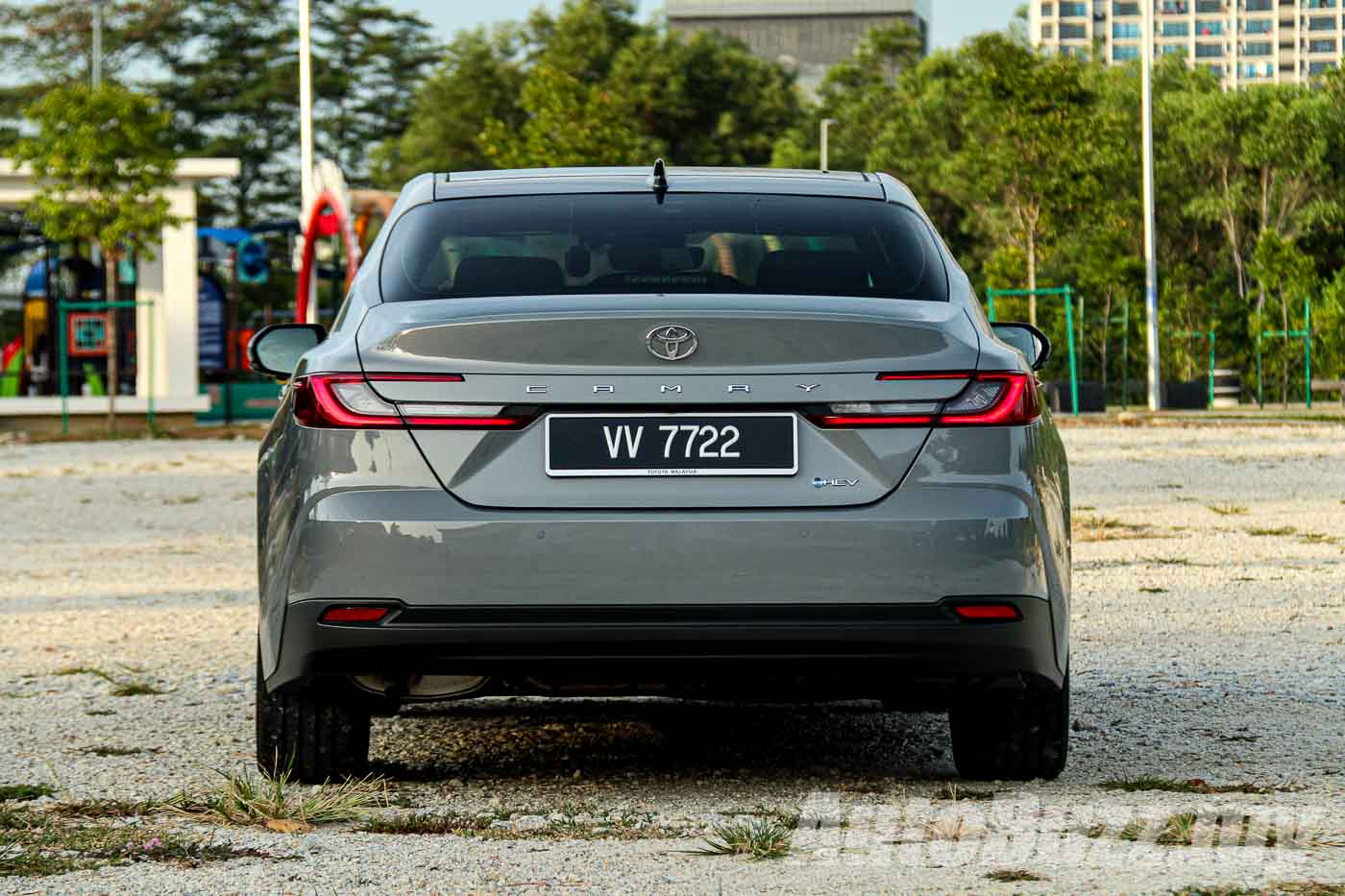
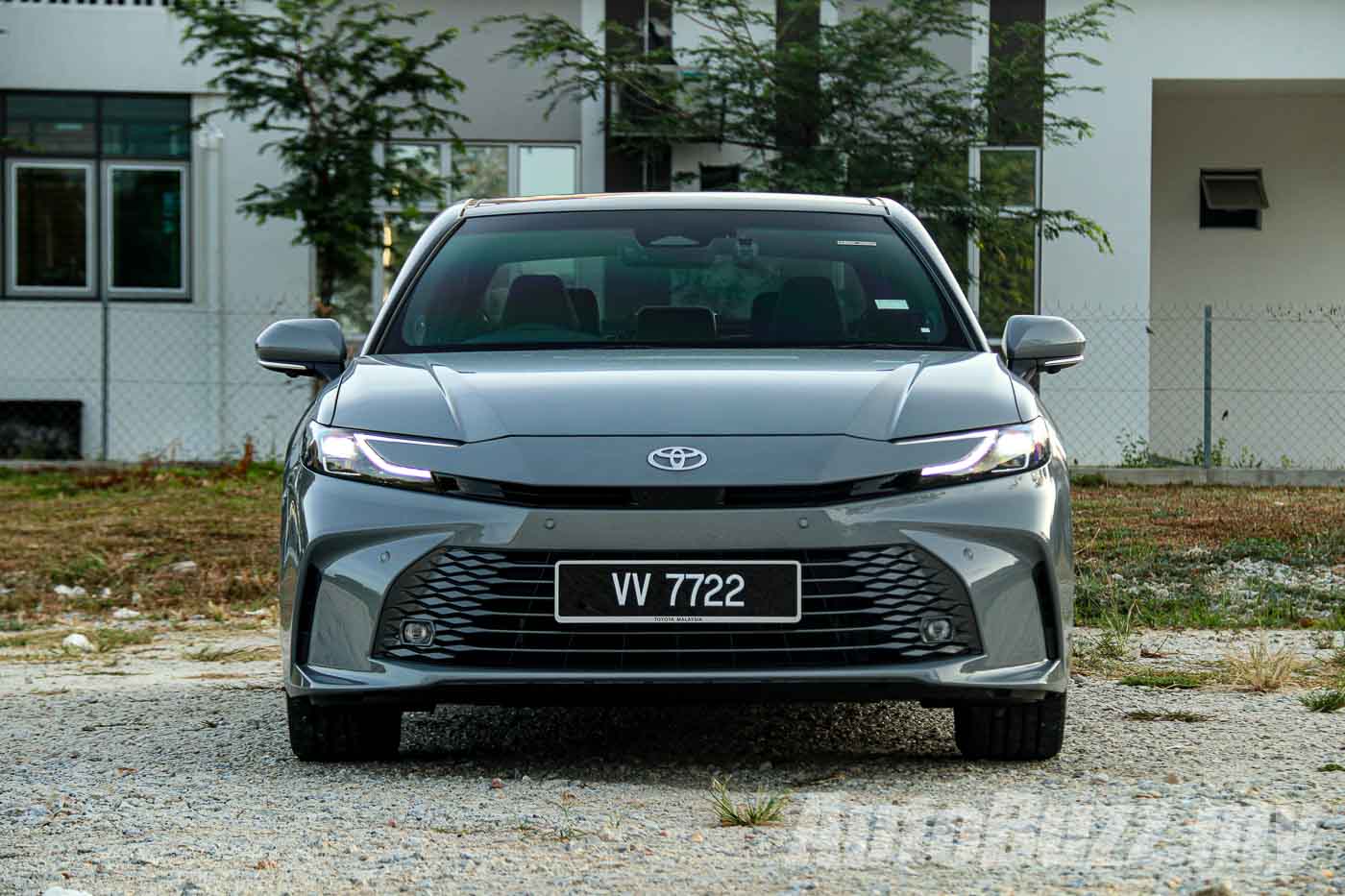
The 2025 Toyota Camry Hybrid still carries over the squat stance first introduced with the XV70. The latest iteration now gets the new hammerhead front design and a more sculpted rear bumper. An acquaintance, who runs a spare parts shop and is a longtime Toyota fan, mistook it for a Toyota Crown, which had netizens comparing it to the Ferrari Purosangue when it first appeared.
And while we’re on the topic of form and function—the front bumper vents are real, and it’s a pity the tailpipes were concealed at the rear, which otherwise would have fit this car’s sporty intentions. Regardless, we don’t see any faux external vents and trims. Kudos to Toyota’s design team for bucking the trend.
The rear roofline, however, causes a mild trade-off. It slopes down fairly steeply, which makes the installation of a child seat a bit more awkward than it needs to be.
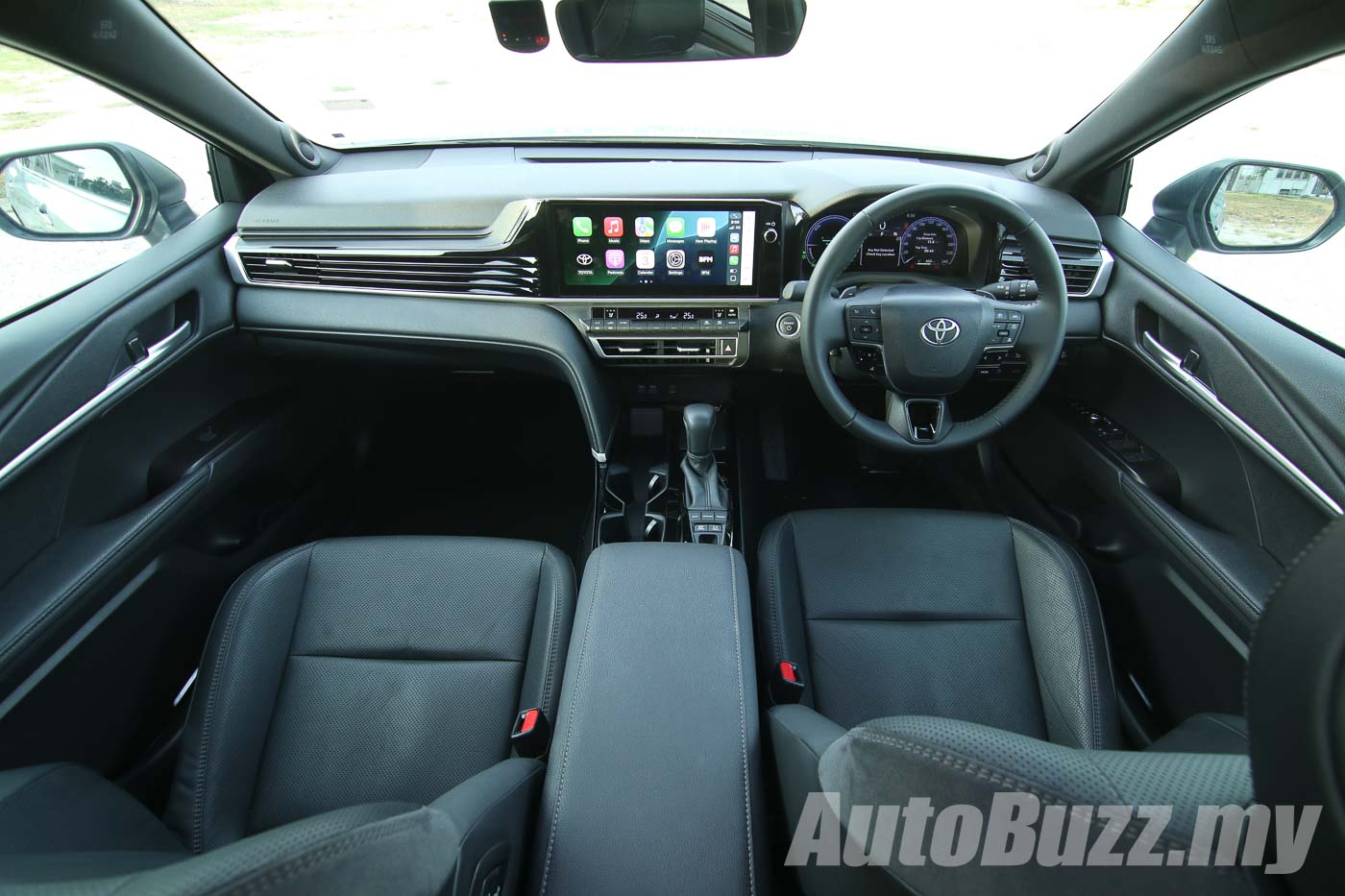
Slightly more upmarket, yet still familiar interior
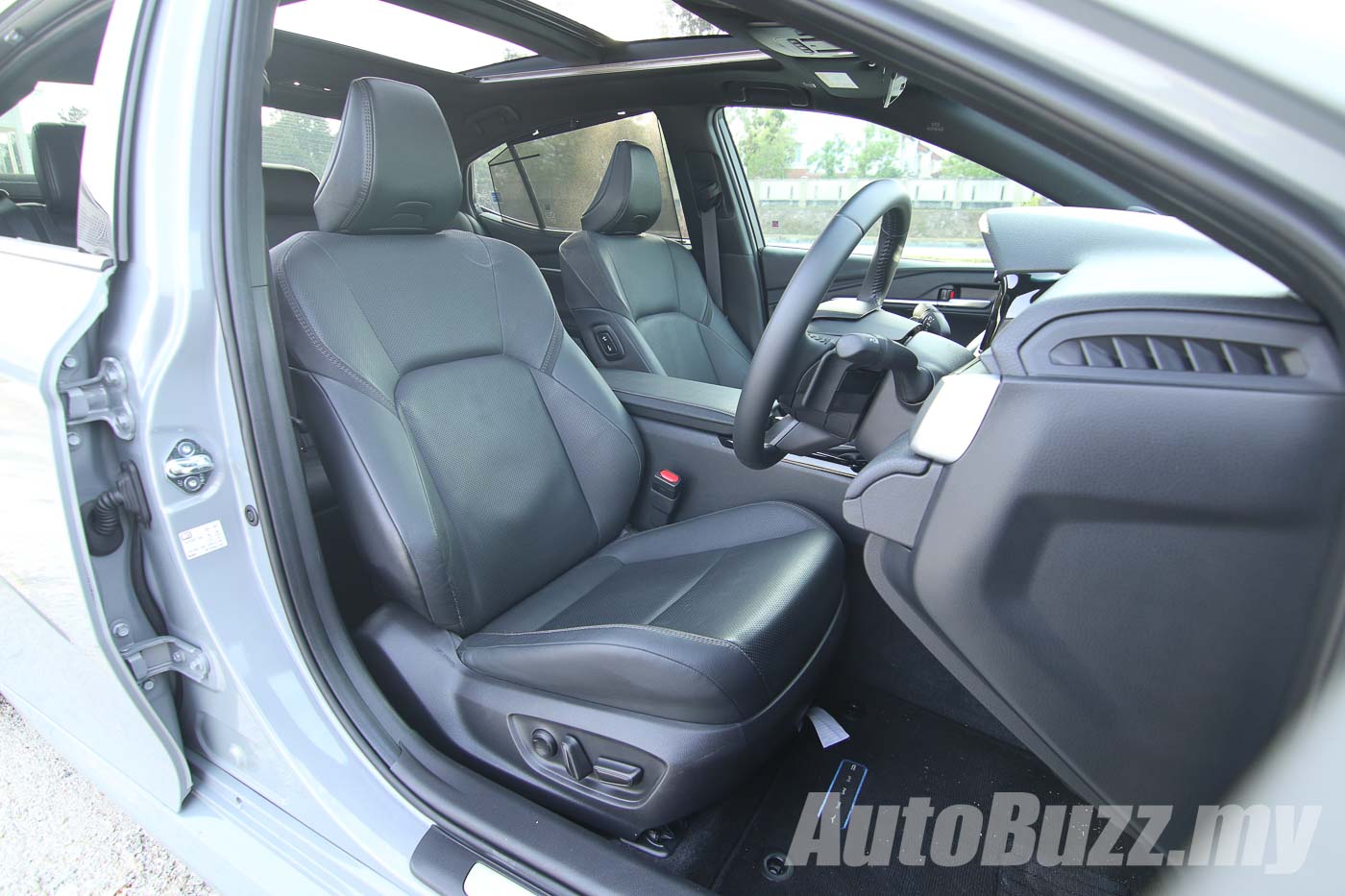
That roofline carries into the cabin, where you sit lower than before, but visibility remains excellent. Credit goes to the TNGA platform for keeping the pillars thin and visibility clear. A few interior surfaces like the door lock still use plastics, but soft touch surfaces still cover most of the cabin.
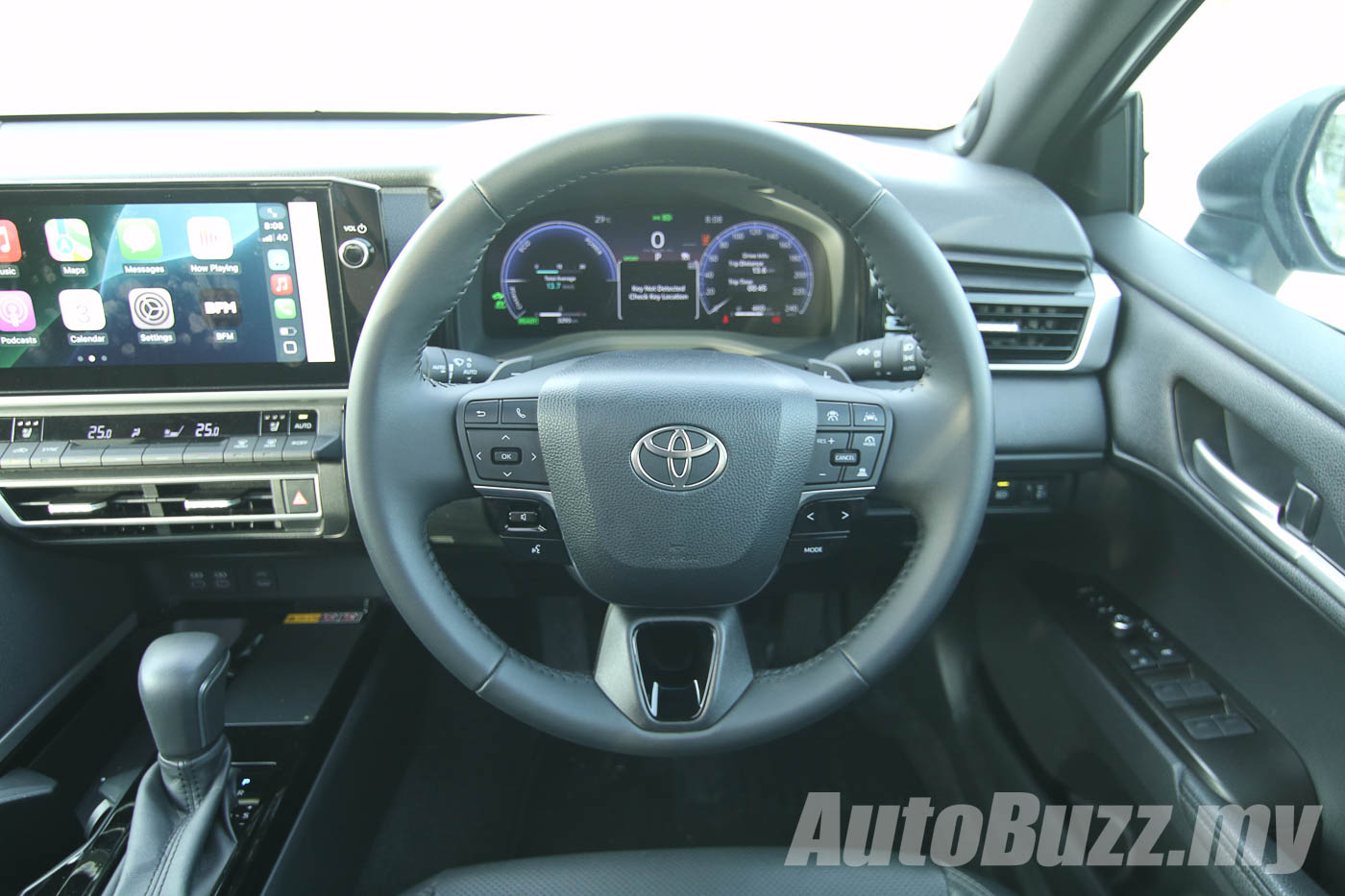
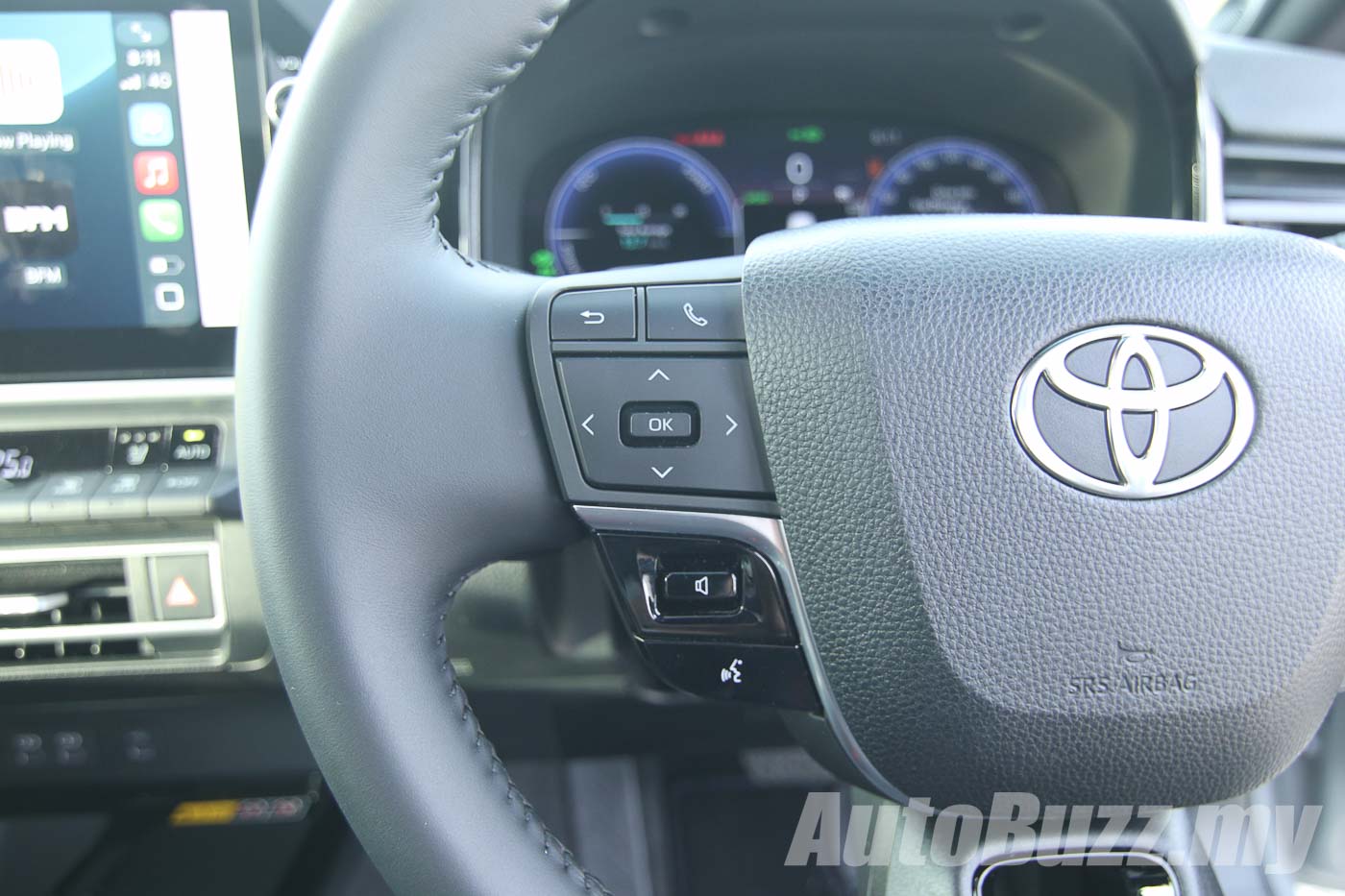
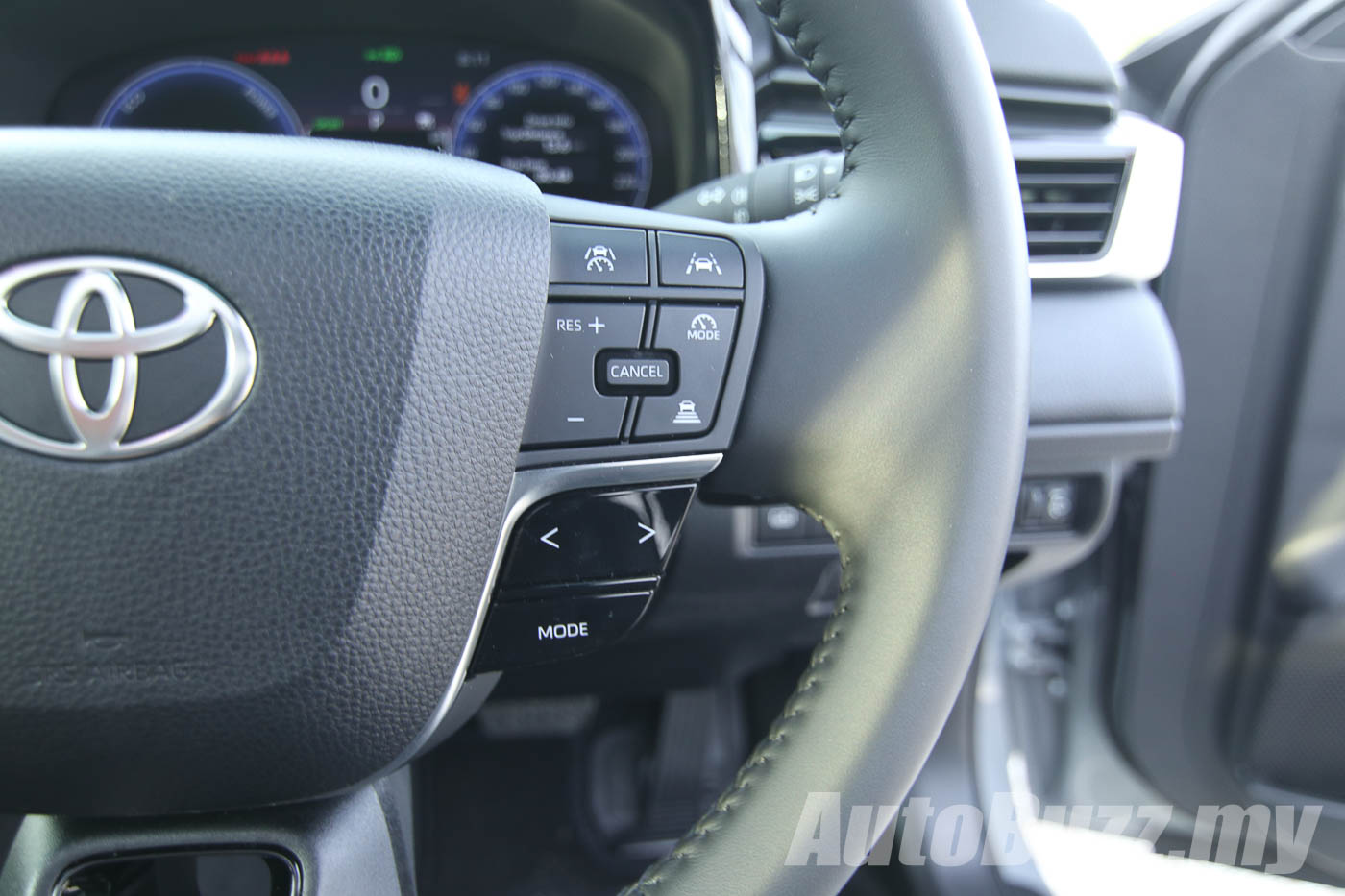
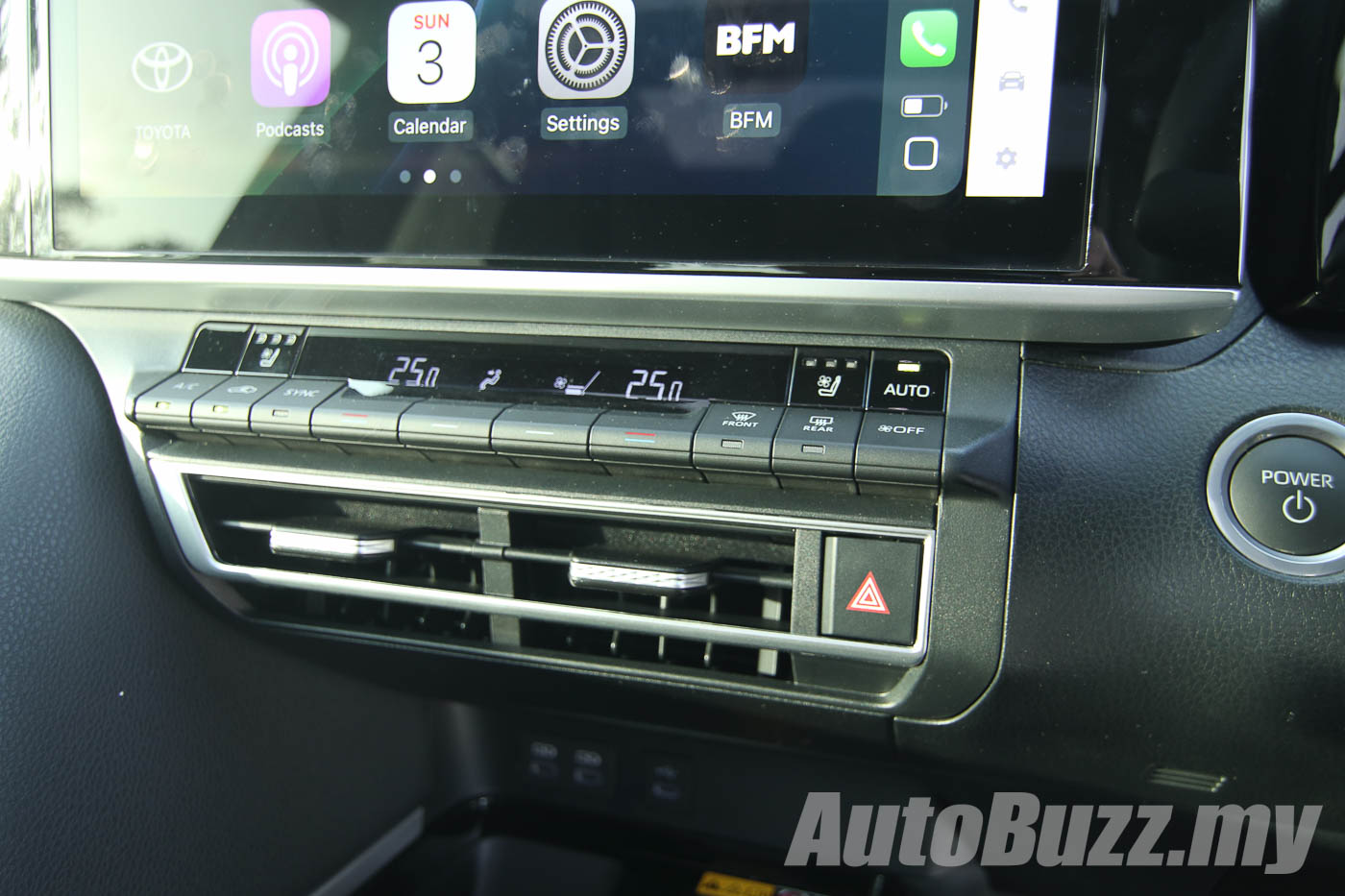
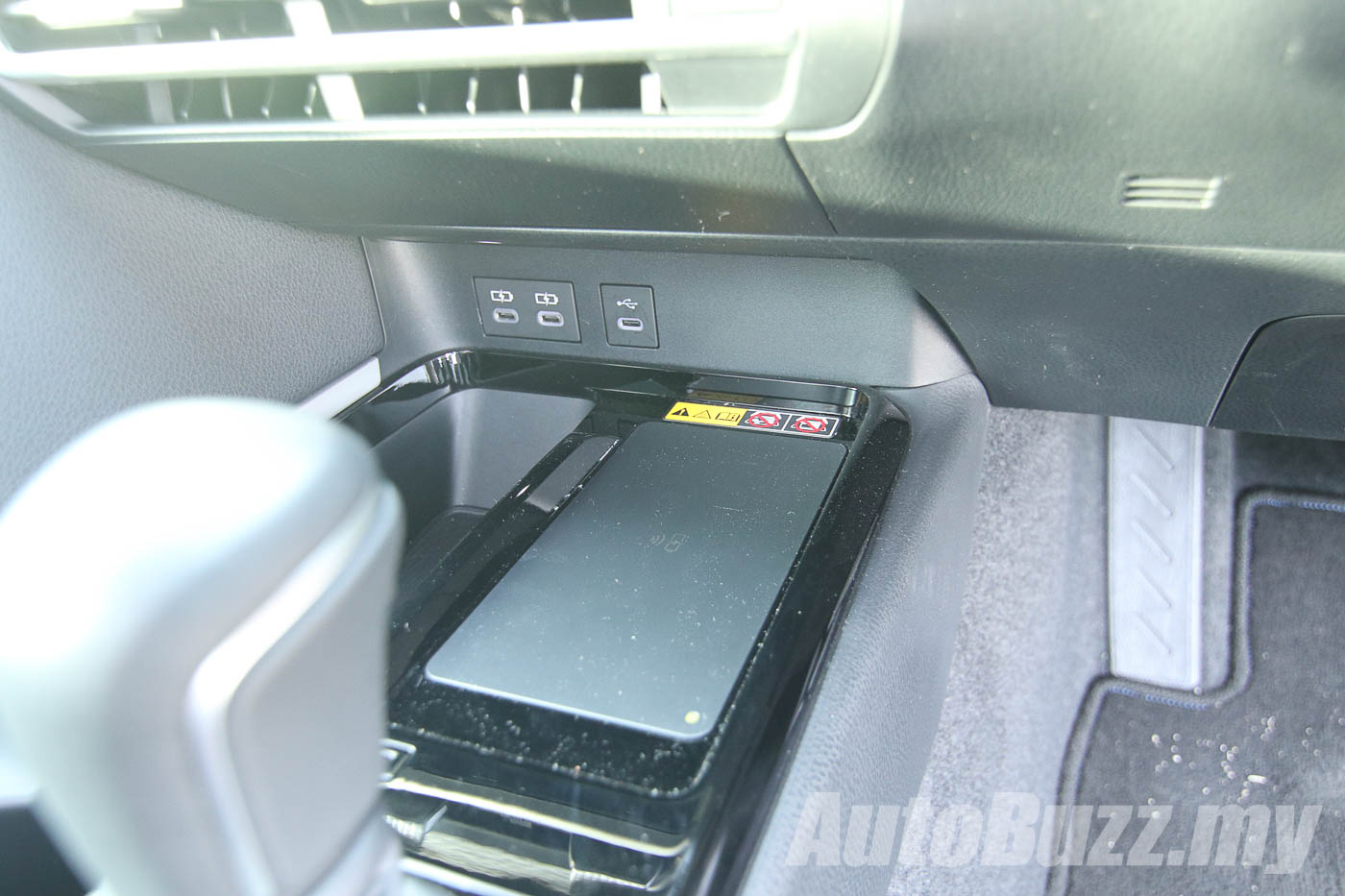
A Lexus RX500h F Sport owner pointed out how familiar the infotainment system felt, including the voice prompts from the DVR. It’s not a bad thing. The controls are sensibly laid out; AC buttons are all physical, and if you’ve driven a Camry before, you’ll find the placements immediately familiar.
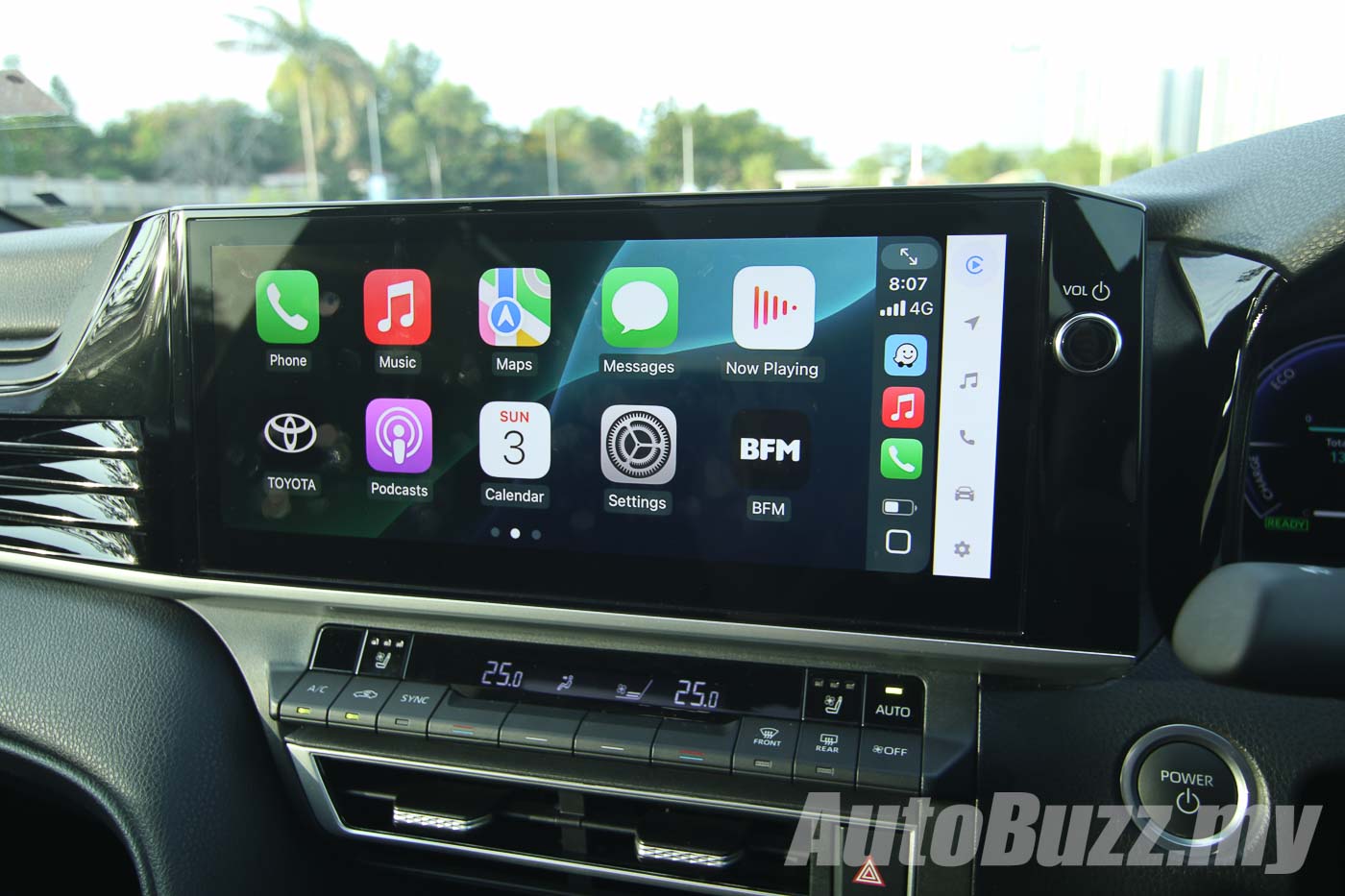
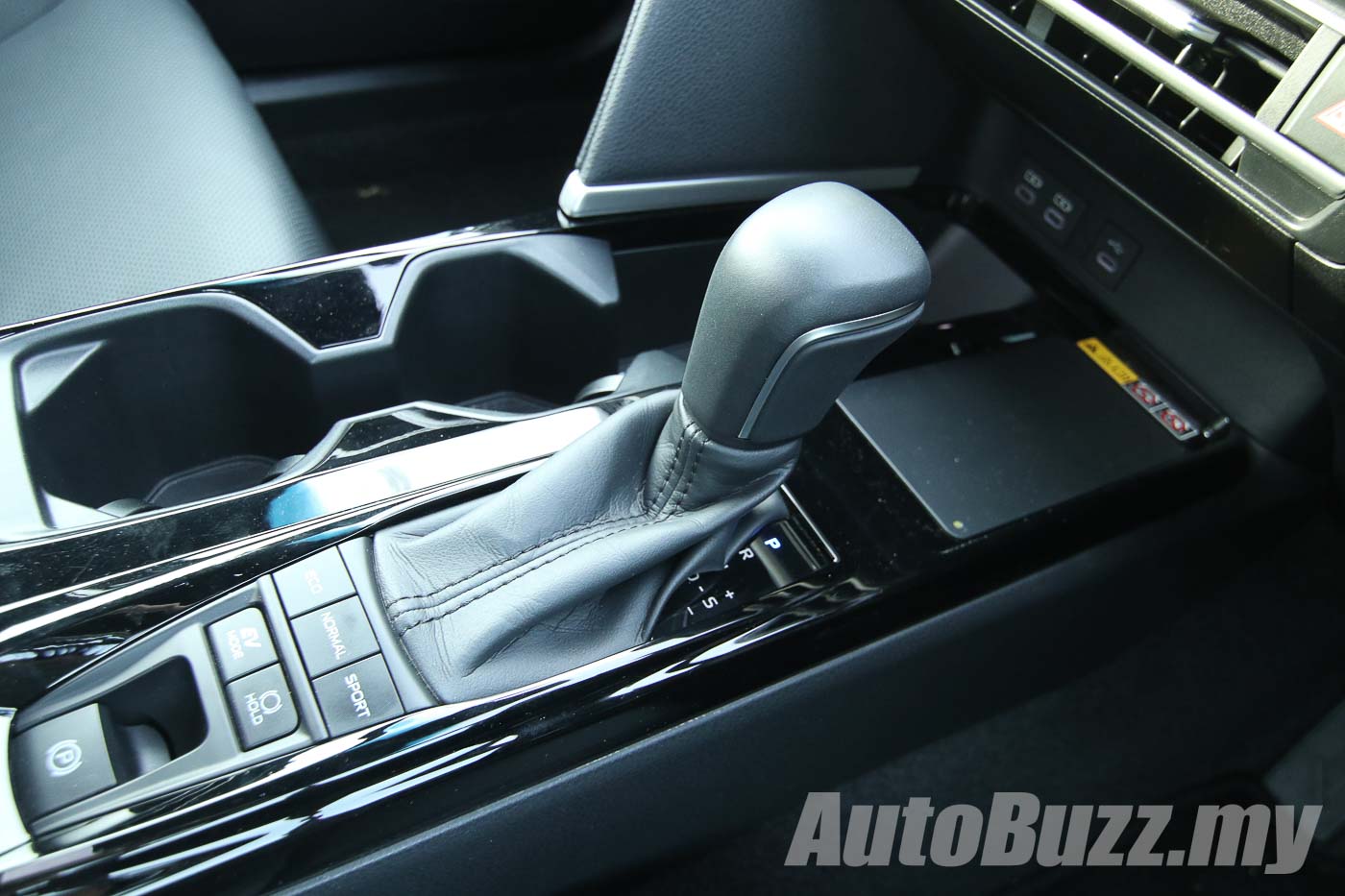
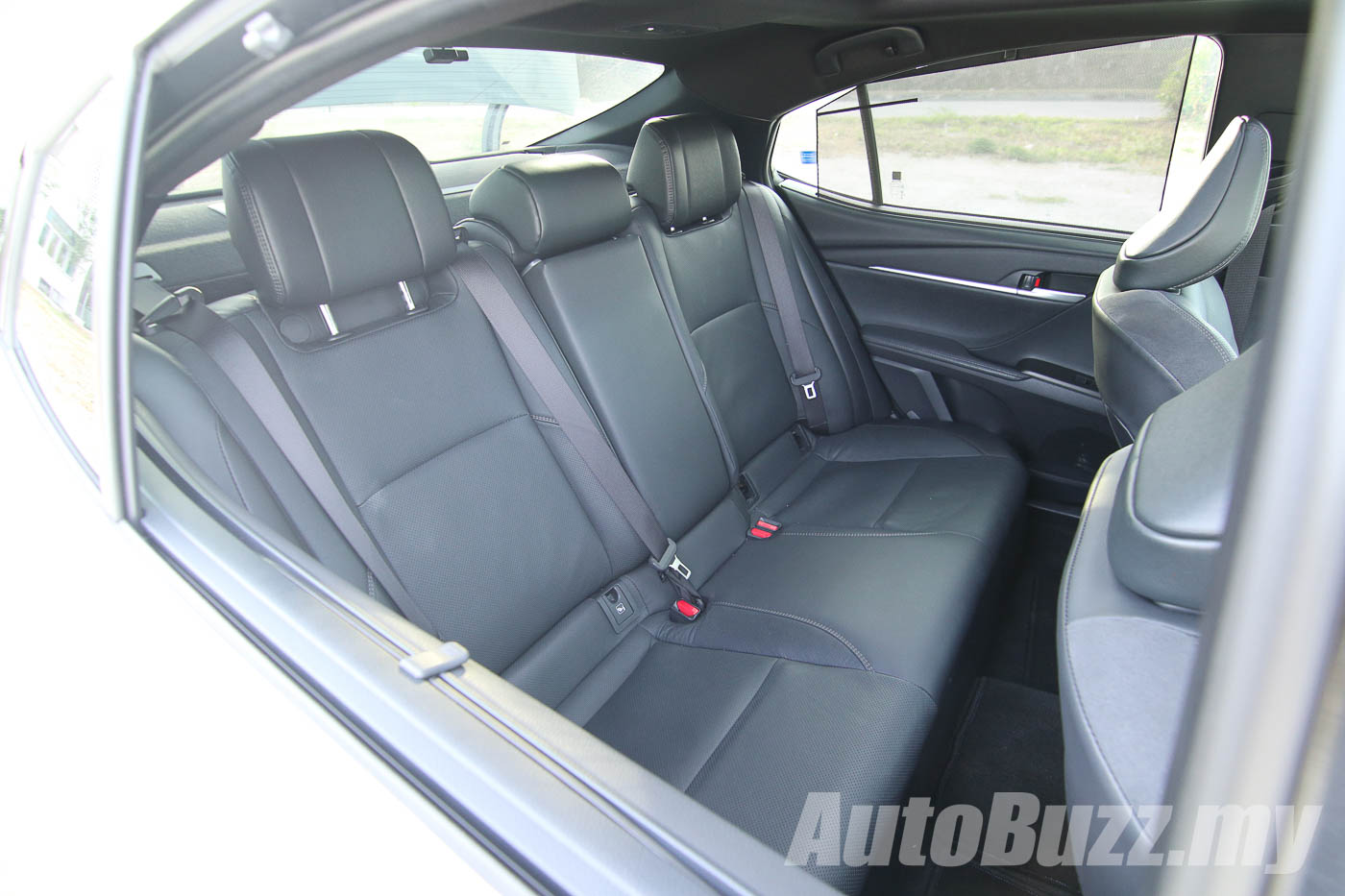
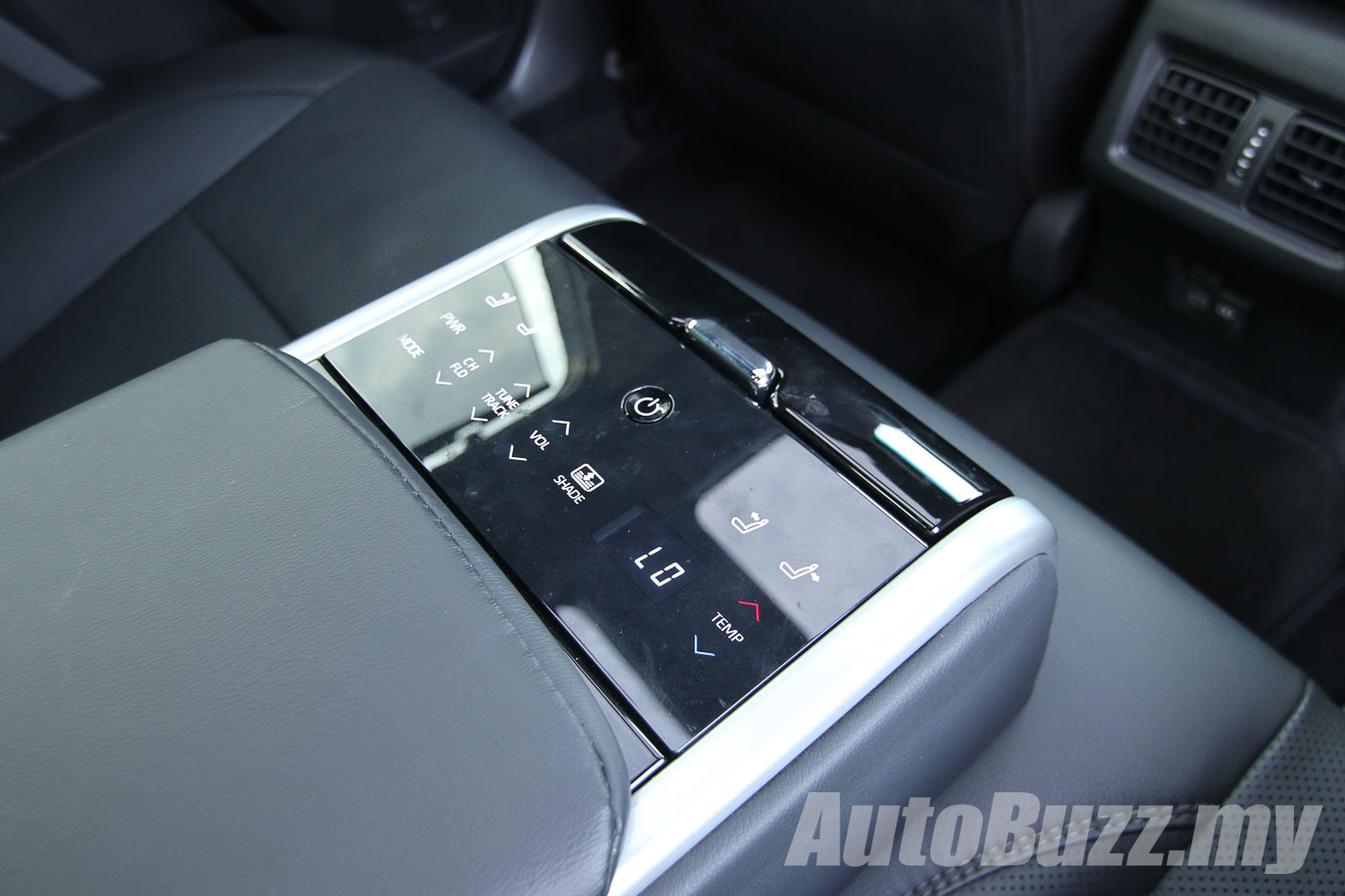
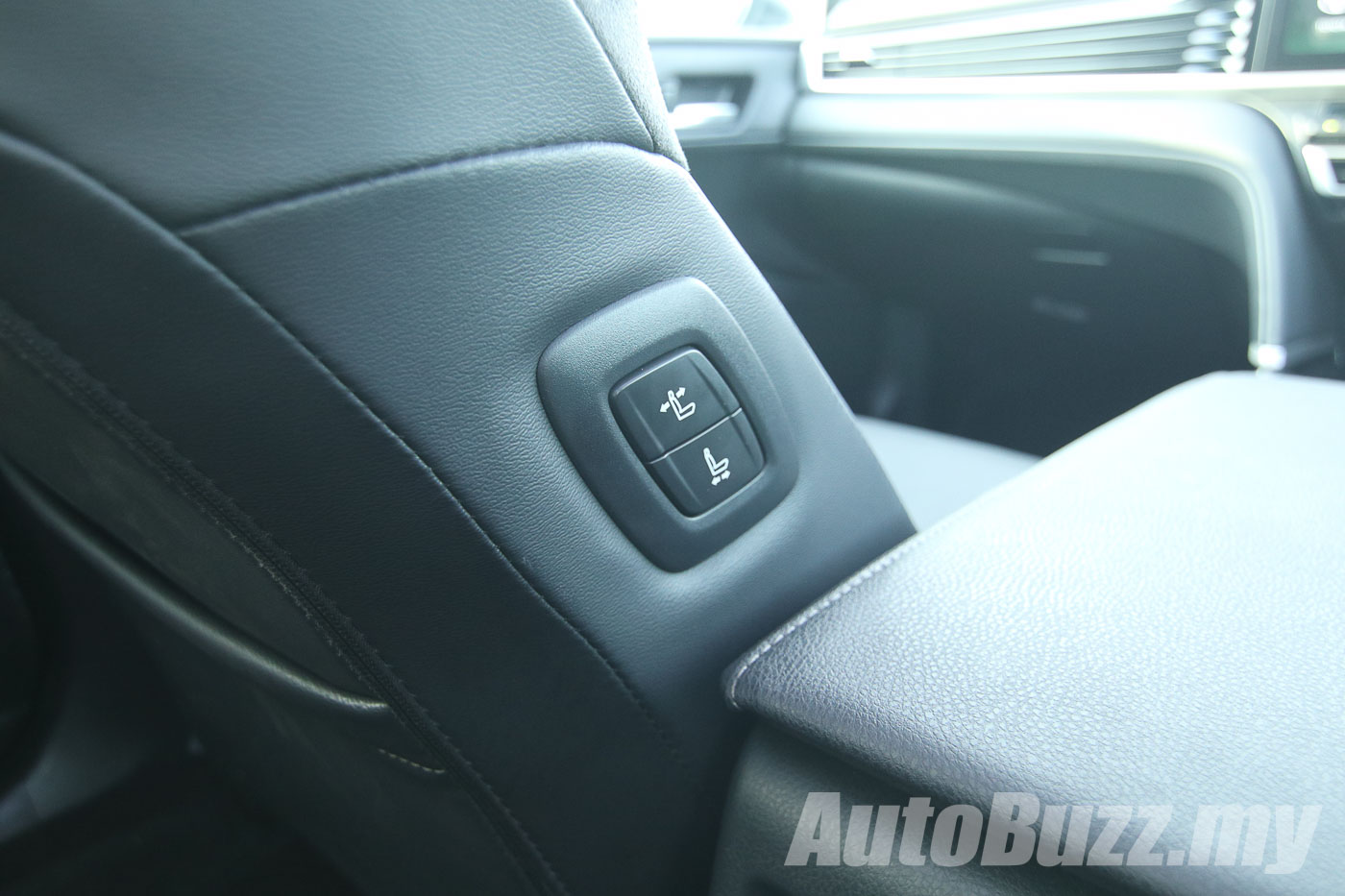
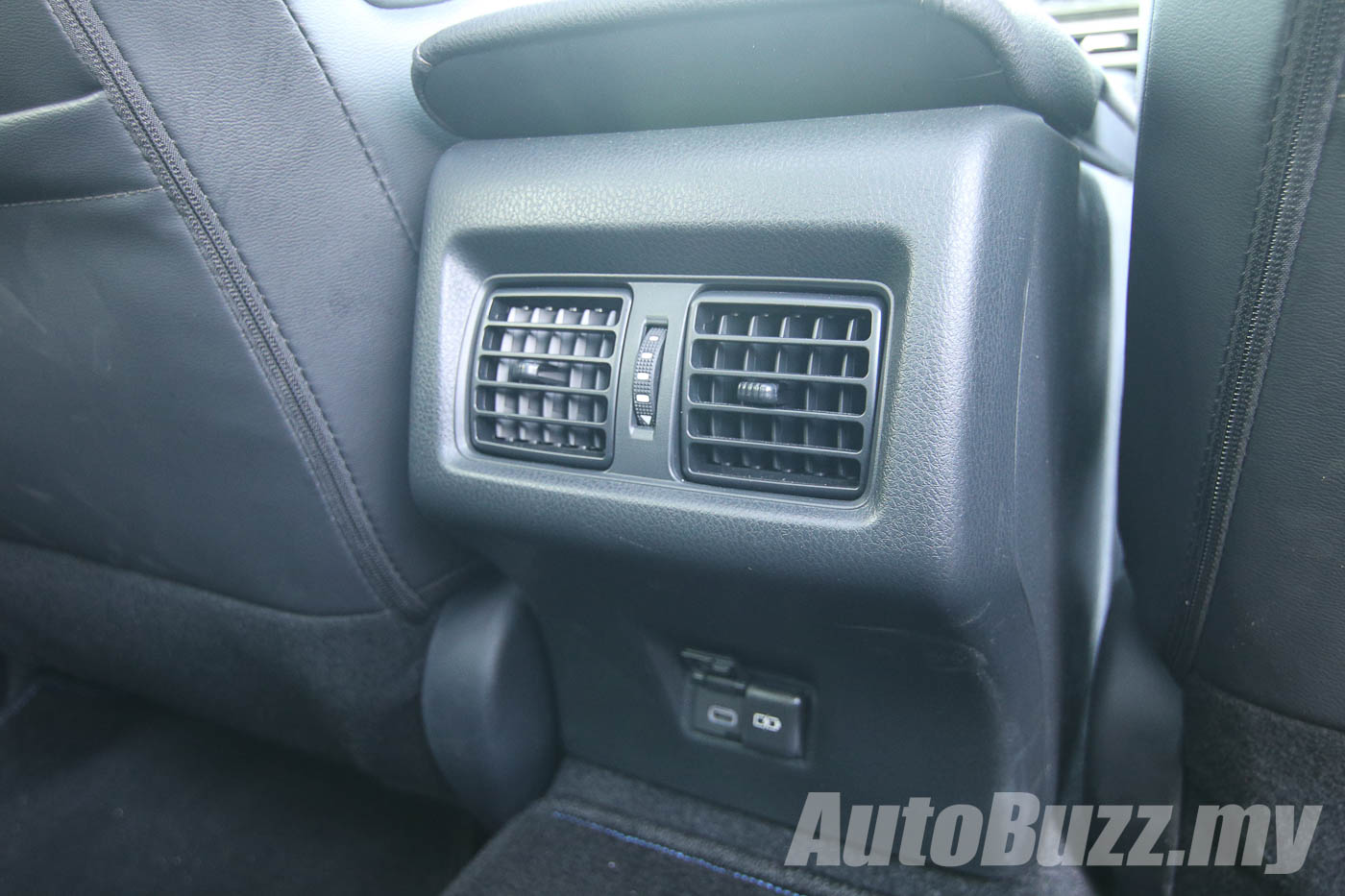
At the rear, the control panel adds a business-class touch, although in practice, it ended up being a novelty for the kids. My sons had a field day toggling the rear window shade, third-zone temperature, and their latest K-Pop playlist.
There’s also something about the Camry nameplate worth mentioning. Years ago, Prime Minister Anwar Ibrahim rejected the purchase of a German sedan for his official duties, after he fielded questions about this decision, he left in a XV70 Toyota Camry.

2025 Toyota Camry Hybrid: A lot of car, but priced as such too
As we wrapped up the shoot, a jogger slowed down, glanced at the car, and said it looked great. But then he frowned slightly and added, “it’s a bit expensive though.”
He’s not wrong. At RM249k, the Camry Hybrid Electric edges close to German territory. And unlike the 320i, which is locally assembled and taxed accordingly, the Camry is fully imported. That means a heavier hand from the customs office.
But tax structure aside, the car feels solid, rides well, handles confidently, pulls strongly, and saves fuel quietly in the background. The only thing that lingers is the feeling that a fair portion of that payment is going to the tax department instead of the car.
Translated from AutoBuzz Chinese
GALLERY