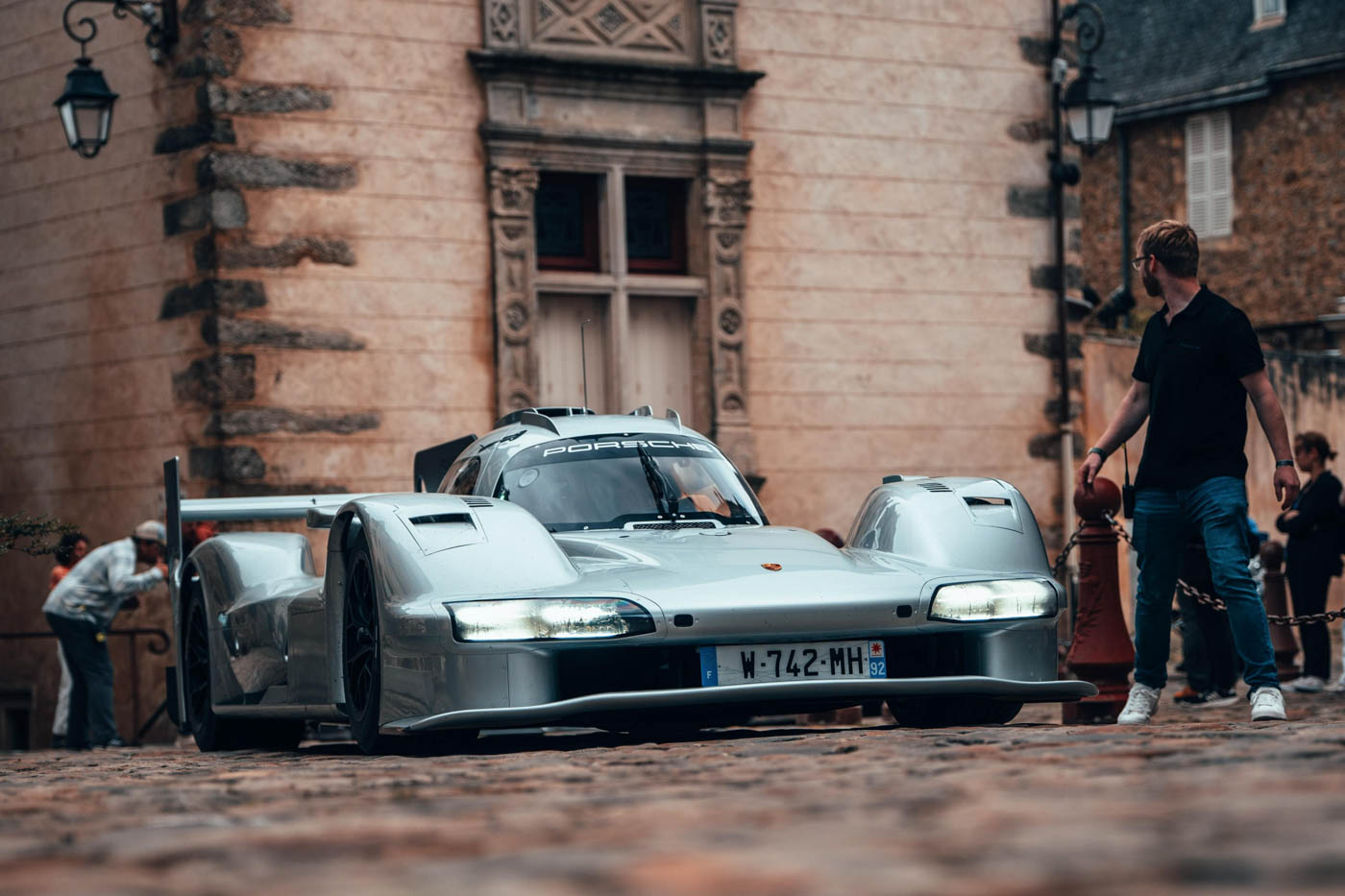
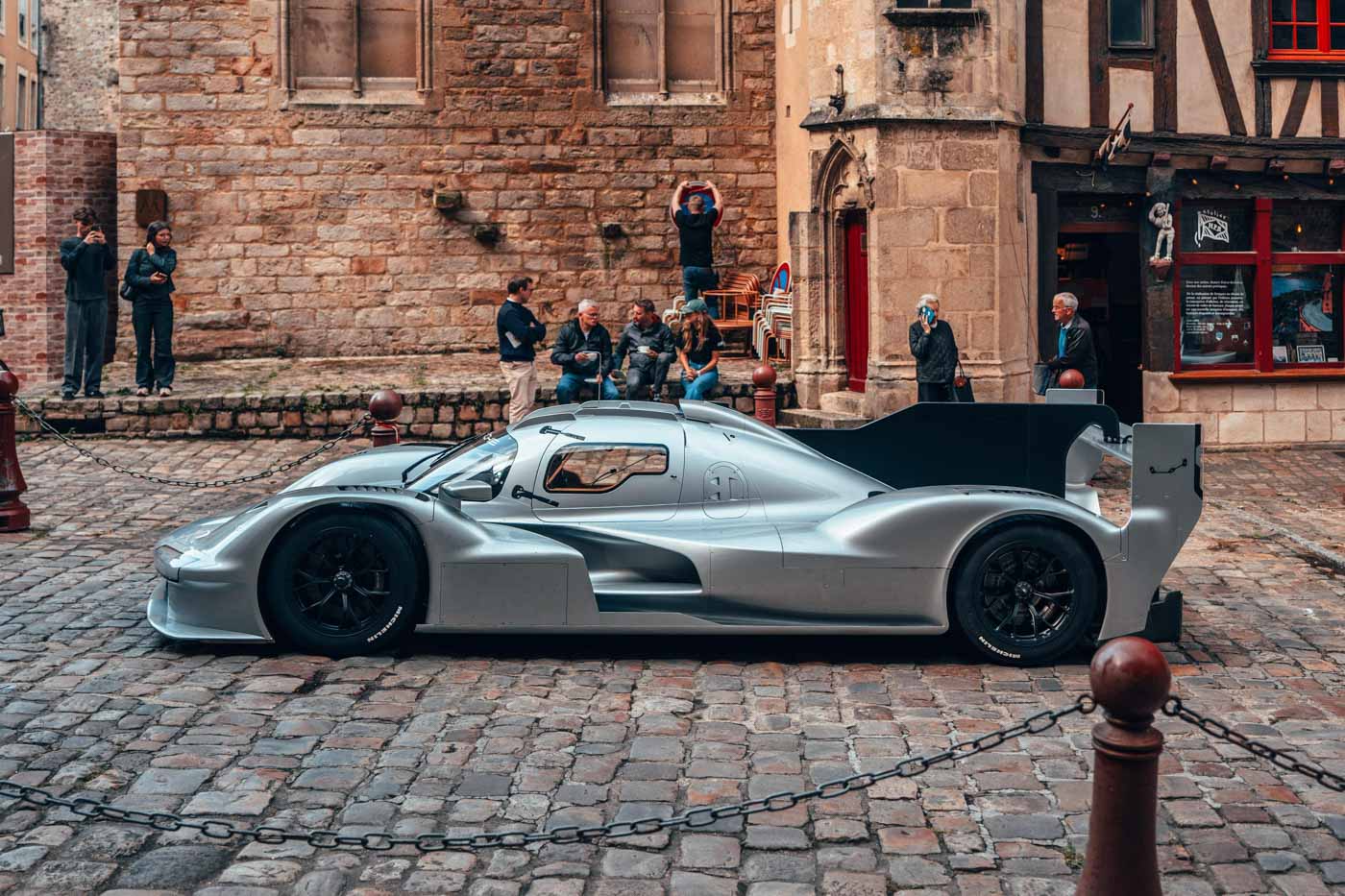
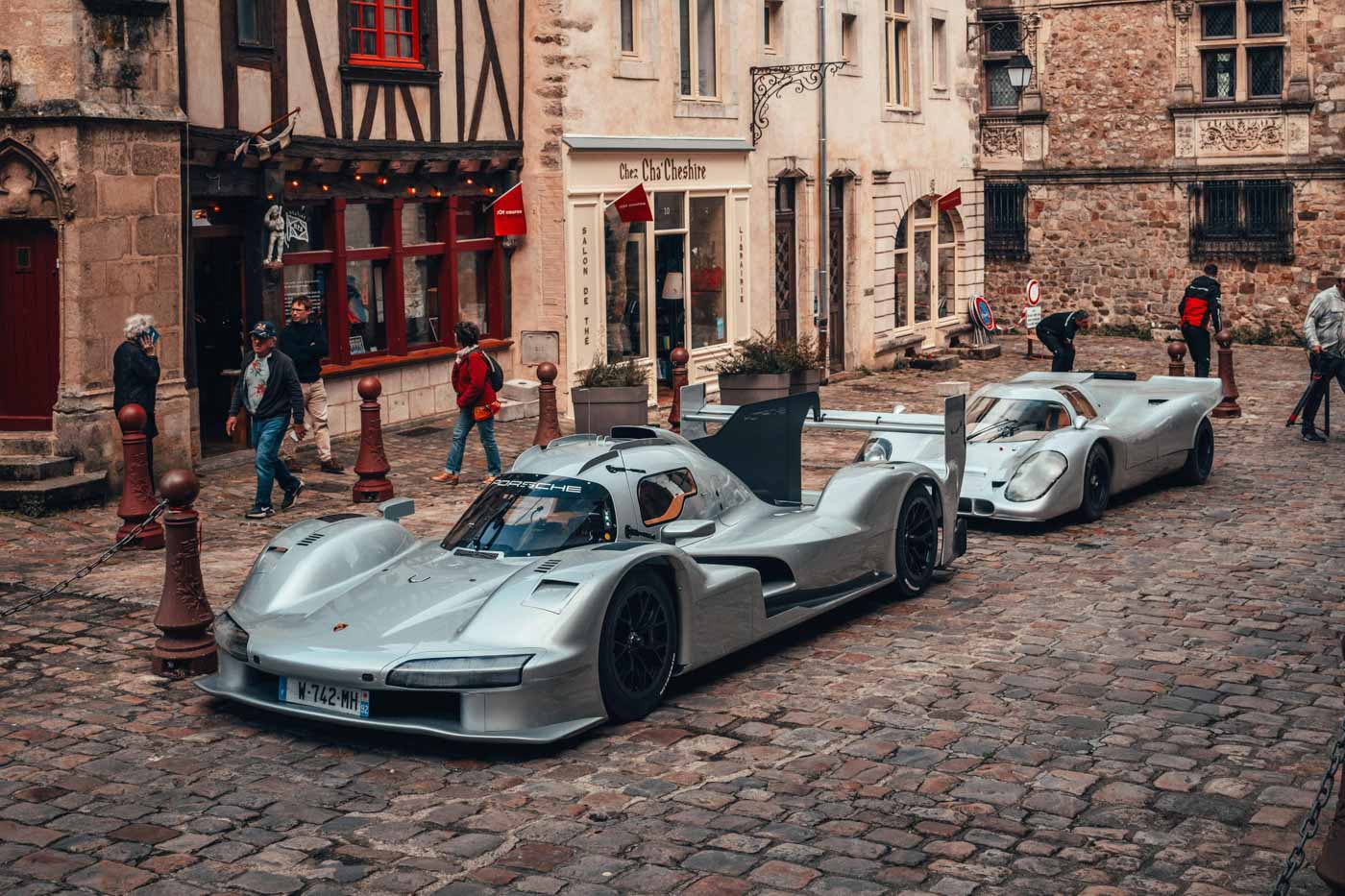
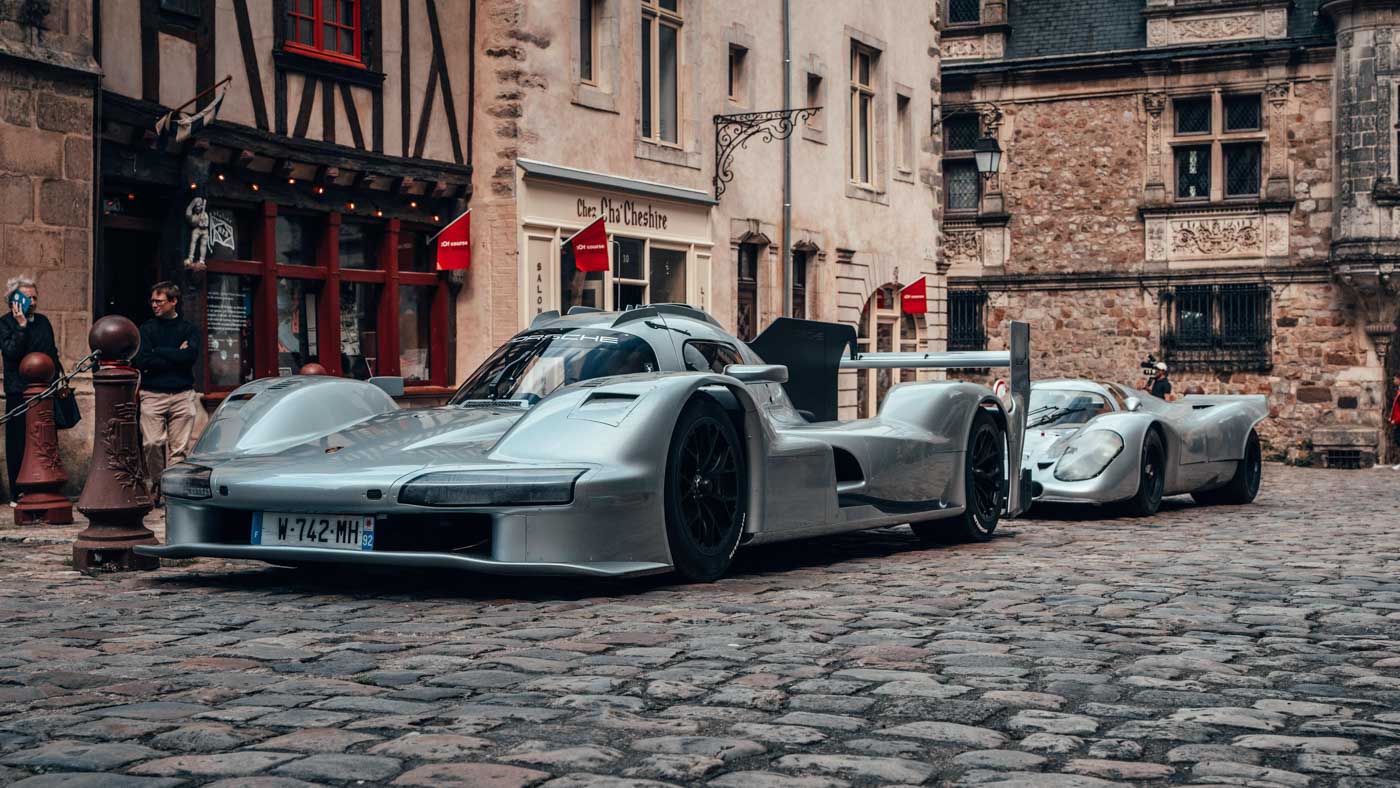
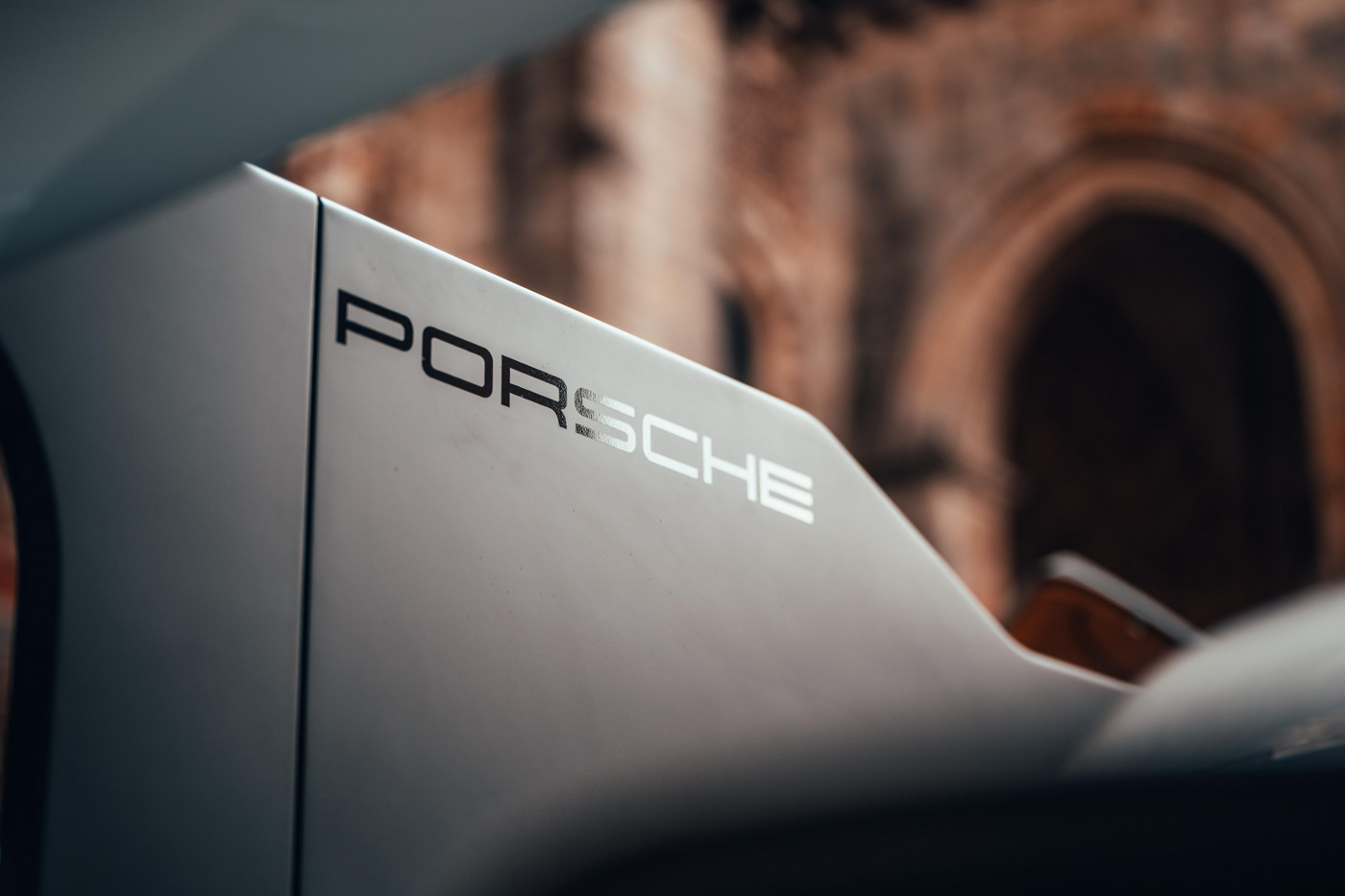
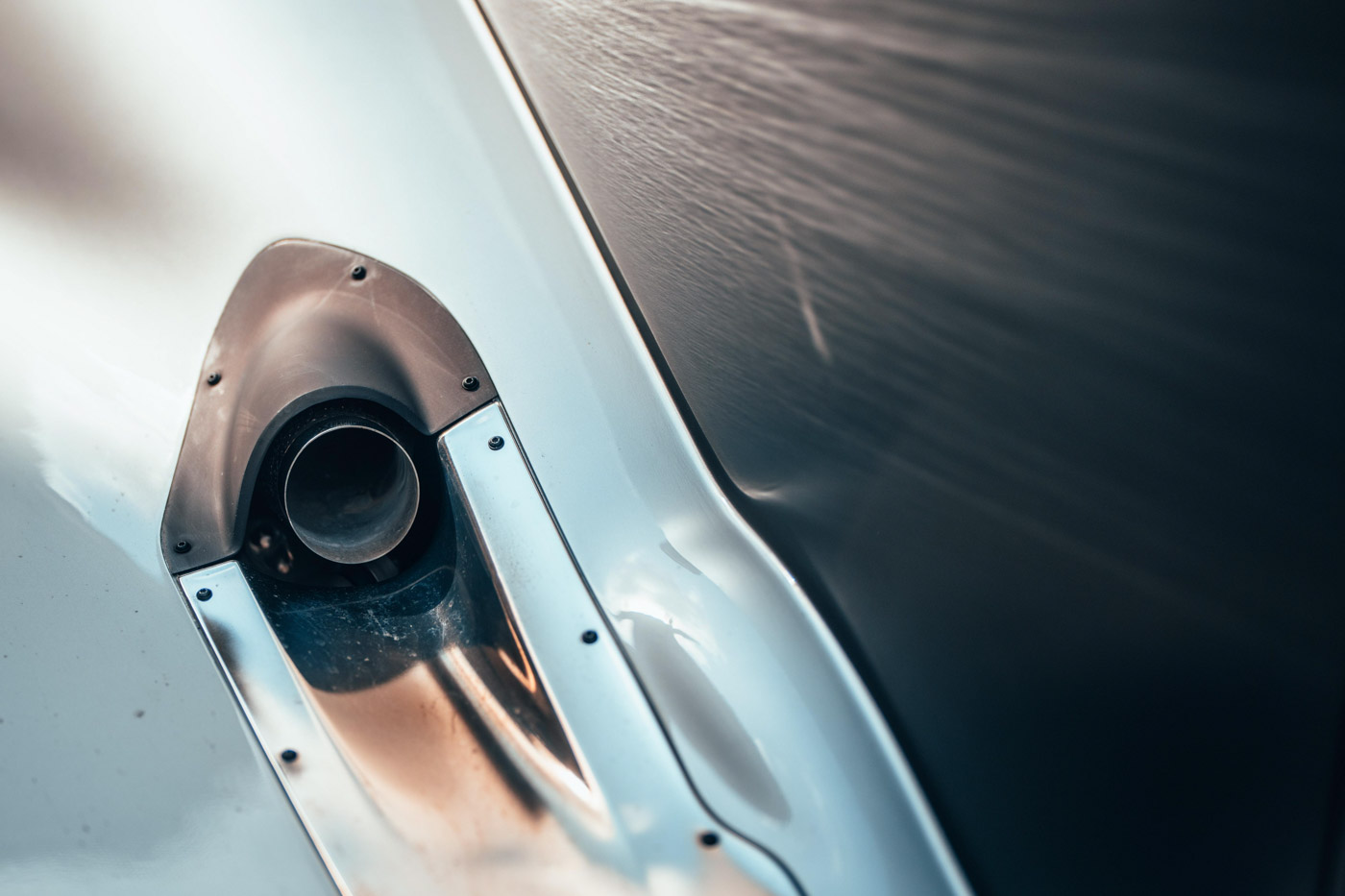
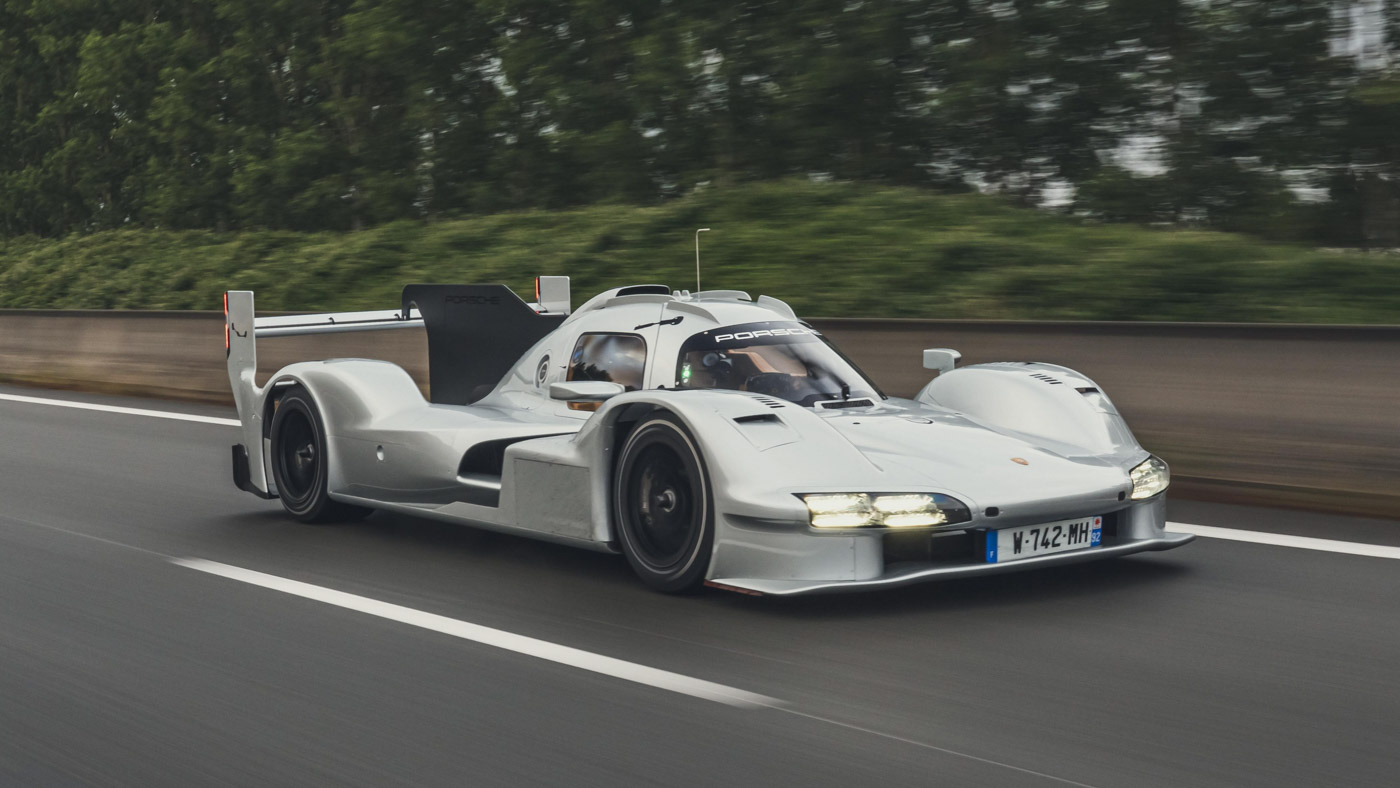
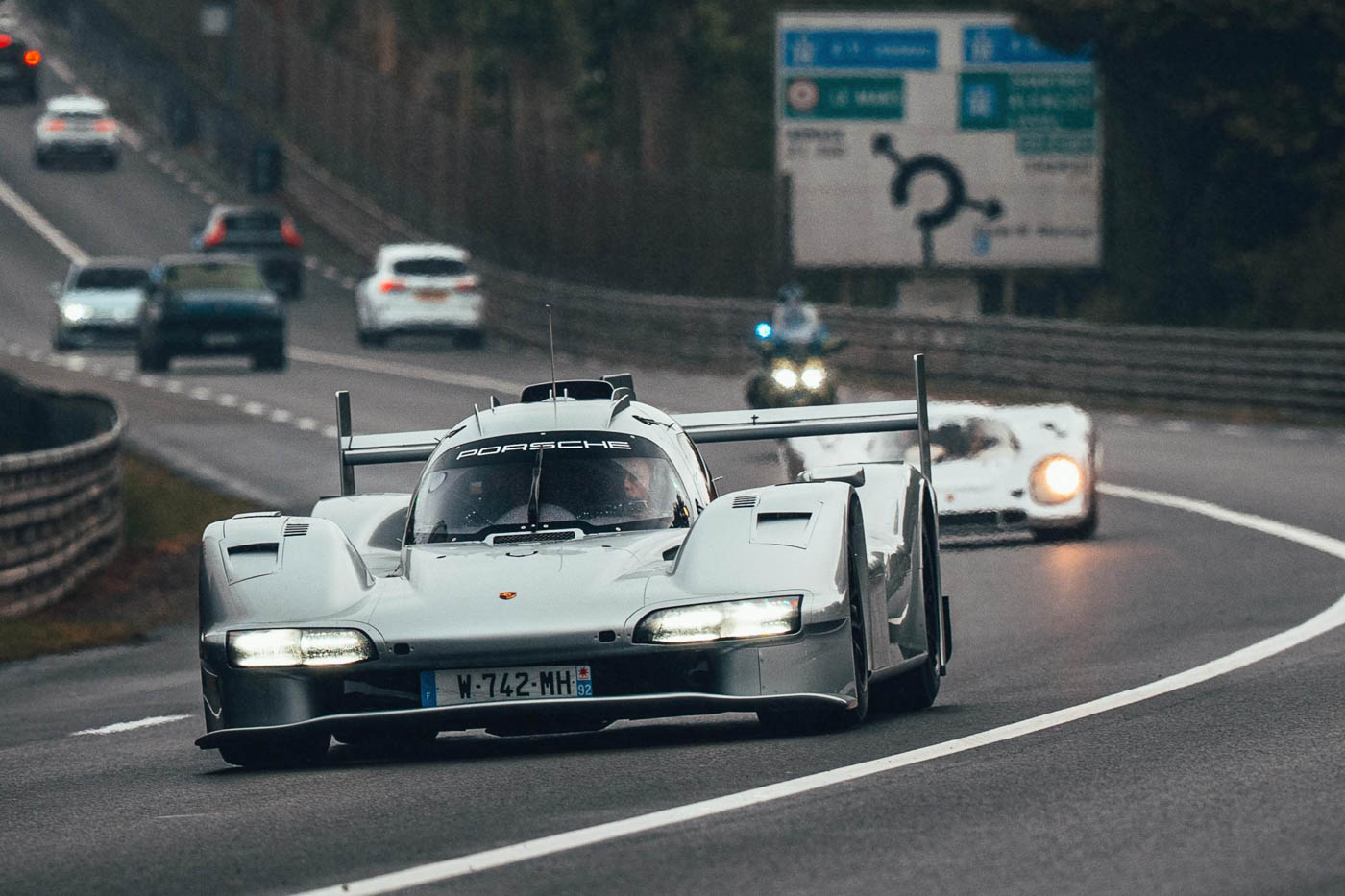
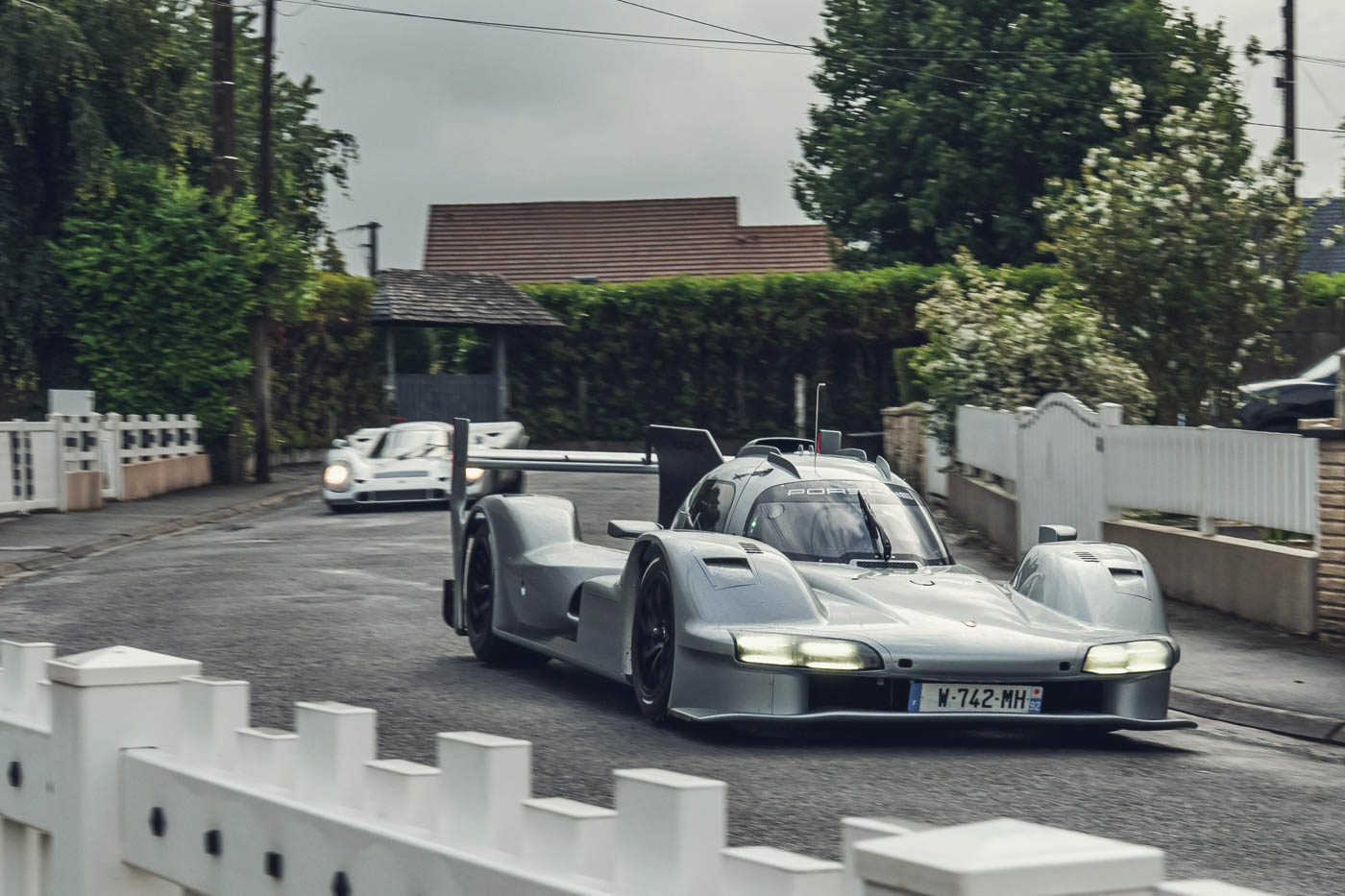
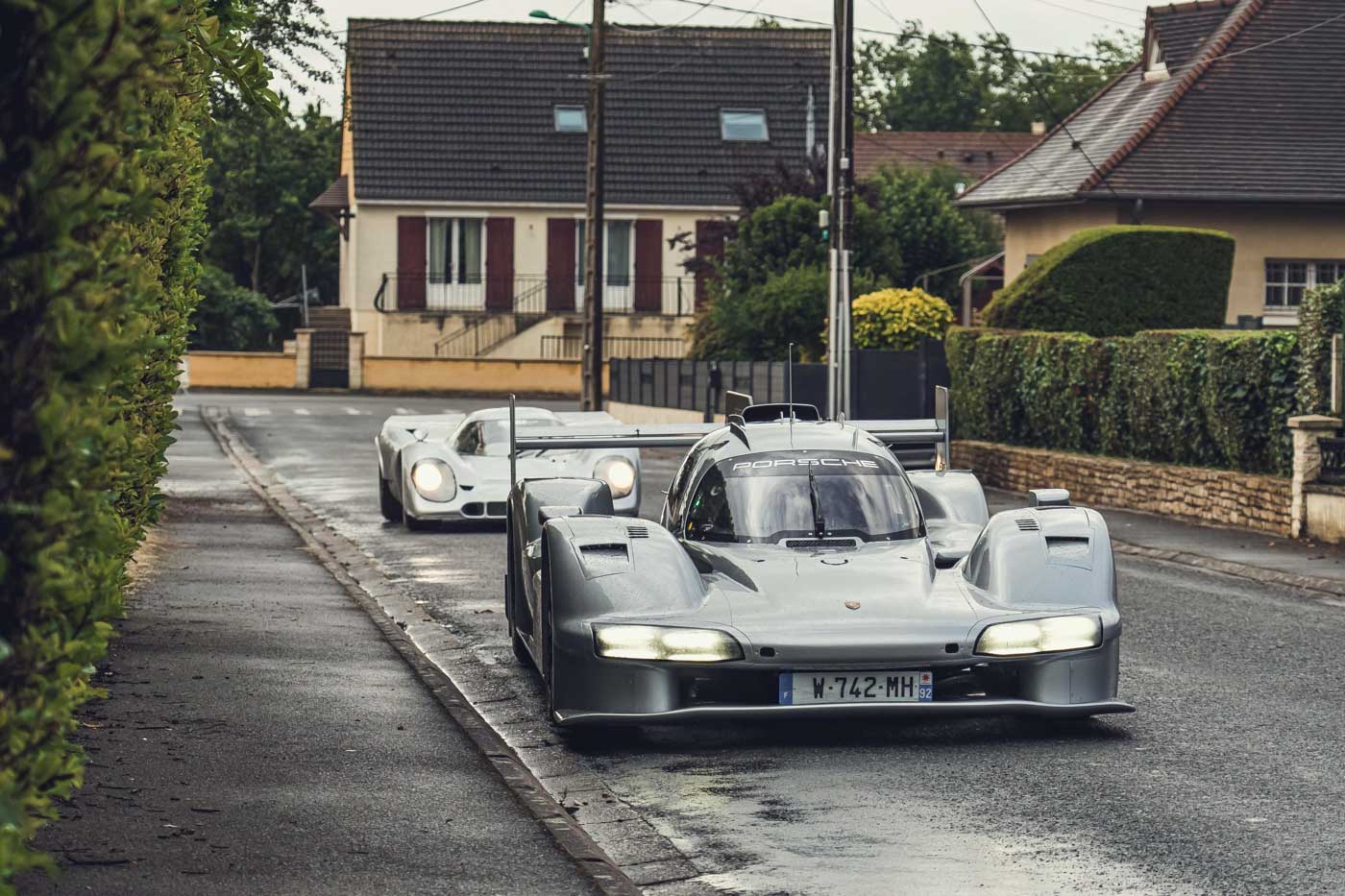
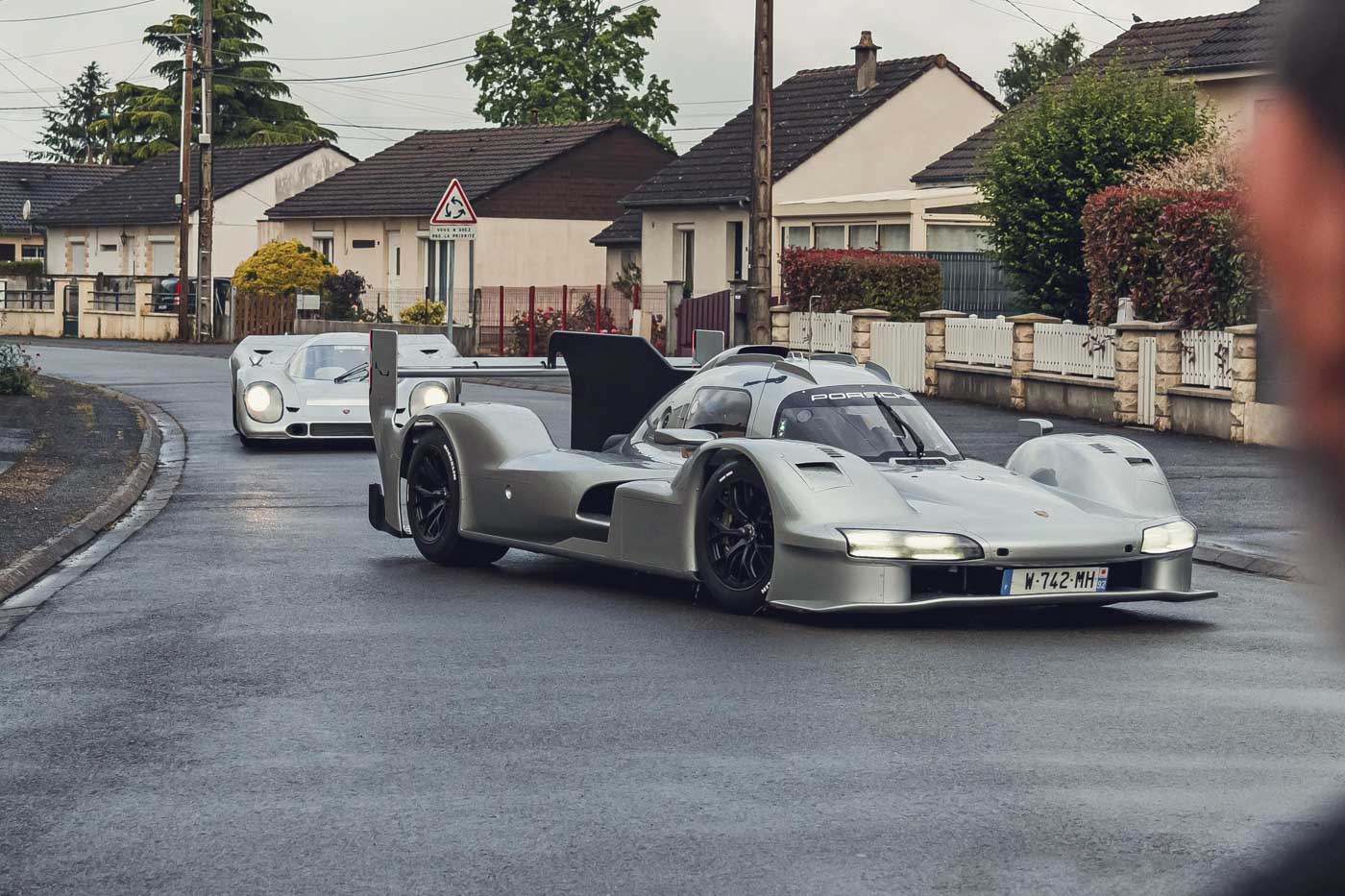
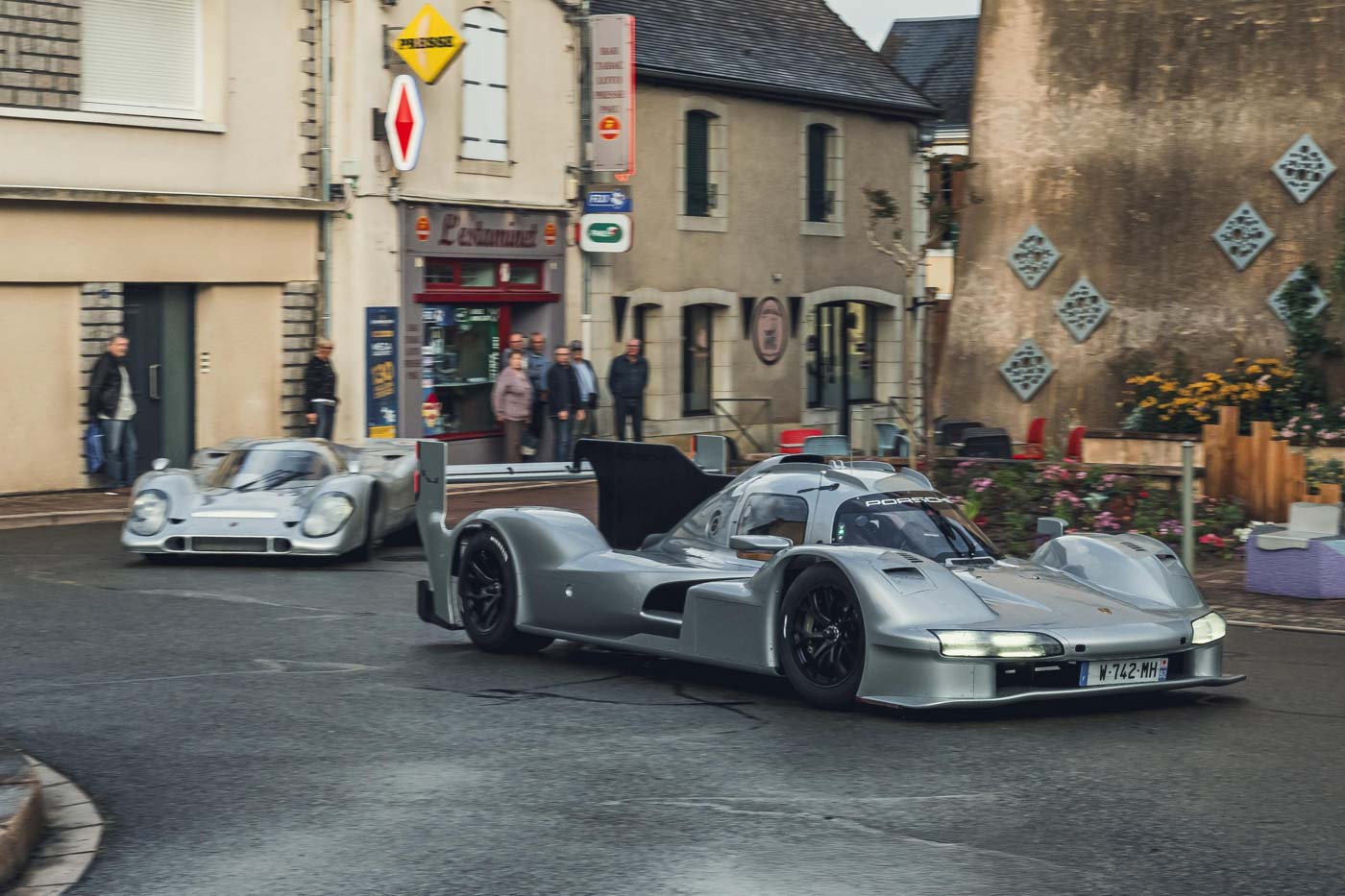
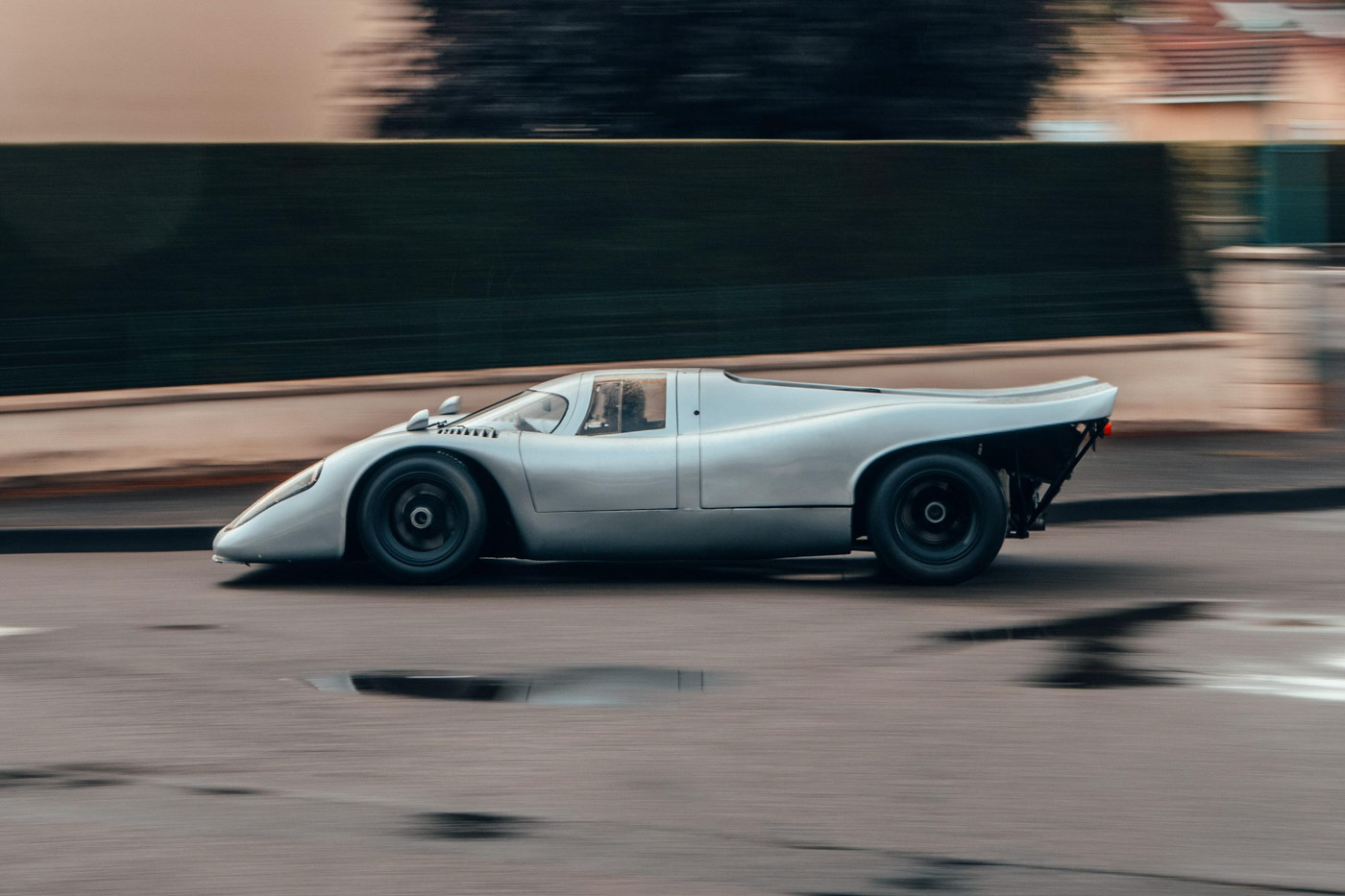
Yes, your eyes are not deceiving you – Porsche has indeed created a road-going version of the World Endurance Championship-winning 963 LMDh hypercar. Dubbed the 963 RSP, the one-off road car – if you can even call it that – was inspired by the road-legal 917 race car from 50 years ago that was driven by Count Rossi from the factory in Zuffenhausen to Paris.
The man behind this commission is none other than Roger Searle Penske—a legendary figure in motorsports. He is the owner of Team Penske, founder and chairman of the Penske Corporation, and a major force behind Penske Entertainment, which owns the IndyCar Series. Penske’s legacy spans decades in racing and business, making him a fitting figure to bring the Porsche 963 RSP to life.
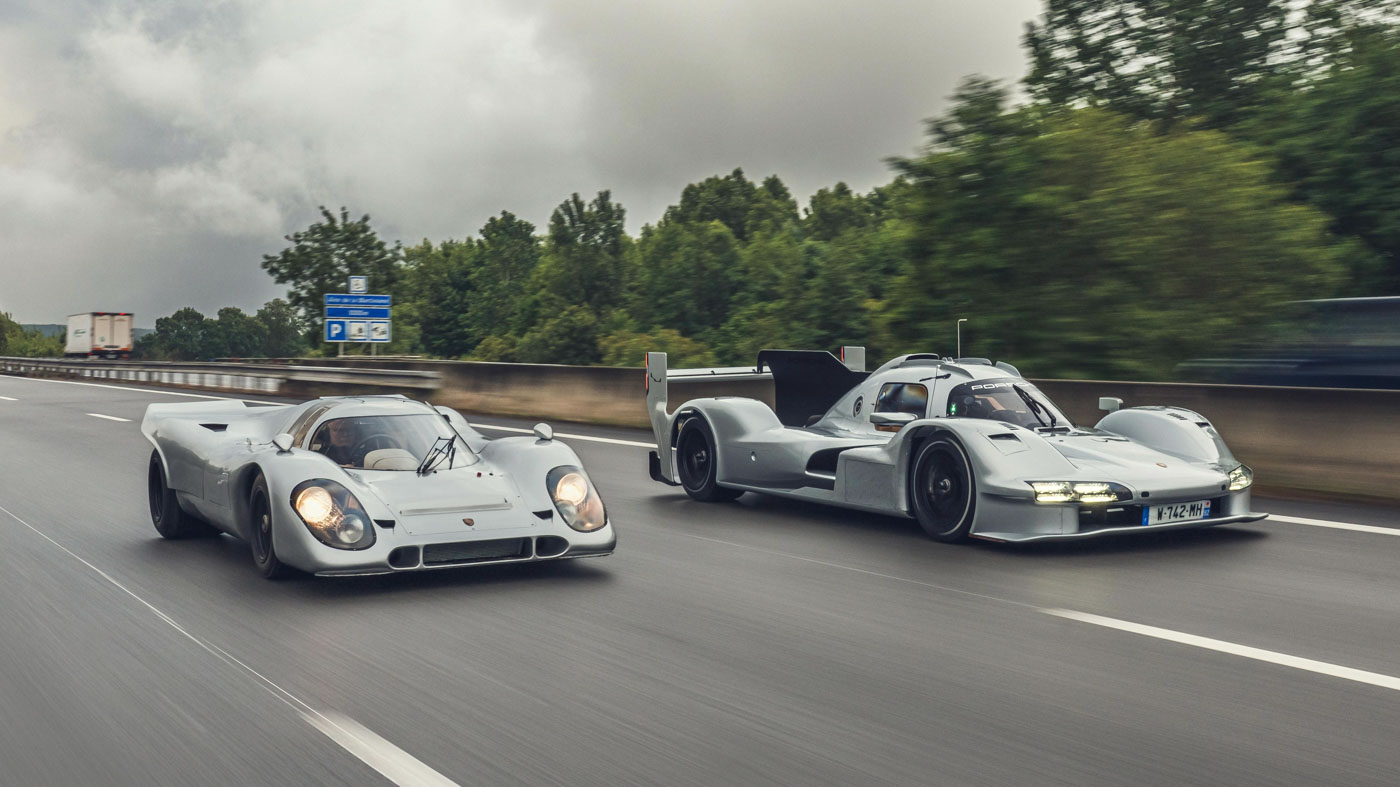
And bring it to life, they did. The Porsche 963 RSP is not simply a custom shell on a road-car chassis; it is indeed a legalised version of the race car, powered by the same 4.6-litre twin-turbo V8 from the LMDh challenger, here making a similar 680 hp. The engine actually traces its root to the RS Spyder race programme, and a similar engine can also be found in the 918 Spyder road car.
The powertrain features a seven-speed sequential gearbox paired with an electric boost system that operates at up to 800 volts. Supporting this is a motor generator unit (MGU), which interacts with the gearbox to recover energy under braking and deliver additional power.
The battery has a capacity of 1.35 kWh, providing short bursts of electric output between 30 kW (41 hp) and 50 kW (68 hp), though this doesn’t affect the overall powertrain output, rather to fill in the gaps of the engine’s natural power curve.
ALSO READ: Production of the ICE Porsche Boxster and Cayman to end by October 2025
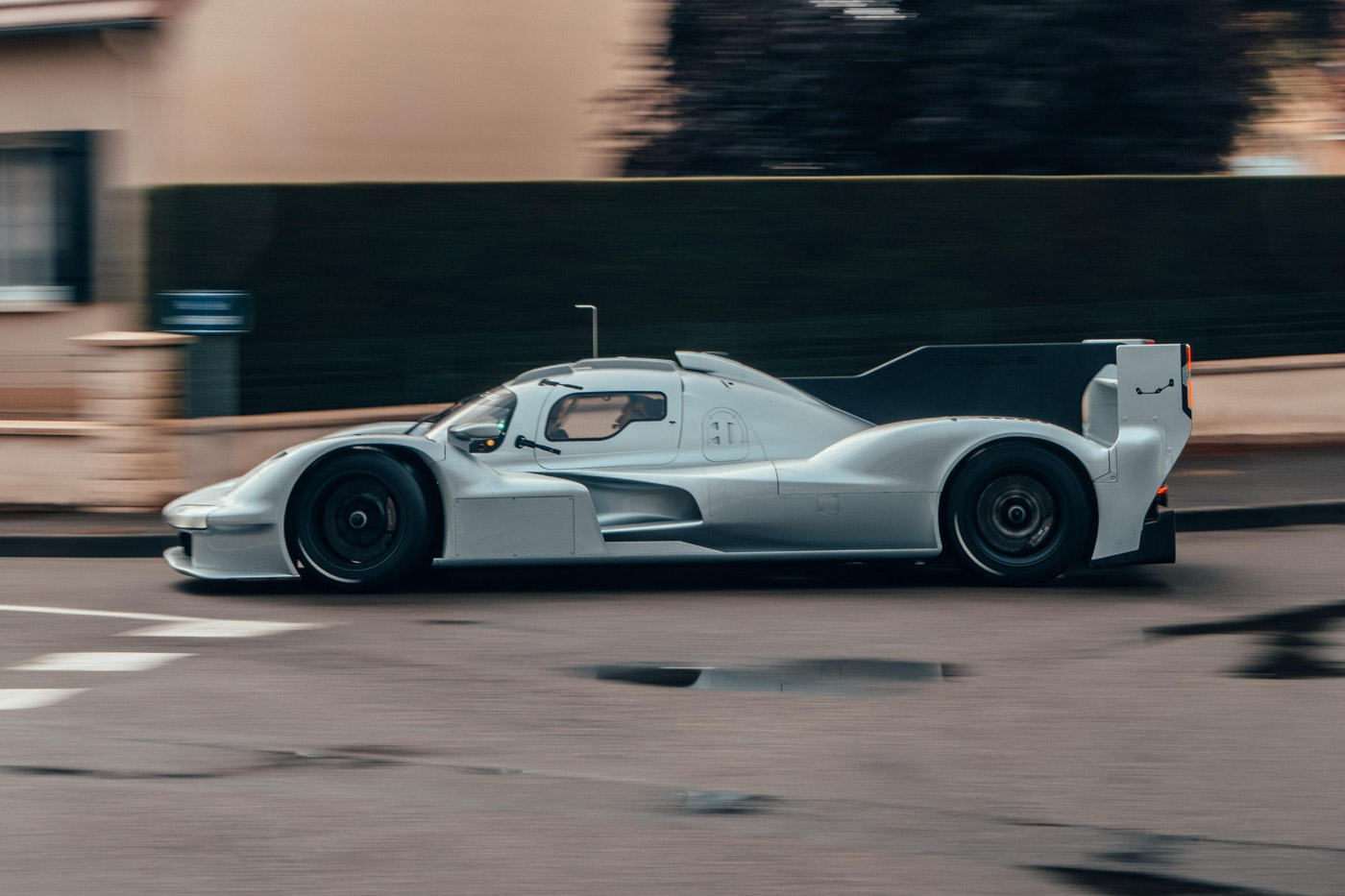
Unlike the competition-spec racecars wrapped in multicoloured liveries, the 963 RSP is the first in its lineage to receive a full paint finish – which Porsche says was a significant challenge given its carbon fibre and Kevlar construction. It’s finished in Martini Silver, with subtle bodywork modifications like covered wheel arches that pay tribute to the Count Rossi 917.
To make it road-ready, the dampers are set to their softest and highest settings, a horn has to be installed, the headlights control unit reprogrammed to operate more like a road car, and a set of Michelin wet weather compound tyres were fitted too, in place of the usual racing slicks.
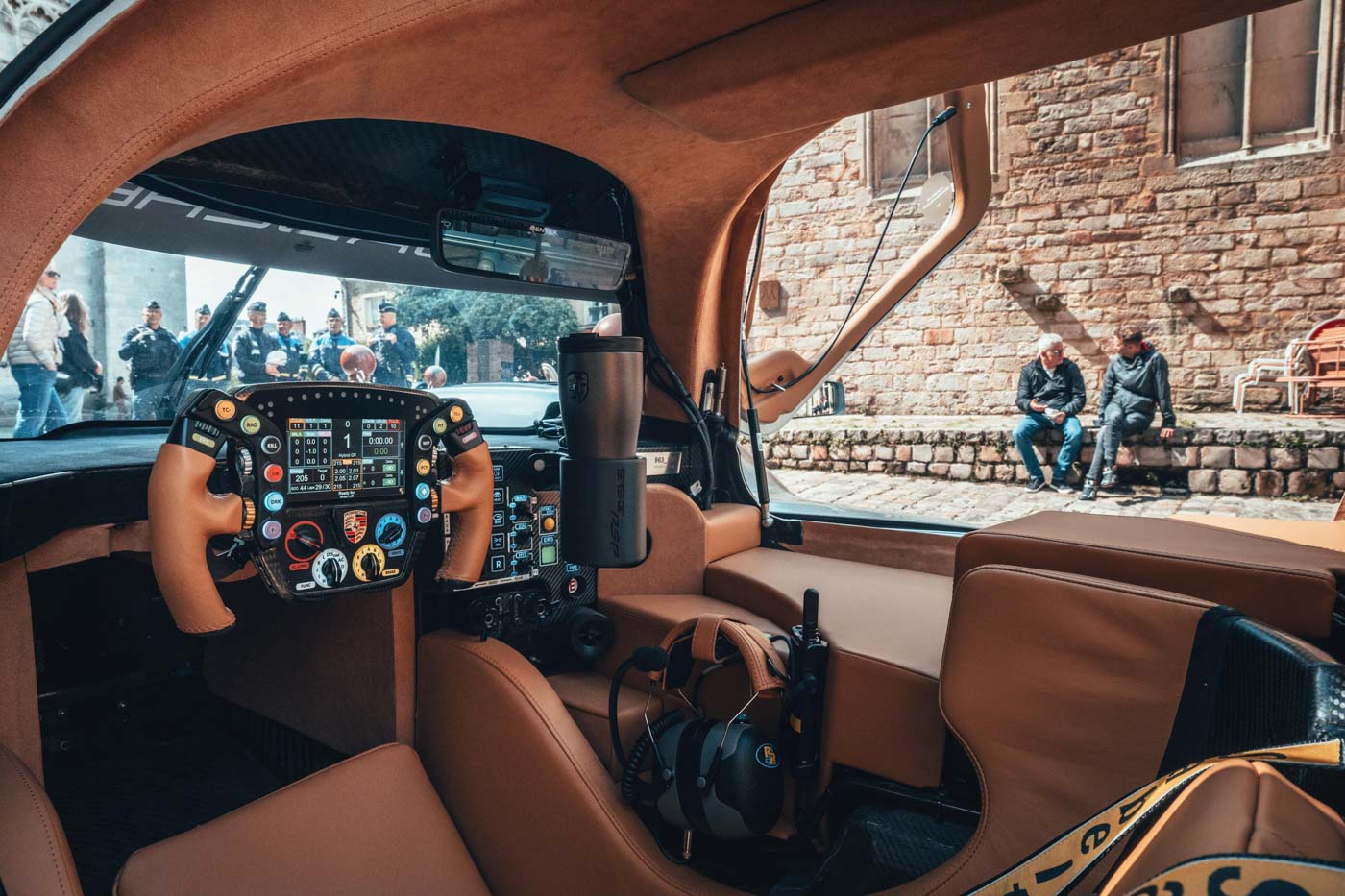
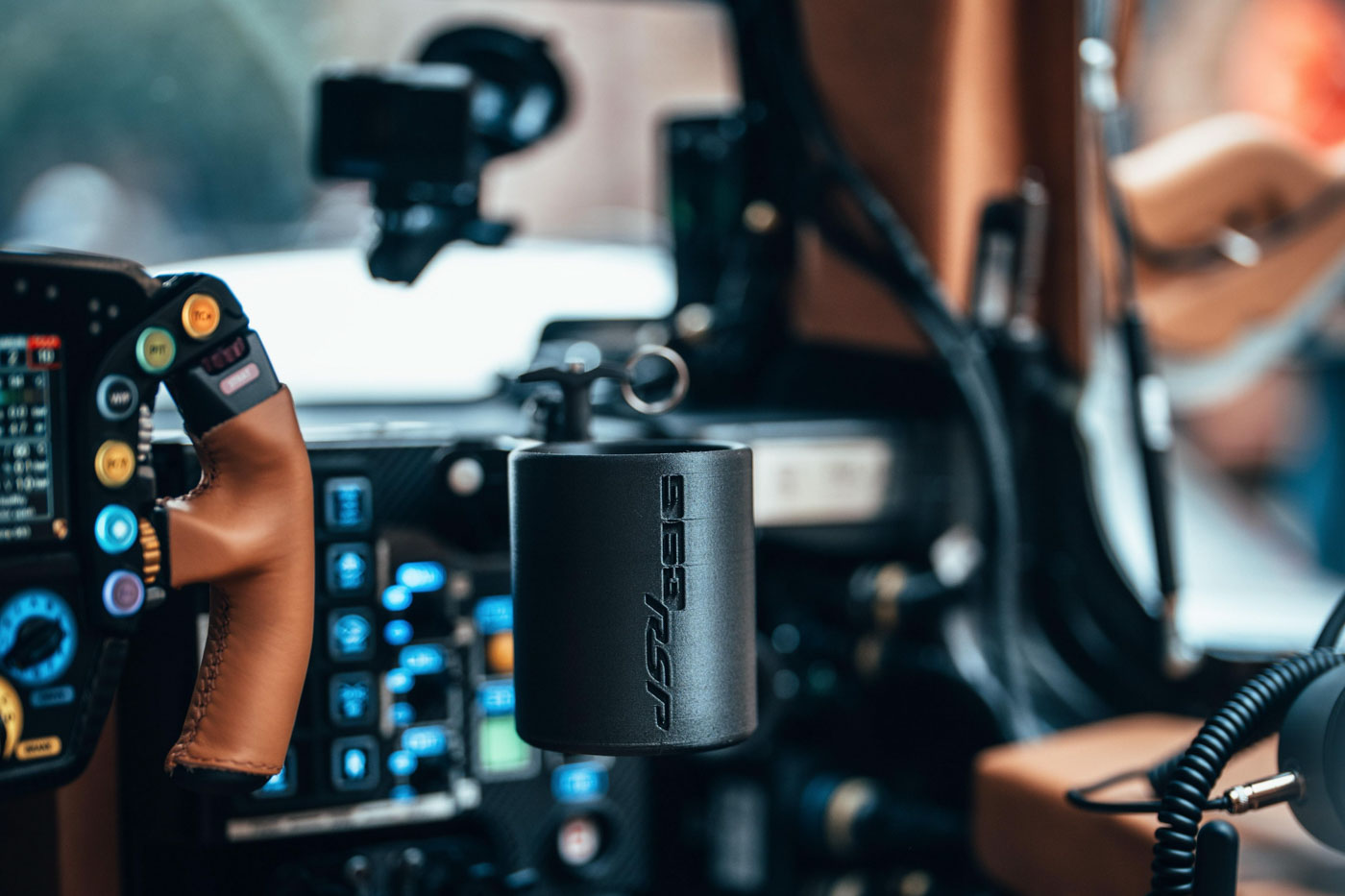
Stepping inside, the overall design was inspired by Count Rossi’s trim choices from 1975. The interior has been uniquely wrapped in bespoke tan leather and Alcantara, with the single piece carbon seat being treated with more soft cushioning and fixed leather headrest mounted on the bulkhead. The steering wheel is also finished in tan leather and features a detachable 3D printed cupholder for added “convenience”.
A new trim panel has been added next to the driver to hold the headset and steering wheel when not in use, and there’s also an additional platform for a laptop to start and assist the operation of the car.
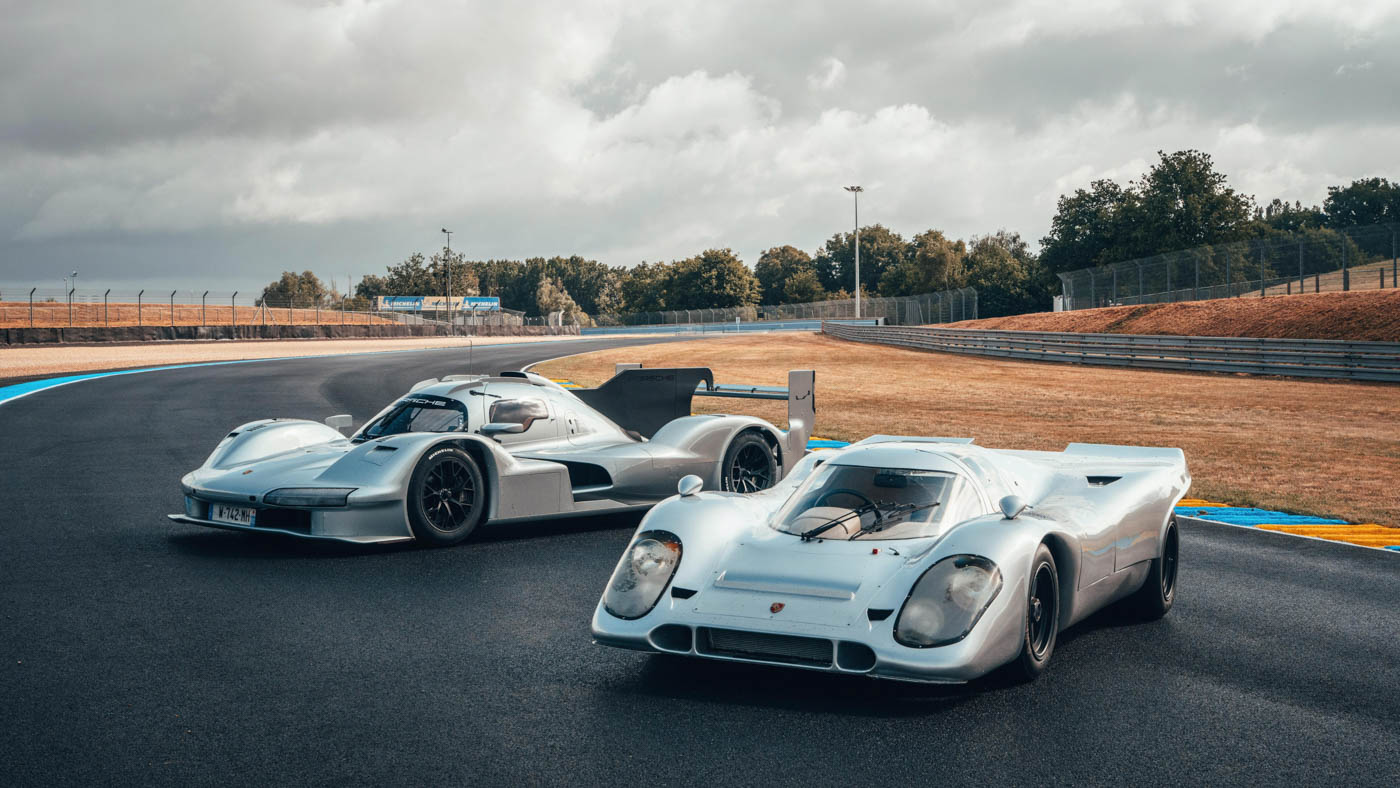
Porsche Cars North America President and CEO Timo Resch, said, “This really started out as a ‘what if?’ – a passion project by a small team of enthusiasts at Penske and at Porsche who together imagined a version of the 963 that really resembled as closely as possible the spirit and appearance of the Count Rossi 917.”
Chairman of Penske Corporation, Roger Penske, added, “We have enjoyed a terrific relationship with Porsche dating back to 1972. The Porsche 917/30, in particular, was one of the greatest eras in Team Penske history with numerous wins and championships, along with the closed-course speed record set by Mark Donohue in 1975.”
“With such a remarkable partnership continuing to this day, we felt it was time to create the most exciting car we could imagine. Just like the 917, I wanted this car to be authentic to its origin and have as few changes to it as possible. When we got into the project, the differences in the two generations of race cars provided a great challenge. What emerged is a car that has lost none of its edge and is exciting whether on the track or on the road.”
ALSO READ: Porsche EV sales in China is so bad, the company might stop selling them entirely
GALLERY