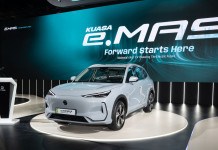
Like discounts? Yeah, so does everyone. Why spend more when you can just wait a few months, when car prices – particularly electric vehicles (EVs) – will eventually fall anyway. Well, Proton deputy CEO Roslan Abdullah has sounded the alarm on the ongoing price wars triggered by Chinese automotive brands, as he says it may significantly impact the local automotive industry, particularly original equipment manufacturers (OEMs) with local manufacturing operations in Malaysia.
Speaking to local media, Roslan said that while the heavy discounts from certain Chinese brands may come as a benefit to consumers, they could also negatively impact local vendors who have traditionally supplied vehicle components and parts.
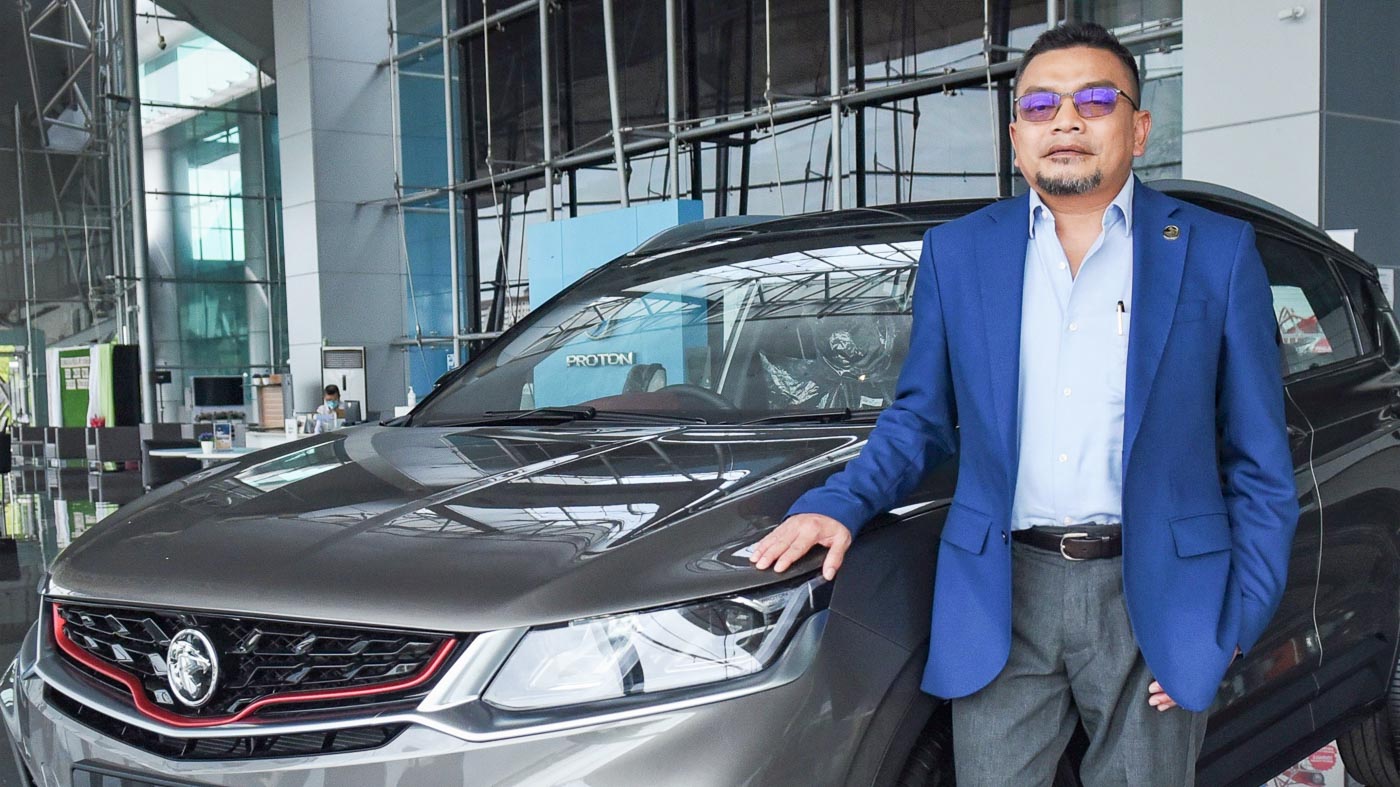
“The price war doesn’t just impact OEMs with manufacturing and assembly plants in the country, it also affects local vendors and distributors,” he said.
“The situation leads to increased stockpiling, as customers are drawn to vehicles offered at lower prices. At the same time, some customers are adopting a wait-and-see attitude, hoping that prices will drop further.”

Roslan adds that the used vehicle markets have also been impacted by the ongoing price war, as the significant price drops will also result in lower resale value. “For example, if a Brand A vehicle is initially purchased for RM100,000 but later sold at a discounted price of RM80,000, it will significantly affect the vehicle’s depreciation. The trade-in market will also suffer as a result.”
“This trend makes customers more likely to purchase new vehicles, as the prices are more competitive compared to used ones,” he said.

The deputy CEO says that local OEMs are unable to compete with the Chinese brands due to higher operating costs, including manufacturing, vendor, and supply chain expenses.
“OEMs must ensure business continuity. We can’t lower prices too much, but we can offer discounts or promotions, such as cash rebates and accessory packages, to help offset market prices,” he explains.

In Proton’s case, Roslan said the company will be taking careful measures to ensure their long-term profitability, as the national carmaker employs more than 7,000 workers, with over 5,000 in its sales network.
“Large-scale vendors may be able to survive due to their partnership with other brands. However, smaller vendors who rely on a single brand will be impacted,” Roslan added.
ALSO READ: Proton breaks ground on RM82m EV factory – eMAS 7 production to begin end-2025

Many Chinese carmakers – especially those focusing solely on EVs – have benefited from the completely built-up (CBU) or semi-knocked down (SKD) concept, which require less investment compared to local OEMs like Proton.
“Their investment in Malaysia remains minimal, allowing them to offer significant discounts due to lower operating costs. However, this creates long-term pressure on companies operating within Malaysia,” Roslan said, emphasising the need to reassess the impact of the price war to protect long-established brands in Malaysia.
“While foreign direct investment is a key target for the government, it’s important to review the situation to ensure that local assembly or complete knocked down (CKD) brands with their own factories and vendor networks can remain competitive.”
[Source: New Straits Times]