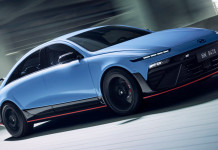
Due to slowing demand for electric vehicles (EVs), Hyundai Motor plans to expand its hybrid lineup and also develop a new Range Extender EV (EREV) powertrain within the next few years. With the company’s plans presented during its “2024 CEO Investor Day”, it aims to bridge the gap for electrification while anticipating a recovery for EV demand in the future.
Part of the company’s plan includes expanding its hybrid offerings. Currently with 7 hybrid models in its global lineup, Hyundai wants to expand this to 14 models, including models from the Genesis brand. The company also plans to introduce an enhanced next-generation hybrid system with improved performance and fuel efficiency.

As for its EREV powertrain, Hyundai says that it will “combine the advantages of internal combustion engines (ICE) and EVs”. The company says, “The new EREV maximizes the use of the existing engine to improve customer appeal and secure cost competitiveness with similar EVs by reducing high-cost battery capacity.”
“It provides EREV customers with a responsive EV-like driving experience, allowing consumers to naturally transition to EVs during future demand recovery periods. The new EREV also offers price competitiveness over EVs through battery capacity optimization and allows both refueling and stress-free charging while offering a superior driving range of over 900 km when fully charged. This vehicle serves as a key bridge to electrification.”

Mass production of Hyundai’s EREV model is planned to commence in North America and China by the end of 2026. Sales of the new EREV models are expected to begin in 2027. In the North American market, the company will initially launch D-class SUV models of Hyundai and Genesis brands to meet the remaining demand for internal combustion engines, with a target of 80,000-plus units.
The company aims to address the EV deceleration by expanding its hybrid and new EREV offerings and gradually increasing EV models by 2030 when a recovery in EV demand is expected. Hyundai Motor aims to build a full lineup of EVs, from affordable EVs to luxury and high-performance models, and launch 21 models by 2030 to provide consumers with various options.