Hyundai has pulled the covers off the Ioniq 3, the latest addition to Hyundai’s Ioniq lineup of electric vehicles (EVs). Positioned as the brand’s new entry-level EV hatchback, it’s designed to bring electric mobility to the masses in Europe.
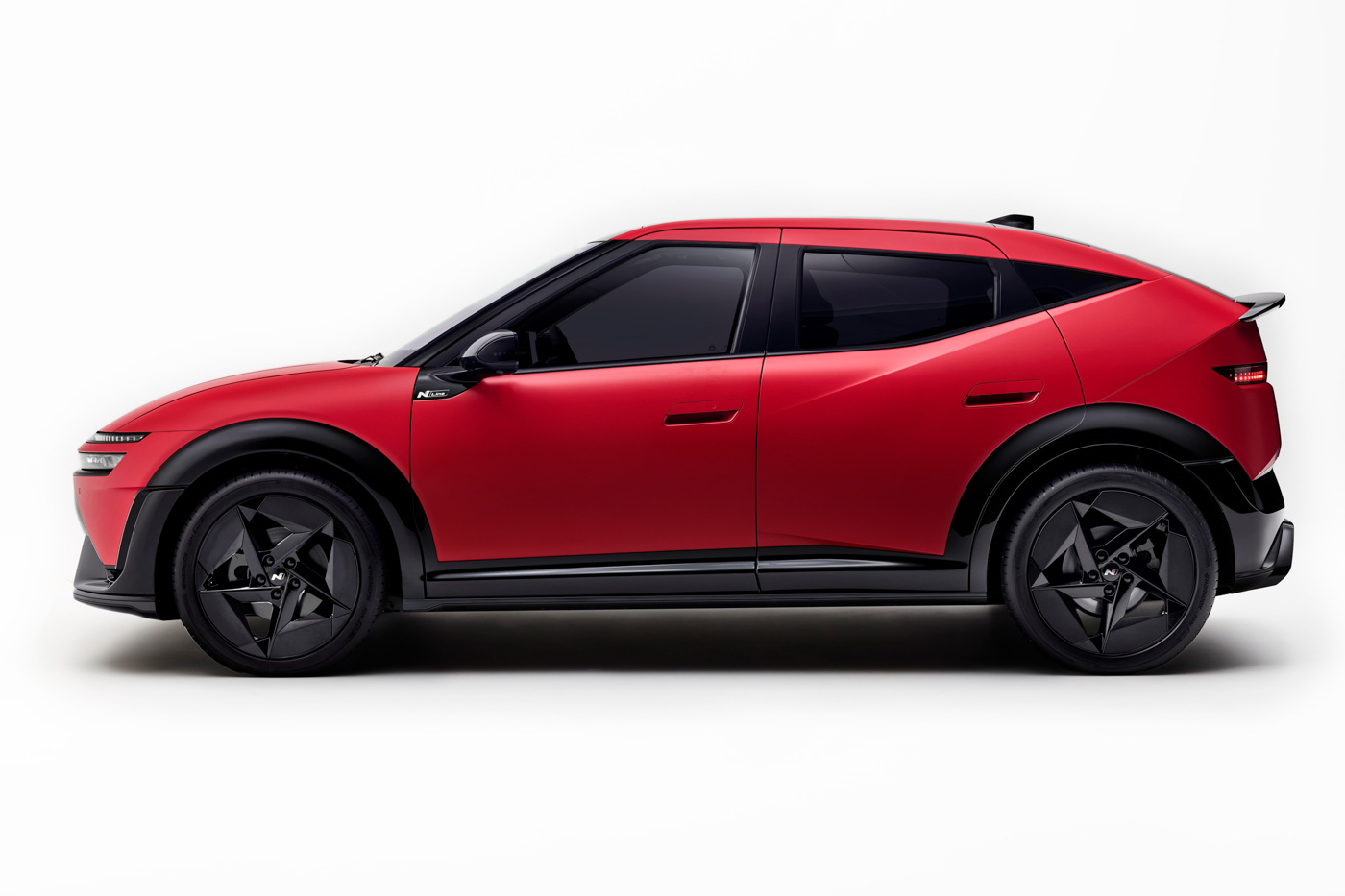
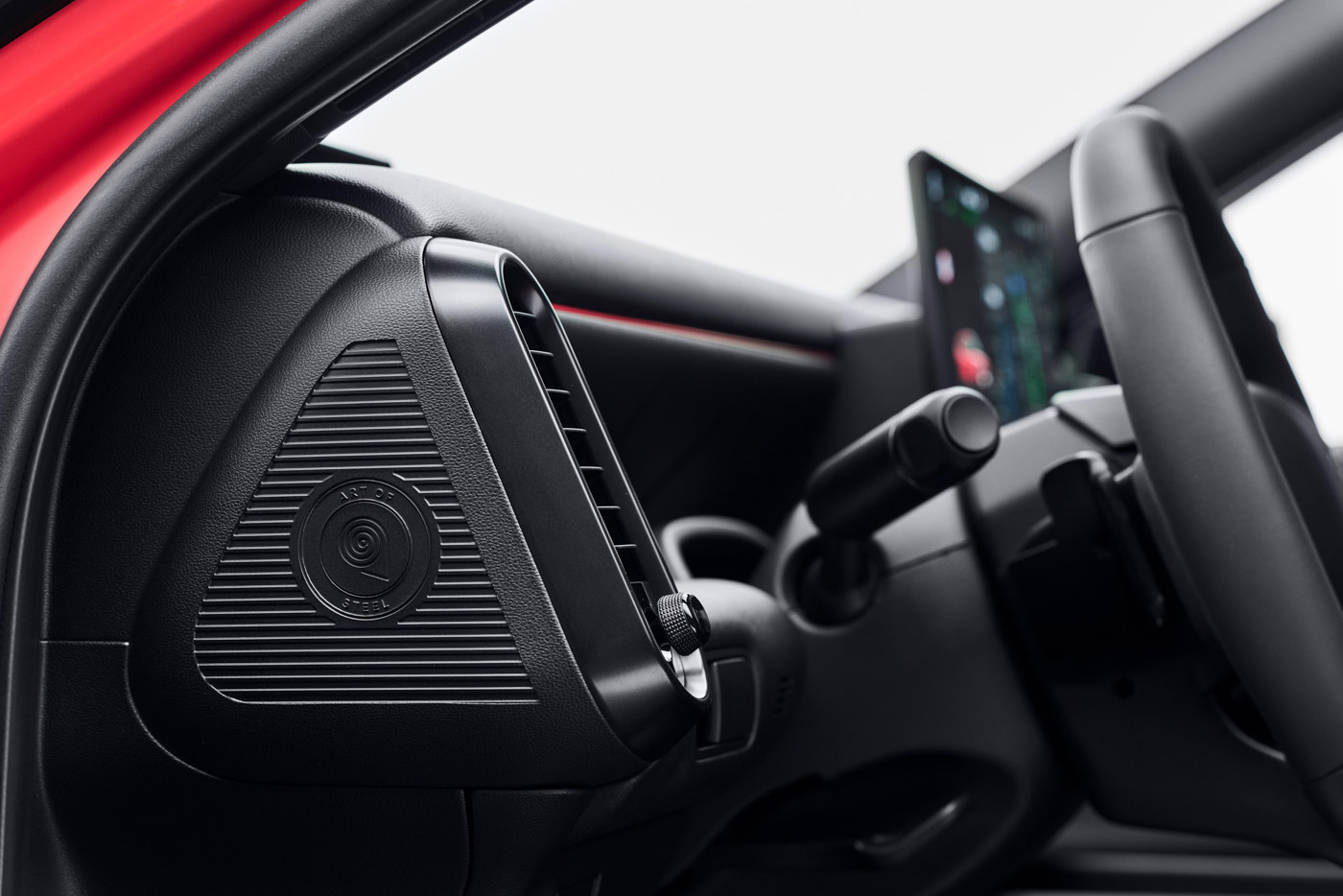
The new Hyundai Ioniq 3 inherits many of its styling cues from the sporty Concept Three. It adopts a fun, dynamic interpretation of Hyundai’s “Art of Steel” design language, wrapped in an agile hatchback silhouette with a sloping roofline. Sleek surfaces and bold creases give it a cohesive, sporty look that, as a whole, almost seems to take a page from Honda’s sport hatches like the CR-Z and CR-X.
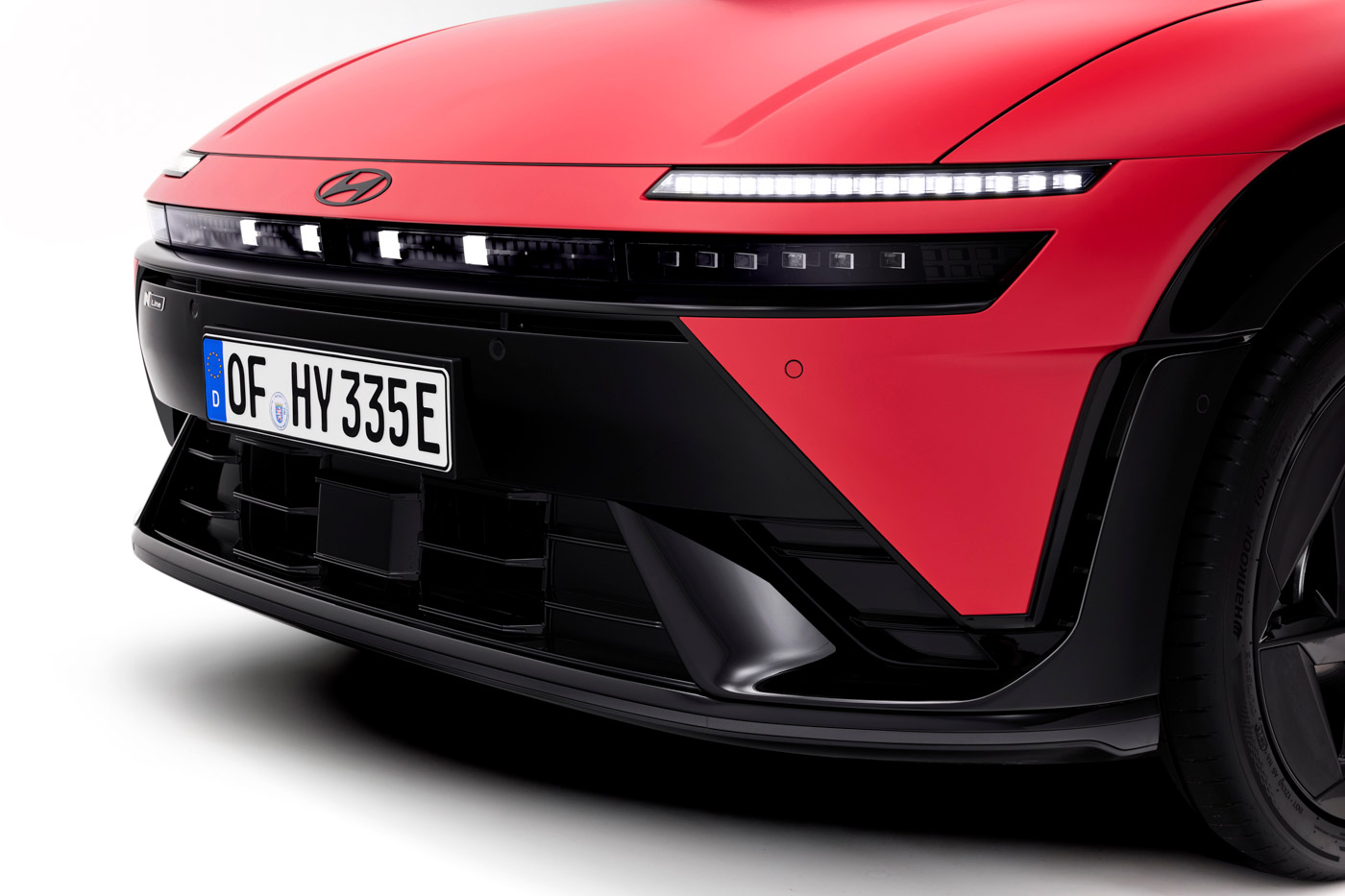
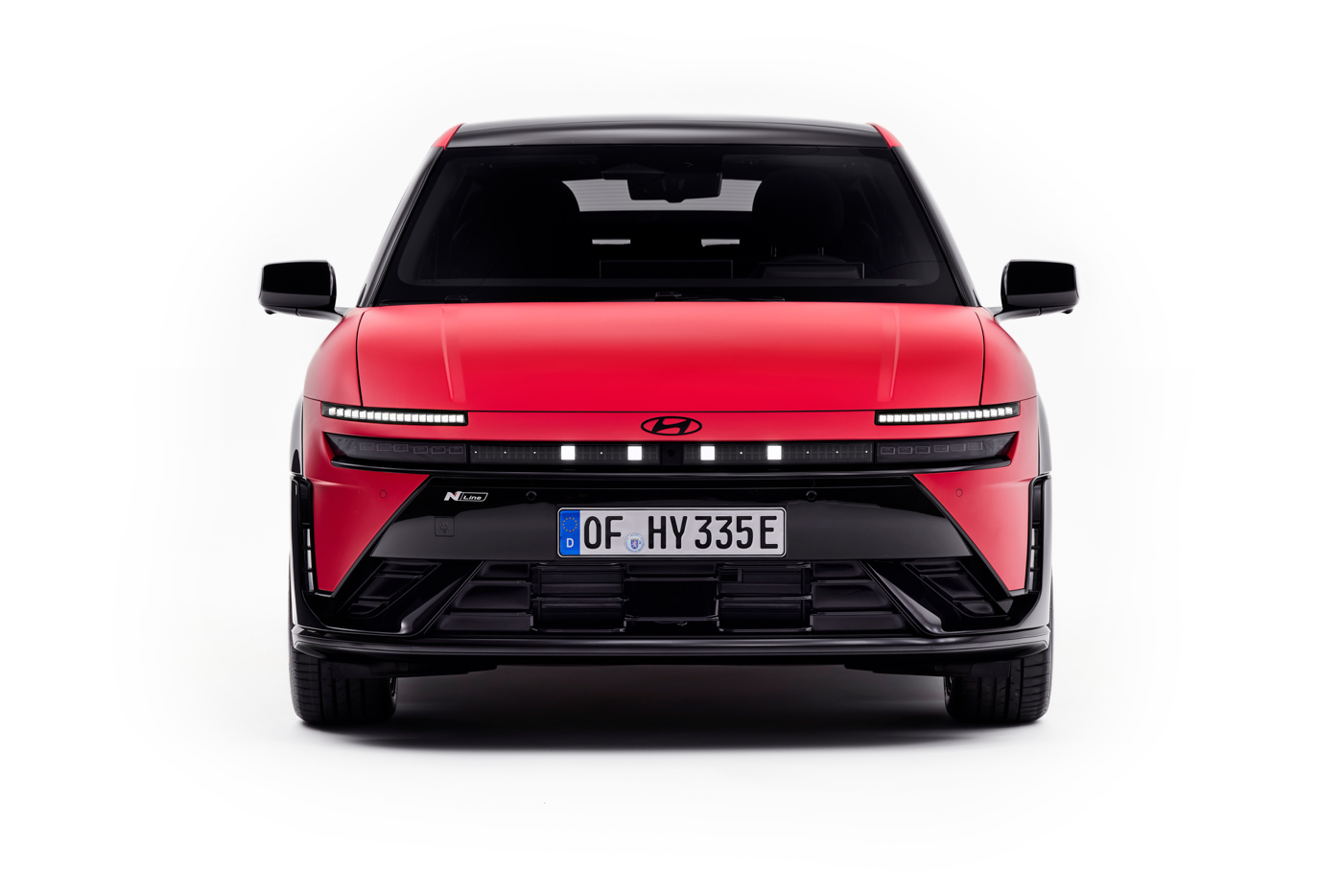
Returning to Hyundai’s design, the front of the Hyundai Ioniq 3 features a split headlight setup, with the daytime running lights (DRLs) positioned above the main beams, much like the Hyundai Ioniq 6. The main beams sit flush within a connecting panel that incorporates the Ioniq signature four-dot motif, representing the letter “H” in Morse code. To suit different trims and styles, wheel options are available from 16- to 19-inches.
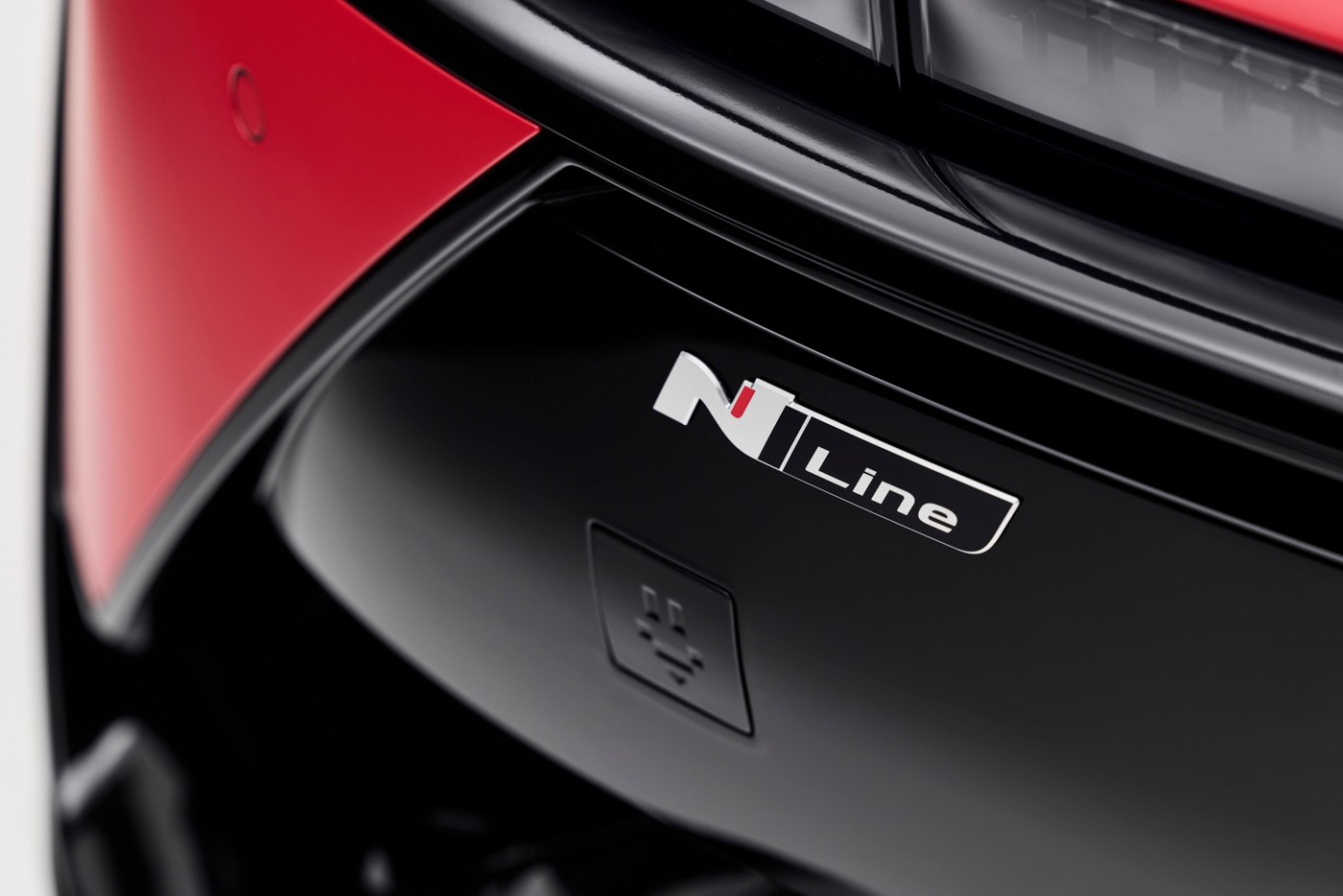
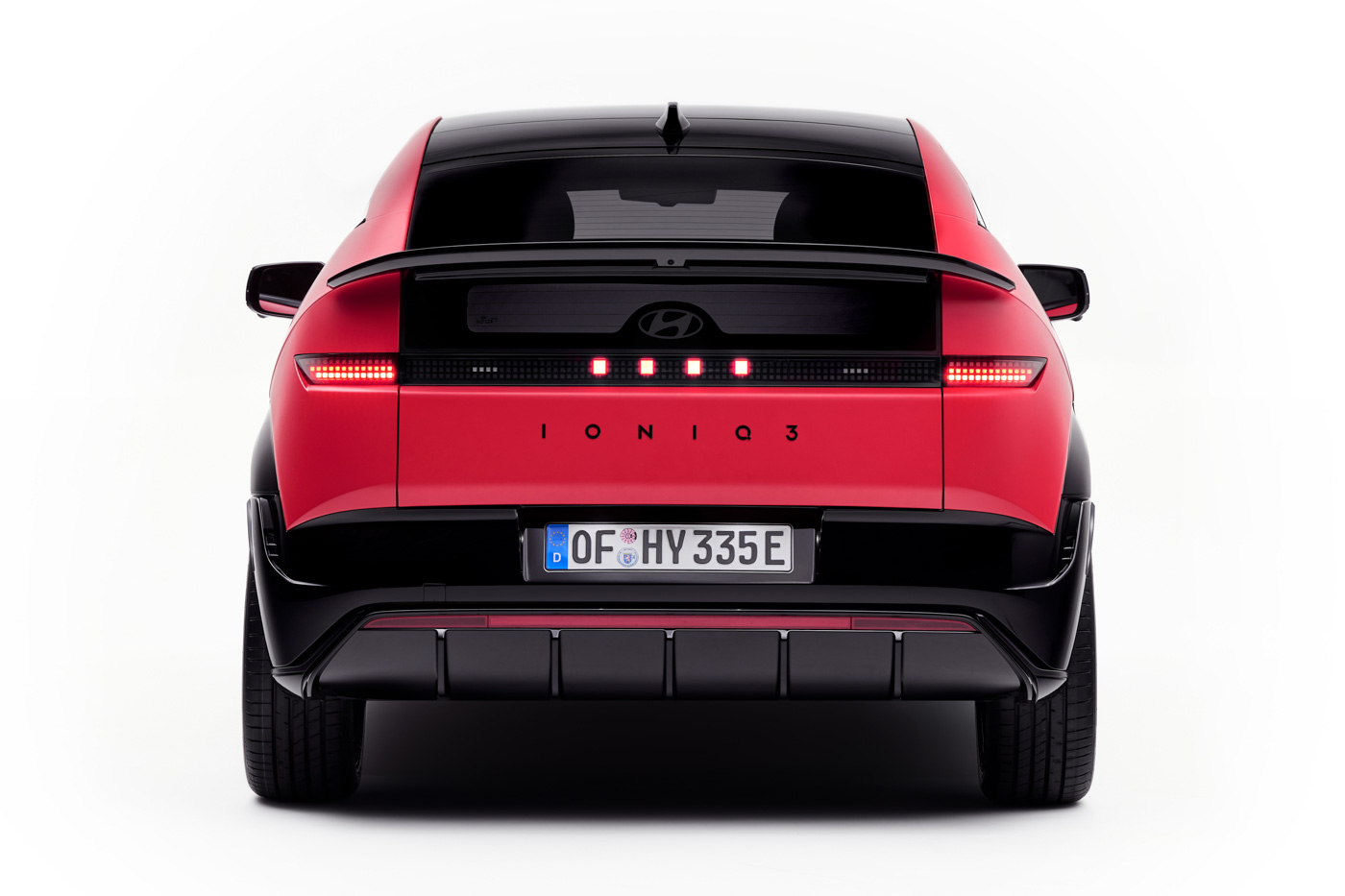
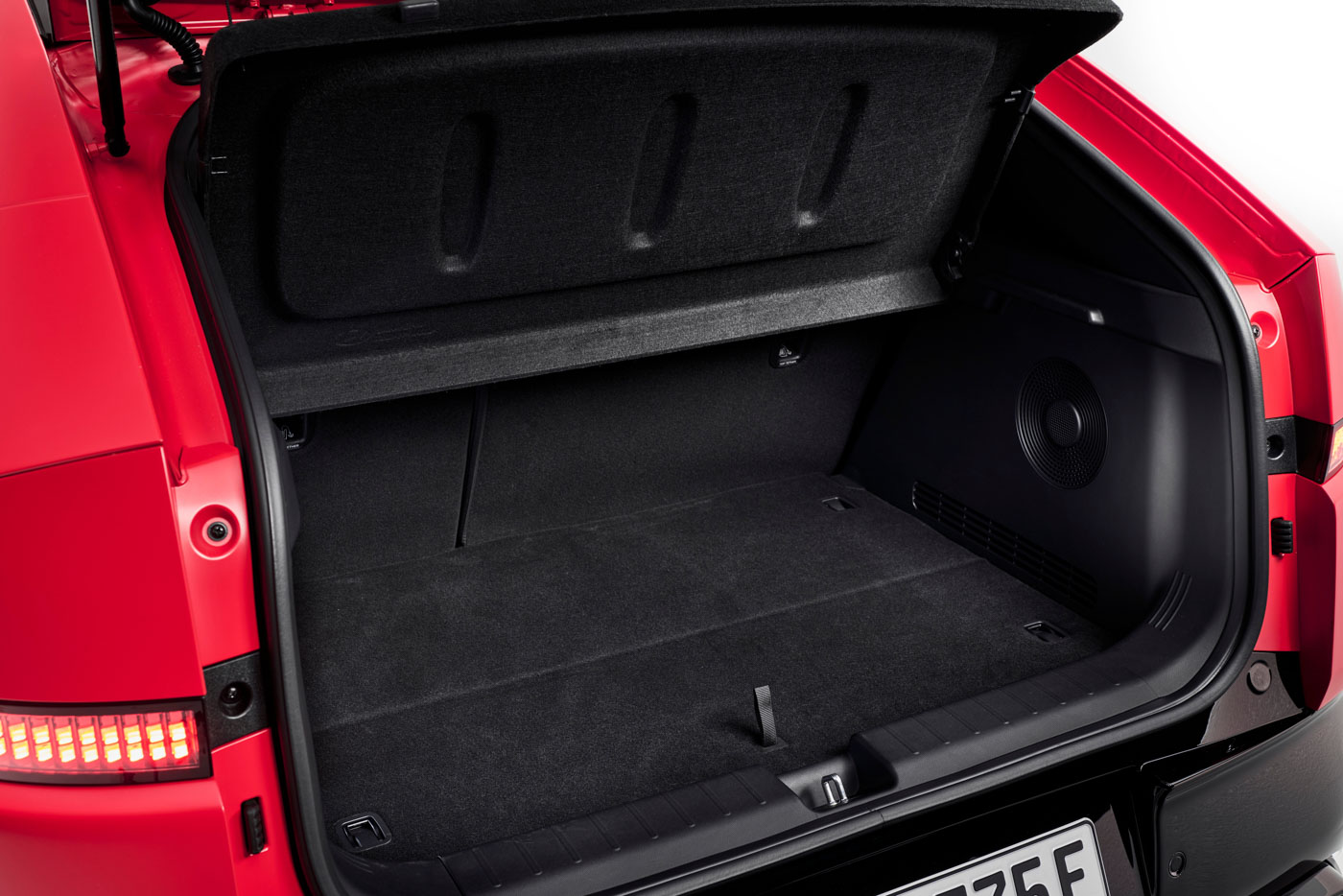
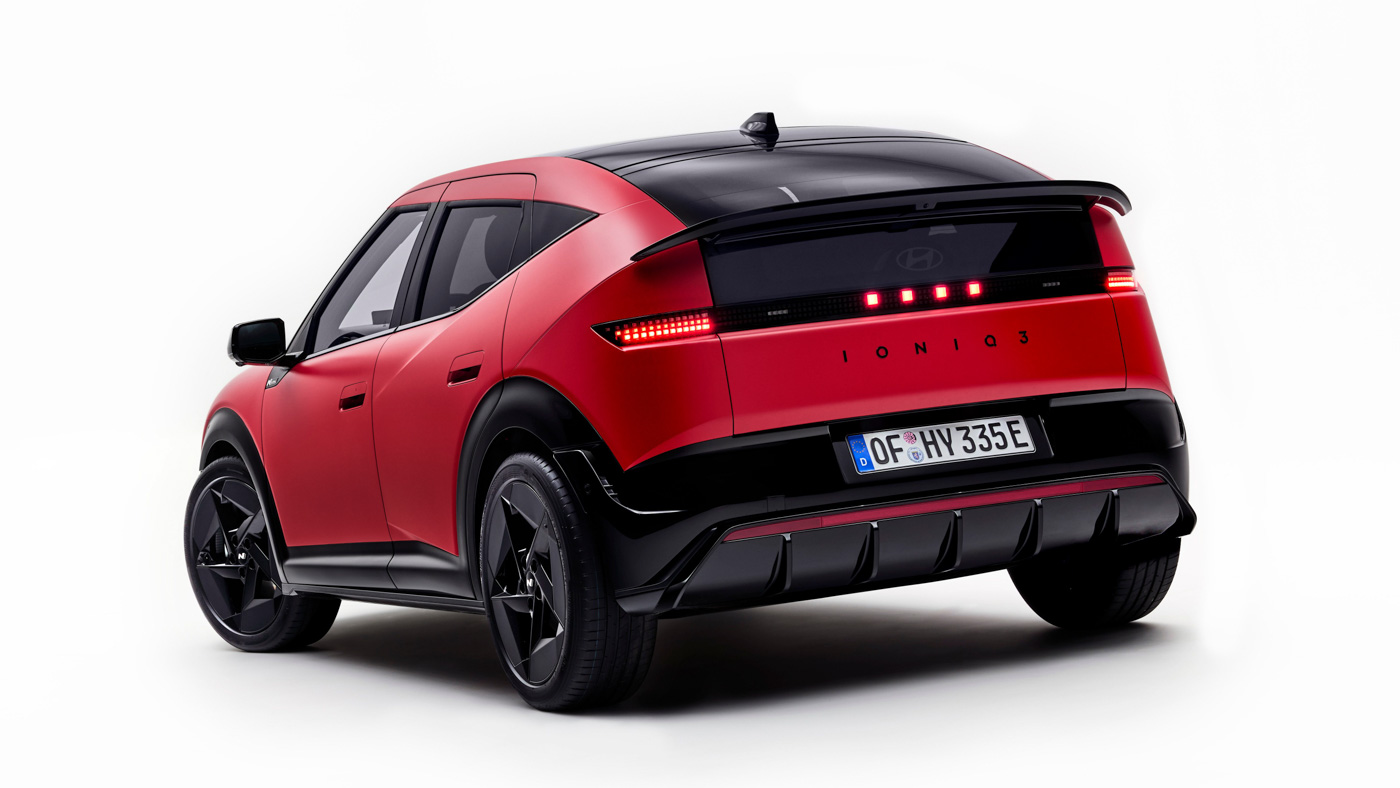
At the back, it mirrors the look of the front, featuring pixelated rear lights with the same four-dot logo. In the N-Line trim, it adds an additional rear spoiler that just gives it a sleek sport-hatch look and is complemented with sportier side skirts throughout the vehicle. With its sport hatch silhouette, Hyundai claims a drag coefficient of approximately 0.26 Cd — highlighting that the sleek design isn’t just for show, but also aids aerodynamic efficiency.
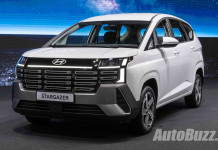
ALSO READ: Hyundai Stargazer confirmed for Malaysia – Xpander rival to launch in Q4 2026
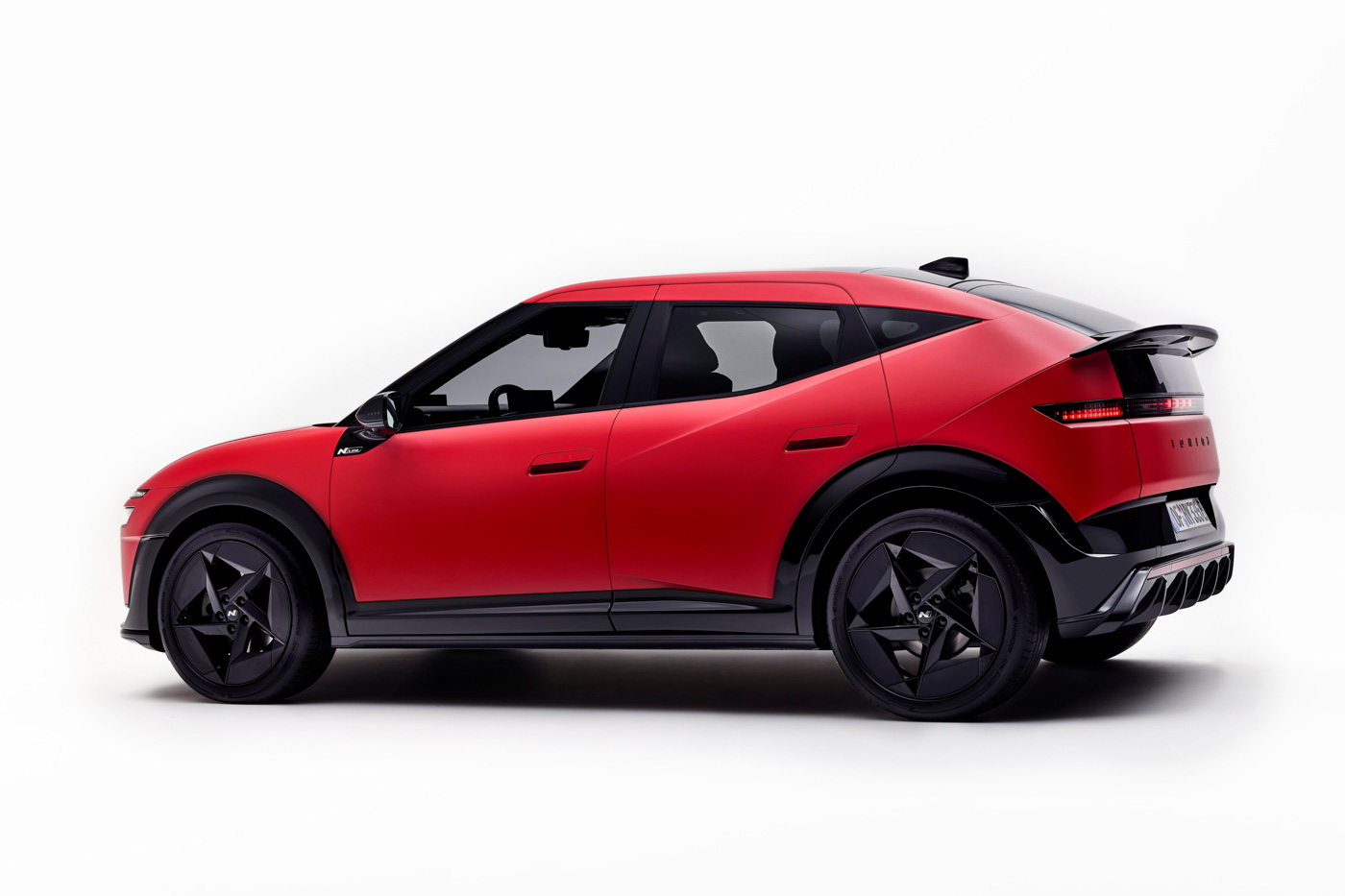
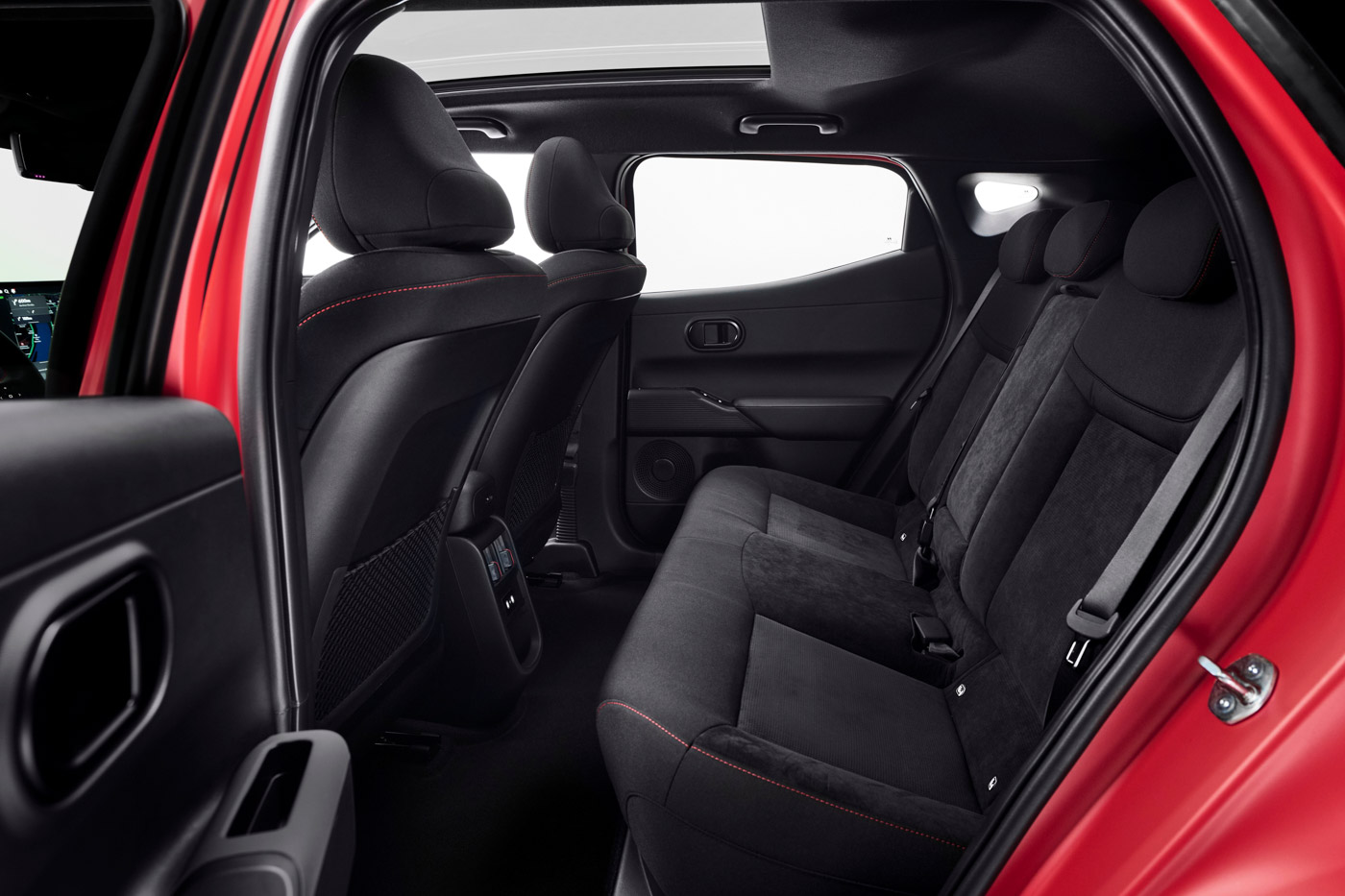
While it may look small and dinky, it is certainly not. The car measures 4,155mm long, 1,800mm wide, 1,505mm tall, with a wheelbase of 2,680mm — similar to something like a Honda HR-V. But as it is made primarily for the European market, it will be going up against cars like the Renault 5, the upcoming Volkswagen ID. Polo and, of course, its sister car, the Kia EV2.
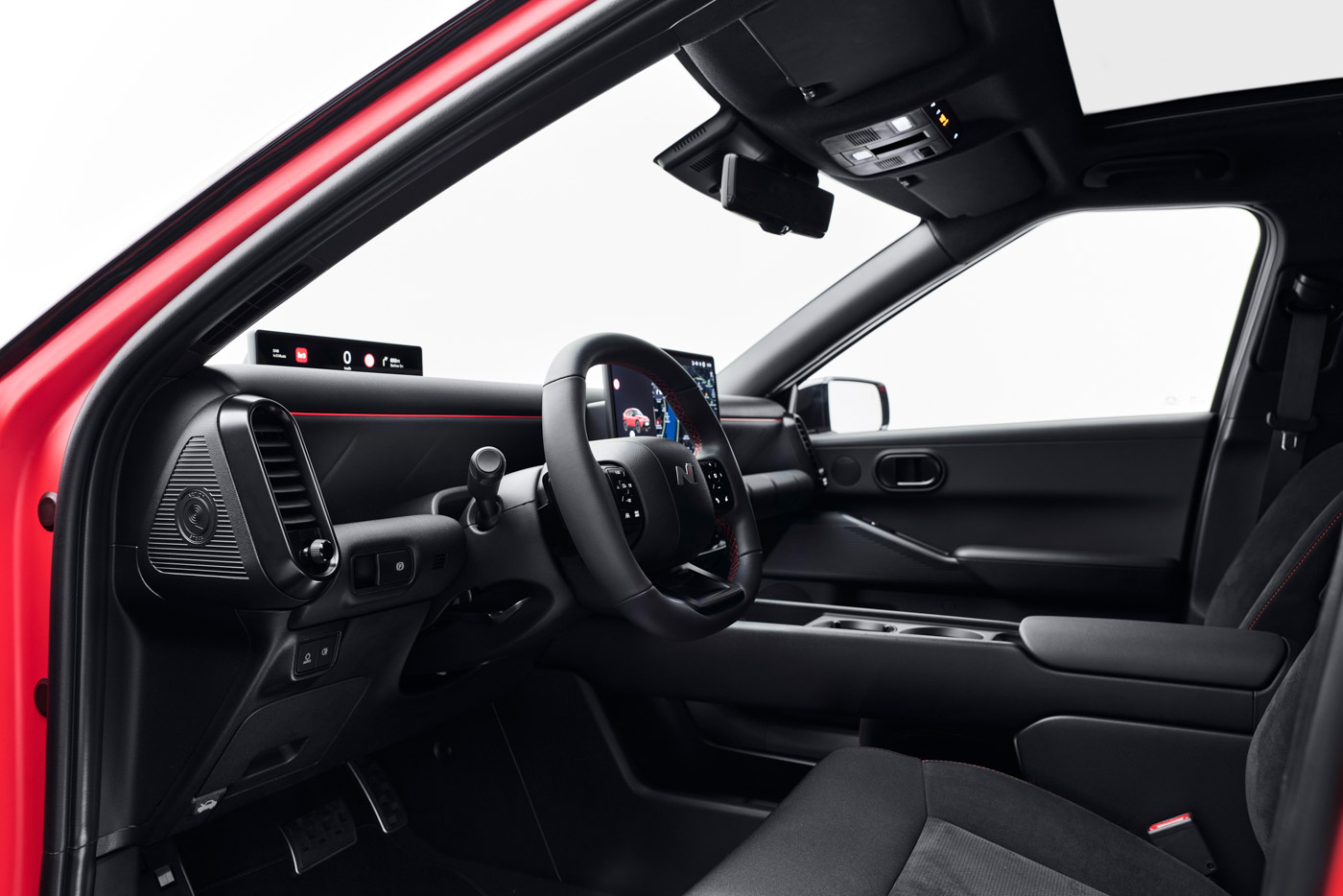
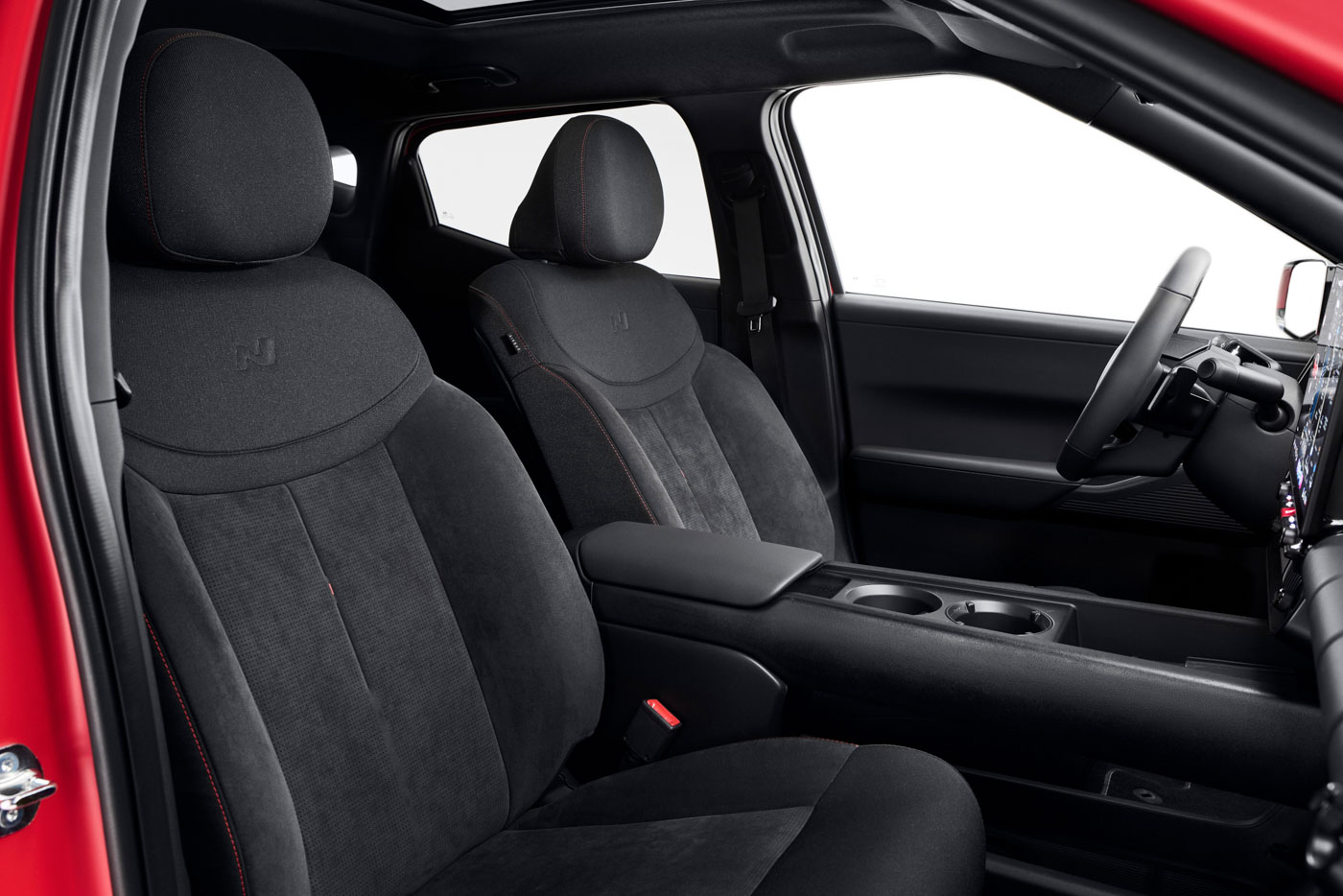
Inside, the Hyundai Ioniq 3 begins to set itself apart from the rest of the Ioniq lineup — and for good reason. It debuts Hyundai’s new Pleos Connect infotainment system, based on Android Automotive OS (AAOS), displayed on a 14.6-inch central touchscreen and paired with a slim 12.9-inch digital instrument cluster.
ALSO READ: The Kia EV2 is a tiny SUV with big ambitions

Beyond the screens, the cabin adopts a more dynamic character, contrasting with the minimalist approach seen in its larger Ioniq siblings. Physical buttons, knobs and switches are still here, making it easier to access essential functions such as climate and media controls.
The Hyundai Ioniq 3 rides on a 400V electrical architecture that’s shared with the Kia EV2, reflecting its role as an accessible, mass-market electric hatchback. Two powertrain options are offered, catering to different needs and priorities.
The range kicks off with the standard variant, which comes equipped with a 42.2 kWh battery pack, producing 147 hp and 250 Nm of torque. This setup allows the Ioniq 3 to accelerate from 0 -100 km/h in 9.0 seconds, while delivering a WLTP-rated range of up to 344 km on a single charge.
Next is a long-range version, which features a larger 61 kWh battery. It produces slightly less power at 135 hp while maintaining the same 250 Nm of torque, slowing down its century sprint to 9.6 seconds. In return, it offers a significantly improved WLTP range of up to 496 km.
Regardless of variant, both versions share a top speed of 170 km/h. Charging capabilities are also competitive, with DC fast charging enabling a 10-80% top-up in approximately 29 minutes for the standard model and around 30 minutes for the long-range version. Additionally, the Ioniq 3 supports up to 22 kW of AC charging, along with vehicle-to-load (V2L) functionality, allowing it to power external devices when needed.
ALSO READ: Hyundai launches Ioniq in China with the reveal of Venus and Earth concepts
On the safety front, the Hyundai Ioniq 3 features the Korean carmaker’s latest SmartSense advanced driver assistance systems (ADAS). This allows for an array of features such as Highway Driving Assist 2 (HDA2), Remote Smart Parking Assist (RSPA), Memory Reverse Assist (MRA), and more.
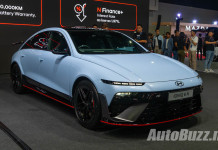
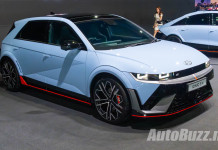
The Hyundai Ioniq 3 is not expected to arrive in our region anytime soon, but there’s no need to be disappointed. The highly acclaimed Hyundai Ioniq 5 N and Hyundai Ioniq 6 N have both been confirmed for Malaysia, with arrivals expected around Q2 2026. The Ioniq 5 N was initially estimated to start from around RM388,000, but with the expiry of Malaysia’s EV tax exemptions, both cars could now carry a significantly higher price tag.
READ MORE: Hyundai Ioniq 5 N and 6 N coming to Malaysia in Q2 2026
GALLERY