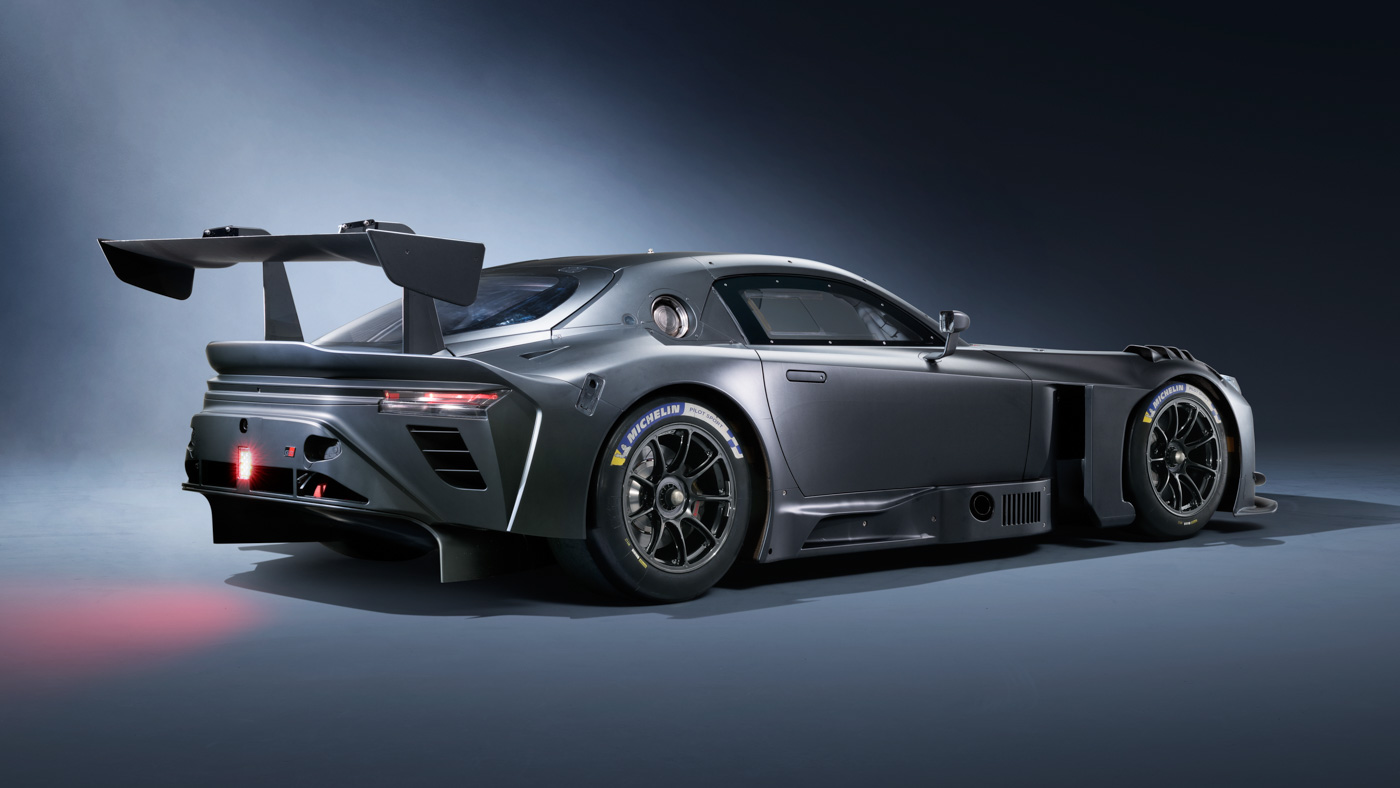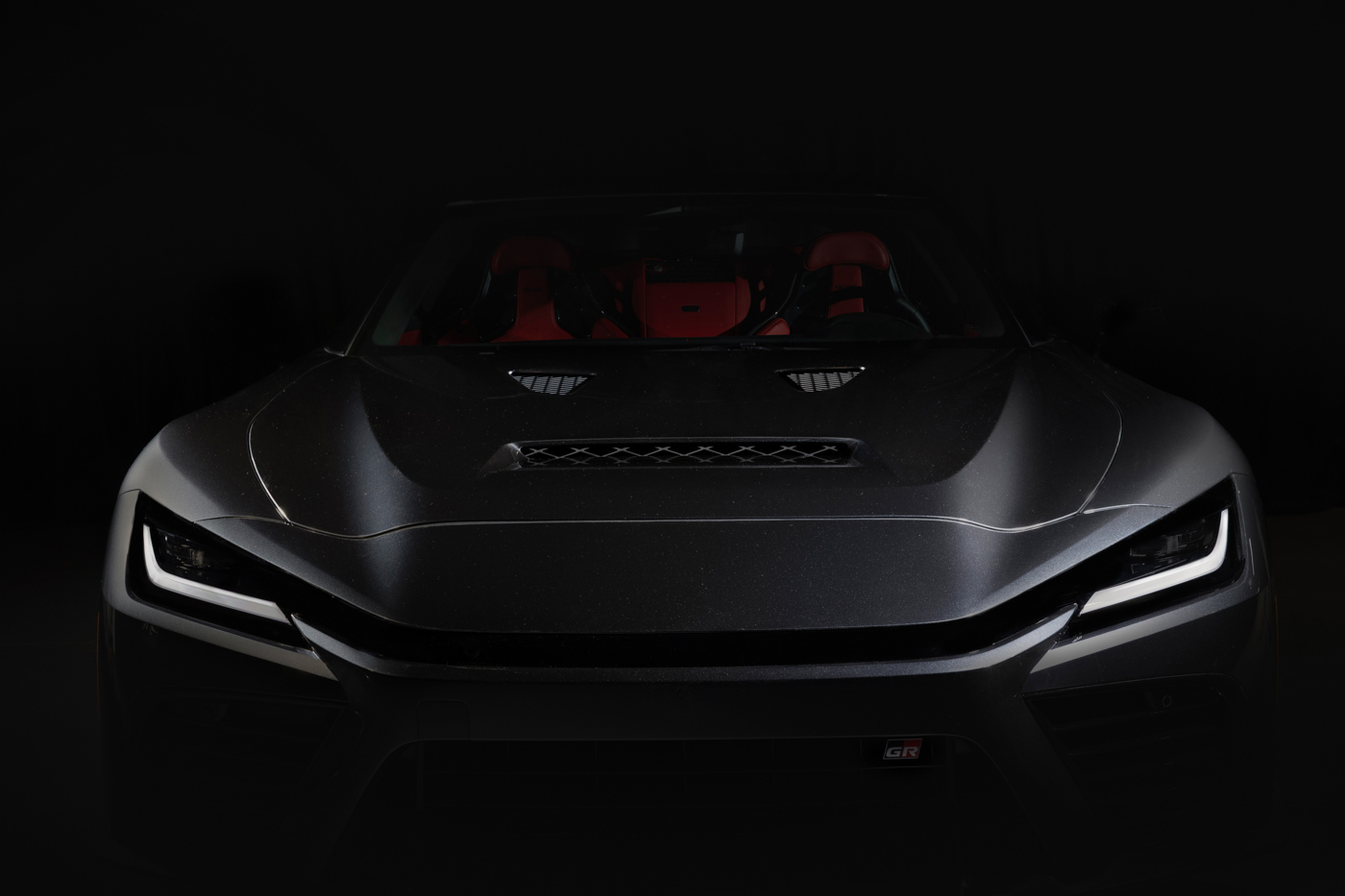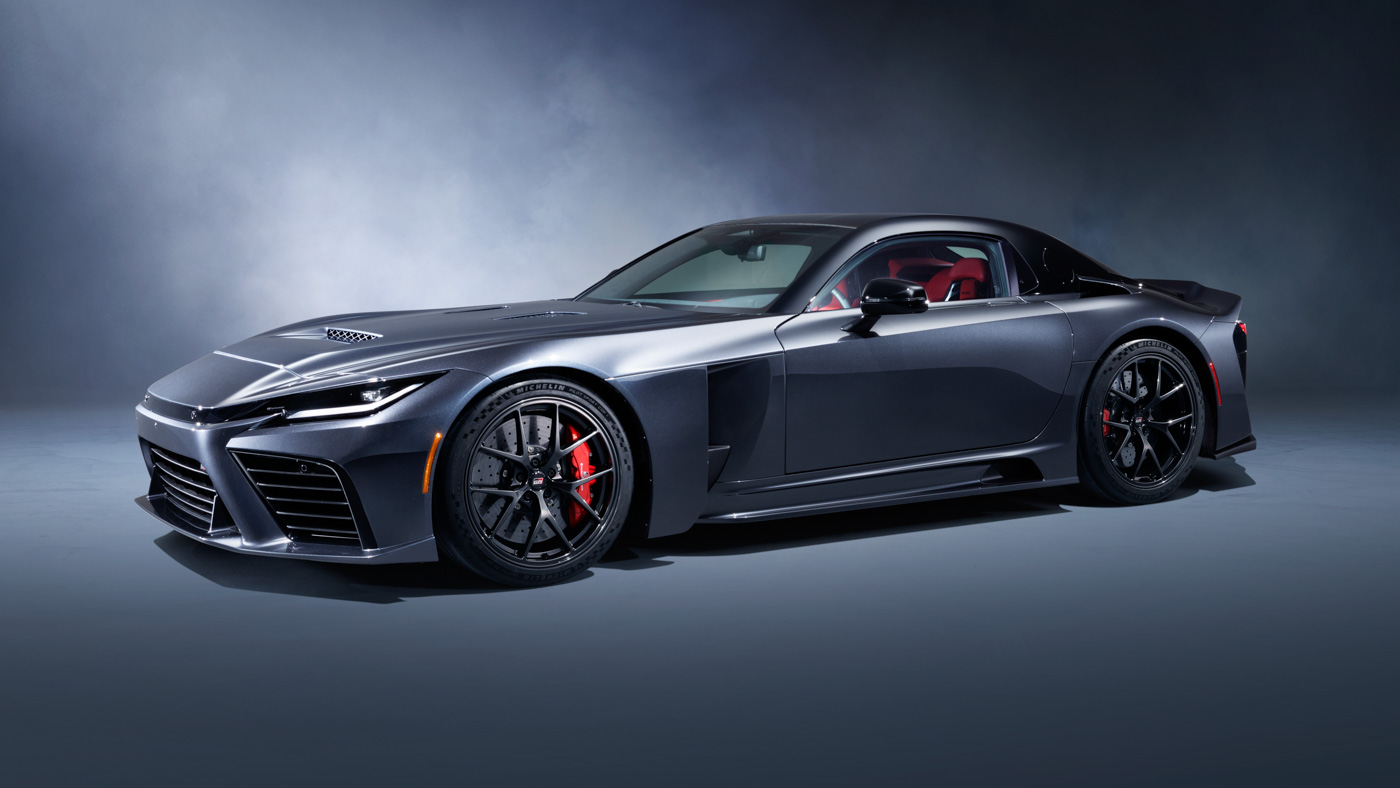
It’s been over 10 long years since Lexus ended the LFA’s production, and 10 long years since fans have been begging for a proper successor, but we now finally have another Toyota flagship supercar – say hello to the Toyota GR GT, and its GT3 racing sidekick.
Yes, there’s another car shown off today that bears the LFA nameplate (which we’ll cover more in a separate post), but that car will be a fully electric model, while the GR GT gets a twin-turbo V8 hybrid – you tell us which should be the true LFA successor.
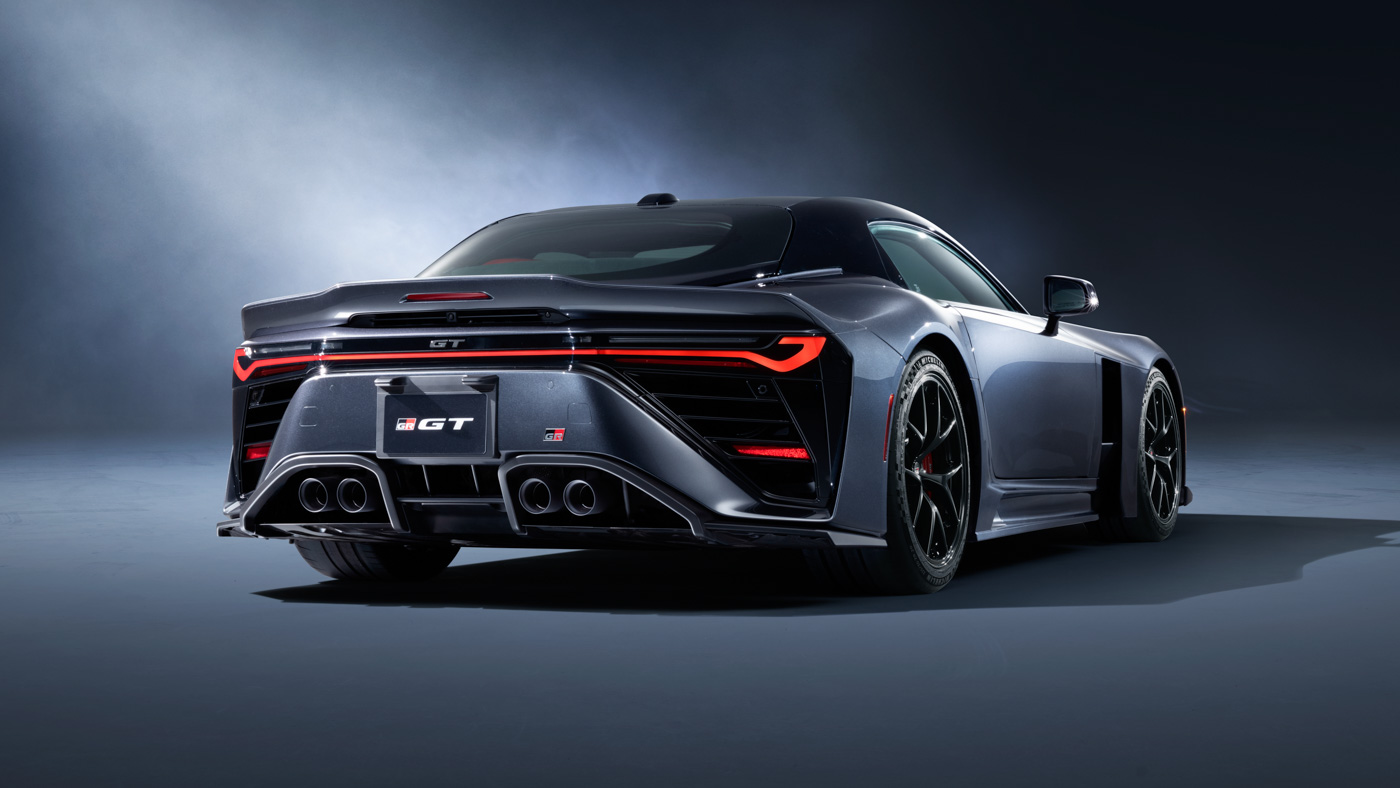
Toyota says the GR GT was conceived and developed as a road-legal race car, guided by three key principles: a low centre of gravity, low weight with high rigidity, and a relentless pursuit of aerodynamic performance.
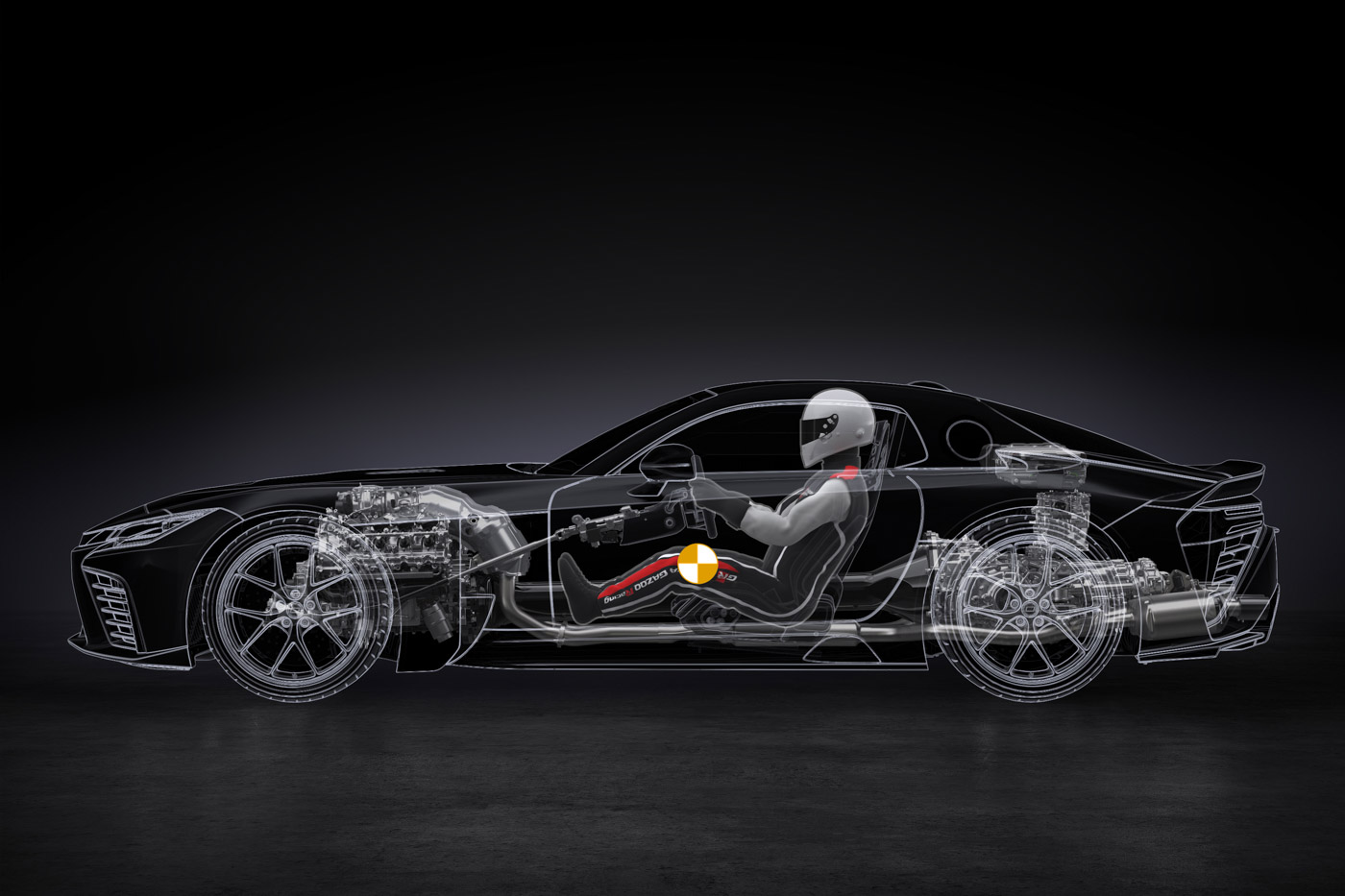
At first glance, it features an extremely long front end, with the driver positioned far back and close to the rear axle — similar to cars like the Mercedes-AMG GT and the Ferrari 12Cilindri. Just like those cars, there’s a reason for that: to fit a big ol’ fire-breathing engine in a front-mid-engined layout.
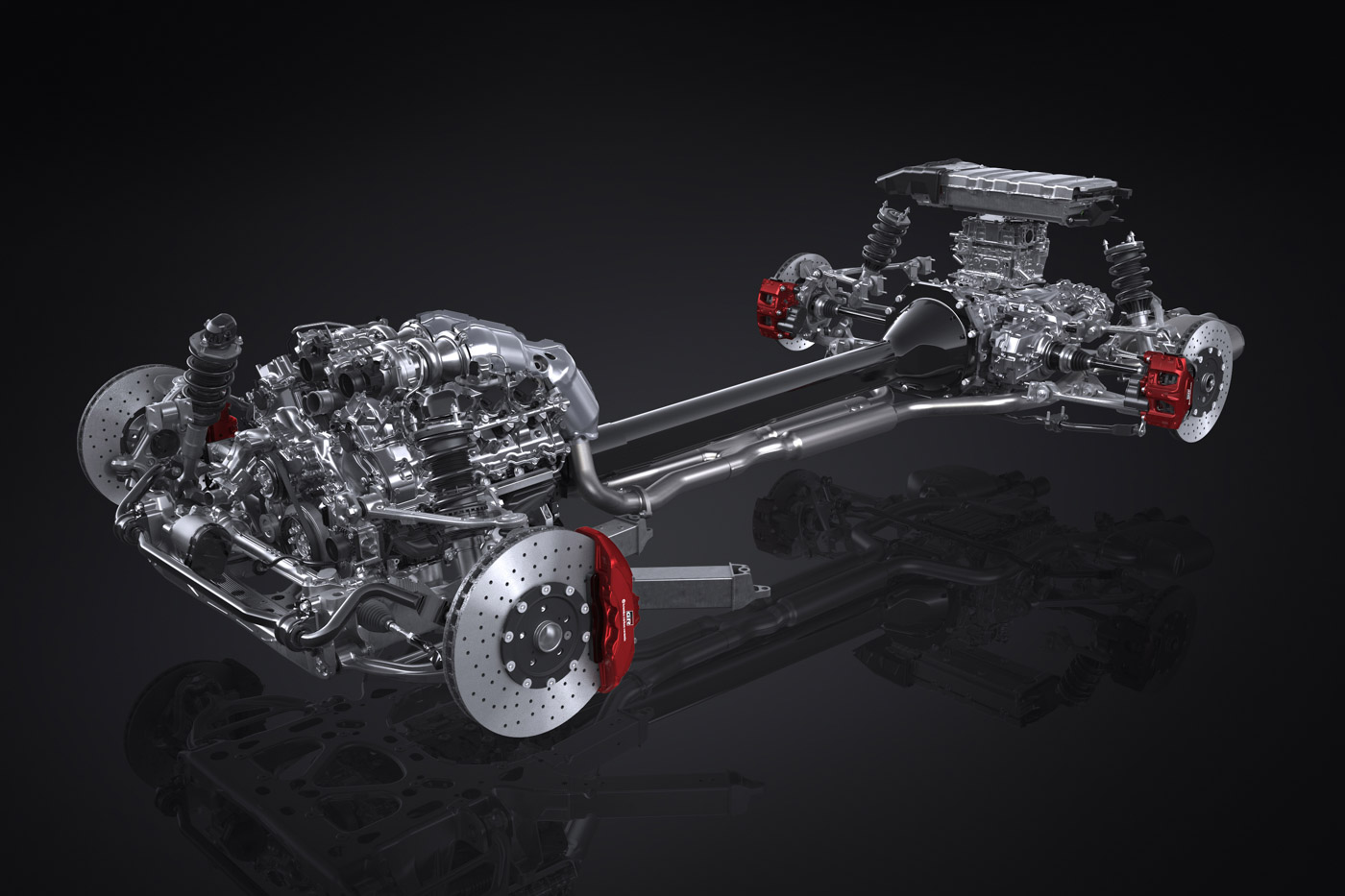
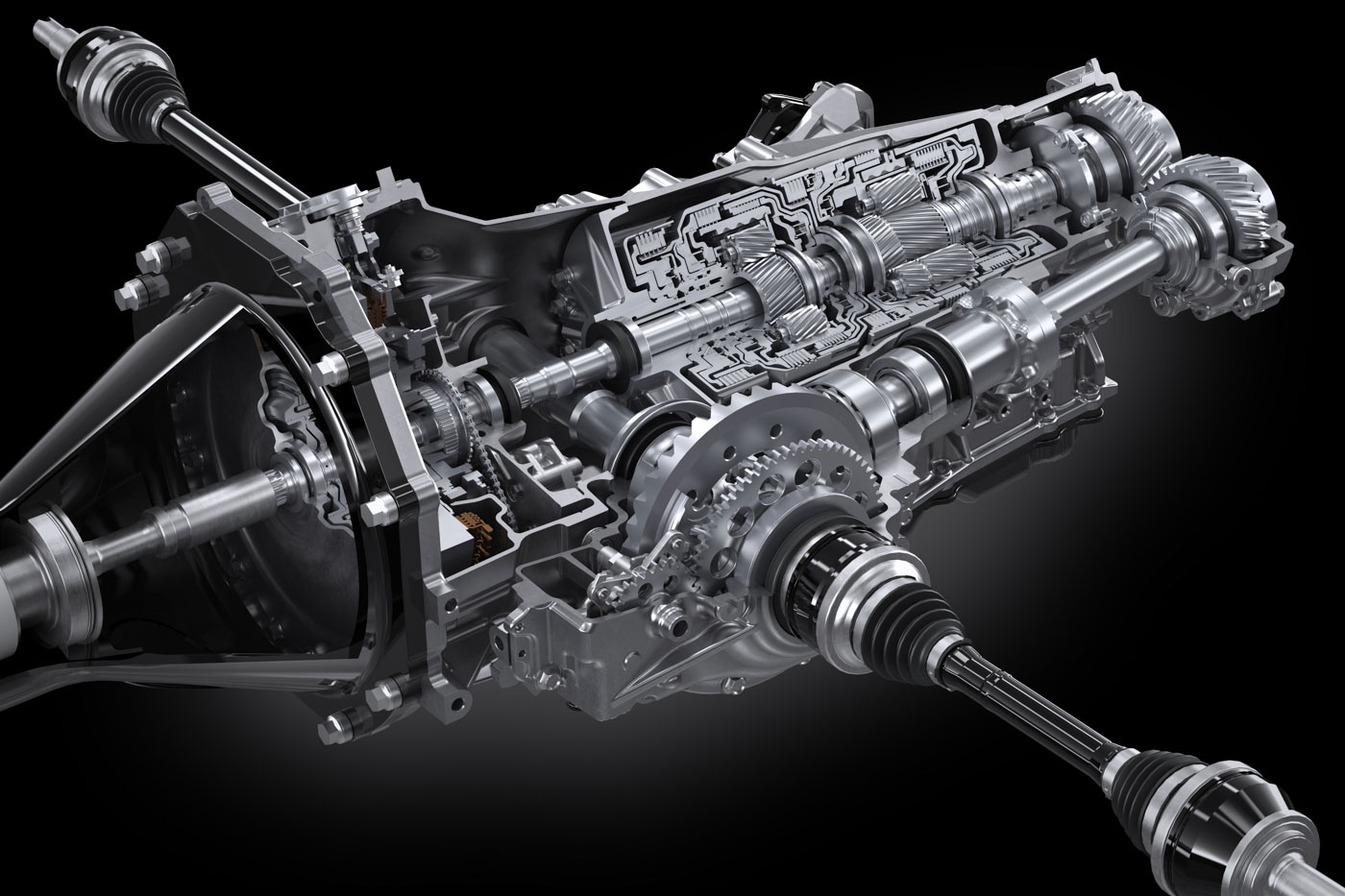
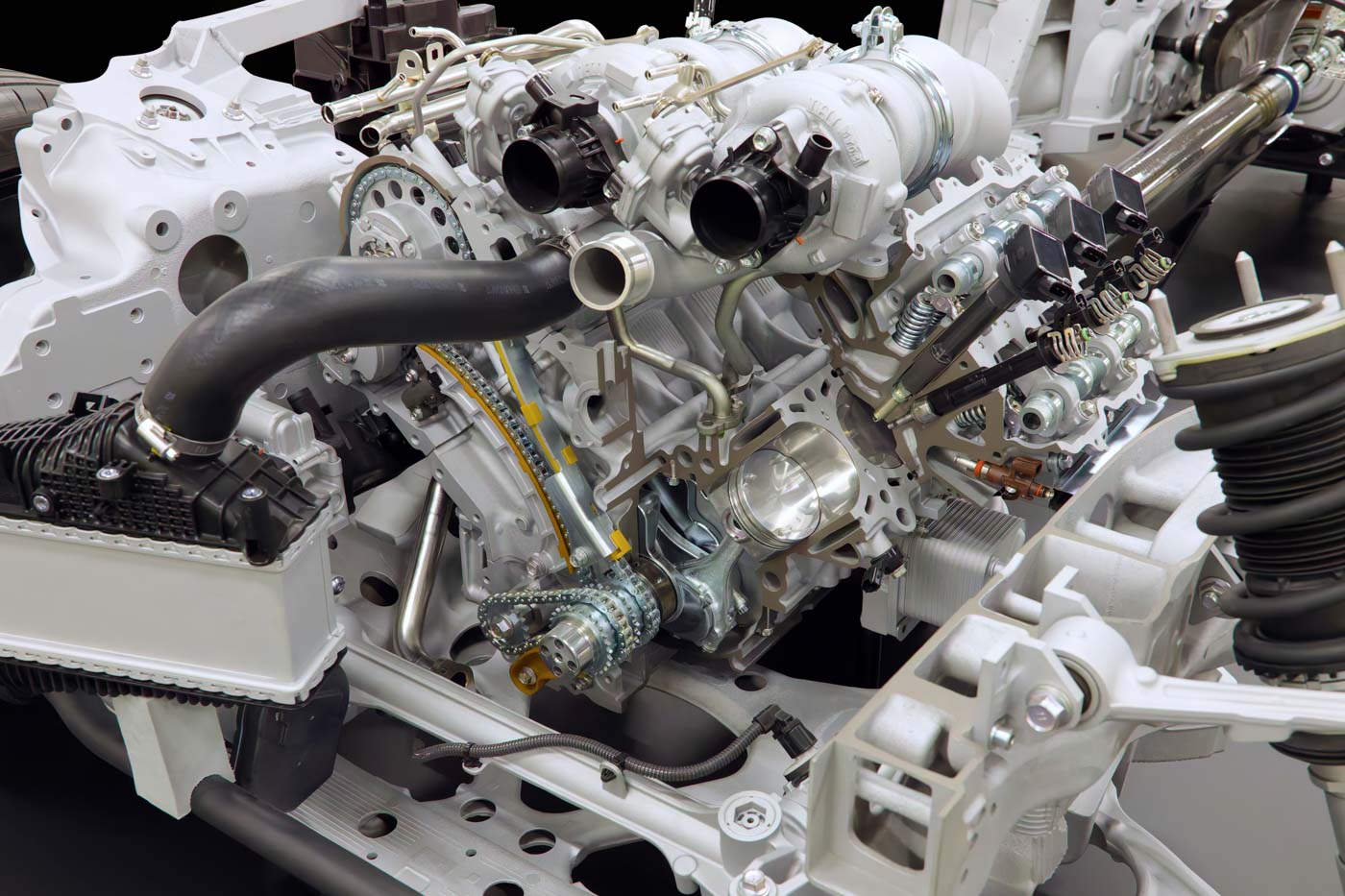
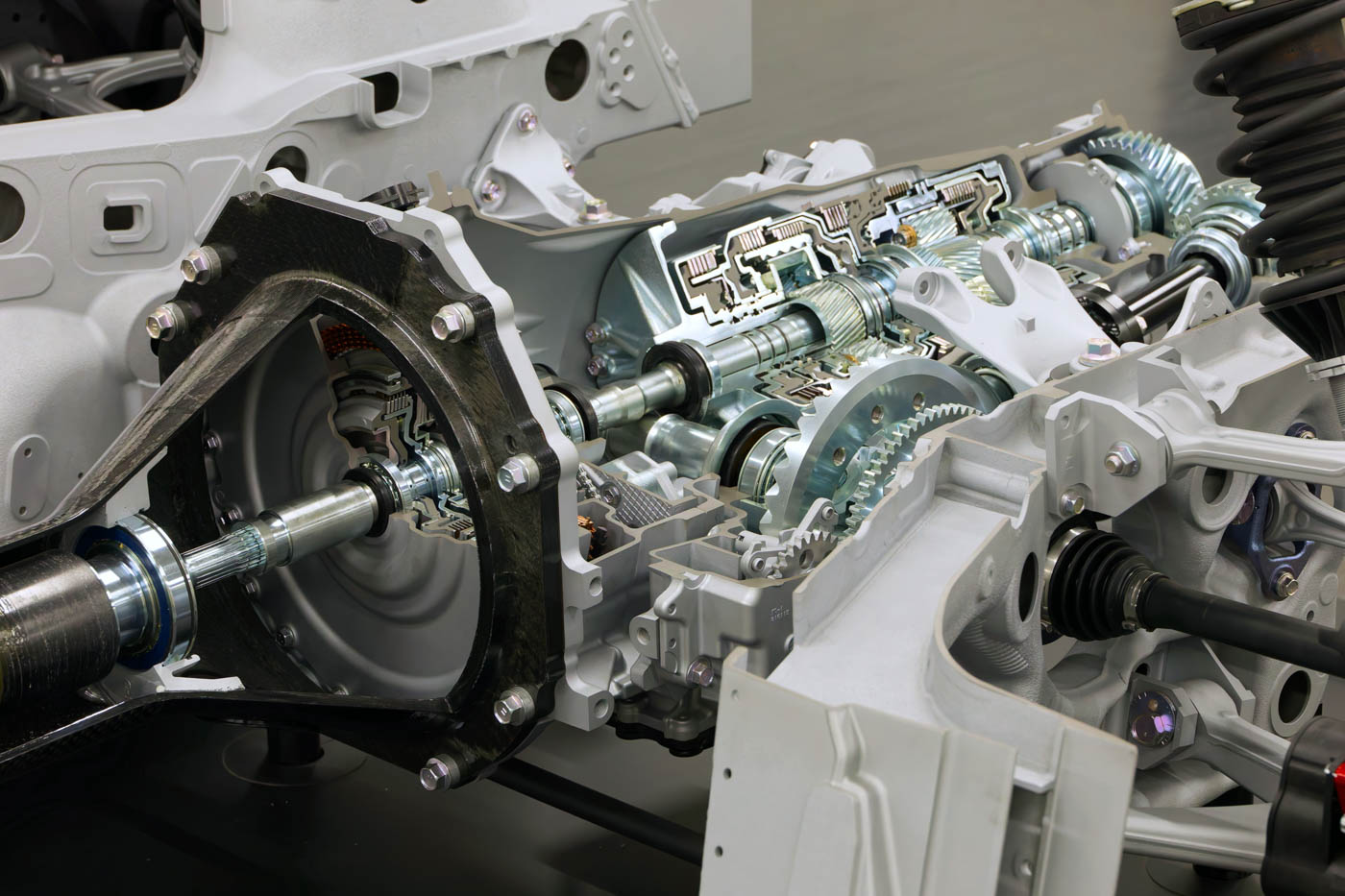
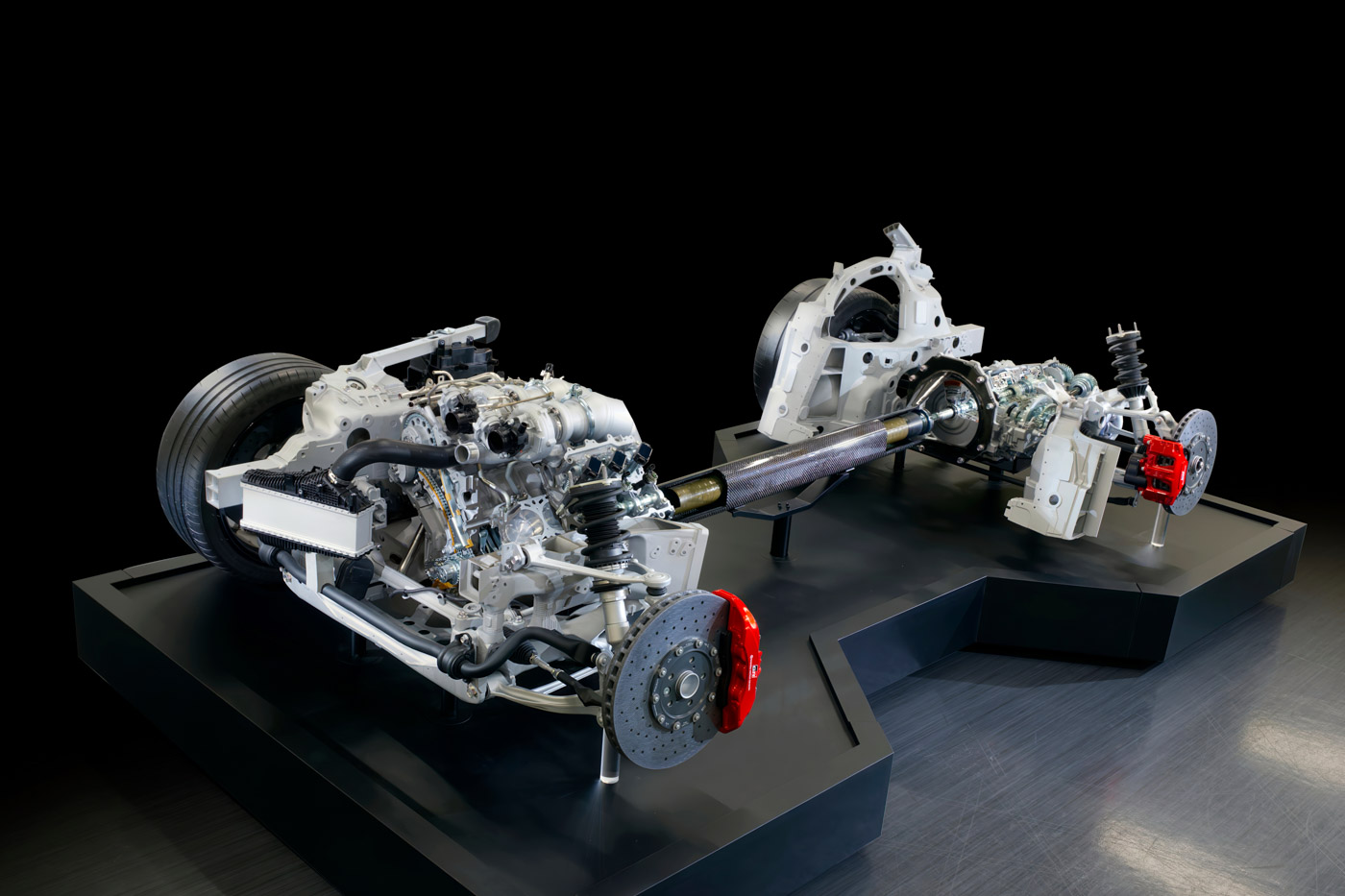
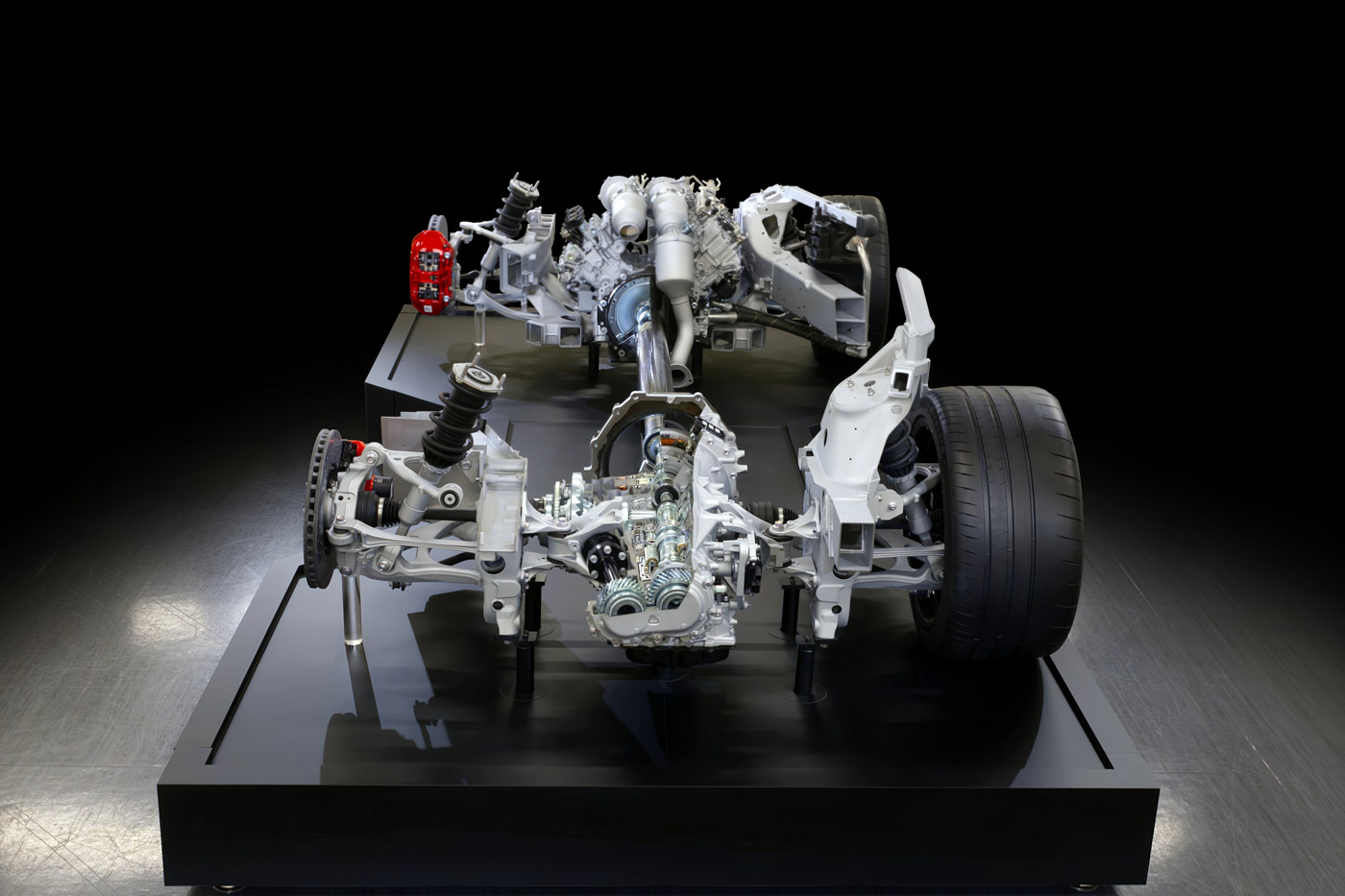
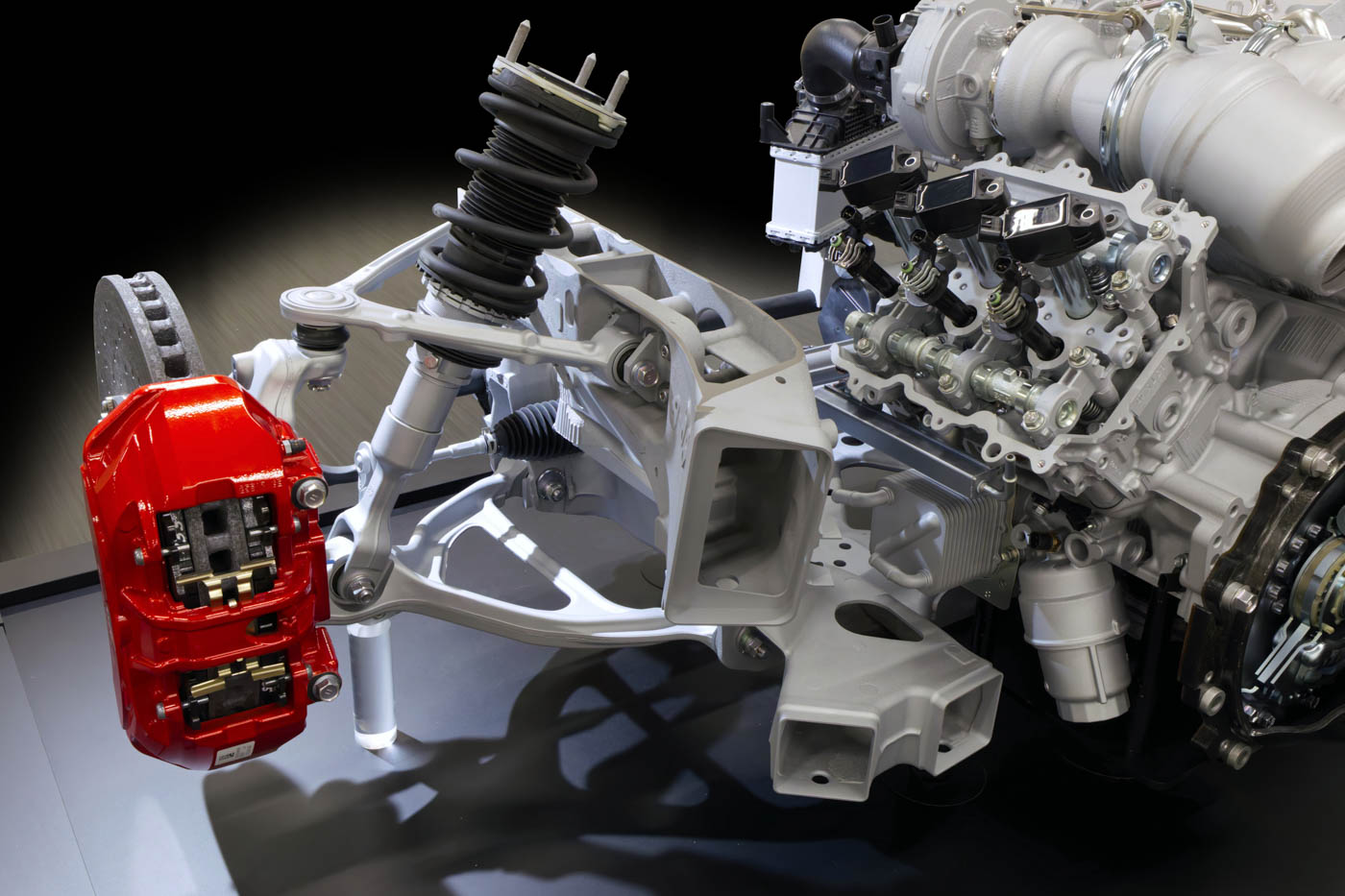
Under that massive front bonnet sits a 4.0-litre twin-turbo V8 engine with a dry sump, and is connected to a rear-mounted, newly developed wet clutch eight-speed automatic gearbox via a carbon fibre tube. Powering the rear wheels, the rear axle also sees a new mechanical limited-slip differential (LSD) for better handling and corner exit.
ALSO READ: Toyota’s first EV with solid-state batteries could arrive as soon as 2027
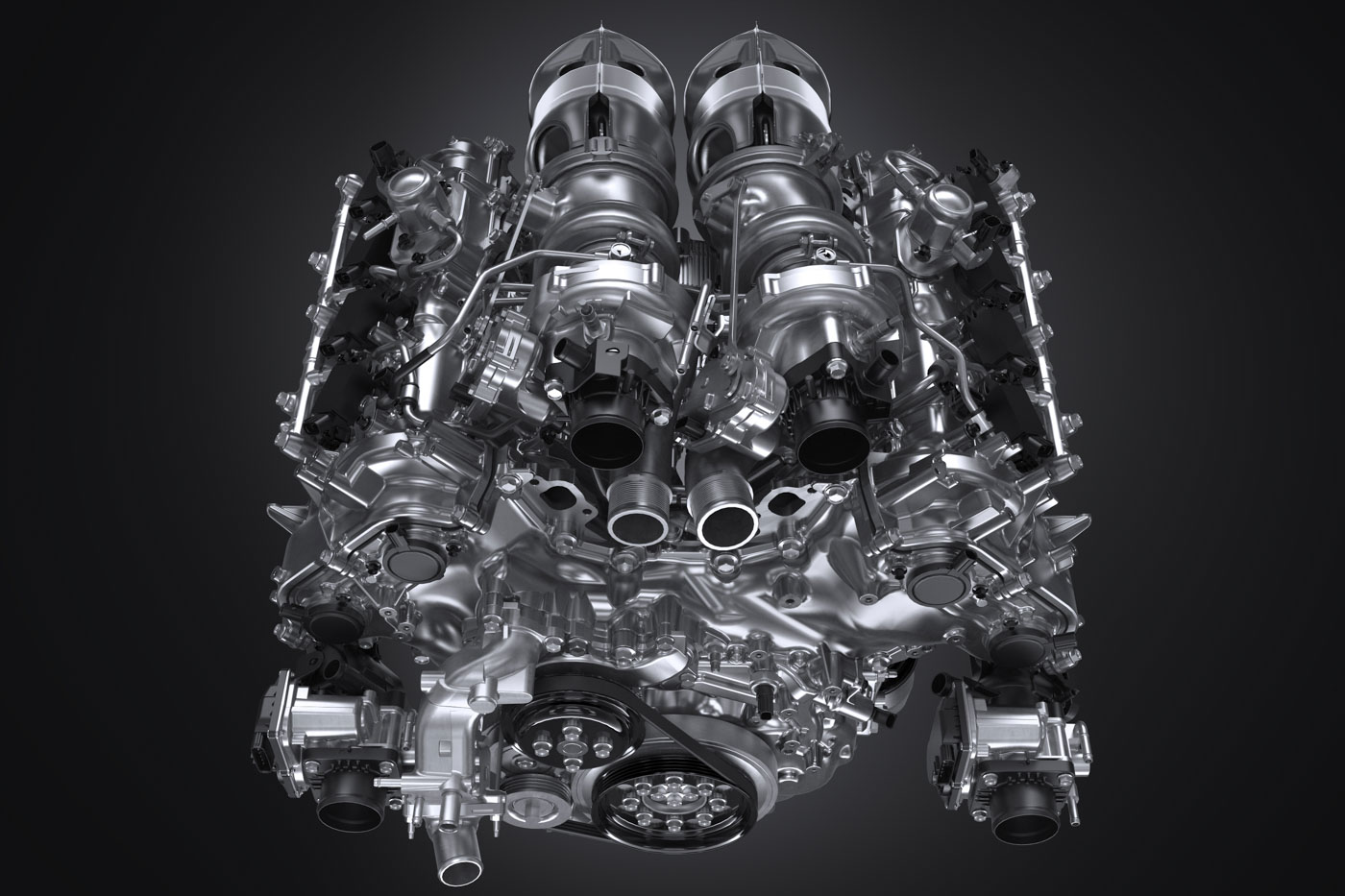
For now, Toyota has only released preliminary performance figures for the GR GT, quoting a minimum output of 650 hp and 850 Nm, along with a top speed of 320 km/h. The company says the powertrain is still under development to comply with ever-stricter emissions regulations.
To make it a bliss to drive, Toyota has significantly lowered the rear transaxle and other major mechanical elements to achieve the lowest, most optimised centre of gravity possible. Coupled with its front-mid-engined layout, the drive battery, fuel tank, and other heavy components are positioned closer to the rear axle, resulting in a 45:55 front-to-rear weight distribution that contributes to its handling prowess.
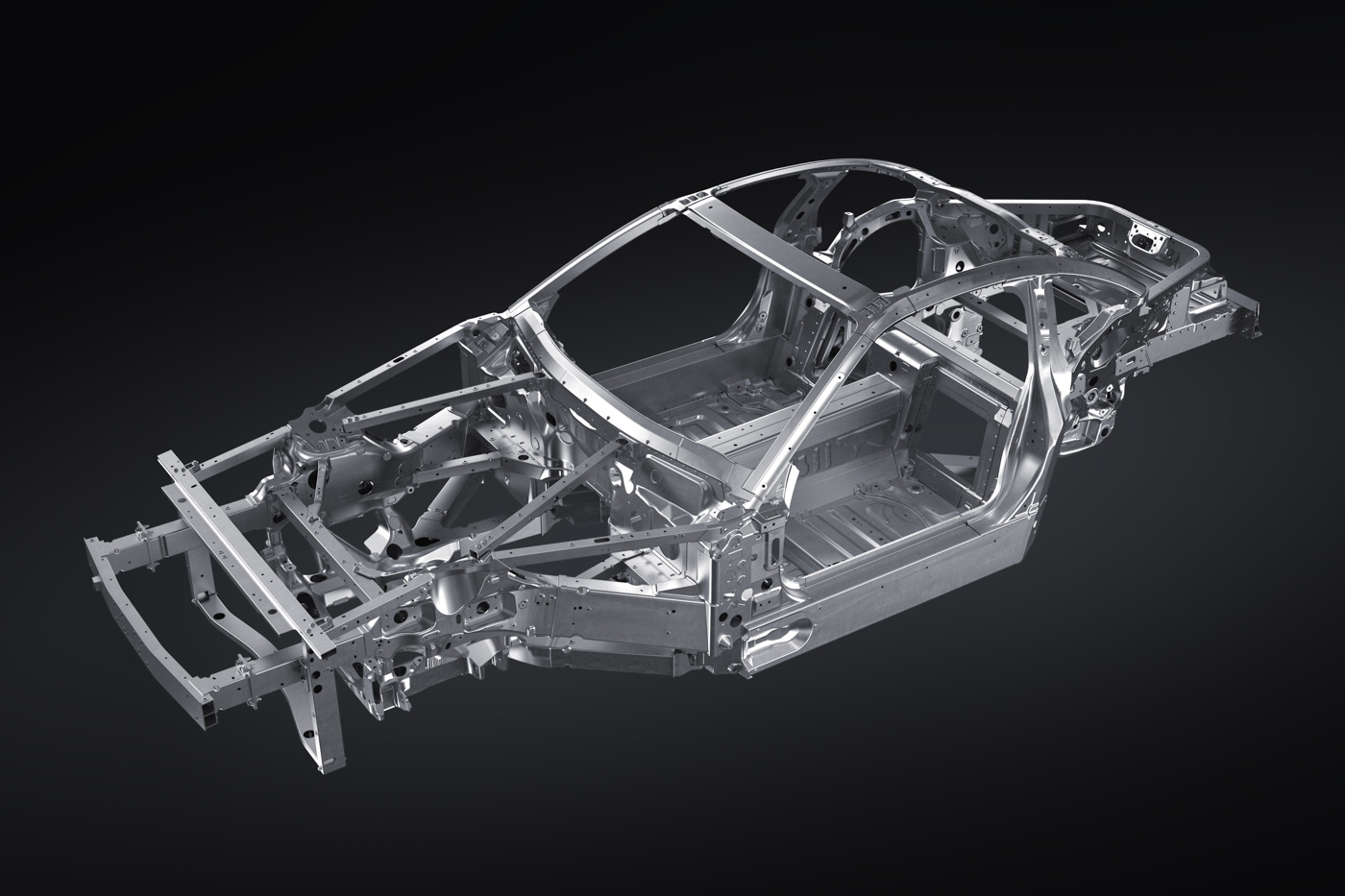
The Toyota GR GT is the first Toyota to feature an all-aluminium body frame, achieving both low weight and high rigidity. Like the LFA before it, it incorporates carbon fibre-reinforced plastic (CFRP) body panels to further reduce mass.
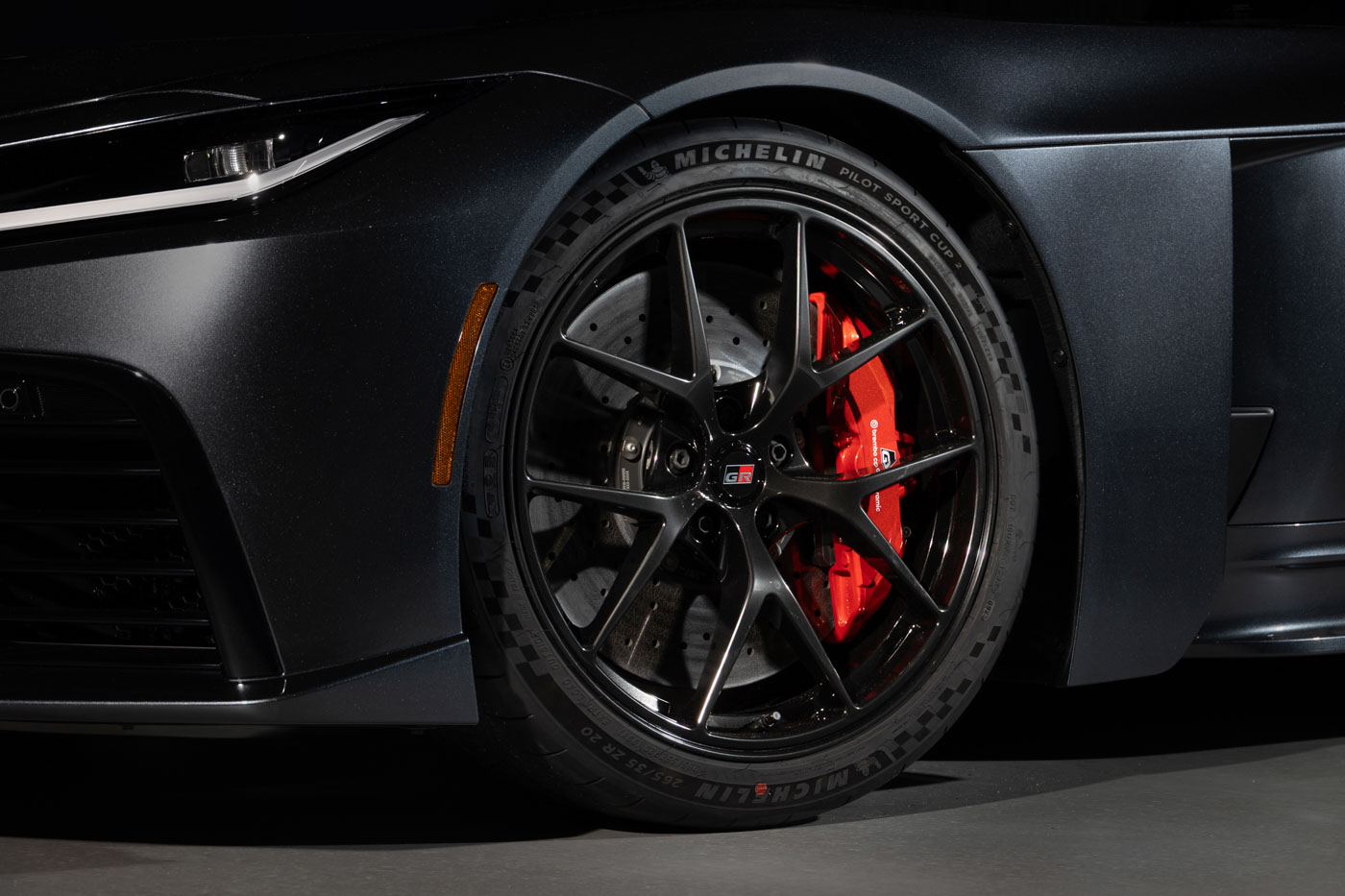
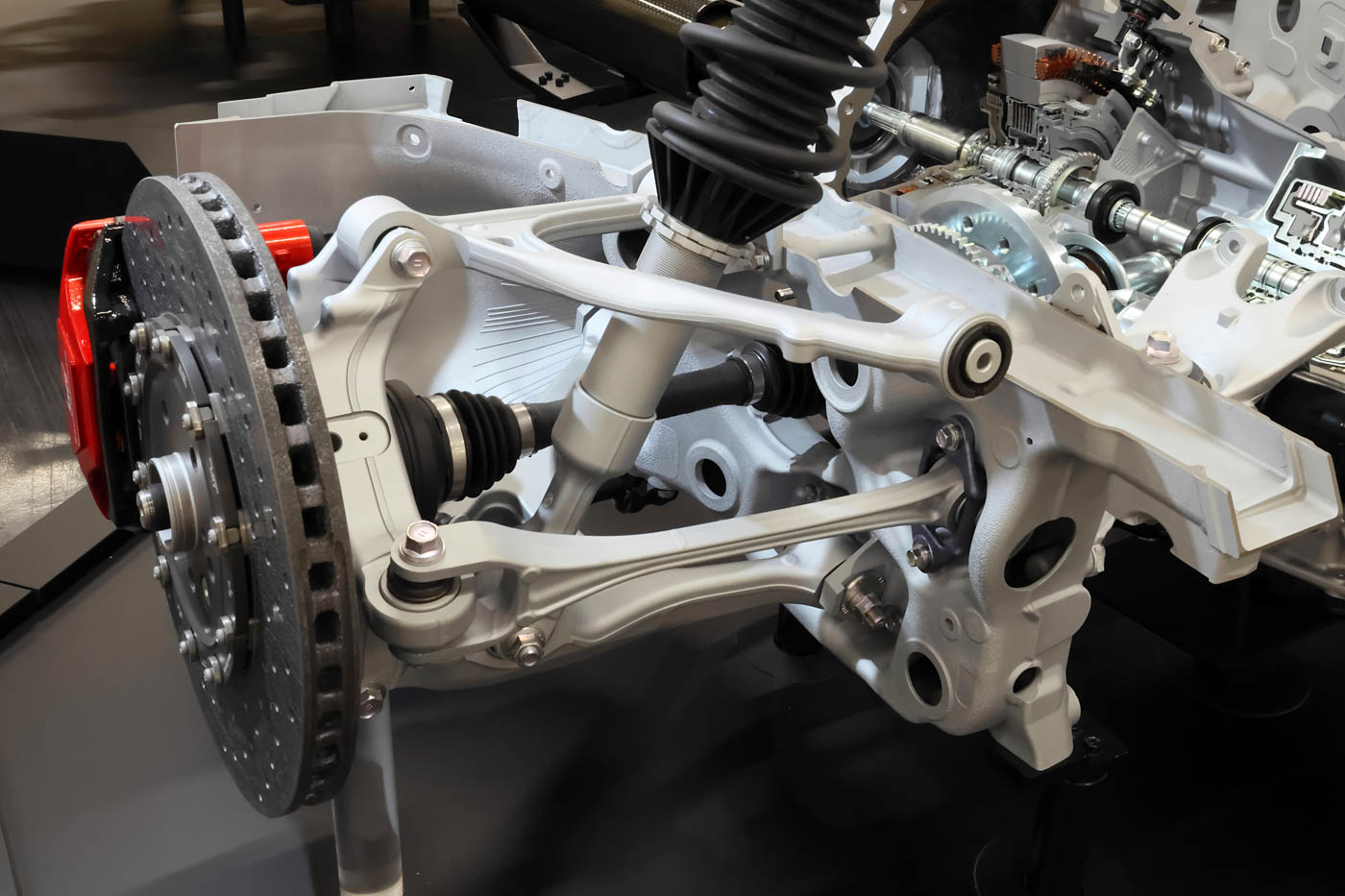
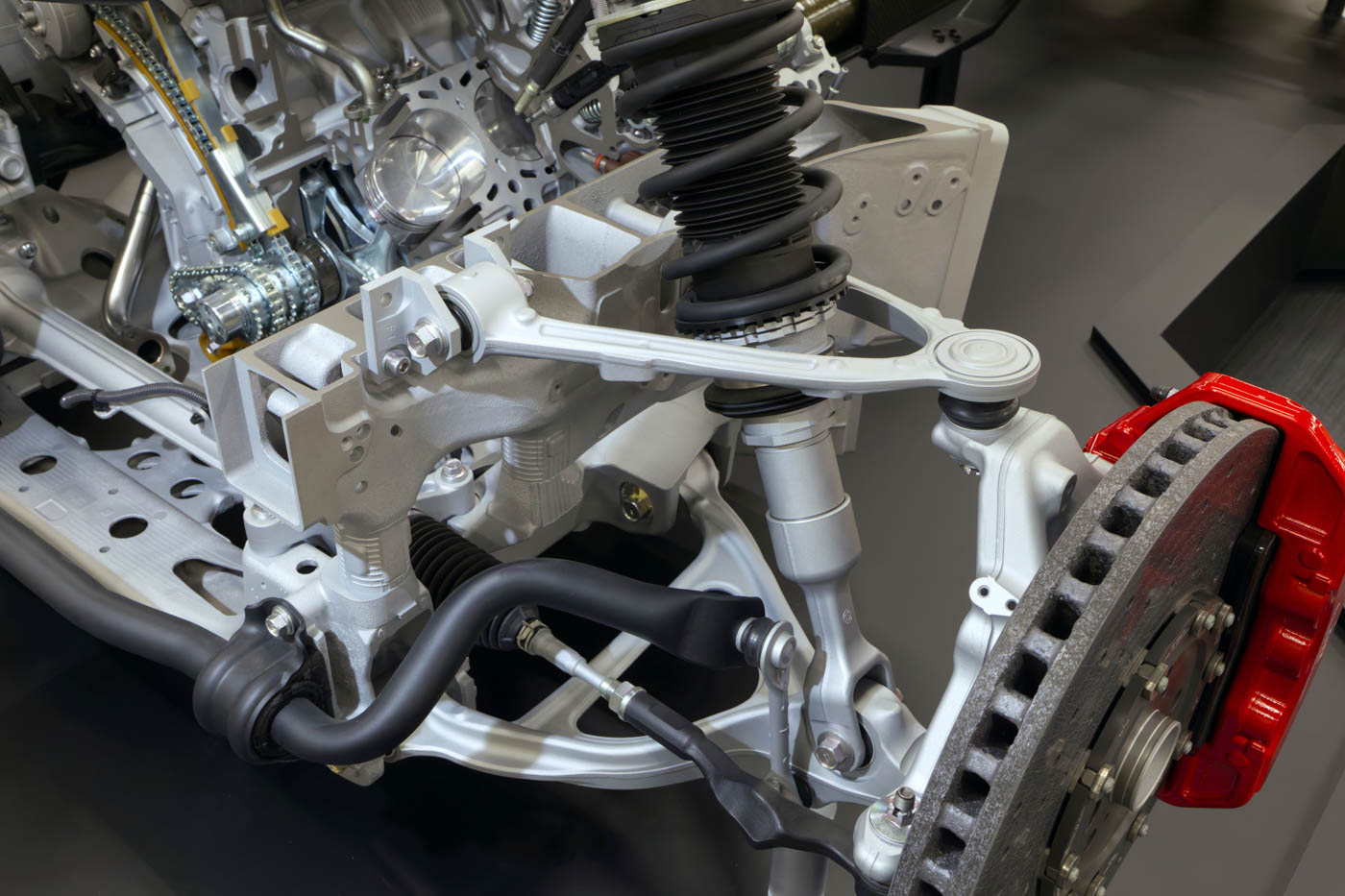
Notable hardware includes a front and rear double-wishbone suspension setup, Brembo carbon-ceramic brakes, and Michelin Pilot Sport Cup 2 tyres developed exclusively for the GR GT. Many of its structural components are also shared directly with the GR GT3 race car.
While not as comprehensive as the system found in the Porsche 911 GT3 RS, the GR GT’s new Vehicle Stability Control allows for multi-stage adjustment of driving force and braking intervention. This enables drivers to tailor the amount of assistance to their skill level, making the car accessible and enjoyable across a wide range of road and weather conditions.
ALSO READ: Gallery: Toyota Land Cruiser FJ in the metal at JMS 2025 – petite off-roader coming to Malaysia?
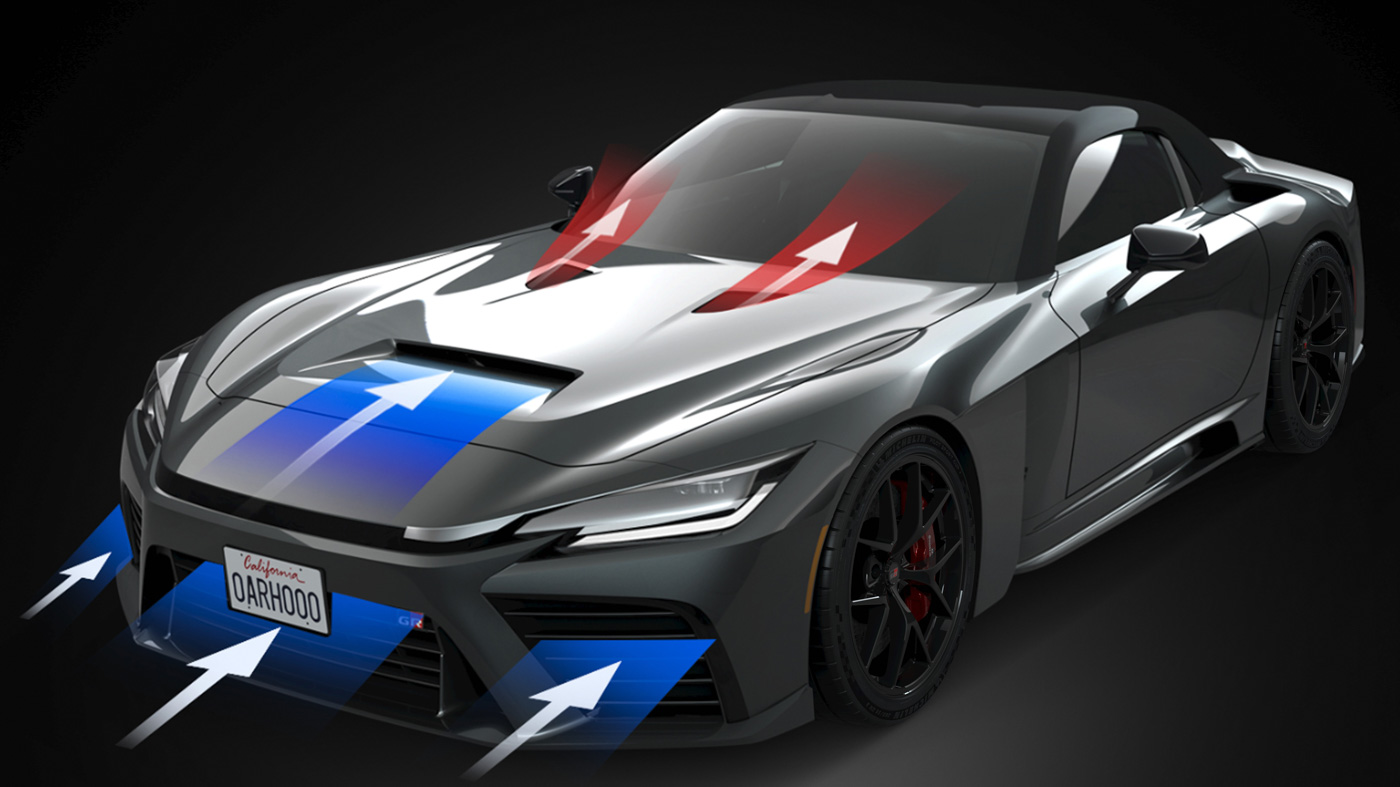
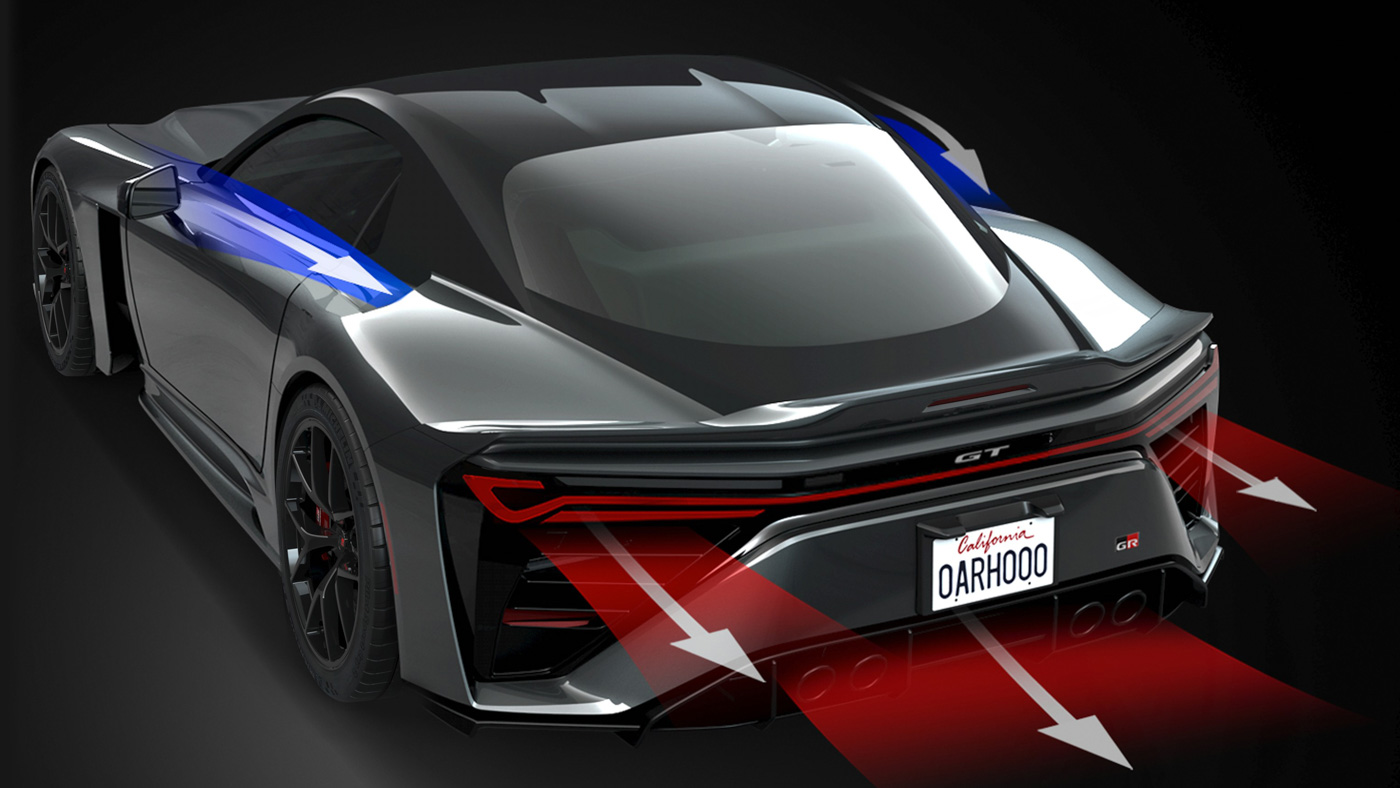
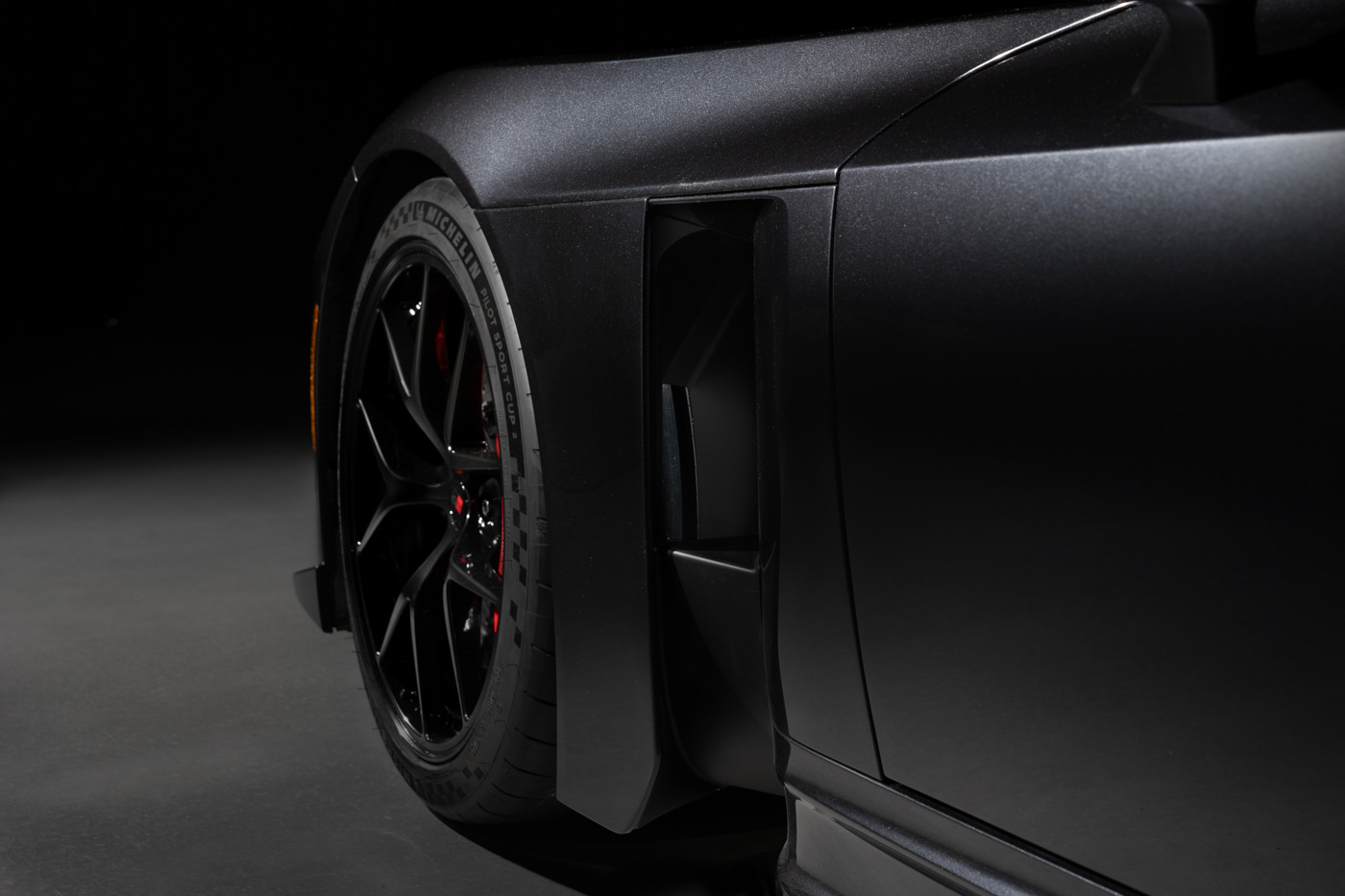
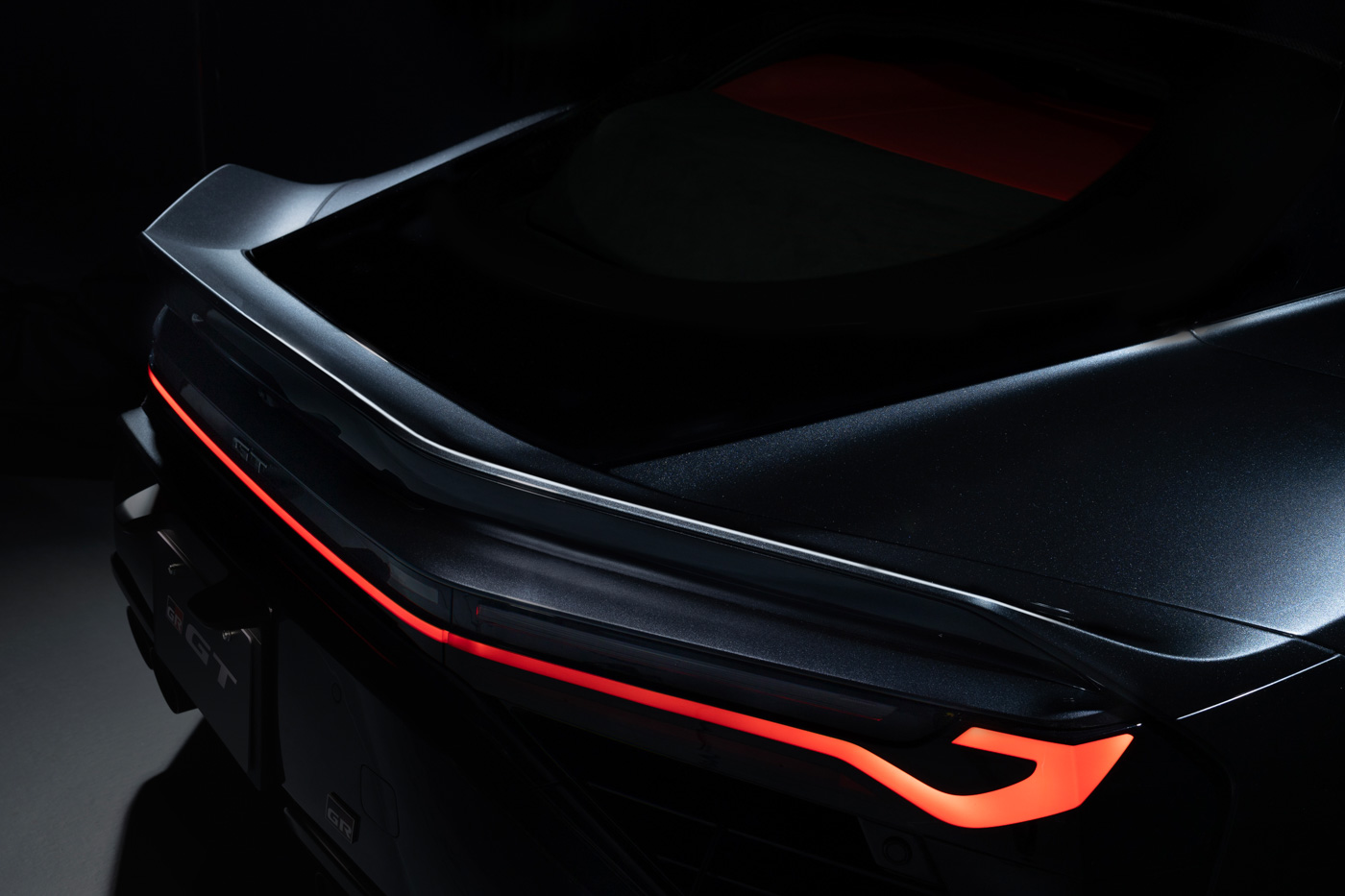
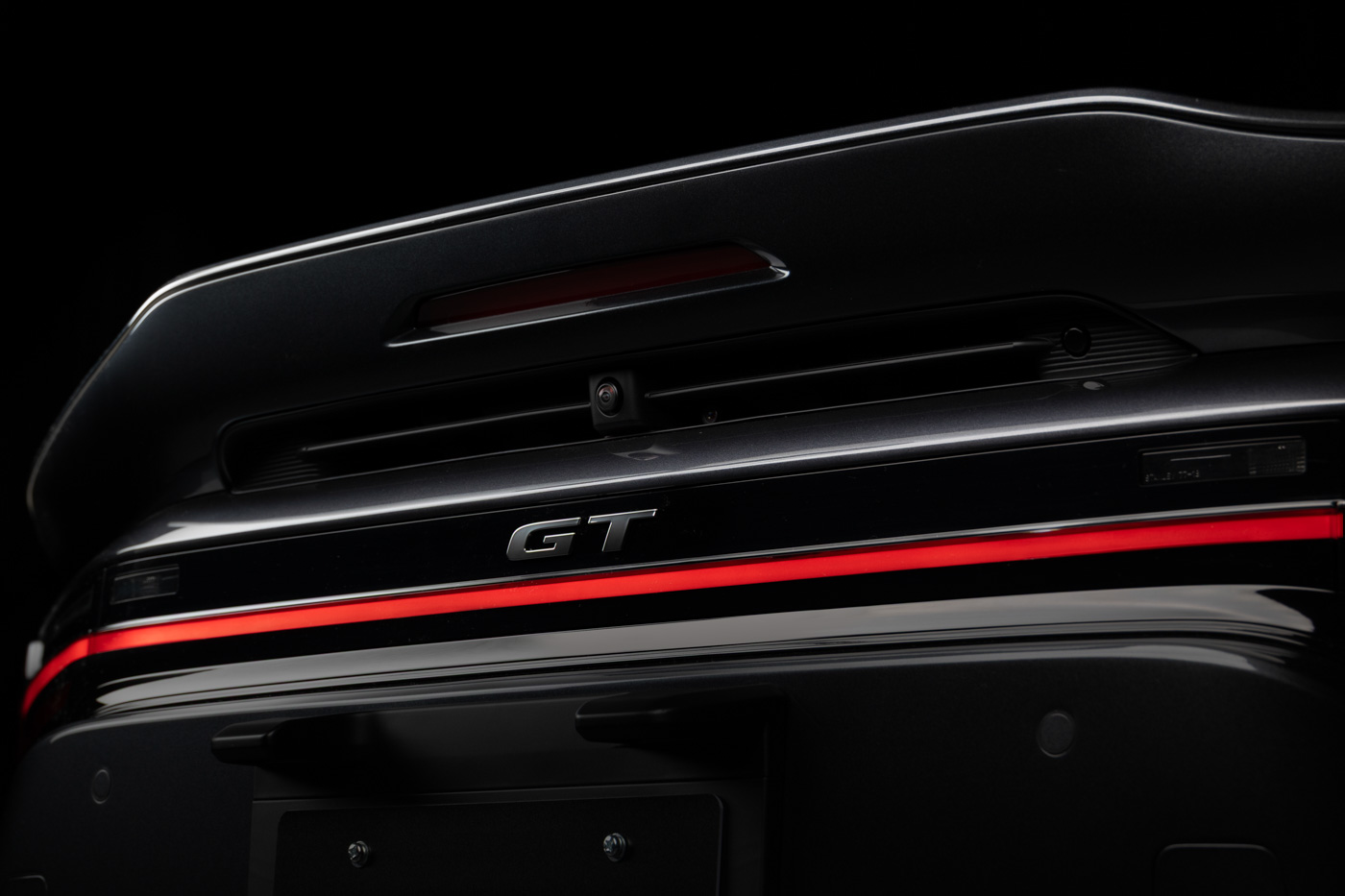
Toyota says the GR GT was designed using a reversed approach to styling that prioritises aerodynamic performance — adopting an “aerodynamics-first” philosophy, with aerodynamic engineers and exterior designers working as a single team. With a target top speed of 320 km/h, the team had to ensure the car remain stable and composed under extreme pressure.
To fulfil the lofty expectations set by the LFA, it has to sound the part too. Toyota says the GR GT’s sound is designed to serve two purposes: “creating sound that promotes interaction with the car, and creating sound that represents a change in thermal energy.”
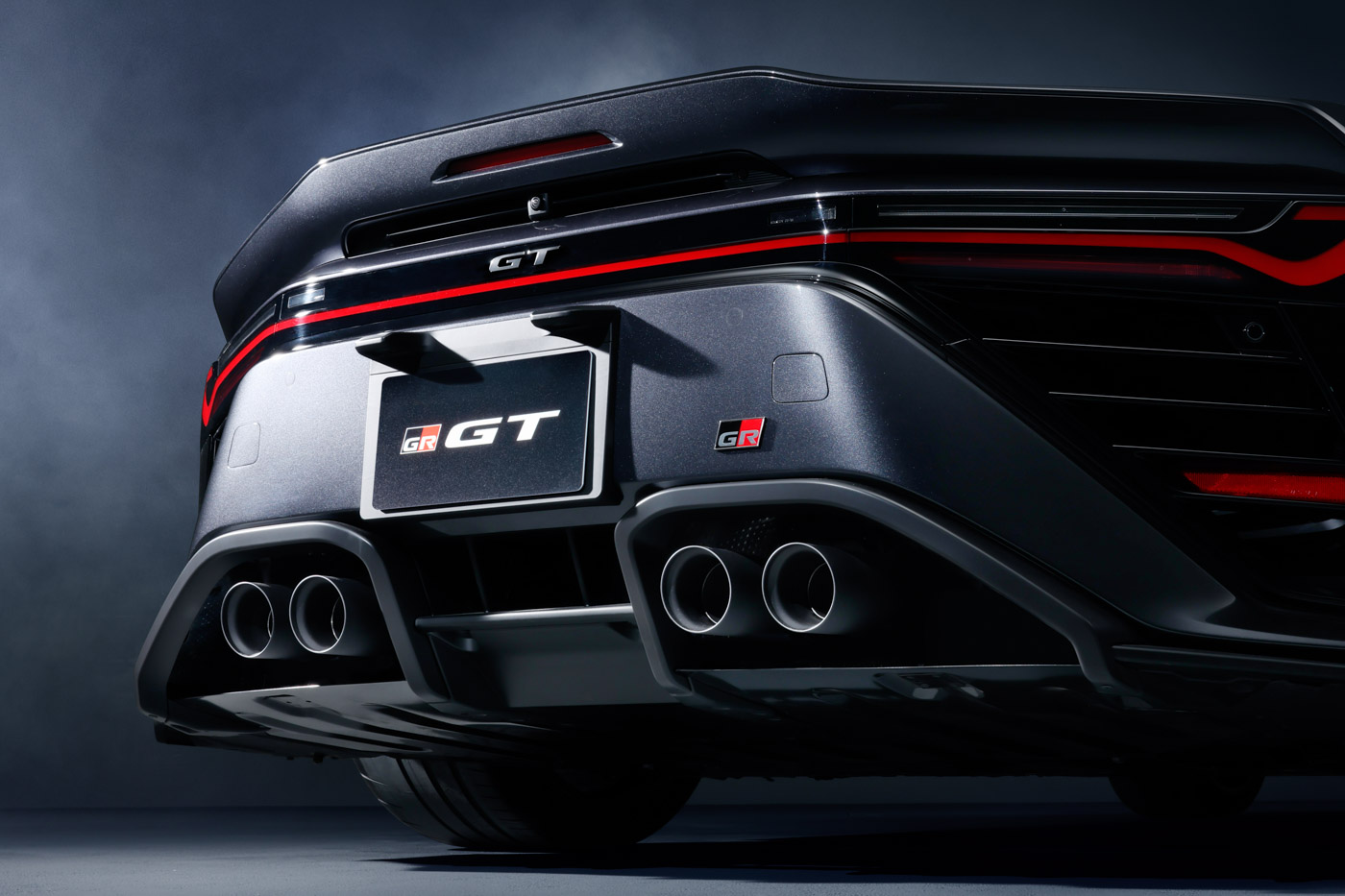
Of course, a twin-turbo V8 will never quite match the raw theatre of a naturally aspirated V10. With ever-stricter noise regulations, especially in Europe, we can only hope the GR GT still delivers a soundtrack worthy of its role.
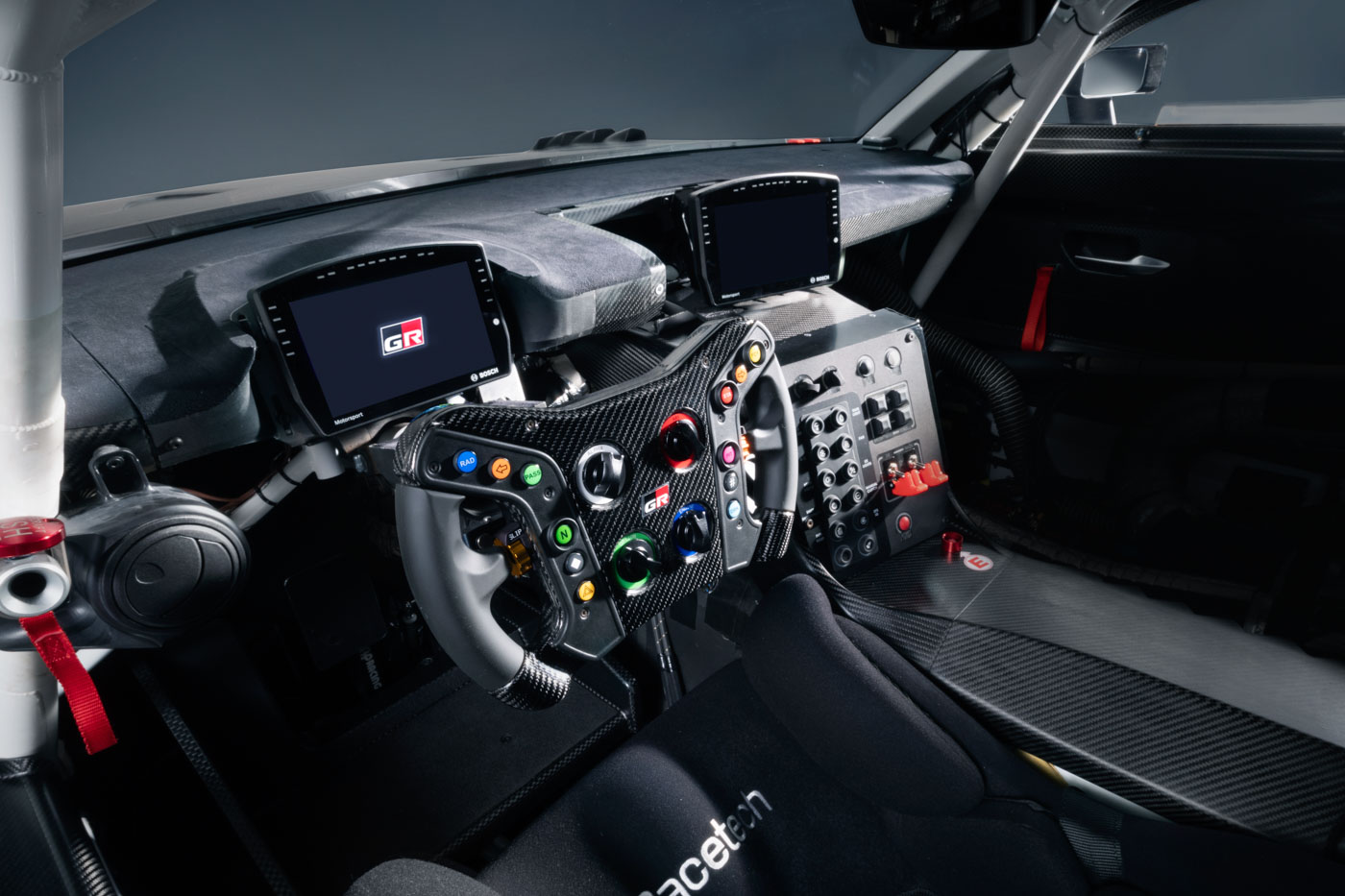
Inside the cabin, the Toyota GR GT obviously carries a different vibe compared to current Toyota and Lexus models. The multi-function steering wheel closely resembles that of the Ford GT, featuring a prominent “GT” marking at its centre instead of a Toyota logo. Rotary knobs – for drive modes and traction settings – sit within easy reach, while a centre stripe serves as a subtle cue to its racing intent.
ALSO READ: All-new ninth-generation Toyota Hilux marks iconic pickup’s new era with first-ever BEV variant
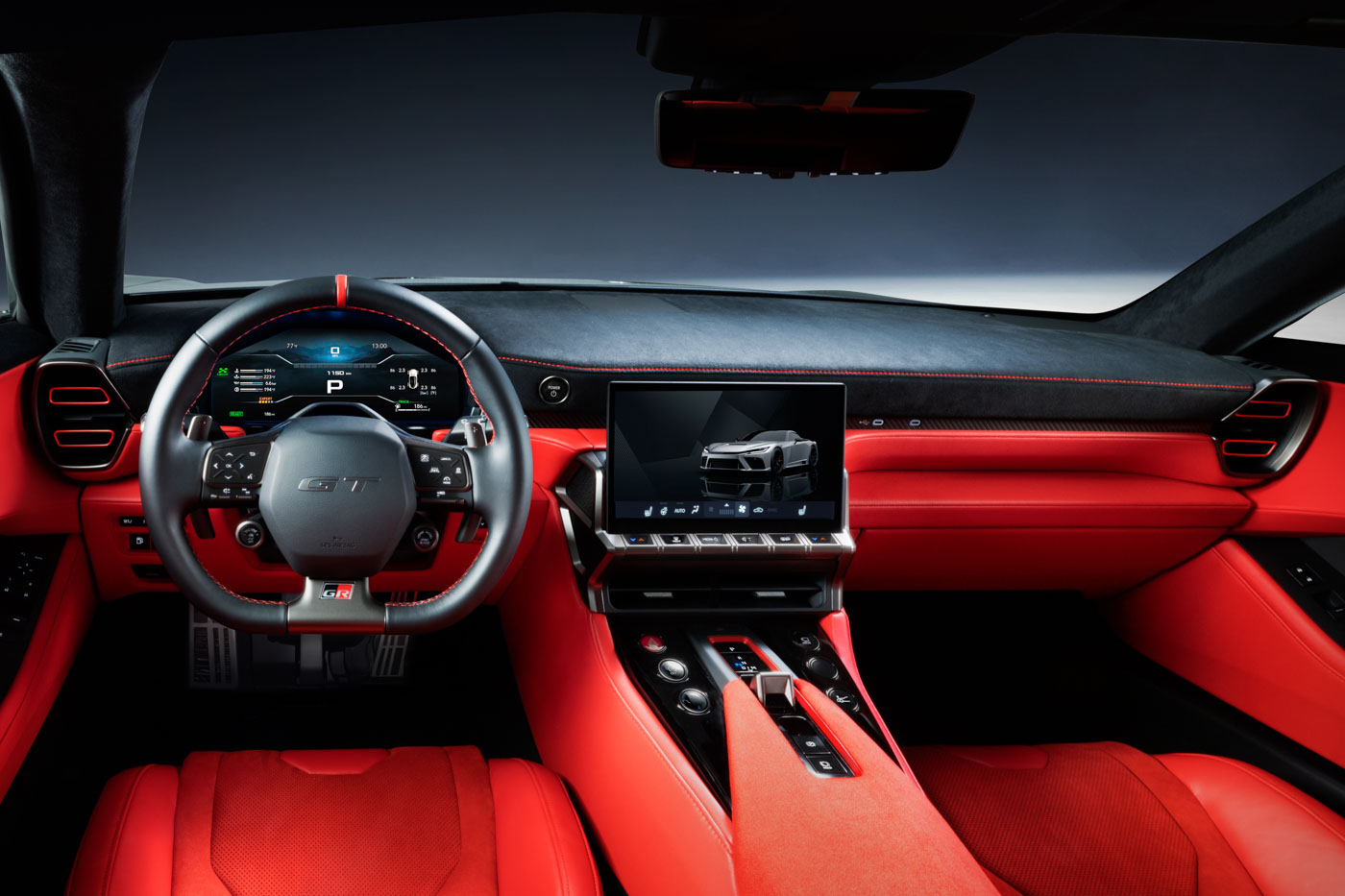
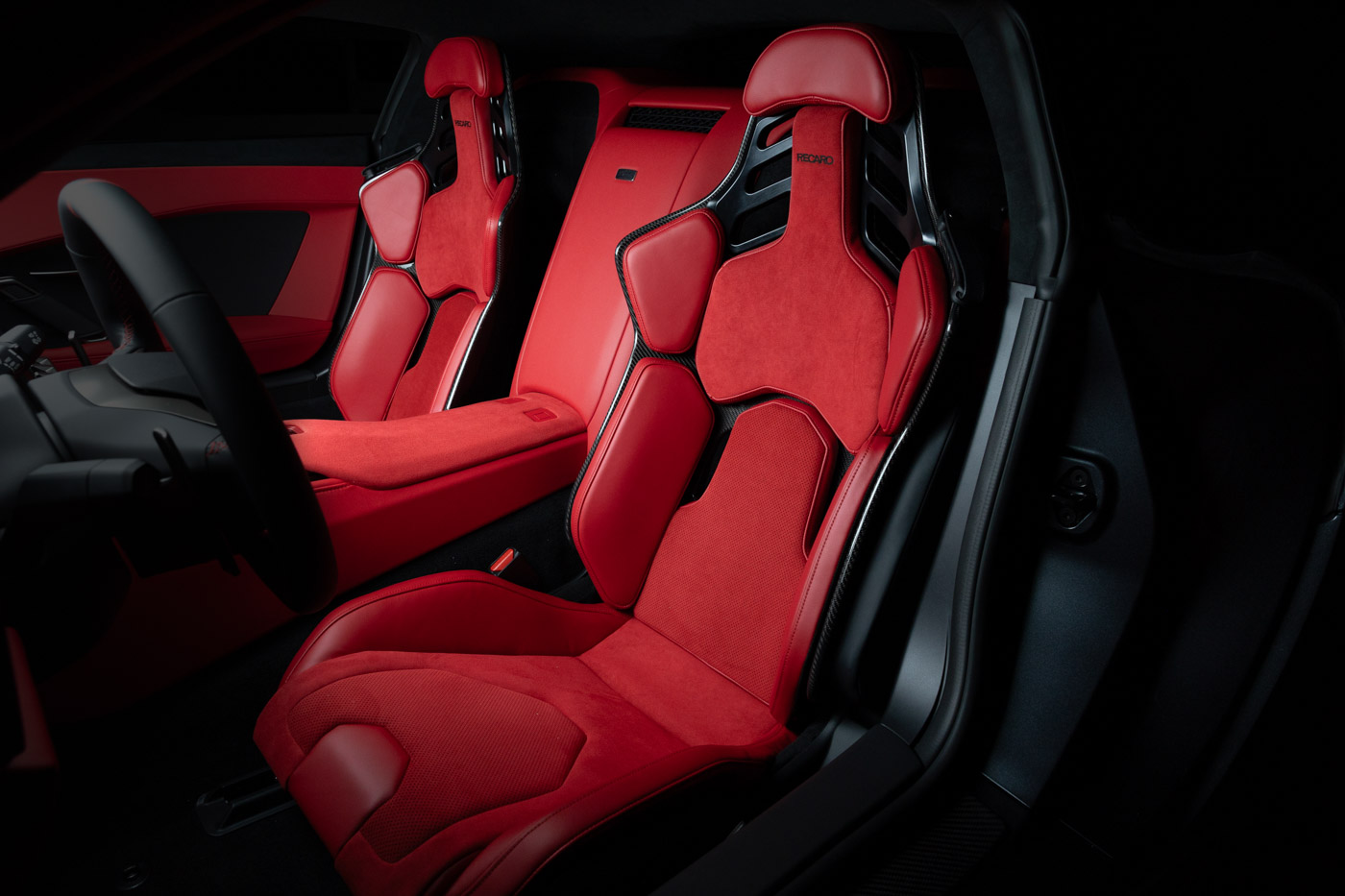
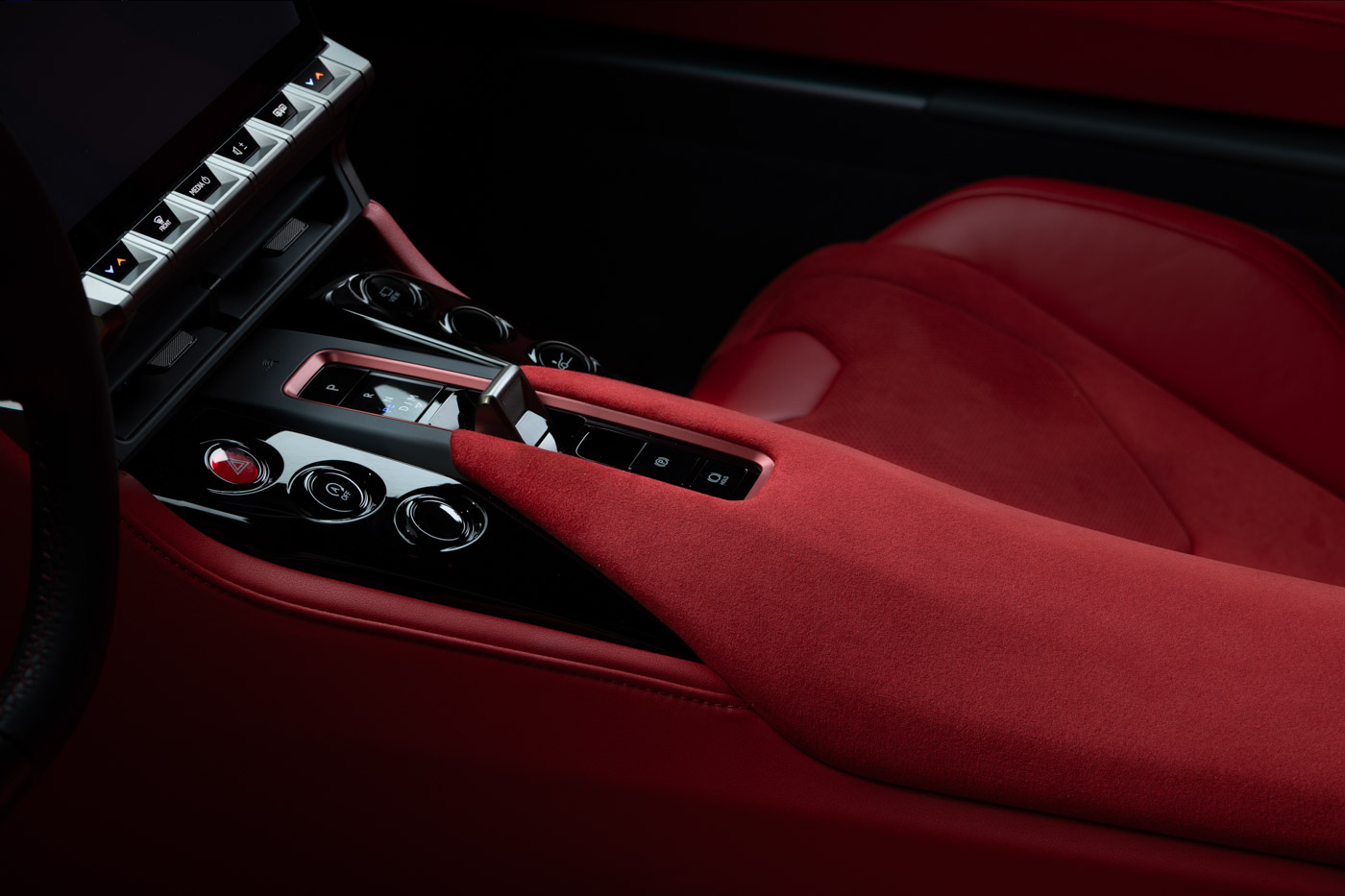
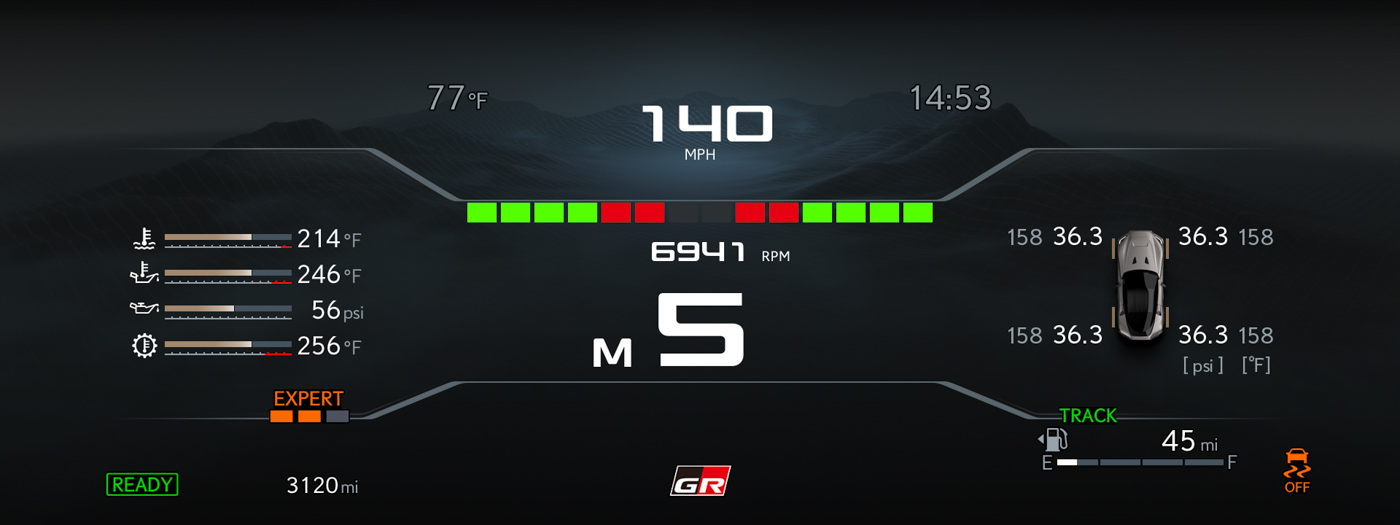
Tech-wise, the Toyota GR GT features a digital driver display, complemented by a large central screen with a row of buttons beneath for quick access to climate and media controls. The centre console also houses a small gear lever, reminiscent of Volkswagen Group vehicles. The cabin is finished in striking red, with a pair of serious carbon-fibre Recaro bucket seats designed to hold driver and passenger firmly in place during high-G manoeuvres.
The Toyota GR GT debuts alongside its racing-focused sibling, the GR GT3, which shares much of its underlying architecture with the road-going version. While it may not feature a naturally aspirated V10 like the LFA, the GR GT has all the ingredients to impress on track — and for fans, it could very well become the modern successor to Lexus’ legendary halo car.
GALLERY