The recently launched Jaecoo J7 PHEV, priced at RM158,800 might look virtually identical to its non-hybrid Jaecoo J7 sibling on the outside and inside, but under the skin, these two cars are actually quite different. So, let’s dive in and see what sets them apart.
Interested? Book your Jaecoo J7 PHEV through us, and you might just find the best deal in town – plus Trapo goodies worth up to RM2,000! Click on the link (https://autobuzz.my/grab-a-deal-jaecoo/) to place your booking now.
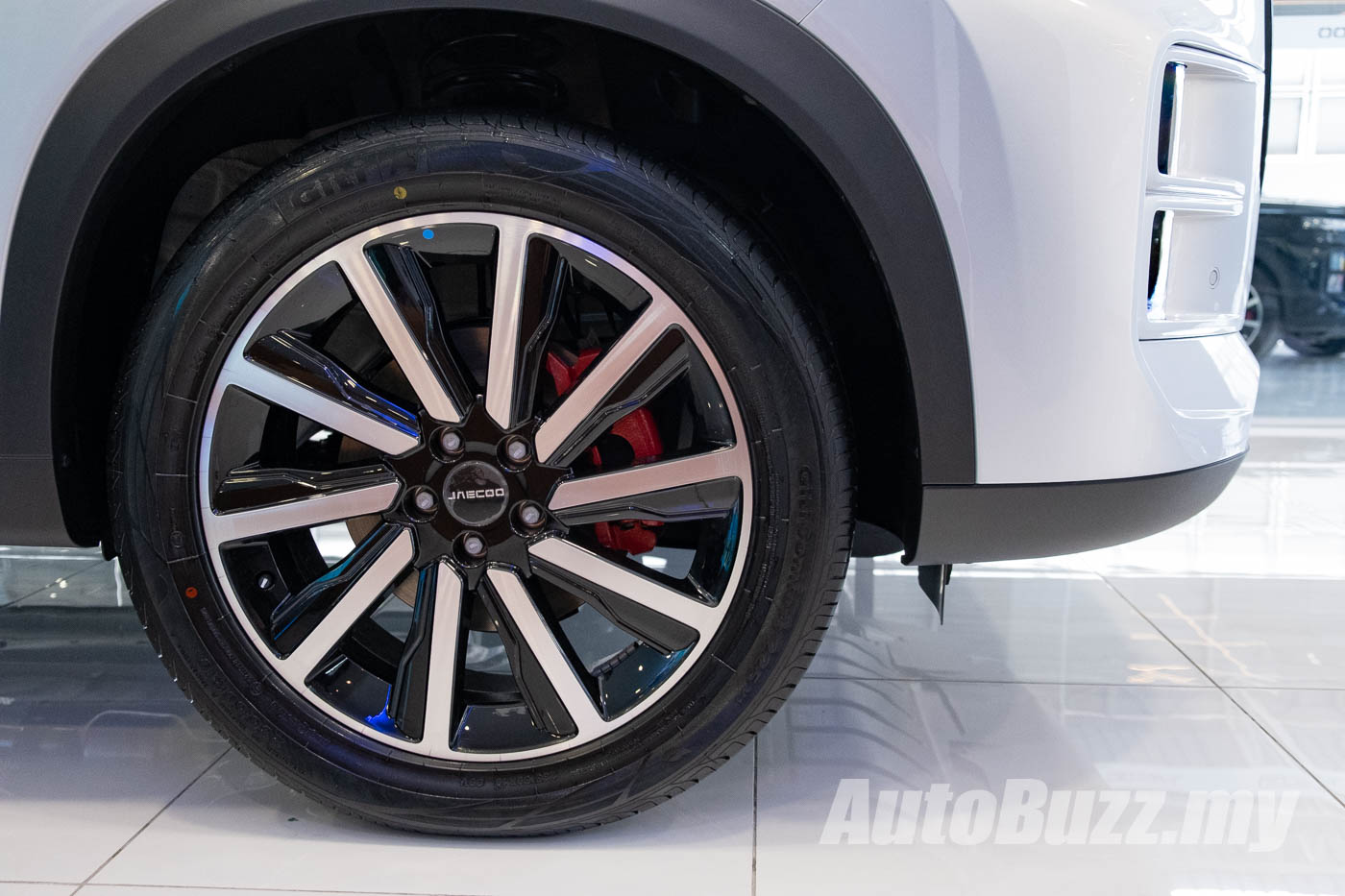

New wheel design
The easiest way to identify a Jaecoo J7 PHEV is by its 19-inch aero wheels, which are wrapped in Kumho tyres. The petrol J7 also has 19-inch alloy wheels, but they come with Giti tyres instead.
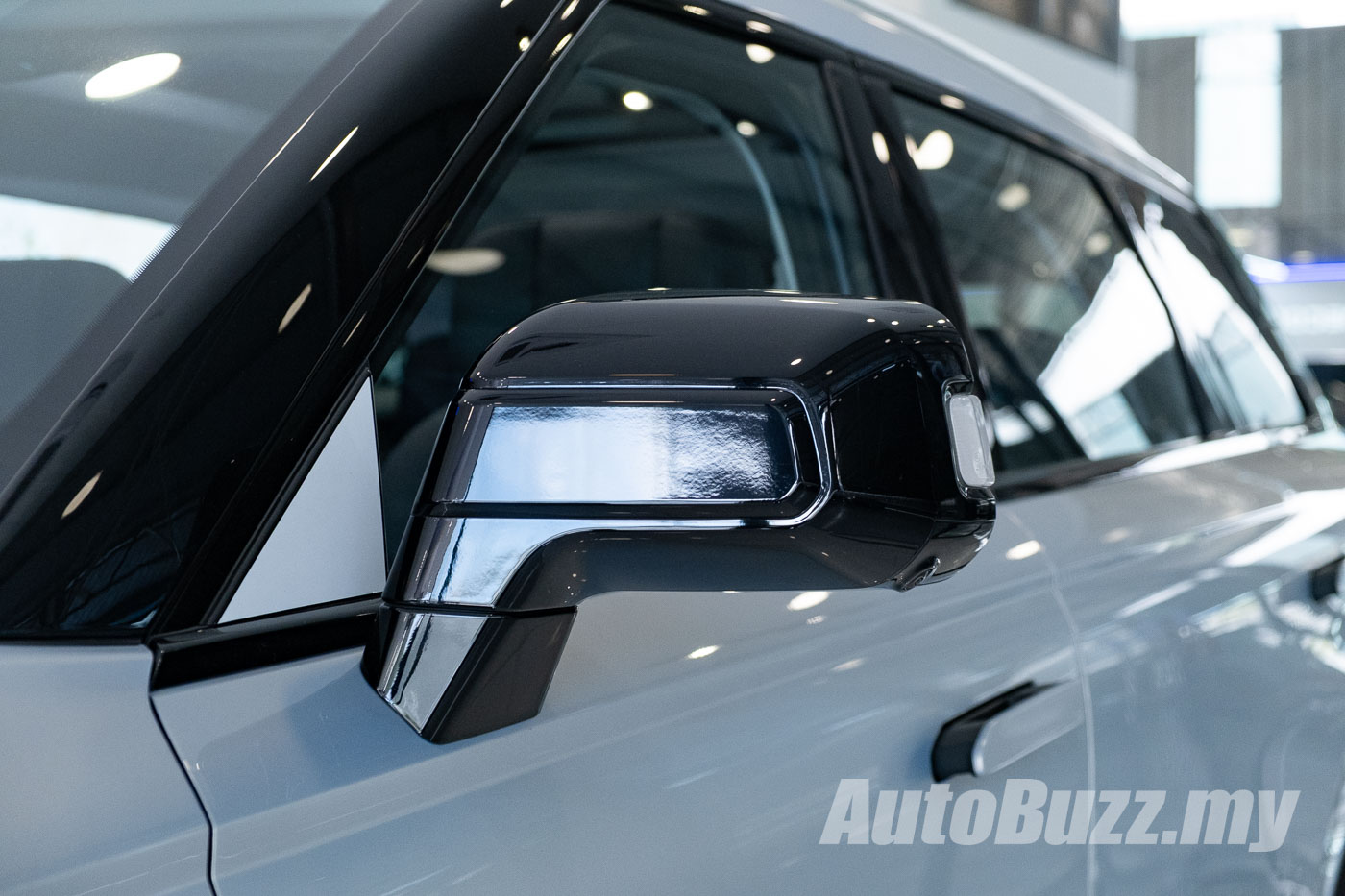

Sleeker wing mirror design
The wing mirrors on the Jaecoo J7 PHEV also differ from those on the petrol J7. The PHEV model features sleeker mirror housings with a silver trim, contrasting with the more rugged, all-black design found on the petrol J7. The turn indicators on the PHEV also extend across the housing, while the petrol version’s indicators are located on the edge of the mirror.
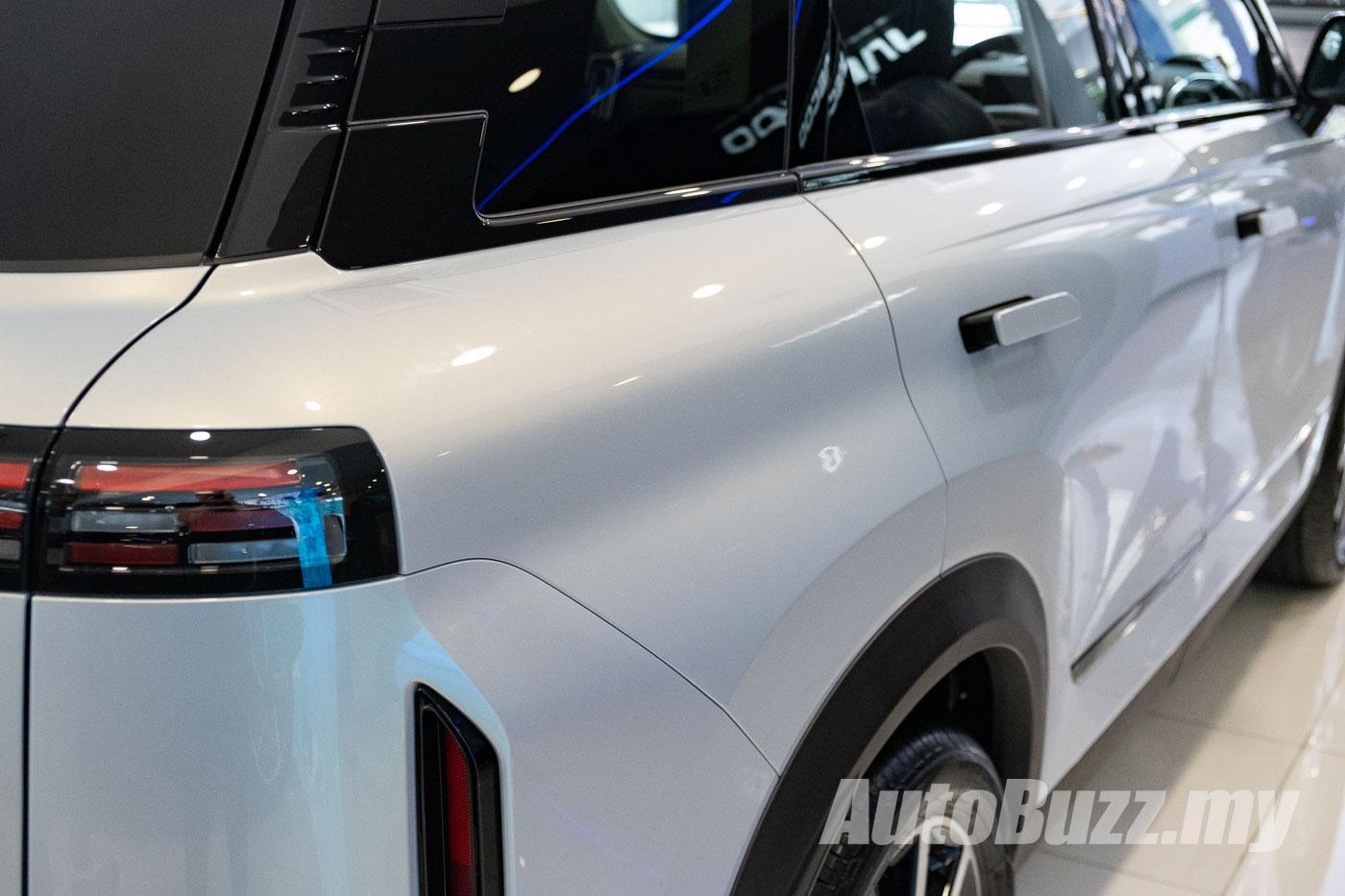
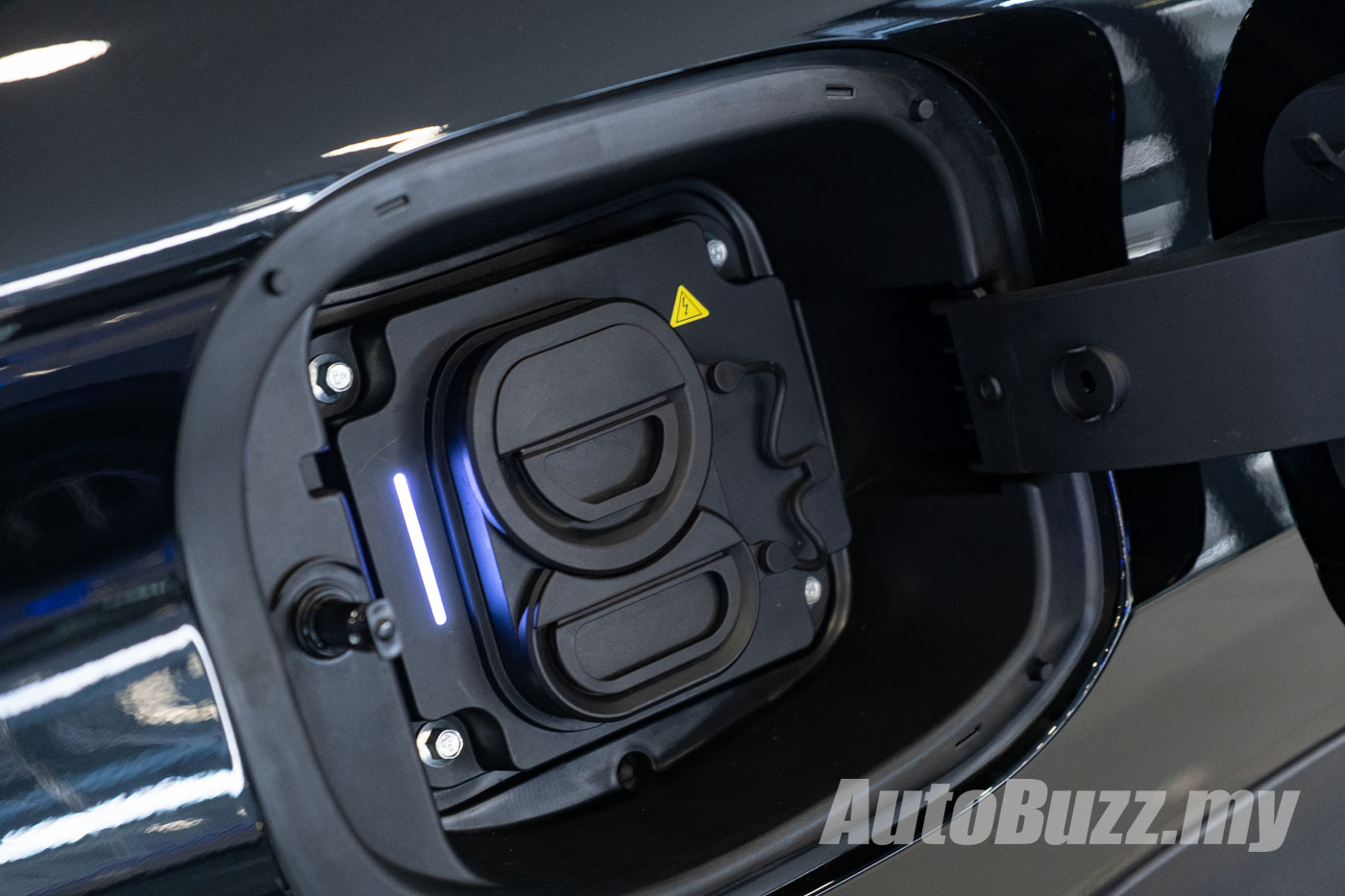
Charging flap on the Jaecoo J7 PHEV
While the petrol variant only has a fuel cap on the left side, the Jaecoo J7 PHEV adds a charging flap on the right side. This flap houses the CCS2 charging port for the plug-in hybrid’s (PHEV) battery on the J7 PHEV.
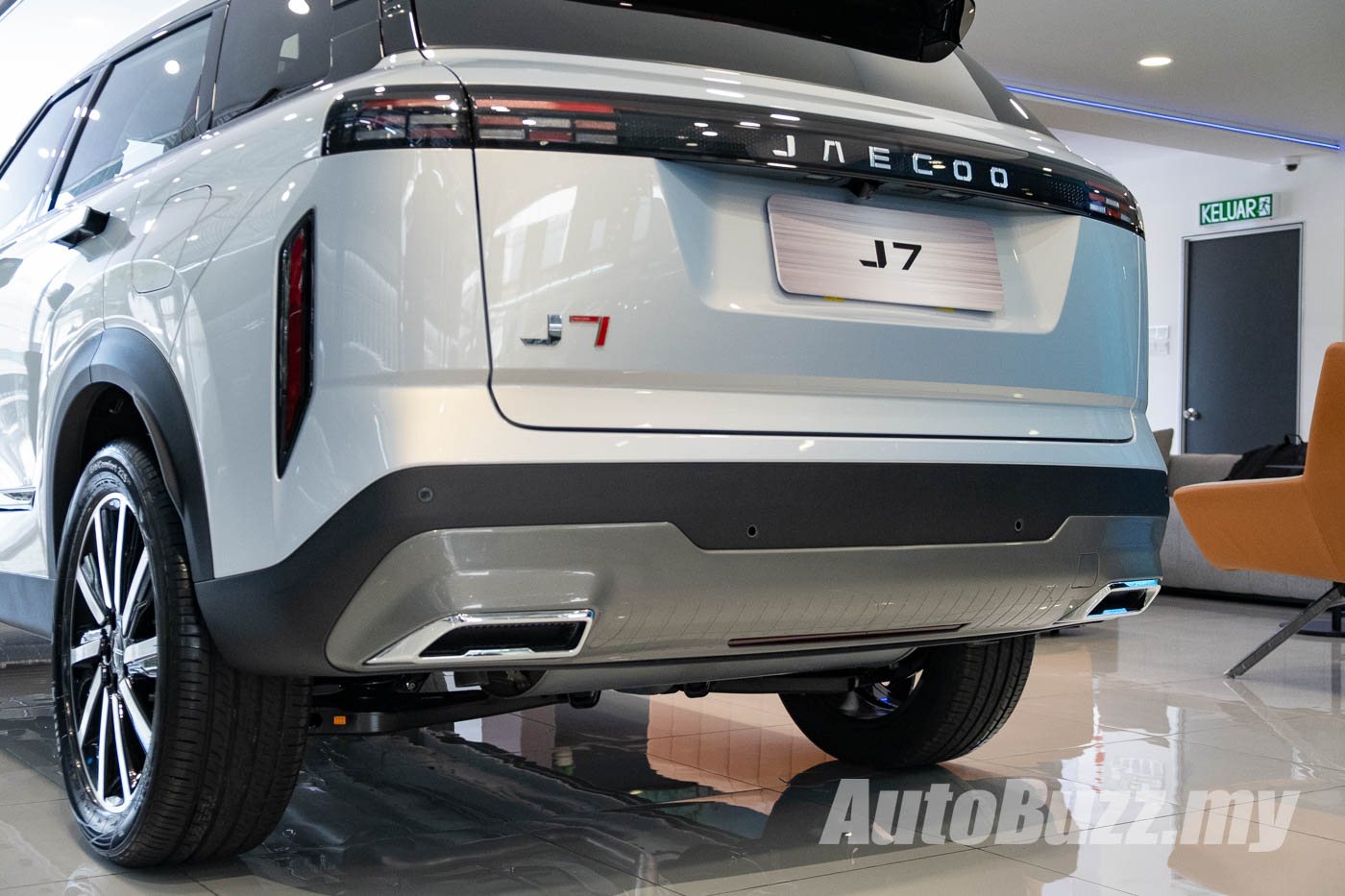
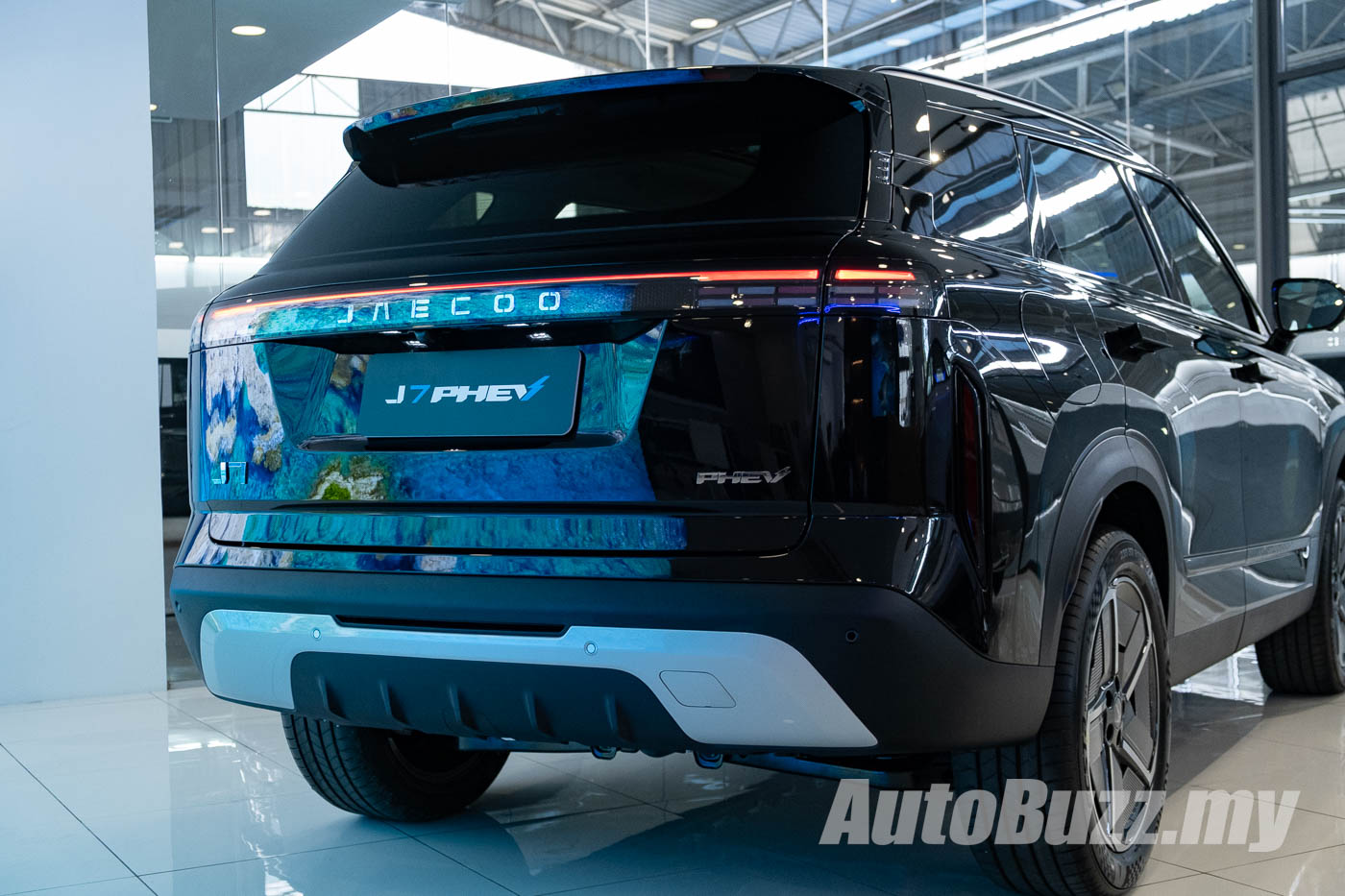
Unique rear bumper design
Another way to identify a Jaecoo J7 PHEV is by its rear bumper design. While the petrol version features exposed exhaust tips, the PHEV model has concealed exhausts, giving it a cleaner, more understated look, reminiscent of a Range Rover.
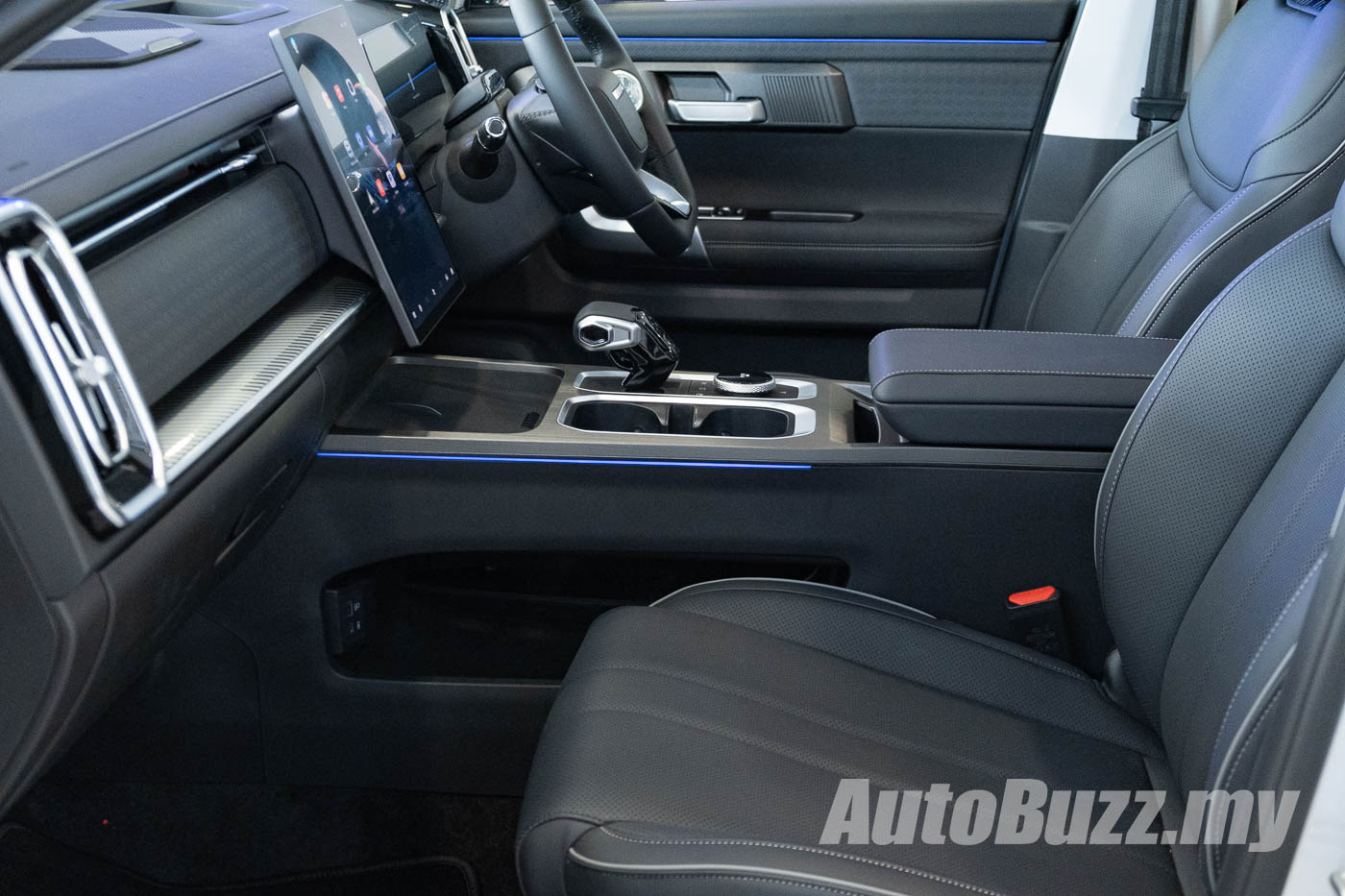
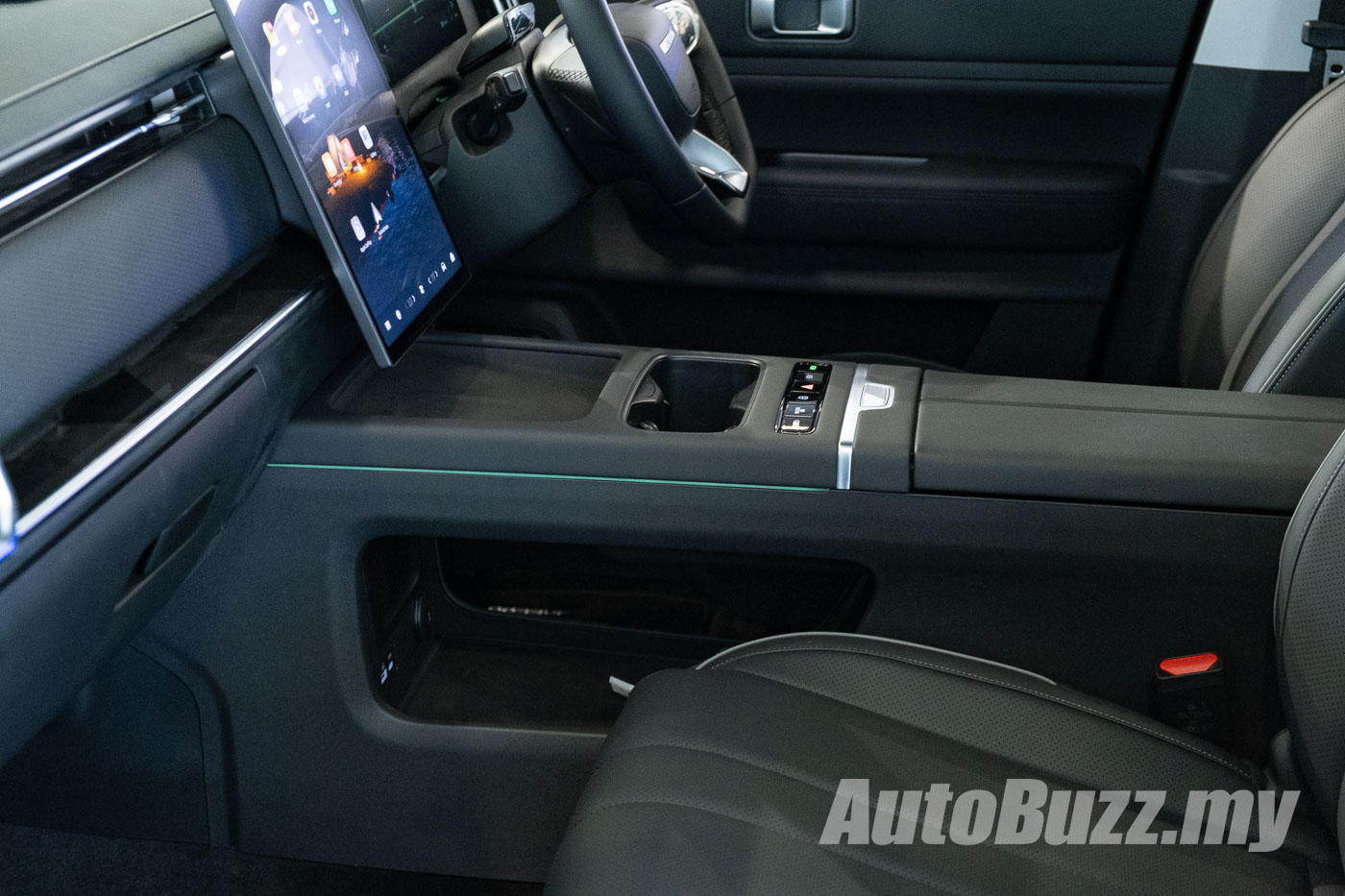
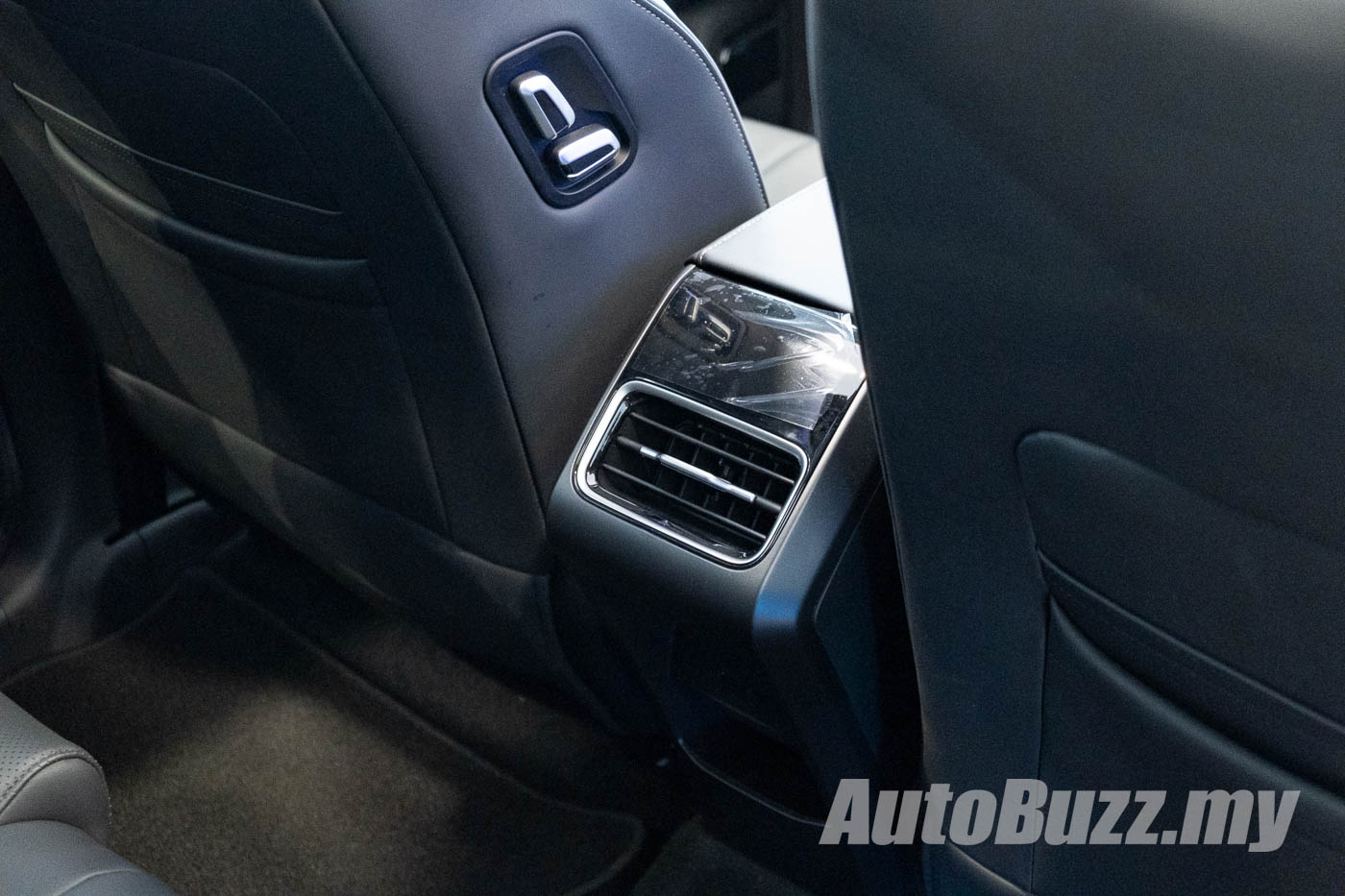
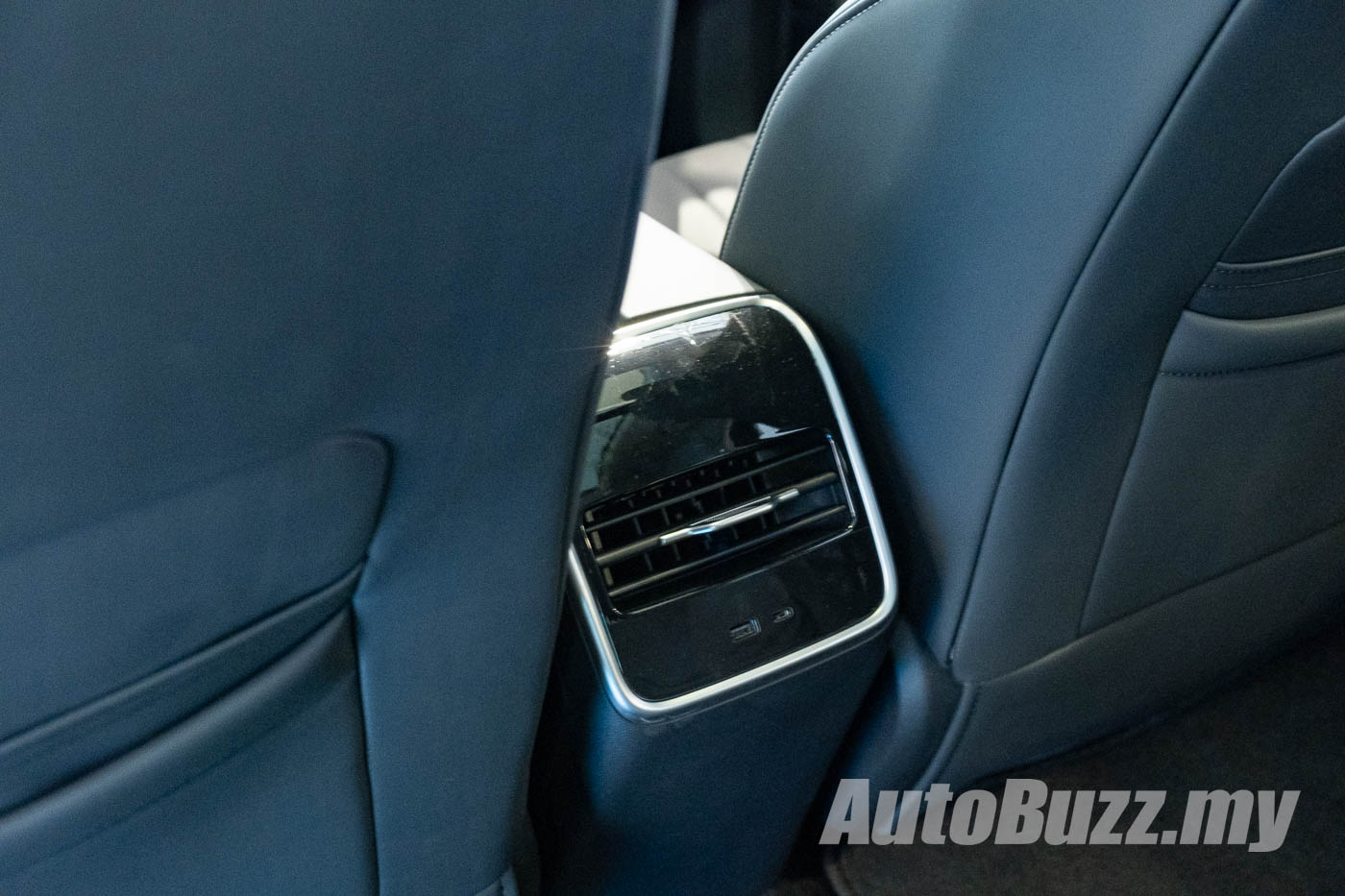
Redesigned centre console
Stepping inside the Jaecoo J7 PHEV, you’ll notice the redesigned centre console. The traditional gear shifter from the petrol J7 has been replaced with a row of buttons for controlling the hybrid powertrain, allowing drivers to select pure EV mode or engage hybrid modes. Rear passengers also benefit from redesigned air vents that now include two USB ports, a feature absent in the petrol J7.
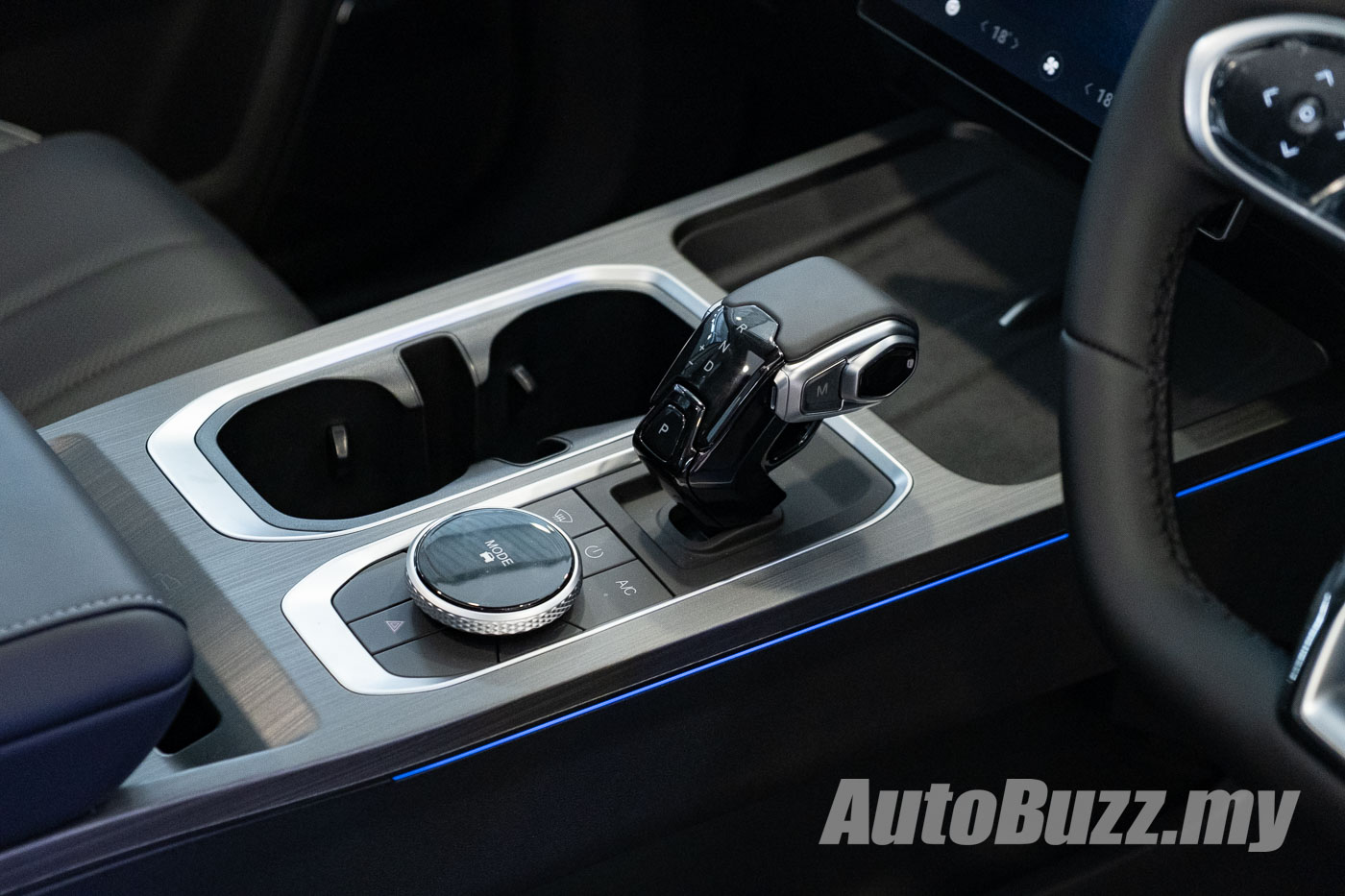
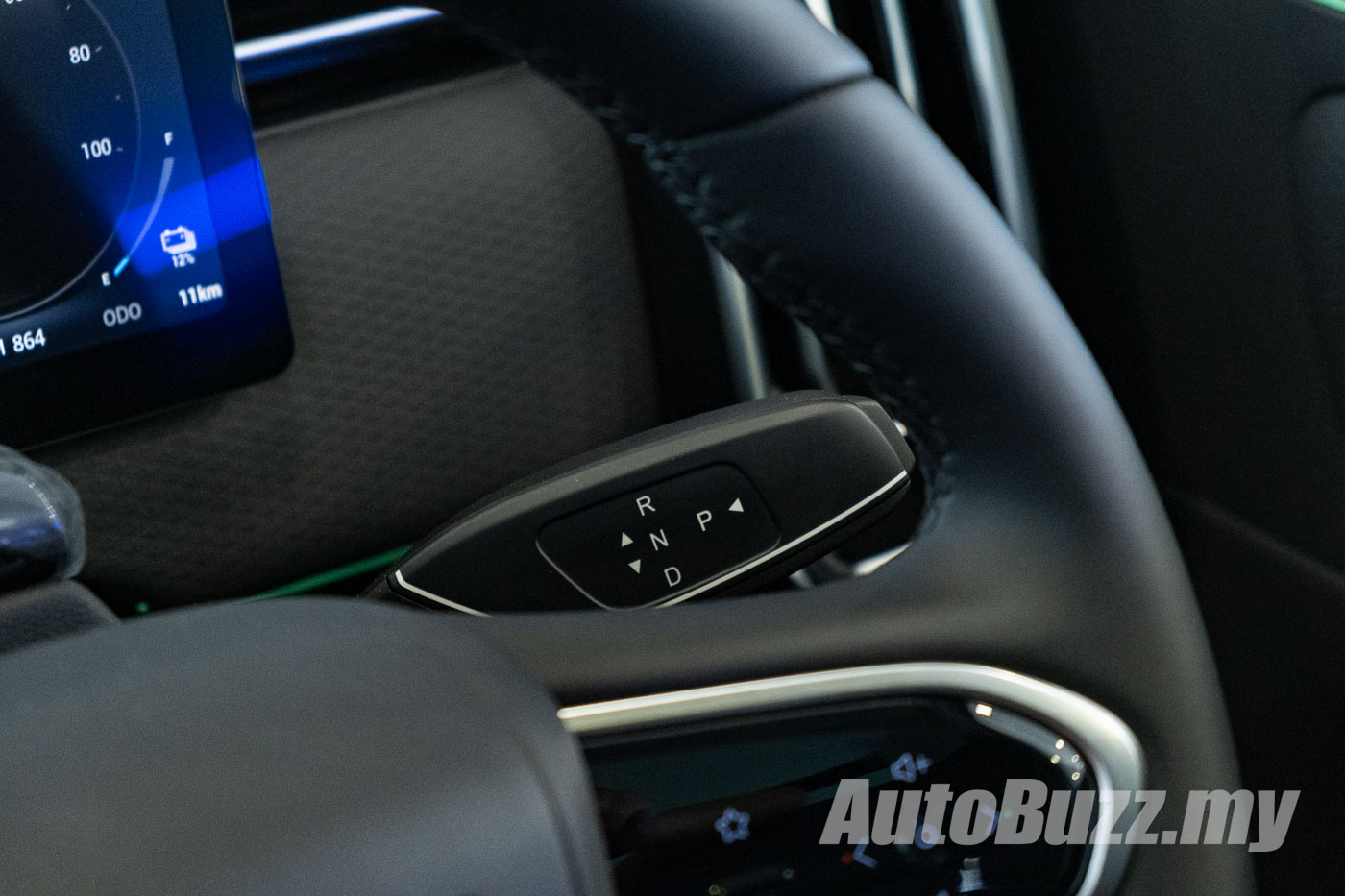
Column shifter on Jaecoo J7 PHEV
Another notable difference in the Jaecoo J7 PHEV’s interior is the column shifter located behind the steering wheel. The push-button start has also been removed, as the J7 PHEV now starts automatically when the driver buckles up and presses the brake pedal.
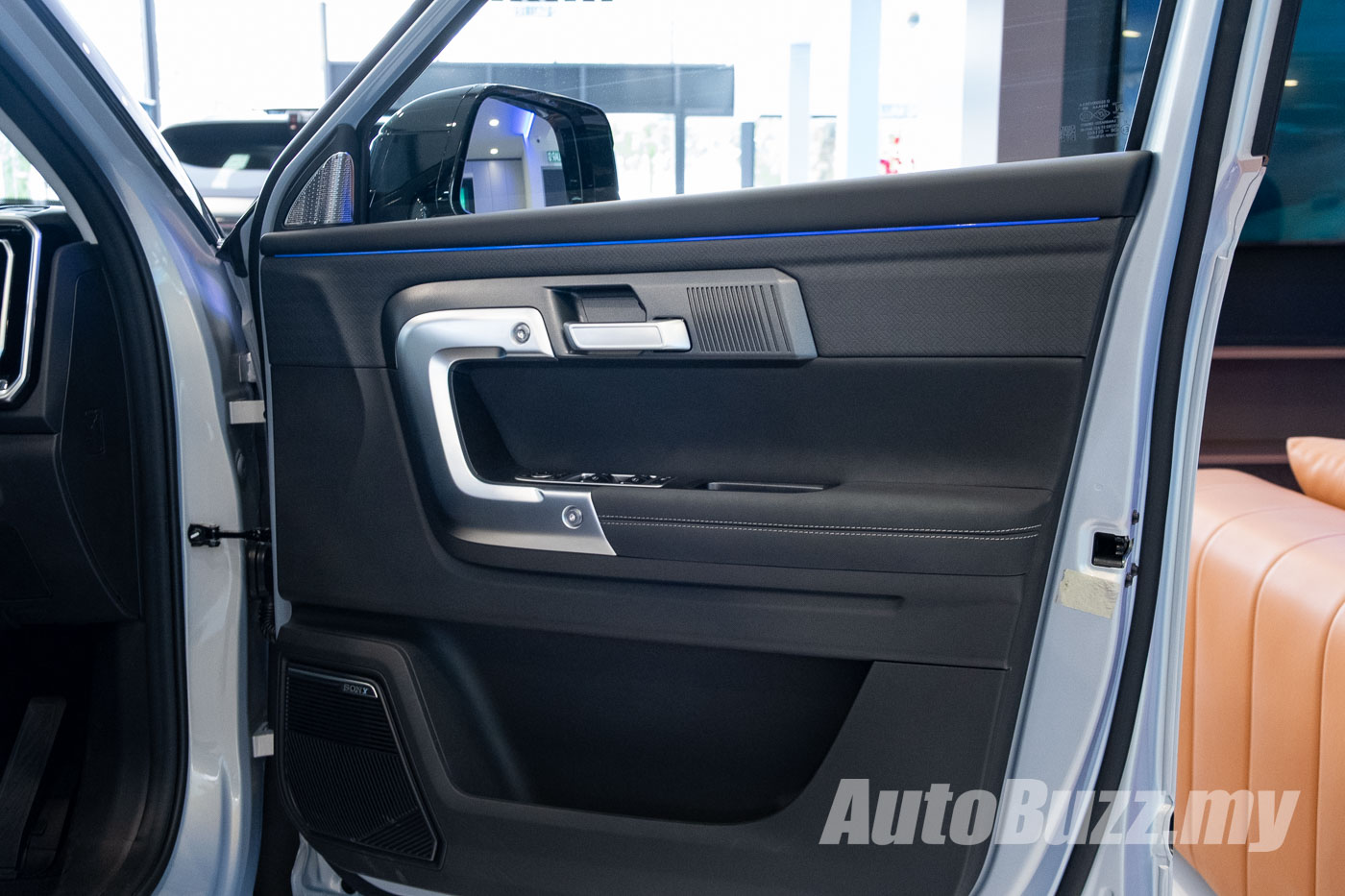
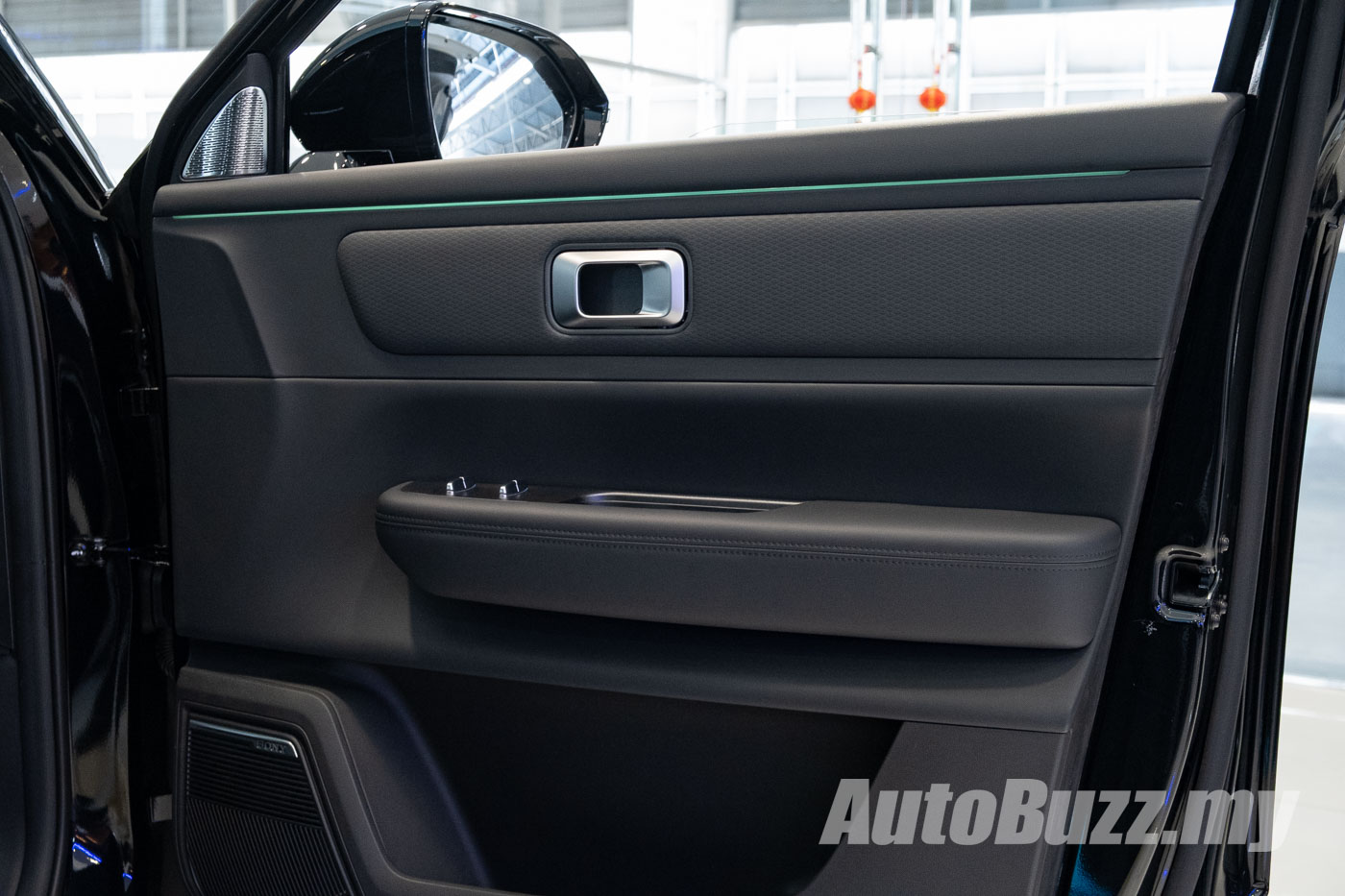
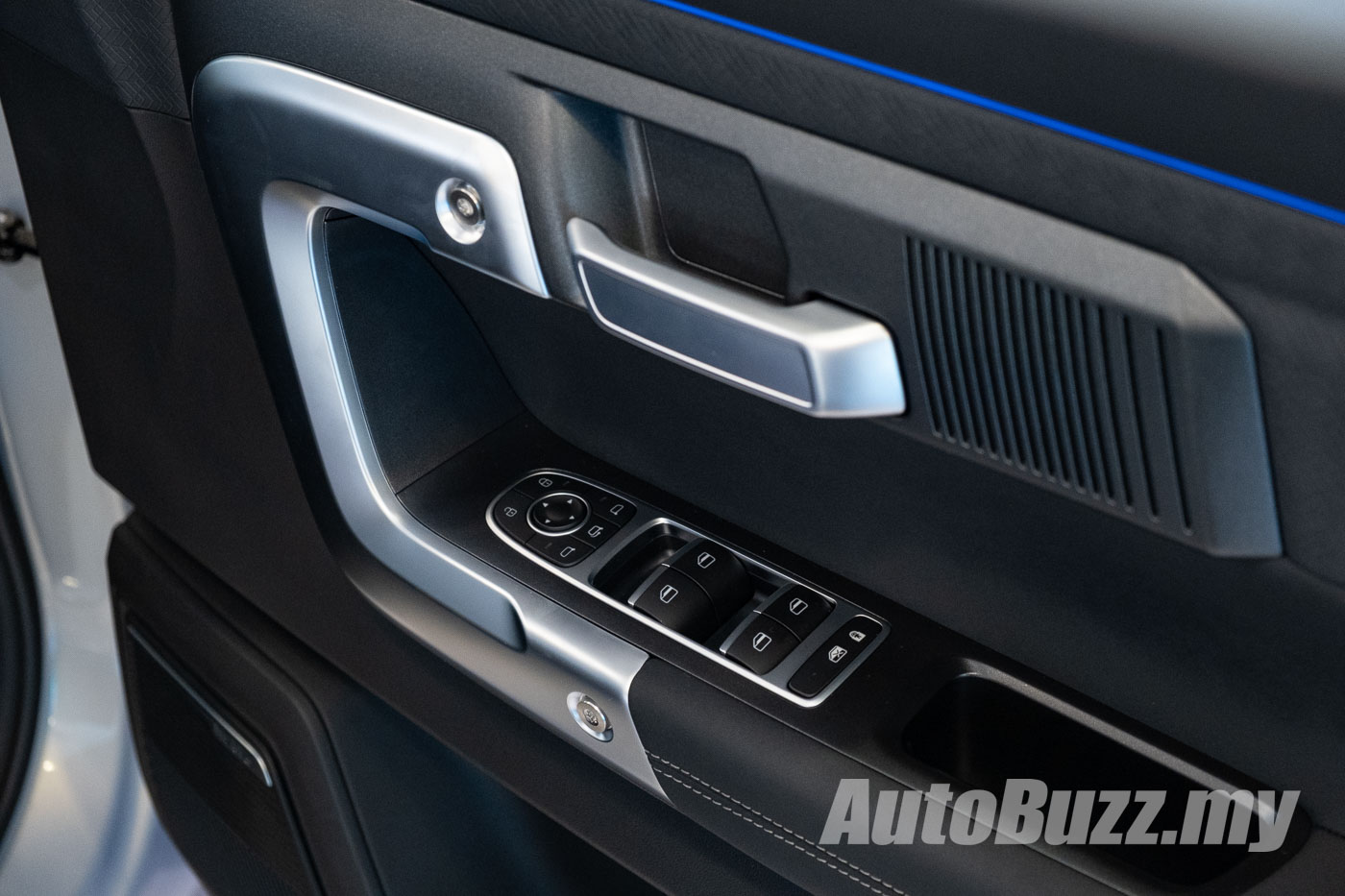
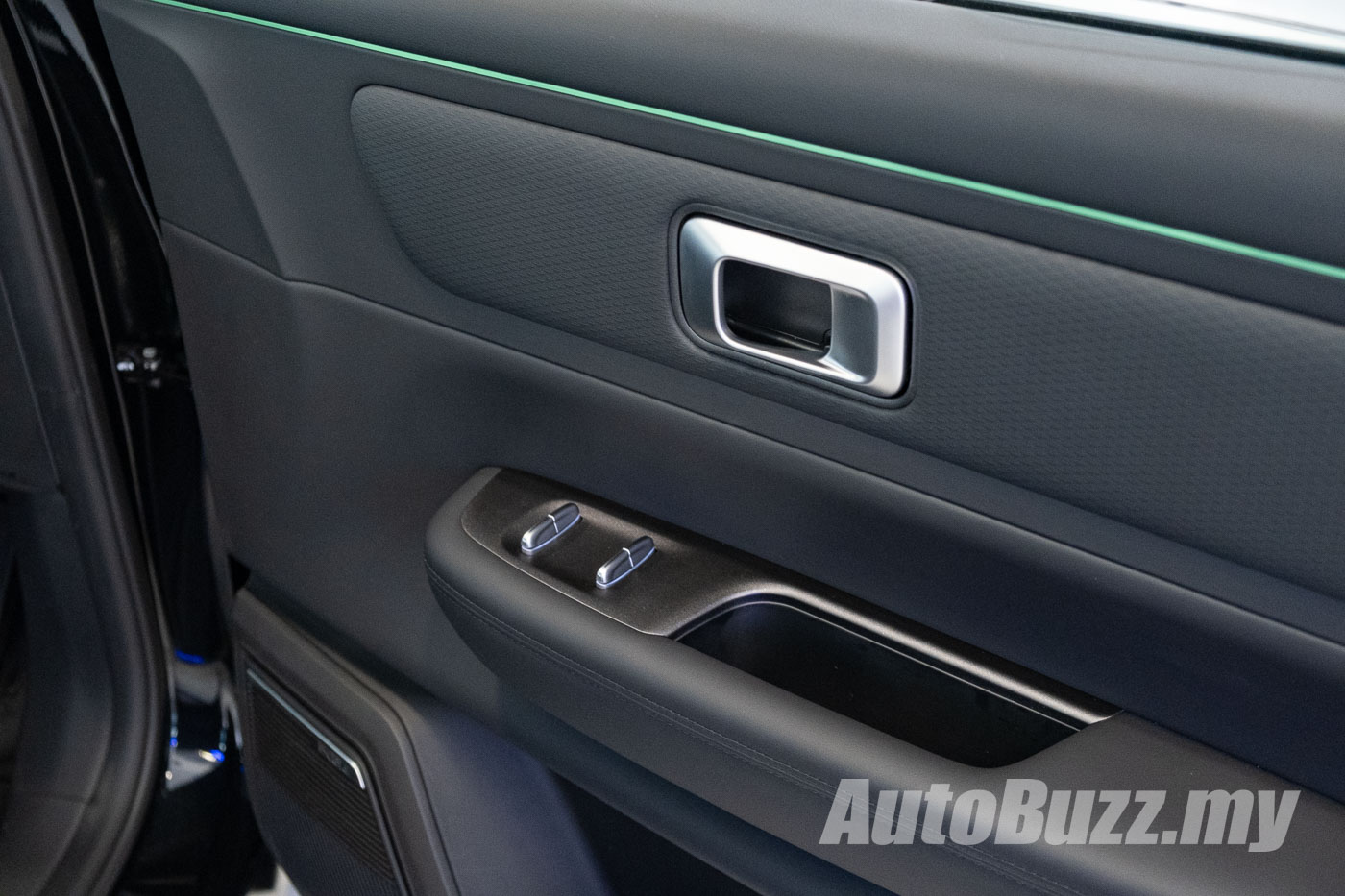
Redesigned door cards
The door cards in the Jaecoo J7 PHEV have been redesigned with a more minimalist and modern aesthetic, removing the rugged and utilitarian door handle of the petrol variant. The window switches have also been updated with a new look and feel.
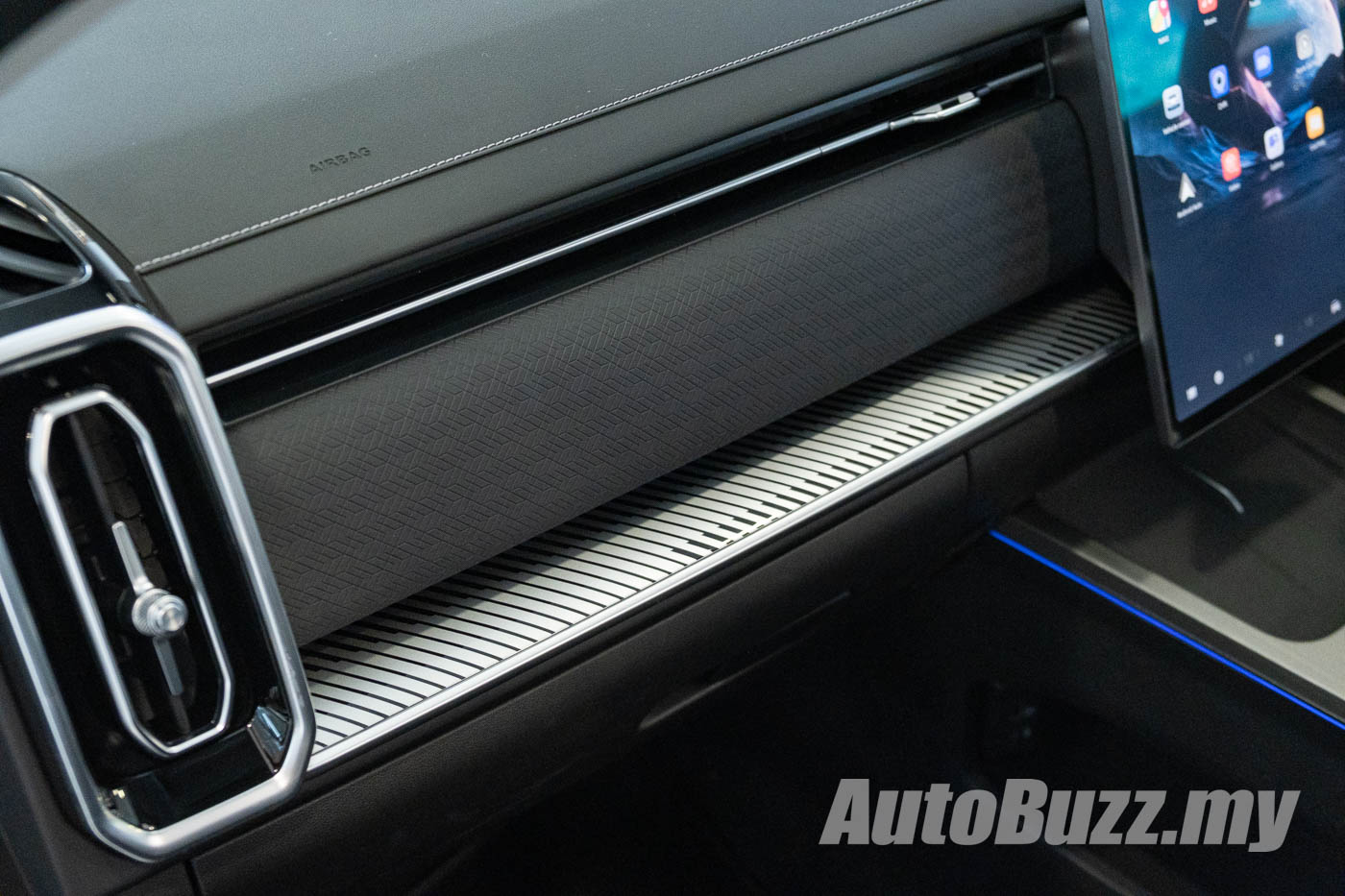
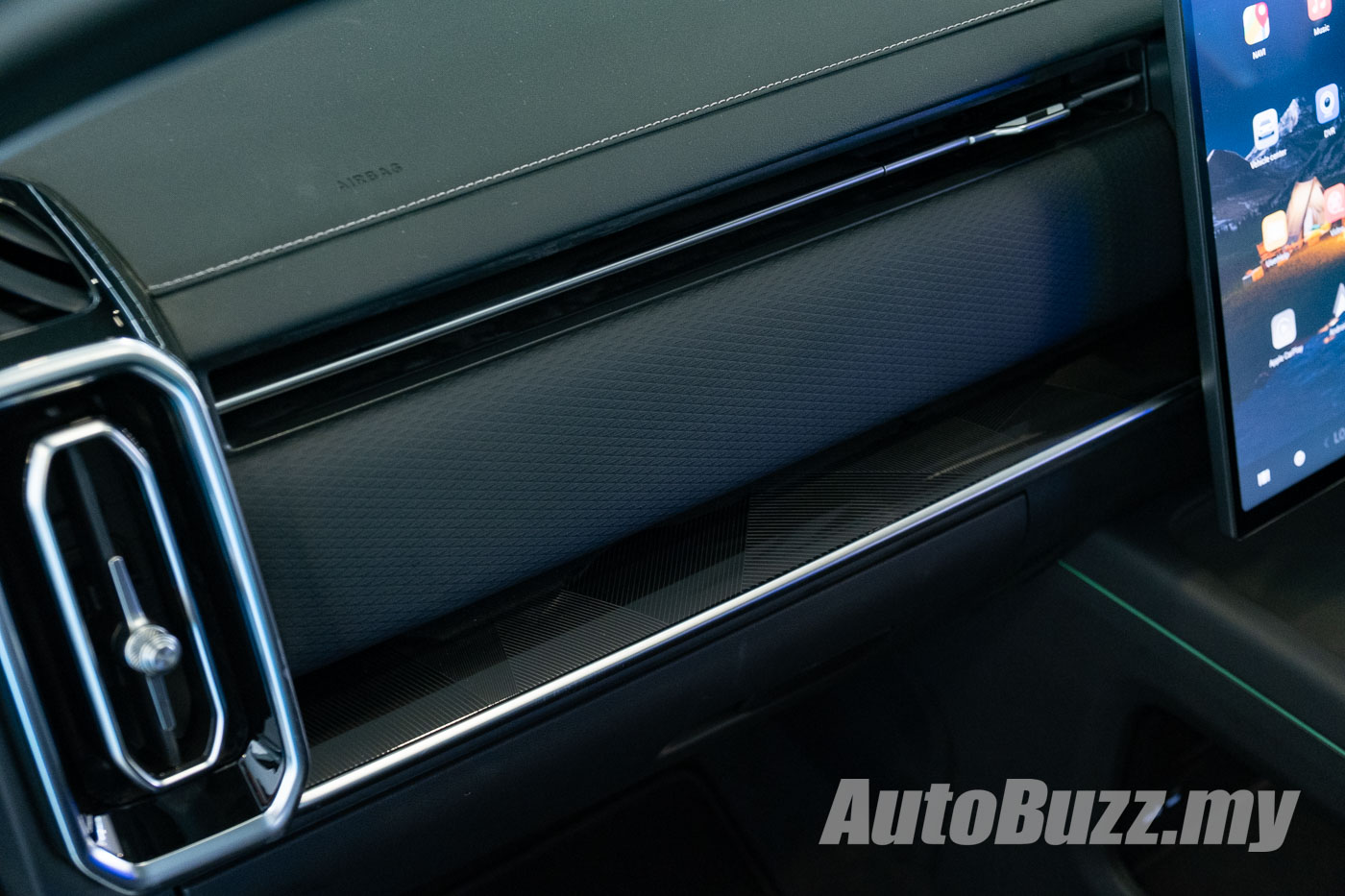
New dashboard design pattern
The Jaecoo J7 PHEV’s dashboard pattern also reflects the car’s simpler and cleaner design aesthetic. The striped pattern found in the petrol J7 has been removed, creating a more refined and modern look.
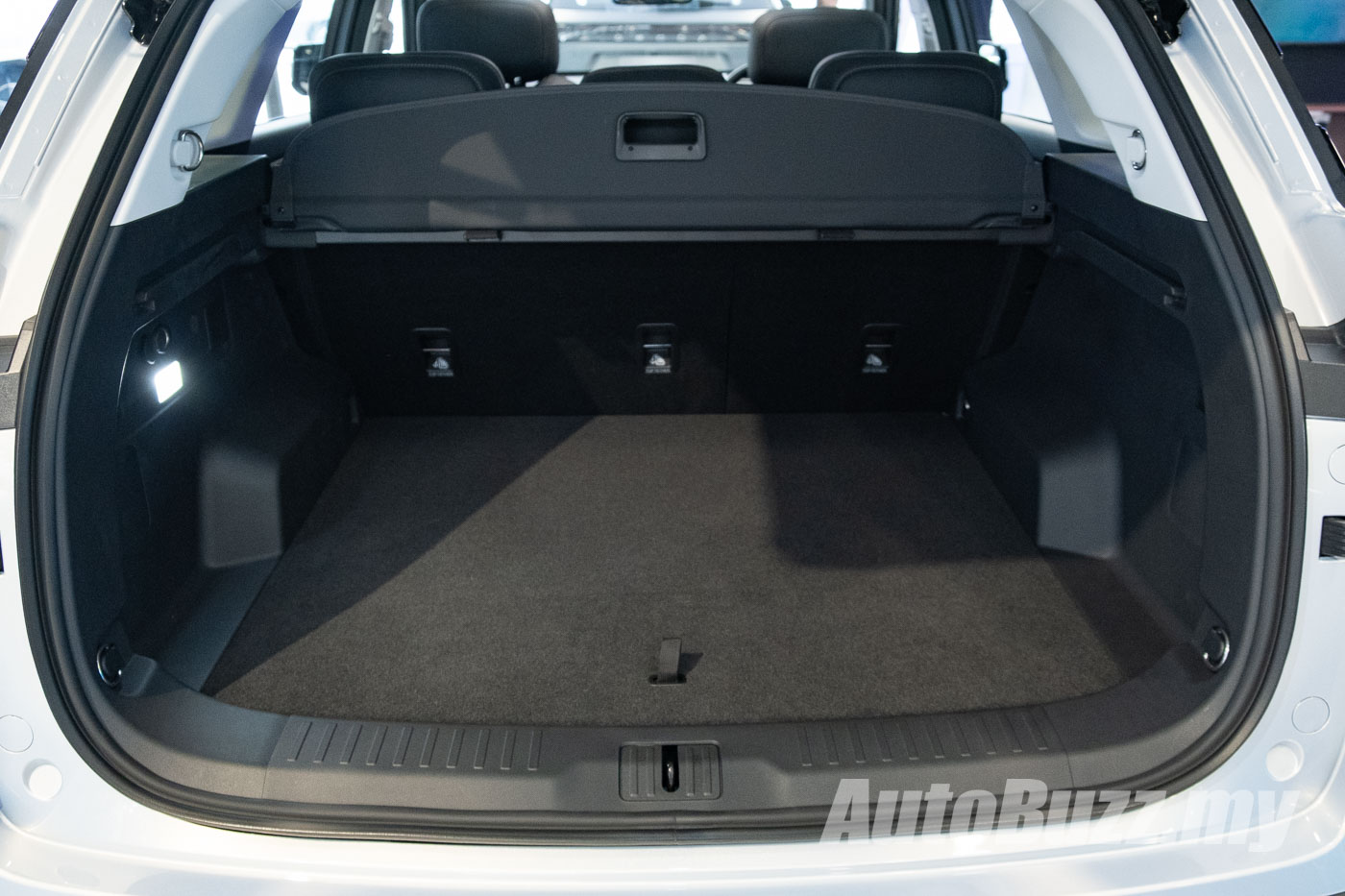
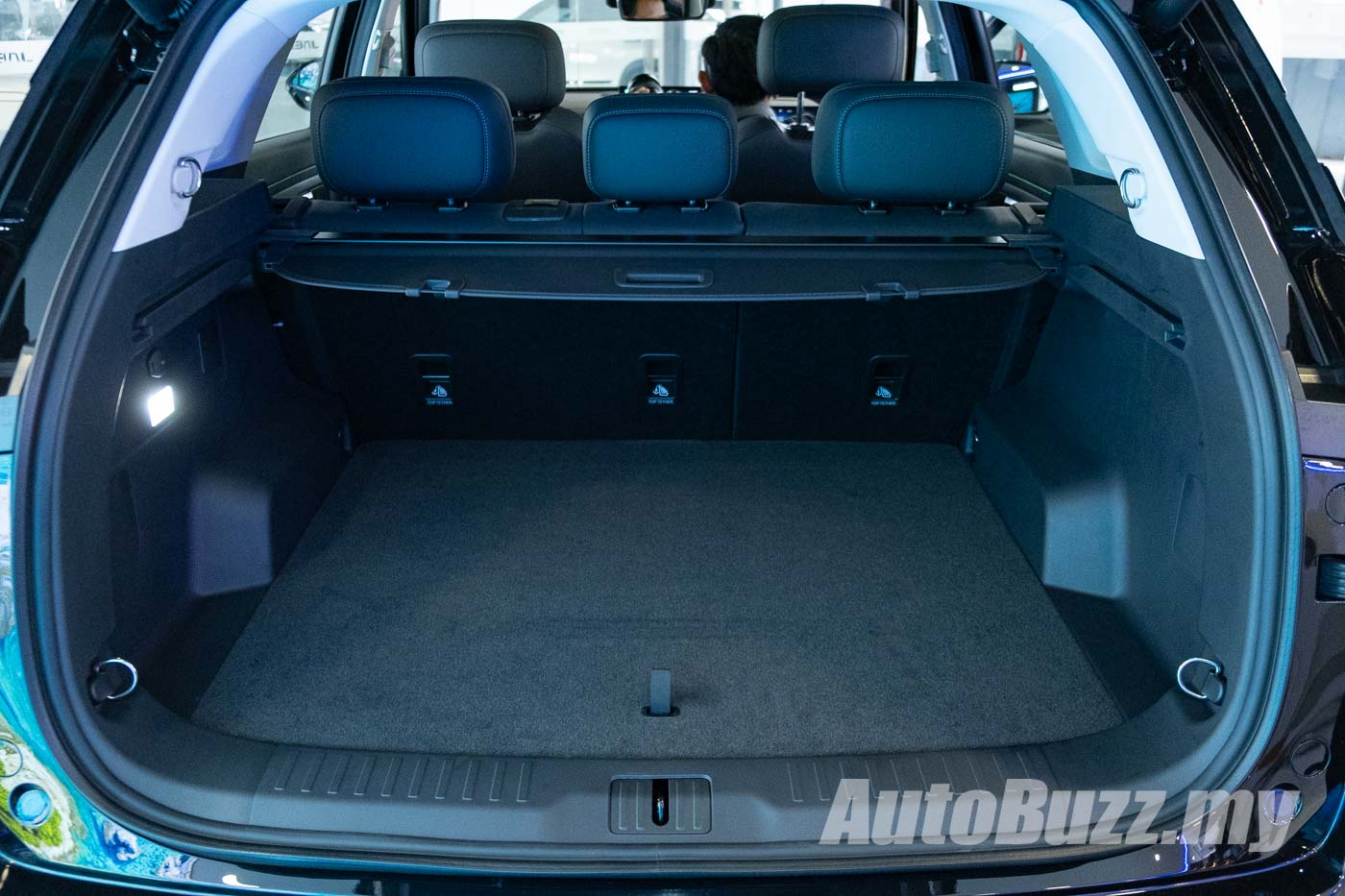
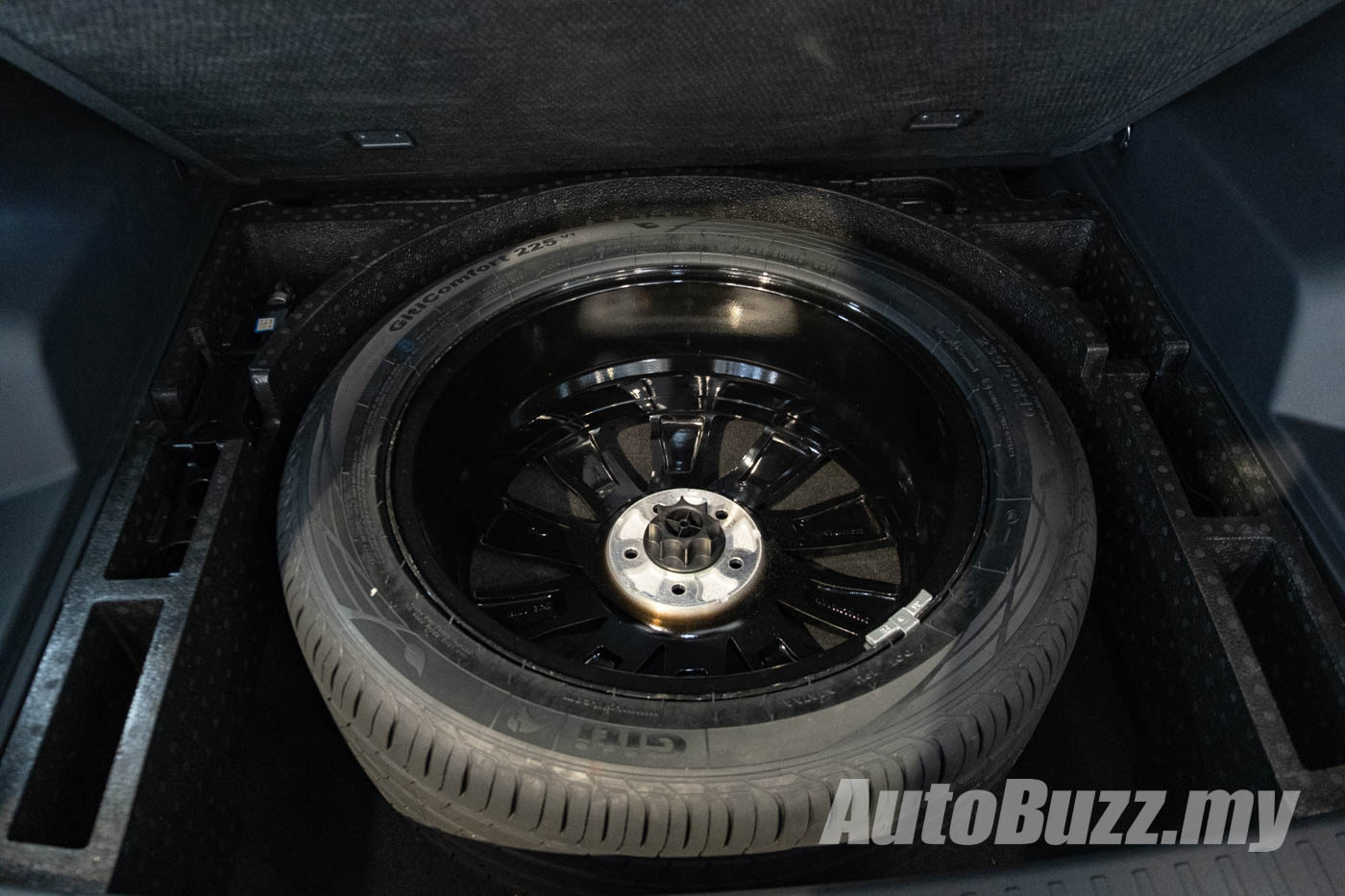
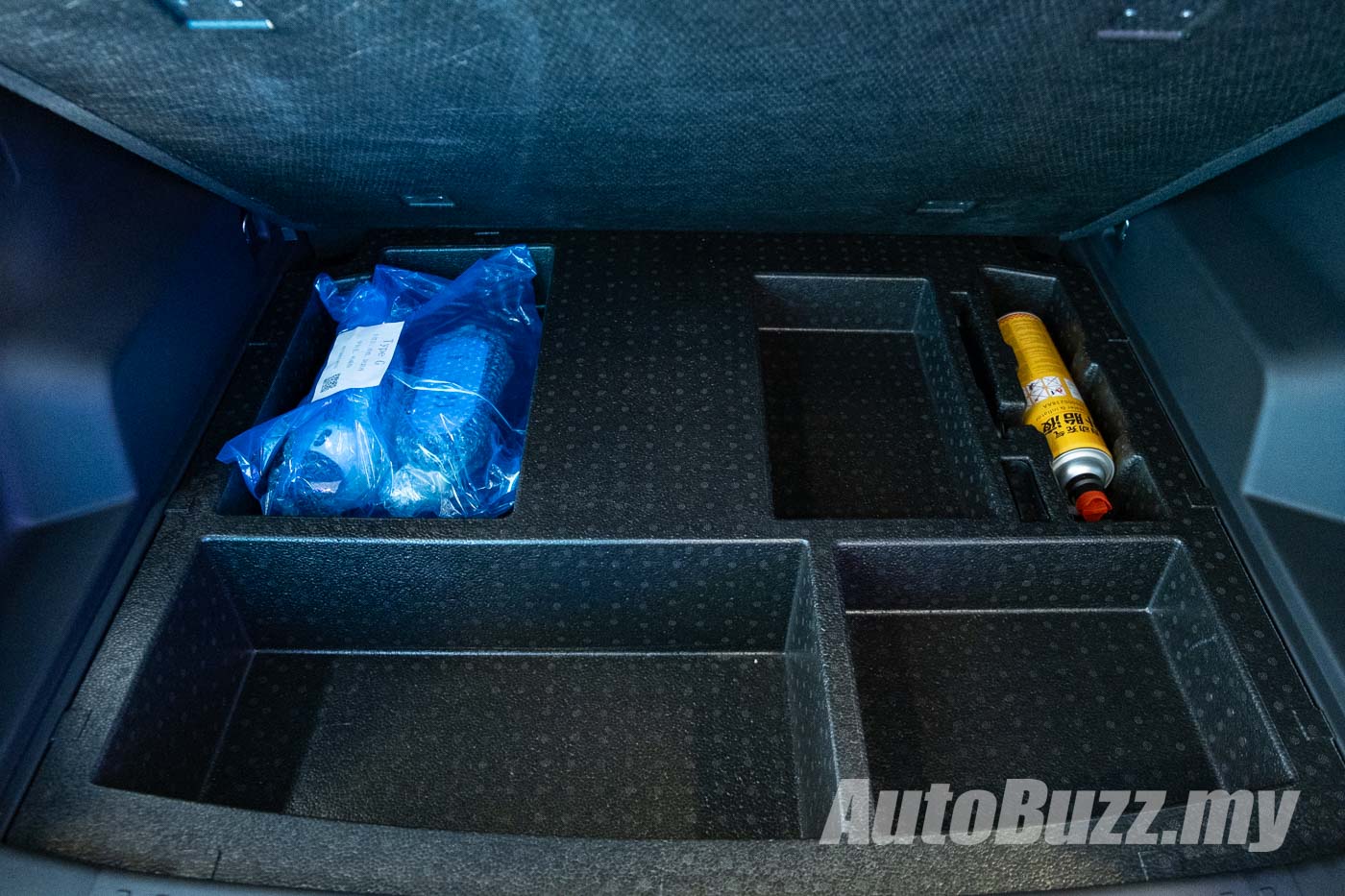
Larger boot space on the Jaecoo J7 PHEV
Boot space in the J7 PHEV is also larger than the petrol variant, offering 500 litres compared to 424 litres. This increased space is due to the Jaecoo J7 PHEV not having a spare tyre, only a tyre repair kit, which allows for a lower boot floor than the petrol variant.
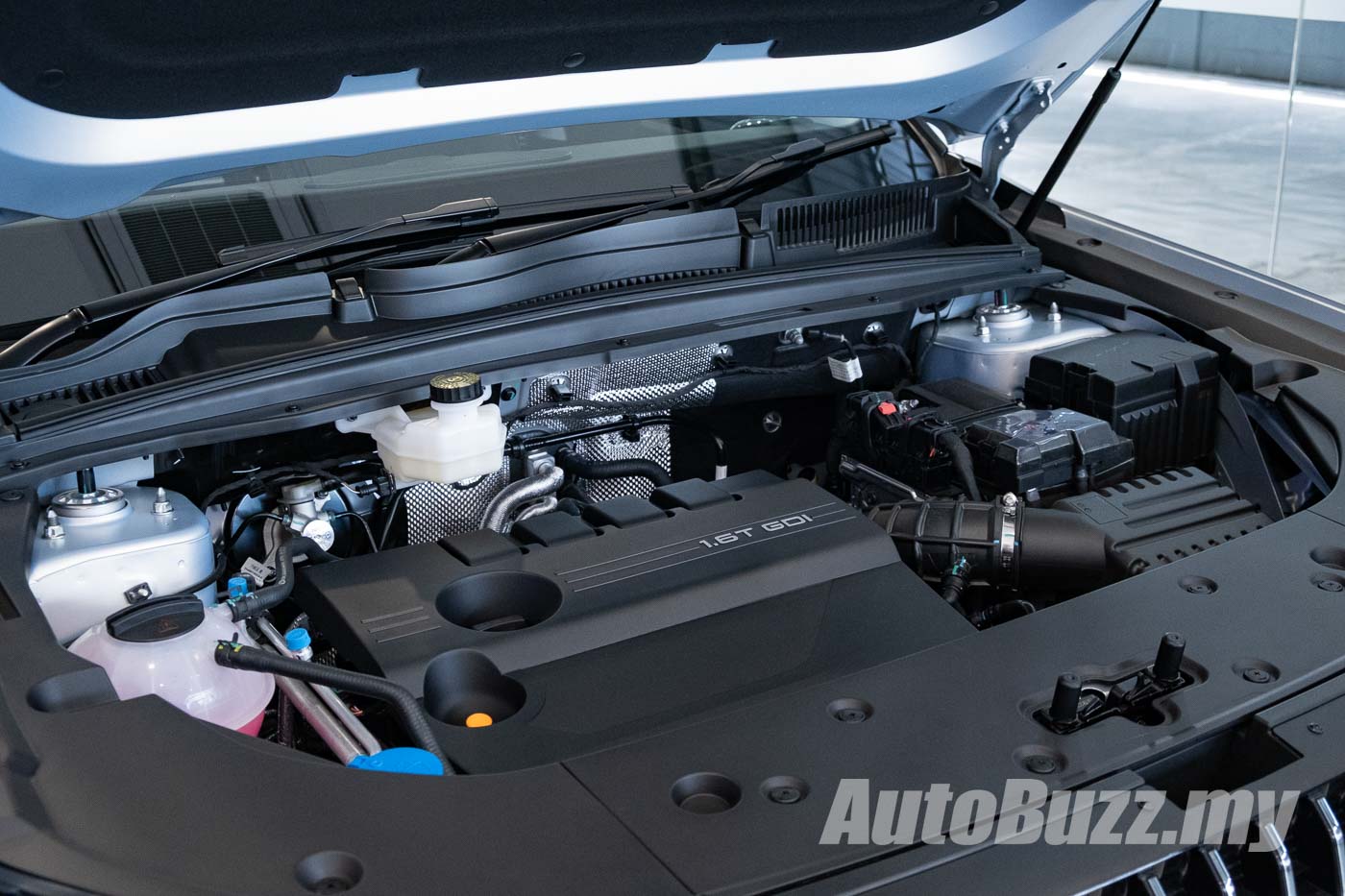

PHEV Powertrain
The main difference between the petrol J7 and the J7 PHEV is, of course, the powertrain. We’ve already explored the PHEV powertrain of the hybrid Jaecoo J7 here, but as a refresher, the J7 PHEV gets a 1.5-litre turbocharged four-cylinder running on a “Deep Miller” cycle, making 142 hp and 215 Nm, paired with a dedicated hybrid transmission (DHT) that houses an electric motor delivering 203 hp and 310 Nm. Combined, the PHEV powertrain delivers 347 hp and 525 Nm.
Request a quote for a Jaecoo through us, and you might just find the best deal in town! Click here to learn more (https://autobuzz.my/grab-a-deal-jaecoo).
ALSO READ: Jaecoo J7 PHEV – How different is it from the J7 petrol?