The Malaysian car market certainly had an impressive year in 2024. According to JPJ data, 856,293 passenger vehicles were registered in 2024. These figures exceeded the Malaysian Automotive Association’s (MAA) forecast for 2024’s total industry volume (TIV) of 696,150 passenger vehicles by 20.6%.
Breaking the figures down by brand, as usual we saw some familiar faces at the top, but there were definitely a few shake-ups that nobody saw coming. Let’s take a closer look at the winners and losers, and see what these shifts might mean for the future of driving in Malaysia.
Perodua continues its dominance, Proton lags behind in second
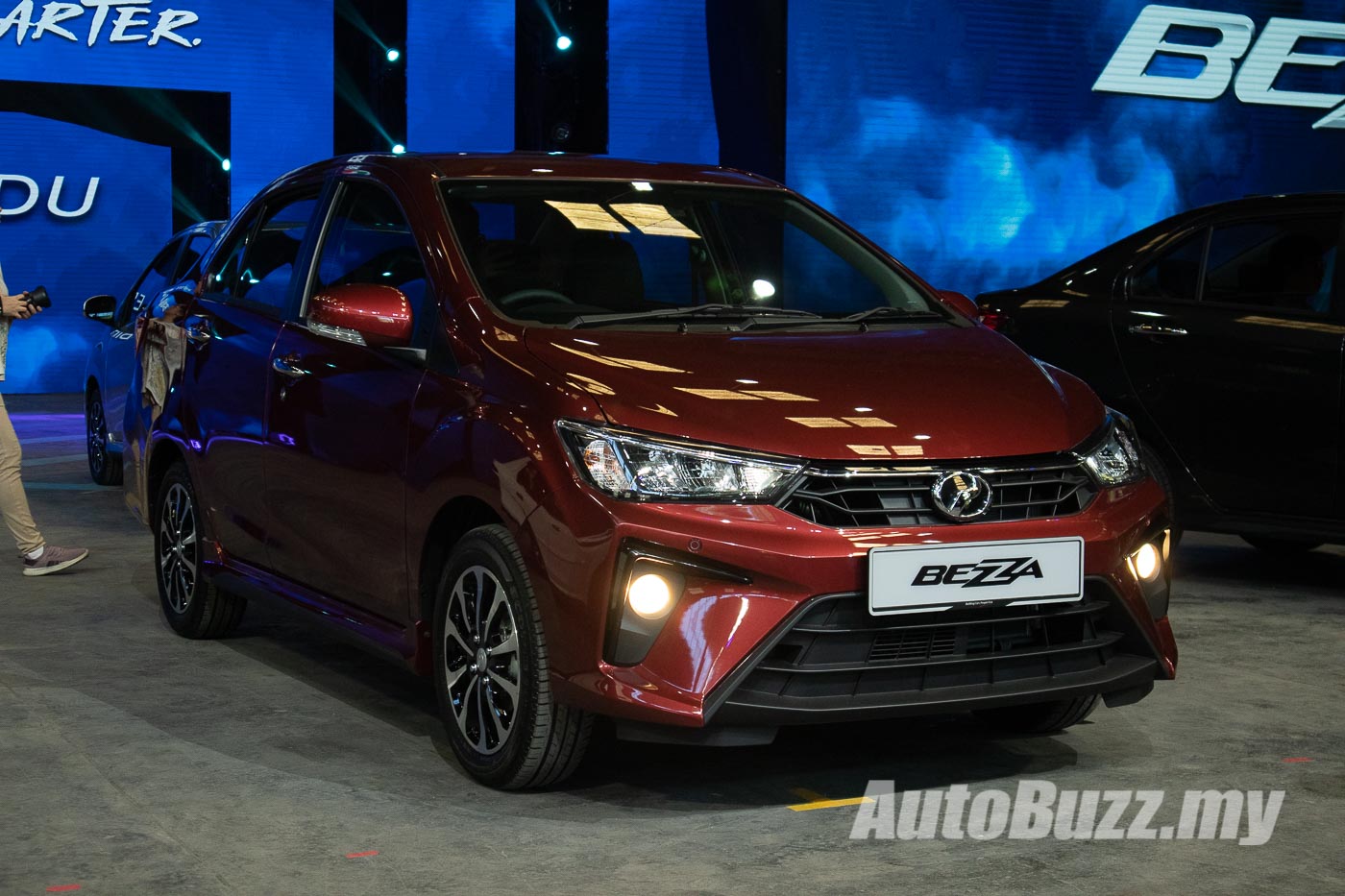
As expected, Perodua reigns supreme as the most popular car brand in Malaysia, achieving 358,100 registrations in 2024. Leading this success are the brand’s staple favourites: the Bezza, Axia, and Myvi.
These models continue to prove their popularity, with the Bezza registering 100,814 units sold, followed by the Axia at 88,137 units and the Myvi at 72,214 units. The Perodua Alza led the seven-seater segment with 44,734 units sold. This is followed by the Ativa with 36,039 units and the Aruz with 16,522 units sold in 2024.

Trailing in second place is Proton who has held on to that position for six years in a row, with 147,587 units sold in 2024. The ever-popular Proton Saga remains the national brand’s champion, contributing 69,863 units to this total, followed by the recently-updated Proton X50 with 23,647 units.
Toyota claims the third spot with 127,202 units sold, making it the leading non-national brand overall. However, this figure includes commercial vehicles. In terms of passenger cars, Honda takes the lead with 81,600 units sold in 2024, propelled by the City’s 29,246 units. This marks 11 consecutive years at the top for Honda in this category.

The Dragon roars as Chinese cars make their mark
Chinese carmakers made a significant impact on the Malaysian market in 2024, challenging the established dominance of legacy brands. Chery, in particular, soared to become the fifth most popular brand in the country, with the Omoda 5 leading the charge, accounting for 8,019 of the 19,687 units sold by the company.
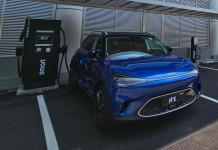
Even with a lineup consisting solely of electric vehicles, BYD has also secured a spot in the top 10, achieving 8,570 units sold last year. The Atto 3, their standout model, contributed 2,969 units to this impressive figure, and remains as the most popular EV on sale in Malaysia.

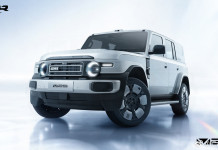
This success isn’t limited to just Chery and BYD. Despite being launched in Malaysia less than a year ago, Chery’s sister-brand Jaecoo has already sold over 7,000 units of the J7. Meanwhile, GWM – despite not making it up to the top-10 charts – experienced a staggering 331% growth in sales compared to 2023.
This impressive leap is likely attributed to the limited number of models initially offered by GWM in 2023. Their best-selling model in 2024, is the Haval H6, with 1,011 units sold. The aggressive pricing and value offered by these Chinese brands clearly resonate with car buyers, and if this momentum continues, it could potentially reshape the status quo of the local car industry.
ALSO READ: GWM Haval H6 HEV receives over 1,500 bookings within 1 month

Shifting tides as legacy brands navigate changing waters
Evidently, many legacy carmakers are already feeling the squeeze. You don’t have to look too much further from Proton to see the effects: despite holding on to second place in the sales chart, the national carmaker experienced a minor setback with sales dipping for the first time in five years, resulting in its market share shrinking from 19.4% to approximately 18.7%.
Third place Toyota saw a sharp 18,547 unit drop in sales, and Nissan, once a major player, even fell out of the top 10 in 2024 – a stark indication of its recent struggles. To illustrate the extent of this decline, Nissan sold only 1,835 Almeras in 2024, a paltry figure compared to the 29,246 Honda City and 28,867 Toyota Vios sold during the same period.

As Chinese carmakers intensify the competition with their attractive offerings at incredible value, those who don’t react quickly enough are often left behind. Nissan’s ageing model line-up might just be too stale for car buyers now, and for Proton, the lack of Apple CarPlay and Android Auto was a long-reported bug bear amongst potential customers – one that they’ve only just “solved” with its new 2024 Proton X70 facelift.
But is that enough to win back customers, or is it just too little too late? There’s only one way to tell, but all we know that this is just the beginning of the Chinese carmakers’ assault – more brands and models are already slated for launch here in Malaysia this year. With Chinese automakers gaining momentum, could we see Chinese brands dominating the top 10 sales chart soon?
RELATED: Deepal is driving into Malaysia in 2025 with Bermaz appointed as distributor