The Ministry of Transport (MOT) is set to introduce an array of wide-ranging amendments to the Road Transport Act 1987 (Act 333) in a bid to keep the laws relevant in step with the modernisation of society in general, improve road safety, and also curb illegal street racing within the country.
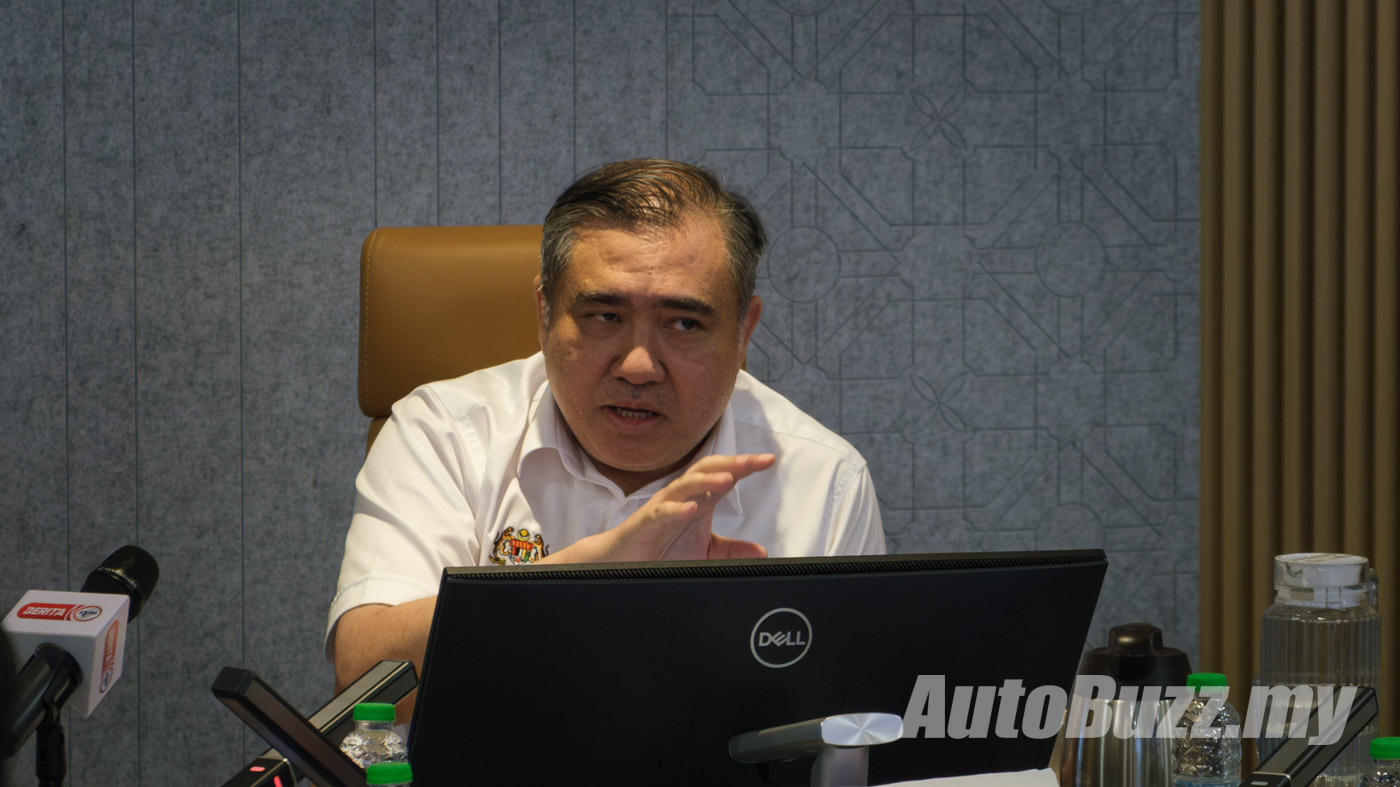
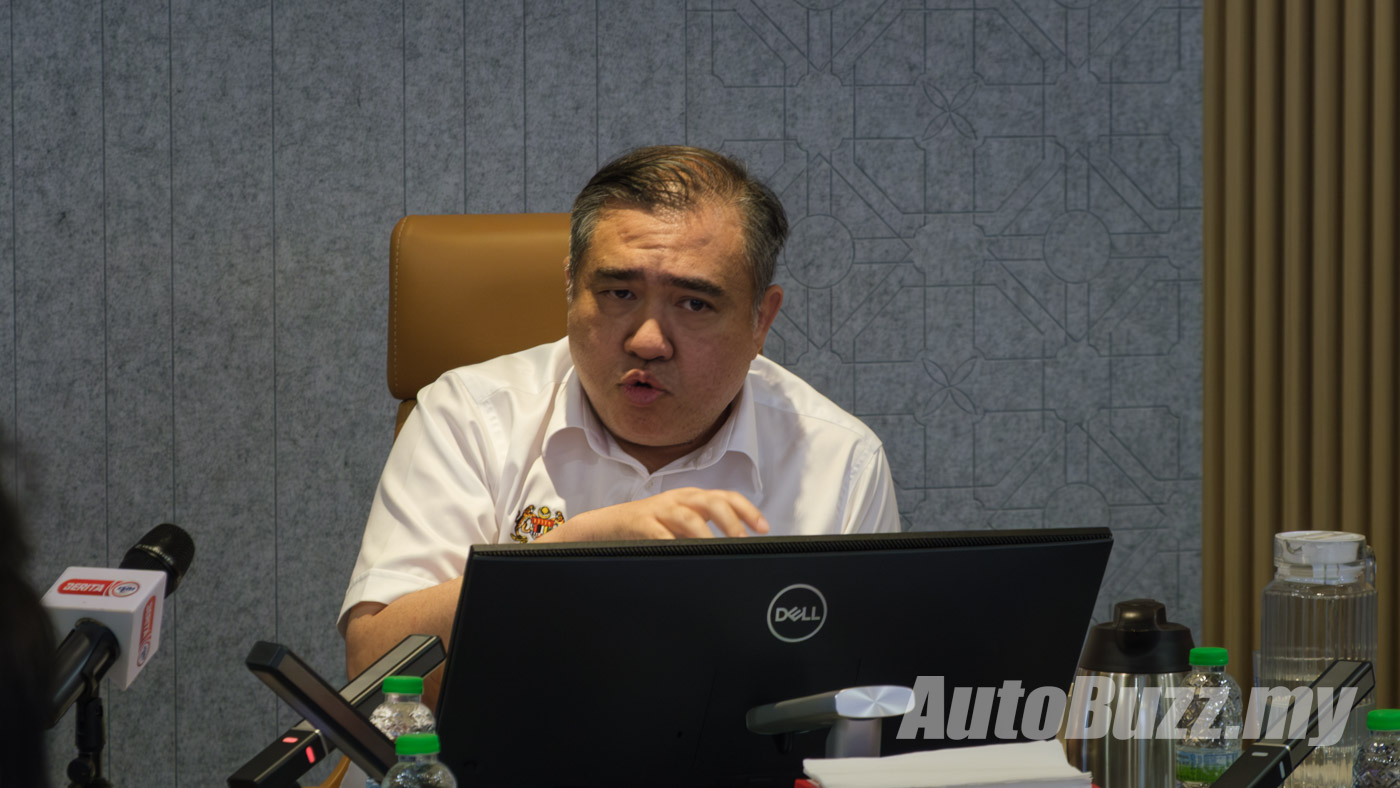
The amendments, which will be tabled in the parliament this coming Monday, are part of the first tranche of changes that will hopefully be implemented this year; Transport Minister Anthony Loke said at a media briefing event today that a second set of amendments will be tabled nearer to the end of 2026.

A total off 42 amendments are included in the first tranche, spread across four over-arching scopes and 11 topics. A key focus in the planned amendments is digitalisation of the Road Transport Department (JPJ), including the introduction of an automatic number plate recognition (ANPR) system on its patrol vehicles to aid in enforcement.
According to Loke, physical roadblocks are the outdated “old method” of conducting enforcement operations, and has limited success while causing too much inconvenience for other road users. The “human interaction” from roadblocks can also lead to claims or accusations of corruption.
With the ANPR system, patrol vehicles can carry out enforcement without stopping traffic flow just by driving around an area, with the system designed to automatically cross-check information on JPJ’s MySikap backend database, particularly on cases of expired or invalid vehicle registrations, road tax, insurance coverage, and even vehicle theft.
A vendor for the ANPR system has already been selected, and is now undergoing integration testing. Additionally, a new electronic police reporting system will also be introduced, specifically designed for instances that do not involve any third-parties to aid in insurance claims.

In terms of amendments to the actual rules and regulations of the act, a key focus will be on improving road safety. For instance, the ministry is proposing an increase in compounds for certain offences, including speeding, traffic light violations, as well as expired road tax and insurance coverage.
Loke said that while increasing the compounds might not directly lead to prevention, he hopes that it will act as a stronger deterrent for road users against such offences, especially when coupled to increased enforcement. The maximum compound rates for traffic offences is currently set at RM300.
RELATED: JPJ ends summons KPIs to focus on road safety and compliance

Additionally, the Road Transport Act will also be proposing an amendment that will classify illegal street racing as an offence by itself. Currently, these acts exist within a grey area in the regulations, as officers can only take direct action when they pose a hazard to other road users, or when accidents happen.
Other amendments will also include clarifications for laws governing local councils’ enforcement capacity, particularly for illegally parked and abandoned vehicles; cross-border restrictions for those with outstanding summonses; new regulations for micromobility vehicles such as e-scooters and e-bikes; closing of road tax loopholes where owners register their vehicles in specific regions for cheaper road tax rates, as well as new laws to curb “tonto” acts that hinder enforcement.
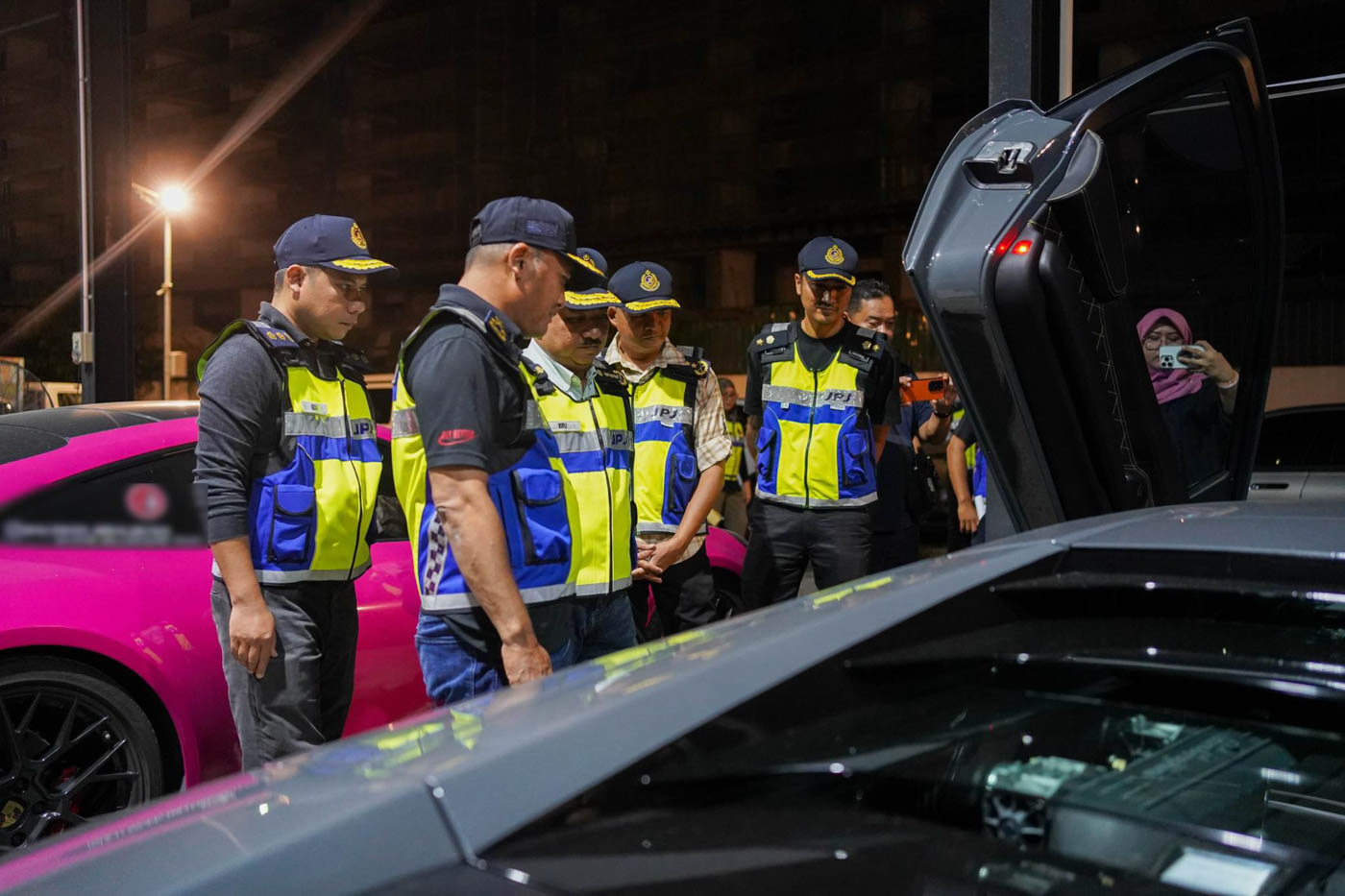
Loke said that the proposed amendments have been created through a select committee made up of representatives from both sides of the political aisle. Compared to the last amendment in 2020 that focused specifically on drink-driving, those set to be tabled next monday are designed to be more wide-ranging, with a focus on creating safer roads for the public.
More details will be revealed during the parliament sitting next Monday, when the amendments are set to be tabled.
ALSO READ: 1,415 JPJ summonses issued for seatbelt violations in buses since 1st July 2025