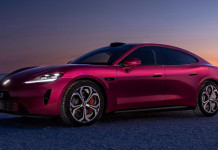
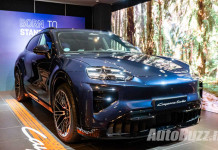
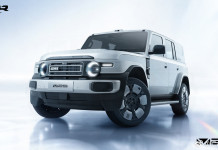
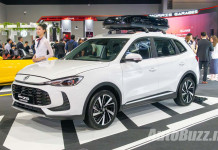
The Chinese carmaker freight train was on full steam ahead for 2024, notching record global sales and exports to buckle the trend of waning sales that struck the rest of the automotive industry.
Unsurprisingly, the big guns of the Middle Kingdom dominated the charts with new energy vehicles (NEV) and plug-in hybrid vehicles (PHEV) spearheading the assault. Sitting pretty atop the throne is BYD, now officially the world’s largest NEV manufacturer, having produced its 10 millionth vehicle in November 2024.
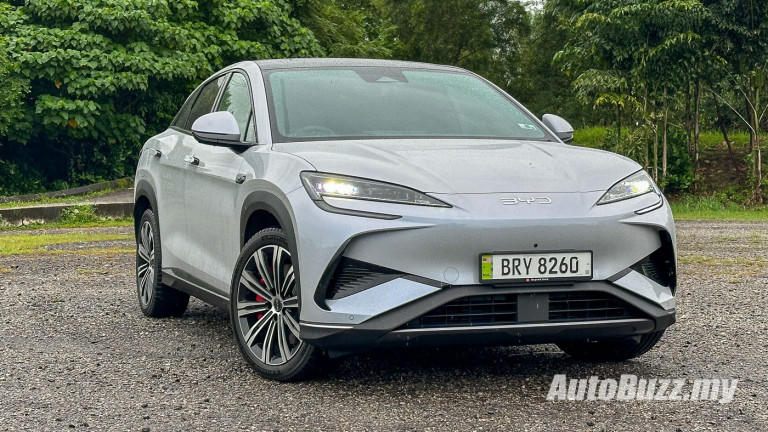
Overall, Chinese carmakers recorded growth with established players such as BYD, Geely, GWM and Chery Holdings leading the way.
BYD sold 4.27 million units globally, a jump of 41.3% over 2023, to smash its initial 2024 projection of 3.6 million units and bring it closer to legacy marques such as Ford and Honda. Its battery electric vehicle (BEV) sales alone grew 12.08% to 1.76 million units, making up 41.5% of BYD’s total sales.
RELATED: BYD sales surged in 2024 with over 4.2 million vehicles sold globally – PHEVs leading the charge
In fact, BYD almost surpassed Tesla in BEV sales, with the American marque narrowly edging it out at 1.78 million units against 1.76 million. Despite this, BYD still posted higher BEV revenue at USD 28.2 billion over Tesla’s USD 25.18 billion. Overall, BYD is expected to break the USD 100 billion mark for the first time.
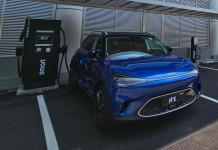
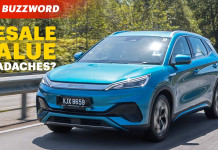
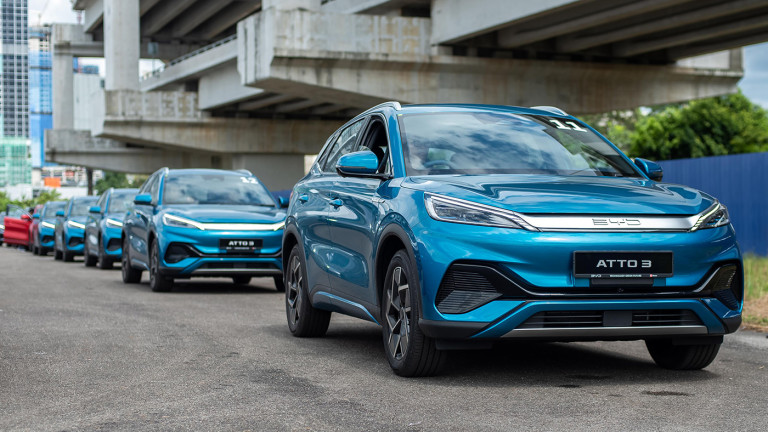
BYD’s export game was also on point with 417,204 units exported, representing a 71.9% increase from 2023. The Malaysian market has been a significant contributor to that with the BYD Atto 3 maintaining its lead as the most registered EV here.
RELATED: EPMB builds 1,000th GWM Haval H6 HEV – Haval Jolion, Wey 80 to begin CKD next year

Keeping things rolling for the Chinese carmakers is Chery Holdings. The group surpassed 2.6 million vehicle sales in 2024, up 38.4% over 2023 across all brands under its umbrella.
It did outdo BYD in terms of exports to maintain its 22-year streak as the top Chinese passenger car exporter. In total, it shipped 1.1 million vehicles out of the country, breaking its own record in the process. Additionally, the group also begun operations in November 2024 of its first joint venture plant in Europe together with Spain’s EV Motors.
RELATED: The 2024 Chery Omoda E5 is the first EV in Malaysia with a SIRIM-certified battery pack
Geely Group wasn’t too far behind with 2.18 million units sold, a new annual sales record with a huge 32% year-on-year growth. PHEVs sales for the group grew by 104% to 311,74 units, followed by EV models at 576,488 units. The figures include all marques under the brand, including Zeekr and Lynk & Co that recorded 87% and 30% growths in sales.
It achieved those numbers with a solid finish to the year by posting sales exceeding 200,000 units for the final four months. Exports for the group rose by 53% to 403,923 units. While left-hand drive markets form the bulk of its exports, its penetration of key right-hand-drive markets contributed to the rise as well.
RELATED: GWM Tank 500 previewed at KLIMS 2024 – Coming to Malaysia, due next year?
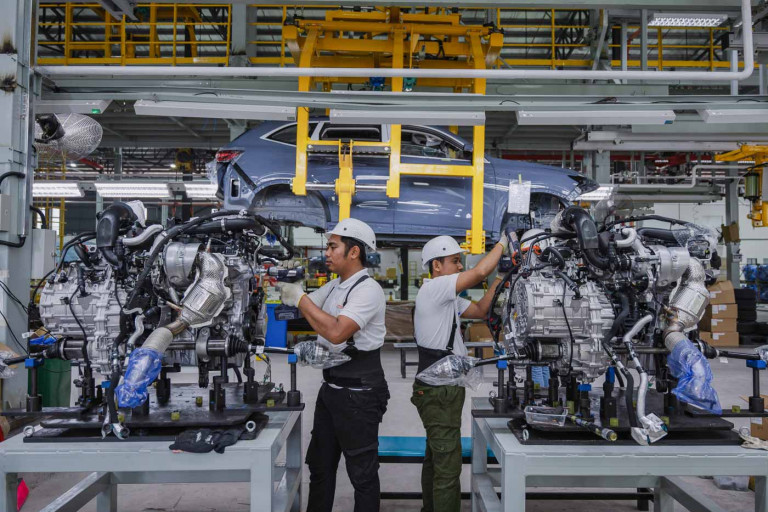
Rounding up the giants of China is Great Wall Motor (GWM), posting sales of 1.23 million units, with every brand under its portfolio reporting sales growth. Exports weighed in with 453,141 units, a jump of 43.4%.
The surge in sales for Chinese marques stemmed from a number of factors, mainly government incentives for trade-ins and local demand as many adopt a greener motoring lifestyle.
China’s government introduced a CNY20,000 (USD 2,740) subsidy from July to December 2025 for any citizen that traded in a combustion engine vehicle for an EV. The move pushed buyers to seal the deal before the year-end as it could be reduced this year.
RELATED: GWM Wey 80 – Alphard rival with 487 hp previewed at KLIMS 2024, Malaysia launch in the works
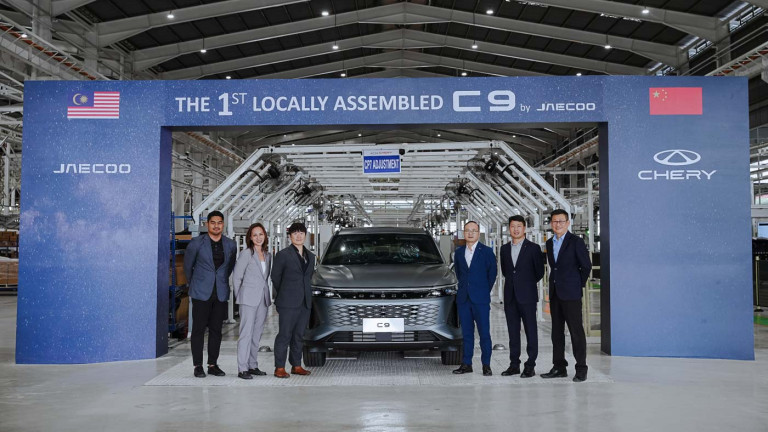
The subsidies saw the country accounting for 41% of the world’s car sales in November 2024, or 3.32 million units.
On top of that, government subsidies for the carmakers themselves allowed discounted sales worldwide, especially in the lucrative EU market. Unfortunately, that has led to additional tariffs being imposed on Chinese EVs there to counter what the union has primarily labelled “unfair state subsidies that lend Chinese carmakers an unfair advantage in pricing.”
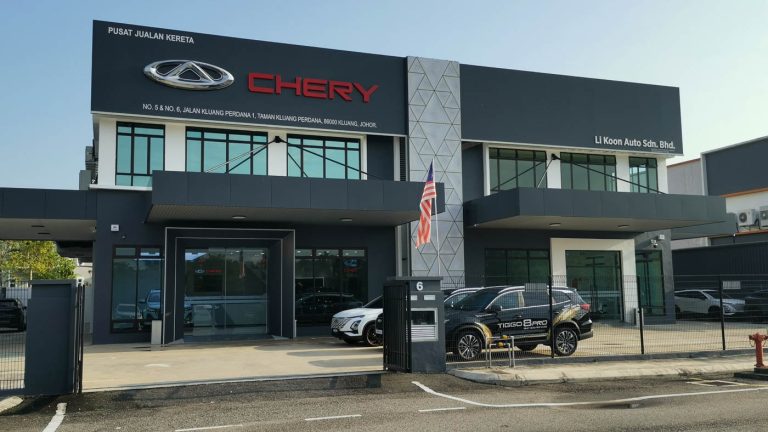
Despite Chinese exports rising 21% in the first 11 months of 2024, the tariffs slowly introduced since July 2024 saw Chinese EV sales drop by 45% in the EU.
While the two trade giants have a pow-wow at the trading table to find a middle ground, the sales of Chinese PHEVs and hybrids almost tripled over the same period as they aren’t subject to the tariffs.

This could spell disaster for the Chinese automotive industry that’s hoping to carry 2024’s momentum into 2025. The tariffs will likely see sales slump in the short term until a conclusion can be found. Some Chinese EVs were hit with tariffs up to 45.3% on top of the original 10% levies.
Despite the many uncertainties facing Chinese carmakers for 2025, its market share is expected to grow by 3%.