Toyota has announced the result of the investigation by Japan’s Ministry of Land, Infrastructure, Transport, and Tourism (MLIT) following its procedural irregularities that surfaced a few months ago. On January 26, 2024, Japan’s MLIT instructed Toyota to investigate its model certification applications. Besides Toyota, Mazda and Honda were also given the same instruction. Both companies have also revealed results from the investigation.
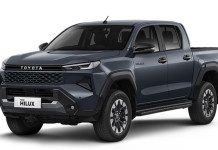
Toyota’s most recent scandal involved three of Toyota’s existing models, four of which have been discontinued. The company reported this to Japan’s MLIT on May 31, 2024. The three affected Toyota models include two Japanese market-only models, namely the Toyota Corolla Fielder and Corolla Axio, and the Yaris Cross (not to be confused with the Daihatsu-developed Yaris Cross sold in Southeast Asia).
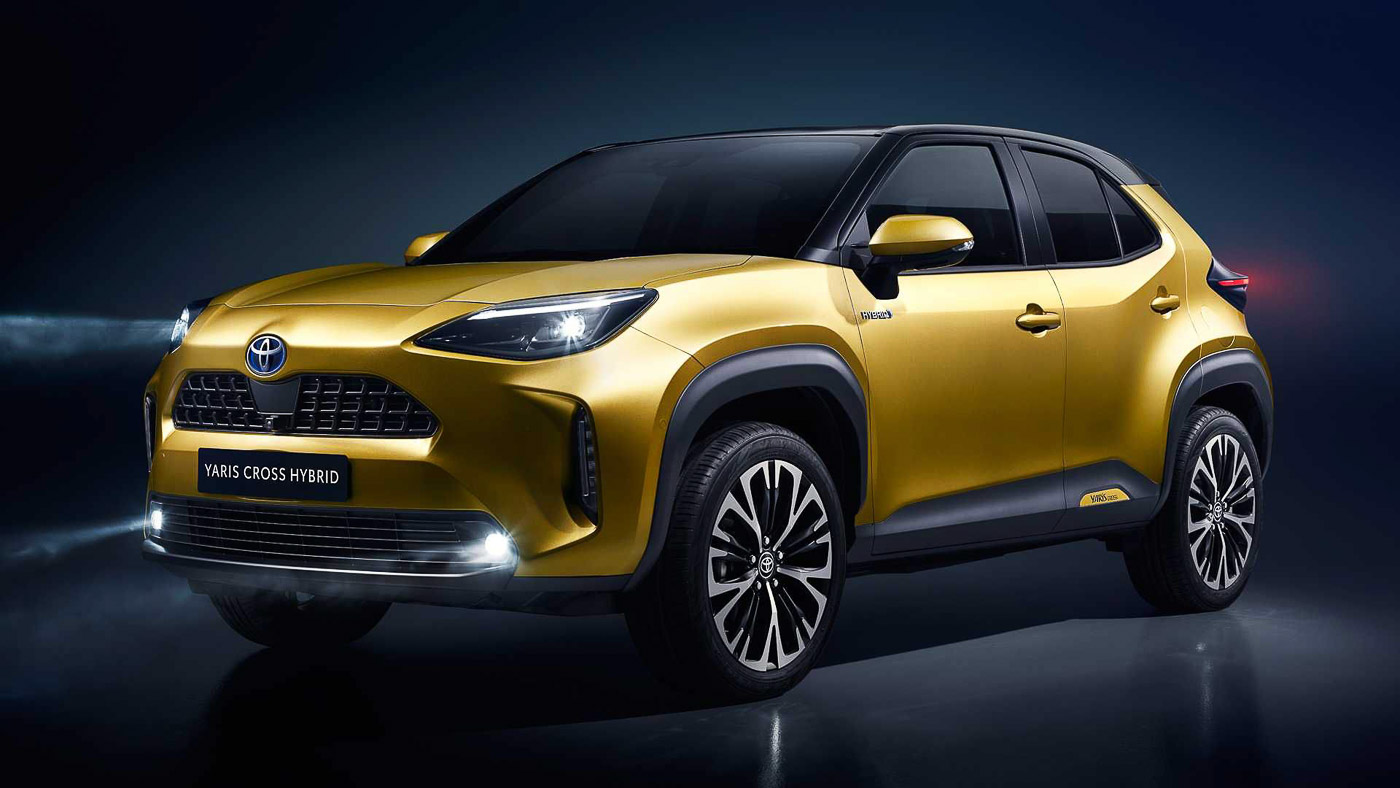
The model certification applications in question were found to involve inadequate data in pedestrian and occupant protection tests for the three models listed above. Errors in crash tests and other test methods were also found in four of Toyota’s discontinued models, including the Toyota Crown, Isis, Sienta, and the previous-generation Lexus RX.
As a result, Toyota has taken action to temporarily halt shipments and sales of the three models (Corolla Fielder/Axio and Yaris Cross) currently produced in Japan, effectively immediately. However, Toyota has confirmed that no performance issues contravene laws and regulations with the affected vehicles. Therefore, owners of the said vehicles do not need to stop using them.
RELATED: Daihatsu safety scandal: Toyota to dissolve EMCC, current-gen Vios to be last developed by Daihatsu

Aside from Toyota, Japan’s MLIT has also reported cases of improper conduct regarding certification testing for models sold by Honda in the past. Irregular tests conducted by Honda include improper noise testing cases conducted between February 2009 and October 2017, as well as improper cases in output testing of its petrol engine and hybrid powertrains, conducted between April 2013 and June 2015.
Mazda has also been recently involved in irregular processing of test vehicles in crash tests regarding three Mazda models which are no longer in production. In its statement, Mazda mentioned that the case involves the use of an external device to trigger a timed activation of the airbag instead of spontaneous activation based on collision detection by an onboard sensor.
The Mazda models mentioned include the Atenza (Japanese market Mazda 6) produced from January 2015 till its discontinuation in Japan recently, as well as the Axela (Japanese market Mazda 3) produced between September 2016 and March 2019.

Two of Mazda’s models currently sold in Japan, namely the Roadster RF produced since July 2018 and the 1.5-litre engine-powered Mazda 2 produced since June 2021 were also involved. The company was reported to have improperly tested the engine output tests of the two models.
If you have been following Toyota’s recent safety scandals closely, you will know that this isn’t the company’s first time to be involved in such cases. The company’s subsidiary, Daihatsu was involved in a procedural irregularity scandal involving door lining and side collision test irregularities, and later irregularities in 174 items within 25 test categories. However, Honda and Mazda are relatively “new” to this.