It looks like the smaller, more affordable Tesla EV is back on the menu. According to a report by Reuters, the American carmaker has begun contacting suppliers about building a brand new low-cost EV SUV, which will not be related to any of its existing models.
The report, based on four anonymous sources familiar with the matter, said the new “affordable” model would first be built in China, before eventually being brought to European and US markets.
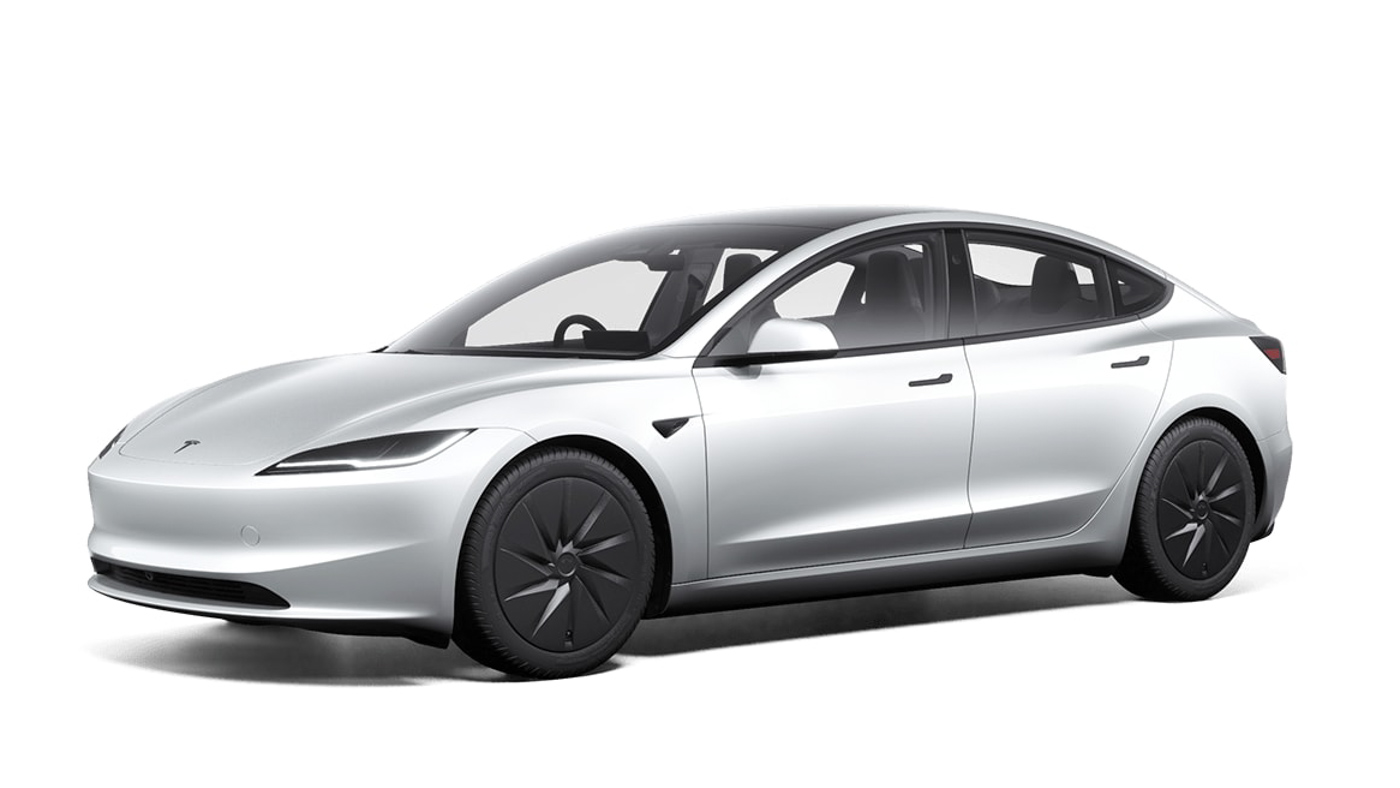
This, of course, won’t be Tesla’s first rodeo in the affordable car space. The company has in the past long been reported to be developing a smaller “affordable” model, to be priced at around the USD25,000 (approx. RM99k) mark, and previously thought to be called the Model 2. However, those plans were scrapped by CEO Elon Musk back in 2024 as he pivots the company towards autonomous taxis.
In its place, the company unveiled two stripped-down “Standard” versions of the Model 3 and Model Y, which while cheaper, were not quite up to the “affordable” car standards that the company first promised as part of its original “Master Plan” manifesto, which Musk himself wrote almost two decades ago.
READ MORE: New Standard variants – the most affordable Tesla Model 3 and Model Y has arrived

But now that the company’s AI-fuelled dreams is reportedly struggling to get off the grounds, the company is seemingly reverting to building cars again – despite Musk stating that Tesla is “not a car company” any more – in hopes of recapturing some of the enthusiasm for the brand that has now been lost to the Chinese competitors.
Not much is known about the car at this time, and the four people speaking to Reuters said that the car is still very much in its early development state, but two of them said that it’ll measure around 4,280 mm in length, putting it in the ballpark of a C-segment SUV.

We also don’t know yet if the new “more affordable” Tesla will be designed to be primarily human-driven, or it’ll still be aligned with Tesla’s vision for autonomous driving. Reuter’s sources say that the new model could be built to cater to both, noting that despite the company’s overarching aim to have full autonomy across its entire lineup, many global markets still likely won’t see meaningful adoption for years, not least due to regulatory resistance.
The company is currently working towards ramping up production of its steering wheel-less Cybercab, although its Robotaxi service currently only Austin, Texas, and its operation is also far from being fully autonomous as the company first promised, with most rides still accompanied by a human supervisor with access to a kill-switch when things go south.
And then, of course, there’s Tesla’s own habit of not finishing what they started – we’re still waiting for the arrival of the second-generation Tesla Roadster, which the company has already begun taking deposits for since 2017. Let’s just hope that Elon Musk actually follows through with this new plan…
READ MORE: Don’t get too excited about the Tesla Cybercab just yet