China’s Ministry of Industry and Information Technology (MIIT) has announced new regulations requiring cars sold in China to be equipped with mechanically operated door handles, both inside and outside the vehicle. The new rules not only address concerns surrounding concealed door handles, but also set out specific requirements to ensure that manufacturers design door handles that meet safety standards.
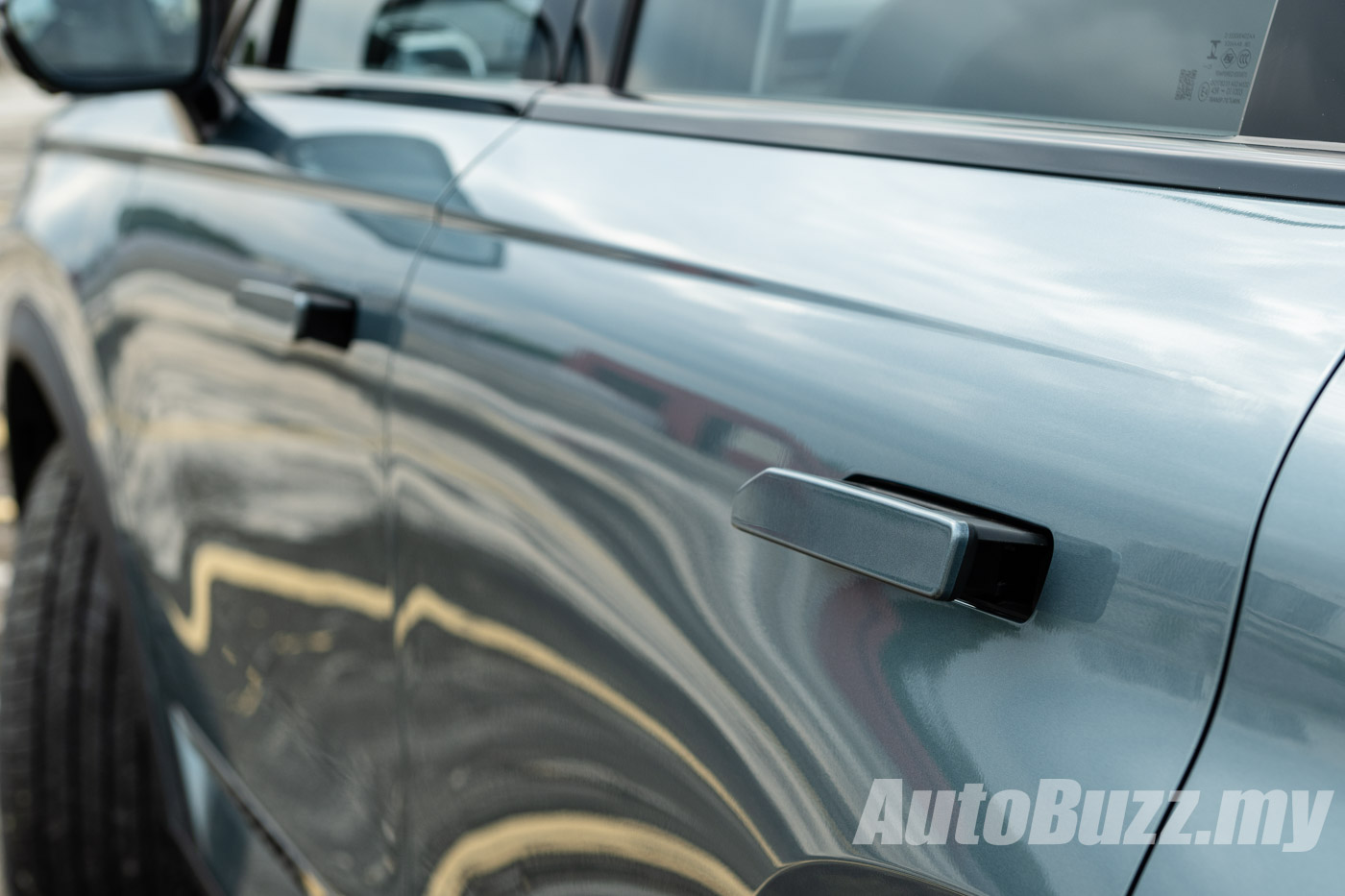
For exterior door handles, the recessed area must measure at least 6 cm (length) x 2 cm (height) x 2.5 cm (depth) to provide a safer and more hand-operating experience. Semi-hidden door handles remain permitted, provided the operating space for opening the door is equal to or more than 30 cm³.

The new requirements mean that concealed door handles, whether powered or not, will not be allowed in China when the new regulations go into effect on January 1, 2027. For cars that have already been approved for sale in China prior to this new regulation, companies have until January 2029 to change their designs.
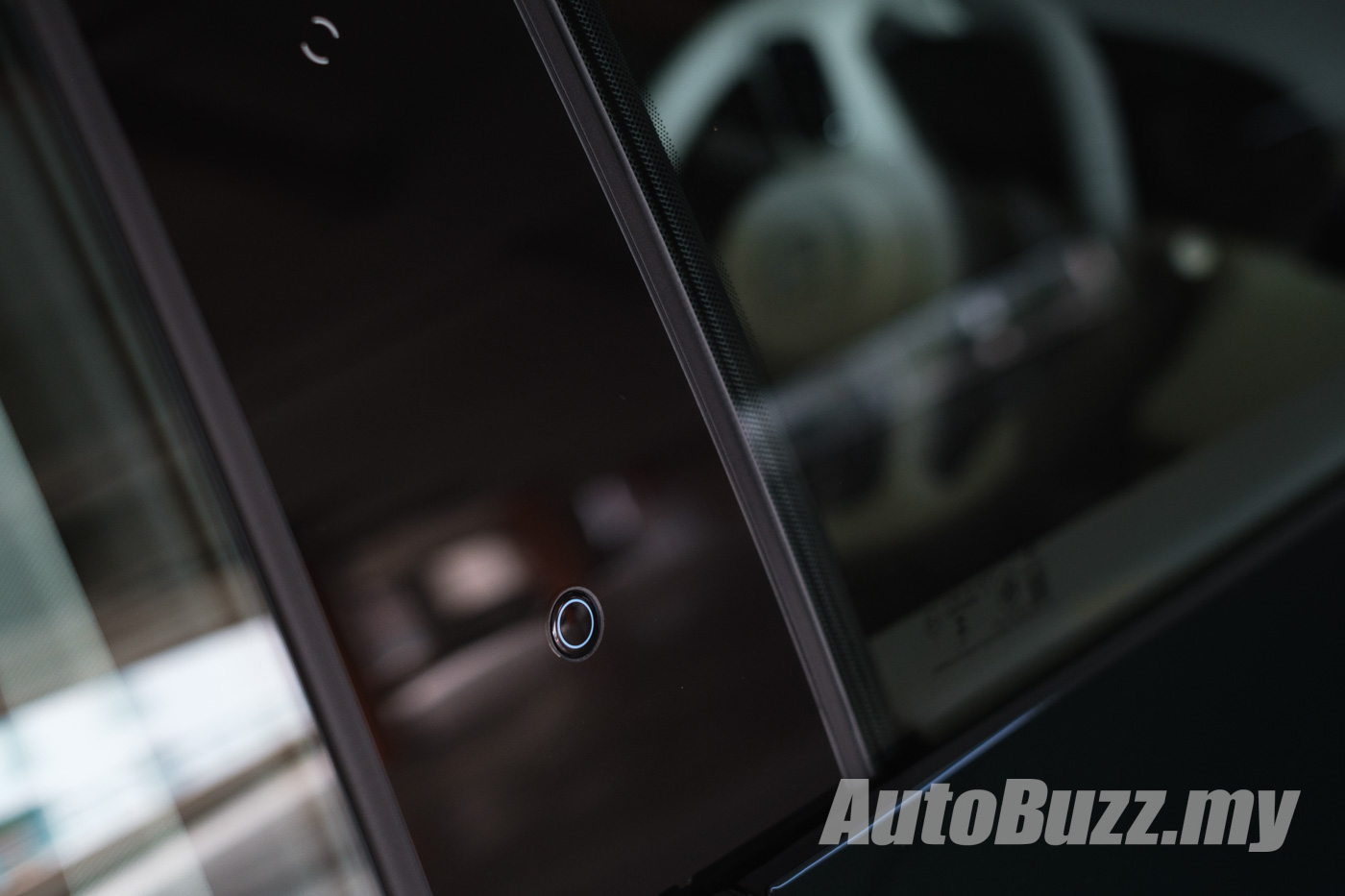
Inside the cabin, door handles must be clearly indicated by signage with a minimum size of 1 cm by 0.7 cm. These indicators must be placed in an unobstructed location and remain clearly visible in low-light or dark conditions, helping occupants quickly locate the physical door handle in an emergency.
ALSO READ: China set to introduce world’s first mandatory EV efficiency standard
Concealed door handles were first popularised by Tesla, starting with the Model S back in 2012. As with most changes in the automotive industry, the idea was initially met with scepticism, with concerns raised over its practicality. Over time, however, buyers grew to appreciate the benefits — improved aerodynamics, increased driving range, and, of course, the sleek look.
Over time, many Chinese car brands have too taken inspiration from Tesla’s innovative door handles and begun incorporating them into their own models. However, several high-profile accidents involving brands such as Tesla, Xiaomi, and others have sparked serious safety concerns in the country.
ALSO READ: Geely to begin vehicle trials for self-developed solid-state battery in 2026

According to Bloomberg, the most notable cases involved electric vehicles catching fire and trapping passengers inside when their door handles malfunctioned. With no mechanical door handles on the exterior, bystanders were unable to open the doors to rescue those inside.
GMW China also reported that cases of children’s fingers being pinched have increased dramatically with the proliferation of powered concealed door handles, along with reports of “failure in low temperatures,” “inability to open after a collision,” and “difficulty for special groups to operate”.
ALSO READ: China’s Hongqi begins real-vehicle testing of its in-house-developed solid-state battery