Toyota and Lexus will be simplifying electric vehicles (EV) and internal combustion engine (ICE) model line-up, moving away from independent models for different powertrains. Instead, the Japanese car giant will be building models that offer both powertrain types. The first car to employ this new strategy will be the upcoming Lexus ES.
Since launching their first electrified models, Toyota and Lexus have produced standalone EVs and ICE models, built on separate platforms. Vehicles like the bZ4X, C-HR+, and Lexus RZ were developed as bespoke EVs, while plug-in hybrid electric vehicles (PHEVs) and hybrid electric vehicles (HEVs) continued to be built on distinct platforms of their own.

Developing EVs separately allows for better packaging of the car. It can afford a longer wheelbase, a larger battery, and house more space for occupants inside. But with new unique EV models selling alongside ICE models in the same segment, it may cause confusion for consumers, Toyota says.
Speaking to Autoblog, Toyota-Lexus European VP, Andrea Carlucci, said, “We have been focused on a wide range [of vehicles], and that causes a complexity challenge.We should simplify the number of silhouettes, with multiple powertrains. We are trying to navigate our way through it. We need to find a platform that’s good for PHEV and HEV and EV.”
ALSO READ: 2025 Lexus ES debuts in China with hybrid and EV options – up to 685 km range
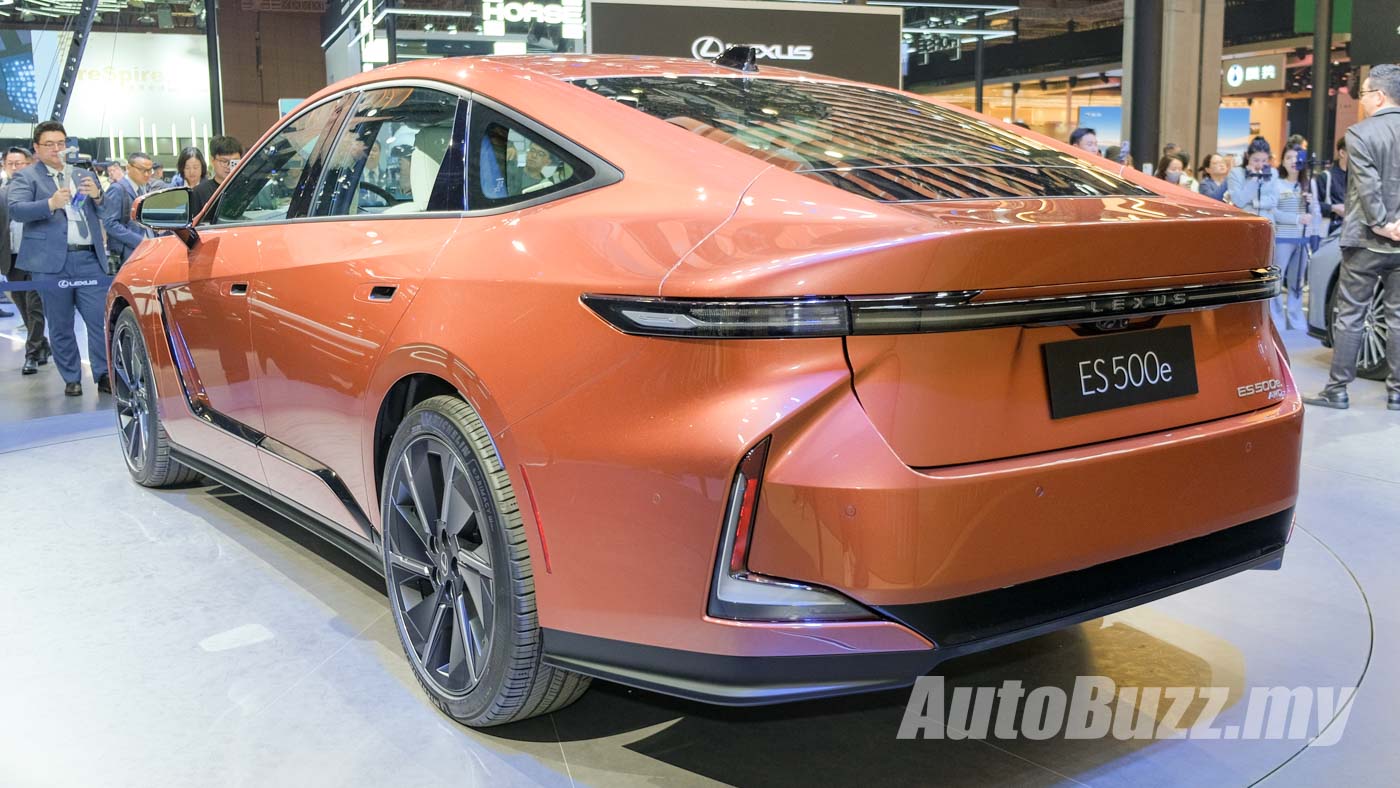
The upcoming Lexus ES will ride on Toyota’s versatile TNGA-K platform, which supports both HEV and EV powertrains, along with front-wheel drive (FWD), rear-wheel drive (RWD), and all-wheel drive (AWD) configurations. On the EV end, the ES 350e offers an estimated range of 483 km, while the more powerful AWD ES 500e delivers 402 km.
For those opting for a hybrid, the ES 350h features a 2.5-litre four-cylinder engine paired with an electric motor, producing a combined 243 hp – more than the 220 hp of the ES 350e, but less than the 338 hp of the ES 500e. Options like these offer great flexibility to buyers, especially those who are unsure if they want to go full electric just yet.


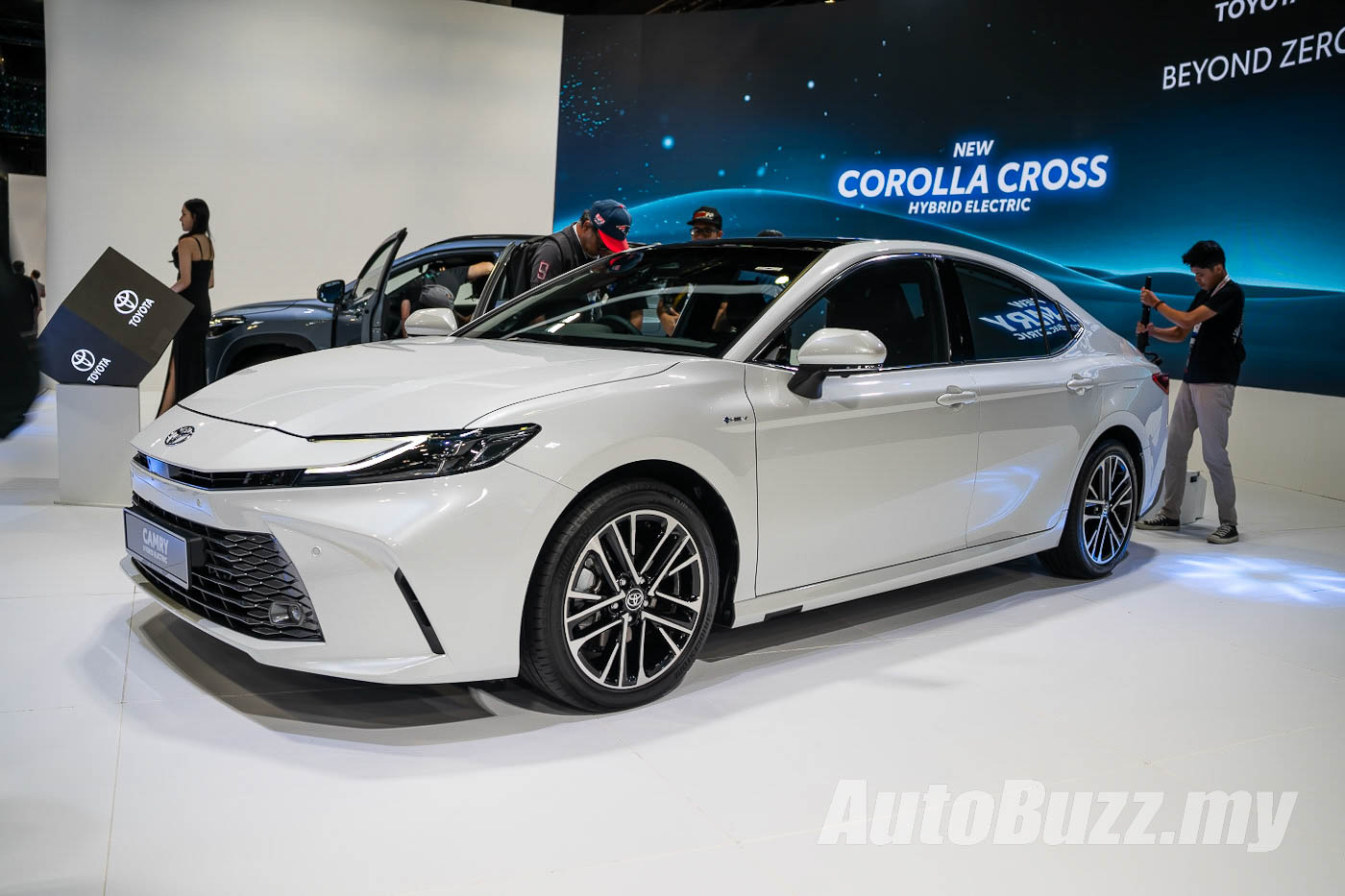
Future models like the Toyota RAV4, Camry, and Lexus RX – all of which also ride on the TNGA-K platform – would likely be the firsts to benefit from this new strategy. Moving forward, we can expect to see a wider range of powertrain options across these nameplates.
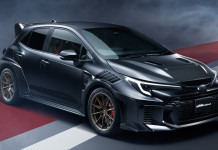
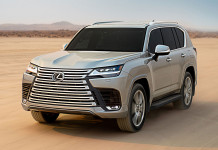
Gazoo Racing fans can breathe easy as Carlucci was quick to point out, “I don’t think simplification for its own sake is good. We won’t simplify away the GR models. GR isn’t just profit, it’s intangible value to Toyota. And we won’t stop the Land Cruiser.” So while platforms may unify, Toyota’s passion project remains untouched.
ALSO READ: The all-new 6th-generation Toyota RAV4 is now a hybrid-only SUV