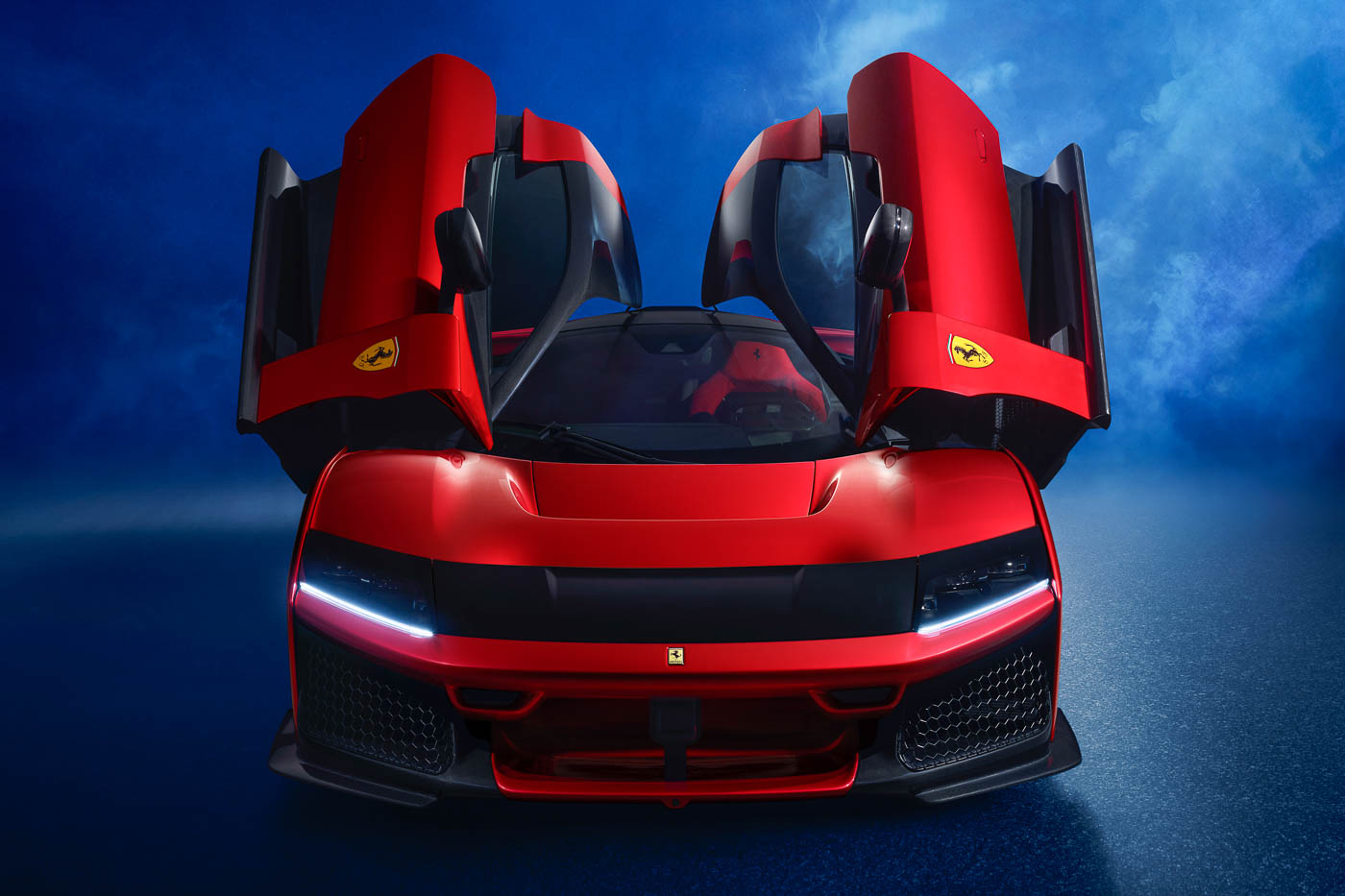
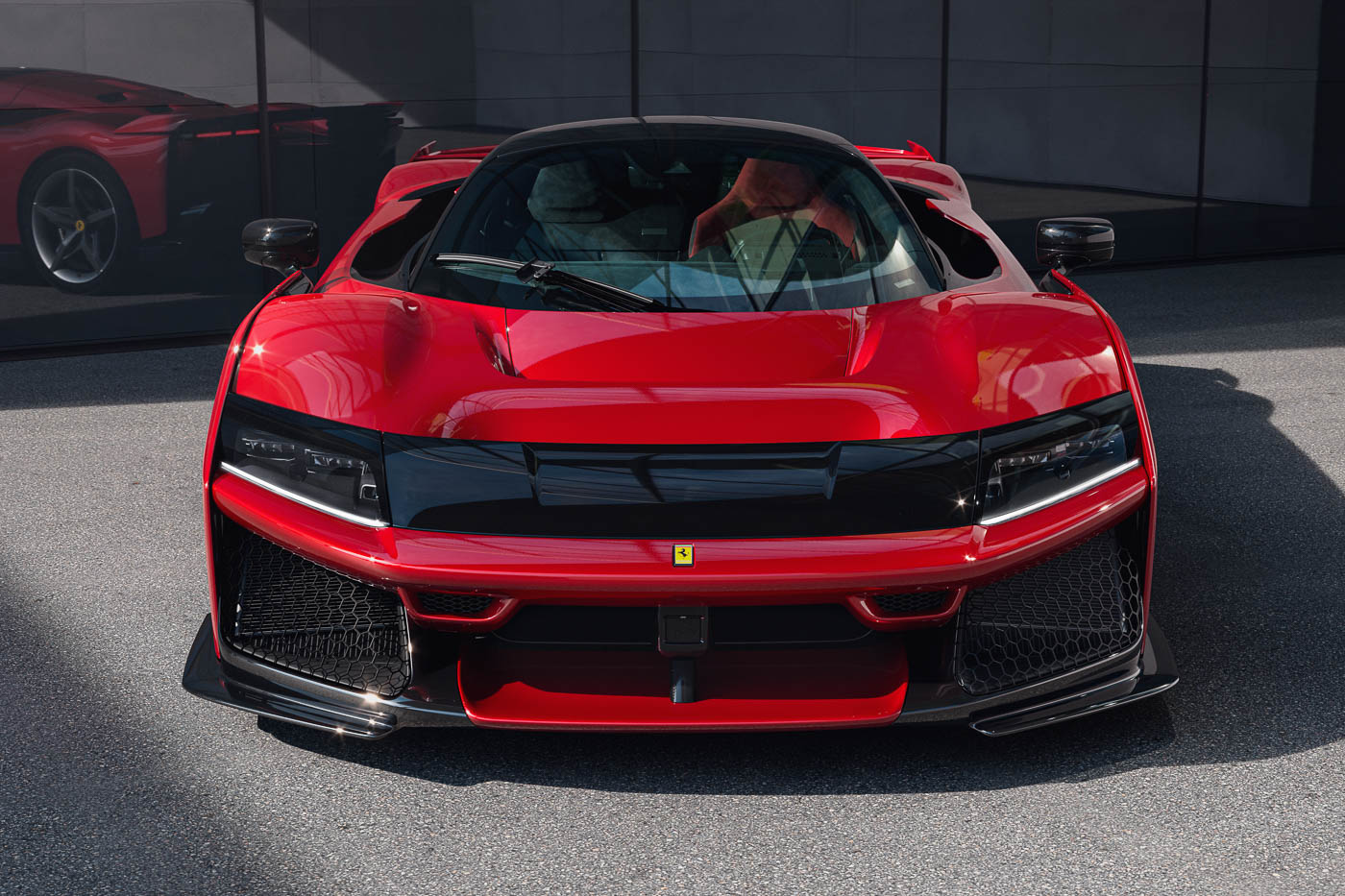
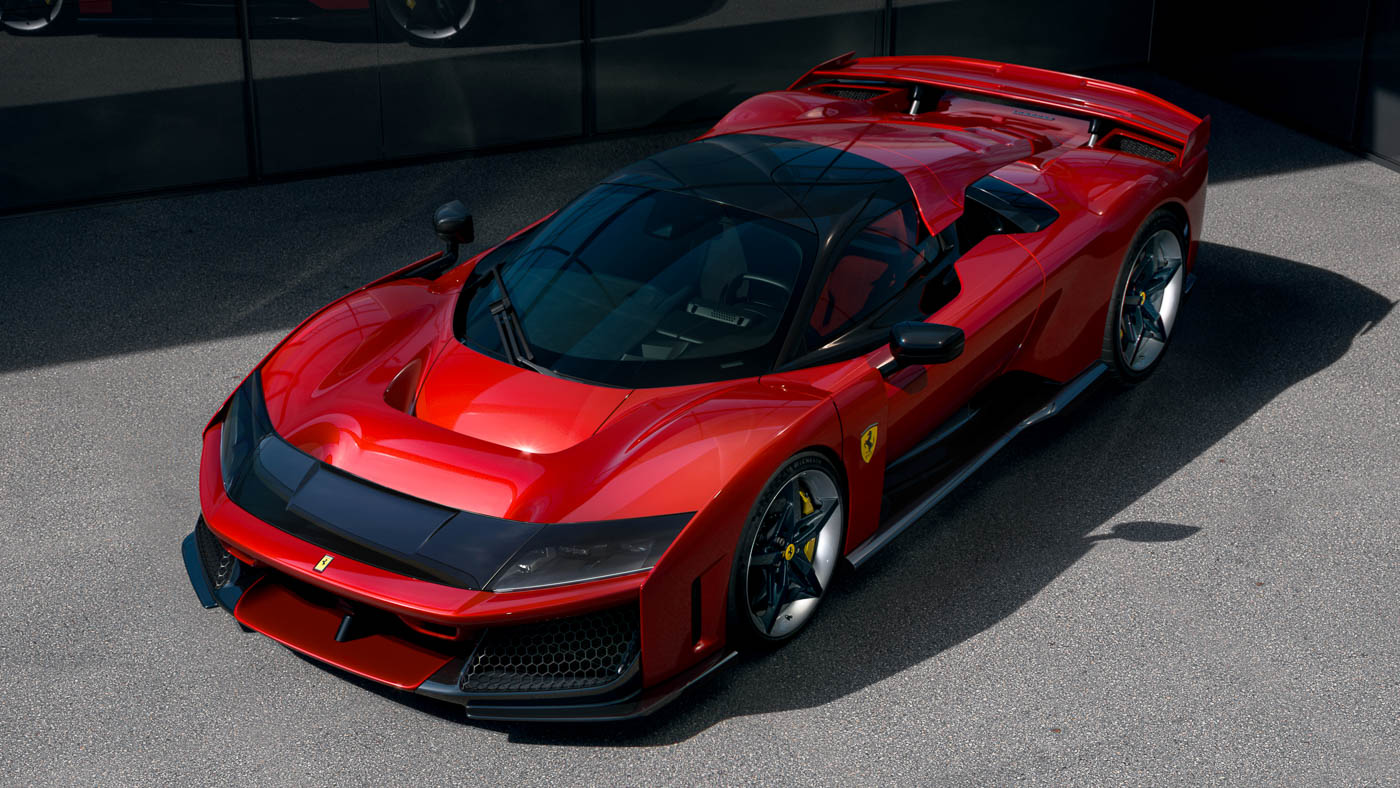
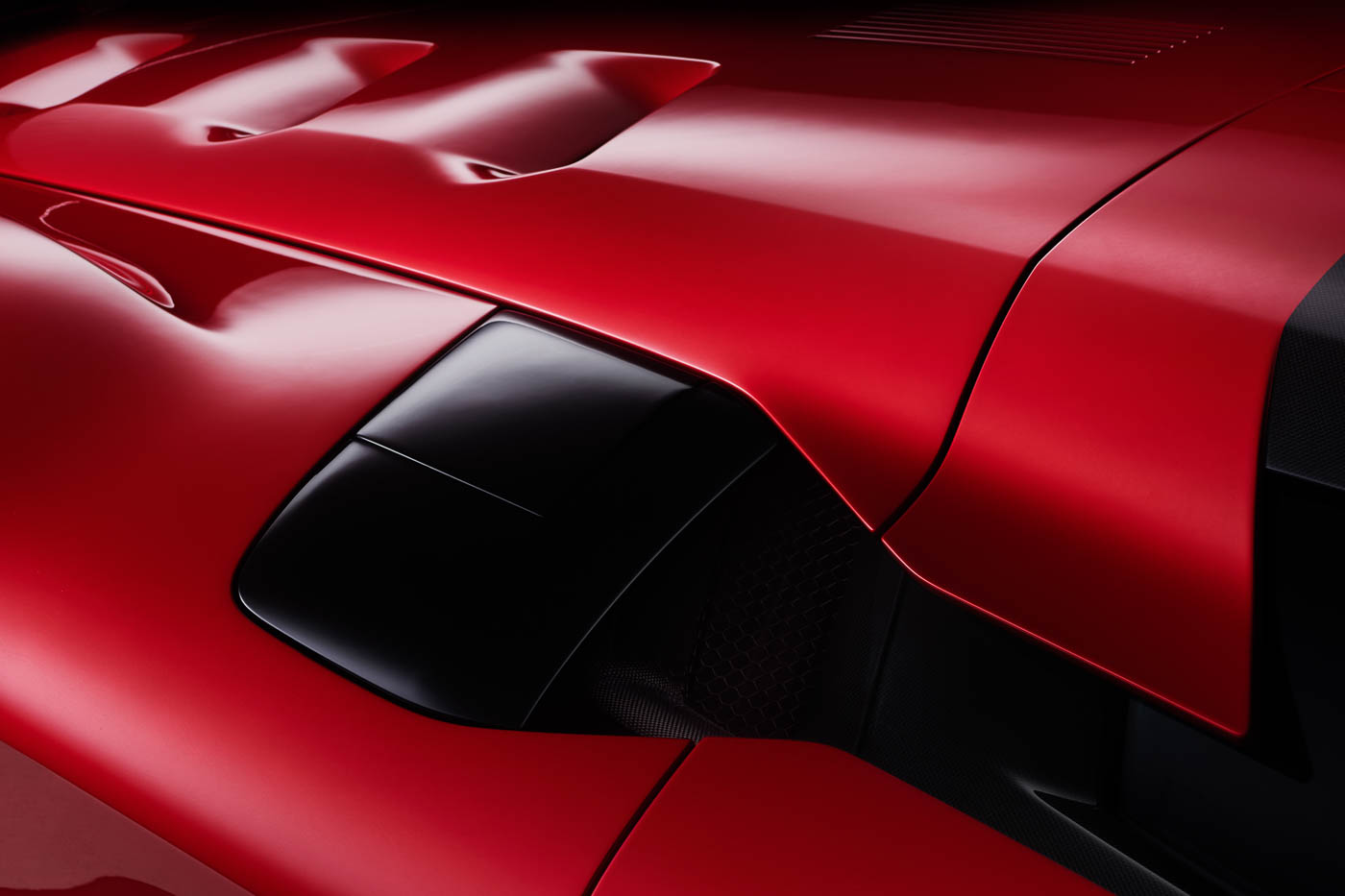
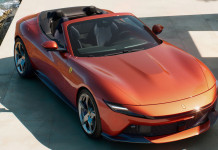
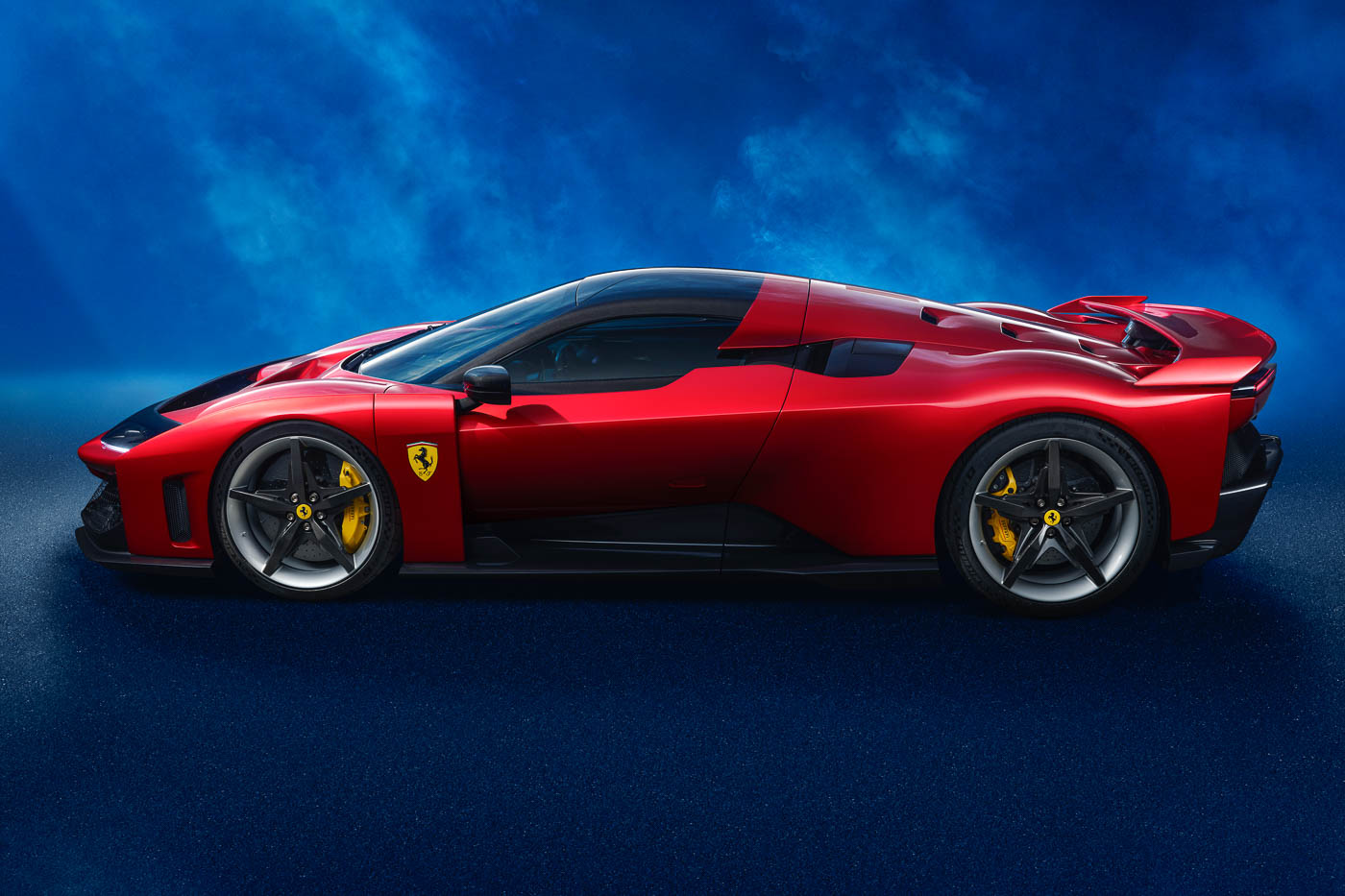
Ferrari has unveiled the F80 which will be limited to just 799 units with an eye-watering 3.6 million Euro (approx. RM17 mil) price tag.
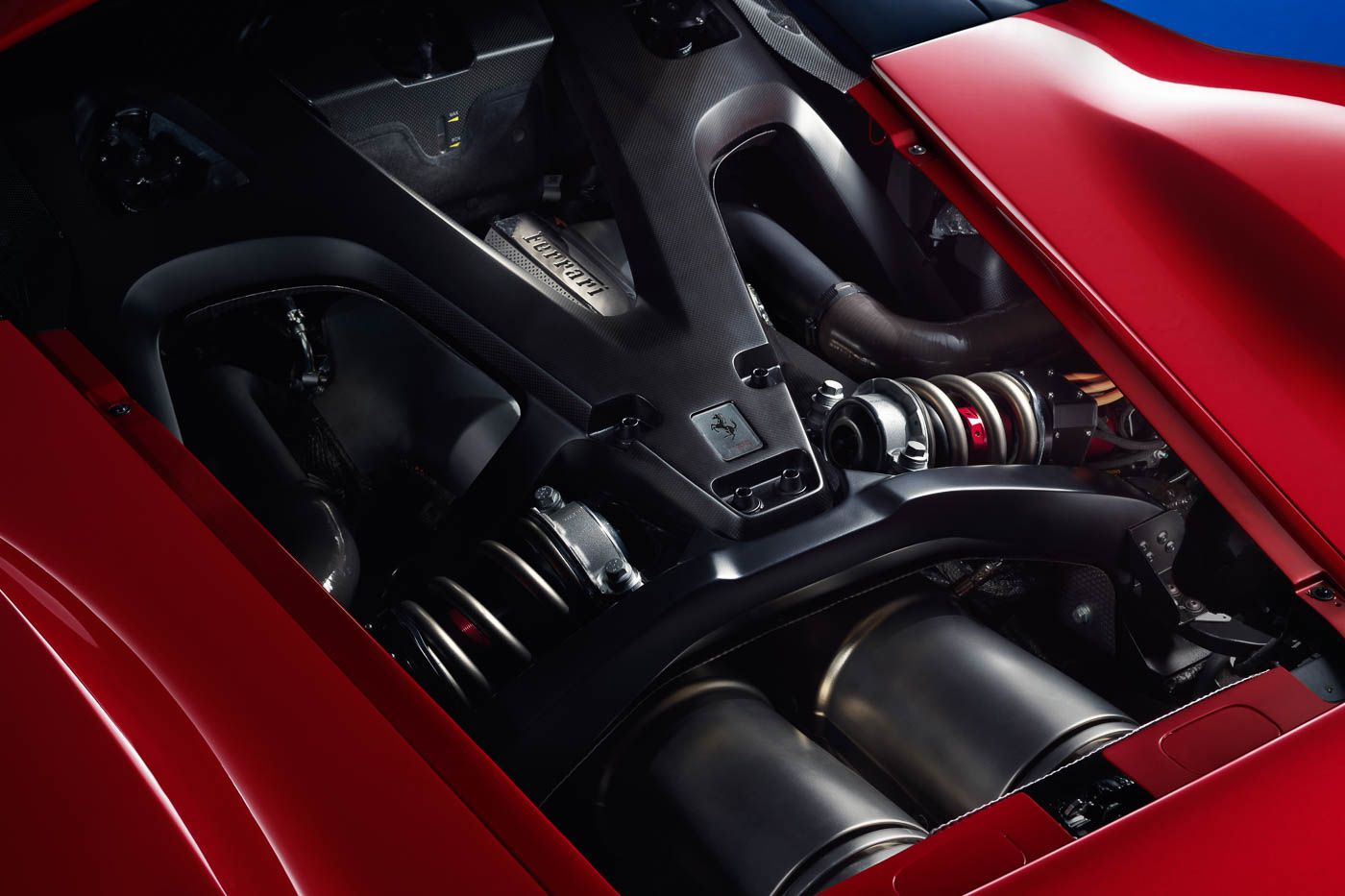
The F80 is influenced by the Ferrari 499P race car, with two consecutive victories at the 24 Hours of Le Mans. An electric turbo technology (e-turbo) has been introduced for the first time ever in a Ferrari for high power output and instantaneous response from low revs.
At the heart of it is a 3.0-litre V6 that generates 900 hp and 850 Nm on its own. Combined with the electric motors in the front and rear, the all-wheel drive F80 makes 1,200 hp and 1,092 Nm of torque.
The result is a 0-100 km/h time of just 2.15 seconds, 0-200 km/h in 5.75 seconds and a top speed of 350 km/h at the final gear of the 8-speed F1 dual-clutch transmission. The engine’s redline is at 9,000 rpm, with a dynamic limiter at 9,200 rpm.
RELATED NEWS: Maranello’s V12 legacy lives on with the Ferrari 12Cilindri


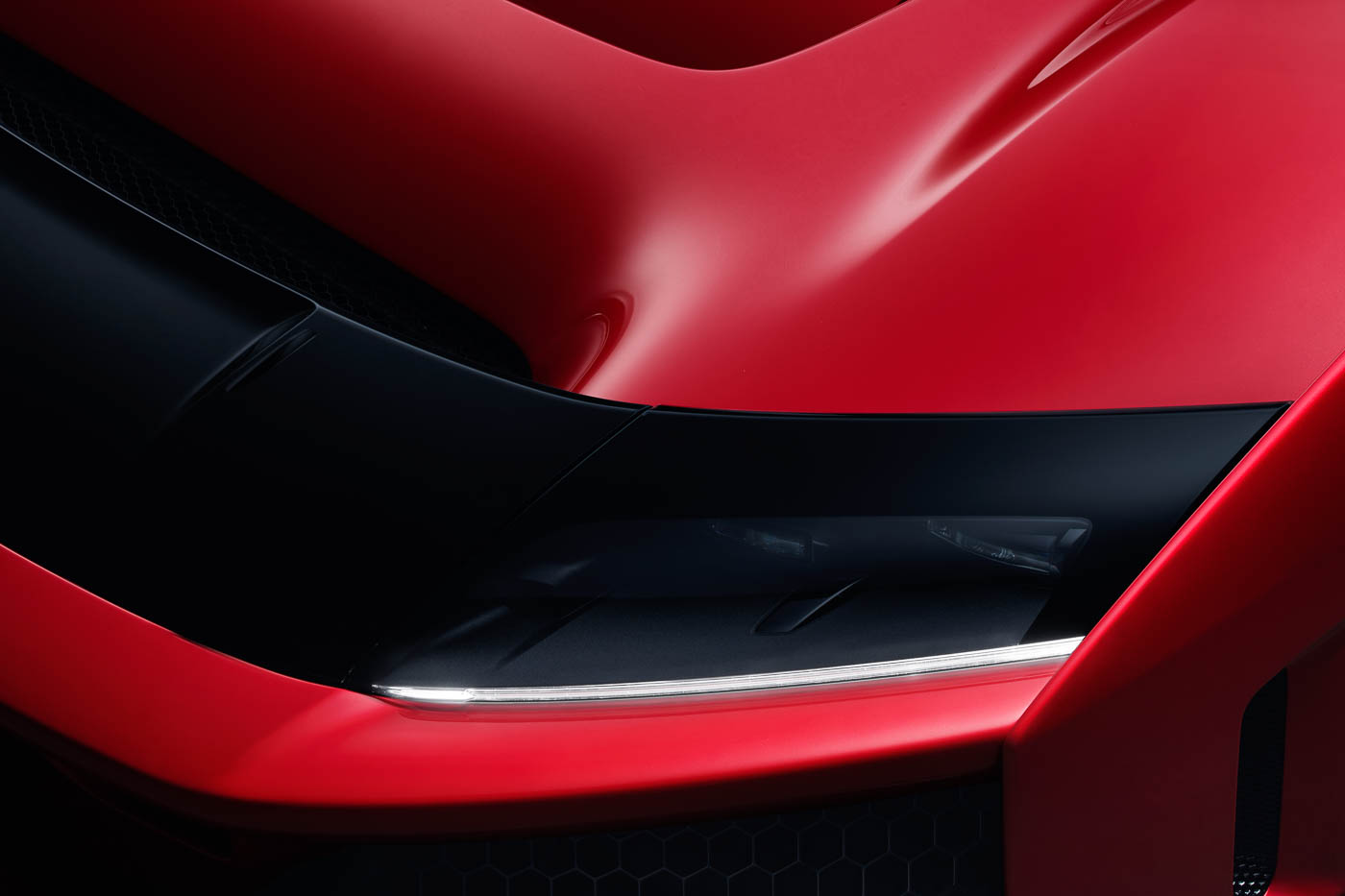
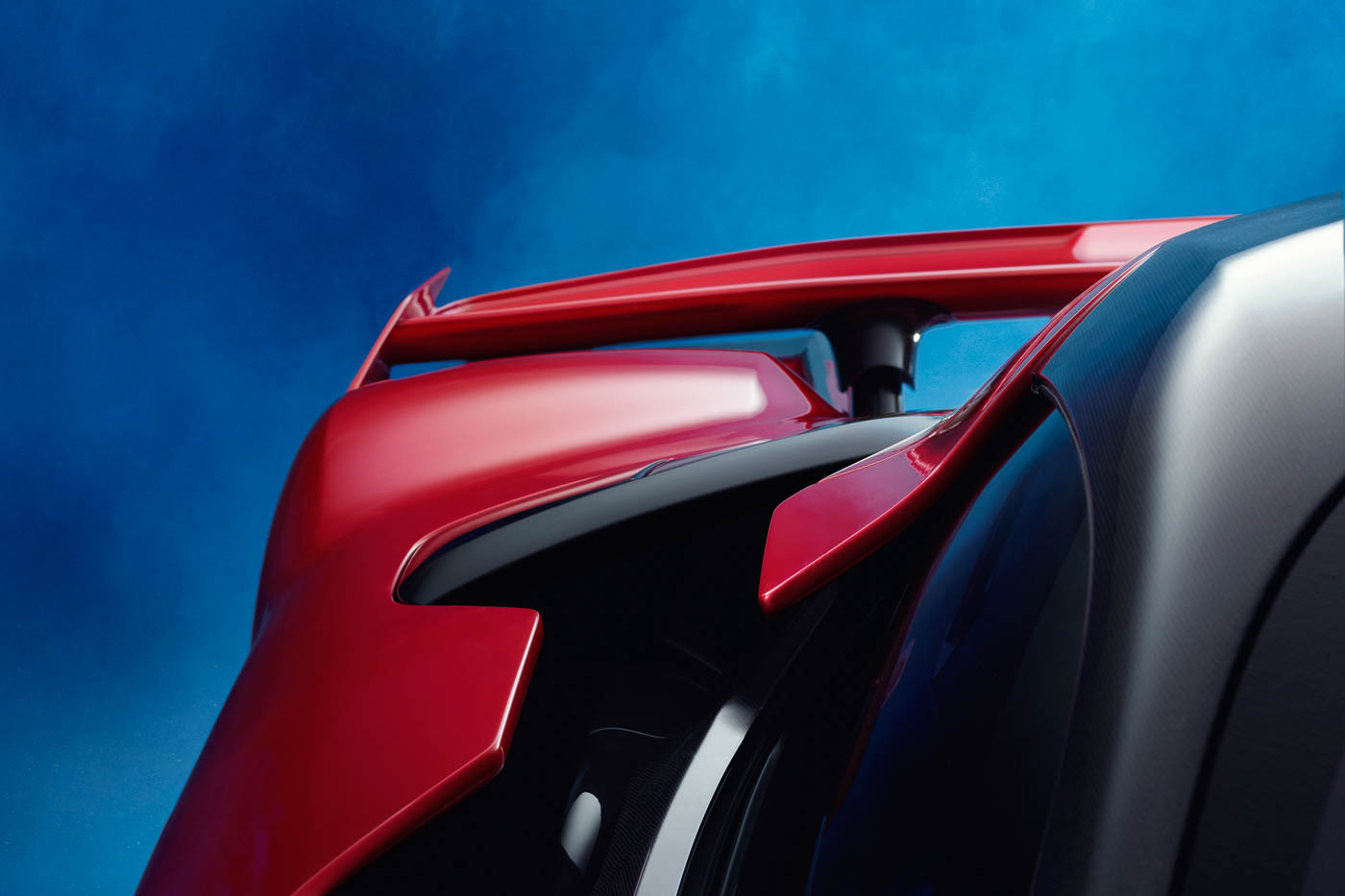
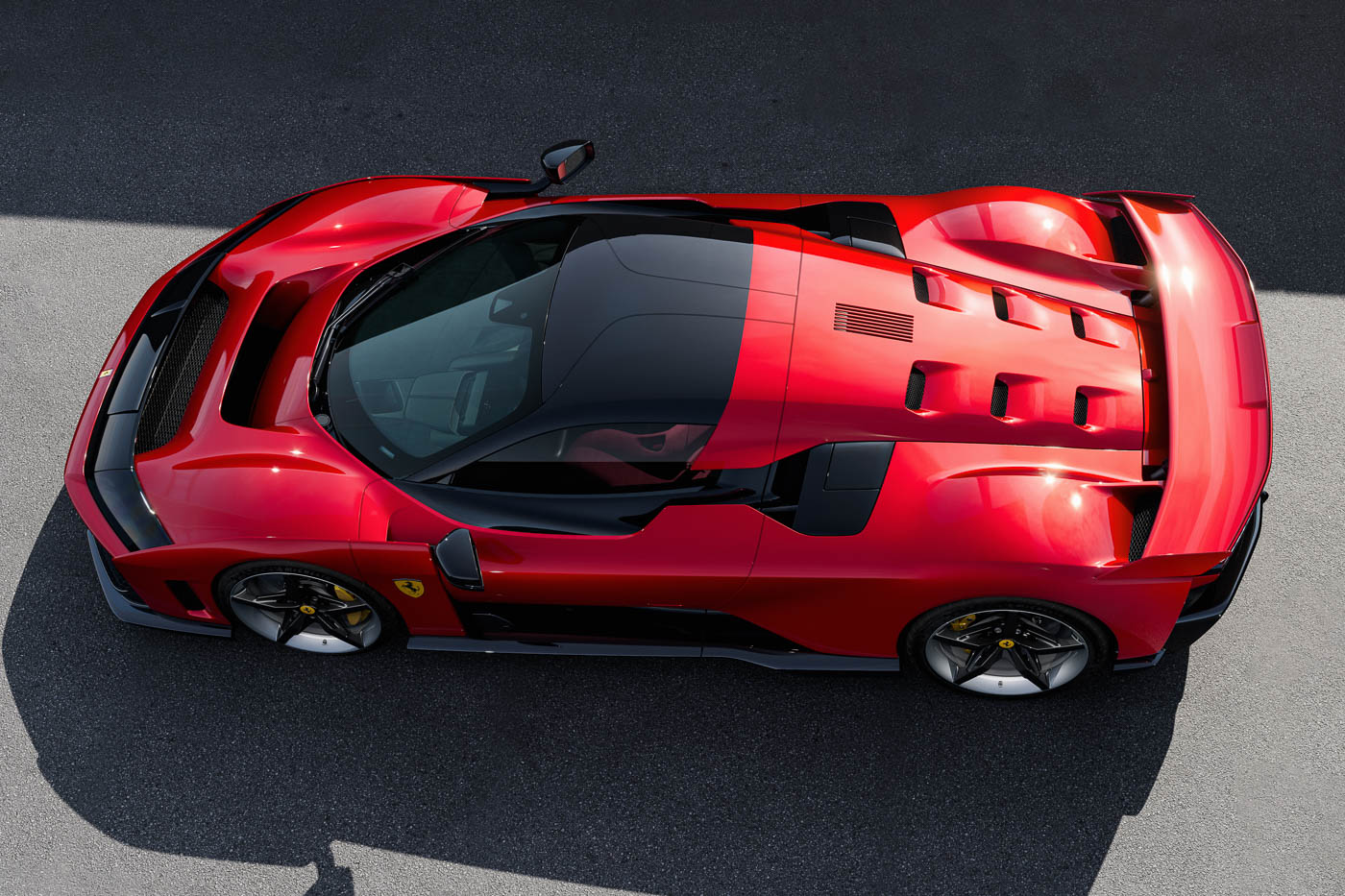
Aerodynamics solutions such as the active rear wing, rear diffuser, flat underbody, front triplane wing and S-Duct generate a total of 1000 kg of downforce at 250 km/h.
The active wing is the most visually-distinct aero feature on the F80. The rear wing not only adjusts its height but also its angle for optimum downforce. Depending on the driver’s throttle and steering input, the system will determine the optimum downforce, aerodynamics and drag, and tells the active suspension and active aero systems to adjust accordingly.

The Active Reverse Gurney flap under the front triplane allows control over downforce and drag at the front of the car.
In the closed position, the F80 generates maximum downforce while in the open position, similarly to how DRS systems work in Formula 1, it stalls the underbody to reduce drag and let the car reach a higher top speed.
The active suspension, which controls the attitude of the vehicle in real time and adjusts the distance between the underbody and the road in response to driving conditions.
Featuring the eManettino like all PHEV Ferrari models, the hybrid powertrain of the F80 offers three different driving modes: ‘Hybrid’, ‘Performance’ and ‘Qualify’.

There is no eDrive mode, which is available on the SF90 Stradale and 296 GTB, because the F80 cannot be driven in full-electric mode, as it is seen as straying from the car’s true purpose.
‘Hybrid’ mode is selected by default when the vehicle is switched on. This mode prioritises energy recovery and battery charge to deliver boost when needed.
RELATED: We drove the Ferrari 296 GTB to 270 km/h on the Sepang International Circuit!

‘Performance’ mode is geared towards delivering continuous levels of performance especially when on the track while keeping a battery charge of around 70%. The most extreme performance mode is ‘Qualify’ which lets the driver unleash all the power of the F80.
Boost Optimization records the track where the vehicle is and delivers an extra power boost in the sections of the circuit where it is most needed. After selecting this function, a ‘recce lap’ is needed for the system to identify the circuits turns and straights; to acquire the data it needs to optimise power delivery.
Once the lap is complete, the vehicle is ready to automatically deliver the extra power needed with no further action from the driver.

The braking system of the F80 introduces the CCM-R Plus technology, developed with Brembo. CCM-R Plus uses carbon fibres to significantly improve strength and heat management and is said to be superior to any other carbon ceramic system.
The brake discs are coated with layer of silicon carbide for wear resistance while also reducing bedding-in times. The F80 has two shoe options; the Pilot Sport Cup 2 and Pilot Sport Cup 2R variants which were co-developed with Michelin.
In case it matters to you, the F80 is equipped as standard with all the main ADAS driver assist functions such as Adaptive Cruise Control with Stop & Go function, Automatic Emergency Brake, Lane Departure Warning; Lane Keeping Assist; Automatic High Beam, to name a few.
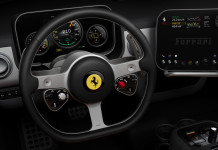
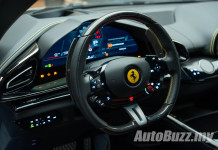
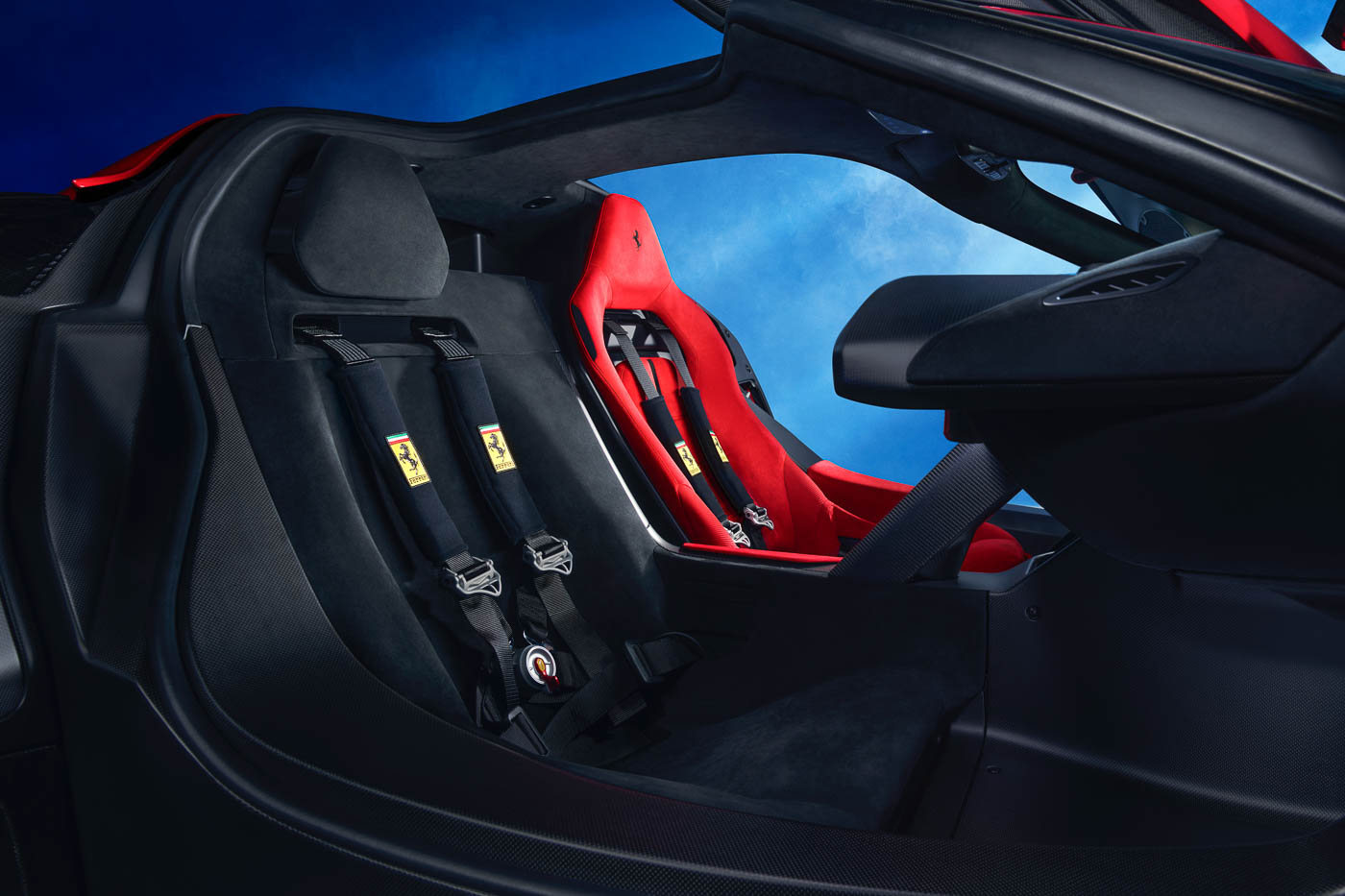
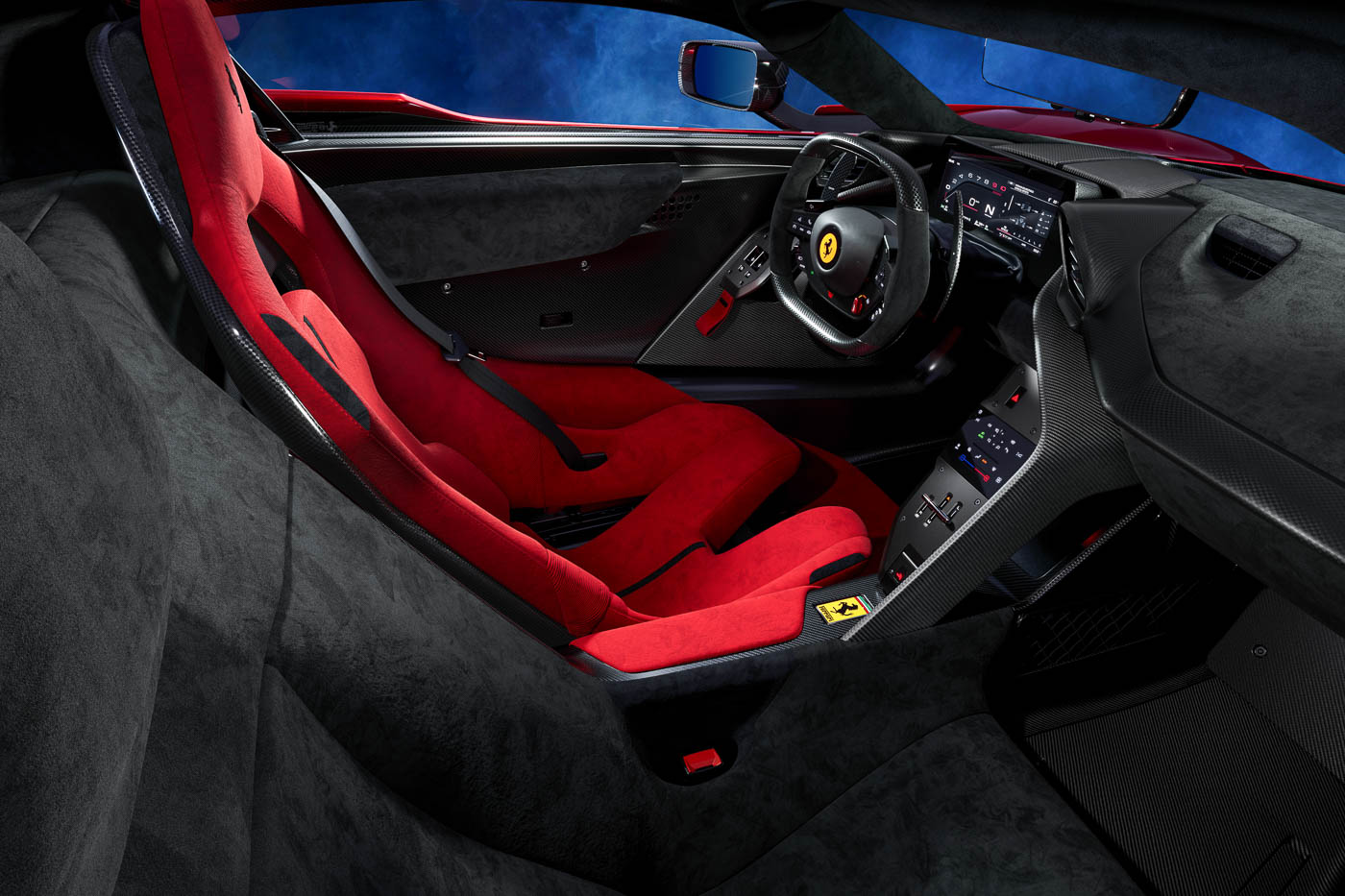
The cockpit was inspired by a single-seat race car and was created to mimic an enclosed Formula 1 car. Although clearly a two-seater, Ferrari calls it a “1+” with a cockpit centred entirely around the driver. Controls and displays are directed ergonomically towards the driver, creating a cocoon effect.
The passenger seat is so well integrated into the cabin that it almost disappears from view as a result of different colours and materials used for the driver seat and for the rest of the cabin.
Ferrari also developed a new steering wheel specifically for the F80. The steering will also make its way into future Ferraris. Physical buttons on the steering spokes have made a return to replace the full-digital layout used by Ferrari in recent years.
If you think Ferrari had just opened the order books yesterday upon the unveiling of the F80, sorry but all 799 units have been sold.
RELATED NEWS: Ital Auto is Ferrari’s new partner in Malaysia, replaces Naza Italia
GALLERY