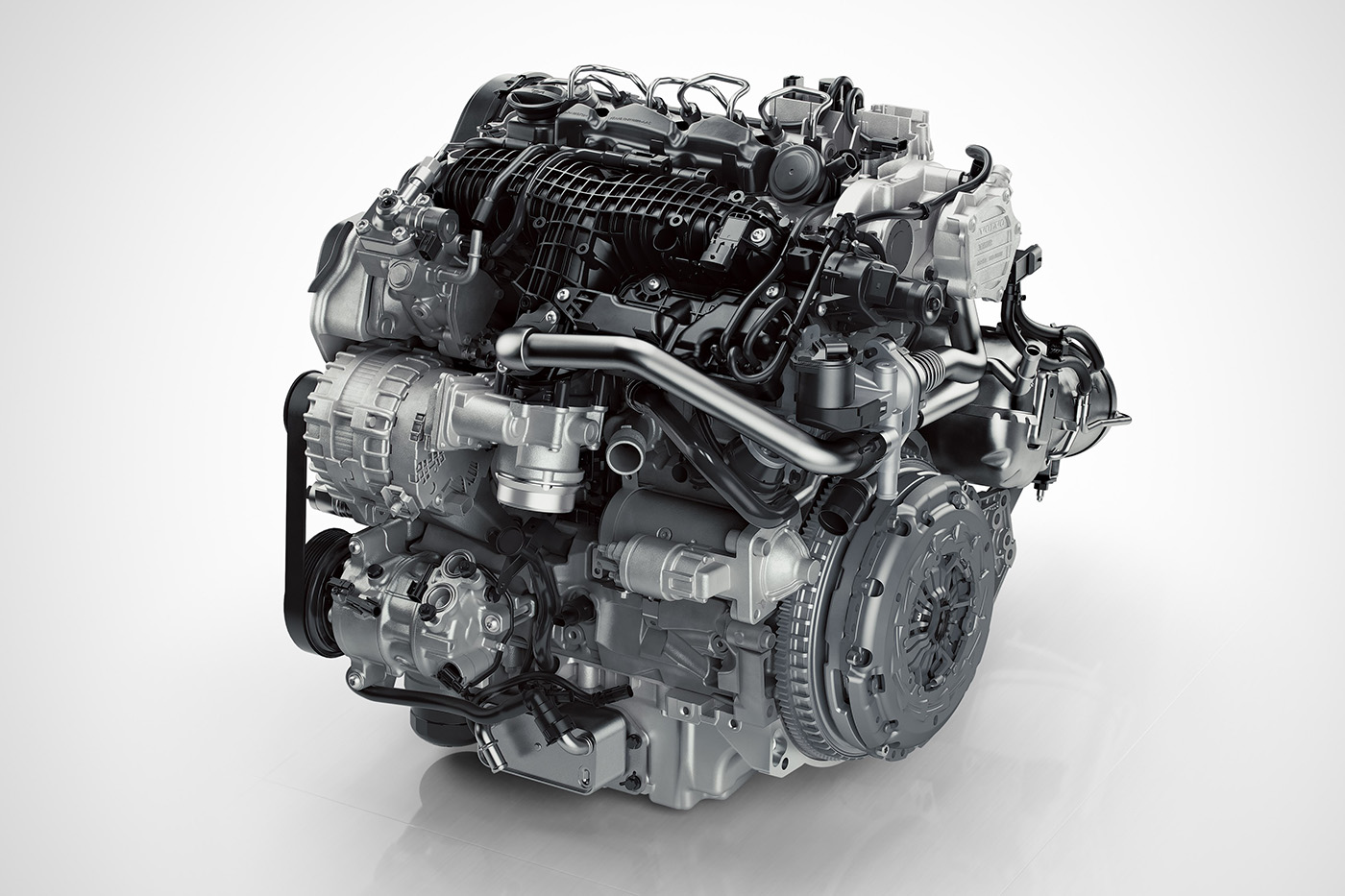
In line with its target to become a fully electric car company by 2030, Volvo Cars has announced that its last diesel engine will be produced in early 2024. The announcement was made during Climate Week NYC which took place in mid-September.
According to Volvo, its decision to end production of diesel engines makes it one of the first legacy carmakers to do so. Prior to this, Volvo has announced that it is no longer involved in the development of internal combustion engines (ICE) as it already sold its stake in Aurobay.
Volvo Cars Chief Executive Officer, Jim Rowan said, “Electric powertrains are our future, and superior to combustion engines: they generate less noise, less vibration, less servicing costs for our customers and zero tailpipe emissions.”
“We’re fully focused on creating a broad portfolio of premium, fully electric cars that deliver on everything our customers expect from a Volvo – and are a key part of our response to climate change.”
In Malaysia, the current Volvo lineup doesn’t consist of any diesel models. All current offerings by Volvo in Malaysia are electrified – MHEV, PHEV, and BEV. Diesel engines, however, have quite the history with the Volvo brand.
RELATED: Volvo Cars opens new Tech Hub in Singapore – R&D centre for manufacturing, data, software

4 years ago, the diesel engine was the bread and butter for Volvo in Europe as was the case for most carmakers. The majority of cars we sold on the continent in 2019 were powered by a diesel engine, while electrified models were only in their infancy. The trend has since been inverted. The majority of Volvo’s sales now consists of its electrified (fully and partially) models.
Volvo is the only legacy carmaker that has taken significant measures to become a fully electric carmaker in the next few years. Its most drastic measure has been the selling-off of its ownership in Aurobay which was its combustion powertrain development arm.
Back in 2018, Volvo announced that it will no longer develop new diesel engines. 6 years later, production of its diesel engine will end. This year, Volo announced that it will no longer develop new petrol engines. Following this pattern, will its petrol engines cease production in 2029?
RELATED: Volvo EX90 production delayed till 2024 – Needs more time for development