The Star reported that Bermaz Auto (BAuto) subsidiary, Bermaz Changan Sdn Bhd (BCSB), has terminated its distribution agreement for Deepal vehicles in Malaysia with immediate effect. BCSB, which is 85% owned by BAuto, attributed the sudden exit to the intense local electric vehicle (EV) price war and unfeasible vehicle pricing expectations.
According to a filing with Bursa Malaysia, the termination agreement was formalised between BCSB and Mobitech, a wholly owned subsidiary of Chongqing Changan Automobile Co. Ltd that manages the export of Changan group vehicles and spare parts.
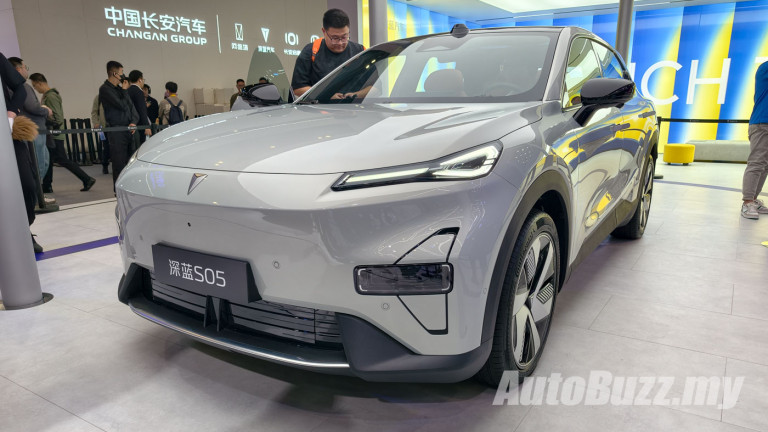
BAuto confirmed that its subsidiary never actually commenced operations during its 19-month existence, winding up with an issued share capital of just RM100. Consequently, the group expects the termination to have no material financial or operational impact on its current financial year.
Deepal is an EV brand owned by Changan Automobile, one of China’s largest state-owned carmakers. Originally slated for a local debut in mid-2025, the brand was set to be the second Chinese marque under the Bermaz umbrella, joining XPeng.
BCSB was tasked with managing Deepal’s local operations, including distributorship, sales, spare parts, and aftersales services, with right-hand-drive stock sourced from Changan’s facility in Rayong, Thailand.
READ MORE: All-new 3rd-generation Mazda CX-5 officially open for booking in Malaysia

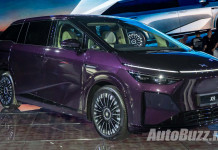
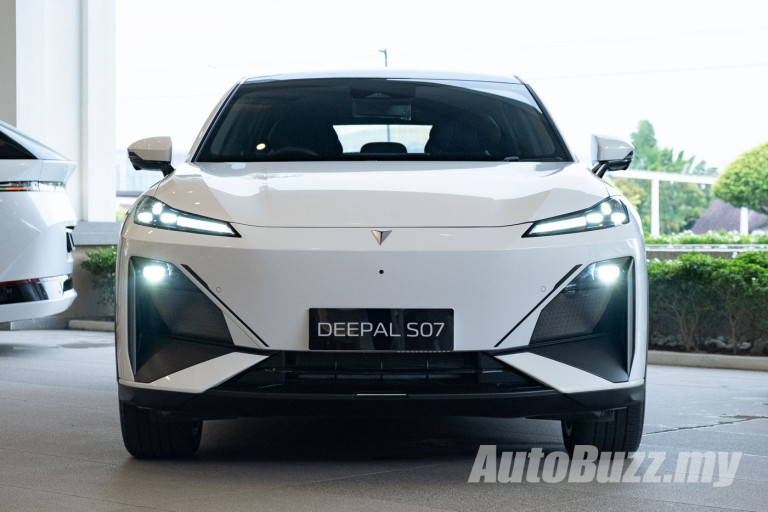
This announcement comes after the company previously confirmed the local debut of the Deepal S05 and Deepal S07, following a media preview of the S07 in early 2025. These models would have entered the market as D-segment SUVs designed to compete directly against the Tesla Model Y and the XPeng G6.
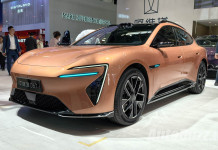
The smaller Deepal S05 would have arrived as a C-segment SUV comparable in size to the Proton eMAS 7. It was slated to feature a rear-mounted traction motor producing 238 hp and 320 Nm, paired to a 56 kWh lithium iron phosphate (LFP) battery pack delivering an NEDC-rated EV range of 470 km.
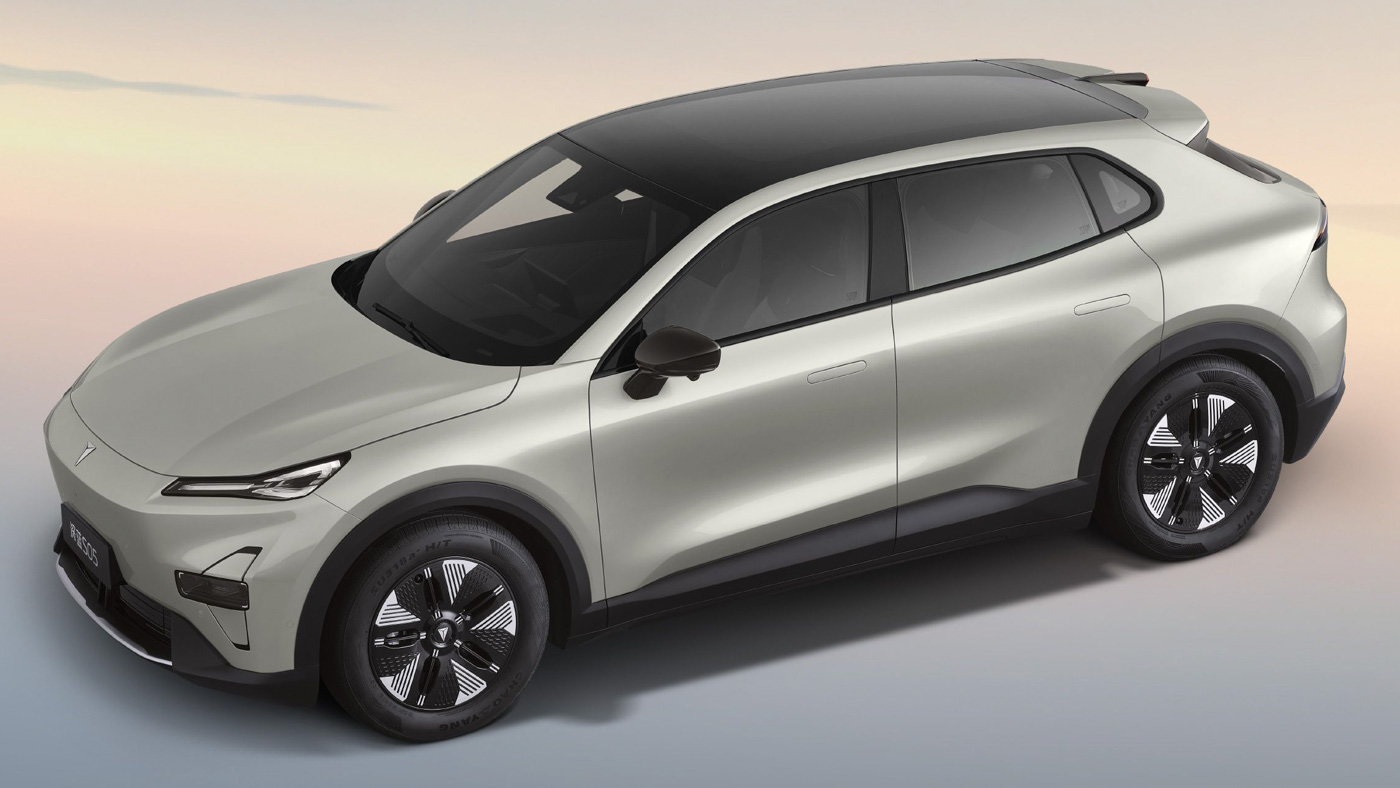
It remains to be seen after the termination of the distribution agreement whether Deepal remains keen to enter the Malaysian market. Should the brand proceed with a rollout, it must comply with the new regulations imposed by MITI on fully imported CBU EVs taking effect in July 2026.
Under these upcoming guidelines, an imported EV must bear a minimum CIF (Cargo, Insurance, Freight) value of RM200,000 before duties and margins, alongside a minimum rated output of 180 kW (245 hp)—a baseline threshold that the 238 hp (175 kW) Deepal S05 misses entirely.
Alternatively, Deepal could circumvent these import restrictions altogether if Changan chooses to introduce its portfolio via a direct principal-led rollout. Under this speculative scenario, the Chinese carmaker could manage operations directly without a local distributor, leveraging its own corporate weight to manage its operations in Malaysia.
While such an arrangement could theoretically clear a path for the brand, immediately establishing dedicated sales channels or committing to local assembly (CKD) operations represents a massive financial exposure for a solo venture, especially given the presence of its existing production hub just across the border in Thailand.
ALSO READ: New road transport act amendment raises traffic compound rate cap to RM500