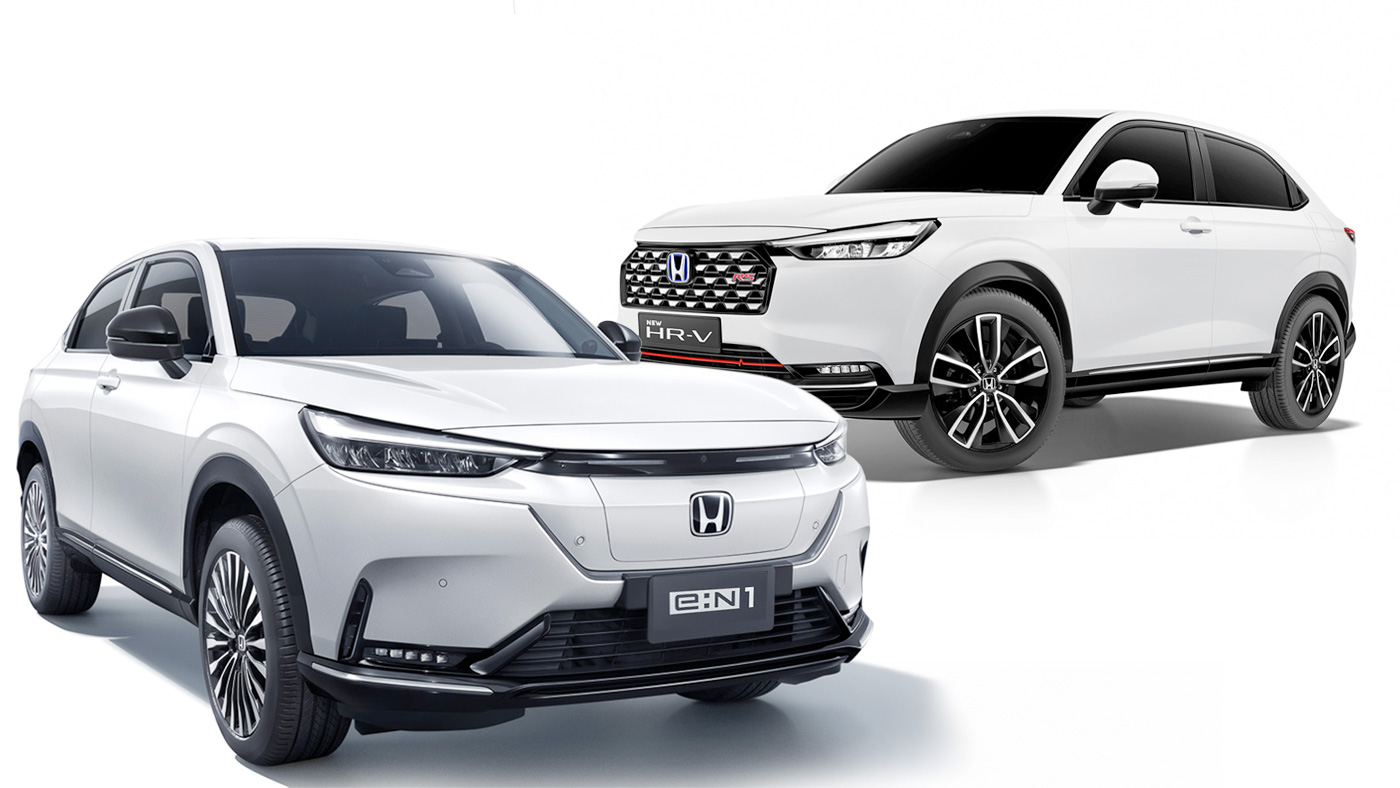
Honda’s compact SUV segment in Malaysia has seen a major refresh this year, with the fully electric Honda e:N1 making its debut earlier this year, followed by the launch of the new Honda HR-V facelift just last month.
With both the e:N1 and HR-V sharing a nearly identical exterior designs, comparisons between the two are inevitable, with some even labelling the former as the electric HR-V. But that couldn’t be further from the truth, as the e:N1 is underpinned by a completely different platform!
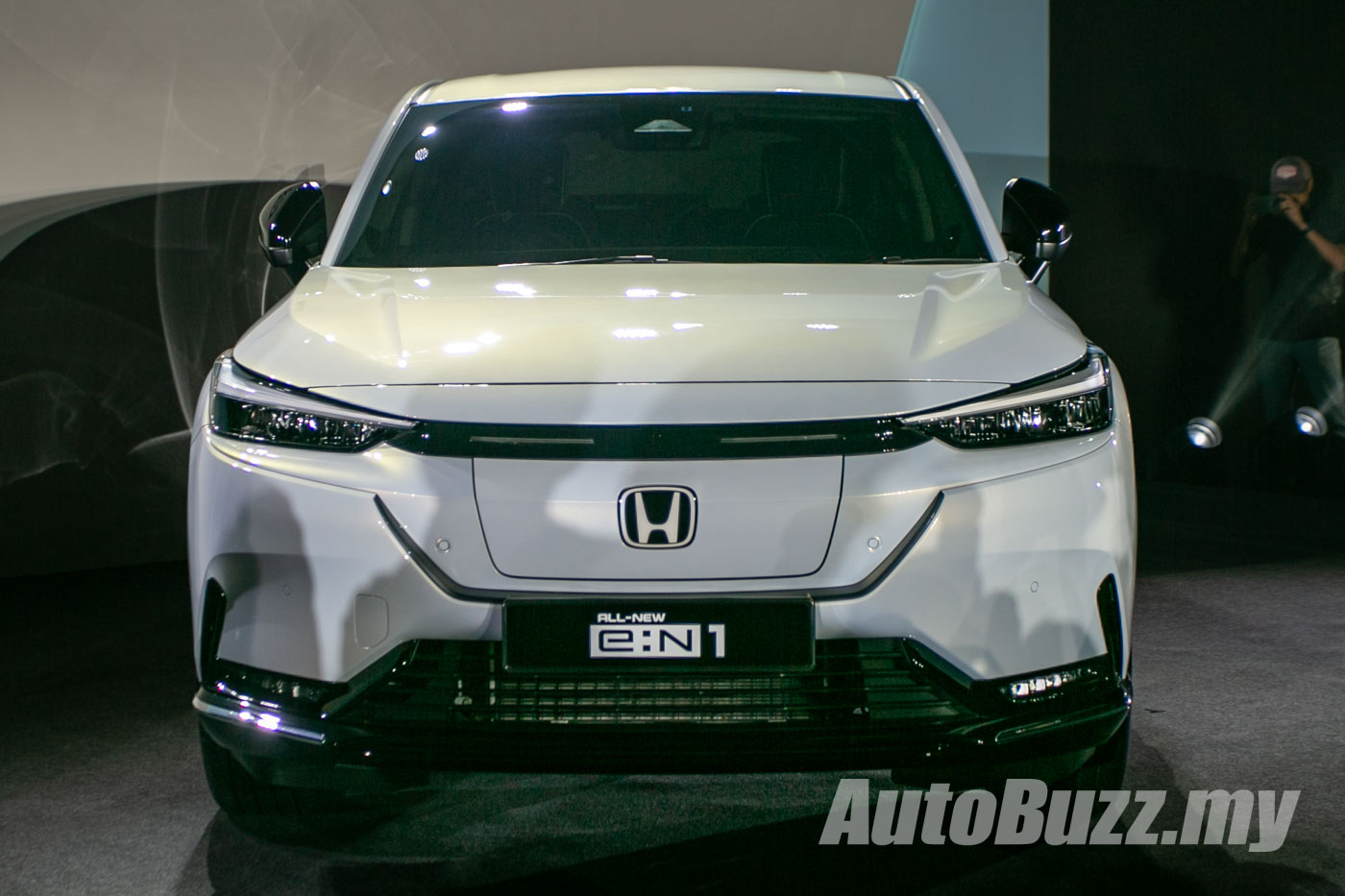
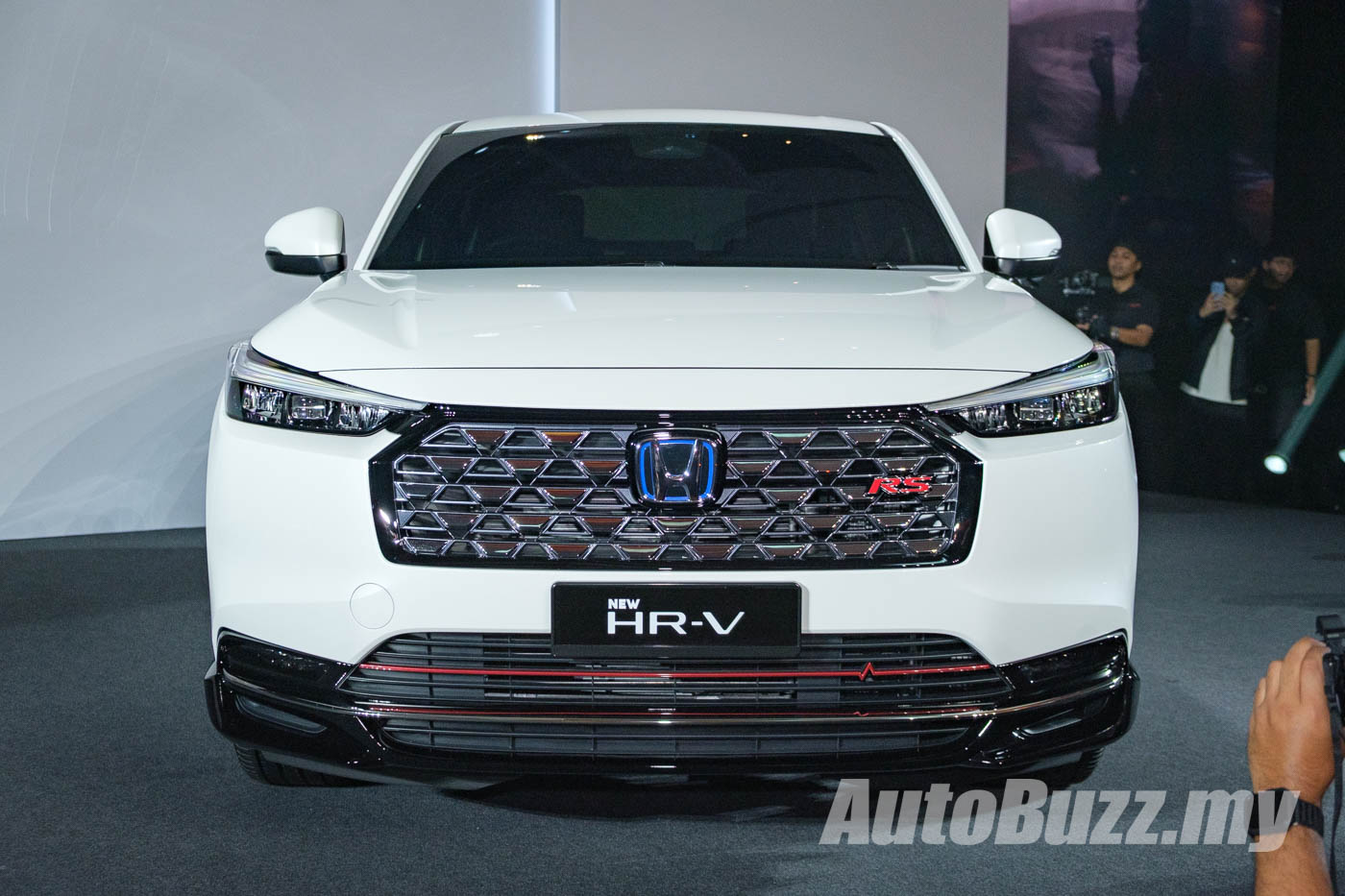
Honda essentially merged the HR-V cabin with the E:N1 underpinnings. There are plenty of reasons for the move, chiefly familiarity as buyers view an established product. This could very well entice consumers into EV ownership.
Nonetheless, the e:N1 possesses distinct differences, apart from the powertrain of course, with the HR-V and we’ll take a look at five of them here that you won’t usually find out from the spec-sheet!
1. More than skin deep
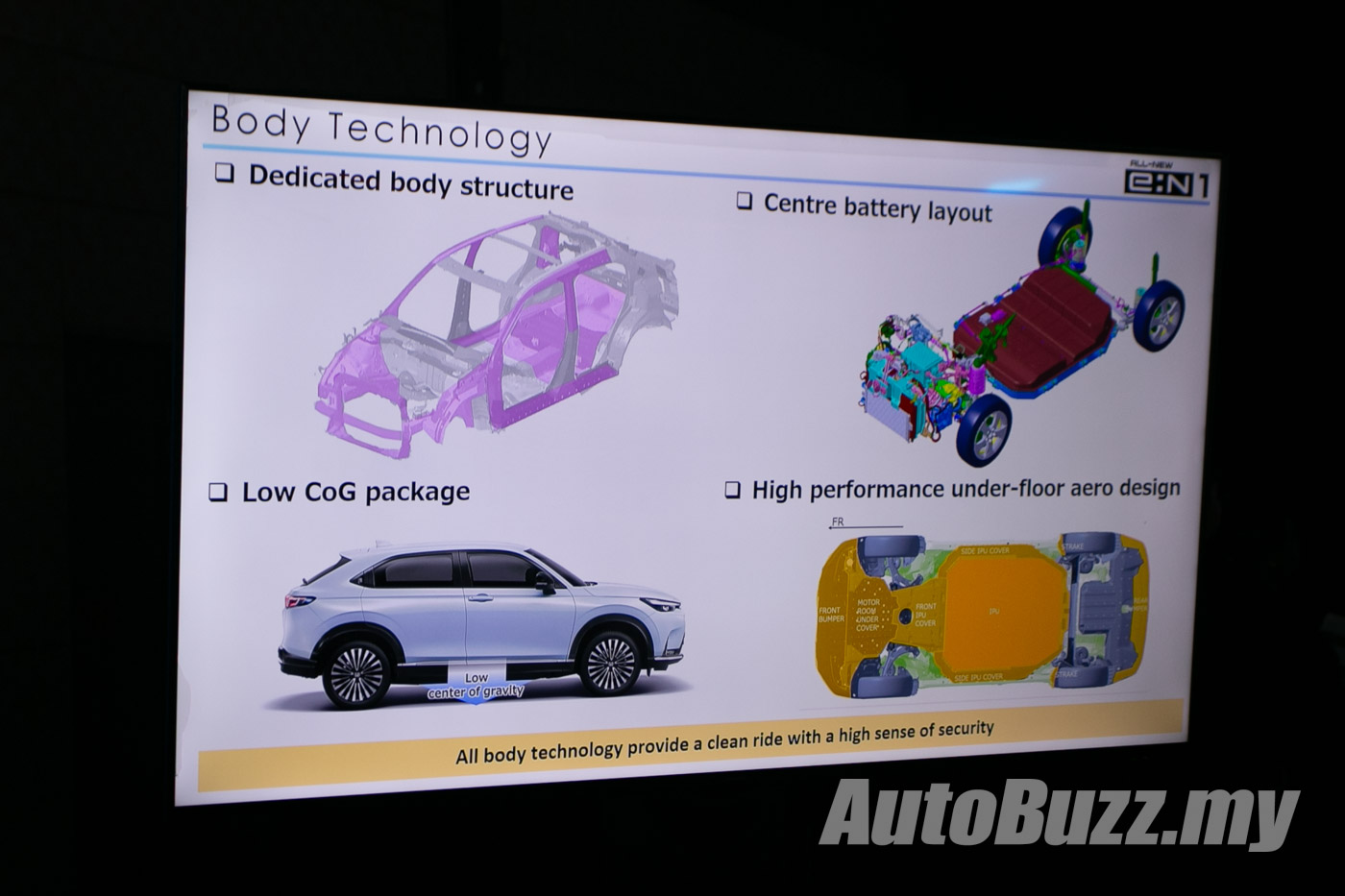
Underneath that very familiar and friendly Honda HR-V exterior lies a completely different platform for the e:N1, dubbed the e:N Architecture F.
This is a front-wheel drive electric-specific platform with some of its key features being a low centre of gravity courtesy of the battery pack located on the floor, and increased rigidity in the body structure. A complete underfloor aero cover also helps the e:N1 eke out more range. On the other hand, the HR-V uses a more conventional internal combustion platform.
RELATED: 2025 Honda e:N1 launched from RM149k – Honda’s first EV SUV in Malaysia
2. Does size matter?
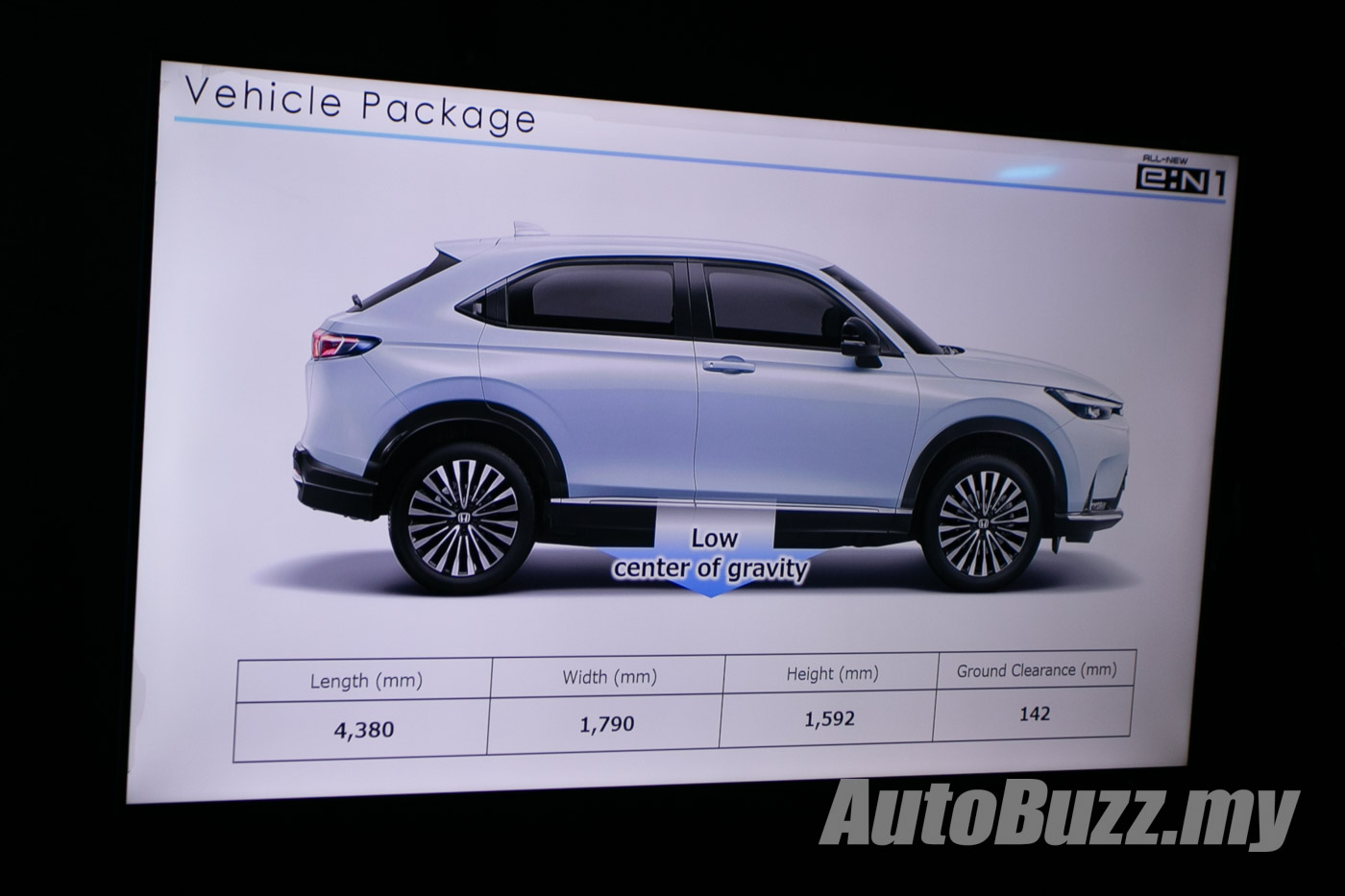
Apparently, it does. To the naked eye, the e:N1 and HR-V might appear identical in size, but there are minute differences in their dimensions though it is very likely not where you might imagine it to be.
| Dimensions | Honda e:N1 | Honda HR-V RS |
| Length | 4,380 mm | 4,385mm |
| Width | 1,790 mm | 1,790 mm |
| Height | 1,592 mm | 1,590 mm |
| Wheelbase | 2,610 mm | 2,610 mm |
| Tread (front) | 1,535 mm | 1,535 mm |
| Tread (rear) | 1,540 mm | 1,540 mm |
| Ground Clearance | 142 mm | 196 mm (183 mm non-RS) |
| Turning radius (metre) | 5.7 m | 5.5 m |
The obvious variance would be the ground clearance, with the e:N1 being a massive 54 mm closer to terra firma. Unfortunately, the blame falls upon the battery pack with its 272 mm height, bringing the aero floor closer to the ground.
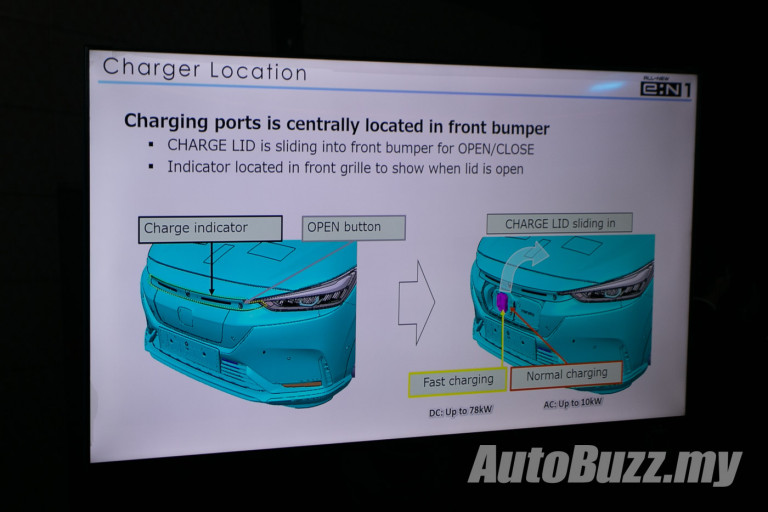
Other differences such as the length can be attributed to cosmetic aspects such as the bumper design. As for the height, perhaps the suspension has been raised a little for more travel to compensate for the weight of the battery.
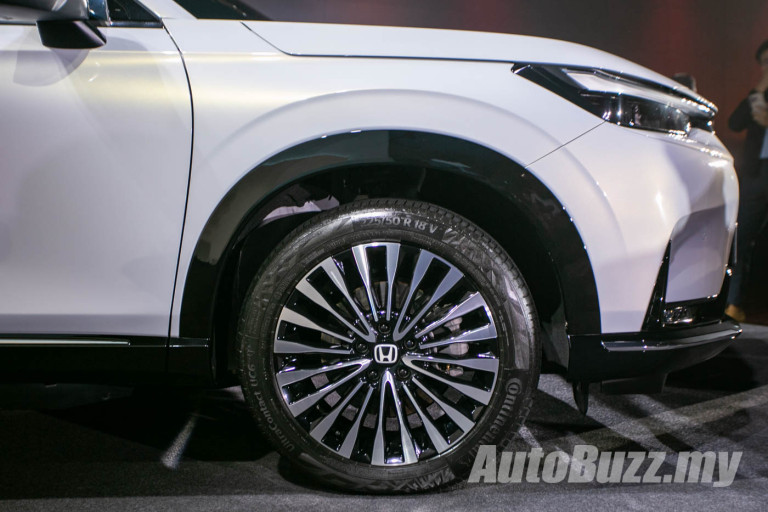
Lastly, even with the front and rear tread remaining identical between the duo, the slightly larger turning radius for the e:N1 – despite sharing the same tyre size – could be translated as some redesigns in the suspension geometry.
ALSO WATCH: 2025 Honda e:N1 in Malaysia from RM149k
3. Silence is golden
Refinement might seem like a foreign trait among Malaysian drivers on the road, but boy do they value their NVH levels in cars. Quite a number of carmakers have had to install additional insulation in models sold here when compared to other regional markets.
Electric powertrains lack engine noise. While that may initially result in a more tranquil and pleasant on-road experience, the drawback is the amplification of other dins such as tyre noise.
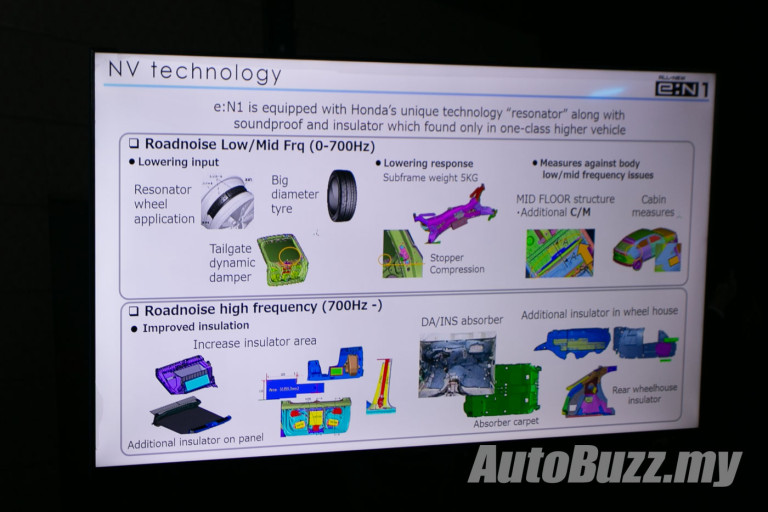
In the e:N1, Honda have gone some lengths to improve NVH levels. The slide during the launch presentation details the efforts:
- Larger resonator surrounding the rims
- Additional sound proofing in new areas, including the cabin carpet
- Insulator in the wheel housing
4. Safety first
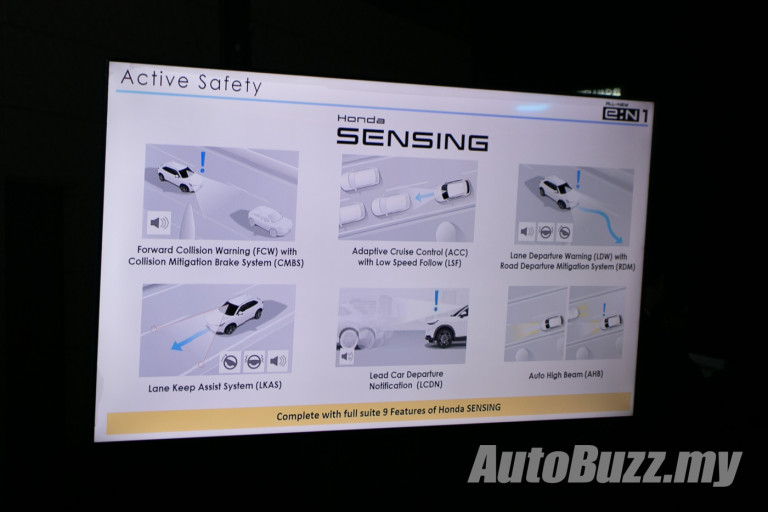
The e:N1 rolls out with the full suite of all nine Honda Sensing features, just as the updated Honda HR-V RS does. The rest of the latter’s variant tree shares the same list, too, with the omission of Low-Speed Follow:
- Forward Collision Warning
- Collision Mitigation Braking System
- Adaptive Cruise Control
- Low-Speed Follow
- Lane Departure Warning
- Road Departure Mitigation System
- Lane Keep Assist System
- Lead Car Departure Notification
- Auto High-Beam
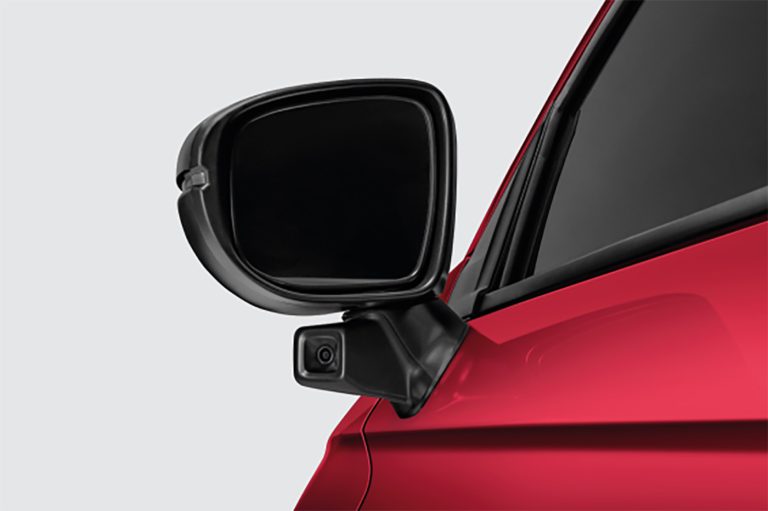
However, depending on individual drivers’ preference, a notable omission is Honda LaneWatch, instead replaced by a conventional Blind Spot Information System (BLIS).
Honda LaneWatch functions by displaying the live feed from a camera mounted under the passenger’s side-view mirror onto the infotainment screen. Some appreciate that it raises driver awareness, but others have lamented the system’s intrusiveness as you might put your indicator on to take a turn based on the navigation app on the screen, but that is precisely when the display switches to the camera feed and you could miss the turn if there are multiple turnings.

5. Best seat in the house…
Honda engineers are masters of the packaging game, always seeming to bend the rules of physics with interior room that belies its exterior restraints.
One of those timeless tricks are their signature Ultra Seats found in the rear of many compact models, including the HR-V. The configurability of the seats makes the Honda HR-V one of the most versatile in regards to cargo room in its class.
However, packaging constraints to accommodate the floor-mounted battery in the e:N1 has made it impossible to fit the Ultra Seats, reducing some of this EV’s versatility and convenience. So if ultimate practicality is your main priority, then the HR-V will most likely still be the better option!
ALSO READ: 2025 Honda HR-V facelift launched in Malaysia — 4 variants, CKD from RM115k