How do carmakers test the batteries of their battery electric vehicles (BEVs)? You might think of the usual procedures, such as crash testing, performance and lifecycle tests, charging, or even puncture tests – and you won’t be wrong.
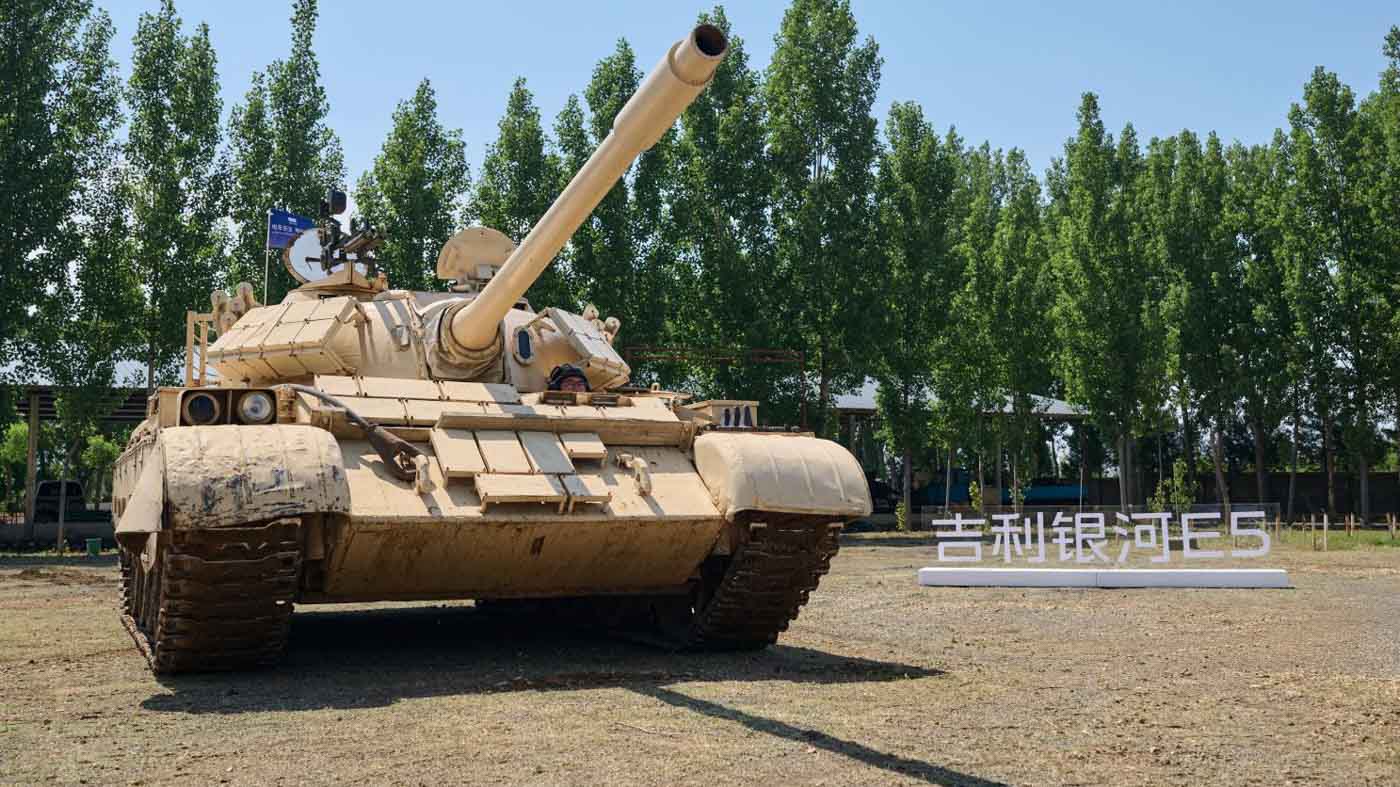
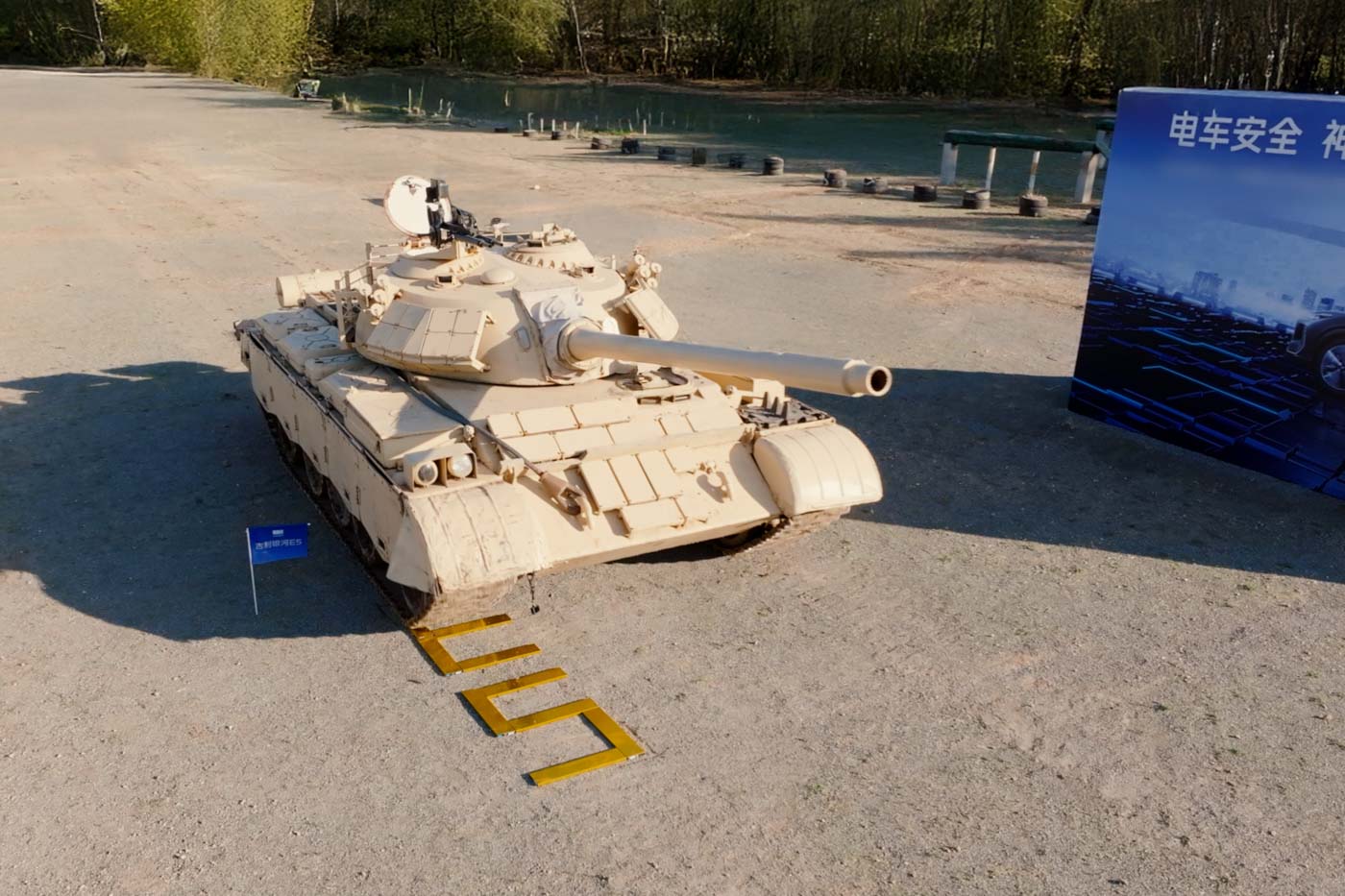
But Geely figured those were still too low-key. So, they decided to take battery compression testing to the next level by literally crushing their Aegis Gold Brick battery with a tank – not a fish tank, mind you, but a Type-59 main battle tank (MBT), as CarNewsChina reported.

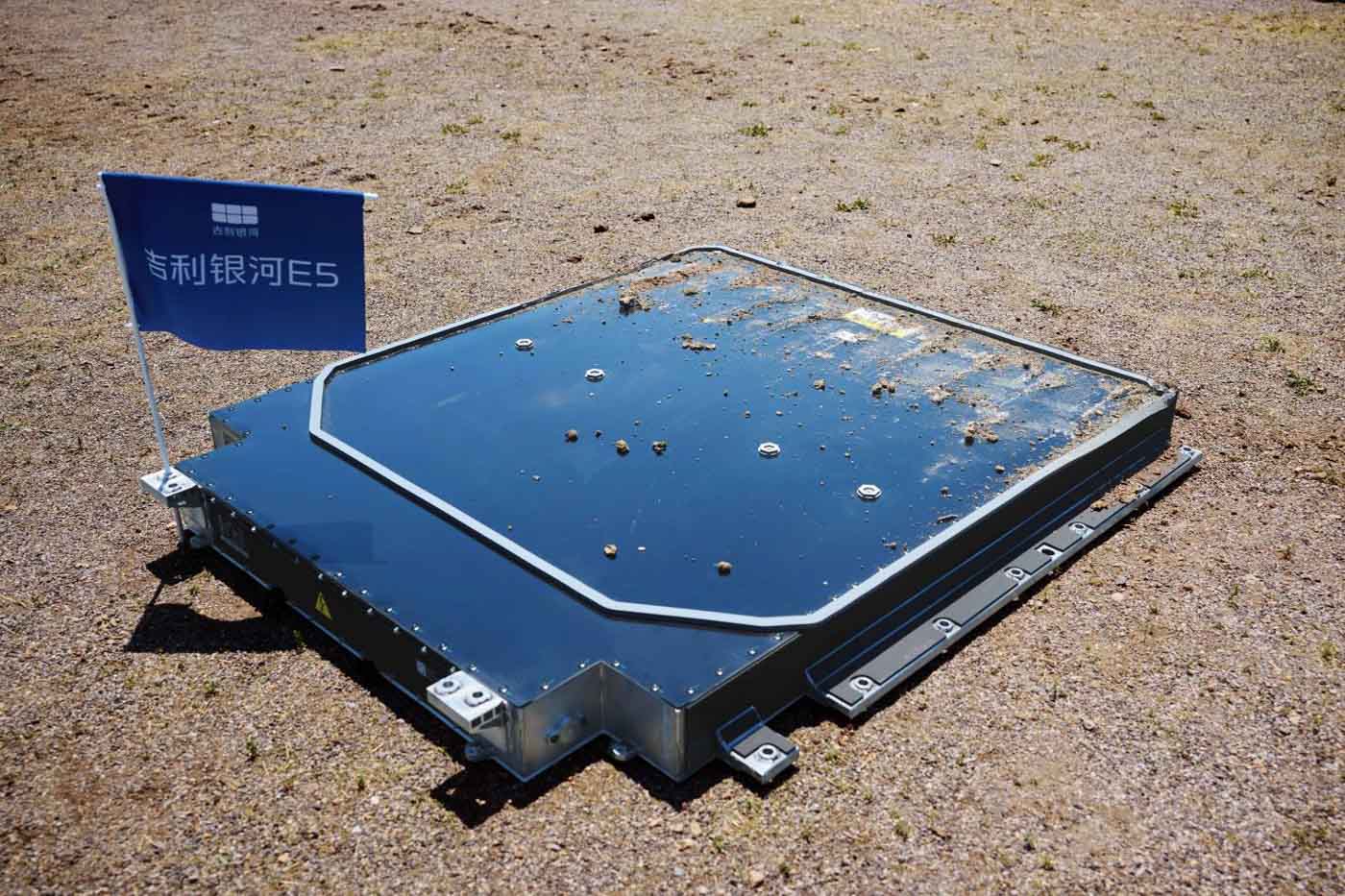
The Aegis Gold Brick battery, utilised in the Geely Galaxy E5 (also known as the Proton eMAS 7 in Malaysia), was subject to a simulated scenario involving extreme external impact and compression, as a demonstration to the battery’s safety.
The exaggerated tests were designed to surpass China’s new national battery standards, as announced by China’s Ministry of Industry and Information Technology (MIIT), which will come into effect on July 1, 2026. The updated standards introduce three core safety improvements:
- New safety testing after fast-charging cycles
- Enhanced thermal runaway protection requirements
- First-ever bottom impact testing
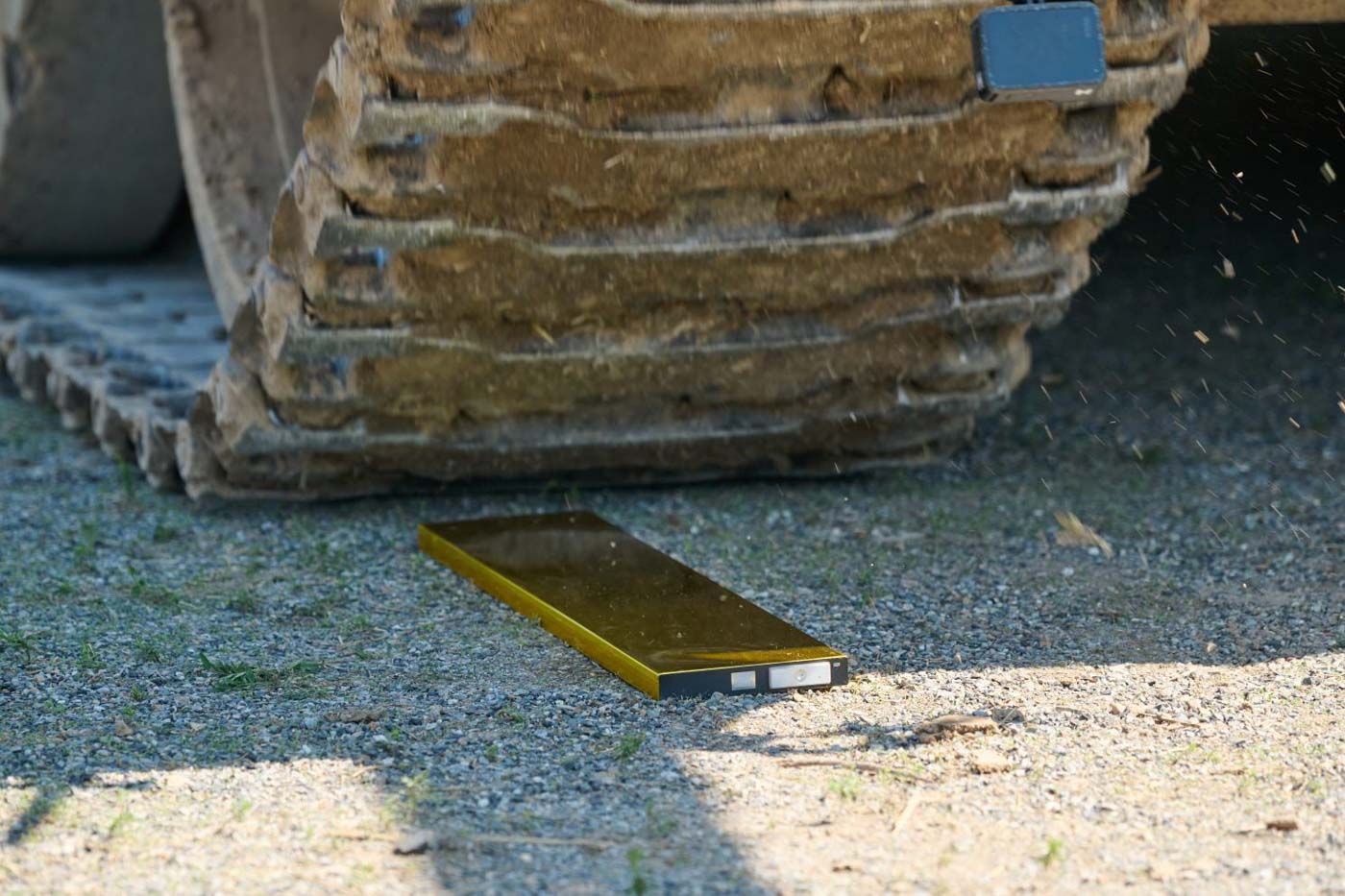
To demonstrate that the Aegis Gold Blade Brick battery pack meets – and exceeds – the new requirements, Geely had a 36-tonne Type-59 MBT repeatedly drive over it, crushing individual battery cells, as well as a group of 10 battery cells.
During the test, the pressure that was exerted onto the battery pack was 1.8 times higher than what is required by China’s new national battery safety standards, but still no signs of fire, explosion, or thermal runaway were observed in either the battery pack or individual cells.
The Aegis Gold Blade battery maintained its structural integrity with no bulging, leakage, fire, or explosion, with inspectors confirming that the battery had endured compression forces exceeding the new standard national requirements in China.
Featuring a short length, increased thickness, low thermal resistance, and minimal heat generation, the Aegis Gold Brick battery pack has a flexible wet-process dual-coated separator with an aluminium oxide heat-resistant coating, which prevents cell rupture and thermal runaway when punctured.
Additionally, the publication reported that the battery pack boasts industry-leading IP68 and IPX9K protection ratings, Cell To Body (CTB) integration technology, grid structures with four energy-absorbing cross-sections, and a 2.6 mm-thick “sandwich” structure bottom plate.
This battery design incorporates liquid-electric separation, electrical isolation, heat dissipation, and multiple protective measures to enhance safety.

Despite the national standard requiring 24 safety tests, Geely has subjected the Aegis Gold Brick battery to 36 extreme test scenarios, with 26 of those tests exceeding national requirements.
Besides being resistant to tanks, the Geely Galaxy E5 also achieved excellent results in extremely high-temperature tests and comprehensive safety trials conducted by the China Automotive Technology and Research Centre (CATARC). Furthermore, the Galaxy E5 has also achieved five-star ratings from Euro NCAP and ANCAP.
Closer to home, the Proton eMAS 7 (stylised as e.MAS 7) has achieved a five-star ASEAN NCAP safety rating and an impressive score of 92.57 points, which makes the Proton eMAS 7 the best scorer of all vehicles tested by ASEAN NCAP in 2024.
ALSO READ: 200,000 units of Geely Xingyuan (Proton eMAS 5) produced since launch last year
GALLERY