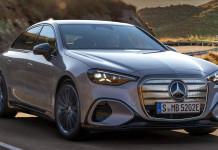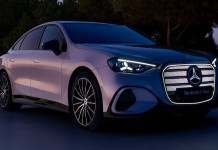
In a recent roundtable with media representatives, Mercedes-Benz Malaysia Vice President of Marketing & Sales, Nadia Trimmel, revealed that the company will be introducing more locally assembled (CKD) electric vehicles (EVs) in the country in the near future.
This is in spite of the carmaker’s shift in global strategy, moving away from its previous goal of becoming a fully electric marque by 2030, to now what Mercedes-Benz calls the “Ambition 2039” strategy.

As part of the new global strategy, Mercedes-Benz is now targeting for a CO2-neutral new car fleet by 2039. In achieving that, the brand expects that 50% of all car sales will be EVs and plug-in hybrids (PHEVs) by the second half of this decade.
Commenting on the shift in strategy, Trimmel said, “This is really just on the back of what our customers are looking for. Whatever we do, it’s that customer centricity.”
“At the end of the day, we have to provide what our customers are looking for. The adoption has not been at the pace as anticipated, but it does not detract from the strategy goal of still going battery electric – full battery electric – by 2039”, she added.
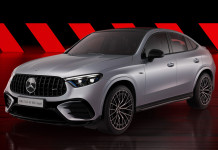
ALSO READ: The all-new electric Mercedes-Benz GLC will debut in September 2025 – 800V tech with 800 km range

Trimmel clarifies that the timeline will be different for each individual market or region, if market conditions allow for full adoption of EVs. In that vein, Mercedes-Benz Malaysia will also still continue introducing more CKD EV models in the country.
“Yes, we will, but we cannot disclose which [model]. But yeah, as part of the strategy, it continues. We still look at models for localisation,” Trimmel said.

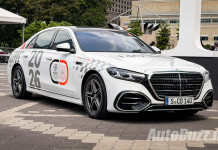
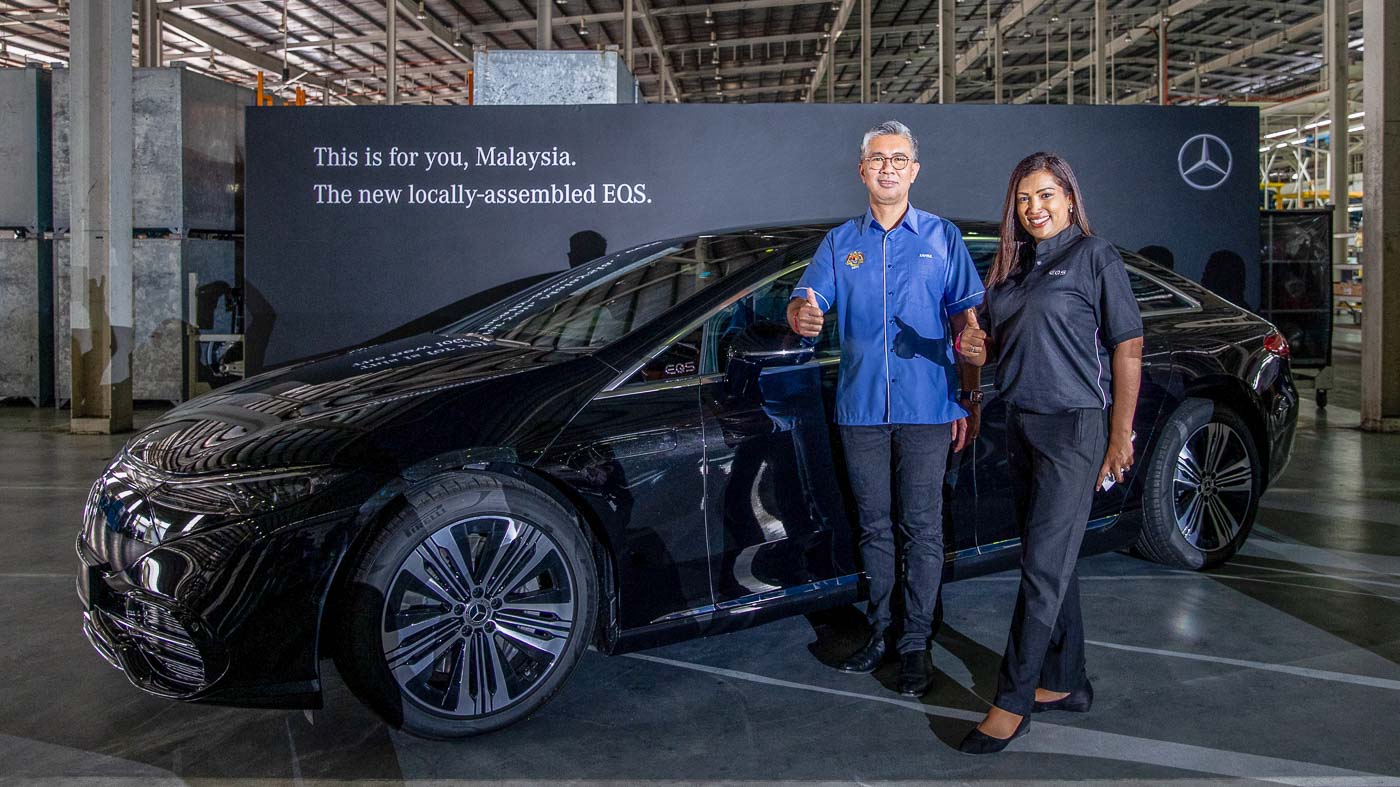
Mercedes-Benz Malaysia was one of the first marques to locally assemble EVs in the country. This was first reported by us back in 2022, although the first CKD Mercedes-Benz EV was only unveiled in 2023 with the launch of the Mercedes-Benz EQS500 4Matic.
While the EQS remains the only Mercedes-Benz EV model currently being assembled at Pekan, Pahang, the company has also recently begun CKD works on several plug-in hybrid models, including the Mercedes-Benz C350e and E350e.

The flexible production approach is in line with Mercedes-Benz’s global strategy to offer vehicles with “both a fully electric drivetrain or an electrified high-tech combustion engine”.
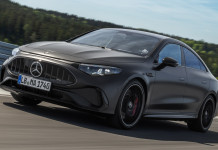
The brand’s future product portfolio is also aligned with the new direction; the upcoming Mercedes-Benz CLA will be offered in both EV and ICE guises, the former equipped with the marque’s first 800V electric powertrain, and the latter a mild-hybrid engine, potentially co-developed with Horse Powertrains.
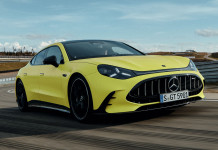
Additionally, the brand’s future EVs will also look a lot more like their internal combustion engine counterparts, utilising what the brand calls a “coherent, status-oriented design” across all of its models. They will also likely be ditching the EQ prefix in their nameplates, replaced by “with EQ Technology” at the end.