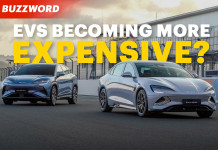
Electric Vehicles (EVs) were touted as the future of transportation, but consumers clearly aren’t sharing the same sentiment. A recent report showed that EV sales in the European Union (EU) have dropped an eye-watering 43.9% in August 2024 (92,627 units, compared to 165,204 in August 2023), prompting European carmakers to seek for “urgent relief measures”, adding that recent demand for EVs is “extremely worrying”.
While new car registrations in EU overall has gone down 18.3% in August 2024, sales of new petrol cars only dropped 17.1%, and diesel 26.4%. Hybrids (not plug-in hybrids, which went down 22.3% last month) were the only vehicle type to increase in sales, up 6.6%, although year-to-date figures for hybrids are also down 14% compared to last year.

The European Automobile Manufacturers’ Association (ACEA) said the decline in EV sales was primarily driven by Germany and France, the two largest new-car markets in the EU. In Germany, EV sales fell 68.8% in August compared to the same time in 2023, while France dropped 33.1%.
The ACEA represents 15 Europe-based vehicle manufacturer, including the BMW Group, Mercedes-Benz, Volkswagen Group, JLR, Toyota Europe, Hyundai Europe, and Nissan, among others.
RELATED: Mercedes-Benz pulls back on EV transition, will sell ICE cars “well into the 2030s”

In a press release, the ACEA said that while carmakers have supported the transition to electrified vehicles, “the other necessary elements of this systemic shift are not in place”. As a result, the group is now calling EU lawmakers to bring forward a review into the CO2 regulations for light-duty and heavy-duty vehicles originally scheduled for 2026 and 2027, respectively, to 2025.
“We are missing crucial conditions to reach the necessary boost in production and adoption of zero-emission vehicles: charging and hydrogen refilling infrastructure, as well as a competitive manufacturing environment, affordable green energy, purchase and tax incentives, and a secure supply of raw materials, hydrogen, and batteries,” the ACEA board said in a statement.
“Economic growth, consumer acceptance, and trust in infrastructure have not developed sufficiently either.”

If the situation were to continue, the ACEA says that there will be growing concerns among its members about meeting the 2025 CO2 emissions reduction targets for cars and vans, as the rules have not been adjusted for changes for the current geopolitical and economic climate.
“This raises the daunting prospect of either multi-billion-euro fines, which could otherwise be invested in the zero-emission transition, or unnecessary production cuts, job losses, and a weakened European supply and value chain at a time when we face fierce competition from other automaking regions.”
ALSO READ: Europe passes law to officially ban new petrol and diesel cars from 2035

The latter is specifically aimed at the Chinese EV makers, where major brands including BYD, Geely, and SAIC-MG, have all recently committed to increasing European export sales.
Last month, the EU introduced new – albeit slightly reduced than originally planned – tariffs on various Chinese carmakers, ranging from 17-36% depending on the brand. However, experts say that the tariffs are not likely to affect the Chinese carmakers’ Europe expansion plans, saying that it’ll “create a hurdle, but not a barrier to entry”.