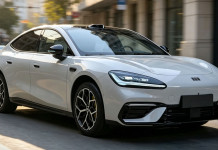
BYD has just debuted its first-ever pickup truck, known as the BYD Shark, with Mexico being the first market to receive it. Just in case you think it is all-electric like most of BYD’s other new models, you might be wrong as it is instead powered by a plug-in hybrid (PHEV) powertrain.
In terms of its size, the BYD Shark measures 5,457 mm in length, 1,971 mm in width, and 1,925 mm in height, and is underpinned by a 3,260 mm long wheelbase. This makes it larger than both the Toyota Hilux and Ford Ranger, but keeps it in the same class of pickup trucks.

Claimed to be the largest car in the one-tonne class, the BYD Shark uses a ladder frame chassis to make it properly off-road capable and features independent double wishbone suspension at the front and rear. The PHEV pickup truck also has 1,450 litres of space on its truck bed, a braked towing capacity of 2,500 kg, and 835 kg of payload.
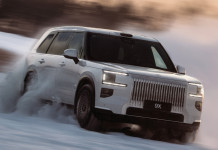
Unlike the Cybertruck, the BYD Shark looks very much recognisable as a pickup truck. It sports many bold design elements such as a rugged-looking front bumper, and front grille.
RELATED: 2024 BYD Atto 3 launched in Malaysia, RM150k – Extended Range dropped, 345km range only

The roof rails and sports bar are also present here. There’s also the unmissable huge BYD logo up front, which is also mirrored on its tailgate, albeit in a less “bold” fashion. The vertical headlights and the C-shaped daytime running lights (DRLs) which are connected remind us a lot of the Ford F-150 Lightning.
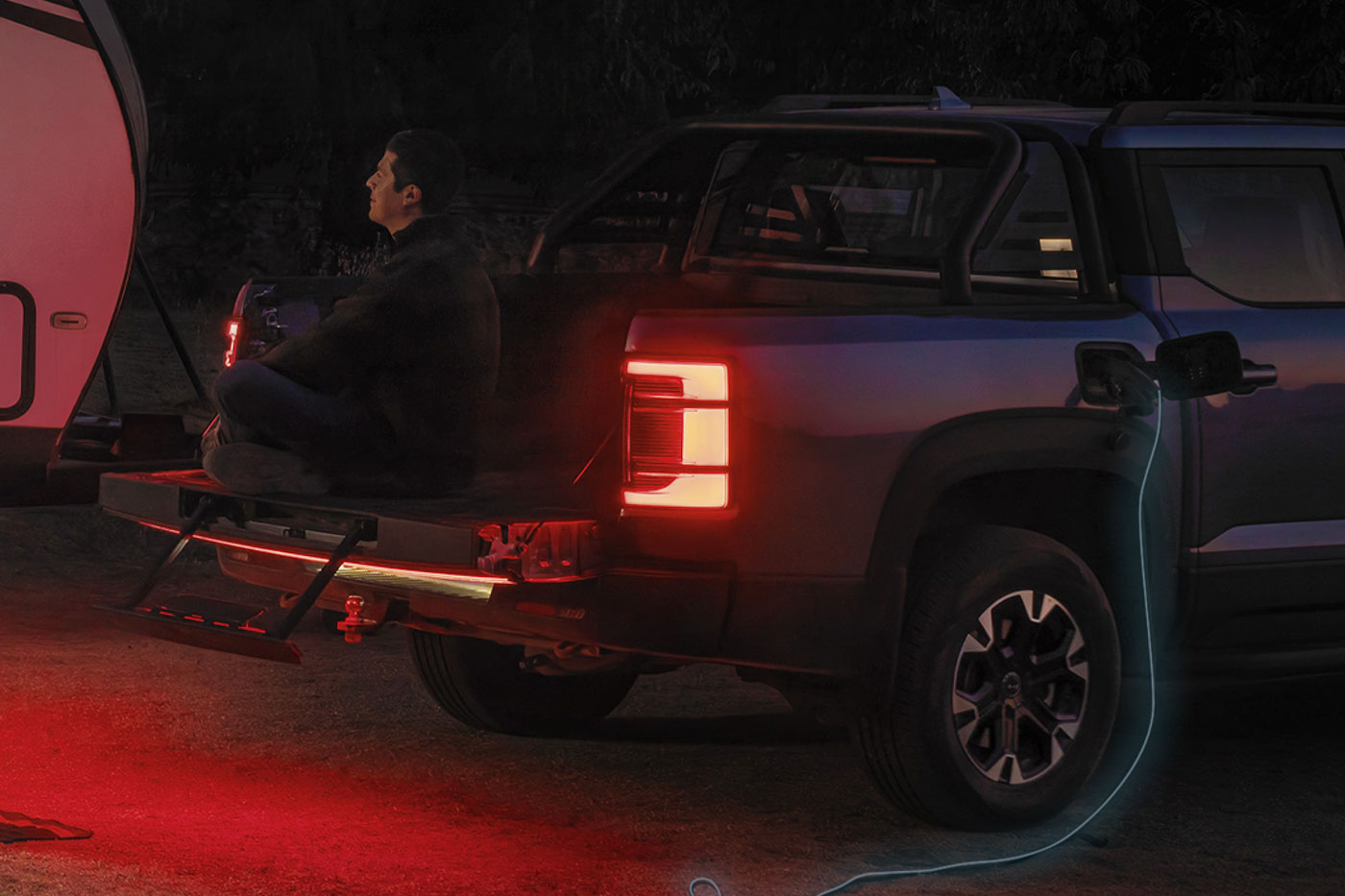
Round the back, the BYD Shark looks very standard and features vertical taillights, just like many pickup trucks out there. But like many modern cars that come out of China, the taillights extend across the width of the tailgate. The BYD Shark is fitted with a set of 18-inch alloy wheels.
Powering the BYD Shark is the brand’s PHEV powertrain known as the Dual Mode Off-road (DMO) Super Hybrid, which was first featured in its relative, the Bao Leopard 5 SUV. The system consists of a 1.5-litre turbocharged inline-4 petrol engine and a dual-motor setup, one for each axle.

With a combined power output of over 316 kW (430 metric hp), the BYD Shark can accelerate from 0 to 100 km/h in just 5.7 seconds. This is almost as fast as the Honda Civic Type R hot hatch.
BYD says this is “the world’s first longitudinal electric hybrid system”. The brand explained this by showing illustrations of the pickup truck’s four wheels being powered by electric motors, while the engine can only directly drive the front wheels. As for the BYD Shark’s torque figures, according to the spec sheet provided by the carmaker for the Mexican market, a maximum of 310 Nm and 340 Nm can be sent to the front wheels and rear wheels respectively. No combined torque figures have been provided as of yet.

Claimed to deliver diesel-like fuel economy and twin-turbo petrol V6 performance, the BYD Shark is said to deliver 7.5L/100km fuel consumption in hybrid mode, resulting in a combined range of 840 km (NEDC).
The electric motors can carry the car by themselves as far as 100 km (NEDC). The BYD Shark’s 29.58 kWh Blade battery pack can be charged from 30% to 80% in just 20 minutes at a maximum rate of 40 kW via DC charging.

Moving inside, the rugged theme of the BYD Shark’s exterior continues with its interior, but with some youthful design elements pumped in, thanks to the Black and orange dual-tone interior. There are many chunky design elements, like the four-spoke steering wheel, the H-shaped dashboard, and the wide gear selector.
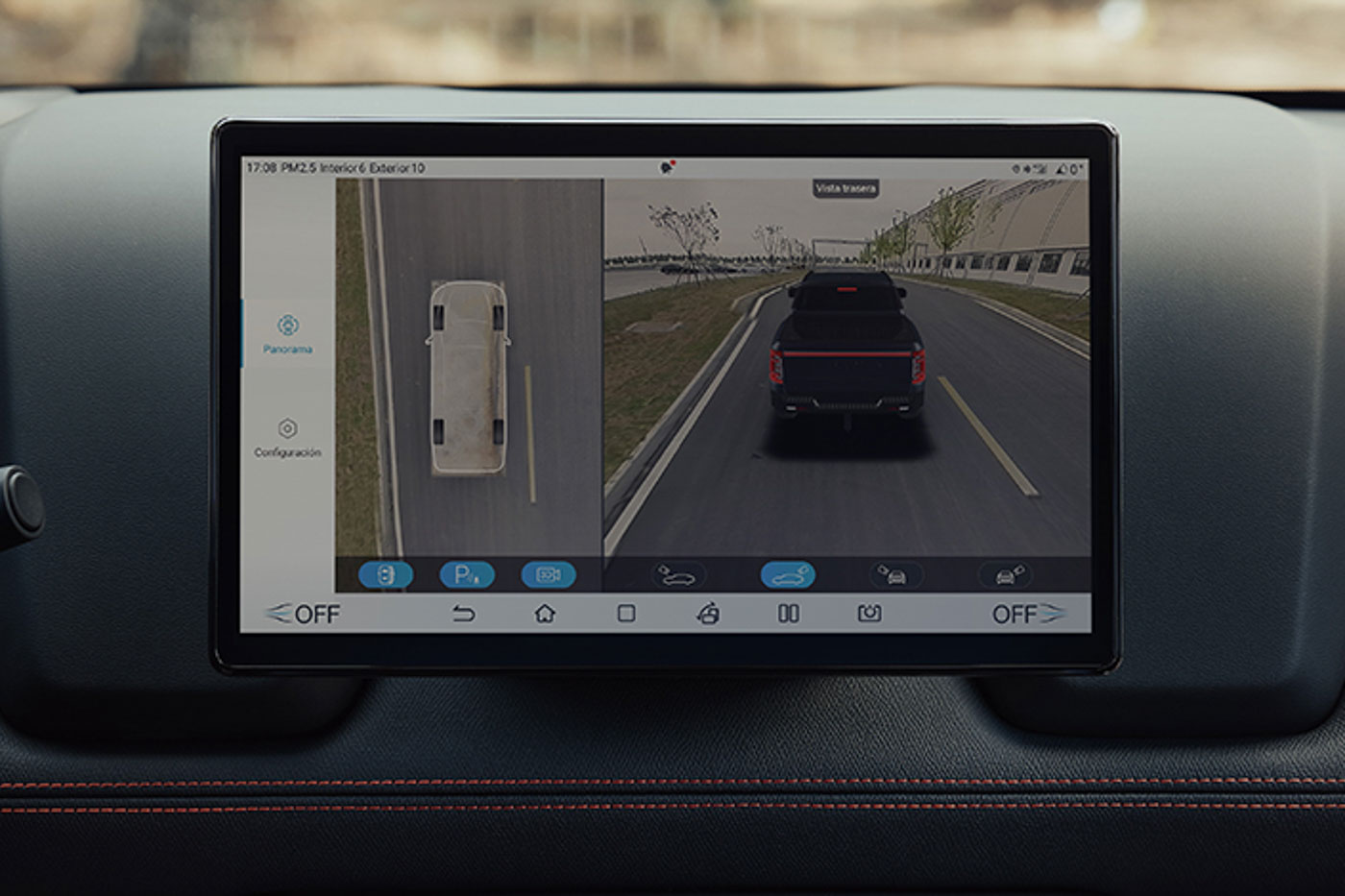
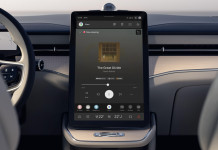
In terms of equipment, there’s the 10.25-inch digital instrument display and the 12.8-inch rotatable touchscreen infotainment head unit which supports Android Auto and Apple CarPlay. Also thrown in is the 12-inch head-up display (HUD).
On the safety side of things, the BYD Shark comes with a series of active safety features. This includes safety kits like Adaptive Cruise Control (ACC), Intelligent Navigation System (ICC), Forward Collision Warning (FCW), Rear Collision Warning (RCW), Rear Cross Collision Braking (RCTB), and Lane Departure Collision Warning (LCW).
RELATED: Leaked: BYD Seal X hatchback – EV sedan gets sporty sibling
GALLERY