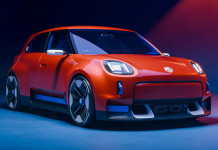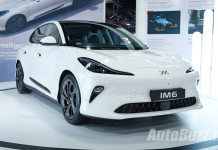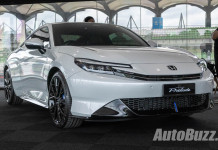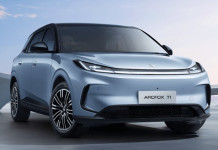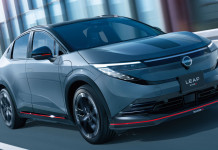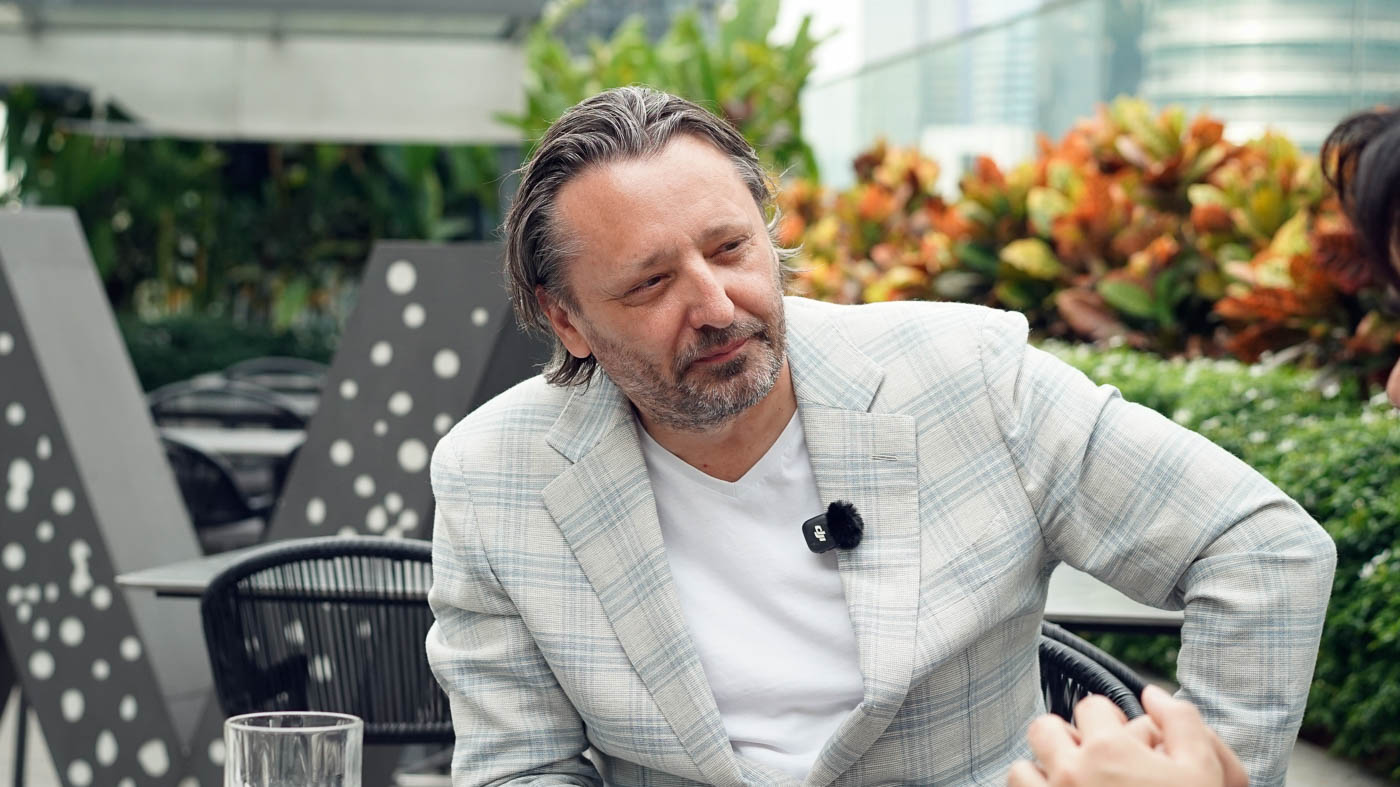
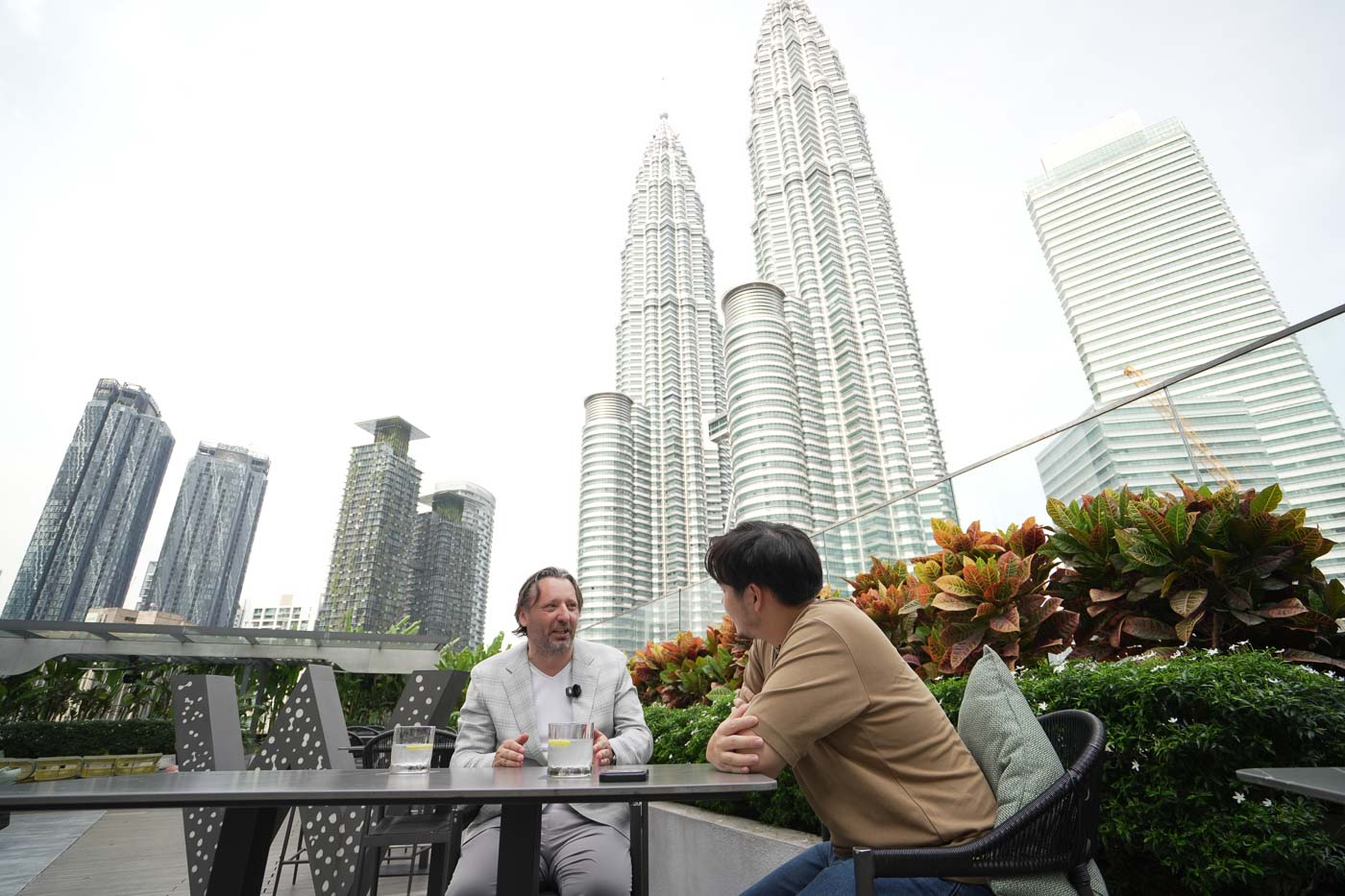
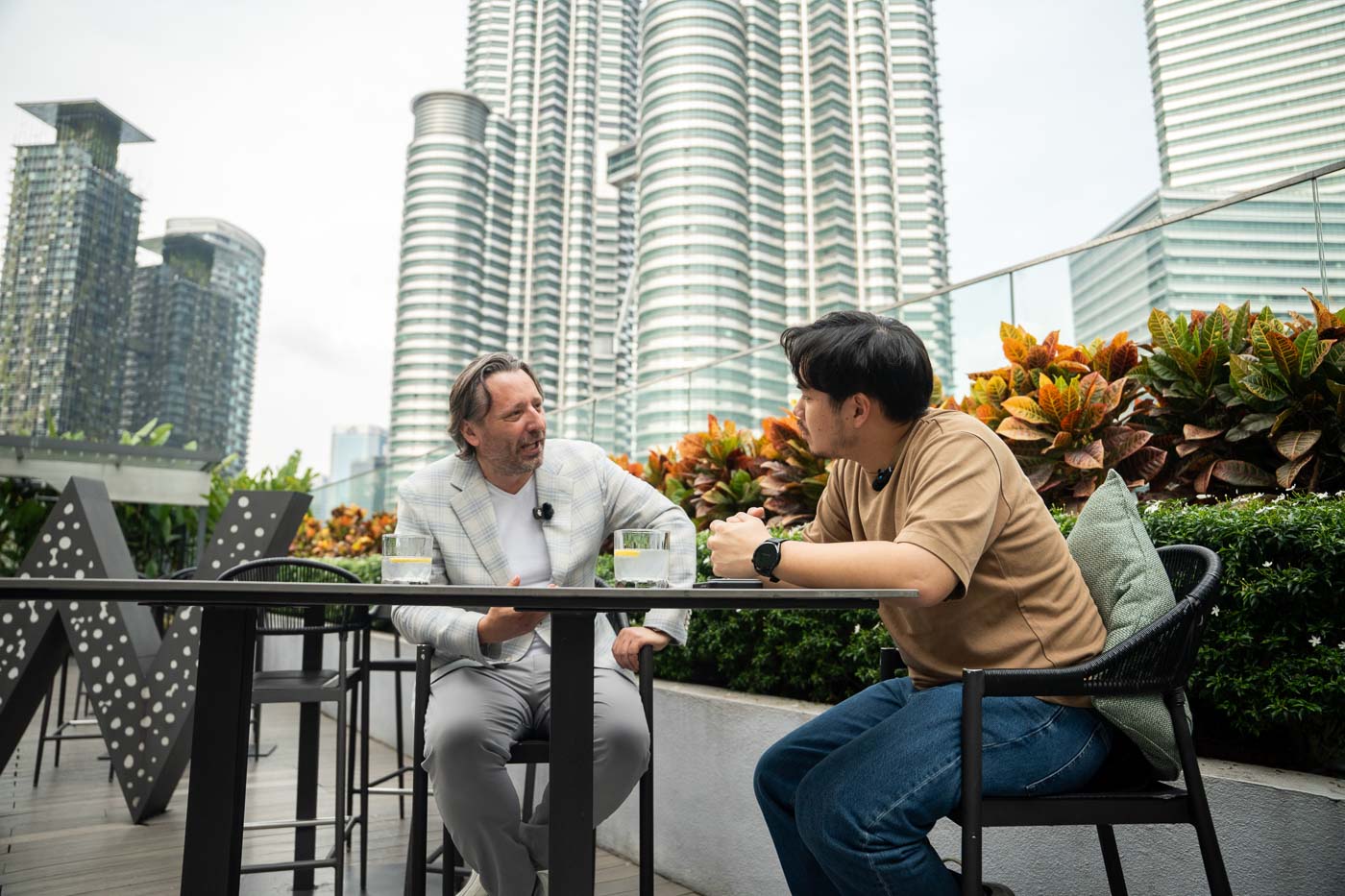
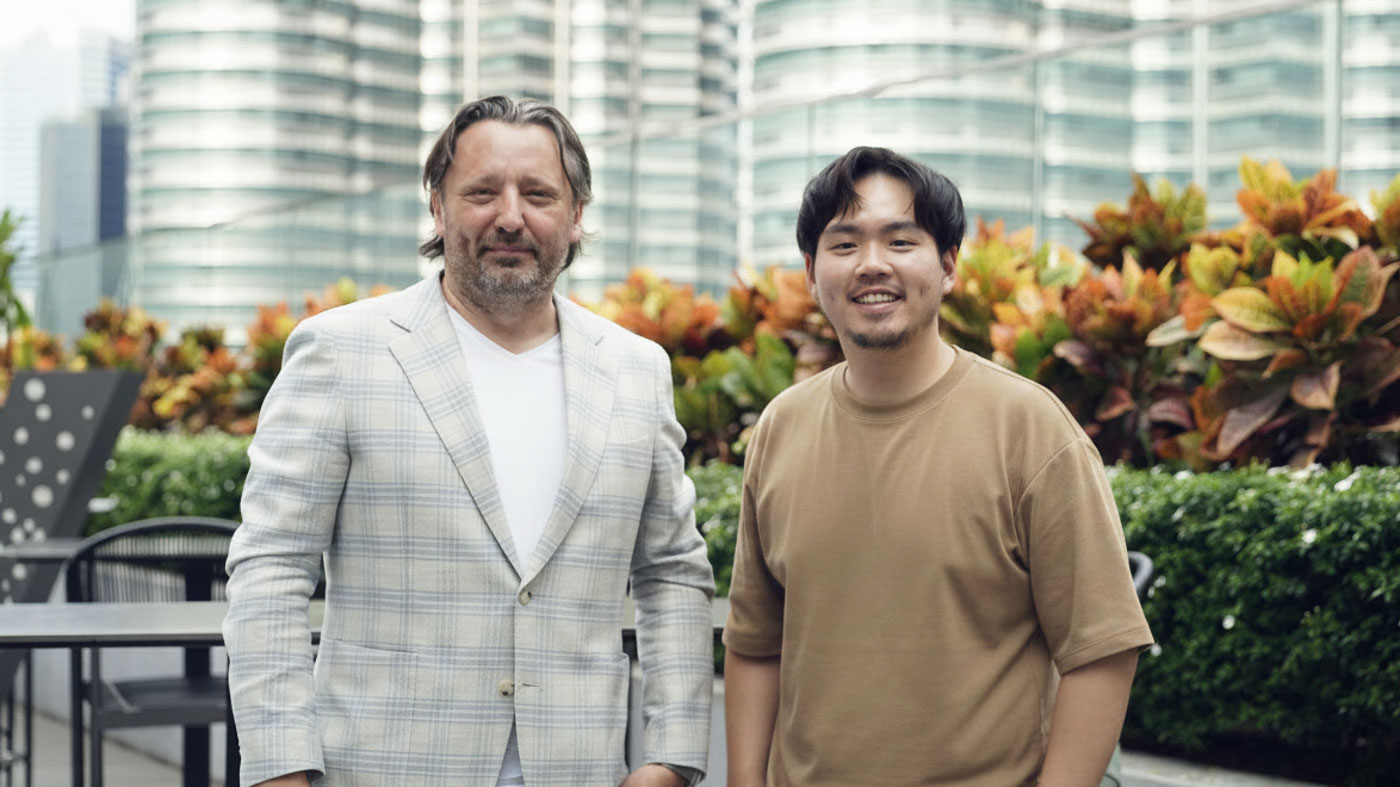
Jozef Kaban is a Slovak automotive designer, perhaps most well known for his work on the Bugatti Veyron. After an illustrious career in Volkswagen Group and BMW Group, Kaban took up a new challenge in China to head SAIC’s global design centre as Vice President in the company, where he is now responsible for defining the design language of the group’s array of automotive brands.
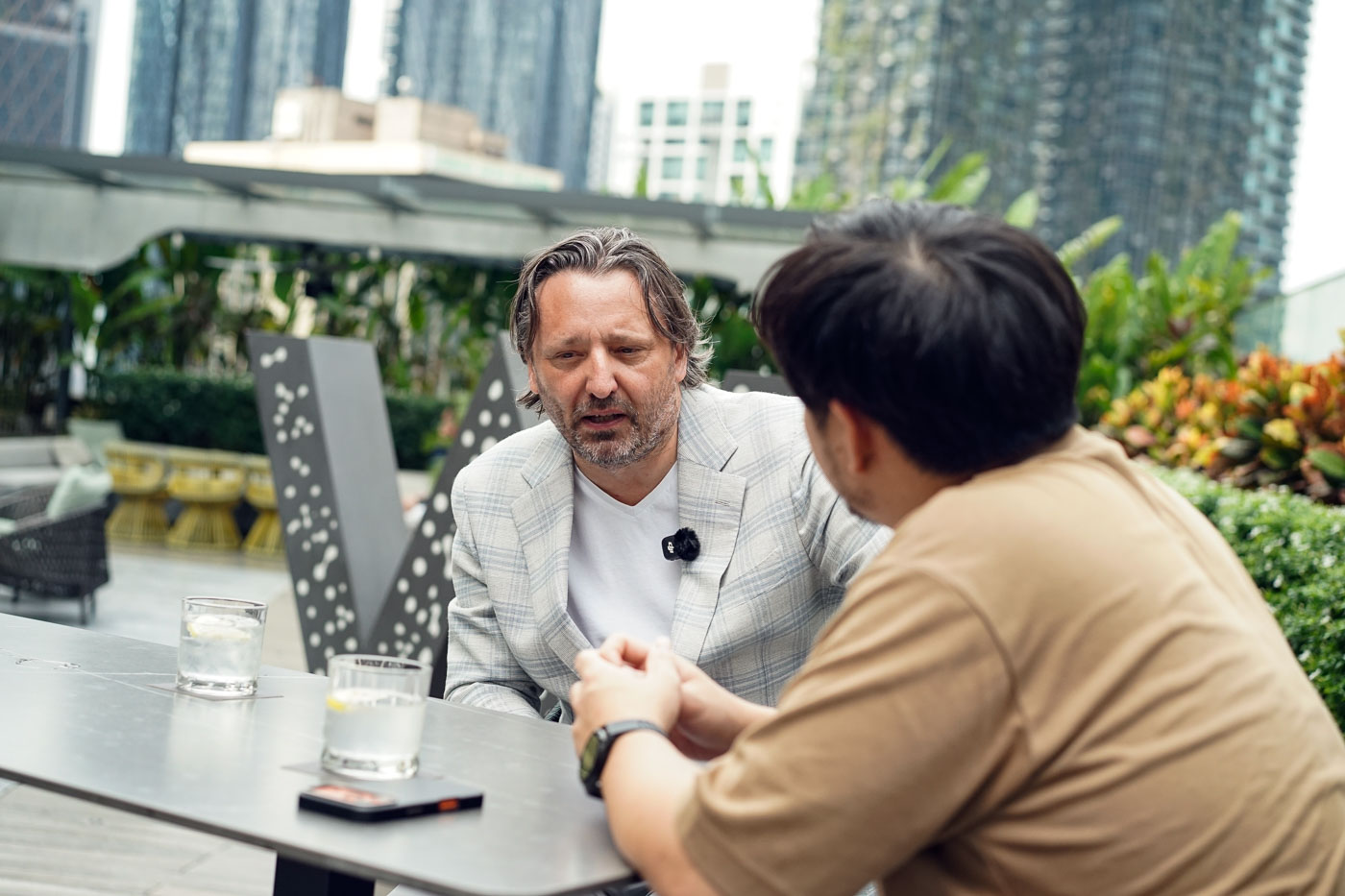
Ahead of the 2026 Kuala Lumpur International Motor Show (KLIMS 2026), we had the opportunity to sit down with Kaban in an exclusive interview to learn what truly makes him tick. In his typical off-the-cuff form, Kaban was happy to let the discussion wander into the psychology of art and car ownership, and even explored the reason why cars might be so exciting to people like me – someone who came from a music background.
But in our hour-long conversation, the design chief also gave us a glimpse into his work process, showing us how he’s trying to steer MG and the wider SAIC group into the future with design, identity, and human touch. I hope you enjoy the conversation as much as I did.
[This interview has been edited for length and clarity.]
You’ve had a long and illustrious career. Can you share a little bit about your history within the industry?
When I was young, I always loved art, a lot of different kinds of things around art, but as probably in most of the boys’ cases, there was the car which was the biggest magnet. And when I was 14 years old, I started to study industry design until I was 18. This was in an art school, but then I was already focused on industrial design.
Originally, I didn’t know exactly what I wanted, but I knew I wanted to design cars – but I didn’t know how to really get there. When I was studying in the Academy of Fine Art and Design in Czechoslovakia, I had a beautiful – let’s say – opportunity to try different things. I tried painting, I tried architecture, I tried sculpture and design, and I fell kind of in love with all of them, but the cars were still the dominant driving force.
And at around 20 years old, I had the opportunity to go to Volkswagen, which fortunately gave me a very early start in the car industry, where I had the pleasure of meeting many great people. That helped me get in touch with Bugatti, then going to Audi, then from Audi to Skoda, from Skoda to BMW, Rolls-Royce, and back to Volkswagen again.
It was a long journey with lots of beautiful dreams, you know, like there’s lots of heritage in these old brands, which all had great pasts, and as well – I hope – a great future. But there were also lots of great people, and maybe one of the key things was to be lucky to meet the right people.
You mentioned the heritage in the brands that you’ve worked for in the past. Was that perhaps part of the reason you’ve chosen to come to MG?
It was definitely one of the one of the big points in making this decision. I spent most of my life in Europe working for traditionally very well-known and established companies, so when I was making my decision to go to China, SAIC was definitely one of the biggest options for me because instead of just leading one brand, I will be leading an entire group – which at that time for me was a needed challenge.
I’ve already had the experience of leading a single brand, so I wanted to challenge myself to see from a different position of leading more companies. But then to also have a brand like MG that not only has a lot of energy, but also the historical background – MG for me dates back to my childhood – that told me it’s a brand that you can invest your time in, and to fight for it.
Being the head of design for SAIC as a whole, what do you think is the biggest challenge as opposed to just designing a single model?
Yeah, like you said, when you are designing cars it’s a little bit different to when you are leading a team. The first time when I became a leader I was maybe 27 or so, and at first I thought I’m being punished like I did something wrong, because I was too busy – I did so many projects and I had no time for myself and neither for the team.
But then I learned a very good advice, and I think at a very appropriate time, because I was still young enough to understand that you can be very good at what you do, you can be very hardworking, but if you can motivate the right people, you will be even stronger. So that is something that I try to bring with me now to lead the multiple different brands.
The people which I work with are professionals, they all know exactly what they’re doing, so I am more or less in a position to just help to steer them in the right direction. Of course, I’m still going to be touching the car – even to the minute details if it’s needed – but not because there’s something wrong with what they did, but because there is maybe some other opportunity to look at it from a different perspective.
But for my current role, I’m not just taking care of the cars, I’m also steering the brand and its positioning. So I’m also going out to meet great people like you; to see different places and to share about our dreams and the thinking behind our products, and showing people how the story that we are writing is truly a part of their lives.
There was an Italian writer who said that a good book is not because of what’s written in it, but by what the reader perceives from it – and everyone interprets it differently, because they put a little bit of themselves into the story. So to go out to meet and understand what others feel about our products, that’s our target. Our target is not just to build cars, but also to help people live better lives, to grow, and to help them smile.
ALSO READ: The MG Cyber Concept is a look into the brand’s future design
Do you see a car maybe as an extension of someone’s character or someone’s life?
I do – it’s definitely the case for me, and I think it’s also the same for everybody. You know when you’re looking at anything, you’re looking to find a bit of you, or what you would like to be. Every product and everything that we do, and what we create as a humanity, we’re doing them not just to decorate, but to also evoke certain feelings.
These feelings are not just between the product and you, but also given off from you to other people; and in that sense I think a car says pretty much everything about someone’s personality. So I think of that in our designs as well. You cannot create things if you don’t feel the passion to create, and it doesn’t matter what it is – music, or literature, it could be anything. But if you love it, you will feel it.
And I’m so happy to learn that you’re actually from an art and music background. Because it shows that cars are really a magnet for people with emotional sensibilities. And now when you write something, you also not only need to be a good linguist, but to feel as well.
Today, we have lots of, let’s say hybrid processes, where we utilise lots of statistics, data, and information. So sometimes we create things which are very smartly calculated, but you feel that it is almost missing something. You still need some human imperfection, you know, perhaps breaking the typical expectations to bring it to another level.
So it’s a little like jazz, which pretty much started by breaking the traditional rules and theory of music.
Yes, and in jazz, you also have lots of improvisation you know and they create the moment – and what they do is they catch the moment of that place where they play, or the moment of the music or the moment that they are in the life, and maybe even the troubles that they are going through. And I think most of the great things actually did happen in crisis.
Like in the world of art, Van Gogh’s paintings still have such value – not just from the money point of view, but also from the historical aspect. And he was living alone in a life full of sadness, but yet he was painting every day – not to make money, but because he needed to put it out.
And we see that in the automotive industry as well, because many of the iconic and glory cars, like the Lamborghini Countach for example, they’ve come in a time when things changed – and they’re so important not only because they’ve produced only a few of them, but they’re all created with lots of passion and love.
And most of these cars were also not built to make money, but to be delivering something – like even MG has in its history lots of ups and downs, but there was just always one single focus for the passion of driving, you know. And this was always important – maybe more important than to make very rational logic decisions. They may be mistakes mathematically or financially, but we are happy creating and experiencing these cars.
I have to imagine that it is not a viewpoint that many of your employers would be too happy about?
Yeah, but what is ‘wrong’, you know? ‘Wrong’ is very difficult to say because it’s again just an interpretation of certain perspectives. By changing the perspective, something wrong could actually be the most right decision. For me, when I’m making something people predict and expect, it might be good for the first and second time – but on the third time, even if you’re doing the exact same thing, people might have changed and find it boring – like ‘yeah we’ve been expecting that, it doesn’t surprise me anymore.’
I think people recognise and adapt to changes – sometimes very quickly, but it might also just take a long time. That’s why sometimes a good thing might be misunderstood initially, but later may be appreciated, even when they might not be there anymore. And on the flip side, you might create something that is an immediate success, but one year later nobody even remembers that we did it.
Therefore how do we find a balance? Because my role is not just to build the next car, my role is also to create the link for the future – you know, to build a healthy future for the brand even 100 years later. And all this is connected with the customer – I mean you cannot get 100 years old without your customers.
So if you look at the history of MG, it was never about big cars. It was always the smaller cars, and cars which were bringing different – I would say – social hierarchies together. There were rich people and even poor people, young or old, or even different cultures, all having different dreams, but all with the same passion.
And they would still drive and meet in the same club – like I was travelling to Brazil last year and I was at one of the oldest car clubs there. And these people, they still love the brand because they bought the car when they were very young, and even to this day bringing the cars out from their garage still feels special.
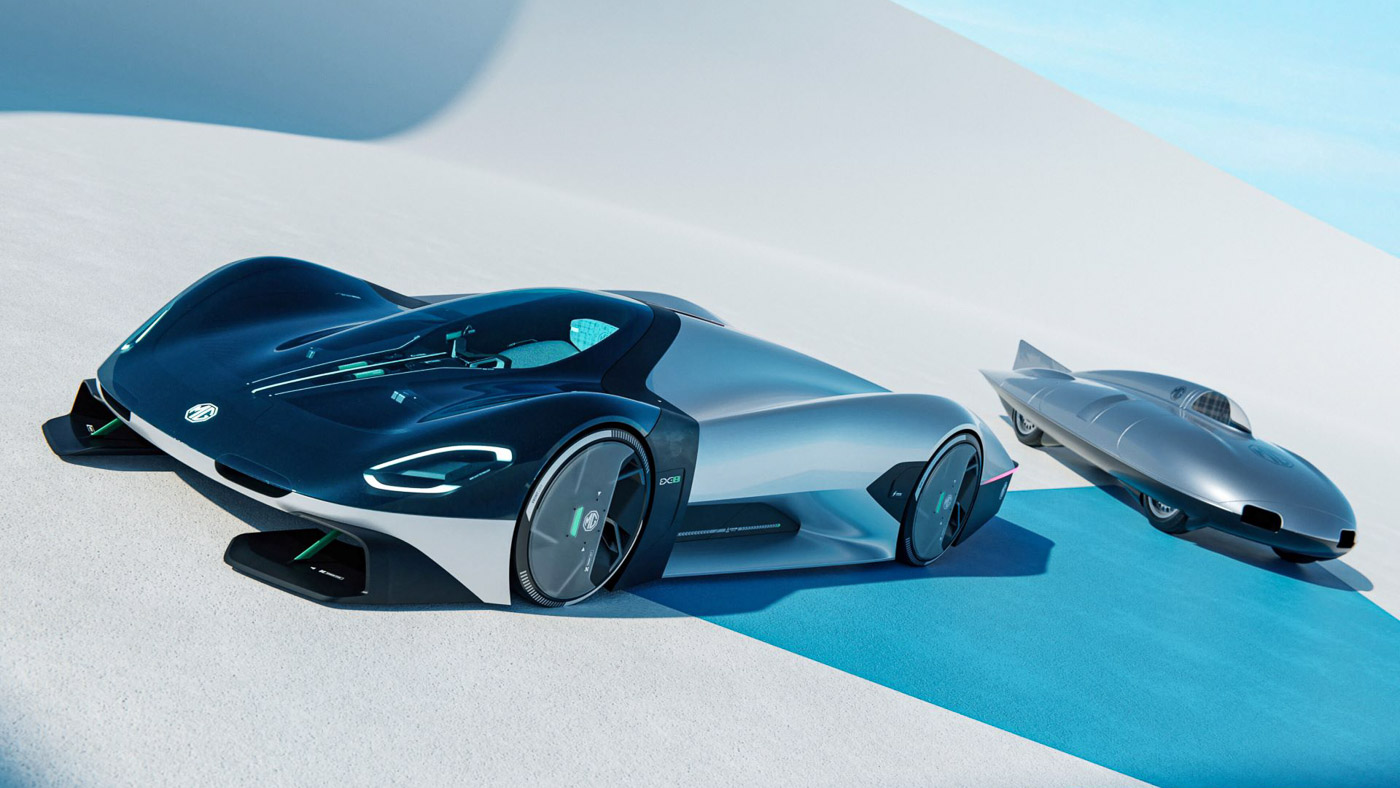
And this is what we’re trying to achieve in our cars today. To bring out a little bit more emotion. It’s not very easy, but you know, it was not easy back than either. In those days, for example, we had the MG EX181 trying to beat the speed record with this 1.5-litre engine, very small engine, driving 400 km/h – which today is still a big number. So we tried to capture the passion with our EXE181 concept showcar.
You mentioned a lot about the past and also MG’s history. How much does history actually influence what you do today?
People always say the future is the most important, and the past is just like a mirror in your car, showing you where you come from. But I think it’s more than that. History carries a lot of information – not just memories and feelings of belonging to something, but it’s also showing us when we did something good or something wrong, and how we reacted. So we can learn a lot from the past.
I think it’s important to understand who you’ve been till now, you know, what you did right and why people did understand you like they did, then you can write your next book – for both your existing audience and even new ones. But if you always escape from the past, it might be difficult for people to follow you if you don’t know who you’ve been and where to go.
And if you’re always changing many things from the past, burning the bridges and so on, there might also be some trust and feeling that’s missing. It’s very philosophical, but you also see every car company coming back and reminding people when it was born, not because they’re asking for a birthday present, but just to show that there is already a certain experience on both sides.
Is that also why the retro-inspired designs are coming back so strongly now?
This is also a related to one of your previous questions, because you know, if the cars are differentiating themselves this way, then it is also breaking the statistics and breaking the typical logical behavior a little bit – It’s how certain brands are creating contrast today, let’s say, and also perhaps a way to show their heritage.
Whether it’s the right design or a great design, it always depends on who’s done it and how they do it, and again like we mentioned, the person that is going to judge it. But you know, these retrospective designs have always been around, even in the past.
These days, we have lots of brands with shorter histories, and they might have lots of influence, emotion, or even – let’s say – an interest to do something good. But what they cannot bring is their past. So they’re using this as a chance to stand out, to show that, look, I have the identity, and it’s been producing good results and people are actually feeling happy with those cars.
No matter what, I think what’s most important is that these cars are making mobility more colourful, and that’s a good thing.
For us, I believe that if you have a good story, why not try to remember it? We have 102 years of history, so maybe it’s an opportunity for us to recall it, you know? And I would say we will pretty soon – in a couple of weeks, we will be showing off something.
And it’s not because we are missing creativity. It’s because we believe it’s the right thing, like the Cyberster as well – the MG Roadster has a lot of heritage. So we’re taking that and combining it with the latest innovation. Of course the heart of it is the battery, but we also have a lot of other things like the doors that open in a way that no MG ever did before. But still, the silhouette, the character, the lightness – even when the car is more heavy, they still show lots of things.
That said, I think you don’t always need to recall the past by using visual, let’s say, recapitulation. You don’t need to redo it again, because even if you’re crossing this same river, it won’t be the same river, you know – there will already be different water flowing through it.
You just have to bring the feeling, the emotion of it, which can be very powerful, and I think when you see it as an identity, at a philosophical level these cars will be understood.
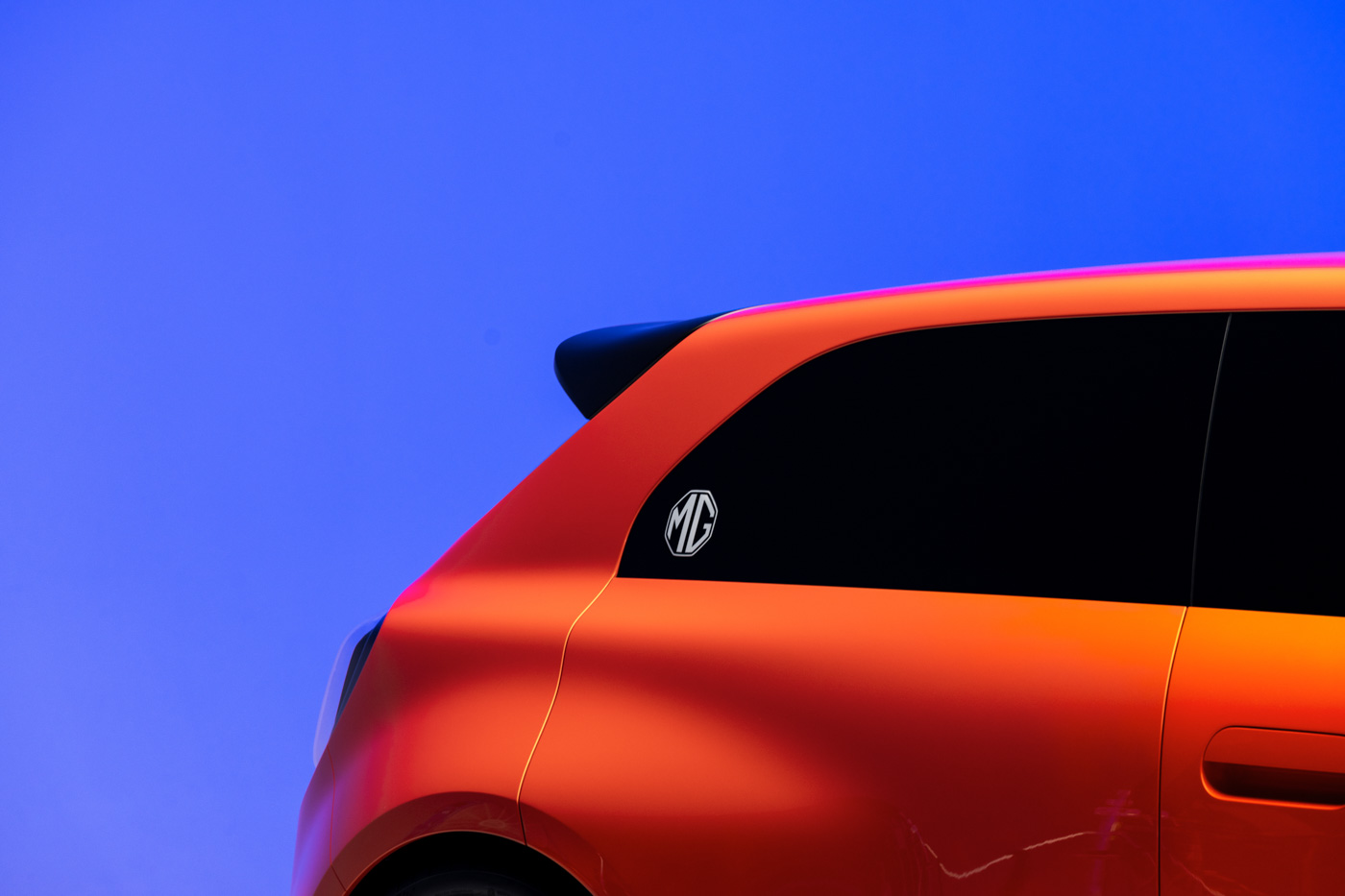
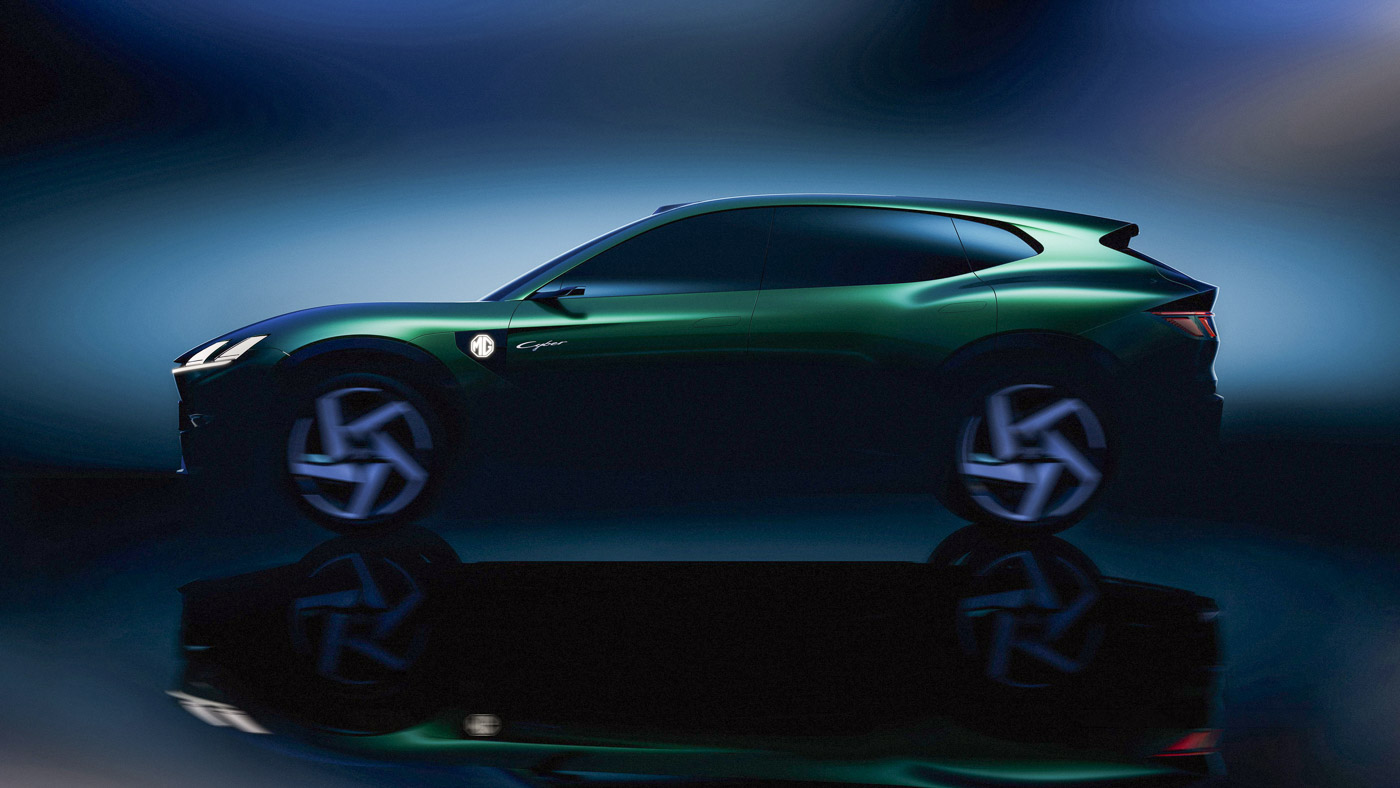
[MG has since unveiled the MG Go! Concept and the Cyber Concept at the 2026 Goodwood Festival of Speed. The former is a retro-futuristic compact hatchback that will be heading to production soon, taking inspiration from iconic MG models of the past including the MGB GT, MG Metro Turbo, MG ZR, and MG EX4, while the latter is a design study of a future flagship SUV, previewing the marque’s design language of the future.]
Is it more difficult to create something more special these days, especially with cars now getting more and more similar?
I think it is. It is much more complicated because in the past, the cars and the brands, you know, were usually created with dreams. And you didn’t really have other things, like lots of research and so on. There was the dream, and that’s your key motivation. You will make it, or you die, but you will do everything for it.
Today we have a world full of information and statistics and everybody is chasing, let’s say, certain numbers. And it’s not only in the car industry. We are now in such a position where certain similarities are happening everywhere, because the tools and the methods are similar.
But still, it doesn’t mean that we are now living in a less creative or less attractive world. It’s only more important now to find a way for your brand to offer something that is missing now. And now maybe it’s an even bigger opportunity to succeed – because back then, every product was somehow unique.
Today, many cars are very capable in terms of numbers, in terms of logic, and they can deliver very good results. But sometimes you just feel that they don’t talk to you. You feel something, but it’s not alive – it’s missing a little bit. Maybe it’s the driver who can give the car this missing piece of the puzzle, but I think the car can still offer more.
And this is what I think is the next step, you know, the identity of the brands will be even more and more important. Like, for example, look at the aeroplanes. You’re booking your flight, you do not know which plane you’re going to fly. You have no idea if it’s Boeing, if it’s Airbus or whatever.
You probably don’t even know when you enter the plane, unless it’s written on somewhere like your safety cards, okay, it’s Airbus or it’s Boeing or whatever. And this is something that is, of course, going to happen as well in the car industry.
But we think that even when there will be more autonomous cars, more autonomous driving, that is not going to be the only answer. There will still be people looking for passion, because mobility is very inspiring.
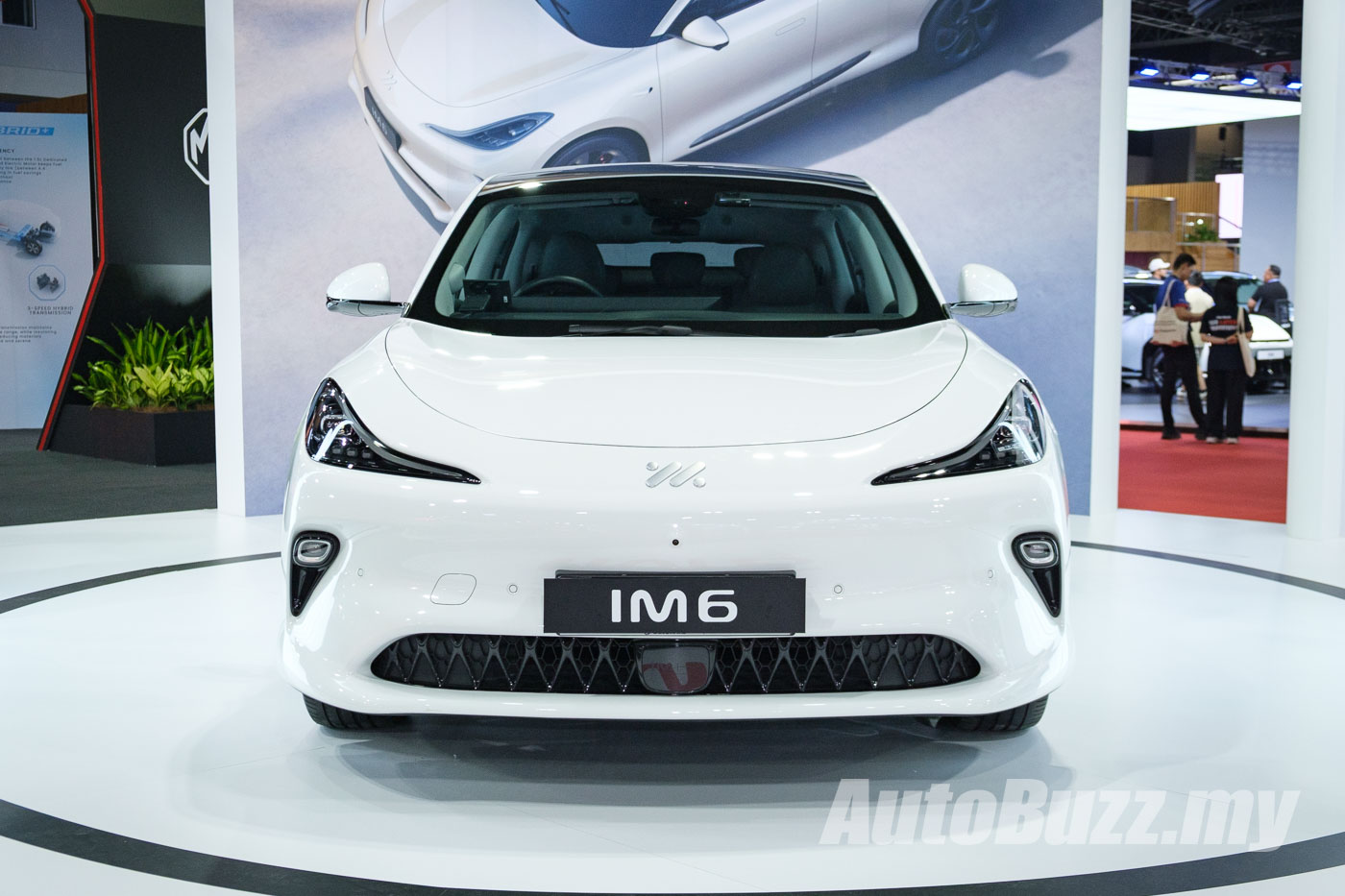
On the importance of brand identity – with the industry becoming more consolidated by the day, we see it more often now in big groups like SAIC with multiple brands under one umbrella, that they’re selling the same models under different brands in other markets – for example IM being branded as an MG when it arrives in Malaysia. So how does this work in terms of brand image?
So you look at gastronomy, for example when you eat something sweet, you need something salty as well to balance. If you’re just eating something sweet, you’ll feel like it’s missing the savouriness. And even in desserts, you also need to use salt. You cannot cook sweet things with just sweet ingredients – and that is the same for cars as well.
Of course, the ideal is to build everything for only your brand. But what is ideal? Ideal is also to do it at the right price for the right people. I have customers who are looking for something specific, do I just leave these customers without any answer? Do I give them nothing just because I will need much more investment and time to give them something from my brand? Or if I do make something, can I even give it to them at the right price?
And that’s why for me, there’s nothing wrong with cooperation between brands. And if you still can do it by still respecting certain identity values, then it’s probably even a very smart thing to do. But still, that cannot be the only thing you do, because if you only do badge engineering, then it will probably be difficult to keep the brand in the future.
A brand needs, like music, good ingredients. It doesn’t only need piano players, or only guitar players. It needs all of these ingredients in the right amount at the right place. And most importantly it needs good sensibility, because you can do lots of good, but you can also damage the brand a lot if you’re not careful.
So you’re saying a brand identity is more overarching than just the design of every single model.
Yes, and it’s important to remember that a brand is not just about cars – it’s also everything around it, even the people who are using the cars. Of course, the product is one of the key things, but is also the touch points, like the shops or the dealers. A brand is the communication, the visual identity, and even social media – everything, you know, it’s so complex. And even this needs harmony.
Of course, it’s very complex and each of them has the space to go in different directions, because each of these expects can also find their own opportunities to become something better. You might find through social media or something else that your brand discovered something that the product needs to follow. So It’s not only the product which dictates the direction.
And it always comes back to what we said, where customers are at the centre of what we do. So we have to understand that and observe where our customers are going, what problems they might have, what are the things they like to do, or what maybe they are dreaming about.
ALSO READ: MG IM6 previewed at KLIMS 2026, up to 778 hp and 600 km range
What do you think MG would look like in the next 100 years?
Yeah, it’s a long time, 100 years. But I think MG has one big genetic advantage. It’s a mix of two cultures or two continents – on one side European or more specifically the British; very traditional, very trustful, and let’s say bold, and on the other side we have lots of innovation and open-minded views with the Chinese and the Asian continent. And we’re connecting them through wisdom of both sides, we have the opportunity to be the bridge.
It’s not that Europe is just tradition – Europe is also very advanced, but this combination of these two DNA, I think it has lots of potential to become – and stay as – a very emotional choice for the customers. And we are going to bring some cars which will show this emotional touch even more.
At the same time, we will try to open a little bit more in terms of our design language. We will always have something to do with dynamic driving, but as I called it at the Shanghai auto show last year, it’s circle and square, and we will have both. Even when you look at our badge, you know, it’s kind of like – what is it? it’s too square to be a circle, but too round to be a square either.
Maybe in the future, car design will become very anonymous. But we will still try to have an identity, to be recognised. Maybe not chasing the biggest volume as our priority, but excitement.
Do you have any advice for the next Malaysian car designer?
Walt Disney once said, if you can dream it, you can do it. So If you know what you want, and if you love what you dream about, then you have to push for it. Even here in Malaysia, which already has a car industry, but maybe not the biggest yet, that doesn’t mean that there will be limited opportunities for you.
The world is big, and dreams can sometimes be even bigger. So follow your dreams – but not just passively, you have to try. And one thing that I’ve learned, especially for car designers, is perhaps to focus less on ‘I’ or your own instincts, but to utilise ‘we’.
Because like I said when I was young, from one designer trying to do everything by myself, I became more free by having the chance to work with more people and to create something even bigger. I don’t know who said this, but if you want to run quicker, run alone. When you want to go far, go together. And that has resonated well in my experience.
And for me, one of the most important things during my studies was that I didn’t just dream about the cars, I also dreamt to become my heroes. So if it’s possible, find your hero. Because they are somebody that can maybe help you to see the human side of it. For me, I had Bertone, Pininfarina, Giorgetto Giugiaro.
These were my heroes, but now, I also try to find my next heroes in my process, going out to meet people at motor shows for example. Because now I try to do things a little differently. When I speak with people, I meet people who can inspire me, and to give me positive thinking, on things that I haven’t thought about. So I learn something new every time.