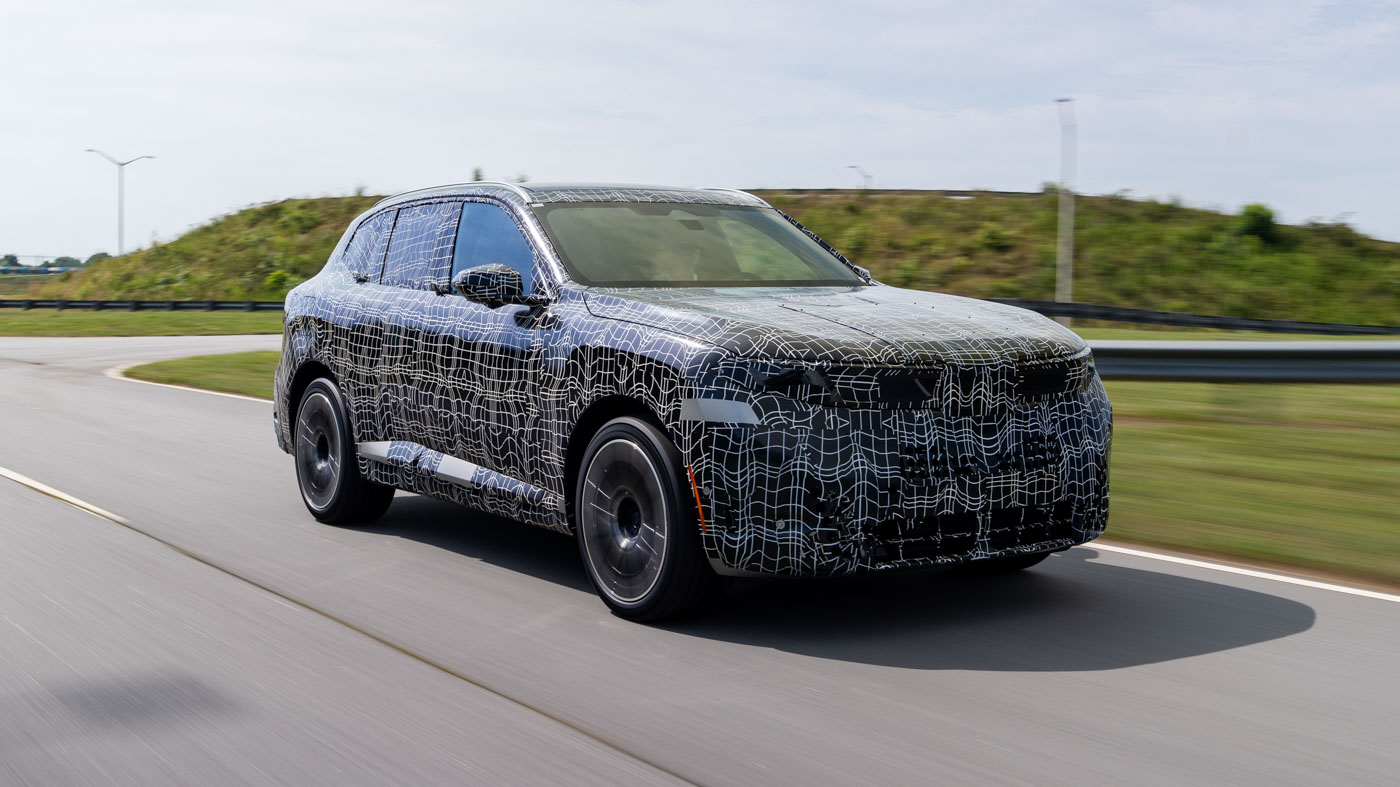
BMW has revealed that the upcoming fifth-generation BMW X5 is entering the final stages of its development programme. Set to debut soon, BMW says its Sports Activity Vehicle (SAV) will be the first model in its history to be offered with five powertrain options, with the all-electric variant (EV) launching first.
As the first-ever electric BMW X5, the SAV will initially be offered in iX5 60 xDrive guise. BMW says it will be underpinned by BMW’s sixth-generation eDrive technology and feature a dual-motor all-wheel-drive setup producing 578 hp. Power comes from a battery pack with a net capacity of 144 kWh (USA specification) or 141 kWh (EU specification), making it the largest battery ever fitted to a BMW. The iX5 will also utilise an 800-volt electrical architecture.
Another first for the X5 will be the hydrogen-powered BMW iX5 Hydrogen. Scheduled to reach the market in 2028, it will become the first series-production hydrogen model in BMW’s history. The powertrain combines a fuel-cell system, BMW’s new Hydrogen Flat Storage system and a high-voltage battery.
The iX5 Hydrogen will utilise BMW’s third-generation fuel-cell technology, which the company says is more compact while delivering improved performance and efficiency. A key component is its Hydrogen Flat Storage system, comprising seven carbon-fibre-reinforced high-pressure tanks integrated into a robust metal frame.
ALSO READ: This could be how the all-electric BMW M3 looks like
According to BMW, the flat-tank layout enables more efficient packaging with minimal impact on cabin and cargo space. The company has yet to disclose the hydrogen variant’s power output, but says the model can be built alongside other drive system types on the same production line.
As for the internal combustion-powered models, BMW has assured that the next-generation X5 will continue to be offered with petrol and diesel engines, all paired with either a 48-volt mild-hybrid or plug-in hybrid (PHEV) system. The mild-hybrid petrol model, dubbed the X5 40 xDrive, will produce 400 hp — up 20 hp from its predecessor. Meanwhile, the PHEV X5 50e xDrive will retain its 490 hp output. BMW has yet to disclose figures for the diesel-powered model, though it is unlikely to differ significantly from the current version’s 298 hp.
ALSO READ: 2025 BMW X5 xDrive40i M Sport facelift launched in Malaysia — RM508k, CKD, inline-6 MHEV
As part of BMW’s Neue Klasse generation of vehicles, both the electric and hydrogen-powered X5 will benefit from the brand’s new Heart of Joy control unit, which incorporates the BMW Dynamic Performance Control driving stack. According to BMW, the system enhances efficiency while delivering a more precise and engaging driving experience.
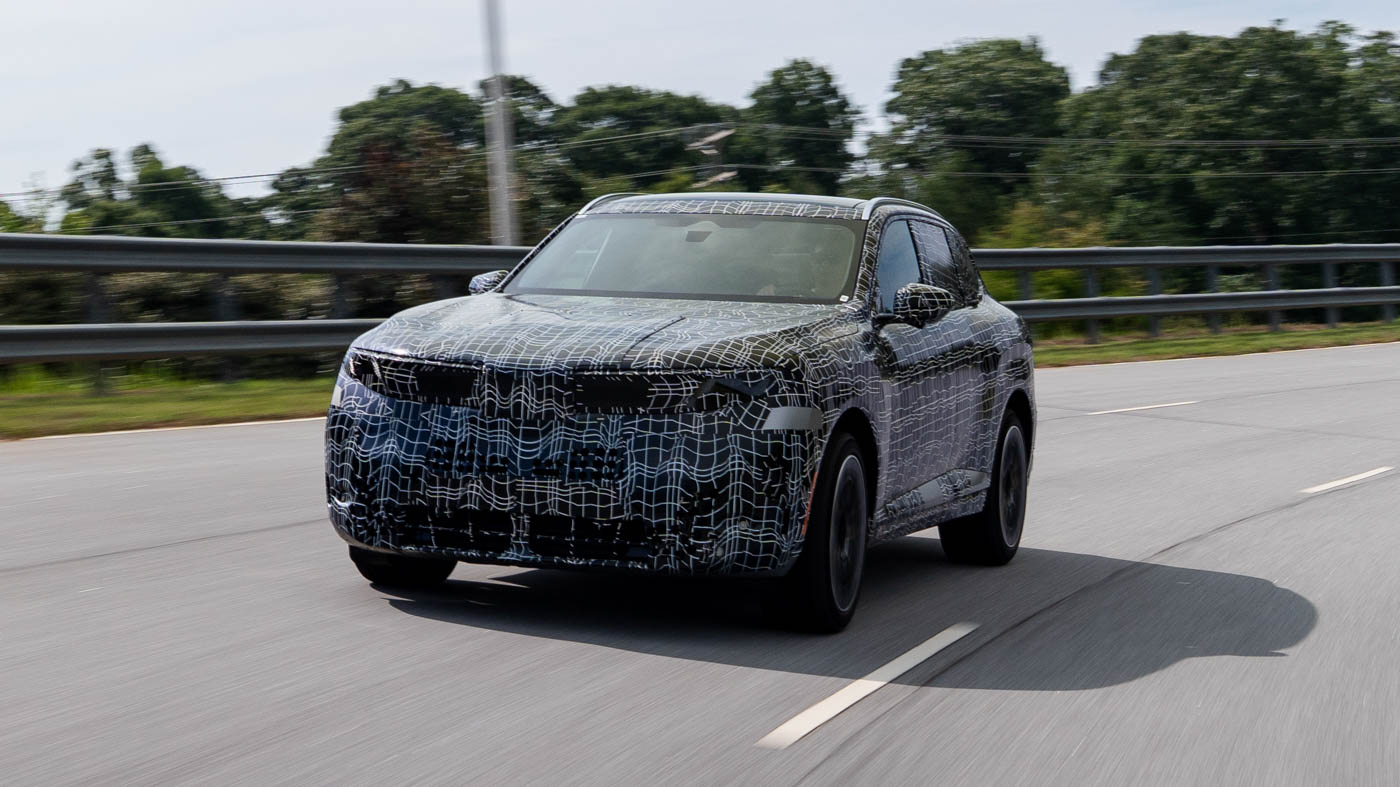
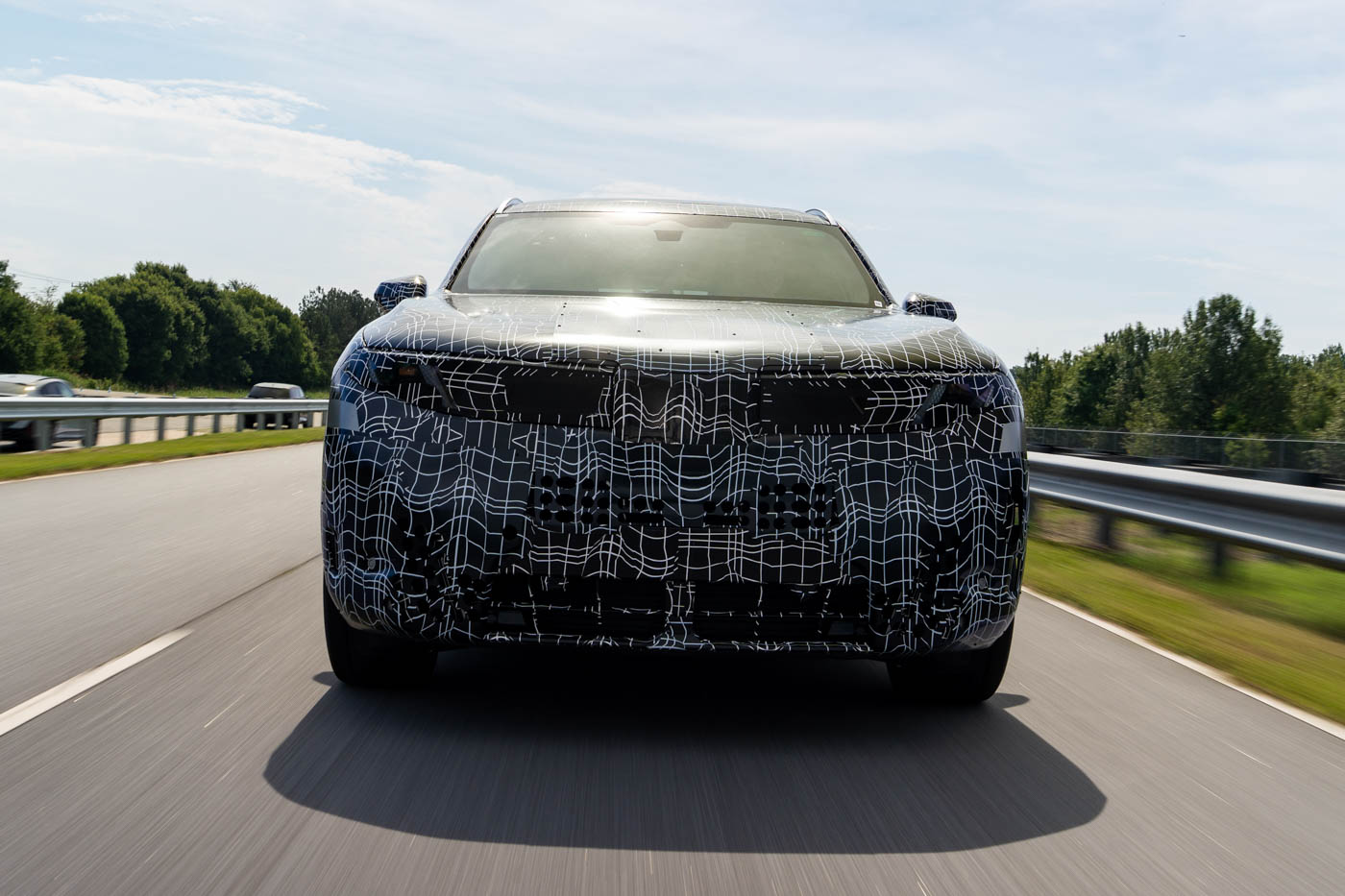
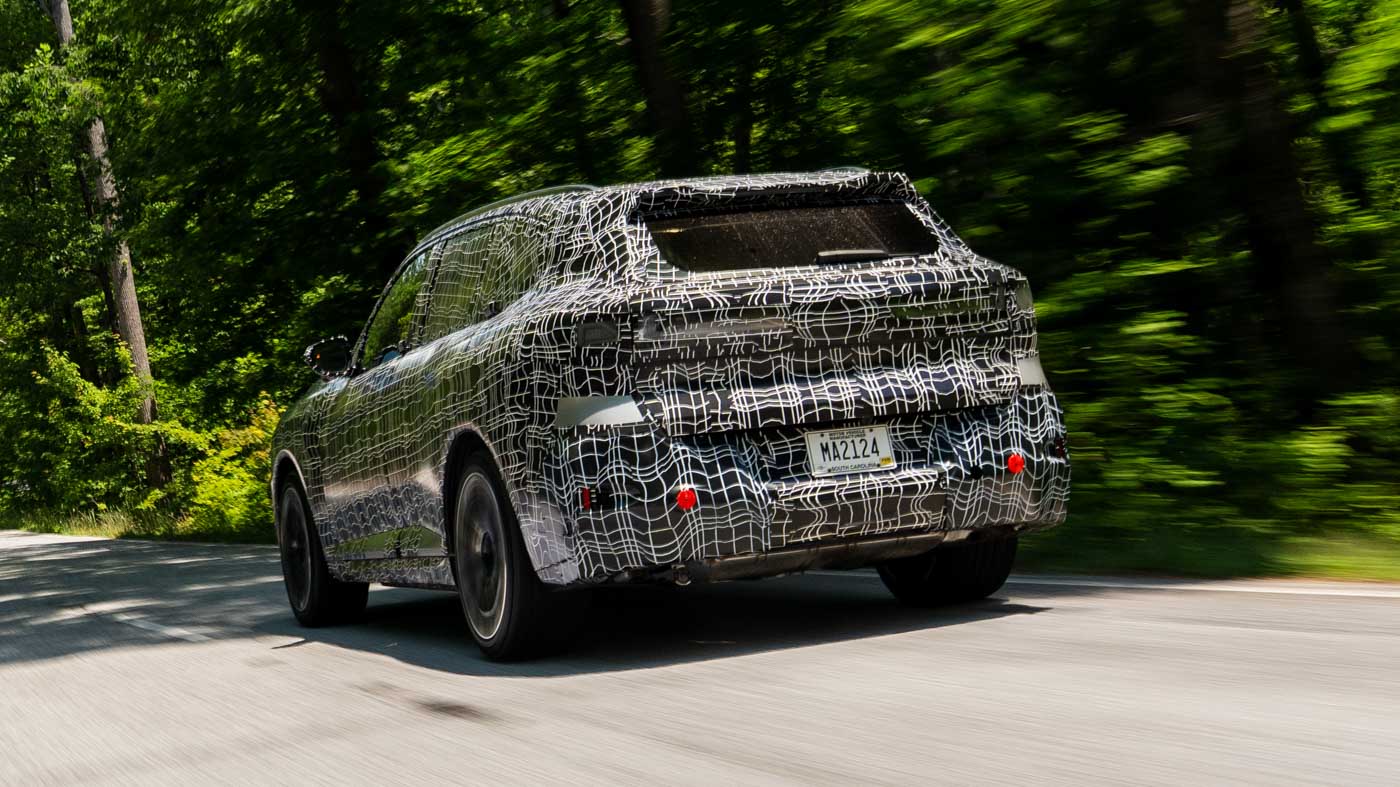
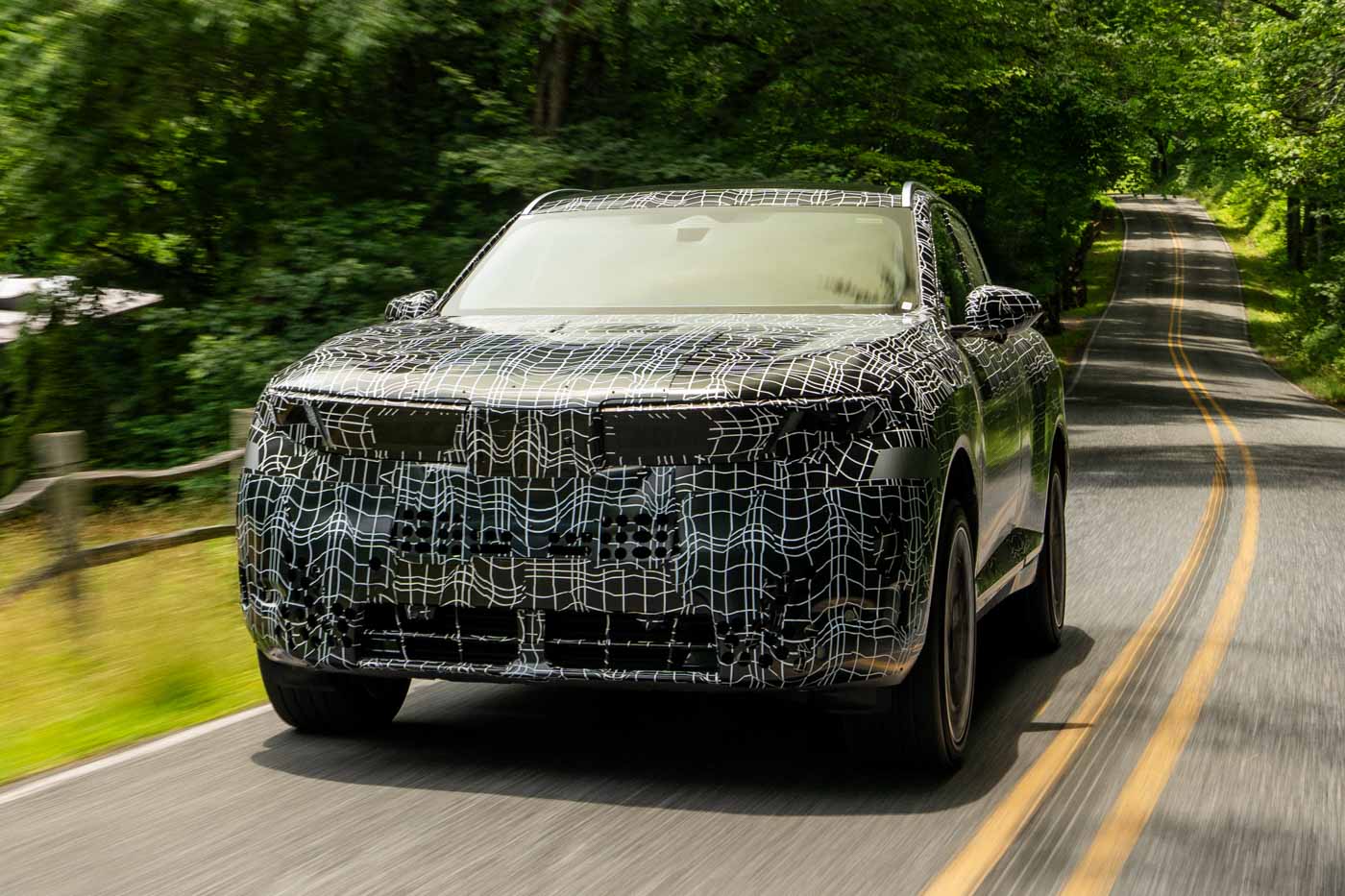
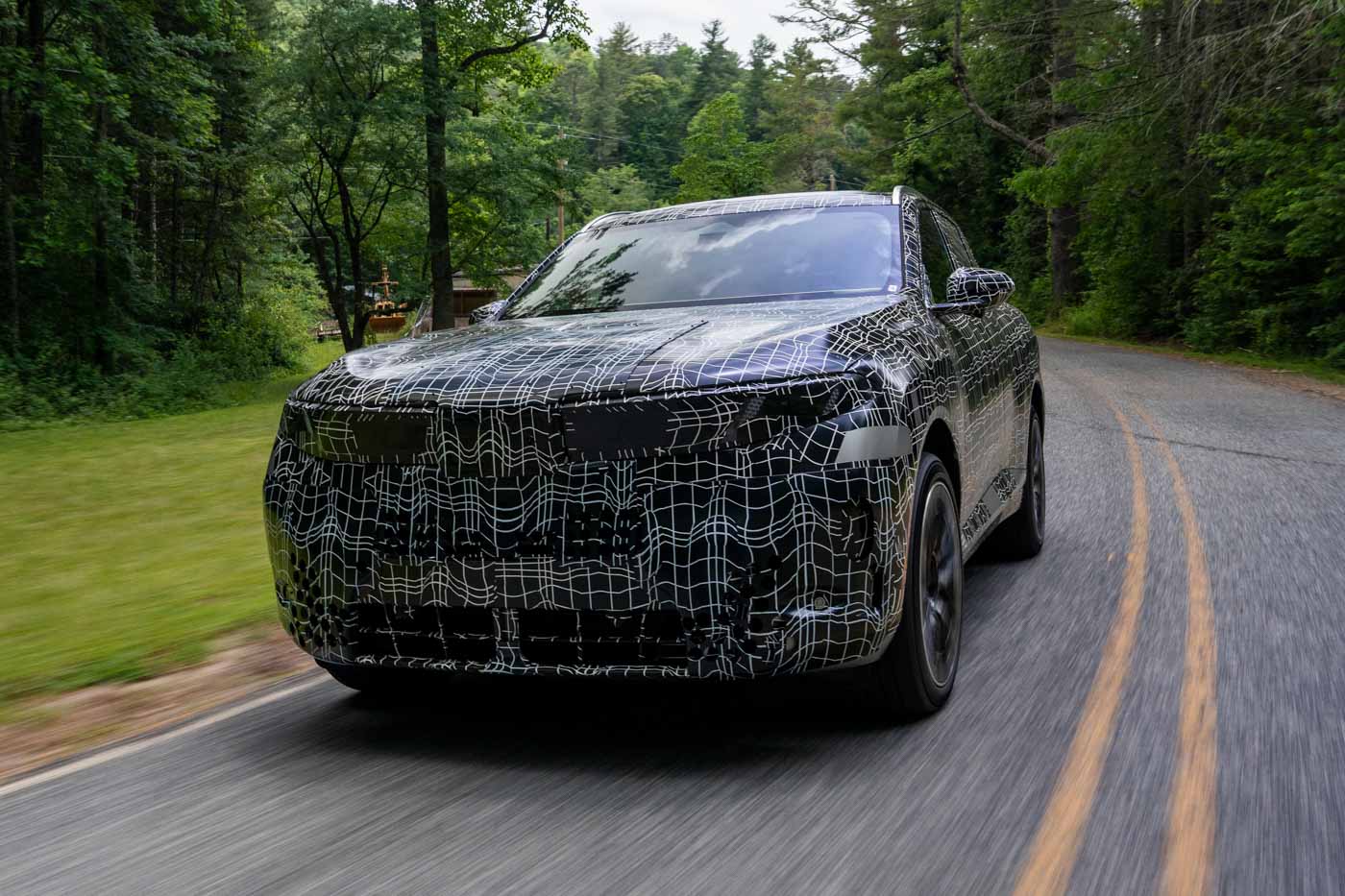
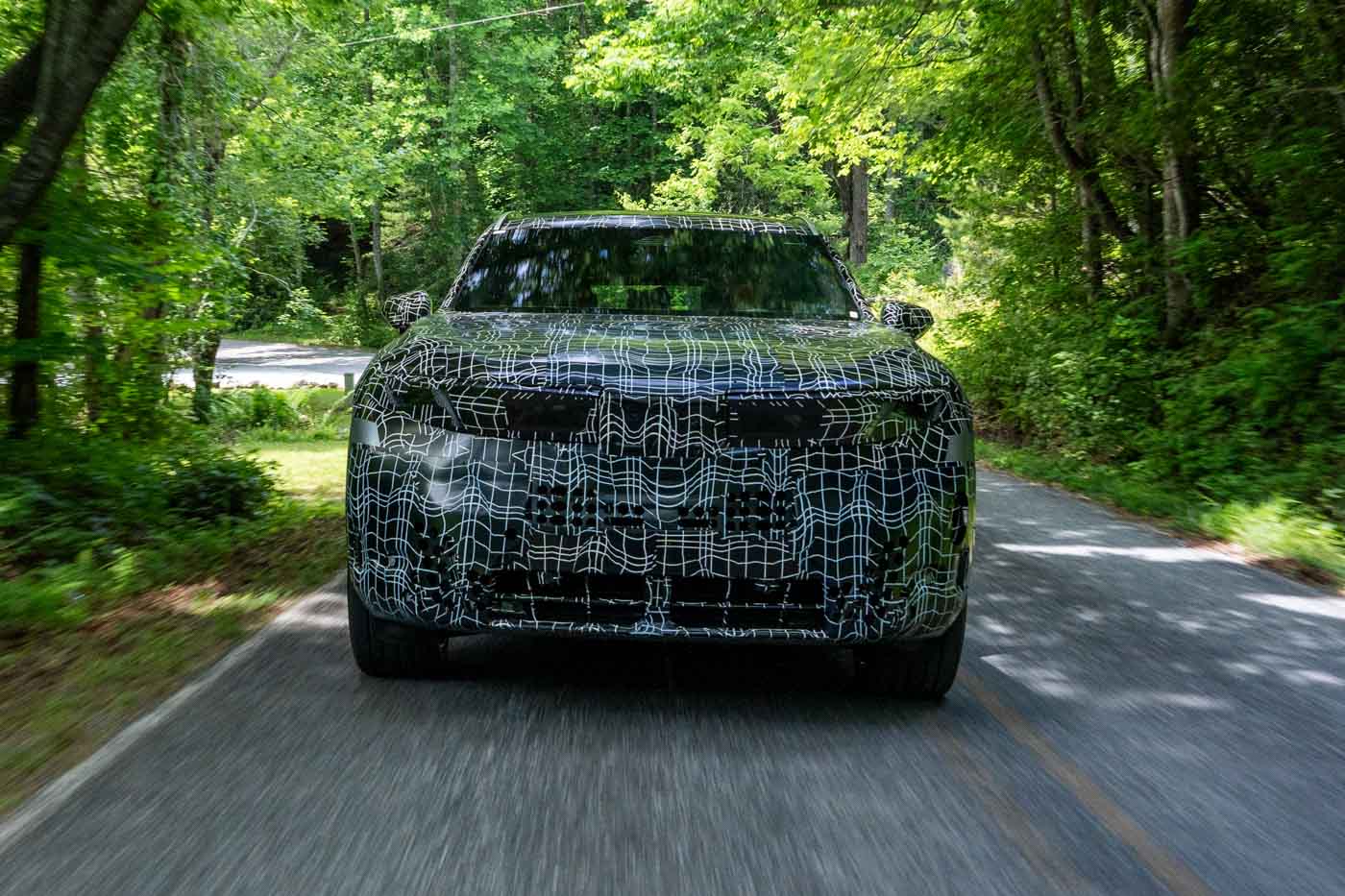
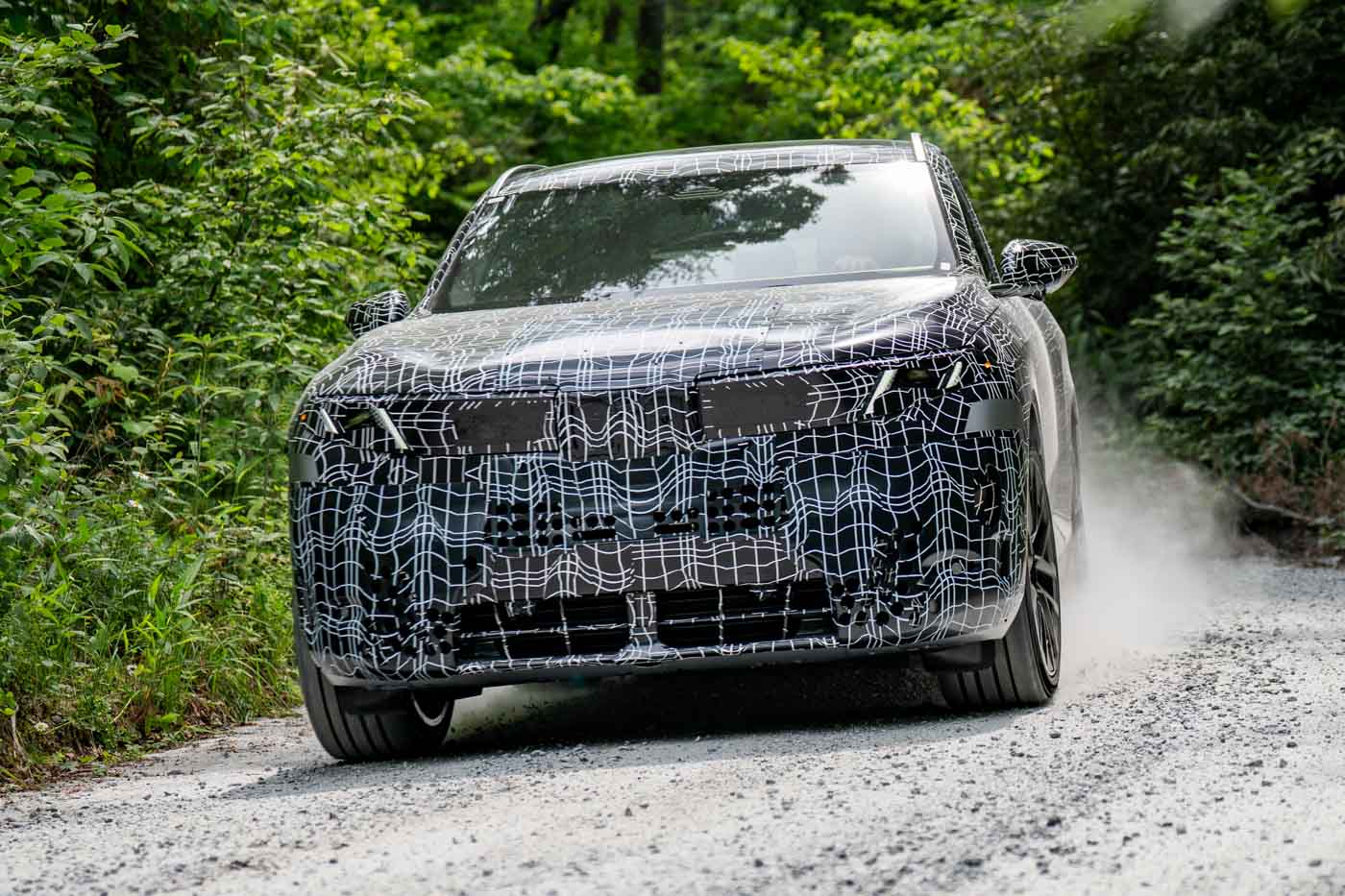
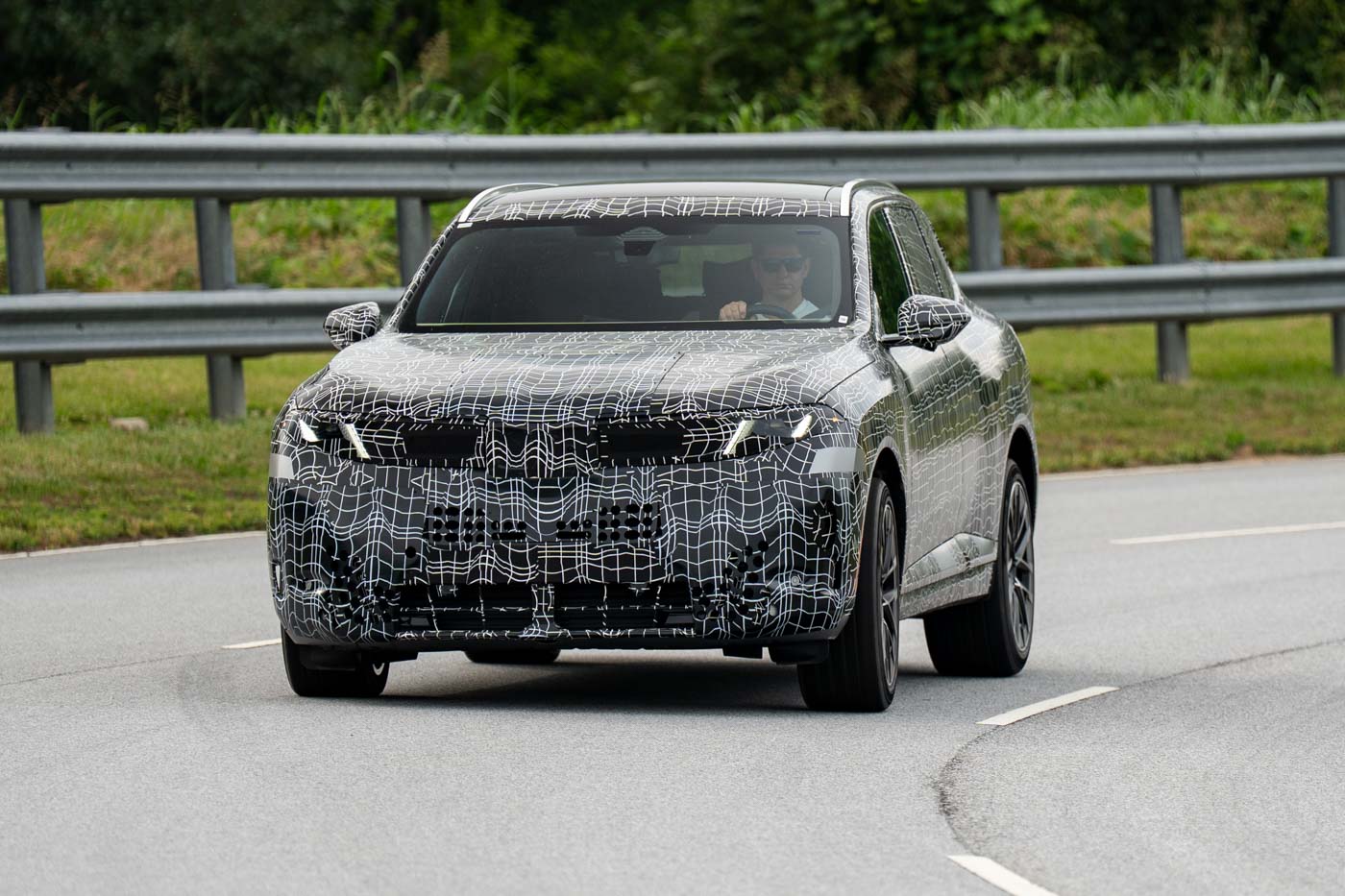
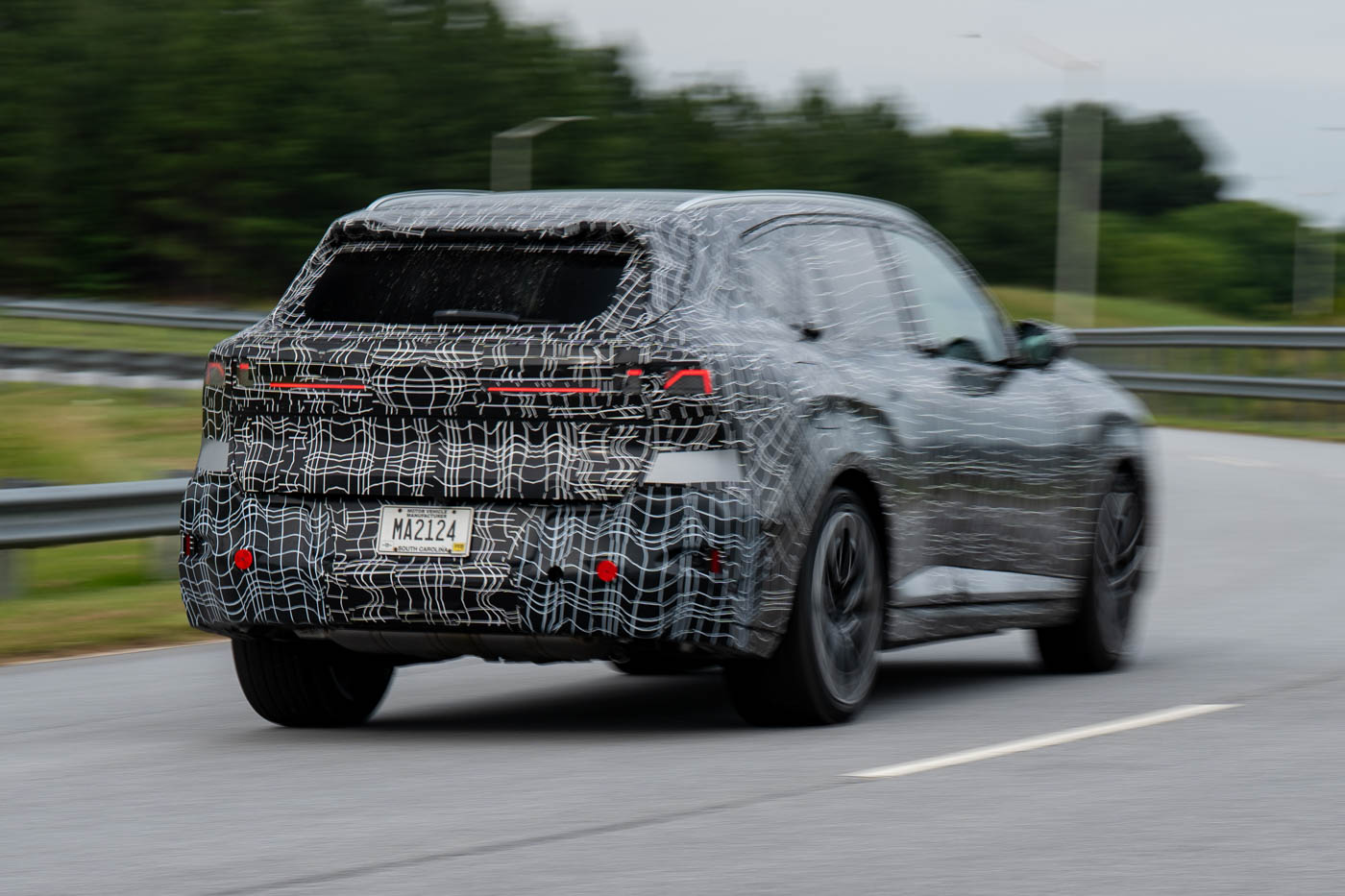
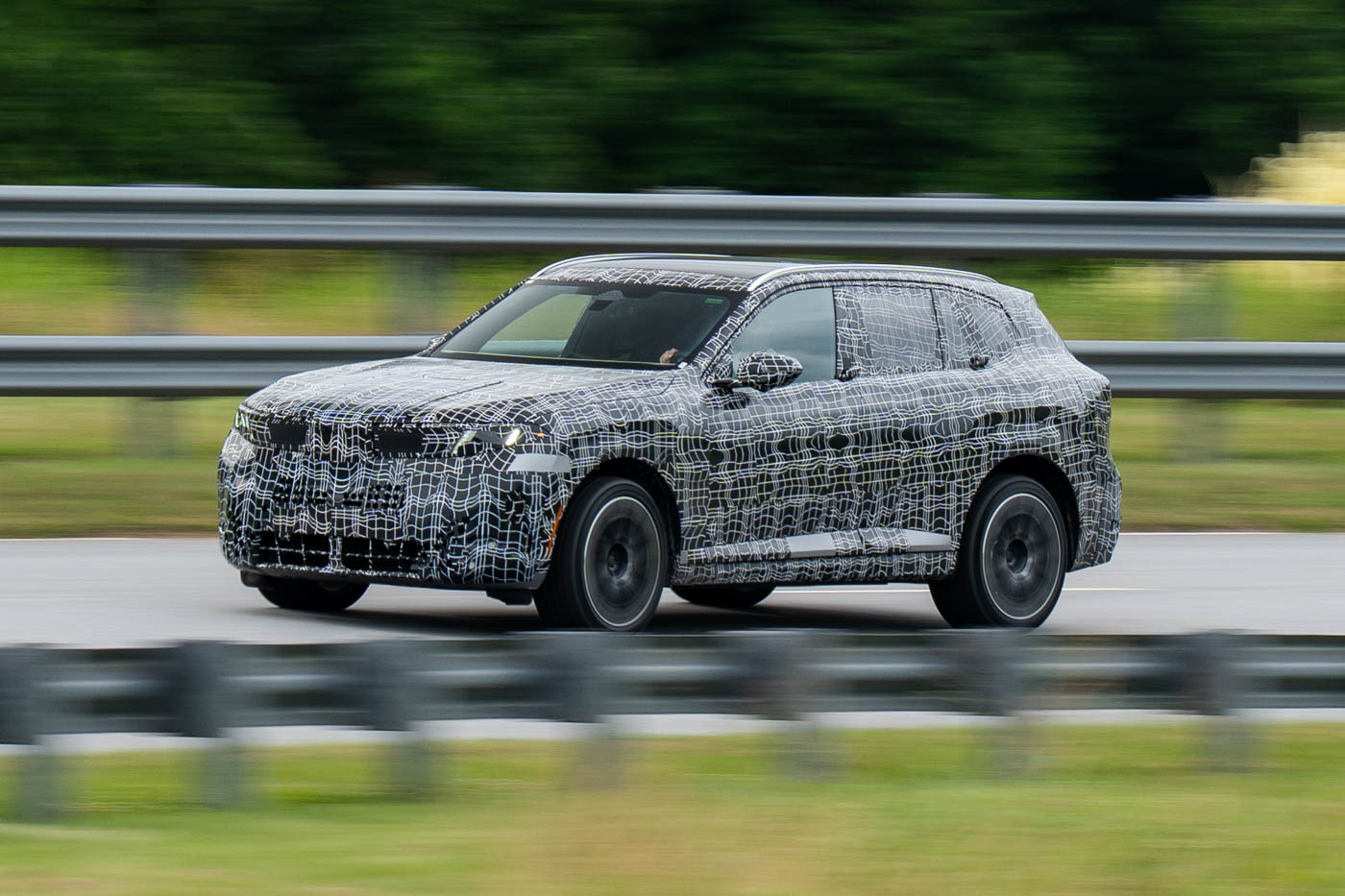
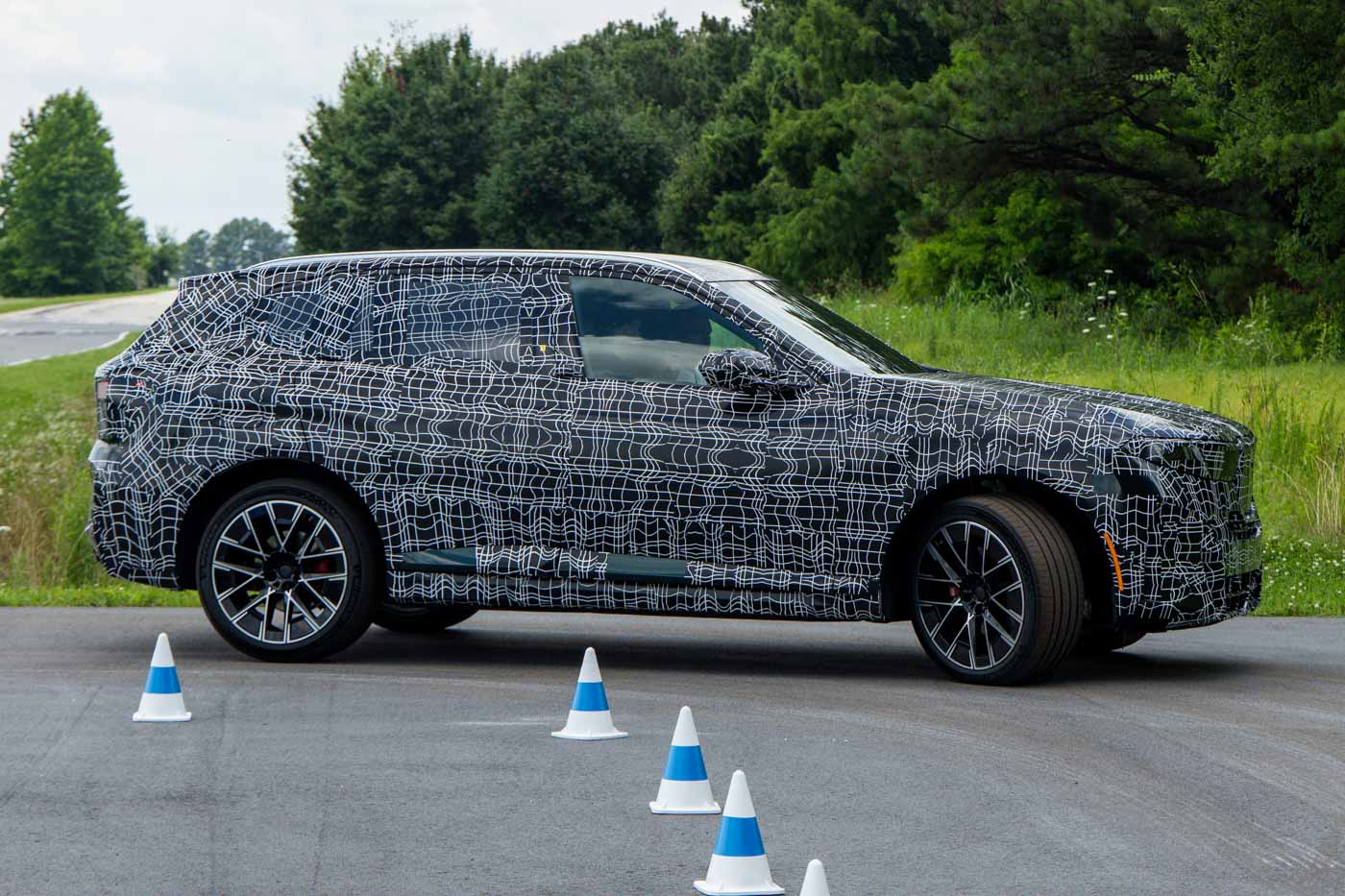
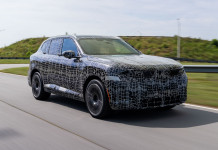
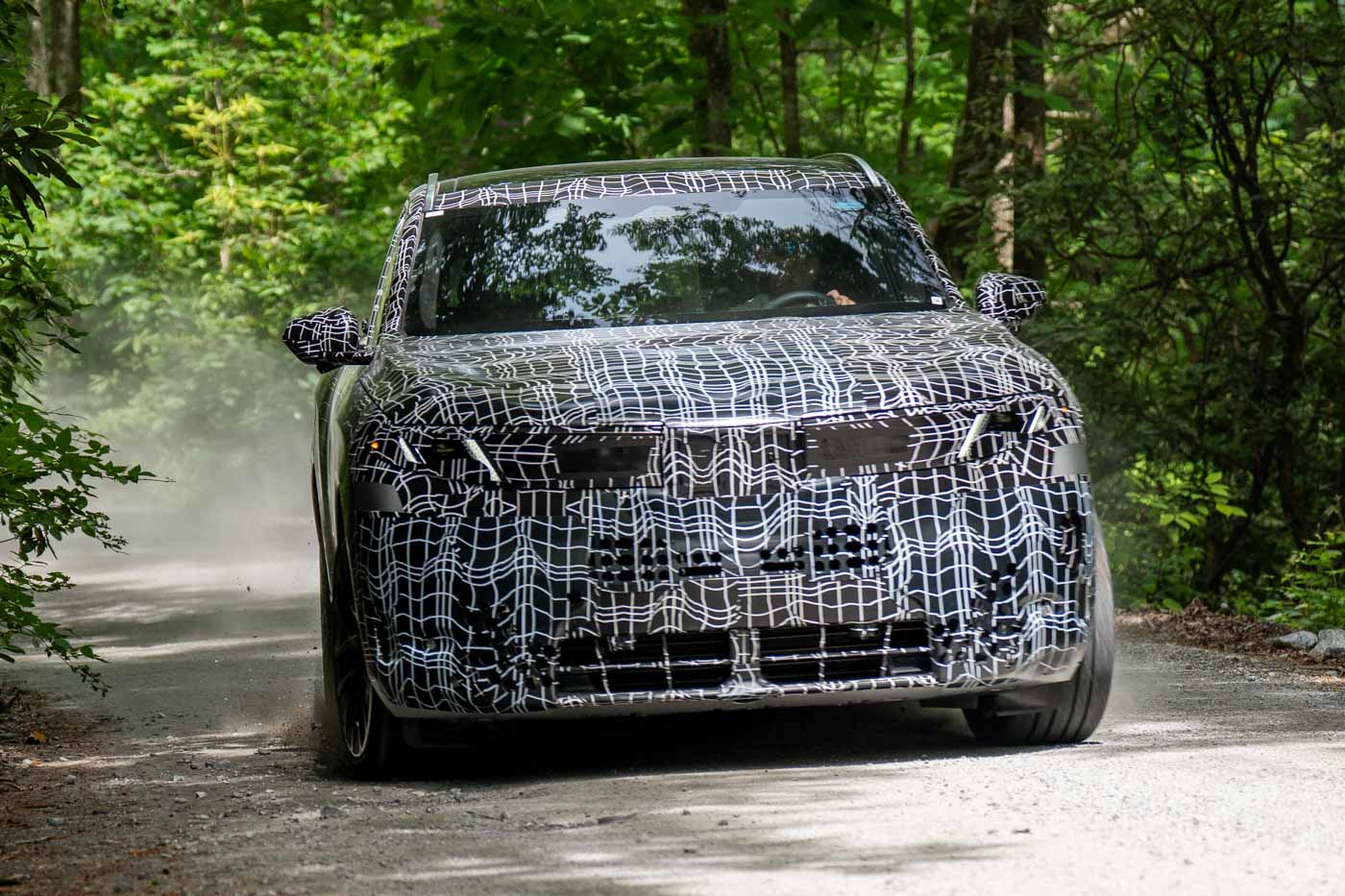
As for its design, BMW has only shown the new X5 in full camouflage during a media testing session. While many details remain hidden, the front end clearly adopts the Neue Klasse design language seen on the all-new iX3 and i3, featuring a wide and thin kidney grille panel that integrates the headlights and four diagonal daytime running light signatures.
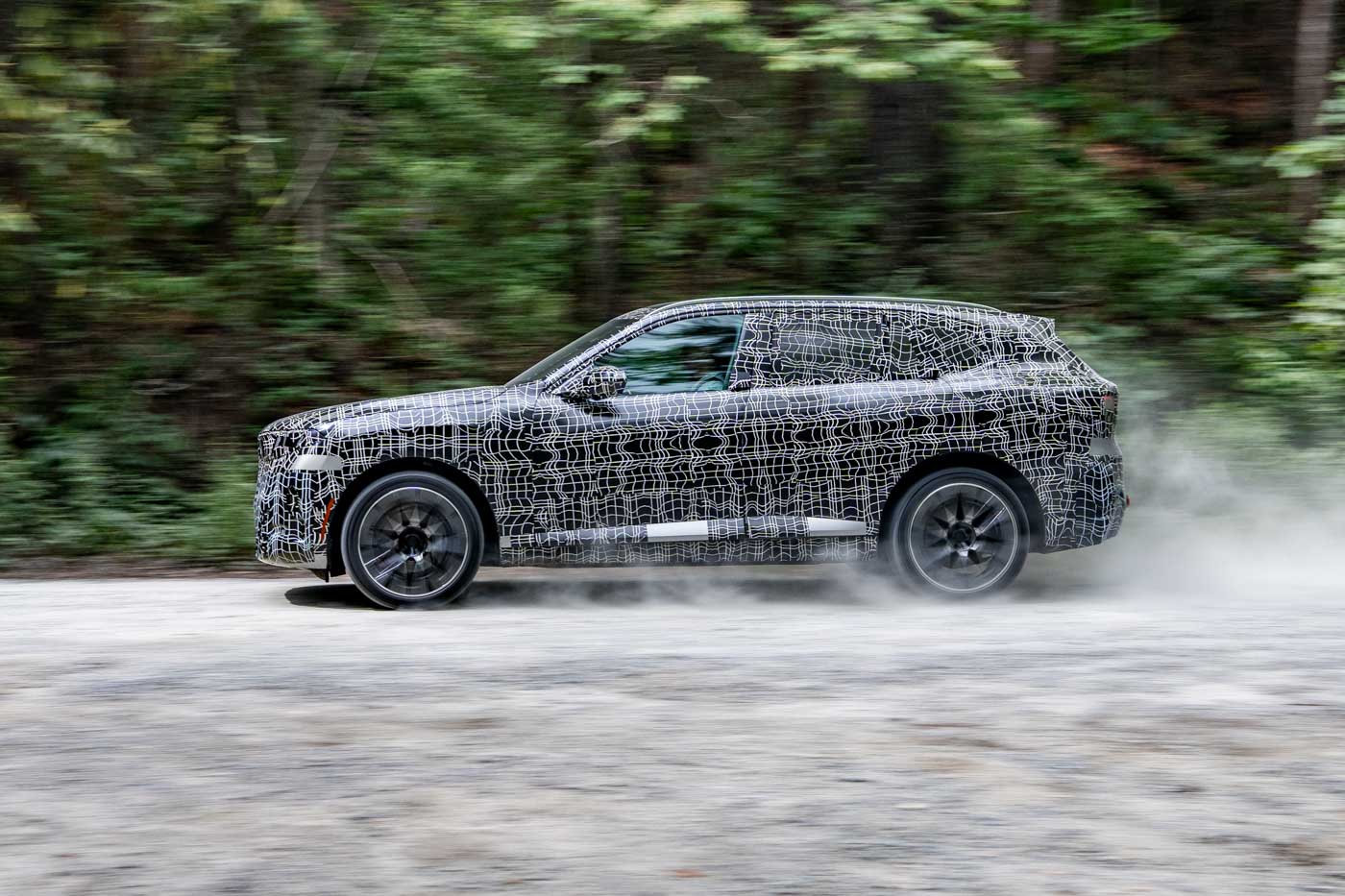
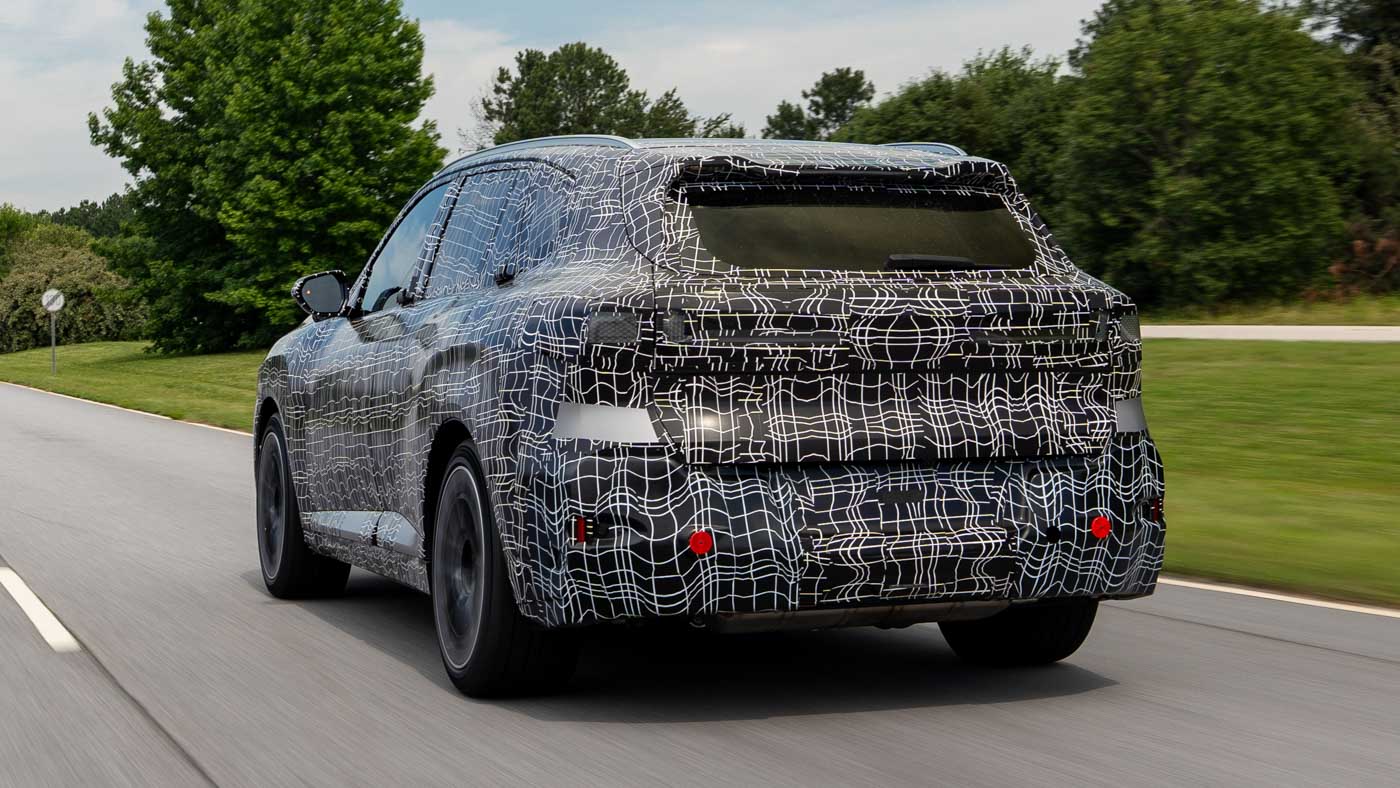
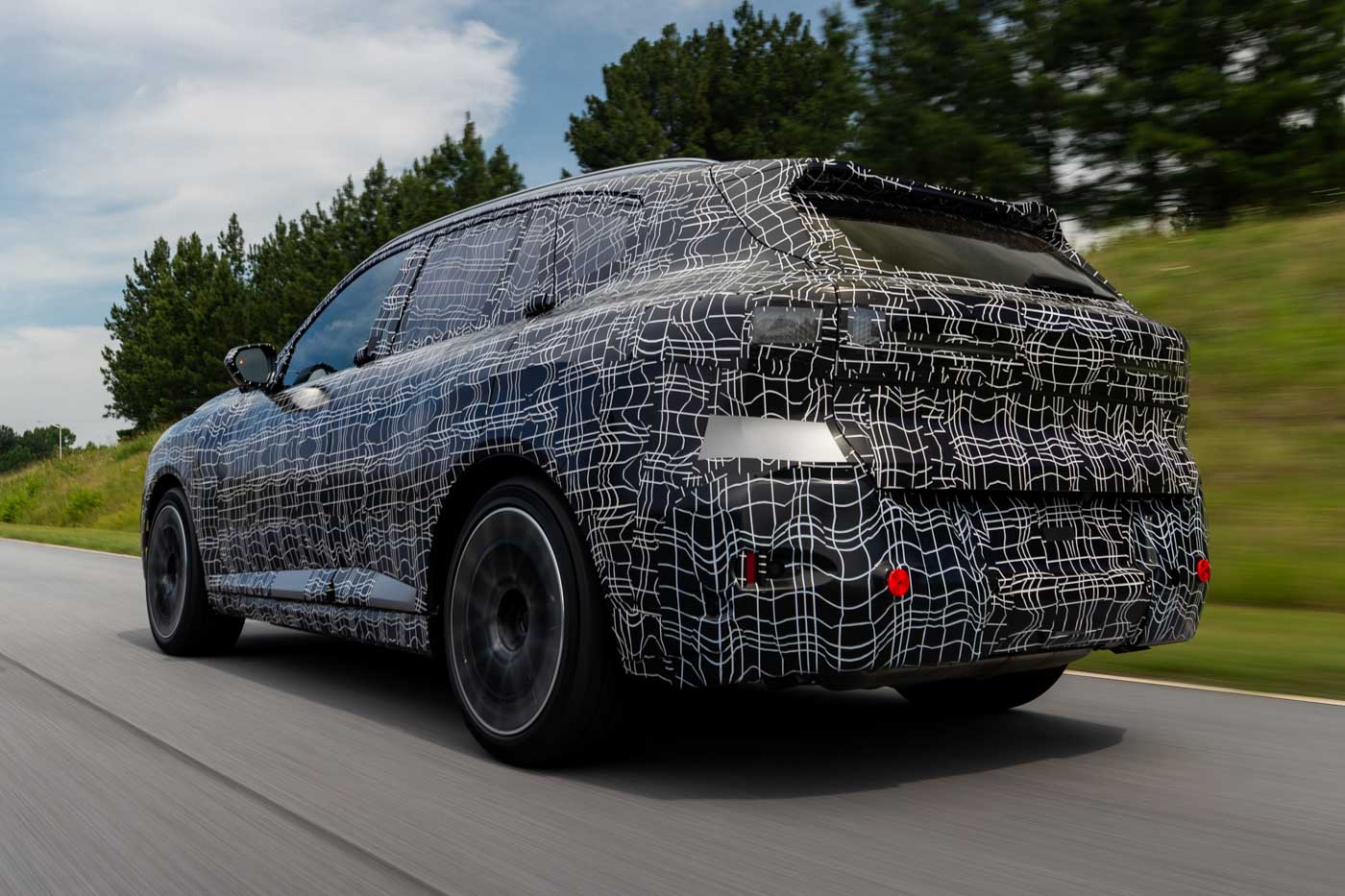
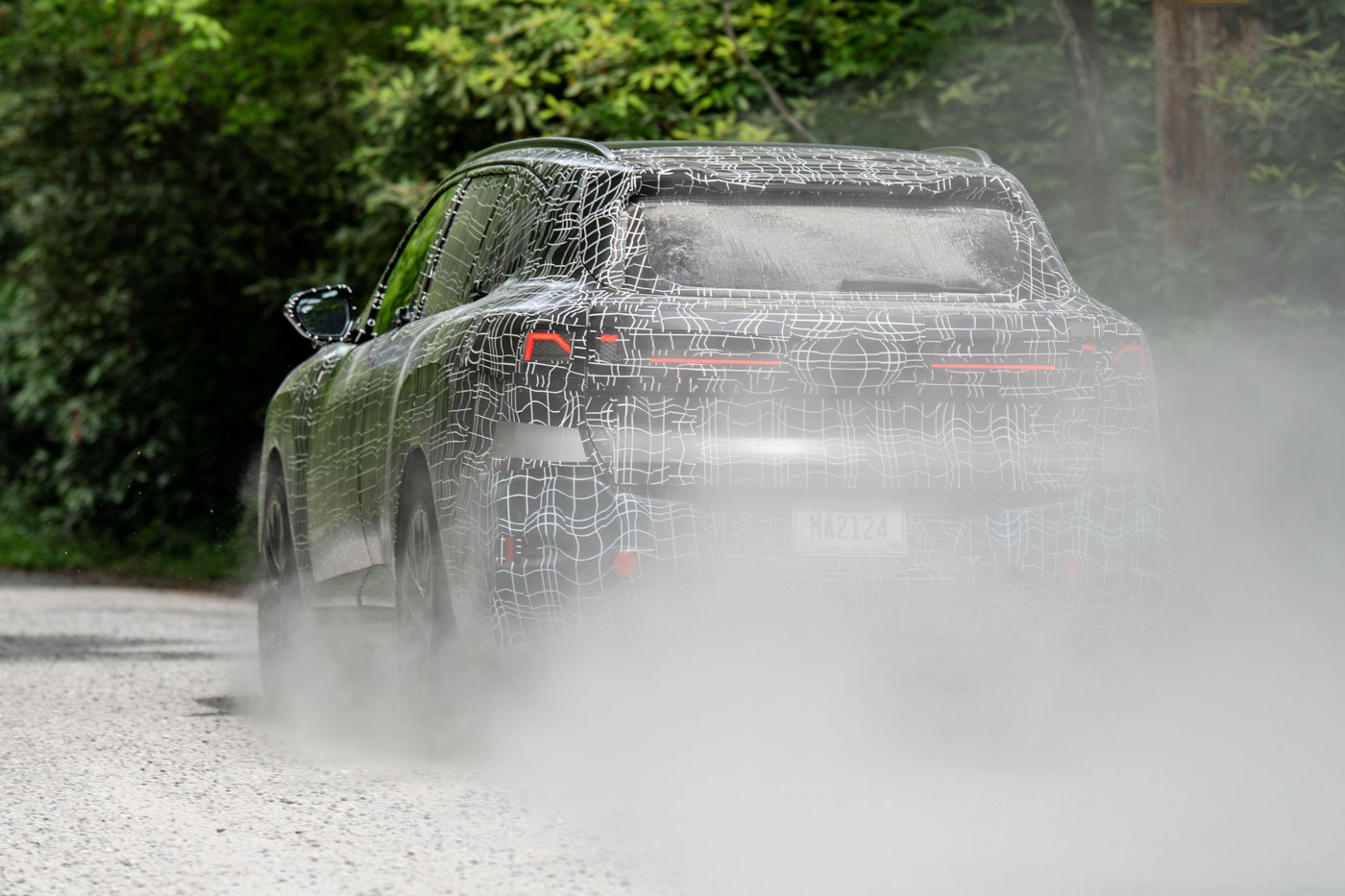
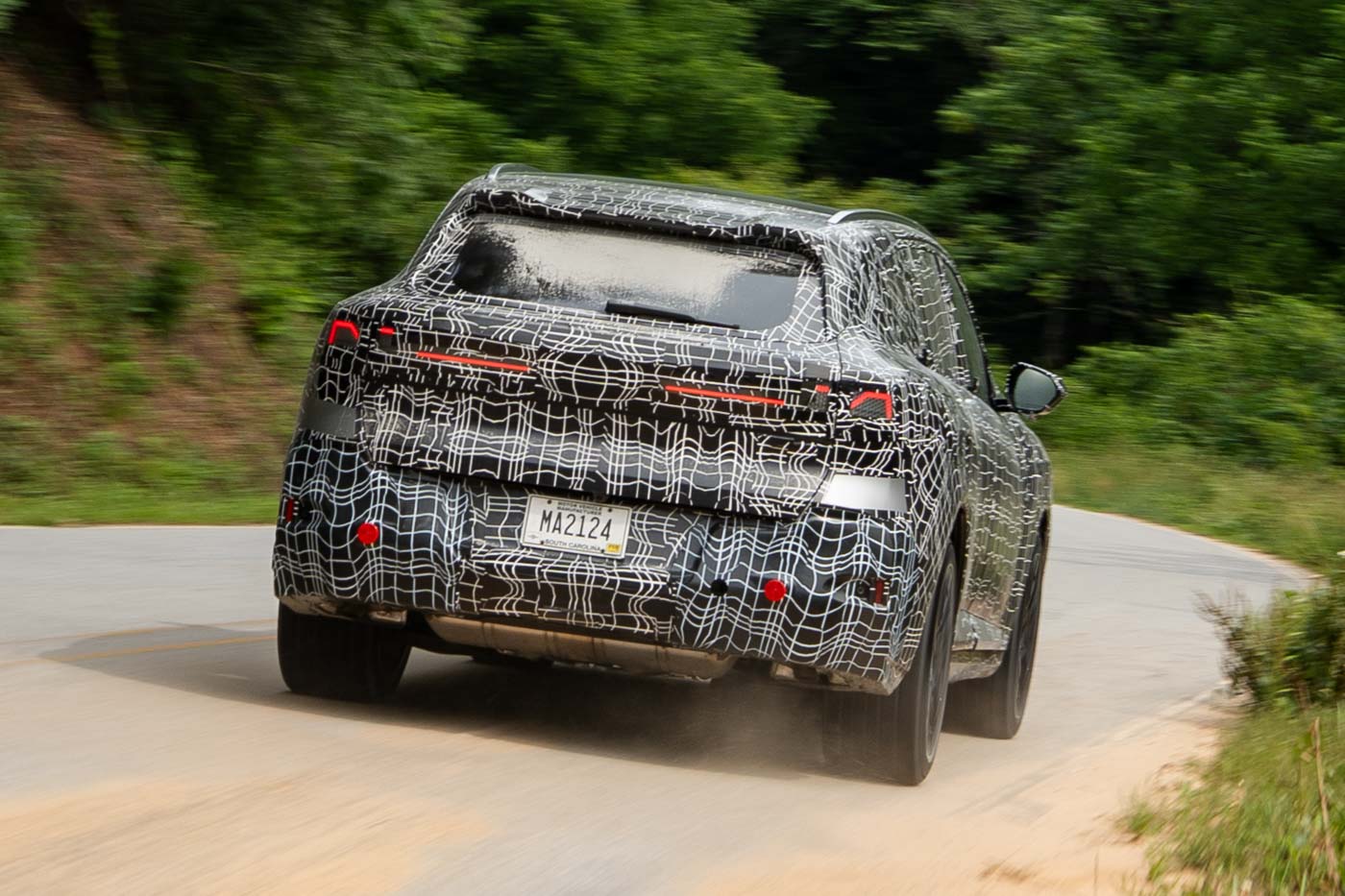
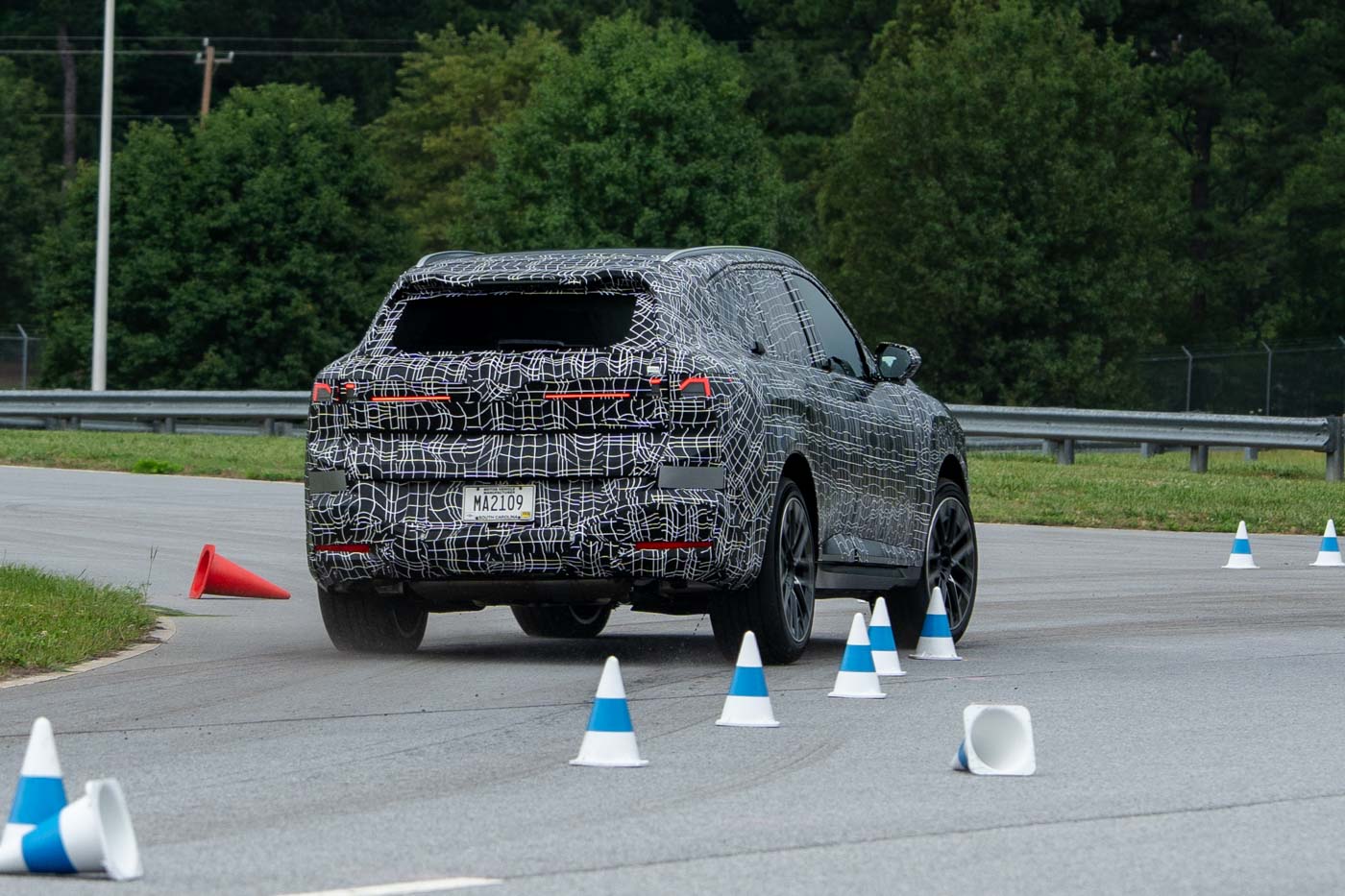
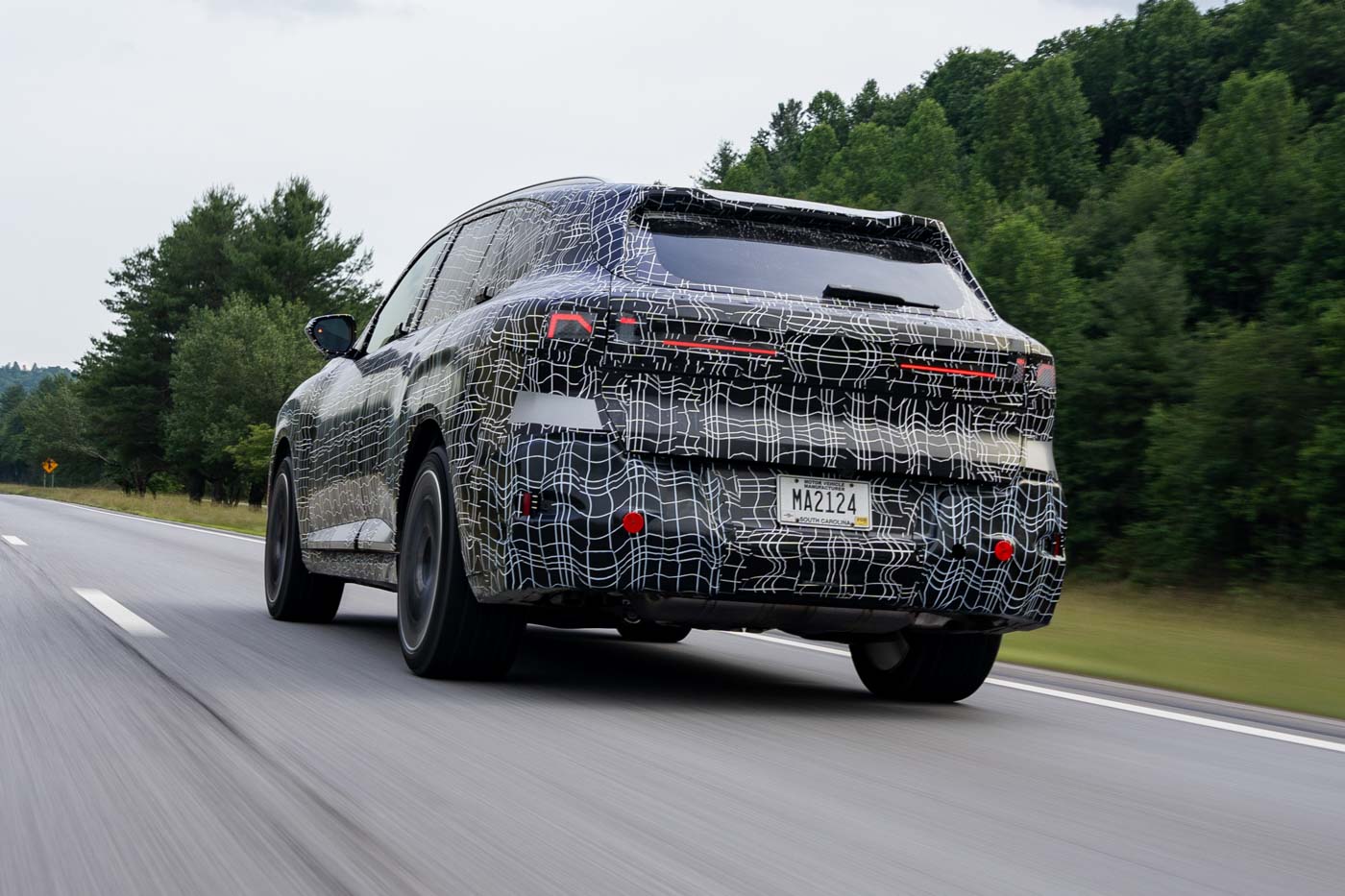
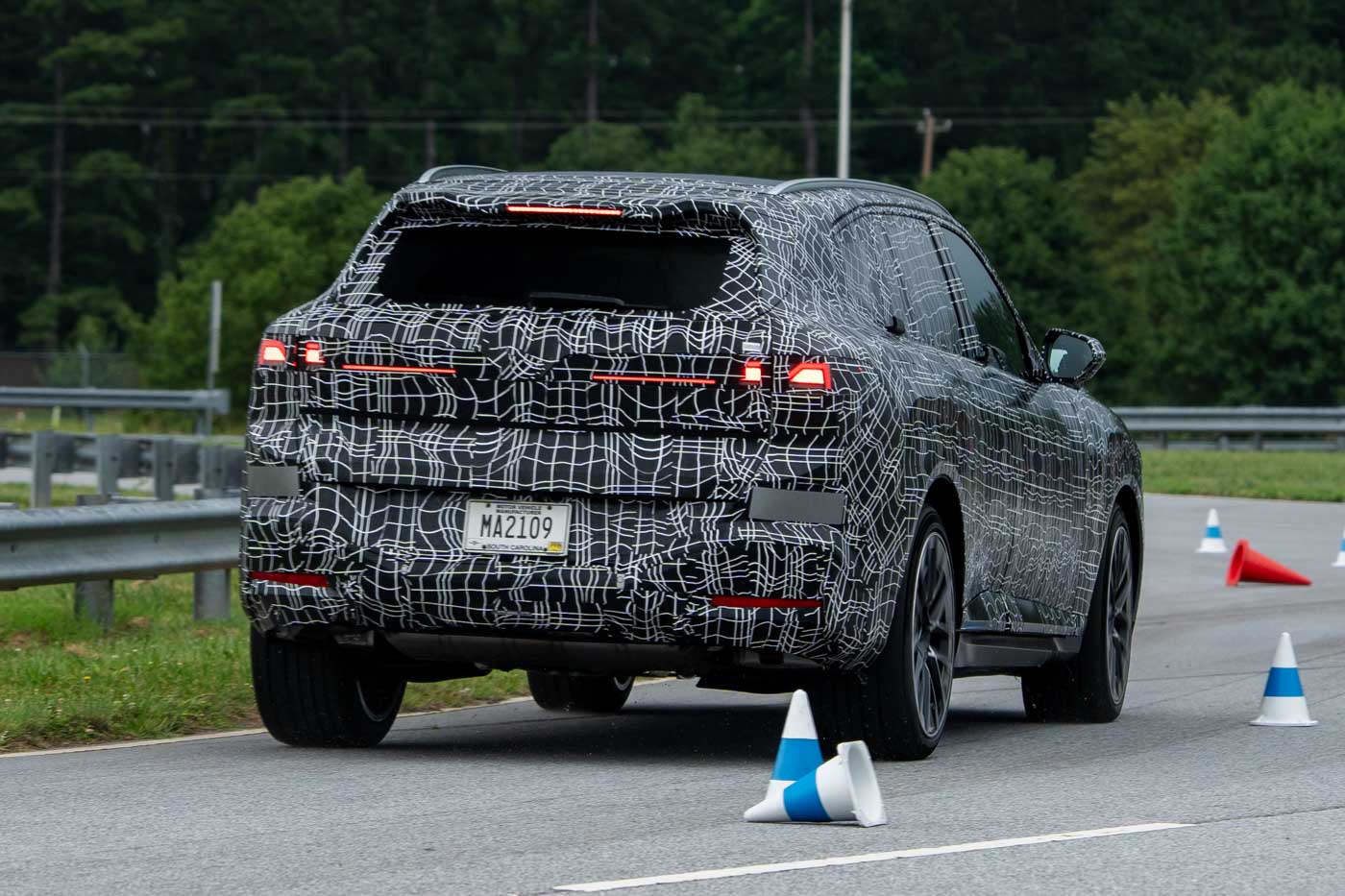
At the rear, the X5 appears to gain a unique taillight design comprising two slim light strips that extend deep into the tailgate, although they stop short of forming a full-width light bar. A prominent roof spoiler and muscular rear haunches further emphasise the SUV’s sporty stance.
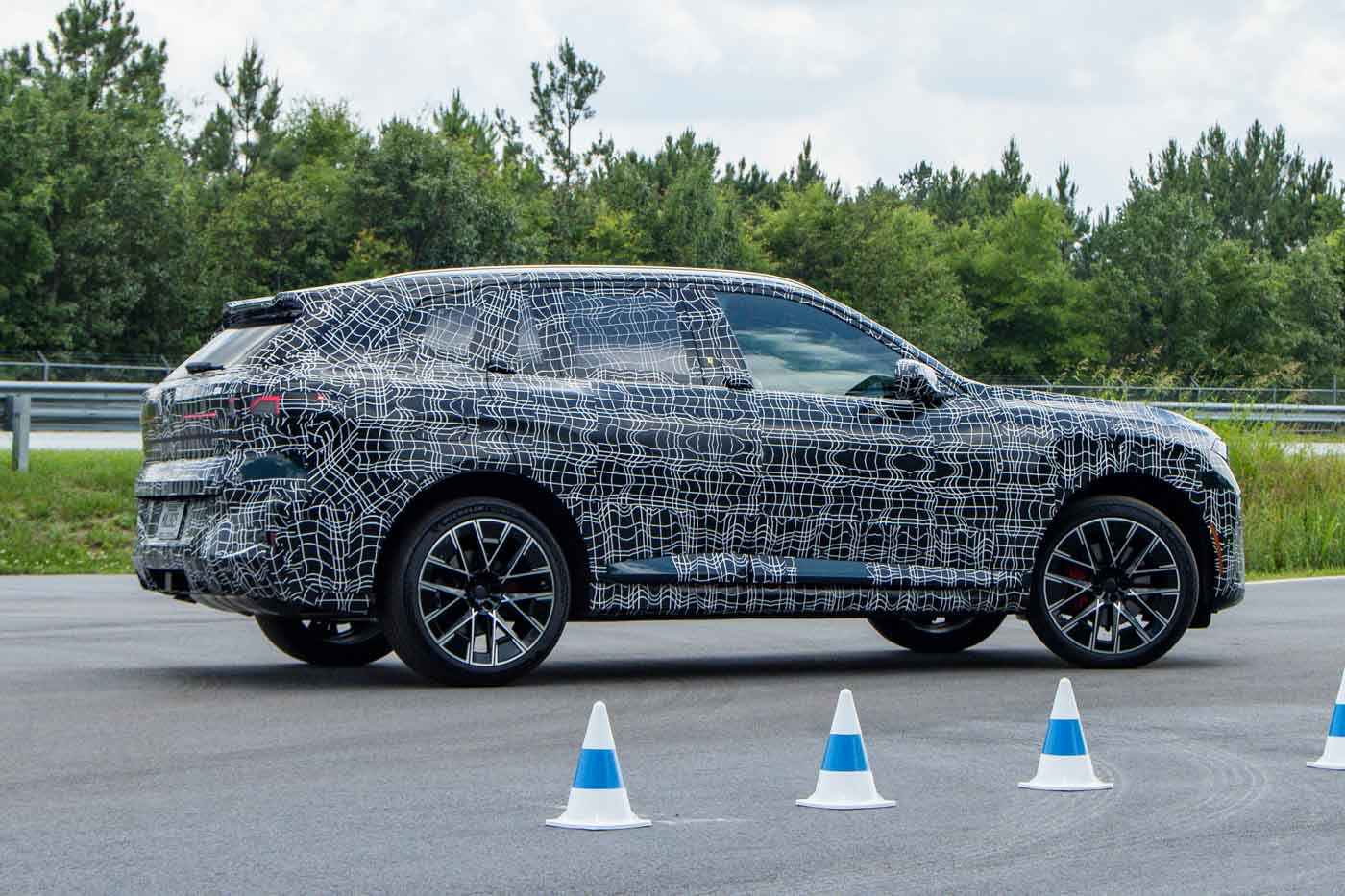
BMW says the all-new X5 will be available with wheels measuring up to 23 inches in diameter. Adaptive suspension will come as standard across the range, while EV and PHEV variants can be specified with Adaptive Chassis Control Professional. The package adds two-axle air suspension with electronically controlled dampers, Integral Active Steering and active roll stabilisation. Like other Neue Klasse models, the new X5 will also feature a suite of SAE Level 2 advanced driver assistance systems (ADAS).
ALSO READ: Updated 2026 BMW i7 debuts in China, and it’s a lot more than just a “facelift”
GALLERY