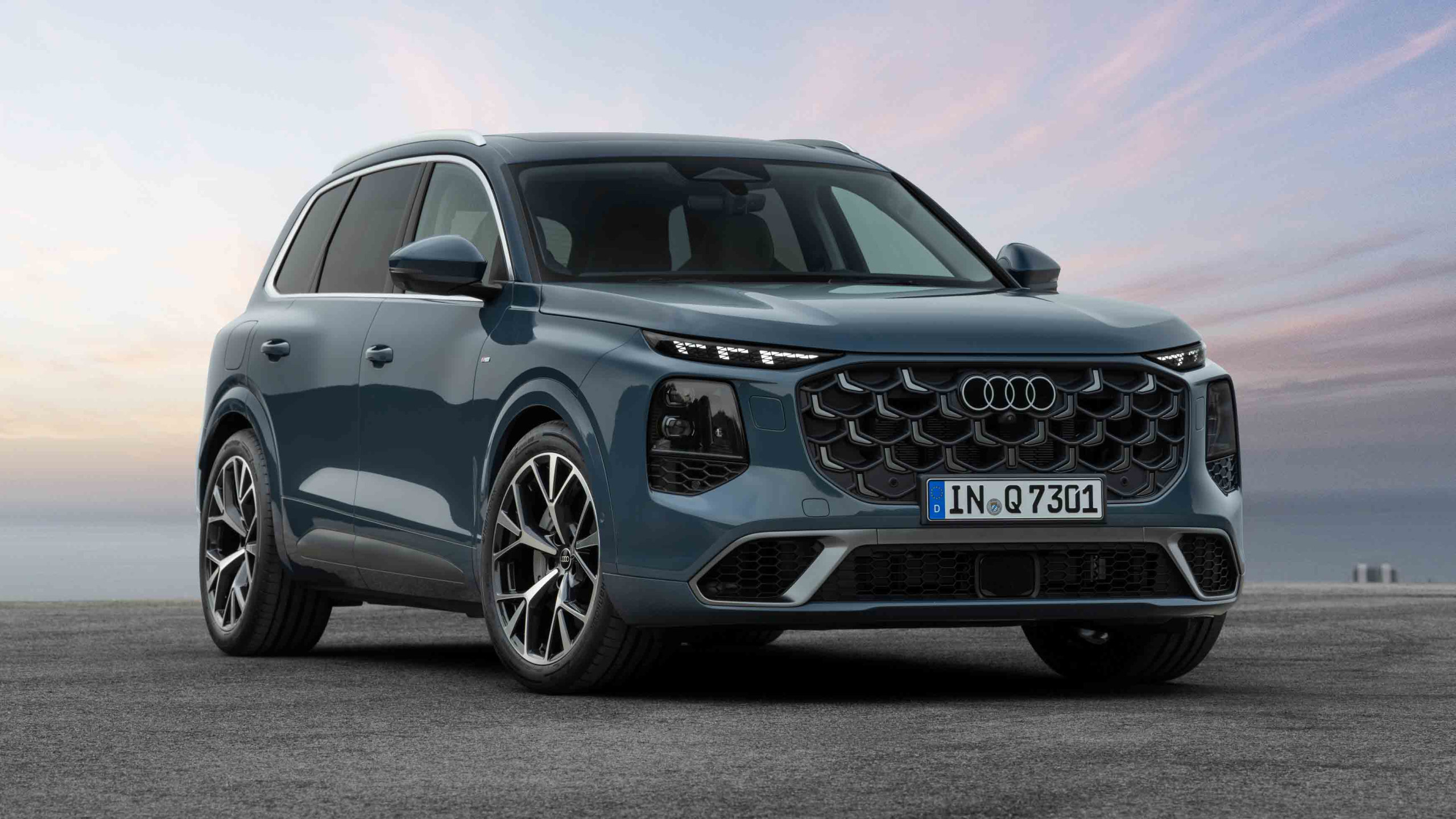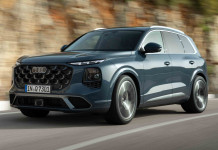
Audi has unveiled the all-new third-generation Audi Q7, marking the arrival of a new chapter for the brand’s flagship three-row luxury SUV. Among the biggest highlights is the availability of a six-seater configuration with second-row captain seats, bringing a more premium seating arrangement. While the new Q7 introduces a host of new features and styling revisions, its launch powertrain lineup is surprisingly limited to a turbodiesel mild-hybrid V6 — an interesting decision for this day and age.
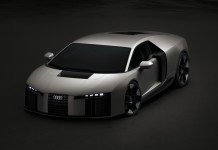
The all-new Audi Q7 arrives just days after the reveal of the Nuvolari 1, which was intended to roll out a new design direction for the brand. Yet, Audi’s flagship SUV continues with the familiar design language seen across the wider Audi lineup.
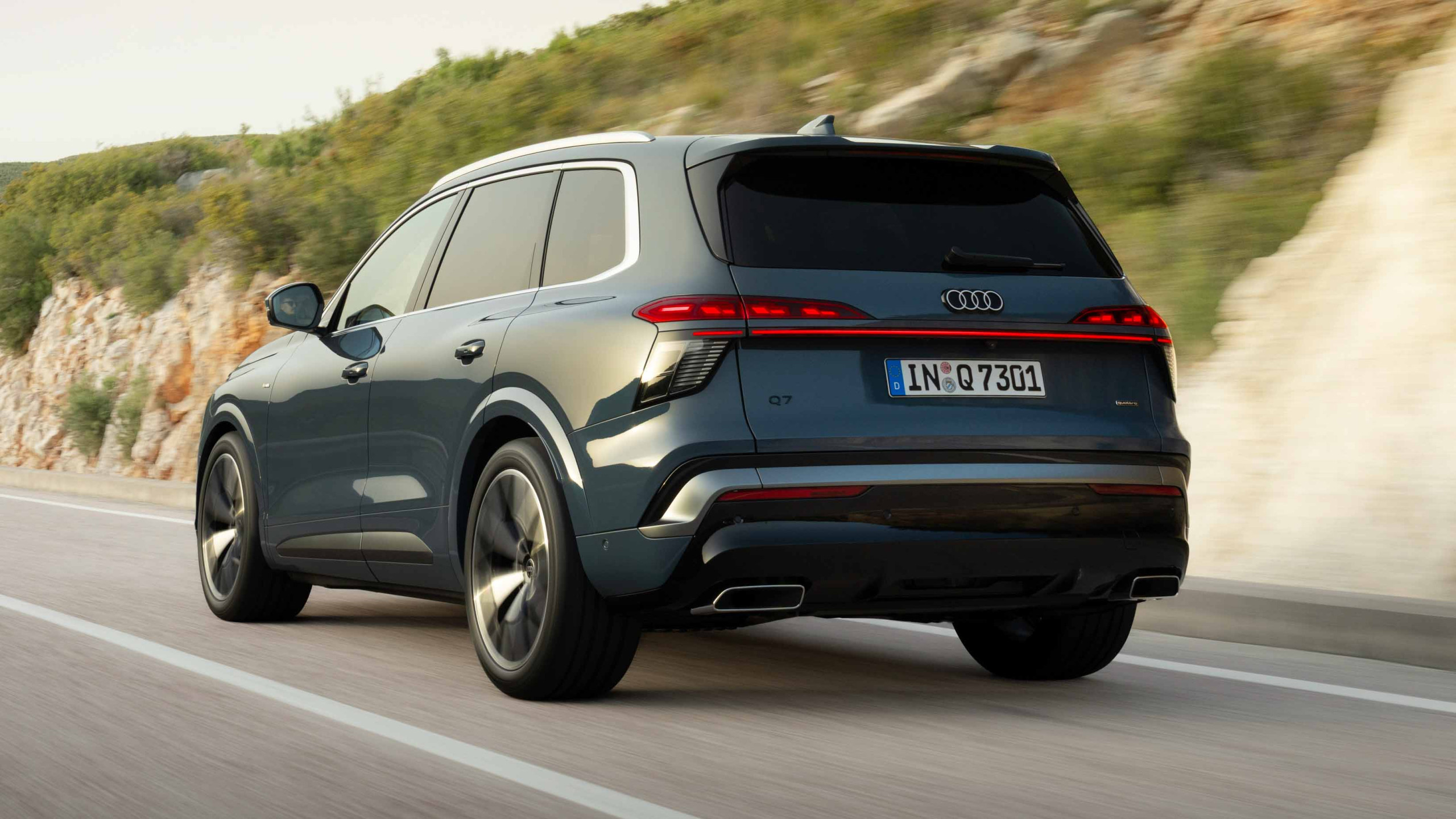
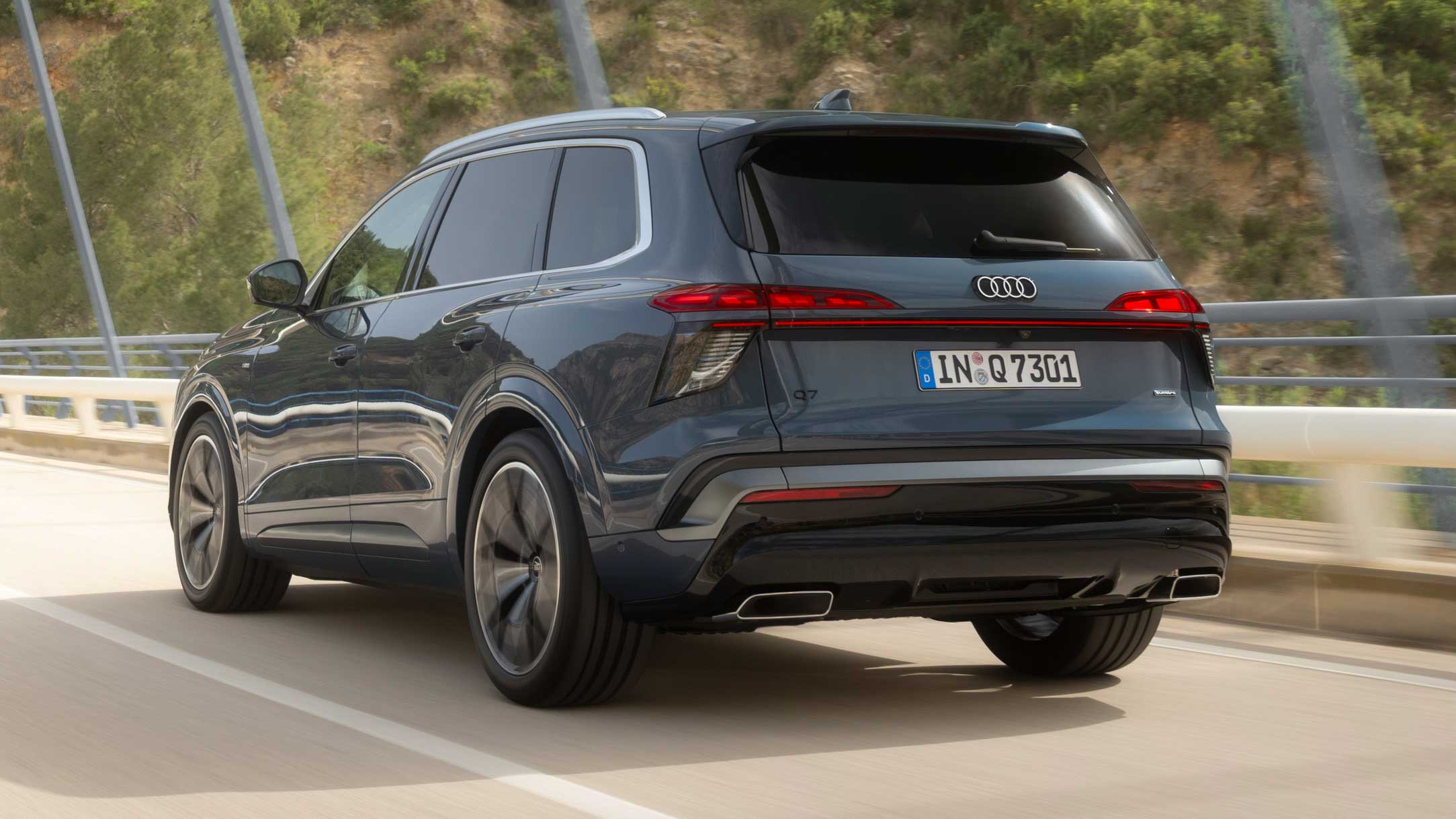
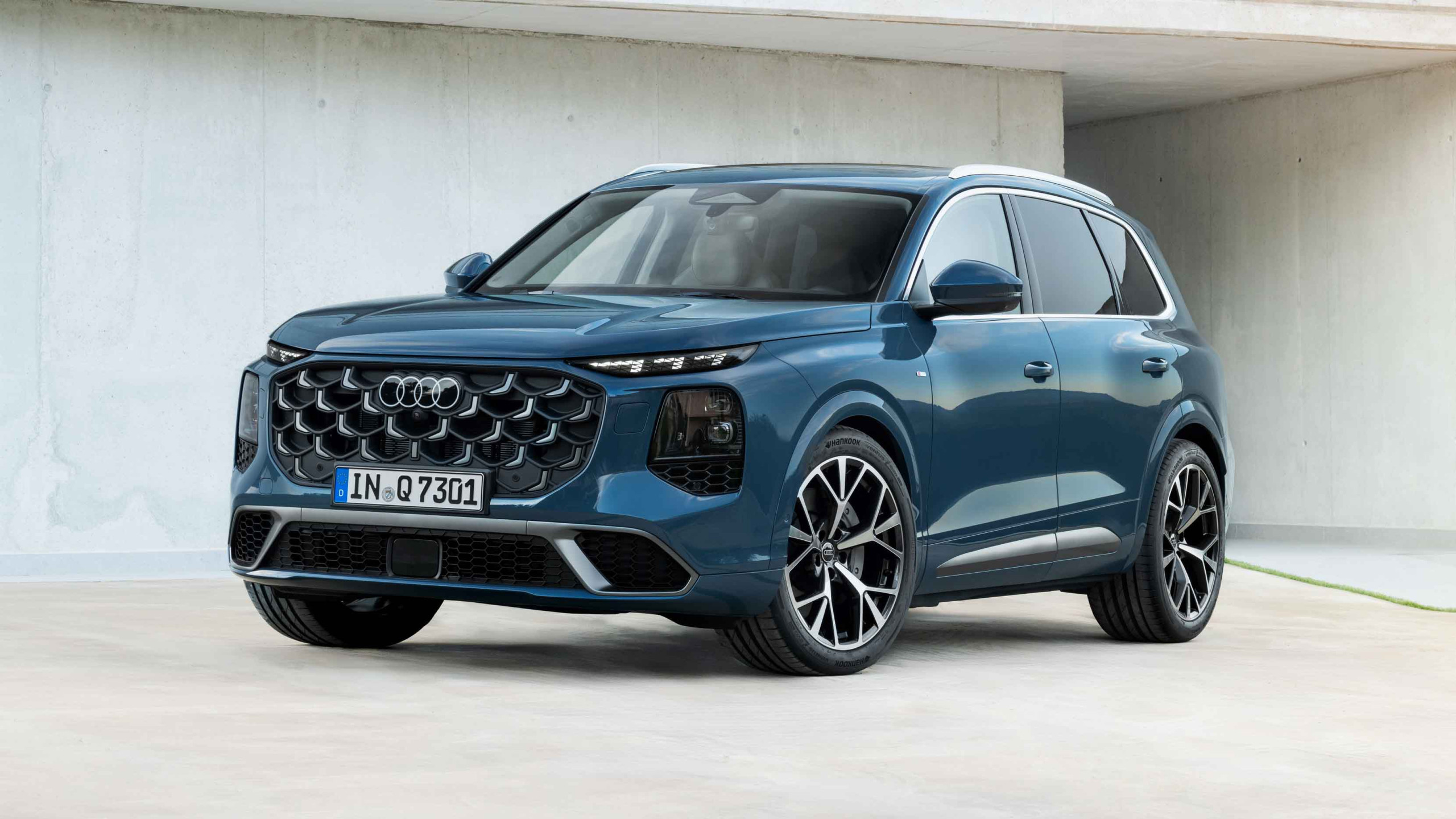
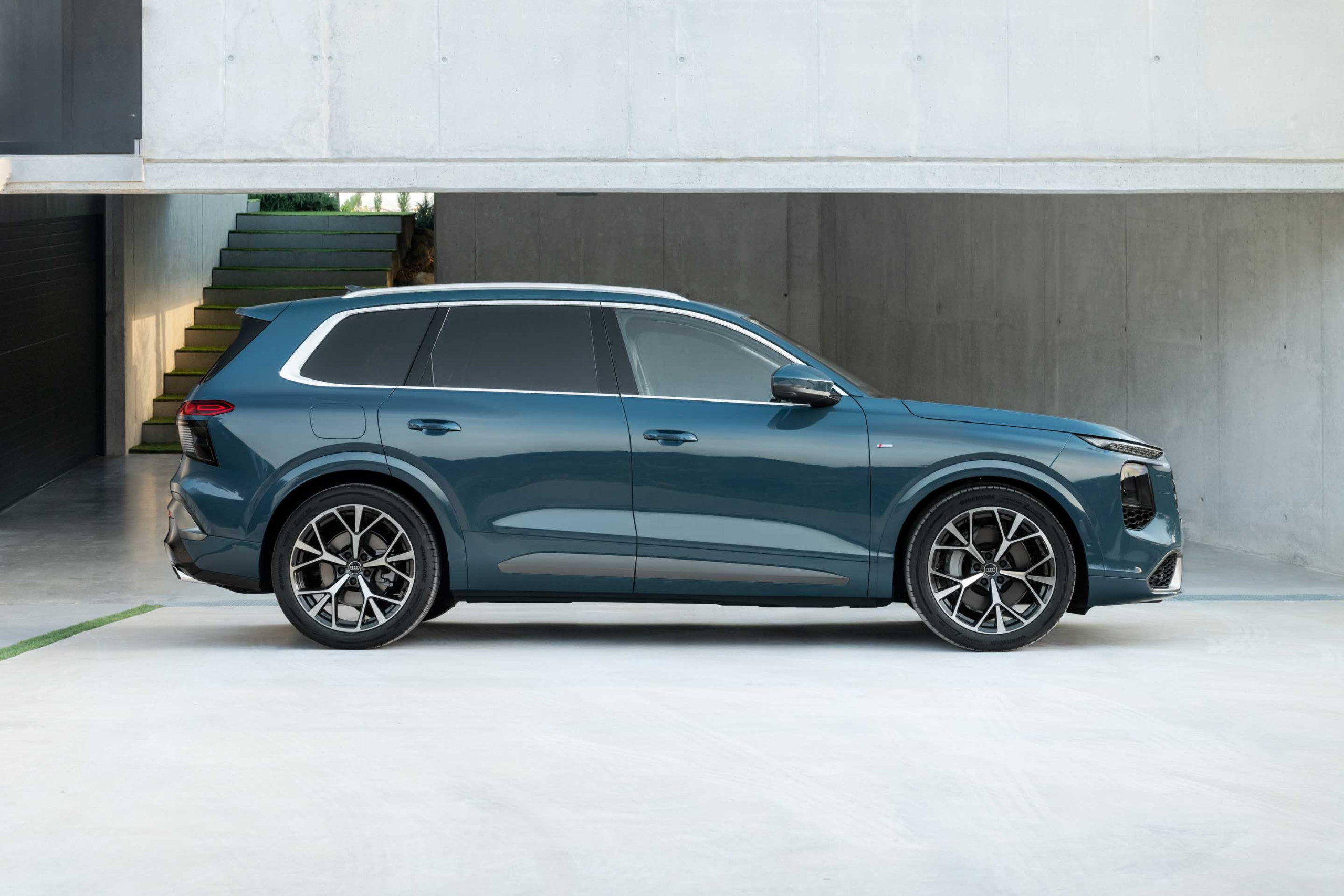
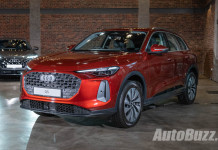
That said, there are several notable changes. The strong character line that previously stretched from the front to the rear has been removed, replaced by smoother body surfaces and more rounded wheel arches. Audi says the D-pillar is now more upright than ever, giving the Q7 a taller visual presence while also improving headroom for third-row passengers.
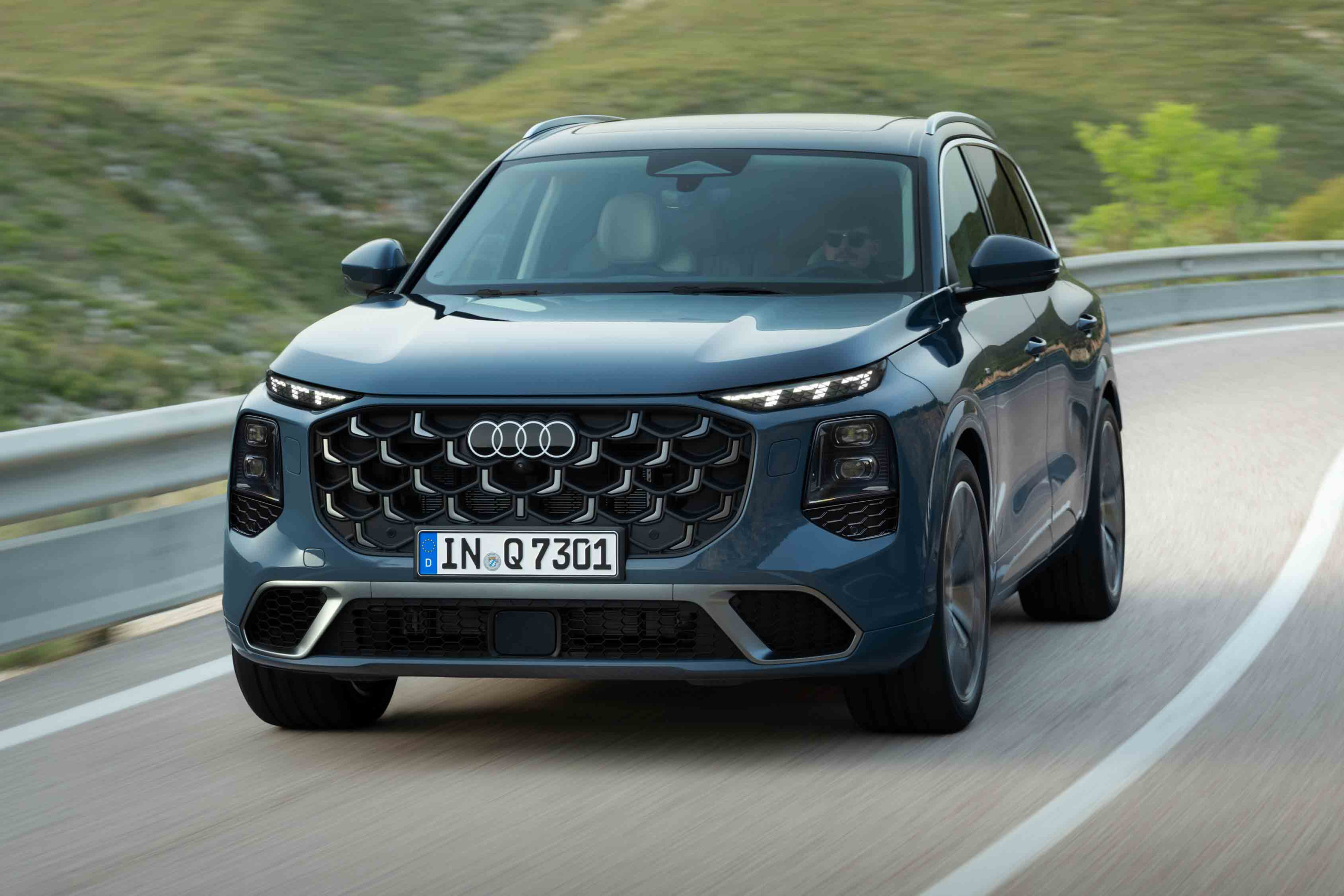
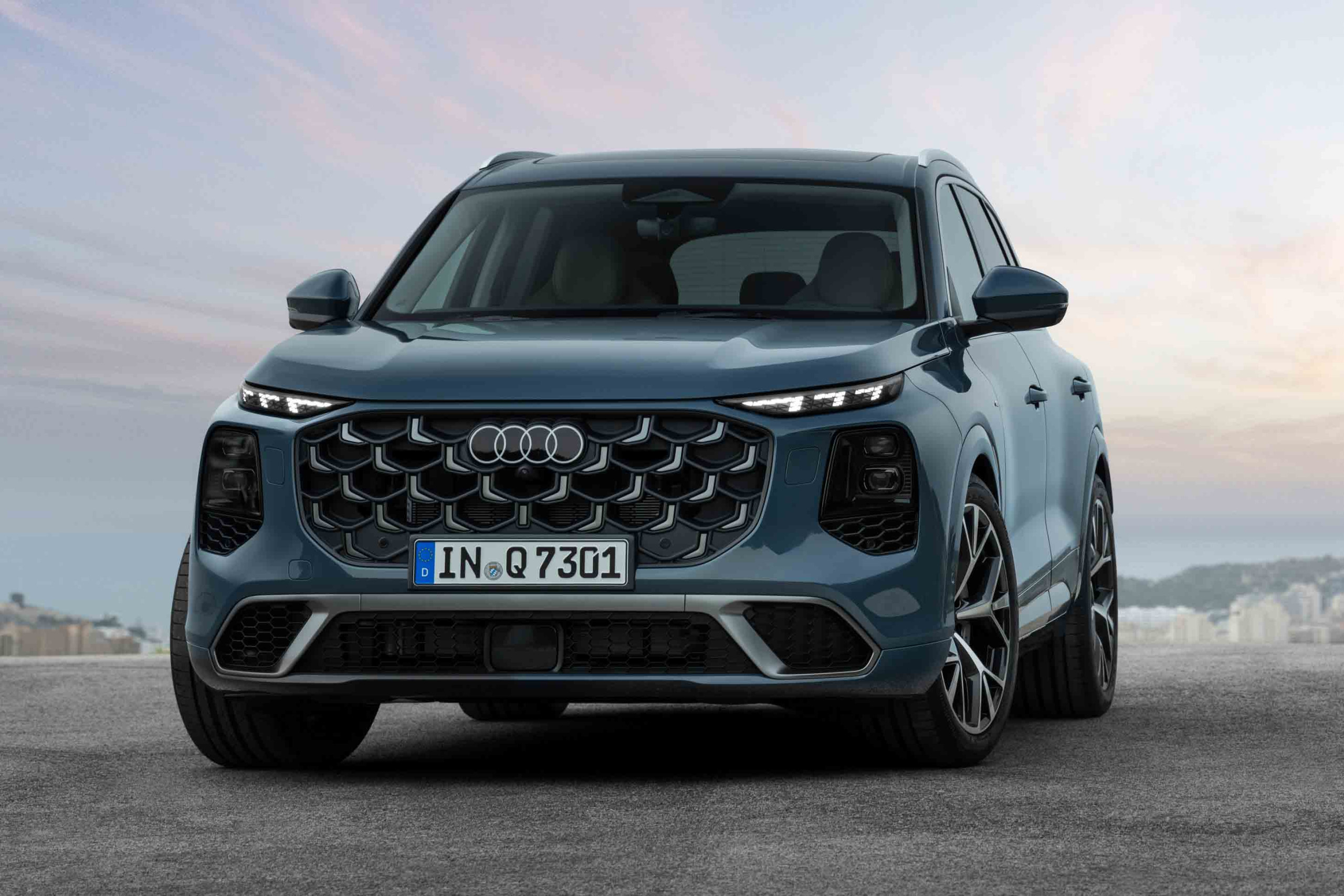
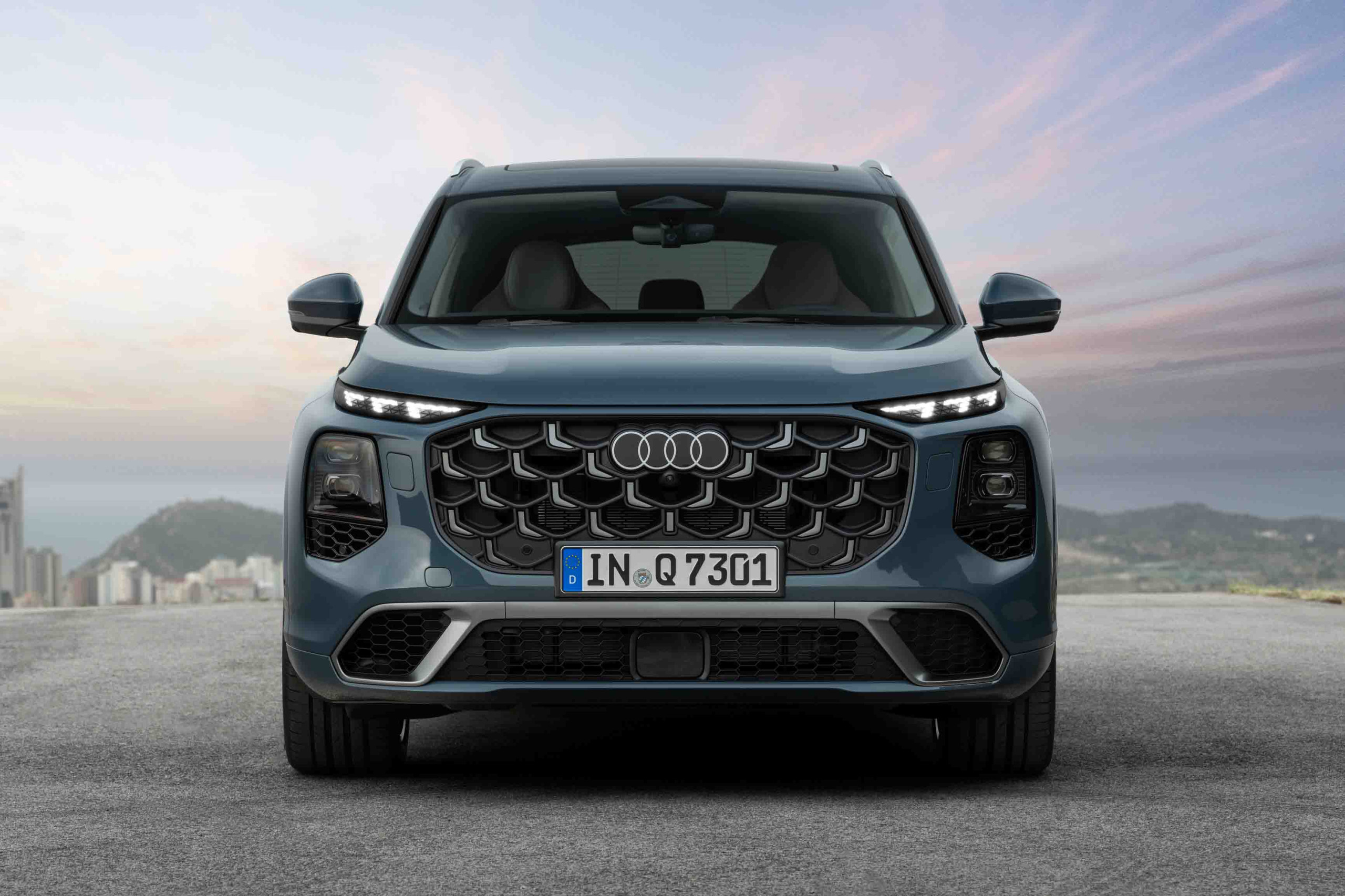
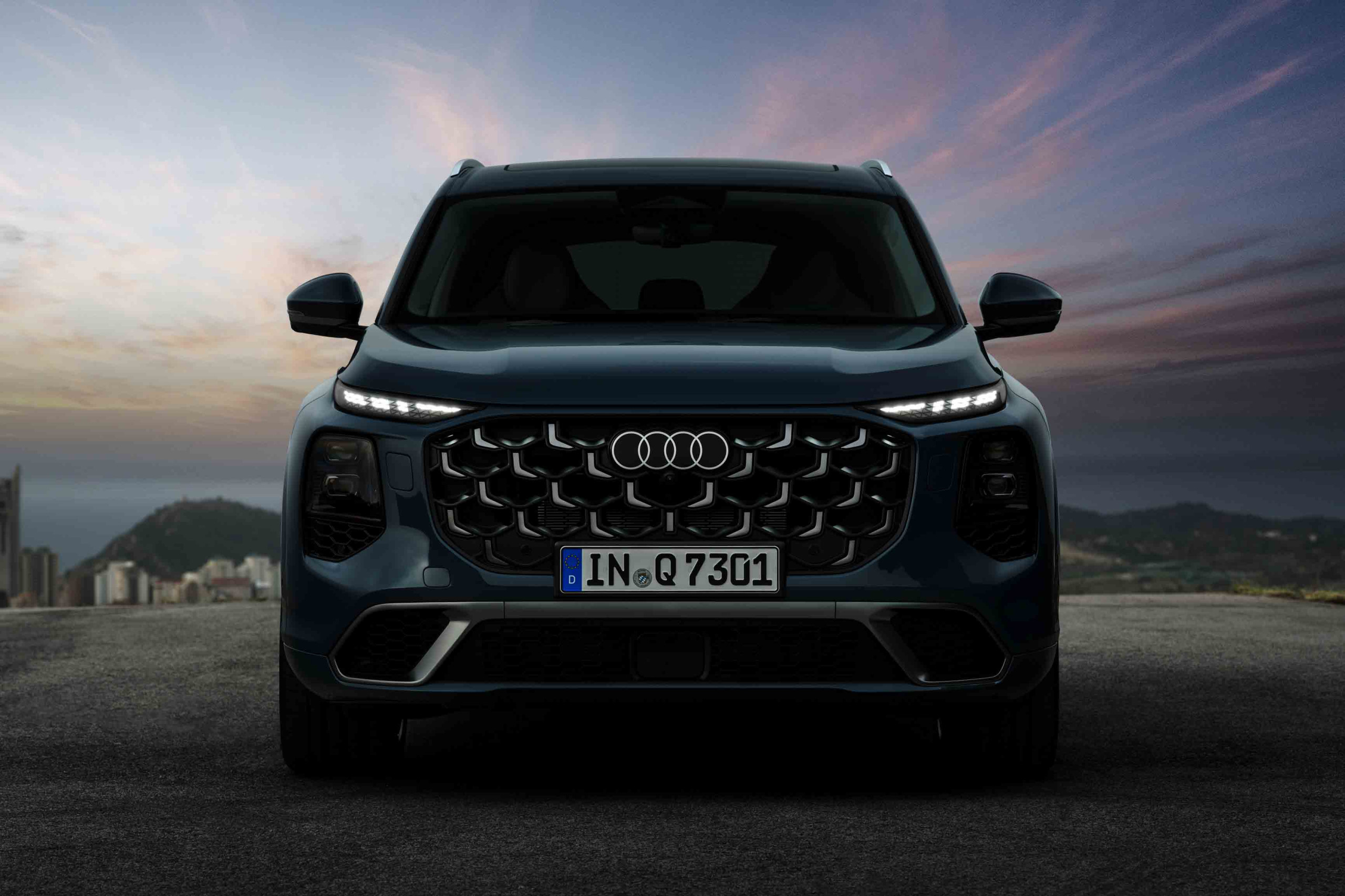
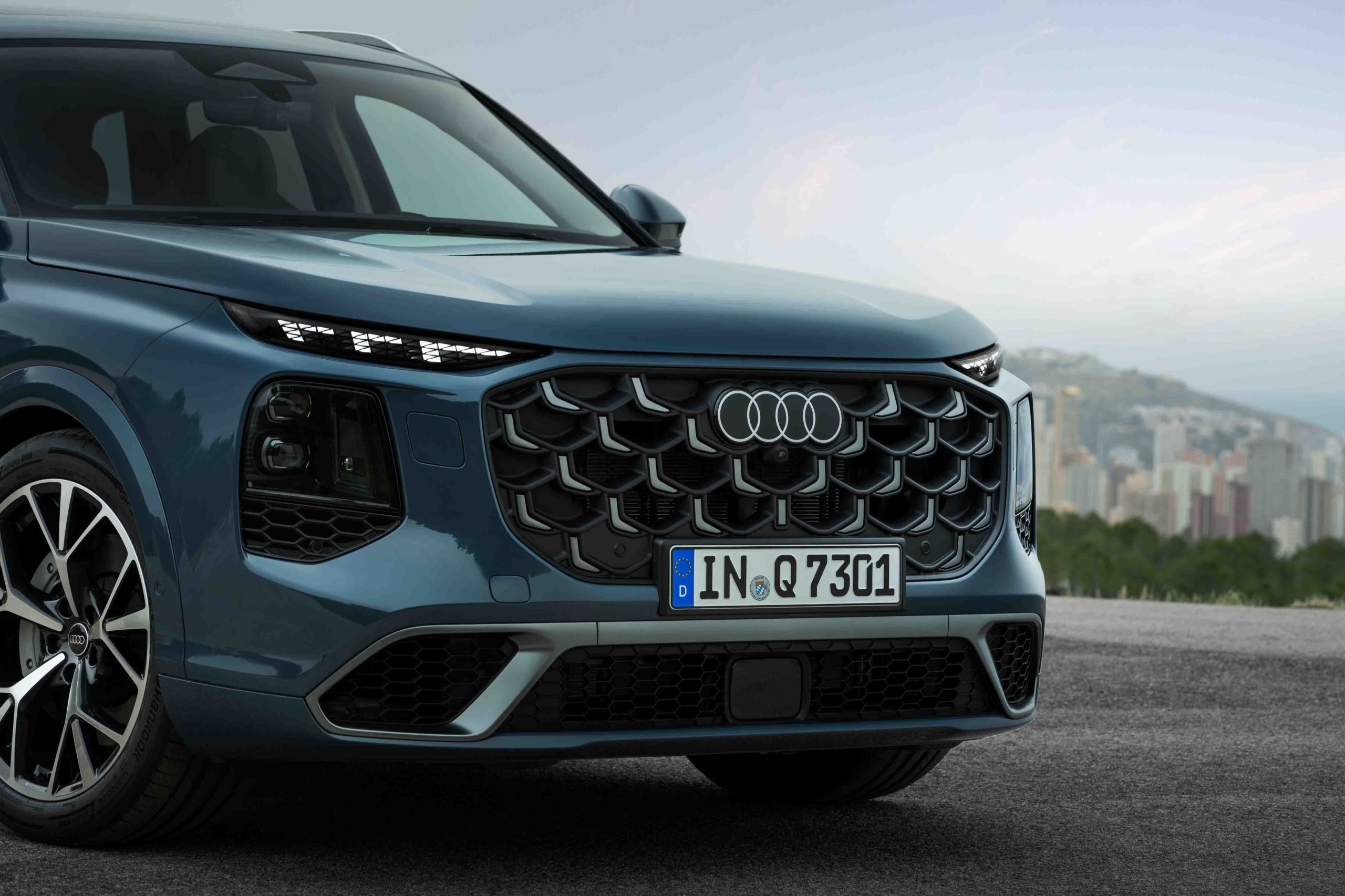
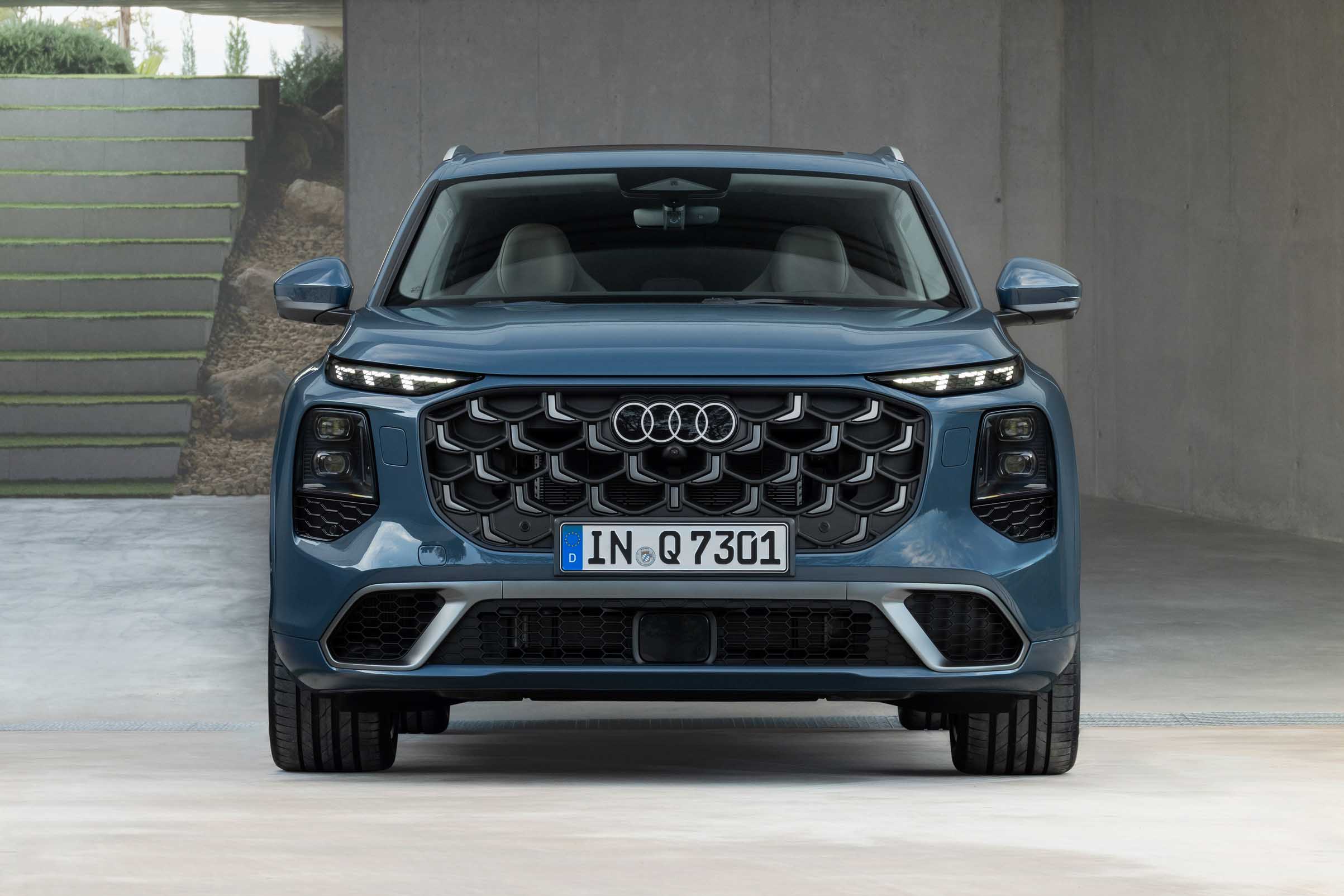
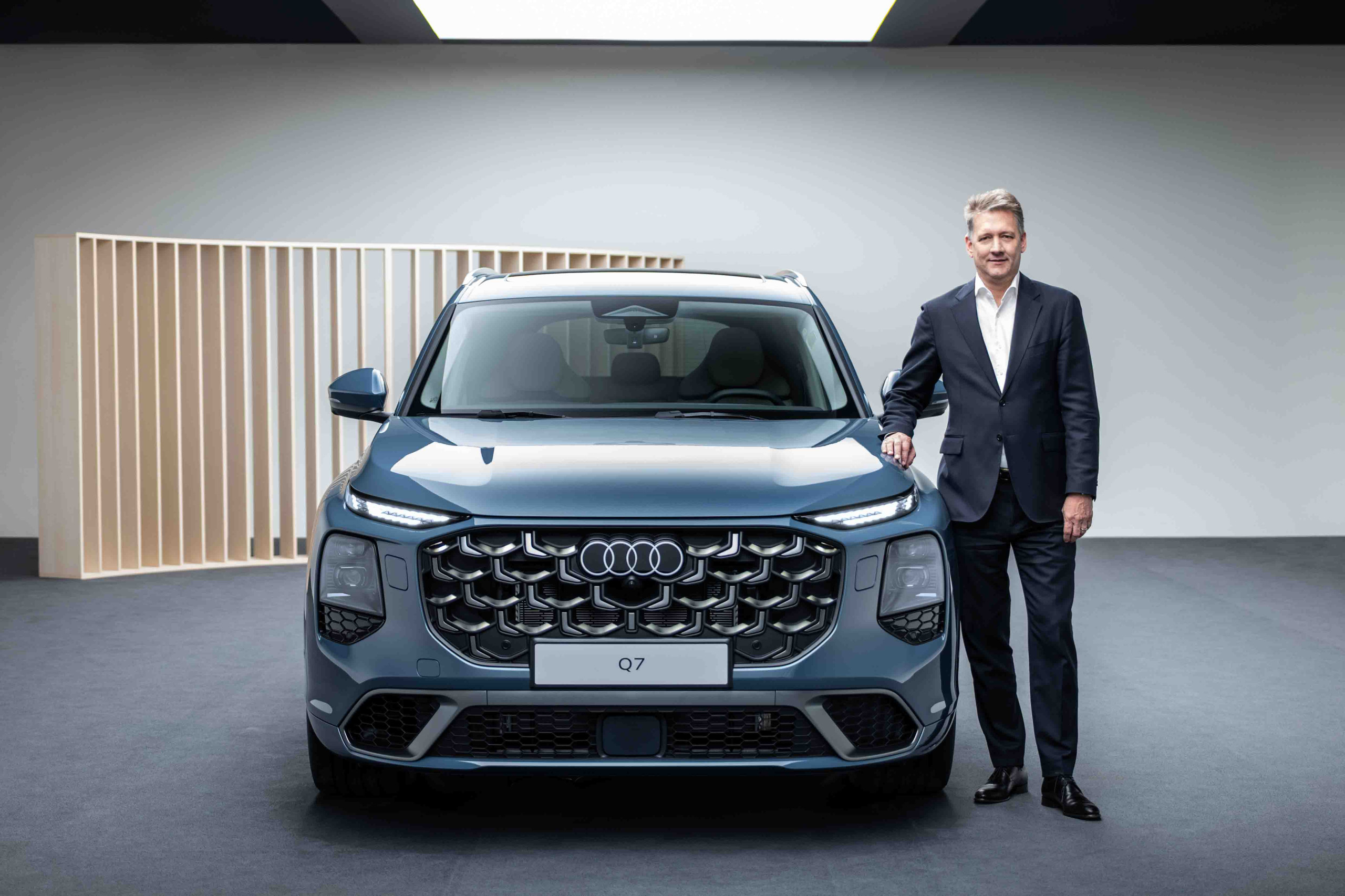
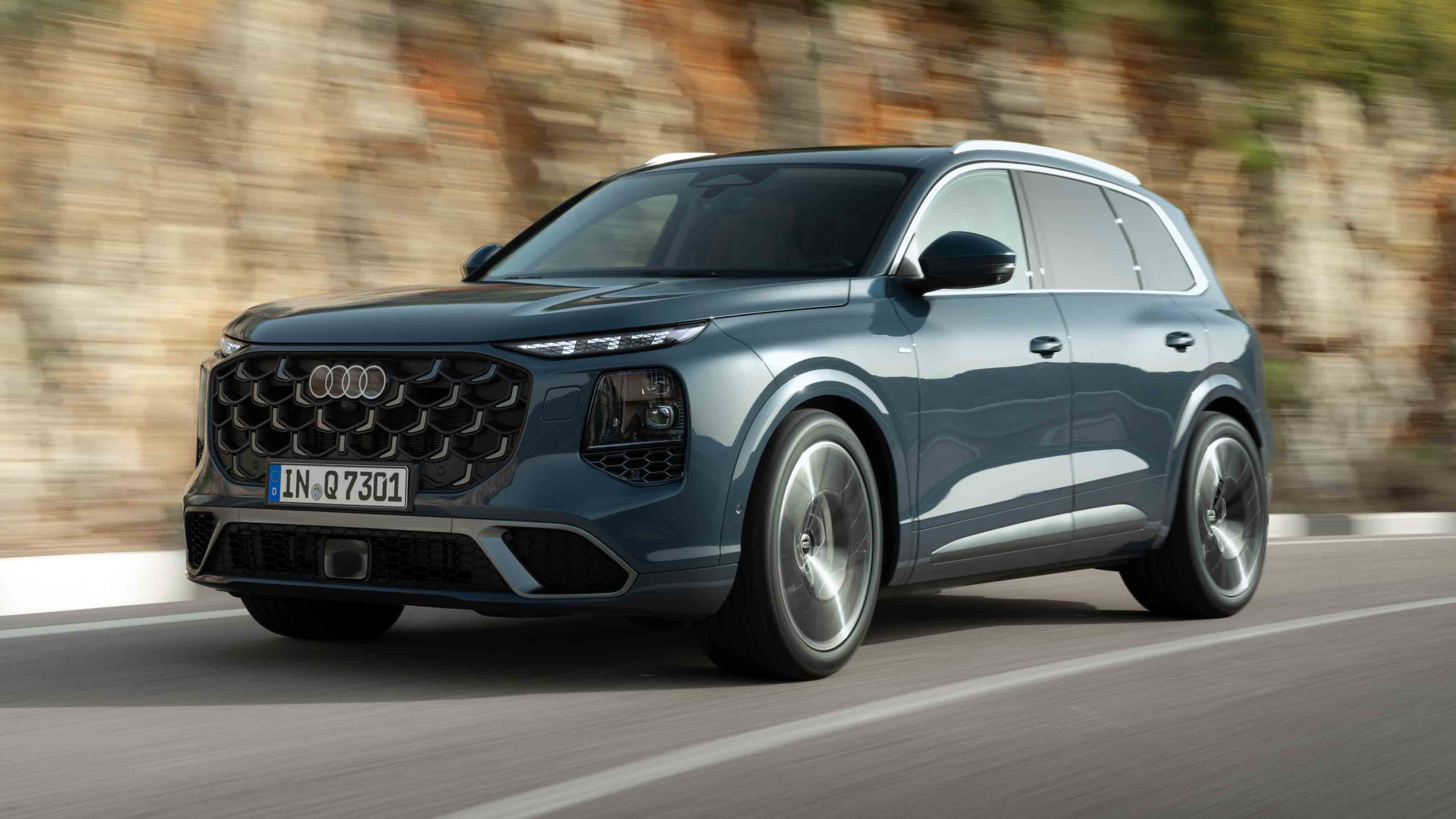
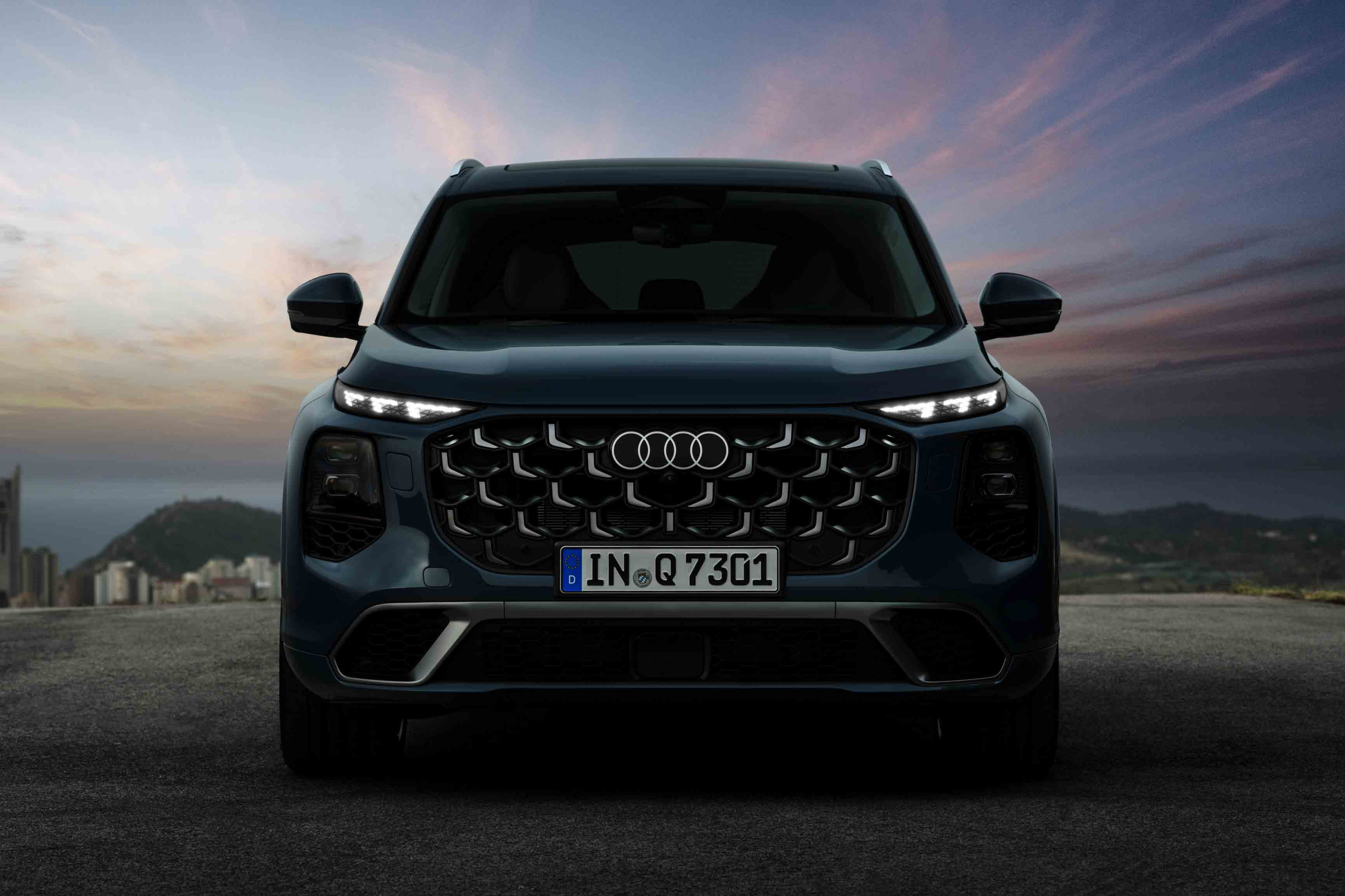
Up front sits a redesigned Singleframe grille. It’s slightly smaller than before but now adopts an octagonal shape with two additional sides. Flanking it is a new split-headlight arrangement, with the daytime running lights positioned above and the main lighting units housed lower down alongside the side air intakes. The placement of these elements visually widens the front fascia considerably, almost giving the SUV a pair of rather chunky cheeks.
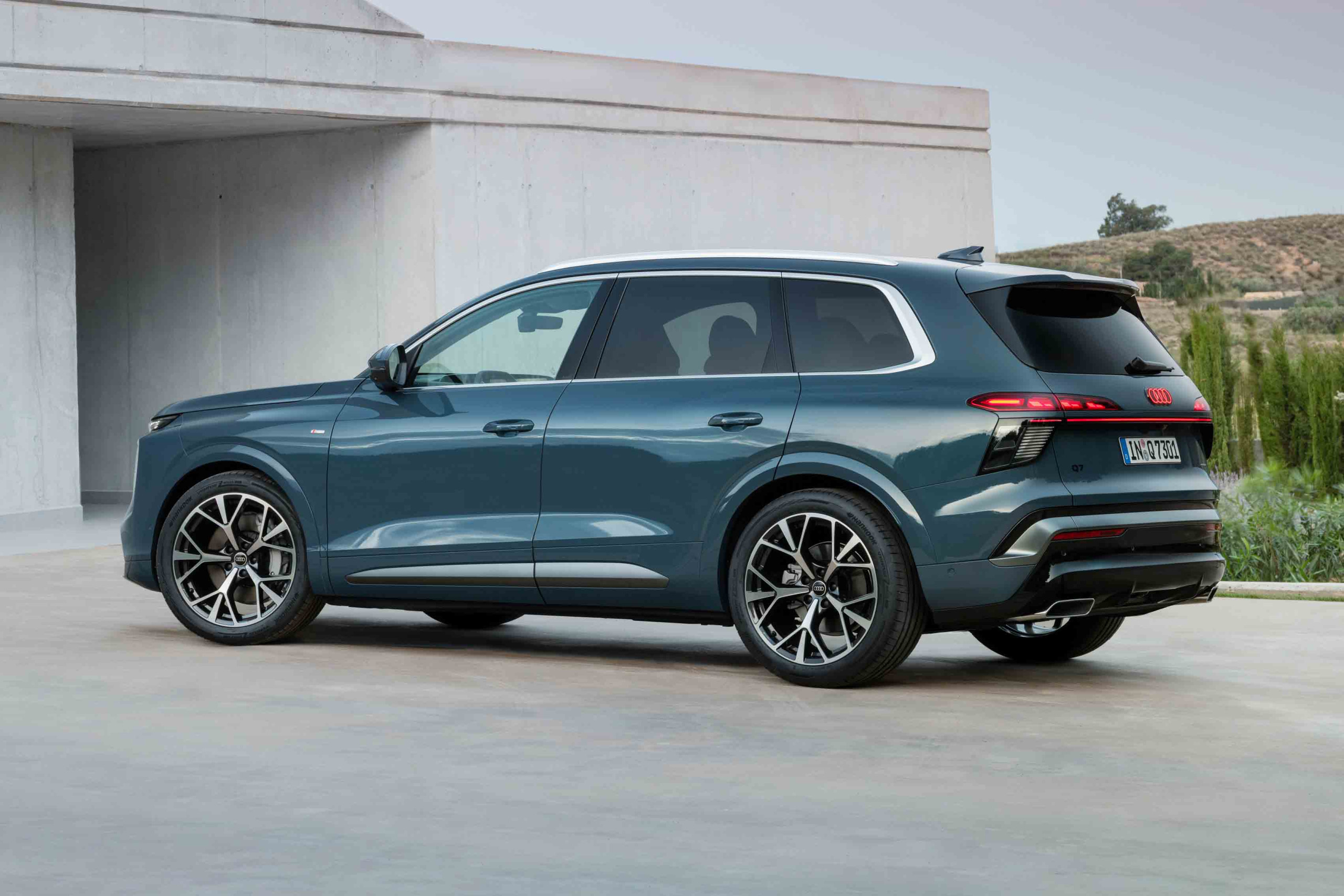
For the first time, buyers can specify wheels measuring up to 23 inches in diameter. Another first is the availability of automatic doors, which can also be operated remotely through the myAudi app.
Those seeking a sportier appearance can opt for the S line package. The trim introduces small L-shaped inserts within the front grille to further emphasise its hexagonal pattern. It also receives a more aggressive front bumper design with additional side air intakes, bringing the total number of visible vent elements on the front fascia to six.
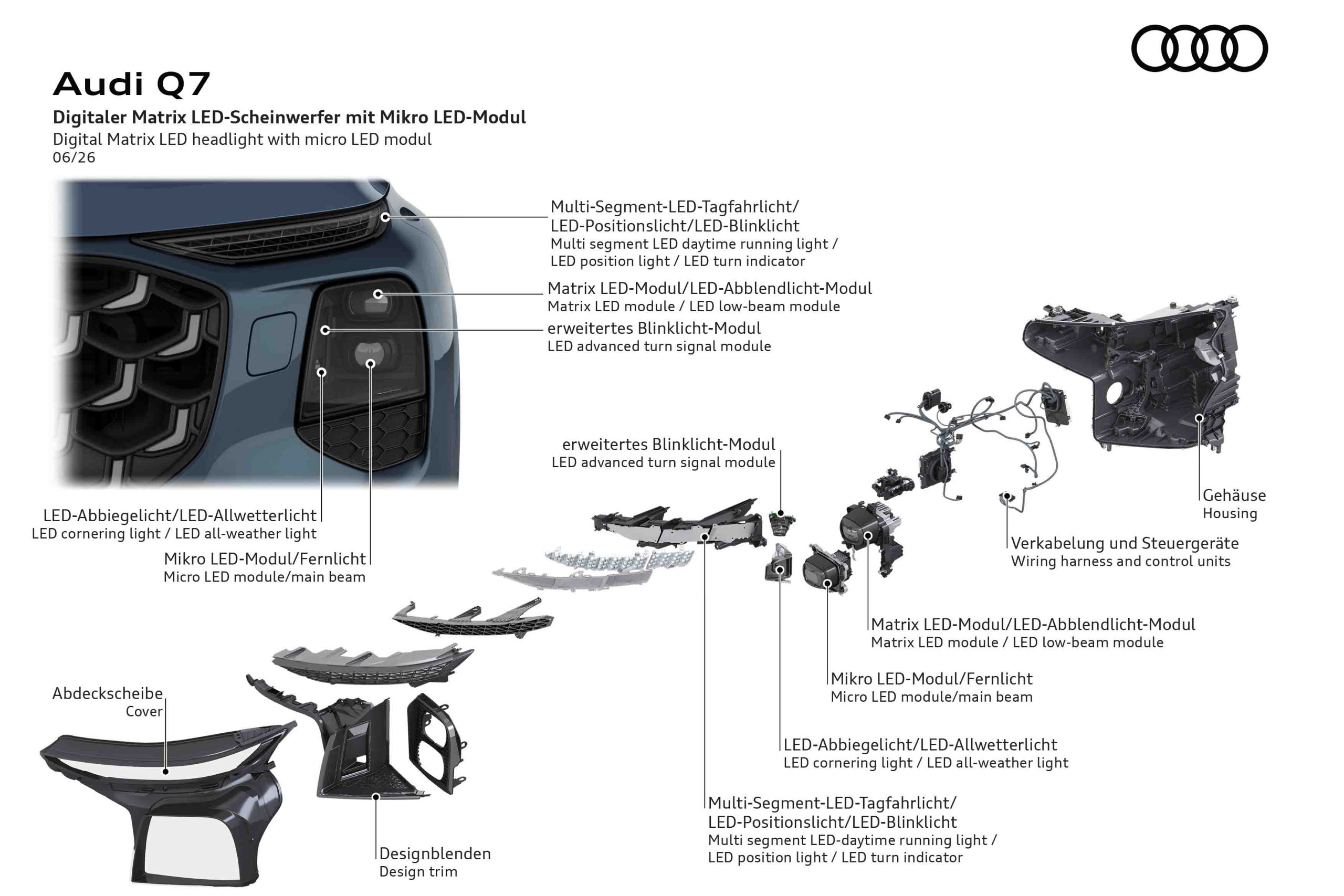
What’s a new Audi without a long list of lighting innovations? The all-new Audi Q7 features Digital Matrix LED headlights featuring micro-LED technology. Audi says the system works together with the vehicle’s driver assistance suite to project useful information directly within the driver’s field of view.
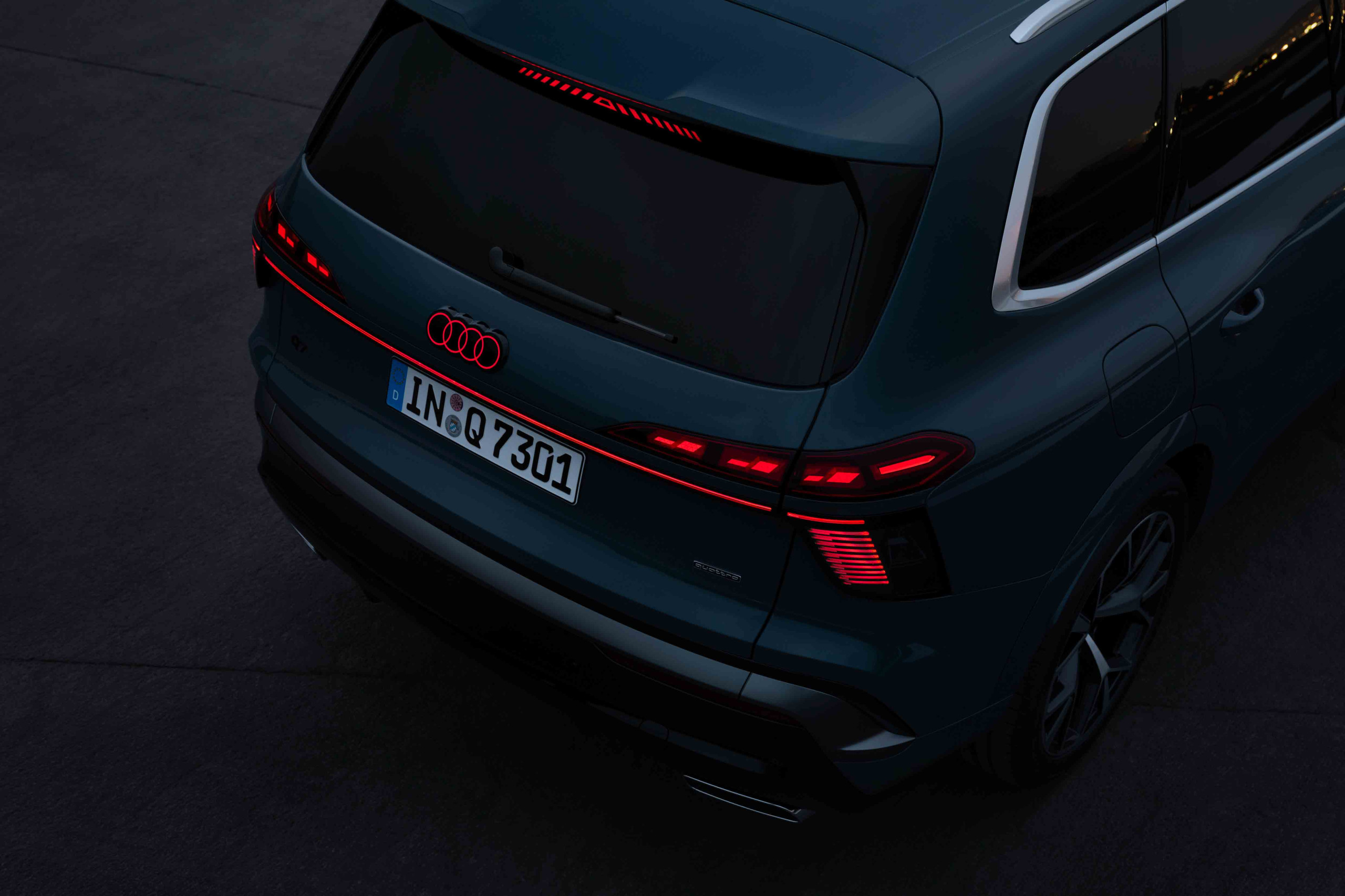
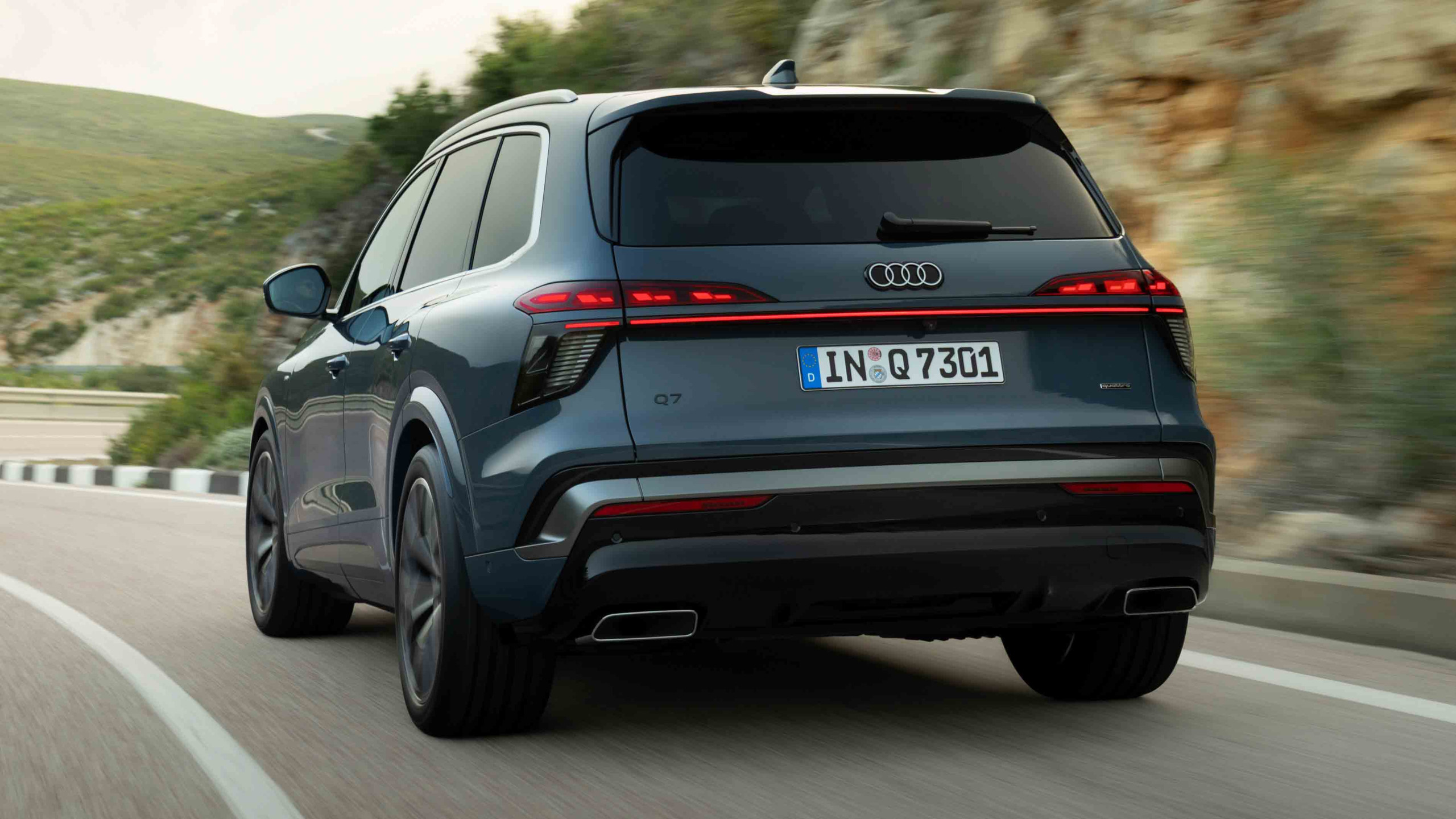
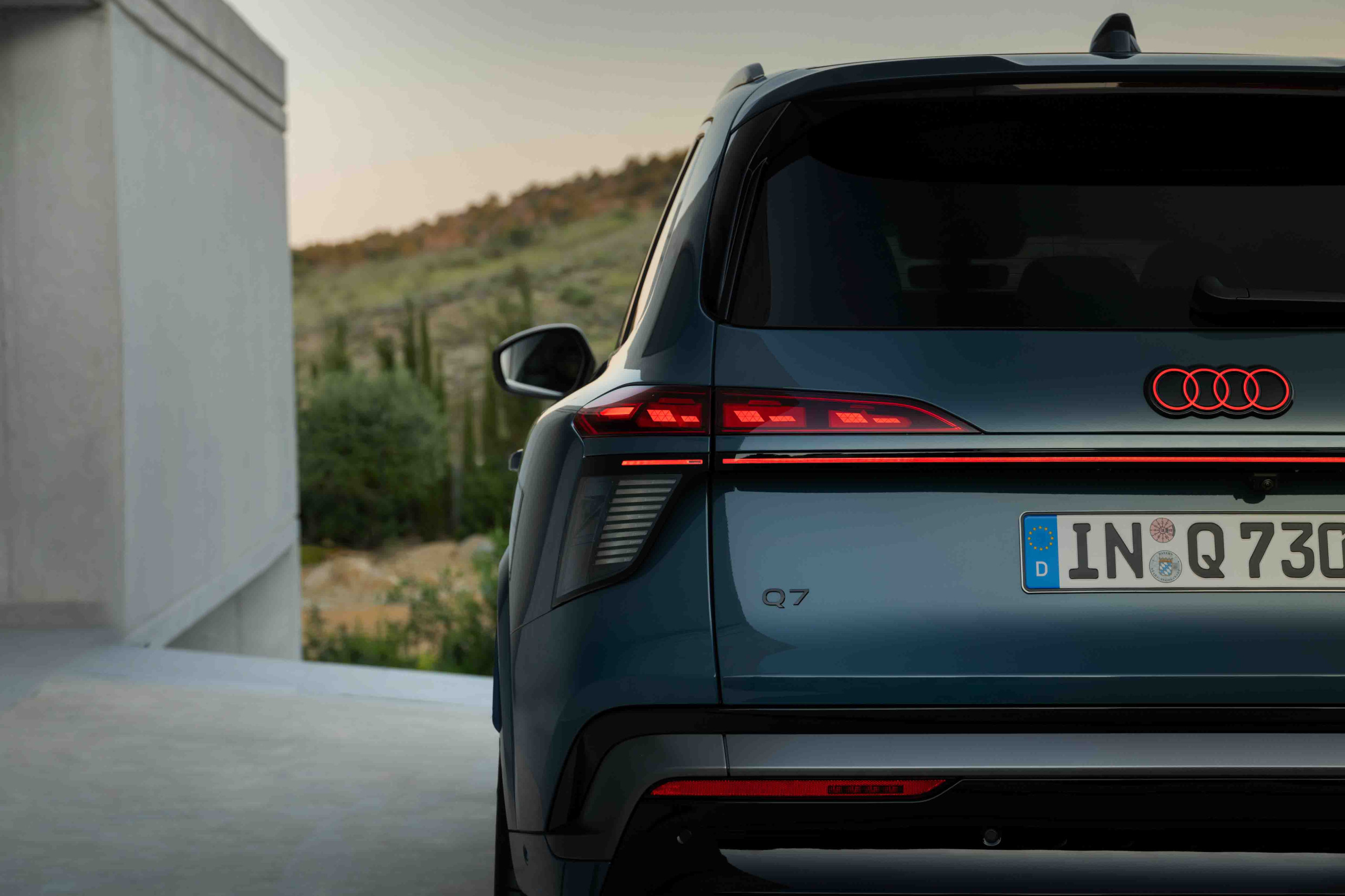
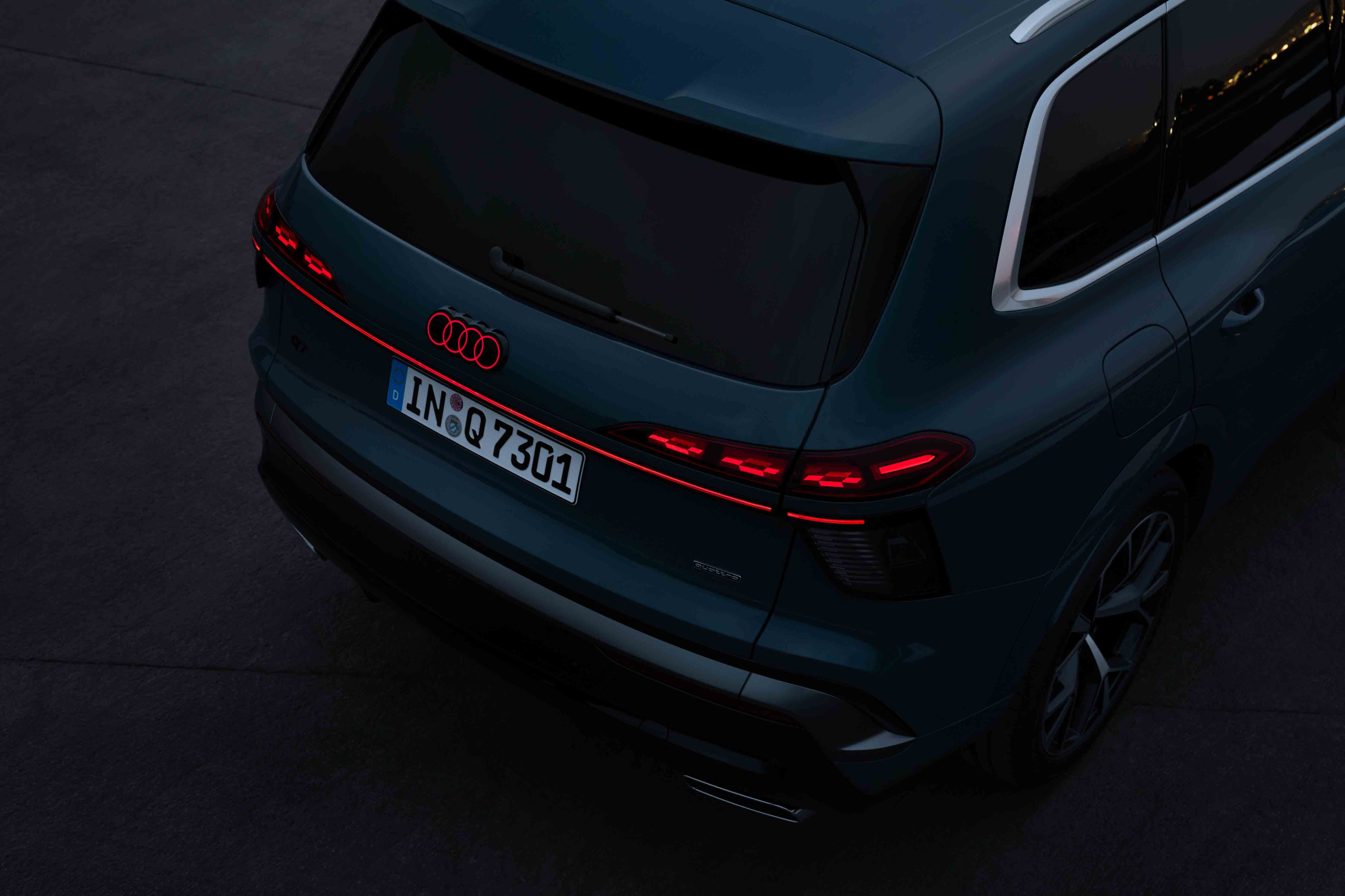
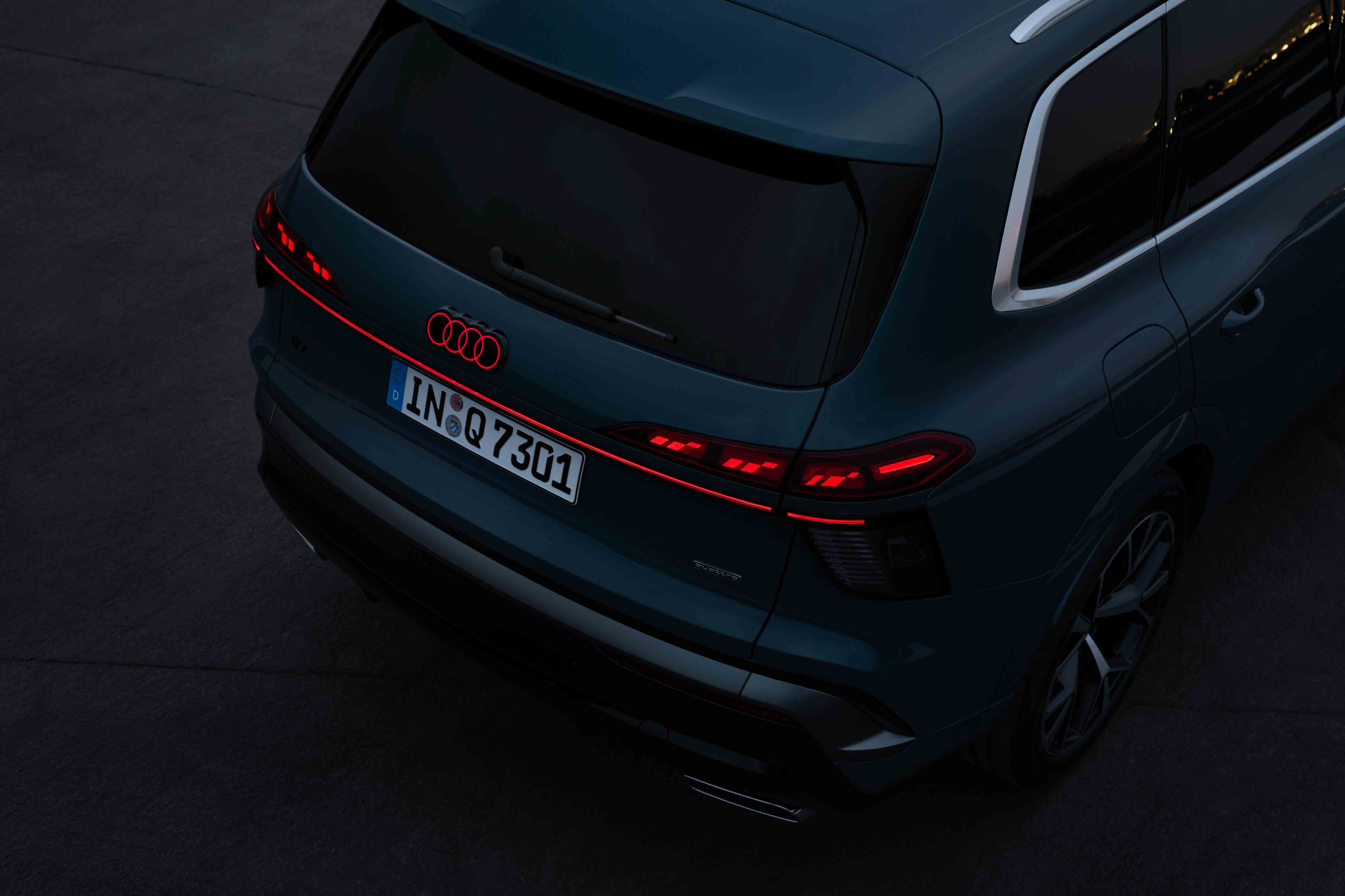
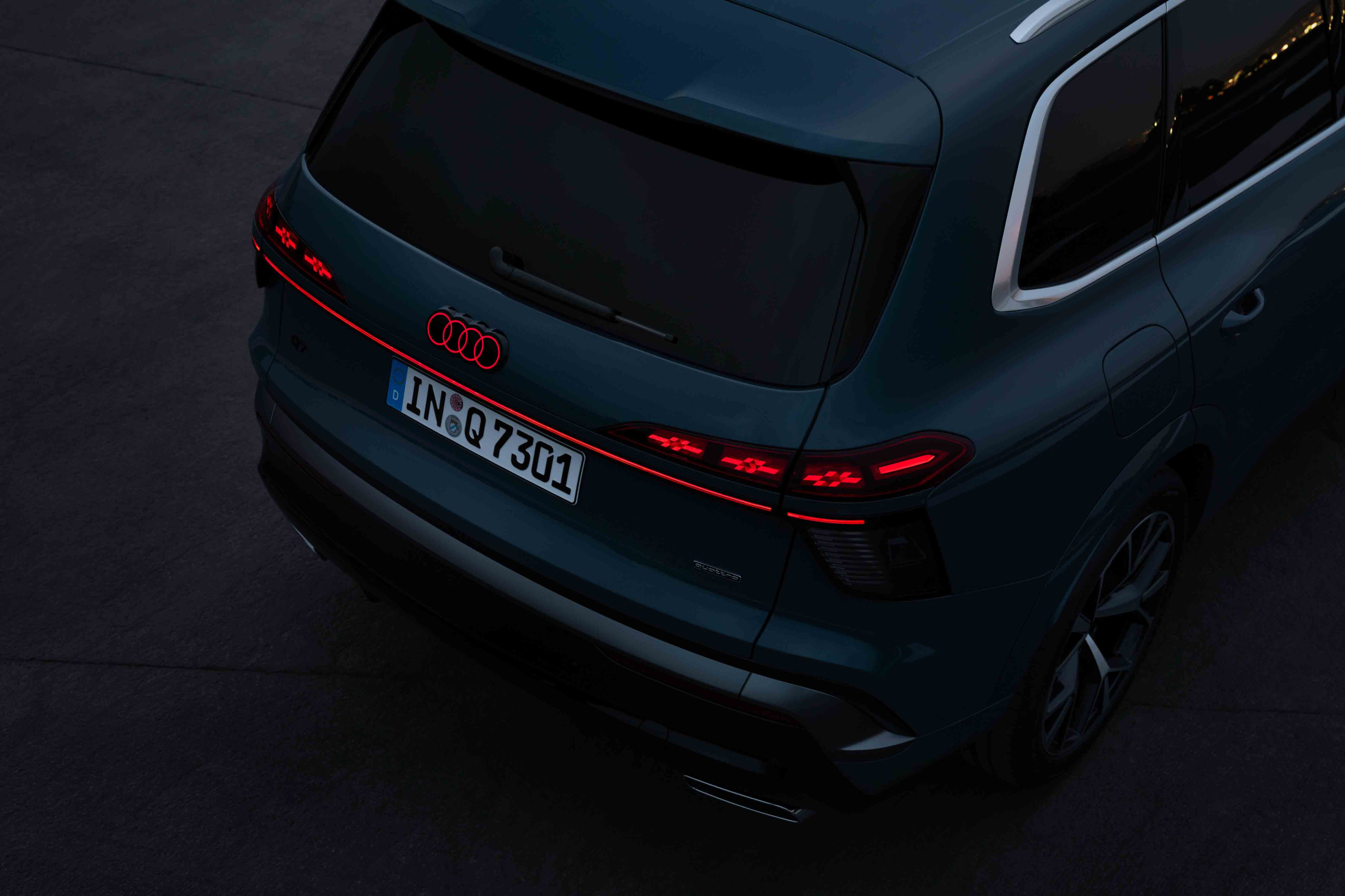
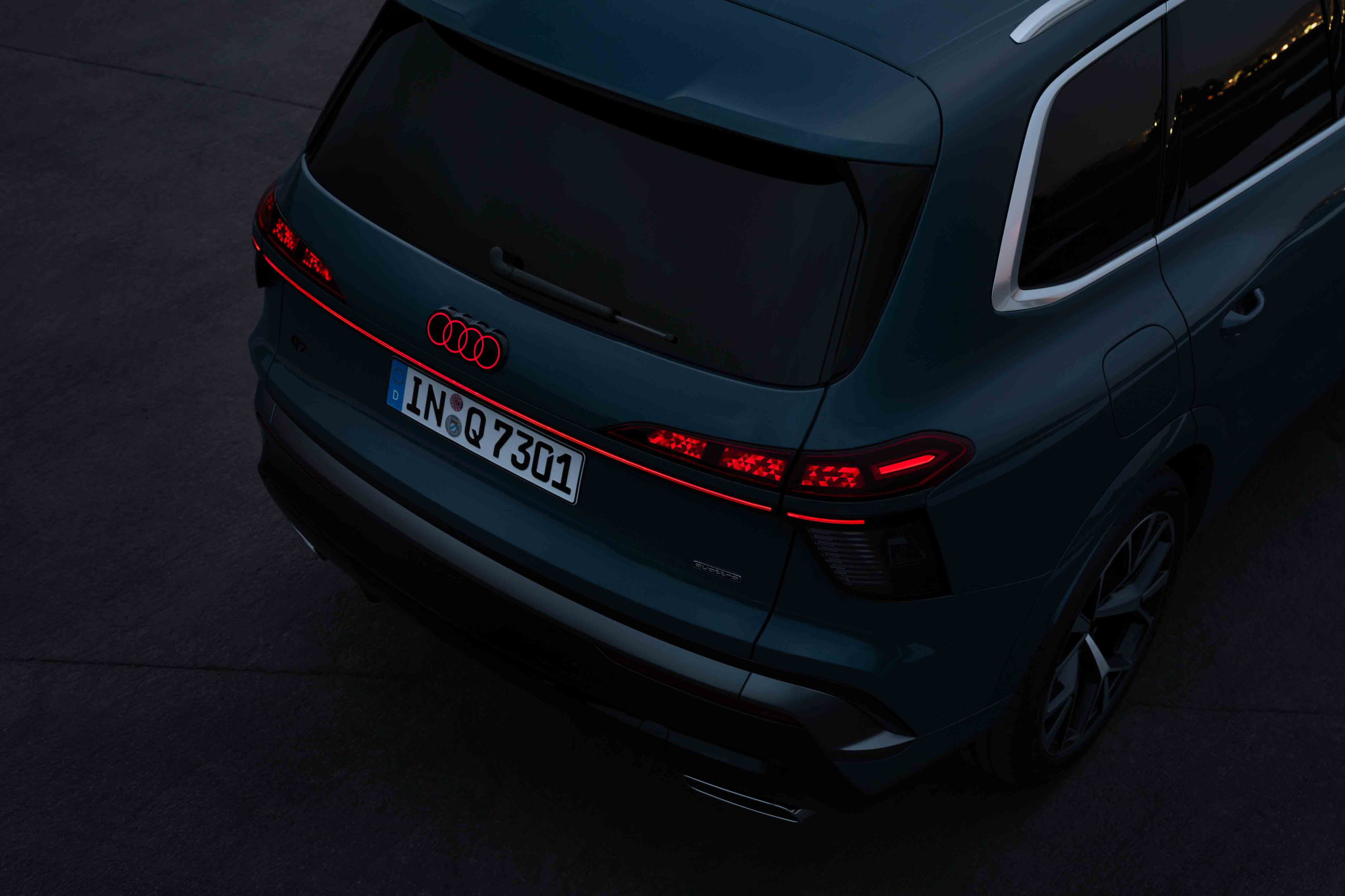
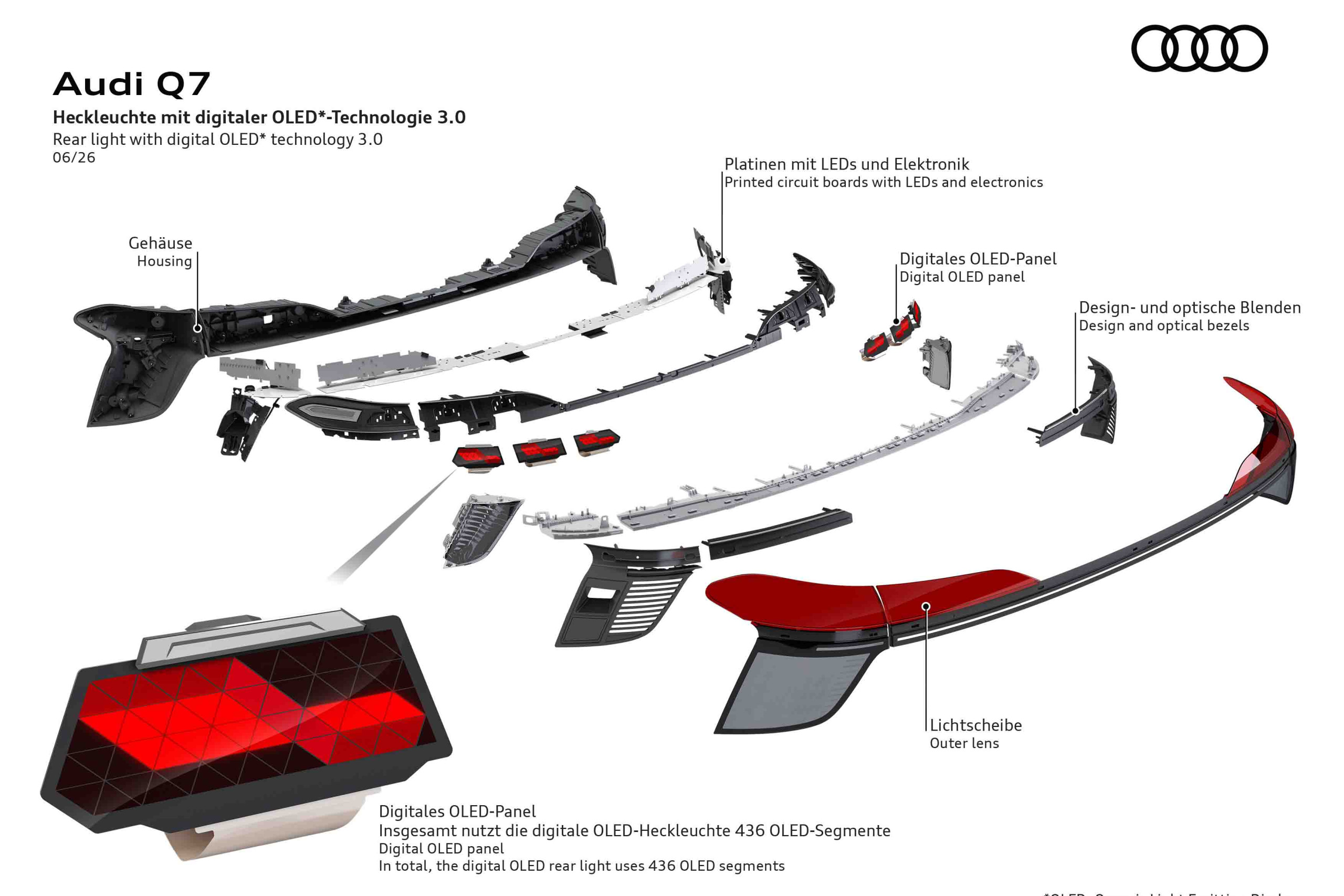
At the rear, customers can optionally specify Audi’s third-generation digital OLED taillights. Consisting of 436 individual segments, the setup allows for a greater range of customisable lighting signatures and interactive functions. If another vehicle approaches too closely in traffic, the OLED panels illuminate to provide visual warning. The rear lights also display a unique signature when the vehicle is operating in automatic parking mode.
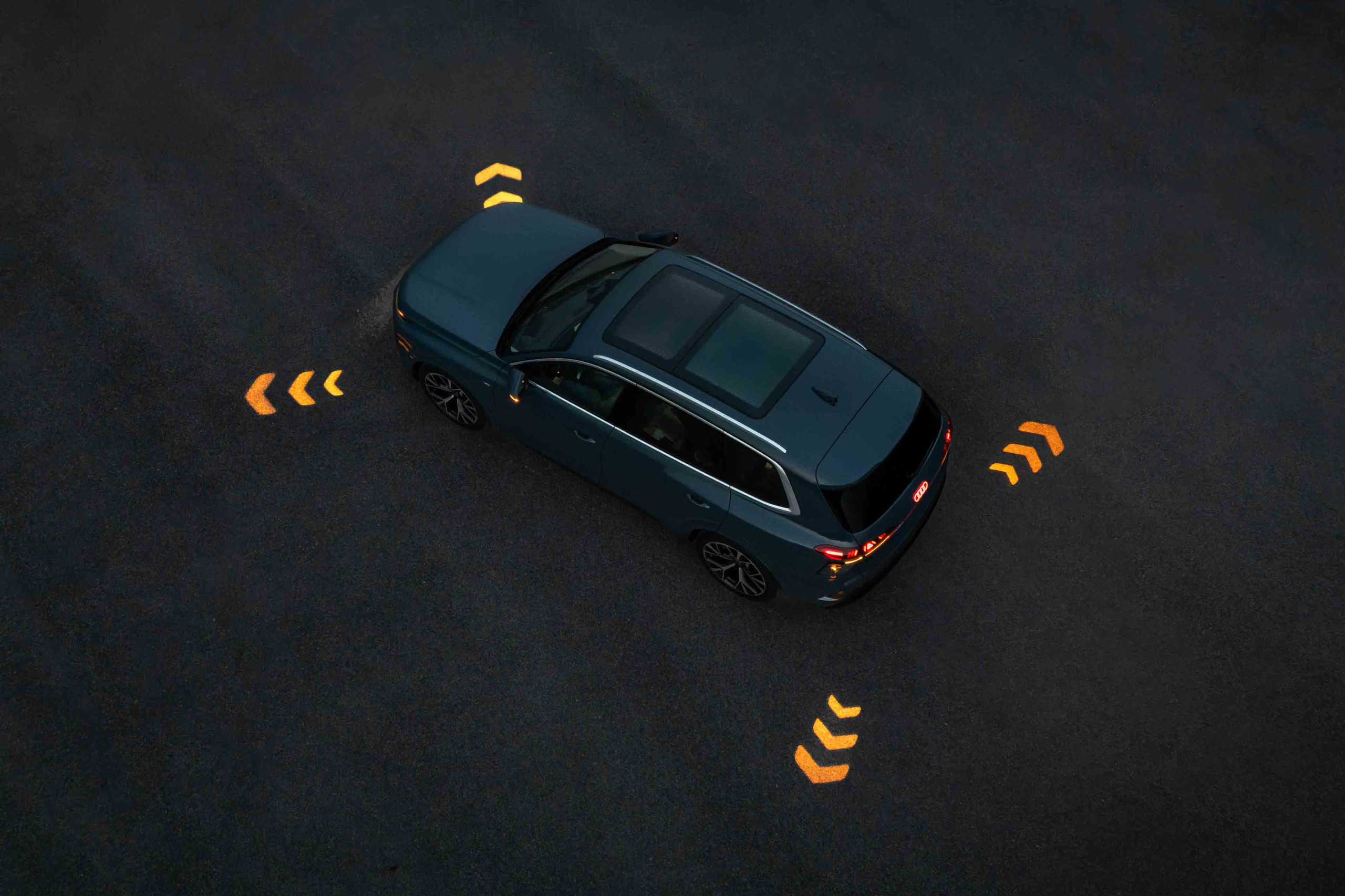
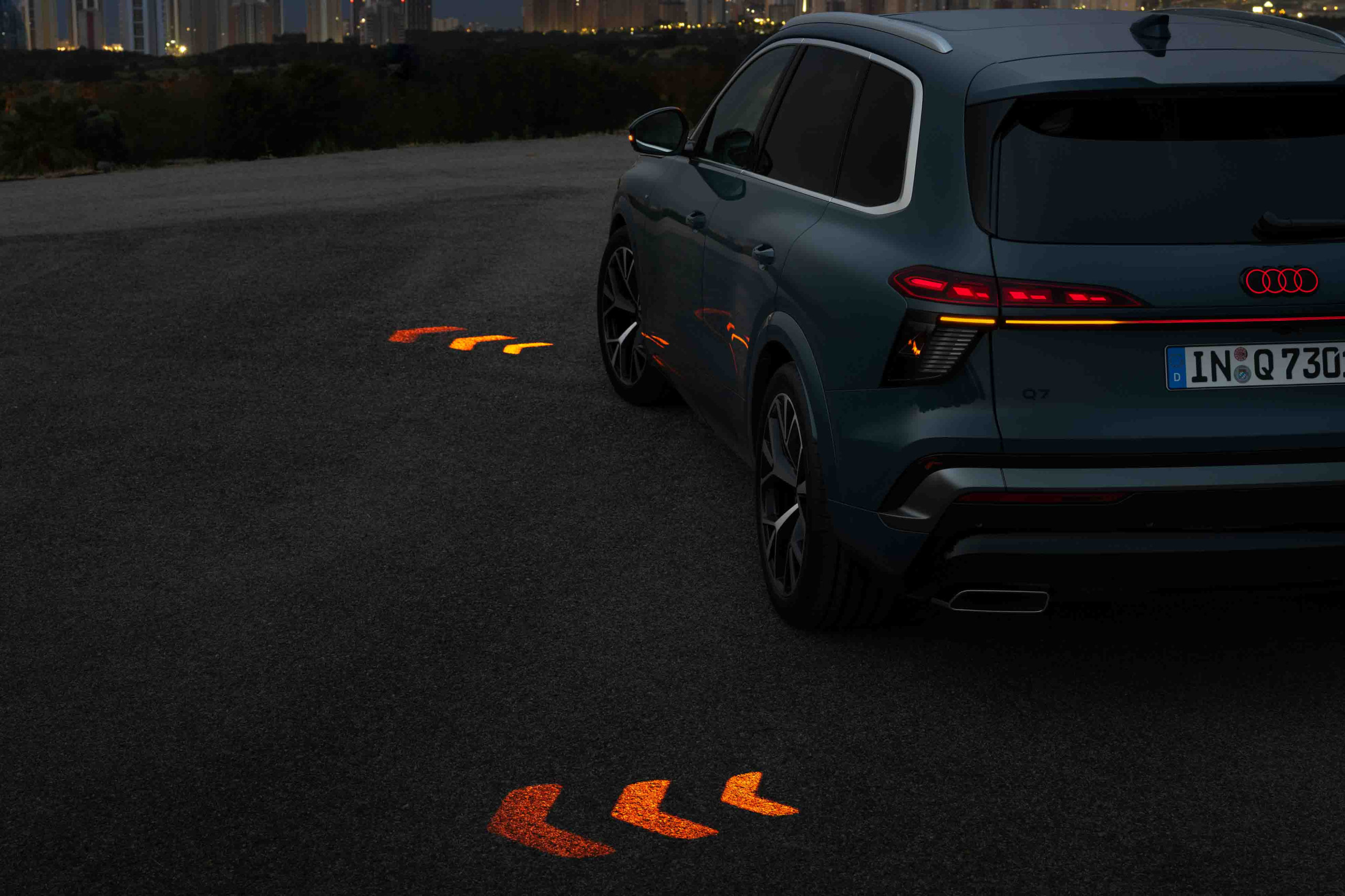
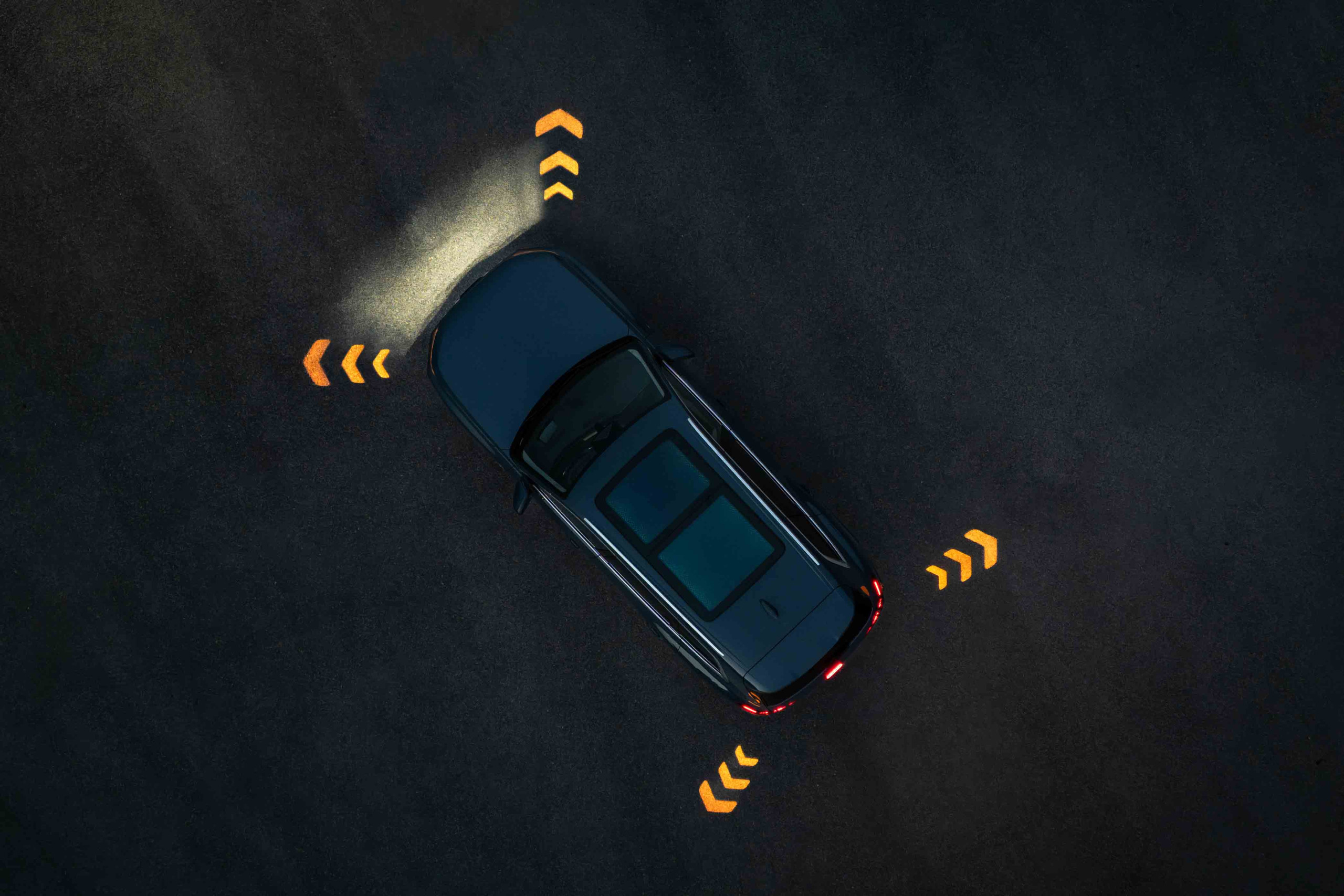
Joining the Digital Matrix LED headlights and digital OLED taillights is what Audi calls the “world’s first advanced turn signal”. When driving at night, the turn signal is projected directly onto the road surface in sync with the dynamic indicators at both the front and rear of the vehicle, making the signal easier for surrounding road users to spot. In emergency situations, the digital OLED panels can also switch from their normal graphics to a dedicated warning signature featuring special symbols.
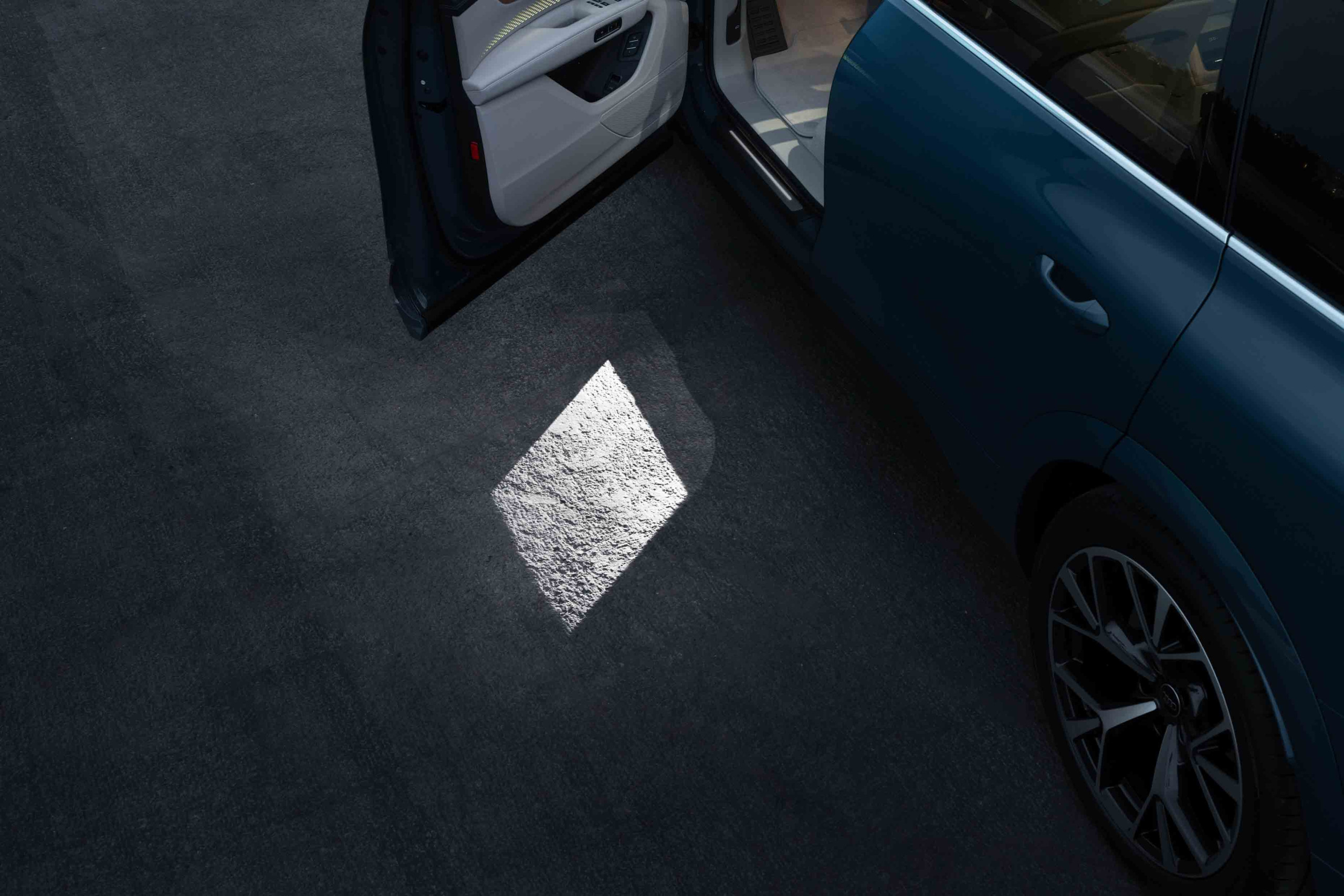
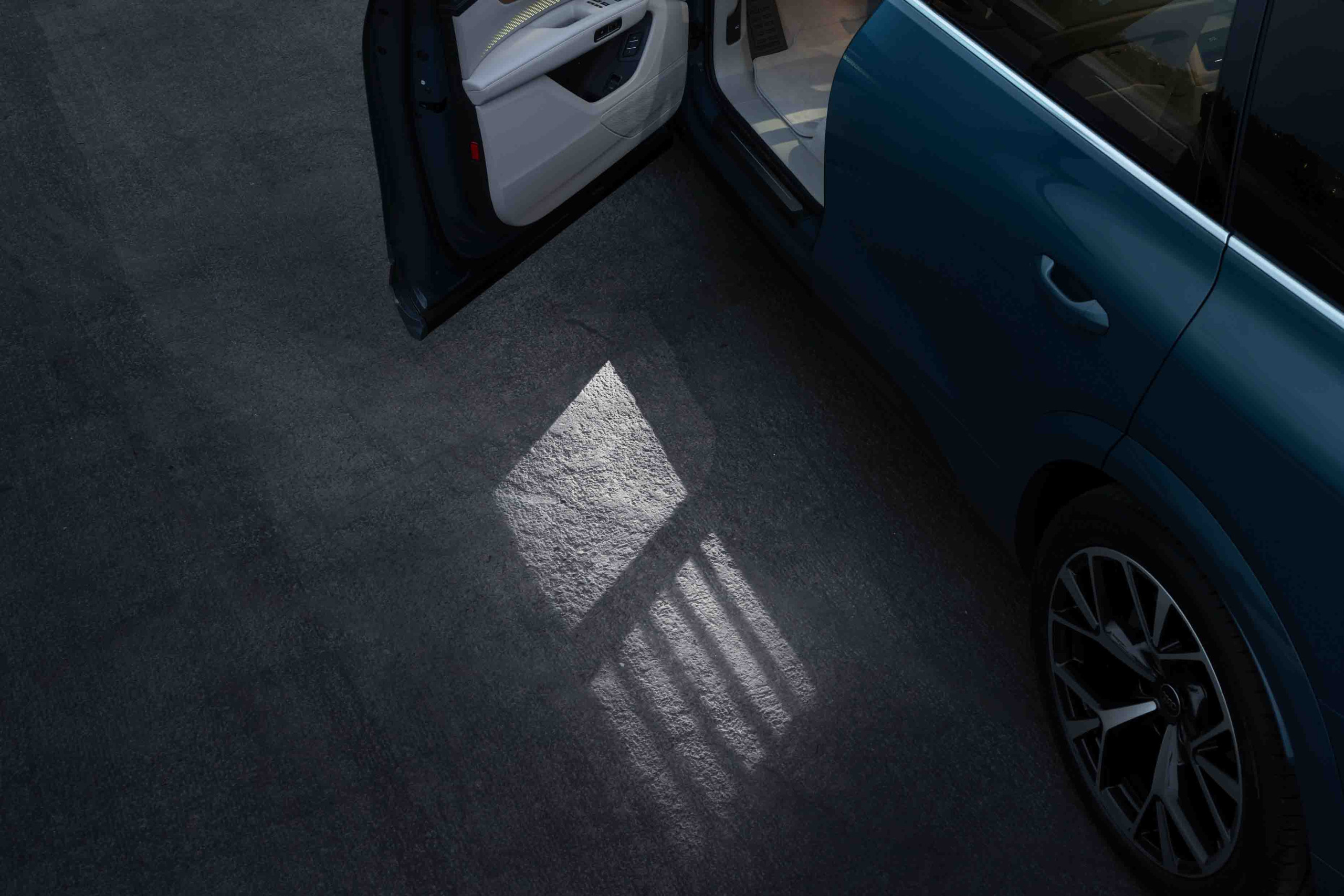
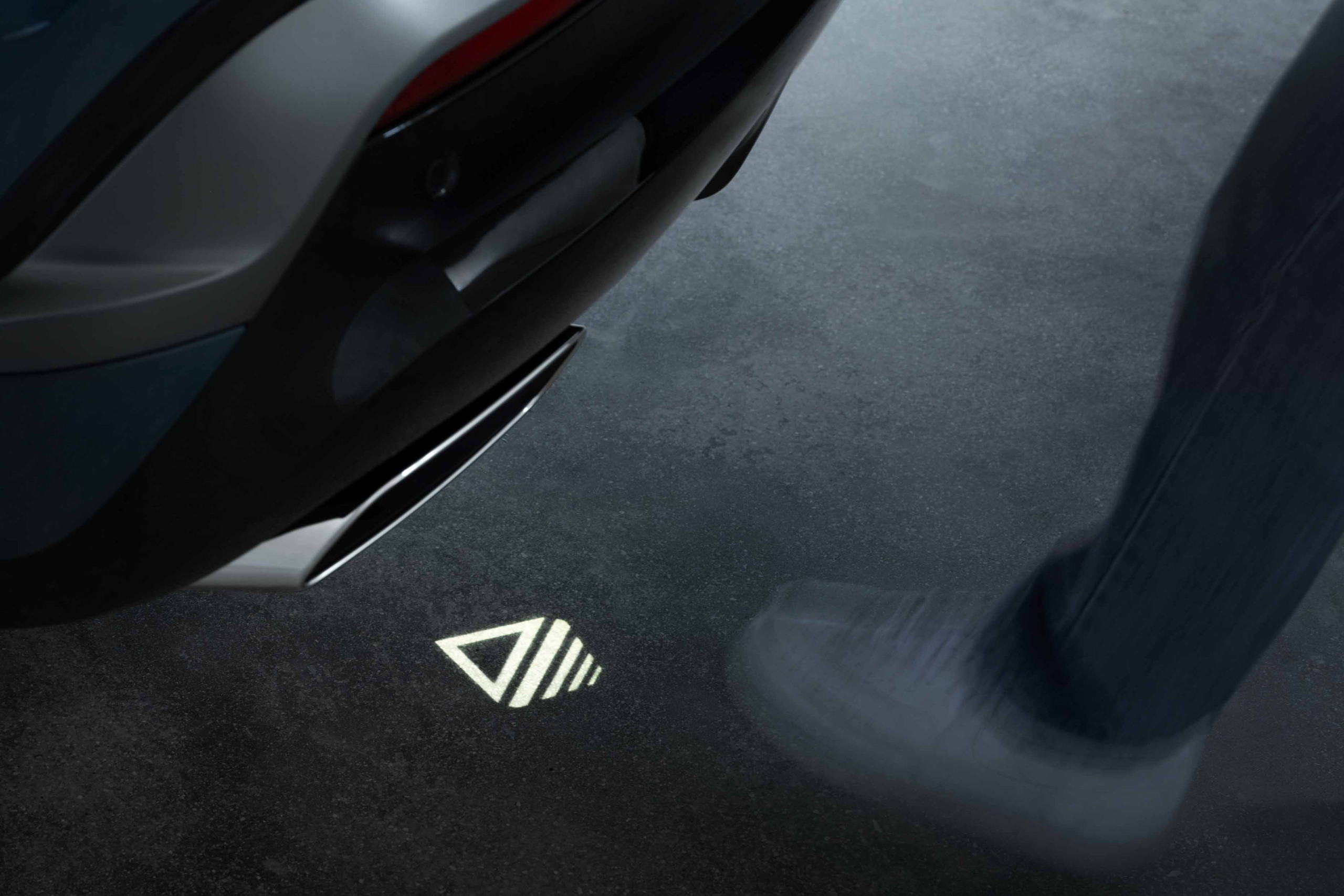
The all-new Audi Q7 also features a new projection lighting system integrated into the door sills. When the doors are opened, a large rhombus-shaped graphic is projected onto the road surface to alert surrounding road users.
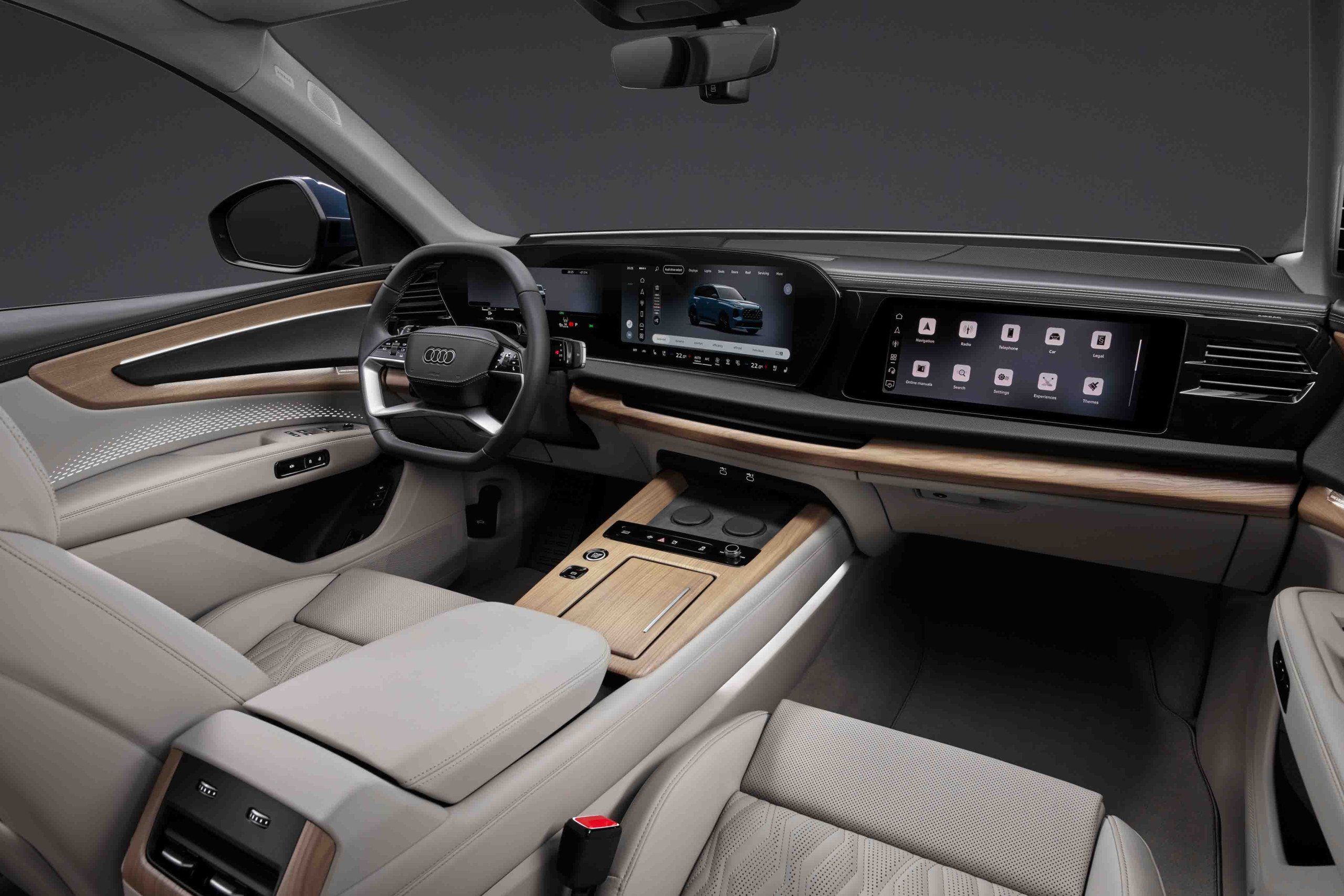
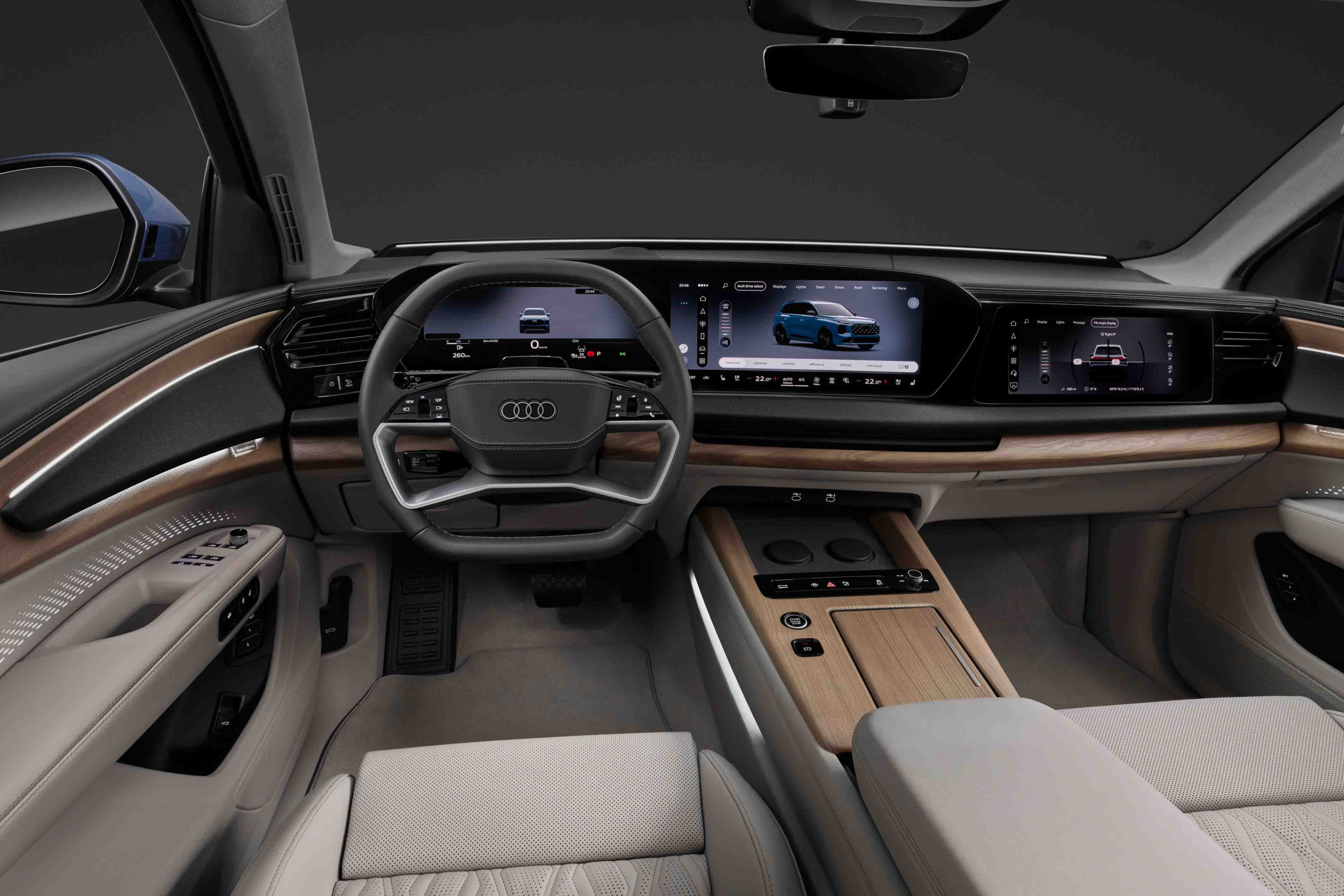
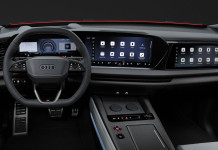
Inside, the new Q7 adopts Audi’s familiar “Digital Stage” layout seen across many of its latest models, though treated to more luxurious befitting its flagship status. Dominating the dashboard is Audi’s MMI panoramic display arrangement, comprising three separate screens for the driver, centre infotainment functions, and the front passenger. Physical controls have been reduced significantly, with even the centre air vents adjusted through the touchscreen interface.
ALSO READ: Audi redefines ‘Vorsprung durch Technik’ as the new in-car experience
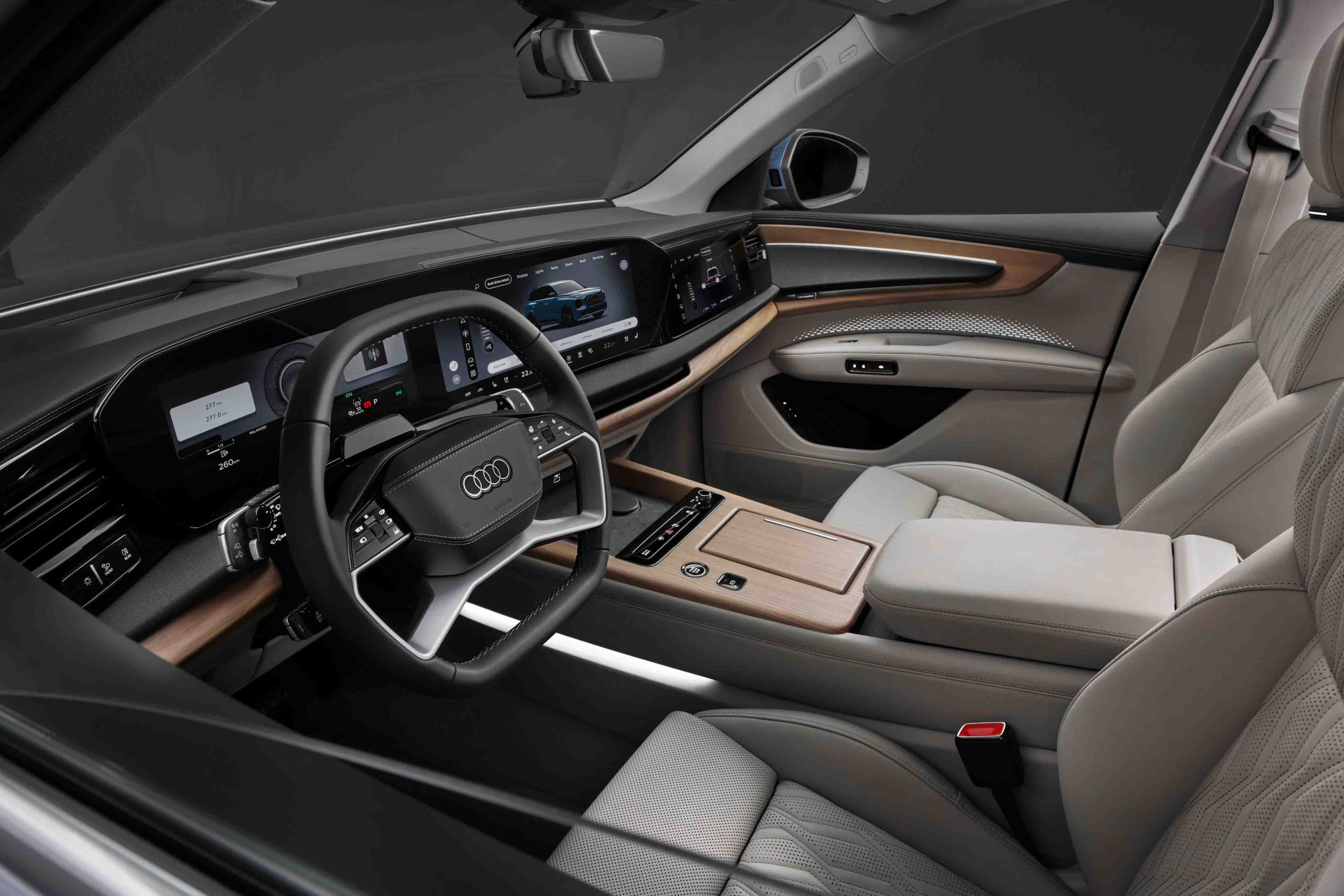
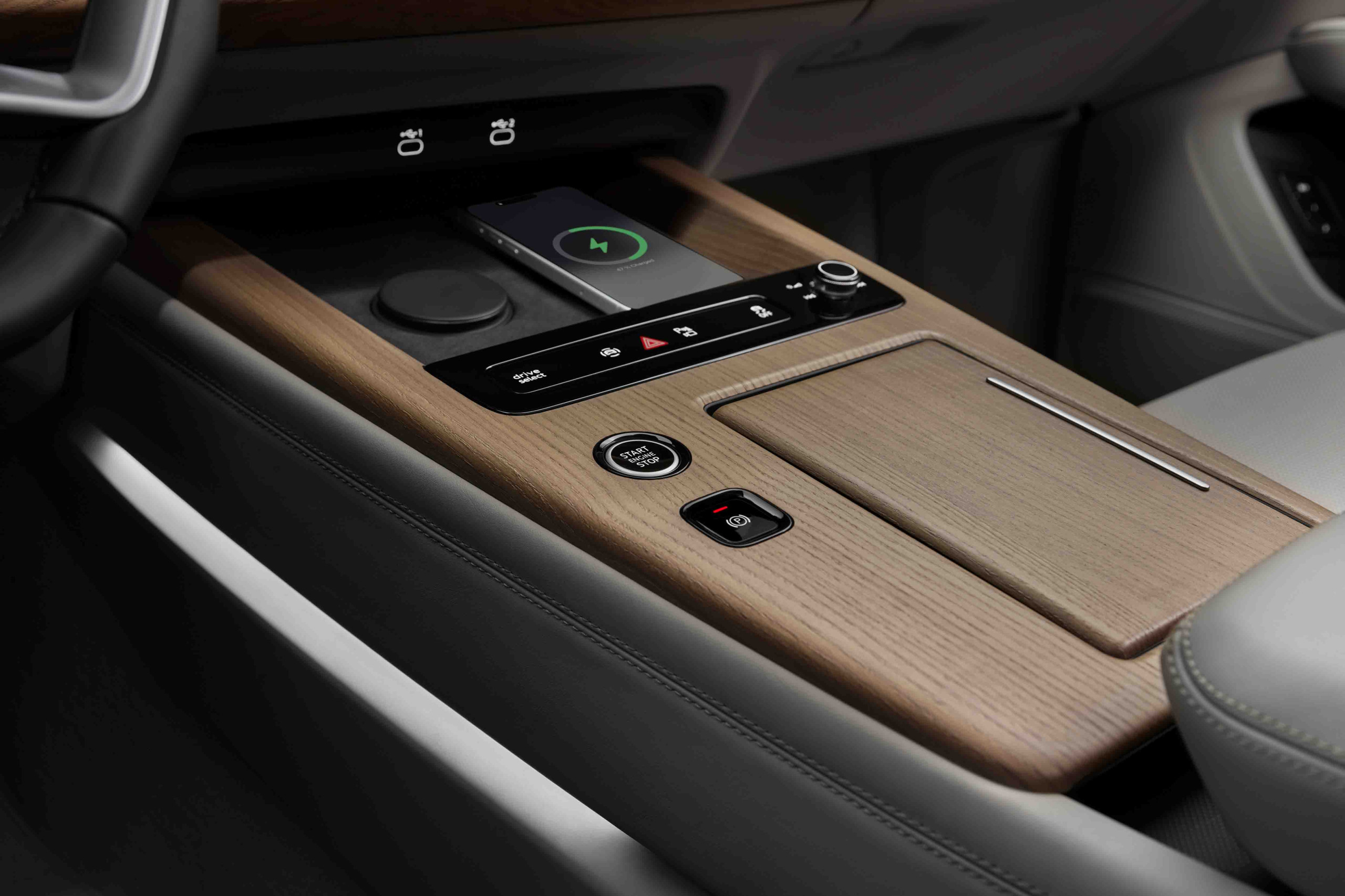
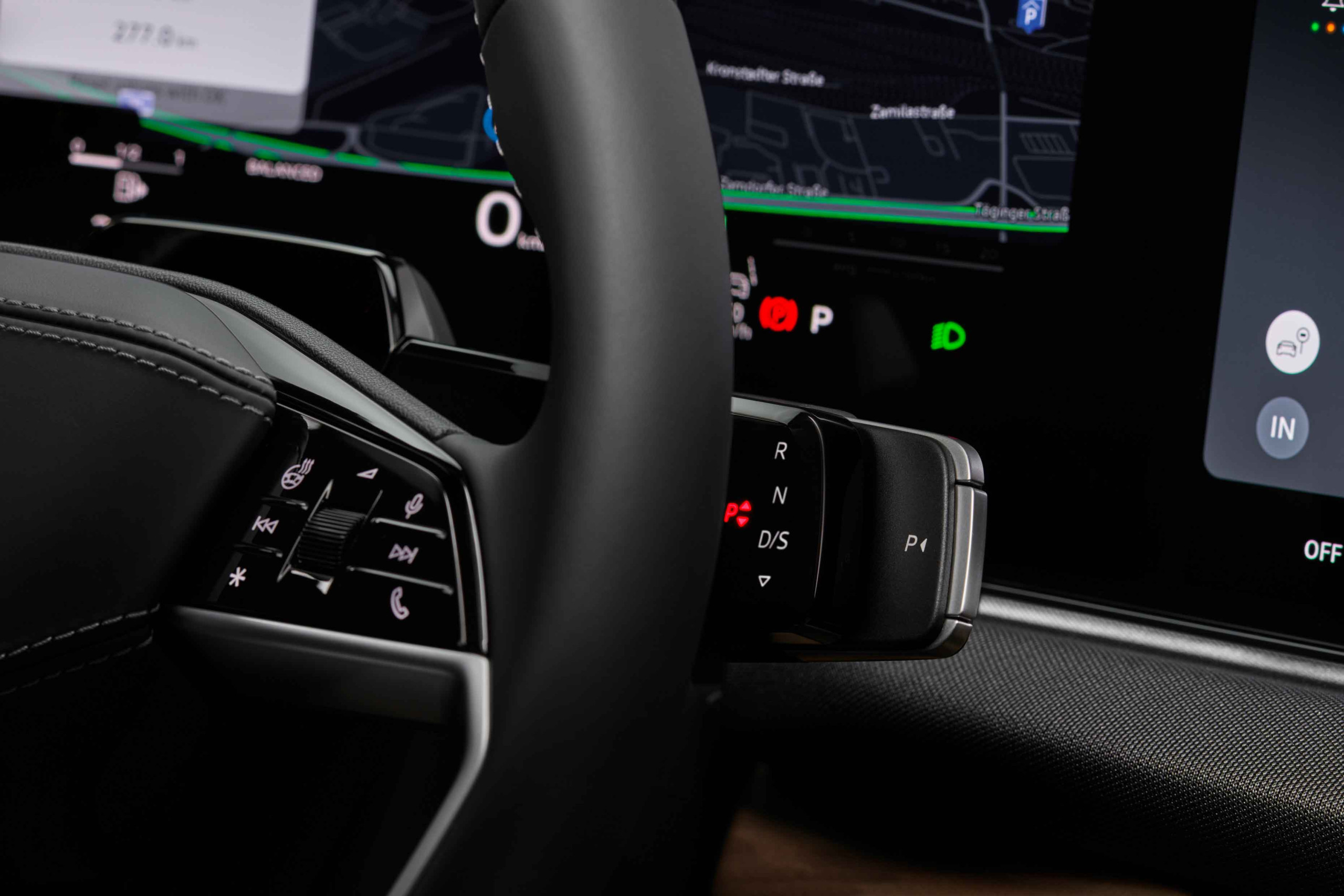
The centre console has also been decluttered thanks to the adoption of a steering column-mounted gear selector. In its place are two Qi 2.2 wireless smartphone charging pads capable of delivering up to 25 watts each. A clean array of essential buttons remains, including a rotary controller for media functions, although there is no dedicated shortcut button for climate controls.
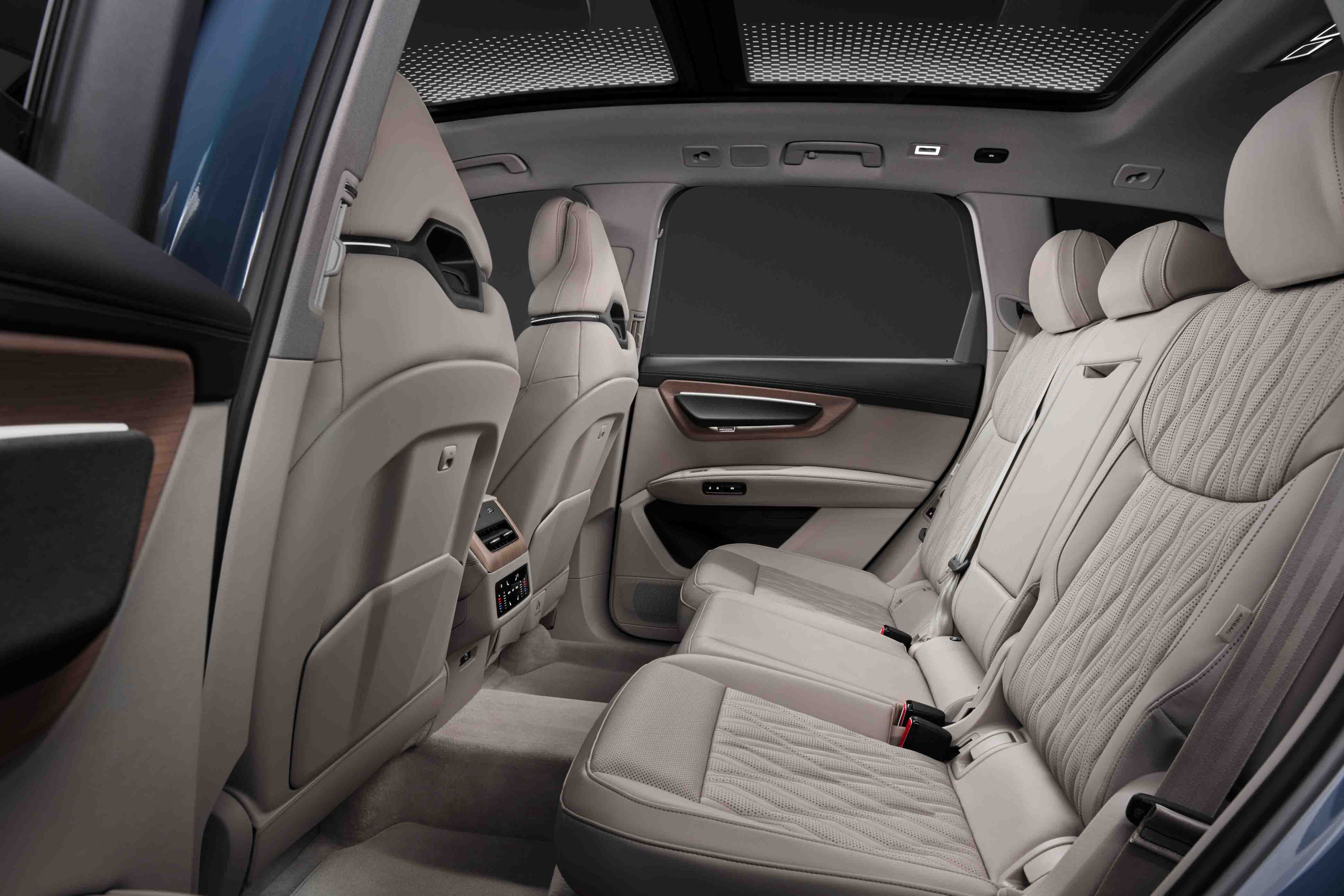
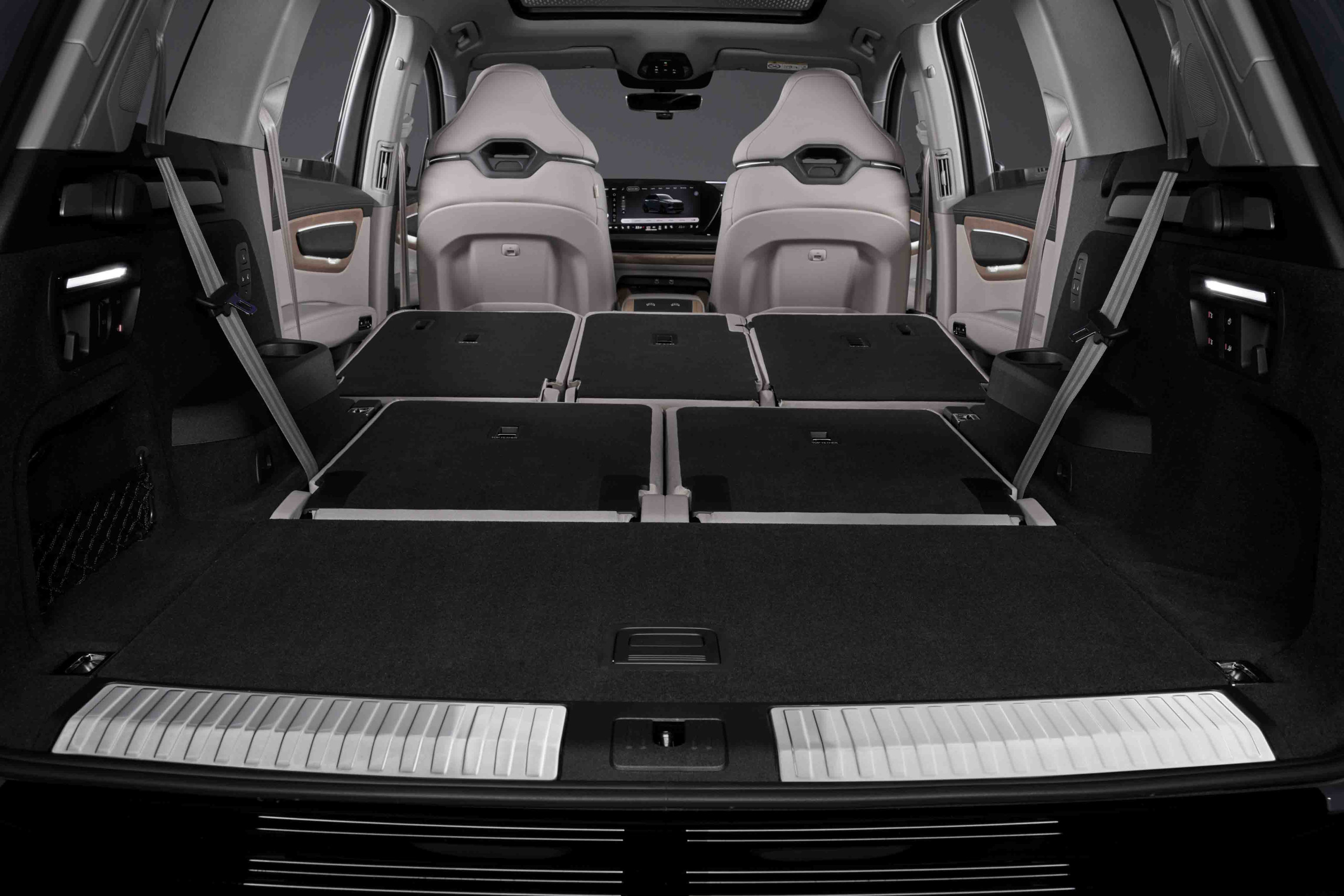
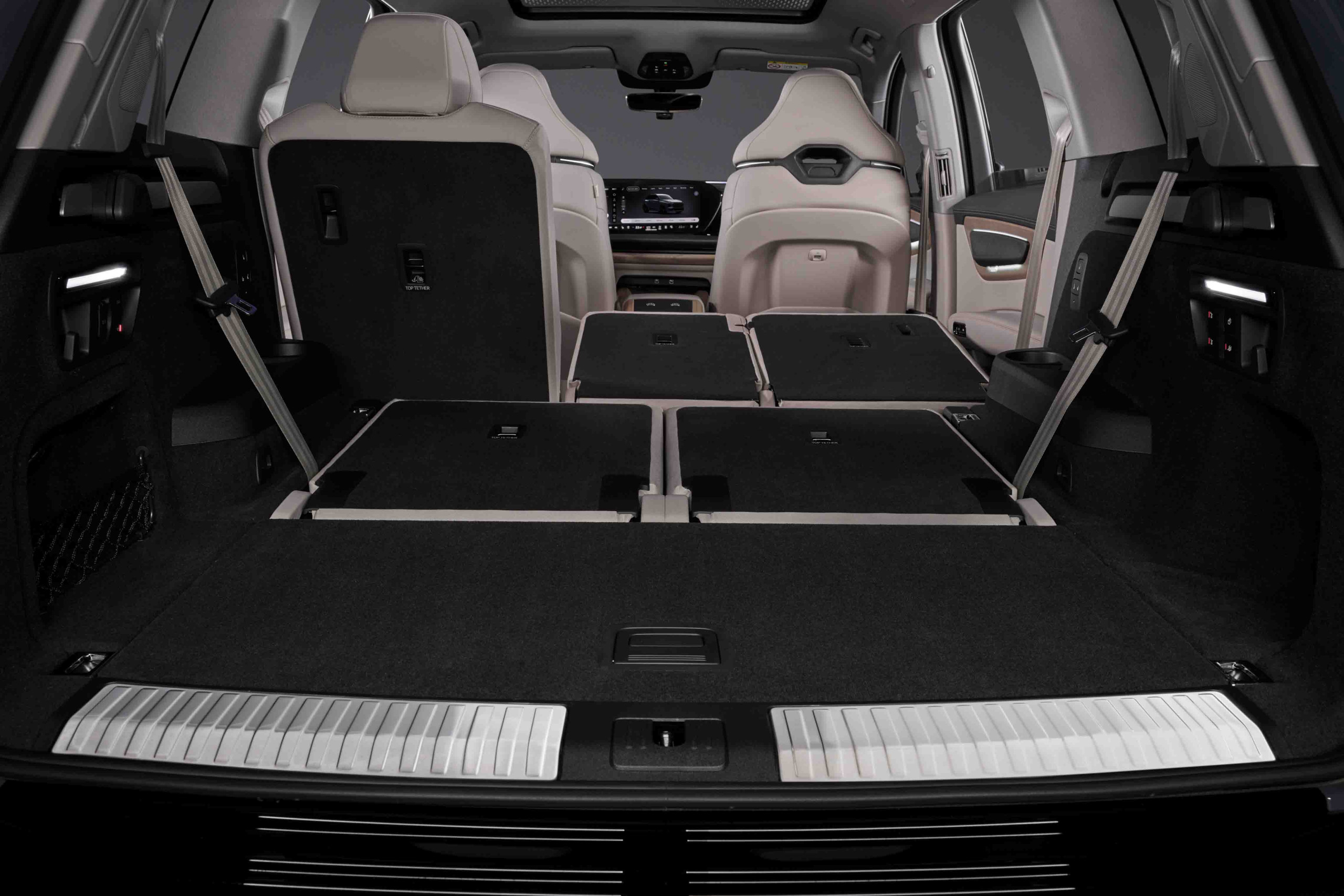
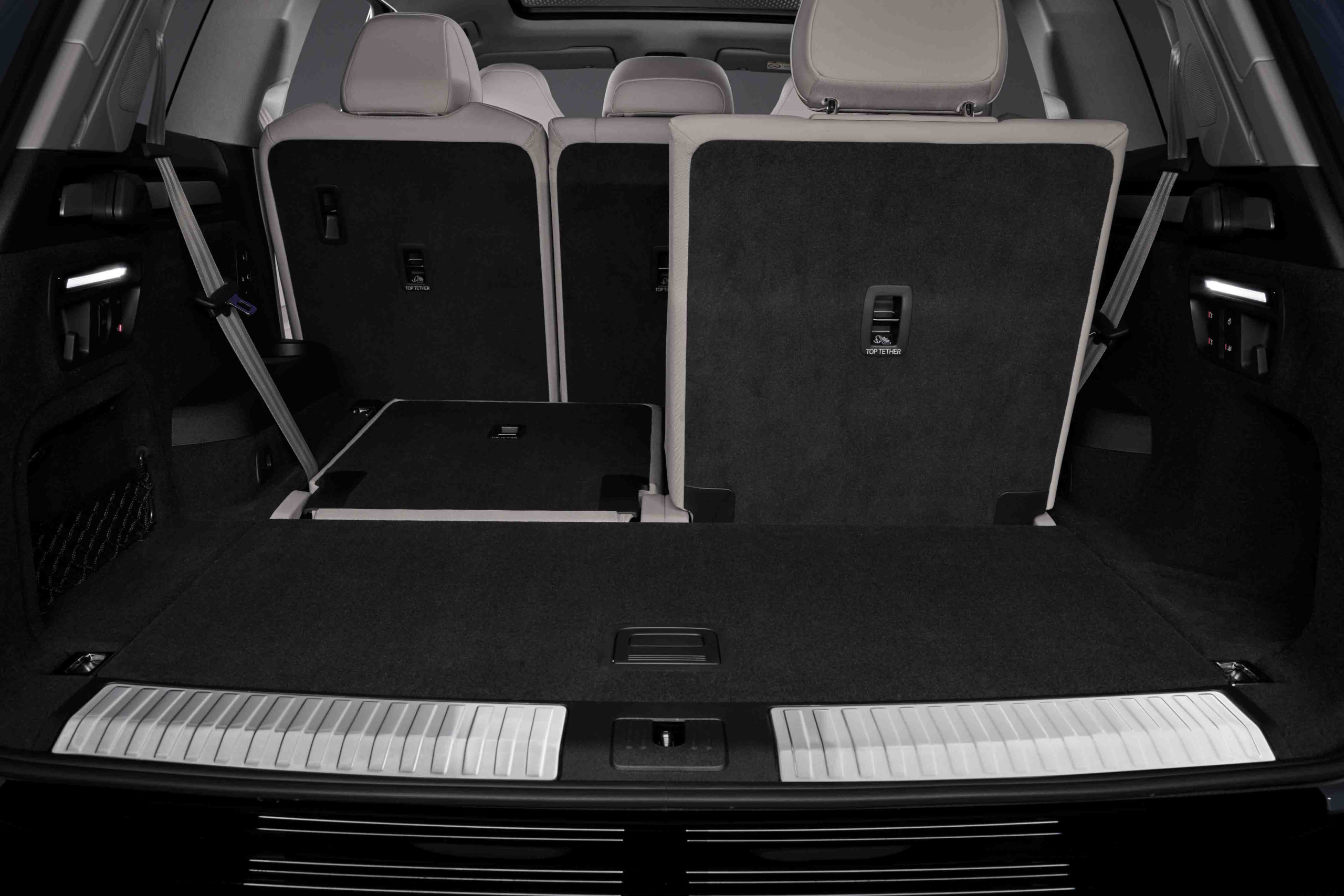
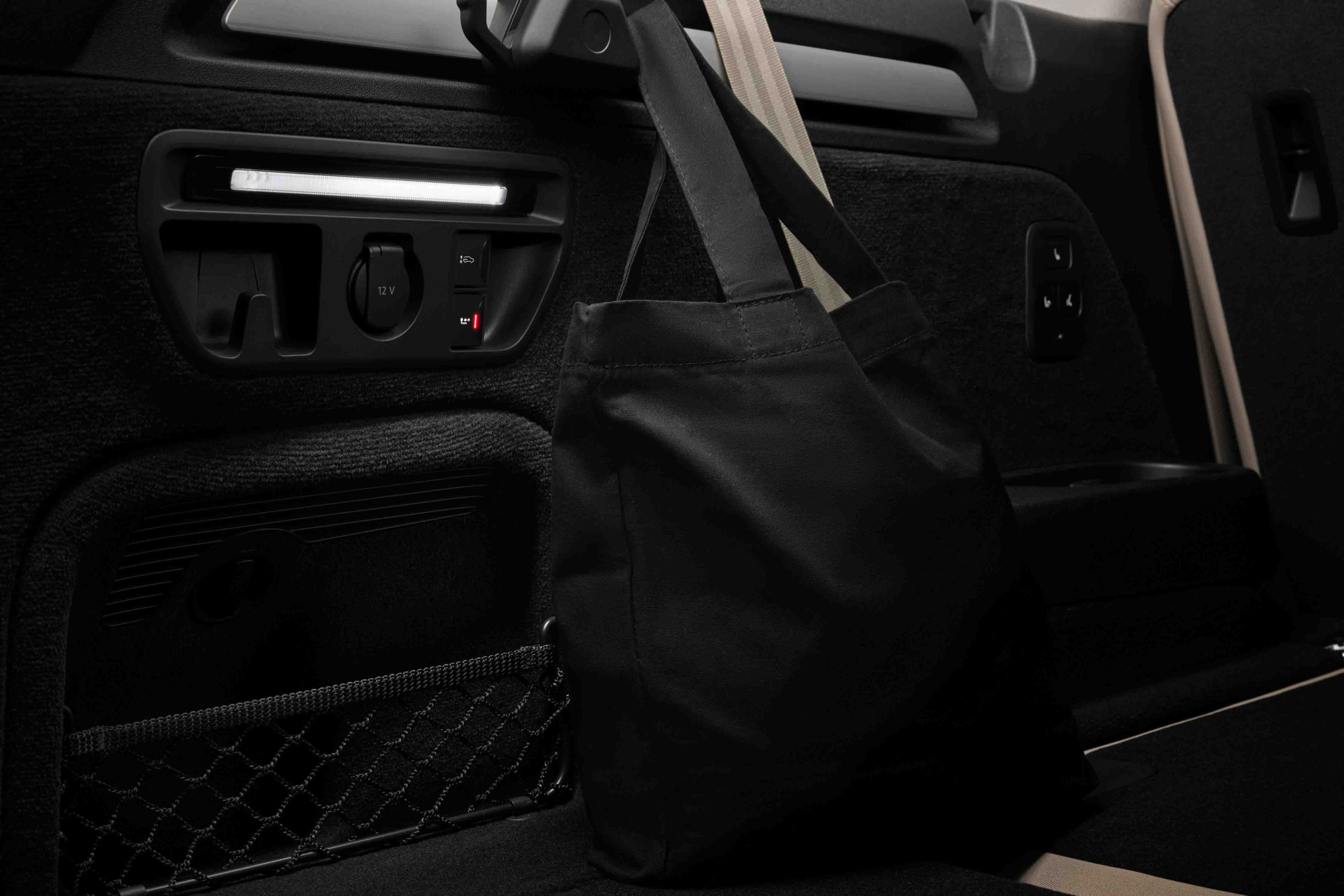
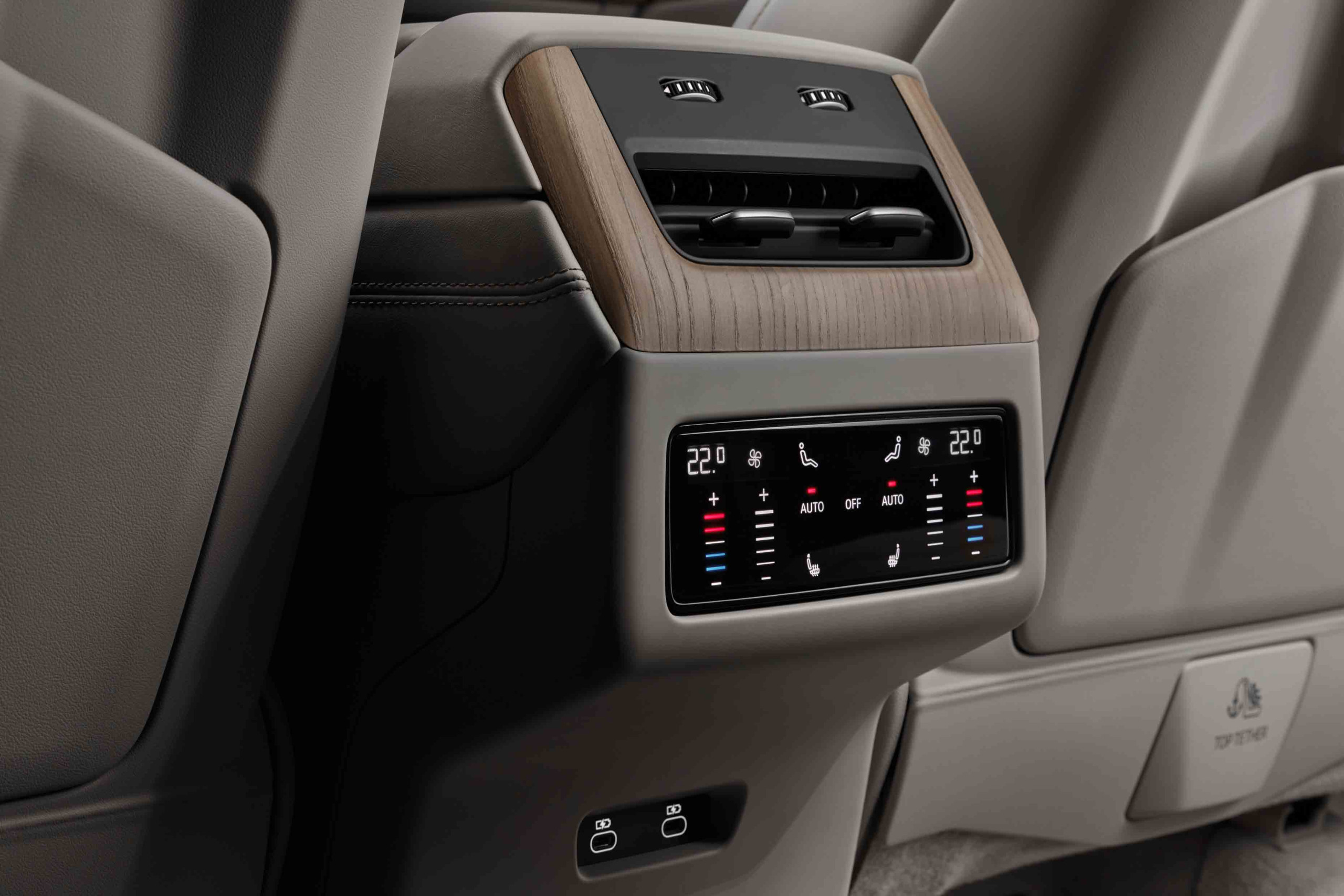
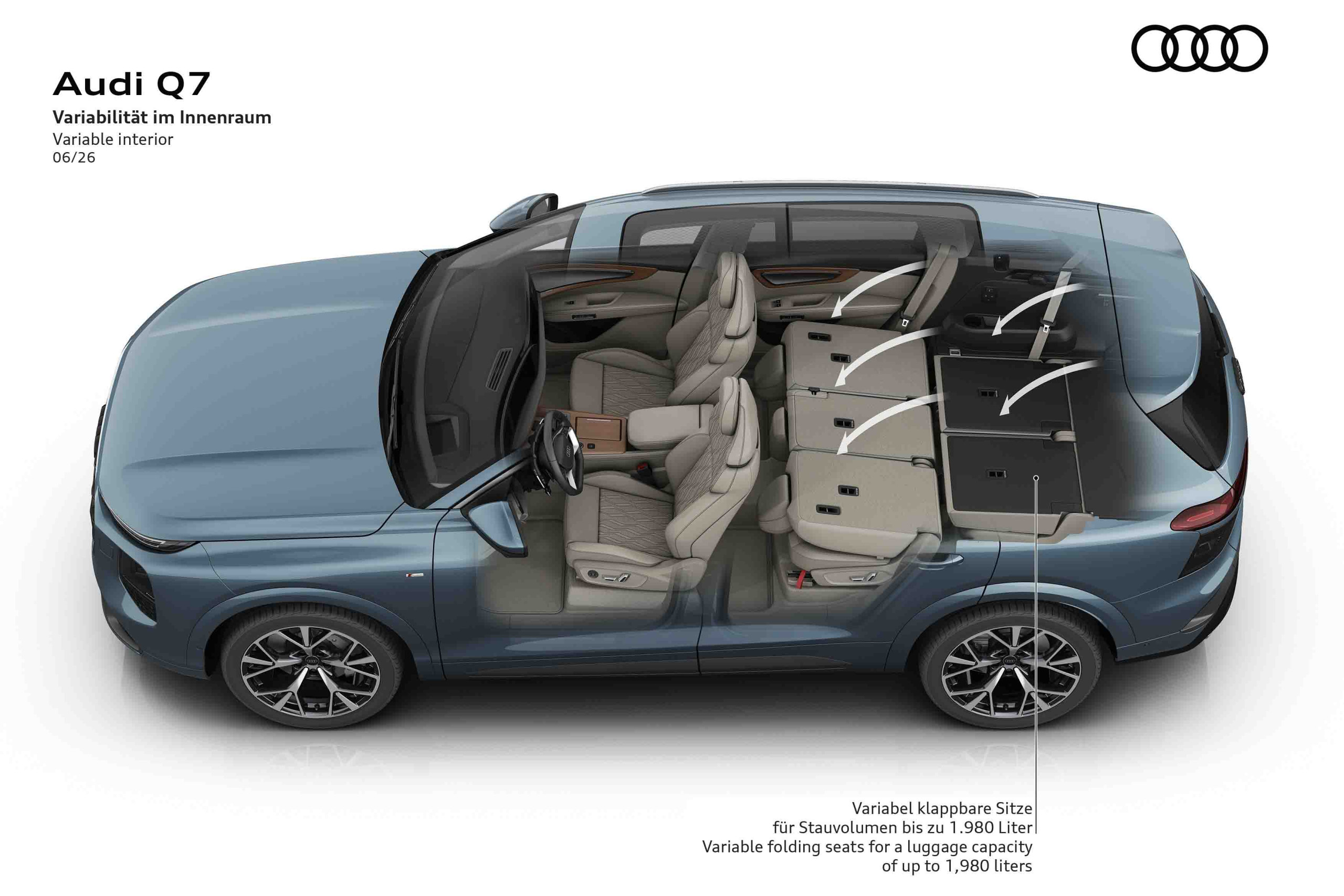
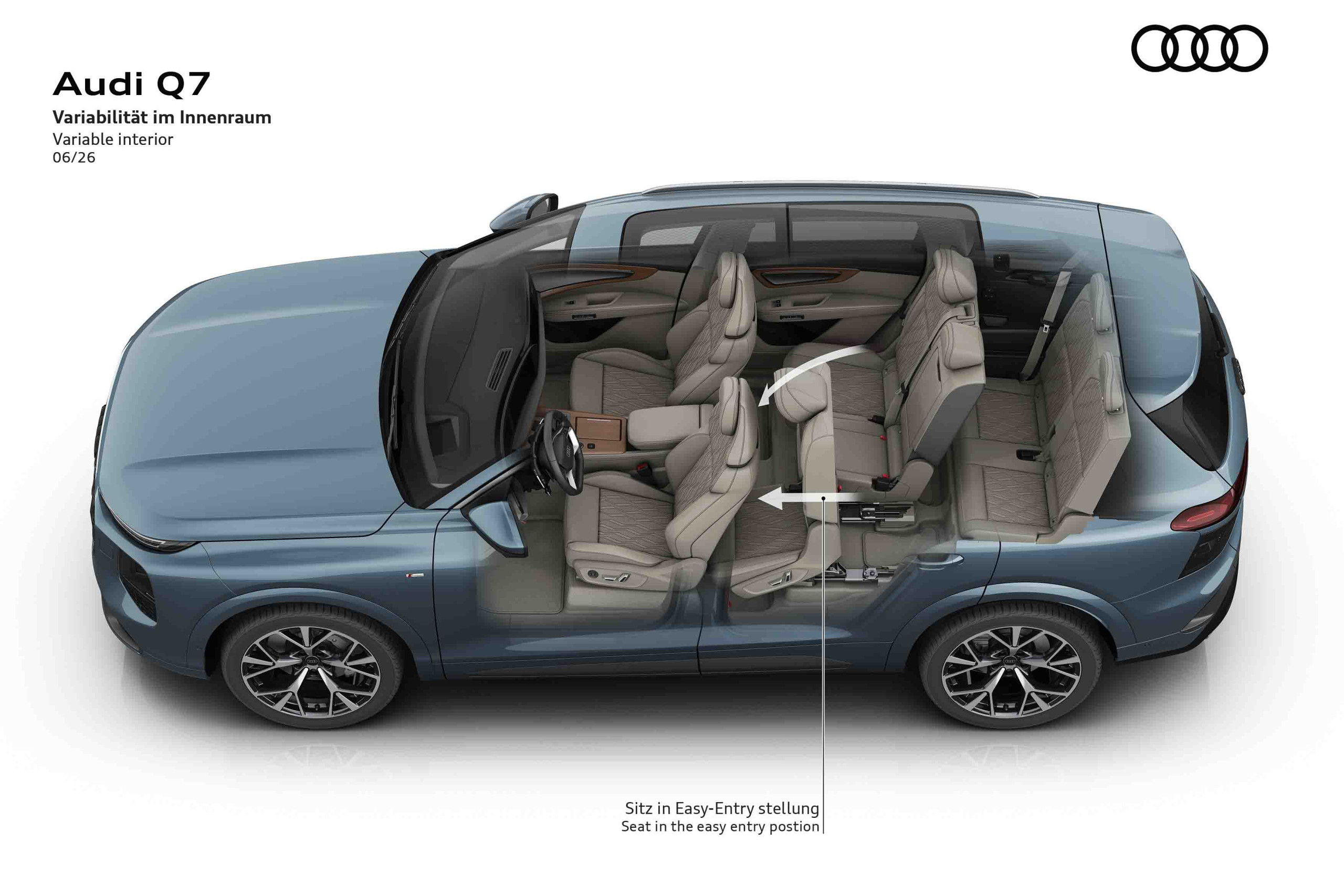
Passengers in the second and third rows are also treated with USB charging ports supporting up to 60 watts and an impressive 100 watts, respectively. The Q7 comes standard as a five-seater but can also be configured as either a six-seater with captain seats or a conventional seven-seater.
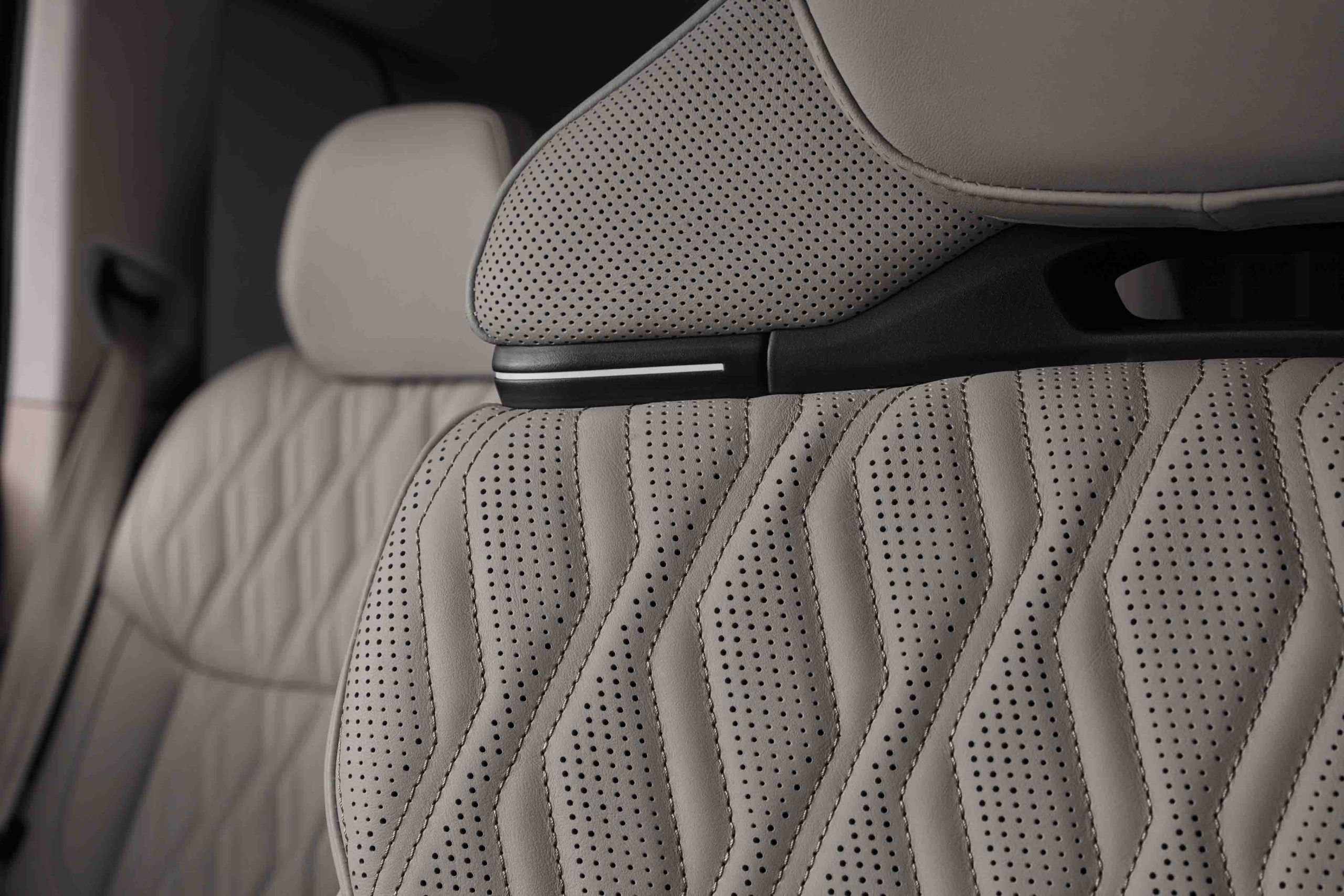
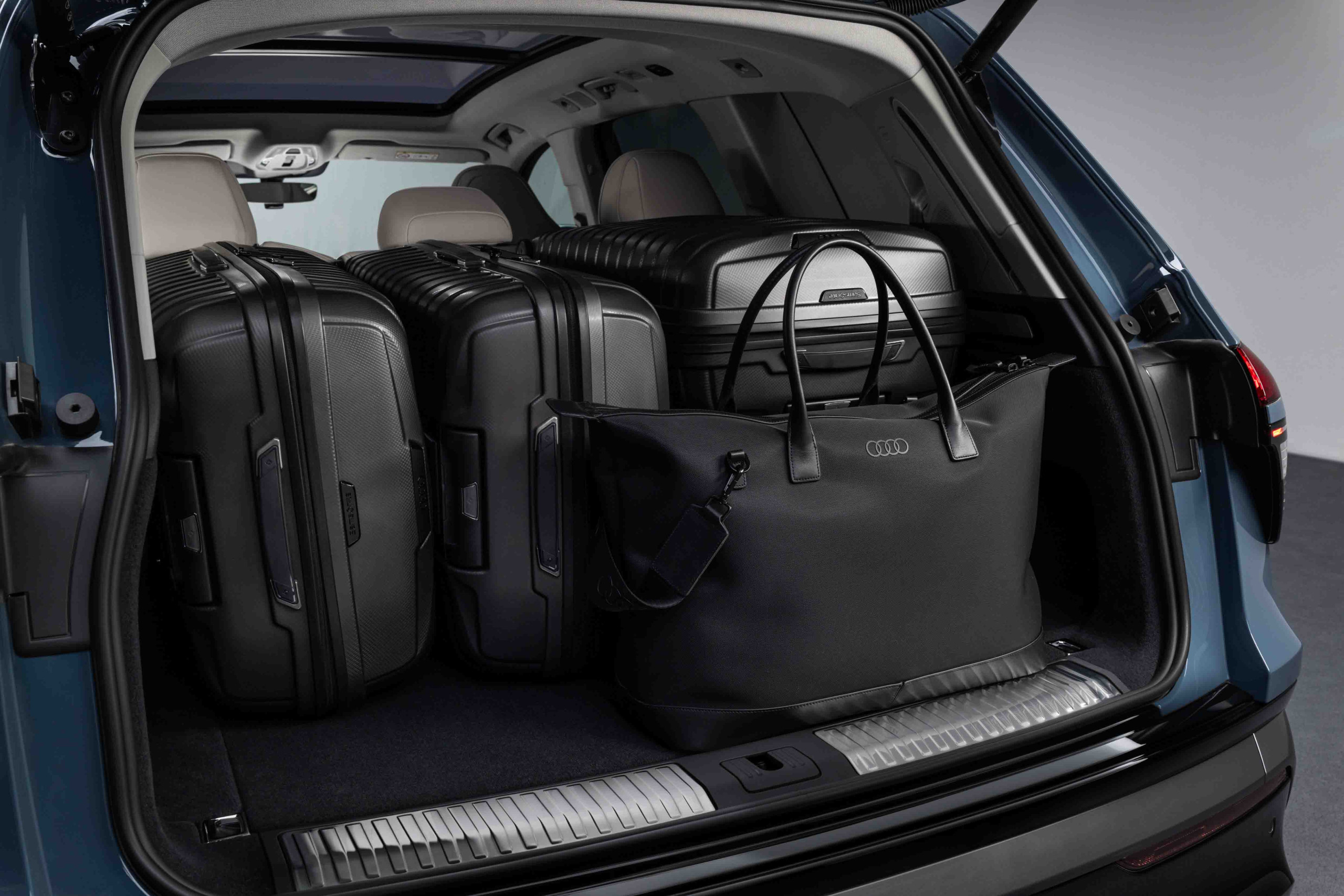
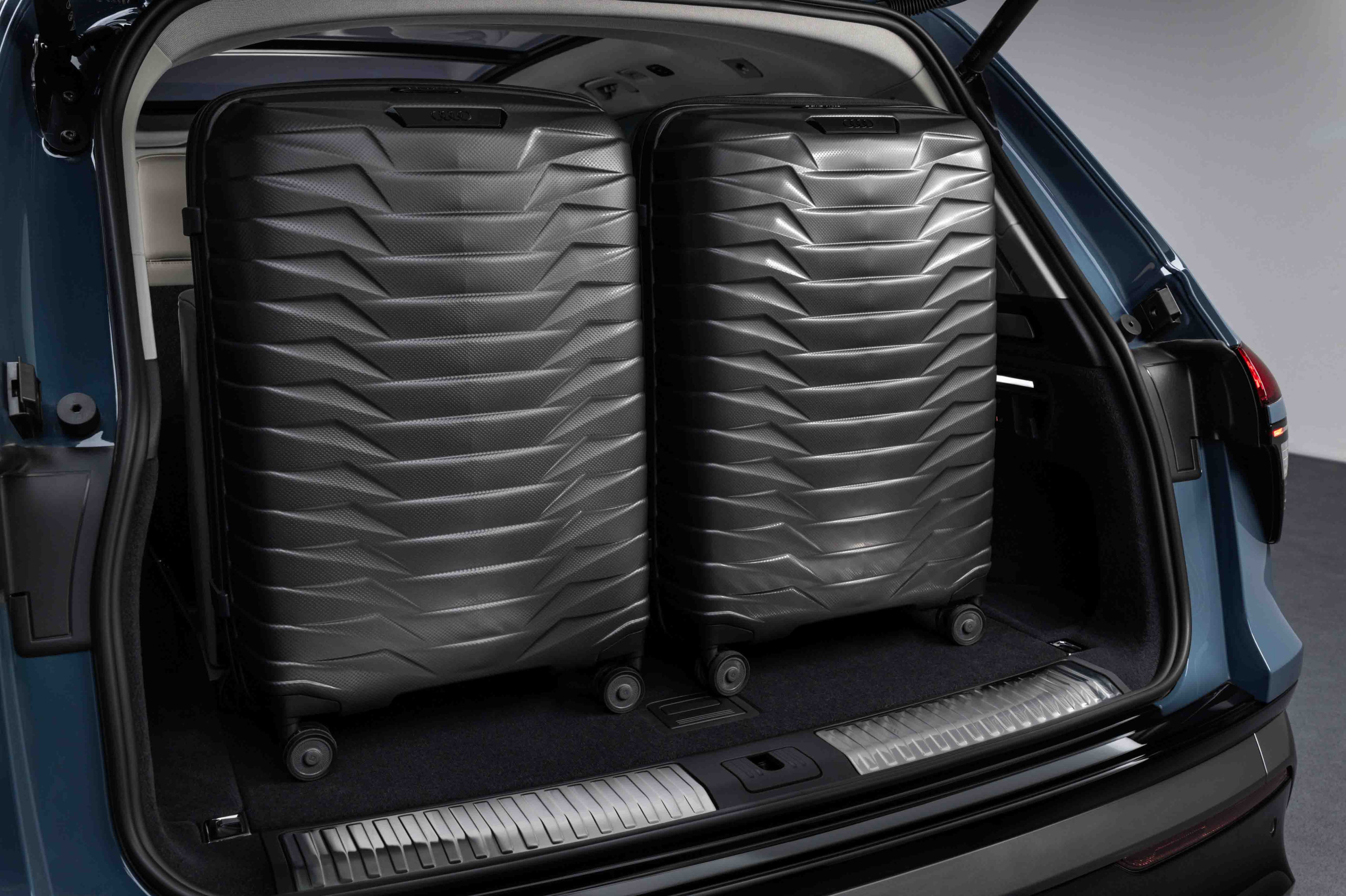
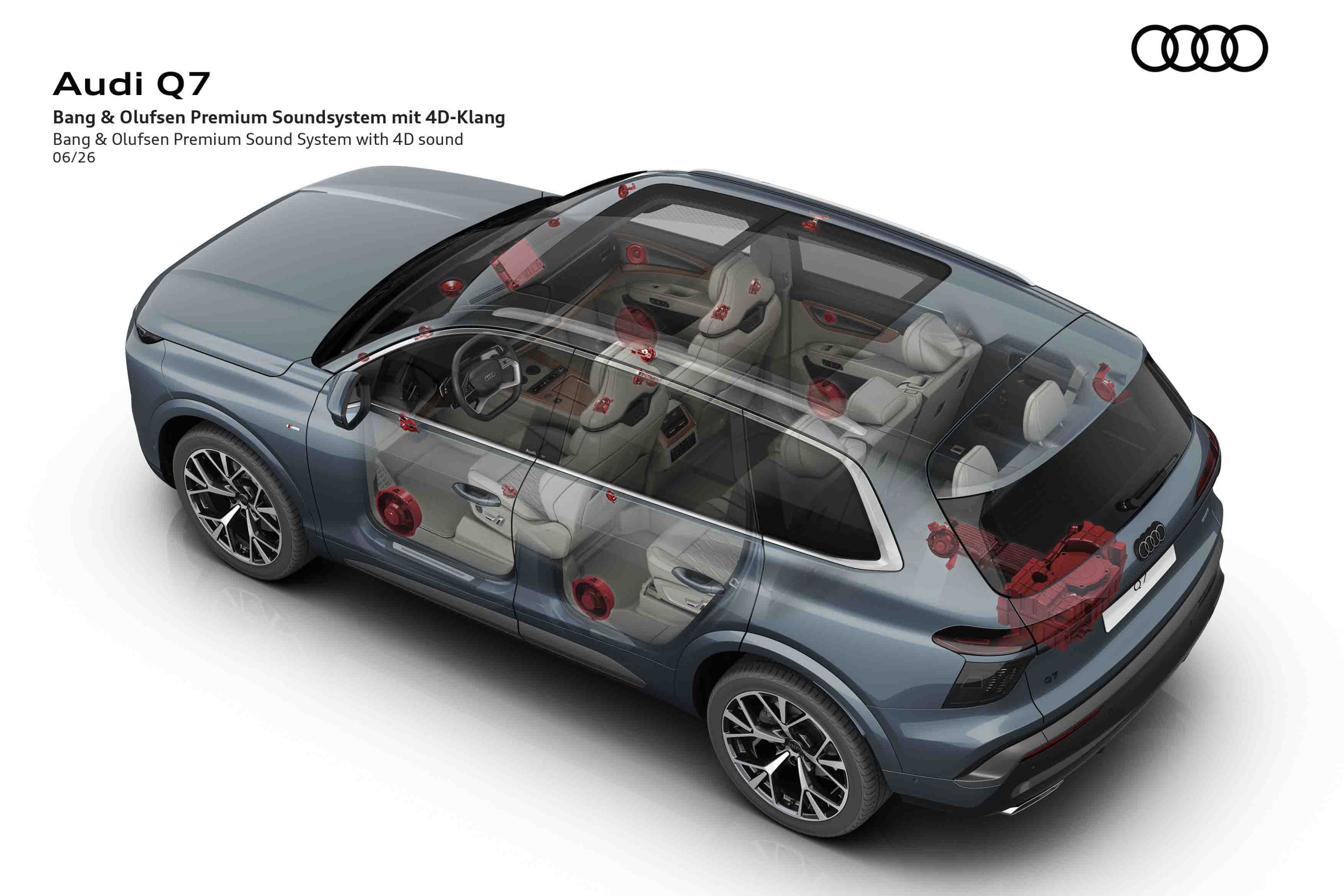
Cargo capacity stands at up to 806 litres, expanding to 2,075 litres with the rear seats folded. Other notable amenities include a 22-speaker Bang & Olufsen premium audio system producing 1,360 watts and featuring 4D sound technology with speakers integrated into the headrests. Buyers also receive an illuminated panoramic glass roof with adjustable frosting functionality, while the infotainment system now comes with ChatGPT integration built in.
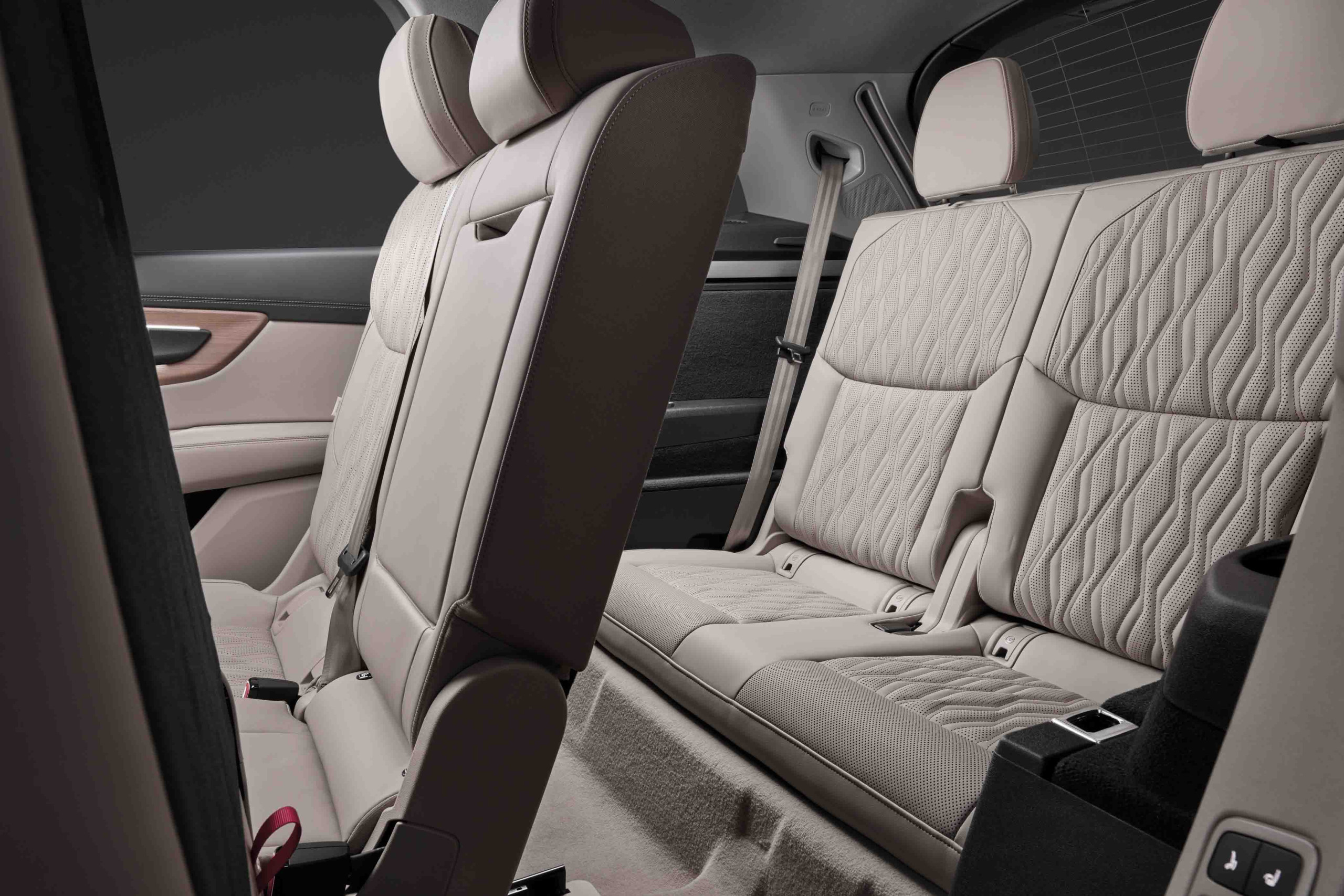
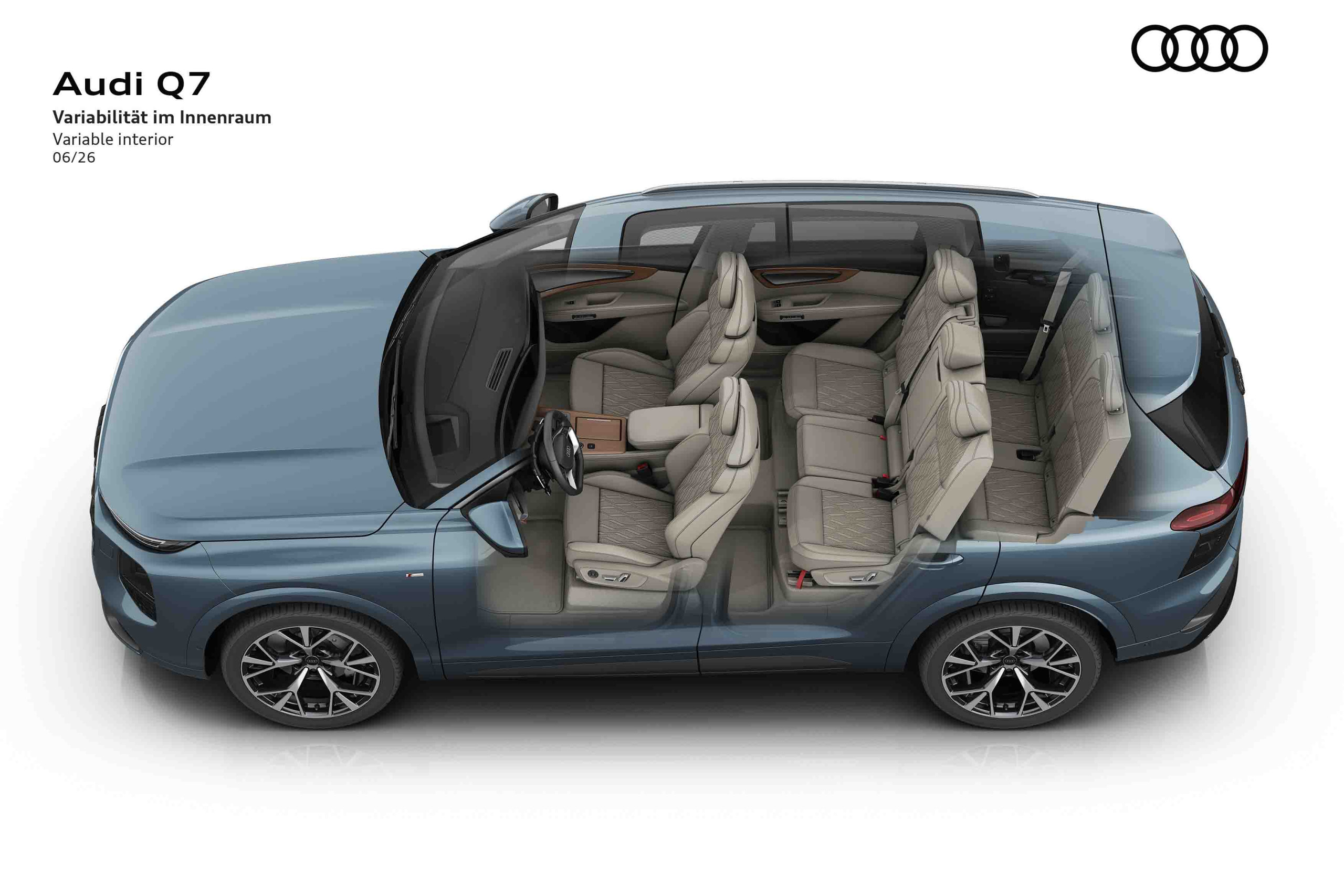
Despite being the first Audi Q7 to offer second-row captain seats, Audi has not expanded further on the six-seater layout nor released any images showing how the arrangement looks. For now, the company simply says the setup is intended to reinforce the SUV’s business-class feel and long-distance comfort.
Another notable feature debuting in the all-new Q7 is Audi’s new Interaction Light strip. Stretching across the upper dashboard and extending beneath the front headrests, the lighting system communicates various vehicle functions such as turn signals, locking and unlocking actions, and other notifications. Together with additional ambient lighting elements positioned throughout the cabin, the system works in harmony to create a more welcoming experience whenever occupants enter the vehicle.
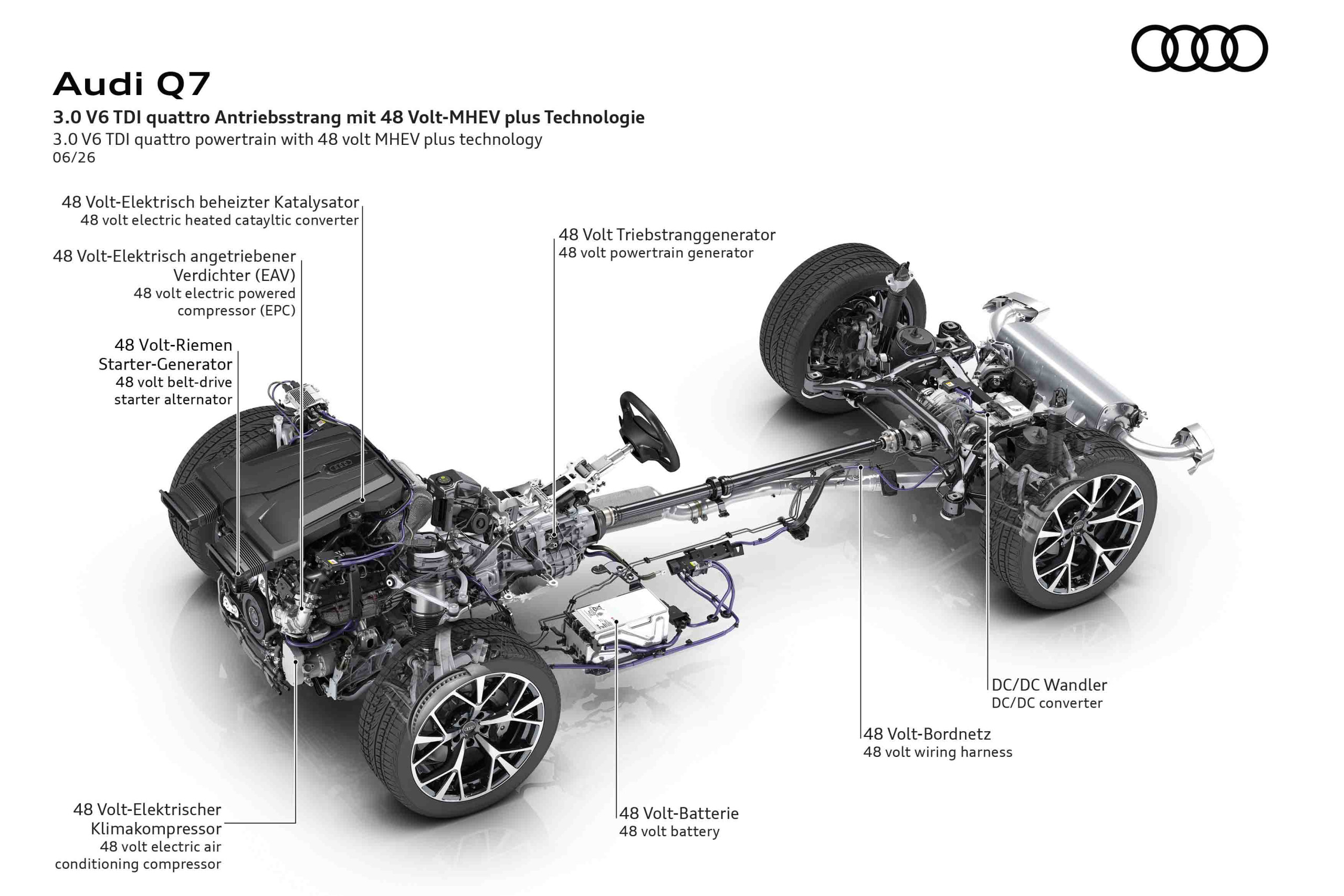
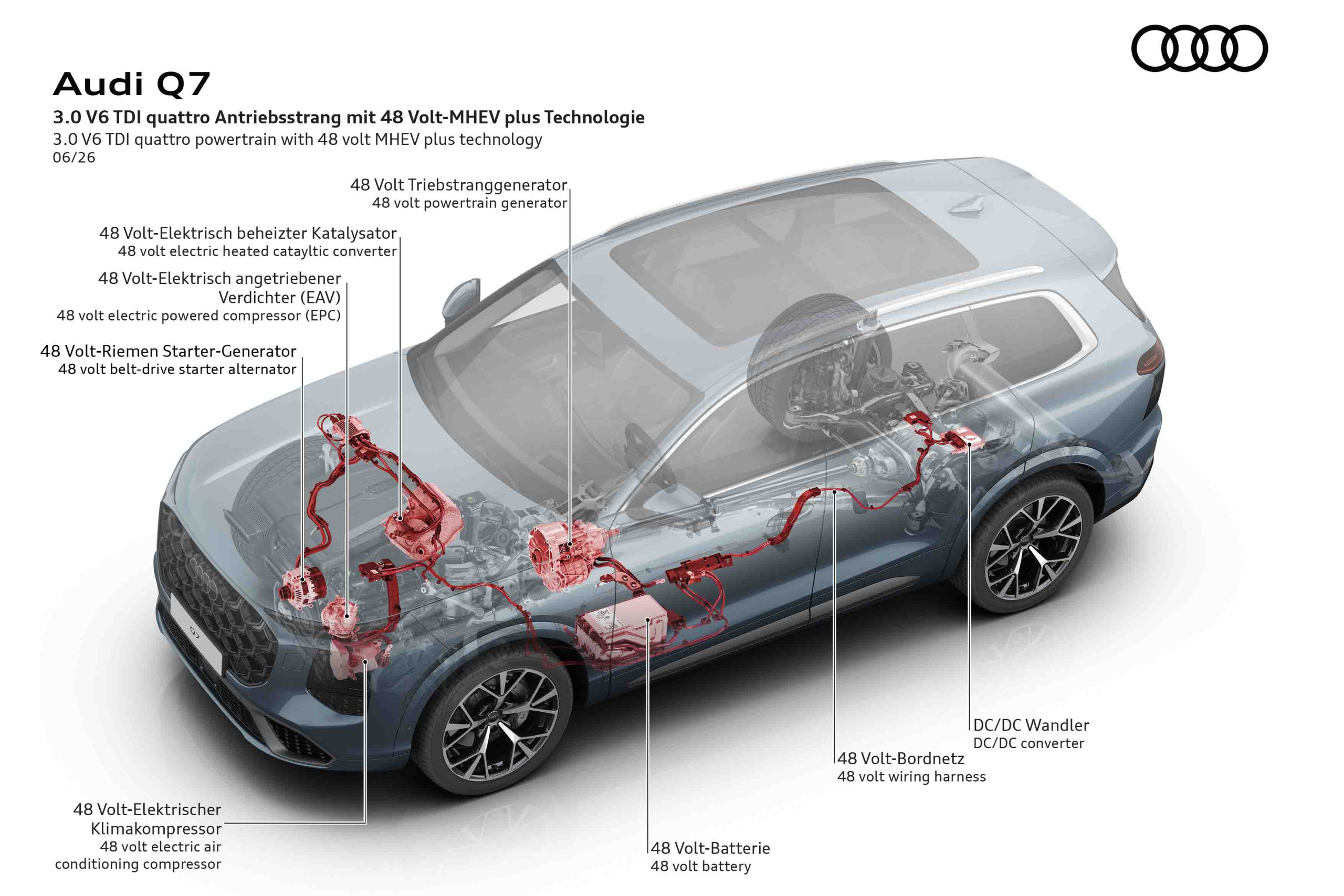
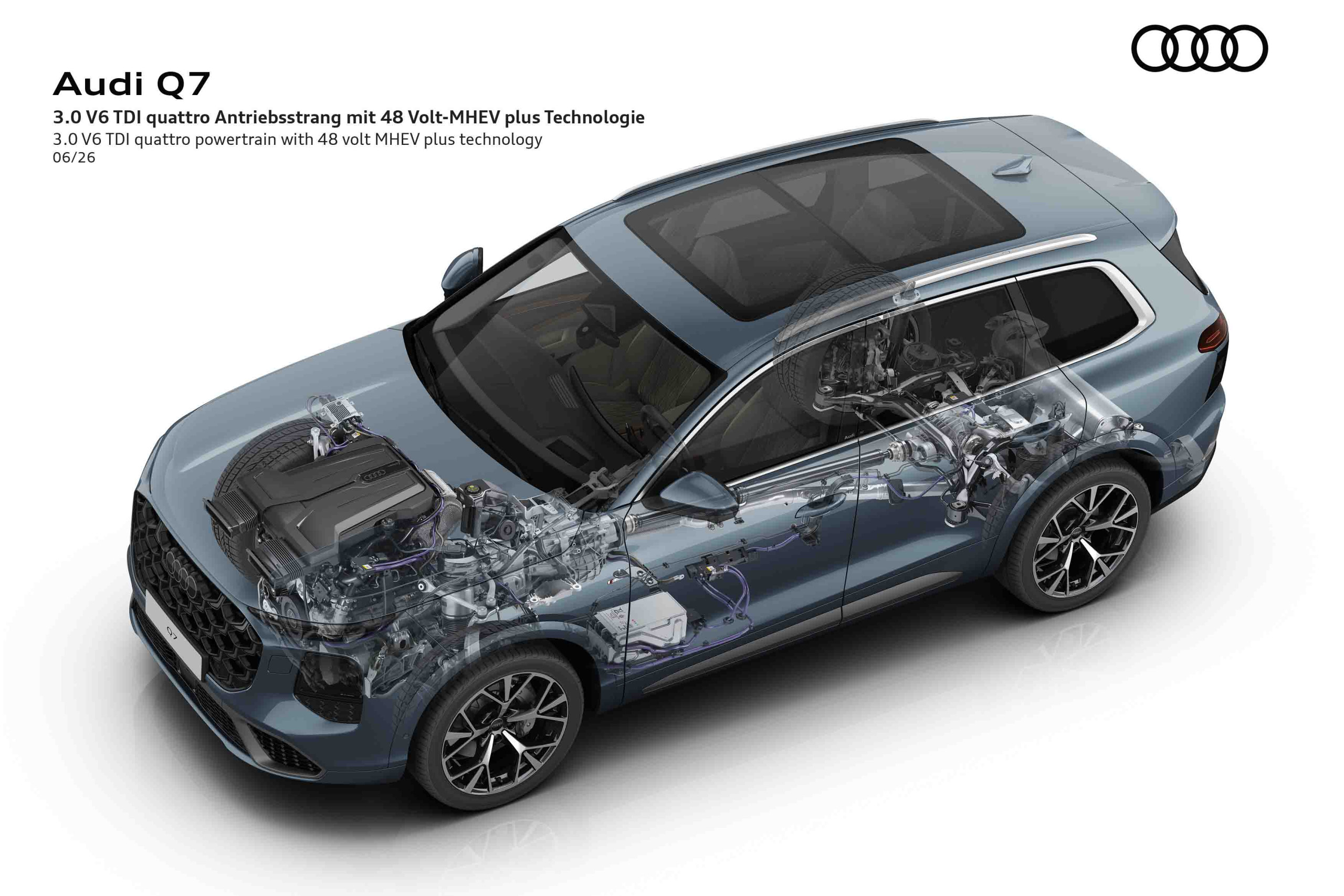
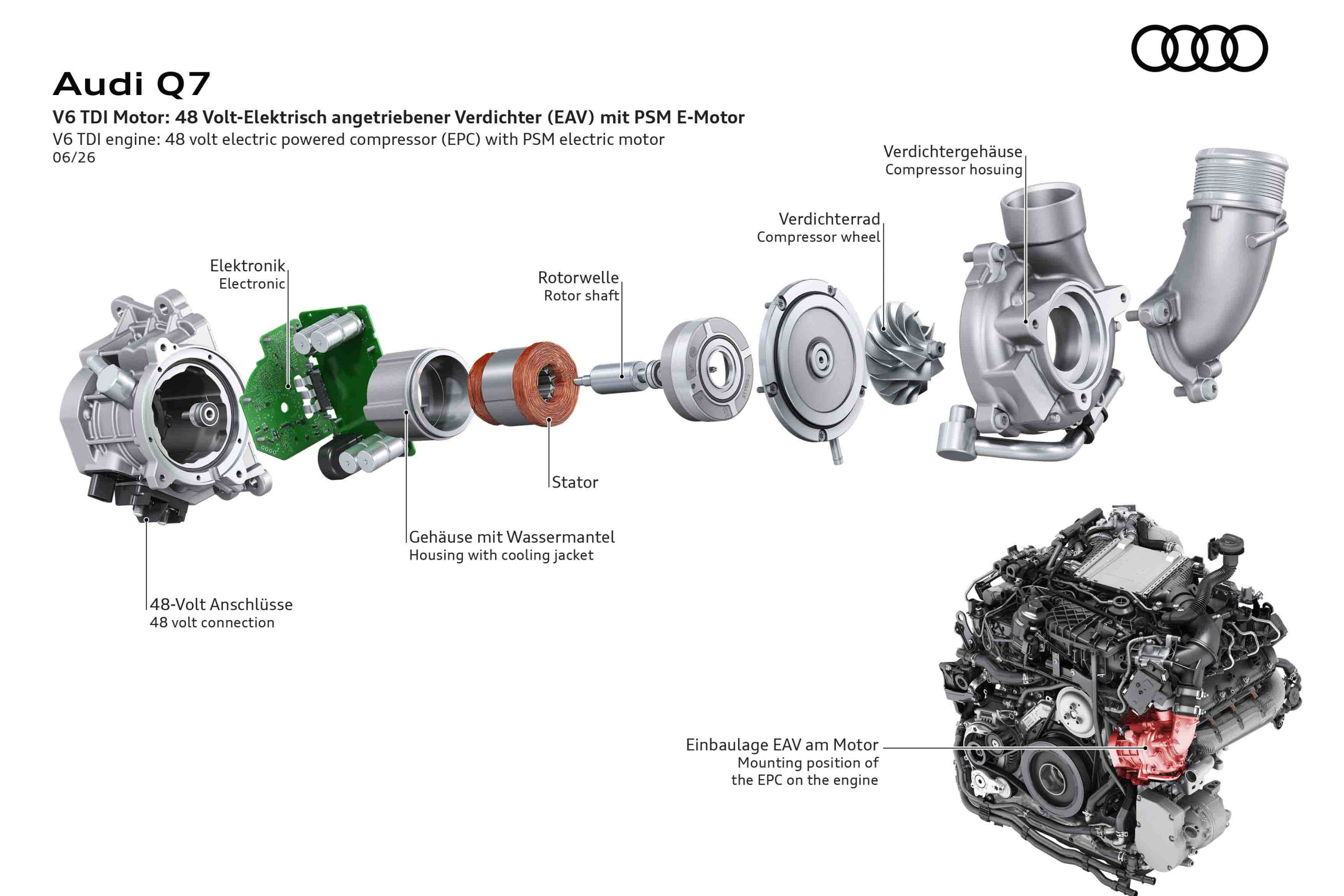
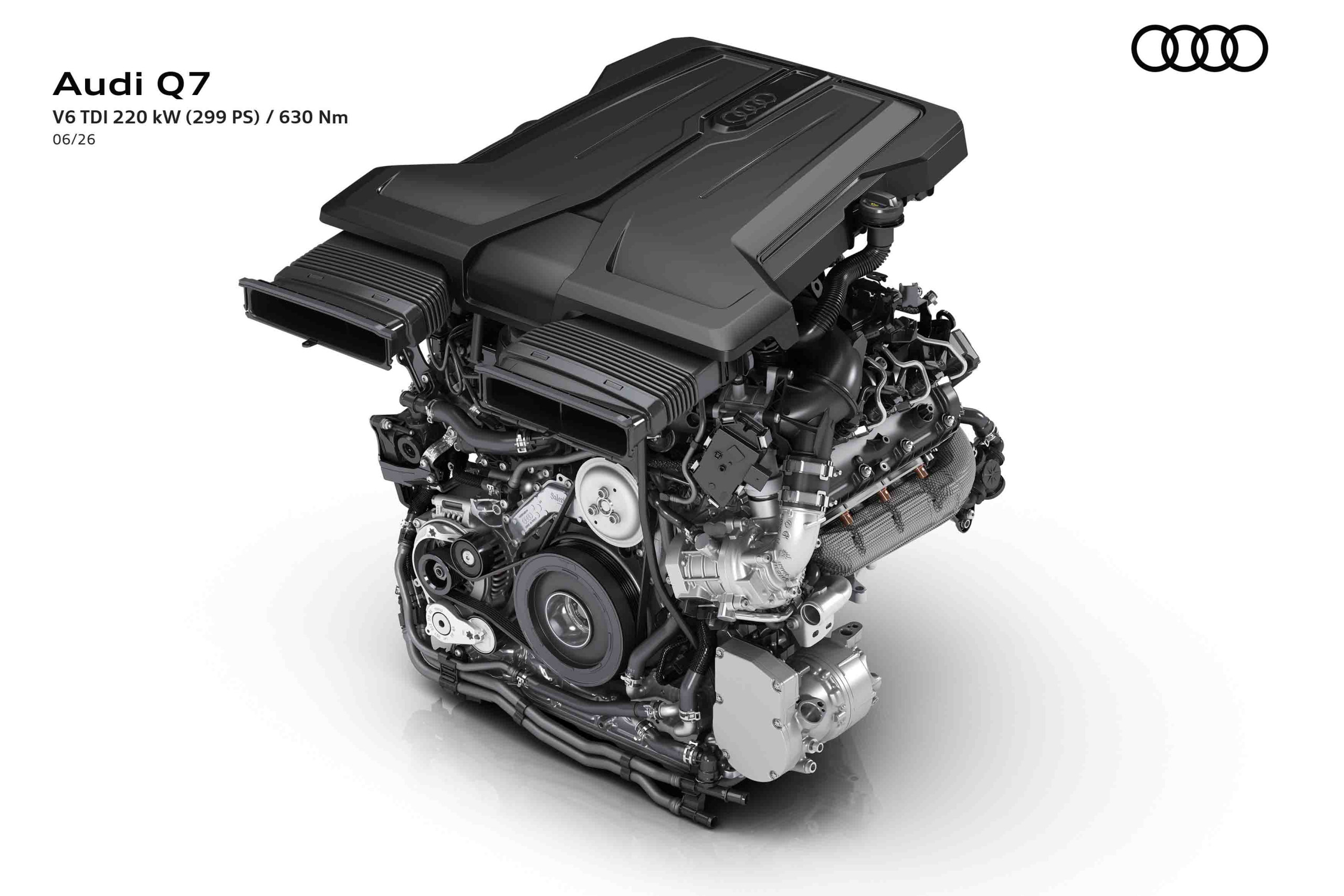
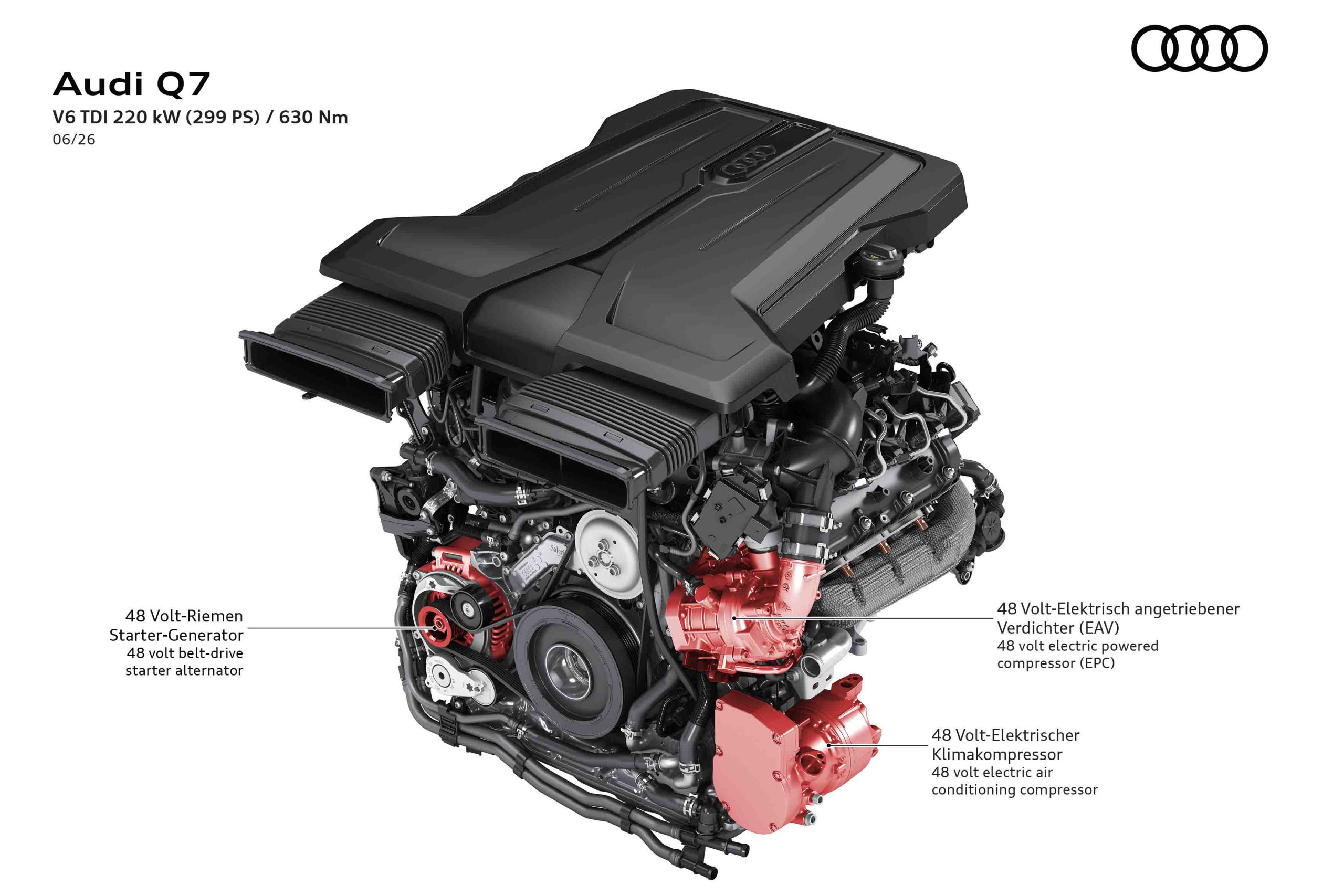
At launch, the third-generation Audi Q7 will be available with just a single powertrain configuration — a 3.0-litre V6 turbodiesel paired with a 48-volt mild-hybrid system. Two output levels will be offered. The higher-spec version produces 299 hp and 630 Nm of torque, while the lower-output variant develops 245 hp and 500 Nm. Both engines feature an electrically powered compressor designed to improve throttle response and reduce turbo lag.
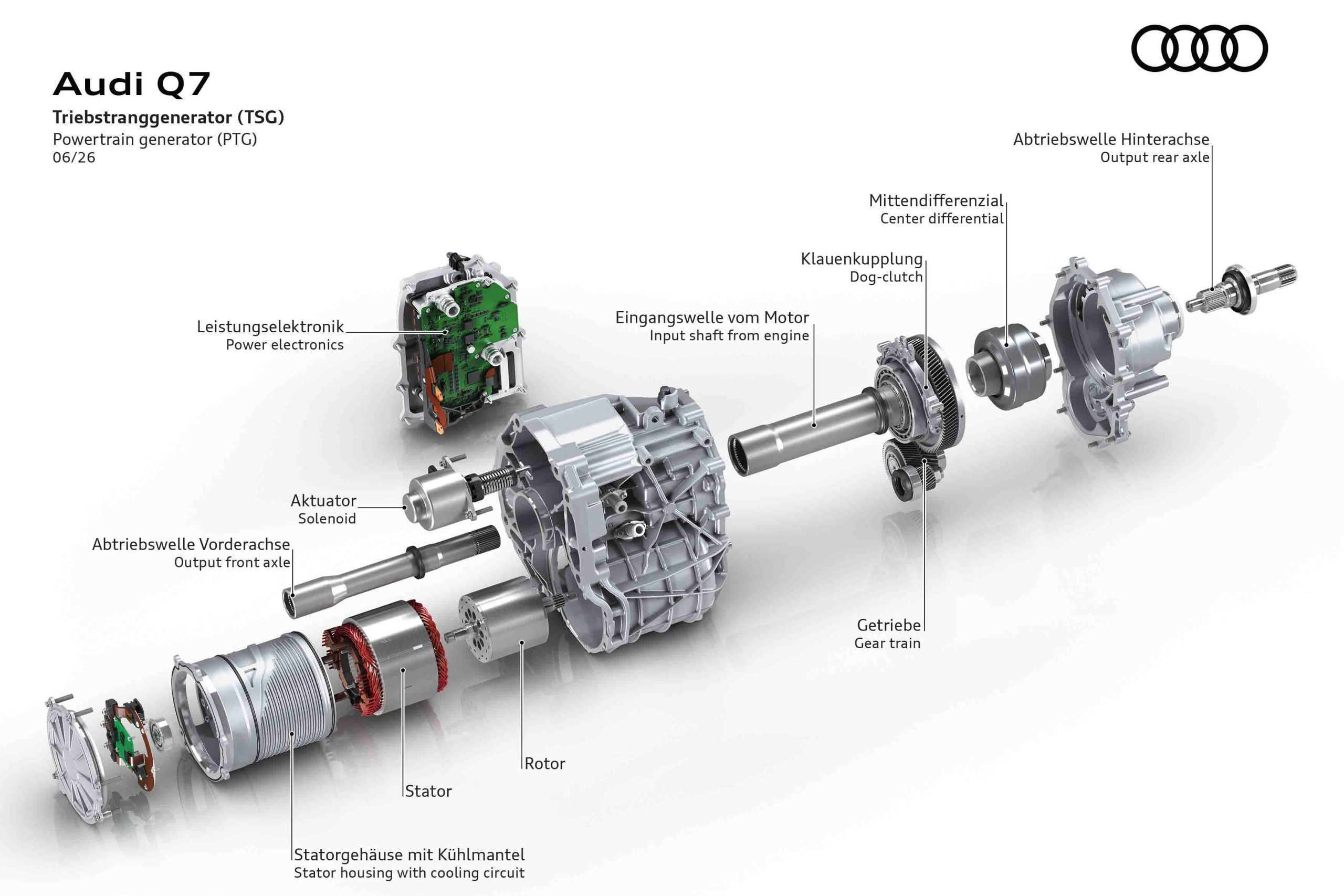
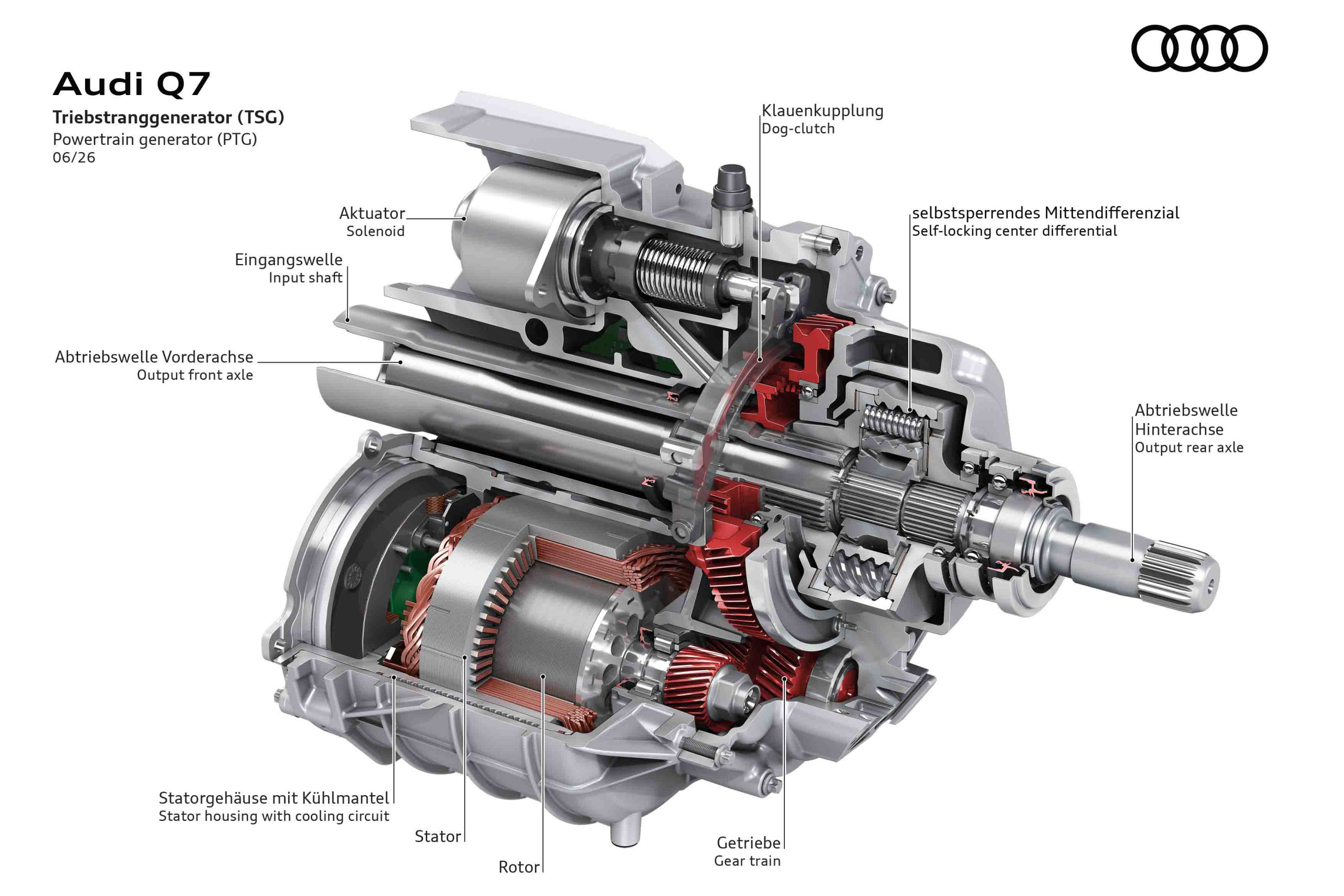
Power is sent to all four wheels through Audi’s signature quattro all-wheel-drive system and an eight-speed automatic transmission. Audi has also fitted a new limited-slip centre differential with preload, which is said to improve traction and overall grip.
To cater to different preferences, Audi offers the Q7 with three suspension configurations. Standard models receive steel suspension, which Audi claims is more comfortable than before. Buyers can also opt for adaptive air suspension with electronically controlled damping, while those seeking a sportier setup can choose adaptive air suspension sport, which lowers the vehicle by 30 mm compared to the standard model.
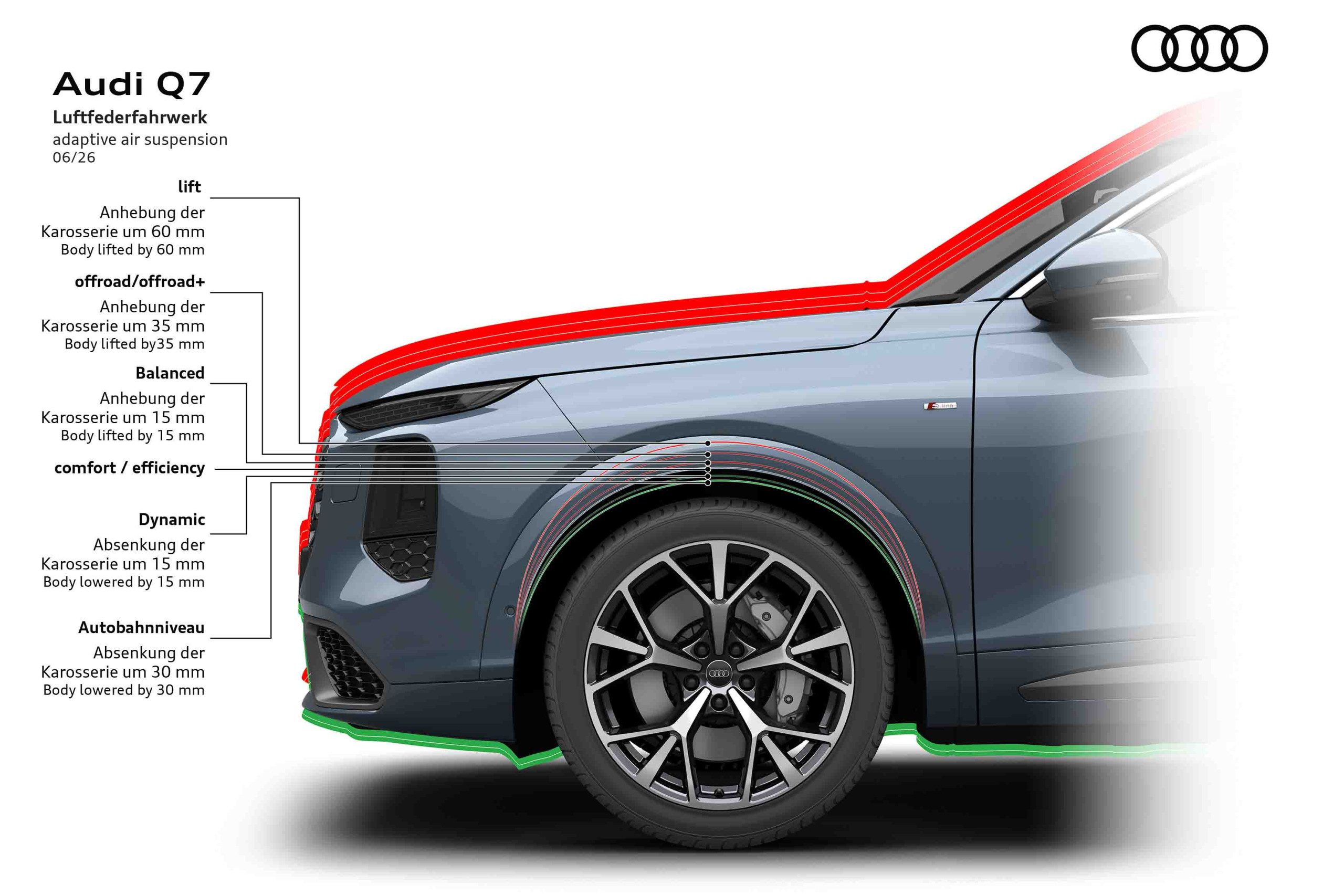
Both air-suspension systems automatically compensate for vehicle load and help maintain a level body attitude during high-speed cornering. Stopping power comes courtesy of sizeable 400 mm front brake discs clamped by six-piston callipers, while the rear axle receives 350 mm discs.
The all-new third-generation Audi Q7 will be built in Bratislava, Slovakia, just like the second-generation model. Prices start from EUR87,900 to EUR90,500 (approximately RM415k to RM427k), depending on specification, and the model is now available to order in Germany, with deliveries set to begin in September this year. Meanwhile, the outgoing second-generation Audi Q7 in Malaysia continues to be locally assembled in Pekan, Pahang, and is currently priced from RM482,272 on-the-road without insurance, inclusive of Audi’s Assurance Package.
ALSO READ: Audi Q7 S-Line 3.0 TFSI quattro CKD launched at Malaysia Autoshow 2025 – CKD, RM482k
GALLERY