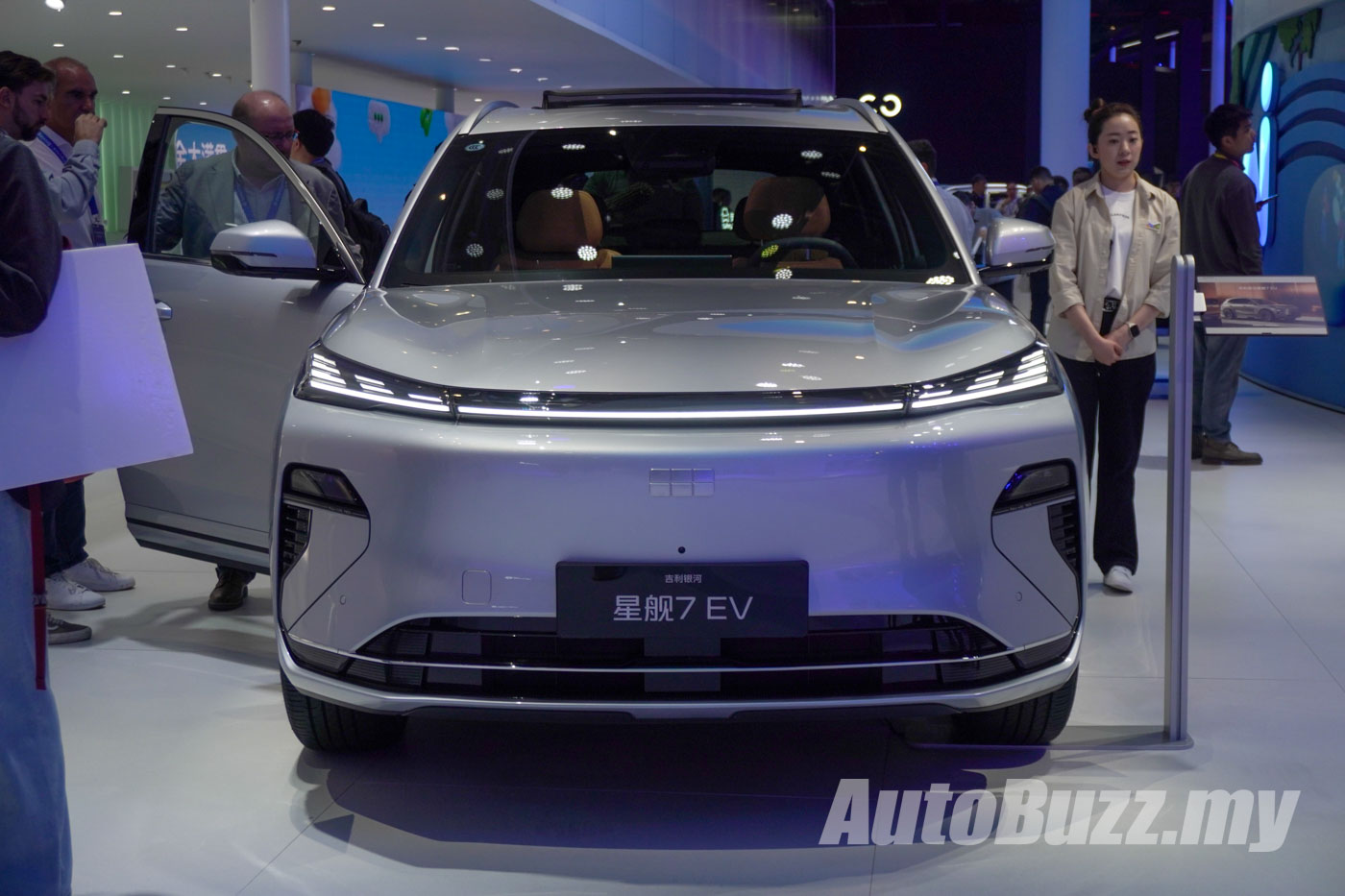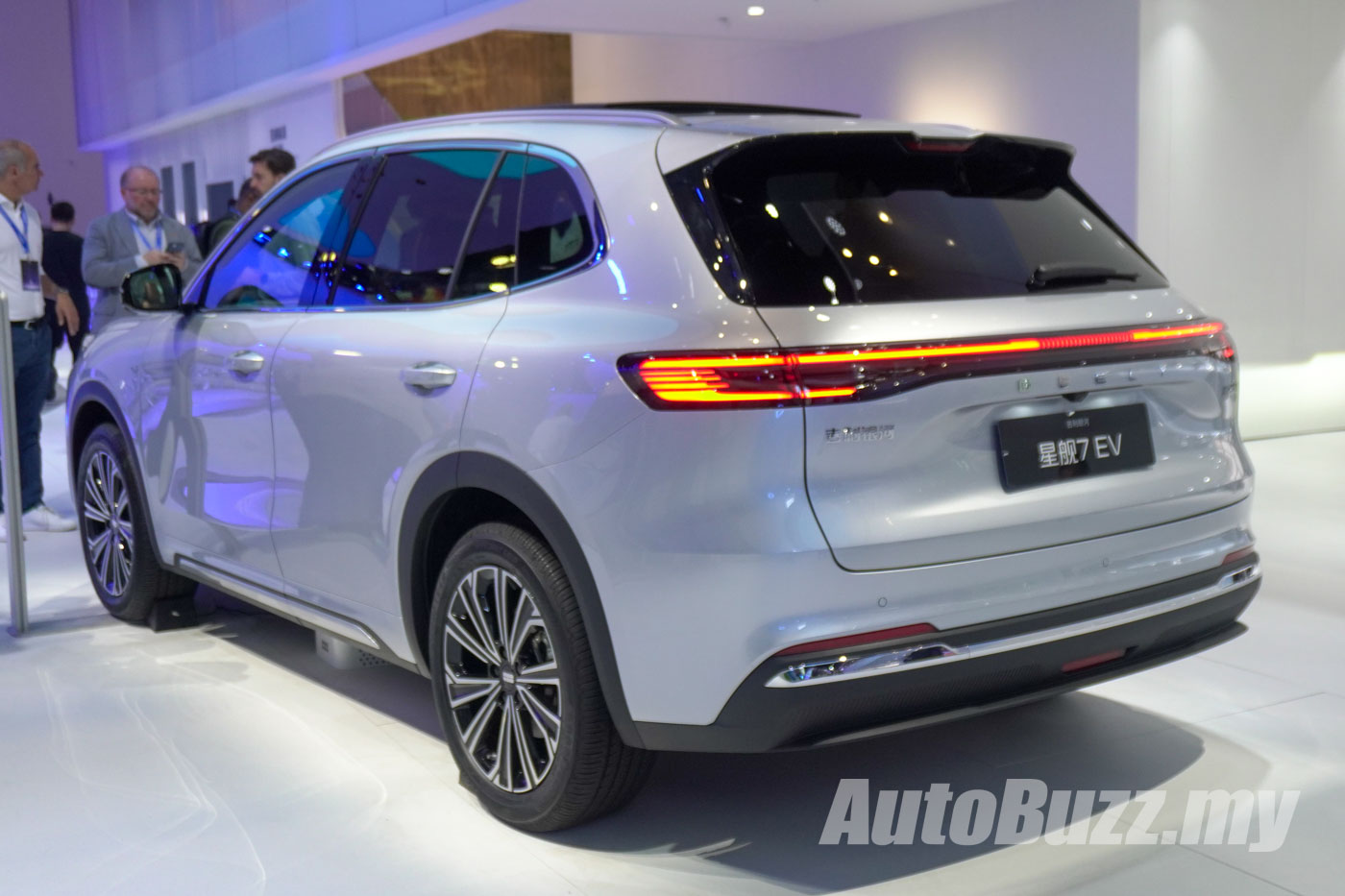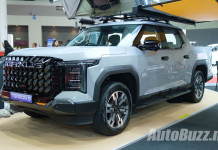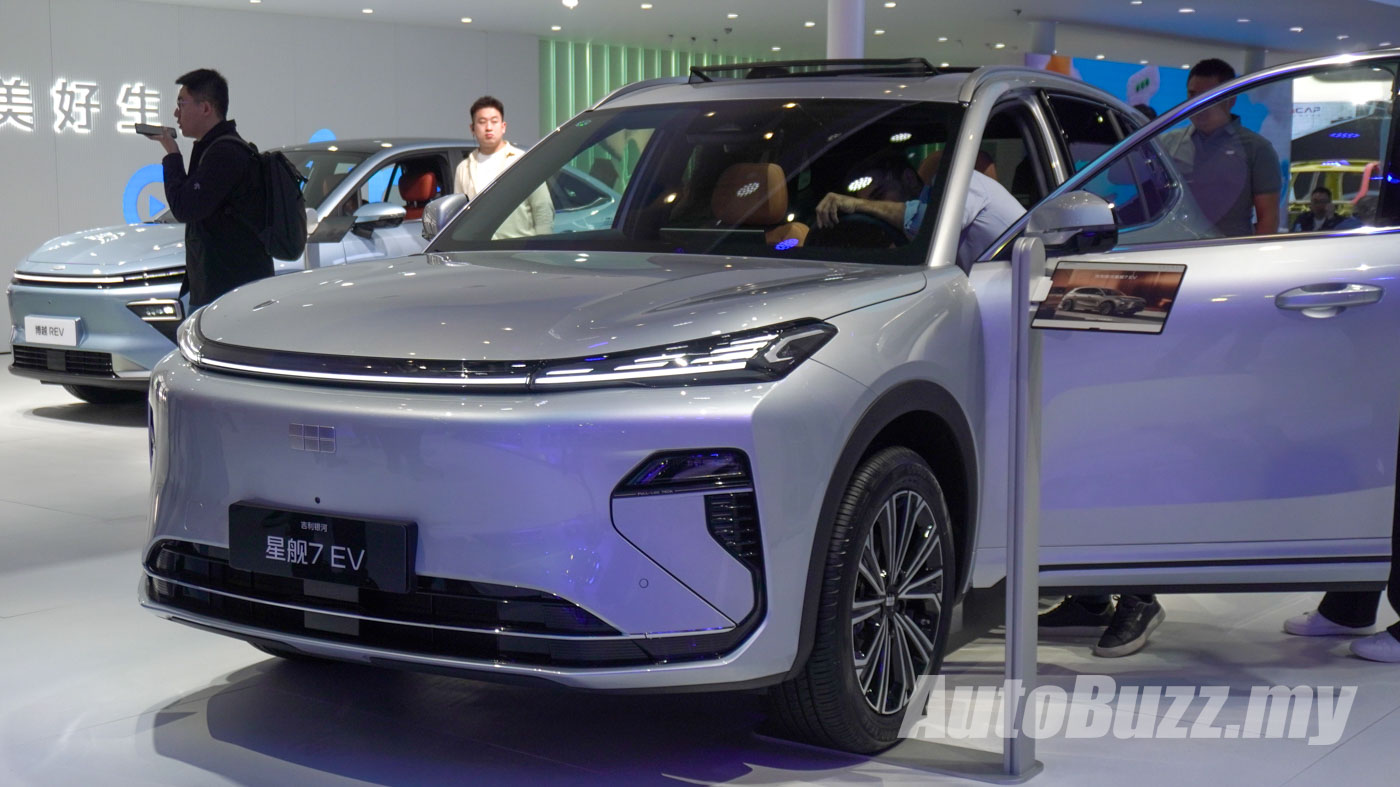
Parked at Geely Galaxy’s booth at Auto China 2026 is the Geely Galaxy Starship 7, recognisable immediately as the sibling to our Proton eMAS 7 PHEV (stylised as eMAS.7 PHEV), which itself is the hybrid twin of the fully electric eMAS 7, known in China as the Geely Galaxy E5.
But here is the twist. The display indicates that this is the Galaxy Starship 7 EV. To put that in perspective, this is the fully-electric (EV) variant of a PHEV SUV that was itself based on an EV. Confused? You’re not alone.
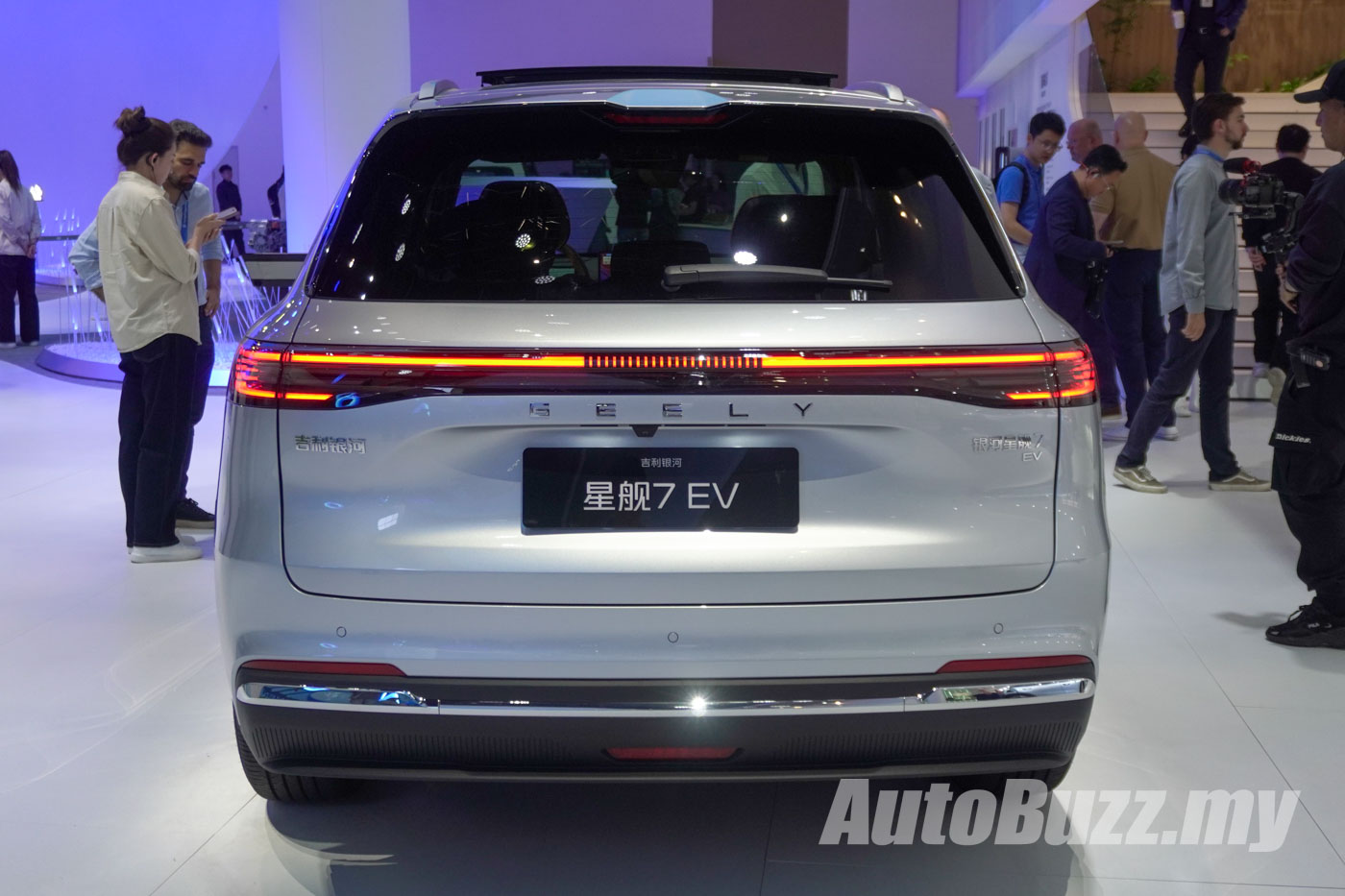
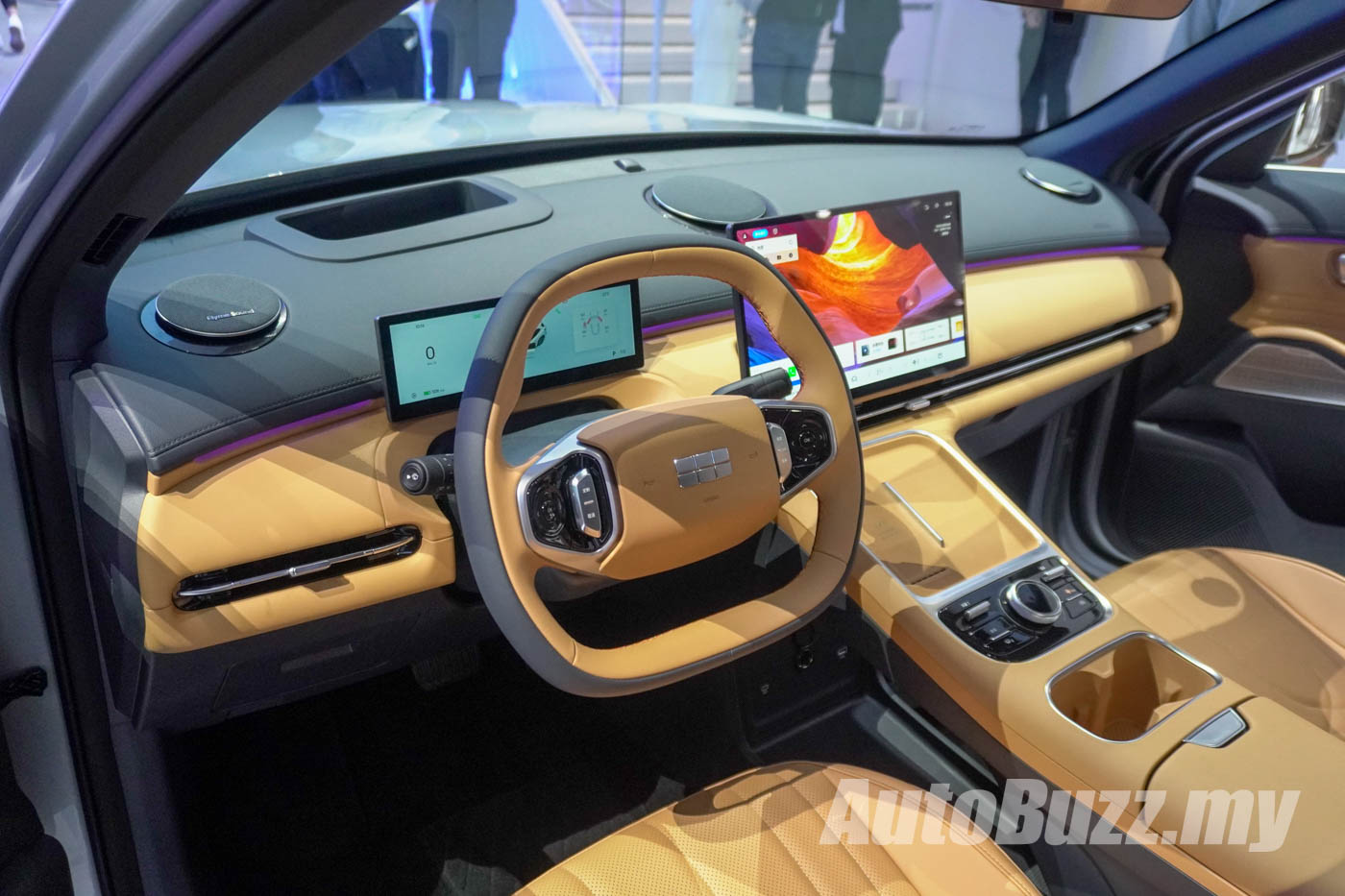
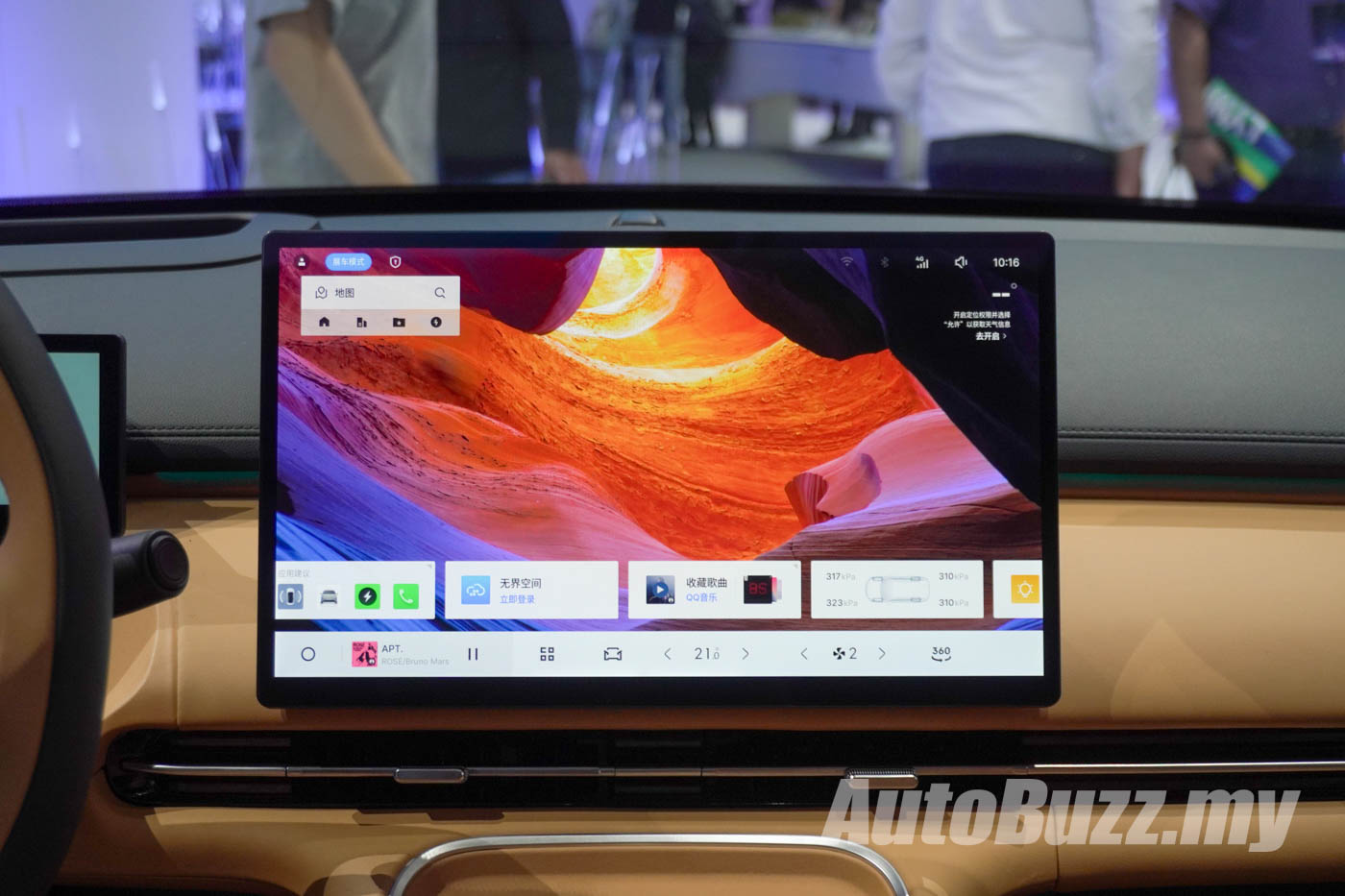
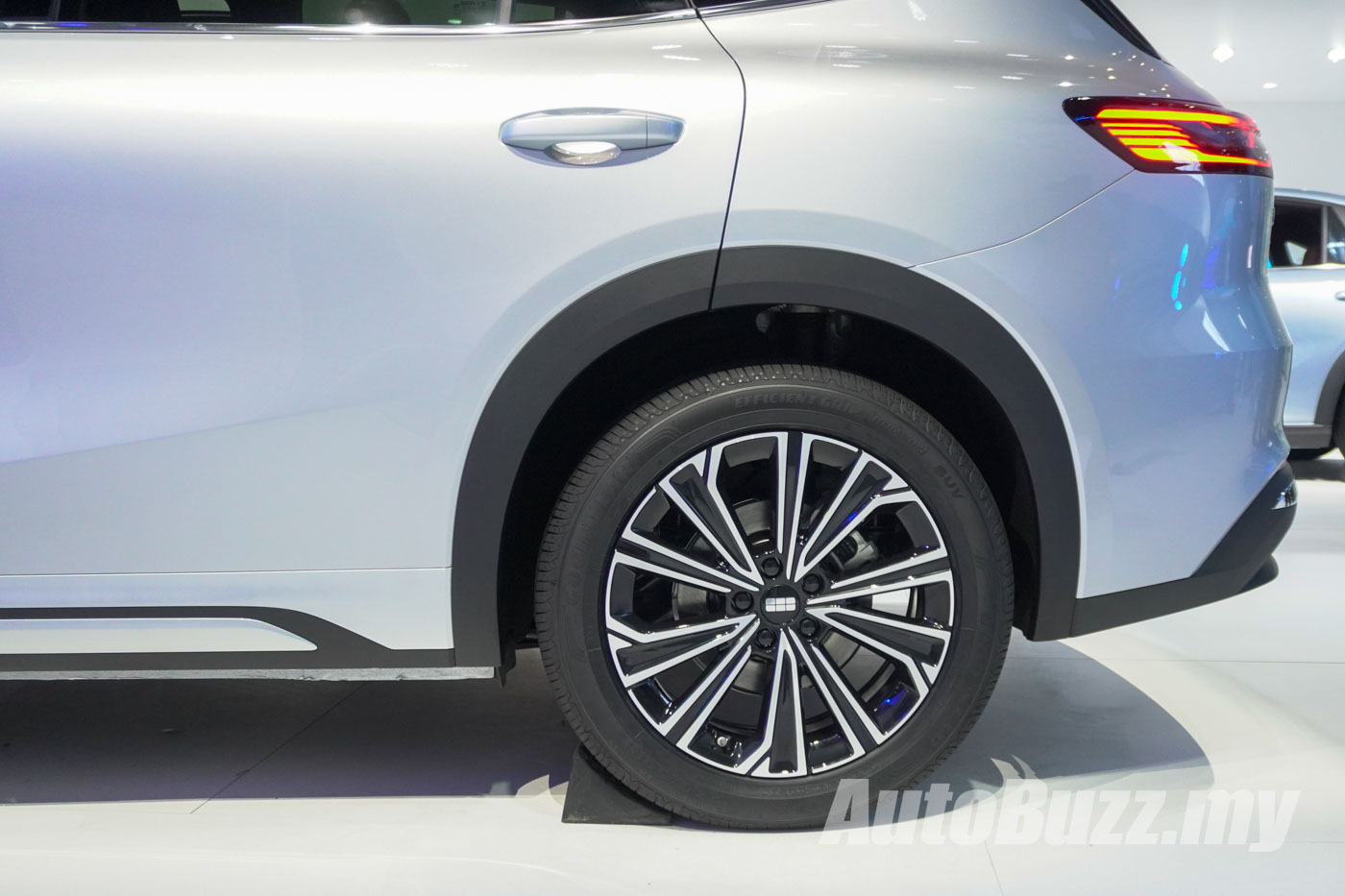
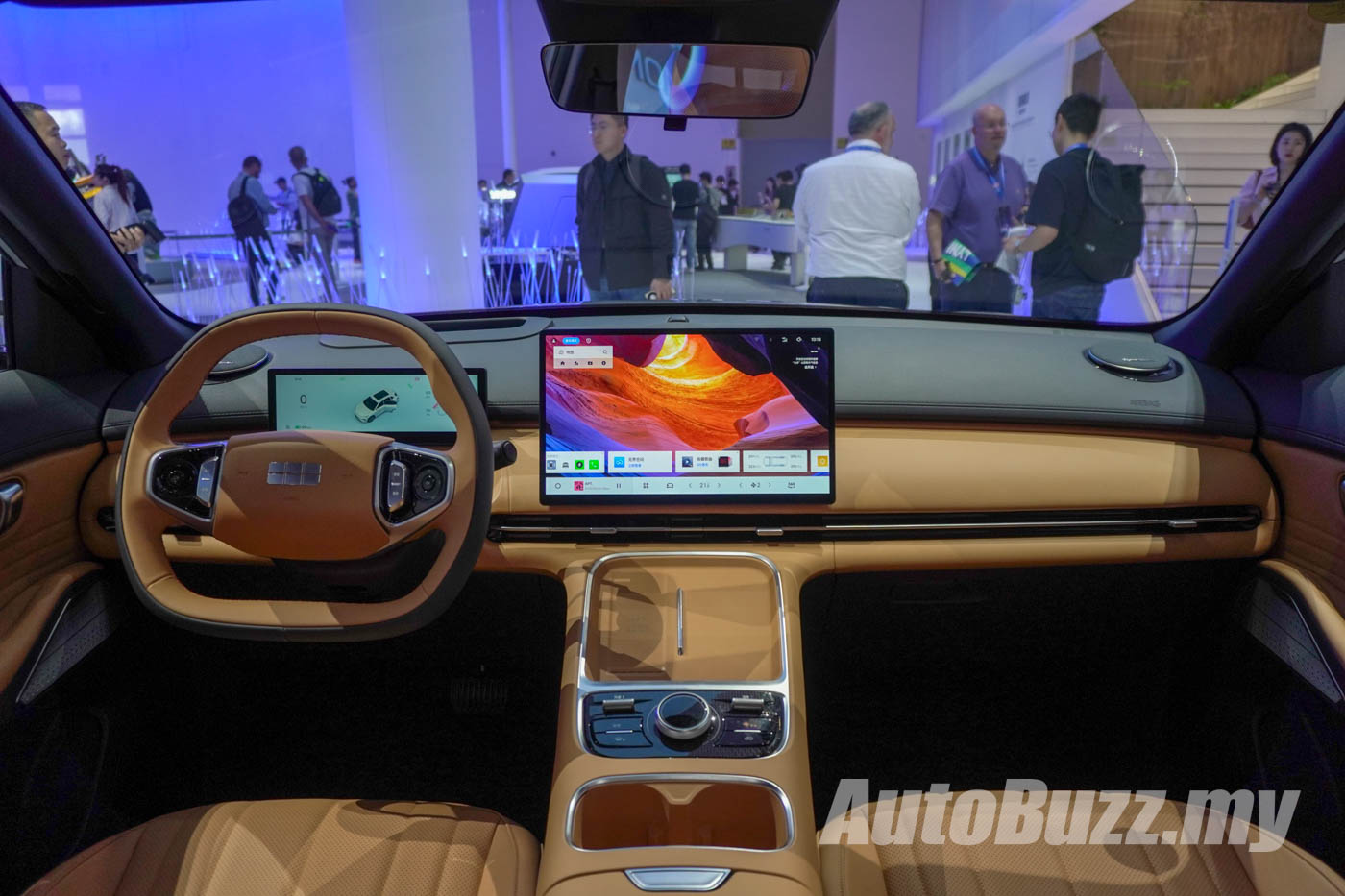
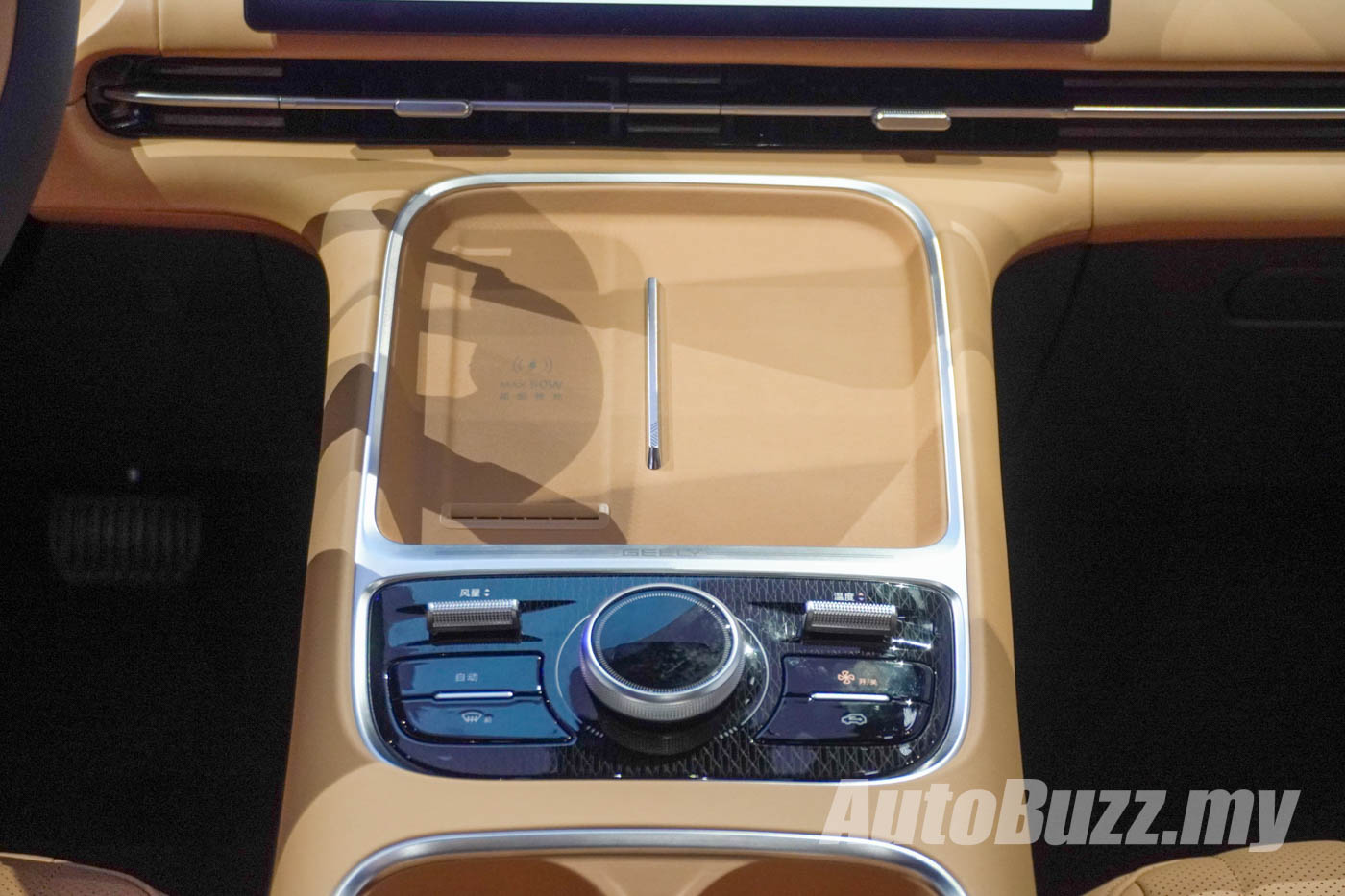
We’re scratching our heads as to why Geely has developed an EV variant of the Starship 7. Its exterior is virtually identical to the PHEV variant, with the same lighting fixtures and alloy wheels. Step inside, and it is more of the same; the cabin is a mirror image of its siblings, featuring a 15.4-inch 2.5K infotainment screen and that ubiquitous two-spoke steering wheel.
Reported by CarNewsChina, the Starship 7 EV is available in two variants equipped with either a 60.2 kWh or 68.39 kWh battery pack. These enable a CLTC-rated range of 525 km and 605 km, respectively. This is paired with a front-mounted traction motor making 218 hp (160 kW) and an estimated 300 Nm of torque.
RELATED: Could the Geely Galaxy Starshine 6 PHEV be a future Proton model?

Compare this to the Geely Galaxy E5. That SUV is available with the same two high-voltage battery packs offered on the Starship 7 EV, yet it enables a range of 530 km (CLTC) and 610 km (CLTC). These packs power a front-mounted traction motor, making an identical 218 hp but a higher 320 Nm.
Could this be Geely’s answer to customer demand for a rebodied Galaxy E5? By using the Starship 7 body, they’ve gained a marginally longer wheelbase of 2,755 mm, which is a mere 5 mm increase over the E5. Whether that half-centimetre is worth the branding headache is another question entirely.
ALSO READ: Geely’s Eva Cab is China’s first purpose-built level 4 autonomous taxi
GALLERY