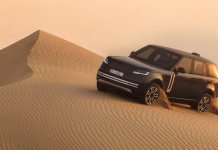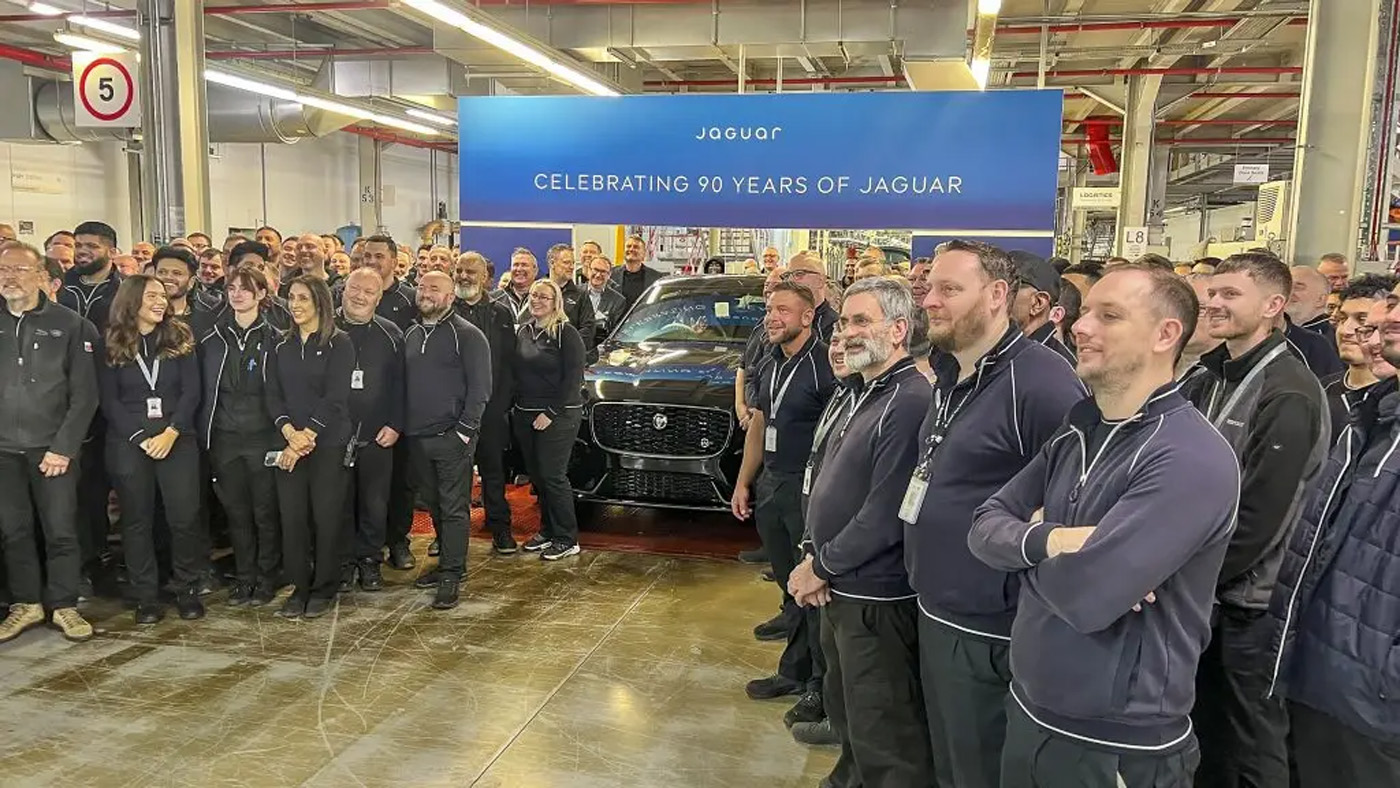
The final Jaguar F-Pace has officially rolled off the production line at Jaguar Land Rover’s (JLR) Solihull plant on 19 December 2025, and with it, so too comes the end of Jaguar’s 90-year chapter of internal combustion engine (ICE) vehicles, as the brand prepares for an electric-only future.
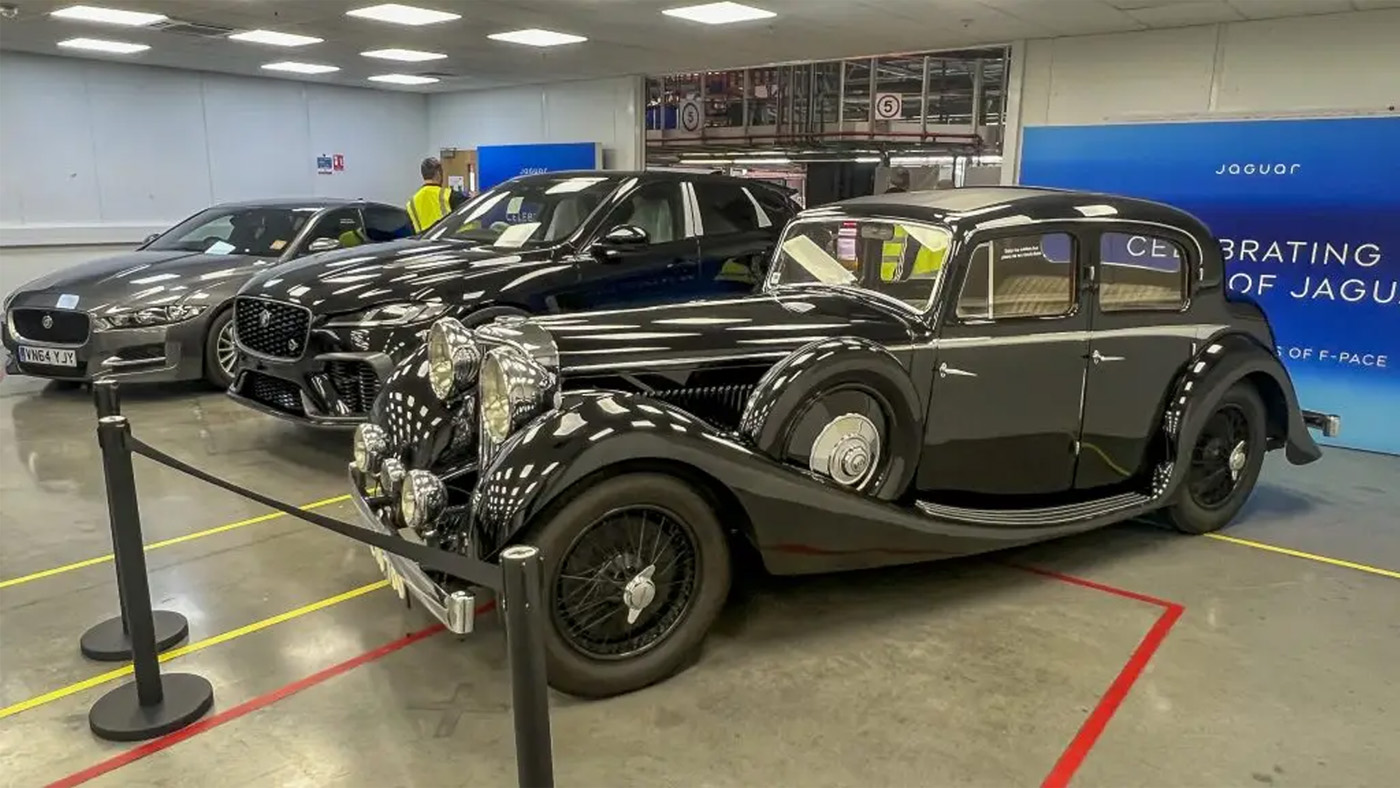
But the final example of the Jaguar F-Pace will not go on sale. Instead, it will be handed to Jaguar Daimler Heritage Trust Managing Director Matthew Davis, and preserved in the national collection at Gaydon. There, it will sit alongside other milestone models — including the final Jaguar XE and the first SS Jaguar 2.5-litre sedan — commemorating the company’s 90-year history.
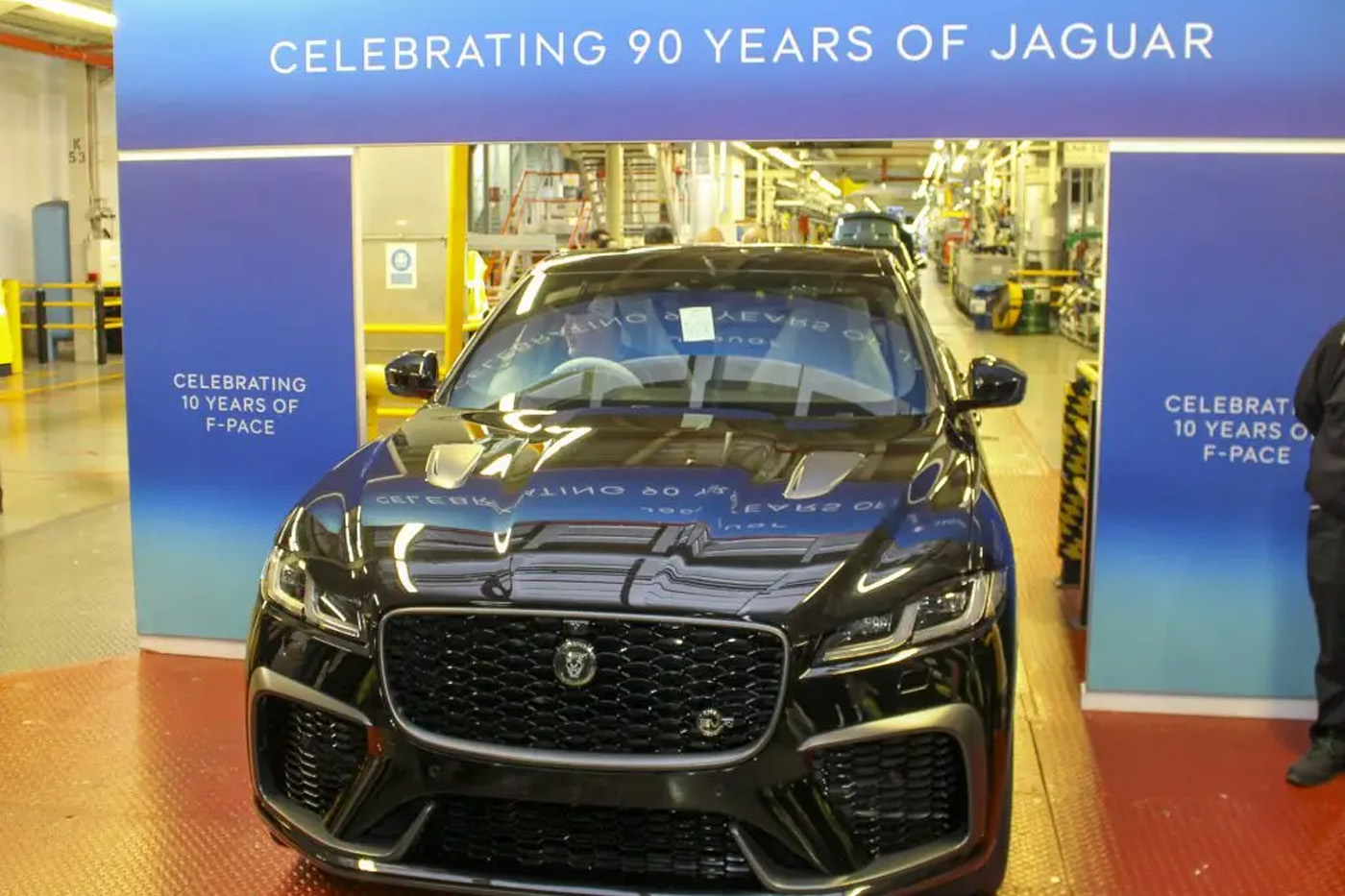
Capping off the Jaguar F-Pace’s 10-year run is a high-performance SVR variant, finished in black, according to the Jaguar Enthusiasts’ Club. Under the bonnet sits a roaring 5.0-litre supercharged V8 producing 550 hp and 700 Nm. Power is sent to all four wheels via an eight-speed automatic transmission, allowing for a 0-100 km/h sprint in 4.0 seconds and a top speed of 286 km/h.
A slightly more deviant SVR 575 edition was also available, boosting power to 575 hp while retaining the same torque, top speed, and acceleration as the standard SVR. Although not widely highlighted, this special edition was effectively a limited-run swansong model to Jaguar’s V8 legacy.
ALSO READ: Europe is considering pulling the brakes on its 2035 ICE ban
Jaguar appears dead-set on pushing forward towards an EV-only future, even as other brands have started to reconsider their electric vehicle (EV)-only strategies. Audi, Porsche, and Mercedes-Benz, among many others, have now publicly walked back on their electrification plans, while those with multi-pathway approaches, including Toyota, Hyundai, and BMW, are seemingly finding more stable footing forwards.
Even Europe’s original 2035 ICE-powered vehicle ban has now been relaxed in a recent proposal to now only a 90% carbon emissions reduction target. Under this revision, the remaining 10% emissions would need to be offset through low‑carbon steel or sustainable fuels, allowing plug‑in hybrids (PHEVs), range extenders (REEV), mild hybrids, and other non‑zero‑emission vehicles to still play a role beyond 2035.
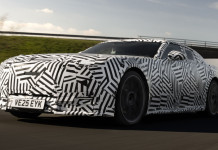
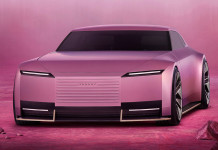
While Jaguar remains committed to bringing its ultra-luxury EV to life, it’s not clear yet what exact form it’ll take yet, as the company has recently reportedly dismissed its chief creative officer – who oversaw the company’s controversial rebrand and the divisive Type 00 concept, which was supposedly meant to signal at the British marque’s next era of vehicles.
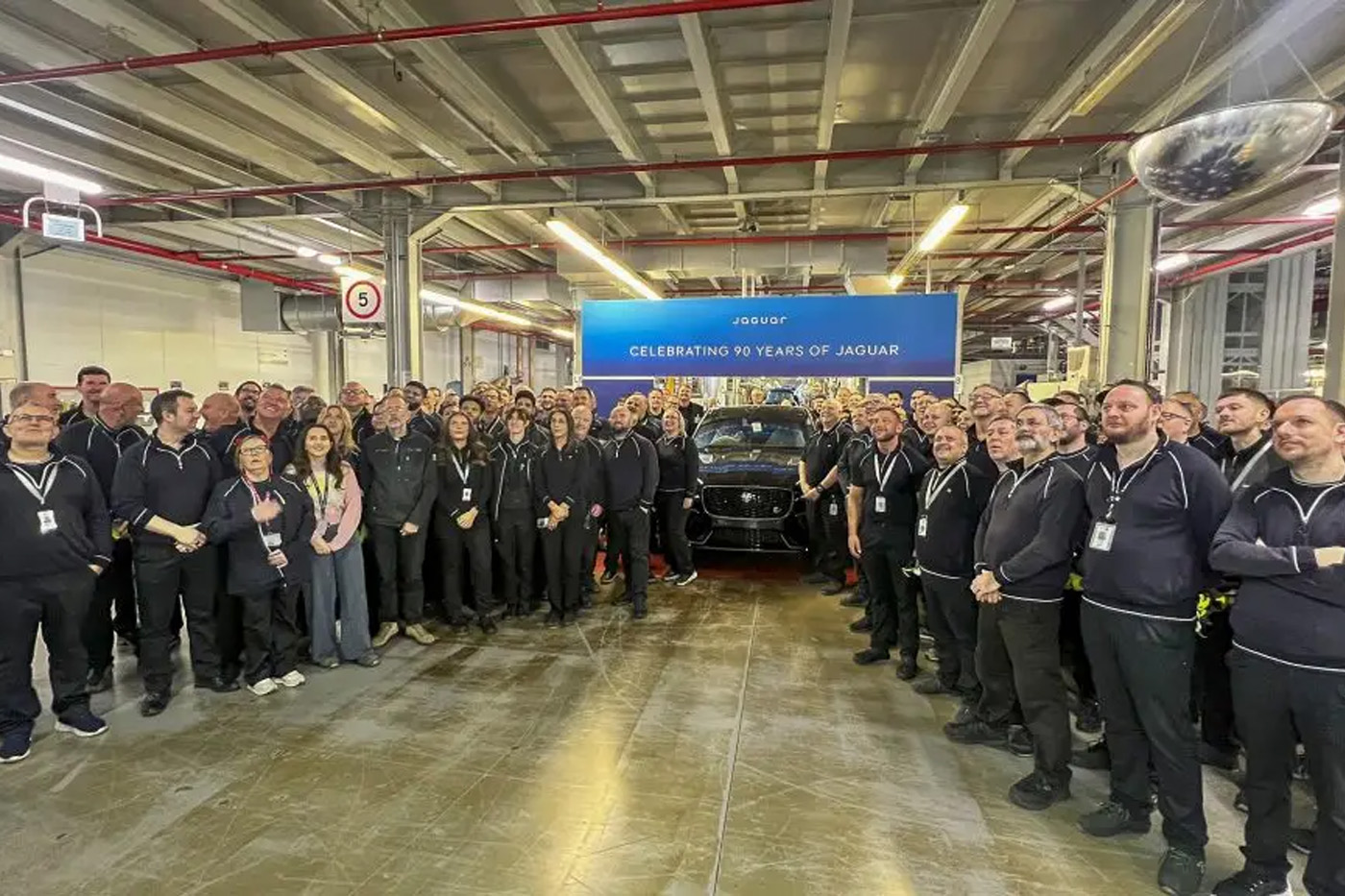
While car enthusiasts and longtime Jaguar fans mourn the brand’s farewell to ICE vehicles, staff at the Solihull plant experienced the milestone differently. Although the final F-Pace’s departure was emotional for some, the occasion “was not a backwards-looking moment. The mood was confident and forward-facing,” Jaguar Enthusiasts’ Club reported.
ALSO READ: Jaguar Land Rover’s Chief Creative Officer leaves after controversial rebranding